Research Articles
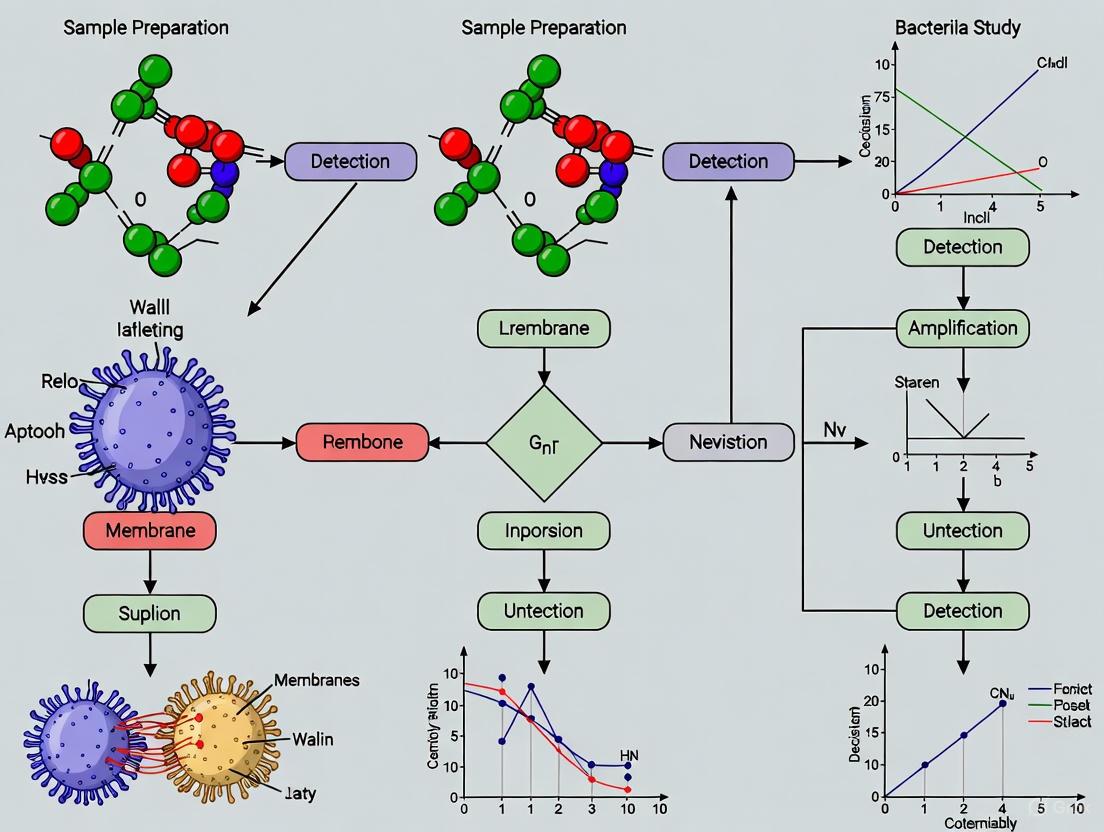
Next-Generation Pathogen Detection: Advanced Strategies for Maximizing Assay Sensitivity
This article provides a comprehensive guide for researchers and drug development professionals seeking to enhance the sensitivity of pathogen detection assays.
Beyond the Sequence: Navigating Database Limitations for Accurate Bacterial Genome Identification in Biomedical Research
Accurate bacterial genome identification is fundamental to clinical diagnostics, drug development, and public health, but its reliability is critically dependent on the reference databases used.
Overcoming the VBNC Challenge: Advanced Detection Methods for Food Safety and Public Health
The viable but non-culturable (VBNC) state is a survival strategy adopted by numerous bacterial pathogens, allowing them to evade conventional culture-based detection, thereby posing a significant threat to food safety...
Optimizing Culture Conditions for Fastidious Bacteria: Advanced Strategies for Clinical and Research Success
Cultivating fastidious bacteria remains a significant challenge in clinical microbiology and drug development, often hindering pathogen identification, antibiotic susceptibility testing, and biomedical research.
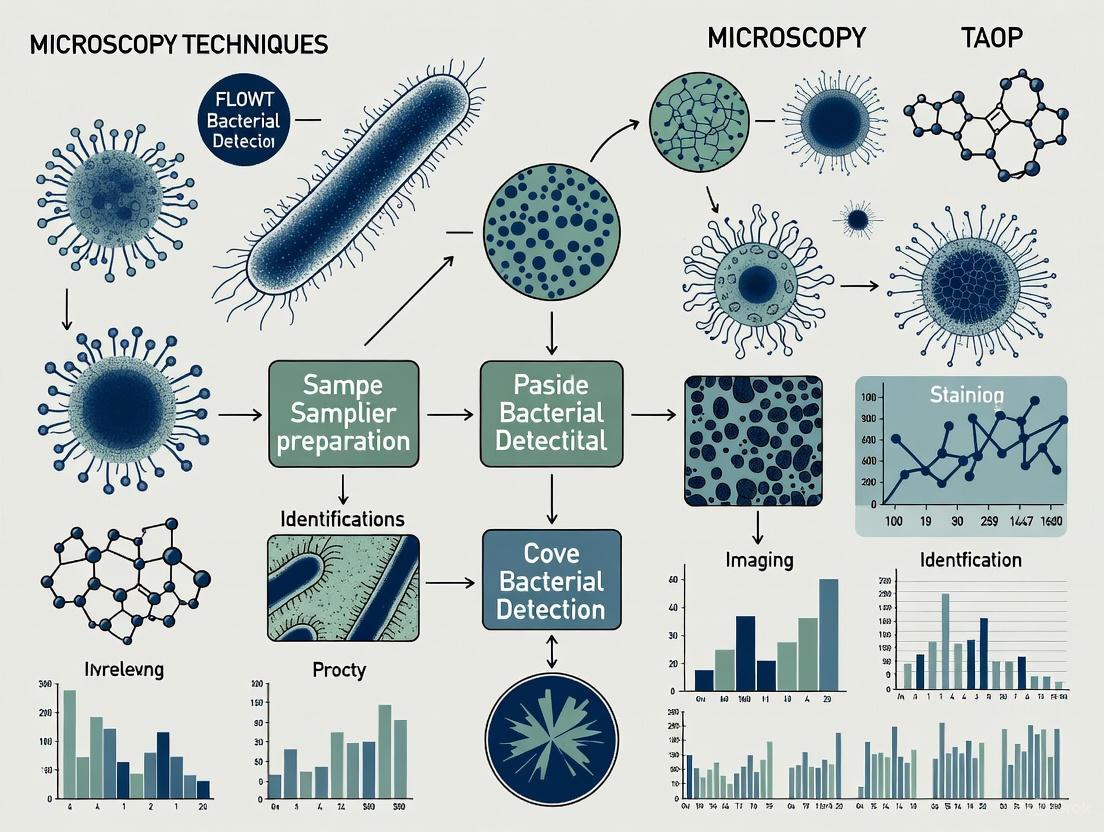
Beyond the Lens: How Emerging Microscopy and AI Are Revolutionizing Bacterial Detection
This article explores the transformative convergence of advanced microscopy, microfluidics, and artificial intelligence in bacterial detection and identification.
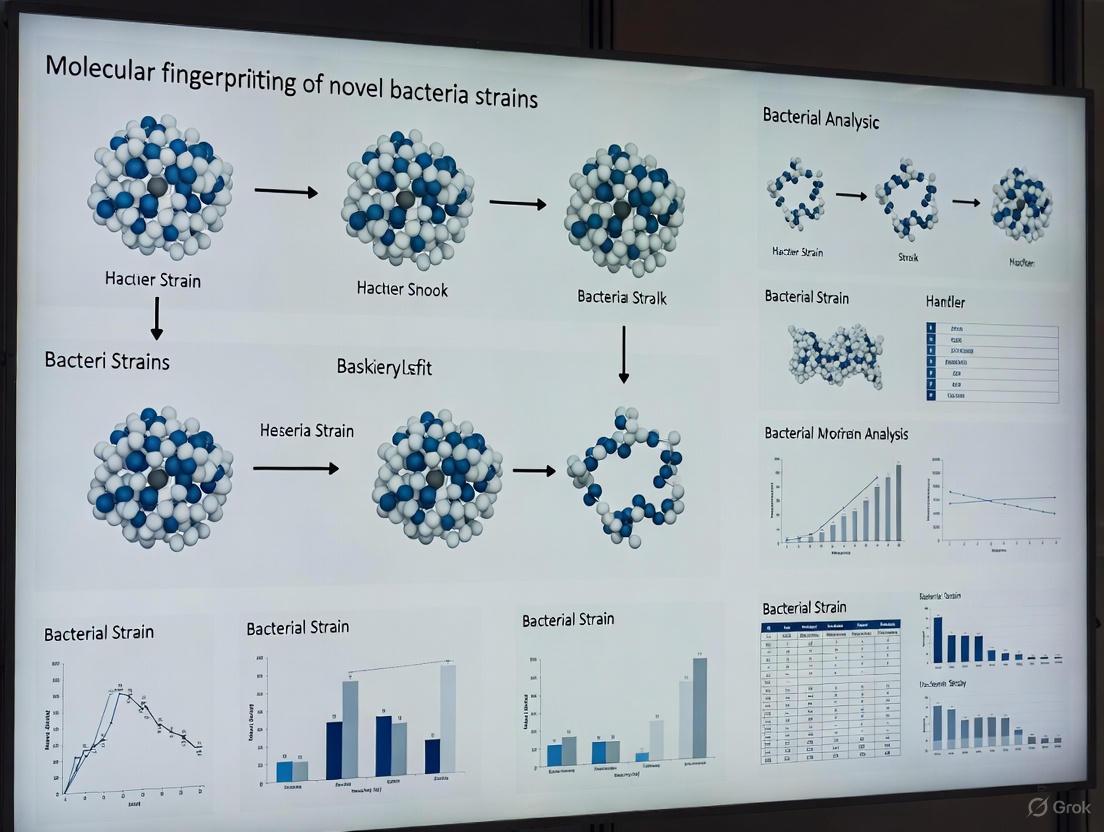
Molecular Fingerprinting of Novel Bacterial Strains: Techniques, AI Applications, and Antibiotic Discovery
This article provides a comprehensive overview of molecular fingerprinting and its pivotal role in characterizing novel bacterial strains and combating antibiotic resistance.
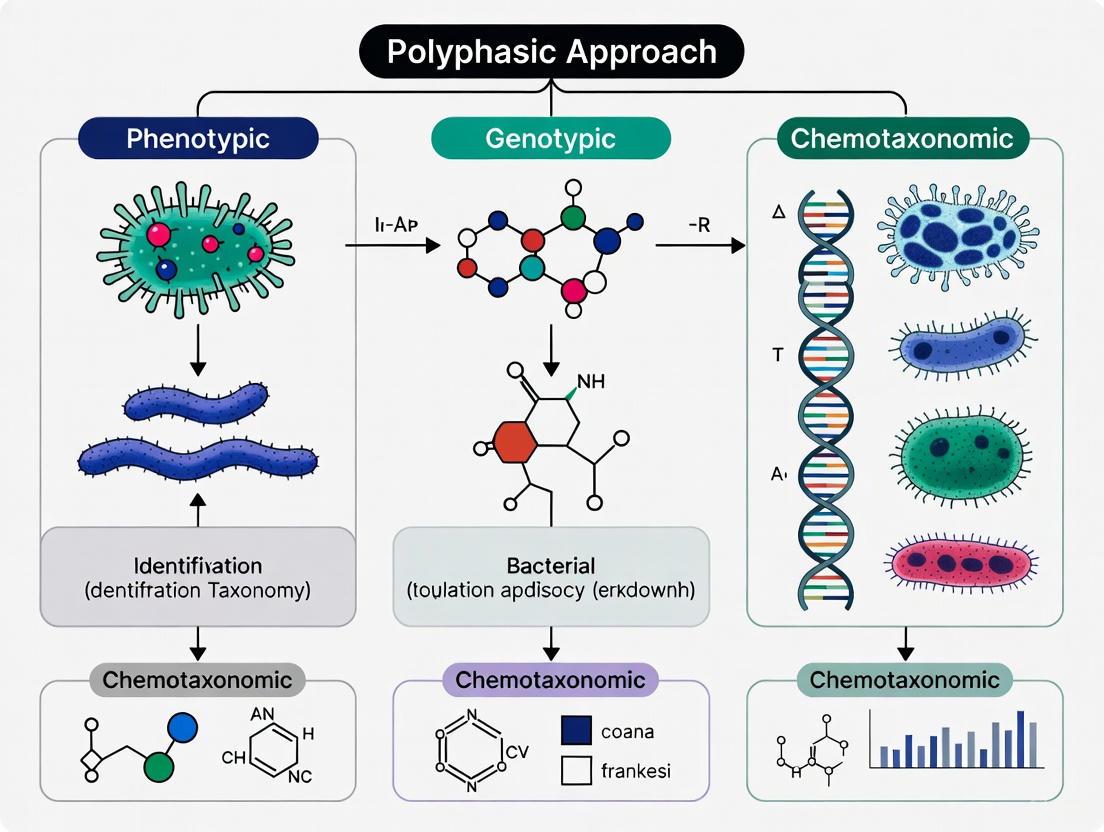
Polyphasic Taxonomy: The Comprehensive Framework for Modern Bacterial Identification and Classification
This article provides a comprehensive overview of the polyphasic taxonomic approach, which integrates phenotypic, genotypic, and phylogenetic data for robust bacterial identification and classification.
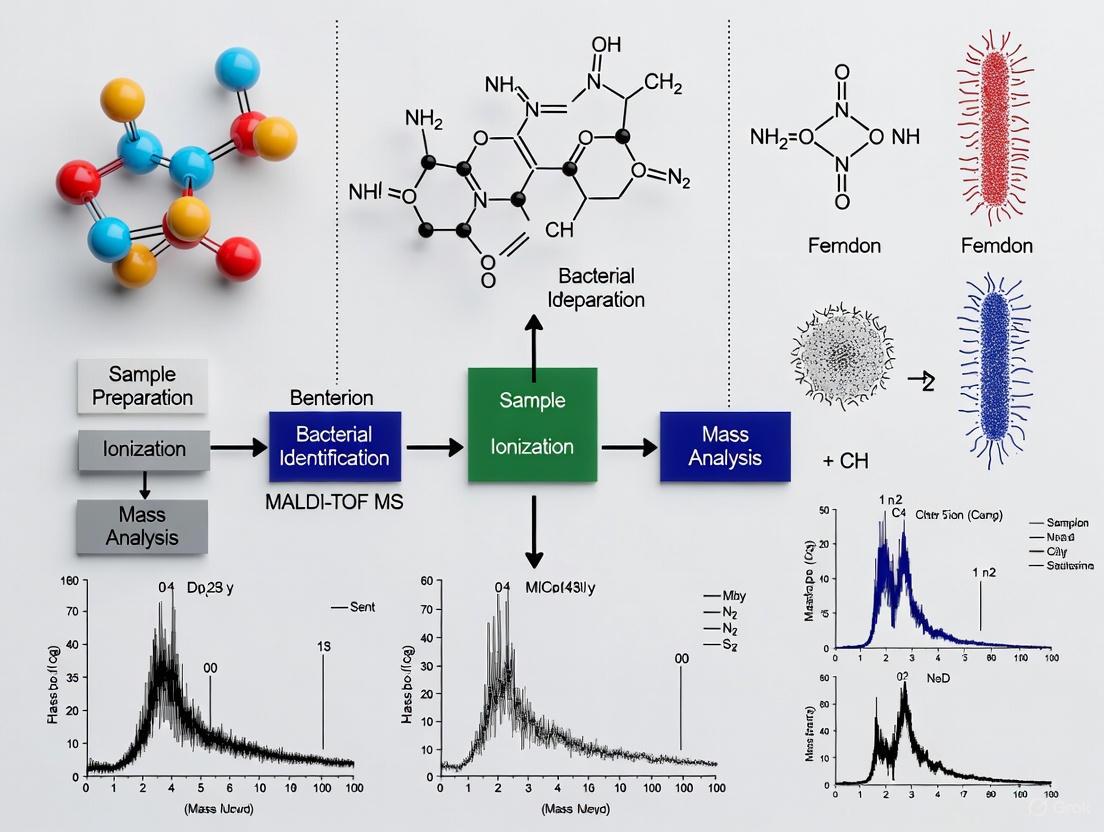
Beyond the Database: Navigating the Limitations of MALDI-TOF MS in Novel Bacterial Identification
Matrix-Assisted Laser Desorption/Ionization Time-of-Flight Mass Spectrometry (MALDI-TOF MS) has revolutionized clinical microbiology, yet significant challenges persist in its application for identifying novel and closely related bacterial species.
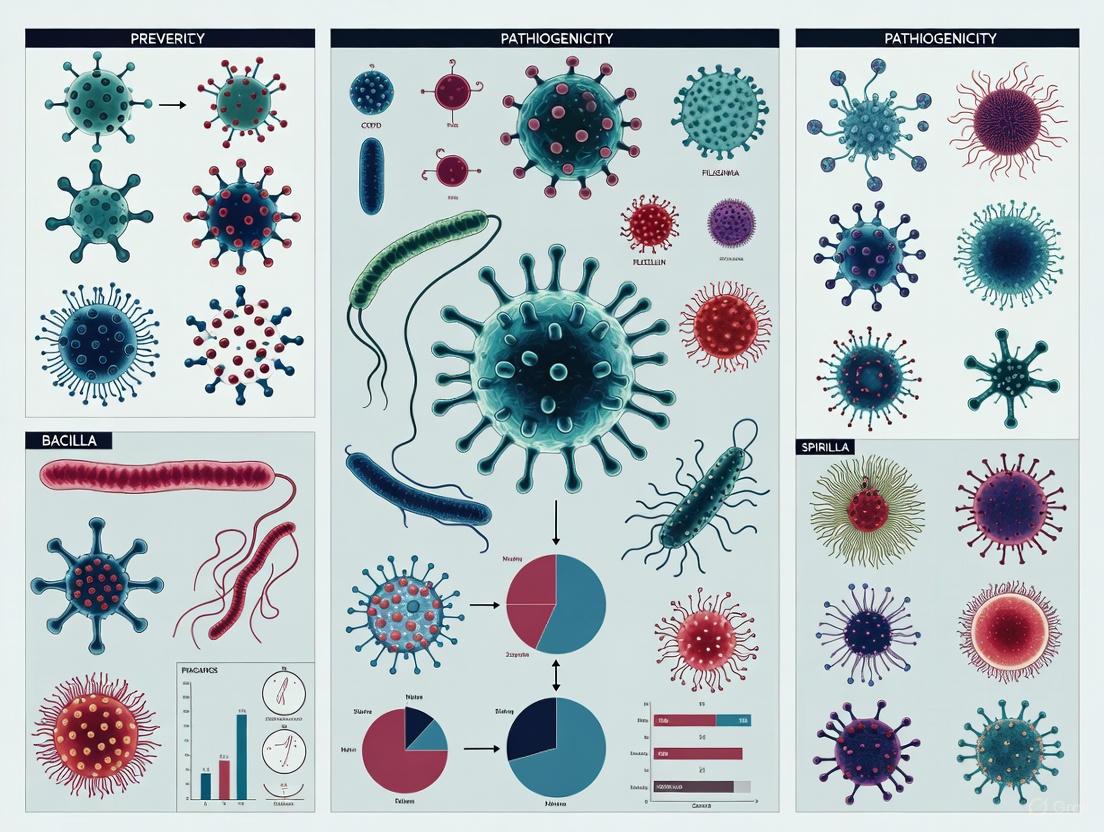
Beyond the Superbugs: Navigating the Expanding Genomic and Phenotypic Diversity of Human Bacterial Pathogens
The landscape of human bacterial pathogens is undergoing a rapid and critical expansion, driven by genomic plasticity, antimicrobial resistance (AMR), and a deeper understanding of pathogenicity mechanisms.
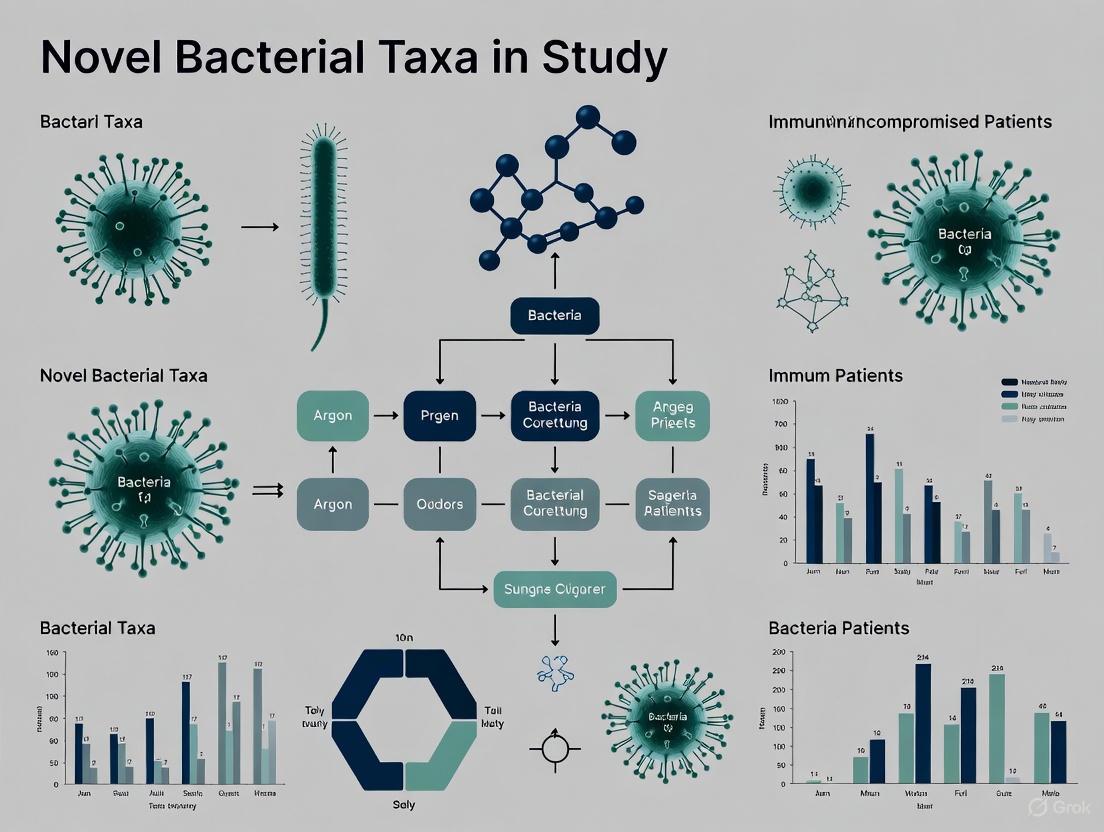
Emerging Threats and Innovative Responses: Novel Bacterial Taxa in Immunocompromised Patients
This article synthesizes current research on the discovery, clinical impact, and management of novel bacterial taxa in immunocompromised patients.