Research Articles
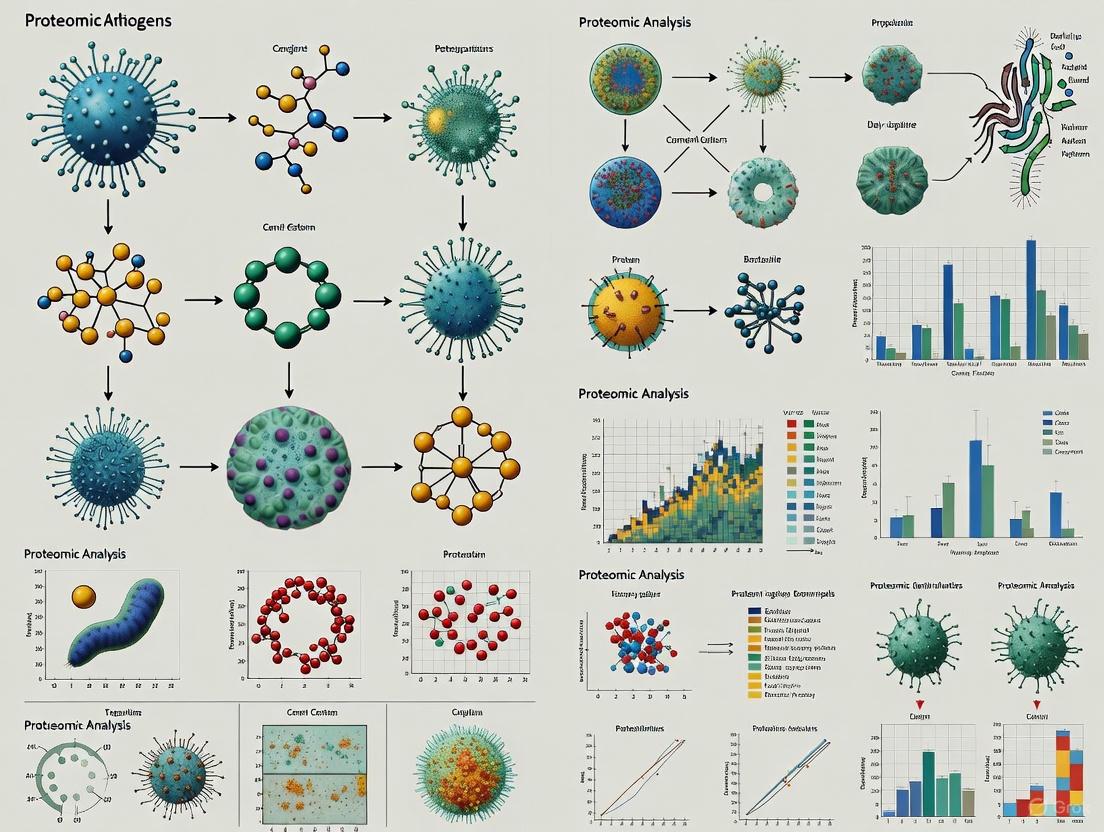
Proteomic Analysis of Unidentified Bacterial Pathogens: From Discovery to Clinical Application
This article provides a comprehensive resource for researchers and drug development professionals on the application of mass spectrometry-based proteomics for characterizing unidentified bacterial pathogens.
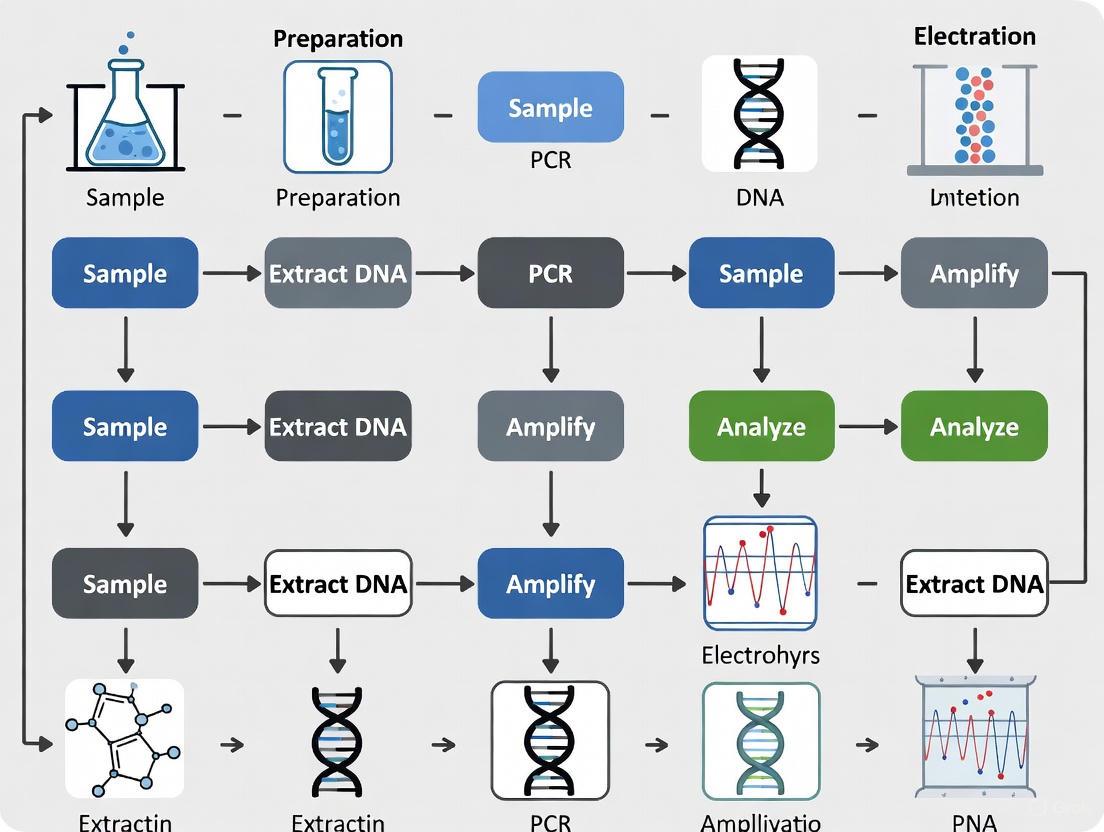
Broad-Range PCR for Uncultivated Bacteria Detection: Revolutionizing Pathogen Discovery and Clinical Diagnostics
This article explores the transformative role of broad-range PCR in detecting uncultivated and fastidious bacteria, a major challenge in clinical microbiology and microbial ecology.
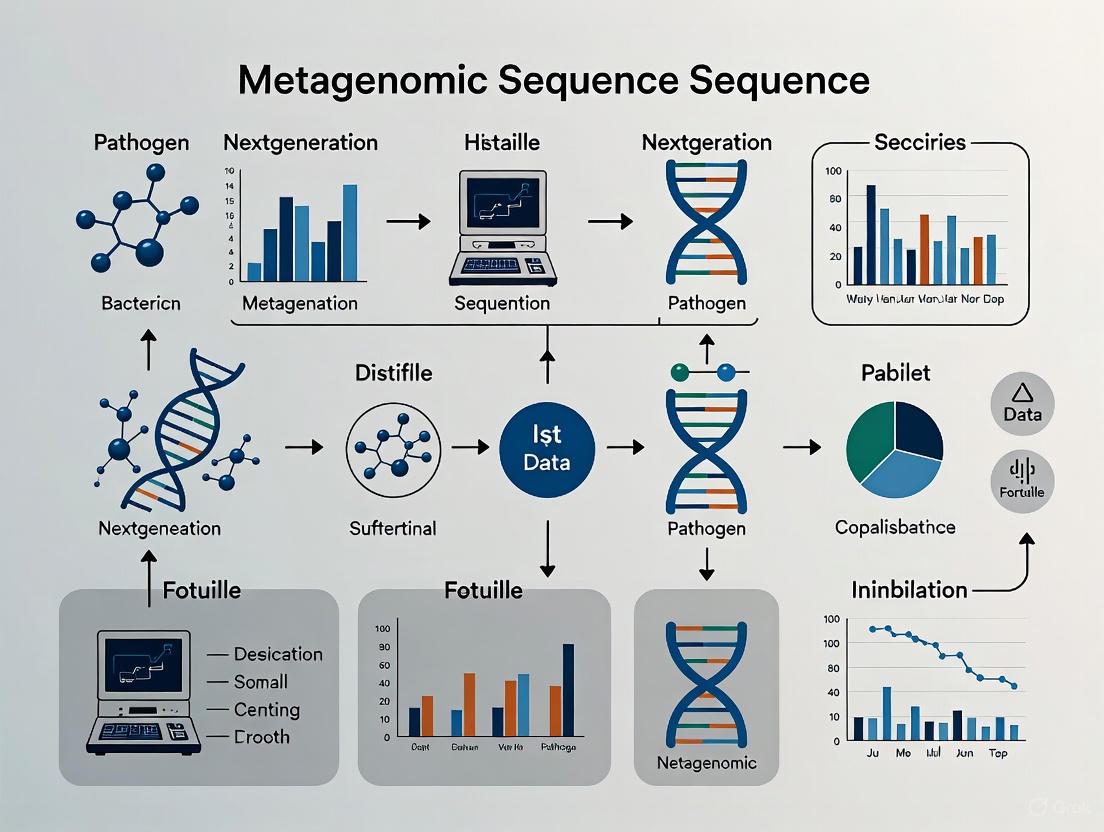
Metagenomic Next-Generation Sequencing for Pathogen Identification: A Comprehensive Guide for Biomedical Research and Therapeutic Development
Metagenomic next-generation sequencing (mNGS) is revolutionizing pathogen detection by enabling unbiased, culture-independent identification of bacteria, viruses, fungi, and parasites directly from clinical specimens.
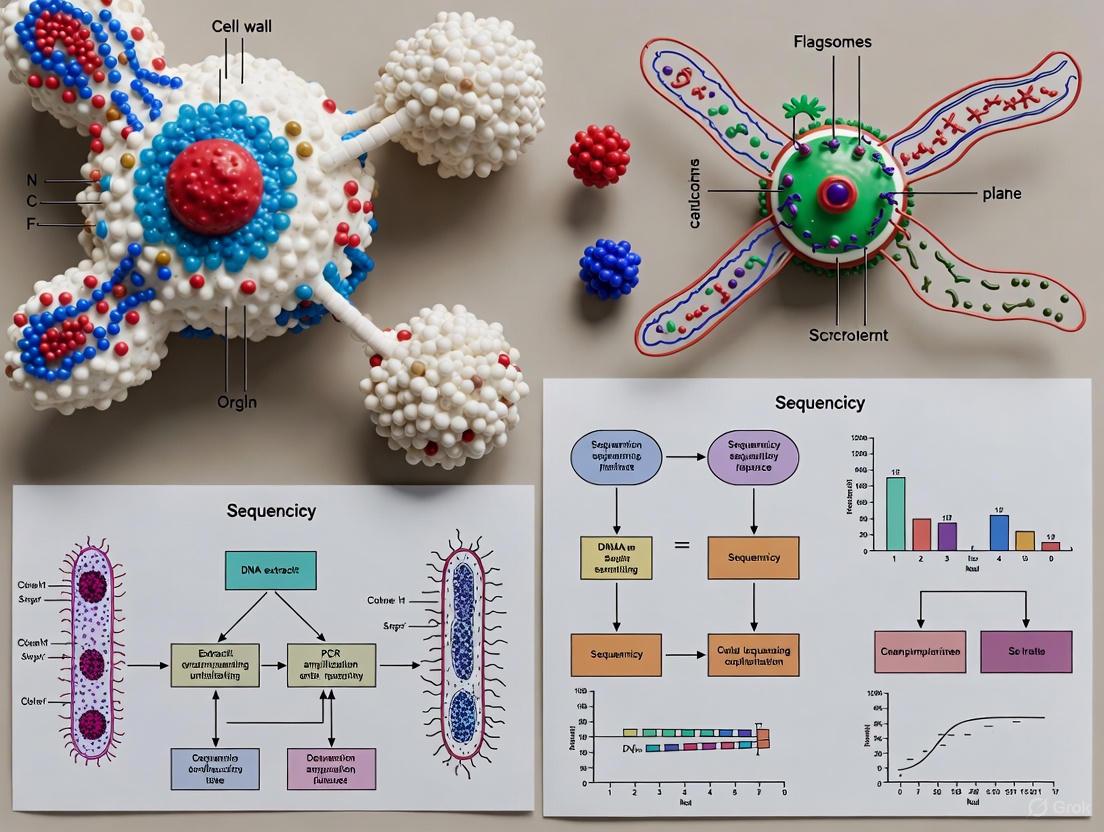
16S rRNA Gene Sequencing for Bacterial Classification: A Comprehensive Guide from Principles to Clinical Applications
This article provides researchers, scientists, and drug development professionals with a current and comprehensive overview of 16S rRNA gene sequencing for bacterial classification.
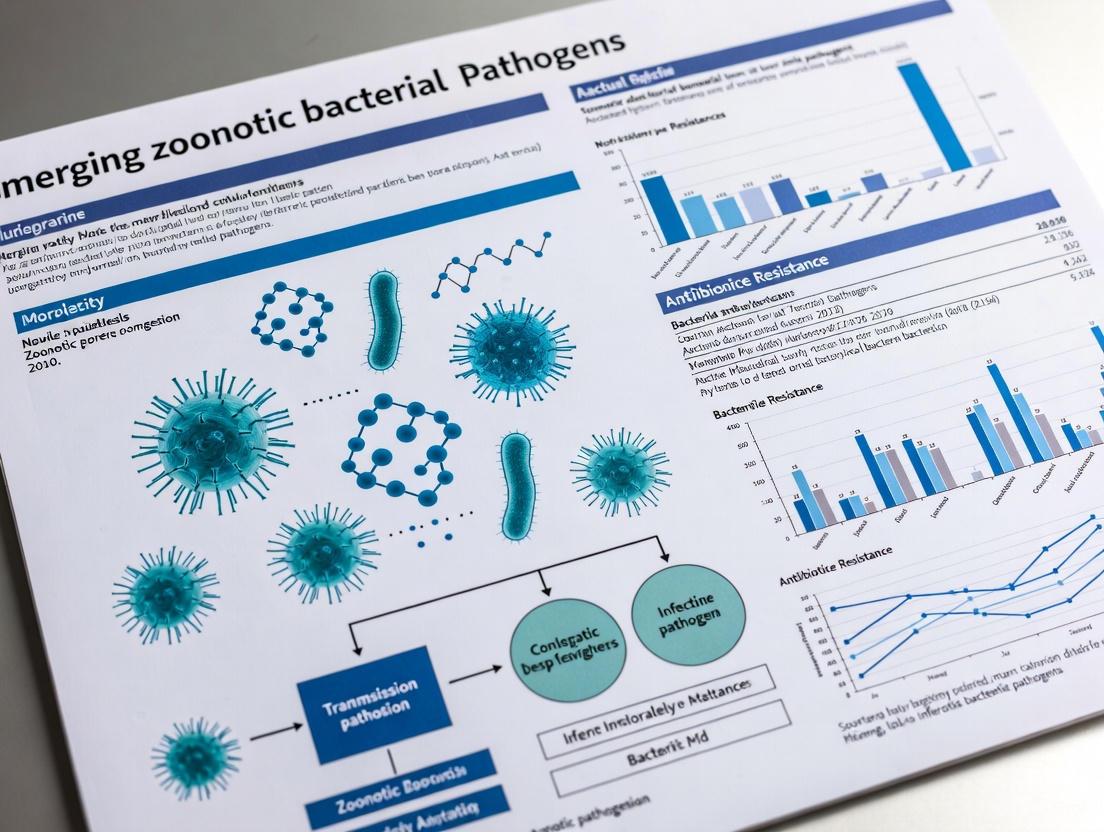
Emerging Zoonotic Bacterial Pathogens: A Research and Development Roadmap for Scientists
This article provides a comprehensive analysis of the current landscape, research methodologies, and therapeutic challenges associated with emerging zoonotic bacterial pathogens.
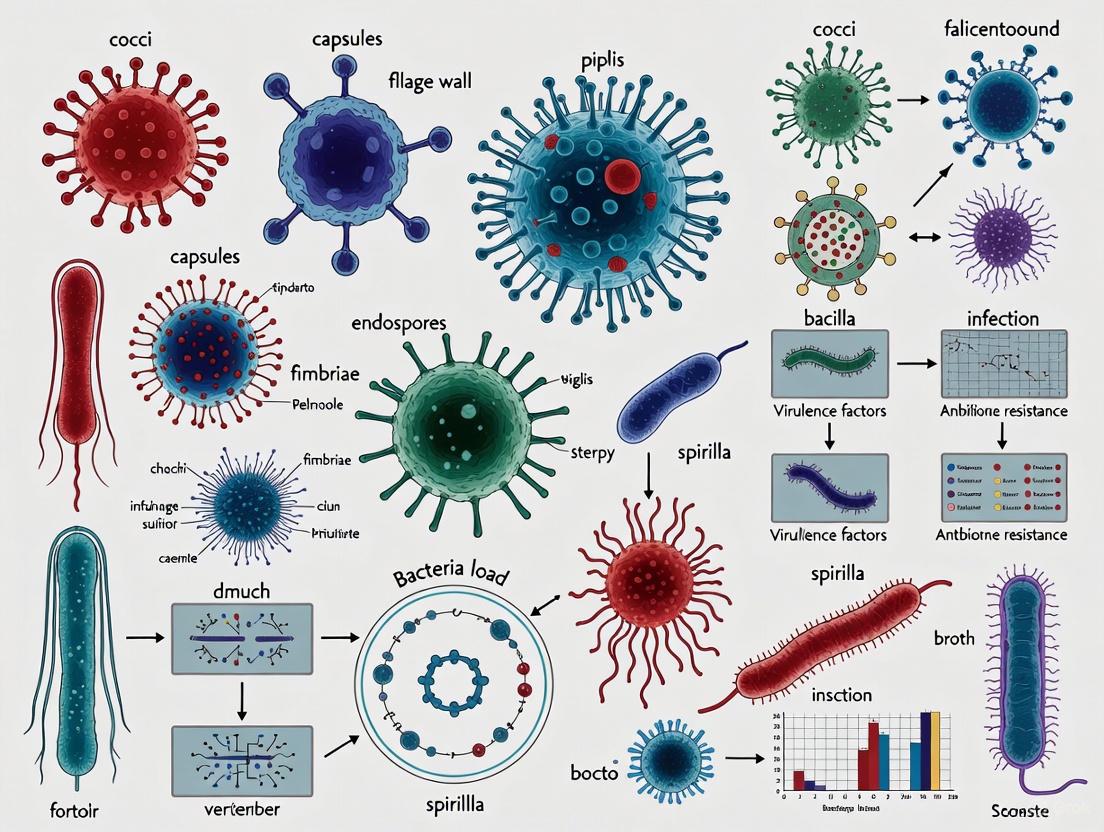
Bacterial Pathogens from Dog and Cat Bites: Etiology, Research Methodologies, and Novel Therapeutic Frontiers
This article provides a comprehensive analysis of the complex polymicrobial infections resulting from dog and cat bites, addressing the needs of researchers, scientists, and drug development professionals.
From Sample to Solution: Advanced Methods for Bacterial Discovery in Bloodstream Infections
This article provides a comprehensive overview of the evolving landscape of bacterial pathogen discovery from patient blood samples.
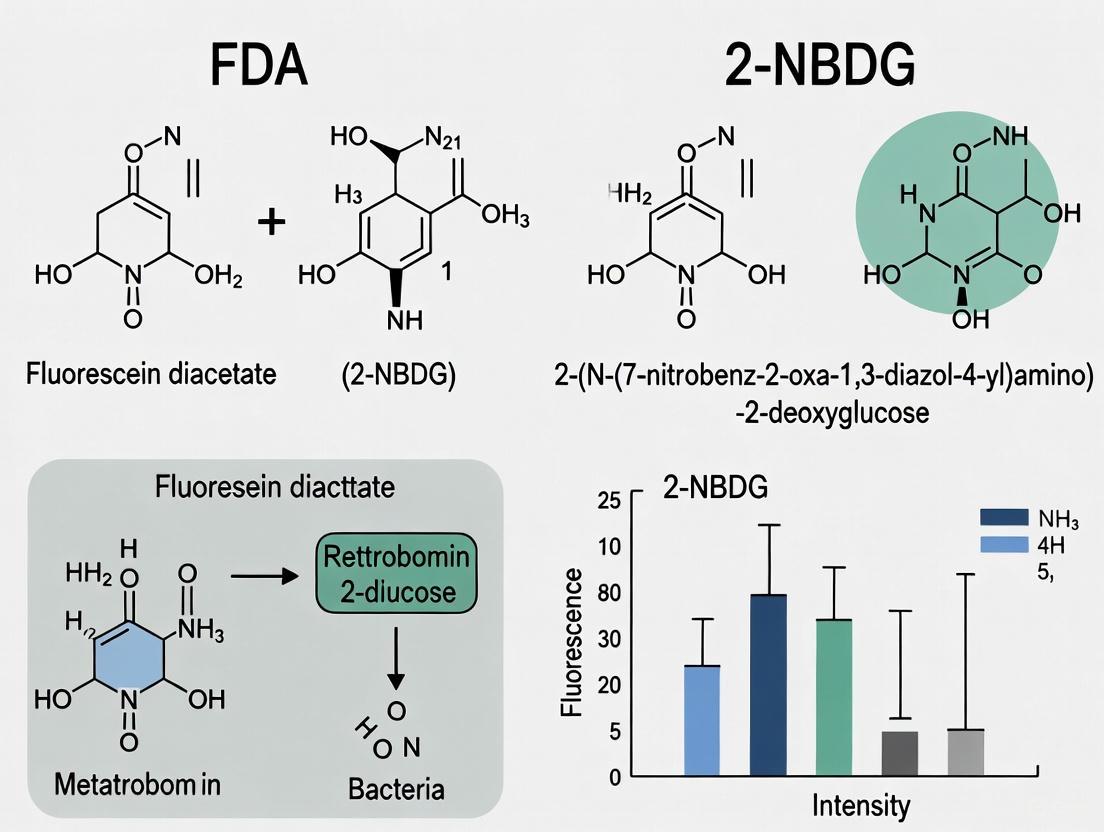
FDA vs. 2-NBDG: A Comprehensive Guide to Choosing Fluorescent Viability Dyes
This article provides a detailed comparative analysis of two prominent fluorescent dyes used for cell viability assessment: Fluorescein Diacetate (FDA) and 2-NBDG.
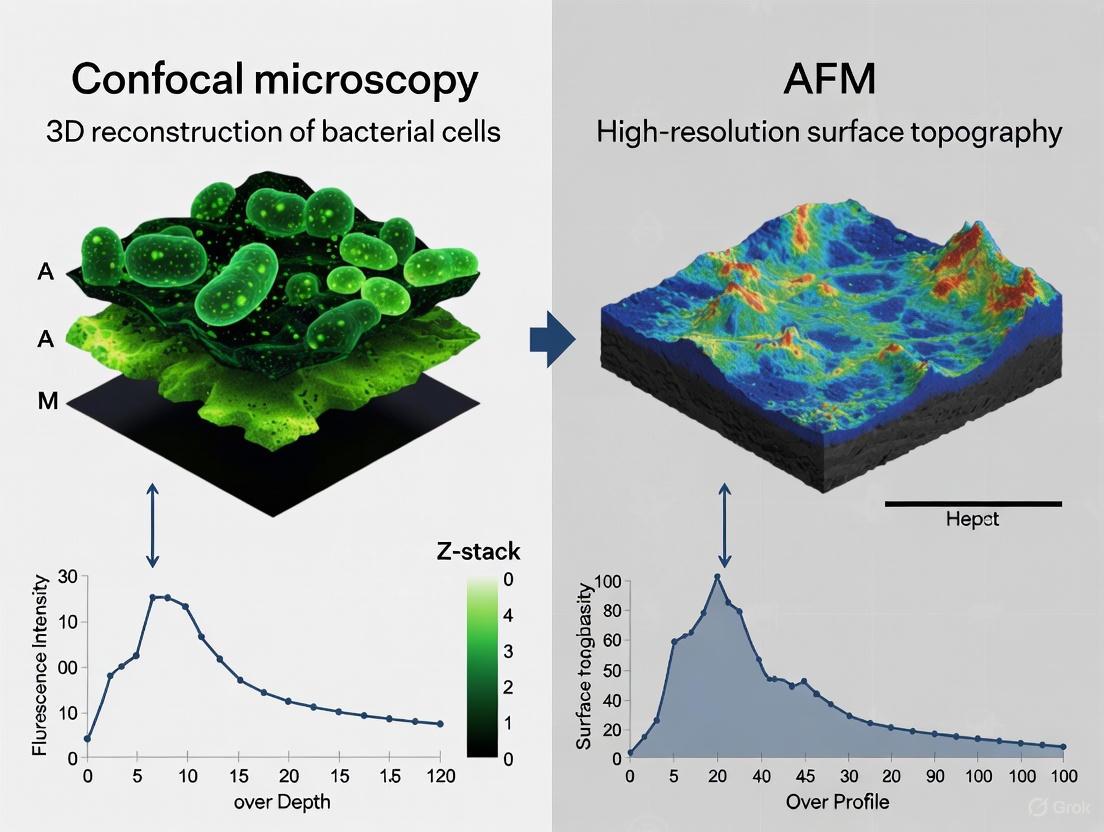
Confocal Microscopy vs. AFM: A Strategic Guide to Biofilm Architecture Analysis for Researchers
Analyzing the complex three-dimensional architecture of biofilms is crucial for combating their role in persistent infections and antimicrobial resistance.
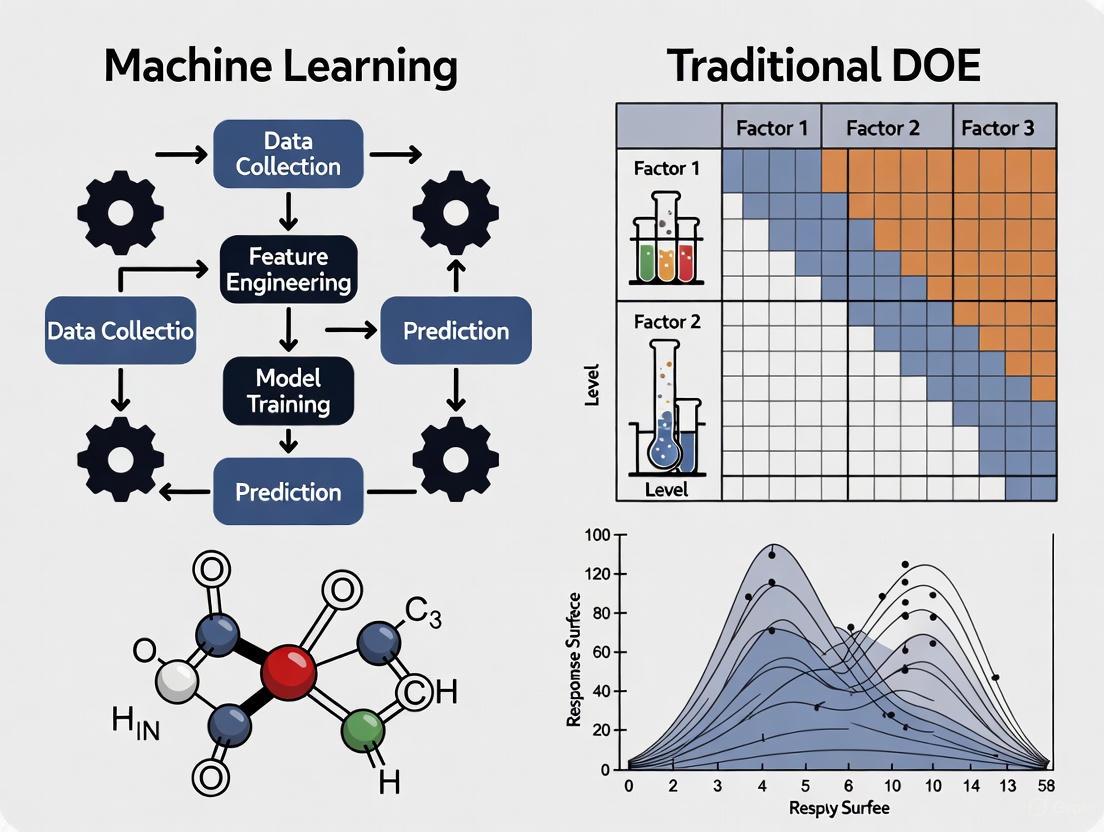
Beyond Trial and Error: Machine Learning vs Traditional DOE for Bioprocess Medium Optimization
This article provides a comprehensive comparison between Traditional Design of Experiments (DOE) and Machine Learning (ML)-guided DOE for medium optimization in biomedical and clinical research.