Beyond the Database: Navigating the Limitations of MALDI-TOF MS in Novel Bacterial Identification
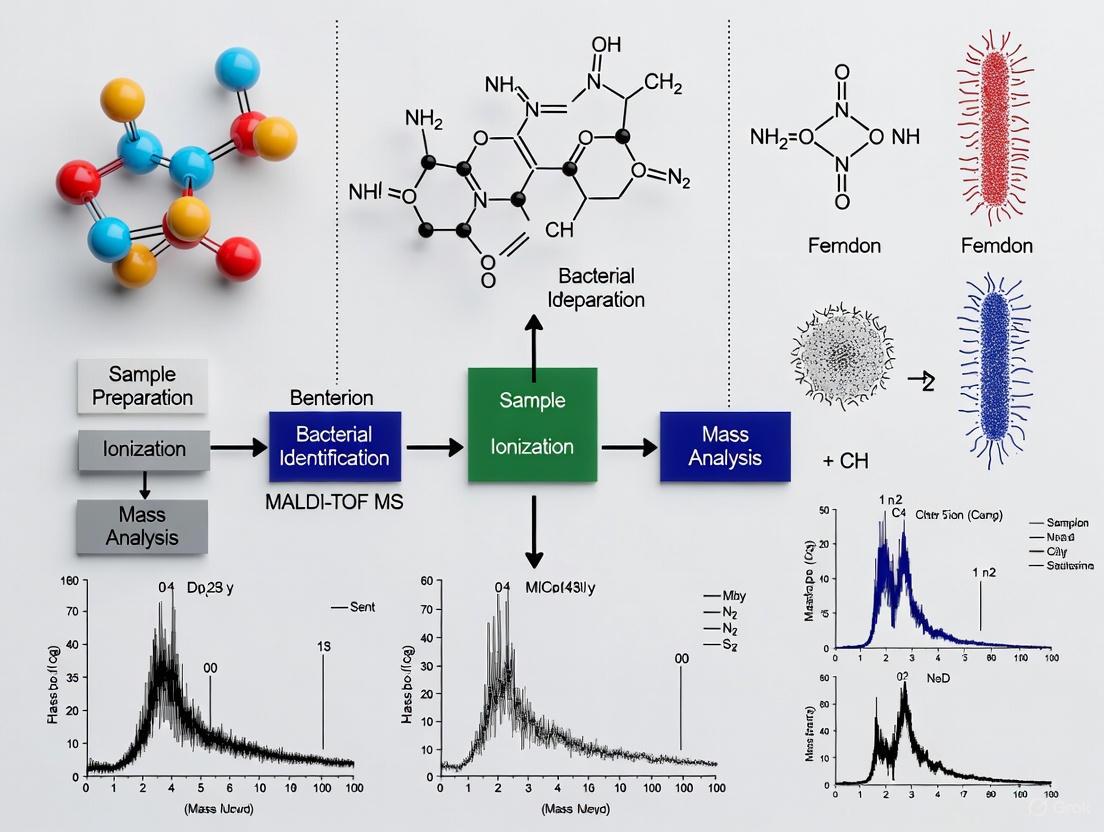
Matrix-Assisted Laser Desorption/Ionization Time-of-Flight Mass Spectrometry (MALDI-TOF MS) has revolutionized clinical microbiology, yet significant challenges persist in its application for identifying novel and closely related bacterial species.
Beyond the Database: Navigating the Limitations of MALDI-TOF MS in Novel Bacterial Identification
Abstract
Matrix-Assisted Laser Desorption/Ionization Time-of-Flight Mass Spectrometry (MALDI-TOF MS) has revolutionized clinical microbiology, yet significant challenges persist in its application for identifying novel and closely related bacterial species. This article provides a critical analysis for researchers and drug development professionals, exploring the foundational limitations rooted in database dependency and spectral library gaps. It delves into methodological hurdles in sample preparation and protocol standardization, while offering actionable troubleshooting and optimization strategies for database enhancement and strain differentiation. Finally, the piece presents a comparative validation of emerging technologies and advanced proteomic approaches, assessing their potential to overcome current limitations and shape the future of microbial diagnostics and resistance detection.
The Core Hurdles: Foundational Limitations in Novel Bacterium Identification
Matrix-Assisted Laser Desorption/Ionization Time-of-Flight Mass Spectrometry (MALDI-TOF MS) has revolutionized microbial identification in clinical and research laboratories, offering rapid, accurate, and cost-effective analysis compared to traditional phenotypic and molecular methods [1] [2]. The technique relies on creating a characteristic mass spectral fingerprint, primarily from highly abundant ribosomal proteins in the 2-20 kDa mass range, and comparing it against reference libraries [1]. However, this fundamental strength introduces a critical limitation: the technology's effectiveness is inherently constrained by the comprehensiveness and quality of its underlying database [3] [4] [5]. For researchers investigating novel bacterial species or working with highly specialized pathogens, this database dependency creates a significant analytical dilemma, potentially leading to misidentifications or failed identifications that undermine drug discovery and diagnostic development efforts.
Quantitative Assessment of Database Limitations
The performance of MALDI-TOF MS is directly quantifiable through identification rates across different microbial groups, highlighting the impact of database coverage.
Table 1: MALDI-TOF MS Identification Accuracy Across Microbial Groups
| Microbial Group | Genus-Level ID Rate | Species-Level ID Rate | Key Limitations |
|---|---|---|---|
| Anaerobic Bacteria (6,685 strains) [6] | 92% | 84% | Lower accuracy for rare anaerobes |
| Dermatophytes [4] | Variable | 30.0-78.9% (T. mentagrophytes group) | Low agreement between databases |
| Highly Pathogenic Bacteria [5] | High with specialized DB | Dependent on public DB | Requires specialized, validated databases |
| Common Anaerobes (Bacteroides) [6] | - | 96% | Performance varies by genus |
Table 2: Impact of Database Combinations on Identification Performance
| Database Strategy | Species-Level Identification | Remaining Challenges |
|---|---|---|
| Commercial Database Alone [4] | Lower accuracy for closely-related species | Misidentification of T. interdigitale and T. tonsurans |
| Combined Commercial & In-House Database [4] | Improved accuracy and reliability | Requires significant resource investment |
| Web-Based Open-Access Database [4] | Emerging potential | Requires further multi-center validation |
Experimental Protocols for Database Enhancement
Protocol 1: Creation of an In-House Reference Spectra Library
This protocol enables researchers to expand existing databases to include novel or poorly represented bacterial isolates, thereby enhancing identification capabilities for specialized research applications.
Sample Preparation (Formic Acid/Acetonitrile Extraction) [3] [4]:
- Harvest 3-5 microbial colonies and suspend in 300 µL of ultra-purified water.
- Add 900 µL of 100% ethanol and vortex for 10 minutes.
- Centrifuge at 13,000 rpm for 1 minute and discard supernatant completely.
- Air-dry pellet at room temperature for 5 minutes.
- Add 20 µL of 70% formic acid and mix thoroughly by pipetting.
- Add 20 µL of 100% acetonitrile and mix thoroughly.
- Centrifuge at 13,000 rpm for 1 minute.
- Spot 1 µL of supernatant onto a MALDI target plate in triplicate.
- Air-dry at room temperature and overlay with 1 µL of α-cyano-4-hydroxycinnamic acid (HCCA) matrix solution.
Mass Spectrometry Data Acquisition [4]:
- Acquire spectra using a MALDI-TOF mass spectrometer (e.g., MBT Smart MALDI Biotyper).
- Operate in linear positive mode with a laser frequency of 60 Hz.
- Set mass range from 2,000 to 20,000 Da.
- Accumulate a minimum of 240 shots per spectrum across different spot locations.
- For each strain, deposit sample in 8 positions with 3 technical replicates each (24 spectra total).
Main Spectrum Profile (MSP) Creation [4]:
- Inspect all spectra using flexAnalysis software to exclude outliers and flat-line spectra.
- Select a minimum of 20 high-quality spectra per strain.
- Import high-quality spectra into database creation software (e.g., MBT Compass Explorer).
- Create MSP by aligning and averaging selected spectra to generate a consensus reference profile.
- Validate new MSPs by testing against known reference strains before implementing for unknown identification.
Protocol 2: Secure Processing of Highly Pathogenic Bacteria
For research involving BSL-3 pathogens, this inactivation protocol ensures safety while maintaining spectral quality [5].
Trifluoroacetic Acid (TFA) Inactivation Method:
- Harvest bacterial cells (equivalent of three 1 µL plastic loops, ≈4 mg) into 20 µL sterile water.
- Add 80 µL of pure TFA and incubate for 30 minutes at room temperature.
- Dilute the solution tenfold with HPLC-grade water.
- Mix microbial sample solution with concentrated HCCA matrix solution (12 mg/mL in TA2 solvent: 2:1 acetonitrile to 0.3% TFA).
- Spot 2 µL of the mixture onto steel target plates for MALDI-TOF MS analysis.
Visualization of Database Enhancement Workflow
The Scientist's Toolkit: Essential Research Reagent Solutions
Table 3: Key Research Reagents for MALDI-TOF MS Database Enhancement
| Reagent/Material | Function | Application Notes |
|---|---|---|
| α-cyano-4-hydroxycinnamic acid (HCCA) | Energy-absorbent matrix | Promotes soft ionization of analytes; prepare saturated solution in TA2 (2:1 ACN:0.3% TFA) [5] |
| Formic Acid (70%) | Protein extraction solvent | Disrupts microbial cell walls; essential for fungi and Gram-positive bacteria [3] |
| Acetonitrile (100%) | Protein solubilization | Enhances protein extraction efficiency; used after formic acid treatment [3] |
| Ethanol (100%) | Cell fixation and washing | Improves cell lysis and peak quality; used for washing steps before extraction [3] |
| Trifluoroacetic Acid (TFA) | Microbial inactivation | Complete inactivation of BSL-3 pathogens including bacterial spores [5] |
| Sabouraud Agar | Fungal culture medium | Standardized medium for dermatophyte cultivation prior to analysis [4] |
Advanced Applications and Future Directions
Machine learning approaches are emerging as promising solutions to the database dilemma. The Maldi Transformer model represents a significant advancement, employing self-supervised pre-training specifically designed for mass spectra analysis [7]. This approach demonstrates state-of-the-art performance on downstream prediction tasks and can identify noisy spectra, potentially reducing reliance on exhaustive reference libraries. Furthermore, publicly available databases such as the RKI HPB database (containing 11,055 spectra from 1,601 microbial strains) provide valuable resources for training such models and improving identification of rare pathogens [5].
For novel bacteria research, establishing a combinatorial approach is critical. This should include robust in-house database development following standardized protocols, utilization of open-access spectral repositories, and implementation of advanced computational methods that can identify phylogenetic neighbors when exact matches are unavailable in reference libraries.
Matrix-Assisted Laser Desorption/Ionization Time-of-Flight Mass Spectrometry (MALDI-TOF MS) has revolutionized microbial identification in clinical microbiology, offering unparalleled speed, cost-effectiveness, and accuracy compared to traditional biochemical and molecular methods [8] [2]. The technology operates on a fundamental principle: it generates mass spectral fingerprints from highly abundant microbial proteins, primarily ribosomal proteins in the 2,000-20,000 Dalton range, which are then matched against reference spectral libraries for identification [9] [10]. The identification process relies exclusively on comparing the acquired spectrum against a database of known spectral fingerprints; without a robust reference spectrum, identification fails or becomes erroneous [9].
The performance of MALDI-TOF MS is therefore intrinsically tied to the depth, breadth, and quality of its underlying spectral libraries [5]. This dependency creates a significant vulnerability: the paucity of data for rare and emerging pathogens. While commercial databases perform exceptionally well for commonly encountered clinical isolates, they often lack sufficient spectral entries for unusual environmental species, newly discovered pathogens, or highly pathogenic bacteria requiring specialized biocontainment [2] [5]. This review details the quantitative evidence of these gaps, explores their implications for novel bacteria research, and provides actionable protocols and solutions for the scientific community.
Quantitative Analysis of Spectral Library Gaps
The limitations of commercial databases become critically apparent when working with microorganisms beyond routine clinical isolates. The following tables summarize the current landscape and specific shortcomings.
Table 1: Coverage of Commercial MALDI-TOF MS Databases (as of 2021-2024)
| Database/Platform | Reported Coverage (FDA Cleared) | Notable Gaps and Limitations |
|---|---|---|
| VITEK MS (bioMérieux) | 332 bacteria/yeasts; 50 molds; 19 mycobacteria (groups representing 1316 species) [2] | Limited coverage for highly pathogenic bacteria (HPB); database variability affects rare pathogen ID [8] [5] |
| MALDI Biotyper (Bruker) | 294 bacteria; 40 yeasts (covering 425 species) [2] | Same as above; public databases show successful ID of only ~8% of microorganisms vs. genetic methods [9] |
| Public RKI Database (ZENODO) | 1,601 strains; 264 species; 11,055 spectra (focus: HPB) [5] | Specialized scope; requires integration; not all instrument vendors support user-expanded libraries easily |
Table 2: Documented Limitations in Distinguishing Closely Related Species
| Category of Microorganism | Specific Examples of Indistinguishable Species/Complexes | Inherent Challenge |
|---|---|---|
| Gram-Negative Bacteria | Shigella and Escherichia coli [9] | High genetic and proteomic similarity |
| Bordetella pertussis and Achromobacter ruhlandii [9] | Spectral pattern overlap | |
| Gram-Positive Bacteria | Enterobacter cloacae complex (e.g., E. asburiae, E. cloacae, E. hormaechei) [9] | Nearly identical ribosomal protein mass patterns |
| Anaerobic Bacteria | Bacteroides nordii and B. salyersiae [9] | Limited database entries and spectral resolution |
The consequences of these gaps are not merely academic. Misidentifications have been reported, such as false-positive identifications of B. cereus or B. thuringiensis isolates as Bacillus anthracis when using certain commercial library extensions, disrupting routine procedures and causing significant concern [5]. Furthermore, a large-scale benchmarking study demonstrated that while machine learning models can achieve good identification for known species, their performance drops significantly when encountering novel species not present in the training data [11].
Experimental Protocols for Bridging the Data Gap
To overcome the limitations of commercial databases, researchers must create custom, high-quality spectral libraries for their target organisms. The following protocol, synthesized from established and highly-cited methodologies, provides a robust framework.
Protocol: Building a Custom Spectral Database for Rare Pathogens
Principle: To acquire reproducible, high-quality MALDI-TOF mass spectra from bacterial strains and curate them into a validated in-house database for reliable identification of rare pathogens.
I. Sample Preparation (Two Standard Methods)
Ethanol-Formic Acid Extraction (Standard for Most Bacteria) [9] [5]
- Harvesting: Using a sterile loop, transfer approximately 1 mg of biomass (equivalent to a full 1 μL loop) from a fresh, pure culture (18-24 hours old) to a 1.5 mL microcentrifuge tube.
- Inactivation: Add 300 μL of molecular-grade water and vortex thoroughly.
- Cell Washing/Inactivation: Add 900 μL of absolute ethanol. Vortex and then centrifuge at high speed (e.g., 13,000-15,000 x g) for 2 minutes.
- Pellet Formation: Carefully decant the supernatant. Briefly centrifuge again and remove residual liquid with a pipette.
- Protein Extraction: Air-dry the pellet for a few minutes to evaporate residual ethanol. Add 2-10 μL of 70% formic acid (highly corrosive, use in fume hood) and pipette to mix. Then add an equal volume of 100% acetonitrile. Vortex and centrifuge.
- Spotting: Transfer 1 μL of the clear supernatant to a clean MALDI target plate. Allow to dry at room temperature.
- Matrix Application: Overlay the spot with 1 μL of HCCA matrix solution (saturated solution in 50% acetonitrile/2.5% trifluoroacetic acid) and allow to crystallize completely.
Trifluoroacetic Acid (TFA) Inactivation Protocol (For BSL-3 Pathogens) [5]
- Harvesting and Suspension: Suspend the equivalent of three full 1 μL loops (~4 mg) of biomass in 20 μL of sterile water.
- Secure Inactivation: Add 80 μL of pure TFA. Incubate for 30 minutes at room temperature in a fume hood. This step ensures complete microbial inactivation, including bacterial endospores.
- Dilution: Dilute the mixture tenfold with HPLC-grade water.
- Spotting and Co-crystallization: Mix the microbial solution with a highly concentrated HCCA matrix solution (saturated in TA2 solvent: 2:1 v/v acetonitrile to 0.3% TFA). Spot 2 μL of this mixture onto the target plate and let it dry.
II. Data Acquisition (Bruker Microflex System Example) [11] [5]
- Calibration: Calibrate the instrument using a Bacterial Test Standard (Bruker) for each run. Spot the standard alongside samples.
- Instrument Settings:
- Ionization Source: UV laser (e.g., 337 nm nitrogen laser).
- Mode: Linear, positive ion mode.
- Mass Range: 2,000 - 20,000 m/z.
- Laser Shots: 240 shots per spectrum, summed from multiple random positions.
- Replication: Generate a minimum of 20-30 technical replicate spectra from multiple spots for each strain to capture biological and technical variance [11] [5].
III. Database Curation and Validation
- Spectra Processing: Perform internal calibration, baseline subtraction, and smoothing using the instrument's software.
- Reference Spectrum Creation: For each strain, create a Main Spectrum Profile (MSP) by aligning and averaging high-quality replicate spectra.
- Strain Inclusion: Include multiple strains (ideally >5-10) for each species to ensure the database captures intra-species diversity.
- Validation: Blind-test the database against known isolates not used in the MSP creation. A reliable database should achieve a >90% correct species-level identification rate for validated strains.
Database creation workflow for rare pathogens
The Scientist's Toolkit: Essential Research Reagents and Materials
Table 3: Key Reagents for MALDI-TOF MS Microbial Identification
| Reagent/Material | Function/Description | Application Note |
|---|---|---|
| α-Cyano-4-hydroxycinnamic Acid (HCCA) | Energy-absorbing matrix. Facilitates soft ionization of microbial proteins with minimal fragmentation [8] [12]. | Most common matrix for microbial ID. Prepare fresh in TA2 solvent (ACN:Water:TFA, 50:47.5:2.5) [12]. |
| Trifluoroacetic Acid (TFA) | Strong acid for secure microbial inactivation and protein extraction [5]. | Critical for processing BSL-3 agents. Handle in a fume hood with appropriate PPE. |
| Formic Acid | Weaker acid for protein extraction from most bacterial and fungal cells [9]. | Standard for routine isolates in BSL-2 labs. |
| Acetonitrile (ACN) | Organic solvent for matrix preparation and protein co-crystallization [12]. | Ensures homogeneous crystal formation for reproducible spectra. |
| Bacterial Test Standard (Bruker) | Calibration standard containing characterized proteins of known mass [11]. | Essential for daily instrument calibration to ensure mass accuracy. |
| MALDI Target Plate | Stainless steel plate with defined spots for sample-matrix deposition [11]. | Must be meticulously cleaned between runs to prevent cross-contamination. |
Advanced Strategies: Machine Learning and Hierarchical Classification
For scenarios involving novel species not in any database, traditional identification fails. Advanced computational methods offer promising solutions.
- Out-of-Distribution Detection: Neural networks with Monte Carlo dropout can be trained to detect when a mass spectrum originates from a species not represented in the training database, effectively flagging "novel" organisms for further investigation [11].
- Hierarchical Classification: This machine learning approach utilizes phylogenetic information by first classifying an unknown sample at a higher taxonomic level (e.g., genus or family) before attempting species-level identification. However, recent large-scale studies indicate that taxonomic information is not always perfectly preserved in MALDI-TOF MS data, limiting the gains from this approach [11].
ML workflow for novel species detection
The power of MALDI-TOF MS as a diagnostic and research tool is undeniable, yet its effectiveness is constrained by the comprehensiveness of its spectral libraries. The documented gaps in data for rare, emerging, and highly pathogenic bacteria represent a significant challenge, particularly for public health response and antimicrobial discovery. The path forward requires a concerted effort to expand these libraries through standardized, secure protocols for data generation and a commitment to open science. By leveraging custom database creation, public data repositories like the RKI's ZENODO database [5], and advanced machine learning techniques, the scientific community can bridge these gaps, unlocking the full potential of MALDI-TOF MS for novel bacteria research.
Matrix-Assisted Laser Desorption/Ionization Time-of-Flight Mass Spectrometry (MALDI-TOF MS) has revolutionized microbial identification in clinical and research laboratories, offering unprecedented speed and cost-efficiency compared to conventional biochemical and molecular methods [10] [13]. The technique analyzes highly abundant bacterial proteins, primarily ribosomal proteins in the 2-20 kDa mass range, to generate unique spectral fingerprints for microbial identification [9] [10]. Despite its transformative impact, MALDI-TOF MS faces significant resolution limitations when distinguishing between genetically closely related species, a critical challenge for researchers investigating novel bacterial taxa and for drug development professionals requiring precise pathogen identification [14] [9]. This application note systematically addresses these resolution limits within the context of novel bacteria research, providing quantitative performance data, detailed experimental protocols, and strategic recommendations to enhance discriminatory power for advanced research applications.
Performance Data and Taxonomic Resolution Challenges
The resolution limits of MALDI-TOF MS become particularly evident in direct comparison with whole genome sequencing (WGS), the current gold standard for bacterial identification. Recent research examining Bacillus species isolated from NASA cleanrooms provides compelling quantitative evidence of these limitations (Table 1) [14].
Table 1: Comparative Identification Performance of MALDI-TOF MS versus Whole Genome Sequencing
| Method | Isolates Identified to Species Level | Cost per Isolate | Time per Isolate | Key Limitations |
|---|---|---|---|---|
| MALDI-TOF MS | 13/15 (86.7%) [14] | < $1 [14] | Seconds to minutes [14] | Limited reference spectra; Difficulty with genetically similar species |
| Whole Genome Sequencing (WGS) | 9/14 (64.3%) [14] | ~$400 [14] | Days [14] | High cost; Time-consuming; Requires specialized expertise |
| 16S rRNA Sequencing | Limited resolution for many Bacillus species [14] | ~$100 [9] | 48 hours [9] | Cannot differentiate species with >99% identical 16S sequences [14] |
While MALDI-TOF MS demonstrated higher species-level identification rates than WGS in this specific study, the research also revealed critical resolution boundaries. Strains showing >94% similarity in Average Amino Acid Identity (AAI) consistently exhibited cosine similarities of mass spectra >0.8, indicating MALDI-TOF MS can reliably identify closely related organisms [14]. However, discordance occurs at greater genetic distances, as evidenced by a Paenibacillus species pair showing high MALDI-TOF MS similarity (0.85) despite only 85% AAI [14].
The fundamental challenge stems from MALDI-TOF MS's reliance on a limited set of highly abundant proteins, primarily ribosomal, which may not exhibit sufficient variation between closely related species to enable discrimination [9] [10]. This manifests in several clinically and research-relevant scenarios (Table 2).
Table 2: Documented Challenges in Differentiating Bacterial Groups by MALDI-TOF MS
| Bacterial Group | Specific Identification Challenge | Potential Research Impact |
|---|---|---|
| Bacillus cereus group [14] | Struggles to differentiate closely related species within this group [14] | Misidentification of novel species with different pathogenic potential or functional traits |
| Shigella spp. and Escherichia coli [9] | Cannot be reliably distinguished due to high spectral similarity | Compromised source tracking and epidemiological studies |
| Enterobacter cloacae complex [9] | Cannot differentiate between six closely related species (E. asburiae, E. cloacae, E. hormaechei, E. kobei, E. ludwigii, E. nimipressuralis) | Inaccurate assessment of antimicrobial resistance profiles |
| Streptococcus pneumoniae and Streptococcus oralis/mitis [13] | Problematic differentiation despite different pathogenic profiles | Misidentification in microbiome studies exploring novel niches |
These limitations are compounded by database incompleteness, particularly for novel, rare, or highly pathogenic bacteria not represented in commercial spectral libraries [9] [5]. Even when spectra are acquired, inherent similarities among organisms can prevent discrimination, potentially leading to misidentification during characterization of novel isolates [10].
Methodology for High-Resolution Strain Differentiation
Standard MALDI-TOF MS Workflow for Bacterial Identification
The following protocol outlines the standard workflow for microbial identification, highlighting steps critical for achieving optimal spectral quality necessary for discriminating closely related species.
Procedure:
Culture Isolation: Grow bacterial isolates on appropriate solid agar media (e.g., Tryptic Soy Agar) under conditions suitable for the target species. Incubate until sufficient biomass is obtained (typically 24-48 hours). Harvest 1-10 μL loopful of bacterial biomass [14] [5].
Sample Preparation:
- Direct Smear Method: Transfer a small amount of biomass directly onto a MALDI target plate. Overlay with 1 μL of matrix solution [5] [13]. This method is suitable for many Gram-negative bacteria and some Gram-positive species.
- Formic Acid Extraction: For difficult-to-lyse bacteria (e.g., Gram-positives, mycobacteria), add 10-20 μL of 70% formic acid to the biomass, mix thoroughly. Then add 10-20 μL of acetonitrile, mix, and centrifuge. Supernatant (1 μL) is spotted onto the target and allowed to dry before matrix application [5]. This extraction method improves protein extraction and spectral quality.
Matrix Application: Apply 1 μL of α-cyano-4-hydroxycinnamic acid (HCCA) matrix solution (saturated in 50% acetonitrile/2.5% trifluoroacetic acid) directly over the dried sample spot and allow to air dry completely for co-crystallization [9] [5].
MALDI-TOF MS Analysis: Insert target plate into mass spectrometer. Acquire spectra in linear positive ion mode with laser intensity typically between 3000-3500 arbitrary units. Accumulate spectra across a mass range of 2,000-20,000 Da [14] [15].
Spectral Acquisition and Analysis: System acquires multiple spectra (e.g., 800 per strain for high-resolution studies) from different sample positions. Software processes raw spectra to generate a consensus spectrum for each isolate [15]. This spectrum is compared against reference databases using pattern-matching algorithms.
Identification: Results are returned with confidence scores (e.g., Bruker Biotyper: ≥2.000 for species-level, 1.700-1.999 for genus-level) [13]. Scores below 1.700 indicate unreliable identification.
Advanced Protocol: Enhancing Resolution for Novel Bacteria
When standard protocols yield insufficient resolution for genetically similar species, these advanced methodologies can enhance discriminatory power:
Custom Database Development:
- Create a custom spectral database using well-characterized reference strains of the closely related species of interest.
- Acquire multiple spectra (20-40) for each reference strain under standardized conditions to account for technical variation [5].
- Include spectra from different growth conditions if proteomic variation is suspected.
- Validate database with independent strain sets before applying to unknown isolates.
Machine Learning-Enhanced Analysis:
- Acquire a large number of spectra per strain (e.g., 800) to create a robust training set [15].
- Pre-process spectra (normalization, baseline subtraction, peak alignment) using standard software.
- Train a Long Short-Term Memory (LSTM) neural network or other machine learning models on the high-dimensional spectral data [15].
- Validate model performance on blinded test spectra before application to research samples.
Essential Research Reagent Solutions
Successful application of MALDI-TOF MS for discriminating novel bacteria requires specific reagents and materials. The following table details essential solutions for research applications.
Table 3: Essential Research Reagents for MALDI-TOF MS Bacterial Identification
| Reagent/Material | Function/Application | Research Considerations |
|---|---|---|
| α-cyano-4-hydroxycinnamic acid (HCCA) [9] [5] | Energy-absorbing matrix for co-crystallization with samples; enables soft ionization | Most common matrix for microbial ID; optimal for peptide/protein detection in 2-20 kDa range |
| Trifluoroacetic Acid (TFA) [5] | Protein extraction and inactivation agent; component of matrix solvent | Enables complete inactivation of highly pathogenic bacteria including spores; improves spectral quality for Gram-positives |
| Formic Acid [5] [13] | Protein extraction solvent for difficult-to-lyse bacteria | Critical for Gram-positive bacteria, mycobacteria, and fungi; improves peak intensity and resolution |
| Acetonitrile [5] | Organic solvent for matrix preparation and protein extraction | Component of matrix solvent system (typically 50% with 0.1% TFA) |
| Reference Strain Collections [5] | Essential for custom database development and method validation | Must include well-characterized strains of target species and close genetic relatives |
Discussion and Strategic Recommendations
The resolution limits of MALDI-TOF MS present both challenges and opportunities for researchers investigating novel bacteria. Strategic implementation can maximize its utility while acknowledging its constraints.
Integrated Identification Pipeline: For comprehensive characterization of novel isolates, implement MALDI-TOF MS as a rapid, front-line identification tool followed by confirmatory WGS for ambiguous identifications or when discovering potentially novel taxa [14] [5]. This hybrid approach balances throughput with discriminatory power.
Database Expansion Initiatives: Research consortia should prioritize developing and sharing open-access spectral databases for under-represented taxonomic groups. Public repositories such as ZENODO now host specialized databases covering highly pathogenic bacteria and other rare species [5]. Contributing spectra from novel characterized isolates expands community resources.
Quality Optimization: Spectral quality directly impacts resolution potential. Laboratories should implement rigorous quality control measures, including monitoring the number of detected marker masses, measurement precision (target <200-300 ppm), and reproducibility between technical replicates [16]. Simple workflow optimizations can significantly improve these parameters.
Advanced Analytics: Emerging machine learning approaches, particularly LSTM neural networks, demonstrate remarkable efficacy in detecting subtle spectral patterns that escape conventional analysis [15]. These methods can achieve strain-level differentiation previously impossible with standard systems, opening new frontiers for MALDI-TOF MS in research applications.
While MALDI-TOF MS faces inherent resolution limitations for genetically similar species, strategic methodological enhancements and complementary approaches with genomic methods create a powerful framework for advancing novel bacteria research. The technique remains indispensable for its unprecedented combination of speed, cost-efficiency, and reliability within its discriminatory boundaries.
Insufficient Discriminatory Power for Sub-species Typing and Clones
Matrix-Assisted Laser Desorption/Ionization Time-of-Flight Mass Spectrometry (MALDI-TOF MS) has revolutionized microbial identification in clinical microbiology, providing rapid, accurate, and cost-effective species-level identification for bacteria and fungi [10] [2]. The technology analyzes mass spectral profiles of highly abundant bacterial proteins, primarily ribosomal proteins, to generate unique fingerprints for thousands of microbial species [10] [17]. Despite its transformative role in routine diagnostics, MALDI-TOF MS demonstrates significant limitations in discriminatory power for sub-species typing and clone identification, which are essential for detailed epidemiological investigations and outbreak tracking [3] [18].
The fundamental challenge lies in the technology's reliance on a limited set of highly conserved proteins that exhibit minimal variation within species, while sub-species discrimination requires detection of subtle proteomic differences often beyond the resolution of standard MALDI-TOF MS systems [3] [19]. This application note examines the technical basis for these limitations, presents experimental approaches to evaluate discriminatory power, and explores emerging solutions to enhance sub-species typing capabilities.
Technical Basis of the Limitation
Fundamental Constraints in Spectral Resolution
MALDI-TOF MS systems for microbiological identification typically analyze proteins in the 2,000-20,000 Da mass range, focusing primarily on ribosomal proteins which are highly conserved within species [17] [20]. The limited variability of these proteins at the sub-species level creates an inherent constraint. As demonstrated in large-scale data mining studies, MALDI-TOF spectra from bacterial species show a "main cluster made of the most frequently co-occurring peaks and around 20 secondary clusters grouping less frequently co-occurring peaks" [18]. While these secondary clusters may harbor potential discriminatory markers, their signal intensity and consistency are often insufficient for reliable sub-species differentiation using standard analytical algorithms.
The reproducibility of spectral acquisition is highly dependent on strict standardization of multiple factors including culture conditions, sample preparation methods, and instrument calibration [3] [20]. Minor variations in these parameters can introduce sufficient spectral noise to obscure the subtle peak variations necessary for distinguishing closely related clones.
Database Limitations for Sub-species Differentiation
Commercial MALDI-TOF MS systems contain extensive databases for species-level identification but lack comprehensive reference spectra for sub-species variants [2]. The Bruker Biotyper library, for instance, has been FDA-cleared for identification of 294 bacteria and 40 yeast species or species groups, but sub-species representation is limited [2]. This database gap is particularly problematic for distinguishing clinically relevant subspecies with different pathogenic potential or antimicrobial resistance profiles.
Table 1: Performance Variation in Subspecies Identification Across Microbial Groups
| Microbial Group | Identification Challenge | Reported Performance | Key Limiting Factors |
|---|---|---|---|
| Mycobacterium abscessus complex | Discrimination between subspecies (M. abscessus, M. bolletii, M. massiliense) | 100% accuracy on solid media (CBA) dropping to 77.5% on liquid media (MGIT) with ML enhancement [19] | Growth medium affecting spectral quality; database limitations [19] |
| Candida species complexes | Differentiation of C. parapsilosis, C. metapsilosis, C. orthopsilosis | Requires in-house extended MS library development [3] | Insufficient reference spectra in commercial databases [3] |
| Coagulase-negative staphylococci | Strain-level discrimination for outbreak investigation | Variable performance requiring supplemental typing methods [18] | High genetic relatedness; conserved ribosomal proteins [18] |
Experimental Protocol for Assessing Discriminatory Power
Sample Preparation and Spectral Acquisition
Materials and Reagents:
- Pure sub-species isolates from reference collections
- Standard culture media (e.g., Columbia Blood Agar, Chocolate Agar)
- MALDI-TOF target plates (steel or similar)
- Matrix solution: Saturated α-cyano-4-hydroxycinnamic acid (HCCA) in 50% acetonitrile with 2.5% trifluoroacetic acid [18]
- Formic acid (70%) and acetonitrile for extraction
- Bruker Bacterial Test Standard (BTS) for calibration
Procedure:
- Culture Conditions: Grow isolates on standardized media under identical conditions. For most bacteria, harvest during mid-log phase (4-24 hours, species-dependent) to ensure consistent protein expression profiles [18].
- Sample Application: Apply single colonies or bacterial sediment to two distinct spots on the target plate to assess technical reproducibility.
- Protein Extraction: For difficult-to-lyse organisms (including most Gram-positive bacteria), perform formic acid-acetonitrile extraction:
- Harvest 1-5 colonies and suspend in 300 μL of ultrapure water
- Add 900 μL of absolute ethanol and mix thoroughly
- Centrifuge at 13,000 × g for 2 minutes and discard supernatant
- Air-dry pellet and resuspend in 10-50 μL of 70% formic acid
- Add equal volume of acetonitrile and mix
- Centrifuge at 13,000 × g for 2 minutes and spot 1 μL of supernatant on target [3]
- Matrix Application: Overlay each sample spot with 1 μL of saturated HCCA matrix solution and air-dry completely.
- Instrument Calibration: Calibrate using Bruker BTS with known reference peaks.
- Spectral Acquisition: Acquire spectra using positive linear mode within m/z range 2,000-20,000 Da, laser frequency 60 Hz, 240 laser shots accumulated in 40-shot steps from different locations [18].
Data Analysis for Sub-species Discrimination
Spectral Preprocessing:
- Quality Control: Remove poor-quality spectra using established algorithms that detect anomalies in pellet amount or spectral intensity [18].
- Spectral Processing:
- Normalize spectra using total ion current method
- Apply smoothing algorithms (e.g., moving average)
- Remove baseline using SNIP algorithm
- Align spectra using cubic warping functions to correct machine drift [18]
- Peak Detection: Detect peaks with signal-to-noise ratio ≥2 and mass deviation tolerance of 300 ppm to build exhaustive peak inventory [18].
Discrimination Assessment:
- Cluster Analysis: Perform hierarchical clustering of spectra from known sub-species to visualize grouping patterns.
- Cross-Validation: Implement leave-one-out cross-validation to assess reproducibility of sub-species classification.
- Peak Pattern Analysis: Identify subspecies-specific biomarker peaks through careful comparison of mass spectra.
Table 2: Research Reagent Solutions for Sub-species Typing Experiments
| Reagent/Material | Function | Application Notes |
|---|---|---|
| α-cyano-4-hydroxycinnamic acid (HCCA) | Energy-absorbing matrix | Facilitates soft ionization of microbial proteins; concentration and crystallization consistency critical for reproducibility [20] |
| Formic Acid (70%) | Protein extraction solvent | Disrupts cell walls of Gram-positive bacteria and fungi; essential for consistent protein profiles from tough microorganisms [3] |
| Acetonitrile | Protein solubilization | Used with formic acid for optimal protein extraction and co-crystallization with matrix [3] |
| Bruker Bacterial Test Standard (BTS) | Instrument calibration | Contains reference peaks (3637.8, 5096.8, 5381.4, 6255.4, 7274.5, 10300.1, 13683.2, 16952.3 Da) for mass accuracy verification [18] |
| Columbia Blood Agar | Standardized growth medium | Provides consistent protein expression profiles; critical for comparative sub-species analysis [19] [18] |
Advanced Approaches to Enhance Discriminatory Power
Machine Learning-Enhanced Spectral Analysis
Conventional MALDI-TOF MS identification algorithms prioritize species-level discrimination, but machine learning (ML) approaches can extract subtle patterns relevant for sub-species typing. The Random Forest algorithm, which uses multiple decision trees, has demonstrated particularly promising results [19].
Protocol for ML-Enhanced Sub-species Discrimination:
Reference Spectral Database Creation:
- Compile a minimum of 20-30 spectra per sub-species from independently cultured isolates
- Ensure balanced representation across all sub-species groups
- Include spectra from different culture batches to account for biological variability
Feature Selection:
- Identify peaks with high discriminatory power using feature importance algorithms
- Focus on less abundant peaks outside the main conserved ribosomal protein clusters
- Consider peak intensity ratios as additional discriminatory features
Model Training:
- Implement Random Forest classifier with appropriate cross-validation
- Optimize hyperparameters to balance model complexity and generalizability
- Validate model performance on completely independent sample sets
This approach has achieved 100% accuracy for identifying Mycobacterium abscessus subspecies on solid media, though performance decreased to 77.5% on liquid media, highlighting the continued importance of culture conditions [19].
Database Enhancement Strategies
The development of specialized in-house databases significantly improves sub-species discrimination capabilities. When commercial databases failed to distinguish between Candida metapsilosis and Candida orthopsilosis, researchers developed an extended MS library with additional reference strains, enabling correct identification of all members of the Candida parapsilosis species complex [3].
Protocol for In-house Database Development:
Strain Selection:
- Include multiple reference strains for each target sub-species
- Incorporate geographical and temporal diversity for clinical relevance
- Verify strain identity through gold-standard molecular methods (e.g., sequencing)
Spectra Acquisition:
- Acquire a minimum of 10-20 high-quality spectra per reference strain
- Include technical replicates from independent cultures
- Document growth conditions precisely for reproducibility
Database Validation:
- Test database performance on blinded isolate collections
- Establish appropriate score thresholds for reliable sub-species identification
- Implement continuous quality control and expansion procedures
The inherent limitations of MALDI-TOF MS for sub-species typing and clone discrimination stem from fundamental constraints in spectral resolution, database comprehensiveness, and analytical algorithms focused on species-level identification. However, through standardized experimental protocols, advanced computational approaches like machine learning, and strategic database enhancement, researchers can partially overcome these limitations for specific applications.
The successful application of these methods requires careful attention to culture conditions, sample preparation consistency, and appropriate bioinformatic analysis. While MALDI-TOF MS may not replace molecular typing methods for high-resolution epidemiological investigations, the integration of these enhancement strategies can provide valuable preliminary sub-species discrimination with the speed and cost-effectiveness characteristic of mass spectrometry platforms.
Matrix-Assisted Laser Desorption/Ionization Time-of-Flight Mass Spectrometry (MALDI-TOF MS) has revolutionized microbial identification, yet inherent methodological constraints present significant challenges in novel bacteria research. A fundamental trade-off exists between mass range and mass resolution, a limitation rooted in the core physics of the time-of-flight separation process [21]. This constraint directly impacts the ability of researchers to achieve high-resolution data across broad mass ranges simultaneously, complicating the identification of unknown bacterial biomarkers which may appear across a wide mass spectrum.
The primary cause of this trade-off lies in the instrumental configuration. Operating the TOF analyzer in linear mode is necessary for detecting higher mass ions (typically > 40 kDa), providing an extended mass range but resulting in broader peaks and lower mass resolution due to the kinetic energy spread of ions with the same mass-to-charge ratio [22]. Conversely, the reflectron mode corrects for this energy spread, extending the flight path and providing high mass resolution for lower molecular weight analytes (< 40 kDa) but often failing to effectively transmit and detect larger, more fragile ions that may fragment when encountering the high-voltage reflectron [22]. This creates an operational dilemma where researchers must prioritize either broad mass range or high resolution, a decision that directly influences the confidence of bacterial identification and the potential for novel discovery.
Fundamental Principles of the Trade-off
Mathematical Basis of the Constraint
The mass range and resolution trade-off in MALDI-TOF MS is mathematically governed by the time-of-flight equation. The flight time ( t ) for an ion of mass ( m ) and charge ( z ) under an accelerating voltage ( V ) is given by: [ t = k \sqrt{\frac{m}{zV}} ] where ( k ) is an instrument constant. Mass resolution ( R ) is approximately: [ R = \frac{t}{2\Delta t} ] where ( \Delta t ) is the spread in flight times for ions of the same ( m/z ) [21]. This spread arises from initial spatial, temporal, and kinetic energy distributions of the ions upon formation. The reflectron mode compensates for the kinetic energy spread, effectively reducing ( \Delta t ) and increasing ( R ), but this comes at the cost of transmission efficiency for larger ions, thereby limiting the effective mass range [21] [22].
Instrumental Configuration and Performance
The choice between linear and reflectron modes dictates the analytical capabilities, as summarized in Table 1.
Table 1: Performance Characteristics of MALDI-TOF MS Operational Modes
| Operational Mode | Typical Mass Range | Mass Resolution | Primary Application in Microbiology |
|---|---|---|---|
| Linear Mode | Broad (> 40 kDa) [22] | Lower (peak broadening) [22] | Detection of high-mass proteins, intact protein complexes |
| Reflectron Mode | Limited (< 40 kDa) [22] | High (isotopic resolution) [22] | Precise mass measurement of biomarkers (2-20 kDa) for identification |
Higher-order velocity focusing techniques can provide excellent correction for initial velocity distributions at a selected mass-to-charge ratio. However, this focusing is inherently mass-dependent, meaning optimal resolution at one mass comes at the expense of performance across a broad mass range [21]. In practice, most microbial identification systems sacrifice ultimate resolution for a broader range of relatively high resolution to maintain identification reliability across diverse bacterial species [21].
Experimental Strategies for Mitigation
A Systematic Optimization Workflow
A strategic, multi-step optimization process is essential to navigate the mass range and resolution trade-off. The workflow diagrammed below outlines a systematic approach for method development in novel bacteria research.
Optimized Protocol for Novel Bacteria Analysis
Protocol Title: Balanced Mass Range and Resolution Analysis for Novel Bacterial Biomarker Discovery
Principle: This protocol employs sequential analysis in both linear and reflectron modes to maximize information yield from a single sample preparation, mitigating the inherent trade-off for research on uncharacterized bacterial isolates [22] [20].
Materials and Reagents:
- MALDI-TOF MS System: Equipped with linear and reflectron capabilities (e.g., Bruker Ultraflextreme, Shimadzu systems)
- Target Plate: Polished steel target plate
- Matrix Solutions:
- Solvents: HPLC-grade water, acetonitrile, ethanol, trifluoroacetic acid (TFA)
- Calibration Standards: Peptide or protein calibration standard appropriate for the mass range
Procedure:
- Sample Preparation (Direct Transfer Method):
- Select a single bacterial colony and apply it directly onto the MALDI target plate to form a thin film.
- Overlay the sample with 1 µL of matrix solution (e.g., HCCA saturated in 50% acetonitrile/2.5% TFA).
- Allow to air dry completely at room temperature until co-crystallization is observed [20].
Instrument Calibration:
- Calibrate the instrument using the appropriate calibration standard in the reflectron mode for high mass accuracy.
- For the linear mode, use a high-mass calibrant if available, otherwise note that mass accuracy will be reduced.
Initial Broad-Range Analysis (Linear Mode):
- Set the instrument to linear mode.
- Set the laser power to a moderate level (e.g., 45-55%) to avoid detector saturation [23].
- Acquire spectra over a broad mass range (e.g., 2,000 to 40,000 Da or higher).
- This step identifies the presence of potential biomarkers across the entire accessible mass range [22].
High-Resolution Analysis (Reflectron Mode):
- Without moving the target spot, switch the instrument to reflectron mode.
- Adjust the laser power to achieve optimal signal (often lower than in linear mode).
- Acquire high-resolution spectra focusing on the 2,000-20,000 Da range, where ribosomal proteins provide characteristic fingerprints [17] [20].
- This step provides accurate mass data for confident peak assignment in the most critical region for microbial identification.
Data Integration and Analysis:
- Compare spectra from both modes. Use the linear mode data to confirm the absence or presence of significant signals >20,000 Da.
- Use the high-resolution reflectron data for precise mass determination of primary biomarkers in the 2-20 kDa range.
- For novel bacteria, combine the information from both analyses to create a comprehensive biomarker profile.
Troubleshooting Tips:
- Poor Spectral Quality in Reflectron Mode: Increase formic acid extraction step for Gram-positive or difficult-to-lyse bacteria [20].
- Missing High-Mass Signals: Confirm the instrument is in linear mode and increase laser power incrementally, ensuring no detector saturation occurs at lower masses.
- Low Mass Resolution in Linear Mode: This is inherent to the mode; focus on relative peak intensities and patterns rather than exact mass determination for high-mass ions.
The Scientist's Toolkit: Research Reagent Solutions
Successful navigation of the mass range-resolution constraint requires careful selection of reagents. The following table details key materials and their functions.
Table 2: Essential Research Reagents for MALDI-TOF MS Analysis of Novel Bacteria
| Reagent Category | Specific Examples | Function & Rationale | Considerations for Novel Bacteria |
|---|---|---|---|
| Matrices | (\alpha)-Cyano-4-hydroxycinnamic acid (CHCA) [22] | Standard for microbial ID; good for 2-20 kDa range. | First choice for routine fingerprinting. |
| Sinapinic Acid (SA) [22] | Better for higher mass proteins (>10 kDa). | Use if linear mode shows signals >20 kDa. | |
| DCTB [22] | "Universal" matrix for medium-low polarity compounds. | Useful for analyzing secondary metabolites. | |
| Solvents & Additives | Formic Acid [20] | Extraction solvent to break cell walls and release proteins. | Critical for Gram-positive and novel bacteria. |
| Acetonitrile & Ethanol [22] | Organic solvents for matrix and sample dissolution. | Ensure complete solubility of sample and matrix. | |
| Trifluoroacetic Acid (TFA) [20] | Ion-pairing agent (0.1%) to improve crystal formation and analyte protonation. | Improves peak resolution and intensity. | |
| Calibrants | Standard Peptide/Protein Mix [20] | External calibration for accurate mass assignment. | Choose a mix covering the mass range of interest. |
| Sample Support | Polished Steel Target Plates [20] | Platform for sample deposition and crystallization. | Provides a conductive, uniform surface. |
Impact on Data Interpretation and Novel Discovery
The mass range and resolution trade-off directly influences the confidence of data interpretation in novel bacteria research. High-resolution reflectron data in the 2-20 kDa range is crucial for distinguishing closely related species based on subtle mass differences in ribosomal protein profiles [20]. For instance, a mass shift of a few Daltons in a 10 kDa biomarker could indicate a critical sequence variation, a difference only resolvable in reflectron mode.
However, reliance solely on this high-resolution window risks missing potentially discriminative high-mass biomarkers. As shown in a study on Lactobacillus plantarum, 34 protein markers were used for distinction, some of which may fall outside the optimal reflectron range [17]. The inability to resolve these higher mass ions with high fidelity can hinder the development of a unique fingerprint for a novel organism. Furthermore, high polydispersity (>1.2) in any microbial polymer content can exacerbate mass discrimination effects, where the detector saturation by abundant low-mass oligomers attenuates signals from higher-mass ions, further distorting the spectral profile and complicating analysis [22].
Advanced strategies to overcome this limitation involve combining data from multiple instrumental setups. The integration of MALDI-TOF with high-resolution Fourier transform mass spectrometers (e.g., FTICR or Orbitrap) provides a powerful alternative, offering high mass accuracy and resolution across a broad mass range without the same degree of operational trade-off, though at significantly higher cost and operational complexity [24]. For conventional MALDI-TOF MS users, the systematic optimization of sample preparation, matrix selection, and sequential multi-mode data acquisition outlined in this note remains the most practical approach to mitigate the inherent methodological constraints.
Methodological Gaps and Diagnostic Shortfalls in Practice
Within the context of novel bacteria research, Matrix-Assisted Laser Desorption/Ionization Time-of-Flight Mass Spectrometry (MALDI-TOF MS) has emerged as a revolutionary tool for microbial identification, offering unprecedented speed and cost-effectiveness compared to traditional biochemical and genetic methods [9]. The technique analyzes the protein profile of microorganisms, primarily focusing on the abundant ribosomal proteins in the 2-20 kDa mass range, to generate a unique fingerprint for identification [9] [25]. However, the accuracy and reliability of this technology are profoundly dependent on the initial steps of sample preparation. The process, from effectively lysing bacterial cells to achieving optimal co-crystallization with the matrix, is fraught with complexities that can significantly impact spectral quality and, consequently, the ability to identify and characterize novel bacterial species [9] [26]. This application note details the critical protocols and challenges in sample preparation, providing a structured guide for researchers navigating the limitations of MALDI-TOF MS in pioneering microbiological studies.
Critical Challenges in Sample Preparation for Novel Bacteria
The journey from a bacterial sample to a high-quality MALDI-TOF mass spectrum is a critical pathway where several challenges can arise, particularly when working with novel or fastidious bacteria.
- Cell Lysis and Protein Extraction Efficiency: The first hurdle is the efficient disruption of the bacterial cell wall to release the intracellular proteins required for creating a spectral fingerprint. The resistance of cell walls varies significantly between Gram-positive and Gram-negative bacteria, and is even more complex for organisms like Borrelia burgdorferi or mycobacteria [26]. Inefficient lysis leads to weak or incomplete spectral profiles, hampering reliable identification.
- Interference from Culture Media and Contaminants: Bacterial cultures, especially those of novel species that may require rich, complex media, are laden with non-bacterial proteins, salts, and other chemical components. These contaminants can suppress the ionization of bacterial proteins, obscure key spectral peaks, and lead to poor crystallization, ultimately resulting in failed identification or misidentification [26] [27].
- Matrix Crystallization Inconsistencies: The core of MALDI-TOF MS is the co-crystallization of the analyte with an energy-absorbing matrix. Inconsistent crystal formation, often caused by impurities, improper matrix-to-analyte ratios, or suboptimal drying conditions, leads to poor reproducibility, "sweet spot" hunting on the target plate, and significant variation in signal intensity [28]. This inconsistency is a major bottleneck for the quantitative potential of the technique [29] [30].
Essential Workflows and Protocols
Universal Sample Preparation Workflow for Bacterial Isolates
The following protocol, adapted from established methods, provides a robust foundation for processing a wide range of bacterial types, from Gram-positive and Gram-negative to spore-forming species [25].
Table 1: Universal Sample Preparation Protocol for Bacterial Isolates
| Step | Procedure | Critical Parameters |
|---|---|---|
| 1. Cell Harvesting | Collect 4-5 mg (approximately 1-2 loops) of bacterial cells from a pure culture. Wash twice with 200 µL of 0.1% Trifluoroacetic Acid (TFA) to remove residual media. | Ensure a pure colony is used to avoid mixed spectra. |
| 2. Primary Solvent Treatment | Resuspend the pellet in 200 µL of an organic solvent system (e.g., Chloroform-Methanol (1:1) or Formic acid-2-propanol-water (1:2:3)). Vortex vigorously for 1 minute. | Solvent choice can be optimized for specific bacterial cell wall types. |
| 3. Centrifugation | Centrifuge at 6,000 × g for 5 minutes. Discard the supernatant. | This pellets the cells and removes solvent-soluble contaminants. |
| 4. Protein Extraction | Resuspend the final pellet in 30 µL of 0.1% TFA. Vortex for 1 minute. | The acidic environment helps solubilize ribosomal and other basic proteins. |
| 5. Target Spotting | Mix 1 µL of the sample supernatant with 1 µL of matrix solution on the MALDI target plate. Allow to air-dry completely. | Homogeneous spotting is key to reproducible crystallization. |
Advanced Filtration-Based Protocol for Fastidious Bacteria
For difficult-to-lyse bacteria or those grown in complex liquid media (e.g., Borrelia spp.), a more rigorous extraction is required. The following filter-based chemical extraction method allows for high-quality spectra from fewer than 100,000 bacteria [26].
- Concentration and Washing: Concentrate a liquid culture (1-5 mL) via centrifugation. Resuspend the pellet in sterile PBS and transfer to a sterile filter unit.
- Chemical Lysis on Filter: Add 200 µL of 70% formic acid directly to the biomass on the filter. Incubate at room temperature for 2 minutes to lyse the cells.
- Solvent Extraction and Elution: Add 200 µL of pure acetonitrile to the filter, mixing with the formic acid. Apply a gentle vacuum or centrifuge the filter unit to collect the lysate into a clean tube.
- Target Preparation: Spot 1 µL of the clarified lysate onto the target plate. Allow to air-dry before overlaying with 1 µL of matrix solution (e.g., saturated α-cyano-4-hydroxycinnamic acid in 50% ACN/2.5% TFA).
Rapid Protocol for Direct Blood Culture Analysis
The direct identification of pathogens from positive blood cultures is critical for sepsis management. This rapid protocol uses density centrifugation and chemical lysis to overcome high levels of background proteins [27].
Diagram Title: Direct Blood Culture Analysis Workflow
The Scientist's Toolkit: Essential Research Reagents
Successful MALDI-TOF MS analysis hinges on the correct selection and use of key reagents. The table below outlines the core components of the sample preparation workflow and their specific functions.
Table 2: Key Research Reagent Solutions for MALDI-TOF MS Sample Preparation
| Reagent Category | Specific Examples | Function & Application |
|---|---|---|
| Matrices | α-cyano-4-hydroxycinnamic acid (CHCA) | Ideal for peptides <2.5 kDa; forms small crystals for optimal resolution [9] [28]. |
| Sinapinic Acid (SA) | Used for higher mass peptides and proteins (>2.5 kDa) [9] [28]. | |
| 2,5-Dihydroxybenzoic acid (DHB) | Preferred for glycoprotein and glycan analysis; more resistant to salt contamination [9] [31]. | |
| Solvents & Acids | Trifluoroacetic Acid (TFA) | Acts as a counter-ion source (proton donor) to promote [M+H]⁺ ion formation; improves crystal homogeneity [28]. |
| Formic Acid | A strong acid used in extraction protocols to efficiently lyse cells and solubilize proteins [26] [27]. | |
| Acetonitrile (ACN) | Organic solvent used in matrix solutions and extraction buffers to aid protein solubilization and co-crystallization [32] [28]. | |
| Detergents & Additives | Triton X-100 | Non-ionic detergent used to lyse mammalian cells and dissolve lipids in direct blood culture protocols, helping to separate bacteria from blood components [27]. |
| 18-crown-6 ether | Chelating agent sometimes added to matrix solvents to complex potassium ions, reducing adduct formation and simplifying spectra [25]. |
Quantitative Data on Method Performance
The effectiveness of different sample preparation methods can be quantitatively assessed by their identification rates in clinical and research settings.
Table 3: Performance Metrics of Optimized Sample Preparation Protocols
| Method / Study | Sample Type | Key Outcome Metric | Reported Performance |
|---|---|---|---|
| Direct Blood Culture Protocol [27] | 2,032 positive blood cultures | Overall ID rate (score ≥1.7) | 87.60% |
| Gram-negative bacteria ID | 94.06% | ||
| Gram-positive bacteria ID | 84.46% | ||
| Fungi ID | 60.87% | ||
| Filter-Based Extraction [26] | Borrelia spp. cultures | Correct species-level ID | >96% |
| Universal Solvent Method [25] | Mixed bacterial species | Reproducible peak profiles | Achieved for 9 S. aureus & 10 E. coli strains |
Navigating the complexities of sample preparation—from efficient cell lysis to the formation of a homogeneous matrix-analyte crystal—is paramount for unlocking the full potential of MALDI-TOF MS in novel bacteria research. While the challenges of contamination, crystallization inconsistency, and quantitative limitations are significant, the adoption of standardized, robust protocols tailored to specific microbial groups provides a clear path forward. The detailed methodologies and reagent knowledge presented here offer researchers a foundational toolkit to improve reproducibility and overcome the primary sample preparation bottlenecks. By meticulously optimizing this first and most critical step, the scientific community can better leverage MALDI-TOF MS as a powerful, reliable tool for the discovery and characterization of novel microorganisms.
Matrix-Assisted Laser Desorption/Ionization Time-of-Flight Mass Spectrometry (MALDI-TOF MS) has revolutionized microbial identification in clinical diagnostics, yet significant analytical challenges persist in the direct profiling of different bacterial groups. The technique's performance varies considerably between Gram-positive and Gram-negative bacteria due to fundamental differences in their cellular envelope structures. While Gram-negative bacteria can often be identified through direct cell profiling, Gram-positive bacteria typically require extensive sample preparation to overcome their thick, complex cell walls [17]. This discrepancy represents a critical methodological hurdle in microbiological research and diagnostics, particularly in the context of novel bacteria investigation where standardized protocols may not yet exist.
The structural basis for this challenge lies in the fundamental differences in cell envelope composition. Gram-negative bacteria possess an outer membrane rich in lipopolysaccharides (LPS) and a thinner peptidoglycan layer, while Gram-positive bacteria feature a thick, multilayered peptidoglycan structure fortified with teichoic acids [33]. These structural variations directly impact protein extraction efficiency and ionization capability during MALDI-TOF MS analysis, creating inherent analytical bias that researchers must address through optimized methodological approaches.
Comparative Analysis of Analytical Performance
Structural and Analytical Differences
Table 1: Fundamental Differences Impacting MALDI-TOF MS Analysis
| Characteristic | Gram-Negative Bacteria | Gram-Positive Bacteria |
|---|---|---|
| Cell Envelope Structure | Outer membrane with LPS, thin peptidoglycan layer [33] | Thick, multilayered peptidoglycan with teichoic acids [33] |
| Direct Profiling Compatibility | High - suitable for direct cell profiling [17] | Low - requires extraction steps [17] |
| Key Resistance Factors | Membrane proteins, LPS structure [33] | Peptidoglycan thickness and cross-linking [33] |
| Sample Preparation Complexity | Low to moderate [17] | High, often requiring chemical or mechanical disruption [5] |
The differential performance in MALDI-TOF MS analysis stems primarily from the distinct cell envelope architectures. The thick, cross-linked peptidoglycan layer of Gram-positive bacteria, typically 20-80 nm thick, creates a robust physical barrier that limits the release of ribosomal proteins essential for mass spectral fingerprinting [33]. In contrast, the Gram-negative envelope, with its thinner peptidoglycan layer (approximately 7-8 nm) sandwiched between inner and outer membranes, allows more efficient protein extraction through simpler lysis methods [17].
Performance Metrics and Limitations
Table 2: Analytical Performance Comparison
| Performance Metric | Gram-Negative Bacteria | Gram-Positive Bacteria | Experimental Basis |
|---|---|---|---|
| Identification Accuracy | Up to 95.7% for common pathogens [17] | Variable (70-95%) depending on extraction method [17] | Clinical validation studies |
| Spectral Quality Score | Typically higher (≥2.0) with direct methods [5] | Often requires optimization to achieve confident scores (≥2.0) [5] | Manufacturer identification scores |
| Sample Preparation Time | 5-15 minutes for direct methods [17] | 20-45 minutes including extraction [5] | Protocol comparisons |
| Key Limiting Factors | Limited by database completeness [5] | Cell wall disruption efficiency [17] [5] | Experimental observations |
Recent research has quantified these challenges through systematic performance assessments. One comprehensive study analyzing 1,601 microbial strains across 264 species demonstrated that while Gram-negative identification routinely achieved confidence scores exceeding 2.0, Gram-positive counterparts required additional processing steps to reach similar reliability levels [5]. The study further noted that sample preparation variability accounted for approximately 65% of the performance discrepancy between the two bacterial groups.
Experimental Protocols for Differential Analysis
Standardized Direct Profiling Protocol for Gram-Negative Bacteria
Principle: This protocol exploits the inherent structural accessibility of the Gram-negative cell envelope for direct protein extraction and analysis [17].
Materials:
- MALDI-TOF MS target plate
- α-cyano-4-hydroxycinnamic acid (HCCA) matrix solution in 50% acetonitrile/2.5% trifluoroacetic acid
- Ethanol (70% and absolute)
- Deionized water
- Trifluoroacetic acid (TFA, 1%)
- Bacterial colonies (18-24 hour culture)
Procedure:
- Sample Collection: Using a sterile loop, transfer a single bacterial colony (1-2 μL volume equivalent) to a clean microscope slide.
- Direct Smear Preparation: Create a thin smear of the bacterial material directly onto the MALDI target plate spot.
- Fixation: Overlay the smear with 1 μL of 70% ethanol and allow to air dry completely (2-5 minutes).
- Matrix Application: Apply 1 μL of HCCA matrix solution directly onto the fixed bacterial smear.
- Crystallization: Allow the spot to air dry completely at room temperature until a homogeneous crystalline layer forms.
- MS Analysis: Insert the target plate into the mass spectrometer and acquire spectra in the 2,000-20,000 m/z range.
Quality Control: Each run should include a bacterial test standard (e.g., E. coli DH5α) to verify system performance. Acceptable spectra should display at least 10 peaks between 4,000-10,000 m/z with signal-to-noise ratio ≥10 [5].
Enhanced Extraction Protocol for Gram-Positive Bacteria
Principle: This method utilizes chemical extraction to disrupt the robust peptidoglycan layer of Gram-positive bacteria, facilitating release of ribosomal proteins for MALDI-TOF MS analysis [5].
Materials:
- Formic acid (70%)
- Acetonitrile (HPLC grade)
- Ethanol (absolute)
- Deionized water
- HCCA matrix solution (as above)
- Microcentrifuge tubes (1.5 mL)
- Vortex mixer
- Sonicator (optional)
Procedure:
- Biomass Collection: Harvest 20-30 mg of bacterial cells (approximately 3-4 loops full) and suspend in 300 μL of deionized water.
- Primary Inactivation: Add 900 μL of absolute ethanol and vortex vigorously for 30 seconds. Incubate for 10 minutes at room temperature.
- Pellet Formation: Centrifuge at 13,000 × g for 2 minutes and carefully discard the supernatant.
- Chemical Extraction: Add 20-50 μL of 70% formic acid to the pellet, followed by an equal volume of acetonitrile.
- Protein Extraction: Vortex the mixture for 60 seconds until the pellet is completely disrupted.
- Clarification: Centrifuge at 13,000 × g for 2 minutes to pellet cell debris.
- Spot Preparation: Transfer 1 μL of the supernatant to a MALDI target spot and allow to air dry.
- Matrix Overlay: Apply 1 μL of HCCA matrix solution and allow to crystallize completely.
- MS Analysis: Acquire spectra using the same parameters as for Gram-negative bacteria.
Method Notes: For particularly recalcitrant Gram-positive species (e.g., mycobacteria, nocardia), mechanical disruption via bead beating or sonication may be incorporated after step 4 [5]. The formic acid concentration can be adjusted between 50-70% based on bacterial robustness.
Workflow Visualization and Technical Considerations
Differential Analysis Workflow
Diagram 1: Differential sample preparation workflow for Gram-positive and Gram-negative bacterial analysis using MALDI-TOF MS. The critical branching point occurs after Gram staining classification, directing samples to pathway-specific preparation methods.
Bacterial Envelope Composition and Analytical Implications
Diagram 2: Structural basis for differential MALDI-TOF MS analysis of Gram-positive and Gram-negative bacteria. The thick, complex peptidoglycan layer of Gram-positive bacteria necessitates extraction procedures, while the Gram-negative outer membrane allows more direct protein access.
Research Reagent Solutions for Differential Bacterial Analysis
Table 3: Essential Research Reagents for Gram-Type Specific Analysis
| Reagent/Chemical | Primary Function | Gram-Type Specificity | Technical Notes |
|---|---|---|---|
| α-cyano-4-hydroxycinnamic acid (HCCA) | Matrix for ionization/desorption [20] | Universal | Most common matrix for microbial ID; prepare fresh in 50% ACN/2.5% TFA |
| Formic Acid (70%) | Protein extraction solvent [5] | Gram-positive essential | Disrupts peptidoglycan layer; use in fume hood |
| Acetonitrile (HPLC grade) | Protein solvent and co-extractant [5] | Gram-positive essential | Enhances protein extraction with formic acid |
| Trifluoroacetic Acid (TFA, 1-2.5%) | Ion-pairing agent in matrix [5] | Universal | Improves crystal formation and spectral quality |
| Ethanol (70-100%) | Cell fixation and inactivation [5] | Universal | Critical for safe handling of pathogenic strains |
| Sinapic Acid (SA) | Alternative matrix for high MW proteins | Optional supplement | Useful for larger biomarkers (>20 kDa) |
| Bacterial Test Standard | Instrument calibration [5] | Universal | E. coli extracts commonly used |
Discussion and Future Perspectives
The differential analysis of Gram-positive and Gram-negative bacteria using MALDI-TOF MS represents a fundamental methodological consideration with significant implications for research and diagnostic outcomes. The structural limitations imposed by the Gram-positive cell envelope necessitate specialized extraction protocols that increase processing time, technical complexity, and potential variability [17] [5]. These challenges are particularly acute in novel bacteria research, where optimal conditions may not be established.
Future methodological developments should focus on standardized extraction protocols that minimize technical variability while maintaining analytical sensitivity. The integration of automated sample preparation systems could substantially improve reproducibility for Gram-positive analysis. Additionally, expanding reference spectral libraries to include better representation of novel and emerging bacterial species will enhance identification capabilities for both Gram-types [5]. Emerging techniques such as tandem MS and high-resolution MALDI-TOF systems may eventually overcome current limitations, but the fundamental challenge of differential cell envelope accessibility will likely remain a consideration in experimental design.
Researchers must recognize that the "one-size-fits-all" approach to MALDI-TOF MS sample preparation yields suboptimal results. The implementation of gram-type specific protocols, as detailed in this application note, is essential for maximizing analytical performance across diverse bacterial taxa. This is particularly critical in drug development applications where accurate bacterial identification directly impacts therapeutic decision-making and resistance monitoring.
Matrix-Assisted Laser Desorption/Ionization Time-of-Flight Mass Spectrometry (MALDI-TOF MS) has revolutionized clinical microbiology, providing rapid, cost-effective microbial identification. However, its resolution reaches a fundamental limitation when confronted with genetically homologous bacterial groups. The close phylogenetic relationship between E. coli and Shigella spp. represents a paradigm for such challenges. These organisms share extensive genomic similarity, with studies indicating they belong to a single taxonomic species, yet are classified separately for practical and historical reasons related to their disease manifestations [34]. This genetic proximity results in nearly identical protein expression profiles, which standard MALDI-TOF MS systems cannot distinguish, leading to potential misidentification with significant clinical implications [35] [34]. Similarly, certain species within the Enterobacter complex present analogous difficulties. This application note details these limitations and explores advanced methodologies for improved differentiation, providing a framework for researchers and clinicians navigating these problematic identifications.
Performance Analysis of MALDI-TOF MS for Pathogen Differentiation
The core of the identification problem lies in the high degree of spectral similarity, particularly in the mass-to-charge (m/z) range of 3,000 to 12,000 Da, where highly abundant ribosomal proteins—the primary biomarkers for MALDI-TOF MS—are expressed [36]. Table 1 summarizes the performance of various MALDI-TOF MS approaches for distinguishing E. coli and Shigella species, highlighting the inconsistent success rates.
Table 1: Performance Summary of MALDI-TOF MS Approaches for E. coli/Shigella Differentiation
| Methodological Approach | Reported Identification Accuracy | Key Limitations |
|---|---|---|
| Commercial Databases (Bruker, VITEK MS) | Cannot reliably differentiate [34] | Fails to distinguish between Shigella species and E. coli, including EIEC [34] |
| Custom-Made Database | >94% genus-level ID for Shigella; >91% for S. sonnei and S. flexneri; poor for S. dysenteriae, S. boydii, and E. coli [34] | Does not resolve the core taxonomic issue; many E. coli isolates are assigned to Shigella [34] |
| Biomarker Assignment & Machine Learning | 90% correct to species level for a subset of isolates [35] | High misidentification rate (∼10%); models lack generalizability when applied to new isolate sets [35] [34] |
| FTIR-Assisted MALDI-TOF MS | Improved typing accuracy via data fusion [36] | Requires additional instrumentation and complex data analysis; not a pure MS solution [36] |
The data indicates that while alternative computational approaches can improve identification for specific subsets, such as S. sonnei, no MALDI-TOF MS-based method has proven universally reliable for distinguishing all Shigella species from E. coli [34]. The fundamental issue is biological—the extreme similarity of their protein fingerprints—rather than a mere technical limitation of the instrumentation.
Experimental Protocols for Enhanced Differentiation
Protocol 1: Formic Acid-Acetonitrile Extraction for MALDI-TOF MS Analysis
This standardized protocol is used for sample preparation to generate high-quality spectra for database comparison or machine learning analysis [35].
- Culture: Grow isolates overnight on MacConkey agar or Columbia Sheep Blood Agar at 35°C ± 1°C.
- Harvest: Transfer a single bacterial colony to a 1.5 mL microcentrifuge tube.
- Extraction: Add 300 µL of ultrapure water and 900 µL of absolute ethanol. Vortex thoroughly and centrifuge at maximum speed (e.g., 13,000-16,000 × g) for 2 minutes.
- Pellet: Carefully decant the supernatant and allow the pellet to air-dry.
- Digestion: Resuspend the pellet in 25-50 µL of 70% formic acid. Add an equal volume of acetonitrile. Vortex mix thoroughly.
- Clarification: Centrifuge at maximum speed for 2 minutes.
- Spotting: Transfer 1 µL of the supernatant onto a polished steel MALDI target plate. Allow to air-dry completely.
- Overlay: Apply 1 µL of MALDI matrix solution (e.g., α-Cyano-4-hydroxycinnamic acid [HCCA] saturated in 50% acetonitrile and 2.5% trifluoroacetic acid) over the sample spot and allow to co-crystallize.
- Acquisition: Analyze the spot using a MALDI-TOF MS instrument (e.g., Bruker microflex). Acquire spectra in linear, positive-ionization mode across a mass range of 2,000–20,000 Da, summing 500-1000 laser shots per spectrum.
Protocol 2: Machine Learning-Driven Spectral Classification
For researchers attempting differentiation using advanced bioinformatics, the following workflow, as implemented in studies using ClinProTools or similar software, can be applied [35].
- Spectra Acquisition & Curation: Generate a minimum of 10-20 high-quality spectra per isolate for both the training and validation sets. The isolate set should include confirmed strains of all target species (E. coli, S. sonnei, S. flexneri, S. boydii, S. dysenteriae) and biotypes (e.g., typical and inactive E. coli).
- Data Pre-processing: Subject all spectra to pre-processing, including baseline subtraction, smoothing, and intensity normalization. Precise peak alignment (mass calibration) is critical.
- Model Generation (Training Set):
- Import the pre-processed spectra from the training set into the analytical software (e.g., ClinProTools, MALDIViz).
- Use a genetic algorithm or similar feature selection tool to discover biomarker peaks that differentiate the groups.
- Generate a classification model based on the combination and weighted intensities of these biomarker peaks. One study developed a model using 15 biomarker peaks for genus-level and 12 peaks for species-level classification [35].
- Model Validation (Test Set):
- Apply the generated model to a separate, blinded test set of spectra.
- Evaluate model performance based on the percentage of isolates correctly identified and the rate of misidentification.
Protocol 3: Complementary Confirmatory Testing
Given the limitations of MALDI-TOF MS, confirmatory testing remains essential [34] [36].
- Biochemical Testing: Perform classic phenotypic tests. Key tests for E. coli vs. Shigella include motility, gas production from glucose, and fermentation of lactose, dulcitol, and mucate.
- Molecular Assays:
- DNA Extraction: Use a commercial kit to extract genomic DNA from a pure culture.
- qPCR: Perform quantitative PCR targeting discriminatory genes.
- Cycle Conditions: Typical qPCR conditions include an initial denaturation (95°C for 2 min), followed by 30-40 cycles of denaturation (95°C for 20 s), annealing (55-58°C for 30 s), and extension (72°C for 20 s), with a final melt curve analysis to confirm product specificity.
Workflow Visualization for Diagnostic Decision-Making
The following diagram illustrates the recommended integrated pathway for accurate identification and differentiation of these pathogens.
The Scientist's Toolkit: Essential Research Reagents & Materials
Successful analysis and differentiation require a specific set of reagents and tools. Table 2 lists the essential materials for the protocols described in this document.
Table 2: Key Research Reagent Solutions for MALDI-TOF MS Studies
| Item Name | Function/Application | Brief Description & Note |
|---|---|---|
| HCCA Matrix | MALDI Matrix | α-Cyano-4-hydroxycinnamic acid in 50% acetonitrile/2.5% TFA; ideal for ribosomal protein analysis [35] [37]. |
| Polished Steel Target Plate | Sample Platform | Platform for sample spotting in the MALDI-TOF MS instrument. |
| Formic Acid (70%) | Protein Extraction | Organic acid used to disrupt bacterial cells and extract proteins for analysis [35]. |
| Acetonitrile (HPLC Grade) | Protein Solubilization/Solvent | Organic solvent used in the extraction buffer and matrix solution to facilitate protein co-crystallization. |
| Bruker MALDI Biotyper SR Library | Spectral Database | Commercial reference library; cannot differentiate E. coli from Shigella [34]. |
| ClinProTools Software | Spectral Data Mining | Software for discovering biomarker peaks and generating classification models [35]. |
| MALDIViz Tool | Data Visualization | R-Shiny-based application for analyzing and visualizing complex MALDI-MS datasets [38]. |
| lacY/ipaH qPCR Primers | Molecular Confirmation | Oligonucleotides for quantitative PCR assays to genetically distinguish E. coli from Shigella [35]. |
The case of E. coli and Shigella underscores a fundamental axiom in diagnostic microbiology: no single technology is a panacea. MALDI-TOF MS excels as a rapid, high-throughput screening tool, but its limitations with closely related pathogens necessitate a hierarchical, multi-method approach. The most effective strategy involves using MALDI-TOF MS for initial genus-level assignment to the "E. coli/Shigella complex," followed by targeted confirmatory tests when species-level discrimination is clinically imperative [34].
Future advancements may lie in integrating complementary techniques like Fourier-Transform Infrared (FTIR) spectroscopy, which has shown higher discriminatory power for typing below the species level, through a data fusion strategy with MALDI-TOF MS [36]. Furthermore, emerging proteomic approaches such as top-down proteomics offer the potential for in-depth characterization of proteoforms, potentially uncovering subtle differences not detectable by standard MALDI-TOF MS profiling [39]. Until these technologies mature and become clinically validated, the pragmatic integration of MALDI-TOF MS with biochemical and molecular methods remains the gold-standard for navigating these problematic pathogen groups.
Matrix-Assisted Laser Desorption/Ionization Time-of-Flight Mass Spectrometry (MALDI-TOF MS) has revolutionized clinical microbiology by providing rapid, cost-effective microbial identification. This technology analyzes the unique protein fingerprints of microorganisms, primarily ribosomal proteins in the 2,000 to 20,000 Da mass range, to identify bacteria and fungi directly from colonies often within minutes [9] [13]. Compared to conventional biochemical identification that can take 24-48 hours, MALDI-TOF MS reduces identification time by 55-fold and cost by 5-fold [40]. However, despite its transformative impact on pathogen identification, a significant blind spot remains: the technology cannot directly determine antimicrobial resistance (AMR) phenotypes, creating a critical diagnostic gap in managing resistant infections [9] [41].
The core limitation stems from MALDI-TOF MS's fundamental design principle. The technology focuses on detecting abundant, conserved ribosomal proteins for reliable species identification, while most resistance mechanisms involve either low-abundance proteins (specific resistance determinants), non-protein biomarkers (genetic mutations), or functional characteristics (drug hydrolysis) that are not captured in standard identification spectra [9] [42]. This technological gap is particularly problematic for multidrug-resistant pathogens where timely, targeted antibiotic therapy is crucial for patient survival [43] [41].
Current Limitations in Direct AMR Detection
Fundamental Technological Constraints
The inherent limitations of MALDI-TOF MS for AMR detection create significant challenges in clinical settings. The technology's mass range (typically 2-20 kDa) is insufficient to detect many high-molecular-weight resistance determinants, and its focus on abundant ribosomal proteins means it often misses less abundant resistance-specific markers [42]. Additionally, MALDI-TOF MS cannot distinguish between closely related species with dramatically different resistance profiles, such as Shigella and Escherichia coli, or differentiate within the Enterobacter cloacae complex, a group of six closely related species with varying resistance patterns [9].
The standard reference spectrum databases provided by manufacturers, while excellent for identification, contain successful identification of only approximately 8% of microorganisms in accordance with genetic identification when it comes to resistance profiling [9]. This limitation is particularly problematic for emerging multidrug-resistant pathogens where resistance mechanisms may be novel or involve complex genetic arrangements not reflected in protein spectra [40].
Clinical Implications of the AMR Blind Spot
The inability to directly determine AMR phenotypes from MALDI-TOF MS spectra has direct clinical consequences. Without rapid resistance profiling, physicians must either rely on empirical broad-spectrum antibiotic therapy or wait for conventional antimicrobial susceptibility testing (AST) results, which typically require an additional 24-48 hours after identification [43]. This delay contributes to inappropriate antibiotic use, a key driver of antimicrobial resistance, and can lead to worse patient outcomes in severe infections where timely, targeted therapy is essential [43] [41].
Studies have shown that implementing MALDI-TOF MS for identification alone, without accompanying resistance information, has limited impact on antibiotic streamlining in settings with high rates of antibiotic resistance [43]. The technology's blind spot to AMR phenotypes means clinicians still face critical treatment decisions without complete microbiological information, underscoring the urgent need for solutions that bridge this diagnostic gap.
Experimental Approaches to Overcome AMR Detection Limitations
Phenotypic Methods for Resistance Detection
β-Lactamase Hydrolysis Assay
The β-lactamase hydrolysis assay represents one of the most successful applications of MALDI-TOF MS for direct resistance detection. This method detects the hydrolysis of β-lactam antibiotics by β-lactamase enzymes through characteristic mass shifts in the antibiotic molecule [41].
Protocol: β-Lactamase Hydrolysis Assay
- Preparation: Prepare a bacterial suspension (McFarland 0.5) from fresh colonies.
- Incubation: Mix 50 μL bacterial suspension with 50 μL of β-lactam antibiotic solution (ertapenem, imipenem, or meropenem at 1 mg/mL).
- Reaction: Incubate mixture at 35°C for 1-4 hours.
- Analysis: Spot 1 μL of supernatant on MALDI target with matrix solution (α-cyano-4-hydroxycinnamic acid in 50% acetonitrile/2.5% trifluoroacetic acid).
- Detection: Acquire spectra in positive linear mode (mass range 200-600 Da).
- Interpretation: Compare spectra with antibiotic control; hydrolysis is indicated by disappearance of antibiotic peak and appearance of hydrolysis product peaks [41].
This method has shown 98% sensitivity and 100% specificity for detecting carbapenemase activity in Gram-negative bacteria with a 60-minute incubation period [41].
Microdroplet Growth Assay
The Direct-on-Target Microdroplet Growth Assay adapts traditional growth-based AST to the MALDI-TOF MS platform by comparing bacterial growth in the presence and absence of antibiotics.
Protocol: Microdroplet Growth Assay
- Preparation: Prepare bacterial suspension (McFarland 0.5) in cation-adjusted Mueller-Hinton broth.
- Droplet Application: Spot 1 μL droplets of suspension with and without antibiotic onto MALDI target plate.
- Incubation: Place target in humidified chamber and incubate at 35°C for 3-6 hours.
- Fixation: Air dry droplets and overlay with 1 μL matrix solution.
- Analysis: Acquire spectra and compare intensity of characteristic peaks between antibiotic-containing and control droplets.
- Interpretation: Significant reduction in peak intensity (>50%) in antibiotic droplets indicates susceptibility [40].
Table 1: Comparison of Phenotypic Methods for AMR Detection Using MALDI-TOF MS
| Method | Principle | Incubation Time | Applications | Limitations |
|---|---|---|---|---|
| β-Lactamase Hydrolysis | Detects antibiotic mass shift due to enzymatic hydrolysis | 1-4 hours | Carbapenemase, ESBL detection | Limited to specific resistance mechanisms |
| Microdroplet Growth Assay | Compares bacterial growth with/without antibiotics | 3-6 hours | Broad-spectrum AST | Requires optimized drug concentrations |
| Isotope Labeling | Detects incorporation of 13C-labeled amino acids during growth | 2-3 hours | Bacterial growth monitoring | Requires specialized media |
| Lipid Profiling | Analyzes membrane lipid patterns associated with resistance | <1 hour | Species identification and resistance | Limited validation for resistance detection |
Genotypic and Proteomic Methods
Biomarker Detection
Specific resistance biomarkers can sometimes be detected directly in MALDI-TOF MS spectra, providing a direct method for resistance detection without additional incubation.
Protocol: Resistance Biomarker Detection
- Sample Preparation: Apply formic acid/ethanol extraction to bacterial colonies to enhance protein extraction.
- Spectra Acquisition: Acquire spectra in the 2,000-20,000 Da range using standard identification parameters.
- Biomarker Screening: Screen for known resistance markers:
- PSM-mec peptide (2415 ± 2 m/z) for methicillin resistance in Staphylococcus aureus
- p019 cleavage product (11,109 Da) for KPC-producing Klebsiella pneumoniae
- ADC enzyme (∼40,279 m/z) for carbapenem resistance in Acinetobacter baumannii
- Validation: Confirm with control strains and correlate with conventional AST [41].
This approach has shown near 100% specificity for detecting PSM-mec associated methicillin resistance, though sensitivity is limited as not all resistant strains produce detectable markers [41].
Diagram Title: MALDI-TOF MS AMR Detection Methodology Overview
Emerging Solutions: Machine Learning and Recommender Systems
Machine Learning Approaches
Machine learning represents the most promising approach to overcome MALDI-TOF MS's inherent limitations for AMR detection. These methods leverage subtle patterns in entire mass spectra that correlate with resistance phenotypes, potentially detecting resistance through associated proteomic changes rather than direct marker detection [44] [42].
Protocol: Building ML Models for AMR Prediction
- Data Collection: Compile MALDI-TOF spectra with matched AST results from databases like DRIAMS (containing >765,000 AMR measurements).
- Preprocessing: Apply baseline correction, normalization, and peak alignment across spectra.
- Feature Selection: Identify relevant m/z ranges or specific peaks correlated with resistance.
- Model Training: Train classifiers (Random Forest, SVM, Neural Networks) using cross-validation.
- Validation: Test model performance on external datasets to assess generalizability [44].
Recent studies have demonstrated that multi-label classification can simultaneously predict resistance to multiple antibiotics across clinically important pathogens including E. coli, S. aureus, K. pneumoniae, and P. aeruginosa with performance comparable to traditional single-label models [44].
Dual-Branch Neural Network Recommender Systems
The most advanced approach involves dual-branch neural networks that function as antibiotic recommender systems, simultaneously processing MALDI-TOF spectra and drug representations to predict effective treatments.
Protocol: Implementing Recommender Systems
- Architecture: Design dual-input model with separate branches for spectrum processing and drug representation.
- Drug Embedding: Represent antibiotics through molecular fingerprints or learned embeddings.
- Training: Optimize model using contrastive learning to maximize similarity scores between effective drug-spectrum pairs.
- Fine-tuning: Transfer learning to adapt models to local epidemiology and instrumentation [42].
This approach can recommend the most likely effective antibiotics from the full repertoire of clinical options, functioning as a practical decision support tool for clinicians [42].
Table 2: Machine Learning Approaches for AMR Prediction from MALDI-TOF MS Data
| Method | Principle | Advantages | Performance Metrics | Implementation Challenges |
|---|---|---|---|---|
| Single-Drug Binary Classification | Predicts resistance to individual antibiotics | Simple interpretation | AUC: 0.75-0.95 depending on species-drug combination | Limited clinical utility; numerous models needed |
| Multi-Label Classification | Simultaneously predicts resistance to multiple drugs | Captures correlated resistance patterns | Weighted F1 score: 0.71-0.89 | Requires large, comprehensive datasets |
| Dual-Branch Recommender Systems | Recommends effective drugs from complete repertoire | Practical clinical application; transfer learning capability | Mean AUC: 0.78-0.87 across species | Complex architecture; significant training data required |
The Scientist's Toolkit: Essential Research Reagents and Materials
Table 3: Essential Research Reagents for MALDI-TOF MS AMR Detection Studies
| Reagent/Material | Function | Specific Examples | Application Notes |
|---|---|---|---|
| MALDI Matrices | Facilitates sample ionization and desorption | CHCA (α-cyano-4-hydroxycinnamic acid), SA (sinapinic acid), DHB (dihydroxybenzoic acid) | CHCA optimal for bacterial peptides <2.5 kDa; SA for higher mass proteins [9] |
| Extraction Solvents | Protein extraction and cell lysis | Formic acid (25-70%), Acetonitrile, Ethanol, Trifluoroacetic acid | Formic acid/acetonitrile extraction enhances spectra quality for yeast and Gram-positive bacteria [3] |
| Reference Strains | Method validation and quality control | ATCC control strains with known resistance profiles | Essential for validating biomarker detection and assay performance [5] |
| Specialized Media | Isotope labeling and growth assays | 13C-labeled media, Chromogenic agar | 13C-labeled lysine enables growth monitoring via mass shifts [40] |
| Antibiotic Standards | Hydrolysis assays and concentration testing | β-lactam antibiotics (meropenem, ertapenem), various drug classes | Purity critical for hydrolysis assays; prepare fresh solutions [41] |
| Database Resources | Spectral reference and machine learning | DRIAMS, RKI database, custom libraries | RKI database includes spectra from highly pathogenic bacteria; essential for rare pathogens [44] [5] |
The fundamental limitation of MALDI-TOF MS in directly detecting AMR phenotypes represents a significant challenge in clinical microbiology. However, innovative methodological approaches are rapidly evolving to bridge this diagnostic gap. While no single method currently provides comprehensive resistance profiling, the combination of phenotypic assays, biomarker detection, and advanced machine learning offers a multifaceted solution to extend MALDI-TOF MS beyond identification toward predictive resistance profiling.
The future of MALDI-TOF MS in AMR detection likely lies in integrated systems that combine rapid phenotypic assays for common resistance mechanisms with machine learning algorithms for broad resistance prediction. As databases expand and algorithms improve, MALDI-TOF MS may eventually provide both identification and resistance profiles from a single spectrum, ultimately fulfilling its potential as a comprehensive diagnostic tool in the era of antimicrobial resistance.
Quantitative Analysis of Workflow Bottlenecks
The implementation of MALDI-TOF MS in high-volume settings presents specific bottlenecks that impact hands-on time and throughput. The following table summarizes key performance data from recent studies addressing these limitations.
Table 1: Performance Metrics of MALDI-TOF MS Protocols in High-Throughput Applications
| Application Context | Throughput Format | Sample Processing Time | Identification Agreement/Accuracy | Key Bottleneck Addressed |
|---|---|---|---|---|
| Enzymatic High-Throughput Screening [45] | 1536 to 6144 samples per target | Analysis time of seconds per sample (faster than RapidFire MS at 8-10 s/sample) | Data comparable to current RapidFire assays | Sample deposition speed and miniaturization |
| Rapid ID from Blood Cultures [46] | Individual patient samples | Significant reduction vs. standard methods (2 days faster) | 94.9% (Gram-positive), 96.3% (Gram-negative) agreement with reference method | Sample preparation complexity for direct BC analysis |
| Custom Database for Spacecraft Bacteria [47] | Batch processing of archived isolates | Rapid identification vs. 16S rRNA sequencing | 454 isolates successfully identified (100% agreement with 16S rRNA) | Database limitations for specialized collections |
| Targeted Isolation of Understudied Taxa [48] | 479 environmental isolates | High-throughput alternative to 16S rRNA sequencing | 86.3% success rate for genus-level identification | Front-end discovery pipeline efficiency |
Detailed Experimental Protocols
Protocol for Rapid Identification Directly from Positive Blood Cultures
This protocol, adapted from FASTinov studies, enables direct identification from blood cultures while addressing purity requirements for reliable MS analysis [46].
Sample Preparation Workflow:
- Hemolysis and Initial Concentration: Transfer 1 mL of positive blood culture to a sterile microcentrifuge tube. Add 50 μL of proprietary hemolytic agent, vortex mix, and centrifuge at 13,000 rpm for 1 minute. Discard supernatant.
- Purification via Density Gradient: Resuspend pellet in 1 mL sterile saline solution. Gently layer 500 μL of this suspension over 500 μL of FICOLL gradient solution in a new microcentrifuge tube. Centrifuge at 13,000 rpm for 1 minute.
- Wash Steps: Discard supernatant and wash pellet with sterile saline solution twice.
- Drying: Dry pellet at 37°C for 5 minutes.
- Target Spotting and Analysis: Spot bacterial material directly onto MALDI target plate using a wooden toothpick (in duplicate). Add 1 μL of α-Cyano-4-hydroxycinnamic acid (HCCA) matrix to each spot and allow to dry. Insert plate into MALDI-TOF MS instrument and initiate analysis using Sepsityper sample-type parameters.
Critical Considerations:
- This method specifically addresses the need for purified bacterial suspensions free from blood cells and debris that interfere with analysis.
- Score interpretation requires adjusted thresholds: ≥1.80 (high-confidence), 1.60-1.79 (low-confidence), and ≤1.59 (unreliable) when using the Sepsityper protocol [46].
Protocol for Custom Database Creation for Novel Bacteria
This protocol enables laboratories to create specialized databases for novel bacteria not represented in commercial systems, based on NASA's experience with spacecraft-associated bacteria [47].
Bacterial Cultivation and Selection:
- Strain Revival and Growth: Revive isolates from preserved stocks onto appropriate solid media (e.g., TSA plates). Incubate until visible growth appears (approximately 24 hours for most bacteria).
- Phylogenetic Validation: Perform colony PCR to amplify 16S rRNA gene using universal primers (27F/1492R). Sequence PCR products and classify using quality-controlled databases (e.g., SILVA LTP) with ≥98.7% sequence identity for species-level identification.
- Representative Selection: Cluster sequences at 99% similarity and select representative isolates for each operational taxonomic unit (OTU) to minimize redundancy.
Main Spectral Profile (MSP) Development:
- Sample Preparation for MS: Using a sterile toothpick, transfer a single colony directly onto the MALDI target plate. Apply 1 μL of 70% formic acid to the sample and air dry. Overlay with 1 μL of HCCA matrix solution (in 50% acetonitrile-2.5% trifluoroacetic acid) and air dry completely.
- Spectral Acquisition: For each representative isolate, collect mass spectra from 20-24 technical replicates (8 spot positions, each measured 3 times) using standard MALDI-TOF MS parameters.
- Quality Control and MSP Creation: Inspect spectra using flexAnalysis software to exclude outliers or flat-line spectra. Select at least 20 high-quality spectra to build a Main Spectrum Profile (MSP) using MBT Compass Explorer software.
- Database Implementation: Compile validated MSPs into a custom database that can be integrated with commercial systems or used with open-source platforms like IDBac [48].
Workflow Visualization: MALDI-TOF MS for Novel Bacteria
The following diagram illustrates the integrated workflow for identifying novel bacteria using MALDI-TOF MS, highlighting critical pathway decisions and bottleneck mitigation strategies.
The Scientist's Toolkit: Essential Research Reagents and Materials
Table 2: Key Research Reagent Solutions for MALDI-TOF MS Bacterial Identification
| Reagent/Material | Function | Application Notes | References |
|---|---|---|---|
| α-Cyano-4-hydroxycinnamic acid (HCCA) | Matrix compound that co-crystallizes with samples, absorbs laser energy, and facilitates soft ionization of analytes | Most common matrix for microbial identification; prepared in 50% acetonitrile with 0.1-2.5% TFA | [46] [47] [49] |
| Formic Acid (FA) | Protein extraction solvent that improves ion yields, particularly for Gram-positive bacteria | Essential for preparatory extraction; typically 70% concentration applied directly to cell material | [46] [47] |
| Trifluoroacetic Acid (TFA) | Strong acid component in matrix solutions that enhances protein extraction and crystallization | Used at 0.1-2.5% in matrix solution; also key component in microbial inactivation protocols | [5] [47] |
| FICOLL Gradient Solution | Density separation medium for purifying bacterial cells from blood culture components | Critical for removing interfering substances in direct blood culture protocols | [46] |
| Hemolytic Agent | Lyses red blood cells while maintaining bacterial cell integrity | Proprietary component in commercial kits; enables cleaner bacterial preparations | [46] |
| Custom Database Platforms | Bioinformatics tools for creating and managing specialized spectral libraries | Includes Bruker MSP creation, open-source alternatives like IDBac for specialized applications | [48] [47] |
Bridging the Gaps: Optimization and Advanced Workflow Strategies
Matrix-Assisted Laser Desorption/Ionization Time-of-Flight (MALDI-TOF) mass spectrometry has revolutionized microbial identification in clinical, environmental, and research microbiology, offering rapid, sensitive, and cost-effective analysis [17]. Despite its widespread adoption, a significant limitation persists: the dependency on commercial spectral libraries that often lack comprehensive entries for novel, rare, or highly pathogenic bacteria (HPB) [50] [39] [5]. This gap can lead to misidentifications, disrupting routine diagnostics and potentially affecting patient treatment [5]. Consequently, developing robust in-house databases is paramount for laboratories focused on novel bacteria research, enabling accurate identification beyond the scope of commercial systems and enhancing the capabilities of this powerful analytical platform [50] [5]. This protocol provides a detailed framework for expanding spectral libraries, ensuring data quality, reproducibility, and utility for the research community.
Core Principles for Database Expansion
Building a high-quality in-house spectral database requires adherence to several core principles designed to maximize data integrity and usability:
- Standardization: Implement uniform protocols for sample preparation, data acquisition, and processing to ensure spectral consistency and reproducibility across different instrument operators and laboratory sessions [5].
- Taxonomic Rigor: Ensure accurate and up-to-date taxonomic classification of all reference strains, verifying identities through complementary molecular methods like 16S rRNA sequencing or whole-genome sequencing where necessary [5].
- Comprehensive Metadata: Record extensive metadata for each strain and spectrum, including cultivation conditions, sample preparation method, and instrumental parameters, to provide context and ensure proper future use [5].
- Quality Control: Institute rigorous quality control checkpoints at every stage, from strain handling to spectrum acquisition, to maintain a library of high-fidelity reference spectra [51].
- Data Sharing: Structure data in formats conducive to public repository submission, promoting open science and allowing the broader research community to benefit from your specialized library [5].
Experimental Design and Workflow
The process of expanding a spectral library follows a logical sequence from biological sample to validated database entry. The workflow diagram below illustrates the key stages of this protocol.
Workflow Diagram
Materials and Reagents
Research Reagent Solutions
Table 1: Essential materials and reagents for building in-house MALDI-TOF MS spectral databases.
| Item | Function/Application | Specification Notes |
|---|---|---|
| Matrix Compounds | Absorbs laser energy, facilitatesanalyte ionization [17] | α-cyano-4-hydroxycinnamic acid(HCCA) for microbial ID [5] |
| Solvent Systems | Dissolves matrix, extracts proteinsfrom bacterial samples [5] | TA2 solvent: 2:1 (v/v) acetonitrilewith 0.3% trifluoroacetic acid (TFA) |
| Inactivation Reagents | Ensures biosafety during samplepreparation [5] | Pure TFA for complete sporeinactivation; ethanol-formic acid |
| Reference Strains | Provides reference spectra fordatabase building | Well-characterized strains frominternational collections |
| Calibration Standards | Ensures mass accuracy andinstrument performance [51] | Commercial peptide calibrationstandard mixtures |
Detailed Methodology
Phase 1: Strain Selection & Cultivation
Step 1: Strategic Strain Selection
- Prioritize bacterial taxa that are poorly represented in commercial databases, including novel species, rare clinical isolates, and highly pathogenic bacteria (HPB) requiring biosafety level 3 (BSL-3) containment [5].
- Include closely related species to enable reliable discrimination at the species and strain level, enhancing the database's resolving power [39].
- For each strain, verify taxonomic identity using complementary molecular methods such as 16S rRNA gene sequencing or whole-genome sequencing to ensure database integrity [5].
Step 2: Standardized Cultivation
- Grow bacterial isolates on solid agar media appropriate for the specific taxonomic group, typically for two passages under aerobic conditions to ensure purity and optimal protein expression [5].
- Document all cultivation parameters meticulously, including medium composition, incubation temperature and duration, and atmospheric conditions, as these factors can influence protein expression profiles [5].
- Harvest bacterial material using sterile loops, collecting approximately 4 mg (equivalent to three full 1 µL plastic loops) for subsequent processing [5].
Phase 2: Sample Preparation & Inactivation
Step 3: Secure Harvesting and Inactivation
- For highly pathogenic bacteria, implement a secure inactivation protocol before MALDI-TOF MS analysis. The TFA inactivation method provides complete inactivation even for bacterial endospores [5]:
- Suspend harvested material (~4 mg) in 20 µL of sterile water.
- Add 80 µL of pure trifluoroacetic acid (TFA) and incubate for 30 minutes.
- Dilute the solution tenfold with HPLC-grade water to reduce TFA concentration.
- For non-pathogenic or BSL-1/2 bacteria, standard ethanol-formic acid extraction can be used:
- Suspend bacterial material in 300 µL of water and add 900 µL of absolute ethanol.
- Centrifuge, discard supernatant, and dry the pellet.
- Extract proteins using 70% formic acid and acetonitrile [5].
Step 4: Sample Spotting and Co-crystallization
- Prepare a saturated matrix solution by dissolving HCCA in TA2 solvent (2:1 mixture of 100% acetonitrile and 0.3% TFA) at a concentration of 12 mg/mL [5].
- Mix the inactivated microbial sample solution with the HCCA matrix solution in an appropriate ratio (typically 1:1).
- Spot 2 µL of the mixture onto a steel MALDI target plate and allow to air-dry completely, forming a homogeneous co-crystallized layer [5].
Phase 3: Data Acquisition & Processing
Step 5: Mass Spectrometry Measurement
- Acquire mass spectra using a MALDI-TOF instrument equipped with a nitrogen laser (337 nm) or Nd:YAG laser (355 nm) [17].
- Operate in linear positive ion mode with an m/z range typically between 2,000-20,000 Da, which covers the most informative ribosomal protein profiles [17].
- For each bacterial strain, acquire multiple technical replicates (at least 5-10 spectra) from different spots to account for technical variation and ensure robust spectral acquisition [51].
Step 6: Spectral Preprocessing and Quality Control
- Apply preprocessing steps to raw spectra, including square-root transformation of intensities, baseline correction, and normalization to relative intensities between 0% and 100% with respect to the strongest peak in each spectrum [51] [50].
- Implement rigorous quality control measures, excluding spectra with fewer than 70 peaks with a signal-to-noise ratio (S/N) ≥ 3 to ensure only high-quality data enters the database [50].
- Address technical variations, particularly phase variation (peak shifting along the m/z axis), which can account for 76-85% of total variance in replicate measurements [51]. Apply peak alignment algorithms, such as time warping or curve registration, to correct for these shifts before composite spectrum generation [51].
Phase 4: Database Integration & Validation
Step 7: Main Spectra Profile (MSP) Creation
- Generate composite MSPs by aligning and averaging high-quality replicate spectra for each reference strain.
- Annotate peaks where possible using protein sequence databases like UniProt, with a particular focus on ribosomal proteins that are consistently detected in microbial MALDI-TOF MS spectra [50].
- Ten genes encoding frequently observed proteins have been identified as particularly informative for bacterial identification and can be prioritized for peak annotation [50].
Step 8: Blinded Validation and Performance Testing
- Validate database performance using blinded sets of known isolates not included in the original database build.
- Establish identification score thresholds for confident species-level (e.g., >2.0) and genus-level (e.g., 1.7-2.0) identification based on receiver operating characteristic (ROC) analysis [5].
- Calculate accuracy metrics including percentage of correct identifications at genus and species levels, with performance benchmarks of >84% accuracy at the genus level achievable with well-curated databases [50].
Data Management and Analysis
Quantitative Database Metrics
Table 2: Key metrics and characteristics for a robust in-house MALDI-TOF MS spectral database.
| Parameter | Target Specification | Quality Control Measure |
|---|---|---|
| Strain Coverage | Multiple strains per species(≥5-10 recommended) | Enables intraspecies diversityassessment |
| Spectral Replicates | 5-20 spectra per strainfrom independent cultures | Ensures statistical robustness |
| Mass Accuracy | Within 0.1-0.3% of true m/z value | Regular calibration withstandard peptides [51] |
| Peak Resolution | Sufficient to distinguishadjacent protein peaks | Instrument performanceverification |
| Signal-to-Noise Ratio | ≥3 for included peaks [50] | Automated or manualspectra filtering |
| Database Size | Scalable architecture forthousands of spectra | Efficient storage andretrieval systems |
Discussion
Technical Challenges and Solutions
Building robust in-house spectral databases presents several technical challenges that require strategic solutions:
Phase Variation: Technical instabilities in MALDI-TOF instruments can cause peak shifts along the m/z axis, accounting for 76-85% of total variance in replicate measurements [51]. This variation complicates direct spectral averaging and comparison. Solution: Implement peak alignment algorithms such as time warping or curve registration to correct for these shifts before composite spectrum generation [51]. The "lobster plot" visualization technique can help detect and diagnose phase variation in replicate spectra [51].
Limited Cultivability: Many bacterial species cannot be easily cultured using standard laboratory techniques, creating gaps in reference databases. Solution: Develop spectral library-free approaches that annotate MALDI-TOF spectral peaks using protein sequences from public databases like UniProt [50]. This method has achieved 84.1% identification accuracy at the genus level without requiring monoculture reference spectra [50].
Bioinformatics Limitations: Commercial database algorithms are often proprietary and expensive, hindering method customization and development. Solution: Utilize open-source algorithms and platforms, such as those available through GitHub, for spectral analysis and bacterial identification [50]. This approach increases accessibility and allows customization for specific research needs.
Future Perspectives
The field of MALDI-TOF MS database development is rapidly evolving with several promising directions:
Integration with Machine Learning: Incorporating artificial intelligence and machine learning algorithms into spectral analysis workflows enhances classification accuracy and enables identification of novel bacterial taxa beyond traditional pattern matching [17] [5].
Expanded Applications: Beyond microbial identification, specialized databases are being developed for detecting antimicrobial resistance, characterizing post-translational modifications, and applications in paleopathology and environmental microbiology [17].
Data Standardization and Sharing: Community initiatives to standardize data formats and promote sharing of spectral data through public repositories like ZENODO will significantly enhance database completeness and utility across scientific disciplines [5].
This protocol provides a comprehensive framework for constructing robust in-house MALDI-TOF MS spectral databases to overcome the limitations of commercial systems in novel bacteria research. By implementing standardized procedures for strain selection, sample preparation, data acquisition, and validation, researchers can create specialized libraries that significantly expand the analytical capabilities of MALDI-TOF MS technology. The detailed methodologies for microbial inactivation, spectral processing, and database validation ensure that resulting libraries meet high standards of quality, reproducibility, and safety. As the field advances, integrating library-free approaches based on protein sequences and leveraging machine learning algorithms will further enhance our ability to identify and characterize novel microorganisms, ultimately strengthening research in clinical diagnostics, public health, and microbial systematics.
Matrix-Assisted Laser Desorption/Ionization Time-of-Flight Mass Spectrometry (MALDI-TOF MS) has revolutionized microbial identification in clinical and research laboratories, offering rapid, accurate, and cost-effective analysis compared to conventional biochemical and molecular methods [1] [52] [10]. The technology relies on generating a characteristic peptide mass fingerprint (PMF) from microbial proteins, primarily highly abundant ribosomal proteins in the 2,000-20,000 Da mass range, which is then matched against reference spectral libraries [1] [52] [10].
Despite its transformative impact, a significant limitation of MALDI-TOF MS lies in the efficient extraction and detection of protein profiles from difficult-to-lyse microorganisms, including Gram-positive bacteria, fungi, and fastidious species such as mycobacteria and spirochetes [3] [26] [53]. These organisms possess robust cell walls that impede conventional on-target protein extraction, leading to suboptimal spectral quality, misidentification, or complete identification failure. The performance is highly dependent on sample preparation, and standard direct-smear methods are often insufficient for these challenging pathogens [3] [52]. This application note addresses this critical bottleneck by detailing optimized formic acid/acetonitrile-based extraction protocols, validated for a range of recalcitrant bacteria, to enhance spectral quality and identification rates within the context of novel bacteria research.
Performance Comparison of Extraction Methods
The efficacy of microbial identification via MALDI-TOF MS is directly contingent on the sample preparation method. Formic acid-based extraction significantly improves identification rates compared to simpler methods, particularly for Gram-positive bacteria and fungi. The performance varies based on the protocol and the microorganism's inherent lytic resistance.
Table 1: Performance Comparison of Different Sample Preparation Methods for Challenging Microorganisms
| Microorganism Type | Extraction Method | Key Steps | Reported Identification Rate (%) | Reference/Protocol |
|---|---|---|---|---|
| Gram-positive Bacteria (from Blood Cultures) | In-House Method A [54] | Saponin lysis + formic acid on-target | 81.9% (Score >1.7) | [54] |
| Gram-positive Bacteria (from Blood Cultures) | In-House Method B [54] | Saponin lysis + formic acid + acetonitrile | 65.8% (Score >1.7) | [54] |
| Yeasts (e.g., Candida spp.) | Formic Acid/Acetonitrile Extraction [3] | Ethanol fixation + formic acid + acetonitrile | ~97% (from pure culture) | [3] |
| Borrelia burgdorferi s.l. | Novel Filter-Based Chemical Extraction [26] | Filter-based purification + formic acid/acetonitrile | >96% (to species level) | [26] |
The data demonstrates that methods incorporating formic acid, often with acetonitrile, are foundational for managing difficult-to-lyse bacteria. The variation in success rates underscores the need for protocol optimization specific to the microbial target. Furthermore, the rigidity of the cell wall is a primary factor influencing protocol stringency; for instance, yeast protocols frequently include an ethanol fixation step to enhance cell wall disruption [3], while a novel filter-based method was essential for overcoming the challenges of medium contamination and low protein yield in Borrelia cultures [26].
Detailed Experimental Protocols
Standard Formic Acid/Acetonitrile Extraction for Gram-Positive Bacteria and Yeasts
This protocol is adapted from methods successfully used for identifying Gram-positive bacteria from blood cultures and yeasts from pure cultures [54] [3]. It serves as a robust starting point for a wide range of difficult-to-lyse microorganisms.
Workflow Overview:
Materials:
- Microbial biomass from a fresh pure culture.
- Sterile water or appropriate buffer (e.g., 10 mM Tris-HCl, pH 7.4).
- Absolute ethanol (for yeast and filamentous fungi).
- 70% Formic acid (v/v in water).
- 100% Acetonitrile (HPLC grade).
- CHCA matrix solution: α-Cyano-4-hydroxycinnamic acid (e.g., 10 mg/mL) in a solvent system containing 50% acetonitrile and 2.5% trifluoroacetic acid.
- Microcentrifuge tubes, centrifuge, and MALDI-TOF MS target plate.
Step-by-Step Procedure:
- Biomass Harvesting and Washing: Harvest 1-10 μL of microbial biomass (approximately 10^6 - 10^7 cells) into a 1.5 mL microcentrifuge tube. Resuspend the pellet in 300 μL of sterile water (or buffer) by pipetting. Note: For blood cultures, a preliminary step using a lysis agent like saponin is required to remove human blood cells [54] [55].
- Ethanol Fixation (Recommended for yeasts and fungi): Add 900 μL of absolute ethanol to the 300 μL cell suspension. Vortex thoroughly and incubate at room temperature for 10-30 minutes. Centrifuge at ≥13,000 x g for 2 minutes. Carefully decant the supernatant completely [3].
- Formic Acid Extraction: Resuspend the washed pellet in 20-50 μL of 70% formic acid. Pipette mix thoroughly. Add an equal volume of 100% acetonitrile (e.g., 20-50 μL). Vortex briefly to mix. Incubate at room temperature for 1-5 minutes.
- Clarification: Centrifuge the mixture at ≥13,000 x g for 1-2 minutes to pellet cellular debris.
- Target Spotting and Analysis: Transfer 1 μL of the clear supernatant onto a MALDI target plate. Allow it to air-dry completely at room temperature. Overlay the dried spot with 1 μL of the CHCA matrix solution and allow it to co-crystallize. Acquire mass spectra using the standard MALDI-TOF MS instrument method for microbial identification.
Advanced Filter-Based Extraction for Fastidious Pathogens (e.g.,Borrelia)
For organisms that grow in complex, protein-rich media—such as Borrelia in BSK medium—standard centrifugation-based methods often fail due to co-precipitating medium components that obscure the protein spectrum. The following filter-based protocol effectively addresses this challenge [26].
Workflow Overview:
Materials:
- Borrelia culture (or other fastidious pathogen) in liquid medium (e.g., BSK-H or MKP).
- Vacuum filtration unit with a 0.22 μm pore size membrane.
- Lysis Buffer: 1% Trifluoroacetic Acid (TFA) or similar.
- Wash Buffer: Phosphate-Buffered Saline (PBS) or sterile water.
- 70% Formic acid and 100% Acetonitrile.
Step-by-Step Procedure:
- Culture Concentration: Harvest 5-10 mL of Borrelia culture in the exponential growth phase.
- Filtration and Washing: Load the culture onto the vacuum filtration unit. Apply a gentle vacuum to filter the bacteria onto the membrane. Wash the membrane 3 times with 1 mL of Wash Buffer to remove residual medium components. This step is critical for obtaining a clean background spectrum.
- On-Filter Lysis: Apply 50-100 μL of 70% formic acid directly onto the center of the membrane and incubate for 1-2 minutes to lyse the cells.
- Protein Elution: Apply an equal volume of acetonitrile (50-100 μL) to the same spot. Mix gently by pipetting. Draw the liquid containing the extracted proteins through the membrane into a clean collection tube using the vacuum or by direct pipetting.
- Target Spotting and Analysis: Spot 1 μL of the eluate onto the MALDI target, allow to dry, overlay with matrix, and analyze as described in Section 3.1.
The Scientist's Toolkit: Key Research Reagent Solutions
Successful protein extraction relies on specific reagents, each fulfilling a critical function in the multi-step workflow.
Table 2: Essential Reagents for Formic Acid/Acetonitrile Extraction Protocols
| Reagent | Function in Protocol | Key Consideration |
|---|---|---|
| Formic Acid (70%) | Disrupts the cell wall and membrane structures; denatures proteins for efficient extraction [54] [3]. | Primary lysis agent for difficult-to-lyse organisms. Handle with appropriate PPE in a fume hood. |
| Acetonitrile (100%, HPLC Grade) | Solubilizes hydrophobic proteins and peptides; precipitates non-target macromolecules and salts; enhances crystal formation with the matrix [54] [3]. | Critical for achieving a clean, high-intensity spectrum. |
| α-Cyano-4-hydroxycinnamic Acid (CHCA) | Energy-absorbing matrix that co-crystallizes with the analyte, facilitating desorption and ionization by the laser [3] [52]. | The most common matrix for microbial ID in the 2-20 kDa range. Must be prepared fresh or stored appropriately. |
| Absolute Ethanol | Fixes and dehydrates cells; for yeasts and fungi, it aids in breaking the robust cell wall [3]. | An optional but recommended step for fungi and critical for yeasts to improve peak intensity and number. |
| Saponin / Triton X-100 | Mild detergent used for selective lysis of eukaryotic cells (e.g., in blood cultures) to release and purify bacterial cells [54] [55]. | Essential for sample preparation from complex clinical samples like positive blood culture bottles. |
| Trifluoroacetic Acid (TFA) | A strong ion-pairing agent used in lysis buffers, particularly in filter-based methods, to improve protein extraction efficiency and reduce background [26]. | Used in specialized protocols for highly challenging organisms. |
Optimizing protein extraction is not merely a preliminary step but a decisive factor in unlocking the full potential of MALDI-TOF MS for novel and difficult-to-lyse bacteria. The protocols detailed herein, from the standard formic acid/acetonitrile method to the advanced filter-based technique, provide researchers with robust, reproducible frameworks to overcome the significant analytical challenge of robust cell walls. By integrating these optimized workflows, scientists can expand the scope of MALDI-TOF MS applications, accelerate the identification of fastidious pathogens, and generate high-quality spectral data crucial for downstream research, including taxonomic studies, epidemiological tracking, and drug development. As the field progresses, continued refinement of these sample preparation strategies will be paramount for integrating new microbial targets into the diagnostic and research repertoire.
Matrix-Assisted Laser Desorption/Ionization Time-of-Flight Mass Spectrometry (MALDI-TOF MS) has revolutionized microbial identification in clinical and research laboratories, offering unprecedented speed and accuracy. However, its performance is highly dependent on the quality of the acquired protein mass spectra, which directly reflects the physiological state of the microorganism. The pre-analytical conditions under which microbes are cultured—specifically the growth medium composition, incubation duration, and colony age—profoundly influence cellular protein expression and, consequently, the spectral profiles generated [56] [57]. Within the broader context of MALDI-TOF MS limitations in novel bacteria research, this variability presents a significant challenge for the identification of poorly characterized or fastidious organisms, whose optimal growth parameters may be unknown. Without standardized culture protocols, spectral databases may lack the robustness needed for reliable identification of diverse microbial species, particularly those not commonly encountered in clinical settings. This application note synthesizes current research to provide evidence-based, standardized protocols for culture condition optimization, aiming to enhance spectral quality, improve identification rates, and strengthen the foundation for researching novel bacterial species.
Influence of Growth Medium on Identification Rates
The choice of solid growth medium significantly impacts the confidence of MALDI-TOF MS identification, as demonstrated by studies using the MALDI Biotyper system. The following table summarizes identification rates from selective media compared to non-selective blood agar.
Table 1: MALDI-TOF MS Identification Success Rates from Various Culture Media
| Organism Group | Culture Medium | Direct Method (Genus ID) | Direct Method (Species ID) | Extraction Method (Species ID) |
|---|---|---|---|---|
| Pseudomonas spp. | Blood Agar | 83% | 65% | 61% |
| MacConkey Agar (MAC) | 78% | 52% | 70% | |
| Pseudocel Agar (CET) | 94% | 47% | 88% | |
| Staphylococcus spp. | Blood Agar | 95% | Not Specified | Not Specified |
| Colistin-Nalidixic Acid Agar (CNA) | 75% | Not Specified | Not Specified | |
| Mannitol Salt Agar (MSA) | 95% | Not Specified | Not Specified | |
| Enteric Bacteria | Blood Agar | 100% | Not Specified | Not Specified |
| Hektoen Enteric Agar (HE) | 92% | Not Specified | Not Specified | |
| Salmonella-Shigella Agar (SS) | 87% | Not Specified | Not Specified |
Data adapted from [58]. The study found that extraction enhanced identification rates, particularly for colonies from challenging media like CNA.
Influence of Incubation Time and Colony Age
The duration of incubation and the age of the bacterial colony at the time of analysis are critical factors for generating high-quality spectra, with optimal conditions varying between microbial groups.
Table 2: Optimal Incubation Time and Colony Age for Spectral Quality
| Parameter | Gram-Negative Anaerobes | Gram-Positive Anaerobes | Clinically Relevant Bacteria (General) |
|---|---|---|---|
| Optimal Incubation Time | 48 hours [59] | 72 hours [59] | Young colony age (18-24 hours) [57] |
| Impact of Deviation | Reliable ID not obtained at 24h [59] | Reliable ID not obtained at 24h or 48h [59] | Older colonies (>48h) show reduced spectral quality [57] |
A study investigating anaerobic bacteria found that identification success was highly dependent on sufficient incubation time, while research on a broader range of clinically relevant isolates emphasized the superiority of young colonies [57] [59].
Experimental Protocols for Culture Standardization
Protocol 1: Medium Selection and Cross-Validation
Purpose: To determine the optimal growth medium for obtaining high-quality MALDI-TOF MS spectra from a novel or challenging bacterial isolate.
Materials:
- Isolate of interest
- Non-selective rich medium (e.g., Columbia Blood Agar, Tryptic Soy Agar)
- Relevant selective media (e.g., MacConkey, CNA, MSA)
- MALDI-TOF MS system and associated consumables
Methodology:
- Subculturing: Inoculate the isolate onto one non-selective rich medium and at least two selective media commonly used for the organism's group [58].
- Incubation: Incubate all media under optimal conditions for the isolate (e.g., temperature, atmosphere) for a standardized period (e.g., 24-48 hours for most aerobes).
- Sample Preparation: After incubation, prepare samples for MALDI-TOF MS analysis using a consistent, direct smear method from each medium type in parallel [58].
- Data Acquisition: Acquire mass spectra from each sample, ensuring consistent laser power and acquisition parameters.
- Spectral Analysis: Evaluate the quality of the spectra based on the number of ribosomal marker peaks, median intensity of these peaks, and the total sum of peak intensities [57].
- Identification Confidence: Record the identification confidence score provided by the MALDI-TOF MS software for each medium.
Interpretation: The medium yielding the highest number of high-intensity ribosomal marker peaks and the highest identification confidence score should be selected for future analyses of that specific isolate or related species [57] [58].
Protocol 2: Optimization of Incubation Time and Colony Age
Purpose: To establish the ideal incubation time and colony age for robust spectral acquisition, particularly for fastidious or slow-growing bacteria.
Materials:
- Isolate of interest
- Optimal growth medium (as determined by Protocol 1)
- MALDI-TOF MS system and associated consumables
Methodology:
- Inoculation: Streak the isolate onto the optimal solid medium to obtain well-isolated colonies.
- Time-Course Sampling: Harvest samples for MALDI-TOF MS analysis at multiple time points (e.g., 24h, 48h, 72h, 96h) post-inoculation [59].
- Standardized Harvesting: At each time point, select a young, well-defined colony from the area of confluent growth or the leading edge of the streak. Use a consistent amount of biomass.
- Sample Preparation: Apply a standardized sample preparation method (direct smear or formic acid extraction) across all time points.
- Quality Assessment: For each acquired spectrum, quantify spectral quality features:
- Count the number of detected ribosomal marker peaks.
- Calculate the median relative intensity of these peaks.
- Compute the sum of intensities for all detected peaks [57].
- Database Matching: Attempt species identification at each time point and record the confidence score.
Interpretation: The incubation time that produces the highest values for the spectral quality metrics and the most reliable identification is the optimal for that organism. For many bacteria, this will be at a "young" colony age, but some fastidious species may require extended incubation [57] [59].
This diagram illustrates the sequential process of optimizing culture conditions for MALDI-TOF MS, integrating the two key experimental protocols and their connection to the data tables provided.
The Scientist's Toolkit: Research Reagent Solutions
Table 3: Essential Materials for MALDI-TOF MS Culture Standardization
| Item | Function/Benefit | Example/Note |
|---|---|---|
| Non-Selective Media | Provides rich nutrients for optimal growth; baseline for spectral comparison. | Columbia Blood Agar, Tryptic Soy Agar (TSA) [15] [58]. |
| Selective & Differential Media | Selects for specific microbial groups; tests robustness of spectral identification. | MacConkey Agar (Gram-negatives), CNA (Gram-positives), MSA (Staphylococci) [58]. |
| α-Cyano-4-hydroxycinnamic Acid (HCCA) | The matrix that co-crystallizes with the sample, absorbs laser energy, and facilitates ionization. | Common matrix for microbial identification [17] [5] [15]. |
| Formic Acid & Acetonitrile | Key components of extraction protocol; disrupts cells and solubilizes proteins for improved spectra. | Ethanol-Formic Acid extraction is a standard method [57] [5]. |
| Trifluoroacetic Acid (TFA) | Used in inactivation protocol for highly pathogenic bacteria; ensures safety and MS-compatibility. | RKI TFA protocol for BSL-3 pathogens [5]. |
The standardization of culture conditions is not merely a procedural step but a critical determinant of success in MALDI-TOF MS-based microbial identification and research. As evidenced, factors such as growth medium, incubation time, and colony age have quantifiable and sometimes profound effects on spectral quality and subsequent identification confidence. This is particularly pivotal when investigating novel bacteria, for which reference spectra may be scarce or non-existent. By adopting the systematic, data-driven approaches outlined in these protocols—validating growth media, optimizing incubation parameters, and rigorously assessing spectral quality metrics—researchers can generate more reliable and reproducible data. This enhances the identification of known species and strengthens the foundational work required to expand spectral databases with high-quality entries for novel organisms, thereby pushing the boundaries of MALDI-TOF MS applications in microbiology.
Matrix-Assisted Laser Desorption/Ionization Time-of-Flight Mass Spectrometry (MALDI-TOF MS) has revolutionized clinical microbiology, providing rapid, cost-effective identification of pathogens directly from cultured colonies [60] [61]. This technology identifies microorganisms by analyzing unique protein fingerprints, predominantly highly abundant ribosomal proteins, and comparing them against reference spectral databases [5]. Despite its transformative impact on routine diagnostic workflows, MALDI-TOF MS demonstrates significant limitations when dealing with novel bacteria, closely related species, and specific complex sample types [62] [63]. This application note delineates specific scenarios requiring molecular sequencing confirmation and provides detailed protocols for integrating these complementary techniques into the research pipeline for novel bacterial characterization.
Performance Limitations & Decision Framework
The identification performance of MALDI-TOF MS is intrinsically linked to the comprehensiveness and quality of its reference database. When an organism's spectrum is absent from the database, or the database contains conflicting or insufficient reference data, identification confidence declines substantially.
Table 1: Scenarios Requiring Molecular Sequencing Confirmation
| Scenario | Rationale for Molecular Confirmation | Recommended Method |
|---|---|---|
| No Reliable Identification | No matching spectra in database (score < 1.7) or unreliable result; indicates potentially novel organism [64]. | 16S rRNA Sanger sequencing or Whole Genome Sequencing (WGS) [62]. |
| Low-Discrimination Result | MALDI-TOF MS reports multiple species with similar confidence; system cannot differentiate closely related species [60] [65]. | Target gene sequencing (e.g., rpoB, gyrB) or WGS for higher resolution. |
| Uncommon/Niche Isolates | Isolates from extreme environments (e.g., cleanrooms) or rare clinical cases are often underrepresented in commercial databases [66]. | WGS for comprehensive genomic characterization. |
| Suspected Polymicrobial Infection | Direct analysis from complex samples (e.g., positive blood culture) can yield mixed or erroneous results due to overlapping spectra [62]. | Broad-range PCR followed by sequencing or metagenomics. |
| Discordant Results | Discrepancy between MALDI-TOF ID and other phenotypic, clinical, or preliminary molecular data [65]. | 16S rRNA sequencing or WGS as a definitive arbiter. |
| Anaerobic Bacteremia | High rate of misidentification and failure in species-level ID due to diverse, poorly represented species in databases [62]. | WGS for accurate identification and resistance marker detection. |
| Fungal Pathogens (e.g., Fusarium) | MALDI-TOF MS is effective at the species complex level but may lack resolution for individual species with therapeutic implications [63]. | Translation Elongation Factor 1-alpha (TEF1α) gene sequencing. |
Quantitative data underscores these limitations. A 2023 head-to-head comparison of three MALDI-TOF MS systems found that while valid results were obtained for 93.3% to 98.6% of isolates, misidentification rates at the species level ranged from 0% to 2.6% [60]. A specific 2025 study on anaerobic bacteremia highlighted a more significant challenge, where MALDI-TOF MS successfully identified only 59% of strains at the species level, compared to 89% species-level identification achieved by WGS [62]. Furthermore, for clinically relevant fungi like Fusarium, MALDI-TOF MS correctly identified 91.6% of isolates at the species complex level but lacks the resolution for definitive species-level identification within complexes where antifungal susceptibility can vary [63].
The following workflow provides a systematic approach for deciding when to proceed with molecular confirmation:
Detailed Experimental Protocols
Protocol 1: Basic MALDI-TOF MS Workflow with Sequential Confirmation
This protocol outlines the standard MALDI-TOF MS identification process, integrated with decision points for molecular confirmation.
Materials & Reagents:
- Pure bacterial culture (18-24 hours fresh growth)
- MALDI-TOF MS target plate (steel, disposable/reusable)
- Matrix solution (saturated α-cyano-4-hydroxycinnamic acid (HCCA) in 50% acetonitrile, 2.5% trifluoroacetic acid)
- Absolute ethanol and 70% formic acid
- Acetonitrile
- Micropipettes and sterile tips
- Sterile toothpicks or loops
- MALDI-TOF MS instrument (e.g., Bruker Biotyper, bioMérieux VITEK MS, Zybio EXS2600)
Procedure:
- Sample Preparation (Direct Smear Method):
- Using a sterile toothpick, transfer a small amount of a single bacterial colony onto a target spot on the MALDI plate.
- Spread the material thinly to form a homogeneous film.
- Overlay the smear with 1 µL of 70% formic acid and allow to air dry completely.
- Subsequently, overlay with 1 µL of HCCA matrix solution and allow to air dry completely [64] [65].
Formic Acid Extraction (If Direct Smear Fails):
- Harvest 1-3 loops of bacterial biomass and suspend in 300 µL of distilled water.
- Add 900 µL of absolute ethanol and invert to mix.
- Pellet cells by centrifugation at 16,000 × g for 2 minutes.
- Discard the supernatant and repeat centrifugation to remove residual ethanol.
- Resuspend the pellet in 50 µL of 70% formic acid by vortexing for 1 minute.
- Add 50 µL of pure acetonitrile, mix, and centrifuge at 16,000 × g for 2 minutes.
- Spot 1 µL of the supernatant onto the target, air dry, and overlay with 1 µL of matrix [64].
Data Acquisition and Analysis:
- Load the target into the mass spectrometer.
- Acquire mass spectra in the range of 2,000-20,000 m/z in linear positive ionization mode.
- Compare the generated spectrum against the instrument's reference database.
- Record the identification and the associated confidence score.
Interpretation and Decision Point:
- Bruker Biotyper/Zybio EXS2600: Score ≥ 2.000 indicates species-level identification; score 1.700-1.999 indicates genus-level. Proceed to molecular confirmation if score is < 1.700, or if the species-level identification is clinically/non-routine and requires definitive confirmation [60] [64].
- bioMérieux VITEK MS: "Good" identification is considered species-level. "Low discrimination" requires confirmation. Proceed to molecular confirmation for any low-discrimination result or single identification from a rare or critical source [60] [65].
Protocol 2: 16S rRNA Gene Sequencing for Bacterial Confirmation
This is the most common method for confirming bacterial identity when MALDI-TOF MS fails or is ambiguous.
Materials & Reagents:
- Bacterial biomass from pure culture
- DNA extraction kit (e.g., DNeasy UltraClean Microbial Kit, Qiagen)
- PCR reagents: primers 27F (5'-AGAGTTTGATCMTGGCTCAG-3') and 1492R (5'-GGTTACCTTGTTACGACTT-3'), dNTPs, Taq polymerase, buffer
- Agarose gel electrophoresis equipment
- PCR purification kit
- Sanger sequencing facilities
Procedure:
- Genomic DNA Extraction:
16S rRNA Gene Amplification:
- Prepare a 50 µL PCR reaction mixture containing: 1X PCR buffer, 1.5 mM MgCl₂, 200 µM of each dNTP, 0.2 µM of each primer, 1.25 U of Taq DNA polymerase, and 10-100 ng of template DNA.
- Perform PCR amplification with the following cycling conditions:
- Initial denaturation: 95°C for 5 min.
- 35 cycles of: Denaturation (95°C for 30 s), Annealing (55°C for 30 s), Extension (72°C for 90 s).
- Final extension: 72°C for 7 min.
- Verify successful amplification by running 5 µL of the PCR product on a 1% agarose gel. A band of approximately 1,500 bp should be visible.
Sequencing and Analysis:
- Purify the remaining PCR product.
- Submit the purified amplicon for Sanger sequencing using the same primers.
- Analyze the resulting sequence: Trim low-quality ends and perform a BLAST search against the NCBI 16S rRNA database (https://blast.ncbi.nlm.nih.gov).
- A sequence identity of ≥98.7% is typically required for species-level assignment [60]. Identities between 95-98.7% often suggest a novel species or require additional gene sequencing for resolution.
Protocol 3: Whole-Genome Sequencing for Definitive Identification
WGS is the gold standard for resolving complex taxonomic questions, identifying novel species, and analyzing polymicrobial infections.
Materials & Reagents:
- High-quality genomic DNA (>20 ng/µL, total >100 ng)
- Library preparation kit (e.g., Illumina DNA Prep)
- Sequencing platforms (e.g., Illumina, Oxford Nanopore)
- Bioinformatic software and computational resources
Procedure:
- DNA Preparation and Quality Control:
Library Preparation and Sequencing:
- Prepare genomic DNA libraries according to the manufacturer's instructions (e.g., Illumina DNA Prep Reference Guide) [65].
- Normalize and pool libraries for multiplexed sequencing.
- Sequence using an appropriate platform. For hybrid assembly, combine Illumina (high accuracy) and Oxford Nanopore (long reads) technologies [66].
Bioinformatic Analysis:
- Genome Assembly: Use assemblers like SPAdes or Unicycler to generate draft genomes from the sequencing reads.
- Average Nucleotide Identity (ANI): Calculate ANI using tools like OrthoANIu or FastANI against type strain genomes. ANI values ≥95% correspond to the same species.
- Phylogenomic Analysis: Extract core genes from the draft genome and build a maximum-likelihood phylogenomic tree to visualize the isolate's relationship to known species [66].
- Species Assignment: The isolate can be definitively identified based on its position in the phylogenomic tree and its ANI values relative to known reference strains.
The Scientist's Toolkit
Table 2: Essential Research Reagents and Solutions
| Item | Function/Benefit | Example Use Case |
|---|---|---|
| HCCA Matrix | Promotes "soft ionization" of microbial proteins for TOF analysis. Essential for generating spectral fingerprints [5] [22]. | Standard preparation for bacterial and fungal protein extraction. |
| Formic Acid & Acetonitrile | Solvents used in the extraction protocol to disrupt cells and release ribosomal proteins for improved spectral quality [64] [63]. | Extraction method for Gram-positive bacteria and molds when direct smear fails. |
| Trifluoroacetic Acid (TFA) Inactivation Protocol | Ensures complete, MALDI-compatible inactivation of highly pathogenic bacteria (BSL-3), including bacterial endospores, enabling safe analysis [5]. | Processing samples of Bacillus anthracis, Francisella tularensis, etc. |
| DNeasy UltraClean Microbial Kit | Efficiently purifies high-quality genomic DNA from a wide range of bacteria and fungi, suitable for both PCR and NGS [65]. | DNA extraction for 16S sequencing or WGS. |
| Translation Elongation Factor 1-alpha (TEF1α) Primers | Provides higher phylogenetic resolution than ITS for specific fungal genera like Fusarium [63]. | Species-level identification within the Fusarium solani species complex. |
| Public MALDI-TOF MS Databases (e.g., RKI ZENODO) | Open-access spectral databases that expand identification capabilities, especially for highly pathogenic, environmental, or rare bacteria not well-covered commercially [5]. | Identifying Bacillus strains from cleanrooms or other niche environments. |
The integration of MALDI-TOF MS and molecular sequencing creates a powerful, synergistic workflow for the accurate identification of novel and clinically relevant bacteria. MALDI-TOF MS serves as an excellent first-line tool for high-throughput screening, while molecular methods provide the definitive resolution needed for ambiguous, critical, or novel isolates. The decision framework and detailed protocols outlined herein provide researchers with a clear roadmap for validating their findings, ensuring the accuracy and reliability of microbial identification in both diagnostic and research settings. This integrated approach is paramount for advancing our understanding of microbial diversity, especially when characterizing organisms from extreme or novel environments.
Matrix-Assisted Laser Desorption/Ionization Time-of-Flight Mass Spectrometry (MALDI-TOF MS) has revolutionized microbial identification in clinical diagnostics, yet significant limitations persist when applied to novel or poorly characterized bacterial species. Conventional analysis relies on pattern-matching against reference spectral libraries, which inherently fails when encountering species absent from database repositories [62] [66]. This fundamental constraint impedes research on novel bacteria, particularly in specialized environments such as cleanrooms, anaerobic infections, and extreme ecosystems where database coverage remains sparse [62] [66]. For researchers and drug development professionals investigating uncharted microbial territories, this analytical gap represents a critical bottleneck in characterization workflows and therapeutic discovery pipelines.
Machine learning (ML) and artificial intelligence (AI) have emerged as transformative technologies for overcoming these limitations by moving beyond simple spectral matching to intelligent spectral interpretation. These computational approaches enable the detection of subtle, reproducible patterns within complex mass spectrometry data that may be imperceptible through conventional analysis [67] [68] [69]. By leveraging ML algorithms, researchers can now extract meaningful biological information from MALDI-TOF MS spectra even without corresponding entries in commercial databases, thereby unlocking new possibilities for microbial discovery, resistance profiling, and biomarker identification. This paradigm shift from database-dependent to model-based analysis represents a fundamental advancement in mass spectrometry applications for microbiology.
Machine Learning Applications in MALDI-TOF MS Analysis
Species Identification and Classification Beyond Database Limitations
Machine learning algorithms demonstrate remarkable capability for discriminating between closely related bacterial species and strains based on MALDI-TOF MS spectral profiles. In cleanroom monitoring at NASA's Johnson Space Center, MALDI-TOF MS combined with custom computational scripts successfully identified Bacillus species with resolution comparable to whole-genome sequencing, correctly classifying 13 of 15 isolates at the species level [66]. The research established a quantitative relationship between mass spectral similarity and genomic relatedness, with strains showing >94% average amino acid identity consistently exhibiting cosine similarities >0.8 in their mass spectra [66]. This correlation enables reliable phylogenetic grouping of novel isolates based solely on their protein profiles, providing researchers with a powerful tool for preliminary classification when genomic references are unavailable.
For anaerobic bacteremia – a diagnostically challenging area where MALDI-TOF MS frequently underperforms – machine learning offers potential solutions for improved identification [62]. These fastidious organisms often yield poor spectral matches against standard databases due to both biological complexity and insufficient reference data. Supervised ML approaches can learn distinctive spectral fingerprints from characterized training sets, enabling recognition of patterns associated with specific taxonomic groups even when exact species references are missing. This capability is particularly valuable for drug development research, where rapid preliminary classification of novel isolates can prioritize candidates for further investigation.
Detection of Antimicrobial Resistance Patterns
The integration of MALDI-TOF MS with machine learning has opened new avenues for rapid antimicrobial resistance (AMR) detection, addressing a critical need in both clinical medicine and pharmaceutical development. ML-enhanced MALDI-TOF MS platforms have demonstrated capability for real-time detection of antibiotic-resistant E. coli in food processing environments, identifying characteristic spectral signatures associated with resistance phenotypes [67]. This approach leverages the ability of ML algorithms to recognize complex, multi-dimensional patterns across the mass spectrum that correlate with specific resistance mechanisms.
Advanced ML techniques can identify subtle modifications in ribosomal proteins, overexpression of efflux pumps, or presence of resistance-associated enzymes that manifest as minute but consistent changes in the MALDI-TOF MS profile [69]. For researchers investigating novel bacteria, this capability provides a powerful tool for preliminary resistance screening without prior knowledge of genetic determinants. The resulting workflow significantly compresses the traditional timeline from isolate identification to resistance profiling, enabling more informed decisions about which novel species warrant further investment for therapeutic development.
Detection of Pathogen-Specific Signatures in Complex Matrices
Machine learning enables MALDI-TOF MS to detect pathogen-specific protein signatures even within complex biological samples, overcoming a fundamental limitation of conventional analysis. In a study investigating malaria detection in human sera from Côte d'Ivoire, MALDI-TOF MS combined with machine learning algorithms distinguished Plasmodium falciparum-positive from negative samples with accuracies of 85.96-89.47% [68]. While high spectral similarity between groups prevented discrimination using conventional principal component analysis, supervised ML algorithms including LightGBM and Random Forest successfully identified diagnostically relevant patterns [68].
This approach demonstrates particular value for novel bacteria research, where target organisms may be present in complex environmental or clinical samples alongside numerous other microbial species. By training on carefully characterized sample sets, ML models can learn to recognize the distinctive spectral contributions of target bacteria even against noisy backgrounds, effectively amplifying signals of interest while suppressing confounding factors. This capability transforms MALDI-TOF MS from a pure isolation-based technique to a tool for detection in complex matrices.
Table 1: Performance Metrics of Machine Learning Algorithms for MALDI-TOF MS Spectral Analysis
| Application Domain | ML Algorithm | Reported Accuracy | Sensitivity | Key Advantage |
|---|---|---|---|---|
| Malaria detection in human sera [68] | LightGBM | 85.96% | 90.48% | Handles large-scale data with high efficiency |
| Malaria detection in human sera [68] | Random Forest | 89.47% | 92.86% | Robust to overfitting |
| Bacillus species identification [66] | Custom similarity algorithms | 86.7% (13/15 isolates) | N/A | Correlates with genomic relatedness |
| Antibiotic-resistant E. coli detection [67] | Not specified | High performance reported | N/A | Real-time analysis capability |
Experimental Protocols for ML-Enhanced MALDI-TOF MS Analysis
Protocol 1: Reproducible Spectral Acquisition for ML Applications
The foundation of successful machine learning applications in MALDI-TOF MS is the generation of high-quality, reproducible spectral data. This protocol outlines optimal parameters for spectral acquisition specifically tailored for subsequent ML analysis.
Sample Preparation:
- Protein Extraction: For novel bacterial isolates, use an optimized protein extraction protocol. Transfer 1-3 bacterial colonies to a microfuge tube containing 300 μL of HPLC-grade water and 900 μL of absolute ethanol. Vortex thoroughly and centrifuge at 18,312 × g for 2 minutes [68]. Discard supernatant and add 10-50 μL of 70% formic acid followed by an equal volume of acetonitrile. Vortex vigorously and centrifuge again at 18,312 × g for 2 minutes [68].
- Matrix Application: Spot 1 μL of clear supernatant onto a ground steel MALDI target plate and allow to air dry completely. Overlay with 1 μL of saturated α-cyano-4-hydroxycinnamic acid (CHCA) matrix solution in 50% acetonitrile/2.5% trifluoroacetic acid [70] [68]. For low-mass protein enhancement (<20 kDa), a thin-layer method with sinapinic acid matrix provides superior signal-to-noise ratio and reproducibility [70].
Instrument Parameter Optimization:
- Signal Acquisition Settings: Employ a "Peak MALDI" approach with lowered minimum signal-intensity threshold (3 arbitrary units vs. default 600) combined with increased laser shots (2,000-10,000 total shots) to maximize detection of low-intensity peaks while maintaining spectral quality through ensemble averaging [71].
- Laser Raster Pattern: Implement a random walk laser raster pattern to compensate for sample heterogeneity, with laser shots per raster position set to 1/10 to 1/20 of the total shot count [71].
- Mass Range and Calibration: Focus acquisition on the 2,000-20,000 Da range encompassing most ribosomal and housekeeping proteins. Include internal calibrants in adjacent spots using bacterial test standard (Bruker Daltonics) or Protein Standard I for mass accuracy verification [70].
Quality Control Measures:
- Spectral Quality Metrics: Establish minimum thresholds for peak resolution (>400 FWHM at m/z 4,000), signal-to-noise ratio (>10 for reference peaks), and minimum number of detected peaks (>25 between 2,000-20,000 Da) [71] [70].
- Replicate Measurements: Analyze each sample in technical triplicates from separate target spots to assess reproducibility. Exclude spectra with coefficient of variation >15% for major peak intensities across replicates [70].
- Background Subtraction: Apply advanced baseline correction algorithms that model both electronic and chemical noise, such as the analytical-model-baseline subtraction described by Malyarenko et al. [70].
Protocol 2: Machine Learning Workflow Implementation for Novel Bacteria Detection
This protocol details the computational workflow for developing and validating ML models to identify and classify novel bacterial species from MALDI-TOF MS spectra.
Data Preprocessing Pipeline:
- Spectral Alignment: Implement high-resolution peak detection using maximum likelihood methods followed by robust linear alignment to correct for systematic timing errors and small variations in spectrometer output [72]. This step is critical for ensuring consistent peak matching across samples.
- Peak Binning and Selection: Create a master list of common peaks using an iterative rebinning process that delimits spectral regions without peaks. Use a window size of 3 times the peak full-width at half-maximum (FWHM) and require peaks to be present in at least 80% of spectra within a dataset to be included [72].
- Feature Engineering: Beyond peak presence/absence, extract additional features including relative peak intensities, peak area ratios, and localized noise estimates. Apply sqrt or log transformations to normalize intensity distributions and reduce heteroscedasticity [68].
Model Training and Validation:
- Dataset Partitioning: Divide spectra into training (70%), validation (15%), and test (15%) sets, ensuring that all technical replicates of the same biological sample remain within the same partition to prevent data leakage [68].
- Algorithm Selection: Implement multiple ML architectures including Random Forest, Gradient Boosting Machines (e.g., LightGBM), and Support Vector Machines. For deep learning approaches, design convolutional neural networks with 1D convolutional layers to capture local spectral patterns [68] [69].
- Model Training with Cross-Validation: Train models using tenfold cross-validation on the training set to optimize hyperparameters. Employ stratified sampling to maintain class balance in each fold, particularly important for rare novel species [68].
- Validation Against Independent Test Set: Evaluate final model performance on the held-out test set using metrics including accuracy, precision, recall, F1-score, and area under the receiver operating characteristic curve [68].
Interpretation and Biological Validation:
- Feature Importance Analysis: Identify peaks and spectral regions most influential in model decisions using permutation importance, SHAP values, or attention mechanisms in neural networks [69].
- Phylogenetic Correlation: Compare ML-based classifications with genomic data when available. Establish similarity thresholds (e.g., cosine similarity >0.8 corresponding to >94% average amino acid identity) as observed in Bacillus studies [66].
- Model Deployment: Implement trained models in production environments with continuous monitoring for performance drift and periodic retraining as new reference data becomes available [69].
Visualization: Experimental Workflow for ML-Enhanced MALDI-TOF MS Analysis
The following diagram illustrates the integrated experimental and computational workflow for machine learning-enhanced MALDI-TOF MS analysis of novel bacteria:
Workflow for ML-Enhanced MALDI-TOF MS Analysis
This integrated workflow transforms raw spectral data into biologically actionable information through systematic computational analysis, enabling researchers to extract maximum value from MALDI-TOF MS experiments involving novel bacterial species.
Table 2: Key Research Reagent Solutions for ML-Enhanced MALDI-TOF MS Analysis
| Category | Specific Product/Resource | Application Purpose | Technical Considerations |
|---|---|---|---|
| MALDI Matrices | α-cyano-4-hydroxycinnamic acid (CHCA) | Standard bacterial analysis [68] | Optimal for 2-10 kDa range; excellent for ribosomal proteins |
| Sinapinic acid (SA) | Low-mass protein/peptide analysis (<20 kDa) [70] | Superior signal-to-noise in 3-20 kDa range; reduced noise | |
| Sample Preparation | Formic acid/acetonitrile extraction protocol [68] | Protein extraction from bacterial cells | Essential for Gram-positive organisms; improves spectrum quality |
| Zirconium beads [68] | Mechanical cell disruption | Enhances protein yield from tough bacterial cell walls | |
| C3 magnetic beads [70] | Serum peptide profiling | Desalting and enrichment of low-mass proteome | |
| Calibration Standards | Protein Standard 1 (Bruker) [70] | Mass accuracy verification | Contains insulin, ubiquitin, cytochrome C, myoglobin |
| Bacterial Test Standard (Bruker) | Instrument calibration | Ensures reproducible spectral acquisition across runs | |
| Computational Tools | Python Scikit-learn [68] | Traditional ML algorithms | Random Forest, SVM for classification tasks |
| LightGBM [68] | Gradient boosting framework | High efficiency with large-scale spectral data | |
| Custom signal processing scripts [72] [66] | Spectral alignment and peak detection | Implements maximum likelihood peak detection algorithms | |
| Reference Databases | Expanded in-house spectral libraries [66] | Novel species identification | Critical for research on non-clinical bacterial isolates |
The integration of machine learning with MALDI-TOF MS represents a paradigm shift in spectral analysis that directly addresses fundamental limitations in novel bacteria research. By moving beyond simple pattern-matching to intelligent, model-driven interpretation of mass spectral data, this synergistic approach enables researchers to extract meaningful biological insights even from previously uncharacterized species. The protocols and methodologies outlined herein provide a framework for implementing these advanced analytical capabilities in diverse research settings, from environmental microbiology to drug discovery. As machine learning algorithms continue to evolve and spectral databases expand, the combined power of computational intelligence and mass spectrometry will undoubtedly accelerate our understanding of microbial diversity and function, opening new frontiers in both basic science and therapeutic development.
Benchmarking Performance and Validating Against Emerging Technologies
Matrix-Assisted Laser Desorption/Ionization Time-of-Flight Mass Spectrometry (MALDI-TOF MS) has revolutionized microbial identification in clinical and research laboratories. This application note provides a detailed comparative analysis of three major MALDI-TOF MS systems—Bruker Biotyper, bioMérieux VITEK MS PRIME, and Zybio EXS2600—focusing on their application in novel bacteria research. For research involving the discovery and characterization of novel bacterial species, understanding the performance characteristics, limitations, and optimal protocols for each platform is essential for generating reliable and reproducible data.
System Performance and Comparative Analysis
Independent studies have evaluated the performance of these systems in identifying diverse microbial collections, with key metrics summarized below.
Table 1: Comparative System Identification Performance
| System & Specification | Genus-Level ID Rate | Species-Level ID Rate | Key Strengths | Noted Limitations |
|---|---|---|---|---|
| Bruker Biotyper CA System [73] [74] [65] | 99% (Challenge isolates) [74] [65] | 84% (Blood cultures, short incubation) [74] [65] | Extensive FDA-cleaved library (549 species); High-confidence scores [73] [74] | Longer hands-on time for multiple targets [74] [65] |
| VITEK MS PRIME [74] [65] [75] | 95-96% (Challenge isolates) [74] [65] | 80-81% (Blood cultures, short incubation) [74] [65] | "Load-and-go" workflow; Shorter hands-on time [74] [65] [76] | Lower genus-level ID rate vs. Biotyper [74] [65] |
| Zybio EXS2600 [77] [78] | 63% (All isolates) [77] | 48% (All isolates) [77] | Cost-effective alternative; High concordance with Bruker in clinical isolates [79] [78] | Higher rate of non-identification in complex samples [77] |
Table 2: Workflow and Operational Characteristics
| Feature | Bruker Biotyper | VITEK MS PRIME | Zybio EXS2600 |
|---|---|---|---|
| Target Throughput | Processes one target at a time [65] | Continuous load; up to 16 targets simultaneously [65] | Information Not Specified |
| Hands-on Time (Multiple Targets) | ~53 minutes [74] [65] | ~39-40 minutes [74] [65] | Information Not Specified |
| Sample Preparation | Toothpick transfer, formic acid overlay, matrix [65] | PICKME nib or loop, matrix (with formic acid for yeasts) [65] | Formic acid overlay, HCCA matrix [78] |
| Database | MBT-BDAL-10833 / Over 3400 research-use species [73] [65] | KB v3.2 database [65] | Proprietary database [77] |
Key Context for Novel Bacteria Research: While the Bruker Biotyper demonstrated a marginally higher identification rate in a controlled challenge set, its library explicitly contains thousands of "non-clinically validated" species marked for research purposes, which is a critical resource for novel bacteria investigation [73]. The Zybio system showed a higher species-level identification rate in one environmental application, but also a higher non-identification rate, suggesting potential variability depending on the sample type and database composition [77].
Experimental Protocols for System Evaluation
The following protocols are adapted from comparative studies to ensure standardized performance assessment across platforms.
Protocol A: Preparation of Challenge Isolates for Performance Evaluation
This protocol is designed for head-to-head system comparison using a curated panel of isolates [65] [79].
- Isolate Collection: Procure a diverse set of bacterial and yeast isolates (approx. 150-600 strains) from culture collections or clinical specimens, including gram-positive, gram-negative bacteria, anaerobes, and fungi [65] [79].
- Culture Standardization: Subculture all isolates twice onto appropriate solid media (e.g., Blood Agar for most bacteria, Sabouraud Dextrose Agar for yeasts, Brucella Blood Agar for anaerobes) [65].
- Incubation: Incate aerobic cultures for 18-24 hours at 35°C in 5% CO₂. Incubate anaerobic cultures for 48 hours at 35°C under anaerobic conditions [65].
Protocol B: Target Spotting and MALDI-TOF MS Analysis
Perform the following sample preparation and analysis methods in parallel for each system under evaluation [74] [65] [78].
Bruker Biotyper Method (Standard of Care)
- Spotting: Using a sterile toothpick, transfer a single bacterial colony to a spot on a polished steel target plate.
- Overlay: Apply 1 µL of formic acid (70% solution) directly onto the smear and allow it to air dry completely at room temperature.
- Matrix Addition: Overlay the spot with 1 µL of HCCA matrix solution (α-Cyano-4-hydroxycinnamic acid in Bruker standard solvent) and allow it to crystallize via air-drying [65].
- Analysis: Load the target into the Microflex LT or Sirius system and acquire spectra using the manufacturer's settings. Analyze spectra using the MBT-BDAL-10833 library or equivalent [65] [79].
VITEK MS PRIME Method (PICKME Workflow)
- Spotting: Using the disposable PICKME nib, collect a single colony and smear it onto a spot of the PRIME target slide.
- Matrix Addition: For bacteria, directly overlay the spot with 1 µL of VITEK MS-CHCA matrix. For yeasts, first add 1 µL of formic acid, allow to dry, then add 1 µL of matrix [65].
- Analysis: Load the target into the PRIME system and acquire spectra. Identifications are reported by the instrument software using the KB v3.2 database [65].
Zybio EXS2600 Method
- Spotting: Using a sterile disposable loop, collect a microbial colony and smear it to form a thin layer on a target spot.
- Extraction: Apply 1 µL of a 70% formic acid (FA) solution to the smear and allow it to air dry completely.
- Matrix Addition: Overlay the spot with 1 µL of HCCA matrix solution (α-CHCA in standard solvent) and let it air dry [78].
- Analysis: Insert the target into the EXS2600 system for spectral acquisition and identification against its proprietary database.
Protocol C: Data Analysis and Resolution of Discrepancies
- Interpretation of Scores: For the Biotyper, use validated thresholds (e.g., ≥1.7 for genus, ≥1.8-2.0 for species). For the PRIME, accept "good" identifications as species-level and "low discrimination" as genus-level [65].
- Repeat Analysis: Re-test isolates yielding "no identification" or "no peaks found" using the same method [65].
- Sequencing Validation: Subject isolates with discrepant identifications across platforms or those that remain unidentified to definitive molecular identification (e.g., 16S rRNA gene sequencing or whole genome sequencing) [65] [79].
Workflow Diagram: Comparative MS Identification
The following diagram illustrates the core workflow for microbial identification shared by all three MALDI-TOF MS systems, highlighting key procedural differences.
The Scientist's Toolkit: Research Reagent Solutions
Table 3: Essential Reagents and Materials for MALDI-TOF MS
| Item | Function / Application | Examples / Notes |
|---|---|---|
| HCCA Matrix | Facilitates co-crystallization and soft ionization of microbial proteins. | α-Cyano-4-hydroxycinnamic acid; prepared in standard solvent (e.g., 50% water, 47.5% ethanol, 2.5% TFA) [65] [78]. |
| Formic Acid (70%) | Protein extraction solvent; enhances spectral quality for robust cells. | Applied as an overlay prior to matrix for gram-positive bacteria and yeasts [65] [78]. |
| Target Plates | Platform for sample crystallization and introduction to mass spectrometer. | Polished steel BC plates (Bruker, Zybio), disposable PRIME slides (VITEK MS) [65] [78]. |
| Culture Media | Standardized growth of microbial isolates for reproducible protein profiles. | Blood Agar, Tryptic Soy Agar (TSA), Schaedler Agar (for anaerobes) [65] [78]. |
| Calibration Standards | Ensures mass accuracy and instrument performance over time. | Bacterial Test Standard (Bruker), E. coli ATCC 8739 (for Smart MS 5020) [73] [79]. |
The selection of a MALDI-TOF MS system for novel bacteria research involves balancing multiple factors. The Bruker Biotyper, with its extensive research-use library and high identification rates, is a robust platform for exploratory work. The VITEK MS PRIME offers superior workflow efficiency for higher-throughput environments. The Zybio EXS2600 presents a viable, cost-effective alternative, though its performance with rare or novel species requires further validation. Ultimately, the choice depends on the specific research focus, throughput needs, and the importance of an expansive, validated database for identifying novel and atypical microorganisms.
Matrix-Assisted Laser Desorption/Ionization Time-of-Flight Mass Spectrometry (MALDI-TOF MS) has revolutionized microbial identification in clinical, research, and industrial laboratories. The technology's performance, however, is critically dependent on the scoring systems and confidence thresholds that interpret spectral data into reliable identifications. For researchers investigating novel bacteria, understanding these metrics is paramount, as standard databases often lack comprehensive entries for uncommon or newly discovered species. This application note details the identification accuracy metrics across major MALDI-TOF MS platforms, provides validated protocols for assessing novel bacteria, and outlines a strategic approach for generating high-quality data within the inherent limitations of existing systems.
Scoring Systems and Confidence Thresholds Across Major Platforms
The two primary MALDI-TOF MS systems in clinical microbiology laboratories are the Bruker BioTyper and the bioMérieux VITEK MS. Each system employs a unique scoring algorithm and confidence threshold system for microbial identification, which are not directly comparable [2]. These platforms differ in how they match the spectra from an unknown organism to the spectra of known organisms in their reference libraries [2].
The following table summarizes the key identification metrics and their interpretation for each system:
Table 1: MALDI-TOF MS Platform Scoring Systems and Confidence Thresholds
| Platform | Score Range | Interpretation | Recommended Threshold for Reliable ID | Database Example |
|---|---|---|---|---|
| Bruker BioTyper | 0.000 - 3.000 | Species-level, genus-level, or no identification based on threshold | ≥ 1.700 for species-level ID [80] | Bruker Filamentous Fungi Library 3.0 [81] |
| bioMérieux VITEK MS | N/A (Symbolic Codes) | Single-choice ID (high confidence), low discrimination, or no ID [2] | Result messages 150 ("No Peaks") and 201 ("Peaks, but no ID") indicate failed identification [81] | VITEK Knowledge Base Library 3.2.0 [81] |
Performance is highly dependent on the database's comprehensiveness. A 5-year retrospective review found that 88.6% of clinically encountered molds were represented in the Bruker Filamentous Fungi Library 3.0, and 91.5% were in the VITEK MS Knowledge Base 3.2.0 [81]. This highlights a primary limitation: even updated databases may lack sufficient microbial diversity for certain research applications, particularly when working with novel bacteria.
Experimental Protocols for Method Evaluation
For researchers, validating and optimizing sample preparation is critical for maximizing identification confidence, especially for novel or difficult-to-lyse organisms.
Protocol: Comparative Evaluation of Extraction Methods for Filamentous Bacteria/Fungi
This protocol is adapted from a clinical study that prospectively evaluated 205 consecutive clinical isolates [81].
1. Objective: To determine the optimal sample extraction method for maximizing the MALDI-TOF MS identification rate of novel bacterial or fungal isolates. 2. Materials:
- Pure culture of the target microorganism
- Sabouraud Dextrose Agar (SDA) or other appropriate solid medium [81]
- VITEK MS Mould Kit (chemical extraction) [81]
- Zirconia-silica beads for bead-beating [81]
- Formic acid and Acetonitrile [81]
- Centrifuge and microcentrifuge tubes
- MALDI-TOF target plate
- MALDI-TOF MS system (Bruker BioTyper or bioMérieux VITEK MS)
3. Procedure:
- Step 1: Subculture. Inoculate the isolate onto SDA and incubate until visible growth appears (typically <3 days for early growth studies) [81].
- Step 2: Parallel Extraction. Harvest biomass and split into two aliquots for parallel processing.
- Aliquot A (Chemical Extraction): Process using the VITEK MS chemical extraction method, which involves formic acid, acetonitrile, and centrifugation [81].
- Aliquot B (Bead-Beating Extraction): Process using a modified NIH chemical plus bead-beating extraction method with zirconia-silica beads to improve cell lysis [81].
- Step 3: Spotting and Analysis. Spot 1 µL of each extract in duplicate onto the MALDI target plate, overlay with matrix, and analyze on both MALDI-TOF MS systems if available [81].
- Step 4: Data Collection. Record the confidence scores (Biotyper) or identification results (VITEK MS) for all extracts.
4. Data Analysis: Compare the percentage of isolates successfully identified to the species or genus level using each extraction method and platform. Statistical significance can be determined using a two-sided Fisher's exact test (p < 0.05) [81]. The method yielding the highest confidence scores and identification rates for your specific isolates should be adopted for routine use.
Protocol: Direct Identification from Positive Blood Cultures using an In-House Lysis Method
Rapid identification from complex matrices like blood culture broth is possible with specialized protocols.
1. Objective: To rapidly identify bacteria or yeasts directly from a positive blood culture bottle for timely therapeutic decisions. 2. Materials:
- Positive blood culture broth (e.g., BacT/Alert FA/FN/PF Plus) [80]
- Lysis buffer (e.g., from Xpert MTB/RIF Assay kit or 0.2% Triton X-100) [80]
- Microcentrifuge tube
- Centrifuge
- Pure water
- 100% Formic acid
- MALDI-TOF target plate
3. Procedure:
- Step 1: Lysate Preparation. Transfer 1 mL of homogenized blood culture broth to a 1.5 mL microcentrifuge tube. Add 60 µL of the sample preparation reagent (lysis buffer) [80].
- Step 2: Inversion and Centrifugation. Invert the tube 5-7 times to mix thoroughly. Centrifuge at 15,000 rpm for 1 minute and discard the supernatant [80].
- Step 3: Washing. Wash the microbial pellet with 1 mL of pure water, centrifuge again at 15,000 rpm for 1 minute, and carefully remove the supernatant. Repeat this wash step once [80].
- Step 4: Formic Acid Extraction. Resuspend the final pellet in 20 µL of 100% formic acid. Spot 1 µL of this suspension onto a MALDI target plate for analysis [80].
4. Performance: This in-house Xpert Lysate-based Method correctly identified 96.18% of monomicrobial positive blood cultures at the species level, with a hands-on time of about 10 minutes and a total time-to-result of 15-20 minutes [80].
Diagram 1: Direct from Blood Culture Workflow
The Scientist's Toolkit: Research Reagent Solutions
The following table details key reagents and their critical functions in MALDI-TOF MS sample preparation.
Table 2: Essential Research Reagents for MALDI-TOF MS Sample Preparation
| Reagent/Material | Function | Application Notes |
|---|---|---|
| α-cyano-4-hydroxycinnamic acid (HCCA) | Energy-absorbing matrix; co-crystallizes with analyte, facilitates soft ionization/desorption by laser [9] [20]. | Most common matrix for microbial ID; used for peptides <2.5 kDa [9]. |
| Formic Acid | Protein solubilization and extraction; disrupts cell walls to release ribosomal proteins [81] [80]. | Critical for robust Gram-positive bacteria, yeasts, and molds; used in direct on-target extraction [20]. |
| Acetonitrile | Organic solvent used with formic acid for protein extraction; aids in crystallization with matrix [81]. | Component of standard manufacturer extraction kits (e.g., VITEK MS Mould Kit) [81]. |
| Zirconia-Silica Beads | Mechanical cell lysis via bead-beating; enhances protein yield from tough-walled microorganisms [81]. | Used in modified NIH extraction method to improve identification rates for molds [81]. |
| Lysis Buffer (e.g., Triton X-100, SDS) | Disrupts blood cells and contaminants in complex samples; purifies microbial pellets [80]. | Essential for direct testing from positive blood cultures; removes hemoglobin and other interferents [80]. |
Strategic Workflow for Novel Bacteria Research
A methodical approach is required when using MALDI-TOF MS to characterize novel bacterial isolates. The standard workflow must include a confirmation step using a reference method.
Diagram 2: Novel Bacteria Research Workflow
When MALDI-TOF MS fails to provide a confident identification, it suggests the isolate may not be well-represented in the reference database. In such cases, sequence-based identification serves as the reference method. Sequencing targets may include the 16S rRNA gene, internal transcribed spacer (ITS) regions for fungi, or housekeeping genes like beta-tubulin (TUB) or translation elongation factor 1α (TEF) [81]. Results are considered significant with an E-value of 0.0, 98–100% identity, and at least 90% query coverage in GenBank BLASTn searches [81].
MALDI-TOF MS is a powerful tool for microbial identification, but its accuracy is governed by platform-specific scoring systems and comprehensive reference databases. For researchers focused on novel bacteria, the technology's limitation lies in its dependency on existing spectral libraries. By employing optimized extraction protocols, understanding confidence thresholds, and systematically confirming ambiguous or novel identifications with genetic sequencing, scientists can effectively leverage MALDI-TOF MS while navigating its constraints. This structured approach ensures reliable data generation and contributes to the expanding knowledge of microbial diversity.
Matrix-Assisted Laser Desorption/Ionization Time-of-Flight Mass Spectrometry (MALDI-TOF MS) has revolutionized clinical and environmental microbiology by providing rapid, cost-effective microbial identification. However, its performance must be evaluated against genotypic methods, particularly Whole Genome Sequencing (WGS), which is widely regarded as the gold standard for microbial identification and characterization. This application note provides a critical comparison of these methodologies, highlighting the specific scenarios where MALDI-TOF MS demonstrates sufficient resolution and where its limitations necessitate confirmation with genomic approaches. The analysis is framed within the context of novel bacteria research, where comprehensive characterization is paramount.
Performance Comparison: MALDI-TOF MS versus Genotypic Methods
The reliability of MALDI-TOF MS varies significantly across microbial taxa and is influenced by database completeness and sample preparation methods. The following tables summarize its performance against WGS and other sequencing methods in recent studies.
Table 1: Overall Identification Performance of MALDI-TOF MS vs. Genotypic Methods
| Study Context | MALDI-TOF MS Species-Level ID Rate | Comparative Genotypic Method & ID Rate | Key Findings | Citation |
|---|---|---|---|---|
| Bacillus from NASA cleanrooms | 13/15 isolates (86.7%) | WGS: 9/14 isolates (64.3%) at species level | MALDI-TOF MS showed higher species-level resolution for these isolates; clusters agreed well with WGS phylotypes. | [14] [66] |
| Clinically relevant anaerobic bacteria | 318/364 isolates (87.3%) | 16S rRNA gene sequencing (gold standard) | Performance higher for Gram-negative (89.5%) than Gram-positive (84.6%) anaerobes. | [82] |
| Anaerobic bacteremia | 43/85 strains (59%) at species level | WGS: 73/85 strains (89%) at species level | Highlighted significant limitations in polymicrobial infections and for rare anaerobes. | [62] |
| Non-tuberculous Mycobacteria (NTM) | Used as reference standard | Multi-locus (16S + rpoB) Sanger sequencing | Concordance between MALDI-TOF MS and multi-locus sequencing was 76%. | [83] |
| Difficult-to-identify bacteria | 98.9% agreement with 16S rRNA sequencing | 16S rRNA gene sequencing | MALDI Biotyper showed 0% misidentification rate at single-species level. | [60] |
Table 2: Technical and Operational Comparison of Identification Methods
| Parameter | MALDI-TOF MS | Whole Genome Sequencing (WGS) | 16S rRNA Sequencing |
|---|---|---|---|
| Cost per isolate | < $1 [84] [66] | > $400 [66] | Moderate |
| Time to result | Minutes to hours [84] [2] | Days to weeks | 1-2 days |
| Hands-on time | Low [84] | High | Moderate |
| Species-level resolution | Variable; high for many common species [2] | Very High [14] [66] | Limited for closely related species [14] [66] |
| Strain-level typing | Limited, though possible for some species [3] | Excellent | Not possible |
| Database dependency | Critical [3] [2] [85] | Less dependent, relies on public genomes | Less dependent, relies on public sequences |
| Ideal application | High-throughput routine identification [66] | Definitive identification, outbreak tracing, research on novel species [62] | Initial phylogenetic characterization |
Detailed Experimental Protocols for Comparative Studies
Protocol: Sample Preparation for MALDI-TOF MS Analysis
The following workflow details the standard protein extraction method, which is crucial for generating high-quality spectra, especially for difficult-to-lyse microorganisms.
Key Reagents and Steps:
- Fresh Microbial Colony: Use young growth (1-2 days of incubation) when protein production is at its peak [84].
- Ethanol and Formic Acid Treatment: Ethanol (70-100%) is used for fixation and washing, aiding in cell inactivation and removal of contaminants. Formic acid (70%) facilitates cell wall breakdown and protein extraction [84] [83].
- Mechanical Disruption: For organisms with robust cell walls (e.g., mycobacteria, fungi), mechanical lysis using zirconia/silica beads in a digital disruptor is essential for efficient protein extraction [3] [83].
- Acetonitrile: This solvent helps to solubilize proteins and is added after formic acid extraction [83].
- Matrix Solution: A saturated solution of α-cyano-4-hydroxycinnamic acid (CHCA) in 50% acetonitrile and 2.5% trifluoroacetic acid is standard. The matrix co-crystallizes with the sample, assisting in the laser desorption/ionization process [3] [83].
For less challenging bacteria (e.g., many aerobes), a simpler "Direct Smear" or "On-Target Lysis" method can be used, where a small portion of a colony is smeared directly onto the target plate and overlain with 1 µL of 70% formic acid before the matrix solution is applied [60] [2].
Protocol: Whole Genome Sequencing for Definitive Identification
This protocol outlines the hybrid sequencing approach used in the NASA cleanroom study to generate high-quality draft genomes for comparison with MALDI-TOF MS.
Key Reagents and Steps:
- DNA Extraction: Subculture isolates and extract high-quality, high-molecular-weight genomic DNA. This often requires specialized kits for Gram-positive bacteria [14] [66].
- Hybrid Sequencing:
- Bioinformatic Analysis:
- Hybrid Assembly: Combine Illumina and Nanopore reads to generate a high-quality draft genome with high completion scores and contiguity (N50) [14].
- Phylogenomic Analysis: Construct a maximum-likelihood phylogenomic tree based on core genes to establish evolutionary relationships.
- Average Amino Acid Identity (AAI): Calculate the percentage of identical amino acids between pairs of genomes, providing a robust measure of genomic relatedness. A threshold of >94% AAI correlated strongly with high MALDI-TOF MS spectral similarity (>0.8 cosine similarity) in the NASA study [66].
Research Reagent Solutions and Essential Materials
Table 3: Key Reagents and Materials for MALDI-TOF MS and WGS Workflows
| Item | Function/Application | Examples / Specifications |
|---|---|---|
| CHCA Matrix | Facilitates co-crystallization and ionization of sample proteins for MALDI-TOF MS. | α-cyano-4-hydroxycinnamic acid in 50% acetonitrile/2.5% TFA [3] [83]. |
| Formic Acid | Disrupts microbial cell walls to release ribosomal proteins for MALDI-TOF MS analysis. | 70% solution, used in both direct smear and extraction protocols [60] [84] [83]. |
| Acetonitrile | Solubilizes proteins after formic acid extraction in the MALDI-TOF MS workflow. | HPLC grade, often used in a 1:1 ratio with formic acid extract [84] [83]. |
| Zirconia/Silica Beads | Mechanical disruption of tough cell walls (e.g., Mycobacteria, fungi) for protein extraction. | 0.5mm diameter beads, used with a bead beater or digital disruptor [83]. |
| MALDI-TOF MS Databases | Spectral reference libraries for microorganism identification; completeness is critical. | Bruker Biotyper, VITEK MS (bioMérieux), AXCESS (Charles River). Performance depends on database currency [3] [84] [2]. |
| High-Fidelity DNA Polymerase | Amplification of genetic targets (e.g., 16S, hsp65, rpoB) for Sanger sequencing. | Used in PCR for single-locus or multi-locus sequence analysis [83]. |
| Library Prep Kits | Preparation of genomic DNA for next-generation sequencing platforms (Illumina, Nanopore). | Platform-specific kits for fragmenting, adapting, and amplifying DNA libraries [14] [66]. |
Critical Analysis of MALDI-TOF MS Limitations in Novel Bacteria Research
Despite its advantages in speed and cost, MALDI-TOF MS has several critical limitations that researchers must consider, especially when working with novel or under-represented bacterial species.
Database Dependency and Rare Species: The accuracy of MALDI-TOF MS is entirely dependent on the comprehensiveness of its reference database. Species not robustly represented will yield "no identification" or misidentification. A 2025 study on anaerobic bacteremia found that 9 out of 24 discordant strains were not in the MALDI-TOF MS database [62]. Similarly, the identification of novel Acinetobacter species was compromised until their spectra were added to the database [85]. This is a significant hurdle in environmental and novel bacteria research.
Limited Resolution in Complex Groups: While MALDI-TOF MS can differentiate many species, it struggles with taxonomically tight complexes. For example, differentiating within the Acinetobacter baumannii-calcoaceticus complex (ACB) or certain species within the Bacillus cereus group remains challenging [66] [85]. In these cases, WGS provides unambiguous resolution.
Challenges with Polymicrobial Infections: MALDI-TOF MS is primarily designed for pure cultures. In polymicrobial infections, which are common with anaerobic bacteria, it often fails to identify all species present. WGS applied directly to clinical samples or blood cultures can reveal complex polymicrobial infections that MALDI-TOF MS misclassifies as monomicrobial [62].
Strain-Level Typing and Functional Prediction: MALDI-TOF MS is excellent for species identification but offers limited capability for strain-level typing, which is crucial for outbreak investigation. Furthermore, while it can sometimes correlate spectra with antibiotic resistance [3], WGS is superior for predicting resistance and virulence genes, providing a comprehensive functional profile of the isolate [62].
MALDI-TOF MS is a powerful, high-throughput tool that has transformed microbial identification for a broad range of common bacteria and fungi, offering performance comparable to WGS in well-defined contexts, as demonstrated in the NASA cleanroom study [66]. However, WGS remains the undisputed gold standard for definitive identification, strain typing, and comprehensive genetic characterization.
For research involving novel bacteria, unexplored environments, or organisms with high genetic similarity, a synergistic approach is recommended:
- Use MALDI-TOF MS as a primary, rapid screening tool for high-throughput isolate identification.
- Establish WGS as the definitive confirmatory method for all discrepant, novel, or clinically critical isolates.
- Invest in expanding commercial and in-house MALDI-TOF MS databases to improve identification success rates for rare and environmental species.
This integrated strategy leverages the speed and economy of MALDI-TOF MS while relying on the definitive power of WGS to ensure accurate and comprehensive microbial characterization in advanced research settings.
Proteomics, the large-scale study of proteins, is fundamental to understanding biological processes and disease mechanisms [86]. Within mass spectrometry-based proteomics, two primary strategies have emerged: bottom-up and top-down proteomics [86]. These approaches differ fundamentally in their handling of proteins, the type of data they generate, and their application areas, making them complementary tools for life science research [87]. The selection between them depends on specific research objectives, with bottom-up methods favoring high-throughput proteome coverage and top-down methods providing unparalleled detail on specific protein forms [86] [87].
This article frames these methodologies within the context of researching novel bacteria, where techniques like MALDI-TOF MS can face limitations due to insufficient reference spectra in databases [69]. We explore how bottom-up and top-down proteomics can overcome these challenges by enabling deeper molecular characterization, from identifying unique microbial markers to comprehensively mapping protein modifications that define bacterial function and pathogenicity [88].
Core Principles and Comparative Analysis
Bottom-Up Proteomics: A Peptide-Centric Approach
Bottom-up proteomics (also known as shotgun proteomics) is the most widely established proteomic method [86]. Its foundational principle involves enzymatically digesting proteins into smaller peptide fragments before mass spectrometry analysis [86] [88]. Typical workflows use proteases like trypsin, which cleaves proteins at specific amino acid residues, to generate peptides that are more easily separated by liquid chromatography and analyzed by tandem mass spectrometry (LC-MS/MS) [86]. Data analysis involves matching the acquired peptide mass spectra to protein sequence databases to identify and quantify the proteins present in the original sample [89]. This approach provides high throughput and sensitivity, enabling the identification and quantification of thousands of proteins in complex mixtures, making it ideal for large-scale proteomic profiling [86] [87].
Top-Down Proteomics: An Intact Protein Approach
Top-down proteomics flips the analytical strategy by performing mass spectrometry analysis directly on intact proteins without enzymatic digestion [86] [87]. This method utilizes high-resolution mass spectrometry techniques, such as Fourier-transform ion cyclotron resonance (FT-ICR) or Orbitrap instruments, to measure the precise mass of intact proteins and then fragment them in the gas phase to obtain sequence information [86] [87]. The key advantage of this approach is its ability to perform comprehensive proteoform identification—the unequivocal determination of the exact molecular form of a protein, including its primary sequence and all co-occurring post-translational modifications (PTMs) [87] [88]. By analyzing the protein while it is still intact, the top-down approach preserves the stoichiometric and spatial relationships between modifications, providing a holistic view of the proteome that captures the true functional state of proteins [86] [88].
Direct Comparison of Techniques
Table 1: Comparative analysis of bottom-up and top-down proteomics methodologies.
| Feature | Bottom-Up Proteomics | Top-Down Proteomics |
|---|---|---|
| Analyzed Species | Peptides (typically 5–30 amino acids) [87] | Intact Proteins and Proteoforms [87] |
| Analysis Workflow | Begins with protein digestion into peptides [86] | Direct analysis of intact proteins without digestion [86] |
| Proteoform Identification | Challenging; PTM site mapping is inferred from peptides [87] | Direct and definitive characterization of proteoforms [87] |
| Primary Advantage | Deep proteome coverage, high throughput, high sensitivity [86] [87] | Unambiguous PTM linkage and intact protein analysis [87] |
| Throughput/Coverage | Very High (suitable for deep proteome profiling) [87] | Moderate (suitable for specific targets or simpler mixtures) [87] |
| Mass Spectrometer Need | Moderate to High Resolution [87] | Ultra-High Resolution (e.g., Ion Cyclotron Resonance, Orbital Trapping) [86] [87] |
| Fragmentation Method | Higher-energy collisional dissociation (HCD), Collision-Induced Dissociation (CID) [87] | Electron-capture dissociation (ECD), Electron-transfer dissociation (ETD) [86] [87] |
| Limitations | Loss of connectivity between modifications (inference problem); may miss specific proteoforms [86] [88] | High technical requirements; lower analytical throughput; complex data analysis [86] [87] |
Detailed Experimental Protocols
Protocol for Bottom-Up Proteomics
Objective: To identify and quantify proteins from a complex biological sample, such as a lysate from a novel bacterial culture.
Workflow Overview: The process involves protein extraction, enzymatic digestion into peptides, peptide separation via liquid chromatography, mass spectrometry analysis, and computational database searching [86].
Materials:
- Lysis buffer (e.g., containing detergents and protease inhibitors)
- Quantification assay reagents (e.g., Bradford or BCA assay)
- Protease (e.g., trypsin, sequencing grade)
- Solid-Phase Extraction (SPE) columns for cleanup (e.g., C18)
- LC-MS/MS system
Step-by-Step Procedure:
Sample Collection & Protein Extraction:
- Harvest bacterial cells by centrifugation.
- Lyse cells using an appropriate lysis buffer (e.g., RIPA buffer) via homogenization or sonication to solubilize proteins. Centrifuge to remove insoluble debris [86].
Protein Quantification:
- Determine the concentration of the extracted proteins using a colorimetric assay like the Bradford or BCA assay, following the manufacturer's protocol [86].
Enzymatic Digestion:
- Dilute the protein sample to a concentration suitable for digestion (e.g., 1 µg/µL).
- Add trypsin at an enzyme-to-substrate ratio of 1:50 to 1:100.
- Incubate at 37°C for several hours or overnight to ensure complete digestion [86].
Peptide Purification:
- Stop the digestion by acidifying the sample with formic or acetic acid.
- Desalt and concentrate the peptide mixture using a C18 solid-phase extraction column. Elute peptides in a solvent compatible with LC-MS/MS (e.g., acetonitrile with formic acid) [86].
Liquid Chromatography-Mass Spectrometry (LC-MS/MS):
- Separate the purified peptides using reversed-phase liquid chromatography (RPLC) with a gradient elution method.
- Ionize the eluting peptides using electrospray ionization (ESI).
- Analyze the peptides using a tandem mass spectrometer operating in data-dependent acquisition (DDA) or data-independent acquisition (DIA) mode. The instrument will first measure the mass of the intact peptide (MS1) and then select precursor ions for fragmentation to generate sequence information (MS2) [86] [89].
Data Analysis:
Diagram 1: Bottom-up proteomics workflow for bacterial analysis.
Protocol for Top-Down Proteomics
Objective: To characterize intact proteoforms, including their sequences and combinations of post-translational modifications, from a partially purified protein extract.
Workflow Overview: The process involves protein extraction under non-denaturing conditions, protein-level separation, direct introduction into a high-resolution mass spectrometer, fragmentation of intact protein ions, and data analysis for proteoform identification [86] [88].
Materials:
- Native lysis buffer (without strong denaturants)
- Concentration devices (e.g., ultrafiltration units)
- HPLC system for intact protein separation
- High-resolution mass spectrometer (e.g., Orbitrap, FT-ICR) equipped with ETD or ECD
Step-by-Step Procedure:
Sample Preparation:
- Gently lyse bacterial cells using a native lysis buffer to preserve protein integrity and non-covalent complexes. Centrifuge to remove insoluble material [86].
- Concentrate and purify the protein solution using techniques like ultrafiltration or precipitation to remove salts and contaminants that interfere with MS analysis [86].
Protein Separation:
Intact Protein Analysis:
Mass Spectrometry Identification:
Data Analysis:
- Use specialized top-down software to interpret the complex MS/MS spectra. The software deconvolutes the data to determine the intact protein mass and maps the fragment ions to the protein sequence.
- Identify the protein, its proteoform, and localize PTMs by matching the observed mass and fragmentation pattern against known protein sequences [87] [88].
Diagram 2: Top-down proteomics workflow for intact protein analysis.
The Scientist's Toolkit: Essential Research Reagents and Materials
Successful proteomics research relies on a suite of specialized reagents and tools. The following table details key solutions for the protocols described above.
Table 2: Key research reagent solutions for bottom-up and top-down proteomics.
| Item | Function/Application | Example in Protocol |
|---|---|---|
| Trypsin (Sequencing Grade) | Protease that specifically cleaves proteins at the C-terminal side of lysine and arginine residues, generating peptides for bottom-up analysis [86]. | Enzymatic digestion of extracted proteins [86]. |
| Solid-Phase Extraction (SPE) Column | Microcolumns (often C18) used to desalt and concentrate peptide mixtures after digestion, removing interfering substances and preparing samples for LC-MS/MS [86]. | Peptide purification and cleanup prior to LC-MS/MS analysis [86]. |
| LC-MS Grade Solvents | High-purity solvents (e.g., water, acetonitrile) with minimal contaminants to prevent ion suppression and background noise during liquid chromatography and mass spectrometry. | Mobile phases for LC separation and peptide elution. |
| Ionization Matrix (e.g., α-CHCA) | A chemical matrix that absorbs laser energy and facilitates the soft ionization of large biomolecules. Essential for MALDI-TOF MS workflows [69]. | Co-crystallization with sample for microbial identification via MALDI-TOF MS [69]. |
| Ultrafiltration Unit | A centrifugal device with a molecular weight cutoff membrane used to concentrate protein samples and exchange buffers, critical for preparing samples for top-down MS [86]. | Concentration and buffer exchange of intact protein extracts [86]. |
| ETD/ECD Reagents | Chemicals that generate reagents for electron-based fragmentation (e.g., fluoranthene for ETD). These are essential for fragmenting intact proteins while preserving labile PTMs [87]. | Gas-phase fragmentation of intact protein ions inside the mass spectrometer [86] [87]. |
Applications in Novel Bacteria Research and Drug Development
Overcoming MALDI-TOF MS Limitations in Bacterial Identification
MALDI-TOF MS has revolutionized clinical microbiology by enabling rapid, cost-effective microbial identification [69]. However, its primary limitation lies in its dependence on comprehensive reference databases; novel or rare bacterial species with no close phylogenetic representatives in the database may fail to be identified or be misidentified [69]. Bottom-up and top-down proteomics offer powerful solutions to this challenge.
Bottom-up applications can be used for deep proteomic profiling of novel bacteria. By identifying hundreds of proteins from a bacterial lysate, researchers can perform phylogenetic analysis based on protein sequences, effectively classifying the organism beyond the limitations of ribosomal protein profiling used in standard MALDI-TOF MS [86] [69]. This detailed protein catalog also aids in identifying species-specific peptide markers that can later be incorporated into targeted MS assays for future diagnostics [91].
Top-down applications excel in characterizing specific protein biomarkers in their functional state. For instance, a key virulence factor or resistance-associated enzyme from a novel pathogen can be analyzed intact to reveal its exact proteoform, including any modifications that alter its activity [88]. This provides a direct link between the protein's molecular structure and the bacterium's phenotype, offering insights that are lost when the protein is digested into peptides.
Proteomics in the Drug Development Pipeline
Proteomics technologies are increasingly integral to modern drug development, helping to de-risk the process and increase the probability of clinical success [92] [91].
Target Identification and Validation: Comprehensive proteome analysis can compare healthy and diseased tissues to identify proteins that are selectively overexpressed in disease states, making them promising drug targets [92] [91]. Bottom-up proteomics is ideal for these large-scale profiling studies. Furthermore, by manipulating potential target proteins in cell models and using proteomics to observe downstream effects, researchers can assess whether inhibiting the target produces the desired molecular phenotype without widespread cellular disruption [91].
Mechanism of Action and Biomarker Discovery: Proteomics is used in clinical trials to analyze patient samples (e.g., plasma, serum) to discover protein biomarkers that can stratify patients, predict treatment response, or provide insights into a drug's mechanism of action [92] [93]. Technologies like Olink's Proximity Extension Assay (PEA) allow for high-throughput measurement of thousands of proteins from minimal sample volumes, facilitating these translational studies [93].
Biopharmaceutical Characterization: Top-down proteomics is particularly valuable in the development of biologic drugs, such as monoclonal antibodies. It provides a comprehensive quality assurance metric by directly analyzing the intact therapeutic protein to confirm identity, purity, and consistency of post-translational modifications (e.g., glycosylation) across production batches [87].
Matrix-Assisted Laser Desorption/Ionization Time-of-Flight Mass Spectrometry (MALDI-TOF MS) has revolutionized clinical microbiology, providing rapid, cost-effective microbial identification. However, its limitations in distinguishing closely related species and providing antibiotic susceptibility data necessitate its integration with molecular techniques. This application note details the limitations of standalone MALDI-TOF MS, presents protocols for its integration with PCR and proteomics, and provides a framework for a unified workflow. This synergistic approach is essential for advancing research on novel and closely related bacterial pathogens, ultimately enhancing diagnostic precision and accelerating drug development.
MALDI-TOF MS has become a cornerstone in microbiological diagnostics, identifying microorganisms by comparing their protein mass spectral fingerprints to reference libraries [17] [20]. Despite its transformative impact, the technique faces intrinsic constraints. Its reliance on ribosomal protein profiles (typically 2-20 kDa) can lack the resolution to differentiate highly similar species, such as members of the Bacillus cereus group, which includes the high-threat pathogen B. anthracis [94] [95]. Furthermore, standard MALDI-TOF MS offers limited direct information on antimicrobial resistance (AMR) and virulence factors, and its quantitative performance is poor without specialized internal standards [29] [39] [96]. For researchers investigating novel bacteria or complex strain relationships, these limitations are significant bottlenecks. Integrating MALDI-TOF MS with molecular methods creates a complementary pipeline that leverages the speed of mass spectrometry with the specificity and depth of genomic and proteomic analyses.
Current Limitations of MALDI-TOF MS in Novel Bacteria Research
A clear understanding of MALDI-TOF MS's constraints is critical for designing effective integrated workflows. Key challenges are summarized in the table below.
Table 1: Key Limitations of MALDI-TOF MS in Pathogen Analysis
| Limitation Category | Specific Challenge | Impact on Novel Bacteria Research |
|---|---|---|
| Taxonomic Resolution | Inability to distinguish closely related species (e.g., Shigella and E. coli; B. anthracis from its closest relatives) [9] [94]. | Leads to misidentification and obscures the true diversity and threat level of environmental isolates. |
| Database Dependency | Identification success hinges on comprehensive reference spectra. Rare or novel species may be absent or yield "no identification" [9] [2]. | Hinders the discovery and characterization of emerging or uncultivated bacterial pathogens. |
| Limited Strain Typing | Standard workflows often lack sufficient discriminatory power for sub-typing below the species level (e.g., distinguishing clonal lineages) [39]. | Impedes outbreak investigation and studies of bacterial evolution and pathogenesis. |
| Antimicrobial Resistance (AMR) Detection | Cannot routinely predict AMR profiles directly from intact cell mass spectra, though research is ongoing [9] [39]. | Delays the implementation of targeted antibiotic therapies, a critical hurdle in drug development. |
| Quantitative Performance | The technique is considered semi-quantitative at best; relative intensity measurements are highly inaccurate without internal standards [29] [96]. | Limits applications in biomarker quantification and studies of gene/protein expression under different conditions. |
Integrated Methodologies and Protocols
To overcome these limitations, the following protocols outline strategies for coupling MALDI-TOF MS with molecular techniques.
Protocol 1: MALDI-TOF MS with PCR for Confirmatory Pathogen Identification
This protocol is designed for the definitive identification of pathogens that are difficult to distinguish by MALDI-TOF MS alone, such as Bacillus anthracis.
1. Research Reagent Solutions
Table 2: Essential Reagents for MALDI-TOF MS and PCR Integration
| Reagent/Material | Function | Example/Note |
|---|---|---|
| MALDI-TOF MS Matrix | Facilitates co-crystallization and soft ionization of microbial proteins. | α-cyano-4-hydroxycinnamic acid (HCCA) is commonly used for bacterial identification [9] [20]. |
| Formic Acid / Acetonitrile Extraction Solvents | Disrupts cell walls to enhance protein extraction, particularly for Gram-positive bacteria [20]. | Critical for obtaining high-quality spectra from robust microorganisms. |
| Lysogeny Broth (LB) Agar | Standardized medium for culturing bacterial isolates. | Culture condition standardization is vital for reproducible spectral profiles [94]. |
| PCR Master Mix | Amplifies specific genetic targets for confirmatory analysis. | Contains DNA polymerase, dNTPs, and buffer. |
| Species-Specific Primers | Targets unique genomic sequences not discernible via protein profiles. | For B. anthracis, targets can include chromosomal markers (e.g., rpoB, gyrA) or plasmid-borne virulence genes (pagA, capA) [94]. |
| DNA Extraction Kit | Isolates high-purity genomic DNA from bacterial biomass. | Essential for downstream PCR amplification. |
2. Experimental Workflow
The following diagram illustrates the sequential steps for confirmatory pathogen identification.
3. Step-by-Step Procedure
Step 1: MALDI-TOF MS Analysis. a. Culture the bacterial isolate on LB agar under standardized conditions (e.g., 37°C for 24 hours) [94]. b. For Gram-positive bacteria (e.g., Bacillus), apply a formic acid/acetonitrile extraction protocol: transfer a single colony to a tube with 70% ethanol, centrifuge, and resuspend in 50 µL of 70% formic acid and 50 µL of acetonitrile. Centrifuge again, and spot 1 µL of the supernatant onto the MALDI target plate [20]. c. Overlay the spot with 1 µL of HCCA matrix solution and allow to air-dry. d. Acquire mass spectra in the linear positive mode, typically over a 2,000-20,000 Da mass range [17] [9].
Step 2: Spectral Analysis and Decision Point. a. Compare the acquired spectrum against a commercial reference database (e.g., Bruker Biotyper). b. If the identification score is low, or if the result suggests a high-consequence pathogen like B. anthracis (which requires differentiation from B. cereus), proceed to PCR confirmation [94].
Step 3: PCR Confirmation. a. Using a fresh portion of the same bacterial colony, extract genomic DNA. b. Set up a PCR reaction with primers specific to the pathogen of interest. For B. anthracis, this could include chromosomal markers (e.g., rpoB) for basic identification and plasmid-borne genes (pagA on pXO1, capA on pXO2) to confirm virulence [94] [95]. c. Perform PCR amplification and analyze the products via gel electrophoresis. The presence of amplicons of the expected size provides definitive genetic confirmation.
Protocol 2: Top-Down Proteomics for Strain-Level Differentiation and AMR Marker Detection
For challenges requiring resolution beyond species level, such as strain typing or detection of specific resistance markers, Top-Down Proteomics (TDP) is a powerful complement.
1. Research Reagent Solutions
- LC-MS Grade Solvents: (Water, Acetonitrile, Methanol) for mobile phase preparation and sample handling in liquid chromatography.
- Acidifying Agent: Trifluoroacetic Acid (TFA) or Formic Acid, used as mobile phase additives to improve chromatographic separation and ionization.
- Protease Inhibitor Cocktails: Added to extraction buffers to prevent protein degradation during sample preparation.
- High-Resolution Mass Spectrometer: Such as an Orbitrap-based instrument, which is essential for resolving and accurately measuring intact proteoforms [39] [95].
2. Experimental Workflow
The integrated workflow for strain-level analysis is more complex and involves parallel paths.
3. Step-by-Step Procedure
Step 1: Rapid Screening with MALDI-TOF MS. a. Analyze all collected isolates using the standard MALDI-TOF MS protocol (Protocol 1, Step 1). b. Use the results to group isolates at the species level and to prioritize which clusters require deeper analysis.
Step 2: In-Depth Proteoform Analysis with TDP. a. For selected isolates, prepare a more comprehensive protein extract. This involves cell lysis and may require fractionation to reduce sample complexity. b. Separate the intact proteins using Reversed-Phase Liquid Chromatography (RPLC) coupled directly to a high-resolution mass spectrometer. c. Acquire mass spectra (MS1) to measure intact protein masses, followed by tandem mass spectrometry (MS/MS) to fragment selected proteoforms and obtain sequence information [39] [95]. d. Interrogate the high-resolution MS data against curated protein databases to identify specific proteoforms. This can reveal: * Strain-specific biomarkers: Unique protein masses or sequences that distinguish one lineage from another. * AMR-related proteins: Detection of enzymes like beta-lactamases based on their exact mass and fragmentation pattern. * Post-translational modifications: Phosphorylation or truncations that may be linked to virulence [39].
Data Integration and Analysis
The power of integration lies in synthesizing data from multiple sources. For example, a MALDI-TOF MS result suggesting B. cereus group can be layered with TDP data identifying the presence of B. anthracis-specific proteoforms (e.g., S-layer proteins) [95] and PCR data confirming the presence of virulence plasmids. This multi-layered evidence provides an unambiguous identification. Machine learning algorithms can be trained on this combined MALDI-genomic-proteomic data to build predictive models for faster future classification of novel isolates [17] [94].
Future Perspectives
The future of integrated pathogen analysis will involve tighter, more automated workflows. Key developments will include:
- Database Expansion: Curating open-source spectral databases that link MALDI-TOF MS profiles with genomic and proteomic data for rare pathogens [9] [23].
- Machine Learning Integration: Using artificial intelligence to directly predict AMR or virulence from complex, integrated datasets, moving beyond simple spectral matching [17] [39].
- Standardization: Developing universally accepted protocols for integrated MALDI-TOF MS/molecular testing, which is crucial for data sharing and reproducibility in multi-center studies and drug development pipelines.
MALDI-TOF MS is an indispensable tool for initial pathogen screening, but its limitations in novel bacteria research are significant. The integration with molecular methods, as detailed in these protocols, creates a synergistic and powerful diagnostic and research pipeline. This approach provides the comprehensive analysis necessary for definitive pathogen identification, strain tracking, and resistance detection, ultimately supporting advanced scientific research and the development of new therapeutic agents.
Conclusion
MALDI-TOF MS remains an indispensable but imperfect tool for bacterial identification. Its primary limitations—database dependency, insufficient resolution for closely related species, and inability to directly detect antimicrobial resistance—highlight critical areas for development. The path forward requires a multi-faceted approach: continuous expansion of curated spectral libraries, standardization of extraction and culture protocols, and strategic integration with confirmatory molecular techniques like sequencing. Emerging proteomic strategies, such as top-down and bottom-up proteomics, offer promising avenues for deeper strain differentiation and direct resistance marker detection. For researchers and drug development professionals, overcoming these challenges is paramount to unlocking faster diagnostics, tracking emerging resistant clones, and ultimately improving patient outcomes in an era of increasing antimicrobial resistance.
References
- 1. MALDI-TOF mass spectrometry: an emerging technology for ... [https://pmc.ncbi.nlm.nih.gov/articles/PMC4525378/]
- 2. Benefits and Limitations of MALDI-TOF Mass Spectrometry ... [https://www.infectiologyjournal.com/articles/benefits-and-limitations-of-malditof-mass-spectrometry-for-the-identification-of-microorganisms.html]
- 3. Pushing the Limits of MALDI-TOF Mass Spectrometry [https://pmc.ncbi.nlm.nih.gov/articles/PMC5753130/]
- 4. Current Performance of MALDI–TOF Mass Spectrometry ... [https://pmc.ncbi.nlm.nih.gov/articles/PMC12113325/]
- 5. A MALDI-ToF mass spectrometry database for identification ... [https://www.nature.com/articles/s41597-025-04504-z]
- 6. Application of MALDI-TOF MS to rapid identification of ... [https://bmcinfectdis.biomedcentral.com/articles/10.1186/s12879-019-4584-0]
- 7. Pre-trained Maldi Transformers improve MALDI-TOF MS ... [https://www.sciencedirect.com/science/article/pii/S0010482525000459]
- 8. Spectral Precision: Recent Advances in Matrix-Assisted Laser ... [https://pmc.ncbi.nlm.nih.gov/articles/PMC12299549/]
- 9. Current Scenario and Challenges in the Direct ... [https://pmc.ncbi.nlm.nih.gov/articles/PMC8466008/]
- 10. How MALDI-TOF Mass Spectrometry Technology ... [https://pmc.ncbi.nlm.nih.gov/articles/PMC9699604/]
- 11. Bacterial species identification using MALDI-TOF mass ... [https://pmc.ncbi.nlm.nih.gov/articles/PMC8649224/]
- 12. 使用开源MALDI TOF-MS IDBac 管道分析微生物蛋白和专用 ... [https://www.jove.com/cn/t/59219/using-open-source-maldi-tof-ms-idbac-pipeline-for-analysis-microbial]
- 13. Recent Advances and Ongoing Challenges in the ... [https://www.frontiersin.org/journals/microbiology/articles/10.3389/fmicb.2018.01097/full]
- 14. Resolution of MALDI-TOF compared to whole genome ... [https://pmc.ncbi.nlm.nih.gov/articles/PMC12017291/]
- 15. Identification of Escherichia coli strains using MALDI-TOF ... [https://www.aging-us.com/article/205995/text]
- 16. Quality of MALDI-TOF mass spectra in routine diagnostics ... [https://www.sciencedirect.com/science/article/pii/S1198743X22002737]
- 17. Innovations in MALDI-TOF Mass Spectrometry - PubMed Central [https://pmc.ncbi.nlm.nih.gov/articles/PMC12274969/]
- 18. Insights Into Subspecies Discrimination Potentiality From ... [https://www.frontiersin.org/journals/microbiology/articles/10.3389/fmicb.2020.01931/full]
- 19. Contribution of machine learning for subspecies ... [https://pmc.ncbi.nlm.nih.gov/articles/PMC11387462/]
- 20. The Applications of MALDI-TOF MS in the Diagnosis ... [https://www.mdpi.com/2076-3417/15/14/7863]
- 21. Resolution and mass accuracy in matrix-assisted laser ... [https://www.sciencedirect.com/science/article/pii/S1044030598000695]
- 22. (#MS2) An Optimization Strategy for Successful MALDI- ... [https://smcore.unc.edu/2024/08/14/ms2/]
- 23. MALDI-TOF MS technique as a new approach for ... [https://www.nature.com/articles/s41598-025-15901-0]
- 24. Advances in High-Resolution MALDI Mass Spectrometry for ... [https://pmc.ncbi.nlm.nih.gov/articles/PMC8106695/]
- 25. Universal Sample Preparation Method for Characterization ... [https://pmc.ncbi.nlm.nih.gov/articles/PMC1828838/]
- 26. A Novel Rapid Sample Preparation Method for MALDI-TOF ... [https://www.frontiersin.org/journals/microbiology/articles/10.3389/fmicb.2020.00690/full]
- 27. Evaluation of a Rapid and Simplified Protocol for Direct ... [https://www.frontiersin.org/journals/cellular-and-infection-microbiology/articles/10.3389/fcimb.2021.632679/full]
- 28. Matrix-assisted laser desorption/ionization [https://en.wikipedia.org/wiki/Matrix-assisted_laser_desorption/ionization]
- 29. Investigating the Quantitative Nature of MALDI-TOF MS [https://www.sciencedirect.com/science/article/pii/S1535947620308665]
- 30. Quantitative MALDI-TOF Mass Spectrometry of Star- ... [https://pmc.ncbi.nlm.nih.gov/articles/PMC11887435/]
- 31. Matrix-assisted Laser Desorption/Ionization Time of Flight ... [https://pmc.ncbi.nlm.nih.gov/articles/PMC3857990/]
- 32. A highly-simplified and inexpensive MALDI-TOF mass ... [https://pmc.ncbi.nlm.nih.gov/articles/PMC6706156/]
- 33. Differing envelope composition of Gram-negative and ... [https://www.sciencedirect.com/science/article/abs/pii/S0304389425005771]
- 34. MALDI-TOF MS Using a Custom-Made Database, ... - MDPI [https://www.mdpi.com/2076-2607/10/2/435]
- 35. Novel Approach for Differentiating Shigella Species and ... [https://pmc.ncbi.nlm.nih.gov/articles/PMC3889755/]
- 36. FTIR-assisted MALDI-TOF MS for the identification and ... [https://www.sciencedirect.com/science/article/abs/pii/S0003267020303469]
- 37. MALDI Imaging Mass Spectrometry – Painting Molecular ... [https://pmc.ncbi.nlm.nih.gov/articles/PMC2981679/]
- 38. MALDIViz: A Comprehensive Informatics Tool for MALDI ... [https://www.sciencedirect.com/science/article/pii/S2472555222070496]
- 39. Present and future perspectives on mass spectrometry for ... [https://www.sciencedirect.com/science/article/pii/S1286457924000169]
- 40. MALDI-TOF Mass Spectrometry Technology as a Tool for ... [https://pmc.ncbi.nlm.nih.gov/articles/PMC8388893/]
- 41. Detection of Antibiotic-Resistance by MALDI-TOF Mass ... [https://www.frontiersin.org/journals/cellular-and-infection-microbiology/articles/10.3389/fcimb.2020.572909/full]
- 42. An antimicrobial drug recommender system using MALDI- ... [https://elifesciences.org/reviewed-preprints/93242]
- 43. Accelerated Bacterial Identification with MALDI-TOF MS Leads ... [https://pmc.ncbi.nlm.nih.gov/articles/PMC11672624/]
- 44. Multi-label classification to predict antibiotic resistance from ... [https://www.nature.com/articles/s41598-024-82697-w]
- 45. The Evolution of MALDI-TOF Mass Spectrometry toward ... [https://www.sciencedirect.com/science/article/pii/S2472555222070691]
- 46. An improved protocol for bacteria identification by MALDI- ... [https://pmc.ncbi.nlm.nih.gov/articles/PMC10917851/]
- 47. Development of a Custom MALDI-TOF MS Database for ... [https://www.frontiersin.org/journals/microbiology/articles/10.3389/fmicb.2018.00780/full]
- 48. Use of MALDI-TOF mass spectrometry and IDBac to mine for ... [https://pmc.ncbi.nlm.nih.gov/articles/PMC11962939/]
- 49. MALDI-TOF mass spectrometry: an emerging technology ... [https://www.frontiersin.org/journals/microbiology/articles/10.3389/fmicb.2015.00791/full]
- 50. Toward Spectral Library-Free Matrix-Assisted Laser ... [https://pmc.ncbi.nlm.nih.gov/articles/PMC5989274/]
- 51. Characterising phase variations in MALDI-TOF data and ... [https://pmc.ncbi.nlm.nih.gov/articles/PMC2657651/]
- 52. Current Scenario and Challenges in the Direct ... [https://www.mdpi.com/2076-2607/9/9/1917]
- 53. Evaluation of protein extraction protocols for MALDI-TOF ... [https://www.sciencedirect.com/science/article/pii/S0167701224001647]
- 54. flight mass spectrometry - PMC - PubMed Central [https://pmc.ncbi.nlm.nih.gov/articles/PMC4636780/]
- 55. Matrix-Assisted Laser Desorption Ionization–Time of Flight ... [https://pmc.ncbi.nlm.nih.gov/articles/PMC5703799/]
- 56. Effects of Growth Medium on Matrix-Assisted Laser ... [https://pmc.ncbi.nlm.nih.gov/articles/PMC3911038/]
- 57. Factors Associated With MALDI-TOF Mass Spectral Quality ... [https://pmc.ncbi.nlm.nih.gov/articles/PMC8007975/]
- 58. Effects of Solid-Medium Type on Routine Identification ... [https://pmc.ncbi.nlm.nih.gov/articles/PMC3295166/]
- 59. The influence of incubation time, sample preparation and ... [https://pubmed.ncbi.nlm.nih.gov/25039504/]
- 60. A head-to-head comparison of three MALDI-TOF mass ... [https://pmc.ncbi.nlm.nih.gov/articles/PMC10595064/]
- 61. Integrating Bacterial Identification and Susceptibility Testing [https://pmc.ncbi.nlm.nih.gov/articles/PMC6794959/]
- 62. Limitations of MALDI-TOF MS in identifying anaerobic ... [https://pubmed.ncbi.nlm.nih.gov/40503827/]
- 63. Comparison of molecular and MALDI-TOF MS identification ... [https://www.frontiersin.org/journals/microbiology/articles/10.3389/fmicb.2022.992582/full]
- 64. Optimization of Matrix-Assisted Laser Desorption Ionization ... [https://pmc.ncbi.nlm.nih.gov/articles/PMC3502975/]
- 65. Performance and workflow comparison of the VITEK MS ... [https://pmc.ncbi.nlm.nih.gov/articles/PMC12345239/]
- 66. Resolution of MALDI-TOF compared to whole genome ... [https://www.frontiersin.org/journals/microbiology/articles/10.3389/fmicb.2025.1499516/full]
- 67. Machine learning-enhanced MALDI-TOF MS for real-time ... [https://www.sciencedirect.com/science/article/pii/S0023643825005444]
- 68. MALDI-TOF mass spectrometry combined with machine ... [https://malariajournal.biomedcentral.com/articles/10.1186/s12936-025-05362-1]
- 69. Spectral Precision: Recent Advances in Matrix-Assisted ... [https://www.mdpi.com/2076-2607/13/7/1473]
- 70. Enhancement in MALDI-TOF MS analysis of the low ... [https://pmc.ncbi.nlm.nih.gov/articles/PMC3076319/]
- 71. An easy adjustment of instrument settings ('Peak MALDI') ... [https://www.nature.com/articles/s41598-023-42328-2]
- 72. Precision Enhancement of MALDI-TOF-MS Using High ... [https://pmc.ncbi.nlm.nih.gov/articles/PMC2413415/]
- 73. Bruker Announces FDA Clearance of Claims 7 and 8 ... [https://www.bruker.com/en/news-and-events/news/2025/bruker-announces-fda-clearance-of-claims-7-and-8-for-the-maldi-biotyper-ca-system-expanding-diagnostic-capabilities.html]
- 74. Performance and workflow comparison of the VITEK MS ... [https://pubmed.ncbi.nlm.nih.gov/40539832/]
- 75. a comprehensive evaluation of MALDI-TOF Sirius and ... [https://www.sciencedirect.com/science/article/pii/S2165049725017329]
- 76. A side-by-side comparison of the new VITEK MS PRIME ... [https://www.semanticscholar.org/paper/A-side-by-side-comparison-of-the-new-VITEK-MS-PRIME-Thelen-Graeber/8b8eb12a7f1c9ca9fb4a9ed491584c7438708a1c]
- 77. Comparative analysis of microbial contamination in diesel ... [https://www.nature.com/articles/s41598-025-87713-1]
- 78. Analysis of the efficacy of MALDI-TOF MS technology in ... [https://pmc.ncbi.nlm.nih.gov/articles/PMC11791110/]
- 79. Evaluation of the identification performance of MALDI-TOF ... [https://pmc.ncbi.nlm.nih.gov/articles/PMC12323580/]
- 80. Clinical evaluation of an in-house Xpert Lysate-based Method... [https://bmcmicrobiol.biomedcentral.com/articles/10.1186/s12866-025-03996-4]
- 81. Evaluation of two MALDI - TOF and extraction methods for... MS systems [https://pmc.ncbi.nlm.nih.gov/articles/PMC11837564/]
- 82. Comparative evaluation of MALDI-TOF MS and 16S rRNA ... [https://www.sciencedirect.com/science/article/abs/pii/S107599642300063X]
- 83. Comparative evaluation of MALDI-ToF mass spectrometry ... [https://www.frontiersin.org/journals/cellular-and-infection-microbiology/articles/10.3389/fcimb.2025.1612459/full]
- 84. Microbial Identification: Genetic Sequencing or MALDI-TOF? [https://www.nelsonlabs.com/advancing-microbial-identification-how-maldi-tof-improves-speed-and-efficiency/]
- 85. Limitations of routine MALDI-TOF mass spectrometric ... [https://www.sciencedirect.com/science/article/abs/pii/S0167701218305906]
- 86. Top-Down vs. Bottom-Up Proteomics [https://www.metwarebio.com/top-down-vs-bottom-up-proteomics-protein-analysis/]
- 87. Top-Down Proteomics: Intact Protein Analysis and ... [https://www.technologynetworks.com/analysis/articles/top-down-proteomics-explained-advantages-and-challenges-in-intact-protein-analysis-406596]
- 88. Revealing the Full Proteoform Landscape with ... [https://www.chromatographyonline.com/view/revealing-the-full-proteoform-landscape-with-the-enhanced-power-of-top-down-mass-spectrometry]
- 89. quantms: a cloud-based pipeline for quantitative ... [https://www.nature.com/articles/s41592-024-02343-1]
- 90. Benchmarking SILAC Proteomics Workflows and Data ... [https://www.sciencedirect.com/science/article/pii/S1535947625000787]
- 91. Using proteomics to improve the drug development process [https://www.nautilus.bio/blog/using-proteomics-to-improve-the-drug-development-process/]
- 92. Proteomics Applications in Health: Biomarker and Drug ... [https://pmc.ncbi.nlm.nih.gov/articles/PMC6269565/]
- 93. Proteomics in drug development [https://olink.com/application/proteomics-in-drug-development]
- 94. Identification of Bacillus anthracis by Using Matrix-Assisted ... [https://pmc.ncbi.nlm.nih.gov/articles/PMC2786504/]
- 95. Identification and Validation of Specific Markers of Bacillus ... [https://www.sciencedirect.com/science/article/pii/S1535947620333867]
- 96. Investigating the quantitative nature of MALDI-TOF MS [https://pubmed.ncbi.nlm.nih.gov/18653768/]