Broad-Range PCR for Uncultivated Bacteria Detection: Revolutionizing Pathogen Discovery and Clinical Diagnostics
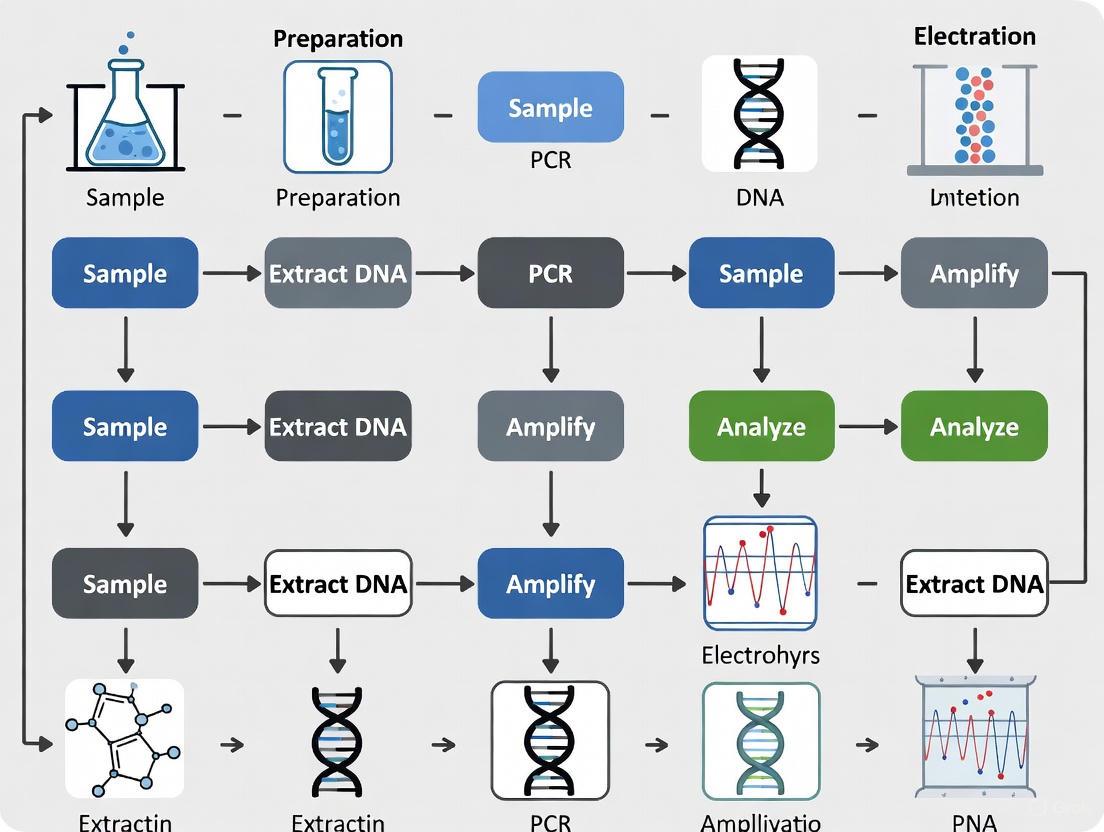
This article explores the transformative role of broad-range PCR in detecting uncultivated and fastidious bacteria, a major challenge in clinical microbiology and microbial ecology.
Broad-Range PCR for Uncultivated Bacteria Detection: Revolutionizing Pathogen Discovery and Clinical Diagnostics
Abstract
This article explores the transformative role of broad-range PCR in detecting uncultivated and fastidious bacteria, a major challenge in clinical microbiology and microbial ecology. We cover the foundational principles of targeting conserved genomic regions like the 16S rRNA gene, which enables the identification of pathogens missed by traditional culture. The review details advanced methodological platforms including PCR/ESI-MS and PCR/HRMA, and addresses critical troubleshooting aspects such as combating reagent contamination. A comparative analysis evaluates the clinical utility and performance of these molecular assays against culture and each other. Finally, we synthesize the current landscape and future directions, highlighting how these technologies are refining diagnostics, improving antimicrobial stewardship, and unlocking the hidden diversity of the microbial world for researchers and drug development professionals.
The Unseen World: Why Broad-Range PCR is Essential for Detecting Uncultivated Bacteria
The "Great Plate Count Anomaly," a term coined by Staley and Konopka in 1985, describes the perplexing phenomenon where the number of microbial cells observed under a microscope exceeds those capable of forming colonies on traditional laboratory culture media by several orders of magnitude [1] [2]. In many environmental samples, while microscopic counts may reveal millions of cells, typically less than 1% of these form colonies on agar plates, a discrepancy that is particularly pronounced in oligotrophic environments [1] [2]. This anomaly has profound implications for microbiology, indicating that the vast majority of microbial diversity has been inaccessible for study, confining our understanding to a narrow, cultivable sliver of the microbial world.
This application note frames this fundamental challenge within the context of broad-range PCR-based research aimed at detecting uncultivated bacteria. We detail the limitations of traditional methods, present quantitative comparisons of cultivability, and provide modern protocols designed to bridge this detectability gap, thereby enabling more comprehensive microbial detection for researchers and drug development professionals.
The Quantitative Disparity: Traditional vs. Modern Methods
The following table summarizes key quantitative findings that highlight the extent of the Great Plate Count Anomaly and the efficacy of modern approaches in mitigating it.
| Method/Sample Type | Cultivable Proportion (Cells or Taxa) | Key Findings |
|---|---|---|
| Traditional Plating (Marine ecosystems) | 0.01–0.1% of cells [1] | The classic manifestation of the anomaly; standard media recover only a tiny fraction of observable cells. |
| Extinction Culturing (HTC) (Coastal seawater) | Up to 14% of cells [1] | A 14- to 1,400-fold improvement over traditional plating, successfully cultivating previously uncultured clades like SAR11. |
| Proportion of Cultivable Taxa (PCT) vs. Cells (PCC) (Soil & Activated Sludge) | PCT 2.8 to 6.0 times higher than PCC at sample level [3] | Reveals that the diversity of cultivable taxa is significantly greater than the proportion of cultivable cells, suggesting traditional PCC metrics underestimate accessible diversity. |
| Broad-Range PCR (Heart Valves) | Added diagnostic value in 56% of PCR-positive samples [4] | Demonstrates high utility in clinical settings for culture-negative samples, substantially improving pathogen detection. |
| PCR/ESI-MS (Neonatal Sepsis) | Bacterial DNA detected in 4x more samples than culture [5] [6] | Molecular methods detect potential pathogens in samples where gold-standard culture fails, correlating with elevated inflammatory markers (CRP). |
Experimental Protocols for Enhanced Detection and Cultivation
Protocol 1: High-Throughput Extinction Culturing (HTC)
This protocol, adapted from Connon and Giovannoni, is designed to isolate oligotrophic microorganisms by simulating in situ substrate concentrations [1].
1. Media Preparation:
- Collect water from the target environment (e.g., seawater). Filter through a 0.2 µm pore-size membrane and autoclave.
- To restore the bicarbonate buffer lost during autoclaving, sparge the sterile medium with sterile CO₂ for 6 hours, followed by sterile air for 12 hours.
- Analyze dissolved organic carbon to confirm low-nutrient conditions (e.g., ~90-107 µM for seawater) [1].
2. Inoculum Preparation and Dilution:
- Collect the environmental sample and process it quickly to avoid "bottle effects."
- Determine the direct cell count of the inoculum using a stain like DAPI (4′,6-diamidino-2-phenylindole) and microscopic counting.
- Serially dilute the sample in the prepared, low-nutrient medium to a final average inoculum of 1 to 5 cells per well.
3. Cultivation and Incubation:
- Dispense 1 ml aliquots of the diluted inoculum into 48-well non-tissue-culture-treated polystyrene plates.
- Incubate the plates in the dark at a temperature representative of the in situ environment (e.g., 16°C for marine samples) for 3 or more weeks.
4. Detection of Growth via Cell Arrays:
- Use a custom 48-chamber filter manifold to process 200 µl from each well.
- Filter the liquid from each well onto a white polycarbonate membrane, staining the trapped cells with DAPI.
- Place the membrane on a glass slide and examine it by fluorescence microscopy.
- This array method allows for the detection of cultures with cell titers as low as 1.3 × 10³ cells/ml [1].
5. Isolation and Identification:
- Wells positive for growth can be sub-cultured to purity.
- Isolates are identified via 16S rRNA gene sequencing and assigned to a culture collection (e.g., HTCC - High-Throughput Culturing Collection) [1].
Protocol 2: Broad-Range 16S rDNA PCR and Sequencing for Bacterial Detection
This protocol is applicable to clinical samples like blood or cerebrospinal fluid where traditional culture often fails [4] [7].
1. Sample Collection and DNA Extraction:
- Under strict aseptic technique, collect blood into EDTA tubes for molecular analysis. For neonates, a volume of 0.5-1.0 mL is used [5] [7].
- Extract genomic DNA using a commercial purification kit (e.g., Wizard Genomic DNA Purification Kit).
- Assess DNA quantity and purity via spectrophotometry and check integrity using agarose gel electrophoresis [7].
2. PCR Amplification of the 16S rDNA Gene:
- Use broad-range primers targeting conserved regions of the bacterial 16S rRNA gene. The V4 region can be amplified with primers 515F (5′-GTGYCAGCMGCCGCGGTAA-3′) and 806R (5′-GGACTACNVGGGTWTCTAA-3′) [7].
- PCR Reaction Mix:
- 5 µL PCR buffer
- 1.5 mM MgCl₂
- 0.2 mM dNTPs
- 0.16 µM of each primer
- 1.25 U DNA Taq polymerase
- 20 ng DNA template
- Thermal Cycling Conditions:
3. Sequencing and Analysis:
- Purify PCR amplicons and perform Sanger sequencing.
- Edit and align the obtained sequences to generate a consensus sequence.
- Identify the bacterium by comparing the consensus sequence to curated databases like SILVA or NCBI using BLASTn, selecting hits with the highest identity and coverage [7].
Research Reagent Solutions
The following table lists essential reagents and materials for implementing the protocols described above.
| Item | Function/Application |
|---|---|
| DAPI Stain (4′,6-diamidino-2-phenylindole) | Fluorescent nucleic acid dye for direct microscopic cell counting and detection of growth in cell arrays [1]. |
| Broad-Range 16S rDNA Primers (e.g., 515F/806R) | PCR amplification of a universal bacterial gene target, enabling detection and identification of a wide spectrum of bacteria, including uncultivated taxa [7]. |
| Low-Nutrient Media (e.g., Filter-Sterilized Seawater, Dilute Peptone) | Cultivation of oligotrophic microorganisms by mimicking in situ nutrient conditions, which is critical for overcoming the Great Plate Count Anomaly [1] [2]. |
| Microtiter Plates (48-well) | High-throughput cultivation platform for establishing thousands of extinction cultures in small volumes [1]. |
| Custom Filter Manifold (Cell Array) | Device for simultaneous processing of multiple cultures for microscopic detection of growth, significantly increasing throughput and sensitivity [1]. |
Workflow and Strategic Visualization
The following diagram illustrates the strategic relationship between the limitations of traditional methods and the complementary solutions offered by modern molecular and cultivation approaches.
The Great Plate Count Anomaly remains a foundational challenge in microbiology, but it no longer represents an impenetrable barrier. While traditional culturing methods are inherently limited by their selective nature and inability to support the growth of most microorganisms, modern strategies provide a powerful suite of tools to overcome these constraints. The integration of high-throughput cultivation using in situ-like conditions with sensitive, broad-range molecular detection methods like 16S rDNA PCR creates a synergistic framework. This dual approach allows researchers to not only cultivate a greater diversity of previously uncultured taxa but also to detect and identify the presence of microbes that remain stubbornly uncultivable. For research and drug development focused on uncultivated bacteria, embracing these combined protocols is essential for illuminating the vast, unexplored microbial world and tapping into its potential for novel therapeutic discoveries.
Table of Contents
- Introduction and Principle
- Experimental Protocol: 16S rDNA PCR and Sequencing
- Performance and Clinical Utility
- Research Reagent Solutions
- Visual Workflows and Diagrams
The identification of bacterial pathogens is a cornerstone of clinical microbiology and infectious disease research. Traditional culture-based methods, while considered the historical gold standard, are limited by the need for viable, cultivable organisms and can be obfuscated by prior antibiotic administration [9] [10]. To overcome these hurdles, the core molecular principle of amplifying conserved genetic regions has emerged as a powerful tool for universal bacterial detection and identification [11].
The 16S ribosomal RNA (rRNA) gene has become the primary target for this purpose. This gene is approximately 1,550 base pairs long and possesses a unique structure of alternating conserved and hypervariable regions [11]. The conserved regions allow for the design of universal PCR primers that can bind to the 16S rDNA of a vast majority of bacteria, enabling broad-range amplification. The variable regions, with sequences unique to different bacterial genera and species, provide the signature for taxonomic identification after sequencing [11] [12]. This dual nature makes the 16S rDNA a "molecular chronometer" ideal for phylogenetic studies and bacterial identification, including poorly described, rarely isolated, or phenotypically aberrant strains [11].
Experimental Protocol: 16S rDNA PCR and Sequencing
The following section provides a detailed, step-by-step protocol for 16S rDNA amplification and sequencing from a clinical specimen, such as bronchoalveolar lavage fluid (BALF) or tissue [13] [10].
DNA Extraction from Clinical Specimens
- Function: To isolate high-quality, inhibitor-free microbial DNA from clinical samples.
- Reagent: NucleoSpin Blood Kit (Macherey-Nagel) or QIAamp DNA Mini Kit (QIAGEN) [10].
- Detailed Procedure:
- Enzymatic Lysis: Incubate the specimen (e.g., 300 μL BALF pellet or tissue homogenate) with lysozyme (20-37°C for 20 minutes) to break down Gram-positive bacterial cell walls [10].
- Protein Digestion: Add Proteinase K and incubate at 56°C for 30 minutes to digest proteins and inactivate nucleases.
- Binding and Washing: Bind DNA to the silica membrane of the provided column, wash twice with wash buffers to remove contaminants.
- Elution: Elute pure DNA in nuclease-free water or a low-salt elution buffer.
- Quality Control: Measure DNA concentration using a fluorometer (e.g., Qubit 4.0 with dsDNA HS Assay Kit) [13]. Routinely test extraction kits and PCR reagents for bacterial DNA contamination using no-template controls (NTC).
Broad-Range 16S rDNA PCR Amplification
- Function: To amplify a specific region of the bacterial 16S rRNA gene from the extracted DNA.
- Universal Primers:
- PCR Reaction Setup:
- Template DNA: 5-10 ng (in 10 μL volume) [13].
- Master Mix: 1X HOT FIREPol Blend Master Mix supplemented with 7.5 mM MgCl₂ [10]. Alternatively, Q5 Hot Start High-Fidelity 2X Master Mix can be used for improved accuracy [13].
- Primers: 0.5 μM each forward and reverse primer.
- Nuclease-Free Water: to a final volume of 25-50 μL.
- Thermocycling Conditions:
- Initial Denaturation: 95°C for 5-15 minutes.
- Amplification (35-40 cycles):
- Denature: 95°C for 30 seconds.
- Anneal: 55°C for 30 seconds.
- Extend: 72°C for 1 minute (adjust based on amplicon length; ~1 min/kb).
- Final Extension: 72°C for 7 minutes.
- Hold: 4°C.
- Post-Amplification Analysis: Verify successful amplification and amplicon size via 1% agarose gel electrophoresis. Purify PCR products using solid-phase reversible immobilization (SPRI) beads, such as AMPure XP [13].
Sequencing and Data Analysis
- Function: To determine the nucleotide sequence of the amplified 16S rDNA for bacterial identification.
- Methodology Choices:
- Sanger Sequencing: Ideal for single, pure bacterial isolates. Uses the same primers as the PCR step.
- Next-Generation Sequencing (NGS) / Nanopore Sequencing: Essential for complex samples with multiple bacteria. For nanopore sequencing (e.g., using the SQK-LSK110 kit on a GridION platform), barcoded primers can be used to pool multiple samples. The pooled library undergoes end-repair and dA-tailing before loading onto a flow cell for 1-3 hours of sequencing [13].
- Bioinformatic Analysis Pipeline:
- Demultiplexing: Assign reads to respective samples based on barcodes.
- Quality Filtering: Remove low-quality reads (e.g., Q-score <12) and filter by size [13].
- Taxonomic Assignment: Map quality-filtered reads to curated 16S databases (e.g., NCBI, GTDB) using tools like minimap2. The abundance of each species is calculated [13].
- Interpretation: Identify potential pathogens based on relative abundance thresholds (e.g., ≥1% or ≥5%) and clinical relevance [13].
Performance and Clinical Utility
The application of 16S rDNA sequencing has demonstrated significant value in clinical diagnostics and research, particularly in culture-negative or challenging cases.
Table 1: Performance Characteristics of 16S rDNA Testing
| Metric | Findings | Context / Explanation |
|---|---|---|
| Overall Positivity Rate | 26% (395/1489 specimens) [10] | Across a 7-year study of diverse clinical samples. |
| Sensitivity (vs. Culture) | 30.9% for bacteria (25/81) [9] | May detect non-viable or fastidious organisms missed by culture. |
| Negative Percent Agreement | 80.1% (165/206) [9] | Suggests good reliability for ruling out infection when negative. |
| High-Yield Sample Type | Pus samples: 66.3% positivity rate [10] | 5 times higher odds of being positive compared to non-pus samples. |
| Impact on Clinical Management | 45.9% of cases (83/181) [10] | Changes in diagnosis, antibiotic escalation, or de-escalation. |
| Turnaround Time (Nanopore) | 6-8 hours [13] | From sample to result, significantly faster than traditional culture. |
Table 2: Commonly Detected Bacterial Pathogens via 16S rDNA Sequencing
| Bacterial Group | Examples of Identified Pathogens |
|---|---|
| Gram-Positive Cocci | Staphylococcus spp., Streptococcus spp. [10] |
| Gram-Negative Bacilli | Enterobacterales (e.g., E. coli, Klebsiella), Pseudomonas aeruginosa, Acinetobacter baumannii [13] [10] |
| Fastidious Organisms | Haemophilus influenzae, Moraxella catarrhalis, Mycoplasma pneumoniae, Legionella gormanii [13] |
Research Reagent Solutions
Table 3: Essential Reagents and Kits for 16S rDNA Experiments
| Item | Function | Example Product |
|---|---|---|
| DNA Extraction Kit | Purifies microbial DNA from complex clinical samples. | NucleoSpin Blood Kit (Macherey-Nagel), QIAamp DNA Mini Kit (QIAGEN) [10]. |
| Lysozyme | Enzymatically lyses Gram-positive bacterial cell walls. | Lysozyme (Sigma-Aldrich) [10]. |
| Proteinase K | Digests proteins and inactivates nucleases during lysis. | Included in extraction kits or available separately [10]. |
| High-Fidelity PCR Master Mix | Amplifies target 16S rDNA with high accuracy and yield. | Q5 Hot Start High-Fidelity Master Mix (NEB), HOT FIREPol Blend Master Mix (Solis BioDyne) [13] [10]. |
| Universal 16S Primers | Binds conserved regions to amplify 16S rDNA from diverse bacteria. | 27F/519R (~500 bp), 27F/1492R (full-length) [13] [10]. |
| SPRI Magnetic Beads | Purifies and size-selects PCR amplicons for sequencing. | AMPure XP Beads (Beckman Coulter) [13]. |
| Nanopore Sequencing Kit | Prepares library for real-time, long-read sequencing. | Ligation Sequencing Kit SQK-LSK110 (Oxford Nanopore Technologies) [13]. |
Visual Workflows and Diagrams
The following diagrams illustrate the core logical relationships and experimental workflow of 16S rDNA sequencing.
Principle of 16S rDNA Bacterial ID
16S rDNA Sequencing Workflow
Conventional culture-based methods, the cornerstone of traditional microbiology, fail to capture the vast majority of bacterial diversity. This limitation presents a significant challenge for researchers and drug development professionals, particularly when targeting elusive bacterial states that contribute to chronic infections and diagnostic escape. Within the context of broad-range PCR detection, a precise understanding of the target is paramount. This document delineates three critical categories of bacteria that evade standard cultivation: uncultivated bacteria, which have never been grown in axenic culture; fastidious bacteria, which have complex and restrictive nutritional requirements; and viable but non-culturable (VBNC) bacteria, which are metabolically active but refractory to division on routine media [14] [15] [16]. Understanding the distinctions and overlaps between these states is essential for developing robust molecular detection and eradication strategies.
Defining the States: Characteristics and Significance
The following table summarizes the core definitions, key characteristics, and primary significance of each bacterial state.
Table 1: Comparative Overview of Uncultivated, Fastidious, and VBNC Bacteria
| State | Definition | Key Characteristics | Primary Significance |
|---|---|---|---|
| Uncultivated Bacteria | Microorganisms that have not yet been isolated and grown as a pure culture in a laboratory setting [17]. | Represent >99% of microbial diversity in some environments [17]; Often require co-culture or simulated natural conditions for growth. | Major gap in understanding microbial ecology, metabolism, and potential; source of novel bioactive compounds [18]. |
| Fastidious Bacteria | Microorganisms with complex or particular nutritional and environmental requirements for growth in vitro [15] [16]. | "Difficult to culture by any method yet tried" [16]; Require specific amino acids, vitamins, blood, or elevated CO₂ (capnophilic) [16]. | Leads to false-negative culture results in clinical diagnostics and food safety; complicates pathogen identification [16]. |
| VBNC Bacteria | A survival state where cells are alive and metabolically active but have lost the ability to form colonies on standard media that normally support their growth [14] [19]. | Induced by environmental stress; low metabolic activity; retained pathogenicity; potential for resuscitation [14] [19]; Reduced nutrient transport, changes in membrane fatty acids, and increased antibiotic resistance [14] [20] [19]. | Major risk for public health and food safety; responsible for "aseptic" infections and disease outbreaks where causative agents are undetected by culture [19]. |
The VBNC State: A Closer Look
The VBNC state is a unique state of dormancy triggered by harsh environmental conditions [19]. A wide array of human pathogens can enter this state, including Escherichia coli (including EHEC), Salmonella enterica, Vibrio cholerae, Listeria monocytogenes, and Klebsiella pneumoniae [14] [19]. These cells are not dead; they maintain membrane integrity, exhibit measurable cellular activity like respiration and gene expression, and possess a high membrane potential [14] [21] [19]. Critically, many VBNC pathogens retain their virulence and can be resuscitated when they encounter favorable conditions, such as passage through a host organism [19]. This poses a substantial threat, as standard culture-based food and water safety tests can return false negatives, leading to undetected contamination and outbreaks [22] [19].
Research Reagent Solutions for Cultivation and Detection
Overcoming the challenges of cultivation and detection requires specialized reagents and approaches. The following table details key solutions used in this field.
Table 2: Essential Research Reagents for Targeting Non-Cultivable Bacteria
| Research Reagent | Function / Application | Specific Example |
|---|---|---|
| Ferrioxamine E | A siderophore that provides the essential micronutrient iron (III); acts as a growth factor to resuscitate VBNC cells and reduce the lag phase in media [21]. | Recovery of Salmonella, Cronobacter spp., and Staphylococcus aureus from food samples; used at 5-200 ng/mL in pre-enrichment broths [21]. |
| DNA-intercalating Dyes (PMA, DyeTox13, EMA) | Viability PCR; penetrate compromised membranes of dead cells, binding DNA upon photoactivation and preventing its PCR amplification, thus allowing quantification of only viable/VBNC cells [23] [22]. | Differentiation of viable Salmonella in flour post-inactivation; used in conjunction with ddPCR for absolute quantification [22]. |
| Quorum-Sensing Signals | Acyl homoserine lactones and other signaling molecules added to growth media to simulate natural microbial communication, aiding the cultivation of uncultivated bacteria [17]. | Isolation of previously uncultivated members of Acidobacteria and Verrucomicrobia from soil and termite guts [17]. |
| Humic Acid Analogues | Compounds like anthraquinone disulfonate mimic natural organic matter and are included in growth media to support the growth of soil-derived uncultivated bacteria [17]. | Cultivation of soil bacteria from the Acidobacteria phylum [17]. |
| Reactive Oxygen Species (ROS) Detoxifiers | Catalase or sodium pyruvate added to media to detoxify H₂O₂ and other ROS generated during autoclaving or metabolic stress, protecting sub-lethally damaged cells [17]. | Improvement in the cultivability of E. coli and Vibrio vulnificus after starvation [17]. |
Experimental Protocols
This protocol is adapted from methods used to recover stressed Salmonella from environmental and food matrices [21].
1. Principle: Ferrioxamine E, a trihydroxamate siderophore, supplies iron to bacteria whose growth is otherwise limited by iron scarcity in the environment or due to sub-lethal damage. This reactivates cellular metabolism and facilitates the resuscitation of VBNC cells.
2. Materials:
- Buffered Peptone Water (BPW)
- Ferrioxamine E stock solution (e.g., 1 mg/mL in sterile water)
- Test sample (e.g., 25g of soil, food homogenate, or water sample)
- Selective enrichment media (e.g., Rappaport-Vassiliadis Soya Broth)
- Selective agar plates (e.g., XLD Agar)
3. Procedure:
- Step 1: Pre-enrichment. Inoculate the test sample into BPW supplemented with Ferrioxamine E at a final concentration of 50-100 ng/mL. Include a control without Ferrioxamine E.
- Step 2: Incubation. Incubate the pre-enrichment culture at 37°C for 18-24 hours under aerobic conditions.
- Step 3: Selective Enrichment. Transfer a 1 mL aliquot from the pre-enrichment culture into 10 mL of selective enrichment media. Incubate further at 41.5°C for 24-48 hours.
- Step 4: Plating and Identification. Streak the selectively enriched culture onto selective agar plates. Incubate and identify characteristic colonies using standard biochemical or molecular tests.
4. Application Notes: The addition of Ferrioxamine E to pre-enrichment media has been shown to significantly improve the recovery rates of stressed Salmonella cells. It also improves motility, aiding identification on semi-solid motility media [21]. This method is particularly useful for testing dry powders, spices, and other low-moisture foods.
Protocol 2: Absolute Quantification of VBNC Cells via PMA-droplet digital PCR (PMA-ddPCR)
This protocol provides a culture-independent method for directly quantifying viable/VBNC cells, optimized from recent studies on Klebsiella pneumoniae and Salmonella [23] [22].
1. Principle: Propidium monoazide (PMA) is a DNA-intercalating dye that only enters cells with compromised membranes (dead cells). Upon photoactivation, PMA covalently binds DNA, inhibiting its amplification. In subsequent ddPCR, only DNA from viable/VBNC cells with intact membranes is amplified and quantified, providing an absolute count without the need for a standard curve.
2. Materials:
- PMA dye (Biotium, 20 mM stock in DMSO)
- PMA-Lite LED Photolysis device (or equivalent)
- Droplet Digital PCR system (Bio-Rad)
- PCR reagents, primers, and probes for target pathogen
- Microcentrifuge
3. Procedure:
- Step 1: Sample Treatment. Mix 500 µL of bacterial suspension with PMA to a final concentration of 50 µM. Incubate in the dark for 10 minutes with occasional mixing.
- Step 2: Photoactivation. Place the sample tube horizontally on ice approximately 20 cm from the LED light source and expose for 15 minutes.
- Step 3: DNA Extraction. Pellet cells by centrifugation (5,000 × g, 10 min). Discard supernatant and extract genomic DNA from the pellet using a standard commercial kit.
- Step 4: Droplet Digital PCR. Set up the ddPCR reaction mixture according to the manufacturer's instructions using the extracted DNA. Generate and analyze droplets. The ddPCR software will provide an absolute concentration of target DNA copies/µL, which corresponds to the number of viable/VBNC cells in the original sample.
4. Application Notes: This method is highly sensitive and can detect VBNC cells at low concentrations where plate counting fails [23] [22]. It is less susceptible to PCR inhibitors than qPCR. Optimization of PMA concentration (5-200 µM) and incubation time is recommended for different bacterial species and sample matrices [23].
Workflow and Pathway Visualizations
Bacterial States and Detection Workflow
The Unexplained Deaths and Critical Illnesses (UNEX) Project, established in 1995 by the Centers for Disease Control and Prevention (CDC) in collaboration with the Emerging Infections Program (EIP), represented a paradigm shift in the United States' approach to detecting emerging infectious diseases [24]. This initiative was a direct response to the 1992 Institute of Medicine report, "Emerging Infections, Microbial Threats to Health in the United States," which highlighted the critical need for more effective surveillance systems [24]. The foundational concept of UNEX was based on two key observations: first, that supposedly new infectious diseases had often been present long before they were formally recognized and identified; and second, that advances in molecular diagnostics, particularly polymerase chain reaction (PCR) methods, now enabled pathogen identification without the need for in vitro cultivation [24]. This pioneering project established population-based surveillance across four initial EIP sites covering a total population of 7.7 million people, creating a systematic framework for investigating unexplained deaths and critical illnesses with hallmarks of infectious etiology that had eluded diagnosis through routine testing methods [24].
The UNEX project's historical significance lies in its early adoption and validation of broad-range PCR methodologies for pathogen detection in clinical settings. At a time when molecular diagnostics were primarily research tools, UNEX systematically integrated these technologies into public health surveillance, creating both a practical infrastructure and a specimen bank that would facilitate future pathogen discovery. This initiative fundamentally recognized the limitations of traditional culture-based methods and developed protocols to bridge the diagnostic gap for cases where conventional microbiology had failed. The project's establishment of standardized syndrome-specific testing protocols and its systematic approach to banking clinical specimens for future analysis represented groundbreaking advances in public health preparedness, creating a model that would later be adapted and expanded for numerous pathogen discovery and surveillance programs worldwide.
The UNEX Surveillance Protocol: Methodology and Case Definitions
Case Ascertainment and Definitions
The UNEX surveillance system employed a precise case definition to identify potential cases while maintaining specificity. A qualifying case was defined as illness in a previously healthy resident of a surveillance area aged 1-49 years (1-39 years in Oregon) who either died or was hospitalized with a life-threatening illness exhibiting hallmarks of infectious disease, but for which no cause was identified through routine testing initiated by healthcare providers [24]. The definition of "previously healthy" specifically excluded patients with preexisting systemic or chronic medical conditions, including malignancy, HIV infection, chronic cardiac, pulmonary, renal, hepatic, or rheumatologic disease, or diabetes mellitus [24]. Additional exclusion criteria encompassed immunosuppressive therapy, evidence of toxic ingestion or exposure, trauma before illness onset, or illnesses acquired ≥48 hours after hospital admission [24].
Life-threatening illness was objectively defined as any condition requiring admission to an intensive care unit, while hallmarks of infectious disease included one or more of the following: documented fever or history of fever, leukocytosis, histopathologic evidence of an acute infectious process, or a physician-diagnosed syndrome consistent with an infectious etiology [24]. The latter category specifically included encephalitis or meningitis, fulminant hepatitis or hepatic failure, myocarditis, adult respiratory distress syndrome, respiratory failure, or sepsis [24]. This comprehensive yet specific case definition allowed the surveillance system to capture serious cases of potential infectious origin while excluding those with likely non-infectious explanations or significant confounding comorbidities.
Surveillance and Case-Finding Mechanisms
The UNEX project implemented a multi-faceted approach to case finding that combined passive reporting with active surveillance methods. Practicing clinicians across all surveillance sites were informed about the project through direct correspondence, bulletins, and presentations at professional meetings [24]. Some sites enhanced their surveillance through regular communication with intensive care unit personnel and medical examiners, coupled with routine review of ICU admission records [24]. When potential cases were identified, a standardized screening form was completed to determine whether the patient met the full case definition [24]. To evaluate surveillance sensitivity, all sites conducted retrospective reviews of death certificates, and three sites additionally reviewed hospital discharge data for at least one year, using specific ICD-9 codes to identify potential cases that might have been missed through initial reporting [24].
Table 1: UNEX Case Definition Criteria
| Criterion Category | Specific Requirements | Exclusion Conditions |
|---|---|---|
| Demographic | Residents aged 1-49 years (1-39 in Oregon) | Outside age range or surveillance area |
| Health Status | Previously healthy | Preexisting chronic medical conditions, immunosuppression |
| Clinical Presentation | Death or life-threatening illness requiring ICU admission | Trauma, toxic exposures, hospital-acquired infections (≥48 hours post-admission) |
| Infectious Disease Hallmarks | Fever, leukocytosis, histopathologic evidence, or specific physician-diagnosed syndromes | Alternative non-infectious explanations identified |
| Diagnostic Status | No cause identified through routine testing | Etiology established by standard care testing |
Laboratory Methods and Diagnostic Approaches
Specimen Collection and Histopathologic Evaluation
The UNEX project established rigorous protocols for specimen collection and evaluation, recognizing that optimal sample management was crucial for successful pathogen identification. Healthcare providers were requested to save all remaining clinical specimens obtained during routine clinical management, including biopsies and autopsy materials [24]. Histopathologic evaluation occurred at multiple levels: initial examination by local pathologists was supplemented by review by CDC pathologists who possessed specialized reagents and expertise [24]. The CDC pathology team maintained a unique collection of antibodies and probes for immunohistochemistry (IHC) and in-situ hybridization (ISH), which were selectively deployed based on comprehensive case information [24]. These specialized histopathologic techniques employed a two-step indirect immunoalkaline phosphatase method with various antibodies for IHC and digoxigenin-labeled probes with immunoalkaline phosphatase staining for ISH, with positive and negative controls run in parallel for all tests [24].
Broad-Range Molecular Detection Methods
The UNEX project's incorporation of broad-range bacterial ribosomal DNA PCR represented one of its most significant methodological innovations. This technique involved DNA extraction from clinical specimens followed by amplification using conserved primers targeting bacterial ribosomal genes [24]. The project utilized at least one of three specific primer pairs to amplify variable regions of the 16S rRNA gene, allowing for detection of a wide spectrum of bacterial pathogens without prior knowledge of the specific etiology [24]. This approach was particularly valuable for identifying fastidious or slow-growing bacteria that might not propagate under standard culture conditions, as well as pathogens in patients who had received antimicrobial therapy before specimen collection.
The molecular testing strategy evolved during the project based on accumulating experience. For the first two years, diagnostic tests were selected individually for each case based on clinical, epidemiologic, and histologic data, along with consideration of previous testing and specimen availability [24]. By the third year, the project had developed standardized syndrome-specific laboratory testing protocols for respiratory, neurologic, cardiac, and hepatic syndromes, which prioritized testing based on available clinical information and differential diagnosis [24]. These protocols guided an initial round of testing, with negative results prompting a customized second round of additional investigations, while cases that didn't fit these four syndromes were discussed individually by project investigators [24].
Diagram 1: UNEX Project Diagnostic Workflow. This flowchart illustrates the comprehensive testing algorithm employed by the UNEX surveillance system, from case identification through specialized molecular testing.
Key Findings and Epidemiological Data
Case Demographics and Clinical Presentations
During the initial 3.5 years of surveillance (May 1995-December 1998), the UNEX system identified 137 cases meeting the precise case definition, yielding an incidence rate of 0.5 cases per 100,000 population per year [24]. The demographic characteristics revealed a median patient age of 20 years, with a slight female predominance (53%) and majority white race (82%) [24]. Mortality among identified cases was significant, with 41 deaths (30% case fatality rate) among the 137 cases [24]. The distribution of clinical presentations encompassed neurologic syndromes (29%), respiratory presentations (27%), cardiac manifestations (21%), and other patterns including sepsis without predominant organ system involvement [24]. This epidemiological profile highlighted that unexplained critical illnesses and deaths with potential infectious etiology were relatively uncommon but carried substantial mortality, affecting primarily previously healthy young adults across diverse demographic groups.
Etiologic Diagnoses and Diagnostic Yield
Through comprehensive testing, the UNEX project established infectious etiologies for 34 of the 137 cases (25% diagnostic yield) [24]. Among these diagnosed cases, reference serologic testing accounted for the majority of identifications (68%, 23 cases), while PCR-based methods contributed substantially to the remainder (32%, 11 cases) [24]. This finding underscored the complementary value of molecular methods alongside traditional serologic approaches, particularly for pathogens difficult to cultivate or identify through conventional means. The project successfully identified a range of bacterial, viral, and other infectious agents, validating the utility of its systematic diagnostic approach. Perhaps equally significant was the creation of a standardized specimen bank containing well-characterized clinical materials from unexplained cases, which would subsequently facilitate additional pathogen discovery as new diagnostic technologies emerged.
Table 2: UNEX Project Epidemiological and Diagnostic Findings (1995-1998)
| Surveillance Parameter | Result | Additional Details |
|---|---|---|
| Total Cases Identified | 137 cases | Over 3.5 years of surveillance |
| Incidence Rate | 0.5/100,000/year | Across 7.7 million population |
| Demographic Profile | Median age: 20 years | 53% female, 82% white |
| Mortality | 30% (41/137 cases) | Case fatality rate |
| Clinical Syndromes | Neurologic (29%), Respiratory (27%), Cardiac (21%) | Remainder classified as "other" |
| Etiologies Identified | 34 cases (25% diagnostic yield) | From 122 cases with adequate specimens |
| Primary Diagnostic Methods | Serology (68%), PCR-based methods (32%) | Of identified etiologies |
Modern Applications and Evolution of Broad-Range PCR
Contemporary Broad-Range PCR Protocols
The diagnostic principles pioneered by the UNEX project have evolved into standardized contemporary laboratory protocols for broad-range pathogen detection. Modern implementations, such as the Broad Range Bacterial PCR with reflex to Next-Generation Sequencing (NGS), utilize amplification of the 16S ribosomal RNA gene followed by sequencing for precise identification [25] [26]. The 16S rRNA gene contains conserved regions that facilitate broad-range PCR amplification using universal primers, coupled with hypervariable regions that provide species-specific signature sequences enabling accurate bacterial classification [26]. This methodology is particularly valuable for detecting and identifying bacteria from normally sterile sites including synovial fluid, body fluids (pleural, peritoneal, pericardial), cerebrospinal fluid, and both fresh and formalin-fixed paraffin-embedded tissues [25].
Current testing algorithms employ sophisticated reflex protocols based on initial PCR results. When PCR testing is negative, no further sequencing is performed and the result is reported as negative for bacterial DNA [25]. For positive PCR results, strong amplifications are initially submitted to Sanger sequencing, which can yield identification in as few as 4 days, while weak positive results or mixed templates are submitted to more comprehensive next-generation sequencing, which can resolve complex mixtures of organisms [26]. This tiered approach optimizes both turnaround time and diagnostic accuracy, representing a significant advancement beyond the initial methods available during the original UNEX project.
Performance Characteristics and Clinical Utility
Contemporary studies have validated the performance and clinical utility of broad-range PCR methodologies in real-world diagnostic settings. Recent evidence indicates that BR-PCR demonstrates variable sensitivity compared to culture—30.9% for bacteria, 18.8% for fungi, and 33.3% for mycobacteria—but offers the advantage of detecting fastidious organisms and pathogens in patients with antecedent antimicrobial therapy [9]. The negative percent agreement for bacterial detection reaches 80.1%, potentially reflecting antibiotic pretreatment or detection of fastidious organisms not recovered in culture [9]. Despite longer turnaround times compared to some rapid diagnostics, BR-PCR results directly changed clinical management in approximately 6% of cases in contemporary implementations [9].
The clinical value of these molecular methods is particularly evident in specific patient populations and scenarios. In neonatal sepsis evaluation, PCR/ESI-MS (Polymerase Chain Reaction coupled with Electrospray Ionization Mass Spectrometry) has demonstrated the ability to detect bacterial DNA in four times more blood samples than culture alone, with high negative predictive value that may facilitate early antibiotic discontinuation and promote antimicrobial stewardship [5]. Modern recommendations position broad-range PCR as complementary to rather than replacement for routine culture methods, with optimal utilization when fastidious organisms are suspected or specimens remain culture-negative despite strong clinical suspicion of infection [9] [25].
Table 3: Evolution of Broad-Range Detection Technologies
| Parameter | UNEX Project (1995-1998) | Contemporary implementations (2020s) |
|---|---|---|
| Primary Molecular Targets | Bacterial rDNA, specific viral pathogens | 16S rRNA, 28S rRNA, ITS regions, multiple gene targets |
| Sequencing Methods | Sanger sequencing | Next-generation sequencing, reflex algorithms |
| Detection Capability | Limited to predominant templates | Multiple simultaneous pathogens via NGS |
| Specimen Types | Fresh tissues, body fluids | Fresh/frozen tissues, FFPE, body fluids, sterile sites |
| Turnaround Time | Weeks to months | 2-4 business days for most specimens |
| Clinical Impact | Foundation for preparedness | Directly changes management in ~6% of cases |
| Key Limitations | Limited sensitivity, technical complexity | Contaminant discrimination, nucleic acid persistence |
Research Reagent Solutions and Essential Materials
The implementation of broad-range PCR detection methodologies, both historically and in contemporary practice, requires specific research reagents and specialized materials. The following table details key components essential for successful pathogen detection and identification using these advanced molecular approaches.
Table 4: Essential Research Reagents for Broad-Range Pathogen Detection
| Reagent/Material | Function/Application | Implementation Notes |
|---|---|---|
| Broad-range PCR Primers | Amplification of conserved gene regions | Target 16S rDNA (bacteria), ITS regions (fungi), various targets (mycobacteria) [9] [26] |
| DNA Extraction Reagents | Nucleic acid purification from clinical specimens | Optimized for diverse sample types (tissue, fluid, FFPE); must inhibit PCR interferents [26] |
| Sequencing Reagents | Determination of amplified product sequences | Sanger chemistry for single organisms; NGS for complex mixtures [25] [26] |
| Reference Databases | Organism identification from sequence data | Curated databases of 16S rRNA sequences; >20,000 sequences in public repositories [26] |
| Specialized Transport Media | Specimen preservation for molecular testing | DNA-free containers; avoid agar, citrate, or heparin [26] |
| Internal Controls | Monitoring PCR inhibition and extraction efficiency | Internal amplification controls essential for result validation [5] |
| Artificial Cultivation Media | Dilution-to-extinction cultivation | Defined media mimicking natural conditions for fastidious organisms [27] |
The CDC's UNEX project established a critical foundation for the application of broad-range molecular detection methods in the investigation of unexplained deaths and critical illnesses of potential infectious etiology. By integrating emerging PCR technologies with traditional diagnostic approaches, the project created a systematic framework for pathogen discovery that balanced epidemiological rigor with diagnostic innovation. The historical significance of UNEX extends beyond its specific findings to its establishment of a paradigm for public health preparedness—creating surveillance mechanisms, laboratory protocols, and specimen resources that would prove invaluable for future outbreak investigations and emerging infectious disease responses.
Contemporary implementations of broad-range PCR have substantially advanced beyond the initial methods available during the UNEX era, with improved sensitivity, refined sequencing technologies, and more sophisticated analytical approaches. Yet the fundamental principles established by UNEX—comprehensive specimen collection, syndrome-based testing algorithms, integration of multiple diagnostic modalities, and systematic banking of clinical materials for future investigation—remain essential components of effective pathogen detection and discovery programs. These approaches continue to evolve through technologies like PCR/ESI-MS and high-throughput sequencing, expanding our capacity to identify the "uncultivated microbial majority" that dominates diverse environments but has historically eluded characterization through conventional culture-based methods [27]. As molecular technologies continue to advance, the diagnostic paradigm pioneered by UNEX ensures that public health systems maintain preparedness for detecting and responding to both known and novel infectious disease threats.
For decades, microbial ecology has been constrained by a fundamental limitation: the vast majority of environmental microorganisms resist cultivation under standard laboratory conditions. This "uncultivated microbial majority" represents an estimated 106-1012 prokaryotic species, with public culture collections heavily biased toward fast-growing copiotrophs while abundant aquatic and terrestrial prokaryotes remain uncultured due to their oligotrophic lifestyles and uncharacterized growth requirements [27]. Despite the Genomic Taxonomy Database (GTDB) identifying 113,104 species clusters across 194 phyla, only 24,745 species from 53 phyla had been validly described as of May 2024 [27].
Culture-independent molecular approaches have revolutionized our understanding of microbial diversity, yet axenic cultures remain essential for studying microbial ecology, evolution, genomics, and functional characteristics [27] [28]. This application note examines integrated strategies combining molecular and cultivation-based techniques to access this uncultivated diversity, with particular emphasis on protocol implementation for research and drug discovery applications.
Methodological Approaches
Molecular Detection and Characterization
Broad-Range PCR (BR-PCR) serves as a powerful culture-independent method for detecting microbial signatures directly from environmental and clinical specimens. This technique amplifies conserved genetic regions with hypervariable sequences that provide organism-specific identification markers [9].
- Genetic Targets: Bacterial detection utilizes the 16S ribosomal RNA (rRNA) gene, fungi are identified via internal transcribed spacer (ITS) regions, and mycobacteria employ various DNA targets including 16S rRNA, rpoB, and hsp65 genes [9] [25].
- Sequencing Integration: Amplified products are sequenced and compared against validated databases for microbial identification [9]. Next-generation sequencing (NGS) enables parallel detection of multiple organism templates from complex samples [9].
- Technical Considerations: BR-PCR demonstrates variable sensitivity compared to culture methods (30.9% for bacteria, 18.8% for fungi, 33.3% for mycobacteria), with negative percent agreement reaching 80.1% for bacteria, potentially reflecting antibiotic pretreatment or detection of fastidious organisms [9].
Quantitative PCR (qPCR) applications provide absolute quantification of taxonomic and functional gene markers within microbial communities [29] [30]. While offering wide quantification range (>6 orders of magnitude), high reproducibility (<2% standard deviation), and high sensitivity (<5 copies), qPCR requires careful consideration of template quality, nucleic acid extraction efficiency, primer/probe specificity, amplification of nonviable DNA, and gene copy number variation [30].
Protein-Coding Gene Profiling with approaches like phyloTAGs addresses resolution limitations of 16S rRNA profiling at shallow taxonomic levels [31]. This method targets faster-evolving single-copy protein-coding genes (e.g., gyrB) to differentiate recently diverged lineages and quantify bacterial taxon abundances more accurately than 16S-based methods, which are complicated by operon copy number variation [31].
Advanced Cultivation Strategies
Traditional cultivation approaches using nutrient-rich media consistently fail to capture slow-growing oligotrophs that dominate natural environments. Innovative methods have emerged to address this critical limitation.
High-Throughput Dilution-to-Extinction Cultivation applies defined media mimicking natural conditions to isolate previously uncultivated taxa [27]. A recent large-scale initiative employing this approach with samples from 14 Central European lakes yielded 627 axenic strains representing up to 72% of genera detected in original samples via metagenomics [27]. These isolates included 15 genera among the 30 most abundant freshwater bacteria, with an average viability of 12.6% across 6,144 inoculated wells [27].
Table 1: Cultivation Success Across Sampling Conditions
| Parameter | Epilimnion | Hypolimnion | Spring | Summer/Autumn |
|---|---|---|---|---|
| Isolation Success | 57% | 43% | Significantly lower | Significantly higher |
| Taxonomic Coverage | Up to 72% of metagenomic genera | Average 40% of detected genera |
In Situ Cultivation techniques leverage natural environmental nutrients to support microbial growth through diffusion-based isolation [28]. These methods employ devices with semi-permeable membranes allowing chemical exchange while restricting cell movement:
- Diffusion Chambers: Sealed growth chambers with 0.03 µm polycarbonate membranes enabling nutrient diffusion from the native environment [28].
- Microbial Traps: Devices with differential membrane porosity (0.3µm/0.4µm) to enrich filamentous, chain-forming, and motile organisms [28].
- Filter Plate Microbial Traps (FPMT): High-throughput adaptations featuring 96 individual chambers preventing cross-contamination by fast-growing bacteria [28].
- iTips: Pipette tips containing glass beads and growth media, deployed directly in sediment environments [28].
- iPores: Microfluidic devices with constriction channels leading to growth chambers, designed for single-cell isolation [28].
Table 2: Comparison of Cultivation Techniques for Capturing Microbial Diversity
| Method | Principle | Taxonomic Groups Recovered | Advantages |
|---|---|---|---|
| Dilution-to-Extinction | Single-cell inoculation in defined low-nutrient media | Actinomycetota, Pseudomonadota, Bacteroidota, Verrucomicrobiota | Controls nutrient conditions; reproducible |
| Diffusion Chambers | In situ growth with nutrient diffusion through membranes | Proteobacteria, Actinobacteria, Bacteroidota, Firmicutes | Accesses natural nutrient gradients |
| Microbial Traps | Selective colonization through membrane porosity | Filamentous, chain-forming, motile organisms | Enriches for specific morphological types |
| iPore Microfluidics | Single-cell isolation via physical constrictions | Diverse taxa based on cell size | Prevents overgrowth by fast-growing species |
Specialized Media Formulations are critical for cultivating oligotrophic microbes. Successful approaches include:
- Defined Artificial Media mimicking natural conditions with carbohydrates, organic acids, catalase, vitamins, and other organic compounds in µM concentrations (1.1-1.3 mg DOC per liter) [27].
- C1 Compound Media containing methanol and methylamine as sole carbon sources for methylotroph isolation [27].
- Environmental Mimetics incorporating sterilized lake/sea water, though these present challenges with seasonal composition variability and component modification during sterilization [27].
Integrated Workflows and Protocols
Comprehensive Cultivation Protocol for Freshwater Microbes
Sample Collection and Processing
- Collect water samples from targeted aquatic environments (epilimnion and hypolimnion)
- Process samples within 24 hours of collection with minimal temperature variation
- Pre-filter through 5µm membranes to remove eukaryotic cells and large debris
- Concentrate microbial cells via gentle centrifugation (10,000 × g, 15 minutes)
High-Throughput Dilution-to-Extinction Cultivation
- Prepare defined oligotrophic media (med2/med3) or specialized media (MM-med for methylotrophs)
- Perform serial dilutions to approximately one cell per well in 96-deep-well plates
- Incubate at in situ temperatures (e.g., 16°C for temperate lakes) for 6-8 weeks
- Monitor growth spectrophotometrically or via fluorescence methods
- Transfer positive cultures to fresh media for purification
- Verify axenic status via 16S rRNA gene sequencing and microscopy
Long-Term Maintenance
- Maintain strains in original isolation media at reduced temperatures (4-16°C)
- Implement regular transfer schedules (4-12 week intervals depending on growth rates)
- Preserve cultures in cryoprotectant solutions at -80°C for long-term storage
Culture-Independent Detection and Quantification
Broad-Range PCR and Sequencing
- Extract DNA from environmental samples using bead-beating and commercial kits
- Amplify 16S rRNA gene regions using universal primers (e.g., 27F/1492R)
- Sequence amplicons via Sanger or next-generation sequencing platforms
- Analyze sequences against curated databases (SILVA, Greengenes) for taxonomic assignment
Single-Cell Genomics Approach
- Preserve and pretreat environmental samples to maintain cell integrity
- Separate individual cells using fluorescence-activated cell sorting (FACS)
- Lyse cells and perform whole-genome amplification
- Identify cells via 16S rRNA gene sequencing
- Recover genomes with average completeness of ~50% suitable for downstream applications [32]
Diagram 1: Integrated workflow combining molecular and cultivation approaches for capturing microbial diversity. The pipeline illustrates how culture-independent methods inform and validate cultivation efforts to access the uncultivated majority.
Essential Research Reagents and Materials
Table 3: Research Reagent Solutions for Uncultivated Microbe Studies
| Reagent/Material | Application | Specifications | Function |
|---|---|---|---|
| Oligotrophic Media | Cultivation | Defined composition with 1.1-1.3 mg DOC/L | Mimics natural conditions for oligotroph growth |
| Diffusion Chambers | In situ cultivation | 0.03-0.45µm polycarbonate membranes | Enables nutrient exchange while containing isolates |
| Universal PCR Primers | BR-PCR | 16S rRNA gene targets (27F/1492R) | Amplifies conserved regions across bacterial taxa |
| Quantitative PCR Kits | qPCR | SYBR Green or TaqMan chemistry | Absolute quantification of target genes |
| Cell Sorting Reagents | Single-cell genomics | Fluorescent dyes for viability/activity | Enables FACS-based single-cell isolation |
| Whole Genome Amplification Kits | Single-cell genomics | Multiple displacement amplification | Amplifies genomic DNA from single cells |
| Cryopreservation Solutions | Culture maintenance | Glycerol or DMSO-based | Long-term preservation of isolate collections |
Data Interpretation and Analysis
Effective analysis of data from uncultivated majority studies requires specialized bioinformatic and statistical approaches:
Genomic Data Integration
- Compare isolate genomes with metagenome-assembled genomes (MAGs) from the same environment
- Annotate metabolic pathways to predict growth requirements and ecological functions
- Propose taxonomic classifications for novel lineages based on genomic similarity
Growth Characterization
- Categorize isolates as oligotrophs, mesotrophs, or copiotrophs based on growth rates and yields
- Determine substrate utilization profiles through phenotypic microarrays
- Establish temperature, pH, and salinity optima for ecological modeling
Community Contextualization
- Map isolates back to community profiling data to determine environmental abundance
- Identify functional contributions of isolates to ecosystem processes
- Develop metabolic network models incorporating cultivated representatives
Diagram 2: Cyclical research framework for studying uncultivated microorganisms. The approach iterates between molecular discovery and cultivation validation to progressively expand our understanding of microbial diversity and function.
The integration of sophisticated molecular methods with innovative cultivation strategies is progressively unveiling the uncultivated microbial majority that dominates diverse ecosystems. Where single approaches capture limited diversity, combined methodologies have demonstrated remarkable success—isolating up to 72% of genera detected via metagenomics from freshwater environments [27]. These advances are transforming microbial ecology from a primarily observational science to an experimental discipline capable of connecting genomic potential with physiological function. The research reagents, protocols, and analytical frameworks presented here provide actionable pathways for researchers to continue expanding the frontiers of cultivated microbial diversity, with significant implications for drug discovery, biotechnology, and fundamental understanding of ecosystem functioning.
Advanced Platforms and Workflows: From Sample to Pathogen Identification
The reliable detection and identification of uncultivated bacteria through broad-range PCR is fundamentally dependent on the initial steps of sample preparation and nucleic acid extraction. These preparatory phases are critical for determining the sensitivity, specificity, and overall success of downstream molecular analyses. This application note details optimized protocols for nucleic acid extraction tailored specifically for broad-range bacterial detection, provides comparative performance data of various methodologies, and outlines key reagent solutions. By addressing common challenges such as reagent contamination, inefficient lysis of diverse bacterial cell types, and co-purification of PCR inhibitors, these protocols enable researchers to achieve robust detection of low-abundance and fastidious bacterial pathogens in clinical and environmental matrices.
Broad-range PCR amplification of bacterial 16S ribosomal RNA (rRNA) genes provides a powerful culture-independent strategy for detecting and identifying bacteria directly from clinical and environmental samples [33] [25]. This approach is particularly invaluable for diagnosing infections caused by fastidious, slow-growing, or uncultivated bacterial species, which may comprise approximately a third of oral bacteria and up to 99% of environmental bacteria [34]. In clinical practice, broad-range PCR has demonstrated significant added diagnostic value, particularly from normally sterile sites such as heart valves (56% added value) and joint tissues (22% added value) [33].
However, the diagnostic sensitivity and accuracy of broad-range PCR are profoundly influenced by upstream sample preparation and nucleic acid extraction processes. Inefficient cell lysis, especially for Gram-positive bacteria with robust cell walls or dormant spores, can lead to false-negative results. Furthermore, the exquisitely sensitive nature of PCR amplification creates vulnerability to bacterial DNA contamination inherent in molecular biology reagents and enzymes, potentially generating false-positive signals [35]. Even commercially available "low-DNA" Taq DNA polymerases can contain sufficient contaminating bacterial DNA to produce amplification products in no-template controls, complicating the interpretation of results when targeting low-abundance bacteria [35].
This application note addresses these critical challenges by presenting optimized nucleic acid extraction protocols specifically designed for broad-range bacterial detection applications. The methodologies detailed herein emphasize efficient lysis of diverse bacterial morphologies, effective elimination of PCR inhibitors, and strategic approaches to mitigate the impact of reagent-derived bacterial DNA contamination.
Critical Considerations for Sample Preparation
Sample Collection and Preservation
The integrity of nucleic acids begins with appropriate sample collection and preservation. For cultural analyses, specimens from normally sterile sites (e.g., synovial fluid, cerebrospinal fluid, tissue biopsies) are ideal candidates for broad-range PCR [25]. Specimens should be transported in sterile containers without additives unless specifically required. For samples that cannot be processed immediately, freezing at -20°C or lower is generally preferred, though refrigeration for up to 21 days may be acceptable for some sample types [25]. Suboptimal storage conditions can lead to DNA degradation and negatively impact downstream analyses, particularly for delicate samples such as ticks used for pathogen surveillance [36].
The Challenge of Reagent Contamination
Bacterial DNA contamination in PCR reagents, particularly Taq DNA polymerases, has been a longstanding challenge in molecular microbiology [35]. This contaminating DNA typically originates from multiple bacterial species closely related to Pseudomonas fluorescens, Pseudomonas aeruginosa, Alcaligenes faecalis, or Azotobacter vinelandii rather than Thermus aquaticus or Escherichia coli [35]. When using conventional broad-range PCR protocols, these contaminants co-amplify with target bacterial DNA, resulting in potentially misleading false-positive results. Historical approaches to mitigate this issue, including UV irradiation, restriction endonuclease digestion, ultrafiltration, and DNase I pretreatment, have proven insufficient as they often compromise PCR efficiency or fail to completely eliminate false positives [35].
Nucleic Acid Extraction Methodologies
Magnetic Silica Bead-Based Extraction
Magnetic silica bead-based nucleic acid extraction methods offer excellent efficiency and are amenable to automation. The fundamental principle relies on the binding of nucleic acids to silica-coated magnetic beads in the presence of chaotropic salts, followed by magnetic separation and washing to remove impurities, and final elution in low-salt buffer or water.
Table 1: Performance Comparison of Automated Nucleic Acid Extraction Systems
| Extractor System | Technology | Throughput (samples/run) | Processing Time (16 samples) | Bead-Beating Capability | Elution Volume |
|---|---|---|---|---|---|
| KingFisher Apex | Magnetic beads | 1-96 | ~40 minutes | Required | 50-200 µL |
| Maxwell RSC 16 | Magnetic beads (pre-packed cartridges) | 1-16 | ~42 minutes | Optional | 50-100 µL |
| GenePure Pro | Magnetic beads (pre-packed plates) | 1-32 | ~35 minutes | Optional | 50 µL |
| Manual (MP Biomedicals) | Spin column | Variable | ~100 minutes | Required | 50-100 µL |
Data adapted from [37]
The performance of three commercial automated extractors was evaluated using human fecal samples and a mock microbial community [37]. All systems provided high-quality DNA suitable for downstream 16S rRNA gene amplicon sequencing, with the key finding that mechanical bead-beating significantly improved the representation of Gram-positive bacteria in the resulting microbial profiles regardless of the extraction system used.
Optimized SHIFT-SP Protocol for High-Yield Extraction
The Silica bead-based HIgh yield Fast Tip-based Sample Prep (SHIFT-SP) protocol represents an optimized magnetic bead-based method that achieves rapid (6-7 minutes), high-yield nucleic acid extraction [38].
Key Optimizations:
- Binding Buffer pH: Lowering the binding buffer pH to 4.1 significantly enhances DNA binding efficiency (98.2% binding within 10 minutes) compared to higher pH (84.3% binding at 15 minutes at pH 8.6) by reducing electrostatic repulsion between negatively charged silica and DNA [38].
- Tip-Based Mixing: Aspirating and dispensing the binding mixture repeatedly for 1-2 minutes using a pipette dramatically improves binding efficiency (~85% binding within 1 minute) compared to orbital shaking (~61% binding in 1 minute) by rapidly exposing nucleic acids to the silica beads [38].
- Bead Quantity: Increasing bead volume to 30-50 µL enables binding of >92% of input DNA, even at high input quantities (1000 ng) [38].
Protocol: SHIFT-SP Method
- Sample Lysis: Mix 300 µL sample with 300 µL Lysis Binding Buffer (LBB, pH 4.1).
- Binding: Add 30-50 µL magnetic silica beads and mix via tip-based aspiration/dispensing for 2 minutes at 62°C.
- Washing: Separate beads magnetically, remove supernatant, and wash twice with wash buffer.
- Elution: Elute DNA in 50 µL elution buffer pre-heated to 62°C.
This protocol is automation-compatible and demonstrates high efficiency for both DNA and RNA extraction, with particular utility for samples with low microbial biomass [38].
Rapid Reverse Purification for Gram-Positive and Gram-Negative Bacteria
For applications requiring rapid, portable nucleic acid extraction with minimal equipment, a reverse purification approach combined with strategic pre-treatment steps effectively addresses the different lysis requirements for diverse bacterial cell types [39].
Table 2: Efficacy of Pre-treatment Methods for Different Microbial Types
| Pre-treatment Method | Gram-Positive Bacteria (S. aureus) | Gram-Negative Bacteria (E. coli) | Parasites (C. parvum) |
|---|---|---|---|
| Proteinase K (PK) Only | Moderate improvement | Moderate improvement | 8-fold increase (optimal) |
| Bead Beating (BB) Only | Moderate improvement | Moderate improvement | Not evaluated |
| PK + Bead Beating | 3-5 fold increase (optimal) | 3-5 fold increase (optimal) | Not evaluated |
| Alkaline Treatment | Minimal improvement | Minimal improvement | Minimal improvement |
Data adapted from [39]
Protocol: Rapid Reverse Purification with Pre-treatment
Pre-treatment: Resuspend pellet in 300 µL DLN Buffer and implement appropriate pre-treatment:
- Gram-positive bacteria: Add proteinase K and incubate at 60°C for 10 minutes, then add 0.1 mm glass beads and bead-beat for 3 minutes.
- Gram-negative bacteria: Same as for Gram-positive.
- Parasites: Add proteinase K and incubate at 60°C for 10 minutes (no bead-beating).
Reverse Purification: Add magnetic beads, incubate at room temperature for 5 minutes to bind contaminants.
Separation: Place tube on magnet stand for 2 minutes to capture beads with bound contaminants.
Recovery: Transfer cleared supernatant containing purified DNA to a clean tube.
This method achieves sensitive detection of one bacterial cell per reaction for S. aureus, ten bacterial cells for E. coli, and two oocysts for C. parvum, with the significant advantage of being cold-chain independent and not requiring centrifugation or other large laboratory equipment [39].
Microchip Electrophoresis for Integrated DNA Extraction
Microchip electrophoresis detection (MED) represents an innovative approach that integrates bacterial lysis, DNA purification, and enrichment into a single miniaturized platform [40]. This system utilizes gradient-gel electrophoresis to simultaneously lyse bacteria and concentrate DNA in the density transition region, effectively removing PCR inhibitors while enriching nucleic acids.
Protocol: Microchip Electrophoresis-Based Extraction
- Chip Preparation: Fabricate polycarbonate microchip and sequentially inject 3% and 0.8% agarose gels to form a gradient gel column.
- Sample Preparation: Mix bacterial sample with enzymatic lysis buffer and incubate briefly.
- Electrophoresis: Transfer sample to cathode pool and apply electric field (100 V for 10 minutes).
- DNA Recovery: Extract enriched DNA from the gel region between the two density layers for downstream applications.
When coupled with qPCR, this MED platform demonstrates a broader linear range and lower detection limit compared to conventional bead-based methods, while also supporting on-chip loop-mediated isothermal amplification (LAMP) for equipment-minimal applications [40].
Addressing the Contamination Challenge: Primer Extension PCR
To specifically overcome the problem of bacterial DNA contamination in PCR reagents, the Primer Extension PCR (PE-PCR) strategy obviates the need for physical decontamination of reagents by instead employing a molecular tagging approach [35].
Principle: PE-PCR utilizes fusion probes with 3'-ends complementary to bacterial target sequences and 5'-ends containing non-bacterial tag sequences. Following hybridization to template DNA, primer extension with Klenow DNA polymerase creates tagged products, while excess probes are degraded by exonuclease I. Subsequent PCR amplification uses primers targeting the non-bacterial tag sequence and bacterial sequence, ensuring that only template-derived DNA is amplified while contaminating bacterial DNA in reagents remains unamplified.
Figure 1: Workflow of Primer Extension PCR (PE-PCR) for Selective Amplification Despite Reagent Contamination
Protocol: Primer Extension PCR
- Hybridization: Denature template DNA at 95°C for 5 minutes, then anneal excess fusion probes to bacterial target sequences.
- Enzymatic Processing: Add enzyme mix (EK mix) containing Klenow DNA polymerase and exonuclease I. Incubate at 37°C for 2 hours:
- Klenow extends bound probes using bacterial DNA as template
- Exonuclease I degrades excess unbound fusion probes
- Enzyme Inactivation: Heat at 80°C for 20 minutes to inactivate EK mix.
- PCR Amplification: Amplify using:
- Forward primer complementary to non-bacterial tag sequence
- Reverse primer targeting bacterial genomic sequence downstream of fusion probe binding site
- Detection: Analyze products by real-time PCR or high-resolution melting analysis.
This method successfully detects minute quantities of template DNA (10-100 fg) without false positives, even when PCR reagents are spiked with contaminating bacterial DNA [35]. When adapted to real-time platforms with high-resolution melting analysis, the unique melting profiles of PE-PCR products serve as molecular fingerprints for bacterial species identification.
The Scientist's Toolkit: Essential Research Reagent Solutions
Table 3: Key Research Reagent Solutions for Bacterial Nucleic Acid Extraction
| Reagent/Kit | Primary Function | Application Notes | Reference |
|---|---|---|---|
| Magnetic Silica Beads | Nucleic acid binding and purification | Optimal binding at pH 4.1; tip-based mixing enhances efficiency | [38] |
| Proteinase K | Enzymatic digestion of proteins | Critical for Gram-positive bacteria and parasites; enhances lysis efficiency | [39] |
| Glass Beads (0.1 mm) | Mechanical cell disruption | Essential for Gram-positive bacteria; 3-minute bead-beating optimal | [39] |
| Guanidine-based Lysis Buffer | Chaotropic agent for nucleic acid binding | Denatures proteins including DNases; may require extensive washing | [38] |
| Fusion Probes (PE-PCR) | Selective template tagging | 3' bacterial-specific sequence with 5' non-bacterial tag | [35] |
| Klenow DNA Polymerase | Primer extension | Used in PE-PCR for template-dependent probe extension | [35] |
| Exonuclease I | Single-stranded DNA degradation | Degrades excess fusion probes in PE-PCR | [35] |
Sample preparation and nucleic acid extraction constitute the foundational steps that ultimately determine the success or failure of broad-range PCR detection of uncultivated bacteria. The optimized protocols detailed in this application note address the key challenges in this field, including efficient lysis of diverse bacterial morphologies, elimination of PCR inhibitors, and mitigation of reagent-derived bacterial DNA contamination. The magnetic bead-based SHIFT-SP protocol offers rapid, high-yield extraction suitable for automation; the reverse purification approach provides a portable, equipment-minimal solution; microchip electrophoresis enables integrated sample processing; and the innovative PE-PCR strategy effectively circumvents the persistent problem of reagent contamination. By implementing these tailored methodologies, researchers can significantly enhance the sensitivity, reliability, and diagnostic yield of broad-range bacterial detection assays, ultimately advancing our ability to characterize the vast diversity of uncultivated bacteria in clinical and environmental samples.
PCR coupled with electrospray ionization mass spectrometry (PCR/ESI-MS) represents a significant advancement in molecular diagnostics, enabling the identification of nearly all known human pathogens directly from clinical specimens. This technology combines broad-range multiplex PCR with precise mass spectrometry to detect bacterial, fungal, viral, and mycobacterial pathogens without requiring prior suspicion of specific infectious agents. Within the context of broad-range PCR uncultivated bacteria detection research, PCR/ESI-MS offers a unique platform for identifying genetic evidence of both known and unknown pathogens. This article details the technical principles, methodological protocols, and extensive detection capabilities of PCR/ESI-MS, providing researchers and drug development professionals with comprehensive application notes and experimental frameworks.
PCR/ESI-MS emerged as a transformative technology that addresses critical limitations in traditional microbiological detection methods. Unlike conventional culture-based techniques or targeted molecular assays that require pre-suspicion of potential pathogens, PCR/ESI-MS employs a broad-range detection approach that can identify genetic evidence of virtually any pathogen present in a sample [41]. Originally developed for biodefense and public health safety (under the name TIGER - Triangulation Identification for the Genetic Evaluation of Risks), this technology was designed for rapid detection and identification of pathogens in clinical and environmental samples [41]. The system has evolved from the initial Ibis T5000 Biosensor System to the commercial PLEX-ID platform (Abbott Molecular), which provides automated analysis of pathogens from various sample types within 6-8 hours [41] [5].
The fundamental innovation of PCR/ESI-MS lies in its ability to perform broad-range amplification followed by detection of mixed amplicons using mass spectrometry, enabling the identification of known, unknown, and even mixed microbial populations in a single assay [41] [42]. This capability makes it particularly valuable for diagnostic scenarios where conventional methods fail, such as in cases of prior antibiotic treatment, fastidious organisms, or polymicrobial infections [43]. The technology's extensive database covers over 3,400 bacterial species and numerous fungal and viral pathogens, providing unprecedented breadth in pathogen detection [43].
Technical Principles and Workflow
Fundamental Mechanism
PCR/ESI-MS operates through a sequential process that integrates broad-range nucleic acid amplification with precise mass determination. The technology utilizes strategically designed primer pairs targeting conserved genetic regions across broad pathogen categories (bacterial, mycobacterial, fungal, or viral) while flanking variable sequences that enable species identification [41]. These primers generate small amplicons (typically 80-150 bp) of various sizes depending on the microbial species present [41]. Following amplification, the method diverges from conventional molecular detection by employing electrospray ionization mass spectrometry rather than electrophoretic separation or fluorescence detection.
The mass spectrometry component works by determining the exact molecular mass of the amplified PCR products with sufficient accuracy to deduce their base composition [44] [45]. The system calculates the base composition from the mass measurements and compares this information against a comprehensive database of known pathogens [45]. This approach enables identification of microorganisms without requiring species-specific probes or prior knowledge of expected pathogens, supporting what the technology's developers describe as "a higher form of inquiry" - asking what genetic evidence of pathogens exists in a patient sample rather than merely confirming or excluding suspected organisms [41] [42].
Visual Workflow Representation
The following diagram illustrates the complete PCR/ESI-MS workflow from sample preparation to final pathogen identification:
Workflow of PCR/ESI-MS Pathogen Detection
Primer Design Strategy
The broad detection capability of PCR/ESI-MS stems from its sophisticated primer design strategy. Primers target highly conserved sequences in chromosomal locations such as ribosomal RNA regions, other noncoding RNAs, and essential protein-encoding genes [41]. These conserved sequences are intercalated with regions of sequence diversity, serving as priming sites for broad-range primers to amplify sequences of various sizes and compositions [41]. The multiplexed primer sets (typically 16-18 primer pairs) survey microorganisms by using multiple omnipresent loci (e.g., 16S rDNA sequences) and multiple pluripresent loci (e.g., the tufB gene) [45]. This multi-target approach enhances detection sensitivity and provides redundant identification metrics that improve accuracy.
Detection Capabilities and Analytical Performance
Pathogen Coverage
PCR/ESI-MS demonstrates exceptional breadth in pathogen detection, encompassing bacteria, fungi, viruses, and mycobacteria. The available assays provide comprehensive coverage across clinical scenarios:
Table 1: Available PCR/ESI-MS Assays and Their Detection Capabilities
| Assay Name | Pathogen Coverage | Additional Detection | Application Context |
|---|---|---|---|
| BAC Detection Assay | All groups of bacteria, including Mycoplasma, Chlamydia, Rickettsia, and Candida species [41] | Antibiotic resistance markers (blaKPC, mecA, vanA, and vanB genes) [41] | Broad-spectrum bacterial and candidal detection |
| Broad Bacterial Assay | All groups of bacteria, including intracellular organisms [41] | Differentiation of single organisms or simple mixtures [41] | Isolate verification or high-load samples |
| Broad Fungal Assay | Aspergillus, Bipolaris, Candida, Fusarium, Penicillium, Clavispora, and Cryptococcus species along with common fungi [41] | Discrimination between closely related fungal species [41] | Fungal infection identification |
| Broad Viral Assay | Herpesviridae, human adenovirus, human enterovirus, polyomavirus, and parvovirus [41] | Individual organisms or mixtures of viruses [41] | Direct viral detection from samples |
| Respiratory Virus Assay | Influenza, respiratory syncytial virus, adenovirus with typing, parainfluenza virus 1-4, human metapneumovirus, and coronavirus [41] | Strain differentiation and mixed infections [41] | Respiratory pathogen detection |
| Biothreat Assay | 17 bacterial and viral biothreat agents and distinction from near neighbors [41] | Environmental background discrimination [41] | Biodefense and public safety |
The technology's database represents over 3,400 bacterial species and over 40 Candida species, providing exceptional taxonomic breadth [43]. This extensive coverage enables detection of rare and fastidious organisms that often evade conventional diagnostic methods.
Performance Comparison with Traditional Methods
Multiple clinical studies have demonstrated the performance characteristics of PCR/ESI-MS across different sample types and clinical scenarios:
Table 2: Analytical Performance of PCR/ESI-MS Across Clinical Specimens
| Sample Type | Sensitivity/Detection Rate | Key Advantages | Study Context |
|---|---|---|---|
| Ventilator-Associated Pneumonia (BALF) | 88.2% detection rate vs. 38.2% for culture [44] | Identified pathogens prior to clinical manifestations in 8 subjects [44] | Prospective observational study (n=12) |
| Infective Endocarditis (Heart Valves) | 55% concordance with culture; detected antimicrobial resistance genes [43] | Identified case of Tropheryma whipplei endocarditis not previously recognized [43] | FFPE tissue analysis (n=83) |
| Neonatal Sepsis (Blood) | 4x more bacterial DNA detection than culture alone [5] | High negative predictive value for excluding sepsis [5] | Prospective cohort (n=54) |
| Healthy Colonization (Swabs) | Mean 11.8 organisms per subject [45] | Comprehensive microbiome profiling capability [45] | Military service members (n=101) |
| Orthopedic Infections | Detected culture-negative and polymicrobial infections [43] | Identification in synovial fluid when cultures negative [43] | Various clinical studies |
The technology has proven particularly valuable in detecting pathogens in culture-negative cases where traditional methods fail. For example, in a study of infective endocarditis, PCR/ESI-MS identified Tropheryma whipplei in a case not recognized by conventional methods [43]. Similarly, in neonatal sepsis, the technology detected bacterial DNA in cases with negative blood cultures but elevated inflammatory markers [5].
Comparative Coverage Analysis
Recent research highlights the superior coverage of broad-range methods like PCR/ESI-MS compared to targeted multiplex PCR panels. A 2025 analysis revealed that targeted multiplex PCR panels have inherent limitations in taxonomic coverage, particularly for blood and respiratory specimens [46]. For instance, to attain 95% theoretical coverage of all positive bacterial isolates, multiplex panels would need to detect 78 bacterial species in blood specimens, 17 in urine, and 23 in respiratory specimens [46]. In practice, existing PCR-based assays showed greatest coverage for urinary specimens (91-95%) and lowest for blood specimens (72-75%) [46]. This demonstrates the fundamental advantage of PCR/ESI-MS's untargeted approach for comprehensive pathogen detection.
Detailed Experimental Protocols
Sample Processing and Nucleic Acid Extraction
Proper sample preparation is critical for successful PCR/ESI-MS analysis. The following protocol details the extraction process for formalin-fixed paraffin-embedded (FFPE) tissues, based on established methodologies [43]:
FFPE Tissue DNA Extraction Protocol
- Sectioning: Cut a 40-μm-thick section from FFPE tissue block using a microtome, preceded by removal of an 8-10-μm section to minimize contamination.
- Deparaffinization:
- Place sample in glass tube, add 500 μl xylene
- Incubate at room temperature for 5 minutes with vortexing
- Centrifuge at 20,800 × g for 30 seconds
- Remove xylene and repeat process
- Ethanol Wash:
- Add 0.5 ml of 95% ethanol
- Incubate for 5 minutes with vortexing
- Centrifuge for 3 minutes at 20,800 × g
- Remove ethanol completely
- Resuspension: Resuspend tissue in 1 ml of nuclease-free water and transfer to a 2-ml bead tube
- Digestion:
- Add 25 μl of proteinase K and 150 μl SDS-1 solution
- Vortex thoroughly and incubate at 55°C overnight in a thermomixer
- Homogenization:
- Process bead tube in MagNA Lyser for 1 minute at 7,000 rpm
- Centrifuge for 3 minutes at 20,800 × g
- Transfer 1 ml supernatant to KingFisher 24-well extraction plate
- Automated Extraction:
- Use KingFisher DNA extraction instrument with four wash plates
- Wash buffers: Buffer 1 (4.7 M guanidinium thiocyanate, 10% Tween 20, 100 mM Tris [pH 7.8], 33.3% ethanol) and Buffer 2 (0.01 M Tris [pH 8.0], 0.05 mM EDTA, 70% ethanol)
- Elute in 280 μl elution buffer (0.01 M Tris [pH 8.0], 0.05 mM EDTA)
For other sample types such as bronchoalveolar lavage fluid or blood, commercial extraction kits like the QIAamp DNA Mini Kit have been successfully employed with similar purification principles [44] [5]. Ultraclean reagents are recommended for sensitive broad-range detection to eliminate background nucleic acid contamination [41].
Multiplex PCR Amplification
The amplification protocol utilizes specialized plates pre-coated with primer mixtures:
PCR Setup and Amplification Protocol
- Plate Preparation:
- Thaw PCR plates (e.g., BAC detection 2.0 assay plates) and centrifuge at 1,800 × g for 1 minute
- Load 16 wells with 10 μl of extracted DNA sample using precision liquid-handling system
- Sealing: Seal plates with Easy Pierce 20-μm heat-sealing tape at 175°C for 1.5 seconds
- Centrifugation: Centrifuge sealed plates at 1,800 × g for 1 minute
- Thermocycling Parameters:
- Initial denaturation: 95°C for 10 minutes
- 8 cycles of: 95°C for 30 seconds, 48°C for 30 seconds, 72°C for 30 seconds
- 37 cycles of: 95°C for 15 seconds, 56°C for 20 seconds, 72°C for 20 seconds
- Final extension: 72°C for 2 minutes
- Hold: 99°C for 20 minutes [43]
The thermocycling protocol incorporates touchdown elements to enhance specificity while maintaining broad amplification capability. The strategic primer design enables amplification of conserved regions flanking variable sequences, providing the base composition signatures necessary for pathogen identification.
Mass Spectrometry Analysis and Data Interpretation
Desalting and ESI-MS Analysis
- Plate Loading: Place PCR plate in desalting/ESI-MS instrument (PLEX-ID system)
- Automated Processing: System automatically desalts PCR products and transfers to mass spectrometer
- ESI-MS Parameters:
- Electrospray ionization moves charged amplicons into time-of-flight mass spectrometer
- Mass accuracy sufficient to discern base compositions of amplicons [41]
- Data Analysis:
- Spectral signals processed to determine masses of each PCR product
- Base composition calculated from mass measurements
- Combined base compositions from multiple PCRs analyzed against database
- Proprietary algorithm identifies pathogens and provides semi-quantitative determination [45]
Quality Control and Interpretation
- Internal Controls: Each assay includes synthetic nucleic acid template as internal calibrant to control for false negatives and PCR inhibitors [45]
- Q-Score: System reports Q-score (0-1) representing measure of strength of data supporting identification; ≥0.8 generally considered positive [44]
- Database Matching: Base composition comparisons against curated database of known organisms
- Mixed Infection Detection: Algorithm capable of deconvoluting multiple organisms in single sample
Essential Research Reagent Solutions
Successful implementation of PCR/ESI-MS requires specific reagent systems optimized for the platform's requirements:
Table 3: Essential Research Reagents for PCR/ESI-MS Applications
| Reagent Category | Specific Products | Function and Importance | Technical Considerations |
|---|---|---|---|
| Nucleic Acid Extraction Kits | Abbott Molecular ultraclean reagents [41], QIAamp DNA Mini Kit [44], KingFisher magnetic particle systems [43] | Efficient lysis and purification of nucleic acids from diverse sample types | DNA-free reagents critical to eliminate background contamination; mechanical lysis with zirconium beads enhances efficiency [41] [45] |
| PCR Assay Plates | PLEX-ID BAC detection assay plates [43] [45], Broad Bacteria Assay plates [44], Broad Fungal Assay plates [41] | Pre-coated with optimized primer mixtures for comprehensive pathogen detection | Primer pairs strategically target conserved regions flanking variable sequences; multiple wells with different primer sets provide redundant identification [41] |
| Sample Processing Reagents | Xylene, ethanol, proteinase K, SDS solutions [43], ATL Lysis buffer [45] | Sample deparaffinization, digestion, and preparation for extraction | Specialized protocols required for different sample matrices (FFPE, BALF, blood, swabs) [43] [44] |
| Mass Spectrometry Consumables | PLEX-ID desalting plates, ESI-MS calibration solutions [41] | Ensure accurate mass measurements and system calibration | Regular calibration essential for mass accuracy needed for base composition determination [41] |
| Positive Controls and Calibrators | Synthetic nucleic acid templates [45], known microbial standards | Quality control, inhibition monitoring, and semi-quantification | Internal amplification controls verify successful PCR; negative controls essential for contamination monitoring [5] |
Applications in Uncultivated Bacteria Detection Research
PCR/ESI-MS provides powerful capabilities for detecting uncultivated bacteria, addressing a significant limitation in traditional microbiological approaches. The technology's broad-range primers amplify genetic material from bacteria that cannot be grown using standard culture methods, enabling identification through genetic signatures rather than phenotypic characteristics [41] [4]. This capability has proven particularly valuable in several research contexts:
Culture-Negative Infectious Syndromes In endocarditis, where up to 30% of cases yield negative blood cultures, PCR/ESI-MS has demonstrated the ability to identify pathogens in formalin-fixed paraffin-embedded heart valve tissues [43]. The technology detected concordant microbiology in 55% of cases with previous positive cultures, and identified additional pathogens in another 11% that were discordant with original microbiological findings [43]. This includes discovery of fastidious organisms like Tropheryma whipplei that evade conventional detection methods.
Microbiome Colonization Studies Research evaluating bacterial and fungal colonization in healthy military service members demonstrated PCR/ESI-MS's capacity to detect complex microbial communities, identifying a mean of 11.8 organisms per subject across multiple body sites [45]. The technology revealed substantial colonization with typically virulent bacteria in asymptomatic adults, suggesting its utility for understanding the relationship between colonization and subsequent infection.
Polymicrobial Infection Characterization Unlike most molecular methods that struggle with mixed infections, PCR/ESI-MS can detect and resolve multiple pathogens in individual specimens [43]. This capability was demonstrated in synovial fluid from patients with joint infections, where the technology identified organisms in culture-negative samples and detected polymicrobial infections when single organisms had been initially suspected [43].
The application of PCR/ESI-MS in broad-range PCR uncultivated bacteria detection research represents a paradigm shift from targeted hypothesis testing to untargeted pathogen discovery, enabling researchers to identify novel associations between microorganisms and disease states without prior cultivation.
Technical Limitations and Considerations
Despite its advanced capabilities, PCR/ESI-MS has several important technical limitations that researchers must consider:
Sensitivity Constraints While PCR/ESI-MS demonstrates excellent breadth of detection, its sensitivity may be inferior to culture for some applications. In blood stream infections, one study found that PCR missed up to 7.1% of blood culture findings regarded as clinically relevant [4]. This sensitivity limitation necessitates parallel culture in some diagnostic scenarios to avoid false-negative results.
Discordance with Culture Methods Studies comparing PCR/ESI-MS with standard culture methods have shown variable concordance. In bronchoalveolar lavage fluid testing, overall concordance between standard methods and PCR/ESI-MS was 45%, increasing to 66% when discordance for commensal flora was excluded [47]. The technology failed to detect 21% of all standard method-identified organisms, while standard methods did not identify 28% of PCR/ESI-MS-identified organisms [47].
Contamination Challenges The extreme sensitivity of broad-range PCR methods makes contamination a significant concern. Ultraclean sample preparation reagents are essential to eliminate background nucleic acid contamination, as standard DNase or RNase-free reagents do not equate to DNA-free reagents [41]. The technology may also detect organisms with uncertain clinical significance, complicating result interpretation [45] [5].
Technical Complexity and Cost The requirement for specialized instrumentation, including the mass spectrometry platform, represents a significant barrier to implementation. The sophisticated data analysis algorithms and database management require specialized expertise, potentially limiting accessibility for some research settings.
PCR/ESI-MS represents a transformative technology in the landscape of microbial detection, particularly within broad-range PCR uncultivated bacteria research. Its ability to identify virtually any known human pathogen without prior suspicion, combined with rapid turnaround time and detection of mixed infections, addresses critical limitations in both conventional culture and targeted molecular methods. While technical challenges regarding sensitivity, cost, and result interpretation remain, the technology provides an powerful platform for pathogen discovery, microbiome characterization, and comprehensive infectious disease diagnosis. As research continues to refine its applications and limitations, PCR/ESI-MS stands to significantly advance our understanding of microbial ecology in health and disease.
In the context of broad-range PCR detection of uncultivated bacteria, the imperative for precise, rapid, and accessible identification techniques is paramount. Traditional culture-based methods fail to characterize a significant portion of the microbial world, leaving many bacteria, particularly those in viable but non-culturable states, undetected [48] [49]. While broad-range PCR targeting conserved genes like the 16S rRNA has been a cornerstone of cultivation-independent analysis, differentiation of closely related species or strains often requires subsequent sequencing, which is time-consuming and costly [50] [51]. Polymerase Chain Reaction with High-Resolution Melting Curve Analysis (PCR/HRMA) emerges as a powerful solution, functioning as a post-amplification, closed-tube technique that utilizes the unique melting profile of a DNA amplicon as a molecular fingerprint for identification and characterization [52]. This method is especially valuable for pathogen identification, strain typing, and mutation detection directly within complex samples, offering a resolution that can discriminate single-nucleotide differences [53]. Its speed, sensitivity, and cost-effectiveness make it an indispensable tool for researchers and drug development professionals working to elucidate the roles of uncultivated bacteria in health, disease, and the environment.
Principles of PCR/HRMA
The fundamental principle of PCR/HRMA lies in the precise monitoring of the dissociation of double-stranded DNA upon heating. Following the amplification of a target gene region via a standard PCR protocol, the amplicon is heated in a controlled, stepwise manner in the presence of a saturating DNA dye. As the temperature increases, the hydrogen bonds between the two DNA strands break, a process known as denaturation or melting. The DNA dye, which fluoresces intensely when bound to double-stranded DNA, is released, resulting in a measurable decrease in fluorescence [52].
The key differentiator of HRMA from conventional melting curve analysis is the high data density collected during this process—often measurements at intervals of 0.1°C to 0.2°C. This high-resolution data allows for the construction of a detailed melting curve. The shape and position of this curve are functions of the amplicon's length, GC content, and nucleotide sequence [53]. Even a single-nucleotide change (e.g., a SNP or point mutation) can alter the thermodynamic stability of the duplex, thereby shifting its melting temperature (Tm) or altering the shape of the curve. In the context of broad-range bacterial detection, this means that PCR products from different bacterial species or strains, even when amplified with universal primers, will produce distinct melting profiles that can be used for identification without the need for sequencing [52]. The analysis involves comparing the normalized and temperature-shifted melting curves of unknown samples to a library of known reference profiles, enabling rapid classification.
Application Notes in Bacterial Detection & Identification
PCR/HRMA has been successfully applied across diverse microbiological fields, demonstrating particular utility in scenarios requiring rapid and discriminative analysis.
Pathogen Identification and Strain Typing: HRMA is highly effective for differentiating between wild-type and vaccine strains of pathogens, as well as for identifying specific haplotypes. For instance, an HRM protocol developed for the Infectious Laryngotracheitis Virus (ILTV) successfully differentiated five viral haplotypes based on variations in the US5 gene, showing a 97.49% concordance with the reference sequencing method [52]. This application is directly transferable to bacterial systems for distinguishing between pathogenic and non-pathogenic strains or for tracking specific isolates in an outbreak.
Broad-Range Detection and Profiling: When coupled with broad-range primers targeting conserved genomic regions like the 16S or 23S rDNA, HRMA can generate complex melting profiles that serve as fingerprints for a wide array of bacteria [51]. This approach is invaluable for polymicrobial infection diagnosis and for analyzing complex microbial communities, such as those found in drinking water systems, where it can provide a rapid overview of community shifts without the need for deep sequencing [48] [54].
Mutation Discovery and Antimicrobial Resistance (AMR) Screening: The sensitivity of HRMA to single-base changes makes it an excellent tool for screening known mutations associated with antimicrobial resistance [53]. It can be used to rapidly scan PCR amplicons encompassing key genetic regions, flagging samples with aberrant melting curves for further investigation, thus streamlining the workflow in AMR surveillance and research.
Table 1: Performance Metrics of PCR/HRMA in Pathogen Characterization
| Application | Target Gene | Reported Concordance with Sequencing | Key Advantage |
|---|---|---|---|
| Viral Haplotype Characterization [52] | US5 | 97.49% | Rapid differentiation of vaccine and wild-type strains |
| Bacterial Species Identification [51] | 23S rDNA | N/A | Broad-range detection across diverse bacterial species |
| Mutation Discovery [53] | Various | >98% (in specific assays) | High sensitivity for detecting single-nucleotide variants |
Experimental Protocol: HRMA for Broad-Range Bacterial Detection
This protocol provides a detailed methodology for using broad-range PCR/HRMA to detect and differentiate bacteria in a sample, suitable for application in clinical or environmental research.
Sample Collection and DNA Extraction
- Sample Collection: Collect samples based on the source (e.g., whole blood, plasma, water biofilm). For liquid samples like water, concentrate microbial biomass by filtering a known volume (e.g., 1L) through a 0.2 μm pore size cellulose nitrate filter [54].
- DNA Extraction: The choice of DNA extraction kit significantly impacts yield and reproducibility. For water samples, the PowerWater DNA Isolation Kit (QIAGEN) has demonstrated higher yield and more reproducible results compared to other kits [54]. For whole blood samples spiked with bacteria, a manual QIAamp DNA Blood Mini Kit (QIAGEN) with an enzymatic pre-treatment step has been shown to be highly sensitive [51]. Always include a negative control (nuclease-free water) during the extraction process. Elute DNA in a low-salt buffer like TE or nuclease-free water, as high salt concentrations can interfere with downstream HRMA [52].
Broad-Range PCR Amplification
The selection of primers is critical for determining the breadth of detection and the discriminative power of the HRMA.
- Primer Design: Design or select primers that target a hypervariable region within a conserved gene. The 16S rRNA gene is most common, but the 23S rRNA gene is also a suitable target [51]. Primers must be broad-range, capable of amplifying a wide spectrum of bacterial species.
- PCR Reaction Setup:
- Template DNA: 2-5 μL of extracted DNA.
- Master Mix: Use a commercial SYBR Green-based master mix optimized for HRMA. It must contain a saturating DNA dye that does not inhibit PCR or exhibit dye redistribution during melting [52].
- Primers: Typically 250-400 nM each of forward and reverse primer [54].
- Total Reaction Volume: 25 μL.
- Thermocycling Conditions:
- Initial Denaturation: 95°C for 2-5 minutes.
- Amplification: 35-40 cycles of:
- Denaturation: 95°C for 15-20 seconds.
- Annealing: 50-58°C (primer-specific) for 20-30 seconds.
- Extension: 72°C for 30-60 seconds (depending on amplicon size).
- A final extension at 72°C for 5-7 minutes is recommended.
High-Resolution Melting Analysis
- Melting Protocol: Immediately after PCR, run the HRMA protocol on a capable real-time PCR instrument.
- Denature at 95°C for 1 minute.
- Re-anneal at a temperature below the
Tm (e.g., 40°C) for 1-2 minutes to ensure uniform formation of double-stranded DNA. - Perform the melting step by continuously monitoring fluorescence while gradually increasing the temperature from the re-annealing temperature to 95°C. The instrument should acquire data at a high rate (e.g., 10-25 acquisitions/°C) [52].
- Data Analysis:
- Normalize: The software normalizes the raw fluorescence data to values between 0% (fully denatured) and 100% (fully double-stranded).
- Temperature Shift: Align the curves along the temperature axis to a common reference point.
- Difference Plot: Generate a difference plot by subtracting the curve of a selected control sample from all other curves. This magnifies subtle differences, making variant identification easier.
- Cluster Analysis: Group samples with highly similar or identical melting profiles. Unknown samples are identified by comparing their profile to a pre-established library of known bacterial melting curves.
Critical Factors for Optimization
The reliability of PCR/HRMA is contingent upon rigorous optimization and control of several parameters.
- DNA Quality and Quantity: The amount and purity of input DNA are crucial. Higher DNA concentrations (e.g., yielding a Ct value of ~26) produce well-defined melting curves, while lower concentrations (Ct ~32.5) can lead to heterogeneous and less reliable profiles [52]. Inhibitors from the sample matrix must be removed during extraction.
- Primer Selection and Amplicon Design: The choice of primer set and the resulting amplicon length and region dramatically influence the observed microbial community and the discriminative power of HRMA [54]. Amplicons should be relatively short (50-300 bp) for optimal resolution and should span a genetically variable region to maximize differences between targets.
- Reaction Consistency: Use of a master mix for all reactions is essential to minimize well-to-well variation. The concentration of salts (especially MgCl₂) and the DNA dye must be consistent across all samples to ensure that melting profiles are comparable [52] [53].
- Instrument Calibration and Normalization: Precise instrument calibration is required for high-resolution data acquisition. Software-based normalization and temperature shifting are mandatory for valid inter-run comparisons.
Table 2: Troubleshooting Common PCR/HRMA Issues
| Problem | Potential Cause | Suggested Solution |
|---|---|---|
| High Background Noise | Non-specific amplification, primer-dimer | Optimize annealing temperature; redesign primers; check primer specificity. |
| Poor Reproducibility | Pipetting errors, inconsistent thermal performance | Use a master mix; calibrate pipettes; ensure instrument block uniformity. |
| Indistinct Melting Peaks | Low DNA template, poor amplification efficiency | Check DNA quality and concentration; optimize PCR conditions. |
| Inability to Discriminate Targets | Amplicon region lacks sequence variation | Redesign primers to target a more variable genomic region. |
The Scientist's Toolkit: Essential Research Reagents
Table 3: Key Research Reagent Solutions for PCR/HRMA
| Item | Function | Example Products & Notes |
|---|---|---|
| Saturated DNA Dye | Binds double-stranded DNA and fluoresces, enabling melt curve generation | EvaGreen, SYTO 9; These dyes are non-inhibitory to PCR and do not redistribute during melting [52]. |
| HRMA-Optimized Master Mix | A pre-mixed solution containing polymerase, dNTPs, buffer, and saturated dye | Type-it HRM PCR Kit (QIAGEN), LightCycler 480 High Resolution Melting Master (Roche); Ensures reaction consistency and robust amplification [53]. |
| Broad-Range PCR Primers | Amplify target gene from a wide range of bacterial species | 16S rDNA universal primers (e.g., 341F/806R for V3-V4 region [54]); 23S rDNA universal primers [51]. |
| DNA Size Standard | Confirm amplicon size and check for non-specific amplification | DNA Ladder (100 bp); Used for agarose gel electrophoresis to verify a single PCR product of expected size. |
| Positive Control DNA | Validate the entire PCR/HRMA process | Genomic DNA from a well-characterized bacterial strain (e.g., E. coli ATCC 25922) [51] [54]. |
PCR with High-Resolution Melting Analysis stands as a robust, efficient, and highly informative technique that perfectly complements broad-range PCR strategies in the study of uncultivated bacteria. By transforming sequence variations into distinct, reproducible melting profiles, it provides a molecular fingerprinting capability that bridges the gap between non-specific amplification and specific identification. Its application—from characterizing polymicrobial infections to profiling environmental microbiomes—accelerates research and opens new avenues for microbial detection and discovery. As the technology continues to evolve with trends toward automation, digital HRMA, and AI-driven analysis [53], its role as an indispensable tool in the molecular biologist's arsenal is set to grow even further.
Broad-range PCR has emerged as a pivotal technology for the detection and identification of uncultivated bacteria in clinical diagnostics and research. By targeting conserved genomic regions, such as the 16S rRNA gene, these systems enable pathogen identification directly from clinical specimens, independent of microbial growth in culture [55] [9]. This capability is particularly valuable for detecting fastidious, slow-growing, or antibiotic-affected organisms that often evade conventional culture methods. Within this landscape, three commercial systems—IRIDICA, Molzym UMD SelectNA, and MicroSeq ID—have demonstrated significant utility in research and clinical settings. This application note provides a detailed comparison of these technologies, their experimental protocols, and their performance characteristics to guide researchers and scientists in selecting appropriate methodologies for bacterial detection projects.
Technology Comparison and Performance Data
The following tables summarize the key characteristics and performance metrics of the three commercial broad-range PCR systems.
Table 1: Technical Specifications of Commercial Broad-Range PCR Systems
| Parameter | IRIDICA BAC BSI Assay | Molzym UMD SelectNA | MicroSeq ID System |
|---|---|---|---|
| Technology Platform | PCR/Electrospray Ionization Mass Spectrometry (PCR/ESI-MS) | Broad-range 16S/18S rDNA PCR & Sanger sequencing | 16S rDNA (bacteria) & LSU-D2 (fungi) sequencing |
| Primary Targets | 780+ bacteria and Candida species [5] | Bacteria (16S) & Fungi (18S) [56] | Bacterial 16S (500 bp or full 1,500 bp); Fungal LSU-D2 [57] |
| Sample Input Volume | 5 mL whole blood [58] | 1 mL homogenized tissue [59] | Varies by sample type |
| Hands-on Time | ~8 hours total process [60] | Semi-automated [56] | Not specified |
| Automation Level | Fully automated (IRIDICA SP & BB systems) [58] | Semi-automated (manual human DNA depletion) [56] | Manual DNA extraction [55] |
| Key Feature | Human DNA depletion; large sample volume processing | Selective human DNA depletion [55] | Expanded database for phylogenetic authentication [57] |
Table 2: Performance Characteristics in Clinical Studies
| System | Detection Rate | Concordance with Culture | Key Clinical Applications |
|---|---|---|---|
| IRIDICA | 2× more positive detections than culture in sepsis patients [58] | 80% matching in culture-positive cases (86% excluding common contaminants) [58] | Sepsis diagnosis [58]; Neonatal early-onset infection [5] |
| Molzym UMD SelectNA | 47.4% positive in cardiac tissue vs. 22.4% for culture [59] | 74.7% sensitivity in blood culture-confirmed IE cases [59] | Infectious endocarditis [59]; Culture-negative specimen testing [55] |
| MicroSeq ID | 14.5% positive in culture-negative samples [55] | Significantly lower than UMD SelectNA (p=0.0055) [55] | Routine identification of poorly described or phenotypic variant strains [57] |
Experimental Protocols
IRIDICA BAC BSI Assay Protocol
The IRIDICA system employs a multi-step process for pathogen detection from whole blood:
Sample Preparation: Collect 5 mL of whole blood in EDTA tubes [58]. For neonatal applications, 0.5 mL may be used with maintained specificity [5].
DNA Extraction: Process samples using the high-volume bead-beating platform (IRIDICA BB) and automated 5 mL DNA extraction platform (IRIDICA SP) [58]. The method includes:
- Universal lysis and DNA extraction from large blood volumes
- Efficient recovery of microbial DNA despite high background human DNA
PCR Amplification: Utilize conserved-site PCR primers targeting >95% of eubacteria and Candida species associated with human infection [58]. The PCR chemistry is tolerant of background human DNA.
Detection & Analysis: Perform electrospray ionization mass spectrometry (ESI-MS) to determine amplicon molecular weights [58] [5]. Compare results to a database of 673 species of bacteria and Candida using multi-locus amplicon base composition signatures [58].
Quality Control: Implement multiple controls including internal amplification controls, nucleic acid-free buffer for extraction control, and PCR/ESI-MS negative controls [5].
IRIDICA BAC BSI Assay Workflow
Molzym UMD SelectNA Protocol
The UMD SelectNA assay follows a semi-automated approach with selective human DNA depletion:
Sample Homogenization: Homogenize tissue samples in saline using an Ultra-Turrax mixer [59]. For tissue samples, pre-treat with proteinase K for 10 minutes [55].
Human DNA Depletion:
Microbial DNA Extraction: Perform automated DNA extraction on supported instruments (SelectNAplus, Liaison Ixt, Arrow, Seeprep12, or GenoXtract) using magnetic beads technology [56].
Real-Time PCR: Conduct SYBR Green-based real-time PCR targeting:
- V3-V4 region of bacterial 16S rDNA (481 bp)
- Internal control to evaluate extraction efficiency
- Cycling conditions: 95°C for 1 min; 40 cycles of 95°C for 5s, 55°C for 10s, 72°C for 25s [55]
Sequencing & Analysis:
- Purify PCR products with QIAquick PCR purification kit
- Perform Sanger sequencing with provided primers
- Analyze sequences using SepsiTest-BLAST database or NCBI BLAST
- Assign genus (≥97-99% identity) or species (≥99% identity) level identification [55]
Molzym UMD SelectNA Workflow
MicroSeq ID System Protocol
The MicroSeq system focuses on sequencing-based identification:
DNA Isolation: Extract total genomic DNA using the DNeasy Blood and Tissue kit (Qiagen) with modifications:
- Incubate with proteinase K at 56°C for 2-3 hours
- Additional 10 min at 95°C incubation
- Elute in 100 μL AE buffer
- Dilute tissue sample DNA 1:40 in nuclease-free water [55]
PCR Amplification: Perform MicroSeq 500 16S rDNA PCR targeting the V1-V2 region:
- Thermal cycling: 95°C for 10 min; 30 cycles of 95°C for 30s, 60°C for 30s, 72°C for 45s; final extension at 72°C for 10 min
- Visualize PCR products on 2% agarose gel (500-600 bp fragment)
- Purify positive samples with ExoSap-IT kit [55]
Sequencing: Sequence PCR products using MicroSeq 500 16S Seq kit:
- Purify with gel filtration cartridges
- Analyze on 3130xl Genetic Analyzer [55]
Data Analysis: Identify species using:
The Scientist's Toolkit: Essential Research Reagents
Table 3: Key Research Reagents and Their Applications
| Reagent/Kit | Manufacturer | Primary Function | Application Notes |
|---|---|---|---|
| UMD SelectNA CE-IVD Kit | Molzym | Semi-automated pathogen DNA isolation with human DNA depletion | Ideal for fluids, tissue biopsies, swabs; enables sequencing from 160 bacterial genera [56] |
| MicroSEQ 500 16S rDNA Kit | Applied Biosystems | Amplification and sequencing of first 500 bp of 16S rDNA | Covers 3 of 9 hypervariable regions; sufficient for routine identifications [57] |
| DNeasy Blood & Tissue Kit | Qiagen | Total genomic DNA extraction from diverse samples | Used in MicroSeq protocol with proteinase K digestion; requires dilution for tissue samples [55] |
| QIAquick PCR Purification Kit | Qiagen | Purification of PCR products prior to sequencing | Used in both Molzym and MicroSeq protocols for clean sequencing preparation [55] [59] |
| Mastermix 16S Complete | Molzym | SYBR Green-based 16S rDNA real-time PCR | Includes all components for amplification; used with LightCycler480 instrument [59] |
Research Implications and Future Directions
The development of broad-range PCR systems represents a significant advancement in microbial detection, particularly for uncultivated bacteria research. The IRIDICA platform demonstrates exceptional speed, providing results within 6-8 hours compared to days for traditional culture [5] [60]. The Molzym UMD SelectNA system shows superior sensitivity in direct comparisons, detecting significantly more pathogens than MicroSeq ID (28.9% vs. 14.5%) in culture-negative samples [55]. Recent studies of cardiac tissue specimens further validate this enhanced sensitivity, with 16S rDNA PCR yielding positive results in 47.4% of samples compared to 22.4% for conventional culture [59].
These technologies are particularly valuable for investigating fastidious organisms that evade traditional culture methods, including Bartonella spp., Tropheryma whipplei, and Coxiella burnetii [59]. The ability to identify these pathogens directly from clinical specimens has led to the incorporation of 16S rDNA PCR as a pathologic criterion for definite infective endocarditis in the 2023 Duke-International Society for Cardiovascular Infectious Diseases Criteria [59]. For research applications, these systems enable the discovery of novel pathogens and comprehensive analysis of microbial communities in clinical specimens, advancing our understanding of complex infectious disease processes.
While these broad-range PCR systems demonstrate clear diagnostic advantages, their implementation requires careful consideration of contamination controls and result interpretation in the context of clinical presentation. Nevertheless, they represent powerful tools for advancing research on uncultivated bacteria and improving diagnostic capabilities for challenging clinical cases.
In clinical microbiology, conventional culture-based methods remain the diagnostic cornerstone but face significant limitations, particularly when patients have received prior antimicrobial therapy or when infections involve fastidious organisms [9] [61]. Broad-range polymerase chain reaction (BR-PCR) represents a transformative molecular approach that detects conserved bacterial DNA sequences, such as the 16S ribosomal RNA (rRNA) gene, directly from clinical specimens without requiring microbial viability [9] [4]. This technique demonstrates particular value for diagnosing infections at sterile body sites, including endocarditis, sepsis, and joint infections, where traditional cultures may fail to identify pathogens. By targeting a universal bacterial gene, BR-PCR enables identification of virtually any bacterial species, including uncultivated or difficult-to-culture pathogens, thereby filling critical diagnostic gaps in complex clinical scenarios [4].
Performance Data Across Clinical Specimens
The diagnostic utility of BR-PCR varies significantly across different specimen types and clinical presentations. The following tables summarize performance metrics and comparative effectiveness across key infection types.
Table 1: Diagnostic Performance of Broad-Range PCR Across Clinical Specimens
| Infection Type | Specimen Type | Sensitivity (%) | Specificity (%) | PPA/NPA (%) | Key Advantages |
|---|---|---|---|---|---|
| Bacterial Peritonitis | Peritoneal Fluid | Not Reported | Not Reported | 90.1% PPA / 70.5% NPA [62] | 1.6x more positive samples than SOC; superior anaerobic detection [62] |
| Culture-Negative Infections | Various Sterile Sites | 42.9% | 100% | Not Reported | 100% PPV for culture-negative bacterial infections [61] |
| Endocarditis | Heart Valves | Not Reported | Not Reported | Not Reported | Highest added diagnostic value: 56% of cases [4] |
| Joint Infections | Joint Tissue | Not Reported | Not Reported | Not Reported | Significant added value: 21.9% of cases [4] |
| Sepsis | Whole Blood | 30.9% | 80.1% (NPA) | Not Reported | Lowest added value (4.8-6.5%); may miss 7.1% of culture-positive cases [9] [4] |
Table 2: Comparative Effectiveness of BR-PCR Versus Culture
| Specimen Category | Total Specimens | PCR-Positive Samples | Samples with Added Diagnostic Value | Proportion with Added Value (95% CI) |
|---|---|---|---|---|
| All Specimens | 1370 | 555 | 173 | 12.6% (10.9-14.4%) [4] |
| Heart Valves | 75 | Not Reported | 42 | 56.0% (44.8-67.2%) [4] |
| Joint Tissue | 151 | Not Reported | 33 | 21.9% (15.3-28.4%) [4] |
| Joint Aspirates | 230 | Not Reported | Not Reported | Not Reported |
| Whole Blood | 848 | Not Reported | 41-55* | 4.8-6.5%* [4] |
| Cerebrospinal Fluid | 66 | Not Reported | Not Reported | Not Reported |
*Varies by patient cohort (non-oncologic intensive care patients vs. hemato-oncologic children)
Experimental Protocols and Methodologies
Sample Processing and DNA Extraction
The reliability of BR-PCR fundamentally depends on proper sample handling and nucleic acid extraction. For sterile site specimens, the following protocol is recommended:
Sample Collection: Aseptically collect 1-5 mL of sterile body fluid (peritoneal fluid, synovial fluid, or cerebrospinal fluid) or 0.5-1 g of tissue (heart valve, joint tissue) in sterile containers [62] [4].
Transport and Storage: Transport specimens immediately to the laboratory at 4°C. For delayed processing, store at -80°C. Avoid repeated freeze-thaw cycles [62].
Pre-processing: For viscous specimens (e.g., synovial fluid), pretreat with hyaluronidase. For tissues, homogenize in sterile saline using mechanical homogenizers [4].
DNA Extraction: Use automated extraction systems (e.g., EMAG system, bioMérieux) with optimized protocols for clinical specimens [62].
- Add 200 µL AL buffer and 20 µL proteinase K to 50-200 µL of sample
- Incubate at 56°C with agitation (1400 rpm) for 1 hour
- Add 1 mL EasyMag lysis buffer (bioMérieux)
- Extract using Specific A Protocol on automated system
- Elute DNA in 70 µL elution buffer [62]
Quality Control: Incorporate negative extraction controls in each batch to monitor for contamination [62].
Broad-Range PCR Amplification
The core amplification protocol targets conserved bacterial genes:
Primer Design: Utilize phylum-specific fluorescently labelled primers targeting the 16S-23S interspace (IS) rDNA region [62]. Alternatively, target the 16S rRNA gene for bacteria [9] [61] or internal transcribed spacer (ITS) regions for fungi [9].
PCR Setup: Perform two parallel PCR reactions:
- Reaction 1: Targets Firmicutes, Actinobacteria, Fusobacteria, Verrucomicrobia, and Bacteroidetes
- Reaction 2: Targets Proteobacteria, includes internal amplification control, and detects human DNA [62]
Reaction Conditions:
- Template: 10 µL DNA per reaction
- Cycling Parameters: Initial denaturation at 95°C for 5 min; 40 cycles of 95°C for 30 sec, 60°C for 30 sec, 72°C for 90 sec; final extension at 72°C for 7 min [62]
Amplification Control: Include an internal control in each reaction to monitor for PCR inhibition [62].
Product Detection and Pathogen Identification
Fragment Analysis: Combine PCR products and analyze using capillary electrophoresis (e.g., ABI3500, ThermoFisher) for amplicon size and fluorescence (RFU) [62].
Bioinformatic Analysis: Process raw data through specialized software (e.g., antoni, inBiome) which performs:
- Preprocessing and noise reduction
- Fragment calling and nucleotide size mapping
- Fragment classification (bacterial, human, control)
- Probabilistic matching to reference database
- Abundance calculation and quality control [62]
Sequencing Verification: For uncertain identifications, perform confirmatory sequencing of PCR products using platforms such as MinION (Oxford Nanopore Technologies) [62].
Result Interpretation: Apply predefined cutoffs for positivity as described in manufacturer's instructions for use. Report identified species with abundance estimates [62].
Workflow Visualization
Broad-Range PCR Diagnostic Workflow
The Scientist's Toolkit: Essential Research Reagents
Table 3: Essential Research Reagents for Broad-Range PCR
| Reagent/Equipment | Manufacturer/Example | Function | Application Notes |
|---|---|---|---|
| DNA Extraction Kit | EMAG system (bioMérieux) | Nucleic acid purification from clinical specimens | Use Specific A Protocol; elute in 70 µL [62] |
| Broad-Range PCR Primers | inBiome MC-ID Primers | Amplification of 16S-23S IS rDNA region | Phylum-specific fluorescently labelled primers [62] |
| PCR Master Mix | Commercial hot-start mixes | DNA amplification | Optimized for high GC content; includes dNTPs, buffer [62] |
| Capillary Electrophoresis System | ABI3500 (ThermoFisher) | Fragment size separation and detection | Analyzes amplicon size and fluorescence (RFU) [62] |
| Bioinformatics Platform | antoni (inBiome) | Species identification from fragment data | Performs probabilistic database matching [62] |
| Sequencing Platform | MinION (Oxford Nanopore) | Confirmatory sequencing | Used for uncertain identifications; SQK-LSK109 kit [62] |
| Internal Control DNA | Commercial synthetic controls | Monitoring PCR inhibition | Included in Reaction 2 [62] |
Broad-range PCR represents a powerful adjunct to traditional culture methods, particularly for diagnosing culture-negative infections at sterile body sites. Its greatest utility emerges in specific clinical scenarios: when patients have received prior antibiotic treatment, when fastidious organisms are suspected, or when conventional cultures remain negative despite strong clinical evidence of infection [9] [61]. The technology demonstrates particularly strong diagnostic value for endocarditis (56% added value) and joint infections (22% added value), while showing more limited utility for bloodstream infections [4]. As molecular technologies continue to advance, BR-PCR promises to play an increasingly vital role in the diagnostic arsenal, enabling more targeted antimicrobial therapy and improving patient outcomes in complex infectious disease scenarios.
Broad-range polymerase chain reaction (BR-PCR), which typically targets conserved genetic regions like the 16S ribosomal RNA (rRNA) gene in bacteria, enables the detection and identification of microorganisms without prior cultivation [9] [4]. This technique has revolutionized microbial ecology and industrial microbiology by providing tools to study the vast majority of bacteria that cannot be grown using standard laboratory methods [27]. While its clinical diagnostic value is well-documented, this article details its powerful, yet less publicized, applications in monitoring and managing microbial communities within aquaculture systems and natural aquatic environments. These applications are crucial for preventing disease in fish stocks, enabling early pathogen detection, and furthering our understanding of biogeochemical cycles driven by uncultivated microbial taxa.
Application Notes
The transition from traditional, culture-based methods to molecular techniques like BR-PCR and its quantitative counterparts (qPCR, dPCR) represents a paradigm shift in environmental and aquaculture microbiology. These methods provide unprecedented sensitivity, specificity, and speed, allowing for the quantitative monitoring of both cultivated and uncultivated microbes critical to ecosystem health and productivity.
Table 1: Quantitative Detection of Bacterial Pathogens in Aquaculture Using PCR-Based Methods
| Target Pathogen | Host/Environment | Method | Gene Target | Detection Limit | Key Finding | Citation |
|---|---|---|---|---|---|---|
| Vibrio anguillarum, V. alginolyticus, V. harveyi, V. scophthalmi | Marine fish (e.g., Black rockfish) | Multiplex qPCR (TaqMan) | empA, toxR, vhhP2, luxR | 26–60 gene copies/reaction | 100x more sensitive than conventional PCR; enables simultaneous detection in single/co-infections. | [63] |
| Flavobacterium psychrophilum, Moritella viscosa, Yersinia ruckeri | Salmonid Aquaculture | Digital PCR (TaqMan) | Not specified | ~20 fg DNA | Absolute quantification without standards; high reproducibility for multiple pathogens. | [64] |
| Vibrio alginolyticus, Listonella anguillara, Vibrio harveyi | Saline suspensions (Aquaculture) | qPCR | groEL | 48-600 CFU/mL | DNeasy Blood and Tissue kit was the most efficient DNA extraction method. | [65] |
| Sulfate-Reducing Bacteria (e.g., Desulfovibrio desulfuricans) | Closed Aquaculture Systems | Digital PCR (TaqMan) | Not specified | 2 fg DNA | Ultra-sensitive assay for monitoring H2S-producing bacteria linked to mass mortality. | [64] |
Table 2: Detection and Quantification of Uncultivated Bacteria in Environmental Microbiology
| Target / Study Focus | Environment | Method | Key Metric | Result / Abundance | Citation | |
|---|---|---|---|---|---|---|
| Thiomicrospira denitrificans-like bacteria | Central Baltic Sea | Taxon- and domain-specific qPCR | 16S rRNA gene copies/mL | 9.0 × 101 to 2.2 × 10⁶ copies mL-1 | Detection limit of 0.2 16S rRNA gene mL-1. | [66] |
| Relative Abundance | 0.01% to 49.7% | |||||
| Ribosomes per cell | 20 to 2,000 | Correlates with activity level in enrichments. | [66] | |||
| "Uncultivated microbial majority" | 14 Central European Lakes | High-throughput dilution-to-extinction cultivation | Cultivation Success | 627 axenic strains isolated | Captured up to 72% of genera from original samples. | [27] |
| Broad-range PCR performance vs. culture | Clinical specimens (for methodological context) | BR-PCR (16S rDNA) | Added Diagnostic Value | 12.6% of all samples (up to 56% for heart valves) | Highlights utility in complex, non-sterile samples. | [4] |
Experimental Protocols
Protocol 1: Multiplex Real-Time PCR for Detection of Major Vibrio Pathogens in Aquaculture
This protocol, adapted from [63], allows for the simultaneous, specific, and sensitive detection of four key Vibrio species in a single reaction.
I. Sample Collection and DNA Extraction
- Sample Collection: Collect fish tissue (e.g., liver, kidney, or spleen) or water samples. Homogenize tissue samples in sterile phosphate-buffered saline (PBS).
- DNA Extraction: Use a commercial silica-column-based kit (e.g., DNeasy Blood and Tissue Kit, Qiagen) for high efficiency [65]. Follow the manufacturer's instructions. Elute DNA in a provided buffer or nuclease-free water.
- DNA Quantification: Measure the concentration and purity of the extracted DNA using a spectrophotometer. Store at -20 °C until use.
II. Multiplex qPCR Reaction Setup
- Primers and Probes: Use the following primer and probe sets, each labeled with a distinct fluorescent dye:
- V. anguillarum: Target empA gene.
- V. alginolyticus: Target toxR gene.
- V. harveyi: Target vhhP2 gene.
- V. scophthalmi: Target luxR gene.
- Reaction Mix: Prepare a 20 µL reaction mixture containing:
- 10 µL of 2× TaqMan Universal PCR Master Mix.
- Optimized concentrations of each forward and reverse primer (e.g., 0.4 µM each).
- Optimized concentrations of each TaqMan probe (e.g., 0.2 µM each).
- 2 µL of DNA template.
- Nuclease-free water to the final volume.
- Controls: Include negative (nuclease-free water) and positive (DNA from known target strains) controls in each run.
III. qPCR Amplification and Data Analysis
- Thermocycling Conditions: Run the qPCR with the following program:
- Initial Denaturation: 95°C for 5 minutes.
- 40 Cycles of:
- Denaturation: 95°C for 15 seconds.
- Annealing/Extension: 60°C for 1 minute (with fluorescence acquisition).
- Data Analysis: Set the fluorescence threshold manually in the exponential phase of the amplification plots or allow the software to set it automatically. A sample is considered positive if the cycle threshold (Ct) value is less than 35-40. Use standard curves with known gene copy numbers for absolute quantification.
Protocol 2: Quantification of Uncultivated Environmental Bacteria via Taxon-Specific qPCR
This protocol, based on [66], describes an approach to quantify specific, uncultivated bacterial taxa (exemplified by Thiomicrospira denitrificans-like organisms) in water samples.
I. Environmental Sample Processing and Nucleic Acid Extraction
- Sample Collection and Filtration: Collect water samples from the environment (e.g., seawater). Filter a known volume immediately onto a sandwich of a Nuclepore filter (0.2 µm pore size) and a glass fiber filter. Store filters frozen at -80°C.
- Nucleic Acid Extraction: Extract total community DNA and/or RNA from the filters using a standard phenol-chloroform protocol or a commercial kit suitable for environmental samples.
II. Standard and Sample Preparation
- Standard Curve Preparation: For absolute quantification, prepare an external standard. Clone the target 16S rRNA gene from an environmental nucleic acid extract into a plasmid. Linearize the plasmid and determine its concentration. Serially dilute the linearized plasmid to create a standard curve with known gene copy numbers.
- Preamplification (for low-abundance targets): For environmental samples with very low target abundance, preamplify the nucleic acid extract using general bacterial 16S rRNA gene primers. This can increase the sensitivity of the subsequent specific qPCR by over 4 orders of magnitude [66].
III. Taxon-Specific qPCR Assay
- Primer Design: Design specific primers (e.g., OST 1R and OST 1F used in the source study) from a consensus sequence derived from community fingerprints of the target environment.
- qPCR Reaction: Set up SYBR Green or TaqMan-based qPCR reactions. The reaction mixture should contain:
- 1× SYBR Green PCR Master Mix or TaqMan Universal Master Mix.
- Optimized concentration of taxon-specific forward and reverse primers.
- DNA template (from preamplified or direct extract) or standard.
- Amplification and Quantification: Run the qPCR with appropriate cycling conditions. Use the standard curve to determine the absolute copy number of the target 16S rRNA gene or transcript in the original sample. Results can be expressed as copies per mL of original sample and as a percentage of total bacterial 16S rRNA genes (determined via domain-specific qPCR).
Workflow and Conceptual Diagrams
Workflow for Pathogen Detection in Aquaculture
Strategy for Studying Uncultivated Environmental Bacteria
The Scientist's Toolkit: Research Reagent Solutions
Table 3: Essential Reagents and Kits for Broad-Range PCR Applications
| Reagent/Kits | Function | Application Example | Citation |
|---|---|---|---|
| DNeasy Blood & Tissue Kit (Qiagen) | High-efficiency DNA purification from complex samples. | Optimal DNA extraction for Vibrio detection from fish tissue; yielded highest detection sensitivity. | [65] |
| TaqMan Universal PCR Master Mix | Provides enzymes, dNTPs, and buffer for probe-based qPCR. | Essential component for the multiplex real-time PCR detection of four Vibrio pathogens. | [63] |
| Custom TaqMan Probes (FAM, VIC, CY5, ROX dyes) | Sequence-specific, fluorescently labeled probes for multiplex detection and quantification. | Enabled simultaneous, specific detection of four different Vibrio species in a single reaction. | [63] |
| Broad-Range 16S rRNA Gene Primers (e.g., 27F, 1492R) | Amplify a conserved region of the 16S gene from a wide range of bacteria. | Used for preamplification of environmental DNA to enhance detection sensitivity of rare taxa. | [66] [9] |
| SYBR Green PCR Master Mix | Fluorescent dye that binds double-stranded DNA for quantification in qPCR. | An alternative to probe-based methods for taxon-specific qPCR quantification in environmental samples. | [66] |
Overcoming Technical Hurdles: Contamination, Sensitivity, and Interpretation
The Persistent Challenge of Bacterial DNA Contamination in PCR Reagents
The detection of uncultivated or low-abundance bacteria through broad-range PCR targeting the 16S rRNA gene is a cornerstone of modern microbial research and clinical diagnostics. However, the very sensitivity of these molecular techniques makes them vulnerable to a persistent and critical challenge: bacterial DNA contamination inherent to molecular biology reagents themselves. This contamination poses a significant threat to the validity of microbiome studies and clinical interpretations, particularly when investigating low bacterial biomass samples where the contaminant signal can eclipse the genuine target [67]. Despite increased awareness, this issue remains underappreciated, with only a minority of microbiome studies adequately reporting the use of negative controls to account for contaminating DNA [68]. This application note delineates the scope of the problem, presents systematic validation data, and provides detailed protocols to identify, quantify, and mitigate the impact of bacterial DNA contaminants in broad-range PCR reagents, framing these measures within the essential context of rigorous molecular research on uncultivated bacteria.
Quantifying the Contamination Problem
Recent studies systematically evaluating commercial reagents have quantified the pervasive nature of bacterial DNA contamination. The following tables summarize key findings on contamination rates and sources.
Table 1: Contamination Prevalence in Commercial PCR Enzymes and Kits
| Reagent Type | Contamination Rate | Contaminating Genera Identified | Reference |
|---|---|---|---|
| Commercial PCR Enzymes (9 tested) | 7 out of 9 enzymes | A variety of bacterial species | [68] |
| DNA Extraction Reagents (4 brands) | Distinct profiles for all brands | Common pathogenic species identified | [69] |
| Molecular Biology Grade Reagents | Widespread | 181 bacterial genera documented | [67] |
Table 2: Impact of Contamination on Diagnostic Interpretation (PCR/ESI-MS in Neonates)
| Test Result | Number of Infants | Blood Culture Positive | Clinical Correlation (Raised CRP) | |
|---|---|---|---|---|
| Bacterial DNA Detected | 10 | 1 (Group B Streptococcus) | Significantly higher (p=0.002) | |
| No Bacterial DNA Detected | 44 | 0 | Not significant | [5] |
A critical finding is the lot-to-lot variability of contamination profiles. Analysis of different manufacturing lots from the same brand of DNA extraction kits revealed significant differences in the background microbiota, underscoring that contamination is not a consistent, fixed property of a brand but a variable one [69]. This lot-specific variability complicates the use of generic contaminant lists and emphasizes the need for lot-specific validation.
The clinical impact is profound. In a study of neonatal early-onset sepsis, PCR/ESI-MS technology detected bacterial DNA in blood samples four times more frequently than culture alone. While some detected organisms like Cutibacterium acnes are potential contaminants, the significant association between bacterial DNA detection and elevated inflammatory markers (C-reactive protein) suggests that not all detectable DNA is inconsequential, creating a diagnostic challenge [5].
Experimental Protocols for Contamination Assessment
To ensure the fidelity of broad-range PCR research, laboratories must implement routine experimental protocols to characterize reagent-derived contamination. The following are detailed methodologies for this essential validation.
Protocol for Screening PCR Reagents via Endpoint PCR and Sanger Sequencing
This protocol provides an accessible method for labs without access to high-throughput sequencing to identify major contaminants in their PCR systems [68].
- Reagents and Equipment: Test commercial PCR enzymes and their corresponding buffers/dNTPs. Use Invitrogen RT-PCR grade water or equivalent. Prepare primers targeting the V3-V4 hypervariable region of the 16S rRNA gene (e.g., V3-4 Forward:
TCGTCGGCAGCGTCAGATGTGTATAAGAGACAGCCTACGGGNGGCWGCAG; V3-4 Reverse:GTCTCGTGGGCTCGGAGATGTGTATAAGAGACAGGACTACHVGGGTATCTAATCC). - Experimental Setup: For each PCR enzyme, set up two parallel reactions.
- Positive Control Reaction: Use a known quantity of E. coli DNA template to confirm primer accuracy and reaction performance.
- Test Reaction: Use molecular biology grade water as a "no-template" control (NTC).
- PCR Preparation: Perform all reaction setup in a laminar flow hood dedicated to PCR preparation using aseptic technique to minimize environmental contamination.
- Cycling Conditions: Use manufacturer-recommended protocols. An example is: Initial denaturation at 95°C for 2 min; 45 cycles of denaturation at 95°C for 30 s, annealing at 55°C for 30 s, and elongation at 72°C for 1 min; final elongation at 72°C for 5 min [68].
- Analysis:
- Gel Electrophoresis: Separate 5 µL of PCR product on a 1% agarose gel. The presence of a band in the NTC at the expected size (~500 bp for V3-V4) indicates contamination.
- DNA Extraction from Gel: Excise the band from the gel and purify the DNA using a gel extraction system.
- Sanger Sequencing: Submit the purified product for Sanger sequencing using the same PCR primers.
- Bioinformatic Analysis: Trim sequence ends based on quality scores (e.g., Q ≥ 20). Use the BLASTn tool against the NCBI GenBank database to identify the contaminating genus/species.
Protocol for Comprehensive Reagent Contamination Profiling via mNGS
For a deeper, untargeted profile of all contaminating DNA, metagenomic next-generation sequencing (mNGS) of extraction and PCR blanks is the gold standard.
- Sample Preparation: Generate "extraction blanks" by using molecular biology-grade water (e.g., Sigma-Aldrich W4502, 0.1 µm filtered) as the input sample [69]. Process this water through your standard DNA extraction protocol alongside your experimental samples. Include a "PCR blank" (water added directly to the PCR mix) to identify contaminants introduced during the amplification step.
- DNA Extraction: Process blanks using the same commercial DNA extraction kits used for actual samples (e.g., QIAamp DNA Microbiome Kit, ZymoBIOMICS DNA Miniprep Kit) [69]. It is critical to process blanks in the same batch and by the same personnel as the experimental samples.
- Library Preparation and Sequencing: Prepare sequencing libraries from the eluted DNA using an ultralow-input DNA library prep kit (e.g., Unison Ultralow DNA NGS Library Preparation Kit) [69]. Sequence on an Illumina MiSeq or NovaSeq platform with at least 150 bp single-end or paired-end reads.
- Bioinformatic Decontamination:
- Data Processing: Process raw sequencing data through a standard microbiome analysis pipeline (quality filtering, OTU clustering or ASV calling, taxonomic assignment).
- Contaminant Identification: Use statistical classification tools such as Decontam [69]. The "prevalence" method in Decontam identifies contaminants as sequences that are significantly more likely to be present in negative control samples than in true experimental samples.
- Filtering: Remove all sequences identified as contaminants from the downstream dataset of experimental samples.
The Scientist's Toolkit: Key Research Reagent Solutions
Selecting appropriate reagents and methods is the first line of defense against contamination. The following table details key solutions and their functions.
Table 3: Essential Reagents and Methods for Contamination Management
| Reagent/Method | Function & Rationale | Examples |
|---|---|---|
| Ultra-Pure Water | Serves as the solvent and negative control input. Must be nuclease-free and 0.1 µm filtered to minimize bioburden. | Invitrogen RT-PCR Grade Water, Sigma-Aldrich Molecular Biology Grade Water (W4502) [68] [69] |
| DNA Extraction Kits | Isolate DNA from samples. Different brands and lots have unique "kitome" contamination profiles. | QIAamp DNA Microbiome Kit, ZymoBIOMICS DNA Miniprep Kit, MoBio PowerMax Soil DNA Isolation Kit [69] [67] |
| Magnetic Bead-Based Kits | Can offer higher purity and are amenable to automation, reducing manual handling contamination. | K-SL DNA Extraction Kit, GraBon automated system [70] |
| Bacterial DNA-Free Tubes | Specialized collection tubes containing reagents to stabilize human cells and inhibit bacterial growth, reducing false positives from sample collection. | PreAnalytiX PAXgene Blood DNA Tubes [67] |
| Decontamination Software | Computational tools that statistically identify and remove contaminant sequences from mNGS data based on their prevalence in negative controls. | Decontam, microDecon, SourceTracker [69] |
Mitigating bacterial DNA contamination in PCR reagents is not an optional step but a fundamental requirement for generating robust and reliable data in broad-range bacterial detection research. The following best practices are essential:
- Routine Inclusion of Controls: No-template controls (NTCs) and extraction blanks must be included in every experimental run, from DNA extraction through sequencing [68] [69] [67].
- Lot-Specific Validation: Contamination profiles are lot-specific. Laboratories should perform initial validation on new lots of critical reagents (enzymes, kits, water) to establish a baseline contaminant profile [69].
- Aseptic Technique: Dedicated pre-PCR laminar flow hoods, filtered pipette tips, and meticulous laboratory practices are crucial to minimize environmental contamination [68].
- Computational Decontamination: Employ bioinformatic tools like Decontam as a standard part of the mNGS analysis pipeline to subtract background noise identified in the controls [69].
- Transparent Reporting: Researchers must explicitly describe all negative controls and decontamination procedures in their methodologies to ensure the scientific integrity and reproducibility of their findings [68] [67].
By adhering to these detailed protocols and maintaining vigilant quality control, researchers can confidently advance the field of uncultivated bacteria detection, ensuring that their findings reflect true biological signals rather than artifactual reagent contamination.
The detection of uncultivated or low-abundance bacteria through broad-range PCR represents a powerful tool in clinical diagnostics, environmental microbiology, and drug development research. By targeting conserved genetic elements such as the 16S rRNA gene, this approach enables the identification of diverse bacterial species without prior cultivation [71]. However, the exquisite sensitivity of broad-range PCR is severely compromised by a long-standing, stubborn problem: bacterial DNA contamination in PCR reagents [71].
Commercially available Taq DNA polymerases are frequently contaminated with bacterial DNA originating from the production process. This contaminating DNA often includes species with close homology to Pseudomonas fluorescens, Pseudomonas aeruginosa, Alcaligenes faecalis, or Azotobacter vinelandii [71]. In conventional broad-range PCR, these contaminants are co-amplified alongside target bacterial DNA, generating high false-positive rates that complicate accurate result interpretation and often render the technique unreliable for clinical applications [71]. For two decades, traditional decontamination approaches—including UV irradiation, restriction endonuclease digestion, ultrafiltration, and DNase I pretreatment—have proven insufficient, as they either fail to eliminate false positives completely or significantly compromise PCR sensitivity [71].
PE-PCR: A Novel Strategy to Circumvent Contamination
Fundamental Principle
Primer Extension-PCR (PE-PCR) represents a paradigm shift in addressing contamination. Instead of attempting to remove contaminants through purification—a largely futile endeavor—this innovative method renders contaminating DNA undetectable by exploiting strategic primer design and enzymatic processing [71]. The core innovation lies in a fusion probe that tags template DNA with a non-bacterial sequence before PCR amplification begins, thereby creating a fundamental distinction between target and contaminant DNA.
Mechanism of Action
The PE-PCR mechanism employs a multi-step process that ensures only the intended template DNA undergoes amplification:
- Fusion Probe Design: A specially designed fusion probe contains a 3'-end complementary to the target bacterial sequence and a 5'-end comprising a non-bacterial tag sequence (e.g., the M13 forward primer sequence) [71].
- Selective Primer Extension: After hybridization of the fusion probe to the heat-denatured template DNA, an enzyme mix (EK mix) of Klenow DNA polymerase and exonuclease I is added. Exonuclease I degrades any unbound fusion probes, while Klenow polymerase extends the bound probes along the template [71].
- Contaminant Exclusion: Following heat inactivation of the EK mix, PCR amplification proceeds using a forward primer corresponding to the non-bacterial tag and a reverse primer targeting the bacterial genomic sequence. Since contaminating DNA in reagents lacks the non-bacterial tag, it cannot serve as a template for amplification [71].
The following diagram illustrates this innovative workflow:
Quantitative Validation of PE-PCR Performance
Sensitivity and Contamination Resistance
PE-PCR demonstrates exceptional performance characteristics, combining high sensitivity with robust contamination resistance. When applied to the Staphylococcus aureus tuf gene, PE-PCR successfully detected minute quantities of template DNA—as low as 50 fg (approximately 10 bacterial genome copies)—while generating no false positives in no-template controls [71]. This sensitivity is particularly remarkable given that the method was specifically challenged with contaminating DNA spiked directly into PCR reagents.
Table 1: Performance Characteristics of Broad-Range 16S rRNA Gene PE-PCR
| Parameter | Result | Experimental Conditions |
|---|---|---|
| Detection Limit | 10-100 fg template DNA | Broad-range 16S rRNA gene amplification [71] |
| False Positive Rate | 0% (no products in NTC) | Despite bacterial DNA spiked in reagents [71] |
| Contamination Resistance | Complete prevention of co-amplification | 100 fg contaminating DNA added to EK mix or PCR reagents [71] |
| Analytical Compatibility | Compatible with real-time PCR and HRM analysis | Enables species identification via melting profiles [71] |
Comparison with Alternative Broad-Range PCR Applications
The contamination challenge extends beyond basic research to clinical diagnostics. Studies of broad-range PCR applied to clinical specimens reveal both its potential and limitations compared to culture methods.
Table 2: Performance of Conventional Broad-Range PCR in Clinical Diagnostics
| Specimen Type | PCR with Added Diagnostic Value | Culture Miss Rate by PCR | Clinical Utility |
|---|---|---|---|
| Heart Valves | 56% (0.448-0.672) | Not specified | High [4] |
| Joint Tissue | 21.9% (0.153-0.284) | 9.9% (0.052-0.147) | Moderate [4] |
| Whole Blood | 4.8-6.5% (across patient cohorts) | 7.1% (0.048-0.095) | Low [4] |
| Multiple Specimens* | Changed clinical management in 6% of cases | 30.9% sensitivity for bacteria vs. culture | Complementary to culture [9] |
*Combined data from bacterial, fungal, and AFB broad-range PCR testing of 348 specimens [9]
Research Reagent Solutions
Table 3: Essential Reagents for PE-PCR Implementation
| Reagent/Category | Specific Examples | Function in PE-PCR |
|---|---|---|
| Polymerases | Klenow DNA Polymerase, HotStart Taq DNA Polymerase | Primer extension (Klenow) & PCR amplification (Taq) [71] |
| Nucleases | Exonuclease I | Degrades unbound fusion probes to prevent false priming [71] |
| Specialized Primers | Fusion probe (e.g., M13-TstaG422), Bacterial-specific reverse primer | Target-specific binding & introduction of non-bacterial tag [71] |
| Template DNA | Bacterial genomic DNA | The target for detection; as little as 10-100 fg detectable [71] |
| Detection System | Real-time PCR with HRM capability | Provides species identification via melting curve analysis [71] |
Detailed Experimental Protocol
Primer and Fusion Probe Design
- Identify Target Sequence: Select a conserved bacterial gene region (e.g., 16S rRNA, tuf) with appropriate hypervariable regions for species discrimination [71].
- Design Fusion Probe:
- 5'-end: Non-bacterial tag sequence (e.g., M13 forward: 5'-CAGGGTTTTCCCAGTCACGAC-3')
- 3'-end: 20-30 nucleotides complementary to the target bacterial sequence
- Example: M13-TstaG422: 5'-CAGGGTTTTCCCAGTCACGACGGCCGTGTTGAACGTGGTCAAATCAAAGTTGG-3' [71]
- Design PCR Primers:
- Forward primer: Identical to the non-bacterial tag sequence
- Reverse primer: 20-30 nucleotides targeting bacterial sequence downstream of the fusion probe binding site [71]
Step-by-Step PE-PCR Procedure
Reaction Setup:
Enzymatic Processing:
PCR Amplification:
- Add to the same tube:
- 0.2-0.5 µM each of forward (tag-specific) and reverse (bacterial-specific) primers
- 1× PCR buffer
- 1.5-2.5 mM MgSO₄
- 200 µM each dNTP
- 0.5-1 U/µL HotStart Taq DNA polymerase [71]
- Run appropriate PCR cycling conditions:
- Initial denaturation: 95°C for 2 min
- 35-40 cycles of: 95°C for 20 s, appropriate annealing temperature (e.g., 56°C) for 30 s, 72°C for 60 s
- Final extension: 72°C for 5 min [71]
- Add to the same tube:
Analysis:
- For real-time PCR: Monitor amplification throughout cycles
- For high-resolution melting (HRM): Analyze after amplification by gradually increasing temperature and monitoring fluorescence [71]
- For conventional detection: Analyze products by gel electrophoresis
Critical Protocol Considerations
- Single-Tube Format: The entire procedure can be performed in a single tube to minimize contamination risk [71]
- Enzyme Quality: Use high-quality, DNA-free enzymes to minimize background
- Optimization: Optimize annealing temperature and extension time for specific target-probe combinations
- Negative Controls: Always include no-template controls to validate contamination resistance
Application in Bacterial Detection Research
The integration of PE-PCR with advanced detection platforms creates a powerful system for comprehensive bacterial identification. When coupled with real-time PCR and High-Resolution Melting (HRM) analysis, the unique melting profiles of PE-PCR products serve as molecular fingerprints for individual bacterial species [71]. This combination offers researchers a robust platform for identifying bacterial species with limited starting material, making it particularly suitable for investigating uncultivated bacteria in complex samples.
The exceptional sensitivity of PE-PCR enables detection of fastidious or slow-growing organisms that frequently evade conventional culture methods [9]. This capability is particularly valuable in clinical contexts where prior antibiotic administration has rendered cultures negative despite ongoing infection [9]. Furthermore, the method's resistance to reagent contamination makes it ideally suited for monitoring bacterial communities in low-biomass environments, including drinking water systems, where background contamination has traditionally hampered accurate analysis [54].
PE-PCR represents a significant methodological advancement in broad-range bacterial detection research. By fundamentally circumventing rather than attempting to eliminate contamination, this approach finally addresses a two-decade-old challenge that has severely limited the application of broad-range PCR in both research and clinical settings. The method's robust performance, compatibility with downstream analytical platforms, and capacity to detect extremely low bacterial loads position it as an invaluable tool for researchers investigating uncultivated bacteria, microbial communities in low-biomass environments, and fastidious pathogens in clinical specimens. As research into uncultivated bacteria continues to expand, PE-PCR offers a reliable genetic detection strategy that effectively neutralizes the perennial problem of reagent contamination.
Optimizing Blood Collection and DNA Extraction to Improve Sensitivity
The detection of uncultivated bacteria through broad-range PCR represents a powerful strategy for identifying pathogens in bloodstream infections and sepsis, where conventional culture-based methods often fail [50] [72]. The sensitivity of this molecular approach critically depends on the initial steps of blood collection and DNA extraction, as these pre-analytical factors directly impact the yield, purity, and amplifiability of bacterial DNA [73] [70]. This application note provides detailed protocols and data-driven recommendations for optimizing these crucial upstream processes to maximize detection sensitivity for rare and fastidious bacterial pathogens in research and diagnostic settings.
Background
Broad-range PCR amplification of bacterial 16S ribosomal RNA (rRNA) genes permits the detection and identification of a wide spectrum of bacteria without prior cultivation [50]. This method is particularly valuable for diagnosing unexplained life-threatening infections where traditional microbiological approaches have proven inadequate [50]. However, the clinical sensitivity of this technique can be compromised by several factors, including inefficient bacterial DNA recovery during extraction, the presence of PCR inhibitors in blood components, and low pathogen density in the specimen [74] [70]. Studies have demonstrated that optimized DNA extraction methods can significantly improve bacterial detection rates in sepsis patients, with one investigation reporting PCR detection in 58.06% of sepsis cases compared to just 16.12% by automated blood culture [72].
Optimized Blood Collection Protocols
Blood Collection and Anticoagulant Selection
Proper blood collection is fundamental for preserving nucleic acid integrity and minimizing pre-analytical variables:
- Anticoagulant Choice: Collect whole blood using EDTA tubes (purple top) as EDTA preserves DNA integrity better than heparin or citrate [75]. Heparin should be avoided as it can inhibit PCR amplification.
- Sample Handling: Process specimens within 2-4 hours of collection when targeting labile pathogens. For short-term storage, maintain samples at 4°C. For long-term storage, freeze at -80°C in single-use aliquots to avoid repeated freeze-thaw cycles [75].
- Sample Volume: The recommended input volume for DNA extraction ranges from 200-500 μL of whole blood, with larger volumes (400-500 μL) improving sensitivity for low-abundance targets [74] [70].
Sample Storage Considerations
Research demonstrates that optimized DNA extraction protocols can yield high-quality DNA from whole blood frozen for extended periods, with successful extraction reported from blood frozen for 18 months while maintaining DNA concentrations of approximately 118 ng/μL and purity (A260/280) of 1.72 [73].
DNA Extraction Method Optimization
Comparative Performance of Extraction Methods
The selection of DNA extraction methodology significantly impacts downstream detection sensitivity. Recent comparative studies have evaluated various approaches for bacterial DNA recovery from whole blood:
Table 1: Comparison of DNA Extraction Methods for Bacterial Detection from Whole Blood
| Extraction Method | Technology | Sample Input | Elution Volume | E. coli Detection Accuracy | S. aureus Detection Accuracy | Key Advantages |
|---|---|---|---|---|---|---|
| QIAamp DNA Blood Mini Kit [70] | Column-based | 200 μL | 200 μL | 65.0% | 67.5% | Established benchmark; high specificity |
| K-SL DNA Extraction Kit [70] | Magnetic bead (manual) | 200 μL | 100 μL | 77.5% | 67.5% | Bacterial isolation prior to lysis; cleaner samples |
| GraBon System [70] | Magnetic bead (automated) | 500 μL | 100 μL | 76.5% | 77.5% | Vigorous lysis; DNA concentration effect; high throughput |
| Chelex-100 [76] | Boiling method | 1×6 mm DBS | 50 μL | Not reported | Not reported | Cost-effective; suitable for DBS samples |
Critical Optimization Parameters
Based on systematic evaluations, the following parameters significantly impact DNA extraction efficiency:
Lysis Efficiency: Modifications to standard kit protocols can dramatically improve outcomes. Key enhancements include:
Bacterial Pre-enrichment: Magnetic bead-based methods that incorporate bacterial isolation from whole blood prior to lysis demonstrate superior performance for Gram-negative bacteria like E. coli by reducing co-extraction of PCR inhibitors [70].
Mechanical Lysis Enhancement: For Gram-positive bacteria with thick peptidoglycan layers (e.g., S. aureus), systems employing motor-driven rotating tips for vigorous vortexing outperform gentle tube-mixing methods [70].
Elution Volume Optimization: Reducing elution volumes concentrates DNA and improves detection sensitivity. Studies demonstrate that decreasing elution volume from 150 μL to 50 μL significantly increases DNA concentration without requiring additional starting material [76].
Automated vs. Manual Extraction
Automated extraction systems offer several advantages for broad-range PCR applications:
- Improved Sensitivity: Automated systems like the Magna Pure instrument enable detection of weak positive signals that may be missed by manual methods [74].
- Reduced Contamination Risk: Closed-system processing minimizes cross-contamination between samples [74].
- Consistency: Standardized protocols reduce inter-operator variability [70].
Broad-Range PCR Amplification
PCR Optimization Strategies
Successful amplification of bacterial DNA from blood samples often requires specialized PCR approaches:
Hot-Start PCR: Employ hot-start DNA polymerases to prevent nonspecific amplification and primer-dimer formation during reaction setup, especially important for multiplex PCR applications [77].
Touchdown PCR: Begin with an annealing temperature 5-7°C above the primer Tm and gradually decrease by 1°C per cycle until the optimal annealing temperature is reached. This approach enhances specificity by favoring amplification of the correct target during initial cycles [77].
GC-Rich Target Amplification: For templates with high GC content (>65%), add 5% DMSO to facilitate strand separation and adjust MgCl₂ concentration to 1.5-2.0 mM [78]. Highly processive DNA polymerases are beneficial for GC-rich targets [77].
Primer Selection and Validation
For broad-range bacterial detection, target the 16S rRNA gene using validated primer sets:
- Primer Pair fD1mod/16S1RR-B: Amplifies a ~567 bp region, providing sufficient sequence information for phylogenetic analysis while maintaining good sensitivity (5-50 copies of E. coli 16S rDNA) [50].
- Control Reactions: Include human beta-globin gene PCR to assess DNA quality and detect PCR inhibitors [50].
Integrated Workflow for Optimal Sensitivity
The following diagram illustrates the complete optimized workflow from blood collection to bacterial detection:
Research Reagent Solutions
Table 2: Essential Research Reagents for Optimized Bacterial DNA Detection
| Reagent/Kit | Primary Function | Application Notes |
|---|---|---|
| Magna Pure LC DNA Isolation Kit I [74] | Automated DNA extraction | 400μL input, 100μL elution; superior for low-level detection |
| High Pure Viral Nucleic Acid Kit [74] | Manual DNA extraction | 200μL input, 50μL elution; suitable for moderate target abundance |
| K-SL DNA Extraction Kit [70] | Magnetic bead-based DNA extraction | Bacterial isolation prior to lysis; improved inhibitor removal |
| Chelex-100 Resin [76] | Boiling method DNA extraction | Cost-effective for high-volume screening; ideal for DBS samples |
| Platinum II Taq Hot-Start DNA Polymerase [77] | PCR amplification | High processivity for GC-rich targets; room temperature stability |
| DMSO (Dimethyl sulfoxide) [78] | PCR additive | 5% final concentration for GC-rich template amplification |
Optimization of blood collection and DNA extraction protocols is fundamental to achieving high sensitivity in broad-range PCR detection of uncultivated bacteria. The integrated approach presented here, emphasizing method selection based on research objectives and sample characteristics, provides a roadmap for significantly enhancing detection capabilities. Magnetic bead-based extraction methods, particularly automated platforms, demonstrate superior performance for low-abundance targets, while protocol modifications focused on lysis efficiency and DNA concentration can substantially improve yield and purity. These optimized workflows enable researchers to more effectively investigate the role of uncultivated bacteria in human disease, potentially leading to improved diagnostic strategies and therapeutic interventions.
Strategies for Differentiating Contaminants from True Pathogens (e.g.,Cutibacterium acnes)
Within the context of broad-range 16S rDNA PCR research, a significant challenge is the interpretation of results when detecting ubiquitous commensal organisms. *Cutibacterium acnes, a Gram-positive, lipophilic, anaerobic bacterium dominant on human skin, epitomizes this diagnostic dilemma [79]. As a core member of the skin microbiota, its presence in clinical samples from normally sterile sites can represent either true pathogenicity or mere contamination during sample collection [80]. This application note details standardized strategies and protocols to differentiate true C. acnes infections from contamination, leveraging both molecular and culture-based techniques. The principles outlined are also broadly applicable to other commensal organisms detected via broad-range bacterial PCR.
Background and Clinical Significance
C. acnes resides predominantly in sebaceous gland-rich areas of the skin and is generally a commensal bacterium involved in maintaining skin homeostasis [79] [81]. However, it is also an opportunistic pathogen implicated in conditions ranging from acne vulgaris to severe deep-seated infections, particularly those associated with medical devices like shoulder joint prostheses [79] [80]. In studies of confirmed deep postoperative shoulder infections, C. acnes was the most frequently detected bacterium, acting as the sole identifiable pathogen in 32% of confirmed infection cases [80].
A key factor in its pathogenicity is its ability to form biofilms, which enhance bacterial resistance to antibiotics and host immune responses [82] [83]. Furthermore, specific phylotypes (e.g., IA-1) and virulence factors, including the carriage of a linear plasmid, have been associated with increased inflammatory potential and disease association [79] [84]. The detection of C. acnes in clinical samples is compounded by its slow growth (5-7 days), requiring extended culture periods that can delay diagnosis [79].
Core Differentiation Strategy: A Multi-Parameter Approach
Relying on a single parameter to confirm infection is insufficient. A definitive diagnosis requires a multi-faceted approach that integrates clinical, microbiological, and molecular findings. The table below summarizes the key criteria for distinguishing a true C. acnes pathogen from a contaminant.
Table 1: Key Criteria for Differentiating True C. acnes Pathogens from Contaminants
| Criterion | True Pathogen | Likely Contaminant |
|---|---|---|
| Sample Type & Source | Collected from a normally sterile site (e.g., deep tissue, joint fluid, prosthetic material) [80] [4]. | Superficial swab or sample potentially contaminated by skin flora. |
| Culture Results | Multiple independent samples (e.g., ≥2 of 5 intra-operative tissue specimens) grow C. acnes [80]. | Single positive culture or inconsistent growth across samples. |
| Clinical Signs | Presence of confirmatory clinical signs (e.g., fistula/sinus, pus intraoperatively, wound breakdown) [80]. | Absence of local or systemic signs of infection. |
| Supporting Evidence | Histopathology showing acute inflammation; Molecular typing confirming identical strain from multiple samples. | No histological evidence of infection. |
| Broad-range PCR | Positive 16S rDNA PCR from multiple, independently collected samples from the sterile site [4]. | A single positive PCR result in the absence of supporting clinical evidence. |
Experimental Protocols
Protocol 1: Aseptic Tissue Sampling and Culture forC. acnes
Principle: To obtain reliable microbiological results, a standardized protocol for collecting multiple deep tissue samples is critical to minimize skin contamination and confirm true infection [80].
Materials:
- Sterile surgical instruments (scalpel, rongeur, forceps)
- Thioglycolate broth transport tubes
- Anaerobic blood agar plates
- Brucella agar plates
- Anaerobic incubation system (e.g., BD GasPak EZ)
Procedure:
- Sample Collection: During revision surgery, collect a minimum of five separate deep tissue samples using a fresh, sterile instrument for each sample [80].
- Sample Source: Focus on areas adjacent to implants or prosthetic interfaces and both sides of the joint.
- Transport: Immediately place each tissue specimen into a tube containing thioglycolate broth.
- Culture:
- Incolate all samples anaerobically at 37°C for a minimum of 7 days [80], with daily inspection for turbidity.
- Subculture broths showing growth, or all broths after 7 days if no visible growth, onto anaerobic blood agar and Brucella agar plates.
- Incubate subcultured plates anaerobically at 35°C for 2-4 days.
- Identification: Identify resulting bacterial colonies using MALDI-TOF Mass Spectrometry.
Interpretation: Infection is strongly supported if ≥2 tissue samples yield C. acnes. The growth from a single sample is highly suggestive of contamination.
Protocol 2: Broad-Range 16S rDNA PCR and Sequencing
Principle: This molecular method can detect bacterial DNA from organisms that are difficult to culture, but requires meticulous technique to avoid false positives and correctly interpret results [50] [4].
Materials:
- DNA extraction kit (e.g., IsoQuick Nucleic Acid Extraction Kit)
- PCR reagents: dNTPs, Taq polymerase, MgCl₂
- Broad-range bacterial primers (e.g., fD1mod: 5´-AGAGTTTGATCYTGGYTYAG-3´ and 16S1RR-B: 5´-CTTTACGCCCARTRAWTCCG-3´) [50]
- Agarose gel electrophoresis system
- DNA sequencing reagents
Procedure:
- DNA Extraction: Perform extraction from clinical specimens (e.g., tissue, fluid) in parallel with negative controls (e.g., water processed identically) to monitor for contamination [50].
- PCR Setup:
- Prepare a 50 µL reaction mixture containing: 10 mM Tris-HCl (pH 8.3), 50 mM KCl, 1.5 mM MgCl₂, 200 µM each dNTP, 2.5 U DNA polymerase, 20 pmol of each primer, and 5 µL of template DNA [50].
- Include a positive control (e.g., E. coli DNA) and a negative control (no-template water).
- PCR Amplification:
- Initial denaturation: 94°C for 3 minutes.
- 30-36 cycles of: 94°C for 30 sec, 56°C for 30 sec, 72°C for 30 sec.
- Final elongation: 72°C for 7 minutes.
- Product Analysis:
- Confirm amplification by agarose gel electrophoresis.
- Purify the PCR product and subject it to Sanger sequencing in both directions.
- Bioinformatic Analysis:
- Compare the obtained 16S rDNA sequence to databases (e.g., GenBank) using the BLAST tool for phylogenetic identification [50].
Interpretation: A positive PCR result must be correlated with culture and clinical findings. The detection of the same bacterial species by PCR from multiple independent samples strengthens the evidence for a true pathogen [4].
Protocol 3: Dual-Staining forC. acnesBiofilm Detection
Principle: The ability to form biofilms is a key virulence trait. This cost-effective staining method visualizes and differentiates the bacterial cells from the protective extracellular polymeric substance (EPS) matrix [83].
Materials:
- Maneval’s stain (0.05 g Fuchsin, 3.0 g Ferric chloride, 5 mL Acetic acid, 3.9 mL Phenol, 95 mL Distilled water)
- 1% Congo red solution
- 4% Formaldehyde
- Light microscope with 100x oil immersion objective
Procedure:
- Biofilm Preparation: Incubate a sterile glass slide submerged in a 1:100 dilution of a C. acnes culture in nutrient broth for 3 days at 37°C under anaerobic conditions.
- Rinsing and Fixation:
- Gently rinse the slide in distilled water for 5 seconds to remove non-adherent cells.
- Fix the biofilm by immersing the slide in 4% formaldehyde for 15-30 minutes at room temperature. Air dry completely.
- Dual-Staining:
- Apply 1% Congo red stain to cover the biofilm. Air dry for 5-10 minutes. Do not wash.
- Apply Maneval’s stain to cover the biofilm and incubate for 10 minutes at room temperature.
- Remove excess stain by tilting the slide and air dry.
- Microscopy: Observe the stained biofilm under a light microscope using 100x oil immersion.
Interpretation:
- Magenta-red cells: C. acnes stained by Maneval’s stain.
- Blue matrix: EPS biofilm stained by Congo red. The presence of a structured, matrix-encased community indicates a mature biofilm, supporting the pathogenic potential of the isolate.
Visualization of Workflows and Pathways
Diagnostic Decision Pathway
The following diagram outlines the logical workflow for interpreting laboratory findings within the clinical context to reach a diagnostic conclusion.
Broad-Range 16S rDNA PCR Workflow
This diagram details the key experimental and analytical steps in the broad-range PCR protocol, from sample processing to final identification.
The Scientist's Toolkit: Research Reagent Solutions
Table 2: Essential Reagents and Materials for Pathogen Differentiation Studies
| Item | Function/Application | Example/Details |
|---|---|---|
| Broad-Range PCR Primers | Amplification of 16S rDNA gene for bacterial detection and identification. | fD1mod / 16S1RR-B [50]. Targets a ~570 bp region of the 16S gene. |
| Anaerobic Culture Media | Supports the growth of fastidious anaerobic bacteria like C. acnes. | Thioglycolate broth, Brucella agar, reinforced clostridial media (RCM) [79] [80]. |
| MALDI-TOF MS | Rapid and precise identification of bacterial isolates to the species level. | Matrix-Assisted Laser Desorption/Ionization Time-of-Flight Mass Spectrometry [80]. |
| Biofilm Staining Reagents | Visualization of biofilm structure, differentiating cells from the matrix. | Maneval's stain and Congo red for dual-staining protocol [83]. |
| Anaerobic Incubation System | Creates an oxygen-free environment essential for C. acnes growth. | Commercial systems like BD GasPak EZ Anaerobic Bag [81]. |
| Species-Specific Immunoassays | Detection of species-specific proteins in biofluids to confirm infection. | In-development assays for C. acnes RoxP protein in synovial fluid [85]. |
Integrating results from the protocols above is essential for a final diagnosis. The table below summarizes the interpretation of combined results.
Table 3: Interpreting Combined Diagnostic Results for C. acnes
| Scenario | Culture | Broad-Range PCR | Clinical Signs | Interpretation |
|---|---|---|---|---|
| 1 | ≥2 positive samples | Positive (matching species) | Present | Confirmed Infection. Supports targeted antibiotic therapy. |
| 2 | ≥2 positive samples | Positive (matching species) | Absent | Likely Infection/Colonization. Strong microbiological evidence; clinical correlation is key. |
| 3 | Single positive / Negative | Positive | Absent | Indeterminate/Probable Contaminant. Single positive culture/PCR without clinical signs is weak evidence. |
| 4 | Negative | Positive | Absent | Highly Likely Contaminant. PCR amplicon contamination is a common cause. |
| 5 | Negative | Negative | Present | Suggests Non-Bacterial or Other Pathogen. C. acnes is ruled out. |
In conclusion, accurately differentiating C. acnes as a true pathogen requires a rigorous, multi-parameter approach that synergistically combines aseptic sampling, prolonged anaerobic culture, broad-range PCR with sequencing, and careful clinical correlation. The application of these detailed protocols and interpretive frameworks will significantly enhance diagnostic accuracy in both research and clinical settings, ensuring that this common commensal is not overlooked as a significant pathogen in deep-seated infections.
Managing PCR Inhibitors and Ensuring Amplifiable DNA in Clinical Specimens
The detection of uncultivated bacteria through broad-range polymerase chain reaction (BR-PCR) is a powerful tool in clinical diagnostics, particularly for identifying fastidious organisms in cases of culture-negative infections [9] [25]. This technique amplifies and sequences conserved genomic regions, such as the 16S ribosomal RNA gene, enabling the identification of bacteria directly from clinical specimens without the need for cultivation [72] [25]. However, the success of BR-PCR is critically dependent on the quality of the extracted nucleic acids and the effective management of PCR inhibitors present in complex clinical matrices [86]. These inhibitors can severely compromise amplification efficiency, leading to false-negative results and reduced assay sensitivity [86]. This application note provides detailed protocols and strategic approaches for managing PCR inhibition and ensuring the integrity of amplifiable DNA in clinical specimens, with specific emphasis on optimizing broad-range PCR for uncultivated bacteria detection research.
Table 1: Common PCR Inhibitors in Clinical Specimens and Their Mechanisms of Action
| Inhibitor Category | Specific Inhibitors | Source Specimens | Primary Mechanism of Inhibition |
|---|---|---|---|
| Blood Components | Hemoglobin, Hematin, Heparin | Blood, Plasma, Serum | Bind to DNA polymerase; Fluorescence quenching [86] |
| Soil & Plant Compounds | Humic Acid, Fulvic Acid, Polysaccharides | Tissue, Sputum, Washed Specimens | Bind to nucleic acids/polymerase; Alter ion content [87] [86] |
| Cellular Components | Proteases, Lipids, Urea | Tissue, Body Fluids | Degrade polymerase; Disrupt amplification [88] |
| Laboratory Reagents | Phenol, EDTA, Proteinase K, Ionic Detergents | Nucleic Acid Extracts | Chelate Mg2+; Denature enzymes [88] |
Understanding PCR Inhibition Mechanisms
PCR inhibitors disrupt amplification through several molecular mechanisms, primarily targeting the DNA polymerase enzyme or reaction components. Inhibitors such as hemoglobin and humic acid directly interact with DNA polymerase, reducing its enzymatic activity and processivity [86]. Other substances, including certain tissue polysaccharides and humic acids, can bind co-valently to nucleic acids, preventing primer annealing and extension [87]. Fluorescence inhibition represents another significant challenge, particularly in quantitative (qPCR) and digital PCR (dPCR) applications, where molecules like humic acid and hemoglobin quench fluorescent signals, leading to inaccurate quantification and false negatives [86]. The presence of these inhibitors is especially problematic in broad-range PCR applications designed to detect low-abundance bacterial pathogens, where even minor reductions in amplification efficiency can preclude detection of target sequences [9].
Pre-Amplification Strategies: Sample Collection and Nucleic Acid Extraction
Strategic Sample Collection and Handling
- Specimen Selection: Prioritize sterile site specimens (e.g., synovial fluid, cerebrospinal fluid, fresh tissue) over those with high innate inhibitor content when possible [25].
- Pre-collection Processing: For non-sterile sites, implement thorough washing protocols to remove external contaminants (e.g., soil on plant material) that contribute inhibitors like humic acids [87].
- Inhibition Monitoring: Incorporate internal amplification controls (IAC) during extraction to detect the presence of inhibitors that may co-purify with nucleic acids [86].
Optimized Nucleic Acid Extraction Protocols
Robust nucleic acid extraction is crucial for removing PCR inhibitors while preserving amplifiable DNA. The following protocol is optimized for difficult clinical specimens:
Materials:
- Qiagen soil DNA extraction kits with Inhibitor Removal Technology (IRT) [87]
- Paramagnetic beads (e.g., AMPure XP) for post-extraction cleanup [87]
- Sterile DNA-free EDTA bottles for blood collection [5]
- Chlorhexidine/alcohol solution for skin preparation [5]
Procedure:
- Homogenization: For tissue specimens, homogenize 5-30 mg of tissue in a sterile container using a disposable homogenizer. Do not add fluid to tissue specimens [25].
- Enzymatic Digestion: Incubate with proteinase K (20 mg/mL) for 3 hours at 56°C to lyse cells and degrade contaminating proteins.
- Inhibitor Removal: Use silica-based columns with inhibitor removal technology (e.g., Qiagen IRT) to selectively bind humic substances and other inhibitors [87].
- DNA Binding and Washing: Bind DNA to silica membrane in the presence of high chaotropic salt concentration. Wash with ethanol-based buffers to remove salts and residual inhibitors.
- Elution: Elute DNA in nuclease-free TE buffer or water (50-100 μL). Avoid EDTA in elution buffers as it can chelate magnesium and inhibit polymerase [88].
- Post-extraction Cleanup: For specimens with persistent inhibition, perform secondary purification using paramagnetic bead-based cleanup (e.g., AMPure XP) [87].
Experimental Workflow for Inhibition Management
The following diagram illustrates the comprehensive workflow for managing PCR inhibition from sample collection to data interpretation:
PCR Amplification: Reagent Optimization and Inhibition Monitoring
Enhanced Master Mix Formulations
Optimizing PCR reaction components can significantly improve resistance to inhibitors:
Table 2: Research Reagent Solutions for Overcoming PCR Inhibition
| Reagent Category | Specific Products/Additives | Function in Mitigating Inhibition |
|---|---|---|
| Specialized Polymerases | Environmental Master Mix 2.0, TaqMan Fast Virus Master Mix [87] | Enhanced tolerance to humic acid, blood components |
| PCR Enhancers | Bovine Serum Albumin (BSA), Skim Milk Powder [87] | Binds and neutralizes inhibitors in reaction mix |
| Buffer Modifiers | Trehalose, Betaine, T4 Gene 32 Protein [86] | Stabilizes polymerase; prevents secondary structures |
| Commercial Systems | Perfecta qPCR ToughMix [87] | Proprietary formulations for inhibitor resistance |
Protocol for Inhibition-Resistant PCR Setup
Materials:
- Environmental Master Mix 2.0 (ThermoFisher) or Perfecta qPCR ToughMix [87]
- Molecular grade Bovine Serum Albumin (BSA), 10 mg/mL stock
- Trehalose, 1M stock solution
- Target-specific primers and probes
- Internal Amplification Control (IAC) DNA
Reaction Setup:
- Prepare master mix on ice with the following components:
- 12.5 μL Environmental Master Mix 2.0
- 2.5 μL BSA (final concentration 0.5 μg/μL)
- 1.0 μL Trehalose (final concentration 40 mM)
- 2.0 μL Primer/Probe mix (final concentration 500 nM each)
- 1.0 μL IAC DNA (5,000 copies/reaction)
- 2.0 μL Template DNA (1-10 ng/μL)
- Nuclease-free water to 25 μL total volume
For broad-range bacterial detection, use primers targeting the 16S rRNA gene:
Thermal cycling conditions:
- Initial denaturation: 95°C for 5 min
- 40 cycles of: 95°C for 30 sec, 55°C for 30 sec, 72°C for 60 sec
- Final extension: 72°C for 7 min
Include appropriate controls:
- Negative control: nuclease-free water instead of template
- Positive control: Known bacterial DNA (e.g., E. coli)
- Inhibition control: Positive control DNA spiked into test samples
Post-Amplification Analysis and Data Interpretation
Assessment of Amplification Efficiency and Inhibition
Monitoring amplification kinetics provides critical information about potential inhibition:
Quantitative Assessment of Inhibition
For quantitative applications, calculate PCR efficiency using a dilution series:
Efficiency Calculation Protocol:
- Prepare 5-10 fold serial dilutions of the target DNA (e.g., 1:5, 1:25, 1:125)
- Amplify each dilution in triplicate using the optimized protocol
- Plot Cq values against the logarithm of the dilution factor
- Calculate efficiency from the slope: Efficiency = [10^(-1/slope)] - 1
- Optimal efficiency ranges from 90-110% (slope of -3.6 to -3.1) [88]
Advanced Applications: Broad-Range PCR in Clinical Research
The successful management of PCR inhibitors enables reliable application of broad-range PCR for detecting uncultivated bacteria in clinical research. This approach has demonstrated particular utility in sepsis diagnosis, where conventional blood cultures show limited sensitivity. One study comparing BR-PCR with automated blood culture in sepsis patients found that PCR assays detected bacterial DNA in 58.06% (36/62) of sepsis patients, compared to only 16.12% (10/62) by culture [72]. Similarly, in a study of neonatal early-onset sepsis, PCR/ESI-MS detected bacterial DNA in significantly more samples than culture alone (4 times higher detection rate) and correlated with elevated inflammatory markers (CRP) [5].
For specimens that test positive by broad-range PCR, sequencing is performed for definitive identification. Strong positive results proceed to Sanger sequencing, while weak positives or mixed templates utilize next-generation sequencing for resolution [25]. This comprehensive approach enables researchers to detect and identify fastidious or uncultivable bacteria that would otherwise escape diagnosis using conventional culture methods.
Effective management of PCR inhibitors is essential for successful broad-range PCR applications in clinical research, particularly for detecting uncultivated bacteria. This requires an integrated approach spanning specimen collection, nucleic acid extraction, reaction optimization, and appropriate data interpretation. The protocols and strategies outlined in this application note provide researchers with a comprehensive framework for overcoming amplification barriers, thereby enhancing the sensitivity and reliability of molecular detection methods. Implementation of these evidence-based practices will advance research into uncultivated bacteria and improve our understanding of their roles in human health and disease.
The Critical Role of Rigorous Controls and Decontamination Protocols in the Workflow
Broad-range polymerase chain reaction (BR-PCR) targeting conserved genomic regions such as the 16S ribosomal RNA (rRNA) gene represents a powerful tool for detecting and identifying bacterial pathogens, particularly uncultivated species or those with fastidious growth requirements [9] [25]. This technique enables researchers to reveal microbial causes of chronic infections where traditional culture methods fail, such as in cases of prior antimicrobial therapy or with slow-growing organisms [9] [4]. However, the exquisite sensitivity of BR-PCR, which permits detection of minute quantities of bacterial DNA, also renders it exceptionally vulnerable to contamination from exogenous DNA sources, potentially compromising experimental results and clinical interpretations.
The clinical microbiology laboratory faces unique challenges in implementing BR-PCR for uncultivated bacteria detection. As noted by the University of Washington's test guidelines, formalin-fixed paraffin-embedded (FFPE) tissues pose particular problems as "formalin fixation dramatically reduces the sensitivity of molecular assays due to reduced template yield and quality" while also introducing opportunities for exogenous DNA contamination during embedding and fixation [89]. Similarly, the Mayo Clinic Laboratories emphasize that positive BR-PCR results "may be due to bacterial infection or environmental or contaminating nucleic acids in the specimen" [25], highlighting the critical importance of robust contamination control measures throughout the analytical workflow.
Experimental Design and Control Selection
Comprehensive experimental design for BR-PCR must incorporate multiple layers of controls to monitor potential contamination at each processing stage and ensure result reliability. These controls serve distinct functions in verifying assay performance and identifying contamination sources.
Table 1: Essential Control Types for Broad-Range PCR Workflows
| Control Type | Purpose | Interpretation | Frequency |
|---|---|---|---|
| Negative Extraction Control | Monitor contamination during DNA extraction | Should yield no amplification signal | Included with every batch of specimens |
| No-Template Control (NTC) | Detect contamination in PCR master mix | Should yield no amplification signal | Included in every PCR run |
| Positive Control | Verify PCR reaction efficiency | Should yield expected amplification | Included in every PCR run |
| Inhibition Control | Identify PCR inhibitors in sample | Delayed CT in spiked sample indicates inhibition | As needed when inhibition suspected |
| Internal Control | Monitor nucleic acid extraction efficiency | Should yield consistent amplification | Included with every specimen |
The selection and placement of these controls must reflect the specific challenges of BR-PCR. For example, the negative extraction control consisting of sterile water or buffer processed alongside clinical specimens can reveal contamination introduced during DNA purification [5]. The no-template control (NTC), containing molecular grade water instead of sample DNA, monitors contamination in the PCR reagents themselves. Positive controls with known, quantified target DNA verify that the amplification conditions are functioning optimally.
As demonstrated in neonatal sepsis detection using PCR/ESI-MS, proper controls are essential for distinguishing true pathogens from contaminants. This study implemented "internal amplification controls to verify successful PCR amplification, nucleic acid free buffer for extraction control and a PCR/ESI-MS negative control which was processed in the same way as samples" [5]. Additionally, "internal PCR and mass spectrometry controls were run with each sample to validate assay performance" [5], highlighting the multi-layered approach necessary for reliable results.
Decontamination Procedures and Workflow Considerations
Implementing rigorous decontamination procedures and unidirectional workflow practices is fundamental to preventing amplicon contamination and maintaining the integrity of BR-PCR results. The following workflow diagram illustrates a contamination-controlled process for BR-PCR detection of uncultivated bacteria:
BR-PCR Workflow with Contamination Controls - This diagram illustrates the unidirectional workflow with physical separation of pre-and post-amplification areas to prevent amplicon contamination.
Key Decontamination Procedures
Physical Space Separation: Maintain distinct, physically separated areas for pre-amplification (DNA extraction, PCR setup) and post-amplification activities (amplification, analysis) with dedicated equipment and supplies for each area [5]. This prevents amplicon carryover into sensitive pre-PCR steps.
Environmental Decontamination: Implement regular UV irradiation of workstations and equipment (e.g., 30 minutes between runs) and surface decontamination using DNA-destroying agents such as 10% bleach solution or commercial DNA degradation products before and after each use [5].
Personal Protective Equipment (PPE): Require dedicated lab coats, gloves, and sleeve covers for each work area, with glove changes performed frequently, especially after handling potential contamination sources.
Molecular Grade Reagents: Utilize ultrapure reagents certified nuclease-free and DNA-free, with aliquoting to minimize repeated freeze-thaw cycles and potential contamination introduction.
The critical importance of specimen collection techniques is emphasized in the neonatal PCR/ESI-MS study, where "blood samples for PCR/ESI-MS analysis were collected in DNA free sterile EDTA bottles" and "to avoid bacterial DNA contamination, blood culture and PCR/ESI-MS samples were collected using separate sterile needle and syringes" [5]. These meticulous collection procedures establish the foundation for reliable downstream analysis.
Research Reagent Solutions for Contamination Control
Selecting appropriate reagents and implementing proper handling procedures are essential components of an effective contamination control strategy. The following table details key research reagent solutions and their specific functions in maintaining workflow integrity:
Table 2: Essential Research Reagent Solutions for Contamination Control
| Reagent/Category | Function in Workflow | Contamination Control Feature | Implementation Example |
|---|---|---|---|
| DNA-Free Water | Negative controls, dilution medium | Certified free of bacterial DNA and DNases | Use in NTC and extraction controls |
| DNA Degradation Solutions | Surface decontamination | Chemical destruction of contaminating DNA | 10% bleach, commercial DNA-exterminating products |
| UNG Treatment | PCR master mix addition | Enzymatic degradation of carryover amplicons | Incorporation into PCR reaction setup |
| Nuclease-Free Tubes/Pipette Tips | Sample and reagent containment | Certified free of nucleases with aerosol barriers | Use with filter tips to prevent aerosol contamination |
| Certified DNA-Free Collection Containers | Clinical specimen collection | Pre-sterilized to eliminate exogenous DNA | EDTA tubes for blood collection [5] |
| Internal Control DNA | Extraction and inhibition monitoring | Non-target sequence to verify efficiency | Synthetic or non-bacterial sequence |
Ultrapure reagents certified as nuclease-free and DNA-free form the foundation of reliable BR-PCR. As demonstrated in probiotic detection studies comparing qRT-PCR and ddPCR, the use of "DNA free sterile EDTA bottles" for sample collection is essential for minimizing false positives [5]. Similarly, the implementation of "internal amplification controls to verify successful PCR amplification" and "nucleic acid free buffer for extraction control" provides critical verification of reagent integrity [5].
Uracil-N-Glycosylase (UNG) treatment deserves particular emphasis as a powerful biochemical barrier against amplicon contamination. This system incorporates dUTP instead of dTTP during PCR amplification, allowing UNG enzyme in subsequent reactions to selectively degrade previously amplified products while leaving native DNA templates intact.
Troubleshooting and Quality Assessment
Despite implementation of comprehensive controls and decontamination protocols, BR-PCR workflows occasionally require troubleshooting to address persistent contamination or quality issues. The following systematic approach facilitates problem identification and resolution:
Contamination Source Identification
Pattern Analysis: Examine control results to identify contamination sources. Consistent positivity in both NTC and negative extraction controls suggests contaminated reagents, while positivity only in NTC indicates PCR master mix contamination.
Sequencing Verification: Submit positive amplification products from questionable results for sequencing to determine if they represent environmental contaminants (e.g., Cutibacterium acnes, Pseudomonas spp.) rather than true pathogens [5].
Environmental Monitoring: Periodically test laboratory surfaces, equipment, and water sources for bacterial DNA to identify persistent contamination reservoirs.
Quality Metrics and Acceptance Criteria
Establish stringent quality metrics for result interpretation. As demonstrated in ocular pathogen detection studies, "receiver operating characteristic (ROC) analysis determined optimal ΔCT cutoff values of −2.13 and −2.13 for septic and aseptic specimens, respectively" [90] to distinguish true positives from background signal.
For specimens yielding positive BR-PCR results, careful clinical correlation remains essential. The Mayo Clinic Laboratories appropriately caution that "a positive broad-range polymerase chain reaction (PCR)/sequencing result indicates that bacterial nucleic acid of the specified organism was detected, which may be due to bacterial infection or environmental or contaminating nucleic acids in the specimen" [25]. This underscores the necessity of interpreting molecular results within the broader clinical and laboratory context.
Rigorous controls and decontamination protocols are not merely supplementary to BR-PCR workflows but form their essential foundation, particularly when investigating uncultivated bacteria where traditional culture confirmation is unavailable. The implementation of physical workflow separation, comprehensive control systems, ultrapure reagents, and systematic decontamination procedures enables researchers to leverage the full power of BR-PCR while minimizing false results.
As molecular methods continue to evolve toward even greater sensitivity through digital PCR and next-generation sequencing approaches [91] [92], the importance of robust contamination control measures will only intensify. By establishing and maintaining these rigorous protocols, researchers can confidently explore the vast diversity of uncultivated bacteria, advancing our understanding of microbial ecology and pathogenesis while generating reliable, reproducible results that withstand critical scientific scrutiny.
Assaying the Assays: Performance, Concordance, and Clinical Utility
The detection and identification of uncultivated or difficult-to-culture bacteria remains a significant challenge in diagnostic microbiology and research. Broad-range PCR assays have emerged as powerful tools for pathogen detection, overcoming limitations of traditional culture-based methods. This application note provides a detailed comparative analysis of three molecular approaches: Polymerase Chain Reaction coupled with Electrospray Ionization-Mass Spectrometry (PCR/ESI-MS), PCR with High-Resolution Melting Analysis (PCR/HRMA), and commercial real-time PCR kits. Within the context of broad-range PCR for uncultivated bacteria detection, each technology offers distinct advantages and limitations for research and diagnostic applications [41].
PCR/ESI-MS utilizes broad-range PCR amplification followed by mass spectrometric analysis to determine the base composition of amplicons, enabling identification of nearly all known human pathogens directly from clinical specimens [41]. PCR/HRMA employs melting curve analysis of PCR products to differentiate species based on sequence-dependent melting behavior [93]. Commercial real-time PCR kits represent targeted approaches for specific pathogen detection with optimized reagents and standardized protocols [94]. Understanding the capabilities of each system is essential for selecting the appropriate methodology for specific research questions in bacterial detection and identification.
Technology Comparison and Performance Metrics
Technical Specifications and Performance Characteristics
Table 1: Comparative analysis of PCR/ESI-MS, PCR/HRMA, and commercial PCR kits
| Parameter | PCR/ESI-MS | PCR/HRMA | Commercial PCR Kits |
|---|---|---|---|
| Detection Principle | Base composition analysis via mass spectrometry [41] | Melting curve profile analysis [93] | Fluorescence-based target amplification [94] |
| Pathogen Coverage | >780 bacteria and Candida species [5] | Library of 60 common sepsis pathogens [93] | Target-specific (varies by kit) |
| Turnaround Time | 6-8 hours [5] | <3 hours [93] | 1-2 hours (varies by kit) [95] |
| Multiplexing Capacity | High (multiple primers per well) [41] | Limited (separate reactions for different regions) [93] | Moderate (typically 3-5 targets per reaction) [94] |
| Polymicrobial Detection | Yes [93] | No [93] | Limited (depends on kit design) |
| Species-Level Concordance | 86% (75-93% CI) [93] | 90% (80-96% CI) [93] | >95% for specific targets [94] |
| Genus-Level Concordance | 94% (85-98% CI) [93] | 90% (80-96% CI) [93] | >97% for specific targets [94] |
| Sample Volume | 0.5-1.1 mL [93] [5] | 500 μL [93] | 200 μL (varies by kit) [94] |
| Throughput Capacity | High (automated, hundreds of samples) [41] | Moderate | High |
Clinical Performance in Various Sample Types
Table 2: Performance comparison across different clinical applications
| Application | PCR/ESI-MS Performance | PCR/HRMA Performance | Commercial PCR Performance |
|---|---|---|---|
| Bloodstream Infections | Detected 4x more bacterial DNA than culture; 100% negative predictive value in neonates [5] | 90% species-level concordance with culture from positive blood culture bottles [93] | Missed 7.1% of clinically relevant blood culture findings [4] |
| Infective Endocarditis | 85% sensitivity, 83% specificity on heart valves [96] | Not extensively validated | Not typically used for this application |
| Orthopedic Infections | Not reported | Added diagnostic value in 21.9% of joint tissue samples [4] | Limited data available |
| Neonatal Sepsis | Correlation with elevated CRP (p=0.002) [5] | Not specifically evaluated | Limited data available |
| Polymicrobial Infections | Capable of resolving mixed infections [93] | Unable to resolve polymicrobial samples [93] | Limited capability |
Experimental Protocols
PCR/ESI-MS Workflow for Blood Culture Samples
Sample Preparation:
- Collect 0.5-1.1 mL of blood in DNA-free sterile EDTA tubes [93] [5]
- Process samples using Plex-ID bead beater followed by King Fisher instrument for bacterial DNA extraction [93]
- Use ultraclean sample preparation reagents to eliminate background nucleic acid contamination [41]
PCR Setup:
- Utilize BAC assay (Ibis Biosciences/Abbott) consisting of 16 individual PCR reactions [93]
- Dedicate 8 reactions to broad species detection, 3 for antimicrobial susceptibility testing, 4 for Candida detection, and 1 for extraction control [93]
- Use 10 μL of DNA extract per reaction with internal PCR calibrant (100 copies/reaction) as positive control and quantification reference [93]
- Perform amplification under the following conditions: initial denaturation at 95°C for 5-10 minutes, followed by 40-45 cycles of 95°C for 15-30 seconds and 55-60°C for 30-60 seconds [93] [41]
ESI-MS Analysis:
- Transfer amplicons to Plex-ID platform for automated weak anion exchange purification [93]
- Perform electrospray ionization with accurate, high-resolution mass spectra measurement (61 ppm accuracy) [93]
- Calculate unambiguous base composition data by comparing mass spectra of complementary single-stranded PCR products [93]
- Compare results to library of base composition data for over 600 pathogens using triangulation software [93]
- Report detections with confidence scores >0.85; scores below 0.85 considered indeterminate [93]
PCR/HRMA Protocol for Bacterial Detection
Sample Preparation and DNA Extraction:
- Process 500 μL aliquots of blood culture sample using Roche MagNA Pure extraction instrument [93]
- Store samples at 4°C with maximum 1 week storage prior to batch DNA extraction [93]
Primer Design and PCR Amplification:
- Use three primer pairs targeting conserved regions adjacent to hypervariable regions within the 16S rRNA gene (V1, V3, V6) [93]
- Perform PCR reactions for each of the three primer pairs separately and in triplicate (total 9 PCRs per sample) [93]
- Add LCGreen dye prior to PCR for high-resolution melting analysis [93]
- Include appropriate positive controls with known melting profiles for reference [93]
High-Resolution Melt Analysis:
- Perform HRMA using Lightscanner HR96 system [93]
- Obtain fluorescence data at 0.1°C intervals between 60°C and 95°C [93]
- Analyze fluorescence data in triplicate using Light Scanner software (version 2.0) [93]
- Generate derivative plots of melting curves grouped by similarity of curve shapes within each primer set [93]
- Compare curve shapes of unknown samples against positive-control samples to generate signature codes [93]
- Match signature codes against established reference library of 60 common bloodstream infection pathogens [93]
- Require at least two of three replicates per region to produce matching melting profiles for positive identification [93]
Commercial Real-time PCR Kit Protocol
Sample Collection and Nucleic Acid Extraction:
- Collect nasopharyngeal and oropharyngeal swabs, place in viral transport medium [94]
- Extract viral RNA from 200 μL of sample using commercial extraction kits (e.g., ALPHAGENE Viral DNA/RNA Extraction Kit) [94]
- Perform extraction on automated nucleic acid extraction systems (e.g., NC-15 plus) according to manufacturer's instructions [94]
- Store eluates at -80°C if not used immediately [94]
PCR Setup and Amplification:
- Select appropriate commercial kit based on target pathogens (e.g., Sansure Biotech, GeneFinder, TaqPath) [94]
- Prepare reactions according to manufacturer's instructions with strict adherence to recommended volumes and concentrations [94]
- Include negative, positive, and internal controls for each assay run [94]
- Perform amplification on real-time PCR instruments (e.g., Quant Studio 5) with cycling conditions specific to each kit [94]
- Typical cycling conditions include: reverse transcription at 50-53°C for 10-30 minutes, initial denaturation at 95°C for 1-5 minutes, followed by 40-45 cycles of denaturation at 95°C for 3-15 seconds and annealing/extension at 58-60°C for 30-60 seconds [94]
Result Interpretation:
- Interpret results following manufacturer's specified criteria for cycle threshold (Ct) values [94]
- For SARS-CoV-2 detection, typical interpretation includes: positive if sigmoidal amplification curve with Ct ≤40 in one or more target genes [94]
- Validate run only if controls meet assay requirements [94]
The Scientist's Toolkit: Essential Research Reagents
Table 3: Key research reagents and materials for broad-range PCR detection
| Reagent/Material | Function | Application Examples |
|---|---|---|
| LCGreen Dye | Fluorescent dye for high-resolution melting analysis | PCR/HRMA for differentiating species based on melting temperature [93] |
| Broad-Range 16S rRNA Primers | Amplification of conserved bacterial regions | Detection of diverse bacterial pathogens in PCR/ESI-MS and PCR/HRMA [93] [41] |
| Plex-ID BAC Assay | Comprehensive detection of bacteria and antibiotic resistance markers | PCR/ESI-MS identification of >780 bacterial and Candida species [93] [5] |
| Ultraclean Extraction Reagents | DNA purification with minimal background contamination | Critical for sensitive broad-range detection in PCR/ESI-MS [41] |
| Internal PCR Calibrants | Quantification control and amplification efficiency monitor | Included in each PCR well for PCR/ESI-MS [93] |
| Pathogen DNA Reference Libraries | Reference database for pathogen identification | Library of 60 sepsis pathogens for PCR/HRMA; >600 pathogens for PCR/ESI-MS [93] |
Technology Selection Guidelines
The choice between PCR/ESI-MS, PCR/HRMA, and commercial PCR kits depends on research objectives, sample types, and available resources. PCR/ESI-MS is particularly valuable for broad pathogen detection in cases where the causative agent is unknown, as it can identify nearly all known human pathogens and resolve polymicrobial infections [93] [41]. The technology demonstrated excellent performance in bloodstream infections and endocarditis, with the added benefit of detecting antimicrobial resistance markers [5] [96].
PCR/HRMA offers a more accessible alternative for laboratories with standard real-time PCR instrumentation, providing rapid results with good concordance for common pathogens [93] [97]. However, its inability to resolve polymicrobial infections and limited pathogen library represent significant constraints for comprehensive pathogen detection applications [93].
Commercial PCR kits provide optimized, standardized protocols for targeted detection of specific pathogens with high sensitivity and specificity [94]. These kits are ideal for focused surveillance or when seeking rapid answers about particular pathogens of interest. However, their narrow target range limits utility in discovery-oriented research or cases involving unexpected or novel pathogens [4].
For comprehensive uncultivated bacteria detection research, PCR/ESI-MS provides the most extensive coverage and discovery potential, while PCR/HRMA offers a balance between cost and breadth of detection. Commercial kits serve specialized applications where target pathogens are well-defined. Implementation of these technologies should consider their complementary nature, with the potential for sequential use where broad-range methods inform subsequent targeted approaches.
Blood culture remains the gold standard for diagnosing bloodstream infections (BSIs), but its limitations have spurred the development of molecular diagnostics. This application note provides a systematic evaluation of the concordance between various broad-range PCR technologies and conventional blood culture methods, with a focus on sensitivity, specificity, and negative predictive value (NPV). Based on analysis of recent clinical studies, multiplex PCR panels demonstrate high specificity (90.32-98.1%) and NPV (up to 100%) but variable sensitivity (77.4-83.72%), while broader detection methods like digital PCR and PCR/ESI-MS show enhanced detection rates for fastidious organisms but present interpretation challenges. These findings provide critical validation metrics and methodological frameworks for implementing molecular diagnostics in clinical microbiology and antimicrobial stewardship programs.
The rapid and accurate identification of pathogens causing bloodstream infections is crucial for effective patient management and antimicrobial stewardship. Despite being the reference standard, conventional blood culture has significant limitations, including prolonged turnaround times (typically 18-48 hours for identification and additional 24-48 hours for susceptibility testing) and reduced sensitivity in patients receiving antimicrobial therapy prior to sampling [98] [99]. Broad-range polymerase chain reaction (BR-PCR) technologies have emerged as promising adjuncts or alternatives to blood culture, capable of detecting uncultivated or fastidious bacteria through amplification of conserved genomic regions such as 16S rDNA. This application note analyzes the concordance metrics between various molecular diagnostic platforms and blood culture, providing structured experimental protocols and performance comparisons to guide researchers in evaluating and implementing these technologies.
Performance Metrics of Diagnostic Modalities
Table 1: Comparative performance of rapid diagnostic technologies against conventional blood culture
| Technology | Sensitivity (%) | Specificity (%) | NPV (%) | PPV (%) | Overall Concordance (%) | Key Advantages |
|---|---|---|---|---|---|---|
| FilmArray BCID2 [99] [100] | 77.41-83.72 | 90.32 | NR | NR | 85.13 (monomicrobial) | Rapid results (1.3 days vs. 2.2 days for conventional) |
| ePlex BCID Panels [101] | NR | NR | NR | NR | 98.1 (identification), 98.2 (resistance) | Detects 56 targets, 10 resistance genes |
| Membrane Filtration/MALDI-TOF MS [98] | 76.5 (overall ID) | NR | NR | NR | 95.4 (Gram-negative CAT) | Reduces TAT by 10-12 hours |
| Digital PCR [102] | Higher than culture | NR | NR | NR | Detected 63 vs. 6 pathogens (culture) | Absolute quantification, broad pathogen detection |
| PCR/ESI-MS [5] | High NPV | 97 | 100 | NR | Detected 4x more positives than culture | 6-8 hour TAT, 780+ pathogen database |
| OCEAN Dx [103] | 100 | NR | 100 | 95 | 85 (species level) | 5-hour TAT, 1000+ species detection |
| Broad-range PCR (Tissue/Fluid) [9] | 30.9 (bacterial) | 80.1 (negative agreement) | NR | NR | Varies by specimen type | Useful for fastidious organisms |
Table 2: Pathogen-specific performance characteristics of molecular assays
| Pathogen Category | Technology | Sensitivity/Detection Rate | Concordance with Culture | Limitations |
|---|---|---|---|---|
| Gram-negative Bacteria | Membrane Filtration [98] | 88.1% identification success | 95.4% categorical agreement | |
| Gram-positive Cocci | Membrane Filtration [98] | 70.2% identification success | 94.2% categorical agreement | |
| Anaerobic Bacteria | Membrane Filtration [98] | 80.0% identification success | NR | |
| Klebsiella pneumoniae | FilmArray BCID2 [99] [100] | 100% concordance | 100% | |
| Acinetobacter baumannii | FilmArray BCID2 [99] [100] | 100% concordance | 100% | Resistance detection limitations |
| Streptococcus spp. | Digital PCR [102] | 10 strains detected | NR | |
| Acinetobacter baumannii | Digital PCR [102] | 11 strains detected (25.5 copies/mL) | NR | |
| Fungi | Broad-range PCR [9] | 18.8% sensitivity | Low | |
| Mycobacteria | Broad-range PCR [9] | 33.3% sensitivity | Low |
Key: NPV = Negative Predictive Value; PPV = Positive Predictive Value; TAT = Turnaround Time; CAT = Categorical Agreement; NR = Not Reported
Methodological Protocols
Membrane Filtration with MALDI-TOF MS for Direct Identification from Positive Blood Cultures
Principle
This protocol combines membrane filtration to concentrate microorganisms from positive blood culture bottles with subsequent MALDI-TOF MS identification, reducing turnaround time by 10-12 hours compared to conventional subculture methods [98].
Materials
- Positive blood culture bottles (aerobic/anaerobic)
- Sterile membrane filtration unit (0.45 μm pore size)
- Phosphate-buffered saline (PBS) or saline solution
- Vacuum source
- MALDI-TOF MS target plate
- α-cyano-4-hydroxycinnamic acid (HCCA) matrix solution
- MALDI-TOF MS instrument
Procedure
- Sample Preparation: Aseptically withdraw 1-2 mL from positive blood culture bottles.
- Dilution and Filtration: Dilute sample with 3-5 mL PBS and filter through membrane unit under vacuum.
- Washing: Rinse membrane with 2-3 mL PBS to remove residual media components.
- Microbial Recovery: Resuspend filtered microorganisms in 200-300 μL PBS by vortexing.
- Protein Extraction: Mix 1 μL of bacterial suspension with 10 μL of 70% formic acid, then add 10 μL acetonitrile. Centrifuge at 13,000 × g for 2 minutes.
- Spotting: Apply 1 μL supernatant to MALDI target plate, air dry, then overlay with 1 μL HCCA matrix.
- Analysis: Acquire mass spectra using MALDI-TOF MS and compare against reference database.
Quality Control
- Include quality control strains with known mass spectra
- Monitor filtration efficiency through Gram stain of filtrate
- Validate identification with conventional methods for discordant results
Multiplex PCR Panel (FilmArray BCID2) Workflow
Principle
The FilmArray BCID2 panel uses nested multiplex PCR to simultaneously identify 26 bacterial species, 7 fungal species, and 10 antimicrobial resistance genes directly from positive blood cultures [99] [100].
Materials
- FilmArray BCID2 panel pouches
- FilmArray instrument
- Sterile water
- Sample injection controls
- Positive blood culture bottles
Procedure
- Sample Preparation: Aseptically withdraw 200 μL from positive blood culture bottle.
- Loading: Inject sample into BCID2 pouch using sterile syringe.
- Hydration: Inject hydration solution into designated pouch well.
- Instrument Setup: Place pouch into FilmArray instrument and start run.
- Automated Analysis: The system performs:
- Nucleic acid extraction and purification
- First-stage multiplex PCR
- Second-stage singleplex PCR
- Melting curve analysis for target identification
- Result Interpretation: Review automatically generated report.
Quality Control
- Internal controls in each pouch validate sample processing
- Regular maintenance of FilmArray instrument
- Verification of resistance gene detection with phenotypic methods
Figure 1: FilmArray BCID2 nested PCR workflow for direct pathogen identification from positive blood cultures.
Broad-Range 16S rDNA PCR with Sequencing
Principle
This protocol amplifies and sequences the bacterial 16S ribosomal RNA gene, allowing detection of virtually any bacterial species without prior cultivation, particularly useful for fastidious or uncultivable bacteria [4] [9].
Materials
- DNA extraction kit (validated for clinical samples)
- Broad-range 16S rDNA primers (e.g., 8F/806R, 27F/1492R)
- PCR master mix
- Thermal cycler
- Agarose gel electrophoresis equipment
- DNA sequencing reagents or access to sequencing service
- Bioinformatics tools for sequence analysis (BLAST, SILVA)
Procedure
- DNA Extraction: Extract nucleic acids from 200-500 μL blood using pathogen DNA extraction kit.
- PCR Amplification: Set up 50 μL reaction with broad-range 16S primers.
- Cycling conditions: Initial denaturation 95°C/5 min; 35 cycles of 95°C/30s, 55°C/30s, 72°C/90s; final extension 72°C/7min
- Amplicon Verification: Analyze 5 μL PCR product on 1.5% agarose gel.
- Purification: Clean remaining PCR product using DNA purification kit.
- Sequencing: Submit purified amplicon for Sanger sequencing or perform next-generation sequencing.
- Bioinformatic Analysis: Compare sequences against curated 16S database.
Quality Control
- Include extraction negative controls
- PCR negative controls (no template)
- Positive controls with known bacterial DNA
- Monitor for contamination throughout process
The Scientist's Toolkit: Essential Research Reagents
Table 3: Key reagents and materials for broad-range PCR-based pathogen detection
| Reagent/Material | Function | Application Notes | References |
|---|---|---|---|
| MALDI-TOF MS Matrix (HCCA) | Facilitates laser desorption/ionization | Optimal for microbial protein fingerprints | [98] |
| Broad-range 16S rDNA Primers | Amplification of conserved bacterial region | Targets hypervariable regions for species discrimination | [4] [9] |
| Multiplex PCR Master Mix | Simultaneous amplification of multiple targets | Optimized for complex primer mixtures | [99] [101] |
| Pathogen DNA Extraction Kits | Isolation of microbial nucleic acids | Critical for sensitivity; includes inhibitors removal | [5] [102] |
| Blood Culture Media | Supports growth of diverse pathogens | BacT/ALERT aerobic/anaerobic bottles most common | [99] [5] |
| Membrane Filtration Units | Concentration of microorganisms | 0.45 μm pore size optimal for bacterial retention | [98] |
| Microbial Reference Strains | Quality control and validation | ATCC strains for method verification | [98] [101] |
| Bioinformatic Databases | Sequence analysis and identification | Curated 16S databases essential for accurate ID | [4] [9] |
Figure 2: Logical workflow of essential reagents in molecular pathogen detection.
Discussion and Future Perspectives
The concordance data presented reveal a complex landscape for molecular diagnostics in bloodstream infection detection. While technologies like FilmArray BCID2 and ePlex demonstrate excellent specificity and identification concordance (90.32-98.1%), their variable sensitivity (77.4-83.72%) highlights persistent detection challenges, particularly in polymicrobial infections where concordance drops to 47.36% [99] [100]. The high negative predictive value (up to 100%) of several platforms suggests their greatest utility may lie in ruling out bloodstream infections rather than definitive identification, potentially supporting antimicrobial stewardship efforts.
Emerging technologies like digital PCR and PCR/ESI-MS demonstrate significantly higher pathogen detection rates compared to culture (63 vs. 6 pathogens in one study) [102], suggesting these methods may be particularly valuable for detecting fastidious organisms or in cases of prior antibiotic administration. However, the clinical relevance of these additional detections requires careful interpretation, as evidenced by the low concordance (30.9%) between broad-range PCR and culture for bacterial detection in sterile sites [9].
Future development should focus on standardizing validation protocols across platforms, establishing clinical correlation for PCR-positive/culture-negative results, and integrating machine learning approaches to improve predictive value. The perfect sensitivity and NPV demonstrated by the investigational OCEAN Dx platform [103] suggest continued advancement toward highly reliable rapid diagnostics that may eventually supplement or replace conventional blood culture for initial patient management.
The detection of microbial pathogens is fundamental to the diagnosis and effective treatment of infectious diseases. For over a century, culture-based methods have served as the gold standard for pathogen identification. However, these techniques possess significant limitations, including prolonged turnaround times (24-72 hours), requirements for substantial sample volumes, and critically, an inherent inability to detect viable but non-cultivable or fastidious organisms [5] [104]. These limitations frequently result in culture-negative samples from patients with clear clinical evidence of infection, creating a diagnostic dilemma that complicates treatment decisions.
Broad-range polymerase chain reaction (BR-PCR) represents a powerful molecular alternative that can overcome many limitations of traditional culture. By targeting conserved genomic regions, such as the 16S ribosomal RNA (rRNA) gene in bacteria or the internal transcribed spacer (ITS) regions in fungi, BR-PCR can theoretically detect any bacterial species present in a clinical sample, independent of microbial viability or growth requirements [4] [9]. When coupled with sequencing, this method enables precise identification of pathogens directly from clinical specimens. This application note examines the added diagnostic value of BR-PCR in culture-negative clinical samples, providing structured data analysis, detailed protocols, and implementation frameworks to guide researchers and clinical laboratory scientists in leveraging this technology.
Quantitative Assessment of Diagnostic Value
The clinical utility of BR-PCR is most evident when applied to samples from normally sterile sites where culture has failed to identify a pathogen. The following tables synthesize performance data across multiple specimen types, demonstrating the specific contexts where BR-PCR provides maximal diagnostic enhancement.
Table 1: Added Diagnostic Value of BR-PCR Across Different Sample Types
| Specimen Type | Total Samples Tested | Samples with PCR-Added Value | Proportion with Added Value | Primary Clinical Context |
|---|---|---|---|---|
| Heart Valves | 75 | 42 | 0.56 | Infective Endocarditis |
| Joint Tissue | 151 | 33 | 0.219 | Prosthetic Joint Infection |
| Joint Aspirates | 230 | - | - | Septic Arthritis |
| Whole Blood | 848 | 41-55* | 0.048-0.065 | Sepsis/Bacteremia |
| Cerebrospinal Fluid | 66 | - | - | Meningitis |
*Varies by patient population (non-oncologic intensive care vs. hemato-oncologic children) [4].
Table 2: Performance Characteristics of BR-PCR Versus Culture
| Performance Measure | Bacterial BR-PCR | Fungal BR-PCR | Mycobacterial BR-PCR |
|---|---|---|---|
| Sensitivity | 30.9% | 18.8% | 33.3% |
| Negative Percent Agreement | 80.1% | - | - |
| Clinical Utility Rate | 6% | 6% | 6% |
| Common Reasons for Discordance | Antibiotic pretreatment, fastidious organisms, non-viable bacteria | Antifungal therapy, fungal viability | Prior antimicrobial therapy |
Data compiled from multiple clinical studies [4] [9].
The data reveal that BR-PCR provides the most substantial diagnostic enhancement for tissue-based samples, particularly heart valves and joint tissues, where it identified pathogens in 56% and 21.9% of cases respectively that were missed by culture [4]. In contrast, the added value for blood samples was more modest (4.8-6.5%), though still clinically significant, particularly in the context of antimicrobial stewardship [5] [4].
Detailed Experimental Protocols
Sample Processing and DNA Extraction
Efficient bacterial cell wall lysis and DNA purification are critical for successful BR-PCR, particularly for Gram-positive organisms with robust peptidoglycan layers.
Protocol I: Standardized DNA Extraction for Diverse Sample Types
Sample Preparation:
- Tissue samples: Aseptically transfer 25 mg of tissue to a sterile homogenizer. Add 200 μL of digestion buffer and homogenize thoroughly.
- Body fluids: Centrifuge 1 mL of sample at 20,000 × g for 10 minutes. Discard supernatant and resuspend pellet in 200 μL digestion buffer.
- Whole blood: For blood samples, add 2.5 mL erythrocyte lysis buffer to 1 mL of EDTA blood. Incubate for 30 minutes on ice with gentle shaking every 5 minutes. Centrifuge and discard supernatant [105].
Enzymatic Lysis:
- Add 400 μL of enzymatic lysis solution (47 mM EDTA, 25 mg/mL lysozyme, 20 μg/mL lysostaphin).
- Incubate at 37°C for 2 hours with occasional mixing.
- Add proteinase K to a final concentration of 0.4 mg/mL.
- Incubate at 55°C for 1 hour until complete lysis is achieved [105].
Nucleic Acid Purification:
- Add 400 μL of nuclei lysis solution and 10 μL of RNase solution.
- Incubate at 80°C for 10 minutes.
- Complete DNA purification using commercial silica-membrane technology per manufacturer's instructions.
- Elute DNA in 100-200 μL of nuclease-free elution buffer [105].
Broad-Range PCR Amplification and Pathogen Identification
Protocol II: Tm Mapping Method for Rapid Identification and Quantification
This nested PCR approach enables both identification and quantification of unknown pathogens within 4 hours of sample collection [106].
Primary Amplification:
- Prepare reaction mix containing:
- 5 μL of extracted DNA template
- 12.5 μL of 2× PCR master mix
- 1 μL of mixed 1st PCR forward primers
- 1 μL of 1st PCR reverse primer
- 5.5 μL of nuclease-free water
- Cycling conditions:
- Initial denaturation: 95°C for 2 minutes
- 25 cycles of: 95°C for 30 seconds, 55°C for 30 seconds, 72°C for 1 minute
- Final extension: 72°C for 5 minutes [106]
- Prepare reaction mix containing:
Secondary (Nested) Amplification with Real-Time Detection:
- Prepare reaction mix containing:
- 2 μL of 1:100 diluted primary PCR product
- 12.5 μL of 2× quantitative PCR master mix
- 1 μL of region-specific forward primer
- 1 μL of region-specific reverse primer
- 8.5 μL of nuclease-free water
- Use the following cycling parameters with fluorescence acquisition at 82°C:
- Initial denaturation: 95°C for 2 minutes
- 40 cycles of: 95°C for 5 seconds, 60°C for 30 seconds [106]
- Prepare reaction mix containing:
Pathogen Identification and Quantification:
- Determine melting temperatures (Tm) for all seven amplicons.
- Plot Tm values in two dimensions to create a species-specific Tm mapping shape.
- Compare against reference database for pathogen identification.
- Quantify bacterial load using standard curve from quantification standards.
- Adjust final quantification based on identified pathogen's 16S rRNA operon copy number [106].
Workflow Visualization
The following diagram illustrates the integrated workflow for broad-range PCR pathogen detection in culture-negative clinical samples:
This integrated workflow demonstrates how BR-PCR complements traditional culture methods, particularly when culture results are negative despite strong clinical evidence of infection.
The Scientist's Toolkit: Essential Research Reagents
Successful implementation of BR-PCR for pathogen detection requires specific reagents and controls to address technical challenges, particularly contamination risks.
Table 3: Essential Research Reagents for Broad-Range PCR
| Reagent/Category | Specific Examples | Function & Importance |
|---|---|---|
| DNA Polymerase | Eukaryote-made thermostable DNA polymerase | Critical for sensitive detection without false positives from bacterial DNA contamination in standard polymerase preps [106]. |
| Enzymatic Lysis Cocktail | Lysozyme, lysostaphin, proteinase K | Ensures efficient lysis of both Gram-positive and Gram-negative bacterial cell walls for maximal DNA yield [105]. |
| Broad-Range Primers | Bak11W/Bak2 (796 bp amplicon); 16S rRNA gene targets | Enables amplification of conserved bacterial regions across diverse species while generating sufficient sequence for identification [105]. |
| Quantification Standards | E. coli DNA solutions with known concentrations | Allows conversion of Ct values to bacterial counts; essential for quantifying pathogen load in clinical samples [106]. |
| Negative Controls | Nucleic acid-free buffer; extraction controls | Monitors for contamination during extraction and amplification processes; mandatory for validating results [5]. |
| Internal Controls | Internal amplification controls | Verifies successful PCR amplification and identifies inhibition in clinical samples [5]. |
Discussion and Clinical Implications
The integration of BR-PCR into diagnostic algorithms for culture-negative infections significantly enhances pathogen detection capabilities, particularly for specific clinical scenarios. The data demonstrate that BR-PCR provides substantial added value for tissue-based specimens from sites such as heart valves and prosthetic joints, where it identified causative pathogens in over 20% of culture-negative cases [4]. This diagnostic enhancement directly impacts patient management by enabling targeted antimicrobial therapy and informing decisions about treatment duration.
For blood stream infections, while the absolute increase in detection rate is more modest, BR-PCR still provides crucial clinical utility. In neonatal sepsis evaluation, PCR/ESI-MS detected bacterial DNA in four times more samples than culture alone, with a high negative predictive value that could facilitate early antibiotic discontinuation and promote antimicrobial stewardship [5]. The correlation between bacterial DNA detection and elevated inflammatory markers (CRP) further supports the clinical relevance of these findings [5].
Technical considerations remain paramount for successful implementation. The choice of DNA extraction method significantly impacts detection sensitivity, particularly for Gram-positive organisms [105]. Additionally, contamination control through the use of eukaryote-made DNA polymerase and rigorous negative monitoring is essential, especially when processing samples with low bacterial loads [106]. The development of rapid quantification methods that provide results within 4 hours of sample collection represents a significant advancement, potentially enabling same-day therapeutic adjustments [106].
In conclusion, BR-PCR serves as a valuable adjunct to traditional culture methods, particularly for specific specimen types and clinical scenarios. When implemented with appropriate controls and validated protocols, it substantially enhances diagnostic capabilities for culture-negative infections, ultimately supporting improved patient management and antimicrobial stewardship.
Within the framework of broad-range PCR research for detecting uncultivated bacteria, establishing a correlation with established clinical inflammatory markers is paramount for validating the clinical relevance of molecular findings. Blood culture, the traditional gold standard for diagnosing bloodstream infections, has significant limitations, including a long turnaround time and low sensitivity, particularly when patients have previously received antibiotics or when sampling volume is low [5]. Molecular diagnostics, such as broad-range PCR, offer a rapid and sensitive alternative by detecting bacterial DNA directly from clinical samples.
A critical challenge lies in interpreting the clinical significance of a positive PCR signal, especially when blood culture is negative. Inflammatory markers, most notably C-reactive protein (CRP), provide a complementary line of evidence. CRP is a pentameric acute-phase protein synthesized by the liver in response to inflammation, primarily induced by interleukin-6 [107] [108]. Its levels rise sharply during infectious and inflammatory processes, making it a valuable, though non-specific, indicator of a host's inflammatory status. This application note details protocols and analytical frameworks for systematically correlating bacterial DNA detection via broad-range PCR with CRP levels, thereby strengthening the diagnostic and prognostic value of molecular assays in clinical and research settings.
Theoretical Framework and Key Correlative Findings
The association between bacterial DNA detection and elevated CRP is grounded in the fundamental pathophysiology of infection. The presence of bacterial components, such as DNA, triggers innate immune signaling pathways (e.g., Toll-like receptor activation), leading to the release of pro-inflammatory cytokines (e.g., IL-6). This, in turn, stimulates hepatic production of CRP [108]. Consequently, a positive correlation between bacterial DNA load and CRP concentration is a biologically plausible indicator of a true infection.
A prospective study on neonates with suspected early-onset sepsis provides compelling evidence for this correlation. The study utilized a PCR/electrospray ionization mass spectrometry (PCR/ESI-MS) system to detect bacterial DNA in blood samples and compared the findings with conventional blood culture and serial CRP measurements [5].
Table 1: Key Findings from a Clinical Study on Bacterial DNA Detection and CRP in Neonatal Sepsis
| Patient Group | Blood Culture Result | PCR/ESI-MS Result | CRP Findings | Statistical Significance |
|---|---|---|---|---|
| Group 1 (n=1) | Positive (Group B Streptococcus) | Positive | Signally Elevated | N/A |
| Group 2 (n=9) | Negative | Positive (Streptococcus sp., Sneathia, Cutibacterium acnes) | Signally Elevated | Initial CRP: p=0.002CRP at 18-24h: p=0.02Max CRP (72h): p=0.03 |
| Group 3 (n=44) | Negative | Negative | Not Elevated | N/A |
This study demonstrated that bacterial DNA was detected by PCR/ESI-MS in approximately four times more samples than by culture alone [5]. Crucially, the presence of bacterial DNA was associated with a statistically significant increase in CRP levels, reinforcing the potential clinical significance of PCR-positive, culture-negative results. The high negative predictive value of the PCR assay also suggests its utility in ruling out sepsis and aiding antimicrobial stewardship decisions [5].
Experimental Protocols
Protocol 1: Sample Collection and Processing for Broad-Range PCR and CRP
Objective: To simultaneously collect and process blood samples for broad-range bacterial DNA detection and CRP quantification from patients with suspected infection.
Materials:
- Sterile gloves and tourniquet
- 2% chlorhexidine in 70% alcohol for skin disinfection
- Separate sterile needle and syringes for each sample
- Blood culture bottle (e.g., BacT/ALERT)
- Research Reagent: DNA-free sterile EDTA tubes for PCR sample
- Serum separator tubes (e.g., SST) for CRP measurement
Procedure:
- Aseptic Venipuncture: Perform venipuncture after disinfecting the site with 2% chlorhexidine and allowing it to air-dry [5].
- Sample Collection:
- Draw blood into the blood culture bottle first, ensuring the recommended volume is met.
- Using a new sterile syringe and needle, collect blood into a DNA-free EDTA tube. A volume of 0.5 mL has been used successfully for PCR/ESI-MS analysis in neonatal studies [5].
- Collect additional blood into a serum separator tube for CRP and other laboratory tests.
- Sample Handling:
- For PCR: Invert the EDTA tube gently to mix. Process the sample for DNA extraction within a short timeframe to prevent degradation, or freeze at -80°C if analysis is delayed.
- For CRP: Allow the SST tube to clot at room temperature for 30 minutes, then centrifuge at 1000-2000 x g for 10 minutes. Aliquot the serum for analysis.
- Data Documentation: Record the time of collection and relevant clinical information for correlative analysis.
Protocol 2: Broad-Range 16S rDNA PCR and Analysis
Objective: To detect and identify a wide range of bacterial pathogens from blood samples via amplification and analysis of the 16S rRNA gene.
Materials:
- Research Reagent: DNA extraction kit (e.g., PowerSoil Pro Kit, Qiagen) optimized for complex samples [109].
- Research Reagent: PCR reagents: primers targeting conserved regions of the bacterial 16S rRNA gene, DNA polymerase, dNTPs, and reaction buffer.
- Research Reagent: Commercial broad-range PCR system (e.g., Molzym's 16S rDNA PCR kit) [4].
- Research Reagent: Internal amplification controls to monitor for PCR inhibition.
- Equipment: Thermal cycler, sequencing apparatus or mass spectrometer (e.g., for PCR/ESI-MS).
Procedure:
- DNA Extraction:
- Extract genomic DNA from 200-250 μL of whole blood using a validated kit according to the manufacturer's instructions [109].
- Include extraction controls (blank buffer) to monitor for contamination.
- Elute DNA in a low-volume elution buffer (e.g., 50-100 μL) to maximize DNA concentration.
- PCR Amplification:
- Set up PCR reactions in a clean, dedicated environment to prevent amplicon contamination.
- Use a reaction mixture (e.g., 25-50 μL total volume) containing primers, master mix, and 5-10 μL of template DNA.
- Thermal cycling conditions will vary by protocol but generally include: initial denaturation (95°C for 5 min); 40 cycles of denaturation (95°C for 30 s), annealing (55-60°C for 30 s), and extension (72°C for 60 s); and a final extension (72°C for 7 min) [4] [109].
- Pathogen Identification:
- Option A (Sequencing): Purify the PCR amplicon and subject it to Sanger sequencing. Identify the bacterium by comparing the sequence to databases like GenBank using BLAST.
- Option B (PCR/ESI-MS): As used in the cited study, analyze the amplicon using electrospray ionization mass spectrometry. The molecular mass profile is compared to a database of known organisms for identification [5].
Protocol 3: CRP Quantification and Interpretation
Objective: To measure serum CRP levels and interpret the results in the context of infection.
Materials:
- Research Reagent: Commercial CRP immunoassay kit (e.g., laser nephelometry, high-sensitivity ELISA) or point-of-care test (e.g., ProciseDx CRP Assay) [107].
- Patient serum samples.
- Calibrators and controls.
Procedure:
- Assay Performance: Perform the CRP assay strictly according to the manufacturer's instructions for the selected platform.
- Serial Measurement: For monitoring therapeutic response, collect serial blood samples at diagnosis, 18-24 hours after starting antibiotics, and at 72 hours to capture the maximal CRP level [5].
- Interpretation:
- Normal: < 5 mg/L is often used as a cut-off in sepsis studies, though this can vary [5] [107].
- Moderate Elevation (1.0 - 10.0 mg/dL): Can be seen in various inflammatory conditions, including viral infections [107].
- Marked Elevation (>10.0 mg/dL): Strongly suggestive of acute bacterial infection [107]. The degree of elevation can be correlated with bacterial DNA detection and load.
Data Analysis and Correlation Framework
The core of this application note is the integrated analysis of molecular and biochemical data.
Table 2: Framework for Interpreting Combined PCR and CRP Results
| PCR Result | CRP Level | Potential Interpretation | Clinical Action |
|---|---|---|---|
| Positive | Markedly Elevated (>10 mg/dL) | High likelihood of true bloodstream infection. | Confirm and initiate/tailor antimicrobial therapy. |
| Positive | Moderately Elevated/Normal | Possible low-grade bacteremia, contamination, infection with fastidious organism, or DNAemia from a localized infection. | Requires careful clinical assessment; consider source control and follow-up CRP. |
| Negative | Markedly Elevated | Suggests non-bacterial etiology (e.g., viral, fungal, inflammatory), localized infection without bacteremia, or PCR false negative. | Investigate alternative diagnoses; consider other biomarkers. |
| Negative | Normal | Very low probability of active bacterial infection. High negative predictive value. | Supports discontinuation of empiric antibiotics. |
A more advanced analysis involves correlating semi-quantitative PCR data (e.g., cycle threshold, Ct) with the magnitude of the CRP response. A strong negative correlation (i.e., a low Ct, indicating high bacterial DNA load, with a high CRP level) provides powerful evidence for a significant bacterial insult.
The Scientist's Toolkit: Essential Research Reagents and Materials
Table 3: Key Research Reagent Solutions for Correlative Studies
| Item | Function/Application | Example/Note |
|---|---|---|
| DNA-free EDTA Blood Collection Tubes | Prevents contamination with environmental bacterial DNA for accurate molecular testing. | Essential for minimizing false positives in PCR. |
| Broad-Range 16S rDNA Primers | Amplifies a conserved region of the bacterial 16S rRNA gene, enabling detection of a wide range of bacteria. | Critical for detecting uncultivated or unexpected pathogens. |
| Commercial DNA Extraction Kit | Isolates high-quality, inhibitor-free microbial DNA from complex clinical samples like blood. | Kits like Qiagen PowerSoil Pro are validated for tough samples [109]. |
| Internal Amplification Controls | Distinguishes between a true negative result and PCR failure due to inhibition. | A non-target DNA sequence spiked into each reaction. |
| High-Sensitivity CRP (hsCRP) Assay | Precisely measures low levels of CRP for assessing chronic inflammation or subtle acute responses. | Useful for research on low-grade infections or non-bacterial inflammation. |
| Positive Control DNA | Genomic DNA from a known bacterium (e.g., E. coli, S. aureus) to verify PCR assay performance. | Should be included in every run. |
| PCR/ESI-MS System | A platform that combines PCR with mass spectrometry for rapid identification of pathogens from amplicons. | Abbott Iridica system can identify >780 bacteria and candida [5]. |
The systematic correlation of broad-range bacterial DNA detection with clinical inflammatory markers like CRP significantly enhances the interpretation of molecular diagnostics in infection. The protocols and frameworks outlined here provide researchers and clinical scientists with a standardized approach to validate the clinical significance of PCR findings, particularly in culture-negative scenarios. This integrated methodology not only strengthens diagnostic accuracy but also promises to advance antimicrobial stewardship and improve patient outcomes by providing a more nuanced understanding of the host-pathogen interaction.
Antimicrobial resistance (AMR) presents a critical global public health threat, contributing to millions of deaths annually and potentially rising to 10 million by 2050 [110]. Conventional culture-based methods for pathogen identification and antimicrobial susceptibility testing (AST), while considered the gold standard, require significant time (18-48 hours), have limited sensitivity when patients have received prior antibiotics, and cannot detect fastidious or non-culturable organisms [110] [111] [72]. These limitations often compel clinicians to prescribe empirical broad-spectrum antimicrobial therapies, contributing to the cycle of antimicrobial resistance and potential patient harm [110] [111].
Broad-range polymerase chain reaction (BR-PCR) targeting conserved genomic regions like the 16S ribosomal RNA (rRNA) gene followed by sequencing represents a paradigm shift in microbiological diagnosis [111] [25]. This molecular technique enables detection and identification of bacterial DNA directly from clinical specimens within hours, bypassing the need for culture growth [112] [72]. This application note synthesizes current evidence quantifying the impact of BR-PCR on antimicrobial therapy decisions and provides structured protocols for its implementation in clinical research settings, framed within the broader context of diagnostic and antimicrobial stewardship.
Clinical Utility and Therapeutic Impact
Multiple clinical studies across diverse patient populations and infection types have demonstrated that BR-PCR significantly influences antimicrobial management, primarily by enabling more targeted and streamlined therapy.
A comprehensive retrospective study of 359 clinical specimens found that BR-PCR results demonstrated clinical utility in 29.5% of cases (106/359) [111]. This impact manifested through several distinct therapeutic adjustments:
Table 1: Therapeutic Impact of BR-PCR Results Across Specimen Types
| Type of Therapeutic Impact | Frequency (n) | Percentage of Total Specimens | Clinical Context |
|---|---|---|---|
| Confirmation of Empiric Regimen | 46 | 12.8% | Increased confidence to continue appropriate therapy |
| Antimicrobial De-escalation | 34 | 9.5% | Narrowing spectrum based on organism identification |
| Antimicrobial Discontinuation | 27 | 7.5% | Primarily following negative BR-PCR results |
| No Clinical Utility | 253 | 70.5% | Negative, insignificant, or duplicate results |
This study notably found that even negative BR-PCR results provided clinical value, contributing to antibiotic discontinuation in 45 cases [111]. The rate of clinical utility varied substantially by specimen type, with the highest impact observed in cranial specimens (60%), body fluids (56.3%), and endovascular samples (54.2%) [111].
Comparative Performance Against Culture Methods
BR-PCR demonstrates superior sensitivity compared to conventional culture, particularly in challenging clinical scenarios. In sepsis diagnosis, BR-PCR applied directly to patient serum detected bacterial pathogens in 58.06% (36/62) of patients, compared to only 16.12% (10/62) by automated blood culture [72]. This enhanced detection capability directly translated to more definitive diagnoses and informed management decisions.
In neonatal early-onset sepsis, PCR/electrospray ionization-mass spectrometry (PCR/ESI-MS) detected bacterial DNA in four times more blood samples than culture alone, demonstrating high negative predictive value that can facilitate early reassessment of antibiotic necessity [5]. Similarly, for complicated urinary tract infections (cUTIs), a randomized controlled trial demonstrated that PCR-guided treatment provided significantly better clinical outcomes (88.08% vs. 78.11%, p=0.011) with dramatically shorter mean turnaround time (49.68 hours vs. 104.4 hours, p<0.001) compared to culture-guided management [113].
Technical Performance Characteristics
The analytical superiority of BR-PCR formats is well-established. A prospective comparison of 16S real-time PCR versus end-point PCR assays found significantly higher sensitivity for the real-time platform (76% vs. 41%, p<0.01) without compromising specificity [112]. This enhanced sensitivity, combined with faster turnaround times and reduced contamination risk, makes real-time PCR formats preferable for clinical application.
Experimental Protocols and Methodologies
This section provides detailed methodologies for implementing BR-PCR in research investigations of its clinical utility, reflecting standardized approaches from the literature.
Specimen Collection and Handling
Proper specimen collection is critical for reliable BR-PCR results. The following protocols are adapted from established laboratory guidelines and published studies [111] [5] [25].
Protocol 1: Specimen Collection for Sterile Site Testing
- Specimen Types: Synovial fluid, cerebrospinal fluid (CSF), pleural fluid, peritoneal fluid, pericardial fluid, vitreous humor, fresh tissue from normally sterile sites (e.g., bone, heart valve, lymph node).
- Collection Materials: Sterile containers, EDTA tubes for blood, sterile swabs with transport media.
- Volume Requirements:
- Handling and Transport:
- Process specimens promptly (within 4 hours if possible)
- Freeze specimens if not processed immediately (-20°C or -80°C)
- Avoid formalin-fixed specimens for routine testing due to DNA fragmentation
- Rejection Criteria:
- Specimens received in anaerobic transport vials
- Tissue received in fluid (saline, broth, formalin)
- Blood culture bottles (unless validated)
- Decalcified bone, slides, skin biopsies [25]
DNA Extraction and Quality Control
Standardized nucleic acid extraction is essential for reproducible results.
Protocol 2: Nucleic Acid Extraction and QC
- Extraction Methods: Use commercial extraction kits (e.g., MagNA Pure system, PowerSoil Pro DNA Kit, FastDNA SPIN Kit) following manufacturer protocols [114] [112] [115].
- Input Material:
- Inhibition Testing: Include internal amplification controls with each sample to detect PCR inhibitors [112] [5].
- DNA Quantification: Measure DNA concentration using fluorometric methods (e.g., Qubit Fluorometer) or spectrophotometry (e.g., NanoDrop) [114] [115].
- Quality Standards: Adjust DNA concentration to 25-50 ng/μL for optimal PCR performance [112].
Broad-Range PCR Amplification and Sequencing
Protocol 3: 16S rRNA Gene PCR and Sequencing
- Target Region: 16S rRNA gene (approximately 1,500 bp) with primers targeting conserved regions flanking variable regions V1-V3 [112] [25].
- Primer Sequences:
- Forward: 27F (5'-AGAGTTTGATCMTGGCTCAG-3')
- Reverse: 16S1RRB (5'-TACGGYTACCTTGTTACGACTT-3') or PCY540 (5'-GTATTACCGCGGCTGCTG-3') [112].
- Reaction Setup:
- Amplification Conditions:
- Detection Methods:
- Sequencing and Analysis:
Figure 1: BR-PCR Testing and Clinical Decision Workflow. This diagram outlines the complete pathway from specimen collection to therapeutic intervention, highlighting key decision points where BR-PCR results directly influence antimicrobial management.
The Scientist's Toolkit: Essential Research Reagents
Table 2: Key Research Reagents for BR-PCR Studies
| Reagent/Category | Specific Examples | Research Function | Considerations |
|---|---|---|---|
| Nucleic Acid Extraction Kits | PowerSoil Pro DNA Kit (Qiagen), MagNA Pure LC DNA Isolation Kit (Roche), FastDNA SPIN Kit (MP Biomedicals) | Isolate PCR-quality DNA from diverse clinical matrices | Kit selection depends on sample type; include inhibition controls |
| PCR Master Mixes | SYBR Premix Ex Taq (Ozyme), HotStar Taq DNA Polymerase (QIAGEN) | Enable sensitive amplification of 16S rRNA targets | SYBR Green for real-time detection; optimized buffers for GC-rich targets |
| Primer Sets | 27F/PCY540, 27F/16S1RRB | Target conserved regions of bacterial 16S rRNA gene | Amplicon size (~500-560 bp) must be suitable for sequencing platform |
| Sequencing Reagents | BigDye Terminator v3.1 Cycle Sequencing Kit (Life Technologies), TruSeq Nano DNA Library Prep (Illumina) | Generate sequence data for phylogenetic analysis | Sanger sequencing for pure amplicons; NGS for mixed templates |
| Bioinformatic Tools | BIBI, NCBI BLAST, SILVA database, ResFinder | Analyze sequences and identify pathogens | Follow CLSI MM18A guidelines for clinical interpretation |
| Positive Control Materials | E. coli ATCC strains, Legionella pneumophila DNA | Validate each PCR run and monitor sensitivity | Use at predetermined detection limits (e.g., 53-532 genome equivalents) |
Broad-range PCR represents a transformative diagnostic technology that directly addresses the critical need for rapid pathogen identification in an era of escalating antimicrobial resistance. Robust evidence demonstrates that BR-PCR significantly impacts clinical management across diverse infection types, primarily by enabling early targeted therapy through rapid organism identification and by facilitating antimicrobial discontinuation when results are negative. The technology demonstrates particular value in culture-negative cases where prior antibiotic exposure, fastidious organisms, or low microbial burdens complicate traditional diagnosis.
Implementation of the standardized protocols outlined in this application note can help researchers and clinicians systematically evaluate the clinical utility of BR-PCR within antimicrobial stewardship programs. As molecular technologies continue to evolve with platforms like PCR/ESI-MS and next-generation sequencing, their integration into diagnostic pathways promises to further enhance evidence-based antimicrobial prescribing and combat the global threat of antimicrobial resistance.
Broad-range polymerase chain reaction (BR-PCR) represents a paradigm shift in microbial detection, moving beyond the constraints of traditional culture-based methods. This technology, which primarily targets conserved genomic regions like the 16S ribosomal RNA gene in bacteria or the internal transcribed spacer (ITS) regions in fungi, enables the detection and identification of virtually any bacterial or fungal pathogen directly from clinical specimens [9] [104]. For researchers and drug development professionals navigating the complex landscape of infectious disease diagnostics, understanding the precise capabilities and limitations of BR-PCR is fundamental to designing robust experiments and developing effective therapeutic strategies. This application note provides a comprehensive analysis of BR-PCR's role in the modern diagnostic arsenal, offering structured data comparisons, detailed protocols, and essential resource guidance to inform research design and implementation.
Broad-range PCR utilizes primers that recognize highly conserved sequences in microbial genomes, such as the 16S rRNA gene in bacteria, which contain both conserved regions (for primer binding) and variable regions (for species identification) [50]. Following DNA extraction from clinical specimens, amplification of these target regions enables detection of bacterial presence without prior knowledge of the specific pathogen. Subsequent sequencing of the amplified products and comparison to validated databases allows for precise microorganism identification, potentially to the species level [9] [25]. This cultivation-independent approach is particularly valuable for detecting fastidious or slow-growing organisms that may not propagate under standard laboratory conditions.
The typical BR-PCR workflow involves multiple critical steps, from specimen collection through final interpretation, as visualized below:
Strengths and Advantages of BR-PCR
Superior Detection Range and Sensitivity
BR-PCR significantly expands the detectable spectrum of pathogens compared to conventional culture methods. This technology can identify fastidious organisms, including those requiring specialized growth conditions or those rendered non-viable due to antecedent antimicrobial therapy [25]. Studies demonstrate that BR-PCR provides added diagnostic value in approximately 12.6% of tested samples, with the highest yield observed in examinations of heart valves (56%) and joint tissue samples (21.9%) [4]. This expanded detection capability is particularly valuable for investigating unexplained critical illnesses where traditional diagnostics have failed.
Culture-Independent Detection
A fundamental advantage of BR-PCR is its ability to bypass the requirements for microbial viability and culturability. This proves crucial in cases where patients have received antimicrobial therapy before specimen collection, a scenario present in 71.3% of cases in one recent study [9]. By detecting pathogen DNA rather than relying on viable organisms, BR-PCR maintains diagnostic sensitivity even when cultures are rendered negative due to prior antibiotic exposure. Additionally, this capability enables identification of pathogens that cannot be cultivated using standard laboratory media.
Diagnostic Efficacy in Specific Clinical Scenarios
The clinical utility of BR-PCR varies significantly by specimen type and clinical context, as summarized in the following comparative analysis of its performance across different applications:
Table 1: Performance Metrics of BR-PCR Across Different Specimen Types and Study Populations
| Specimen Type / Study Population | Sensitivity (%) | Specificity / NPA (%) | Key Findings | Citation |
|---|---|---|---|---|
| Various Specimens (Bacteria) | 30.9 | 80.1 (NPA) | Low concordance with culture; useful for fastidious organisms | [9] |
| Heart Valves | N/A | N/A | 56% added diagnostic value over culture | [4] |
| Joint Tissue | N/A | N/A | 21.9% added diagnostic value over culture | [4] |
| Blood Samples | N/A | N/A | Lowest added value (4.8-6.5%); missed 7.1% of culture-positive cases | [4] |
| Peritoneal Fluid | 90.1 (PPA) | 70.5 (NPA) | Detected 1.6x more positive samples than culture | [117] |
| Pediatric Cohort (Various) | N/A | N/A | Only 5% of results changed clinical management | [118] |
| Ocular Infections | Higher than culture | Higher than culture | Improved detection in low-biomass specimens | [90] |
Limitations and Challenges
Variable Concordance with Culture Methods
Despite its theoretical advantages, BR-PCR demonstrates inconsistent agreement with traditional culture methods. One comprehensive study reported sensitivity of just 30.9% for bacterial detection compared to concordant culture results, with even lower rates for fungi (18.8%) and mycobacteria (33.3%) [9]. This discrepancy may be attributed to several factors, including the detection of non-viable organisms, contamination during specimen collection or processing, or the presence of pathogens in quantities below the cultivation threshold but detectable via DNA amplification.
Technical and Interpretation Challenges
BR-PCR presents several technical limitations that researchers must consider. The test is not recommended as a test of cure because nucleic acids may persist for extended periods following successful treatment, potentially leading to false-positive results [25]. Additionally, the assay cannot provide antimicrobial susceptibility profiles, necessitating supplementary tests for guiding targeted therapy. The risk of contamination at any stage from specimen collection to amplification remains a significant concern, particularly when detecting low bacterial loads [118]. Interpretation complexities arise when identifying organisms of uncertain clinical significance or when detecting multiple pathogens in polymicrobial infections.
Limited Impact on Clinical Management and Cost Considerations
Despite its diagnostic capabilities, BR-PCR infrequently leads to changes in clinical management. A pediatric study found that only 5% of BR-PCR results directly altered antimicrobial therapy [118]. The highest impact was observed in cardiac hardware infections (33.3% of samples changing management), while the lowest was in bronchoalveolar lavage fluid (4.4%) [118]. This limited clinical utility, combined with the higher cost of BR-PCR compared to conventional methods and typically longer turnaround times than targeted molecular assays, necessitates careful consideration of its appropriate application in research and diagnostic protocols.
Detailed Experimental Protocols
Protocol 1: Broad-Range Bacterial PCR and Sequencing for Sterile Site Specimens
This standardized protocol is adapted from established laboratory procedures used in clinical diagnostics and research settings [25] [50].
Specimen Collection and Handling
- Specimen Types: Fresh tissue (preferred), body fluids from normally sterile sites, or formalin-fixed paraffin-embedded (FFPE) tissue
- Collection: Place specimens in sterile, DNA-free containers without additives or transport media
- Storage: Freeze specimens at -20°C to -80°C if not processed immediately; avoid repeated freeze-thaw cycles
- Unacceptable Specimens: Specimens in transport media, blood culture bottles, decalcified bone, or slides are not suitable for testing
DNA Extraction
- Method: Use automated nucleic acid extraction systems (e.g., bioMérieux EMAG) with optimized protocols for bacterial lysis
- Sample Volume: Process 200-300 μL of fluid specimens or 5-10 mg of tissue
- Inhibition Testing: Include internal amplification controls to detect PCR inhibitors
- Quality Assessment: Measure DNA concentration and purity using spectrophotometry; store extracted DNA at -20°C
Broad-Range PCR Amplification
- Target Gene: 16S ribosomal RNA gene (approximately 1300 bp)
- Primer Sequences: Use universal bacterial primers such as:
- Forward: 5'-AGAGTTTGATCCTGGCTCAG-3' (positions 8-27 in E. coli 16S rRNA gene)
- Reverse: 5'-GGTTACCTTGTTACGACTT-3' (positions 1507-1490)
- Reaction Setup:
- Total volume: 50 μL
- Template DNA: 5-10 μL
- Primer concentration: 0.4 μM each
- PCR master mix: including dNTPs, buffer, and thermostable DNA polymerase
- Thermocycling Conditions:
- Initial denaturation: 94°C for 3 minutes
- 35-40 cycles of:
- Denaturation: 94°C for 30 seconds
- Annealing: 56°C for 30 seconds
- Extension: 72°C for 60 seconds
- Final extension: 72°C for 7 minutes
- Amplicon Detection: Analyze PCR products by agarose gel electrophoresis for expected band size
Sequencing and Analysis
- Sequencing Method: Utilize Sanger sequencing for single-organism infections; next-generation sequencing for mixed templates
- Sequence Analysis: Compare obtained sequences to curated databases (e.g., GenBank, SILVA) using BLAST or specialized software
- Interpretation Criteria: Consider sequences with >99% identity to reference sequences as confirmed identifications; lower identity may require additional verification
Protocol 2: Molecular Culture ID (MC-ID) for Polymicrobial Specimens
This advanced protocol enables detection and differentiation of multiple bacterial pathogens in complex specimens [117].
Sample Preparation and DNA Extraction
- Specimen Processing: Mix 50-200 μL of sample with AL buffer and proteinase K; incubate at 56°C for 1 hour with agitation
- DNA Extraction: Use automated systems with magnetic bead technology; elute DNA in 70 μL elution buffer
- Quality Control: Include extraction controls and internal standards to monitor efficiency
Multiplex PCR Setup
- PCR Reactions: Set up two separate multiplex reactions targeting different bacterial phyla:
- Reaction 1: Firmicutes, Actinobacteria, Fusobacteria, Verrucomicrobia, Bacteroidetes
- Reaction 2: Proteobacteria, internal amplification control, human DNA
- Reaction Components:
- Template DNA: 10 μL per reaction
- Phylum-specific fluorescently labelled primers: 0.5 μM each
- Probe: 0.25 μM
- Master mix: including dNTPs and polymerase
- Thermocycling Conditions:
- Initial denaturation: 95°C for 10 minutes
- 40 cycles of:
- Denaturation: 95°C for 30 seconds
- Annealing: 60°C for 60 seconds
- Extension: 72°C for 30 seconds
Fragment Analysis and Species Identification
- Capillary Electrophoresis: Combine PCR products and analyze using capillary electrophoresis system (e.g., ABI3500)
- Data Interpretation: Use specialized software (e.g., antoni platform) for:
- Fragment calling and size mapping
- Species identification based on IS region length polymorphisms
- Abundance calculation using fluorescence intensities
- Sequencing Confirmation: For uncertain identifications, perform MinION nanopore sequencing of PCR products for verification
The Scientist's Toolkit: Essential Research Reagents and Platforms
Table 2: Key Research Reagent Solutions for BR-PCR Implementation
| Reagent/Platform | Function | Application Notes | Representative Examples |
|---|---|---|---|
| Universal Primer Sets | Amplification of conserved regions across multiple species | Target 16S rRNA (bacteria), ITS/28S (fungi), hsp65/rpoB (mycobacteria) | fD1mod/16S1RR-B [50], ITS1/ITS4 [9] |
| Nucleic Acid Extraction Kits | Isolation of high-quality DNA from diverse specimens | Optimized for difficult samples (FFPE tissue, body fluids) | QIAamp DSP DNA Mini Kit [90], IsoQuick Nucleic Acid Extraction Kit [50] |
| PCR Enzyme Master Mixes | DNA amplification with high fidelity and efficiency | Formulated for complex templates and inhibitor resistance | AmpliTaq Gold [50], HotStart Taq polymerases |
| Capillary Electrophoresis Systems | Separation and detection of fluorescently labelled amplicons | Enables fragment size analysis for species identification | ABI 3500 Series [117] |
| Next-Generation Sequencers | High-throughput sequencing of mixed templates | For polymicrobial specimens or strain differentiation | MinION [117], Illumina platforms |
| Bioinformatics Platforms | Sequence analysis, database comparison, and species assignment | Critical for accurate pathogen identification | ARB Software Package [50], antoni platform [117] |
Broad-range PCR occupies a distinct and valuable niche in the diagnostic arsenal for infectious disease research. While it demonstrates unparalleled capability in detecting fastidious, slow-growing, or previously treated pathogens—particularly from typically sterile sites—its limitations necessitate a complementary rather than replacement role alongside traditional culture methods. The optimal research application of BR-PCR involves scenarios where conventional diagnostics have proven inadequate, suspicion exists for uncultivable or fastidious organisms, or specimens are likely compromised by prior antimicrobial exposure. As technological advancements continue to address current limitations in turnaround time, cost efficiency, and interpretation complexity, BR-PCR is poised to expand its role in both basic research and translational applications, ultimately strengthening our collective ability to combat challenging infectious diseases.
Conclusion
Broad-range PCR has unequivocally emerged as a powerful, culture-independent tool that is reshaping our ability to detect and identify uncultivated bacteria. By targeting conserved genetic elements, it overcomes the significant limitations of traditional culture, particularly in patients pretreated with antibiotics or those infected with fastidious organisms. While platforms like PCR/ESI-MS and PCR/HRMA demonstrate high negative predictive value and can detect pathogens in a significantly higher number of samples than culture alone, they are best utilized as adjuncts to, rather than replacements for, conventional methods. Future directions must focus on standardizing protocols, improving blood collection techniques to enhance sensitivity, reducing costs and turnaround times, and further integrating these tools with emerging technologies like next-generation sequencing and CRISPR-based diagnostics. For researchers and drug development professionals, the continued refinement of these molecular techniques promises not only improved patient diagnostics and antimicrobial stewardship but also a deeper functional understanding of the vast, unexplored microbial diversity, opening new frontiers in both clinical medicine and microbial ecology.
References
- 1. High-Throughput Methods for Culturing Microorganisms in ... [https://pmc.ncbi.nlm.nih.gov/articles/PMC124033/]
- 2. The Great Plate Count Anomaly - by Allan Konopka [https://thinkmicrobe.substack.com/p/the-great-plate-count-anomaly]
- 3. Sequencing-guided re-estimation and promotion of ... [https://www.nature.com/articles/s41467-024-53446-4]
- 4. The use of broad-range bacterial PCR in the diagnosis ... [https://www.sciencedirect.com/science/article/pii/S1198743X18306682]
- 5. Bacterial DNA detection in blood using PCR/ESI-MS ... [https://www.frontiersin.org/journals/cellular-and-infection-microbiology/articles/10.3389/fcimb.2025.1579624/full]
- 6. Bacterial DNA detection in blood using PCR/ESI-MS in ... [https://pmc.ncbi.nlm.nih.gov/articles/PMC12582938/]
- 7. 16S rDNA Sequencing for Bacterial Identification in ... [https://www.mdpi.com/2414-6366/9/7/152]
- 8. Comparative Analysis of Denaturing Gradient Gel ... [https://brieflands.com/journals/jjm/articles/56497]
- 9. Broad-range polymerase chain reaction and sequencing for ... [https://pmc.ncbi.nlm.nih.gov/articles/PMC11960090/]
- 10. The clinical impact of 16S ribosomal RNA PCR and ... [https://www.frontiersin.org/journals/cellular-and-infection-microbiology/articles/10.3389/fcimb.2025.1619640/full]
- 11. Impact of 16S rRNA Gene Sequence Analysis for ... [https://pmc.ncbi.nlm.nih.gov/articles/PMC523561/]
- 12. Then and now: use of 16S rDNA gene sequencing for ... [https://www.sciencedirect.com/science/article/pii/S1198743X14610028]
- 13. Improved targeting of the 16S rDNA nanopore sequencing ... [https://pmc.ncbi.nlm.nih.gov/articles/PMC9868273/]
- 14. Viable but nonculturable [https://en.wikipedia.org/wiki/Viable_but_nonculturable]
- 15. Fastidious bacteria [https://revive.gardp.org/resource/fastidious-bacteria/?cf=encyclopaedia]
- 16. Fastidious organism [https://en.wikipedia.org/wiki/Fastidious_organism]
- 17. New Strategies for Cultivation and Detection of Previously ... [https://pmc.ncbi.nlm.nih.gov/articles/PMC492380/]
- 18. Culturing uncultivated bacteria | Nature Methods [https://www.nature.com/articles/s41592-019-0634-1]
- 19. Viable but Nonculturable Bacteria: Food Safety and Public ... [https://pmc.ncbi.nlm.nih.gov/articles/PMC3804398/]
- 20. Viable but non-cultivable state in oral microbiota [https://www.frontiersin.org/journals/cellular-and-infection-microbiology/articles/10.3389/fcimb.2025.1533768/full]
- 21. Viable but Nonculturable (VBNC) Bacteria [https://www.sigmaaldrich.com/US/en/technical-documents/technical-article/microbiological-testing/microbial-culture-media-preparation/viable-but-nonculturable-bacteria?srsltid=AfmBOoo_FC-pUVkGft2c2DdaUwPuNchW0zUnmZVXv80Swcf7AYSj11sm]
- 22. Quantitative detection and survival analysis of VBNC ... [https://pmc.ncbi.nlm.nih.gov/articles/PMC11302299/]
- 23. Absolute quantification of VBNC state formation and ... [https://pubmed.ncbi.nlm.nih.gov/41122686/]
- 24. Surveillance for Unexplained Deaths and Critical Illnesses [https://pmc.ncbi.nlm.nih.gov/articles/PMC2732455/]
- 25. Broad Range Bacterial PCR and Sequencing, Varies [https://www.mayocliniclabs.com/test-catalog/overview/65058]
- 26. Bacterial PCR reflex NGS | Laboratory Test Guide [https://dlmp.uw.edu/test-guide/view/BCTDNA]
- 27. Bringing the uncultivated microbial majority of freshwater ... [https://www.nature.com/articles/s41467-025-63266-9]
- 28. Diverse cultivation strategies are necessary to capture ... [https://www.frontiersin.org/journals/microbiomes/articles/10.3389/frmbi.2025.1619859/full]
- 29. Advantages and limitations of quantitative PCR (Q-PCR) [https://pubmed.ncbi.nlm.nih.gov/19120456/]
- 30. Quantitative real-time PCR approaches for microbial ... [https://www.sciencedirect.com/science/article/abs/pii/S0734975013000918]
- 31. Assessing the Unseen Bacterial Diversity in Microbial ... [https://pmc.ncbi.nlm.nih.gov/articles/PMC4700968/]
- 32. Obtaining genomes from uncultivated environmental ... [https://pubmed.ncbi.nlm.nih.gov/24722403/]
- 33. The use of broad-range bacterial PCR in the diagnosis of infectious diseases: a prospective cohort study - PubMed [https://pubmed.ncbi.nlm.nih.gov/30321604/]
- 34. Cultivation strategies for growth of uncultivated bacteria [https://pmc.ncbi.nlm.nih.gov/articles/PMC5382963/]
- 35. An Efficient Strategy for Broad-Range Detection of Low Abundance Bacteria without DNA Decontamination of PCR Reagents | PLOS One [https://journals.plos.org/plosone/article?id=10.1371/journal.pone.0020303]
- 36. Comparison of DNA extraction and quantification methods ... [https://journals.plos.org/plosone/article?id=10.1371/journal.pone.0323251]
- 37. A Comparison of Three Automated Nucleic Acid Extraction ... [https://pmc.ncbi.nlm.nih.gov/articles/PMC11678849/]
- 38. A rapid and high-yield method for nucleic acid extraction [https://www.nature.com/articles/s41598-025-95226-0]
- 39. Rapid Reverse Purification DNA Extraction Approaches to ... [https://pmc.ncbi.nlm.nih.gov/articles/PMC10056086/]
- 40. A microchip electrophoresis method for rapid nucleic acid ... [https://www.sciencedirect.com/science/article/abs/pii/S003991402500983X]
- 41. PCR–Electrospray Ionization Mass Spectrometry [https://pmc.ncbi.nlm.nih.gov/articles/PMC7106027/]
- 42. PCR-electrospray ionization mass spectrometry [https://pubmed.ncbi.nlm.nih.gov/22584138/]
- 43. PCR-Electrospray Ionization Mass Spectrometry for Direct ... [https://pmc.ncbi.nlm.nih.gov/articles/PMC3697732/]
- 44. PCR coupled to electrospray ionization mass spectrometry ... [https://www.spandidos-publications.com/10.3892/etm.2020.9103]
- 45. The use of PCR/Electrospray Ionization-Time-of-Flight-Mass ... [https://bmcinfectdis.biomedcentral.com/articles/10.1186/s12879-016-1651-7]
- 46. Epidemiology of positive bacterial cultures and the ... [https://pmc.ncbi.nlm.nih.gov/articles/PMC12077099/]
- 47. Polymerase-chain reaction/electrospray ionization-mass ... [https://www.sciencedirect.com/science/article/pii/S1198743X15600593]
- 48. A 'Culture' Shift: Application of Molecular Techniques for ... [https://pmc.ncbi.nlm.nih.gov/articles/PMC6447436/]
- 49. Advances in Chemical and Biological Methods to Identify ... [https://pmc.ncbi.nlm.nih.gov/articles/PMC6560418/]
- 50. Broad-Range Bacterial Detection and the Analysis of ... [https://pmc.ncbi.nlm.nih.gov/articles/PMC2732447/]
- 51. Development of a Broad-Range 23S rDNA Real-Time PCR ... [https://pmc.ncbi.nlm.nih.gov/articles/PMC3613074/]
- 52. Optimization and application of a high-resolution melting ... [https://www.sciencedirect.com/science/article/pii/S032575412030064X]
- 53. High-Resolution Melting Analysis Analysis Report 2025 [https://www.archivemarketresearch.com/reports/high-resolution-melting-analysis-144741]
- 54. Investigation of Detection Limits and the Influence of DNA ... [https://www.frontiersin.org/journals/microbiology/articles/10.3389/fmicb.2018.02140/full]
- 55. Comparison of two commercial broad-range PCR and ... [https://pmc.ncbi.nlm.nih.gov/articles/PMC5368927/]
- 56. Automated Pathogen Diagnosis [https://www.molzym.com/automated-pathogen-diagnosis]
- 57. MicroSEQ Identification by 16S/D2 Region Sequencing [https://www.cd-genomics.com/microbioseq/resource-microseq-identification-by-16s-d2-region-sequencing-introduction-protocol-and-applications]
- 58. The IRIDICA BAC BSI Assay: Rapid, Sensitive and Culture- ... [https://pmc.ncbi.nlm.nih.gov/articles/PMC4934770/]
- 59. Evaluation of a commercial 16S rDNA PCR assay (UMD ... [https://www.medrxiv.org/content/10.1101/2025.04.03.25325084v1.full-text]
- 60. IRIDICA Identifies Directly from Specimen in 8 Hours [https://www.rapidmicrobiology.com/news/iridica-identifies-directly-from-specimen-in-8-hours]
- 61. - Broad 16S rRNA gene range for... polymerase chain reaction [https://pubmed.ncbi.nlm.nih.gov/21976460/]
- 62. Frontiers | Diagnostic performance of broad - range in PCR ... bacterial [https://www.frontiersin.org/journals/cellular-and-infection-microbiology/articles/10.3389/fcimb.2025.1645965/full]
- 63. Development of Multiple Real-Time Fluorescent ... [https://pmc.ncbi.nlm.nih.gov/articles/PMC12030866/]
- 64. Absolute quantification of priority bacteria in aquaculture ... [https://www.sciencedirect.com/science/article/pii/S0167701221000397]
- 65. Real-Time PCR Protocol for Detection and Quantification of ... [https://pmc.ncbi.nlm.nih.gov/articles/PMC9609007/]
- 66. Development and Application of a Real-Time PCR Approach ... [https://pmc.ncbi.nlm.nih.gov/articles/PMC492436/]
- 67. Inherent bacterial DNA contamination of extraction and ... [https://gutpathogens.biomedcentral.com/articles/10.1186/s13099-016-0103-7]
- 68. Bacterial DNA Contamination of Commercial PCR Enzymes [https://pmc.ncbi.nlm.nih.gov/articles/PMC12029200/]
- 69. Deciphering the impact of contaminating microbiota in DNA ... [https://pmc.ncbi.nlm.nih.gov/articles/PMC12502690/]
- 70. Comparison evaluation of bacterial DNA extraction ... [https://www.nature.com/articles/s41598-025-87225-y]
- 71. An Efficient Strategy for Broad-Range Detection of Low ... [https://pmc.ncbi.nlm.nih.gov/articles/PMC3102696/]
- 72. Evaluation of 16S rRNA broad range PCR assay for ... [https://www.sciencedirect.com/science/article/pii/S1876034120300071]
- 73. Optimized Protocol For DNA Extraction from Human Whole ... [https://pubmed.ncbi.nlm.nih.gov/40079913/]
- 74. Comparative analyses of DNA extraction methods for ... [https://pmc.ncbi.nlm.nih.gov/articles/PMC10404732/]
- 75. Optimizing Sample Preparation for DNA Extraction [https://dpxtechnologies.com/optimizing-sample-preparation-for-dna-extraction/]
- 76. Comparison and Optimization of DNA Extraction Methods ... [https://www.mdpi.com/2036-7503/17/2/30]
- 77. PCR Methods - Top Ten Strategies [https://www.thermofisher.com/us/en/home/life-science/cloning/cloning-learning-center/invitrogen-school-of-molecular-biology/pcr-education/pcr-reagents-enzymes/pcr-methods.html]
- 78. Optimization of PCR Conditions for Amplification of GC‐ ... [https://pmc.ncbi.nlm.nih.gov/articles/PMC6807403/]
- 79. Cutibacterium acnes as an Opportunistic Pathogen [https://pmc.ncbi.nlm.nih.gov/articles/PMC7913060/]
- 80. Cutibacterium acnes in confirmed and probable deep ... [https://pmc.ncbi.nlm.nih.gov/articles/PMC12274329/]
- 81. New insights into the role of Cutibacterium acnes-derived ... [https://www.nature.com/articles/s41598-023-43354-w]
- 82. Antibiotic resistance rates in Cutibacterium acnes isolated ... [https://www.frontiersin.org/journals/microbiology/articles/10.3389/fmicb.2025.1565111/full]
- 83. Microbial Biofilm Detection and Differentiation by Dual ... [https://pmc.ncbi.nlm.nih.gov/articles/PMC11896776/]
- 84. Genetic and Functional Analyses of Cutibacterium Acnes ... [https://www.sciencedirect.com/science/article/pii/S0022202X23024156]
- 85. Cutibacterium Adaptation to Life on Humans Provides a ... [https://www.sciencedirect.com/science/article/pii/S0022202X2500497X]
- 86. Strategies for Overcoming PCR Inhibition in Diagnostic ... [https://www.amerigoscientific.com/resource-strategies-for-overcoming-pcr-inhibition-in-diagnostic-analysis.html?srsltid=AfmBOooaq8Ux2xnrLOvqJ4CPWxeqXN7cuUbSQswTa5aJ7T6ZosMhAuhi]
- 87. Tips for coping with PCR inhibitors [https://www.npdn.org/newsletter/2020/12/article/3]
- 88. Polymerase Chain Reaction (PCR) - StatPearls - NCBI - NIH [https://www.ncbi.nlm.nih.gov/books/NBK589663/]
- 89. Bacterial DNA Detection by PCR (without reflex to NGS) [https://dlmp.uw.edu/test-guide/view/NRBDNA]
- 90. A Comparative Study of Broad-Range Real-Time PCR and ... [https://www.mdpi.com/2075-4418/15/8/966]
- 91. Comparison of qRT-PCR and ddPCR for multi-strain ... [https://www.frontiersin.org/journals/microbiology/articles/10.3389/fmicb.2025.1579797/full]
- 92. Molecular Methods for Pathogenic Bacteria Detection and ... [https://www.mdpi.com/2073-4441/13/24/3551]
- 93. Comparative Analysis of Two Broad-Range PCR Assays for ... [https://pmc.ncbi.nlm.nih.gov/articles/PMC3457420/]
- 94. Comparison and Sensitivity Evaluation of Three Different ... [https://www.mdpi.com/1999-4915/13/7/1321]
- 95. A roadmap to high-speed polymerase chain reaction (PCR) [https://www.sciencedirect.com/science/article/pii/S0956566323007728]
- 96. Comparison of PCR-Electrospray Ionization Mass ... [https://pmc.ncbi.nlm.nih.gov/articles/PMC5078563/]
- 97. Comparison of Next-Generation Sequencing, Real-Time ... [https://www.mdpi.com/2076-2607/13/10/2344]
- 98. Direct identification and antimicrobial susceptibility testing ... [https://pubmed.ncbi.nlm.nih.gov/41039200/]
- 99. A comparative study with conventional methods in a tertiary ... [https://pubmed.ncbi.nlm.nih.gov/40696646/]
- 100. Diagnostic accuracy and clinical impact of filmarray ... [https://pmc.ncbi.nlm.nih.gov/articles/PMC12282700/]
- 101. Performance of ePlex® blood culture identification panels ... [https://www.sciencedirect.com/science/article/abs/pii/S0732889324000981]
- 102. Comparative analysis between digital PCR and blood ... [https://www.frontiersin.org/journals/medicine/articles/10.3389/fmed.2025.1615409/full]
- 103. OCEAN Dx Rapid Diagnostic Test for Sepsis Matched Gold ... [https://www.biospace.com/press-releases/ocean-dx-rapid-diagnostic-test-for-sepsis-matched-gold-standard-during-a-clinical-evaluation-study]
- 104. PCR-based diagnostics for infectious diseases [https://pmc.ncbi.nlm.nih.gov/articles/PMC7106425/]
- 105. Real-Time Quantitative Broad-Range PCR Assay for ... [https://pmc.ncbi.nlm.nih.gov/articles/PMC1594602/]
- 106. Novel rapid method for identifying and quantifying ... [https://www.nature.com/articles/s41598-023-50864-0]
- 107. C-Reactive Protein: Clinical Relevance and Interpretation - NCBI [https://www.ncbi.nlm.nih.gov/books/NBK441843/]
- 108. The Clinical Significance and Potential Role of C-Reactive ... [https://www.frontiersin.org/journals/immunology/articles/10.3389/fimmu.2018.01302/full]
- 109. Development of real-time PCR methods for quality control ... [https://www.frontiersin.org/journals/public-health/articles/10.3389/fpubh.2025.1572201/full]
- 110. Antimicrobial Susceptibility Testing: A Comprehensive Review ... [https://pmc.ncbi.nlm.nih.gov/articles/PMC9024665/]
- 111. Clinical Utility of Broad-Range PCR Testing and Impact on ... [https://pmc.ncbi.nlm.nih.gov/articles/PMC11672430/]
- 112. Comparison between a Broad-Range Real-Time and ... [https://www.annclinlabsci.org/content/46/1/18.full]
- 113. Clinical utility of PCR compared to conventional culture ... [https://www.sciencedirect.com/science/article/pii/S0732889324004255]
- 114. Comparative analysis of qPCR and metagenomics for ... [https://bmcresnotes.biomedcentral.com/articles/10.1186/s13104-024-07027-9]
- 115. Comparison of Culture- and Quantitative PCR-Based ... - PMC [https://pmc.ncbi.nlm.nih.gov/articles/PMC6862664/]
- 116. Clinical Relevance of PCR Versus Culture in Urinary Tract ... [https://www.mdpi.com/2075-4418/15/15/1939]
- 117. Diagnostic performance of broad-range PCR in bacterial ... [https://pmc.ncbi.nlm.nih.gov/articles/PMC12521200/]
- 118. Utility of Broad-Range PCR Sequencing for Infectious ... [https://pmc.ncbi.nlm.nih.gov/articles/PMC9116169/]