Comparative Genomic Analysis of Emerging Pathogens: From Surveillance to Drug Discovery
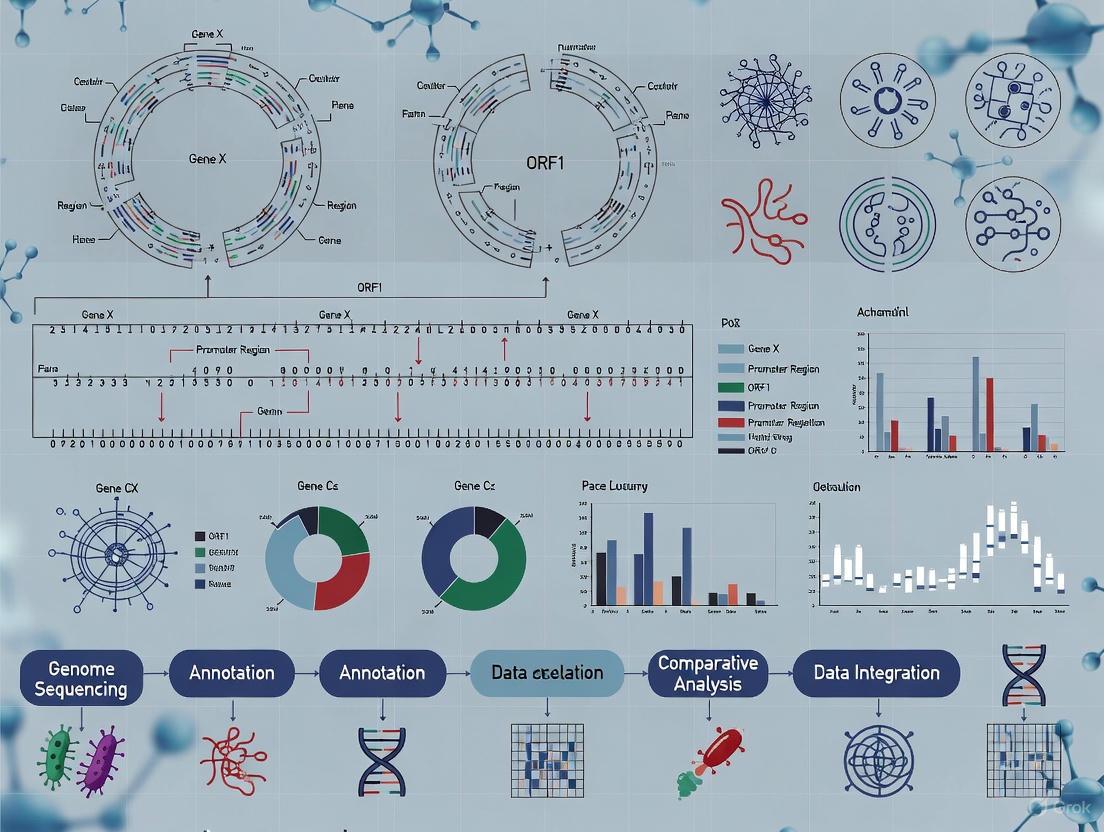
This article provides a comprehensive overview of the transformative role of comparative genomic analysis in understanding and combating emerging pathogens.
Comparative Genomic Analysis of Emerging Pathogens: From Surveillance to Drug Discovery
Abstract
This article provides a comprehensive overview of the transformative role of comparative genomic analysis in understanding and combating emerging pathogens. Tailored for researchers, scientists, and drug development professionals, it explores the foundational principles of genomic epidemiology, detailing advanced methodologies from whole-genome sequencing to AI-driven analysis. The article further addresses critical challenges in study design and optimization, presents robust frameworks for data validation and quality control, and synthesizes key takeaways to outline future directions for biomedical research and clinical application. By integrating the latest research and real-world case studies, this review serves as a strategic guide for leveraging pathogen genomics in public health and therapeutic development.
Unveiling Pathogen Emergence: Foundational Concepts and Genomic Epidemiology
Defining Emerging Infectious Diseases and the Role of Pathogen Genomics
Emerging infectious diseases (EIDs) are defined as infections that have recently appeared within a population or whose incidence or geographic range is rapidly increasing or threatens to increase in the near future [1]. This category includes previously undetected or unknown infectious agents, known agents that have spread to new geographic locations or populations, and previously known agents whose role in specific diseases had previously gone unrecognized [1]. Additionally, the re-emergence of agents whose incidence had significantly declined in the past, known as re-emerging infectious diseases, represents a significant public health challenge [1]. Since the 1970s, approximately 40 infectious diseases have been discovered, including SARS, MERS, Ebola, chikungunya, avian flu, swine flu, Zika, and most recently COVID-19 [1].
The critical importance of EIDs lies in their potential to cause widespread morbidity and mortality, disrupt societies and economies, and challenge public health systems globally. The World Health Organization noted in its 2007 report that infectious diseases are emerging at an unprecedented rate [1]. Multiple factors contribute to this emergence, including population growth, migration from rural areas to cities, international air travel, poverty, wars, destructive ecological changes, and climate change [1]. Particularly concerning is that many emerging diseases arise when infectious agents in animals are passed to humans (zoonoses), as the expanding human population increasingly comes into contact with animal species that are potential hosts of infectious agents [1].
In this evolving landscape, pathogen genomics has revolutionized how we detect, monitor, and respond to EIDs. The application of next-generation sequencing (NGS) technologies has transformed public health approaches to infectious diseases, enabling earlier detection, more precise investigation of outbreaks, and better characterization of microbes [2]. Genomic surveillance provides public health agencies with powerful tools to improve their effectiveness across almost all domains of infectious disease management, from foodborne illness outbreaks to tuberculosis control and influenza surveillance [2]. This guide examines the pivotal role of comparative genomic analysis in emerging pathogen research, providing a detailed comparison of methodological approaches and their applications in modern public health practice.
Pathogen Genomics Technologies and Workflows
Fundamental Sequencing Technologies
Pathogen genomics relies on several core sequencing technologies, each with distinct advantages and applications for EID research. Next-generation sequencing (NGS), also called high-throughput sequencing, represents a fundamental advance over earlier Sanger sequencing technology, which was first invented in the 1970s [2]. NGS began with the commercial release of massively parallel pyrosequencing in 2005 and has since undergone rapid efficiency improvements, with sequencing costs falling by as much as 80% year-over-year [2].
The primary sequencing approaches used in pathogen genomics include:
- Whole-genome sequencing (WGS): Provides complete genomic information for comprehensive analysis of pathogens
- Metagenomic next-generation sequencing (mNGS): Sequences all nucleic acids in a sample without targeting, enabling broad pathogen detection
- Targeted next-generation sequencing (tNGS): Enriches specific genetic targets before sequencing, increasing sensitivity for particular pathogens
Each approach offers distinct advantages depending on the research or public health objective, and understanding their comparative performance is essential for effective study design and implementation in EID investigations.
Comparative Performance of Genomic Methodologies
Recent research has directly compared the performance characteristics of different sequencing approaches for pathogen detection. The following table summarizes key findings from a comprehensive comparative study of sequencing methods for lower respiratory tract infections:
Table 1: Performance comparison of sequencing methodologies for pathogen detection
| Parameter | Metagenomic NGS (mNGS) | Capture-based tNGS | Amplification-based tNGS |
|---|---|---|---|
| Number of species identified | 80 | 71 | 65 |
| Cost per sample | $840 | Not specified | Not specified |
| Turnaround time | 20 hours | Shorter than mNGS | Shortest among methods |
| Accuracy | Lower than tNGS | 93.17% | Lower than capture-based tNGS |
| Sensitivity | Lower than capture-based | 99.43% | Poor for gram-positive (40.23%) and gram-negative bacteria (71.74%) |
| DNA virus specificity | Not specified | Lower (74.78%) | Higher (98.25%) |
| Key advantage | Detection of rare pathogens | Optimal for routine diagnostics | Rapid results with limited resources |
This comparative data, derived from a study of 205 patients with suspected lower respiratory tract infections, demonstrates that capture-based tNGS demonstrated significantly higher diagnostic performance than the other two NGS methods when benchmarked against comprehensive clinical diagnosis [3]. The fundamental difference between these approaches lies in their workflows: mNGS aims to sequence as much DNA and/or RNA as possible from a sample, whereas tNGS workflows focus on enriching specific genetic targets for sequencing [3].
Experimental Workflows and Protocols
The experimental workflow for pathogen genomic analysis involves multiple critical steps, each requiring specific protocols and quality control measures. The following diagram illustrates a generalized workflow for pathogen genomic sequencing and analysis:
Diagram 1: Generalized pathogen genomics workflow
For metagenomic NGS, the detailed protocol involves several critical steps. DNA is typically extracted from samples using specialized kits such as the QIAamp UCP Pathogen DNA Kit, followed by host DNA depletion using Benzonase and Tween20 [3]. For RNA viruses, total RNA extraction utilizes kits like the QIAamp Viral RNA Kit, followed by ribosomal RNA removal using a Ribo-Zero rRNA Removal Kit [3]. RNA is reverse transcribed and amplified by systems such as the Ovation RNA-Seq system. Following fragmentation, the library is constructed based on combined DNA and reverse transcribed using systems like Ovation Ultralow System V2, with sequencing typically performed on platforms such as the Illumina Nextseq 550Dx with 75-bp single-end reads [3].
For targeted NGS, two primary enrichment methods exist. Amplification-based tNGS uses pathogen-specific primers for ultra-multiplex PCR amplification to enrich target pathogen sequences. One described protocol uses a Respiratory Pathogen Detection Kit with 198 microorganism-specific primers spanning bacteria, viruses, fungi, mycoplasma, and chlamydia [3]. This process encompasses two rounds of PCR amplification, followed by purification and sequencing on platforms such as the Illumina MiniSeq. Capture-based tNGS employs probe hybridization to enrich target sequences, with protocols involving sample lysis followed by mechanical disruption via a vortex mixer and beads [3].
Quality control measures throughout these workflows are essential. Negative controls, such as peripheral blood mononuclear cell samples from healthy donors or sterile deionized water, should be processed in parallel with each batch to monitor for contamination [3].
Key Research Reagents and Solutions
Successful pathogen genomics research relies on specialized reagents and tools optimized for different aspects of the workflow. The following table catalogues essential research reagent solutions for genomic analysis of emerging pathogens:
Table 2: Essential research reagents for pathogen genomic analysis
| Reagent Category | Specific Examples | Function & Application |
|---|---|---|
| Nucleic Acid Extraction Kits | QIAamp UCP Pathogen DNA Kit, QIAamp Viral RNA Kit, MagPure Pathogen DNA/RNA Kit | Extraction and purification of pathogen nucleic acids from clinical samples |
| Host Depletion Reagents | Benzonase, Tween20 | Selective degradation of host nucleic acids to increase pathogen sequencing sensitivity |
| rRNA Removal Systems | Ribo-Zero rRNA Removal Kit | Depletion of ribosomal RNA to improve detection of non-ribosomal pathogen RNA |
| Reverse Transcription & Amplification Systems | Ovation RNA-Seq system, SuperScript IV Reverse Transcriptase | cDNA synthesis from RNA pathogens and amplification of nucleic acids |
| Library Preparation Kits | Ovation Ultralow System V2, Illumina DNA Prep Kit, Respiratory Pathogen Detection Kit | Preparation of sequencing libraries with appropriate adapters and barcodes |
| Target Enrichment Systems | Custom probe panels (e.g., Illumina Pan-CoV library panel), pathogen-specific primer sets | Selective enrichment of target pathogen sequences for increased sensitivity |
| Sequencing Platforms | Illumina Nextseq, MiniSeq, NovaSeq; Oxford Nanopore GridION/MinION | High-throughput sequencing of prepared libraries |
| Bioinformatics Tools | nf-core/viralrecon, Pangolin, Nextclade, Bowtie2, iVar | Data processing, variant calling, lineage assignment, and phylogenetic analysis |
These research reagents form the foundation of robust pathogen genomics workflows. The selection of specific reagents depends on the pathogen type, sample matrix, sequencing approach, and research objectives. For instance, the use of specialized panels like Illumina's Pan-CoV library panel has been instrumental in identifying novel coronaviruses in wildlife reservoirs, as demonstrated by the discovery of novel avian gammacoronaviruses in feral pigeons [4].
Applications in Public Health and Research
Genomic Epidemiology and Outbreak Investigation
Pathogen genomics has transformed public health approaches to infectious disease surveillance and outbreak investigation. Several key applications demonstrate its transformative impact:
Foodborne Illness Surveillance: The transition from pulsed-field gel electrophoresis (PFGE) to whole-genome sequencing (WGS) in programs like PulseNet has dramatically improved outbreak detection and investigation [2]. Compared with PFGE, WGS offers vastly finer resolution: typically, a three- to six-million base-pair sequence, in contrast to a gel pattern with ten to twenty bands that reflect changes in small parts of the genome [2]. This enhanced resolution allows for more precise linking of cases and identification of transmission sources. In the first three years of WGS implementation for Listeria surveillance (September 2013 through August 2016), 18 outbreaks were solved (6 per year) with a median of just 4 cases per outbreak, compared to only 5 outbreaks total in the 20-year period before PulseNet [2].
Tuberculosis Control: WGS provides much finer resolution subtyping of Mycobacterium tuberculosis than older DNA fingerprinting technologies, allowing health department investigators to detect clusters of cases that may be linked to recent transmission with greater confidence [2]. This enables more targeted interventions to stop transmission chains.
Influenza Surveillance: The United States has implemented a "sequence first" approach to influenza virus characterization, where antigenic type and subtype can be inferred directly from sequence data [2]. This approach provides more detailed and timely information for vaccine strain selection and monitoring of antiviral resistance.
SARS-CoV-2 Surveillance: The COVID-19 pandemic demonstrated the critical importance of genomic surveillance for tracking viral evolution and informing public health responses. Large-scale phylogenetic analyses have enabled detailed understanding of variant emergence and spread [5]. For instance, discrete phylogeographic analysis of Omicron BA.5 sublineage introductions revealed that while the earliest introductions came from Africa (the putative variant origin), most were from Europe, matching a high volume of air travelers [5].
Understanding Transmission Dynamics and Pathogen Evolution
Genomic analysis provides powerful insights into the transmission dynamics and evolutionary pathways of emerging pathogens:
Mycoplasma pneumoniae Resurgence: Genomic epidemiological analysis of the 2023 Mycoplasma pneumoniae outbreak in Beijing revealed that the resurgence was not attributable to a novel variant but stemmed from the resurgence of pre-existing strains [6]. The study sequenced 160 M. pneumoniae genomes and identified ST3 and ST14 as the predominant sequence types, with the macrolide-resistant mutation rate of ST3 maintained at 100%, while that of ST14 increased rapidly [6]. This type of analysis helps explain the changing epidemiology and antimicrobial resistance patterns of respiratory pathogens.
Variant Emergence and Spread: Phylogeographic analysis of SARS-CoV-2 Omicron BA.5 emergence in the United States demonstrated extensive domestic transmission between different regions, driven by population size and cross-country transmission between key hotspots [5]. Most BA.5 virus transmission within the United States occurred between three regions in the southwestern, southeastern, and northeastern parts of the country [5]. This understanding of spatial transmission patterns informs targeted surveillance and intervention strategies.
Wildlife Reservoir Surveillance: Genomic analysis of pathogens in animal reservoirs provides early warning of potential emergence threats. For example, the discovery of novel avian gammacoronaviruses in feral pigeons using next-generation sequencing highlights the utility of these technologies in uncovering hidden viral diversity in wildlife populations [4]. This approach aligns with One Health principles that recognize the interconnectedness of human, animal, and environmental health.
The integration of pathogen genomics into public health practice has fundamentally transformed our approach to emerging infectious diseases. Comparative genomic analysis provides unprecedented resolution for detecting outbreaks, tracking transmission, understanding pathogen evolution, and guiding interventions. The methodological comparisons presented in this guide demonstrate that choice of sequencing approach must be guided by specific use cases—whether broad pathogen detection (mNGS), routine diagnostic testing (capture-based tNGS), or rapid results with limited resources (amplification-based tNGS).
As sequencing technologies continue to advance and costs decline, the role of genomics in managing emerging infectious diseases will expand further. Future directions will likely include greater integration of genomic data with clinical and epidemiological information, more rapid point-of-care sequencing technologies, and enhanced global data sharing networks. The decentralized genomic surveillance circuit established in Andalusia, Spain, which sequenced over 42,500 SARS-CoV-2 genomes and tracked the transition through multiple variant waves, demonstrates the feasibility of large-scale sequencing within decentralized healthcare systems [7]. Such frameworks provide a model for future pandemic preparedness.
The ongoing challenge of emerging infectious diseases requires continued investment in genomic surveillance infrastructure, bioinformatics capabilities, and interdisciplinary collaboration across the One Health spectrum. By leveraging the powerful tools of comparative genomic analysis, researchers, public health professionals, and drug development specialists can enhance our collective ability to detect, understand, and respond to the continuous threat of emerging pathogens.
Core Principles of Genomic Epidemiology and Phylodynamics
Genomic epidemiology represents a transformative discipline that integrates pathogen genome sequencing with epidemiological data to track and understand the spread of infectious diseases. This field leverages the genomic signatures left by pathogen evolution during transmission to generate evidence about disease spread and sources [8]. Simultaneously, phylodynamics combines evolutionary biology and epidemiology to infer population-level transmission dynamics from genetic data, exploiting how pathogen genetic diversity accumulates over epidemiological timescales [8]. Together, these approaches have revolutionized outbreak investigations, enabling researchers to identify transmission clusters, uncover unsampled transmission links, and monitor the emergence of variants with concerning properties such as enhanced virulence or antimicrobial resistance [9] [10].
The foundational principle underlying these fields is measurable evolution—the phenomenon whereby pathogens accumulate genetic diversity on the same timescale as transmission occurs, making this diversity informative about transmission timing and patterns [8]. This principle has been successfully applied to diverse pathogens, from rapidly evolving viruses like SARS-CoV-2 and Ebola to bacterial pathogens including Acinetobacter baumannii and Salmonella [8] [9] [11]. The COVID-19 pandemic particularly highlighted the value of genomic surveillance, with global sequencing efforts producing millions of SARS-CoV-2 genomes that enabled real-time tracking of variants and informed public health responses [9].
Foundational Methodological Frameworks
Core Analytical Models
Phylodynamic analyses rely on mathematical models that connect epidemiological processes with observable genetic data. The two foundational tree priors used in phylodynamics are the coalescent and birth-death models, each with distinct assumptions and applications [8].
The coalescent model originated in population genetics and operates backward in time, modeling how sampled lineages merge (coalesce) into common ancestors [8] [10]. This framework is particularly useful for inferring historical population dynamics from genetic data and operates most effectively when the sample size is small relative to the total population size [10]. The coalescent rate depends on the effective population size (Nₑ(t)), which represents the size of an idealized population that would generate the observed genetic diversity [8]. In infectious disease contexts, changes in effective population size reflect fluctuations in the number of infections over time, providing insights into epidemic growth or decline.
In contrast, the birth-death model operates forward in time, explicitly modeling transmission (birth), recovery (death), and sampling events [12]. This approach provides a more natural representation of epidemic processes and remains valid even when sampling is dense [8]. Birth-death models parameterize key epidemiological quantities including transmission rates, recovery rates, and sampling probabilities, enabling direct estimation of the effective reproduction number (Rₑ(t)) and prevalence of infection [12].
Table 1: Comparison of Foundational Phylodynamic Models
| Feature | Coalescent Model | Birth-Death Model |
|---|---|---|
| Temporal direction | Backward-in-time | Forward-in-time |
| Key parameters | Effective population size (Nₑ) | Transmission, recovery, and sampling rates |
| Sampling assumption | Small sample relative to population | Valid for dense sampling |
| Primary output | Historical population size | Transmission tree, Rₑ, prevalence |
| Computational efficiency | Generally faster | More computationally intensive |
| Epidemiological interpretation | Indirect, requires conversion | Direct interpretation |
Key Epidemiological Parameters
Phylodynamic methods estimate crucial epidemiological parameters that quantify transmission dynamics and disease burden:
Basic reproduction number (R₀): The average number of secondary infections from a single infected individual in a fully susceptible population, typically inferred during the early exponential growth phase of an outbreak [8].
Effective reproduction number (Rₑ(t)): The time-varying average number of secondary infections per infectious individual, reflecting changing transmission dynamics due to interventions, immunity, or behavior [8] [12].
Serial interval: The time between symptom onset in an infector and infectee, which informs about transmission speed and timing [13].
Prevalence of infection: The number of infected individuals at a specific time, which can be estimated through phylodynamic methods even with incomplete case observations [12].
These parameters are estimated from time-stamped pathogen genomes, which provide information about evolutionary relationships, and epidemiological data such as case counts or symptom onset dates [12].
Current Applications and Experimental Approaches
Tracking Bacterial Pathogen Evolution
Genomic epidemiology has revealed crucial insights into the population dynamics of bacterial pathogens. A comprehensive study of Acinetobacter baumannii bloodstream isolates in China (2011-2021) demonstrated how genomic analysis can track the expansion of specific lineages and identify factors driving their success [14]. Researchers analyzed 1,506 non-repetitive isolates from 76 hospitals, identifying 149 sequence types (STs) and 101 K-locus types (KLs) through whole-genome sequencing [14]. The study revealed a notable shift in dominant STs within International Clone 2: while ST195 decreased from 42.18% to 8.5% and ST191 declined from 18.37% to 0.9%, ST208 increased from 12.93% to 21.19% between 2014-2021 [14]. This study exemplifies how large-scale genomic surveillance can identify successful lineages and investigate their underlying adaptive advantages.
Table 2: Bacterial Genomic Epidemiology Case Study - A. baumannii in China
| Analysis Component | Methodology | Key Finding |
|---|---|---|
| Population structure | Oxford MLST scheme, capsular typing | 149 STs and 101 KLs identified; IC2 dominant (81.74%) |
| Temporal dynamics | Comparative analysis of isolates across 11 years | Shift from ST195/ST191 to ST208/ST369/ST540 |
| Virulence assessment | Phenotypic experiments on representative strains | ST208 exhibited higher virulence, antibiotic resistance, and desiccation tolerance |
| Transmission patterns | Phylogenetic analysis | ST208 showed more complex transmission networks |
| Antimicrobial resistance | Genomic identification of resistance genes | Carbapenem-resistant A. baumannii (CRAB) rate ~70% in China |
Estimating Transmission Dynamics from Genomic Data
Pathogen genomes enable estimation of key transmission parameters even when direct contact tracing data is unavailable. A novel framework for serial interval estimation using SARS-CoV-2 sequences demonstrated this approach during the COVID-19 pandemic in Victoria, Australia [13]. The method created "transmission clouds" of plausible infector-infectee pairs based on genomic distance and symptom onset times, then applied a mixture model to account for unsampled intermediate cases [13]. Validation against simulated outbreaks showed the method could accurately estimate mean serial intervals even when only 10% of cases were sampled, though with increasing uncertainty [13]. This approach provided cluster-specific estimates revealing that serial intervals were shorter in schools and meat processing plants compared to healthcare facilities, with important implications for transmission control [13].
Integrating Genomic and Time Series Data
Recent methodological advances enable more robust estimation of epidemic dynamics by integrating multiple data sources. The Timtam package for BEAST2 implements an approximate likelihood approach that combines time-stamped pathogen genomes with time series of case counts to estimate both effective reproduction numbers and historical prevalence [12]. This method accounts for the dependency between datasets while remaining computationally tractable for large outbreaks [12]. Application to SARS-CoV-2 data from the Diamond Princess cruise ship outbreak and poliomyelitis in Tajikistan demonstrated that this integrated approach produces estimates consistent with previous analyses while providing additional insights into infection prevalence [12].
Experimental Protocols and Workflows
Standardized Genomic Epidemiology Pipeline
The following workflow represents a generalized protocol for genomic epidemiology studies, synthesized from multiple applications across bacterial and viral pathogens [14] [13] [11]:
Genomic Epidemiology Workflow
Step 1: Sample Collection and Sequencing
- Collect pathogen samples from clinical or environmental sources with associated metadata (date, location, clinical presentation)
- Perform nucleic acid extraction and whole-genome sequencing using appropriate platforms (Illumina, Nanopore, etc.)
- In the A. baumannii study, this involved collecting 1,506 isolates from 76 hospitals over 11 years [14]
Step 2: Genomic Data Processing
- Conduct quality control of raw reads to remove contaminants and low-quality data
- Assemble genomes using appropriate assemblers (SPAdes, Velvet, etc.)
- Annotate genomes to identify genes of interest (virulence factors, resistance markers)
- The NTS study in Peru excluded 158 of 1,000 initially sequenced genomes due to quality concerns [11]
Step 3: Phylogenetic and Population Analysis
- Perform multi-locus sequence typing (MLST) or whole-genome MLST to classify isolates
- Construct phylogenetic trees using appropriate substitution models and clock assumptions
- Analyze population structure and identify clusters
- The NTS analysis identified 40 different STs among 1,122 genomes [11]
Step 4: Integration with Epidemiological Data
- Combine phylogenetic clusters with case data to infer transmission patterns
- Estimate epidemiological parameters (Rₑ, serial intervals, prevalence)
- Spatiotemporal analysis to track pathogen spread
Phylodynamic Analysis for Estimation of Transmission Parameters
Phylodynamic Analysis Pipeline
Step 1: Data Preparation
- Collect time-stamped pathogen sequences with sampling dates
- Gather epidemiological data (case counts, symptom onset dates, etc.)
- Align sequences and assess evolutionary substitution models
Step 2: Model Specification
- Select appropriate molecular clock model (strict, relaxed) based on temporal signal
- Choose tree prior (coalescent, birth-death) based on sampling density and research question
- Specify prior distributions for key parameters based on existing knowledge
Step 3: Parameter Estimation
- Run Bayesian phylogenetic inference using software such as BEAST2
- Assess convergence and effective sample sizes of parameters
- Validate model fit using posterior predictive simulations
Step 4: Interpretation and Visualization
- Extract estimates of key parameters (Rₑ, prevalence, serial intervals)
- Visualize results using skyline plots, transmission trees, or other appropriate formats
- The Timtam package enables estimation of historical prevalence in addition to reproduction numbers [12]
Essential Research Reagents and Computational Tools
Table 3: Research Reagent Solutions for Genomic Epidemiology
| Category | Specific Tools/Reagents | Function/Application |
|---|---|---|
| Sequencing Platforms | Illumina, Nanopore, PacBio | Whole-genome sequencing of pathogen isolates |
| Bioinformatics Tools | BEAST2, PhyML, RAxML | Phylogenetic inference and evolutionary analysis |
| Genomic Epidemiology Software | Timtam, EpiInf, outbreaker | Phylodynamic analysis and transmission parameter estimation |
| Quality Control Tools | FastQC, MultiQC | Assessment of sequencing read quality |
| Assembly and Annotation | SPAdes, Prokka, Roary | Genome assembly and pan-genome analysis |
| Variant Calling | GATK, SAMtools, FreeBayes | Identification of genetic variants and SNP calling |
| Visualization | Microreact, ITOL, ggplot2 | Visualization of phylogenetic trees and spatiotemporal spread |
Comparative Analysis and Future Directions
Genomic epidemiology and phylodynamics face several methodological challenges that influence their application to emerging pathogens. A key consideration is sampling bias, as uneven sampling across time or geography can distort phylodynamic inferences [9]. Additionally, the evolutionary rate of the pathogen determines the temporal resolution possible, with faster-evolving viruses generally providing more detailed insights into recent transmission events [9]. The assumptions linking transmission events to phylogenetic branching times also present challenges, as multiple transmissions from a single host or within-host evolution can complicate these relationships [8].
Future methodological developments are focusing on integrating multiple data sources more efficiently, improving computational efficiency for large datasets, and extending phylodynamic approaches to slower-evolving pathogens [9] [12]. There is also growing interest in real-time genomic epidemiology that can provide actionable insights during ongoing outbreaks, as demonstrated during the COVID-19 pandemic [9] [13]. As these methods continue to mature, they will enhance our ability to track and control diverse pathogens, from hospital-outbreak bacteria like A. baumannii to foodborne pathogens like non-typhoidal Salmonella and emerging viruses [14] [11].
The resurgence of Mycoplasma pneumoniae infections following the relaxation of COVID-19 pandemic restrictions represents a significant challenge in the field of respiratory pathogens. This case study employs comparative genomic analysis to investigate the genetic foundations of the 2023-2025 global resurgence, focusing on the balance between genomic stability and evolution that enables this pathogen to re-emerge after periods of suppression. Through the lens of genomic epidemiology, we analyze the molecular characteristics of circulating strains, their macrolide resistance profiles, and the phylogenetic relationships that distinguish geographic lineages. The insights gained from this analysis provide a framework for understanding pathogen resurgence patterns and inform public health responses to anticipated epidemic cycles.
Genomic Epidemiology of the Recent Resurgence
Post-Pandemic Resurgence Patterns
The cyclical nature of M. pneumoniae infections, typically occurring every 3-7 years, was disrupted by nonpharmaceutical interventions implemented during the COVID-19 pandemic [15] [16]. The subsequent resurgence in late 2023 represented a delayed epidemic wave, occurring approximately four years after the previous 2019 wave [15]. This pattern was observed globally, with notable outbreaks reported across Asia, Europe, and North America [16]. Genomic surveillance played a crucial role in confirming that this resurgence was driven by conventional respiratory pathogens rather than novel variants, providing reassurance to public health agencies including the World Health Organization [15].
Table 1: Global Distribution of Dominant M. pneumoniae Sequence Types
| Geographic Region | Predominant Sequence Types | Timeline | Key Characteristics |
|---|---|---|---|
| Beijing, China | ST3 (58.1%), ST14 (40.6%) | 2018-2023 | ST3 maintained 100% macrolide resistance [15] |
| United Kingdom | ST3 (34.2%), ST14 (18.4%) | 2016-2024 | Emerging macrolide resistance in ST3 [16] |
| Taiwan | ST3 (60.6%), ST17 (31.3%) | 2017-2020 | Multiple 23S rRNA mutations observed [17] |
| Multiple European Countries | Diverse distribution | 2016-2024 | Lower macrolide resistance rates (<10%) [16] |
Genomic Stability of Resurgent Strains
Comparative genomic analysis revealed that the 2023 outbreak strains exhibited 99% to >99% similarity when aligned to the reference M129 genome, indicating that the resurgence was not attributable to novel variants but rather to the re-emergence of pre-existing strains [15] [18]. The primary genetic variations were concentrated in the P1 adhesion gene, which plays a critical role in host cell attachment and represents a key antigenic target [15] [19]. This genetic conservation across the core genome, juxtaposed with strategic variation in surface proteins, illustrates the evolutionary balance that facilitates recurrent epidemics through partial immune evasion while maintaining fitness.
Comparative Genomic Analysis: Methodologies and Workflows
Sample Processing and Whole Genome Sequencing
The foundational step in genomic epidemiology involves robust sample processing and sequencing. Research groups have employed probe-capture-based enrichment to obtain high-quality M. pneumoniae genomes from clinical samples, significantly enhancing sequencing depth and coverage [15] [18]. The standard workflow begins with culture in specialized Mycoplasma broth or SP4 medium, followed by DNA extraction using commercial kits. Libraries are prepared for next-generation sequencing platforms, with an average sequencing depth of approximately 1062× ensuring comprehensive genomic coverage [15] [18].
Table 2: Key Experimental Protocols in M. pneumoniae Genomic Research
| Methodological Step | Specific Protocols | Applications in Analysis |
|---|---|---|
| Sample Collection | Throat swabs, bronchoalveolar lavage fluid, sputum | Pathogen identification and genomic characterization [16] [20] |
| Culture Methods | Mycoplasma broth (OXOID), SP4 medium, PPLO solid medium | Pathogen isolation and purification [15] [19] |
| DNA Extraction | Wizard Genomic DNA Purification Kit, QIAamp DNA Mini Kit | High-quality DNA for sequencing [15] [17] |
| Whole Genome Sequencing | Illumina NovaSeq 6000, MiSeq; Nanopore GridION X5 | Genome assembly and variant detection [15] [16] |
| Variant Calling | GATK HaplotypeCaller, BWA alignment | SNP and indel identification [15] [18] |
| Phylogenetic Analysis | RAxML, BEAST, Roary, Prokka | Evolutionary relationships and population structure [16] [17] |
Bioinformatic Analysis of Genomic Data
The analytical phase employs a comprehensive bioinformatic pipeline for variant identification and phylogenetic reconstruction. Quality-controlled sequencing reads are aligned to reference genomes (typically M129 for P1-type1 or FH for P1-type2) using Burrows-Wheeler Alignment [15]. Variant calling with GATK HaplotypeCaller identifies single-nucleotide polymorphisms (SNPs) and insertions/deletions (indels), with subsequent filtering to exclude repetitive regions and potential homoplasy effects [15] [18]. Phylogenetic reconstruction utilizes maximum likelihood methods, with temporal analysis performed using BEAST to estimate evolutionary rates and population dynamics [17].
Key Genomic Findings and Regional Variations
Population Structure and Phylogenetic Insights
Global phylogenetic analysis of M. pneumoniae has revealed distinct clustering patterns, with strains generally segregating into five primary clades: T1-1 (ST1), T1-2 (mainly ST3), T1-3 (ST17), T2-1 (mainly ST2), and T2-2 (mainly ST14) [17]. These clades demonstrate strong association with P1 subtypes, with T1 clades belonging to P1-type 1 and T2 clades to P1-type 2. The phylogenetic reconstruction clearly shows that strains from Asia and other world regions cluster into distinct clades with significant evolutionary differences [15] [18], suggesting long-term geographic segregation and independent evolution.
Macrolide Resistance Mechanisms and Global Distribution
A critical finding from genomic analyses is the striking disparity in macrolide resistance rates between geographic regions. The Western Pacific region exhibits the highest global prevalence of macrolide-resistant M. pneumoniae (MRMP), with rates exceeding 90% in China and 78.5% in South Korea [15]. In contrast, European countries maintain resistance rates below 10% [16]. This resistance is primarily mediated by point mutations in domain V of the 23S rRNA gene, with A2063G being the most prevalent mutation (89.4% of resistant strains), followed by A2064G (5.3%) and A2063T (5.3%) [17].
Table 3: Macrolide Resistance Profile by Sequence Type
| Sequence Type | Resistance Prevalence | Primary Mutations | Geographic Associations |
|---|---|---|---|
| ST3 | 100% in China [15] | A2063G, A2064G | East Asia (China, Japan, Korea) [16] |
| ST14 | Rapidly increasing [15] | A2063G | Global distribution [16] |
| ST17 | 45.2% in Taiwan [17] | A2063G, A2063T | Taiwan, South Korea [17] |
| ST1 | Documented resistance [17] | A2063G | China, South Korea, Tunisia [17] |
The high prevalence of macrolide resistance in Asia cannot be attributed solely to antibiotic selective pressure, as resistance rates in China continue to increase despite implementation of stricter antibiotic regulations and National Action Plans for Curbing Bacterial Resistance [15]. Genomic analyses have identified Asia-dominant genetic variations in genes associated with genome stability, pathogenesis, and drug resistance, suggesting potential genomic factors contributing to this disparity [15] [18].
The Scientist's Toolkit: Essential Research Reagents
Table 4: Essential Research Reagents for M. pneumoniae Genomic Studies
| Reagent/Category | Specific Examples | Research Application |
|---|---|---|
| Culture Media | Mycoplasma broth (OXOID), SP4 medium, PPLO solid medium | Pathogen isolation and propagation [15] [19] |
| DNA Extraction Kits | Wizard Genomic DNA Purification Kit, QIAamp DNA Mini Kit | High-quality genomic DNA preparation [15] [17] |
| Library Preparation | Enzyme Plus Library Prep Kit, TargetSeq One Kit, NEBNext Ultra II DNA Library Prep | Sequencing library construction [15] [17] |
| Enrichment Systems | M. pneumoniae-specific hybridization capture probes | Target pathogen enrichment from clinical samples [15] |
| Sequencing Platforms | Illumina NovaSeq 6000, MiSeq; Nanopore GridION X5 | Whole genome sequencing [15] [16] |
| Bioinformatic Tools | Trimmomatic, BWA, GATK, Gubbins, RAxML, BEAST | Data quality control, assembly, and phylogenetic analysis [15] [17] |
Clinical Implications and Pathogen Evolution
Association Between Genotype and Disease Severity
The integration of genomic data with clinical outcomes has revealed significant associations between specific genetic profiles and disease severity. All strains isolated from severe pneumonia cases were drug-resistant, with some severe refractory pneumonia cases exhibiting a gene multi-copy phenomenon sharing a conserved functional domain with the DUF31 protein family [19]. Patients infected with macrolide-resistant strains experienced more severe clinical presentations, including pleural effusion and the need for glucocorticoid treatment and bronchoalveolar lavage [19].
Mixed infections further complicate the clinical picture, with approximately 40.5% of hospitalized children with M. pneumoniae pneumonia having co-infections with other pathogens [20]. The most common co-infecting pathogen was Rhinovirus (30.8%), followed by Streptococcus pneumoniae (27.3%) and Haemophilus influenzae (16.1%) [20]. Patients with co-infections demonstrated higher rates of macrolide resistance, required more frequent use of hormones, and were more likely to develop severe pneumonia and bronchial mucus plugs [20].
Recombination and Evolutionary Dynamics
Homologous recombination plays a crucial role in the evolution of M. pneumoniae, with RepMP elements serving as hotspots for genetic exchange. Genomic analyses have identified 108 putative recombination blocks spanning an average of 1.3 kb/recombination event, covering approximately 10 kb/isolate (1.3% of the genome) [17]. A key recombination block containing six genes (MPN366-371) has been identified as significant in the evolutionary dynamics of the pathogen [17].
The recombination rate varies substantially between clades, with clade T1-2 (predominantly ST3) showing the highest recombination rate and genome diversity [17]. This enhanced genetic flexibility may contribute to the successful expansion of this clade, particularly in regions with high antibiotic selective pressure. The functional characterization of recombined regions has begun to clarify the biological role of these recombination events in the evolution of M. pneumoniae, particularly in surface antigen variation and potential immune evasion mechanisms.
Genomic analysis has revealed that the recent global resurgence of M. pneumoniae was not driven by novel variants but rather by the re-emergence of pre-existing strains, particularly sequence types ST3 and ST14, following the relaxation of COVID-19 restrictions [15] [18] [16]. The high genomic stability of this pathogen, combined with strategic variation in adhesion genes and differential macrolide resistance profiles, creates a complex epidemiological landscape. The stark geographic disparities in macrolide resistance rates, with East Asia experiencing rates exceeding 90% compared to Europe's 10%, point to multifactorial determinants beyond antibiotic selective pressure alone [15] [16].
Future research directions should include the establishment of comprehensive global genomic surveillance networks to monitor the circulation and evolution of M. pneumoniae strains, particularly focusing on the emergence and spread of macrolide resistance. Functional studies exploring the biological significance of Asia-dominant genetic variations and recombination hotspots will enhance our understanding of the genomic factors contributing to regional disparities in resistance patterns. The integration of genomic data with clinical outcomes through multidisciplinary collaborations will ultimately inform treatment guidelines and public health responses to mitigate the impact of future epidemic cycles.
Comparative genomic analysis has become an indispensable tool in the fight against antimicrobial resistance (AMR), enabling researchers to decipher the complex genetic blueprints of bacterial pathogens with unprecedented precision. By comparing entire genome sequences, scientists can now simultaneously identify virulence factors that cause disease and genetic markers conferring resistance to antibiotics [21]. This dual approach is critical for understanding the pathogenesis and persistence of emerging pathogens, from opportunistic bacteria in clinical settings to strains circulating at the animal-human interface [22] [23]. The integration of genomic data with phenotypic testing provides a powerful framework for tracking the evolution and spread of high-risk clones, informing both clinical management and public health policies aimed at curbing the silent pandemic of AMR [24] [21].
Key Methodologies in Comparative Genomic Analysis
Whole-Genome Sequencing and Assembly
The foundation of any comparative genomic study is high-quality genome sequencing and assembly. The standard workflow begins with extracting genomic DNA from bacterial isolates, followed by library preparation and sequencing on platforms such as the Illumina NovaSeq, which generates short paired-end reads (e.g., 2×150 bp or 2×250 bp) [25]. The resulting raw reads undergo quality control checks using tools like FastQC to assess sequence quality. De novo assembly of quality-filtered reads is then performed using assemblers such as SPAdes, producing contigs that are evaluated for quality and completeness with QUAST [25]. For more complex analyses, including resolving plasmid structures, long-read sequencing technologies (e.g., Oxford Nanopore) may be integrated to produce hybrid assemblies.
Bioinformatics Pipelines for Gene Detection
Specialized bioinformatics pipelines are essential for standardizing the annotation and detection of genes of interest. The "in-house WGSBAC pipeline" exemplifies an integrated approach, coordinating multiple analytical tools [25]. Key functional annotations are typically performed with Prokka, while dedicated databases and detection tools are employed for specific gene categories:
- Antimicrobial Resistance Genes: AMRFinderPlus, Abricate with ResFinder and CARD databases [25] [21]
- Virulence Factors: Abricate with the Virulence Factor Database (VFDB) and Virulence Finder [25] [22]
- Mobile Genetic Elements: Identification of plasmids, insertion sequences, and pathogenicity islands [24] [21]
Phylogenetic and Population Analysis
Strain classification and phylogenetic relationships are determined through several typing methods. Multi-locus sequence typing (MLST) assigns sequence types based on seven housekeeping genes, while core-genome MLST (cgMLST) provides higher resolution by comparing hundreds to thousands of core genes across the entire genome [25]. Phylogenetic trees are constructed using methods like maximum likelihood (FastTree), and population structure analysis often involves clustering algorithms based on evolutionary distances [26]. These analyses help trace transmission pathways, identify outbreaks, and understand the population dynamics of resistant clones.
Table 1: Key Bioinformatics Tools and Databases for Comparative Genomic Analysis
| Tool/Database | Primary Function | Application in Analysis |
|---|---|---|
| SPAdes | De novo genome assembly | Assembles short reads into contigs and scaffolds [25] |
| Prokka | Rapid genome annotation | Annotates features like genes, rRNA, tRNA [25] |
| AMRFinderPlus | Resistance gene identification | Detects AMR genes and mutations [25] |
| Abricate | Screening contigs against databases | Mass-screens for AMR/virulence genes [25] |
| ResFinder/CARD | AMR gene databases | Reference databases for resistance determinants [25] [21] |
| Virulence Factor Database (VFDB) | Virulence gene database | Reference database for virulence factors [25] [22] |
| SeroTypeFinder | In silico serotyping | Determines O and H antigens for E. coli [25] |
Figure 1: Core bioinformatics workflow for comparative genomic analysis of virulence and antimicrobial resistance genes, illustrating the pipeline from sample collection to data integration.
Comparative Analysis of Resistance and Virulence Across Pathogens
Escherichia coli: From Livestock to Humans
Studies of E. coli across different reservoirs reveal concerning patterns of multidrug resistance. A study of E. coli from South American camelids in Germany found that over half (23/39) of cephalosporin- or fluoroquinolone-resistant isolates were genotypically classified as multidrug resistant [25]. Resistance genes for trimethoprim/sulfonamides (22/39), aminoglycosides (20/39), and tetracyclines (18/39) were frequently detected, with blaCTX-M-1 being the most common extended-spectrum β-lactamase gene (16/39) [25]. Similarly, surveillance of Chinese swine farms identified E. coli sequence types ST10 and ST641 as widespread carriers of numerous antimicrobial resistance genes, including blaNDM-1, mcr-1.1, and blaOXA-10 [27]. The co-location of multiple ARGs on single plasmids, flanked by mobile genetic elements, facilitates their horizontal transfer, posing a significant public health risk.
Staphylococcus Species: Clinical and Zoonotic Threats
Comparative genomics of Staphylococcus aureus isolates from patients and retail meat in Saudi Arabia revealed a high prevalence of antibiotic resistance genes (tet38, blaZ, fosB) in both groups [22]. Notably, 100% of patient isolates and 43% of meat isolates were phenotypically multidrug-resistant, with all patient isolates carrying MDR genes [22]. Virulence genes (cap, hly/hla, sbi, isd) and enterotoxin genes (selX, sem, sei) were consistently present in isolates from both sources, highlighting the genetic connectivity between meat-borne and clinical S. aureus populations [22].
Meanwhile, a study on Staphylococcus epidermidis isolated from musculoskeletal infections (MSI) demonstrated that pathogenic isolates were genetically distinct from commensal strains [28]. MSI-derived isolates were significantly more likely to carry the mecA gene (conferring methicillin resistance) and the pathogenic marker IS256, with IS256-positive isolates being eight times more likely to develop persistent infections [28]. These isolates also exhibited higher rates of resistance to ciprofloxacin, gentamicin, and rifampicin, along with enhanced biofilm formation capabilities [28].
Emerging and Opportunistic Pathogens
Genomic analysis of novel Aliarcobacter faecis and Aliarcobacter lanthieri species, isolated from human and livestock feces, identified an array of virulence-related factors in both species [23]. These included flagella genes for motility, secretion pathway genes (Tat, type II, and III), and invasion/immune evasion genes (ciaB, iamA, mviN) [23]. A. lanthieri tested positive for 11 virulence, antibiotic-resistance, and toxin genes, including cadF (adherence) and cytolethal distending toxin genes (cdtA, cdtB, cdtC), highlighting their potential as opportunistic pathogens [23].
Table 2: Distribution of Key Resistance and Virulence Genes Across Bacterial Species
| Pathogen | Source | Key Resistance Genes | Key Virulence Factors |
|---|---|---|---|
| Escherichia coli | SAC (Germany) [25] | blaCTX-M-1, tet, sul, aac | Not emphasized |
| Escherichia coli | Swine Farms (China) [27] | blaNDM-1, mcr-1.1, blaOXA-10 | Not specified |
| Staphylococcus aureus | Patients & Meat (Saudi Arabia) [22] | tet38, blaZ, fosB, mecA | cap, hly/hla, sbi, isd, selX, sem, sei |
| Staphylococcus epidermidis | MSI Patients [28] | mecA | IS256, Biofilm formation genes |
| Aliarcobacter spp. | Human/Livestock Feces [23] | tet(O), tet(W), gyrA mutations | cadF, ciaB, cdtABC, flagella genes |
Experimental Protocols for Genomic Surveillance
Strain Selection and Antimicrobial Susceptibility Testing
Robust genomic surveillance begins with careful strain selection to ensure representativeness. Studies typically employ strategies that maximize diversity based on holding/farm origin, preliminary typing profiles (e.g., MLVA), and antimicrobial resistance profiles [25]. For antimicrobial susceptibility testing (AST), the BD Phoenix M50 Automated System is widely used to determine minimum inhibitory concentrations (MICs) against a panel of relevant antimicrobial agents [27]. The procedure involves preparing 0.5 McFarland bacterial suspensions, inoculating AST panels, and automated incubation/reading. Results are interpreted according to established clinical breakpoints (e.g., EUCAST or CLSI standards) to define resistant, intermediate, and susceptible categories.
Conjugation Assays for Horizontal Transfer Evaluation
To experimentally confirm the mobility of resistance genes, conjugation transfer experiments are performed. These assays typically use a sodium azide-resistant E. coli J53 strain as the recipient [27]. Donor and recipient strains are mixed and incubated together overnight. Transconjugants (recipient cells that have acquired resistance plasmids) are then selected on agar containing both sodium azide and a selecting antibiotic (e.g., meropenem for blaNDM-carrying plasmids). Successful conjugation demonstrates the potential for horizontal spread of resistance genes in natural environments, providing crucial experimental validation to complement genomic predictions of mobility.
The Scientist's Toolkit: Essential Research Reagents
Table 3: Essential Research Reagents and Solutions for Genomic AMR Studies
| Reagent/Solution | Function in Research | Example Application |
|---|---|---|
| Luria-Bertani (LB) Broth/Agar | General bacterial growth medium | Culturing E. coli and other Gram-negative bacteria prior to DNA extraction [25] [27] |
| Selective Media (MacConkey, m-AAM) | Selective isolation of target bacteria | Primary isolation of E. coli [27] or Aliarcobacter spp. [23] from complex samples |
| DNeasy Microbial Kit | High-quality genomic DNA extraction | Purifying DNA for sequencing; minimizes inhibitors [25] |
| Illumina DNA Library Prep Kits | Preparing sequencing libraries | Fragmenting DNA and adding adapters for Illumina sequencing [25] [23] |
| BD Phoenix NMIC-413 Panels | Automated antimicrobial susceptibility testing | Phenotypic resistance profiling of Gram-negative bacteria [27] |
| Chromogenic Agar (e.g., MRSA) | Selective and differential isolation | Rapid phenotypic screening for specific resistant pathogens [22] |
Discussion and Future Directions
The expanding application of comparative genomics is transforming our understanding of AMR transmission dynamics across One Health sectors. Studies now clearly demonstrate the genetic connectivity between pathogens in livestock and human clinical settings, with identical resistance genes and mobile genetic elements shared between these reservoirs [22] [27]. This evidence underscores the necessity of integrated surveillance systems that track resistance across human, animal, and environmental compartments.
However, significant challenges remain in achieving equitable global genomic surveillance. A recent analysis revealed that 89 countries have no publicly available genomic data for key drug-resistant pathogens, while 146 countries have not contributed any such data since 2020 [29]. Nearly 90% of all usable AMR genomic data originates from high-income countries, with the USA and UK alone accounting for over 65% of sequences, creating dangerous blind spots in global health surveillance [29].
Future progress will depend on overcoming barriers to sequencing capacity in resource-limited settings, standardizing analytical pipelines, and promoting data sharing following FAIR principles (Findable, Accessible, Interoperable, and Reusable) [21]. The continued development of platforms like amr.watch, which automatically aggregates and contextualizes global genomic data, represents a crucial step toward building more equitable and effective surveillance networks [29]. As access to sequencing technologies improves, the integration of real-time genomic data into public health decision-making will be essential for designing targeted interventions to curb the spread of resistant pathogens.
Figure 2: Translational impact pathway of genomic AMR data, illustrating how genomic surveillance informs multiple sectors from clinical practice to global health security.
Phylogenetics, the study of evolutionary relationships among biological entities, has transformed from a historical discipline into a powerful tool for addressing pressing public health challenges. In research on emerging pathogens, it provides the quantitative framework needed to reconstruct transmission networks, trace the origin of outbreaks, and understand the evolutionary forces shaping epidemics. This guide compares the performance of key phylogenetic methods and products used in comparative genomic analysis, providing researchers with data-driven insights to select the right tools for their work.
Key Phylogenetic Metrics and Methods in Action
The performance of phylogenetic methods is best evaluated by their application to real-world public health problems. The table below summarizes findings from recent studies that used different metrics to investigate pathogen transmission.
Table 1: Comparison of Phylogenetic Metrics Applied to Pathogen Transmission Studies
| Pathogen / Context | Phylogenetic Method | Key Finding | Performance Insight |
|---|---|---|---|
| Mycobacterium tuberculosis in Brazilian prisons [30] | Genomic Clustering, THD, LBI, Bayesian Transmission Trees (BREATH) | No significant difference in transmission metrics between symptomatic vs. asymptomatic cases (e.g., clustering: 77% vs. 85%, p=0.816) [30] | Multiple genomic metrics provided consistent, robust evidence, underscoring the major role of asymptomatic TB. |
| HIV-1 in Nantong, China [31] | Molecular Transmission Network (0.5% genetic distance threshold) | 27.1% (326/1203) of sequences incorporated into the transmission network; older age and subtype C were key risk factors for being in clusters [31] | Molecular networks effectively identified active transmission clusters and associated demographic risk factors. |
| SARS-CoV-2 Pandemic [32] | Multi-scale Phylodynamic Agent-Based Model (PhASE TraCE) | Model replicated real-world virus evolution, linking public health interventions to the punctuated emergence of new Variants of Concern (VOCs) [32] | Integrated models can capture complex feedback loops between human behavior, interventions, and pathogen evolution. |
These studies demonstrate that no single metric is sufficient. A multi-faceted approach, using clustering, population genetic indices, and model-based inference, is often necessary to build a confident picture of transmission dynamics.
Experimental Protocols for Phylogenetic Analysis
Below are detailed methodologies for two key phylogenetic applications: building a transmission network and estimating the time-varying reproduction number (ℛt).
Protocol 1: Constructing a Molecular Transmission Network for HIV-1
This protocol is based on the study of HIV-1 in Nantong, China [31].
Sample Collection and Sequencing:
- Collect plasma or blood samples from newly diagnosed HIV-1 patients.
- Amplify and sequence the HIV-1 pol gene using reverse transcription polymerase chain reaction (RT-PCR) and Sanger sequencing.
Sequence Alignment and Quality Control:
- Align the obtained sequences with reference sequences (e.g., HXB2) using a multiple sequence alignment tool like MAFFT or MUSCLE.
- Manually inspect and edit the alignment to ensure accuracy.
Phylogenetic Tree and Genotype Analysis:
- Construct a preliminary phylogenetic tree (e.g., using Maximum Likelihood in IQ-TREE) to identify the circulating genotypes and check for any obvious contamination or outliers.
Molecular Transmission Network Construction:
- Calculate the pairwise genetic distance between all sequences using the Tamura-Nei 93 (TN93) model or a similar substitution model.
- Define a transmission cluster by setting a genetic distance threshold (e.g., 0.5% substitutions per site). A pair of sequences is linked if their distance is less than or equal to this threshold.
- Use network visualization software (e.g., Cytoscape) to represent the clusters, where nodes represent individual patients and edges represent a genetic link.
Statistical Analysis of Risk Factors:
- Use logistic regression to identify factors (e.g., age, genotype, CD4+ count) associated with being part of a transmission cluster.
Protocol 2: Estimating Time-Varying Reproduction Number (ℛt) from Genomic Data
This protocol compares estimates from genomic and case-count data, as outlined by Are et al. [33].
Outbreak Simulation (for validation):
- Use a simulation platform like
OOPidemicin R to generate an outbreak with a known ground truth ℛt [33]. - The simulator uses a Susceptible-Exposed-Infectious-Recovered (SEIR) framework and generates a genomic sequence for every infected individual.
- Use a simulation platform like
Data Preparation:
- From the simulation, export two files: a linelist (CSV file with infection times) and a FASTA file of pathogen sequences.
ℛt Estimation from Case Count Data (EpiEstim):
- Process the linelist to generate a daily incidence curve and estimate the generation time distribution.
- Input the incidence data and serial interval/generation time distribution into the
EpiEstimR package to estimate ℛt.
ℛt Estimation from Genomic Data (BDSKY):
- Use the FASTA file of sequences as input for the Birth-Death Skyline (BDSKY) model in the BEAST 2.7 software package.
- Run a Markov Chain Monte Carlo (MCMC) analysis to generate a posterior distribution of phylogenetic trees and estimate ℛt through time.
- Post-process the BEAST output using
bdskytoolsin R to summarize the ℛt estimates.
Performance Comparison:
- Compare the accuracy of ℛt estimates from EpiEstim and BDSKY against the known ground truth from the simulation, particularly under different sampling scenarios (e.g., complete vs. sparse sampling).
The Scientist's Toolkit: Research Reagent Solutions
Table 2: Essential Tools and Reagents for Phylogenetic Analysis of Transmission Networks
| Item / Solution | Function / Application | Example Use |
|---|---|---|
| BEAST 2 (BDSKY Model) | Bayesian evolutionary analysis software; Birth-Death Skyline model infers time-varying reproduction number (ℛt) and population dynamics from genomic data. | Estimating the effective reproductive number of an emerging virus over the course of an epidemic [33]. |
| EpiEstim R Package | Estimates the time-varying reproduction number (ℛt) from case incidence data and the serial interval distribution. | Providing a comparison for phylogenetically-derived ℛt estimates or when genomic data is unavailable [33]. |
| OOPidemic R Package | An outbreak simulator that generates both epidemiological linelists and pathogen genomic sequences for a known ground truth. | Validating and comparing the performance of different phylogenetic and epidemiological inference methods [33]. |
| Molecular Transmission Network Pipeline | A custom workflow (often in R or Python) for calculating genetic distances, identifying clusters based on a threshold, and visualizing networks. | Identifying active transmission clusters and super-spreaders for public health intervention, as in HIV-1 studies [31]. |
| Genetic Distance Threshold | A pre-defined cut-off (e.g., 0.5% substitutions/site) used to determine if two pathogen sequences are linked in a transmission chain. | The core parameter for defining links in a molecular transmission network; sensitivity analyses are recommended [31]. |
Visualizing Phylogenetic Workflows
The following diagrams illustrate the logical workflow for a key phylogenetic analysis and the architecture of an advanced multi-scale modeling framework.
Phylogenetic Analysis Workflow
Multi-scale Phylodynamic Modeling
Discussion and Future Directions
The comparative data and protocols presented here underscore that modern phylogenetic analysis relies on integrating multiple methods to achieve high-confidence conclusions. The choice between methods often involves a trade-off between the rich, linked transmission data provided by genomic clustering and the population-level overview of epidemic growth provided by ℛt estimates.
Future directions in the field point towards even deeper integration. Multi-scale phylodynamic models, which couple within-host pathogen evolution with between-host transmission in an agent-based framework, represent the cutting edge [32]. These models can simulate the feedback loops between public health interventions and pathogen evolution, helping to explain phenomena like the punctuated emergence of SARS-CoV-2 variants. Furthermore, the application of artificial intelligence (AI) is poised to enhance the integration of phylogenetic data with other heterogeneous data sources, such as multi-omics and clinical information, promising to unlock new levels of predictive power in infectious disease research [34] [35]. For researchers, the strategic combination of these powerful and validated phylogenetic tools is essential for illuminating the transmission networks and evolutionary history of future emerging pathogens.
Advanced Methodologies and Public Health Applications in Pathogen Genomics
The rapid and accurate identification of pathogens is a cornerstone of effective public health response, particularly for emerging infectious diseases. Next-generation sequencing (NGS) technologies have revolutionized this field by enabling comprehensive genomic analysis directly from clinical and environmental samples. Among the available platforms, Illumina and Oxford Nanopore Technologies (ONT) have emerged as dominant technologies, each with distinct strengths and limitations for pathogen surveillance [36]. Furthermore, metagenomic next-generation sequencing (mNGS) represents a powerful, culture-independent approach that can detect unexpected or novel pathogens without prior assumptions [3].
This guide provides an objective comparison of these technologies, focusing on their application in emerging pathogens research. We compare their performance characteristics, present experimental data from recent studies, detail standardized protocols, and visualize key workflows to inform researchers, scientists, and drug development professionals in selecting appropriate methodologies for their specific research objectives.
Technology Platform Comparison
Illumina sequencing operates on sequencing-by-synthesis principles, generating massive volumes of short reads (typically 100-300 bp) with exceptionally high per-base accuracy (exceeding Q30) [37]. This technology excels in applications requiring quantitative accuracy, such as variant calling and SNP-based phylogenetic analysis. In contrast, Oxford Nanopore sequencing utilizes nanopore-based electronic sensing to generate long reads by measuring current changes as DNA or RNA molecules pass through protein nanopores. This approach produces significantly longer reads (frequently spanning tens of kilobases) enabling resolution of complex genomic regions, though with higher raw error rates (typically Q10-Q15) that can be mitigated through consensus sequencing [36] [37].
Table 1: Fundamental Characteristics of Major Sequencing Platforms
| Feature | Illumina | Oxford Nanopore |
|---|---|---|
| Core Technology | Sequencing-by-synthesis with reversible terminators [36] | Nanopore-based electronic sensing [36] |
| Typical Read Length | Short reads (100-300 bp) [36] | Long reads (≥1,500 bp to >10 kb) [36] |
| Raw Read Accuracy | Very High (>99.9%) [37] | Moderate (96-97%) [37] |
| Primary Strengths | High throughput, low per-base cost, excellent for SNP calling [37] | Long reads for assembly, real-time analysis, portability [38] |
| Typical Applications | Whole genome sequencing, metagenomics, transcriptomics [3] | Genome assembly, structural variant detection, direct RNA sequencing [38] |
Emerging Innovations
Both platforms are undergoing rapid innovation. Illumina is developing Constellation mapped read technology, which uses cluster proximity on the flow cell to generate long-range information without changing core chemistry, expected to improve mapping in complex genomic regions with commercial release slated for 2026 [39] [40]. The 5-base solution for simultaneous genetic and epigenetic variant detection is already available [40]. Oxford Nanopore is focusing on enhancing throughput and consistency, targeting a 60-70% output enhancement into 2026, and developing a voltage-controlled ASIC architecture to handle diverse analytes from DNA to proteins, reinforcing its position as a single-platform solution for multiomic data [38].
Performance Data in Pathogen Research
Recent comparative studies provide empirical data on the performance of these technologies across various applications relevant to emerging pathogen research.
16S rRNA Profiling for Respiratory Microbiomes
A 2025 study comparing Illumina NextSeq and ONT for 16S rRNA profiling of respiratory microbial communities revealed platform-specific biases. Illumina, sequencing the V3-V4 hypervariable region (~300 bp), captured greater taxonomic richness, while ONT, sequencing the full-length 16S rRNA gene (~1,500 bp), provided superior species-level resolution for dominant taxa [36]. Differential abundance analysis showed ONT overrepresented certain taxa (e.g., Enterococcus, Klebsiella) while underrepresenting others (e.g., Prevotella, Bacteroides) [36]. Beta diversity differences were more pronounced in complex porcine microbiomes than in human samples, indicating that sequencing platform effects are sample-type dependent [36].
Table 2: Performance Comparison in 16S rRNA Profiling of Respiratory Samples [36]
| Performance Metric | Illumina NextSeq | Oxford Nanopore |
|---|---|---|
| Target Region | V3-V4 hypervariable region (~300 bp) | Full-length 16S gene (~1,500 bp) |
| Species Richness | Higher | Lower |
| Species-Level Resolution | Limited | Improved |
| Community Evenness | Comparable | Comparable |
| Taxonomic Bias | Detected broader range of taxa | Overrepresented certain dominant species |
Whole Genome Sequencing for Bacterial Pathogens
A 2025 study on Clostridioides difficile highlights the trade-off between accuracy and resolution. Illumina sequencing produced reads with an average quality of 99.68% (Q25), while Nanopore sequencing produced reads with 96.84% (Q15) quality, representing a tenfold difference in error rates [37]. This resulted in approximately 640 base errors per genome in Nanopore data, which incorrectly assigned over 180 alleles in core genome MLST (cgMLST) analysis, rendering Nanopore-derived phylogenies inadequate for high-resolution outbreak investigation [37]. However, both platforms performed comparably in detecting key virulence genes (tcdA, tcdB, cdtAB) and identifying sequence types (STs) when using raw read-based tools [37].
Metagenomic and Targeted NGS for Lower Respiratory Infections
A comprehensive 2025 diagnostic performance comparison of three NGS approaches for lower respiratory infections revealed distinct clinical use cases. Metagenomic NGS (mNGS) identified the highest number of species (80) but had the highest cost ($840) and longest turnaround time (20 hours) [3]. Capture-based targeted NGS (tNGS) demonstrated the highest accuracy (93.17%) and sensitivity (99.43%) against a comprehensive clinical diagnosis, while amplification-based tNGS showed poor sensitivity for gram-positive (40.23%) and gram-negative bacteria (71.74%) but high specificity for DNA viruses (98.25%) [3].
Table 3: Diagnostic Performance of NGS Methods for Lower Respiratory Infections [3]
| Parameter | Metagenomic NGS (mNGS) | Capture-based tNGS | Amplification-based tNGS |
|---|---|---|---|
| Number of Species Identified | 80 | 71 | 65 |
| Cost (USD) | $840 | Information Missing | Information Missing |
| Turnaround Time | 20 hours | Information Missing | Information Missing |
| Diagnostic Accuracy | Lower | 93.17% | Lower |
| Sensitivity | Lower | 99.43% | Lower (40.23% for G+, 71.74% for G-) |
| Specificity (DNA Virus) | Lower | Lower | 98.25% |
| Best Application | Rare/novel pathogen detection | Routine diagnostic testing | Rapid results with limited resources |
Environmental DNA and Targeted Detection
In environmental DNA (eDNA) applications for detecting an invasive host-parasite complex, both Illumina and Nanopore showed similar detection rates for the host species (P. parva), but only when Nanopore sequencing was performed under optimal conditions [41]. Interestingly, Nanopore detected the parasite (S. destruens) in multiple sites where Illumina failed, potentially due to different bioinformatic approaches or Nanopore's higher error rate leading to misassignments [41].
Experimental Protocols for Pathogen Sequencing
Standardized protocols are essential for reproducible genomic research on emerging pathogens. Below are detailed methodologies for key applications cited in the performance comparisons.
Protocol 1: 16S rRNA Profiling for Respiratory Microbiomes
This protocol is adapted from the comparative study of respiratory microbial communities [36].
Sample Collection and DNA Extraction:
- Sample Collection: Collect respiratory samples (e.g., bronchoalveolar lavage fluid) and store immediately at -80°C.
- DNA Extraction: Extract genomic DNA using a commercial kit (e.g., Sputum DNA Isolation Kit). Use ~1 mL of sample, following the manufacturer's instructions with optional modifications to optimize yield and purity.
- Quality Control: Assess DNA concentration and quality using a fluorometer (e.g., Qubit 4) and spectrophotometer (e.g., Nanodrop 2000).
Library Preparation and Sequencing: For Illumina Sequencing:
- Target Amplification: Prepare libraries targeting the V3-V4 hypervariable region of the 16S rRNA gene using a region-specific panel (e.g., QIAseq 16S/ITS Region Panel).
- PCR Amplification: Use the following program: denaturation at 95°C for 5 min; 20 cycles of 95°C for 30 s, 60°C for 30 s, 72°C for 30 s; final elongation at 72°C for 5 min.
- Indexing: Attach index barcodes in a second amplification step.
- Sequencing: Pool libraries and sequence on an Illumina NextSeq platform to generate 2 × 150 bp or 2 × 300 bp paired-end reads.
For Oxford Nanopore Sequencing:
- Library Preparation: Prepare sequencing libraries using the 16S Barcoding Kit (e.g., SQK-16S114.24), following the manufacturer's protocol.
- Sequencing: Pool barcoded libraries and load onto a flow cell (e.g., R10.4.1). Sequence on a MinION Mk1C device using MinKNOW software until flow cell end of life (e.g., 72 hours).
Data Analysis: Illumina Data:
- Processing: Process data using a standardized workflow like nf-core/ampliseq.
- Quality Control: Evaluate sequence quality with FastQC and summarize with MultiQC.
- Primer Trimming: Trim primers using Cutadapt, discarding sequences without primers.
- ASV Inference: Use DADA2 for error correction, read merging, and chimera removal to generate amplicon sequence variants (ASVs).
- Taxonomic Classification: Classify ASVs against the SILVA 138.1 database.
Nanopore Data:
- Basecalling and Demultiplexing: Perform using the Dorado basecaller integrated into MinKNOW, using the High Accuracy (HAC) model.
- Quality Control and Classification: Process reads using the EPI2ME Labs 16S Workflow, which includes filtering and taxonomic classification against the SILVA 138.1 database.
Protocol 2: Metagenomic NGS for Mycobacterium tuberculosis Detection
This protocol is adapted from the large-scale clinical comparison of mNGS and RT-PCR for tuberculosis diagnosis [42].
Sample Processing and DNA Extraction:
- Sample Collection: Collect lower respiratory tract specimens (e.g., BALF, sputum) or extrapulmonary samples.
- DNA Extraction: Extract DNA using a dedicated kit (e.g., IDSeq Micro DNA Kit), following the manufacturer's instructions.
- Negative Controls: Include negative controls in each batch to monitor for contamination.
Library Preparation and Sequencing:
- Library Construction: Construct DNA libraries using the transposase method, which fragments DNA and adds adapters in a single step.
- Quality Control: Assess library quality and concentration.
- Sequencing: Perform 75 bp single-end sequencing on an Illumina NextSeq 550 platform. Generate a minimum of 10 million reads per sample, with a quality score (Q30) ≥ 85%.
Bioinformatic Analysis:
- Quality Filtering: Use fastp software to remove low-quality sequences and short reads (< 35 bp).
- Host Depletion: Map reads to the human reference genome (GRCh38) using BWA and remove aligned reads to deplete host sequences.
- Pathogen Identification: Align remaining non-host reads to comprehensive pathogen genome databases.
- Positive Identification: For Mycobacterium tuberculosis, apply a threshold of standardized microbial read numbers (SMRNs) ≥ 1 for a positive report.
Figure 1: mNGS Workflow for Mycobacterium tuberculosis Detection. This diagram outlines the key steps in the metagenomic NGS protocol for detecting MTB from clinical samples, from nucleic acid extraction to bioinformatic analysis and reporting. SMRN: Standardized Microbial Read Numbers [42].
The Scientist's Toolkit: Essential Research Reagents and Materials
Successful sequencing for pathogen research relies on a foundation of carefully selected reagents, kits, and computational tools. The following table details key solutions used in the experimental protocols cited in this guide.
Table 4: Essential Research Reagents and Kits for Pathogen Sequencing
| Item Name | Function/Application | Specific Example(s) |
|---|---|---|
| Nucleic Acid Extraction Kits | Isolation of high-quality DNA/RNA from diverse sample matrices (BALF, sputum, bacterial cultures). | Sputum DNA Isolation Kit [36], QIAamp UCP Pathogen DNA Kit [3], IDSeq Micro DNA Kit [42], DNeasy PowerSoil Pro Kit [37] |
| 16S rRNA Amplification Panels | Targeted amplification of 16S rRNA gene regions for microbiome profiling. | QIAseq 16S/ITS Region Panel (for Illumina) [36], ONT 16S Barcoding Kit SQK-16S114.24 (for Nanopore) [36] |
| Library Preparation Kits | Fragmenting DNA/RNA and attaching sequencing adapters for NGS. | Nextera XT Kit (Illumina WGS) [37], Respiratory Pathogen Detection Kit (amplification-based tNGS) [3] |
| Enzymes for Sample Prep | Digesting host nucleic acids and facilitating cell lysis to enhance pathogen detection. | Benzonase (human DNA depletion) [3], Lysozyme (bacterial cell wall lysis) [37], Proteinase K (general protein digestion) [37] |
| Bioinformatics Software/Pipelines | Processing raw data, quality control, taxonomic assignment, variant calling, and phylogenetic analysis. | nf-core/ampliseq [36], EPI2ME Labs 16S Workflow [36], DADA2 [36], Dorado basecaller [36] [37] |
| Reference Databases | Curated genomic sequences for taxonomic classification of sequencing reads. | SILVA 138.1 (16S rRNA database) [36], Self-building clinical pathogen database [3] |
The choice between Illumina, Oxford Nanopore, and various mNGS/tNGS approaches is not a matter of identifying a singular "best" technology, but rather of selecting the right tool for the specific research question at hand. The experimental data and protocols presented here provide a framework for this decision-making process.
For applications demanding the highest quantitative accuracy and low per-base cost, such as large-scale surveillance, SNP-based phylogenetics for outbreak tracing, or variant calling, Illumina remains the benchmark [37]. When the research priority is long-range genomic context, real-time data streaming, or extreme portability for field deployment, Oxford Nanopore offers unique capabilities, despite its higher raw error rate [36] [38]. For the direct detection of novel or unexpected pathogens without predefined targets, mNGS is unparalleled, though it comes with higher cost and computational burden [3]. When monitoring a predefined set of pathogens, capture-based tNGS can offer an excellent balance of comprehensive coverage, sensitivity, and cost-effectiveness for routine diagnostics [3].
The future of pathogen genomics lies not in the dominance of a single platform, but in strategic integration. Hybrid approaches that leverage the accuracy of Illumina to polish assemblies generated from Nanopore's long reads are already proving powerful. Furthermore, the ongoing innovation from both companies promises even more capable and accessible tools, enabling researchers to better understand and respond to the continuous threat of emerging pathogens.
Bioinformatics Pipelines for Assembly, Annotation, and Variant Calling
In the field of genomic research, particularly in the study of emerging pathogens, the selection of bioinformatics pipelines for genome assembly, annotation, and variant calling directly impacts the accuracy and reliability of research outcomes. The rapid evolution of sequencing technologies and analytical tools has created a complex landscape where researchers must navigate multiple competing methodologies. This comparison guide provides an objective assessment of current pipeline performance, drawing on recent benchmarking studies to inform researchers, scientists, and drug development professionals working in comparative genomic analysis of emerging pathogens. The insights herein are particularly relevant for investigations into poorly characterized pathogens, such as the emerging human pathogen Wohlfahrtiimonas chitiniclastica, where understanding genetic potential and virulence characteristics depends heavily on robust genomic analysis [43].
The critical importance of pipeline selection is underscored by studies demonstrating that even small errors from improperly selected software can produce both false positive and false negative results with profound consequences for downstream analyses [44]. This guide synthesizes empirical evidence from multiple recent studies to compare the accuracy, efficiency, and suitability of various bioinformatics pipelines, with a specific focus on applications in microbial genomics and emerging pathogen research.
Comparative Methodology: Principles for Rigorous Benchmarking
To ensure fair and informative comparisons between bioinformatics pipelines, benchmarking studies should adhere to established methodological principles. Based on an analysis of current benchmarking practices, seven key principles have been identified for designing rigorous, reproducible, and transparent benchmarking studies [44] [45].
First, a comprehensive list of tools must be compiled, identifying software most suitable for specific analytical tasks and data types. This requires systematic literature reviews and documentation of tools that cannot be installed or run successfully. Second, benchmarking data must be carefully prepared and described, including detailed documentation of protocols for preparing raw and gold standard datasets, along with potential limitations that might bias performance assessments [44].
Third, evaluation metrics must be selected with careful consideration of nuances in data representation. For variant calling, this includes standardized approaches for comparing different representations of insertions, deletions, and complex polymorphisms [44]. Fourth, parameter optimization should be addressed, recognizing that method developers often best understand optimal parameter combinations, though this can introduce bias if not standardized across tools [45].
Additional principles include summarizing algorithm features with detailed installation and execution instructions, defining universal output formats when necessary to facilitate comparison, and providing flexible interfaces for downloading input data and raw outputs to maximize reusability [44]. These principles form the foundation for the comparative analyses presented in this guide.
Benchmarking Data Strategies
The selection of reference datasets represents a critical design choice in pipeline comparisons. Benchmarking datasets generally fall into two categories: simulated data with known ground truth, and real experimental data [45]. Each approach offers distinct advantages and limitations, as summarized in the table below.
Table 1: Benchmarking Data Strategies for Bioinformatics Pipeline Evaluation
| Data Type | Advantages | Limitations | Example Applications |
|---|---|---|---|
| Simulated Data | Known ground truth; Can generate unlimited data; Enables systematic testing | May not reflect real data complexity; Model bias possible | Testing scalability; Basic scenario evaluation [45] |
| Real Experimental Data | Real-world complexity; Biological relevance | Ground truth often unknown; Limited availability | Method comparison against gold standards; Clinical validation [45] |
| Spike-in Controls | Controlled ground truth in real data background | May not represent natural variability | RNA-seq quantification [45] |
| Cell Line Mixtures | Known population structure | May not reflect primary sample complexity | Single-cell RNA-seq benchmarking [45] |
For comprehensive assessment, studies often employ a combination of these approaches. For example, one benchmarking study used Caenorhabditis elegans strains with known genetic relationships to create a hybrid approach containing both engineered and naturally occurring variants [46].
Pipeline Performance Comparison
Genome Assembly Tools
Genome assembly represents the foundational step in genomic analysis, with significant implications for downstream variant calling and annotation. Recent comparisons of assembly tools have revealed important performance differences across multiple metrics.
Table 2: Performance Comparison of Genome Assembly Tools
| Assembly Tool | Technology Support | Contiguity (N50) | Completeness (BUSCO) | Error Rate | Best Use Cases |
|---|---|---|---|---|---|
| HiFi-based Assembly | PacBio HiFi reads | 1.0-1.2 Mb (C. elegans) | ~99% complete | Low | High-quality reference genomes [46] |
| CLR-based Assembly | PacBio CLR reads | 0.4-0.5 Mb (C. elegans) | ~95% complete | Higher | Cost-limited projects [46] |
| Unicycler | Hybrid (Illumina+ONT) | Lower contig count | High | Moderate | Bacterial genomes [47] |
| Flye | Long-read only | Variable (platform-dependent) | Moderate | Moderate | Structural variant detection [47] |
| Canu | Long-read only | High | Moderate | Higher | Difficult assembly regions [48] |
A systematic comparison of assembly methods for avian pathogenic Escherichia coli demonstrated that Unicycler provided a lower number of contigs and higher NG50 compared to Flye when using hybrid assembly approaches [47]. Meanwhile, HiFi-based assemblies showed approximately two-fold higher contiguity than depth-matched Continuous Long Read (CLR) assemblies, with significantly fewer fragmented or missing orthologs based on BUSCO completeness analysis [46].
Variant Calling Pipelines
Variant calling represents one of the most extensively benchmarked areas in bioinformatics, with performance varying significantly across different genomic contexts and variant types.
Table 3: Performance Comparison of Variant Calling Pipelines
| Variant Caller | SNV F1 Score | Indel F1 Score | Computational Speed | Strengths | Limitations |
|---|---|---|---|---|---|
| DRAGEN | 0.997 | 0.994 | Fastest (36±2 min/sample) | Best overall performance; Mendelian consistency | Commercial solution [49] |
| DeepVariant | 0.998 | 0.990 | Slow (256±7 min/sample) | High precision for SNVs | Computational intensity [49] |
| GATK | 0.992 | 0.975 | Moderate (≥180 min/sample) | Widely adopted; Extensive documentation | Lower performance in complex regions [49] |
| Clair3 | High (with 100× depth) | High (with 100× depth) | Moderate | Long-read variant calling | Performance depth-dependent [48] |
| FreeBayes | High (with quality filtering) | Moderate | Fast | Simple implementation | Higher false positives [48] |
The performance differences between pipelines are particularly pronounced in complex genomic regions. For single nucleotide variations (SNVs) in difficult-to-map regions, DRAGEN demonstrated systematically higher F1 scores (0.994 vs. 0.984), precision (0.995 vs. 0.987), and recall (0.994 vs. 0.984) compared to GATK with BWA-MEM2 [49]. Similar patterns were observed for insertions and deletions (Indels), with performance gaps increasing with variant size [49].
Read-Based vs. Assembly-Based Variant Calling
A critical consideration in microbial genomics is whether to call variants directly from sequencing reads or from assembled genomes. Each approach offers distinct tradeoffs:
Read-based variant calling demonstrates consistently high accuracy, particularly for single nucleotide polymorphisms and small indels. In a comparison using Staphylococcus aureus isolates, read-based methods using Clair3 for Oxford Nanopore Technologies (ONT) reads and freebayes for Illumina reads achieved nearly perfect accuracy at sufficient sequencing depths (100×) [48]. The primary advantage of read-based approaches lies in their avoidance of assembly-related errors that can generate false positive variant calls.
Assembly-based variant calling offers potential benefits in computational efficiency and data management, as genome assemblies have substantially smaller file sizes than raw sequencing reads [48]. However, current evidence suggests this approach is highly dependent on assembly quality, with errors in the assembly process directly leading to false-positive variant calls [48]. When high-quality assemblies are available, assembly-based approaches can perform well for larger structural variants, with studies demonstrating effective detection of insertions even at 10× sequencing depth with accurate long-read sequencing data [46].
Annotation Tools
Annotation represents the final critical step in genomic analysis, with direct implications for biological interpretation. A comparison of annotation pipelines for avian pathogenic Escherichia coli revealed notable differences in accuracy between tools. Rapid Annotation using Subsystems Technology (RAST) and PROKKA exhibited error rates of 2.1% and 0.9%, respectively, with errors most frequently associated with shorter coding sequences (<150 nt) involving transposases, mobile genetic elements, or hypothetical proteins [47]. These findings highlight the importance of manual validation for automated annotations, particularly for genes related to mobility and pathogenicity.
Pangenome Analysis in Comparative Genomics
Pangenome analysis has become increasingly important in comparative genomic studies of microbial pathogens, providing a framework for understanding species-level genetic diversity. Applied to 12,676 genomes across 12 microbial pathogenic species, comparative pangenomics has revealed conserved patterns of genetic and functional diversity [50].
The relationship between gene function and frequency is conserved across species, with core genomes enriched for metabolic and ribosomal genes, while accessory genomes are enriched for trafficking, secretion, and defense-associated genes [50]. This conservation has important implications for studies of emerging pathogens, as it provides a predictive framework for understanding genetic potential even in poorly characterized species.
Pangenome openness, or the tendency for newly sequenced genomes to introduce previously unobserved genes, varies significantly across species and is associated with phylogenetic placement [50]. For example, Wohlfahrtiimonas chitiniclastica pan-genome analysis revealed 3819 total genes with 1622 core genes (43%), indicating a metabolically conserved species [43]. However, the analysis also indicated presumed resistome expansion through genome-encoded transposons and bacteriophages, highlighting the dynamic nature of accessory genomes in emerging pathogens [43].
Figure 1: Bioinformatics Pipeline Workflow for Comparative Genomic Analysis. This workflow illustrates the parallel paths of read-based and assembly-based variant calling, converging on pangenome analysis for comprehensive characterization of genetic diversity.
Applications in Emerging Pathogen Research
The selection of appropriate bioinformatics pipelines is particularly critical for research on emerging pathogens, where accurate characterization of genetic features directly informs understanding of pathogenesis, transmission dynamics, and treatment options. The analysis of Wohlfahrtiimonas chitiniclastica provides an illustrative case study [43].
This emerging human pathogen, initially isolated from fly larvae but increasingly recognized as a cause of human sepsis and bacteremia, demonstrates how pipeline selection impacts biological interpretation. Genomic analysis revealed a core genome encoding macrolide resistance genes (macA and macB), with additional antimicrobial resistance genes distributed throughout the accessory genome, including tetracycline (tetH, tetB, tetD), aminoglycoside (ant(2'')-Ia, aac(6')-Ia), and beta-lactamase (blaVEB) resistance determinants [43].
Notably, the type strain DSM 18708T lacked these additional clinically relevant resistance genes, suggesting increasing drug resistance within the W. chitiniclastica clade—a trend with significant implications for clinical management that would be obscured by inadequate variant calling or annotation [43]. This case highlights how appropriate pipeline selection directly impacts the detection of clinically relevant genetic features.
Figure 2: Genomic Analysis Pipeline for Emerging Pathogen Research. This specialized workflow emphasizes characterization of resistance and virulence determinants for clinical guidance.
The Scientist's Toolkit
Based on the reviewed benchmarking studies, the following table summarizes key research reagents and computational tools essential for implementing robust bioinformatics pipelines in emerging pathogen research.
Table 4: Essential Research Reagents and Computational Tools for Genomic Analysis
| Tool Category | Specific Tools | Function | Application Context |
|---|---|---|---|
| Variant Callers | DRAGEN, DeepVariant, GATK, Clair3, freebayes | Identify genetic variants from sequencing data | SNV/Indel detection; Resistance marker identification [48] [49] |
| Assembly Tools | Unicycler, Flye, Canu, HiFi-assembly pipelines | Reconstruct genomes from sequencing reads | De novo genome assembly; Hybrid assembly [47] [46] |
| Annotation Tools | RAST, PROKKA | Predict gene function and features | Functional characterization; Resistance gene annotation [47] |
| Pangenome Tools | CD-HIT, Pan-genome workflow tools | Compare gene content across strains | Core/accessory genome analysis; Diversity assessment [43] [50] |
| Benchmarking Tools | vcfdist, BUSCO, custom scripts | Assess pipeline performance and accuracy | Method validation; Quality control [48] [46] |
| Reference Datasets | GIAB standards, custom truth sets | Provide ground truth for benchmarking | Pipeline validation; Performance assessment [45] [49] |
The comparative analysis presented in this guide demonstrates that bioinformatics pipeline selection significantly impacts results in genome assembly, annotation, and variant calling—particularly in the context of emerging pathogen research. DRAGEN generally outperforms other variant callers in comprehensive benchmarks, while HiFi-based assembly approaches generate more contiguous and complete genomes compared to CLR-based methods. For annotation, careful manual validation remains essential, especially for mobile genetic elements and shorter coding sequences.
The emerging field of comparative pangenomics provides powerful frameworks for understanding genetic diversity across multiple pathogens, revealing conserved patterns in the distribution of functional categories between core and accessory genomes. These approaches are particularly valuable for placing newly discovered genetic elements in the context of established knowledge.
As sequencing technologies continue to evolve, ongoing benchmarking studies will remain essential for validating new computational approaches. The principles and comparisons outlined in this guide provide a foundation for selecting appropriate bioinformatics pipelines that balance accuracy, efficiency, and biological relevance for genomic studies of emerging pathogens.
Multilocus Sequence Typing (MLST) and Comparative Genomic Analysis
Multilocus Sequence Typing (MLST) has emerged as a fundamental molecular typing method in public health microbiology since its introduction in 1998. This technique was developed to overcome the limitations of data exchange between laboratories by establishing a standardized approach based on the nucleotide sequences of internal fragments of typically seven housekeeping genes [51]. The resulting allele profiles are assigned sequence types (STs), creating a universal nomenclature that enables global epidemiological comparisons and tracking of bacterial pathogens [51]. The method's high portability and reproducibility have made it particularly valuable for population genetics studies and long-term epidemiological surveillance of emerging pathogens [52].
In recent years, the dramatic reduction in next-generation sequencing costs has catalyzed a shift toward whole-genome sequencing (WGS) technologies, enabling the development of more powerful genomic analysis methods [51] [53]. These extended MLST schemes, particularly core-genome MLST (cgMLST) and whole-genome MLST (wgMLST), have demonstrated superior discriminatory power for distinguishing closely related bacterial isolates in outbreak investigations [51] [54]. The integration of comparative genomic analyses with these typing methods has significantly enhanced our ability to investigate the genetic determinants of virulence, antimicrobial resistance, and host adaptation in emerging pathogens [55] [56] [57].
Methodological Comparison of Genomic Typing Approaches
Fundamental Typing Techniques
The landscape of bacterial typing methodologies encompasses techniques with varying resolutions, costs, and technical requirements. Pulsed-field gel electrophoresis (PFGE) was long considered the "gold standard" for outbreak investigation but has limitations in portability and resolution [54]. Multilocus Sequence Typing (MLST) provides improved standardization through its sequence-based approach, utilizing approximately 450-500 bp internal fragments of seven housekeeping genes to generate allele profiles that define sequence types (STs) [56] [53]. While MLST offers excellent reproducibility and portability, its reliance on a limited number of genes restricts its discriminatory power for closely related isolates [51].
The advent of whole-genome sequencing has enabled the development of core-genome MLST (cgMLST) and whole-genome MLST (wgMLST), which extend the MLST concept to hundreds or thousands of genes throughout the bacterial genome [51]. These methods demonstrate significantly enhanced resolution while maintaining the standardization necessary for data comparison across laboratories [54]. Comparative studies have consistently demonstrated that cgMLST provides superior discriminatory power compared to both PFGE and traditional MLST schemes [54].
Table 1: Comparison of Bacterial Typing Methods
| Method | Genetic Targets | Discriminatory Power | Technical Requirements | Best Application Context |
|---|---|---|---|---|
| PFGE | Whole genome macrorestriction fragments | Moderate to High [54] | Specialized electrophoresis equipment | Short-term outbreak investigations [54] |
| MLST | 7 housekeeping genes (450-500 bp fragments) | Moderate [51] [54] | Sanger sequencing or WGS | Long-term epidemiological surveillance, population studies [52] [51] |
| cgMLST | Hundreds of core genes | High [54] | Whole-genome sequencing | High-resolution outbreak investigation, transmission tracking [54] |
| wgMLST | All genes in pan-genome | Highest [51] | Whole-genome sequencing | Comprehensive comparative genomics, virulence/pathogenicity assessment [51] |
Performance Assessment of Typing Methods
Direct comparisons of these typing methods consistently demonstrate the superior resolution of genome-based approaches. A comprehensive evaluation of carbapenem-resistant Acinetobacter baumannii (CRAB) found that cgMLST provided significantly enhanced discrimination compared to both PFGE and MLST [54]. In this study, 149 CRAB isolates with 15 PFGE profiles were further differentiated by cgMLST, which subdivided the predominant PFGE clonal pattern A into nine distinct clusters [54]. Traditional MLST schemes showed limitations, with the Pasteur scheme grouping all strains into a single sequence type (ST2), while the Oxford scheme was complicated by multicopy gdhB alleles in five strains [54].
The evolution of MLST schemes continues as researchers refine gene selections to improve typing efficiency. For Staphylococcus aureus, a revised MLST scheme replacing yqiL, aroE, and gmk with opuCC, aspS, and rpiB demonstrated enhanced resolution, identifying 58 sequence types compared to 42 STs with the conventional scheme [58]. This improvement highlights how pangenome analyses can inform the optimization of typing methods even within the traditional MLST framework [58].
Table 2: Performance Comparison of Typing Methods for Various Bacterial Pathogens
| Pathogen | MLST Resolution | cgMLST/wgMLST Resolution | Comparative Advantage of Genomic Methods | Reference | |
|---|---|---|---|---|---|
| Acinetobacter baumannii | Limited (all strains as ST2 with Pasteur scheme) [54] | High (subdivided PFGE pattern A into 9 clusters) [54] | Superior discrimination of closely related isolates | [54] | |
| Staphylococcus aureus | 42 STs with conventional scheme [58] | N/A | Improved scheme with alternative genes identified 58 STs [58] | Enhanced resolution through gene substitution | [58] |
| Campylobacter jejuni | Limited to 7 loci [52] | High (enables canonical wgMLST tree construction) [51] | Detection of genomic mosaicism between strains | [52] [51] | |
| Glaesserella parasuis | Identified 18 STs (13 novel) [55] | Enabled pan-genome analysis of 145 strains [55] | Comprehensive view of genetic diversity and antibiotic resistance | [55] |
Experimental Applications in Emerging Pathogen Research
Case Study: Genomic Investigation of Glaesserella parasuis
A comprehensive study conducted in Shandong Province, China from 2023-2024 exemplifies the integrated application of MLST and comparative genomic analysis to an emerging pathogen threatening livestock agriculture [55]. Researchers isolated 45 Glaesserella parasuis strains from diseased swine across six regions, combining traditional MLST with whole-genome sequencing to investigate the molecular epidemiology of this pathogen [55].
The experimental protocol encompassed several key stages:
- Species identification and serotyping: Initial isolation on tryptic soy agar plates with NAD and newborn calf serum, followed by 16S rRNA diagnostic PCR and serovar determination using PCR with specific primers [55]
- Antimicrobial susceptibility testing: Kirby-Bauer disk diffusion method against 15 antibiotics from multiple classes, with categorization according to CLSI guidelines and multidrug-resistance (MDR) definition [55]
- Virulence and resistance gene detection: PCR amplification of 26 antibiotic resistance genes (ARGs) and 14 virulence genes using specifically designed primers [55]
- Whole-genome sequencing and MLST: Genomic DNA extraction followed by sequencing and MLST analysis to identify sequence types [55]
- Pan-genome and phylogenetic analysis: Comparative genomic examination of 145 G. parasuis strains to determine population structure and evolutionary relationships [55]
This integrated approach revealed significant findings with public health implications: the prevalence of G. parasuis ranged from 10.8% to 26.5% across different cities, showing significant seasonal variation, while MLST identified 18 distinct sequence types including 13 novel STs [55]. Alarmingly, 55.6% of isolates demonstrated multidrug-resistance, highlighting the urgent need for continued surveillance and prudent antimicrobial use in agricultural settings [55].
Case Study: Streptococcus equi subspecies zooepidemicus (SEZ) in Donkeys
Research on Streptococcus equi subspecies zooepidemicus (SEZ) illustrates how comparative genomics and MLST can elucidate the genetic basis of host adaptation and pathogenic potential. The complete genome sequencing of SEZ strain HT321, a novel sequence type (ST420) isolated from a donkey with respiratory infection in China, provided insights into the genetic features underlying its pathogenic profile [56].
The analytical workflow included:
- Genome sequencing and assembly: PacBio Sequel II and Illumina sequencing platforms with hybrid assembly using Unicycler v0.4.8 [56]
- Comparative genomics: Pan-genome analysis using Roary v3.12 with default settings to identify core and accessory genes [56]
- Phylogenetic analysis: Maximum likelihood trees based on core genome SNPs of 54 global SEZ and S. equi samples [56]
- MLST and minimum spanning tree: Analysis of 117 SEZ isolates using the PubMLST database and seven-gene MLST scheme [56]
- Virulence trait assessment: Comparison of antimicrobial resistance and biofilm formation capabilities against reference strains [56]
Notably, comparative genomics revealed that HT321 contained more lincosamide antibiotic resistance genes than other strains, and its genomic island carried more defensive virulence genes than the equine reference strain JMC111 [56]. Interestingly, despite enhanced antimicrobial resistance and biofilm formation capabilities, HT321 exhibited lower overall pathogenicity, suggesting potential host adaptation through gene loss or modification [56]. Phylogenetic analysis demonstrated that HT321 clustered with both horse and donkey SEZ strains as well as S. canis strains, indicating possible cross-species transmission events [56].
Figure 1: Integrated MLST and Comparative Genomic Analysis Workflow
Advanced Computational Frameworks for Genomic Analysis
The cano-wgMLST_BacCompare Platform
The cano-wgMLST_BacCompare web server represents an advanced computational platform specifically designed to integrate wgMLST-based typing with comparative genomic analysis [51]. This tool addresses the growing need for user-friendly bioinformatics solutions that can process whole-genome sequence data for both epidemiological investigations and functional genomic studies [51].
The platform employs a sophisticated two-layer analytical process:
- Genome Scheme Extraction (GSE): Utilizes Prokka v1.11 for rapid prokaryotic genome annotation followed by Roary v3.10.2 to arrange proteins into orthologous clusters and create a pan-genome allele database [51]
- Discriminatory Loci Refinement (DLR): Applies a "feature importance" algorithm based on Extra-Trees classifiers to identify the most discriminatory loci for each phylogenetic split, creating a "canonical wgMLST tree" that highlights genes differing between strains at each branch point [51]
This platform successfully demonstrated its utility in analyses of Campylobacter jejuni and Salmonella Heidelberg isolates, providing both phylogenetic relationships and specific gene content differences that may contribute to variations in virulence or host adaptation [51]. The automated identification of discriminatory genes at each phylogenetic split directly supports hypothesis generation about genetic determinants of bacterial phenotypes relevant to public health [51].
Machine Learning Approaches in Genomic Prediction
Recent advances have incorporated machine learning and deep learning algorithms to enhance genomic prediction in pathogen research. A comprehensive evaluation of fifteen genomic prediction methods found that Long Short-Term Memory (LSTM) networks displayed superior performance, achieving the highest average STScore (0.967) across six crop datasets [59]. The study systematically compared Bayesian approaches, BLUP methods, machine learning algorithms, and deep learning architectures, revealing that LSTM networks were particularly adept at capturing both additive and epistatic QTL effects among SNPs [59].
This research also provided important insights for optimizing genomic prediction strategies:
- Feature selection (SNP filtering) generally outperformed feature extraction (PCA method) for genomic feature processing [59]
- Marker density showed positive correlation with prediction accuracy up to a limited threshold [59]
- Population size requirements correlated positively with trait genetic complexity [59]
These findings have significant implications for bacterial genomics, suggesting that machine learning approaches may enhance our ability to predict antimicrobial resistance or virulence potential from genomic data.
Table 3: Essential Research Reagents and Computational Tools for Genomic Analysis
| Category | Specific Tools/Reagents | Function/Application | Reference |
|---|---|---|---|
| Wet Laboratory Reagents | Tryptic Soy Agar (TSA) with NAD | Selective cultivation of fastidious bacteria | [55] |
| Antimicrobial susceptibility test disks | Kirby-Bauer disk diffusion assays | [55] | |
| DNA extraction kits (e.g., TIANamp Bacteria DNA Kit) | High-quality genomic DNA preparation | [56] | |
| Bioinformatics Tools | Prokka v1.11 | Rapid prokaryotic genome annotation | [51] |
| Roary v3.10.2 | Pan-genome analysis and allele database creation | [51] [56] | |
| OrthoFinder v2.5.5 | Identification of single-copy orthologous genes | [57] | |
| IQ-TREE v2.2.5 | Maximum likelihood phylogenetic analysis | [57] | |
| BLAST+ v2.10.1 | Sequence similarity searches | [51] [60] | |
| Online Databases | PubMLST.org | MLST allele and sequence type database | [56] [60] |
| CARD (Comprehensive Antibiotic Resistance Database) | Antibiotic resistance gene identification | [56] | |
| VFDB (Virulence Factor Database) | Bacterial virulence factors repository | [60] |
Figure 2: Computational Analysis Pipeline for cano-wgMLST_BacCompare
Implications for Public Health and Future Directions
The integration of MLST with comparative genomic analysis has transformed public health microbiology, enabling unprecedented resolution in tracking emerging pathogens and understanding their adaptive mechanisms. The case studies presented demonstrate how these approaches reveal critical insights into antimicrobial resistance dissemination, virulence evolution, and host adaptation in diverse bacterial pathogens [55] [56] [60].
Future developments in this field will likely focus on several key areas:
- Real-time genomic epidemiology: Enhanced computational platforms and standardized workflows will enable more rapid response to emerging outbreaks through real-time genomic analysis [51]
- Predictive phenotype profiling: Advanced machine learning approaches, including LSTM networks, show promise for predicting antimicrobial resistance, virulence potential, and other clinically relevant phenotypes directly from genomic data [59]
- Integration of multi-omics data: Combining genomic data with transcriptomic, proteomic, and epidemiological information will provide more comprehensive understanding of pathogen behavior and transmission dynamics [57]
- Portable sequencing technologies: The increasing availability of portable sequencing devices coupled with user-friendly analysis platforms will democratize access to genomic analysis in resource-limited settings [51]
As these technologies continue to evolve, MLST and comparative genomic analysis will remain cornerstone methodologies in the public health arsenal, providing critical insights for controlling emerging infectious diseases and mitigating the impact of antimicrobial resistance.
Public health surveillance is undergoing a revolutionary transformation, driven by advances in comparative genomic analysis and artificial intelligence. The growing frequency of emerging infectious diseases has highlighted the critical need for rapid, accurate surveillance methods that can quickly identify outbreaks and trace them to their sources [61]. Traditional surveillance systems, which often rely on manual reporting and structured data, frequently experience significant delays and coverage gaps, particularly in regions with limited healthcare infrastructure [61]. The integration of whole-genome sequencing (WGS) data with sophisticated computational models has created unprecedented opportunities to enhance our ability to detect, monitor, and contain infectious disease threats.
This evolution is particularly evident in the context of One Health approaches, which recognize the interconnectedness of human, animal, and environmental health. Comparative genomic studies have revealed that bacterial pathogens exhibit remarkable adaptability, with distinct genomic signatures associated with different ecological niches [26]. For instance, human-associated bacteria demonstrate higher detection rates of virulence factors related to immune modulation, while environmental isolates show greater enrichment in metabolic and transcriptional regulation genes [26]. Understanding these niche-specific adaptations is crucial for developing targeted interventions and antimicrobial strategies.
Comparative Analysis of Source Attribution Methodologies
Source attribution represents a critical component of public health response, enabling officials to link human infections to specific animal or environmental reservoirs. With the advent of whole-genome sequencing, several computational approaches have emerged that leverage the high resolution of genomic data. The table below compares three prominent methodologies applied to foodborne pathogens.
Table 1: Comparison of Source Attribution Methods Using Whole-Genome Sequencing Data
| Method | Underlying Principle | Data Input Options | Reported Accuracy | Key Advantages | Key Limitations |
|---|---|---|---|---|---|
| Machine Learning (Random Forest) | Supervised classification algorithm that learns patterns from training data to predict sources [62] [63] | cgMLST, k-mers (5-mer, 7-mer), accessory genes [62] [63] | 67% accuracy for Campylobacter using 7-mer features [62]; Improved accuracy with accessory genome features for Salmonella Typhimurium [63] | Handles complex interactions in data; Can utilize both core and accessory genomes [63] | Computationally intensive; Longer execution time [63] |
| Network Analysis | Based on weighted network theory; identifies communities of genetically similar isolates [62] | cgMLST, k-mers (5-mer, 7-mer) [62] | 78.99% coherence source clustering (CSC) value for Campylobacter [62] | Fast execution; Intuitive visualization of relationships [62] [63] | Lower accuracy compared to Random Forest in some applications [63] |
| Bayesian Frequency Matching | Modified Hald model comparing subtype distribution in humans and sources [62] [63] | cgMLST, k-mers, accessory genes [62] [63] | Attribution estimates relatively stable regardless of accessory genome inclusion [63] | Fast execution; Established statistical framework [62] [63] | Less influenced by accessory genome compared to Random Forest [63] |
Experimental Protocols for Source Attribution Studies
The comparative evaluation of source attribution methodologies requires standardized experimental protocols to ensure valid comparisons. A representative study on Campylobacter source attribution implemented the following workflow [62]:
Data Collection and Curation: Compile whole-genome sequencing data from isolates obtained from potential reservoirs (chicken, cattle, pigs, ducks, turkeys, dogs, environment) and human clinical cases, ensuring comprehensive metadata collection including sample source, collection date, and geographical location.
Genomic Feature Extraction: Generate three distinct data types from WGS assemblies:
- cgMLST (core genome multilocus sequence typing): Identify and characterize allelic profiles of core genome loci [62] [63].
- k-mer Analysis: Extract all possible subsequences of length k (typically k=5 or 7) from the assembled genomes and enumerate their frequencies [62].
- Accessory Gene Analysis: Identify genes present in some but not all isolates, which may represent niche-specific adaptations [63].
Model Training and Validation: For machine learning approaches, partition source data into training and validation sets using temporal or random splitting. Train classifiers (e.g., Random Forest) to recognize source-specific genomic patterns, then validate attribution accuracy on withheld test isolates with known sources [62] [63].
Source Attribution Application: Apply trained models to human isolates with unknown sources, generating probability estimates for each potential source [62].
Performance Evaluation: Compare methodological performance using metrics including accuracy, coherence source clustering (CSC) values, F1-scores, and positive predictive value [62].
Table 2: Performance of Source Attribution Methods for Campylobacter Using Different WGS Inputs
| Method | Data Input | Coherence Source Clustering (CSC) | F1-Score | Attribution Accuracy |
|---|---|---|---|---|
| Network Analysis | 5-mer | 78.99% | 67% | Not Reported |
| Network Analysis | 7-mer | 78.99% | 67% | Not Reported |
| Machine Learning | 7-mer | Not Reported | Not Reported | 67% |
| Machine Learning | cgMLST | Not Reported | Not Reported | 65.4% |
Advanced Approaches in Outbreak Detection
Statistical Algorithms for Aberration Detection
The early detection of disease outbreaks relies on statistical algorithms that identify unusual patterns in surveillance data. A comprehensive simulation study evaluated six aberration detection algorithms using syndromic surveillance data from Pacific Island Countries and Territories (PICTs) with small populations [64]. The tested algorithms included:
- 90th Percentile Approach: Flags alerts when weekly case counts exceed the 90th percentile of historical values [64].
- Modified Poisson CUSUM: Accumulates standardized deviations from baseline, signaling when the cumulative sum exceeds a threshold [64].
- EARS-C1, C2, C3: Family of algorithms developed by CDC that signal when observed values exceed the mean of previous periods plus standard deviation multipliers, with variations in baseline periods and guard bands [64].
- Exponentially Weighted Moving Average (EWMA): Applies weighting factors that decrease exponentially, giving more importance to recent observations [64].
The study found that the EARS-C1 algorithm outperformed others in this small-population context, but no single approach provided reliable monitoring across all outbreak types and magnitudes. Crucially, these aberration detection methods could only detect very large and acute outbreaks with any reliability in settings with small numbers of background cases, suggesting limitations for routine surveillance in such contexts [64].
AI-Driven Epidemic Intelligence Systems
Artificial intelligence has emerged as a transformative tool for public health surveillance, with several platforms demonstrating significant capabilities during recent outbreaks:
- HealthMap: An automated system launched in 2006 that monitors global online news for infectious disease reports [61].
- EPIWATCH: An AI-driven early warning system that scans public health reports and social media, providing alerts ahead of official announcements [61].
- BlueDot: A commercial analytics platform that identified the initial COVID-19 outbreak in Wuhan before public health agencies raised alarms [61].
These systems leverage natural language processing (NLP) and large language models (LLMs) to extract meaningful insights from multilingual data streams, including news reports, social media trends, and web searches [61]. Recent advances include PandemicLLM, a multi-modal LLM architecture for outbreak forecasting that outperforms traditional time-series models by integrating policy, genomic, and behavioral data [61].
Sequencing Technologies in Microbial Epidemiology
The choice of sequencing technology significantly impacts the resolution and accuracy of microbial pathogen epidemiology. A comparative study of short-read (Illumina) and long-read (Oxford Nanopore) sequencing technologies for phytopathogenic bacteria revealed important considerations for outbreak investigations [65].
Table 3: Comparison of Sequencing Technologies for Microbial Pathogen Epidemiology
| Parameter | Illumina Short-Reads | Oxford Nanopore Long-Reads | Fragmented Long-Reads |
|---|---|---|---|
| Assembly Completeness | Lower | Higher - more complete genomes [65] | Not Applicable |
| Sequence Error Rate | Lower | Higher, but improving [65] | Not Applicable |
| Variant Calling Accuracy | High (gold standard) [65] | Lower with native long-read pipelines [65] | High - comparable to short-reads when using standard pipelines [65] |
| Optimal Use Case | Variant calling and genotyping [65] | Genome assembly [65] | Combined assembly and variant calling [65] |
The study found that computationally fragmenting long reads can improve the accuracy of variant calling, allowing pipelines designed for short reads to accurately recover genotypes [65]. This hybrid approach enables researchers to leverage the advantages of Nanopore sequencing for genome assembly while maintaining high accuracy in epidemiology and population analyses.
Figure 1: Optimal sequencing strategy combining long-read assembly advantages with accurate variant calling.
The Scientist's Toolkit: Essential Research Reagents and Platforms
Table 4: Essential Research Reagents and Computational Tools for Genomic Epidemiology
| Tool/Reagent | Category | Function | Application Example |
|---|---|---|---|
| cgMLST Schemas | Bioinformatics | Standardized typing of core genome loci for phylogenetic analysis [62] [63] | Salmonella Typhimurium source attribution [63] |
| k-mer Analysis | Bioinformatics | Rapid genome comparison using subsequence frequencies without alignment [62] | Campylobacter source attribution with machine learning [62] |
| Random Forest Classifier | Computational Algorithm | Supervised machine learning for source prediction [62] [63] | Attribution of human Salmonella infections to animal reservoirs [63] |
| Network Analysis Algorithms | Computational Algorithm | Community detection in genetic similarity networks [62] | Identifying transmission clusters in Campylobacter populations [62] |
| CheckM | Bioinformatics Tool | Assess genome completeness and contamination [26] | Quality control in comparative genomic analyses [26] |
| Prokka | Bioinformatics Tool | Rapid annotation of prokaryotic genomes [26] | Functional categorization in comparative genomics [26] |
| COG Database | Functional Database | Clusters of Orthologous Groups for functional annotation [26] | Identifying functional enrichments across bacterial niches [26] |
| VFDB | Specialized Database | Virulence Factor Database for pathogenicity assessment [26] | Comparing virulence factors across host-adapted strains [26] |
| CARD | Specialized Database | Comprehensive Antibiotic Resistance Database [26] | Profiling antimicrobial resistance genes across reservoirs [26] |
Figure 2: Source attribution workflow integrating multiple WGS data types with analytical methods.
The comparative analysis of outbreak detection and source attribution methodologies reveals a rapidly evolving landscape where genomic technologies, artificial intelligence, and statistical modeling converge to enhance public health surveillance. No single method universally outperforms all others in every context, highlighting the importance of selecting approaches based on specific surveillance objectives, data availability, and population characteristics [64] [62] [63].
For source attribution, machine learning approaches utilizing k-mer features show particular promise for high-resolution discrimination of transmission pathways, while network analysis offers advantages in computational efficiency and visualization [62]. For outbreak detection in small populations, even the best-performing algorithms have significant limitations, suggesting the need for alternative approaches in these contexts [64].
The integration of long-read sequencing for comprehensive genome assembly with computationally fragmented approaches for accurate variant calling represents an optimal strategy for microbial epidemiology [65]. As these technologies continue to mature, the future of public health surveillance lies in hybrid systems that leverage the complementary strengths of multiple methodologies, creating robust frameworks for detecting and responding to emerging infectious disease threats.
Informing Drug and Vaccine Discovery through Genomic Target Identification
The convergence of large-scale genomic data and advanced computational tools is fundamentally reshaping the discovery of new drugs and vaccines. This comparative guide examines the core methodologies, experimental protocols, and key reagents that underpin modern genomic target identification. By leveraging evidence from human genetics, researchers can now prioritize therapeutic targets with a higher probability of clinical success, thereby de-rising the development pipeline. Targets with human genetic support are 2.6 times more likely to succeed in clinical trials, highlighting the transformative power of this approach [66]. This paradigm is particularly critical for addressing emerging pathogens, where rapid identification of vulnerable targets can accelerate the global response.
Genomic Strategies for Drug Target Identification
Foundational Principles and Workflows
The foundational principle of genetics-driven drug discovery is that individuals carrying genetic variants which mimic the effect of a drug on a specific target can provide natural experiments, predicting the efficacy and safety of a therapeutic intervention. For instance, loss-of-function mutations in the PCSK9 gene were associated with reduced LDL cholesterol and lower incidence of coronary heart disease, directly paving the way for the development of successful PCSK9 inhibitor drugs [67].
The following diagram illustrates the core logical workflow for identifying and validating a drug target using human genetics.
This process is greatly enhanced by co-localization methods, which use statistical approaches to determine if a shared genetic variant is likely responsible for associations with both a disease and a related quantitative trait (e.g., a protein level), thereby strengthening the causal inference [67]. Furthermore, founder populations, such as those in Sardinia, which are enriched for specific genetic variants, have been instrumental in revealing novel associations and potential therapeutic targets, such as the TNFSF13B gene in multiple sclerosis and lupus [67].
Quantitative Impact on Drug Development
The empirical advantage of a genetics-driven approach is demonstrated by its increasing influence throughout the drug development pipeline. The table below summarizes the success rate of drug development programs with and without human genetic support.
Table 1: Impact of Human Genetic Support on Drug Development Success Rates [67]
| Development Stage | Success Rate with Genetic Support | Success Rate without Genetic Support | Key Implication |
|---|---|---|---|
| Preclinical Stage | ~2.0% of targets | N/A | Genetic evidence helps prioritize targets for initial investment. |
| Phase II Trials | 73% of projects active/successful | 43% of projects active/successful | Genetic support more than doubles the likelihood of Phase II success. |
| Approved Drugs | ~8.2% of mechanisms | N/A | The proportion of genetically-supported drugs increases towards approval. |
Emerging evidence also highlights the specific value of artificial intelligence (AI) in this domain. An analysis of AI-native biotech companies shows that molecules discovered with AI have an 80-90% success rate in Phase I trials, substantially higher than historic industry averages. This suggests AI is highly capable of generating molecules with desirable drug-like properties [68].
Genomic Strategies for Vaccine Target Identification
The AI-Driven Epitope Prediction Revolution
For vaccine development, genomic data is pivotal in identifying pathogen surface proteins and, more precisely, the specific epitopes that elicit a protective immune response. Traditional epitope identification methods, which relied on experimental screening and basic computational heuristics, are often slow, costly, and can achieve low accuracy of 50-60% for B-cell epitopes [69].
Modern AI-driven approaches, particularly deep learning, have revolutionized this field by learning complex sequence and structural patterns from vast immunological datasets. The following workflow outlines the process of AI-enabled vaccine target identification, from genomic sequence to validated candidate.
These AI models have demonstrated remarkable performance. For example, the NetBCE model for B-cell epitope prediction achieved a cross-validation ROC AUC of ~0.85, substantially outperforming traditional tools [69]. Another model for T-cell epitope prediction, MUNIS, showed a 26% higher performance than the best prior algorithm and successfully identified novel epitopes that were later experimentally validated through T-cell assays [69].
Case Study: Rapid Response to SARS-CoV-2 Variants
The real-world power of this approach was demonstrated during the COVID-19 pandemic. AI models were used to rapidly evaluate emerging variants of concern, such as Omicron. A topology-based AI model called TopNetmAb was used to predict that the Omicron variant was about ten times more infectious than the original virus and had a vaccine-escape capability nearly twice as high as the Delta variant [70]. This kind of rapid in-silico analysis provided critical early insights for updating vaccine formulations.
Furthermore, graph neural networks (GNNs) like GearBind were used to computationally optimize spike protein antigens, resulting in variants with a 17-fold higher binding affinity for neutralizing antibodies, all while validating only a handful of synthesized candidates [69].
Experimental Protocols for Target Validation
Protocol 1: Establishing Genetic Co-localization
This protocol validates whether a genetic association with a disease and a quantitative trait (e.g., protein level) share a common causal variant [67].
- Data Acquisition: Obtain GWAS summary statistics (p-values, effect sizes, allele frequencies) for your disease of interest and for the candidate intermediate trait from large-scale repositories (e.g., GWAS Catalog, UK Biobank).
- Locus Definition: Define a genomic locus (e.g., ±100 kb) around the lead variant associated with the disease.
- Statistical Co-localization Analysis: Apply a formal co-localization method (e.g., COLOC) to the summary statistics within the defined locus. These methods test the posterior probability that a single shared variant explains both association signals.
- Interpretation: A high posterior probability (e.g., >80%) provides strong evidence that the disease and the trait are influenced by the same underlying genetic factor, strengthening the case for the trait's role in the disease mechanism.
Protocol 2: Validating AI-Predicted Epitopes
This protocol details the experimental validation of T-cell epitopes predicted by an AI model like MUNIS [69].
In Vitro HLA Binding Assay:
- Synthesize the top-ranked predicted peptides.
- Incubate each peptide with purified HLA molecules in a competitive binding assay.
- Quantify binding affinity (e.g., as IC50 values). Peptides with high binding affinity (typically IC50 < 50 nM) are considered strong binders and proceed to the next step.
T-Cell Immunogenicity Assay:
- Isolate PBMCs (Peripheral Blood Mononuclear Cells) from donors who have been exposed to the pathogen (e.g., convalescent patients).
- Stimulate PBMCs with the predicted peptide.
- Measure T-cell activation using techniques like:
- ELISpot to detect antigen-specific T-cells via cytokine (e.g., IFN-γ) secretion.
- Intracellular Cytokine Staining (ICS) followed by flow cytometry to phenotype the responding T-cells.
The Scientist's Toolkit: Research Reagent Solutions
Table 2: Essential Research Reagents for Genomic Target Identification and Validation
| Research Reagent / Solution | Primary Function | Example Use Case |
|---|---|---|
| GWAS Summary Statistics | Provides genetic association data for diseases and quantitative traits. | Sourced from the GWAS Catalog or UK Biobank for co-localization analysis [67]. |
| Co-localization Software (e.g., COLOC) | Statistical tool to test for shared causal variants between two traits. | Determining if a protein QTL and a disease GWAS signal co-localize [67]. |
| AI Epitope Prediction Platforms (e.g., MUNIS, NetBCE) | Predicts B-cell and T-cell epitopes from antigenic protein sequences. | Rapidly screening the entire proteome of an emerging pathogen for vaccine targets [69]. |
| Recombinant HLA Molecules | Purified human MHC proteins for in vitro binding studies. | Experimentally validating the binding affinity of AI-predicted T-cell epitopes [69]. |
| Cryopreserved PBMCs | Source of human immune cells for functional immunology assays. | Testing the immunogenicity of predicted epitopes by stimulating T-cells from convalescent donors [69]. |
| NGS Platforms (e.g., Illumina NovaSeq X) | High-throughput sequencing of pathogen and human genomes. | Generating the raw genomic data for identifying variants and conducting association studies [71]. |
The integration of genomic data, human genetics, and sophisticated AI models has created a powerful, data-driven framework for identifying drug and vaccine targets. As the field evolves, the convergence of multi-omics data—transcriptomics, proteomics, epigenomics—within these analytical frameworks promises to further refine target identification, de-risk development, and accelerate the delivery of novel therapeutics and vaccines to patients worldwide.
Optimizing Genomic Study Design and Overcoming Analytical Challenges
Frameworks for Optimal Study Design in Somatic Variation Research
The study of somatic variations represents a critical frontier in genomics, particularly for understanding cancer evolution, cellular aging, and pathogen adaptation. Somatic variants—genetic alterations acquired after conception rather than inherited—create complex mosaics of cellular diversity that drive tumorigenesis and other disease processes. Recent technological advances have dramatically improved our ability to detect these variations, yet choosing the appropriate experimental framework remains challenging due to trade-offs between sensitivity, specificity, cost, and scalability. This guide objectively compares leading frameworks and their supporting tools, providing researchers with evidence-based recommendations for optimal study design in somatic variation research, with particular emphasis on applications in comparative genomic analysis of emerging pathogens.
Comparative Analysis of Somatic Variant Detection Frameworks
The table below summarizes the performance characteristics, optimal use cases, and supporting evidence for major somatic variant detection frameworks.
Table 1: Performance Comparison of Somatic Variant Detection Frameworks
| Framework/Tool | Variant Types Detected | Sensitivity/Recall | Specificity/Precision | Key Performance Evidence | Optimal Use Cases |
|---|---|---|---|---|---|
| SAVANA | Somatic SVs, SCNAs | Significantly higher sensitivity than alternatives | 13-82× higher specificity than 2nd/3rd best tools [72] | Analysis of 99 tumor-normal pairs; benchmarking against Illumina WGS [72] | Long-read sequencing; tumor purity/ploidy estimation; single-haplotype resolution |
| DeepSomatic | Small somatic variants (SNVs, Indels) | High recall across platforms | 90% F1-score for Indels (vs 80% next-best) [73] | CASTLE dataset validation; outperformed MuTect2, Strelka2, ClairS [73] | Multi-platform sequencing; tumor-only samples; FFPE and exome data |
| NanoSeq | Ultra-rare somatic mutations | Single-molecule sensitivity | Error rate <5 errors per billion bp [74] | Targeted sequencing of 1,042 oral epithelium samples [74] | Clonal evolution studies; aging research; early carcinogenesis |
| Short-Read WGS Pipelines | SVs, SCNAs, SNVs | Limited for complex SVs | High in non-repetitive regions | Detects most SVs >10 kbp [72] | Standard cancer genomics; clinical-grade variant detection |
Experimental Protocols and Methodologies
SAVANA Framework for Structural Variant Detection
SAVANA employs a sophisticated machine learning approach specifically designed for long-read sequencing data. The methodology involves multiple processing stages:
Alignment Cluster Identification: The algorithm scans sequencing reads from tumor and matched normal samples to identify clusters of SV-supporting alignments. It considers both gapped and split alignments supporting the same SV type at a given genomic locus [72].
Machine Learning Classification: Each candidate somatic breakpoint is encoded using features related to location, SV type, alignment orientation, and depth of coverage. A random forest model trained on extensive matched long-read and short-read sequencing data distinguishes true somatic SVs from sequencing and mapping errors [72].
Copy Number Aberration Analysis: SAVANA utilizes somatic breakpoints and circular binary segmentation to partition the genome into regions with equal read depth. It then infers tumor purity by analyzing B-allele frequency values of heterozygous SNPs at regions with loss of heterozygosity [72].
Validation Framework: The protocol establishes best practices for benchmarking SV detection through replication and read-backed phasing analysis, using matched Illumina and nanopore whole-genome sequencing data for performance validation [72].
DeepSomatic AI-Driven Variant Calling
DeepSomatic leverages convolutional neural networks for somatic small variant discovery:
Data Transformation: Sequencing data are converted into image-like representations that encode genetic sequences, alignment information, base quality scores, and other relevant variables [73].
Multi-Platform Training: Models are trained on the Cancer Standards Long-read Evaluation (CASTLE) dataset, which includes whole-genome sequencing from Illumina, PacBio, and Oxford Nanopore Technologies platforms for breast and lung cancer samples [73].
Variant Discrimination: The neural network analyzes tumor and normal sample images simultaneously to differentiate between reference genome sequences, germline variants, and true somatic variants while filtering sequencing artifacts [73].
Validation Protocol: Performance is assessed through held-out samples from the CASTLE dataset, comparison to established tools (MuTect2, Strelka2, SomaticSniper, ClairS), and application to external samples including glioblastoma and pediatric leukemia [73].
NanoSeq Ultra-Sensitive Detection
NanoSeq implements a duplex sequencing approach with exceptional error correction:
Library Preparation: Two fragmentation methods are employed: (1) sonication followed by exonuclease blunting, or (2) optimized enzymatic fragmentation to eliminate error transfer between strands. Dideoxynucleotides prevent extension of single-stranded nicks during library preparation [74].
Duplex Sequencing: Information from both strands of each original DNA molecule is combined to eliminate sequencing and amplification errors, achieving error rates below 5×10^-9 errors per base pair [74].
Targeted Capture Application: Combined with bait capture, targeted NanoSeq quantifies somatic mutation rates, signatures, and driver landscapes in highly polyclonal samples, detecting mutations present at very low variant allele fractions (0.1% or less) [74].
Validation Method: The protocol is validated using cord blood DNA as a negative control and formalin-fixed samples to assess performance with damaged DNA [74].
Workflow for Somatic Variation Studies
The Scientist's Toolkit: Essential Research Reagents and Solutions
Table 2: Essential Research Reagents and Solutions for Somatic Variation Studies
| Reagent/Resource | Function | Example Applications |
|---|---|---|
| Long-read Sequencing Platforms (Oxford Nanopore, PacBio) | Enables continuous reading of individual DNA molecules up to megabases; improved characterization of complex SVs [72] | SAVANA framework for detecting complex SVs; characterization of viral integration events [72] |
| Short-read Sequencing Platforms (Illumina) | Provides high-accuracy sequencing for standard variant detection; well-established workflows [72] | Detection of most SVs and SCNAs >10 kbp; validation of long-read findings [72] |
| CASTLE Dataset | High-quality training/evaluation dataset for somatic variants combining multiple sequencing platforms [73] | Training DeepSomatic models; benchmarking tool performance across platforms [73] |
| Reference Genomes | Baseline for variant identification; crucial for distinguishing somatic from germline variants | All somatic variant detection frameworks [72] [73] |
| Quality Control Tools (e.g., omnomicsQ) | Monitor sequencing quality; flag suboptimal samples in real-time [75] | Prevents downstream analysis of low-quality samples; improves reproducibility [75] |
| Validation Platforms (e.g., omnomicsV) | Structured verification of variant calls across runs and laboratories [75] | Confirming somatic variant predictions; ensuring analytical validity [75] |
Decision Framework for Study Design
Selecting the optimal approach for somatic variation research depends on multiple experimental factors and research questions. The following diagram illustrates the decision pathway for framework selection based on study objectives:
Framework Selection Guide
The expanding toolkit for somatic variation research offers powerful capabilities for exploring cancer evolution, pathogen adaptation, and cellular aging. SAVANA provides exceptional performance for structural variant detection in long-read data, while DeepSomatic offers platform-agnostic accuracy for small variants, and NanoSeq enables unprecedented sensitivity for rare mutation detection. Researchers should select frameworks based on their specific variant types of interest, available sequencing platforms, and sensitivity requirements. As these technologies continue to evolve, their integration with comparative genomic analyses of emerging pathogens will likely yield transformative insights into the dynamics of somatic evolution across diverse biological contexts.
Balancing Sequencing Depth, Coverage, and Multiplexing in Resource-Limited Settings
In the field of comparative genomic analysis for emerging pathogens, researchers are consistently challenged by the constraints of sequencing resources. The pursuit of genomic insights must be balanced against practical limitations of budget, equipment, and time. This guide objectively compares the performance of different sequencing strategies, focusing on the critical interplay between sequencing depth, coverage, and sample multiplexing. As pathogen surveillance expands globally, particularly in response to emerging infectious diseases, optimizing these parameters has become essential for effective genomic research in resource-limited settings. The data and experimental protocols presented herein provide a framework for making evidence-based decisions that maximize scientific output without compromising data quality.
Sequencing Multiplexing: A Trade-off Between Cost and Sensitivity
Multiplexing, the practice of sequencing multiple samples in a single run, directly addresses cost efficiency but introduces compromises in detection sensitivity. Understanding this balance is fundamental to designing effective surveillance programs.
Experimental Evidence on Multiplexing Impacts
A 2025 study systematically evaluated how different multiplexing levels affect detection sensitivity of antimicrobial resistance genes (ARGs) and pathogenic bacteria on Oxford Nanopore Technologies (ONT) platforms [76]. Researchers sequenced the same pig fecal samples at two multiplexing levels (4-plex and 8-plex) on both GridION and PromethION platforms, with triplicate sequencing to account for technical variability [76].
Table 1: Multiplexing Impact on Pathogen and ARG Detection
| Multiplexing Level | ARG Detection | Bacterial Taxa Detection | Cost Efficiency | Recommended Use Cases |
|---|---|---|---|---|
| 4 samples/flowcell | More comprehensive detection of low-abundance genes | Identified broader range of low-abundance taxa | Lower | Detailed pathogen research; when targeting rare variants |
| 8 samples/flowcell | Captured overall resistome profile | Represented overall bacterial community | Higher | General surveillance; population-level studies |
The investigation revealed that while overall resistome and bacterial community profiles remained comparable across multiplexing levels, significant differences emerged in detection sensitivity [76]. Specifically, ARG detection was more comprehensive in the 4-plex setting, particularly for low-abundance genes. Similarly, pathogen detection demonstrated higher sensitivity in the 4-plex configuration, identifying a broader range of low-abundance bacterial taxa compared to the 8-plex approach [76].
Crucially, the study found that the observed differences stemmed primarily from sequencing variability rather than multiplexing itself, as similar inconsistencies appeared across replicates [76]. This suggests that for general surveillance purposes where overall community composition is the primary interest, higher multiplexing offers a favorable balance of cost and data quality.
Detailed Experimental Protocol: Multiplexing Comparison
The methodology from this study provides a template for evaluating multiplexing strategies [76]:
Sample Preparation: Four different pig fecal samples were selected from the Danish Integrated Antimicrobial Resistance Monitoring and Research Programme (DANMAP). All pigs were of similar age and weight from geographically close farms with comparable production settings to minimize biological variability [76].
DNA Extraction: Total DNA was extracted using the Quick-DNA HMW Magbead Kit with minor modifications: 170 ± 5 mg feces were suspended in 200 μL DNA/RNA shield, followed by incubation with 100 μL lysozyme (100 mg/mL) and prolonged incubation during DNA purification (15 minutes) [76].
Library Preparation: From each sample, 1 μg DNA input was used for library preparation with the Ligation gDNA Native Barcoding Kit 24 V14. Modifications included increased incubation times: 10 minutes during end preparation and 40 minutes during barcode and adaptor ligation steps [76].
Sequencing: Four and eight samples were multiplexed and loaded on FLO-PRO114M flowcells sequenced on PromethION P2 Solo platform, and the same samples were multiplexed on FLO-MIN114 flowcells sequenced on GridION platform. Sequencing was performed for 72 hours with basecalling using Guppy Basecaller (v7.2.13) with super-accurate basecalling option [76].
Data Analysis: Raw sequence data were mapped with KMA v1.4.12a against a custom reference genomic database for taxa assignments and the ResFinder database v4.0 for ARG assignment [76].
Read Length Optimization: Balancing Cost and Performance
Read length significantly influences both cost and detection capability, particularly for challenging genomic regions. Multiple studies have quantified these relationships to guide selection decisions.
Comparative Performance Across Read Lengths
A 2024 study evaluated the cost efficiency and performance of different read lengths (75 bp, 150 bp, and 300 bp) in identifying pathogens in metagenomic samples [77]. The researchers generated 48 distinct mock microbial compositions, resulting in 144 synthetic metagenomes that included 34 viral pathogens and 183 bacterial pathogens [77].
Table 2: Read Length Impact on Pathogen Detection Performance
| Performance Metric | 75 bp Reads | 150 bp Reads | 300 bp Reads |
|---|---|---|---|
| Viral Pathogen Sensitivity | 99% | 100% | 100% |
| Bacterial Pathogen Sensitivity | 87% | 95% | 97% |
| Precision (Viral) | 100% | 100% | 100% |
| Precision (Bacterial) | 99.7% | 99.8% | 99.7% |
| Specificity (All Taxa) | 100% | 100% | 100% |
| Cost Relative to 75 bp | 1x | ~2x | ~2-3x |
| Sequencing Time Relative to 75 bp | 1x | ~2x | ~3x |
The findings demonstrate that moving from 75 bp to 150 bp read length approximately doubles both cost and sequencing time, while 300 bp reads increase cost by two-to-three-fold and sequencing time by three-fold compared to 75 bp reads [77]. For viral pathogen detection, performance remained excellent even with shorter reads, while bacterial pathogen detection benefited substantially from longer reads.
Experimental Protocol: Read Length Evaluation
The methodology for evaluating read length performance provides a framework for similar assessments [77]:
Mock Metagenome Generation: Metagenomes were created using InSilicoSeq (version 2.0.1). Each composition was randomly generated based on predefined throat taxonomic profiles from the Metagenomic Sequence Simulator (MeSS), enriched with metadata information using TaxonKit (version 0.17.0) [77].
Pathogen Inclusion: Information on pathogenic taxa was incorporated from CZID, Illumina Respiratory Pathogen ID/AMR Enrichment Panel kit, and Viral Surveillance Pathogen targets [77].
Sequencing and Quality Control: Mock metagenomes were generated with sequencing errors mimicking DNA sequencing platforms. Quality control included Phred quality score threshold of 20, minimum read length requirement of 50, and maximum allowable number of N's set at 2, performed with fastp software (version 0.20.1) [77].
Taxonomic Identification: Kraken2 (version 2.1.2) with the standard plus PFP database was used for taxonomic identification, employing k-mer profiles and the Lowest Common Ancestor algorithm for classification [77].
Statistical Analysis: The Friedman test followed by pairwise comparisons using the Nemenyi-Wilcoxon-Wilcox all-pairs test was employed to examine variations in pathogen detection performance across read sizes [77].
Alternative Sequencing Strategies for Targeted Detection
Beyond conventional metagenomic approaches, targeted strategies offer specialized solutions for specific research questions in resource-limited contexts.
Molecular Inversion Probes (MIPs) for Pathogen Detection
A 2023 study adapted Molecular Inversion Probes (MIPs) as a cost-effective target enrichment approach for characterizing microbial infections [78]. The researchers designed a panel of 144 probes targeting 21 bacterial species, 2 bacterial genera, 6 fungi species, and 7 antimicrobial resistance markers [78].
The MIP-based approach demonstrated high specificity, detecting down to 1 in 1,000 pathogen DNA targets contained in host DNA. When validated on 24 DNA extracts from positive blood cultures, the method confirmed pathogen assignments from blood culturing and additionally detected E. coli in one sample that was missed by blood culture [78]. This targeted approach requires less extensive bioinformatics analysis and simplifies application in resource-limited settings.
Family-Wide PCR and Nanopore Sequencing
A 2025 study developed a multiplex family-wide PCR coupled with Nanopore sequencing of amplicons (FP-NSA) for surveillance of zoonotic respiratory viruses [79]. This strategy targets conserved regions across viral families, offering a middle ground between specific PCR assays and untargeted metagenomics.
The assay utilized primers in conserved regions of influenza A and D viruses (IAV and IDV), and alpha, beta, and gamma coronaviruses [79]. The optimized FP-NSA efficiently detected all targeted viruses singly and in co-infection scenarios, with the portable MinION device making it suitable for disease hotspots and resource-limited regions [79].
Integrated Decision Framework
The evidence supports a stratified approach to sequencing strategy selection based on research objectives, pathogen type, and available resources.
Diagram 1: Sequencing Strategy Decision Framework for Pathogen Genomics. This workflow integrates research objectives, pathogen characteristics, and resource constraints to guide optimal sequencing approach selection.
The Scientist's Toolkit: Essential Research Reagents and Materials
Successful implementation of optimized sequencing strategies requires specific reagents and materials. The following table details key components referenced in the cited studies.
Table 3: Essential Research Reagents and Materials for Pathogen Sequencing Studies
| Reagent/Material | Specific Examples | Function | Application Context |
|---|---|---|---|
| DNA Extraction Kits | Quick-DNA HMW Magbead Kit; Qiagen DNA Mini Kit; Molzym Microbial DNA MolYsis Complete5 | Isolation of high-quality DNA from complex samples | General metagenomic studies; host DNA depletion [76] [78] |
| Library Preparation Kits | Ligation gDNA Native Barcoding Kit (ONT); VAHTS Universal Pro DNA Library Prep Kit (Illumina) | Preparation of sequencing libraries with appropriate adapters | Platform-specific sequencing [76] [80] |
| Target Enrichment Reagents | Molecular Inversion Probes (MIPs); Family-wide PCR primers | Selective amplification of target pathogens or gene families | Targeted detection approaches [78] [79] |
| Enzymes for Molecular Biology | Tth ligase; Phusion High-Fidelity DNA Polymerase; Exonuclease I and III | Enzymatic reactions for probe-based enrichment and library preparation | MIPs and specialized library protocols [78] |
| Barcoding Systems | Native Barcoding Expansion packs; Custom barcode sets | Sample multiplexing and identification | Multiplexed sequencing strategies [76] |
| Quality Control Tools | Qubit Fluorometer; Agarose gel electrophoresis; Bioanalyzer | Assessment of DNA quantity and quality | Pre-sequencing quality assurance [81] [76] |
In comparative genomic analysis of emerging pathogens, resource constraints need not preclude robust scientific investigation. The experimental data presented demonstrates that strategic decisions regarding multiplexing levels, read lengths, and detection methodologies significantly impact both cost efficiency and detection sensitivity. For viral pathogen surveillance where resources are limited, shorter read lengths (75 bp) with higher multiplexing (8-plex) provide excellent value without substantially compromising sensitivity. For bacterial studies requiring comprehensive characterization, longer reads (150-300 bp) with lower multiplexing (4-plex) yield superior results. Finally, targeted approaches like MIPs and family-wide PCR offer specialized solutions for focused research questions or severely constrained environments. By aligning methodological choices with specific research objectives and available resources, scientists can optimize genomic surveillance even within significant practical constraints.
Addressing Bioinformatics Bottlenecks and Data Integration Hurdles
Comparative genomic analysis of emerging pathogens is a cornerstone of modern public health, enabling researchers to track outbreaks, understand viral evolution, and guide countermeasures. However, the path from raw sequencing data to actionable insight is fraught with technical bottlenecks and data integration hurdles. This guide objectively compares the performance of prevalent bioinformatics tools and workflows, framing the analysis within the critical context of genomic research on emerging viral pathogens.
The COVID-19 pandemic underscored the vital importance of robust genomic surveillance. Initiatives like the Andalusian genomic surveillance circuit, which sequenced over 42,500 SARS-CoV-2 genomes, demonstrated the power of large-scale data integration for tracking variants from Alpha to Omicron [7]. Despite such successes, the foundational process of data integration remains a primary bottleneck. Reports indicate that 64% of organizations cite data quality as their top data integrity challenge, and a staggering 77% rate their data quality as average or worse [82]. For researchers, this translates into immense challenges in combining diverse data types—from short- and long-read sequences to clinical metadata—into a unified, analysis-ready format. These hurdles can slow down critical research and obscure vital insights into pathogen behavior.
Comparative Analysis of Bioinformatics Tools and Pipelines
Selecting the appropriate software is a critical first step in constructing a reliable bioinformatics workflow. The following section provides a data-driven comparison of commonly used tools, evaluating their performance in key areas of pathogen genomics.
Tool Performance and Benchmarking Data
The table below summarizes the key characteristics and performance considerations of popular bioinformatics tools based on recent usage and literature.
| Tool Name | Primary Application | Key Performance Considerations | Data Integration & Scalability |
|---|---|---|---|
| GATK [83] | Variant Discovery | High accuracy in variant calling; can be computationally intensive and requires significant hardware resources. | Optimized for NGS data (e.g., Illumina); strong community support for pipeline development. |
| Galaxy [83] | General Bioinformatics | User-friendly, web-based interface with drag-and-drop functionality; performance can lag with very large datasets. | Excellent for workflow reproducibility and integrating diverse toolkits; cloud-based for accessibility. |
| nf-core/viralrecon [7] | Viral Genome Analysis | Used in production surveillance circuits for SARS-CoV-2; provides a standardized, validated pipeline for consensus generation and variant calling. | Seamlessly integrates with sequencing technologies (Illumina, Nanopore) and downstream tools like Pangolin. |
| ViralBottleneck [84] | Transmission Bottleneck Estimation | An R package integrating six statistical methods (e.g., Presence-Absence, Beta-binomial); performance and estimates vary significantly by chosen method. | Designed specifically for deep sequencing data from donor-recipient pairs; requires careful data pre-processing. |
| BLAST [83] | Sequence Alignment | Fast and reliable for sequence similarity searches; not optimized for large-scale genomic analyses. | Integrates with public databases (GenBank); a fundamental tool for initial sequence characterization. |
| Bioconductor [83] | Genomic Data Analysis | Highly extensible via R packages for statistical analysis; has a steep learning curve and requires programming knowledge. | Powerful for integrating and analyzing diverse omics data (e.g., transcriptomics, proteomics) within a single framework. |
Experimental Protocols from Genomic Surveillance
To illustrate a real-world application, the following is a simplified overview of the experimental protocol used by the Andalusia genomic surveillance circuit for processing Illumina sequencing data [7]. This protocol has been validated on tens of thousands of samples.
Workflow: SARS-CoV-2 Genomic Analysis (Illumina)
- Wet-lab Processing: RNA is extracted from samples with a Ct value <29. The SARS-CoV-2 genome is amplified using ARTIC network primer sets (e.g., V4, V4.1, V5.3.2).
- Library Preparation & Sequencing: Libraries are prepared using the Illumina DNA Prep Kit and sequenced on platforms like MiSeq or NextSeq to produce 2x150bp paired-end reads.
- Bioinformatics Analysis (via nf-core/viralrecon):
- Quality Control & Trimming: Raw sequencing reads are assessed and filtered using FastQC and Trim Galore!.
- Read Alignment: Filtered reads are aligned to the SARS-CoV-2 reference genome (MN908947.3) using
bowtie2. - Variant Calling: Primers are trimmed, and variants are identified using
iVarwith a minimum allele frequency threshold of 0.25 for initial calling and 0.75 for filtering. - Consensus Generation: A consensus genome is built for each sample using
bcftools. - Lineage Assignment: The final consensus sequence is assigned a lineage using
Pangolinand a clade usingNextclade.
Workflow Visualization
The following diagram illustrates the core bioinformatics workflow from sample to insight, as implemented in public health surveillance circuits.
Visualization of the End-to-End Genomic Surveillance Workflow
The Scientist's Toolkit: Essential Research Reagents & Materials
Building a reliable genomics workflow requires more than just software. The following table details key reagents and materials used in the featured experimental protocols.
| Research Reagent / Material | Function in Workflow | Example Use Case |
|---|---|---|
| ARTIC Primer Pools [7] | Set of primers to generate overlapping amplicons covering the viral genome for multiplex PCR. | Essential for amplifying the SARS-CoV-2 genome from patient samples for sequencing on both Illumina and Nanopore platforms. |
| Illumina DNA Prep Kit [7] | Prepares amplicons for sequencing on Illumina instruments by adding sequencing adapters and indexes. | Library preparation for the Andalusian surveillance circuit, enabling high-throughput sequencing. |
| SARS-CoV-2 Reference Genome (MN908947.3) [7] | The reference sequence to which sequenced reads are aligned to identify variations and build a consensus. | Served as the baseline for all read mapping and variant calling in the nf-core/viralrecon pipeline. |
| SuperScript IV Reverse Transcriptase [7] | Enzyme that converts viral RNA into complementary DNA (cDNA), a prerequisite for PCR amplification. | Used in the cDNA synthesis step during sample preparation for whole-genome sequencing. |
| ViralBottleneck R Package [84] | Implements six statistical methods to estimate the number of viral particles founding a new infection. | Used to analyze deep sequencing data from transmission pairs to understand constraints on viral diversity. |
The comparative data and workflows presented here highlight a central theme: there is no single "best" tool, only the most appropriate one for a specific research question and technical environment. For rapid deployment and reproducibility, integrated platforms like Galaxy and standardized pipelines like nf-core/viralrecon are invaluable. For specialized, hypothesis-driven research—such as quantifying transmission bottlenecks—dedicated tools like the ViralBottleneck R package are essential, though they require deeper statistical expertise.
The ultimate solution to data integration hurdles lies not in a single tool, but in a strategic approach that prioritizes data quality, standardized ontologies, and interoperable workflows. As the field advances, the adoption of practices like software containerization [85] and the development of AI-ready datasets [86] will be crucial for breaking down these barriers. By making informed choices about their bioinformatics toolkit, researchers in genomics and drug development can ensure that data integration bottlenecks do not impede the pace of lifesaving discovery.
Leveraging AI and Machine Learning for Genotype and Phenotype Prediction
The rapid evolution of artificial intelligence (AI) and machine learning (ML) is fundamentally transforming genomic analysis, particularly in predicting phenotypes from genotypes. This capability is crucial for understanding emerging pathogens, accelerating drug discovery, and advancing personalized medicine. In comparative genomic analysis of pathogens, AI-driven tools enhance our ability to interpret genetic variations, predict phenotypic outcomes such as virulence and drug resistance, and ultimately support the development of targeted therapeutics [87] [88]. This guide provides a comparative analysis of current AI and ML methodologies, evaluating their performance, experimental protocols, and applications in pathogen research.
Performance Comparison of AI/ML Tools in Genomics
Different AI/ML tools are designed for specific genomic tasks, and their performance varies significantly. The following tables compare the effectiveness of various tools for pathogenicity prediction and phenotype prediction.
Table 1: Performance Comparison of Pathogenicity Prediction Tools on Rare Variants
| Tool Name | Sensitivity | Specificity | Area Under the Curve (AUC) | Key Features |
|---|---|---|---|---|
| MetaRNN | High (Specific data N/A) | High (Specific data N/A) | High (Specific data N/A) | Incorporates conservation, other prediction scores, and allele frequencies [89] |
| ClinPred | High (Specific data N/A) | High (Specific data N/A) | High (Specific data N/A) | Incorporates conservation, other prediction scores, and allele frequencies [89] |
| AlphaMissense | 0.77 | 0.46 | 0.61–0.93* | Deep learning model trained on human and primate genetic data [90] |
| ESM-1b | 0.86 | 0.32 | 0.59–0.92* | Language model predicting from protein sequences [90] |
| PolyPhen-2 | 0.90 | 0.20 | 0.55–0.89* | Uses protein structure and comparative genomics [90] |
Note: AUC ranges reflect performance on different benchmark datasets; higher values indicate better overall performance. Sensitivity measures the ability to correctly identify pathogenic variants, while specificity measures the ability to correctly identify benign variants [89] [90].
Table 2: Performance of ML Models in Genotype-to-Phenotype Prediction (Almond Shelling %)*
| ML Model | Correlation | R² | RMSE |
|---|---|---|---|
| Random Forest | 0.727 ± 0.020 | 0.511 ± 0.025 | 7.746 ± 0.199 |
| Other ML Models | Lower | Lower | Higher |
| Traditional Models (gBLUP, rrBLUP) | Lower | Lower | Higher |
Note: Data derived from a study predicting almond shelling fraction; Random Forest significantly outperformed other tested models and traditional linear methods [91].
Experimental Protocols and Workflows
Implementing AI/ML for genomic prediction involves a structured workflow, from data preparation to model interpretation. The following diagram and detailed protocol outline the key steps for a typical analysis, such as identifying SNPs associated with a phenotypic trait.
Diagram 1: AI-Driven Genomic Analysis Workflow. This workflow covers the pipeline from raw data processing to the identification of key genetic variants, highlighting the critical role of Explainable AI (XAI) [91].
Detailed Experimental Protocol
Data Collection and Preprocessing:
- Genotypic Data: Start with raw sequencing data (e.g., VCF files from Whole Genome Sequencing or Genotyping-by-Sequencing). Perform quality control (QC) by filtering for biallelic Single Nucleotide Polymorphisms (SNPs) with a minor allele frequency (MAF) > 0.05 and a call rate > 0.7. Subsequently, conduct Linkage Disequilibrium (LD) pruning to remove highly correlated SNPs (e.g., using PLINK with R² < 0.5). Encode the final SNP set as 0 (homozygous reference), 1 (heterozygous), and 2 (homozygous alternative) [91].
- Phenotypic Data: Collect and curate high-quality, quantitative phenotypic measurements relevant to the pathogen or trait under study (e.g., drug resistance, virulence) [92].
Data Integration and Feature Selection:
- Merge the processed genotypic and phenotypic data into a unified dataset for analysis. Due to the high dimensionality of genomic data (many more SNPs than individuals), apply feature selection methods (e.g., based on importance scores) within a cross-validation loop to prevent data leakage and overfitting. This step is critical for managing the "curse of dimensionality" [91].
Model Training and Validation:
- Split the dataset into training and testing sets, or use a k-fold cross-validation approach (e.g., 10-fold CV). Train multiple ML models, such as Random Forest, support vector machines, or neural networks, using the training data. The model's task is to learn the mapping from the genotype matrix (features) to the phenotype (target variable). Evaluate and compare models based on performance metrics like correlation, R², and Root Mean Square Error (RMSE) on the held-out test data [91] [92].
Model Interpretation with Explainable AI (XAI):
- Apply XAI techniques to interpret the "black-box" nature of complex ML models. The SHapley Additive exPlanations (SHAP) algorithm is particularly valuable. SHAP values quantify the contribution of each individual SNP to the final prediction for each sample. This allows researchers to identify the specific genomic regions and genes that the model deems most important for the phenotype, moving beyond mere prediction to biological insight [91].
Biological Validation:
- The key SNPs and genes highlighted by the XAI analysis form candidate loci for further investigation. These findings require validation through downstream biological experiments, such as functional studies in the lab or association studies in independent populations [91].
The Scientist's Toolkit: Essential Research Reagents & Materials
Table 3: Key Research Reagents and Computational Tools for AI-Driven Genomics
| Item/Tool Name | Function in Research | Application Context |
|---|---|---|
| Illumina NovaSeq X | High-throughput sequencing platform | Generating whole-genome or reduced-representation genomic data for variant calling [71]. |
| Oxford Nanopore Technologies | Portable sequencer for long reads, enabling real-time analysis | Useful for sequencing complete genomes and identifying structural variations in pathogens [71]. |
| DeepVariant | AI-powered variant caller that uses deep learning | Accurately identifies genetic variants (SNPs, indels) from raw sequencing data, outperforming traditional methods [87] [71]. |
| SHAP (SHapley Additive exPlanations) | Explainable AI (XAI) algorithm | Interprets complex ML model predictions to identify the most influential genetic variants [91]. |
| Polygenic Risk Score (PRS) | Statistical tool aggregating effects of many genetic variants | Estimates an individual's genetic predisposition to a disease or trait; shown to improve cardiovascular risk prediction [93]. |
| GenomeOcean | A large language model trained on genomic sequences | Learns the "language" of DNA to predict gene function and design novel genetic sequences for synthetic biology applications [94]. |
| CRISPR-Cas9 System | Precision genome editing tool | Validates the functional impact of genetic variants identified by AI models through targeted gene knockout or modification [87]. |
| Cloud Platforms (AWS, Google Cloud) | Scalable computing infrastructure | Provides the computational power needed for storing and analyzing large-scale genomic datasets [71]. |
Advanced AI Applications in Pathogen Research
The integration of AI in genomics opens up several advanced applications critical for combating emerging pathogens:
- Variant Pathogenicity Prediction: AI tools like AlphaMissense and ESM-1b can be adapted to assess the potential disease-impact of novel mutations identified in emerging viral or bacterial strains, even across species boundaries, by mapping variants to conserved protein domains [90].
- Multi-omics Integration: AI excels at combining genomic data with other data layers, such as transcriptomics (gene expression) and proteomics. This holistic "multi-omics" approach provides a systems-level view of pathogen behavior, revealing mechanisms of host invasion and immune evasion that are not apparent from genetics alone [71] [88].
- Drug Discovery and Repurposing: By analyzing genomic data of pathogens and hosts, AI models can identify novel drug targets and predict the efficacy of existing drugs for repurposing against new outbreaks, significantly accelerating the therapeutic development pipeline [87] [71].
AI and ML are powerful tools for genotype and phenotype prediction. For researchers in pathogen genomics, the current evidence indicates that Random Forest models, combined with XAI techniques like SHAP, offer a robust and interpretable framework for linking genetic variation to phenotypic outcomes. Furthermore, pathogenicity prediction tools like MetaRNN and ClinPred demonstrate high performance on rare variants, which is often critical in emerging pathogens. The continued refinement of these tools, along with the integration of multi-omics data, will be paramount for enhancing our predictive capabilities and improving preparedness for future pathogenic threats.
Containerized Bioinformatics Tools for Reproducibility and Scalability
In comparative genomic analysis of emerging pathogens, the rapid generation of whole-genome sequencing data demands computational approaches that are both scalable to manage large datasets and reproducible to ensure reliable, actionable results. Containerization technology has emerged as a foundational solution to these challenges. Containers package bioinformatics tools and their dependencies into standardized, isolated units, enabling researchers to execute identical analyses across diverse computing environments—from a developer's laptop to high-performance computing (HPC) clusters and cloud platforms [95]. This consistency is critical in public health emergencies, where genomic surveillance of pathogens like SARS-CoV-2 and Listeria monocytogenes requires coordinated efforts across local, state, and national laboratories [96]. By ensuring that software environments are identical, containers eliminate a major source of variability, making genomic findings more trustworthy and comparable across institutions and over time.
Container and Workflow Management Systems
Container Platforms for Bioinformatics
Bioinformatics containers are primarily managed through platforms like Docker and Singularity/Apptainer. Docker provides a user-friendly experience and is widely used in development and cloud environments. However, for the HPC environments common in academic and research institutions, Singularity (and its open-source fork, Apptainer) is often the preferred choice because it can be run without root privileges and does not require a separate daemon process, addressing important security and operational concerns [97].
The bioinformatics community benefits from curated container repositories. BioContainers is a community-driven project that automatically builds Docker and Singularity images for all tools available in the Bioconda bioinformatics software channel [98]. More recently, Seqera Containers has been launched as a service that builds containers on-demand from Conda or PyPI packages, offering greater flexibility and faster access to the latest software versions, a key advantage in rapidly evolving outbreak situations [98].
Workflow Managers Utilizing Containers
Workflow managers are essential for orchestrating multi-step genomic analyses and seamlessly integrating containers. These systems handle software installation, version management, and execution across different compute platforms, ensuring pipeline portability and sharing [99]. Several workflow managers have become standards in bioinformatics:
- Nextflow: Designed specifically for data-intensive computational pipelines, Nextflow has native support for Docker, Singularity, and other container technologies, allowing each process in a workflow to use its own container [97] [95].
- Snakemake: A Python-based workflow engine popular in genomics for its readable syntax and scalability from single machines to cluster and cloud environments [95].
- Common Workflow Language (CWL): A specification for describing analysis workflows and tools in a way that makes them portable and scalable across a variety of software and hardware environments [95].
The table below compares these primary workflow managers used in genomic epidemiology.
Table 1: Comparison of Workflow Management Systems for Containerized Genomics
| Feature | Nextflow | Snakemake | Common Workflow Language (CWL) |
|---|---|---|---|
| Primary Language | DSL (Groovy-based) | Python | YAML/JSON |
| Container Support | Native | Native | Through specifications |
| Parallelization | Built-in data parallelism | Rule-based | Implementation-dependent |
| Portability | High (works with Conda, Docker, Singularity, etc.) | High | Very High (vendor-neutral standard) |
| Learning Curve | Moderate | Moderate (for Python users) | Steeper |
| Ideal Use Case | Large-scale, complex pipelines (e.g., whole pathogen genomes) | Flexible, custom-defined workflows | Collaborative projects requiring maximum portability |
Performance Comparison: A Case Study with Centrifuger
Experimental Protocol for Taxonomic Classification
To objectively evaluate the performance of containerized bioinformatics tools, we examine Centrifuger, a modern taxonomic classification tool designed for microbial genomes. The following experimental protocol, derived from its publication, outlines a standardized method for benchmarking such tools [100].
- Objective: To assess the accuracy, memory efficiency, and runtime of Centrifuger against other classification tools (Kraken2, Centrifuge) using simulated metagenomic reads.
- Input Data: One million 100-base pair (bp) paired-end short reads simulated by the Mason simulator from 34,190 prokaryotic complete genomes (RefSeq bacteria and archaea). The sequencing error rate was set to 1% to model both sequencing errors and natural microbial genetic variation [100].
- Bioinformatics Analysis:
- Database Indexing: Each tool (Centrifuger, Kraken2, Centrifuge) built its classification index from the same set of 34,190 reference genomes.
- Read Classification: The simulated reads were processed by each tool to assign a taxonomic label to each read.
- Output Generation: Results were parsed to generate reports on true positives (reads correctly classified at the specified taxonomic level), false positives, and false negatives.
- Performance Metrics:
- Accuracy: Measured at different taxonomic ranks (species, genus).
- Memory Usage: Peak memory footprint during the classification step.
- Index Size: Disk space required for the tool's compressed database index.
- Computational Environment: The experiment is designed to be run in a containerized environment (e.g., using a Singularity/Apptainer container from BioContainers or Seqera Containers) on a high-performance compute cluster to ensure consistency and reproducibility.
Results and Comparative Analysis
Centrifuger's key innovation is a novel lossless compression scheme for the Burrows-Wheeler Transformed (BWT) genome sequence, called run-block compression. This method achieves sublinear space complexity, meaning memory usage grows more slowly than the database size, which is crucial for the ever-expanding repositories of pathogen genomes [100].
The following diagram illustrates the conceptual workflow of Centrifuger's indexing and classification process, highlighting how its compression strategy integrates with the sequence classification algorithm.
Centrifuger Classification and Indexing Workflow
The quantitative results from the benchmark demonstrate the practical impact of this architecture. Centrifuger maintains high accuracy while significantly reducing computational resource requirements.
Table 2: Performance Comparison of Centrifuger vs. Other Taxonomic Classifiers on a Prokaryotic Genome Database
| Performance Metric | Centrifuger | Centrifuge | Kraken2 |
|---|---|---|---|
| Index Memory Footprint | ~50% reduction vs. conventional FM-index [100] | Baseline (FM-index) | Varies (k-mer based) |
| Rank Query Speed | ~5x faster than RLBWT [100] | N/A | N/A |
| Compression Efficiency | 57.8% less space than wavelet tree for E. fergusonii genomes [100] | Less efficient | Lossy (uses minimizers) |
| Key Innovation | Run-block compressed BWT (RBBWT) | Lossy BWT compression | Minimizer-based database |
| Impact on Pathogen Genomics | Enables analysis of larger, more diverse genome databases on the same hardware | Limited by growing database sizes | Faster but potentially lower accuracy at strain level |
The Scientist's Toolkit: Essential Research Reagents and Materials
Successful and reproducible genomic analysis relies on a suite of computational "research reagents." The following table details key resources for building containerized, scalable bioinformatics pipelines for pathogen research.
Table 3: Essential Research Reagent Solutions for Containerized Bioinformatics
| Item Name | Function/Brief Explanation |
|---|---|
| Apptainer/Singularity | A container platform optimized for HPC environments, allowing secure execution of containerized bioinformatics tools without root access [97]. |
| Docker | A widely-used containerization platform that simplifies packaging software, ideal for development and cloud deployment of genomic pipelines [95] [98]. |
| Bioconda | A channel for the Conda package manager specializing in bioinformatics software, providing thousands of ready-to-install tools [95] [98]. |
| BioContainers/Seqera Containers | Repositories of pre-built, community-curated container images (Docker, Singularity) for Bioconda packages, ensuring tool versioning and reproducibility [98]. |
| Nextflow/Snakemake | Workflow management systems that seamlessly integrate containers, enabling the orchestration of complex, scalable, and reproducible genomic analyses [99] [95]. |
| NCBI Pathogen Detection | A public health resource that integrates foodborne illness data, providing a platform for comparing pathogen genomes against a global database [96]. |
| Galaxy | An open-source, web-based platform that provides an accessible interface for many bioinformatics tools, supporting reproducible data analysis [83]. |
| Genome in a Bottle (GIAB) | A consortium providing reference materials and data for benchmarking genome sequencing and bioinformatics methods, crucial for validating pipeline accuracy [101]. |
The integration of containerized bioinformatics tools within scalable workflow management systems is no longer a convenience but a necessity for robust and responsive genomic research on emerging pathogens. As demonstrated by tools like Centrifuger, the strategic use of advanced computational structures directly enhances analytical capabilities by allowing researchers to process larger datasets with greater accuracy and efficiency. The ongoing development of community resources, from container registries like Seqera Containers to standardized workflow languages, is building a foundation for truly reproducible science. For the field of public health genomics, where the rapid identification of a pathogen's origin or the detection of a drug-resistance marker can directly impact public health outcomes, these technological advances are translating computational reliability into actionable biological insight.
Ensuring Rigor: Validation, Quality Control, and Comparative Frameworks
Genome Quality Control and Assembly Validation Metrics
In comparative genomic analysis of emerging pathogens, the quality of genome assemblies directly impacts the reliability of downstream analyses, from identifying virulence factors to tracking transmission pathways. As pathogen genomics evolves from outbreak investigation to routine surveillance, selecting appropriate assembly and validation methods becomes crucial for public health responses. This guide provides a systematic comparison of current genome assembly validation metrics and tools, focusing on their application in infectious disease research.
Core Metrics for Genome Assembly Quality Assessment
Genome assembly quality is evaluated across three fundamental dimensions often called the "3C principles": contiguity, completeness, and correctness [102]. These metrics provide complementary insights into different aspects of assembly quality.
Table 1: Core Metrics for Genome Assembly Quality Assessment
| Category | Metric | Definition | Interpretation | Ideal Value |
|---|---|---|---|---|
| Contiguity | N50/L50 | Length of the shortest contig/scaffold at 50% of total assembly length | Higher N50 indicates better assembly continuity | Dependent on genome size and complexity |
| CC Ratio | Counting ratio of contigs to chromosome pairs | Compensates for N50 flaws; lower ratio indicates better assembly | Close to 1:1 for chromosome-scale | |
| Completeness | BUSCO | Percentage of conserved single-copy orthologs present | Measures gene space completeness | >95% for high quality [102] |
| LAI | LTR Assembly Index assessing repeat space completeness | Evaluates completeness of repetitive regions | >10 for reference quality [103] | |
| Read Mapping Rate | Percentage of sequencing reads mapping to assembly | Induces sequence representation | >99% [104] | |
| Correctness | QV (Quality Value) | Phred-scaled measure of base-calling accuracy | Higher values indicate fewer base errors | QV > 40 for <1 error per 10kb [105] |
| k-mer Analysis | Comparison of k-mer spectra between reads and assembly | Reference-free evaluation of base accuracy | High concordance indicates accuracy |
Comparative Analysis of Genome Assembly Assessment Tools
Multiple software tools have been developed to calculate and integrate various quality metrics, each with distinct strengths and specializations relevant to pathogen genomics.
Table 2: Comparison of Genome Assembly Quality Assessment Tools
| Tool | Primary Function | Reference Requirement | Key Metrics | Best For |
|---|---|---|---|---|
| QUAST | Comprehensive assembly quality assessment | Optional | N50, misassemblies, structural variants | General-purpose evaluation [103] [102] |
| BUSCO | Gene space completeness assessment | No | Complete, fragmented, missing orthologs | Conserved gene content evaluation [106] [103] |
| GenomeQC | Integrated assembly and annotation quality | Optional | Multiple metrics with benchmarking | Comparative studies across multiple assemblies [103] |
| Merqury | k-mer based quality evaluation | No | QV, k-mer completeness | Base-level accuracy without reference [106] [107] |
| CloseRead | Local assembly error detection | No | Coverage breaks, mismatches in complex regions | Evaluating immunologically important loci [107] |
| LAI | Repeat space completeness | No | Percentage of intact LTR retrotransposons | Plant and repeat-rich genomes [103] |
Experimental Protocols for Assembly Validation
Benchmarking Assembly Pipelines for Pathogen Genomes
Recent studies have established standardized protocols for evaluating genome assembly performance in pathogen research. The following workflow represents best practices derived from multiple benchmarking studies:
Figure 1: Comprehensive workflow for genome assembly and validation, integrating multiple sequencing technologies and assessment methods.
A comprehensive benchmarking study evaluated 11 assembly pipelines including four long-read only assemblers and three hybrid assemblers, combined with four polishing schemes using human reference material [108]. The protocols included:
Assembly Generation: Multiple assemblers were tested including Flye, which demonstrated superior performance particularly with error-corrected long reads [108].
Polishing Protocols: Two rounds of Racon followed by Pilon polishing yielded the best results for improving assembly accuracy and continuity [108].
Quality Validation: Software performance was assessed using QUAST, BUSCO, and Merqury metrics alongside computational cost analyses [108].
Application in Pathogen Genomic Surveillance
In emerging pathogen research, the assembly validation process follows specific adaptations for outbreak investigations:
Figure 2: Pathogen genomics workflow emphasizing quality control checkpoints essential for reliable epidemiological conclusions.
A recent large-scale study of non-typhoidal Salmonella in Peru demonstrated the application of these methods to 1,122 bacterial genomes [11]. The protocol included:
Quality Filtering: Raw reads were quality-controlled, excluding 158 genomes as contaminated or low quality based on standard metrics including contig count, GC content, L50, and genome size [11].
Assembly Metrics Calculation: The remaining 842 high-quality genomes showed average metrics of 115 contigs, 52% GC content, L50 of 17 contigs, and genome size of 4.8 Mb [11].
Comparative Analysis: Assemblies were used to identify Sequence Types (STs) and analyze phylogenetic relationships across South American isolates [11].
The Scientist's Toolkit: Essential Research Reagents and Solutions
Table 3: Key Research Reagent Solutions for Genome Assembly and Validation
| Category | Specific Tools/Reagents | Function in Assembly/Validation |
|---|---|---|
| Sequencing Technologies | PacBio HiFi, Oxford Nanopore, Illumina | Generate long reads for assembly, short reads for polishing and validation [108] [104] [105] |
| Assembly Software | Hifiasm, Flye, CANU | Perform de novo assembly from sequencing reads [104] [105] |
| Quality Assessment Tools | QUAST, BUSCO, Merqury, GenomeQC | Calculate quality metrics and compare against benchmarks [103] [102] |
| Specialized Validation | CloseRead, LAI, Inspector | Evaluate specific regions (e.g., immunoglobulin loci) or repetitive elements [103] [107] |
| Polishing Tools | Racon, Pilon, Medaka | Correct base-level errors in draft assemblies [108] |
The landscape of genome assembly validation continues to evolve with sequencing technologies. For emerging pathogen research, the integration of multiple complementary metrics—rather than reliance on any single gold standard—provides the most robust approach to quality assessment. Modern pipelines that combine long-read sequencing with hybrid polishing and multi-tool validation offer the best path to reference-quality assemblies suitable for public health decision-making. As the field advances, specialized tools for evaluating complex genomic regions will become increasingly important for complete understanding of pathogen evolution and transmission dynamics.
Comparative Genomics Tools and Pipelines for Robust Analysis
In the study of emerging pathogens, comparative genomics serves as a fundamental discipline that enables researchers to decipher the evolutionary relationships, functional characteristics, and transmission dynamics of microbial threats. The rapid decline in sequencing costs and computational resources has led to an exponential growth in available isolate genomes and metagenome-assembled genomes (MAGs), creating both unprecedented opportunities and significant analytical challenges [109]. For researchers tracking pathogen evolution, identifying virulence factors, and developing targeted therapeutics, the selection of appropriate bioinformatics tools is paramount. However, much commonly used software for analyzing prokaryotic genomes requires advanced technical skills, forcing researchers to spend disproportionate time on setup and technical preparations rather than biologically relevant analysis [109]. This comprehensive guide objectively compares the performance of current genomic analysis pipelines and tools, with a specific focus on applications in infectious disease research and outbreak investigation.
Performance Benchmarking of Comprehensive Analysis Pipelines
For researchers studying bacterial and archaeal pathogens, several integrated pipelines offer complete workflows from genomic data to interpretable results. These pipelines bundle multiple analytical steps including quality control, annotation, phylogenetic analysis, and comparative assessment, providing standardized approaches that enhance reproducibility in pathogen research.
CompareM2 represents a modern genomes-to-report pipeline specifically designed for comparative analysis of bacterial and archaeal genomes derived from both isolates and metagenomic assemblies. Its development was motivated by the accessibility limitations of existing prokaryotic genome analysis software, which often requires advanced bioinformatics skills for installation and operation [109]. The pipeline incorporates containerized software packages and automates database downloads and setup, significantly reducing the technical barrier for researchers focusing on pathogen biology. CompareM2 is particularly valuable for outbreak investigations where rapid comparison of multiple pathogen genomes is essential for tracking transmission pathways.
Bactopia and Tormes represent alternative approaches for microbial genome analysis, though with different design philosophies and use cases. Bactopia employs a reads-based approach that can create artificial reads when only assembled genomes are available, while CompareM2 is specifically optimized for comparing genomes without reads, avoiding the computational overhead of artificial read generation [109].
Table 1: Comprehensive Pipelines for Microbial Genomic Analysis
| Pipeline | Primary Application | Installation Complexity | Key Strengths | Limitations |
|---|---|---|---|---|
| CompareM2 | Bacterial/archaeal isolate & MAG comparison | Low (containerized) | Integrated reporting, scalable to hundreds of genomes | Limited to prokaryotes |
| Bactopia | Microbial isolate analysis | Moderate | Comprehensive read-based analysis | Requires reads or generates artificial ones |
| Tormes | Microbial genome analysis | Moderate | User-friendly interface | Sequential processing limits speed |
Performance Comparison of Comprehensive Pipelines
Benchmarking studies have demonstrated that CompareM2 significantly outperforms Tormes and Bactopia in processing speed, with running time scaling approximately linearly even when increasing input genomes well beyond available CPU cores [109]. This scalability advantage is particularly valuable in outbreak scenarios where rapid analysis of dozens or hundreds of pathogen genomes is essential for effective public health response.
The differential performance stems from fundamental architectural differences: CompareM2 leverages efficient parallel workflow management through Snakemake, while Tormes processes all samples sequentially, running each tool separately, making it uncompetitive on high-performance computing clusters or multi-core CPUs [109]. Bactopia's speed is strongly affected by its reads-based approach, requiring generation of artificial reads when comparing genomes without original sequencing data, a computational step that CompareM2 avoids entirely.
Benchmarking Variant Calling Pipelines for Pathogen Genomics
Performance Metrics for Variant Callers
Accurate identification of genetic variants is fundamental to tracking pathogen evolution and understanding mechanisms of antimicrobial resistance. Variant calling performance is typically assessed through multiple metrics: precision (the proportion of identified variants that are real), recall or sensitivity (the proportion of real variants that are identified), and the F1 score (the harmonic mean of precision and recall) [110] [49]. Additional quality metrics include the transition-to-transversion (Ti/Tv) ratio, which should approximate 2.0-2.2 for high-quality whole-genome sequencing data after stringent quality control [49].
Table 2: Performance Benchmarking of Variant Calling Pipelines for GIAB HG002 Sample
| Pipeline (Mapping + Calling) | SNV F1 Score | Indel F1 Score | Runtime (minutes) | Key Applications in Pathogen Research |
|---|---|---|---|---|
| DRAGEN + DRAGEN | 99.85% | 99.21% | 36 ± 2 | Outbreak tracking, transmission chain analysis |
| DRAGEN + DeepVariant | 99.87% | 98.95% | 256 ± 7 | Detection of low-frequency variants in mixed infections |
| GATK + DeepVariant | 99.52% | 98.12% | ~427 | Comprehensive variant characterization |
| GATK + GATK | 99.41% | 97.85% | ~323 | Routine surveillance of known pathogens |
Emerging AI-Based Variant Calling Tools
Artificial intelligence has revolutionized variant calling, with deep learning approaches demonstrating superior accuracy particularly in challenging genomic regions. DeepVariant, developed by Google Health, uses deep convolutional neural networks to analyze pileup image tensors of aligned reads, achieving exceptional accuracy across multiple sequencing technologies [111]. Its performance has made it a preferred choice for large-scale genomic studies, though at higher computational cost compared to traditional methods [111].
DNAscope (Sentieon) represents an alternative approach that combines GATK's HaplotypeCaller with machine learning-based genotyping, achieving high SNP and indel accuracy with significantly reduced computational requirements compared to DeepVariant and GATK [111]. This efficiency advantage makes it particularly valuable for rapid analysis during public health emergencies.
DeepTrio extends DeepVariant's capabilities for analyzing family trios, leveraging familial context to improve variant detection accuracy, especially in challenging genomic regions and at lower sequencing coverages [111]. While primarily developed for human genetics, this approach shows promise for studying pathogen transmission within households or healthcare settings.
Structural Variant Detection in Pathogen Genomes
Performance Across Sequencing Technologies
Structural variants (SVs)—genomic alterations of at least 50 base pairs—play significant roles in pathogen evolution, antibiotic resistance acquisition, and virulence modulation. Accurate SV detection remains challenging due to technological limitations and algorithmic complexities. Recent benchmarking using the HG002 Genome in a Bottle dataset has revealed substantial performance differences across SV calling tools and sequencing technologies [112].
For short-read whole-genome sequencing (srWGS), DRAGEN v4.2 delivered the highest accuracy among ten callers tested, with performance further improved by leveraging a graph-based multigenome reference in complex genomic regions [112]. For PacBio long-read data, Sniffles2 outperformed other tools, while for Oxford Nanopore Technologies (ONT) data, alignment with minimap2 consistently produced the best results [112].
Table 3: Structural Variant Calling Performance Across Technologies
| Sequencing Technology | Best-Performing Tool | Key Advantage | Optimal Coverage | Application in Pathogen Research |
|---|---|---|---|---|
| Illumina short-read | DRAGEN v4.2 | Highest overall accuracy | 25-30× | Large-scale surveillance studies |
| PacBio long-read | Sniffles2 | Superior resolution in repeats | 15-20× | Characterization of novel genomic islands |
| ONT long-read | Duet (≤10×), Dysgu (>10×) | Technology-specific optimization | 10-30× | Rapid field deployment for outbreak investigation |
Impact of Alignment Strategies on SV Detection
A critical and often overlooked factor in structural variant calling is the choice of alignment software. For short-read data, benchmarking has demonstrated that combining minimap2 with Manta achieves performance comparable to the commercial DRAGEN solution [112]. This finding is particularly significant for researchers with limited computational budgets, providing a high-performance open-source alternative for comprehensive SV analysis in pathogen genomes.
For long-read technologies, alignment choice remains technology-specific. For ONT data, minimap2 among four tested aligners consistently yielded the best results, while performance for PacBio data showed less alignment-dependent variation [112]. These findings emphasize that robust SV detection in pathogen genomes requires careful consideration of both variant calling algorithms and alignment strategies.
Experimental Protocols for Benchmarking Studies
Standardized Evaluation Using GIAB Reference Materials
Robust benchmarking of genomic analysis tools requires standardized reference datasets and evaluation metrics. The Genome in a Bottle (GIAB) consortium, led by the National Institute of Standards and Technology (NIST), has developed high-confidence reference genomes that serve as gold standards for performance assessment [110] [49]. These resources enable objective comparison of bioinformatics tools under controlled conditions.
Variant Calling Assessment Protocol:
- Dataset Acquisition: Obtain GIAB reference samples (e.g., HG001, HG002, HG003) with truth set variants from the GIAB repository [110].
- Sequencing Data Processing: Process raw sequencing reads through the target bioinformatics pipeline, including alignment to reference genome GRCh38 and variant calling using default parameters [110].
- Performance Evaluation: Compare output VCF files against GIAB high-confidence regions using the Variant Calling Assessment Tool (VCAT) or hap.py [110].
- Metric Calculation: Compute precision, recall, and F1 scores for both SNVs and indels across different genomic contexts (coding, non-coding, simple, and complex regions) [49].
Workflow for Comprehensive Pipeline Evaluation
For comparing integrated pipelines like CompareM2, Bactopia, and Tormes, the evaluation methodology focuses on scalability and computational efficiency:
- Input Preparation: Curate a standardized set of microbial genomes with varying phylogenetic relationships and complexity.
- Pipeline Execution: Run each pipeline on identical computational infrastructure, monitoring resource utilization and time to completion.
- Output Assessment: Evaluate result quality through multiple metrics including phylogenetic accuracy, functional annotation completeness, and report clarity.
- Scalability Testing: Repeat analyses with progressively larger genome sets to determine performance scaling characteristics [109].
Figure 1: Comprehensive Workflow for Pathogen Genomic Analysis
The Scientist's Toolkit: Essential Research Reagent Solutions
Successful comparative genomic analysis of pathogens requires both computational tools and curated biological resources. The following reagents and reference materials form the foundation of robust pathogen genomics research:
Table 4: Essential Research Reagents for Pathogen Genomics
| Resource Category | Specific Examples | Application in Pathogen Research | Access Information |
|---|---|---|---|
| Reference Genomes | GIAB HG002, NCTC 3000 strain collection | Benchmarking variant calls, validating assembly quality | GIAB consortium, NCTC catalogue |
| Curated Databases | Bakta, Prokka, GTDB, CARD | Functional annotation, taxonomic classification, AMR detection | Public repositories with version control |
| Analysis Pipelines | CompareM2, DRAGEN, DeepVariant | Standardized processing, ensuring reproducibility | GitHub, commercial providers |
| Quality Control Tools | CheckM2, assembly-stats, seqkit | Assessing genome completeness, contamination screening | Package managers, conda |
Implementation Considerations for Emerging Pathogen Research
Computational Infrastructure Requirements
The computational demands of comparative genomic analysis vary significantly across tools and scale of analysis. Deep learning-based variant callers like DeepVariant typically require GPU acceleration and substantial memory allocation, while traditional statistical approaches like GATK and efficient implementations like DNAscope can run effectively on CPU-only systems with moderate RAM [111]. For comprehensive pipelines like CompareM2, the primary requirement is a Linux-compatible operating system with a Conda-compatible package manager and adequate storage for reference databases [109].
Containerization solutions like Apptainer (used by CompareM2) significantly simplify deployment of complex bioinformatics workflows by packaging dependencies and ensuring reproducibility across computing environments [109]. This approach is particularly valuable in collaborative outbreak investigations involving multiple institutions with heterogeneous computational infrastructure.
Addressing the Popularity-Performance Discrepancy
Studies of bioinformatics software selection have revealed concerning discrepancies between tool popularity and performance. Research in gene set analysis has demonstrated that the most popular methods are not necessarily the best performing, raising questions about selection criteria in biomedical research [113]. This phenomenon likely extends to genomic analysis tools, where established popularity, user-friendliness, and documentation quality often outweigh performance metrics in tool selection.
To address this challenge, researchers should consult independent benchmarking studies when selecting analytical tools for pathogen genomics [113]. Platforms like precisionFDA provide objective performance assessments, while community resources like the GSARefDB database for gene set analysis tools offer insights into tool capabilities and limitations [113].
Figure 2: From Pathogen Samples to Public Health Insights
The expanding landscape of comparative genomics tools offers researchers powerful capabilities for unraveling the complexities of pathogen evolution and transmission. Performance benchmarking demonstrates that tool selection significantly impacts analytical outcomes, with modern AI-based approaches like DeepVariant and optimized commercial solutions like DRAGEN consistently outperforming traditional methods in accuracy metrics [111] [49]. For comprehensive microbial genome analysis, integrated pipelines like CompareM2 provide scalable solutions with reduced technical barriers, enabling researchers to focus on biological interpretation rather than computational challenges [109].
As sequencing technologies continue to evolve toward long-read platforms and multi-omic integration, the importance of robust, validated analytical pipelines will only increase. By establishing standardized benchmarking practices and selection criteria based on performance evidence rather than popularity alone, the pathogen genomics community can ensure that critical public health decisions are informed by the most accurate and comprehensive genomic analyses possible.
Non-typeable Haemophilus influenzae (NTHi) represents a significant global health challenge, causing infections ranging from otitis media to invasive diseases. Following the widespread implementation of the H. influenzae serotype b (Hib) vaccine, NTHi strains have emerged as the predominant cause of invasive H. influenzae infections [114] [60]. This case study examines the genomic investigation of two emerging NTHi clones (C1 and C2) associated with a significant increase in invasive infections, particularly septic arthritis, among persons living with HIV in metropolitan Atlanta during 2017-2018 [114] [60]. The analysis delves into the comparative genomic methods employed to characterize these clones, presents key genetic findings, and discusses the implications for public health surveillance and management of emerging bacterial pathogens.
Background and Epidemiological Context
Haemophilus influenzae is a Gram-negative bacterium that asymptomatically colonizes the human respiratory tract but can also cause a spectrum of diseases. Encapsulated strains, particularly serotype b, were historically linked to severe invasive diseases like meningitis. However, with the successful implementation of the Hib vaccine, NTHi strains lacking an intact capsule locus have become the leading cause of invasive H. influenzae infections [60].
Active population-based surveillance in Atlanta identified a sharp increase in NTHi infections among persons living with HIV in 2017-2018 compared to previous years. These cases predominantly occurred in Black men who have sex with men and featured a high prevalence of septic arthritis. Pulsed-field gel electrophoresis typing revealed two expanded NTHi clones, designated C1 and C2, which were subsequently identified through whole genome shotgun analysis as corresponding to multilocus sequence types ST164 and ST1714, respectively [60]. This outbreak provided the impetus for a comprehensive genomic analysis to understand the genetic factors contributing to the emergence and transmission of these clones.
Methodologies for Genomic Analysis
Strain Selection and Sequencing Approaches
The investigation employed a combination of sequencing technologies to characterize the bacterial genomes comprehensively. For each cluster, one isolate was randomly selected for hybrid assembly using both Oxford Nanopore minION and Illumina sequencing platforms. Genomic DNA was extracted using the Promega Wizard Genomic DNA Purification Kit, and sequencing libraries were prepared with the SQK-LSK109 1D ligation sequencing kit. This approach generated substantial coverage of approximately 267x for C1-1 and 297x for C2-1, enabling high-quality genome assemblies [60].
For broader comparative analysis, researchers identified 4,842 publicly available H. influenzae genomes from the Sequence Read Archive database. Whole genome shotgun Illumina paired-end fastq data files were processed using the Bactopia pipeline (v1.6.0), which incorporated quality control steps using BBDuk and Lighter, followed by assembly with SKESA via Shovill [60].
Comparative Genomic and Phylogenetic Analysis
Multiple computational frameworks were employed to extract meaningful biological insights from the genomic data. The analysis included:
- Multilocus sequence typing (MLST) using the H. influenzae schema from PubMLST.org to classify sequence types [60]
- Pan-genome analysis using PIRATE to cluster diverged orthologues and identify core and accessory genomes [114]
- Phylogenetic analysis based on single-nucleotide polymorphisms (SNPs) detected in the core genome [115]
- Virulence factor screening using a custom BLAST database incorporating entries from the Virulence Factor Database, Victors database, and manually curated literature [60]
The following diagram illustrates the comprehensive workflow for genomic analysis of emerging NTHi clones:
In vivo Gene Expression Profiling
Complementing the genomic analyses, transcriptomic studies provided insights into bacterial gene expression during human infection. A separate investigation analyzed the global gene expression profile of H. influenzae during pneumonia by collecting lower respiratory samples from patients with confirmed H. influenzae infections (n=8). RNA was extracted from clinical samples and from bacterial cultures (n=6) for comparative analysis. RNA sequencing reads were pseudo-aligned to core and pan genomes created from 15 reference strains, enabling quantification of gene expression under in vivo versus in vitro conditions [116].
Key Genomic Findings
Genetic Relationships and Population Structure
The genomic analysis revealed that both C1 and C2 isolates were highly related within their respective clusters. The C1 clone showed a maximum of 132 single-nucleotide polymorphisms (SNPs) within its core genome, while C2 exhibited 149 SNPs, indicating relatively low genetic diversity within each cluster [114] [60]. Phylogenetic analysis confirmed that although ST164 (C1) and ST1714 (C2) were close relatives within the H. influenzae species phylogeny, their last common ancestor predated the Atlanta cluster of infections, suggesting two independent transmission chains occurring concurrently rather than a single outbreak strain [60].
Geospatial analysis of NTHi cases in metropolitan Atlanta revealed temporal-geographic separation between cases by cluster type, with significant aggregation of C1 cases in a specific geography during January-December 2017 compared with C2 cases [60].
Virulence Gene Profiles and Genomic Adaptations
Comprehensive analysis of virulence-associated genes yielded unexpected findings. Both clusters exhibited significant deletions in known virulence genes, suggesting possible attenuation of virulence rather than enhancement [114]. No unique accessory genes distinguished C1 and C2 from other H. influenzae strains, although both clusters consistently showed loss of the pxpB gene (encoding 5-oxoprolinase subunit), which was replaced by a mobile cassette containing genes potentially involved in sugar metabolism [114] [60].
Table 1: Comparative Genomic Features of Emerging NTHi Clones C1 and C2
| Genomic Feature | Clone C1 (ST164) | Clone C2 (ST1714) | Interpretation |
|---|---|---|---|
| Core Genome SNPs | Maximum 132 SNPs | Maximum 149 SNPs | High relatedness within clusters |
| Capsule Locus | Absent (non-typeable) | Absent (non-typeable) | Confirmed as NTHi strains |
| IS1016 Transposon | Present in all isolates | Not reported | Potential insertion hotspot |
| pxpB Gene | Deleted | Deleted | Consistent loss in both clones |
| Replacement Cassette | Mobile element with sugar metabolism genes | Mobile element with sugar metabolism genes | Potential metabolic adaptation |
| Virulence Genes | Deletions in known virulence factors | Deletions in known virulence factors | Possible attenuation |
In vivo Gene Expression Patterns
The transcriptomic analysis revealed substantial differences between bacterial gene expression in the human lung environment compared to standard laboratory conditions. Principal component analysis demonstrated that bacteria cultured in vitro clustered tightly, while bacteria from patient samples exhibited diverse transcriptomic signatures that did not group with their lab-cultured counterparts [116].
A total of 328 core genes were significantly differentially expressed between in vitro and in vivo conditions. The most highly upregulated genes during human infection included:
- tbpA and fbpA: Involved in acquisition of iron from transferrin
- msrAB: Stress response gene
- Nucleotide/purine biosynthesis pathways
- Molybdopterin-scavenging processes
Conversely, major metabolic pathways and iron-sequestering genes were downregulated during infection, suggesting metabolic adaptation to the host environment [116].
Table 2: Key Gene Expression Differences in NTHi During Human Infection
| Gene Category | Expression in vivo | Functional Role | Potential Significance in Infection |
|---|---|---|---|
| tbpA/fbpA | Upregulated | Iron acquisition from transferrin | Enhanced ability to scavenge essential nutrient |
| msrAB | Upregulated | Oxidative stress response | Protection against host immune defenses |
| Nucleotide Biosynthesis | Upregulated | DNA/RNA precursor production | Support for bacterial replication in host |
| Molybdopterin Utilization | Upregulated | Cofactor for essential enzymes | Metabolic adaptation to host environment |
| Central Metabolic Pathways | Downregulated | Energy production | Shift in metabolic priorities during infection |
Research Reagent Solutions Toolkit
Table 3: Essential Research Reagents and Tools for Genomic Analysis of Emerging Pathogens
| Reagent/Tool | Specific Example | Application in NTHi Study |
|---|---|---|
| DNA Extraction Kit | Promega Wizard Genomic DNA Purification Kit | High-quality DNA preparation for sequencing [60] |
| Sequencing Platform | Oxford Nanopore minION; Illumina | Long-read and short-read sequencing for hybrid assembly [60] |
| Assembly Software | Unicycler; SKESA | Hybrid assembly of Nanopore and Illumina reads [60] |
| Genome Annotation | NCBI Prokaryotic Annotation Pipeline | Functional annotation of assembled genomes [43] |
| Pan-genome Analysis | PIRATE | Clustering of orthologous genes across strains [114] |
| Phylogenetic Analysis | IQ-TREE | Maximum-likelihood phylogenetic inference [115] |
| RNA Preservation | RNAlater Solution | Stabilization of bacterial transcriptomes from clinical samples [116] |
| Culture Media | Brain Heart Infusion broth with NAD and hemin | Standardized cultivation for comparative studies [116] |
Discussion and Implications
Interpretation of Genomic Findings
The comparative genomic analysis of emerging NTHi clones C1 and C2 presents a paradox: despite their association with an increase in invasive infections, particularly in immunocompromised hosts, these clones lack definitive unique genetic factors that would distinguish them as more virulent than other H. influenzae strains [114]. The observed deletions in known virulence genes further complicate the narrative of enhanced pathogenicity.
The expansion of these clones in a vulnerable population may reflect a combination of chance introduction into social networks and potential adaptations to the host environment rather than the emergence of hypervirulent strains [114] [60]. The consistent loss of the pxpB gene and its replacement with a mobile cassette containing genes for sugar metabolism in both clones suggests possible metabolic adaptations that might contribute to fitness in specific host niches [114].
Technical Considerations in Genomic Analysis
This case study highlights several important methodological considerations for genomic analysis of emerging pathogens:
- Hybrid sequencing approaches combining long-read and short-read technologies enable complete genome assemblies, facilitating more accurate identification of structural variations and mobile genetic elements [60].
- In vivo transcriptomic studies provide critical insights that complement genomic data, revealing how bacterial gene expression changes during actual infection compared to laboratory conditions [116].
- Comparative genomic frameworks that incorporate extensive publicly available genome sequences enable researchers to contextualize findings within the broader population structure of the bacterial species [60] [10].
The following diagram illustrates the transcriptomic profiling workflow used to compare in vivo and in vitro gene expression:
Public Health and Clinical Implications
From a public health perspective, this study demonstrates the critical importance of genomic surveillance in identifying and characterizing emerging bacterial clones. The ability to rapidly sequence and analyze bacterial genomes during outbreaks enables public health officials to track transmission patterns, identify potential super-spreading events, and implement targeted control measures [10] [117].
For clinical management, the findings suggest that while specific genetic markers may provide insights into bacterial transmission dynamics, they do not necessarily correlate with enhanced virulence in predictable ways. This underscores the complexity of host-pathogen interactions and the limitations of current genomic approaches in predicting disease outcomes [114] [118].
Future research directions should include functional studies to validate the potential adaptations suggested by genomic analyses, expanded surveillance to track the global distribution of these clones, and investigation of host factors that might explain why these clones disproportionately affected persons living with HIV [114] [60].
This genomic analysis of emerging NTHi clones C1 and C2 illustrates both the power and limitations of comparative genomic approaches for understanding bacterial pathogenesis. While comprehensive sequencing and bioinformatic analyses revealed detailed insights into the genetic relationships and adaptations of these clones, they did not identify definitive virulence factors that would explain their emergence in the vulnerable population. The findings highlight the importance of integrating genomic data with transcriptomic, epidemiological, and clinical information to develop a comprehensive understanding of bacterial pathogen emergence and transmission. As genomic technologies continue to evolve and become more accessible, they will play an increasingly vital role in public health responses to emerging infectious disease threats.
Standards for Data Curation and Phylogenetic Analysis Validation
In the field of comparative genomic analysis of emerging pathogens, high-quality, well-curated data is the cornerstone of reliable research. Data curation is defined as the process involving the organization, description, quality control, preservation, and enhancement of data to ensure it is Findable, Accessible, Interoperable, and Reusable (FAIR) [119]. For genomic epidemiology, the objective is to create sustainable, accessible data that supports self-service analytics and maximizes data's business and research value [120]. Effective data curation transforms raw data into curated datasets that are reliable, machine-readable, and ready for analysis, which is critical for public health authorities who depend on validated methods for specific purposes like outbreak surveillance [121].
Standards for Genomic and Phylogenetic Data Curation
Core Principles and Stages
The data curation process typically encompasses three main stages [120]:
- Collection: Gathering raw data from diverse sources, such as sequencing instruments.
- Organization: Structuring, cleaning, and formatting the data to ensure consistency.
- Enrichment: Adding metadata, labels, and context to improve usability and interpretability.
Specific curation activities include contextualizing data with relevant metadata and attributions, citing data appropriately, de-identifying sensitive information, and validating both data and metadata for accuracy, often through expert review [120].
Best Practices for Curation Quality
To ensure data is curated for reusability and reproducibility, several best practices are recommended [119]:
- Ensure Completeness: Verify that all data files have been completely transferred, especially when dealing with large numbers of files, to avoid interruptions and data loss.
- Implement Quality Control: Apply methods such as validation, normalization, cleaning, and transformation to open formats. The methods used should be thoroughly documented in a data report or README file.
- Provide Data Dictionaries: When publishing tabular data, include a data dictionary to explain the meaning of column fields, clarify acronyms, abbreviations, or codes.
- Differentiate Raw and Curated Data: Clearly label whether data is raw (directly from instruments) or curated (corrected, calibrated, or post-processed). Carefully consider the necessity of publishing both sets and document the curation methods applied.
- Manage Large File Sets: Be selective with large amounts of files (e.g., images, simulation outputs) to avoid overwhelming users. Use file tags for description and consider publishing scripts or tools that allow users to subset and visualize data of interest.
Format-Specific Curation Guidance
Different data types require specific curation approaches:
- Proprietary Formats: Whenever possible, convert proprietary file formats (e.g., Excel, Matlab) to open, non-proprietary formats (e.g., CSV) to ensure broader usability. If conversion distorts data structures, publish both the original and converted versions, ensuring all necessary files for reuse are included [119].
- Genomic and Phylogenetic Data: For phylogenomic analyses, benchmark datasets are crucial for validating pipelines. These datasets should include raw sequence data, sample metadata, and a "known" phylogenetic tree where the epidemiology and genomic analysis are concordant [121].
- Point Cloud Data: Publish in open, non-proprietary formats (e.g., LAS/LAZ) with a correctly defined coordinate reference system (CRS) and a README file explaining the directory structure and file naming conventions [119].
- Research Software: Published software should be feature-complete and include sufficient documentation about its provenance (using CodeMeta metadata) and instructions for use (in a Readme file) [119].
Modes of Data Curation
Data curation can be executed through different modes, each with distinct advantages [120]:
- Manual Curation: Performed by human experts, ensuring high quality and context-awareness, but time-consuming and not scalable for large datasets.
- Automated (AI) Curation: Uses algorithms for tasks like deduplication and standardization, offering speed and scalability but potentially missing nuances and introducing errors without human review.
- Semi-Automated Curation: Combines automated tools with human oversight, striking a balance between efficiency and quality, and is common in AI/ML training datasets.
Validation of Phylogenetic Analysis Pipelines
The Need for Benchmark Datasets
As phylogenomic pipelines proliferate, their performance must be documented and validated using appropriate and comprehensive datasets [121]. Benchmark datasets provide a standardized way to compare the consistency of results across different tools and between version updates of a single tool. This is essential for regulatory actions and for ensuring reliable public health surveillance and research outcomes [121].
Key Benchmark Datasets for Validation
A 2017 initiative proposed a set of benchmark datasets to standardize the comparison and validation of phylogenomic pipelines [121]. These datasets represent major foodborne bacterial pathogens and one simulated dataset.
Table 1: Benchmark Datasets for Phylogenomic Pipeline Validation [121]
| Organism | Outbreak/Event Code | DataType | Intended Use |
|---|---|---|---|
| Listeria monocytogenes | 1408MLGX6-3WGS | Empirical | Epidemiologically and laboratory-confirmed outbreak with outgroups |
| Salmonella enterica ser. Bareilly | 2012 Outbreak | Empirical | Food recall event, phylogeny and epidemiology are concordant |
| Escherichia coli | Not Specified | Empirical | Outbreak with at least three infected individuals |
| Campylobacter jejuni | Not Specified | Empirical | Outbreak with at least three infected individuals |
| Salmonella enterica ser. Bareilly | Simulated from tree | Simulated | Known "true tree" and SNP positions |
These datasets, available via a dedicated GitHub repository (https://github.com/WGS-standards-and-analysis/datasets), facilitate important cross-institutional collaborations and provide a path for worldwide standardization [121].
Experimental Protocol for Pipeline Validation
The following protocol outlines the steps for using benchmark datasets to validate a phylogenomic pipeline:
- Dataset Acquisition: Use an automated script to download the benchmark datasets from the GitHub repository, ensuring consistency and completeness [121].
- Data Processing: Run the raw sequence reads (e.g., from the Sequence Read Archive) through the phylogenomic pipeline under validation. This typically involves steps like quality control, read alignment, variant calling (identifying SNPs/InDels), and generating a matrix for analysis [121].
- Phylogenetic Tree Inference: Use the pipeline to infer a phylogenetic tree from the generated matrix.
- Tree Comparison and Validation: Compare the tree inferred by your pipeline against the "known" phylogenetic tree provided with the benchmark dataset. This comparison uses standardized metrics, such as the Robinson-Foulds distance, to quantify topological similarity [121] [122].
Diagram 1: Phylogenomic pipeline validation workflow.
Comparative Analysis of Phylogenetic Software and Methods
Advances in Phylogenetic Analysis: multistrap
Beyond pipeline validation, methodological advances continue to improve the robustness of phylogenetic inference. The multistrap method, introduced in 2025, enhances the reliability of branch support estimates in phylogenetic trees by combining sequence information with structural information from proteins [123].
This approach relies on comparing homologous intra-molecular distances (IMD). Structural variations measured by IMD exhibit less saturation than sequence-based Hamming distances over evolutionary timescales. While uncorrected structural distances are inferior to model-corrected sequence distances (e.g., LG+G), they are dramatically superior to raw Hamming distances (pdist) [123]. multistrap leverages the congruence between sequence-based and structure-based phylogenetic reconstructions to compute hybrid bootstrap support values that better discriminate between correct and incorrect branches [123].
Diagram 2: Multistrap analysis combining sequence and structure data.
Performance Comparison of Phylogenetic Libraries
The development of efficient computational libraries is crucial for handling the ever-increasing scale of genomic data. A 2025 study introduced Phylo-rs, a phylogenetic library written in Rust, and performed a comparative scalability analysis against other popular libraries [122].
Table 2: Runtime Performance Comparison of Phylogenetic Libraries [122]
| Library | Programming Language | Relative Runtime Performance (Lower is Better) | Key Characteristics |
|---|---|---|---|
| Phylo-rs | Rust | 1.00 (Reference) | Memory-safe, fast, WebAssembly support |
| Gotree | Go | ~1.5x slower | Efficient, command-line tool |
| TreeSwift | Python/C++ | ~2.5x slower | Python package, fast for large trees |
| Dendropy | Python | ~15x slower | Rich feature set, user-friendly |
| ape | R | ~40x slower | Standard in biogeography, extensive stats |
The analysis, which measured the mean runtime of foundational algorithms like Robinson-Foulds distance calculation and tree traversals, demonstrated that Phylo-rs performs comparably or better than other memory-efficient libraries [122]. Its performance, combined with Rust's memory-safety guarantees and native WebAssembly support for portability, makes it a strong candidate for developing new large-scale phylogenetic analysis tools [122].
Essential Research Reagents and Tools
A standardized toolkit is vital for conducting rigorous genomic analysis and validation.
Table 3: Key Research Reagent Solutions for Genomic Analysis
| Item / Resource | Type | Primary Function |
|---|---|---|
| Benchmark Datasets [121] | Data | Validate phylogenomic pipelines against known phylogenies. |
| Phylo-rs [122] | Software Library | High-performance, memory-safe phylogenetic analysis and inference. |
| multistrap [123] | Algorithm/Method | Boost phylogenetic bootstrap support by combining sequence and protein structure data. |
| FAIR Principles [119] | Framework | Guide data curation to make data Findable, Accessible, Interoperable, and Reusable. |
| CodeMeta [119] | Standard | Provide a metadata schema to document the provenance of research software. |
| LAS/LAZ Format [119] | Data Standard | Open, non-proprietary format for publishing point cloud data with metadata. |
The reliability of comparative genomic analysis in emerging pathogen research is predicated on two pillars: rigorous data curation following FAIR principles and validated analytical methods. Adherence to community-defined best practices for data curation—including quality control, comprehensive documentation, and the use of open formats—ensures that genomic data remains a reusable and trustworthy asset. Concurrently, the use of standardized benchmark datasets provides an objective means to validate the performance of phylogenomic pipelines, fostering confidence in the resulting phylogenetic trees used to track outbreaks and understand pathogen evolution. Together, these standards and validation practices form the foundation of robust, reproducible, and actionable genomic science for public health.
Integrating Genomic and Epidemiological Data for Public Health Action
The integration of genomic and epidemiological data has fundamentally transformed public health action, creating a new paradigm of "pathogen intelligence" that enables more precise disease surveillance, outbreak investigation, and transmission tracking [124]. This approach treats pathogen genomes as sources of actionable intelligence across four critical categories: epidemiological intel for outbreak detection, clinical intel for treatment decisions, epidemic intel for pandemic response, and biological intel for understanding pathogen ecology [124]. The declining cost of sequencing technologies—from approximately $10 million per megabase in 2001 to less than one cent today—has made genomic tools increasingly accessible for public health applications [125]. This guide provides a comparative analysis of genomic technologies and methodologies that are shaping modern infectious disease surveillance and control, with particular focus on their performance characteristics and implementation requirements for public health decision-making.
Comparative Analysis of Sequencing Technologies
Performance Characteristics of Short-Read vs. Long-Read Sequencing
Table 1: Comparative Performance of Sequencing Technologies for Pathogen Genomics
| Parameter | Illumina Short-Read | Oxford Nanopore Long-Read | Hybrid Approaches |
|---|---|---|---|
| Read Length | Short fragments (50-300 bp) | Long sequences (10+ kb) | Combination of both |
| Error Rate | Low (<0.1%) | Historically higher, now sufficient for bacterial WGS | Variable |
| Variant Calling Accuracy | High with standard pipelines | Improved with fragmented read analysis | Highest with integrated approaches |
| Genome Assembly Completeness | Moderate with gaps | More complete assemblies | Most comprehensive |
| Portability | Laboratory-based | Portable MinION devices available | Limited portability |
| Best Applications | Variant calling, SNP analysis | Structural variant detection, outbreak tracing | Complete genomic characterization |
| Time to Results | Batch processing | Real-time potential during sequencing | Extended processing time |
Recent comparative studies of phytopathogenic Agrobacterium strains demonstrate that long-read sequencing technologies generate more complete genome assemblies than short-read data, with fewer sequence errors in the final assemblies [65] [126]. However, variant calling pipelines differ significantly in their ability to accurately call variants from long reads, with research showing that computationally fragmenting long reads improves variant calling accuracy in population-level studies [65]. Using fragmented long reads, pipelines originally designed for short reads demonstrated better genotype recovery than pipelines specifically designed for long reads [126]. This hybrid approach enables researchers to leverage the assembly advantages of Nanopore sequencing while maintaining high analytical accuracy for epidemiological investigations.
Implementation in Public Health Systems
Table 2: Public Health Implementation of Genomic Technologies
| Public Health Application | Sequencing Approach | Performance Metrics | Implementation Level |
|---|---|---|---|
| Foodborne Outbreak Detection | Whole Genome Sequencing (WGS) | Replaced traditional subtyping | National implementation in US |
| Tuberculosis Cluster Investigation | WGS with resistance marker detection | Superior resolution for transmission tracking | Expanding globally |
| COVID-19 Variant Surveillance | Combination of short-read and long-read | Enabled real-time variant monitoring | Global deployment during pandemic |
| Antimicrobial Resistance Profiling | Targeted sequencing or WGS | Detection of resistance markers before phenotypic onset | Clinical validation stage |
| One Health Pathogen Surveillance | Metagenomics and WGS | Identification of potential pathogens before emergence | Early adoption |
National genomic surveillance programs have demonstrated the real-world impact of these technologies. The CDC's Advanced Molecular Detection (AMD) program has expanded whole genome sequencing capacity to every U.S. state public health laboratory since its inception in 2013 [125]. The program supported critical achievements including the launch of the SPHERES consortium (1,800+ scientists across 200+ institutions) for collaborative SARS-CoV-2 sequencing and creation of the Pathogen Genomics Centers of Excellence (PGCoEs) to link public health departments with academic partners [125]. At the state level, the Minnesota Department of Health successfully utilized genomic sequencing to investigate diverse threats including a Listeria outbreak linked to imported Ecuadorian cheese (leading to regulatory action) and COVID-19 transmission mapping across healthcare facilities [125].
Experimental Protocols for Comparative Genomic Analysis
Standardized Workflow for Pathogen Genomic Epidemiology
Detailed Methodological Protocols
Comparative Sequencing Protocol (Based on Agrobacterium Study)
The benchmark comparison of short-read and long-read sequencing for microbial pathogen epidemiology followed this rigorous experimental design [65] [126]:
Sample Preparation: Diverse phytopathogenic Agrobacterium strains were cultured under standardized conditions. DNA was extracted using validated protocols suitable for both short-read and long-read sequencing platforms.
Sequencing Platform Deployment:
- Short-read data was generated using Illumina platforms with standard library preparation protocols targeting sufficient coverage for comparative analysis.
- Long-read data was generated using Oxford Nanopore Technologies with library preparation optimized for read length and quality.
Bioinformatic Processing:
- Multiple analysis pipelines designed for either short or long reads were applied to the same datasets.
- Assembly quality was assessed using standard metrics (N50, contiguity, error rates).
- Variant calling accuracy was evaluated against known reference standards.
Hybrid Approach Development:
- Long reads were computationally fragmented into shorter sequences.
- Traditional short-read variant calling pipelines were applied to fragmented long reads.
- Performance was compared to native long-read analysis pipelines.
This protocol demonstrated that using fragmented long reads with short-read optimized pipelines produced more accurate variant calls and genotypes than pipelines specifically designed for long reads [65]. The findings also confirmed that short-read and long-read datasets can be effectively analyzed together using the same pipelines, enhancing flexibility in public health genomics [126].
Public Health Outbreak Investigation Protocol
The successful application of genomic epidemiology in public health settings follows a standardized investigative approach [125]:
Case Identification and Specimen Collection: Suspected outbreak cases are identified through routine surveillance, clinical reporting, or laboratory clustering. Appropriate clinical specimens are collected with essential epidemiological metadata.
Rapid Sequencing and Analysis: Isolates undergo whole genome sequencing with rapid turnaround times. The sequencing approach (short-read, long-read, or hybrid) is selected based on the public health urgency and required resolution.
Phylogenetic Cluster Detection: Genomic data are analyzed to identify closely related isolates suggesting recent transmission. Computational tools like Core Genome Multi-Locus Sequence Typing (cgMLST) or single nucleotide polymorphism (SNP) analysis are applied.
Epidemiological Data Integration: Genomic clusters are integrated with epidemiological data including patient movement, exposure histories, and temporal patterns to confirm transmission networks.
Intervention Evaluation: Genomic data inform targeted interventions, with ongoing sequencing to monitor intervention effectiveness and detect new transmission chains.
The Minnesota Department of Health applied this protocol to successfully investigate a multi-facility Streptococcus outbreak, using genomic epidemiology to trace transmissions to a single healthcare provider and implement precise infection control measures [125].
The Scientist's Toolkit: Essential Research Reagents and Platforms
Table 3: Essential Research Reagents and Platforms for Public Health Genomics
| Category | Specific Tools/Platforms | Function in Public Health Genomics |
|---|---|---|
| Sequencing Platforms | Illumina NovaSeq X, Oxford Nanopore MinION | High-throughput sequencing, portable field deployment |
| Bioinformatic Tools | DeepVariant, SPAdes, Unicycler | Variant calling, genome assembly, hybrid assembly |
| Phylogenetic Analysis | Nextstrain, Microreact, BEAST | Real-time tracking, evolutionary analysis, visualization |
| Database Resources | CARD, PATRIC, GenBank | Resistance gene detection, comparative analysis, data repository |
| Sample Preparation Kits | Various commercial DNA/RNA extraction kits | Nucleic acid isolation optimized for different sample types |
| Cloud Computing Platforms | AWS, Google Cloud Genomics | Scalable computational resources for large dataset analysis |
Modern public health genomics relies on sophisticated computational infrastructure to manage the massive datasets generated by sequencing technologies. Cloud computing platforms like Amazon Web Services (AWS) and Google Cloud Genomics provide essential scalability for genomic data analysis, offering compliance with regulatory frameworks including HIPAA and GDPR for sensitive health data [71]. These platforms enable global collaboration among researchers from different institutions working on the same datasets in real time, while making advanced computational tools accessible to smaller public health laboratories without significant local infrastructure investments [71].
Bioinformatic tools specifically designed for public health applications include platforms like Nextstrain, which provides real-time tracking of pathogen evolution, and the Comprehensive Antibiotic Resistance Database (CARD), which enables detection of known antimicrobial resistance mechanisms from genomic data [124] [127]. The CDC's Advanced Molecular Detection program has developed a modular bioinformatics platform to standardize access and processing capabilities across diverse public health jurisdictions [125].
Implementation Challenges and Future Directions
Despite significant advances, substantial challenges remain in fully integrating genomic and epidemiological data for routine public health action. Key implementation barriers include:
Infrastructure and Interoperability: Bioinformatics platforms, cloud storage, and analytic pipelines remain fragmented across states and agencies, creating obstacles for seamless data integration and analysis [125].
Ethical and Legal Considerations: Data privacy and ownership issues, particularly surrounding human genome sequences inadvertently captured during pathogen sequencing, complicate public health data sharing [125]. Notifiable disease data collected without patient consent may restrict external use even when genomic data alone may not reveal individual identities [125].
Workforce Development: Significant bioinformatics skill gaps exist in public health agencies at state and local levels, necessitating targeted training programs like the Public Health Bioinformatics Fellowship [125].
Economic Sustainability: While sequencing costs have decreased dramatically, total operational costs—including sample processing, metadata collection, and expert analysis—remain substantial and require sustained investment [128] [125].
Future directions in the field include the expansion of metagenomic approaches for difficult-to-culture pathogens, development of real-time analytical pipelines for immediate public health utility, and creation of integrated federal-state-academic networks for joint innovation and surge response capacity [125]. The evolution of pathogen genomics from a reactive tool to a proactive foundation for public health decision-making will require continued investment in data systems, workforce development, and collaborative governance structures [124] [125].
As genomic technologies continue to advance and integrate with public health practice, the vision of precision epidemiology—providing right-sized interventions based on precise transmission understanding—is increasingly becoming attainable, promising more effective and efficient public health responses to infectious disease threats.
Conclusion
Comparative genomic analysis has fundamentally reshaped our approach to emerging pathogens, transitioning from reactive surveillance to a proactive, predictive science. The integration of foundational genomic epidemiology with advanced methodological applications provides an unparalleled lens for understanding pathogen evolution, transmission, and drug resistance. As optimization frameworks and robust validation standards mature, the field is poised to overcome current challenges in data integration and analysis. Future progress will be driven by the expanded use of AI and machine learning for predictive phenotyping, the implementation of real-time, integrated genomic surveillance systems, and the direct translation of genomic findings into novel therapeutic and vaccine candidates. This synergy between computational innovation and biological insight will be critical for mitigating the public health impact of future emerging infectious diseases.
References
- 1. Emerging Infectious Diseases [https://www.bcm.edu/departments/molecular-virology-and-microbiology/emerging-infections-and-biodefense/emerging-infectious-diseases]
- 2. Pathogen Genomics in Public Health - PMC - PubMed Central [https://pmc.ncbi.nlm.nih.gov/articles/PMC7008580/]
- 3. Comparative diagnostic performance of metagenomic and ... [https://www.nature.com/articles/s41598-025-11834-w]
- 4. Discovery, phylogenetic, and comparative genomic ... [https://pubmed.ncbi.nlm.nih.gov/40833823/]
- 5. Large-Scale Genomic Analysis of SARS-CoV-2 Omicron ... [https://wwwnc.cdc.gov/eid/article/31/13/24-0981_article]
- 6. Genomic epidemiological analysis reveals new insights ... [https://www.frontiersin.org/journals/cellular-and-infection-microbiology/articles/10.3389/fcimb.2025.1611519/abstract]
- 7. A Genomic Surveillance Circuit for Emerging Viral Pathogens [https://pmc.ncbi.nlm.nih.gov/articles/PMC12029405/]
- 8. Epidemiological inference from pathogen genomes: A review ... [https://pmc.ncbi.nlm.nih.gov/articles/PMC9241095/]
- 9. Genomic Epidemiology for Estimating Pathogen Burden in ... [https://wwwnc.cdc.gov/eid/article/31/13/24-1203_article]
- 10. Genomic analysis of emerging pathogens: methods ... [https://genomebiology.biomedcentral.com/articles/10.1186/s13059-014-0541-9]
- 11. Comparative genomic analysis provides new insights into ... [https://www.nature.com/articles/s41598-024-78331-4]
- 12. Estimating epidemic dynamics with genomic and time series ... [https://pmc.ncbi.nlm.nih.gov/articles/PMC12134936/]
- 13. Genomic epidemiology offers high resolution estimates of ... [https://www.nature.com/articles/s41467-023-40544-y]
- 14. Genomic epidemiology and phylodynamics of ... [https://www.nature.com/articles/s41467-025-58772-9]
- 15. Genomic epidemiological analysis reveals new insights ... [https://www.frontiersin.org/journals/cellular-and-infection-microbiology/articles/10.3389/fcimb.2025.1611519/full]
- 16. Comparative genomic analysis of Mycoplasma pneumoniae ... [https://bmcgenomics.biomedcentral.com/articles/10.1186/s12864-025-12101-y]
- 17. Global Genome Diversity and Recombination in < ... [https://wwwnc.cdc.gov/eid/article/28/1/21-0497_article]
- 18. Genomic epidemiological analysis reveals new insights ... [https://pmc.ncbi.nlm.nih.gov/articles/PMC12634620/]
- 19. Comparative genomic sequencing to characterize ... [https://pmc.ncbi.nlm.nih.gov/articles/PMC11302288/]
- 20. Analysis of the characteristics of mixed infections with ... [https://www.nature.com/articles/s41598-025-94292-8]
- 21. Genomics for antimicrobial resistance—progress and future ... [https://pmc.ncbi.nlm.nih.gov/articles/PMC12057382/]
- 22. Comparative genomic analysis of antibiotic resistance and ... [https://www.frontiersin.org/journals/cellular-and-infection-microbiology/articles/10.3389/fcimb.2023.1339339/full]
- 23. Comparative genomics analysis and virulence-related factors ... [https://bmcgenomics.biomedcentral.com/articles/10.1186/s12864-022-08663-w]
- 24. Genomic Characterization of Antimicrobial Resistance and ... [https://pmc.ncbi.nlm.nih.gov/articles/PMC12466589/]
- 25. Comparative Genomic Analysis of Antimicrobial-Resistant ... [https://pmc.ncbi.nlm.nih.gov/articles/PMC9501560/]
- 26. Comparative genomics reveals key adaptive mechanisms ... [https://www.frontiersin.org/journals/microbiology/articles/10.3389/fmicb.2025.1543610/full]
- 27. Genomic epidemiology of antimicrobial resistance ... [https://www.frontiersin.org/journals/microbiology/articles/10.3389/fmicb.2025.1575426/full]
- 28. Comparative genomic analysis of resistance and virulence ... [https://www.nature.com/articles/s41598-025-09061-4]
- 29. New analysis reveals major global gaps in genomic ... [https://www.psi.ox.ac.uk/news-and-opinion/new-analysis-reveals-major-global-gaps-in-genomic-surveillance-of-antimicrobial-resistance-amr-2013-a-call-to-action]
- 30. Comparison of phylogenetic metrics of transmission in ... [https://www.medrxiv.org/content/10.1101/2025.08.27.25334397v1]
- 31. Molecular transmission network characteristics and high ... [https://www.frontiersin.org/journals/immunology/articles/10.3389/fimmu.2025.1716273/full]
- 32. Multi-scale phylodynamic modelling of rapid punctuated ... [https://pmc.ncbi.nlm.nih.gov/articles/PMC12270310/]
- 33. Comparing methods to estimate time-varying reproduction ... [https://www.medrxiv.org/content/10.1101/2025.09.25.25336592v1.full-text]
- 34. The Future of Drug Discovery: Integrating Phenotypic Data ... [https://ardigen.com/the-future-of-drug-discovery-integrating-phenotypic-data-with-omics-and-ai/]
- 35. Leading AI-Driven Drug Discovery Platforms [https://www.sciencedirect.com/science/article/abs/pii/S0031699725075118]
- 36. Comparative analysis of illumina and oxford nanopore ... [https://www.nature.com/articles/s41598-025-18768-3]
- 37. Comparison of Illumina and Oxford Nanopore sequencing ... [https://bmcgenomics.biomedcentral.com/articles/10.1186/s12864-025-11267-9]
- 38. London Calling 2025 Technology Update [https://nanoporetech.com/news/london-calling-2025-technology-update]
- 39. Illumina constellation mapped read technology uncovers ... [https://www.illumina.com/company/news-center/press-releases/2025/64dd710d-c79f-4b3a-be49-f3be33dff021.html]
- 40. Illumina Innovation Roadmap [https://www.illumina.com/science/genomics-research/innovation-roadmap.html]
- 41. How does the efficiency of Nanopore compare to Illumina ... [https://www.sciencedirect.com/science/article/pii/S2772735125000666]
- 42. Comparison and evaluation of metagenomic next- ... [https://pmc.ncbi.nlm.nih.gov/articles/PMC12634516/]
- 43. Comparative Genomic Analysis of the Human Pathogen ... [https://pmc.ncbi.nlm.nih.gov/articles/PMC9301364/]
- 44. Systematic benchmarking of omics computational tools - PMC [https://pmc.ncbi.nlm.nih.gov/articles/PMC6437167/]
- 45. Essential guidelines for computational method benchmarking [https://genomebiology.biomedcentral.com/articles/10.1186/s13059-019-1738-8]
- 46. Benchmarking datasets for assembly-based variant calling ... [https://bmcgenomics.biomedcentral.com/articles/10.1186/s12864-023-09255-y]
- 47. Comparison of genomic assembly and annotation based ... [https://www.sciencedirect.com/science/article/pii/S0923250825000804]
- 48. Are reads required? High-precision variant calling from ... [https://pmc.ncbi.nlm.nih.gov/articles/PMC12120141/]
- 49. Comparison of calling pipelines for whole genome ... [https://www.nature.com/articles/s41598-022-26181-3]
- 50. Comparative pangenomics: analysis of 12 microbial pathogen ... [https://bmcgenomics.biomedcentral.com/articles/10.1186/s12864-021-08223-8]
- 51. cano-wgMLST_BacCompare: A Bacterial Genome ... [https://www.frontiersin.org/journals/microbiology/articles/10.3389/fmicb.2019.01687/full]
- 52. Comparative genomic assessment of Multi-Locus Sequence ... [https://pmc.ncbi.nlm.nih.gov/articles/PMC2527321/]
- 53. Comparative genomic analysis and multilocus sequence ... [https://www.sciencedirect.com/science/article/abs/pii/S0048969724014700]
- 54. Comparing core-genome MLST with PFGE and ... [https://www.sciencedirect.com/science/article/pii/S2213716522001503]
- 55. Epidemiological and comparative genomic analysis of ... [https://www.frontiersin.org/journals/microbiology/articles/10.3389/fmicb.2025.1698342/full]
- 56. Comparative genomic and virulence analyses of a novel ... [https://pmc.ncbi.nlm.nih.gov/articles/PMC12218574/]
- 57. Comparative genomic analysis reveals the adaptive traits ... [https://www.frontiersin.org/journals/microbiology/articles/10.3389/fmicb.2025.1625651/full]
- 58. Comparative Pan-Genomic Analysis Revealed an ... [https://pubmed.ncbi.nlm.nih.gov/36421834/]
- 59. A comparative study highlights superiority of LSTM in crop ... [https://link.springer.com/article/10.1007/s00425-025-04843-6]
- 60. Comparative genomic analysis of emerging non-typeable ... [https://peerj.com/articles/19081/]
- 61. AI-driven epidemic intelligence: the future of outbreak ... [https://pmc.ncbi.nlm.nih.gov/articles/PMC12343573/]
- 62. Comparison of Source Attribution Methodologies for ... [https://pmc.ncbi.nlm.nih.gov/articles/PMC10303420/]
- 63. Comparison of three source attribution methods applied to ... [https://www.frontiersin.org/journals/microbiology/articles/10.3389/fmicb.2024.1393824/full]
- 64. Comparison of statistical methods for the early detection ... [https://pmc.ncbi.nlm.nih.gov/articles/PMC10482728/]
- 65. and long-read whole-genome sequencing for microbial ... [https://pubmed.ncbi.nlm.nih.gov/41222256/]
- 66. Genomics launches Mystra: the world's first and original AI ... [https://www.genomics.com/newsroom/genomics-mystra-ai-enabled-human-genetics-platform]
- 67. Genetic-Driven Druggable Target Identification and ... [https://pmc.ncbi.nlm.nih.gov/articles/PMC6088790/]
- 68. How successful are AI-discovered drugs in clinical trials? A ... [https://www.sciencedirect.com/science/article/pii/S135964462400134X]
- 69. AI-driven epitope prediction: a systematic review ... [https://www.nature.com/articles/s41541-025-01258-y]
- 70. Genome sequencing, drug development and vaccine discovery [https://pmc.ncbi.nlm.nih.gov/articles/PMC8767913/]
- 71. 2025 and Beyond: The Future of Genomic Data Analysis ... [https://blog.crownbio.com/2025-and-beyond-the-future-of-genomic-data-analysis-and-innovations-in-genomics-services]
- 72. SAVANA: reliable analysis of somatic structural variants ... [https://www.nature.com/articles/s41592-025-02708-0]
- 73. Using AI to identify genetic variants in tumors with ... [https://research.google/blog/using-ai-to-identify-genetic-variants-in-tumors-with-deepsomatic/]
- 74. Somatic mutation and selection at population scale [https://www.nature.com/articles/s41586-025-09584-w]
- 75. A Simplified Approach to Somatic Analysis in NGS [https://www.euformatics.com/blog-post/a-simplified-approach-to-somatic-analysis-in-ngs]
- 76. Impact of sample multiplexing on detection of bacteria and ... [https://pmc.ncbi.nlm.nih.gov/articles/PMC12222346/]
- 77. analysis of read length impact on cost and performance | BMC ... [https://bmcgenomics.biomedcentral.com/articles/10.1186/s12864-024-10778-1]
- 78. Highly multiplexed targeted sequencing strategy for infectious ... [https://bmcbiotechnol.biomedcentral.com/articles/10.1186/s12896-023-00804-7]
- 79. Novel multiplex family-wide PCR and Nanopore sequencing ... [https://pmc.ncbi.nlm.nih.gov/articles/PMC12535105/]
- 80. Comparative analysis of metagenomic next-generation ... [https://bmcmicrobiol.biomedcentral.com/articles/10.1186/s12866-025-03887-8]
- 81. Genome Sequencing and Comparative Genomic Analysis of ... [https://pmc.ncbi.nlm.nih.gov/articles/PMC12357558/]
- 82. 50 Statistics Every Technology Leader Should Know in 2025 [https://www.integrate.io/blog/data-transformation-challenge-statistics/]
- 83. Top 10 Bioinformatics Tools in 2025: Features, Pros, Cons ... [https://www.devopsschool.com/blog/top-10-bioinformatics-tools-in-2025-features-pros-cons-comparison/]
- 84. ViralBottleneck: an R package for estimating viral ... [https://pmc.ncbi.nlm.nih.gov/articles/PMC12516950/]
- 85. Volume 31, Supplement—April 2025 - Emerging Infectious ... [https://wwwnc.cdc.gov/eid/articles/issue/31/13/table-of-contents]
- 86. Rethinking AI-Ready Data: From Bottleneck to Breakthrough [https://ranchobiosciences.com/2025/09/rethinking-ai-ready-data-from-bottleneck-to-breakthrough/]
- 87. Integrating Artificial Intelligence in Next-Generation Sequencing [https://pmc.ncbi.nlm.nih.gov/articles/PMC12191491/]
- 88. The transformative role of Artificial Intelligence in genomics [https://www.sciencedirect.com/science/article/abs/pii/S2452014425001876]
- 89. Assessing the performance of 28 pathogenicity prediction ... [https://bmcgenomics.biomedcentral.com/articles/10.1186/s12864-025-11787-4]
- 90. Human genomic tools to assess missense variant ... [https://pmc.ncbi.nlm.nih.gov/articles/PMC12613190/]
- 91. Explainable artificial intelligence for genotype ... [https://pmc.ncbi.nlm.nih.gov/articles/PMC11420924/]
- 92. Machine learning for predicting phenotype from genotype ... [https://www.sciencedirect.com/science/article/abs/pii/S0958166922001872]
- 93. AHA 2025: New study from Genomics shows polygenic risk ... [https://www.genomics.com/newsroom/aha-2025-new-study-from-genomics-shows-polygenic-risk-scores-improve-the-accuracy-of-cardiovascular-disease-risk-prediction]
- 94. A Collaborative Effort to Build the GenomeOcean LLM [https://it.lbl.gov/the-power-of-ai-in-genomics-a-collaborative-effort-to-build-the-genomeocean-llm/]
- 95. Scalable Workflows and Reproducible Data Analysis for ... [https://pmc.ncbi.nlm.nih.gov/articles/PMC7613310/]
- 96. Exploring the Current State of Pathogen Genomics and ... - NCBI [https://www.ncbi.nlm.nih.gov/books/NBK615631/]
- 97. Containers — Nextflow documentation [https://nextflow.io/docs/latest/container.html]
- 98. Migration from Biocontainers to Seqera Containers: Part 1 [https://nf-co.re/blog/2024/seqera-containers-part-1]
- 99. Reproducible, scalable, and shareable analysis pipelines ... [https://www.nature.com/articles/s41592-021-01254-9]
- 100. Centrifuger: lossless compression of microbial genomes for ... [https://pmc.ncbi.nlm.nih.gov/articles/PMC11046777/]
- 101. Genomic reproducibility in the bioinformatics era [https://genomebiology.biomedcentral.com/articles/10.1186/s13059-024-03343-2]
- 102. Methods and Tools for Assessing the Quality of Genome ... [https://www.cd-genomics.com/longseq/resource-assessing-the-quality-of-genome-assemblies.html]
- 103. GenomeQC: a quality assessment tool for genome assemblies ... [https://bmcgenomics.biomedcentral.com/articles/10.1186/s12864-020-6568-2]
- 104. High-quality chromosome-scale genome assembly and ... [https://www.nature.com/articles/s41597-025-06122-1]
- 105. Genome assembly and whole-genome resequencing study ... [https://pmc.ncbi.nlm.nih.gov/articles/PMC12578823/]
- 106. A proposed metric set for evaluation of genome assembly ... [https://www.sciencedirect.com/science/article/abs/pii/S0168952522002530]
- 107. CloseRead: a tool for assessing assembly errors in ... [https://pmc.ncbi.nlm.nih.gov/articles/PMC12090573/]
- 108. Benchmarking of bioinformatics tools for the hybrid de novo ... [https://www.sciencedirect.com/science/article/pii/S2001037025002867]
- 109. CompareM2 is a genomes-to-report pipeline for comparing ... [https://pmc.ncbi.nlm.nih.gov/articles/PMC12466929/]
- 110. Benchmarking of variant calling software for whole-exome ... [https://www.nature.com/articles/s41598-025-97047-7]
- 111. Artificial intelligence in variant calling: a review [https://www.frontiersin.org/journals/bioinformatics/articles/10.3389/fbinf.2025.1574359/full]
- 112. A Hitchhiker Guide to Structural Variant Calling [https://pmc.ncbi.nlm.nih.gov/articles/PMC12383524/]
- 113. Popularity and performance of bioinformatics software [https://bmcbioinformatics.biomedcentral.com/articles/10.1186/s12859-021-04124-5]
- 114. Comparative genomic analysis of emerging non ... - PubMed [https://pubmed.ncbi.nlm.nih.gov/?linkname=pubmed_pubmed_citedin&from_uid=40130174]
- 115. Evaluation of molecular typing for national surveillance ... [https://www.frontiersin.org/journals/microbiology/articles/10.3389/fmicb.2022.1030242/full]
- 116. In vivo gene expression profile of Haemophilus influenzae ... [https://pmc.ncbi.nlm.nih.gov/articles/PMC10581191/]
- 117. Genomics for Emerging Pathogen Identification and ... [https://www.mdpi.com/2673-7426/3/4/69]
- 118. Intra-host genomic variation of Haemophilus influenzae ... [https://www.sciencedirect.com/science/article/pii/S0002944025003785]
- 119. Best Practices for Data Curation and Publication [https://designsafe-ci.org/user-guide/curating/bestpractices/]
- 120. Data Curation: Key Concepts and Best Practices [https://research.aimultiple.com/data-curation/]
- 121. Benchmark datasets for phylogenomic pipeline validation ... [https://pmc.ncbi.nlm.nih.gov/articles/PMC5782805/]
- 122. Phylo-rs: an extensible phylogenetic analysis library in rust [https://pmc.ncbi.nlm.nih.gov/articles/PMC12309125/]
- 123. multistrap: boosting phylogenetic analyses with structural ... [https://www.nature.com/articles/s41467-024-55264-0]
- 124. Genomic surveillance and pathogen intelligence [https://www.frontiersin.org/journals/science/articles/10.3389/fsci.2024.1397048/full]
- 125. Genomics Transforms U.S. Public Health Surveillance [https://globalbiodefense.com/2025/08/29/genomics-us-public-health-surveillance/]
- 126. and long-read whole genome sequencing for microbial ... [https://agdatacommons.nal.usda.gov/articles/dataset/A_comparison_of_short-_and_long-read_whole_genome_sequencing_for_microbial_pathogen_epidemiology/30412288]
- 127. Comparative genomics in infectious disease [https://www.sciencedirect.com/science/article/abs/pii/S1369527420300321]
- 128. PFMG2025–integrating genomic medicine into the national ... [https://pmc.ncbi.nlm.nih.gov/articles/PMC11910791/]