Equicopy Library Construction for 16S rRNA Sequencing: A Comprehensive Guide for Bias-Free Microbiome Analysis
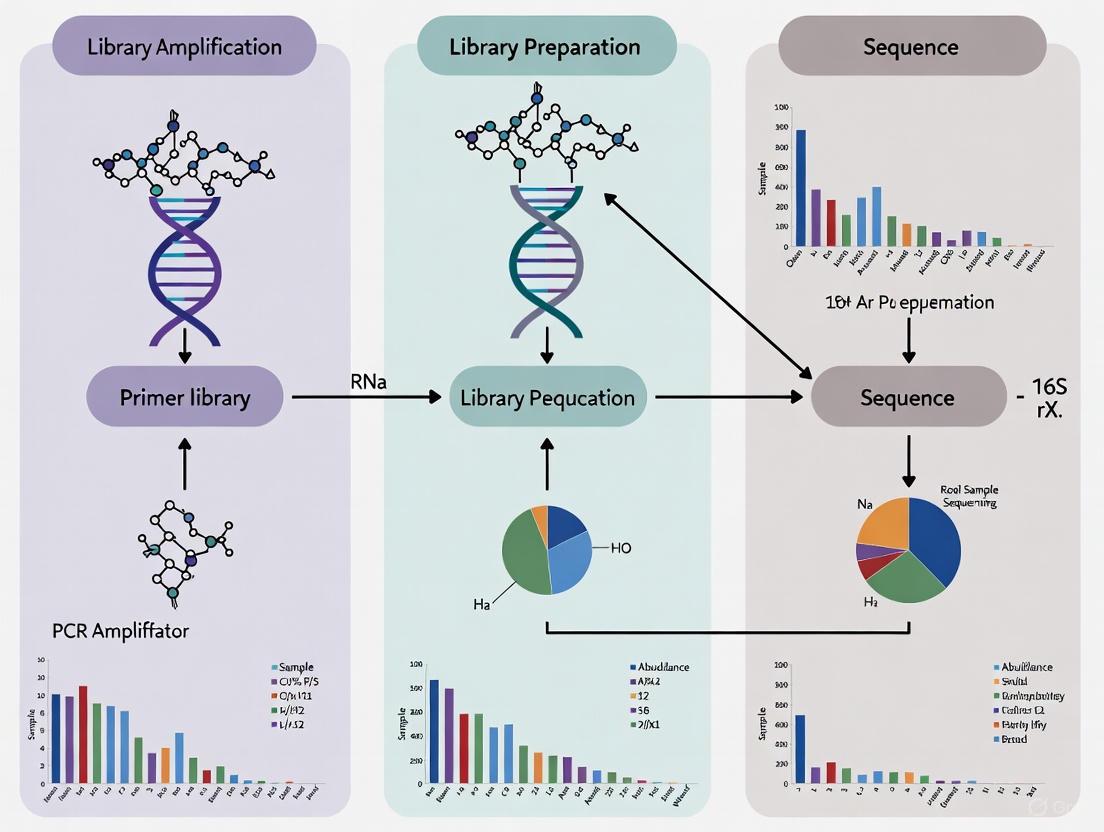
This article provides a comprehensive guide to equicopy library construction, a transformative approach for 16S rRNA sequencing that normalizes bacterial gene copy numbers prior to amplification.
Equicopy Library Construction for 16S rRNA Sequencing: A Comprehensive Guide for Bias-Free Microbiome Analysis
Abstract
This article provides a comprehensive guide to equicopy library construction, a transformative approach for 16S rRNA sequencing that normalizes bacterial gene copy numbers prior to amplification. Aimed at researchers and drug development professionals, we explore the foundational principles explaining how standard 16S sequencing introduces quantitative bias through variable rRNA gene copy numbers (1-21 per genome) and how equicopy methodology overcomes this limitation. The content details practical methodologies for qPCR-based titration and normalization, specifically optimized for challenging low-biomass samples like clinical specimens, fish gills, and uterine cytobrush samples. We address critical troubleshooting aspects for contamination control and biomass optimization, alongside validation frameworks comparing equicopy performance against traditional methods. This resource empowers scientists to achieve unprecedented accuracy in microbial community representation, enhancing biomarker discovery and clinical diagnostic applications.
Understanding Equicopy Principles: Overcoming 16S rRNA Gene Copy Number Bias in Microbiome Studies
The 16S ribosomal RNA (rRNA) gene is the most widely used molecular marker in microbial ecology for characterizing the composition of bacterial and archaeal communities through amplicon sequencing [1] [2]. However, a fundamental biological bias complicates the interpretation of this data: the 16S rRNA gene copy number (GCN) varies substantially across different prokaryotic species, ranging from 1 to over 15 copies per genome in bacteria and from 1 to 5 in archaea [3] [4]. This order-of-magnitude variation stems from the fact that the number of 16S rRNA gene operons in a genome is a genomic trait that has evolved differentially across lineages [1] [5].
In standard 16S rRNA amplicon sequencing, the relative abundance of a taxon is estimated by its proportion of sequence reads in the dataset. This approach implicitly assumes that all taxa have the same 16S rRNA GCN. When this assumption is violated, the resulting community profile reflects the relative gene abundance rather than the relative cell abundance [1]. Consequently, taxa with higher GCNs are overrepresented compared to their actual cellular abundance in the community [6] [4]. This bias can significantly skew microbial composition estimates, diversity measures, and lead to qualitatively incorrect biological interpretations [1]. For example, a species with 10 gene copies per cell would appear 10 times more abundant than a species with 1 copy per cell, even if both are present in equal cell numbers.
Quantifying the Scope of Variation and Bias
Comprehensive Analysis of 16S rRNA GCN Across Prokaryotic Genomes
Recent analysis of 24,248 complete prokaryotic genomes (399 archaea, 23,849 bacteria) has provided detailed quantitative insight into the distribution of 16S rRNA GCN across the prokaryotic tree of life [3]. The data reveal distinct patterns across major phylogenetic groups, with significant implications for interpreting microbiome data from different environments.
Table 1: 16S rRNA Gene Copy Number Distribution Across Major Prokaryotic Phyla
| Superkingdom | Phylum | Number of Species | Average 16S GCN (Mean ± SD) |
|---|---|---|---|
| Archaea | Euryarchaeota | 217 | 2.0 ± 0.9 |
| Thaumarchaeota | 25 | 1.2 ± 0.5 | |
| "Candidatus Thermoplasmatota" | 10 | 1 | |
| Crenarchaeota | 56 | 1 | |
| Bacteria | Actinobacteria | 1,172 | 3.2 ± 1.9 |
| Bacteroidetes | 518 | 4.1 ± 2.3 | |
| Proteobacteria | 3,198 | 5.1 ± 2.8 | |
| Firmicutes | 1,039 | 5.4 ± 2.6 | |
| Cyanobacteria | 159 | 2.8 ± 1.4 | |
| Acidobacteria | 20 | 1.1 ± 0.3 |
The data demonstrates that Archaea generally possess lower GCNs (typically 1-2 copies) compared to Bacteria, meaning that standard 16S rRNA amplicon analysis likely systematically underestimates archaeal contributions to microbial communities [3] [4]. Within bacterial phyla, substantial variation exists, with Firmicutes and Proteobacteria often possessing higher average copy numbers, potentially leading to their overrepresentation in community profiles.
Beyond variation between species, another significant complication is intragenomic heterogeneity, where different copies of the 16S rRNA gene within the same genome are not identical [3]. Analysis reveals that approximately 60% of prokaryotic genomes exhibit some degree of intragenomic variation in their 16S rRNA gene sequences, though most variation remains below 1% [3]. This heterogeneity can lead to overestimation of microbial diversity, as different gene copies from the same organism may be incorrectly classified as distinct operational taxonomic units (OTUs) or amplicon sequence variants (ASVs). At a 100% identity threshold (ASV level), microbial diversity could be overestimated by as much as 156.5% when using the full-length 16S rRNA gene [3].
Computational Correction Methods and Their Limitations
To address GCN bias, several bioinformatic tools have been developed to predict 16S GCN and correct abundance estimates. These tools generally follow one of two approaches: taxonomy-based prediction, which estimates GCN based on taxonomic assignment and average values for taxa, or phylogeny-based prediction, which uses phylogenetic relationships to infer GCN for uncharacterized organisms [5] [4].
Table 2: Comparison of 16S rRNA GCN Prediction Tools and Their Performance
| Tool | Prediction Method | Basis | Strengths | Limitations |
|---|---|---|---|---|
| PICRUSt2 [1] | Phylogenetically Independent Contrasts (PIC) | Phylogeny | Widely adopted; integrated with functional prediction | Limited accuracy for taxa distant from reference genomes |
| CopyRighter [4] | Phylogenetically Independent Contrasts (PIC) | Phylogeny | Pre-computed values for rapid correction | Accuracy depends on phylogenetic proximity to reference genomes |
| PAPRICA [6] | Subtree Averaging | Phylogeny | Designed for gene content prediction | Similar limitations for distantly related taxa |
| RasperGade16S [1] | Heterogeneous Pulsed Evolution Model | Phylogeny | Accounts for rate heterogeneity and intraspecific variation | Relatively new method with less extensive testing |
| ANNA16 [5] | Deep Learning (Neural Network) | 16S Sequence | Direct prediction from sequence; no taxonomy/phylogeny required | Requires full-length or appropriate variable region sequences |
Assessing Prediction Accuracy and Limitations
A critical evaluation of phylogenetic prediction methods reveals that 16S GCN predictability decreases substantially with increasing phylogenetic distance from reference genomes [6]. The autocorrelation function of 16S GCNs drops below 0.5 at a phylogenetic distance of approximately 15% and approaches zero at distances of around 30% [6]. This means predictions are unreliable for clades with a nearest-sequenced-taxon distance (NSTD) greater than 15-30%, which affects a substantial proportion of microbial diversity since approximately 49% of OTUs have an NSTD greater than 15% and about 30% have an NSTD greater than 30% [6].
This relationship between prediction accuracy and phylogenetic distance explains why independent evaluations find that current tools often explain less than 10% of the variance in GCN when evaluated against completely sequenced genomes [6]. Substantial disagreements between tools (R² < 0.5) are observed for the majority of tested microbial communities [6]. These limitations highlight the importance of carefully considering whether GCN correction is appropriate for a given dataset, particularly for communities dominated by taxa distantly related to sequenced reference genomes.
Experimental Protocol: Equicopy Library Construction for Low-Biomass Samples
The following protocol, adapted from the optimization of low-biomass sample collection, enables the construction of equicopy libraries for 16S rRNA sequencing, thereby mitigating GCN bias through experimental rather than computational means [7] [8].
Sample Collection and DNA Extraction
Sample Collection from Fish Gill (or Similar Low-Biomass Environment):
- Gently swab the gill arch using sterile polyester-tipped filter swabs.
- Avoid aggressive swabbing that increases host DNA contamination.
- For comparison, traditional whole-tissue collection and surfactant washes (0.01% Tween 20) may be tested, though swabbing yields superior results.
DNA Extraction:
- Extract total community DNA using a kit designed for low-biomass, inhibitor-rich samples (e.g., MPure Bacterial DNA kit).
- Include a mechanical lysis step using Lysing Matrix E for thorough cell disruption.
- Include negative extraction controls to monitor contamination.
DNA Quantification and Quality Assessment:
- Quantify total DNA using a fluorometric method (e.g., Qubit dsDNA HS Assay).
- Assess DNA quality via spectrophotometry (A260/A280 ratio).
16S rRNA Gene Quantification and Normalization
Quantitative PCR (qPCR) for 16S rRNA Gene Copies:
- Prepare qPCR reactions using universal 16S rRNA gene primers (e.g., targeting V3-V4 region: 341F/806R).
- Use a commercial qPCR master mix suitable for the primer set.
- Include a standard curve of known copy number (serial dilutions of a cloned 16S rRNA gene fragment).
- Calculate the 16S rRNA gene copy number in each sample using the standard curve.
qPCR for Host DNA Quantification (Optional):
- To assess host contamination, perform parallel qPCR targeting a single-copy host gene.
Library Normalization for Equicopy Construction:
- Normalize all samples to an equal number of 16S rRNA gene copies (e.g., 1×10^8 copies) rather than equal total DNA mass.
- Use the calculated copy number from qPCR to determine the volume of each DNA extract required.
16S rRNA Gene Amplification and Sequencing
Amplification of 16S rRNA Gene:
- Amplify the target variable region (e.g., V3-V4) using indexed primers.
- Use a high-fidelity DNA polymerase (e.g., Q5 Hot Start High-Fidelity Master Mix) to minimize PCR errors.
- A single 75μL PCR reaction per sample is sufficient; pooling multiple PCR replicates per sample shows no significant benefit [9].
Library Purification and Pooling:
- Purify PCR products using solid-phase reversible immobilization (SPRI) beads (e.g., AMPure XP) at a 0.8× ratio.
- Quantify the purified libraries fluorometrically.
- Create an equimolar pool based on fluorometric quantification.
Sequencing:
- Sequence the pooled library on an Illumina MiSeq or similar platform using paired-end chemistry (e.g., 2×300 bp).
This method of pre-sequencing normalization to 16S rRNA gene copies, combined with optimized low-host-biomass collection, has been shown to significantly increase the captured diversity and improve the fidelity of the final data compared to traditional methods [7] [8].
Research Reagent Solutions Toolkit
Table 3: Essential Reagents and Materials for Equicopy Library Construction
| Item | Function | Example Product/Specification |
|---|---|---|
| Sterile Polyester Filter Swabs | Sample collection minimizing host material | Puritan Polyester Tipped Applicators |
| DNA Extraction Kit for Low-Biomass | Isolation of inhibitor-free microbial DNA | MPure Bacterial DNA Kit (MP Biomedicals) with Lysing Matrix E |
| Mechanical Lysis Beads | Efficient cell disruption for DNA release | 0.1mm Zirconia/Silica Beads |
| High-Fidelity DNA Polymerase | Accurate amplification of 16S rRNA gene | Q5 Hot Start High-Fidelity 2× Master Mix (NEB) |
| Universal 16S rRNA Primers | Amplification of target variable region | 341F (5'-CCTACGGGNGGCWGCAG-3') / 806R (5'-GGACTACHVGGGTWTCTAAT-3') |
| qPCR Standard | Absolute quantification of gene copy number | Cloned 16S rRNA gene fragment of known concentration |
| SPRI Magnetic Beads | PCR product purification and size selection | AMPure XP Beads (Beckman Coulter) |
| Fluorometric DNA Quantitation Kit | Accurate measurement of DNA concentration | AccuClear Ultra High Sensitivity dsDNA Kit (Biotium) |
Workflow Diagram: From Sampling to Corrected Data
The following diagram illustrates the complete workflow for obtaining GCN-corrected microbial community data, highlighting the critical decision points between computational and experimental correction paths.
The variation in 16S rRNA gene copy number represents a fundamental challenge in microbial ecology that distorts community profiles when using standard amplicon sequencing approaches. The most appropriate strategy for addressing this bias depends on the specific research context:
For communities dominated by taxa with well-characterized close relatives in genomic databases, computational correction using tools like RasperGade16S [1] or ANNA16 [5] can improve abundance estimates, particularly for compositional and functional profiling.
For communities with high NSTI values or from low-biomass environments, experimental correction via equicopy library construction provides a more robust solution, though it requires additional laboratory steps [7].
For beta-diversity analyses such as PCoA, NMDS, and PERMANOVA, GCN correction appears to have limited impact on the overall results, suggesting that these analyses may be reasonably robust to this particular bias [1].
As genomic databases continue to expand and prediction methods improve, the accuracy of computational corrections will likely increase. However, researchers should remain aware of this fundamental bias and select the most appropriate mitigation strategy based on their specific samples and research questions.
In the field of microbiome research, the transition from qualitative to quantitative analysis represents a significant methodological evolution. Equicopy libraries emerge as a transformative approach that addresses critical limitations in conventional 16S rRNA sequencing, particularly for challenging sample types. Traditional microbiome analysis methods often struggle with low-biomass samples, where the overwhelming presence of host DNA and inhibitors can severely skew community representation and diversity metrics. This technical challenge is especially pronounced in samples like fish gills, sputum, and other mucous membranes, where bacterial DNA constitutes only a minor fraction of the total genetic material [7].
The conceptual foundation of equicopy libraries lies in the pre-sequencing normalization of samples based on their bacterial 16S rRNA gene copy numbers, rather than the total DNA concentration. This quantitative approach ensures that each sequencing library contains equivalent starting numbers of bacterial targets, thereby minimizing amplification biases and providing a more accurate representation of true microbial community structure. By implementing a quantitative PCR-based titration step prior to library construction, researchers can overcome the significant technical hurdles presented by inhibitor-rich, low-biomass samples that have traditionally compromised data fidelity in microbiome studies [7] [8].
The Critical Need for Quantitative Approaches in 16S rRNA Sequencing
Limitations of Conventional 16S rRNA Sequencing
Conventional 16S rRNA amplicon sequencing has revolutionized our ability to profile complex microbial communities without the need for cultivation. This method targets the 16S rRNA gene, a approximately 1,550 bp genetic marker containing nine variable regions interspersed between conserved areas, which provides both universal priming sites and phylogenetic differentiation capabilities [10]. Despite its widespread adoption, this approach faces substantial limitations when applied to low-biomass environments. In samples such as fish gills, the excessive host DNA can constitute up to three-quarters of all sequenced reads, dramatically reducing the effective microbial sequencing depth and introducing significant biases in downstream diversity analyses [7].
The fundamental challenge stems from the standard practice of normalizing libraries based on total DNA concentration, which fails to account for the highly variable ratio of bacterial-to-host DNA across different samples. This method invariably results in unequal sequencing representation, where samples with higher host DNA contamination receive disproportionate sequencing resources at the expense of bacterial targets. The problem is further exacerbated by the presence of PCR inhibitors common in many biological samples, which differentially affect amplification efficiency across samples and introduce additional biases in community representation [7]. These technical artifacts can lead to erroneous biological conclusions, particularly in longitudinal studies or when comparing communities across different sample types.
The Impact of Sample Type on Sequencing Fidelity
The composition of the starting material profoundly influences the accuracy of microbial community representation in sequencing data. Research across diverse aquatic environments has demonstrated that sampling methodology has a measurable and significant impact on 16S rRNA gene recovery and host DNA contamination levels [7]. Gill tissue samples, for instance, yield significantly fewer copies of 16S rRNA genes while containing substantially more host DNA compared to alternative sampling methods such as swabs or surfactant washes [7].
Table 1: Impact of Sampling Method on DNA Recovery and Community Diversity
| Sampling Method | 16S rRNA Gene Recovery | Host DNA Contamination | Community Diversity Captured |
|---|---|---|---|
| Gill Tissue | Lowest | Highest | Most limited |
| Surfactant Washes | Intermediate | Intermediate | Intermediate |
| Filter Swabs | Highest | Lowest | Greatest |
Statistical analyses confirm that these methodological differences directly translate to variations in observed microbial community structure. Principal-coordinate analysis (PCoA) based on Bray-Curtis similarity matrices reveals distinct clustering patterns directly correlated with sampling approach, with filter swab samples demonstrating tight grouping and significant separation from both whole-tissue and wash samples (PERMANOVA overall F = 7.33, overall P = 0.001) [7]. These findings underscore the critical importance of sample collection methodology in determining downstream analytical outcomes.
Foundations of 16S rRNA Gene Sequencing
The 16S rRNA Gene as a Phylogenetic Marker
The 16S ribosomal RNA gene has emerged as the gold standard for bacterial identification and phylogenetic analysis due to several fundamental properties. This approximately 1,500 base-pair genetic element functions as a molecular chronometer, containing a unique combination of highly conserved regions that provide universal priming sites alongside variable regions that confer phylogenetic discrimination at genus and species levels [2] [11]. The gene's ubiquitous presence across all bacterial species, coupled with its essential function in protein synthesis that constrains random mutation, makes it ideally suited for comparative taxonomy and microbial community profiling [2].
The technological evolution of 16S rRNA sequencing has progressed from full-length Sanger sequencing to next-generation sequencing (NGS) approaches that typically target specific hypervariable regions. While full-length sequencing provides maximum phylogenetic resolution, targeted amplicon sequencing of regions such as V3-V4 offers a cost-effective alternative that enables high-throughput analysis of complex microbial communities [10]. The MicroSeq database and other curated reference resources contain over 1,400 organism sequences, allowing robust taxonomic classification of sequenced amplicons [2]. However, even with these technological advances, the fundamental challenge of quantitative representation remains, particularly for low-biomass applications where host DNA contamination can severely compromise results.
From Qualitative to Quantitative Analysis
Traditional 16S rRNA sequencing approaches have primarily provided qualitative assessments of microbial community composition, revealing which taxa are present but offering limited insight into their absolute abundances or relative proportions. The introduction of quantitative PCR (qPCR) to microbiome workflows bridges this critical gap by enabling precise quantification of bacterial load prior to library preparation [7]. This integration of qPCR with amplicon sequencing represents a paradigm shift from purely descriptive to truly quantitative microbiome analysis.
The qPCR titration process targets conserved regions of the 16S rRNA gene, providing an exact count of bacterial gene copies in each sample independent of host DNA contamination. This quantitative assessment serves two critical functions: it enables pre-sequencing quality control by identifying samples with insufficient bacterial DNA for reliable library construction, and it provides the necessary data for library normalization based on bacterial gene copy numbers rather than total DNA [7] [8]. This methodological refinement is particularly crucial for clinical applications where accurate microbial quantification may have diagnostic or prognostic significance, and for ecological studies investigating subtle community shifts in response to environmental perturbations.
Implementing Equicopy Libraries: A Step-by-Step Protocol
Sample Collection and Preparation
The foundation of successful equicopy library construction begins with optimized sample collection that maximizes bacterial recovery while minimizing host DNA contamination. Research demonstrates that filter swabs outperform both tissue sampling and surfactant washes across multiple metrics, providing significantly higher 16S rRNA gene amplification while reducing host DNA contamination [7]. This non-invasive approach is particularly valuable for longitudinal studies and when working with protected or limited sample sources.
Key Considerations for Sample Collection:
- Spatial heterogeneity: Microbial communities exhibit significant spatial variation across biological surfaces. Consistent sampling technique and location are critical for reproducible results [7].
- Inhibitor management: Complex biological samples often contain compounds that inhibit downstream enzymatic reactions. Filter-based methods help remove these inhibitors during sample processing [7].
- Storage conditions: Preserve samples immediately at -80°C or in appropriate stabilization buffers to prevent microbial community shifts and DNA degradation.
Table 2: Comparison of Sample Collection Methods for Low-Biomass Microbiome Studies
| Parameter | Whole Tissue | Surfactant Washes | Filter Swabs |
|---|---|---|---|
| 16S rRNA Recovery | Lowest | Intermediate | Highest |
| Host DNA Contamination | Highest | Intermediate | Lowest |
| Handling Complexity | High | Intermediate | Low |
| Suitability for Longitudinal Studies | No | Possible | Yes |
| Risk of Host Tissue Damage | High | Moderate | None |
DNA Extraction and Quantification
DNA extraction from low-biomass, inhibitor-rich samples requires optimized protocols that address both yield and purity. Mechanistic lysis approaches that combine enzymatic and physical disruption methods typically provide superior recovery of diverse bacterial taxa. Following extraction, the critical innovation in equicopy library construction is the implementation of dual quantification - measuring both total DNA concentration and bacterial 16S rRNA gene copy number [7] [8].
qPCR Protocol for 16S rRNA Gene Quantification:
- Reaction Setup: Prepare qPCR reactions using primers targeting conserved regions of the 16S rRNA gene. Include a standard curve of known copy number to enable absolute quantification.
- Amplification Parameters: Standard cycling conditions typically include an initial denaturation (95°C for 3-5 minutes), followed by 35-40 cycles of denaturation (95°C for 15-30 seconds), annealing (55-60°C for 30-60 seconds), and extension (72°C for 30-60 seconds) [7].
- Data Analysis: Calculate absolute 16S rRNA gene copy numbers for each sample by comparing threshold cycle (Ct) values to the standard curve. This quantitative assessment serves as the foundation for subsequent library normalization.
Library Preparation and Normalization
The defining feature of equicopy library construction is the normalization of samples based on 16S rRNA gene copy number rather than total DNA concentration. This approach ensures equivalent representation of bacterial targets across all libraries, significantly improving the fidelity of subsequent diversity analyses [7].
Equicopy Normalization Protocol:
- Calculate Dilution Factors: Based on qPCR quantification, determine the appropriate dilution for each sample to achieve the target 16S rRNA gene copy number for library construction.
- Amplicon PCR: Using normalized templates, amplify the target variable regions (e.g., V3-V4) with barcoded primers to enable sample multiplexing. The number of PCR cycles should be minimized to reduce amplification bias.
- Library Clean-up: Purify amplicons using bead-based clean up systems to remove primers, primer dimers, and other reaction contaminants.
- Quality Control: Verify library quality and concentration using fragment analysis or bioanalyzer systems before sequencing.
Experimental validation of this approach across freshwater, brackish, and marine environments with multiple fish species demonstrated that equicopy normalization produces significantly increased bacterial diversity capture compared to traditional methods, providing greater information on the true structure of microbial communities [7].
Research Reagent Solutions for Equicopy Library Construction
Successful implementation of equicopy libraries relies on carefully selected reagents and systems optimized for low-biomass, inhibitor-rich samples. The following toolkit represents essential components for robust and reproducible equicopy library construction.
Table 3: Essential Research Reagents for Equicopy Library Construction
| Reagent Category | Specific Examples | Function in Workflow | Key Considerations |
|---|---|---|---|
| Sample Collection | Sterile filter swabs, Surfactant solutions (Tween 20) | Maximize bacterial recovery while minimizing host material | Filter swabs outperform tissue samples and surfactant washes for low-biomass samples [7] |
| DNA Extraction Kits | Mechanical lysis kits, Inhibitor removal technology | High-efficiency DNA extraction from complex matrices | Optimized for Gram-positive and Gram-negative bacteria; effective inhibitor removal |
| qPCR Reagents | 16S rRNA primers, SYBR Green or TaqMan master mixes | Absolute quantification of bacterial gene copies | Target conserved regions; include standard curve for absolute quantification |
| Amplification Primers | V3-V4 region primers (e.g., 341F/806R) | Target amplification with sample barcoding | Balance between phylogenetic resolution and amplification efficiency [10] |
| Library Prep Kits | Illumina DNA Prep, Bead-based clean up kits | Library construction and size selection | Compatible with low-input samples; minimal bias introduction |
| Sequencing Systems | Illumina NextSeq 1000/2000, MiSeq | High-throughput amplicon sequencing | Appropriate read length for target region; sufficient depth for diversity capture [10] |
Analytical Framework and Data Interpretation
Bioinformatics Processing
The analysis of equicopy library sequencing data follows established bioinformatics pipelines for amplicon sequencing, but with enhanced quantitative reliability. Key processing steps include:
- Demultiplexing and Quality Filtering: Assign sequences to samples based on barcodes and implement rigorous quality control using tools such as DADA2 or QIIME 2 to remove low-quality reads and sequencing errors.
- Sequence Variant Inference: Identify amplicon sequence variants (ASVs) rather than operational taxonomic units (OTUs) to achieve single-nucleotide resolution and improve reproducibility.
- Taxonomic Assignment: Classify sequences using curated reference databases such as GreenGenes or SILVA, with particular attention to potential contaminants that may persist despite optimized collection methods [10].
The quantitative foundation of equicopy libraries enables more reliable calculation of diversity metrics, including Chao1 richness estimates and Shannon diversity indices, which more accurately reflect the true structure of the underlying microbial community [7]. Statistical analyses such as PERMANOVA can then be applied to evaluate the significance of observed community differences between sample groups or treatments.
Validation and Quality Control
Robust quality control measures are essential to validate equicopy library performance and ensure analytical reproducibility:
Key Quality Metrics:
- Sequencing Depth: Evaluate saturation curves to confirm adequate sampling of community diversity.
- Negative Controls: Include extraction and PCR controls to identify potential contamination sources.
- Positive Controls: Utilize mock communities with known composition to assess accuracy and bias in community representation.
- Technical Replicates: Demonstrate reproducibility across multiple library preparations from the same sample.
Experimental validation has demonstrated that equicopy normalization significantly improves resolution at lower sequencing depths compared to traditional methods, with a notable threshold effect observed around 1e6 16S rRNA gene copies [7]. This quantitative approach ultimately provides greater confidence in downstream analyses and biological interpretations, particularly for subtle community differences that may be obscured by technical artifacts in conventional protocols.
Applications and Implications for Microbial Research
Research Applications
The equicopy library approach has broad applicability across multiple research domains where accurate microbial community assessment is critical:
- Aquatic Microbiology: The method was originally developed for fish gill microbiomes, providing new insights into host-microbe-environment interactions in aquaculture settings [7].
- Clinical Microbiology: Applications extend to human sputum, mucus, and other low-biomass clinical samples where pathogen detection and microbiome characterization are diagnostically valuable [7] [8].
- Biopharmaceutical Research: Drug development programs investigating microbiome-drug interactions can achieve more reliable assessment of microbial modulation in inhibitor-rich environments.
- Environmental Monitoring: More accurate characterization of microbial communities in low-biomass environmental samples enhances ecosystem assessment and bioremediation evaluation.
Future Perspectives
The integration of quantitative principles into amplicon sequencing workflows represents an important step toward more reliable microbiome analysis. Future developments will likely focus on:
- Automation and Standardization: Development of integrated workflows that streamline the equicopy process for high-throughput applications.
- Multimodal Integration: Combining equicopy 16S sequencing with metagenomic and metatranscriptomic approaches for more comprehensive functional insights.
- Reference Database Expansion: Continued curation and expansion of 16S reference databases to improve taxonomic resolution, particularly for clinically relevant species [2] [11].
- Computational Advancements: New bioinformatic tools that leverage the quantitative nature of equicopy libraries for more sophisticated community analyses.
As the field progresses toward increasingly quantitative and reproducible microbiome research, equicopy libraries provide a robust methodological foundation that bridges the gap between conventional relative abundance measurements and true quantitative microbiome analysis. This approach ultimately enhances our ability to detect biologically meaningful signals in challenging sample types, advancing both fundamental knowledge and applied applications across diverse research domains.
The use of 16S ribosomal RNA (rRNA) gene amplicon sequencing has become a cornerstone of microbial ecology, enabling researchers to profile complex bacterial communities across diverse environments, from the human gut to aquatic ecosystems. However, the PCR amplification step intrinsic to standard library preparation methods introduces significant and often underappreciated technical biases that systematically distort the true biological signal. These distortions profoundly impact both alpha diversity (within-sample diversity) and beta diversity (between-sample diversity) metrics, potentially leading to flawed biological interpretations. Within the context of developing robust equicopy library construction methods for 16S rRNA sequencing, understanding these biases is paramount. This application note synthesizes current evidence on how standard amplification skews diversity measurements and provides actionable protocols to quantify and counteract these effects, empowering researchers to generate more reliable and reproducible microbiome data.
The Mechanisms of Amplification Bias in 16S Sequencing
The journey from sample collection to microbial community profile is fraught with potential sources of bias that can alter the apparent community structure. The following diagram illustrates the key stages where bias is introduced, with a particular emphasis on the amplification step.
The biases introduced during amplification primarily manifest through several key mechanisms:
Primer Selection and Target Region: The choice of which hypervariable region(s) of the 16S gene to amplify significantly influences the resulting community profile [12] [13]. Different primer sets exhibit varying coverage and amplification efficiencies across bacterial taxa due to sequence mismatches and secondary structure formation. Furthermore, short-read sequencing of single variable regions (e.g., V4) provides substantially less taxonomic resolution compared to full-length gene sequencing, directly impacting the ability to resolve species and strains [12].
Template Concentration and PCR Drift: The initial concentration of DNA template is a critical factor. Low template concentrations (e.g., 0.1 ng) have been shown to significantly increase sample profile variability due to stochastic fluctuations during early amplification cycles [14]. This PCR drift is non-reproducible and can lead to dramatically different community representations from the same sample in replicate reactions.
Amplification Selection and Homogenization: Beyond drift, selection bias occurs due to inherent differences in primer binding and amplification efficiencies between templates [14]. Additionally, as PCR cycles progress, there is a tendency toward a homogenization of product ratios, where abundant templates become less available for amplification due to reannealing, artificially reducing the apparent dominance of common taxa [14].
Quantifying the Impact on Diversity Metrics
The biases introduced during amplification have measurable and sometimes severe consequences for the diversity metrics used to interpret microbiome data.
Impact on Alpha Diversity
Alpha diversity metrics, which describe the richness and evenness of a single sample, are highly sensitive to amplification biases. The use of different primer sets alone can lead to significantly different richness estimates [13]. Furthermore, the practice of analyzing rarefied data (subsampling to an equal sequencing depth) does not correct for biases introduced prior to sequencing. The following table summarizes how amplification affects key alpha diversity metric categories.
Table 1: Impact of Standard 16S Amplification on Alpha Diversity Metrics
| Metric Category | Key Metrics | Impact of Amplification Bias | Primary Cause of Bias |
|---|---|---|---|
| Richness | Chao1, ACE, Observed ASVs | Underestimation of true species richness, particularly for low-abundance taxa [15] | Inefficient primer binding, low template concentration [14] |
| Phylogenetic Diversity | Faith's PD | Altered phylogenetic structure; correlation with observed features is dataset-dependent [15] | Non-uniform amplification across phylogenetic lineages |
| Evenness/Dominance | Simpson, Berger-Parker, Pielou's Evenness | Altered evenness; overestimation of dominant taxa due to homogenization effect [14] [15] | Tendency toward 1:1 product ratio in late PCR cycles [14] |
Impact on Beta Diversity
Beta diversity measures the differences in community composition between samples. It is the foundation for many statistical analyses seeking to identify factors that shape microbiomes. Technical bias can confound these analyses.
- Primer-Driven Clustering: Samples processed with different primer sets or PCR protocols can cluster based on technical artifacts rather than biological differences [13] [16]. For instance, the number of PCR steps (one-step vs. two-step) can cause lung samples (low biomass) to separate in beta-diversity space, while high-biomass oral samples might cluster together despite the protocol difference [16].
- Spurious Distance Inflation: The increased variability introduced by low template concentration and PCR drift artificially inflates beta-diversity distances, reducing the statistical power to detect true biological effects and increasing the risk of false positives [14] [17].
Table 2: Quantitative Evidence of Bias from Mock Community Studies
| Bias Source | Experimental Finding | Magnitude of Effect | Reference |
|---|---|---|---|
| DNA Extraction Kit | Different kits produced dramatically different community profiles from the same mock community. | Error rates from bias exceeding 85% in some samples. | [18] |
| Template Concentration | Low (0.1 ng) vs. High (5-10 ng) template concentration in soil/fecal samples. | Significant increase in sample profile variability for low concentrations. | [14] |
| PCR Amplicon Pooling | Pooling of multiple PCR amplicons was tested to reduce drift. | Contributed proportionally less to reducing bias compared to optimizing template concentration. | [14] |
| 16S Gene Region | In-silico analysis of taxonomic classification accuracy for different variable regions. | V4 region failed to classify 56% of sequences to the correct species. | [12] |
The Equicopy Library Solution: A Framework for Bias Mitigation
The concept of equicopy library construction emerges as a powerful strategy to counteract the biases inherent in standard amplification. The core principle is to normalize samples based on the number of 16S rRNA gene copies—rather than the mass of total DNA—before library preparation. This ensures that each sample input into the PCR has an equal chance of representing its true bacterial load, thereby mitigating distortions caused by variable host DNA contamination and differences in total bacterial load.
The following workflow contrasts the standard protocol with the equicopy approach, highlighting key steps for bias reduction.
Key Protocol: Constructing an Equicopy Library for 16S Sequencing
This protocol is adapted from methods proven to maximize bacterial diversity in low-biomass, inhibitor-rich samples like fish gills [7], which are analogous to other challenging samples such as sputum, mucus, or tissue biopsies.
Materials and Reagents
- DNA Extraction Kit: PowerSoil DNA Isolation Kit (MoBio) or similar, validated for efficient bacterial lysis.
- Quantitative PCR (qPCR) Reagents: SYBR Green or TaqMan master mix, universal 16S rRNA gene primers (e.g., 341F/806R for V3-V4 region).
- Normalization Buffer: Low TE buffer or nuclease-free water.
- PCR Reagents: High-fidelity DNA polymerase, dNTPs, and validated barcoded 16S primer set.
Procedure
- Extract Total DNA: Perform DNA extraction from all samples using a consistent, validated protocol. Include negative extraction controls to monitor contamination.
- Quantify 16S rRNA Gene Copies:
- Dilute extracted DNA to a workable concentration (e.g., 1:10 or 1:100) to minimize the effect of inhibitors.
- Perform qPCR in triplicate for each sample using the universal 16S primers and a standard curve of known copy number (e.g., a plasmid containing a cloned 16S gene).
- Calculate the absolute concentration of 16S rRNA gene copies/µL for each sample.
- Normalize Input DNA:
- Based on the qPCR results, dilute each sample to a uniform concentration of 16S rRNA gene copies (e.g., 1x10^8 copies/µL) using normalization buffer.
- The required volume of sample for downstream PCR (e.g., 1 µL) will therefore contain an equimolar number of 16S gene targets.
- Proceed with Library Construction:
- Use the normalized DNA as template for the subsequent 16S rRNA gene amplification with barcoded primers.
- Continue with standard steps for amplicon purification, library pooling, and sequencing.
Validation and Quality Control
- qPCR Standard Curve: Ensure the standard curve has an efficiency of 90–110% and an R² value >0.99.
- Negative Controls: Monitor qPCR and PCR negative controls for signal, which indicates contamination.
- Mock Community: Include a staggered mock community of known composition in the entire workflow, from extraction to sequencing, to quantify residual bias and validate performance.
Essential Research Reagent Solutions
The following table outlines key reagents and their critical functions in generating robust and unbiased 16S rRNA gene amplicon data.
Table 3: Research Reagent Solutions for Unbiased 16S Library Prep
| Reagent / Kit | Function | Considerations for Bias Reduction |
|---|---|---|
| PowerSoil DNA Kit | Total DNA isolation from complex samples. | Includes inhibitors removal steps; validated for soil and stool. Bead-beating step is crucial for mechanical lysis of diverse bacteria [14] [18]. |
| Mock Communities | Positive controls for quantifying bias. | Should include a mix of species relevant to the study environment with known genome copy numbers and GC content [18]. |
| High-Fidelity DNA Polymerase | PCR amplification of 16S target. | Reduces PCR-induced errors and chimera formation compared to standard Taq. |
| Barcoded 16S Primers | Multiplexed sequencing of samples. | Primer set choice (V3-V4, V4, etc.) is a major bias source; test for your system [13] [16]. Avoid primers with known mismatches to target taxa. |
| qPCR Reagents (SYBR Green) | Absolute quantification of 16S gene copies. | Essential for equicopy normalization. The choice of universal primers for qPCR must be carefully evaluated for coverage [7]. |
Standard 16S rRNA gene amplification protocols introduce significant and measurable distortions in alpha and beta diversity metrics, threatening the validity of scientific conclusions drawn from microbiome data. The evidence is clear: factors such as primer selection, template concentration, and DNA extraction are not mere technical details but fundamental drivers of the observed results. The equicopy library construction framework, which involves quantifying and normalizing by 16S rRNA gene copy number before PCR, provides a robust methodological path forward. By adopting this approach and rigorously validating each step with mock communities and controlled experiments, researchers can counteract systematic biases, leading to more accurate representations of microbial ecology and more reliable insights in both basic research and drug development.
The pursuit of accurate and representative microbial community profiling using 16S rRNA gene sequencing is often hampered by technical biases, especially when dealing with challenging sample types. Equicopy library construction is an advanced methodological approach that addresses these biases by normalizing the amount of 16S rRNA gene template across all samples prior to library preparation and sequencing. This process involves quantifying the absolute number of bacterial 16S rRNA gene copies in each sample via quantitative PCR (qPCR) and then using equal gene copy numbers for subsequent PCR amplification and sequencing library construction [8] [19]. This technique is particularly crucial in scenarios where traditional relative abundance measurements fail to reveal true biological relationships, as it effectively mitigates the distortions caused by varying biomass levels and inhibitor content that plague conventional methods [8].
The importance of equicopy normalization extends across multiple research domains, fundamentally enhancing the fidelity of microbial community data and enabling more valid cross-sample comparisons. Without such normalization, samples with differing bacterial loads can produce misleading community profiles due to PCR competition effects and sequencing depth artifacts. By implementing equicopy principles, researchers can achieve a more accurate representation of true microbial community structure, which is essential for valid biological interpretations and downstream analyses [8] [19]. This protocol document outlines the critical applications and detailed methodologies for implementing equicopy construction in challenging research contexts where precise microbial quantification is paramount.
Critical Applications and Rationale
Low-Biomass Microbiome Studies
Samples with inherently low bacterial biomass present extraordinary challenges for microbiome analysis due to increased susceptibility to contaminating DNA from reagents, kits, and the laboratory environment, which can drastically skew community profiles [20]. In these sensitive contexts, equicopy construction is indispensable for several reasons. First, the method includes a pre-sequencing qPCR screening step that identifies samples with insufficient template for reliable analysis, preventing wasteful sequencing of uninformative samples and reducing false discoveries [8]. Second, by normalizing to 16S rRNA gene copy number, the method minimizes the overrepresentation of contaminating sequences that can occur when target DNA is minimal [20].
The fish gill microbiome represents a prime example where equicopy methodologies have demonstrated remarkable efficacy. As a low-biomass, inhibitor-rich tissue directly interfacing with the environment, gill tissue presents significant analytical challenges. Research has shown that equicopy normalization significantly increases the diversity of bacterial taxa captured from gill samples, providing more comprehensive information on the true structure of the microbial community [8] [19]. This approach has proven robust across freshwater, brackish, and marine environments with multiple fish species, demonstrating broad applicability. The principles established for gill samples directly translate to other low-biomass sample types, including human nasopharyngeal specimens and induced sputum, which similarly suffer from technical artifacts when processed with conventional methods [20].
Absolute Quantification in Microbial Ecology
Moving beyond relative abundance measurements to absolute quantification represents a paradigm shift in microbial ecology, enabling researchers to address fundamentally different biological questions. Equicopy library construction serves as a bridge to absolute microbial quantification by incorporating precise qPCR-based enumeration of target genes into the sequencing workflow [8]. This integration provides critical information about both the composition (who is there) and the magnitude (how many are there) of microbial communities, two dimensions that are often disconnected in conventional relative abundance-based approaches.
The importance of absolute quantification is particularly evident in clinical biomarker discovery and translational research. In proteomics, absolute quantification methods have demonstrated superiority for biomarker verification and clinical assay development because they provide a common metric that enables cross-study comparisons and data pooling [21] [22]. Similarly, in microbial ecology, absolute quantification of bacterial loads provides essential context for interpreting community changes. For instance, a doubling in the relative abundance of a particular taxon could result from either an actual increase in that taxon's absolute numbers or a decrease in other community members—distinctions with dramatically different biological interpretations. Equicopy methodologies support this enhanced analytical framework by ensuring that sequencing effort is allocated proportionally to bacterial load rather than being dominated by a few high-biomass samples [8].
Biomarker Discovery and Validation
The journey from biomarker discovery to clinical application is fraught with challenges, with many promising candidates failing during validation phases. Equicopy construction addresses several fundamental limitations that contribute to this high attrition rate. First, the method enhances reproducibility and reliability of microbial community data by reducing technical variability associated with differential template concentrations—a critical factor for generating robust, verifiable biomarkers [8] [20]. Second, by providing more accurate representations of true microbial community structure, the approach reduces false discoveries that often arise from artifacts in low-biomass samples [20].
The field of proteomics offers valuable lessons about the biomarker development pipeline. Studies have shown that the traditional approach of identifying candidate biomarkers through relative expression changes between case and control groups has yielded disappointingly few clinically validated biomarkers [21]. This failure is largely attributed to inadequate statistical power, high biological variability, and technical irreproducibility—challenges that similarly plague microbiome biomarker discovery. Equicopy methodologies directly address these issues by introducing standardization and absolute quantification into the workflow, mirroring the recommendations for proteomic biomarker development that emphasize the need for common metrics and standardized protocols to facilitate cross-study comparisons [21]. When applied to microbiome studies, this approach significantly strengthens the biomarker discovery phase by providing more reliable and quantitatively accurate data upon which to build verification and validation studies.
Table 1: Comparative Analysis of Traditional vs. Equicopy Library Construction Approaches
| Parameter | Traditional Approach | Equicopy Approach | Advantage of Equicopy |
|---|---|---|---|
| Template Input | Constant volume or mass | Constant 16S rRNA gene copies | Normalizes for variation in bacterial load |
| Inhibitor Effects | Variable inhibition across samples | Identified during qPCR screening | Prevents sequencing of compromised samples |
| Contaminant DNA Impact | Can dominate low-biomass samples | Proportional representation | Reduces spurious contaminant signals |
| Data Reproducibility | Lower between technical replicates | Higher between technical replicates | Enhanced experimental reliability |
| Cross-Study Comparisons | Challenging due to protocol differences | Facilitated by standardized quantification | Enables meta-analyses and data pooling |
Comprehensive Experimental Protocols
Sample Collection and Preservation for Low-Biomass Studies
Proper sample collection and preservation are critical first steps in the equicopy workflow, particularly for low-biomass specimens where contaminants can easily overwhelm the true biological signal.
Sample Collection Protocol:
- For fish gill sampling, carefully excise gill filaments using sterile, DNA-free instruments [8].
- For human specimens such as nasopharyngeal swabs or induced sputum, collect using specialized collection kits designed for microbiome studies [20].
- Divide samples aliquots for DNA extraction and host DNA quantification when applicable.
Preservation Method Selection:
- Choose appropriate storage buffers based on sample type. PrimeStore Molecular Transport Medium has demonstrated superior performance for low-biomass samples by yielding lower levels of background OTUs compared to STGG (Skim-milk, Tryptone, Glucose, Glycerol) buffer [20].
- Immediately immerse samples in selected preservation buffer after collection.
- Flash-freeze samples in liquid nitrogen and store at -80°C until DNA extraction to preserve community structure.
Quality Assessment:
- Record precise metadata including collection time, storage duration, and freeze-thaw cycles.
- Include sample blanks and field controls during collection to monitor potential contamination.
DNA Extraction and Host DNA Quantification
DNA extraction from low-biomass, inhibitor-rich samples requires optimized protocols to maximize bacterial DNA yield while minimizing co-extraction of substances that inhibit downstream applications.
Optimized Extraction Protocol:
- Select extraction kits based on sample type. The DSP Virus/Pathogen Mini Kit (Kit-QS) has demonstrated better representation of hard-to-lyse bacteria compared to the ZymoBIOMICS DNA Miniprep Kit (Kit-ZB) in mock community studies [20].
- Incorporate additional lytic steps for tough-to-lyse bacteria, such as extended bead-beating or enzymatic pre-treatment.
- Include extraction controls (reagent blanks) with each batch to identify kit-derived contaminants.
Host DNA Quantification:
- Develop and validate a qPCR assay targeting a conserved host gene (e.g., β-actin for vertebrate samples).
- Run samples and standards in triplicate on the same plate as the 16S rRNA gene quantification.
- Calculate host DNA concentration based on the standard curve.
- Use this quantification to normalize sampling effort and minimize host contamination in subsequent steps [8] [19].
DNA Quality Assessment:
- Evaluate DNA purity using spectrophotometric ratios (A260/280 and A260/230).
- Confirm DNA integrity where possible using agarose gel electrophoresis or fragment analyzers.
Quantitative PCR for 16S rRNA Gene Copy Determination
Accurate quantification of 16S rRNA gene copies is the cornerstone of equicopy library construction and requires meticulous assay design and validation.
qPCR Assay Setup:
- Design primers targeting conservative regions of the 16S rRNA gene suitable for your taxonomic scope of interest.
- Prepare a standard curve using serial dilutions of a plasmid containing a cloned 16S rRNA gene insert of known concentration.
- Include no-template controls (NTCs) and extraction controls to identify contamination.
- Run samples in triplicate with appropriate positive and negative controls.
Reaction Conditions:
- Use a high-fidelity DNA polymerase master mix optimized for quantitative applications.
- Include a passive reference dye (such as ROX) if using instruments that require normalization.
- Implement a melt curve analysis step to verify amplification specificity.
Data Analysis:
- Calculate 16S rRNA gene copy numbers in each sample based on the standard curve.
- Apply correction factors for multiple 16S rRNA gene copies in some bacterial taxa if absolute cell counts are required.
- Establish a minimum threshold for reliable sequencing (e.g., >500 16S rRNA gene copies/μl) based on validation experiments [20].
Library Preparation and Normalization
The equicopy normalization step distinguishes this protocol from conventional 16S rRNA sequencing workflows and is essential for achieving representative community profiles.
Equicopy Normalization:
- Calculate the volume of each DNA extract needed to contain an equal number of 16S rRNA gene copies (e.g., 10^9 copies per reaction).
- Prepare normalized DNA mixtures for each sample using the volumes calculated from qPCR data.
- Include a positive control mock community with known composition and a negative control in the normalization.
Library Preparation:
- Amplify the target hypervariable region(s) of the 16S rRNA gene using barcoded primers.
- Optimize PCR cycle number to minimize amplification bias while ensuring sufficient product for library construction.
- Clean amplification products using size-selective magnetic beads to remove primers and primer dimers.
- Quantify the final libraries using fluorometric methods and pool in equimolar ratios based on this quantification.
Quality Control Checkpoints:
- Verify amplification success and specificity using capillary electrophoresis.
- Confirm library size distribution and quantify using high-sensitivity DNA assays.
- Sequence on an appropriate platform (Illumina MiSeq or HiSeq) with sufficient depth to capture community diversity.
Diagram 1: Experimental workflow for equicopy library construction from low-biomass samples, highlighting critical quantification and normalization steps.
Quality Control and Data Analysis
Essential Quality Control Metrics
Rigorous quality control is paramount throughout the equicopy workflow to ensure data integrity, particularly for low-biomass samples where contaminants can significantly impact results.
Pre-sequencing QC Measures:
- Sample Biomass Assessment: Establish minimum 16S rRNA gene copy thresholds for inclusion. Samples below 500 copies/μl typically show reduced reproducibility and higher similarity to no-template controls [20].
- Inhibition Testing: Evaluate PCR inhibition by spiking samples with a known quantity of control DNA and measuring amplification efficiency.
- Extraction Efficiency: Monitor DNA recovery using internal standards or mock communities included in each extraction batch.
Contaminant Identification:
- Sequence multiple negative controls (extraction blanks, no-template PCR controls) alongside experimental samples.
- Apply statistical contaminant identification tools such as the decontam package in R, which uses either prevalence-based or frequency-based methods to distinguish contaminants from true biological signals [20].
- Maintain a laboratory-specific contaminant database compiled from negative controls across multiple experiments.
Sequencing QC:
- Monitor sequencing quality metrics including Q-scores, cluster density, and phasing/prephasing rates.
- Assess library complexity and sequencing saturation.
- Verify expected representation of positive control mock communities.
Data Analysis and Normalization Strategies
Post-sequencing data analysis for equicopy libraries requires specialized approaches to leverage the advantages of the method.
Bioinformatic Processing:
- Process raw sequencing data using standard pipelines (QIIME 2, mothur, or DADA2) for denoising, chimera removal, and OTU/ASV picking.
- Generate feature tables and taxonomic assignments using appropriate reference databases.
Contaminant Removal:
- Apply the decontam package with the "prevalence" method, identifying features significantly more prevalent in negative controls than in true samples [20].
- Conservatively remove putative contaminants while preserving rare but legitimate taxa through careful threshold setting.
- Document all removed taxa for transparency and potential reanalysis.
Data Interpretation:
- Analyze alpha and beta diversity metrics with appropriate rarefaction to account for differential sequencing depth.
- Correlate diversity measures with pre-sequencing 16S rRNA gene copy numbers to identify residual biomass effects.
- For absolute abundance estimation, multiply relative abundances from sequencing by total 16S rRNA gene copies measured via qPCR.
Table 2: Troubleshooting Common Issues in Equicopy Library Construction
| Problem | Potential Causes | Solutions | Preventive Measures |
|---|---|---|---|
| High Variation in Technical Replicates | Insufficient template, inhibition, or contamination | Increase input material, dilute inhibitors, enhance decontamination | Pre-screen samples with qPCR, optimize collection methods |
| Low Sequencing Library Complexity | Over-normalization with very low copy numbers, over-amplification | Adjust minimum copy threshold, reduce PCR cycles | Set minimum 16S copy threshold (e.g., >500 copies/μl) [20] |
| Discrepancy Between qPCR and Sequencing Quantification | PCR bias, primer mismatches, different target regions | Validate primers, use multiple hypervariable regions | Harmonize qPCR and sequencing primer targets |
| Persistent Contaminant Signals | Kit-borne contaminants, environmental contamination | Implement stringent decontamination protocols | Use UV-irradiated workspaces, dedicated equipment, reagent screening |
Diagram 2: Data analysis workflow for equicopy sequencing studies, highlighting the integration of qPCR data for absolute quantification and specialized contaminant removal steps.
The Scientist's Toolkit: Essential Research Reagents
Table 3: Essential Research Reagents for Equicopy Library Construction
| Reagent/Kit | Specific Function | Application Notes |
|---|---|---|
| DSP Virus/Pathogen Mini Kit (Kit-QS) | DNA extraction from low-biomass, inhibitor-rich samples | Superior for hard-to-lyse bacteria; reduces inhibitor co-extraction [20] |
| PrimeStore Molecular Transport Medium | Sample preservation and storage | Minimizes background OTUs in low-biomass samples compared to STGG [20] |
| Quantitative PCR Reagents | Absolute quantification of 16S rRNA gene copies | Enables equicopy normalization; critical for pre-sequencing screening |
| 16S rRNA PCR Primers | Target amplification for library preparation | Should complement qPCR primer regions to maintain quantification accuracy |
| SIS Peptide Standards | Absolute quantification reference (proteomic parallel) | Conceptually similar approach for protein biomarker studies [22] |
| Decontam R Package | Statistical contaminant identification | Implements prevalence-based methods for distinguishing contaminants [20] |
| ZymoBIOMICS Microbial Community Standard | Mock community control for extraction and sequencing efficiency | Validates entire workflow from extraction to data analysis |
Equicopy library construction represents a significant methodological advancement for 16S rRNA gene sequencing studies, particularly when applied to low-biomass samples, absolute quantification scenarios, and biomarker discovery pipelines. By implementing the protocols outlined in this document, researchers can overcome the profound technical challenges associated with these demanding applications and generate more accurate, reproducible, and biologically meaningful data. The integration of pre-sequencing quantification with sophisticated contaminant removal strategies addresses the most critical limitations of conventional approaches, enabling valid cross-sample comparisons and enhancing data reliability.
Looking forward, the principles of equicopy normalization are likely to expand into emerging areas of microbiome research. The integration of absolute quantification with meta-omics approaches (metatranscriptomics, metaproteomics) will provide unprecedented insights into microbial community functions. Furthermore, as single-cell technologies advance, equicopy principles may adapt to ensure representative analysis of rare populations. The demonstrated success of absolute quantification methods in proteomics for biomarker verification and validation provides a compelling roadmap for similar applications in microbial ecology [21] [22]. By adopting these rigorous quantitative frameworks, microbiome research will continue to mature as a discipline, generating robust findings that translate into clinical, environmental, and biotechnological applications.
The 16S ribosomal RNA (rRNA) gene has served as the cornerstone of microbial ecology for decades, providing insights into the diversity and composition of bacterial communities in virtually every environment on Earth. However, the theoretical framework underpinning its application is built upon two critical and often overlooked biological characteristics: the variable copy number of the 16S rRNA gene within bacterial genomes, and the sequence variation that exists between and within bacterial taxa. These inherent properties fundamentally influence the interpretation of all 16S rRNA gene sequencing data and have profound implications for ecological inference [23]. Understanding this variation is not merely an academic exercise; it is essential for developing accurate quantitative frameworks in microbial ecology, particularly for emerging methodologies such as equicopy library construction that aim to correct for these biases.
The concept of equicopy library construction represents a paradigm shift in 16S rRNA sequencing methodology. Traditional approaches normalize sequencing libraries by the total mass of DNA, which can significantly distort community representation because taxa with higher 16S rRNA copy numbers produce more amplicons and thus appear more abundant. In contrast, equicopy libraries are normalized based on the actual number of 16S rRNA gene copies, enabling estimates of absolute abundance and providing a more accurate representation of community structure [8] [7]. This application note explores the theoretical foundations of ribosomal gene variation and provides practical protocols for addressing these challenges in microbial ecology research.
Theoretical Foundations of 16S rRNA Gene Variation
Copy Number Variation Across Bacterial Phyla
The number of 16S rRNA gene copies within bacterial genomes exhibits substantial variation across different phylogenetic groups, ranging from 1 to 15 or more copies per genome [23]. This variation is not random but demonstrates distinct phylogenetic patterns that must be considered when interpreting amplicon sequencing data. Table 1 summarizes the variation in 16S rRNA gene copy numbers and genome sizes across major bacterial phyla, highlighting the potential biases introduced when using standard relative abundance approaches.
Table 1: 16S rRNA Gene Copy Number and Genome Size Variation Across Bacterial Phyla
| Phylum | 16S rRNA Copy Number Range | Mean Genome Size (Mbp) | Ecological Implications |
|---|---|---|---|
| Acidobacteria | Low copy numbers | Conservative | Abundance typically underestimated in relative abundance analyses [23] |
| Firmicutes | Large variation (1-15+) | Conservative | Abundance often overestimated due to high copy numbers in some taxa [23] |
| Gammaproteobacteria | Large variation | Moderate variation | Response to nutrient availability may correlate with copy number variation [23] |
| Bacteroidetes | Moderate variation | Moderate | Intermediate representation in community analyses |
| Actinobacteria | Moderate to high | Larger genomes | Functional diversity may be underestimated |
Copy number variation correlates with ecological strategy and life history. Taxa with low copy numbers are often considered more oligotrophic, adapted to nutrient-poor conditions, while those with higher copy numbers may respond more rapidly to nutrient availability [23]. This fundamental relationship between genetic architecture and ecological strategy underscores the importance of considering copy number when making ecological inferences from sequencing data.
Intragenomic and Intraspecific Sequence Variation
Beyond copy number variation, 16S rRNA sequences exhibit substantial heterogeneity at multiple biological levels. Within a single genome, multiple 16S rRNA gene copies are often not identical, with sequence diversity increasing with increasing copy numbers [23]. This intragenomic variation challenges the fundamental assumption of species-level taxonomy based on 16S rRNA sequences.
Recent research has revealed that 16S rRNA is an evolutionarily rigid sequence whose applicability beyond the genus level is highly limited [24]. Surprisingly, there are numerous cases where two genetically distinct species (with Average Nucleotide Identity <95%) share essentially identical 16S rRNA sequences (>99.9% identity) [24]. This phenomenon questions the validity of 16S rRNA as a species-specific marker and suggests that horizontal gene transfer and concerted evolution play important roles in the evolutionary dynamics of this gene [24].
Table 2: Types and Implications of 16S rRNA Sequence Variation
| Type of Variation | Scale | Impact on Ecological Analysis |
|---|---|---|
| Intragenomic heterogeneity | Within single genome | Inflates diversity estimates; complicates species-level identification [23] [12] |
| Intraspecific variation | Between strains of same species | Challenges strain-level discrimination; limits tracking of specific isolates [24] |
| Interspecific identity | Between different species | Leads to misclassification; obscures true taxonomic boundaries [24] |
| Horizontal Gene Transfer | Between distant taxa | disrupts phylogenetic reconstruction; creates discordance between genealogy and taxonomy [24] |
The theoretical implications of these variations are profound. Operational Taxonomic Units (OTUs) or Amplicon Sequence Variants (ASVs) thus provide an imperfect representation of bacterial taxa of a certain phylogenetic rank [23]. This limitation is particularly problematic when attempting to link microbial community composition to ecosystem functioning, as the relationship between 16S rRNA-based taxonomy and functional traits may be obscured by these genetic complexities.
Ecological Implications and Analytical Considerations
Impacts on Diversity and Community Composition Assessment
The variation in 16S rRNA gene copy numbers and sequences directly influences standard metrics of microbial diversity and community composition. Without correction, estimates of relative abundance are skewed toward taxa with higher copy numbers, potentially leading to erroneous ecological conclusions [23]. For example, in forest soils, consideration of 16S rRNA copy numbers would increase the abundance estimates of Acidobacteria (typically low-copy number) and decrease estimates for Firmicutes (variable, often high-copy number) [23].
The choice of 16S rRNA sub-regions for sequencing further complicates ecological interpretation. Different variable regions show substantial bias in the bacterial taxa they can identify accurately [12]. For instance, the V1-V2 region performs poorly for classifying Proteobacteria, while V3-V5 struggles with Actinobacteria [12]. Full-length 16S rRNA sequencing provides superior taxonomic resolution compared to single variable regions, with the V4 region performing particularly poorly for species-level discrimination [12].
Integration of Ecological Response Data
Beyond taxonomic identification, 16S rRNA databases can be enhanced with ecological response information to improve functional interpretation. One innovative approach involves modeling taxon responses to environmental gradients, such as soil pH, using hierarchical logistic regression (HOF) models [25]. This method provides information on both the shape of landscape-scale abundance responses and pH optima (the pH at which OTU abundance is maximal) [25].
Such ecological augmentation of reference databases addresses a critical limitation in microbial ecology: while we have extensive tools for taxonomic identification, we lack formalized ways to retrieve ecological information on matched sequences [25]. The development of databases that couple sequence information with ecological response traits represents a promising direction for the field, potentially enabling more predictive understanding of microbial community dynamics under environmental change.
Methodological Applications and Protocols
Equicopy Library Construction for Absolute Abundance Estimation
Equicopy library construction addresses the fundamental limitation of conventional 16S rRNA amplicon sequencing by normalizing based on 16S rRNA gene copy numbers rather than total DNA mass. This approach enables estimation of absolute abundance and provides a more accurate representation of community structure. The following protocol outlines the key steps for implementing this methodology:
Quantitative PCR-Based Titration Protocol
Sample Collection and DNA Extraction:
- For low-biomass samples (e.g., fish gills, sputum, mucus), use a swab-based collection method that minimizes host DNA contamination and maximizes bacterial recovery [8] [7].
- Extract DNA using methods appropriate for your sample type. For plant roots, a high-throughput option using AMPure XP magnetic beads has been shown to be effective while maintaining diversity representation [26].
16S rRNA Gene Quantification:
- Perform quantitative PCR (qPCR) with universal 16S rRNA gene primers to determine the exact copy number in each sample.
- Use the following reaction conditions:
- 10 μL SYBR Green PCR Master Mix
- 0.8 μL each of forward and reverse primer (10 μM)
- 2 μL template DNA
- 6.4 μL nuclease-free water
- Use a standardized curve based on a plasmid containing a known copy number of the 16S rRNA gene [8] [7].
Library Normalization and Preparation:
- Normalize all samples to an equal number of 16S rRNA gene copies (e.g., 10^8 copies) rather than equal DNA concentration.
- Proceed with standard 16S rRNA amplicon library preparation using appropriate primers for your sequencing platform.
- For Illumina platforms, the V3-V4 primers (341F/806R) provide a reasonable balance between taxonomic coverage and read length [27] [26].
Sequencing and Data Analysis:
- Sequence normalized libraries using standard protocols for your platform.
- In bioinformatic analyses, apply correction factors based on taxon-specific 16S rRNA copy numbers available from databases such as rrnDB [23].
- For absolute abundance estimation, combine relative abundance data from sequencing with total 16S rRNA gene counts from qPCR [27].
This protocol has been demonstrated to significantly increase the diversity of bacteria captured from low-biomass samples and provides greater information on the true structure of microbial communities [8] [7]. The method is particularly valuable for samples where microbial biomass varies widely, such as in clinical specimens, environmental surfaces, or host-associated microbiomes.
Full-Length 16S rRNA Gene Sequencing for Enhanced Resolution
While equicopy libraries address quantitative biases, full-length 16S rRNA sequencing improves taxonomic resolution. The following workflow outlines the key steps for implementing full-length 16S rRNA sequencing to leverage its superior discriminatory power:
Figure 1: Experimental workflow for full-length 16S rRNA sequencing with enhanced taxonomic resolution.
This approach enables resolution of subtle nucleotide substitutions that exist between intragenomic copies of the 16S gene, providing strain-level discrimination that is impossible with short-read sequencing of variable regions [12]. Appropriate treatment of full-length 16S intragenomic copy variants has the potential to provide taxonomic resolution of bacterial communities at species and strain level [12].
The Scientist's Toolkit: Essential Research Reagents and Materials
Table 3: Key Research Reagent Solutions for 16S rRNA Variation Studies
| Reagent/Material | Function | Application Notes |
|---|---|---|
| AMPure XP Magnetic Beads | DNA extraction and purification | Enables high-throughput DNA extraction directly from plant roots and other complex samples; reduces handling time compared to column-based methods [26] |
| Universal 16S rRNA Primers | Target amplification | Full-length V1-V9 primers provide superior resolution; V3-V4 (341F/806R) offer practical balance for Illumina platforms [27] [12] |
| ZymoBIOMICS Microbial Community Standard | Method validation | Mock community with known composition enables assessment of technical variability and quantification accuracy [26] |
| Exonuclease I | PCR purification | Treatment before second PCR step captures higher microbial diversity compared to magnetic beads alone [26] |
| SYBR Green qPCR Master Mix | 16S rRNA gene quantification | Enables absolute quantification of gene copy numbers for equicopy library construction [8] [7] |
| PacBio SMRTbell Prep Kit | Library preparation for long-read sequencing | Enables full-length 16S rRNA gene sequencing with circular consensus sequencing for error correction [12] |
The theoretical foundations of ribosomal RNA gene variation across bacterial phyla have profound implications for microbial ecology research. The variation in copy numbers and sequences between and within bacterial taxa represents a fundamental challenge that must be addressed through appropriate methodological choices and analytical frameworks. Equicopy library construction, coupled with full-length 16S rRNA sequencing and ecological database integration, provides a powerful approach to overcome these limitations and achieve more accurate, quantitative insights into microbial community dynamics. As the field continues to evolve, recognizing and accounting for these inherent biological complexities will be essential for advancing from descriptive studies to predictive understanding of microbial systems in changing environments.
Building Equicopy Libraries: Step-by-Step Protocols from Sample Collection to Normalized Amplification
The accurate characterization of microbial communities in low-biomass environments—such as the human respiratory tract, certain clinical samples, and oligotrophic environmental niches—presents unique challenges for 16S rRNA sequencing research. In these contexts, where the target microbial signal is minimal, the risk of results being skewed by contaminating DNA from reagents, sampling equipment, or the laboratory environment is profoundly magnified [28]. This application note details optimized protocols for the collection, preservation, and processing of low-biomass specimens, framing them within the critical context of constructing robust and reliable equicopy libraries for 16S rRNA gene sequencing. The recommendations are consolidated from recent consensus statements and benchmarking studies to provide researchers with a standardized framework to mitigate contamination and enhance data fidelity [29] [28] [30].
Key Challenges and Principles
The fundamental challenge in low-biomass microbiome research is the proportional impact of contaminating DNA, which can overwhelm the true biological signal, leading to spurious conclusions [28] [31]. This is particularly critical for equicopy library construction, where the goal is to achieve a representative amplification of all target 16S rRNA genes without introducing bias from contaminants or cross-contamination between samples.
Core principles for managing these challenges include:
- Contamination Minimization: Implementing rigorous decontamination protocols for equipment and utilizing personal protective equipment (PPE) to reduce exogenous DNA introduction [28].
- Comprehensive Controls: Incorporating a suite of negative controls (e.g., sample-free collection buffers, DNA extraction blanks) throughout the workflow to identify the source and profile of contaminants [28] [30].
- Protocol Standardization: Adopting a consistent, benchmarked laboratory workflow for DNA extraction and library preparation to ensure comparability within and between studies [30].
Protocols for Sample Collection and Storage
Collection and In-Situ Preservation
A contamination-aware mindset is paramount during the sampling of low-biomass specimens [28].
- Personal Protective Equipment (PPE): Researchers should wear gloves, masks, clean suits, and other appropriate PPE to limit the introduction of human-associated contaminants from skin, hair, or aerosolized droplets [28].
- Decontamination of Equipment: All sampling tools, vessels, and surfaces must be thoroughly decontaminated. A recommended sequence is decontamination with 80% ethanol to kill microorganisms, followed by treatment with a nucleic acid degrading solution (e.g., sodium hypochlorite/bleach, UV-C irradiation) to remove residual DNA [28]. Wherever practical, use single-use, DNA-free consumables.
- Sample Collection: The specific method depends on the specimen type. For upper respiratory tract (URT) samples, which are classic low-biomass niches, follow established protocols for swabbing or lavage [29]. During collection, minimize sample handling and exposure to the ambient environment.
- Immediate Preservation: Following collection, samples should be immediately stabilized. For many sample types, such as nasopharyngeal swabs, preservation in a suitable medium like liquid Amies and rapid freezing at -80°C is an effective method to preserve microbial community integrity until nucleic acid extraction [30].
Essential Sampling Controls
The inclusion of controls during sampling is a non-negotiable practice for low-biomass studies, as it enables the distinction between true signal and contamination during downstream bioinformatic analysis [28].
Table 1: Essential Controls for Low-Biomass Sampling
| Control Type | Description | Purpose |
|---|---|---|
| Blank Collection Vessel | An empty, sterile collection tube or swab transported to the sampling site. | Identifies contaminants derived from the collection materials themselves. |
| Environmental Swab | A swab exposed to the air in the immediate sampling environment. | Characterizes microbial background from the air in the sampling area. |
| Process Control | An aliquot of the preservation or transport solution. | Detects contamination inherent in the buffers and solutions used. |
The following workflow diagram summarizes the critical steps for sample collection, preservation, and the integration of controls.
Optimized DNA Extraction and Laboratory Workflow
DNA Extraction from Low-Biomass Samples
The DNA extraction step is critical, as the low abundance of target DNA necessitates a highly efficient and clean process. Mechanical lysis is generally preferred for robust cell wall disruption.
- Enhanced Lysis Protocol: An optimized protocol for respiratory samples (e.g., bronchoalveolar lavage fluid - BALF) involves a multi-enzyme pretreatment to digest tough cell walls, followed by mechanical disruption [31].
- Enzymatic Pre-treatment: Resuspend the sample pellet and incubate with MetaPolyzyme solution (10 mg/mL in PBS) for 4 hours at 35°C, followed by incubation with Proteinase K (10 ng/mL) for 1 hour at 56°C [31].
- Mechanical Lysis: Perform bead-beating with zirconia/silica beads (0.1 mm diameter) using a cell disrupter (e.g., Mini-Beadbeater-24) with multiple pulses to ensure complete lysis [30] [31].
- DNA Isolation via PEG Precipitation: Following lysis, DNA can be efficiently recovered using a polyethylene glycol (PEG)-NaCl precipitation protocol, which has been shown to outperform some commercial column-based kits in terms of DNA recovery efficiency from low-biomass BALF, resulting in profiles clearly distinguishable from negative controls [31].
- Alternative Commercial Kits: If using commercial kits, select those designed for low-biomass or metagenomic samples and include a bead-beating step to ensure lysis of hardy cells [29].
Benchmarked 16S rRNA Gene Amplification and Sequencing
To ensure the generated 16S rRNA gene libraries accurately reflect the original microbial community, PCR conditions and sequencing chemistry must be standardized.
- PCR Amplification: Amplify the V4 region of the 16S rRNA gene using primers 515F and 806R [30]. Benchmarking studies recommend using 30 PCR cycles for low-biomass samples, as this number provides a robust amplification without significantly distorting the community profile [30].
- Library Purification and Sequencing: After amplification, purify the pooled amplicons using two consecutive AMPure XP bead clean-up steps. Sequence the final library using an Illumina MiSeq platform with a V3 reagent kit, which provides nearly similar but potentially superior microbiota profiles compared to V2 kits [30].
Table 2: Benchmarked Laboratory Conditions for 16S rRNA Library Preparation
| Process Step | Recommended Parameter | Experimental Finding |
|---|---|---|
| PCR Cycle Number | 30 cycles | No significant influence on community profile for low-biomass samples [30]. |
| Library Purification | Two consecutive AMPure XP steps | Paired Bray-Curtis dissimilarity median of 0.03 vs. other methods [30]. |
| MiSeq Reagent Kit | V3 chemistry | Paired Bray-Curtis dissimilarity median of 0.05 vs. V2 kit [30]. |
| Positive Control Diluent | Elution Buffer | Most accurate theoretical profile recovery (21.6% difference) vs. Milli-Q (29.2%) or DNA/RNA shield (79.6%) [30]. |
The following diagram integrates the optimized wet-lab and computational steps into a complete workflow for constructing equicopy libraries from low-biomass samples.
The Scientist's Toolkit: Research Reagent Solutions
Table 3: Essential Research Reagents and Materials for Low-Biomass Work
| Item | Function/Application |
|---|---|
| Liquid Amies Medium | A transport medium for maintaining the viability of microorganisms in clinical swab samples prior to DNA extraction [30]. |
| MetaPolyzyme Solution | A hydrolytic enzyme mixture used to digest microbial cell walls, improving DNA recovery from hard-to-lyse organisms [31]. |
| Zirconia/Silica Beads (0.1 mm) | Used in conjunction with a bead-beater for the mechanical disruption of microbial cells during DNA extraction [30] [31]. |
| PEG (Polyethylene Glycol) + NaCl | A chemical solution used to precipitate and concentrate DNA from a large-volume lysate, an alternative to column-based purification [31]. |
| AMPure XP Beads | Magnetic beads used for the size-selective purification and clean-up of PCR amplicons prior to sequencing [30]. |
| ZymoBIOMICS Microbial Community Standard (Mock Community) | A defined mix of microbial cells or DNA used as a positive control to assess the accuracy and bias of the entire wet-lab and bioinformatic workflow [30]. |
The reliable construction of equicopy libraries from low-biomass specimens for 16S rRNA sequencing demands an integrated strategy of meticulous sample handling, contamination-aware laboratory practices, and standardized, benchmarked protocols. By adopting the collection, preservation, DNA extraction, and amplification procedures outlined in these application notes, researchers can significantly reduce the influence of contaminating DNA and cross-contamination. This rigorous approach ensures that the resulting data robustly reflects the true, in-situ microbial community, thereby strengthening the validity and interpretability of research findings in low-biomass systems.
The construction of equicopy libraries—where sequencing libraries are normalized based on 16S rRNA gene copy number rather than total DNA mass—represents a significant advancement in microbiome research for achieving quantitative and representative community profiles [8] [19]. The foundational step of genomic DNA extraction critically determines the success of this approach, as it must simultaneously maximize microbial DNA yield, minimize co-extraction of PCR inhibitors, and reduce contamination by host DNA. This technical note synthesizes current methodologies and provides detailed protocols for optimizing DNA extraction from challenging samples to support robust 16S rRNA sequencing and accurate equicopy library construction.
Technical Challenges in Microbial DNA Extraction
The pursuit of representative microbial community profiles via 16S rRNA gene sequencing faces three primary technical challenges during DNA extraction, each with particular significance for equicopy library construction.
Low Microbial Biomass: Samples with low bacterial abundance (e.g., tissue biopsies, gill, urine) present DNA yields near the detection limit of conventional protocols. Studies indicate that bacterial densities below 10⁶ cells result in loss of sample identity and unreliable community representation, highlighting the critical biomass threshold for robust analysis [32]. In such samples, the ratio of contaminating DNA to target microbial DNA increases, potentially skewing community profiles.
Host DNA Contamination: Eukaryotic host cells often outnumber microbial cells in host-associated samples. Universal 16S rRNA primers can amplify host organellar DNA (mitochondrial and plastid), with host sequences sometimes comprising >90% of sequencing reads, creating massive data collection inefficiencies [33]. This contamination reduces sequencing depth for microbial communities and increases sequencing costs.
PCR Inhibitors: Complex biological samples often contain substances that inhibit downstream PCR amplification. Corals contain heavy pigmentation and nucleases [33], while fish gill tissues present inhibitor-rich environments [8] [19]. These inhibitors can reduce amplification efficiency and introduce biases during library preparation.
DNA Extraction Method Optimization
Comprehensive Comparison of Extraction Methods
Table 1: Performance Comparison of DNA Extraction Methods Across Sample Types
| Extraction Method | Lysis Mechanism | Optimal Sample Type | Host DNA Reduction | Inhibitor Removal | Yield Performance |
|---|---|---|---|---|---|
| Phenol-Chloroform [34] | Chemical + Mechanical | Insects with exoskeletons | Low | Moderate | Variable |
| Qiagen DNeasy Blood & Tissue [34] | Enzymatic + Mechanical | Insect tissues | Low | Moderate | High with homogenization |
| MO BIO PowerSoil [34] | Mechanical + Chemical | Environmental samples | Low | High | Standard |
| Modified PowerSoil [34] | Mechanical + Chemical + Enzymatic | Insects with armored exoskeletons | Low | High | Significantly improved |
| Alkaline/Heat/Detergent 'Rapid' [35] | Chemical (non-mechanical) | Stool samples, Gram-positive bacteria | Not specified | High | Enhanced for Firmicutes |
| ZymoBIOMICS Miniprep [32] | Mechanical + Silica column | Low biomass samples | Moderate | High | Superior for low biomass |
| QIAamp DNA Microbiome [36] | Mechanical + Host depletion | Urine, low-biomass samples | High | High | Optimal for high-host burden |
Specialized Techniques for Host DNA Depletion
Peptide Nucleic Acid (PNA) Clamps: PNA clamps are DNA mimics with pseudopeptide backbones that form highly stable bonds with target host DNA sequences, blocking amplification during PCR [33]. When applied to coral microbiome samples, a custom 20-bp PNA clamp designed for Eunicea flexuosa increased microbial reads by more than 11-fold without altering microbial community beta diversity [33]. The technique is cost-effective (approximately $0.48 per sample) and particularly effective when the PNA sequence perfectly matches the host DNA target.
Commercial Host Depletion Kits: Multiple commercially available kits specifically address host DNA contamination. The QIAamp DNA Microbiome Kit has demonstrated particular efficacy in urine samples, maximizing metagenome-assembled genome (MAG) recovery while effectively depleting host DNA [36]. Other kits including MolYsis Complete5, NEBNext Microbiome DNA Enrichment Kit, and Zymo HostZERO offer alternative approaches for different sample types and applications.
Mechanical Lysis Optimization
The efficiency of mechanical lysis significantly impacts DNA yield, especially from difficult-to-lyse Gram-positive bacteria with thick peptidoglycan cell walls. Increasing mechanical lysing time and repetition ameliorates bacterial community representation [32]. For insect exoskeletons, pulverization with tungsten carbide beads for 20 seconds at 30 beats per second significantly improves DNA yield [34]. The "bead beating" process must be carefully optimized, as excessive mechanical force can shear DNA from easily-lysed microbes, introducing another source of bias.
Detailed Experimental Protocols
Modified PowerSoil DNA Extraction Protocol for Challenging Samples
This protocol adapts the standard PowerSoil DNA Isolation Kit (MO BIO Laboratories) with additional steps to enhance lysis efficiency for resilient samples [34].
Reagents and Equipment:
- PowerSoil DNA Isolation Kit
- Proteinase K
- Tungsten carbide beads
- Qiagen TissueLyser or similar bead beater
- Microcentrifuge
- Water bath or thermal mixer
Procedure:
- Sample Homogenization:
- Transfer sample to a PowerBead tube.
- Add 100 μg proteinase K.
- Homogenize samples using a TissueLyser with tungsten carbide beads for 20 seconds at 30 beats per second.
Tissue Digestion:
- Incubate samples at 56°C overnight in 500 μL PowerSoil bead solution and 60 μL solution C1.
DNA Extraction:
- Add the digested samples to the PowerBead tubes.
- Complete the extraction following the manufacturer's protocol.
- Elute DNA in 50 μL of solution C6.
Quality Assessment:
- Quantify DNA using a Qubit fluorometer with the dsDNA High Sensitivity Assay Kit.
- Verify DNA quality by agarose gel electrophoresis.
PNA Clamp Implementation for Host DNA Depletion
This protocol details the incorporation of PNA clamps into PCR reactions to suppress host DNA amplification [33].
Reagent Preparation:
- Custom-designed, species-specific PNA clamp
- Standard PCR reagents
- 16S rRNA gene primers (e.g., 515F/806R)
- Template DNA
Procedure:
- PNA Clamp Design:
- Design a 20-bp PNA sequence complementary to the host mitochondrial or plastid 16S rRNA gene region.
- Ensure the clamp targets the same region amplified by your bacterial 16S primers.
PCR with PNA Clamp:
- Prepare PCR master mix containing:
- 13.0 μL nuclease-free water
- 10.0 μL PCR Master Mix
- 0.5 μL forward primer (10 μM)
- 0.5 μL reverse primer (10 μM)
- 1.0 μL PNA clamp (concentration requires optimization, typically 1-10 μM)
- 1.0 μL template DNA [37]
- Include controls without PNA clamp to assess efficacy.
- Prepare PCR master mix containing:
Thermocycling Conditions:
- Initial denaturation: 94°C for 3 minutes
- 35 cycles of:
- Denaturation: 94°C for 45 seconds
- Annealing: 50°C for 60 seconds (PNA binding occurs in this step)
- Extension: 72°C for 90 seconds
- Final extension: 72°C for 10 minutes
- Hold at 4°C [37]
Post-Amplification Analysis:
- Verify amplification success and host depletion by agarose gel electrophoresis.
- Quantify PCR products using PicoGreen dsDNA assay before library construction.
Quantitative PCR-Based Titration for Equicopy Libraries
This protocol enables normalization based on 16S rRNA gene copy number rather than total DNA concentration, critical for equicopy library construction [8] [19].
Reagents and Equipment:
- Quantitative PCR system
- SYBR Green or TaqMan qPCR master mix
- 16S rRNA gene-specific primers
- DNA standards of known concentration
Procedure:
- qPCR Assay Development:
- Design primers targeting the V4 region of the 16S rRNA gene.
- Validate primer specificity and amplification efficiency.
Standard Curve Preparation:
- Prepare serial dilutions of standardized DNA with known 16S rRNA gene copy number.
- Run diluted standards in duplicate to create a standard curve.
Sample Quantification:
- Dilute sample DNA to fall within the dynamic range of the standard curve.
- Perform qPCR amplification of both standards and samples.
Library Normalization:
- Calculate 16S rRNA gene copy number for each sample using the standard curve.
- Normalize DNA inputs for library preparation based on gene copy number rather than total DNA mass.
- For low-biomass samples, ensure input material contains at least 10,000 copies of target DNA per microliter for reliable sequencing [34].
Workflow Integration and Visualization
The following workflow diagram illustrates the integrated process from sample collection to equicopy library construction, highlighting critical decision points and quality control checks.
Diagram Title: DNA Extraction Workflow for Equicopy Libraries
The Scientist's Toolkit: Essential Research Reagents
Table 2: Key Reagents and Materials for Optimized Microbial DNA Extraction
| Reagent/Material | Specific Function | Application Notes | Representative Examples |
|---|---|---|---|
| Tungsten Carbide Beads | Mechanical cell disruption through bead beating | Essential for breaking tough exoskeletons and Gram-positive bacterial cell walls | Qiagen TissueLyser beads [34] |
| Proteinase K | Enzymatic digestion of proteins and tissues | Improves DNA yield from insect and tissue samples; use in overnight digestion | Molecular biology grade [34] |
| PNA Clamps | Selective inhibition of host DNA amplification | Custom-designed for specific host species; dramatically increases microbial read percentage | Custom synthesis [33] |
| Silica Membrane Columns | DNA binding and purification | Superior recovery for low-biomass samples compared to bead absorption or chemical precipitation | ZymoBIOMICS Miniprep [32] |
| Host Depletion Kits | Selective removal of host DNA prior to amplification | Optimal for high-host burden samples like urine and tissues | QIAamp DNA Microbiome Kit [36] |
| Potassium Hydroxide (KOH) | Alkaline lysis of bacterial cells | Effective for difficult-to-lyse Gram-positive bacteria; used in 'Rapid' protocol | 'Rapid' alkaline lysis method [35] |
| Quant-iT PicoGreen dsDNA Assay | Fluorescent quantification of dsDNA | More accurate than UV spectrophotometry for dilute DNA solutions | Thermo Fisher Scientific [37] |
The construction of representative equicopy libraries for 16S rRNA sequencing requires careful optimization of DNA extraction protocols to balance yield, purity, and representative lysis across diverse microbial communities. Method selection must be guided by sample type, with particular attention to low-biomass specimens and samples with high host DNA content. Integration of mechanical lysis enhancement, targeted host DNA depletion strategies, and qPCR-based normalization enables researchers to overcome the significant technical barriers in microbiome studies. The protocols and considerations presented here provide a roadmap for generating robust, reproducible microbial community data suitable for quantitative research applications in both clinical and environmental contexts.
In the field of microbial ecology and clinical diagnostics, accurate quantification of bacterial abundance is paramount. Moving beyond relative compositional data to absolute quantification allows researchers to understand true microbial loads, a critical factor in diagnosing infections and assessing therapeutic interventions. This application note details a core methodology for precise 16S rRNA gene copy number quantification using quantitative PCR (qPCR)-based titration. Framed within the broader objective of equicopy library construction for 16S rRNA sequencing, this protocol ensures that subsequent sequencing data reflects the absolute abundance of bacterial taxa in the original sample, thereby overcoming the quantitative limitations of standard amplicon sequencing workflows.
Key Principles and Definitions
The pursuit of quantitative 16S rRNA sequencing is driven by the limitations of standard relative abundance data. As noted in research on low-biomass uterine microbiomes, "High-throughput sequencing data of microbial communities produce compositional or relative data... large differences in magnitude may not be reflected in their relative proportions, thus leading to distorted conclusions" [38]. The qPCR titration method outlined here addresses this fundamental challenge.
Equicopy Library Construction: A library preparation approach where the input DNA for 16S rRNA PCR amplification is normalized based on the absolute number of 16S rRNA gene copies, rather than the total mass of DNA. This ensures that each amplification reaction starts with an equivalent number of template molecules, leading to sequencing results that more accurately represent the original bacterial community structure.
Internal Calibrator (IC) Strategy: The use of an exogenous, known quantity of a reference DNA (e.g., Synechococcus 16S rRNA gene copies) spiked into the sample prior to PCR amplification. This allows for absolute quantification and correction for background contamination [39]. Studies have shown that "the use of spike-in provided robust quantification across varying DNA inputs and sample origin" [38].
Research Reagent Solutions
The following table catalogues the essential reagents and materials required for implementing the qPCR-based titration protocol.
Table 1: Key Research Reagent Solutions for qPCR-Based Titration
| Item | Function/Explanation | Example(s) |
|---|---|---|
| qPCR Master Mix | Provides DNA polymerase, dNTPs, buffers, and salts optimized for quantitative amplification. | HotStartTaq Plus Master Mix [40] |
| Quantification Kit | Fluorometric-based precise quantification of DNA concentration. | Quant-iT PicoGreen dsDNA Assay Kit [37] |
| Internal Calibrator (IC) | Exogenous DNA spike-in for absolute quantification and background subtraction. | Synechococcus 16S rRNA gene copies [39] |
| 16S rRNA qPCR Primers | Primer set targeting a conserved region of the 16S rRNA gene for specific bacterial DNA quantification. | Primers as per Yang et al. [39] |
| Standard Curve DNA | Serial dilutions of a known-concentration DNA standard for generating the qPCR standard curve. | Genomic DNA from a known bacterium (e.g., E. coli ATCC 25922) [39] |
| DNA Extraction Kit | For isolation of high-quality, inhibitor-free genomic DNA from complex samples. | QIAamp DNA Blood Kit, MagNA Pure 96 system kits [39] |
The effectiveness of the qPCR titration approach is demonstrated by its application across diverse sample types and its correlation with established quantification methods.
Table 2: Summary of Quantitative Data from Representative Studies
| Sample Type | qPCR/Quantification Method | Key Quantitative Finding | Citation |
|---|---|---|---|
| Synthetic Microbial Community (SMC) | qPCR with Internal Calibrator | Accurate quantification across a 10-fold dilution series (2.5 to 2,500 16S rRNA gene copies/μl per bacterium). | [39] |
| Clinical Samples (Biopsy, CSF, Abscess, Plasma) | 16S rRNA gene qPCR | Sample extracts diluted to a maximum of 10,000 16S rRNA gene copies/μl prior to micelle PCR to prevent overloading. | [39] |
| Human Microbiome (Stool, Saliva, Nose, Skin) | Full-length 16S sequencing with spike-in | High concordance was observed between sequencing estimates (enabled by spike-in) and culture-based colony-forming unit (CFU) counts. | [38] |
| General Methodology | Droplet Digital PCR (ddPCR) | ddPCR is noted as a relevant technology for the absolute quantification of 16S rRNA gene copies, providing a digital count without a standard curve. | [41] |
Experimental Protocol: qPCR-Based Titration for 16S rRNA Gene Copy Number
Sample Preparation and DNA Extraction
- Extract Genomic DNA: Isolve bacterial genomic DNA from clinical or environmental samples using a suitable extraction kit, such as the QIAamp DNA Blood Kit or the MagNA Pure 96 system [39]. Include a negative extraction control (NEC), such as an aliquot of Minimum Essential Medium (MEM), to monitor background contamination.
- Quantify Total DNA: Measure the concentration of the extracted DNA using a fluorometric method like the Qubit fluorometer with the Qubit 1x dsDNA HS Assay Kit for accuracy [39] [38].
- Add Internal Calibrator (IC): Spike a known quantity of IC (e.g., 1,000 Synechococcus 16S rRNA gene copies) into all DNA extracts, including the NEC [39]. This step is crucial for absolute quantification and background correction.
qPCR Assay Setup and Execution
- Prepare Reaction Mix: Prepare the qPCR master mix on ice. A typical 20 μL reaction contains [40]:
- Nuclease-free water: to 20 μL
- 2x HotStartTaq Plus Master Mix: 10 μL
- Forward Primer (10 μM): 0.5-1.0 μL
- Reverse Primer (10 μM): 0.5-1.0 μL
- Template DNA: 1-5 μL (dilute if necessary to fall within the dynamic range of the standard curve)
- Generate Standard Curve: Prepare a serial dilution (e.g., 10-fold dilutions) of a standard DNA with a known 16S rRNA gene copy number to create a standard curve for absolute quantification.
- Run qPCR Program: Place the reaction plate in a real-time PCR instrument and run the following program [37]:
- Initial Denaturation: 94°C for 3 minutes
- 35-40 Cycles of:
- Denaturation: 94°C for 45 seconds
- Annealing: 50-55°C for 60 seconds
- Extension: 72°C for 90 seconds
- Final Extension: 72°C for 10 minutes
- Hold: 4°C
Data Analysis and Equicopy Library Input Calculation
- Determine Gene Copy Number: Based on the Cq values and the standard curve, calculate the absolute number of 16S rRNA gene copies in each sample and the NEC.
- Correct for Background: Subtract the contaminating 16S rRNA gene copies detected in the NEC from the results of the clinical samples [39].
- Normalize for Library Construction: Dilute the DNA extracts to a standardized concentration of 16S rRNA gene copies per microliter (e.g., a maximum of 10,000 copies/μL) to create an "equicopy" input for the subsequent 16S rRNA amplicon library preparation [39].
Workflow Diagram
The following diagram illustrates the complete workflow from sample processing to equicopy library construction.
Concluding Remarks
The integration of qPCR-based titration into the 16S rRNA sequencing workflow represents a significant advancement for quantitative microbial profiling. By providing a reliable method for determining absolute 16S rRNA gene copy numbers, this protocol enables the construction of equicopy libraries, which in turn yield sequencing data that more accurately reflects the true microbial load in a sample. This is particularly critical in clinical diagnostics, where bacterial load can determine disease thresholds and guide antibiotic treatment [38]. The use of an internal calibrator further enhances the robustness of this method, allowing for precise quantification and effective background correction, even in challenging low-biomass samples [39]. Adopting this core methodology empowers researchers to move from relative compositional data to meaningful absolute abundance data, thereby unlocking deeper insights into microbial community dynamics.
In 16S rRNA gene sequencing, standard normalization of input DNA to a constant mass (e.g., ng/µL) presents a critical limitation: it fails to account for the varying number of 16S gene copies in different bacterial species. This approach can systematically bias the representation of microbial communities, as species with a higher 16S copy number are over-represented in the final library. The equicopy library method overcomes this by normalizing samples based on the number of 16S rRNA gene copies, ensuring that each sample contributes an equivalent number of genomic targets to the amplification reaction. This application note details the protocols and quantitative foundations for constructing such libraries, a technique shown to significantly improve the fidelity of microbial community structure analysis, especially for low-biomass samples [7] [42].
Quantitative Foundations and Rationale
The core principle behind equicopy normalization is moving from relative to absolute quantitation in microbiome analysis. Traditional relative abundance data, derived from libraries normalized by total DNA mass, is compositional. An increase in the relative abundance of one taxon necessitates an artificial decrease in others, making it difficult to discern true biological changes [42] [43]. Furthermore, samples with differing initial microbial densities can yield identical relative abundances for a taxon, masking substantial differences in its absolute concentration [42].
Equicopy normalization addresses this by leveraging absolute quantitation of the 16S rRNA gene. This method involves precisely quantifying the number of 16S gene copies in a sample and using this value to calculate the input volume for PCR, ensuring each library is built from the same starting number of template molecules.
Table 1: Comparison of Library Normalization Strategies
| Normalization Method | Basis | Key Advantages | Key Limitations |
|---|---|---|---|
| Total DNA Mass | Nanograms of DNA per reaction | Simple, widely used protocol | Ignores variation in 16S copy number and microbial density; results are compositional [42]. |
| Rarefying (Post-sequencing) | Subsampling to even sequencing depth | Mitigates library size effects for diversity metrics [44] [43] | Discards data; does not solve compositionality problem; less sensitive [43]. |
| Spike-in Standards | Added synthetic DNA or cells | Accounts for DNA recovery yield; provides absolute quantification [42] | Requires calibration; can consume significant sequencing effort [42]. |
| Equicopy (This Protocol) | 16S rRNA gene copy number | Normalizes for initial microbial density and 16S copy number; reduces bias [7] | Requires accurate qPCR; lower limit of detection is ~10⁶ bacteria/sample [32]. |
The necessity for this approach is underscored by studies demonstrating that sample biomass is a primary limiting factor for robust 16S rRNA gene analysis. Research has established a lower limit of approximately 10⁶ bacterial cells per sample for reproducible microbiota characterization, below which sample identity is lost in cluster analysis [32]. Equicopy libraries ensure that samples meeting this biomass threshold are compared equitably.
Core Protocol: Constructing Equicopy Libraries
This protocol is optimized to maximize bacterial diversity representation while minimizing host DNA contamination, making it particularly suitable for low-biomass, inhibitor-rich samples like gill mucus, tissue swabs, or biopsies [7] [32].
Step 1: Sample Collection and DNA Extraction
Objective: To maximize bacterial DNA yield while minimizing co-extraction of host DNA and inhibitors.
- Recommended Method: For mucosal surfaces (e.g., gill, gut), use a filter swab technique. This method has been shown to yield significantly higher 16S rRNA gene copies and lower host DNA contamination compared to whole-tissue sampling or surfactant washes [7].
- DNA Extraction: Use a silica membrane-based kit (e.g., ZymoBIOMICS Miniprep kit). These kits have demonstrated superior extraction yield and performance for low-biomass samples compared to bead absorption or chemical precipitation methods [32].
- Critical Parameter: Incorporate mechanical lysing. Increasing the duration and repetition of mechanical lysing improves the representation of bacterial composition by ensuring lysis of tough-to-break cells [32].
Step 2: Quantification of 16S rRNA Gene Copies via qPCR
Objective: To accurately determine the concentration of 16S rRNA gene targets in the extracted DNA.
- qPCR Reaction Setup:
- Use a primer set targeting the same hypervariable region (e.g., V3-V4) that will be used for the subsequent library preparation PCR. This increases accuracy by ensuring the qPCR efficiency mirrors the actual amplification conditions [42].
- Include a standard curve made from a synthetic DNA fragment of known concentration. The standard should be a defined region of the 16S rRNA gene (e.g., from E. coli) [42].
- Calculation:
- From the qPCR data, calculate the concentration of 16S rRNA gene copies per microliter (copies/µL) for each sample.
Step 3: Library Preparation via Normalized PCR
Objective: To amplify the 16S target region from an equivalent number of gene copies across all samples.
- Determine Input Volume: Based on the qPCR results from Step 2, calculate the volume of each DNA extract required to deliver the target number of 16S gene copies (e.g., 1e8 copies) for the library preparation PCR.
- PCR Amplification: For low-biomass samples, a semi-nested PCR protocol is recommended. This protocol has been shown to better represent true microbiota composition from samples with tenfold lower microbial biomass compared to a standard PCR protocol [32].
- First PCR: Use a low cycle count with primers targeting a larger region of the 16S gene.
- Second PCR: Use the product from the first PCR as a template, with a second set of primers that add Illumina sequencing adapters and sample barcodes.
The following workflow diagram illustrates the key stages of the equicopy library construction process.
Figure 1: Workflow for constructing an equicopy 16S rRNA gene library. Key steps that ensure accurate normalization and representation of the microbial community are highlighted.
The Scientist's Toolkit: Essential Research Reagents
Table 2: Key Reagents for Equicopy Library Construction
| Item | Function / Rationale | Implementation Example |
|---|---|---|
| Filter Swabs | Non-invasive collection that maximizes bacterial recovery and minimizes host inhibitor content [7]. | Use for gill, skin, or mucosal surface sampling. |
| Silica-Column DNA Kits | Provides high DNA recovery yield, critical for low-biomass samples [32]. | ZymoBIOMICS Miniprep kit or equivalent. |
| Mechanical Lysing Device | Ensures complete lysis of diverse bacterial cell walls, improving community representation [32]. | Bead beater homogenizer. |
| qPCR Reagents | Enables absolute quantification of 16S rRNA gene copy number for normalization. | SYBR Green or TaqMan master mix. |
| Synthetic DNA Standard | Creates standard curve for qPCR; can also be used as a spike-in for yield correction [42]. | A 733bp synthetic fragment of the E. coli 16S gene with unique identifiers. |
| Semi-nested PCR Primers | Improves sensitivity and community representation from low-template samples [32]. | First PCR: 343F/784R; Second PCR: Illumina-adapter indexed primers. |
Technical Considerations and Validation
- Lower Limit of Detection: This protocol is robust for samples containing at least 10⁶ bacterial cells. Below this threshold, cluster analysis shows a loss of sample identity, and results become less reproducible [32].
- Handling PCR Bias: The use of a semi-nested PCR protocol is a critical factor in reducing amplification bias for low-biomass samples, providing a more accurate profile than standard PCR [32].
- Validation via Titration: Prior to full study implementation, conduct a titration series with a mock community or representative sample. Quantify 16S copies at each dilution and sequence to confirm that community profiles remain stable down to the intended input level [7] [32].
- Bioinformatic Follow-up: While this protocol ensures an equitable start, downstream statistical analysis must account for the compositional nature of the resulting sequencing data. Methods like ANCOM (Analysis of Composition of Microbiomes) are recommended for differential abundance testing as they better control for false discoveries inherent in relative data [43].
Within 16S rRNA sequencing research, the concept of equicopy library construction is paramount for achieving accurate microbial community representation. This principle ensures that each DNA molecule in a sample is equally represented in the final sequencing library, thereby minimizing amplification bias and providing a true reflection of microbial abundances. This application note details integrated protocols for constructing equicopy libraries using both Illumina short-read and Oxford Nanopore long-read technologies. The synergistic use of these platforms, as highlighted in recent metagenomic literature, leverages the high accuracy of Illumina data to correct error-prone nanopore long reads, facilitating enhanced strain-level differentiation and more continuous metagenome-assembled genomes (MAGs) from complex microbiomes [45]. The following sections provide detailed methodologies, from DNA extraction to pooled library sequencing, tailored for researchers requiring high-fidelity microbial profiling.
Workflow Comparison and Selection
Selecting the appropriate library preparation workflow is contingent on research goals, sample type, and required data output. The table below summarizes the core characteristics of the two platforms to guide your experimental design.
Table 1: Key Platform Characteristics for Equicopy 16S rRNA Sequencing
| Feature | Illumina Workflow | Oxford Nanopore Workflow |
|---|---|---|
| Primary Application | High-throughput, cost-effective community profiling [46] | Long-read sequencing for enhanced assembly and strain resolution [45] |
| Typical Hands-on Time | ~45 minutes to 3 hours, depending on the kit [46] | Approximately 2.5 hours (excluding DNA extraction and QC) [47] |
| Key Steps | Indexed PCR Amplification, Library Clean-up [48] | DNA Repair & End-prep, Barcode Ligation, Adapter Ligation [47] |
| Input DNA | As low as 1 ng [46] | 1000 ng genomic DNA per sample [47] |
| Multiplexing Capacity | Varies by kit; high-plex options available [46] | 96 unique barcodes with the V14 XL kit [47] |
| Critical QC Step | Library Quantification [46] | DNA quantity and purity assessment (Qubit, Bioanalyzer) [47] |
The logical relationship between the key steps of each workflow is visualized in the following diagram.
Detailed Experimental Protocols
Illumina 16S rRNA Library Preparation Protocol
This protocol is adapted from the Illumina 16S Metagenomic Sequencing Library Preparation guide [49] and general NGS principles [50], with a focus on steps critical for maintaining equicopy representation.
Step 1: DNA Extraction and QC
- Procedure: Extract microbial genomic DNA using a kit designed for environmental samples, such as the DNeasy PowerSoil Kit, to efficiently lyse diverse bacterial cells and inhibit humic acids [45]. Quantify DNA using a fluorometric method (e.g., Qubit dsDNA HS Assay).
- Equicopy Consideration: Assess DNA integrity via agarose gel electrophoresis or Bioanalyzer. High-molecular-weight, non-degraded DNA is crucial for uniform amplification and library representation. Using too little or too much DNA can adversely affect library preparation [47].
Step 2: Targeted Amplification and Indexing
- Procedure: Perform a limited-cycle PCR using primers targeting hypervariable regions of the 16S rRNA gene. These primers must include Illumina sequencing adapters and sample-specific index sequences to enable multiplexing [48] [49].
- Equicopy Consideration: Carefully optimize PCR conditions (cycle number, primer concentration, polymerase) to minimize amplification bias and prevent chimera formation, which distorts true microbial abundances.
Step 3: Library Clean-up and Normalization
- Procedure: Purify the amplified PCR products using a bead-based clean-up system (e.g., AMPure XP beads) to remove primer dimers and non-specific products [48].
- Equicopy Consideration: Quantify the final libraries using a fluorometric method. Precisely normalize libraries to equimolar concentrations based on this quantification before pooling. This ensures each sample contributes equally to the total sequencing data [50].
Oxford Nanopore Ligation Sequencing Protocol
This protocol is based on the Multiplex Ligation Sequencing Kit V14 XL (SQK-MLK114.96-XL) [47], which is designed for native DNA library preparation and is compatible with R10.4.1 flow cells for improved accuracy.
Step 1: DNA Extraction and Quality Control (Critical Step)
- Procedure: Extract high-molecular-weight (HMW) DNA. The V14 XL protocol requires 1000 ng of gDNA per sample [47]. Purify the DNA using AMPure XP beads to remove short fragments and contaminants [45].
- Equicopy Consideration: The requirement for high-quality, high-quantity input DNA is significantly stricter than for Illumina. Assess DNA fragment length distribution using an Agent Bioanalyzer or TapeStation. Chemical contaminants from extraction can severely impact library preparation efficiency [47].
Step 2: DNA Repair, End-Prep, and Barcode Ligation
- Procedure:
- DNA Repair & End-Prep: Incubate the DNA with NEBNext FFPE Repair Mix and NEBNext Ultra II End repair/dA-tailing Module for 35 minutes. This step repairs DNA damage and prepares the ends for ligation [47].
- Native Barcode Ligation: Ligate one of 96 unique native barcodes to the repaired DNA ends using NEB Blunt/TA Ligase Master Mix for 60 minutes [47].
- Equicopy Consideration: To ensure uniform library representation, use the same mass of input DNA for each sample and accurately quantify the DNA after repair and barcoding steps. An optional stopping point at 4°C overnight is available after this step [47].
- Procedure:
Step 3: Adapter Ligation, Clean-up, and Loading
- Procedure:
- Adapter Ligation: Pool the barcoded samples together. Ligate the Native Adapter to the pooled library using the NEBNext Quick Ligation Module for 50 minutes [47].
- Library Clean-up: Purify the adapted library using the provided Library Beads.
- Priming and Loading: Prime the PromethION flow cell with Sequencing Buffer and load the library. The protocol is designed for low-plex sequencing, offering options such as loading two samples across one flow cell [47].
- Procedure:
Integrated Data Processing Strategy
The power of integrated metagenomics lies in combining the strengths of both technologies during data analysis [45]. The following diagram illustrates a common strategy for leveraging both data types.
The Scientist's Toolkit
Successful implementation of these workflows relies on specific reagents and equipment. The following table details the essential materials.
Table 2: Essential Research Reagent Solutions for Integrated Workflows
| Item | Function/Application | Example Kits/Products |
|---|---|---|
| DNA Extraction Kit | Isolation of high-quality microbial DNA from complex samples; critical for both platforms. | DNeasy PowerSoil Kit (QIAGEN) [45] |
| DNA Quantification Assay | Accurate measurement of DNA concentration and library molarity for equimolar pooling. | Qubit dsDNA HS Assay Kit [47] |
| Illumina Library Prep Kit | Preparation of amplicon libraries for 16S rRNA sequencing on Illumina platforms. | Illumina DNA Prep [46] |
| Nanopore Library Prep Kit | Preparation of native DNA libraries for multiplexed long-read sequencing. | Multiplex Ligation Sequencing Kit V14 XL (SQK-MLK114.96-XL) [47] |
| Barcodes/Indexes | Allows sample multiplexing by tagging each sample with a unique oligonucleotide sequence. | Illumina Indexed Primers [48];Native Barcodes (NB01-96) [47] |
| Bead-Based Clean-up | Purification and size-selection of DNA fragments during library preparation. | AMPure XP Beads [48] [45] [47] |
| Enzymatic Master Mixes | For DNA end-repair, dA-tailing, and adapter ligation in the Nanopore workflow. | NEB Blunt/TA Ligase Master Mix, NEBNext FFPE Repair Mix [47] |
The analysis of low-biomass microbiomes presents unique challenges for researchers, particularly when investigating communities at critical host-environment interfaces such as fish gills and the human female reproductive tract. Traditional 16S rRNA sequencing approaches often yield skewed community representations due to variable bacterial DNA content and the presence of PCR inhibitors. Equicopy library construction represents a methodological advancement that addresses these limitations by normalizing sequencing libraries based on quantitative PCR (qPCR) determined 16S rRNA gene copy numbers prior to amplification [8] [19]. This approach ensures equal representation of bacterial gene copies across samples, significantly enhancing resolution and fidelity in characterizing microbial community structures.
This application note details integrated protocols and case studies demonstrating how equicopy library construction has driven success across diverse research domains, enabling more accurate detection of pathogenic species, identification of dysbiosis signatures, and development of non-invasive sampling approaches that maintain community representation integrity.
Gill Microbiome Case Studies
Success Story: Resolving Gill Microbiome Dynamics During Disease Episodes in Atlantic Salmon
Research Context: Amoebic gill disease (AGD) and complex gill disease (CGD) cause significant economic losses in Atlantic salmon aquaculture, though the role of gill microbiomes in disease development remained poorly understood [51]. A longitudinal study was undertaken to characterize gill tissue and gill mucus microbiomes of farmed Atlantic salmon before and during a gill disease episode, requiring methodological optimization to adequately capture the low-biomass, inhibitor-rich gill microbial communities.
Experimental Protocol:
- Sample Collection: Entire gill arches were collected from 105 individual salmon across a summer season
- DNA Extraction Optimization: Successive washes (5-7) of gill tissue in sterile PBS were performed to maximize prokaryotic cell recovery while minimizing host inhibitor content
- Host DNA Reduction: A precipitation step resulted in a four-fold increase in bacterial DNA recovery (averaging 3 ng DNA/mg wet gill)
- qPCR Quantification: Both host material and 16S rRNA genes were quantified to determine optimal input material
- Equicopy Library Construction: Libraries were normalized based on 16S rRNA gene copies prior to sequencing
- Community Analysis: 16S rRNA gene sequencing was performed, generating a median of 27,684 reads per sample after host DNA removal [51]
Key Findings: The implementation of this optimized protocol revealed significant shifts in microbial community structure correlated with Neoparamoeba perurans concentrations (the AGD etiological agent). Genera including Dyadobacter, Shewanella and Pedobacter were maximally abundant in gill and mucus samples at the timepoint immediately prior to the detection of gill disorder signs. Specifically, Shewanella was significantly more abundant before than during the gill disease episode, suggesting its potential role as a protective commensal or early indicator of gill health status [51].
Table 1: Bacterial Genera with Differential Abundance During Salmon Gill Disease Progression
| Bacterial Genus | Abundance Pattern | Potential Ecological Role |
|---|---|---|
| Shewanella | Significantly higher before disease episode | Potential protective commensal |
| Dyadobacter | Maximal before clinical signs | Possible early indicator |
| Pedobacter | Peak abundance pre-disease | Potential health-associated |
| Flavobacterium | Enriched in diseased state | Potential pathogen |
| Aeromonas | Enriched in diseased state | Opportunistic pathogen |
Success Story: Comparative Analysis of Wild Fish Gill Microbiomes in Eastern Mediterranean
Research Context: This study aimed to characterize the gill microbiome of three wild fish species (Pagrus caeruleostictus, Scomber colias, and Saurida lessepsianus) from the Eastern Mediterranean and assess the presence of potential pathogens, including zoonotic agents [52].
Experimental Protocol:
- Sample Collection: Gill samples from 89 asymptomatic wild fish specimens collected during trawler surveys
- DNA Extraction: Gill tissue samples aseptically removed and frozen at -80°C until DNA extraction
- 16S rRNA Amplification: Next-generation sequencing of 16S rRNA amplicons
- Bioinformatic Analysis: Detection and quantification of potentially pathogenic species
- Community Correlation Analysis: Examination of relationships between bacterial taxonomic groups
Key Findings: The analysis revealed 41 potentially pathogenic species, including several zoonotic agents. Five genera known to include widespread potentially pathogenic species were investigated in detail: Photobacterium, Shewanella, Staphylococcus, Streptococcus and Vibrio. Of these, Photobacterium and Shewanella proved the most prevalent and abundant, making up 30.2% and 11.3% of the Bluespotted seabream (P. caeruleostictus) gill microbiome, respectively [52]. Photobacterium damselae and Shewanella baltica were the most common species identified. Gill microbiomes exhibited host species specificity, with strong correlations between certain bacterial taxonomic groups, suggesting specific microbial adaptation to host species.
Table 2: Prevalence of Potentially Pathogenic Genera in Wild Fish Gill Microbiomes
| Bacterial Genus | Prevalence | Key Species Identified | Relative Abundance in P. caeruleostictus |
|---|---|---|---|
| Photobacterium | High | P. damselae | 30.2% |
| Shewanella | High | S. baltica | 11.3% |
| Vibrio | Low | Various (1-4% pathogenic) | <2% |
| Staphylococcus | Low | Various (1-4% pathogenic) | <2% |
| Streptococcus | Low | Various (1-4% pathogenic) | <2% |
Uterine Cytobrush Sampling Applications
Success Story: Dual-Use Cytobrush for Endometrial Diagnostics in Mares
Research Context: Endometritis is a major cause of conception failure and embryonic loss in broodmares, particularly challenging to diagnose in subclinical cases. A combined microbial and cytological examination of uterine samples represents the diagnostic mainstay, but traditional approaches require multiple sampling instruments [53].
Experimental Protocol:
- Sample Collection: Double-guarded cytobrush (Minitube GmbH Tiefenbach, Germany) guided through cervix into uterine body
- Dual Sample Processing:
- Cytobrush rolled onto sterilized glass slide immediately after collection (for cytology)
- Tip then transferred to sterile saline solution for bacteriological culture
- Laboratory Processing:
- Cytology slides air-dried and stained
- Saline solution centrifuged; pellet inoculated in brain-heart infusion broth
- Subculture on CNA agar, mannitol salt agar, MacConkey agar, and Sabouraud dextrose agar
- Bacterial Identification: Colony screening via Gram staining, morphology, and biochemical tests (coagulase, catalase, oxidase) [53]
Key Findings: The cytobrush technique demonstrated perfect agreement with conventional cotton swab microbiological results while providing high-quality cytological specimens. This dual-use approach offered several advantages: (1) reduced single-use plastic waste by eliminating need for separate instruments; (2) decreased sampling time and potential discomfort to animals; (3) maintained diagnostic accuracy for both cytological and bacteriological assessment [53]. The protocol proved particularly valuable for identifying subclinical endometritis cases where cytological evidence of inflammation combined with positive bacterial culture confirmed diagnosis.
Methodological Insights: Female Genital Tract Microbiome Analysis
Research Context: The female genital tract microbiome has become an area of intense interest in reproductive health, with particular focus on improving assisted reproductive technology outcomes. Next-generation sequencing assessment of these microbiomes currently lacks uniformity, posing challenges for accurate bacterial population representation [54].
Methodological Recommendations: Analysis of 29 studies investigating female genital tract microbiomes revealed significant methodological diversity but identified optimal practices:
- Sample Collection: Cytobrush sampling consistently provided superior cellular yield compared to swabs for endometrial sampling
- DNA Extraction: Mechanical lysis (bead beating) combined with kit-based purification (e.g., DNeasy Blood and Tissue Kit, PowerSoil DNA Isolation Kit) yielded optimal DNA for sequencing
- Storage/Transport: Immediate freezing at -80°C or placement in molecular-grade ethanol for transport preserved community integrity
- Sequencing Approach: V1-V2 or V3-V4 regions of 16S rRNA gene provided optimal resolution for genital tract microbiota [54]
The adoption of standardized protocols incorporating these elements, particularly when combined with equicopy normalization, enhances cross-study comparisons and clinical translation of findings related to infertility and reproductive health outcomes.
Integrated Experimental Protocols
Optimized Protocol for Low-Biomass Gill Microbiome Analysis Using Equicopy Principles
Sample Collection and Processing:
- Non-Lethal Sampling: For longitudinal studies, gill mucus collected using sterile polyester swabs (Deltalab, Spain) by gently swabbing gill surfaces 3 times [55]
- Lethal Sampling: For terminal studies, entire gill arches excised aseptically and placed in sterile PBS for successive washes
- Storage: Swabs or tissue samples immediately transferred to molecular-grade ethanol in cryogenic tubes and stored at -80°C
DNA Extraction and Quantification:
- Ethanol Removal: Using geneVac EZ-2 Evaporator or similar system
- Mechanical Lysis: Bead beating with 0.1mm glass beads for 45 seconds
- DNA Purification: Kit-based purification (e.g., DNeasy Blood and Tissue Kit) with inhibitor removal steps
- Dual qPCR Quantification:
- Host DNA quantification using species-specific primers
- 16S rRNA gene quantification using universal primers [8]
Equicopy Library Construction:
- Normalization: Adjust all samples to equal 16S rRNA gene copy numbers (typically 10^9 copies/reaction)
- Amplification: Amplify V1-V2 or V3-V4 regions using primers 27F/338R or equivalent
- Indexing and Sequencing: Illumina platform with minimum 20,000 reads per sample after quality filtering [8] [19]
Integrated Cytobrush Protocol for Reproductive Tract Microbiomes
Sample Collection:
- Patient Preparation: Standard sterile preparation of perineal area with povidone-iodine
- Cytobrush Insertion: Double-guarded cytobrush guided through cervix into uterine body
- Sampling Technique: Gentle rotation alternatively to right and left on endometrium for 15 seconds
- Dual Processing:
- Immediately roll cytobrush onto sterilized glass slide for cytology
- Cut tip with sterile scissors into transport medium for bacteriology/molecular work [53]
Downstream Processing:
- Cytological Analysis: Air-dry slides, stain with appropriate cytological stain, evaluate for neutrophils and other inflammatory cells
- Microbiological Culture: Inoculate tip in nutrient broth, subculture to selective media, identify pathogens
- Molecular Analysis: DNA extraction from transport medium using mechanical+enzymatic lysis, followed by equicopy library construction for microbiome analysis [54]
The Scientist's Toolkit: Essential Research Reagents and Materials
Table 3: Essential Research Reagents and Materials for Microbiome Studies
| Item | Function/Application | Specific Examples/Notes |
|---|---|---|
| Double-Guarded Cytobrush | Endometrial sampling | Minitube GmbH; prevents contamination during passage through cervix |
| Sterile Polyester Swabs | Non-lethal mucus sampling | Deltalab, Spain; for gill/skin microbiome collection |
| Molecular-Grade Ethanol | Sample preservation | Maintains DNA integrity during transport/storage |
| Bead Beating System | Mechanical cell lysis | Essential for robust Gram-positive bacterial lysis |
| DNeasy Blood & Tissue Kit | DNA purification | Effective inhibitor removal for low-biomass samples |
| PowerSoil DNA Isolation Kit | Environmental DNA extraction | Optimized for inhibitor-rich samples |
| Brain Heart Infusion Broth | Enrichment culture | Nutrient-rich non-selective medium for aerobic bacteria |
| Quantitative PCR Reagents | 16S rRNA gene quantification | Essential for equicopy library normalization |
| 16S rRNA Primers | Taxonomic profiling | 27F/338R (V1-V2); 341F/785R (V3-V4) |
| Illumina Sequencing Platforms | High-throughput sequencing | MiSeq, HiSeq for 16S rRNA amplicon sequencing |
Workflow Visualization
Diagram 1: Integrated Workflow for Microbiome Studies Using Equicopy Principles
The application of optimized sampling techniques combined with equicopy library construction represents a significant advancement in microbiome research methodology. The case studies presented demonstrate how this integrated approach enables:
Enhanced Resolution: Equicopy normalization prior to sequencing captures greater bacterial diversity, providing more accurate representations of true microbial community structure [8] [19]
Clinical Translation: Standardized cytobrush protocols facilitate accurate diagnosis of conditions like endometritis while enabling microbiome analysis from minimal sample material [53] [54]
Disease Insight: Optimized gill microbiome analysis reveals dynamic shifts during disease progression, identifying potential protective commensals and early warning indicators [51] [55]
Cross-Domain Application: The principles established in these case studies are readily transferable to other low-biomass, inhibitor-rich sample types including sputum, mucus, and various clinical specimens
These methodologies provide robust frameworks for researchers investigating host-microbe interactions at critical interfaces, particularly when analyzing subtle shifts in community structure that may precede overt disease states.
Solving Equicopy Challenges: Contamination Control, Biomass Optimization, and Protocol Refinement
Low-biomass samples, defined here as containing fewer than 500 16S rRNA gene copies per microliter, present significant challenges for microbiome analysis. Standard 16S rRNA gene sequencing protocols are prone to contamination from environmental DNA and reagents, and stochastic effects during amplification can lead to inaccurate community representation. The goal of equicopy library construction—where each input molecule has an equal probability of being sequenced—is critical for obtaining biologically meaningful data from these samples. This document outlines strategies and protocols to achieve this goal.
Key Strategies and Comparative Data
The following strategies can be employed individually or in combination to improve results from low-biomass samples.
Table 1: Strategies for Low-Biomass 16S rRNA Sequencing
| Strategy | Principle | Key Advantage | Key Limitation | Recommended for <500 copies/μL? |
|---|---|---|---|---|
| Increased Template Input | Maximizing the number of gene copies introduced into the first PCR. | Simple; no specialized reagents required. | Co-concentrates inhibitors; volume limited by reaction setup. | Yes, but often insufficient alone. |
| Nested PCR | Two-round PCR with primers targeting the primary amplicon. | High sensitivity; can detect very low copy numbers. | Extremely high contamination risk; high amplification bias. | Not recommended for quantitative studies. |
| Whole Genome Amplification (WGA) Pre-amplification | Non-specific amplification of all genomic DNA prior to targeted 16S PCR. | Amplifies total DNA, reducing stochastic loss. | Introduces significant amplification bias; high cost. | Use with caution and strict controls. |
| Modified PCR Chemistry (e.g., Hi-Fi Buffers) | Use of specialized polymerases and buffers designed for high-fidelity, high-efficiency amplification of complex templates. | Reduces amplification bias; improves community representation. | Higher cost than standard Taq polymerases. | Yes, highly recommended. |
| Duplicate/Triplicate PCR & Pooling | Performing multiple independent PCRs from the same sample and pooling amplicons. | Mitigates stochastic effects in individual reactions. | Increases reagent cost and hands-on time. | Yes, highly recommended. |
| Exogenous Internal Controls & Background Subtraction | Spiking a known, rare synthetic community into the sample. | Allows for quantitative estimation of biomass and identification of contaminating taxa. | Requires careful normalization and bioinformatic removal. | Yes, essential for rigorous studies. |
Detailed Experimental Protocol: Equicopy Library Construction for Low-Biomass Samples
This protocol combines modified PCR chemistry, replicate pooling, and the use of an exogenous control.
Protocol: Low-Biomass 16S rRNA Gene Library Preparation
Objective: To generate an equicopy 16S rRNA gene sequencing library from samples with <500 gene copies/μL while minimizing bias and contamination.
Materials:
- Sample DNA (eluted in low TE buffer or nuclease-free water).
- Positive Control: Genomic DNA from a known, high-biomass mock community (e.g., ZymoBIOMICS Microbial Community Standard).
- Negative Control: Nuclease-free water.
- Exogenous Internal Control: Synthetic oligonucleotide standard (e.g., "ZymoBIOMICS Spike-in Control I").
- High-Fidelity, Hot-Start DNA Polymerase Master Mix (e.g., KAPA HiFi HotStart ReadyMix).
- PCR Primers: e.g., Illumina-adapter-linked 341F/806R targeting the V3-V4 region.
- Magnetic Bead-based Cleanup System (e.g., AMPure XP).
- Qubit dsDNA HS Assay Kit or similar.
Part A: Sample and Control Preparation
- Quantify DNA: Use a fluorometric method (e.g., Qubit) to estimate total DNA concentration. Note that this may be below the detection limit.
- Spike with Exogenous Control: Add a known, low amount of the synthetic spike-in control to each sample and control reaction. The copy number should be comparable to the expected native biomass (e.g., 100-500 copies per reaction).
- Calculate Input Volume: The maximum possible volume of sample DNA should be used, not exceeding 60% of the total PCR reaction volume. If the estimated copy number is very low, the entire eluted DNA may be used.
Part B: Replicate PCR Amplification
- Prepare Master Mix: On ice, prepare a master mix for N+4 reactions (N = number of samples, plus one positive control, one negative control, and two extra for pipetting error).
- Component | Volume per 25μL Reaction
- --- | ---
- High-Fidelity Master Mix | 12.5 μL
- Forward Primer (10μM) | 1.0 μL
- Reverse Primer (10μM) | 1.0 μL
- Nuclease-free Water | Variable (to make final 25μL)
- Aliquot DNA: Dispense the calculated volume of each sample (including spiked controls) into the bottom of triplicate PCR tubes/strips for each sample.
- Add Master Mix: Add the appropriate volume of master mix to each tube.
- Run PCR: Use the following thermocycling conditions:
- Step | Temperature | Time | Cycles
- --- | --- | --- | ---
- Initial Denaturation | 95 °C | 3 min | 1
- Denaturation | 98 °C | 20 s | 30-35 cycles
- Annealing | 55 °C | 30 s |
- Extension | 72 °C | 30 s |
- Final Extension | 72 °C | 5 min | 1
- Hold | 4 °C | ∞ |
Part C: Post-PCR Processing and Library Construction
- Visualize Amplicons: Run 5 μL of each PCR product on an agarose gel. A faint, smeared band ~550 bp (for V3-V4) is expected for low-biomass samples. The negative control should show no band.
- Pool Replicates: For each sample, combine the triplicate PCR reactions into a single tube.
- Cleanup Pooled Amplicons: Purify the pooled amplicons using a magnetic bead-based cleanup system (e.g., 0.8x ratio of AMPure XP beads to sample volume). Elute in 20-30 μL of nuclease-free water.
- Index PCR (Barcoding): Use 2-5 μL of the cleaned-up amplicon as template in a second, limited-cycle (typically 8 cycles) PCR to attach dual indices and sequencing adapters using a commercial kit (e.g., Nextera XT Index Kit).
- Final Library Cleanup: Purify the final indexed library with a magnetic bead-based cleanup (e.g., 0.9x ratio of AMPure XP beads).
- Quantify and Pool Libraries: Quantify the final library using a fluorometric assay. Normalize each sample library based on concentration and pool equimolarly for sequencing.
Workflow and Logical Diagrams
Low-Biomass 16S Workflow
Contamination Mitigation Logic
The Scientist's Toolkit: Research Reagent Solutions
Table 2: Essential Reagents for Low-Biomass 16S Studies
| Reagent / Kit | Function | Critical Feature for Low-Biomass |
|---|---|---|
| KAPA HiFi HotStart ReadyMix | High-Fidelity PCR Master Mix | Reduces amplification bias and improves library complexity from limited templates. |
| ZymoBIOMICS Spike-in Control I | Exogenous Internal Control | Synthetic DNA sequences not found in nature, allowing for quantitative background subtraction. |
| AMPure XP Beads | Magnetic Beads for DNA Cleanup | Highly efficient recovery of low-concentration DNA; removes primer dimers and salts. |
| Qubit dsDNA HS Assay Kit | Fluorometric DNA Quantification | Accurate quantification of low-concentration DNA, superior to UV absorbance. |
| UDG (Uracil-DNA Glycosylase) | Enzyme for Contamination Control | Degrades PCR carryover contamination from previous amplicons when dUTP is used. |
| MoBio PowerSoil DNA Isolation Kit | DNA Extraction from Complex Samples | Optimized for efficient lysis of diverse microbes and removal of PCR inhibitors. |
In 16S rRNA sequencing research, particularly in low-biomass environments, the accurate resolution of true microbial signals is critically dependent on effective contamination control. Contaminating DNA, originating from laboratory reagents, sample collection instruments, or the laboratory environment itself, can significantly distort microbial community profiles, leading to false biological inferences [56]. This challenge is acutely present in the context of equicopy library construction, an approach designed to normalize sequencing libraries based on 16S rRNA gene copy numbers to improve microbial diversity assessment [8] [19]. The implementation of a robust framework combining experimental controls and in silico decontamination is therefore indispensable for generating reliable data. This protocol details comprehensive strategies for identifying and removing contamination, specifically framed within a workflow for equicopy library construction, providing researchers with a validated path to more accurate microbiome characterization.
Background and Principles of Contamination
Contamination in marker-gene and metagenomic sequencing (MGS) studies arises from multiple sources, broadly categorized as external contamination and internal/cross-contamination. External contamination originates from outside the samples being measured, with common sources including laboratory reagents (often referred to as the "kitome"), sample collection instruments, laboratory surfaces and air, as well as investigators' bodies [56]. Internal contamination occurs when samples mix with each other during processing or sequencing, a phenomenon known as well-to-well leakage or index switching [56] [57].
The impact of contamination is particularly pronounced in low-biomass samples (those with small amounts of microbial DNA), such as fish gills, mosquito tissues, blood, plasma, and other body tissues [8] [58] [57]. In these samples, contaminating DNA can comprise a substantial fraction, or even the majority, of sequenced material, leading to falsely inflated within-sample diversity, obscured differences between sample groups, and potentially spurious associations in exploratory analyses [56]. Consequently, failure to adequately address contamination has been linked to controversial claims about the presence of bacteria in ultra-low biomass environments like blood and body tissues [56].
The Equicopy Library Context
Equicopy library construction represents an advanced approach for 16S rRNA sequencing that involves normalizing libraries based on quantitative PCR (qPCR) measurements of 16S rRNA gene copies prior to sequencing [8]. This method provides two significant advantages for contamination control: First, the qPCR titration step allows for screening samples prior to costly library construction and sequencing, ensuring sufficient template DNA is available. Second, by normalizing the input material, the method significantly increases the diversity of bacteria captured, providing a more accurate structure of the true microbial community [8] [19]. Within this framework, implementing systematic contamination identification and removal becomes even more critical, as the normalization process itself may be affected by contaminating DNA if not properly controlled.
Table 1: Common Contaminants in 16S rRNA Sequencing Studies
| Bacterial Taxon | Common Source | Impact on Studies |
|---|---|---|
| Acinetobacter | Reagents (Kitome), Laboratory environment | Often misidentified as part of core microbiota in low-biomass samples |
| Pseudomonas | Reagents, Laboratory surfaces | Can dominate samples if not properly controlled for |
| Burkholderia | Molecular grade water | May be incorrectly associated with disease states |
| Ralstonia | DNA extraction kits | Particularly problematic in respiratory microbiome studies |
| Methylobacterium | PCR reagents | Found in negative controls across multiple study types |
Experimental Controls for Contamination Prevention
Designing Effective Negative Controls
The foundation of any contamination control strategy is the incorporation of appropriate negative controls throughout the experimental workflow. These controls serve as critical benchmarks for identifying contaminating sequences during downstream bioinformatic analysis.
- Extraction Controls: Process samples without biological material using the same DNA extraction kits and reagents as experimental samples. These are preferred over PCR-only controls as they account for contamination introduced during the extraction process [56].
- PCR Controls: Include water blanks in the PCR amplification step to identify contaminants introduced via polymerase, buffers, or other amplification reagents.
- Sampling Blanks: For field studies, include blanks exposed to the sampling environment but without actual sample collection to account for environmental contamination during sampling.
- Processing Location: Negative controls should be processed alongside true samples in a randomized manner to avoid batch effects, and ideally in the same physical locations where actual samples are processed [58].
Laboratory Best Practices
Implementing stringent laboratory techniques can significantly reduce, though not completely eliminate, contamination:
- Physical Separation: Maintain separate areas for pre-PCR and post-PCR activities to prevent amplicon contamination.
- Reagent Treatment: Utilize UV-irradiated, "ultrapurified," or enzymatically treated reagents to degrade contaminating DNA [56].
- Environmental Control: Regularly decontaminate work surfaces, equipment, and air spaces using appropriate disinfectants or UV treatment.
- Personal Protective Equipment: Wear gloves, lab coats, and potentially masks to minimize contamination from investigators.
In Silico Decontamination with the Decontam Package
Decontam is an open-source R package that implements statistical classification methods to identify contaminating sequence features in marker-gene and metagenomics data [59] [56]. The package operates on the principle that contaminating sequences exhibit two reproducible patterns: (1) they appear at higher frequencies in low-DNA-concentration samples, and (2) they are more prevalent in negative controls than in true samples [56]. Decontam is compatible with various feature types, including amplicon sequence variants (ASVs), operational taxonomic units (OTUs), taxonomic groups, and metagenome-assembled genomes (MAGs) [59].
Installation and Data Preparation
Decontam is available through Bioconductor and can be installed using the following R code:
To use decontam, researchers must prepare two primary data components:
- Feature Table: A sample-by-feature matrix (e.g., ASV table) that can be imported as a standard R matrix or within a
phyloseqobject. - Sample Metadata: Either (a) DNA concentration measurements for each sample (e.g., fluorescent intensity, qPCR values), or (b) a defined set of negative control samples sequenced alongside the true samples [59].
The following diagram illustrates the overall workflow for contamination identification and removal using decontam:
Contaminant Identification Methods
Decontam provides two complementary statistical methods for contaminant identification:
Frequency-Based Method
The frequency method exploits the inverse relationship between contaminant frequency and sample DNA concentration. The underlying statistical principle posits that in samples with high true DNA content (S >> C), the frequency of contaminants (fC) is inversely proportional to total DNA (fC = C/(C+S) ~ 1/T), while the frequency of true sequences remains independent of total DNA [56].
To implement this method in R:
The function returns a dataframe with a $contaminant column containing TRUE/FALSE classifications based on a default threshold of 0.1 (features with p < 0.1 are classified as contaminants).
Prevalence-Based Method
The prevalence method identifies contaminants based on their higher occurrence in negative controls compared to true samples. This approach uses a chi-square test or Fisher's exact test on the presence-absence table of sequence features in true samples versus negative controls [56].
Implementation code:
Results Visualization and Interpretation
Decontam provides visualization functions to inspect putative contaminants. The plot_frequency function generates scatterplots showing the relationship between feature frequency and DNA concentration:
In these plots, true contaminants typically show a clear negative correlation with DNA concentration (frequency decreases as DNA concentration increases), while non-contaminants show no consistent relationship or a positive correlation.
Table 2: Comparison of Decontam Identification Methods
| Method | Required Data | Statistical Basis | Best Use Cases | Limitations |
|---|---|---|---|---|
| Frequency-Based | DNA concentration measurements for all samples | Linear model comparison of frequency vs. concentration patterns | Studies with varying biomass samples; when negative controls are unavailable | Less effective for extremely low-biomass samples (C~S or C>S) |
| Prevalence-Based | Sequenced negative controls | Chi-square or Fisher's exact test on presence-absence in samples vs. controls | All sample types, including extremely low-biomass; when negative controls are available | Requires adequate number of control samples for statistical power |
Integration with Equicopy Library Construction
Quantitative Framework for Equicopy Libraries
The equicopy library approach is grounded in the quantitative assessment of both bacterial and host DNA material prior to library construction. This involves:
- Development of qPCR Assays: Design and validate targeted qPCR assays for both 16S rRNA genes and relevant host genes (e.g., fish β-actin for gill samples) [8].
- Dual Quantitation: Measure both 16S rRNA gene copies and host DNA in each sample to determine the ratio of bacterial to host DNA.
- Normalization Strategy: Normalize input material based on 16S rRNA gene copies rather than total DNA to create equimolar libraries that maximize bacterial diversity detection while minimizing host DNA contamination [8] [19].
This quantitative framework naturally complements decontam's frequency-based method, as the qPCR data provides highly accurate DNA concentration measurements that can be directly used in the contaminant identification algorithm.
Implementation Workflow
The following diagram illustrates the integrated workflow combining equicopy library construction with contamination identification and removal:
Alternative Tools and Method Validation
Comparison with Other Decontamination Tools
While decontam represents a widely adopted solution, several alternative tools offer complementary approaches:
- micRoclean: A newer R package specifically designed for low-biomass 16S rRNA data that implements two distinct pipelines—"Original Composition Estimation" (based on SCRuB) for estimating original microbiome composition and "Biomarker Identification" for strict removal of likely contaminants [57].
- SCRuB: Leverages a control-based decontamination method that can account for well-to-well leakage contamination when well location information is available [57].
- MicrobIEM & microDecon: Implement partial removal of contaminant reads rather than complete feature removal [57].
Validation and Quality Assessment
After applying decontamination procedures, researchers should assess the effectiveness and potential over-filtering through several validation approaches:
- Filtering Loss Statistic: The micRoclean package implements a filtering loss (FL) value that quantifies the impact of contaminant removal on the overall covariance structure of the data. FL values closer to 0 indicate low contribution of removed features to overall covariance, while values closer to 1 may signal over-filtering [57].
- Negative Control Examination: Post-decontamination, negative controls should contain minimal remaining sequences, ideally representing only stochastic detection of very low-abundance contaminants.
- Biological Plausibility: Decontaminated results should align with expected biological patterns—for example, oral microbiome samples should be dominated by known oral taxa rather than reagent-associated contaminants [59] [56].
Table 3: Research Reagent Solutions for Contamination Control
| Reagent/Kit Type | Specific Examples | Function in Workflow | Contamination Considerations |
|---|---|---|---|
| DNA Extraction Kits | DNeasy Kit (Qiagen), Phenol-chloroform extraction | Nucleic acid purification from samples | Primary source of "kitome" contaminants; include extraction controls |
| PCR Master Mixes | Various commercial polymerase mixes | Amplification of target 16S rRNA regions | Source of polymerases with associated bacterial DNA |
| Library Preparation Kits | Nextera DNA Sample Prep Kit (Illumina) | Fragmentation, adapter ligation, and indexing | Transposase enzymes may carry bacterial DNA |
| Quantitation Reagents | PicoGreen, Qubit dsDNA assays | DNA concentration measurement | Critical for frequency-based decontamination method |
| qPCR Reagents | SYBR Green, TaqMan assays | 16S rRNA gene copy number quantification | Essential for equicopy library normalization |
The integration of systematic experimental controls with robust in silico decontamination tools represents a critical advancement in 16S rRNA sequencing research, particularly for low-biomass samples and equicopy library applications. The decontam package provides statistically grounded methods that leverage either DNA concentration data or negative control samples to identify contaminating sequences with demonstrated effectiveness across diverse sample types [59] [56]. When implemented within a comprehensive framework that includes appropriate laboratory controls, quantitative library construction, and rigorous validation, these approaches significantly enhance the accuracy and reliability of microbial community profiling. As research continues to push into increasingly low-biomass environments, the principles and protocols outlined here will remain essential for distinguishing true biological signals from technical artifacts.
The precision of 16S rRNA sequencing research is fundamentally contingent upon the initial DNA extraction step, which can introduce substantial bias in microbial community representation. Variations in DNA extraction methodologies significantly impact DNA yield, purity, and the subsequent portrayal of microbial diversity, influencing alpha and beta diversity estimates [60]. The challenge is magnified in studies involving multiple sample matrices, where a single, optimized protocol is essential for cross-comparison. The pursuit of equimolar library concentrations ("equicopy" libraries) for sequencing demands rigorous standardization from the very first step of nucleic acid isolation. This application note synthesizes recent comparative studies to provide evidence-based guidelines for selecting and optimizing DNA extraction methods across diverse sample types frequently encountered in microbial ecology and clinical diagnostics.
Performance Comparison of Commercial DNA Extraction Kits
The selection of an appropriate DNA extraction kit is critical, as its performance is highly dependent on sample type. The following data summarizes findings from recent systematic evaluations.
Table 1: DNA Extraction Kit Performance Across Sample Types
| Kit Name (Abbreviation) | Manufacturer | Key Features | Recommended Sample Types | Performance Notes |
|---|---|---|---|---|
| NucleoSpin Soil (MNS) [60] [61] [62] | MACHEREY–NAGEL | Mechanical lysis (bead-beating), silica column | Soil, rhizosphere, invertebrate samples | Associated with the highest alpha diversity estimates in terrestrial ecosystem samples; effective for Gram-positive bacteria [60]. |
| DNeasy PowerSoil Pro (QPS) [60] [61] | QIAGEN | Mechanical lysis (bead-beating), silica column | Stool, soil, environmental samples | Recommended as a standardized protocol (the "Q protocol") for human gut microbiome studies; robust performance [61]. |
| QIAamp Fast DNA Stool Mini (QST) [60] | QIAGEN | Chemical/enzymatic lysis, silica column | Stool samples | Best DNA yield for some mammalian feces (e.g., hare), but lower yields for others (e.g., cattle) [60]. |
| ZymoBIOMICS DNA Miniprep (ZB) [61] [63] [64] | Zymo Research | Mechanical lysis (BashingBeads), silica column | Stool, sputum, subgingival biofilm | Good performance in stool; combined with SPD device improved yield and diversity [61]. Less effective for some degraded museum specimens [65]. |
| DNeasy Blood & Tissue (QBT) [60] [64] | QIAGEN | Enzymatic/Chemical lysis (Lysozyme), silica column | Tissue, blood, invertebrate, low-biomass biofilm | Highest efficiency for Gram-positive bacteria in mock communities; superior for small subgingival biofilm samples [60] [64]. |
| MagnaPure LC DNA (MPLCD) [62] | Roche | Enzymatic lysis (Proteinase K), magnetic beads | Stool (high-biomass) | Similar results for stool samples, but less sensitive for low-biomass samples like chyme and BAL [62]. |
Table 2: Impact of Sample Type and Extraction Method on Microbiome Analysis Outcomes
| Sample Type | Biomass Category | Key Finding | Recommended Kits |
|---|---|---|---|
| Stool / Feces [60] [61] [62] | High | Shows most consistent diversity profiles across kits; extraction method explains ~3-4% of variability in microbial community structure [60] [63]. | QPS, MNS, ZB |
| Soil [60] | High | Shows least consistent diversity estimates across DNA extraction kits; choice of kit significantly alters community profile [60]. | MNS |
| Sputum & BAL [62] [63] | Low | Kits often lack sensitivity; extraction method explains 9-12% of community variability, highlighting major technical bias [62] [63]. | Kits with mechanical lysis (e.g., QPS, MNS) |
| Vacuumed Dust [63] | Low | Extraction method has the highest impact, explaining 12-16% of variability in microbial community structure [63]. | Consistent use of a single, effective kit |
| Subgingival Biofilm [64] | Low | DNeasy Blood & Tissue kit significantly outperformed others for bacterial DNA yield from single paper points [64]. | QBT |
| Museum Specimens [65] | Low/Degraded | Qiagen kits and phenol/chloroform outperformed Zymo magnetic bead kits for DNA yield from degraded mammalian samples [65]. | QBT, Phenol/Chloroform |
Detailed Experimental Protocols
Protocol: Terrestrial Ecosystem Microbiota Analysis using the NucleoSpin Soil Kit
This protocol is adapted from a 2024 study that identified the MACHEREY–NAGEL NucleoSpin Soil kit as optimal for large-scale microbiota studies of terrestrial ecosystems [60].
- Sample Preparation: For bulk soil and rhizosphere soil, weigh approximately 200-250 mg. For invertebrate samples and mammalian feces, use the entire specimen or a representative aliquot (~200 mg).
- Cell Lysis:
- Transfer the sample to a bead-beating tube provided in the kit.
- Add 700 µL of lysis buffer SL1 and 100 µL of enhancer SX.
- Securely close the tube and vortex vigorously for 5 minutes to homogenize. Alternatively, use a benchtop homogenizer.
- Incubation: Incubate the lysate for 10 minutes at 70°C to further facilitate lysis.
- Precipitation: Centrifuge the tube for 1 minute at 11,000 × g. Transfer the supernatant to a clean microcentrifuge tube.
- DNA Binding: Add 500 µL of buffer SL2 to the supernatant, mix briefly, and load the mixture onto a NucleoSpin Soil column. Centrifuge for 1 minute at 11,000 × g. Discard the flow-through.
- Wash Steps:
- Wash the column with 600 µL of buffer SW1. Centrifuge for 1 minute at 11,000 × g. Discard the flow-through.
- Wash the column with 750 µL of buffer SW2. Centrifuge for 1 minute at 11,000 × g. Discard the flow-through.
- Perform a second wash with 750 µL of buffer SW2 and centrifuge for 1 minute at 11,000 × g. Discard the flow-through.
- Final Centrifugation: Centrifuge the empty column for 2 minutes at 11,000 × g to remove residual ethanol.
- DNA Elution:
- Place the column in a clean 1.5 mL microcentrifuge tube.
- Apply 50-100 µL of pre-warmed (50°C) elution buffer SE to the center of the column membrane.
- Incubate at room temperature for 1 minute.
- Centrifuge for 1 minute at 11,000 × g to elute the DNA.
- Storage: Store the extracted DNA at -20°C or -80°C for long-term preservation.
Protocol: Enhanced DNA Extraction from Stool using a Preprocessing Device
A 2023 study demonstrated that a stool preprocessing device (SPD) upstream of DNA extraction improved standardization, DNA yield, and recovery of Gram-positive bacteria [61]. The following describes the enhanced protocol for the DNeasy PowerLyzer PowerSoil Kit (QIAGEN).
- Stool Preprocessing: Use the SPD according to the manufacturer's (bioMérieux) instructions to homogenize and standardize the stool sample prior to aliquoting.
- Sample Lysis:
- Transfer a standardized aliquot (e.g., 200 mg) of preprocessed stool to a PowerBead Pro Tube.
- Add 750 µL of PowerBead Pro Solution to the tube.
- Secure the tube and vortex thoroughly for 5-10 minutes to homogenize.
- Mechanical Lysis: Subject the tube to bead-beating for 5 minutes to ensure disruption of tough cell walls, including Gram-positive bacteria.
- Binding and Washes: Follow the manufacturer's protocol for the DNeasy PowerLyzer PowerSoil Kit for subsequent steps involving DNA binding to the silica membrane, wash steps, and final elution in a volume of 100 µL.
The Scientist's Toolkit: Research Reagent Solutions
Table 3: Essential Reagents and Kits for 16S rRNA Sequencing Workflow
| Product Name | Manufacturer | Function in Workflow |
|---|---|---|
| NucleoSpin Soil Kit | MACHEREY–NAGEL | DNA extraction from complex, inhibitor-rich samples like soil. |
| DNeasy PowerSoil Pro Kit | QIAGEN | Standardized DNA extraction from stool and environmental samples. |
| ZymoBIOMICS DNA Miniprep Kit | Zymo Research | DNA extraction with mechanical lysis for diverse sample types. |
| Quick-16S NGS Library Prep Kit | Zymo Research | Rapid library preparation using qPCR to limit chimera formation (<2%) [66]. |
| NEXTFLEX 16S V4 Amplicon-Seq Kit | Revvity | Library preparation targeting the V4 region, balanced for length and discrimination power [67]. |
| Norgen 16S rRNA Library Prep Kits | Norgen Biotek | Library prep kits for nine different 16S variable regions (e.g., V1-V2, V3-V4, V4-V5) [68]. |
Workflow Diagram for Optimal DNA Extraction and Library Construction
The following diagram synthesizes the key decision points and recommendations for constructing equicopy 16S rRNA sequencing libraries, based on the comparative data.
Diagram 1: A workflow for optimal DNA extraction and library construction. This diagram outlines the critical decision points for selecting a DNA extraction method based on sample type and biomass, leading to the construction of high-quality libraries for 16S rRNA sequencing. SPD: Stool Preprocessing Device.
The pursuit of equimolar amplification in 16S rRNA sequencing remains an elusive goal for microbial ecologists and diagnostic developers. PCR bias represents a significant technical challenge that distorts microbial community representation, potentially leading to erroneous biological conclusions and diagnostic inaccuracies. This application note addresses three pervasive sources of bias—inhibition, non-specific amplification, and adapter dimer formation—within the context of constructing high-fidelity equicopy libraries. The very low microbial biomass typical of many clinical and environmental samples exacerbates these challenges, requiring refined methodological approaches to ensure that sequencing results accurately reflect the original bacterial community composition [32]. The implementation of robust troubleshooting protocols is therefore not merely beneficial but essential for generating reliable, reproducible amplicon sequencing data, particularly when researching fastidious organisms or when culture-based methods fail [69] [70].
Inhibition Effects on Amplification
PCR inhibition frequently arises from co-purified contaminants present in nucleic acid extracts from complex sample matrices. Residual phenol, EDTA, guanidine salts, or polysaccharides can profoundly inhibit enzyme activity during amplification [71]. In low-biomass specimens, this issue is compounded by the typically high ratio of host-to-bacterial DNA, which further reduces amplification efficiency for target sequences [72]. The consequences include dramatic reductions in library yield, which can manifest as failed sequencing runs or dramatically reduced sequence coverage, ultimately compromising data quality and experimental conclusions.
Non-Specific Amplification Challenges
Non-specific amplification represents a dual-faceted problem in 16S rRNA sequencing. First, universal primers designed to target conserved regions of the bacterial 16S rRNA gene can inadvertently anneal to non-target sequences, including human mitochondrial DNA or 12S rRNA genes, particularly when human DNA vastly outnumbers bacterial DNA in clinical specimens [72] [73]. Second, primers previously reported as specific to particular genera have demonstrated unexpected cross-reactivity with phylogenetically distinct bacteria, leading to misidentification and taxonomic misinterpretation [74]. This phenomenon is particularly problematic in diagnostic settings where accurate pathogen identification directly impacts treatment decisions.
Adapter Dimer Formation and Impacts
Adapter dimers form when library adapters ligate to each other without an intervening insert DNA fragment [75] [76]. These artifacts compete with target amplicons during sequencing library amplification and cluster generation, potentially dominating the sequencing run. Due to their small size (~120-170 bp), adapter dimers amplify with greater efficiency than target amplicons, consuming precious sequencing capacity and potentially causing runs to fail prematurely [75] [76]. The problem is particularly acute in low-input samples, such as those derived from extracellular vesicles or tissue biopsies, where adapter concentration may vastly exceed that of target molecules [76].
Table 1: Common PCR Artifacts and Their Consequences in 16S rRNA Sequencing
| Artifact Type | Primary Causes | Key Consequences | Most Vulnerable Samples |
|---|---|---|---|
| General Inhibition | Co-purified contaminants (phenol, salts), high host DNA concentration | Reduced library yield, low sequence coverage, failed runs | Tissue biopsies, body fluids, processed samples |
| Non-Specific Amplification | Primer mismatch with eukaryotic DNA, overly broad primer specificity | Off-target sequencing, human DNA alignment, misidentification | Low microbial biomass clinical samples |
| Adapter Dimers | Insufficient starting material, inefficient size selection, excess adapters | Wasted sequencing capacity, reduced target reads, run failure | EV-derived RNA, low-input nucleic acid samples |
Research Reagent Solutions for PCR Bias Mitigation
Table 2: Essential Reagents for Optimized 16S rRNA Library Construction
| Reagent Category | Specific Examples | Function in Bias Mitigation | Application Notes |
|---|---|---|---|
| DNA Extraction Kits | ZymoBIOMICS Miniprep, Molzym Ultra-Deep Microbiome Prep | Bacterial DNA enrichment, host DNA depletion | Silica column-based kits show superior yield for low biomass [32] [70] |
| PCR Additives | PNA clamps, blocking oligonucleotides | Suppress host DNA amplification | Target human mitochondrial 12S rRNA genes [73] |
| High-Fidelity Polymerases | NEBNext High Fidelity 2X PCR Master Mix | Enhanced specificity, reduced mispriming | Critical for complex microbiome templates [69] [72] |
| Size Selection Beads | AMPure XP, SPRIselect | Remove adapter dimers, purify target amplicons | 0.8-1X bead ratios effectively remove dimers [75] |
| Library Quantification | Qubit fluorometric assays, qPCR | Accurate amplifiable molecule quantification | Prevents inaccurate normalization [71] |
Experimental Protocols for Bias Reduction
Optimized DNA Extraction for Low-Biomass Specimens
Principle: Efficient lysis of diverse bacterial morphologies while minimizing co-purification of PCR inhibitors is essential for accurate community representation [32].
Procedure:
- Mechanical Lysis Enhancement: Extend bead-beating time to 10-15 minutes and incorporate multiple cycles to ensure comprehensive disruption of tough bacterial cell walls (e.g., Gram-positive organisms) [32].
- Silica-Based Purification: Process samples through ZymoBIOMICS Miniprep or equivalent silica-membrane columns. These demonstrate superior recovery compared to magnetic bead or chemical precipitation methods in low-biomass conditions [32].
- Inhibitor Removal: Include two additional wash steps with the provided wash buffers, ensuring complete ethanol evaporation before elution.
- Elution Optimization: Elute DNA in molecular-grade Tris-HCl (pH 8.5) or nuclease-free water rather than TE buffer, as EDTA can inhibit subsequent enzymatic reactions.
Validation: Assess DNA quality via fluorometry (Qubit) and purity via spectral ratios (NanoDrop: 260/280 ≈ 1.8, 260/230 > 2.0). For maximal sensitivity, the optimized protocol requires a minimum of 10^6 bacterial cells for robust and reproducible microbiota analysis [32].
PCR Protocol with Enhanced Specificity
Principle: Balance sensitive detection of true bacterial signals with suppression of off-target amplification [69] [72] [73].
Procedure:
- Primer Selection: Target the V1-V2 hypervariable regions rather than V3-V4 when working with human-derived samples, as this reduces off-target amplification of human DNA by approximately 80% [72].
- Blocking Oligonucleotides: Include PNA clamps or DNA blocking oligonucleotides specific to human mitochondrial 12S rRNA sequences at 0.5-1 µM final concentration in the PCR reaction [73].
- Semi-Nested PCR Approach: For extremely low-biomass samples (<10^6 bacteria), implement a two-step amplification:
- Primary PCR: 15 cycles with universal 16S primers
- Secondary PCR: 10-15 cycles with indexed Illumina-compatible primers This nested approach improves sensitivity 10-fold compared to standard PCR protocols [32].
- Cycling Parameters:
- Initial denaturation: 98°C for 30 seconds
- 25-30 cycles of: 98°C for 10 seconds, 55-62°C for 30 seconds (optimize based on primer Tm), 72°C for 30 seconds
- Final extension: 72°C for 5 minutes
- Reaction Composition: Include 1X NEBNext High Fidelity Master Mix, 0.5 µM each primer, and 1-10 ng template DNA in a 25 µL reaction.
Validation: Include both positive controls (ZymoBIOMICS Microbial Community DNA Standard) and negative extraction controls in each run. Confirm amplicon size and purity via capillary electrophoresis (BioAnalyzer/Fragment Analyzer) before sequencing.
Adapter Dimer Removal and Library Cleanup
Principle: Efficient removal of adapter dimers is essential for maximizing sequencing yield of target amplicons [75] [76].
Procedure:
- Post-Amplification Purification: Perform double-sided size selection with AMPure XP beads:
- First, add 0.5X bead volume to sample, retain supernatant (discards large fragments)
- Second, add 0.3X additional beads to supernatant (brings total to 0.8X), discard supernatant (removes adapter dimers)
- Elution Volume Optimization: Elute in 15-25 µL of resuspension buffer to maximize library concentration while maintaining purity.
- Quality Control Assessment: Analyze 1 µL of purified library on BioAnalyzer using High Sensitivity DNA chips. The adapter dimer peak at ~120-130 bp should constitute <0.5% of total material for patterned flow cells or <5% for non-patterned flow cells [75].
- Quantification: Use qPCR-based library quantification (rather than fluorometry alone) for accurate loading concentration determination.
Troubleshooting: If adapter dimers persist, repeat purification with slightly increased bead ratios (0.85-0.9X) or implement gel extraction for complete removal.
Results and Validation of Optimized Protocols
Quantitative Assessment of Protocol Improvements
Implementation of these optimized protocols yields measurable improvements in sequencing outcomes:
Table 3: Performance Metrics of Bias-Reduction Strategies
| Optimization Method | Performance Improvement | Experimental Evidence |
|---|---|---|
| Bacterial DNA Enrichment Extraction | Sensitivity increase from 54% to 72% compared to conventional methods | Clinical tissue samples (n=56) [70] |
| V1-V2 Primer Selection | ~80% reduction in human DNA alignment rates | Breast tumor biopsies [72] |
| Semi-Nested PCR Protocol | 10-fold increase in sensitivity for low biomass samples | Serial dilution of stool samples [32] |
| Reverse Complement PCR (RC-PCR) | Increase in pathogen identification from 17.1% to 46.3% in clinical samples | Culture-negative clinical specimens (n=41) [69] |
| Mechanical Lysis Enhancement | Improved representation of Gram-positive bacteria in community profiles | Mock community analysis [32] |
Diagnostic Applications and Clinical Utility
The refined 16S rRNA gene analysis protocols demonstrate particular value in clinical diagnostics, where conventional culture frequently fails. In a study of 59 clinical samples from patients with suspected infections, the RC-PCR method significantly increased identification rates in culture-negative samples from 17.1% (7/41) to 46.3% (19/41) compared to conventional Sanger sequencing [69]. The method successfully identified pathogens in 13 of 14 heart valve samples from endocarditis patients, with concordance to culture results and frequently improved taxonomic resolution [69]. These improvements directly impact patient care by enabling more targeted antimicrobial therapy when conventional diagnostics are uninformative.
Visual Guide to PCR Bias Troubleshooting
Diagram 1: PCR bias troubleshooting decision pathway
Diagram 2: Standard vs. optimized 16S library preparation workflow
Effective management of PCR bias is fundamental to generating reliable 16S rRNA sequencing data, particularly for low-biomass samples where technical artifacts can easily overwhelm true biological signals. The integrated strategies presented here—incorporating mechanical lysis enhancement, silica-based DNA purification, V1-V2 primer selection, PNA clamping, semi-nested PCR, and rigorous adapter dimer removal—collectively address the most pernicious sources of bias in library construction. As molecular diagnostics continue to evolve toward more sensitive pathogen detection, these optimized protocols provide a framework for maintaining accuracy while pushing detection limits in challenging sample types. Future methodological developments will likely focus on molecular barcoding strategies for absolute quantification and hybrid capture techniques to further enhance sensitivity while minimizing off-target amplification in complex clinical specimens.
The construction of equicopy libraries represents a significant methodological advancement in 16S rRNA sequencing research. Unlike traditional approaches that normalize input DNA by mass, equicopy library construction normalizes based on the number of target 16S rRNA gene copies prior to amplification [7]. This technique is particularly crucial for low-biomass samples where host DNA contamination can overwhelmingly dominate sequencing results, potentially obscuring the true microbial diversity. By accounting for variable 16S rRNA gene copy numbers across different bacterial taxa and minimizing the impact of inhibitor-rich samples, the equicopy approach provides a more accurate representation of microbial community structure, enhances diversity detection, and improves inter-sample comparability [7]. This application note details a comprehensive quality control pipeline designed to support reliable equicopy library construction for 16S rRNA sequencing, spanning initial nucleic acid quantification through final sequencing validation.
Critical Pre-Sequencing Quality Control Steps
Nucleic Acid Quantification and Purity Assessment
Accurate DNA quantification is a critical first step in constructing high-quality equicopy libraries, as inaccurate measurements can compromise the normalization process. Different quantification methods yield substantially different results, requiring researchers to understand these distinctions.
Table 1: Comparison of DNA Quantification Methods
| Method | Principle | Target | Dynamic Range | Purity Indicators | Advantages/Limitations |
|---|---|---|---|---|---|
| Spectrophotometry (NanoDrop, DeNovix) | UV absorbance at 260 nm | Total nucleic acids | NanoDrop: 2-3,700 ng/μLDeNovix: 0.75-37,500 ng/μL | A260/280: ~1.8 for pure DNAA260/230: ~2.0-2.2 for pure DNA | Fast, minimal sample consumption; cannot distinguish between DNA, RNA, or free nucleotides [77] |
| Fluorometry (Qubit) | Fluorescent dye binding | dsDNA specifically | 0.005-120 ng/μL (HS assay) | Not applicable | Highly specific for dsDNA; unaffected by contaminants; requires specific standards and assays [77] |
A recent comparative study highlights that spectrophotometry-based methods (NanoDrop and DeNovix) typically report DNA concentrations 2-4 times higher than fluorometry-based methods (Qubit) for the same samples [77]. This discrepancy occurs because spectrophotometry detects all nucleic acids, including RNA, single-stranded DNA, and free nucleotides, while fluorometry specifically quantifies double-stranded DNA through selective dye binding. For equicopy library construction, where precise quantification of amplifiable 16S rRNA gene targets is essential, fluorometric quantification (Qubit) is strongly recommended as it provides more accurate measurement of intact double-stranded DNA templates [77].
Purity assessment remains crucial for both quantification methods. For spectrophotometry, the A260/280 ratio should ideally fall between 1.7-2.0, while the A260/230 ratio should be approximately 2.0-2.2 [77]. Significant deviations from these ranges may indicate contamination with proteins, phenols, or salts that could inhibit downstream enzymatic steps in library preparation.
16S rRNA Gene Copy Quantification for Equicopy Normalization
The fundamental principle of equicopy library construction involves normalizing samples based on 16S rRNA gene copy number rather than total DNA mass. This approach requires quantitative PCR (qPCR) assessment of 16S rRNA gene copies using broad-range bacterial primers targeting conserved regions of the gene.
The protocol for 16S rRNA gene copy quantification is as follows:
- Standard Curve Preparation: Create a dilution series of a plasmid containing a known copy number of a cloned 16S rRNA gene fragment
- qPCR Reaction Setup: Perform reactions in triplicate using SYBR Green chemistry with primers targeting the V3-V4 region
- Thermal Cycling: Initial denaturation at 95°C for 5 minutes, followed by 35 cycles of 95°C for 30 seconds, 55°C for 30 seconds, and 72°C for 45 seconds
- Copy Number Calculation: Determine 16S rRNA gene copy numbers in experimental samples by interpolation from the standard curve
Following quantification, samples are normalized to contain equal 16S rRNA gene copy numbers before proceeding to amplification. Research demonstrates that this equicopy normalization approach significantly improves the fidelity of microbial community representation compared to mass-based normalization, particularly for low-biomass samples where host DNA contamination can be substantial [7].
Sequencing Platform Considerations and 16S rRNA Region Selection
Full-Length vs. Partial Gene Sequencing
The choice between full-length 16S rRNA gene sequencing and targeting specific variable regions significantly impacts taxonomic resolution and data quality.
Table 2: Comparison of 16S rRNA Sequencing Approaches
| Sequencing Approach | Target Region | Read Length | Taxonomic Resolution | Considerations for Equicopy Libraries |
|---|---|---|---|---|
| Full-length 16S | V1-V9 (~1500 bp) | ≥1500 bp | Species to strain level when considering intragenomic variants [12] | Higher accuracy in taxonomic assignment; captures all variable regions; requires PacBio or Oxford Nanopore platforms |
| Partial 16S | V3-V4 (~460 bp) | 300-600 bp | Genus to species level [12] | Compatible with Illumina platforms; lower discriminatory power than full-length; some regions perform poorly for certain taxa |
Comparative analyses demonstrate that sequencing the full-length 16S rRNA gene provides significantly better taxonomic resolution than targeting specific variable regions. For example, the V4 region alone fails to provide species-level classification for approximately 56% of bacterial species, while full-length sequencing correctly classifies nearly all sequences at the species level [12]. Furthermore, different variable regions exhibit taxonomic biases; V1-V2 performs poorly for Proteobacteria, while V3-V5 shows limitations for Actinobacteria [12]. When research objectives require the highest possible taxonomic resolution, full-length 16S rRNA sequencing is preferable.
Accounting for Intragenomic 16S rRNA Copy Variation
Modern sequencing platforms with enhanced accuracy have revealed that many bacterial genomes contain multiple polymorphic copies of the 16S rRNA gene with subtle nucleotide variations [12]. These intragenomic variants were previously obscured by sequencing errors but can now be reliably detected using circular consensus sequencing (CCS) technologies that achieve error rates below 1% [12].
For equicopy library construction and data interpretation, it is essential to recognize that these intragenomic variants represent legitimate biological variation rather than sequencing artifacts. Appropriate bioinformatic handling of these variants can provide strain-level discrimination, significantly enhancing the resolution of microbial community analyses [12]. This consideration is particularly important for equicopy libraries as the normalization process is based on total 16S rRNA gene copies, regardless of intragenomic variation.
Post-Sequencing Quality Validation
Sequencing Read QC Metrics
Following sequencing, comprehensive quality assessment ensures data reliability before proceeding with biological interpretation. Multiple QC tools and metrics should be employed:
- FastQC: Provides initial assessment of raw read quality, position-specific quality scores, adapter contamination, and over-amplification artifacts [78]
- LongReadSum: For full-length 16S rRNA sequencing data, this tool offers comprehensive QC metrics across various long-read sequencing platforms [79]
- Mapping Statistics: Includes percentages of uniquely mapped reads, unmapped reads, and properly paired reads (for paired-end sequencing)
The ENCODE project and similar initiatives have established general guidelines for sequencing QC; however, these threshold values alone may not accurately classify sequencing files by quality [78]. Different experimental conditions may require condition-specific quality thresholds. Modern approaches utilize machine learning-based decision trees derived from statistical analysis of large reference datasets to provide more accurate quality assessments [78].
Data-Driven Quality Thresholds
Research analyzing thousands of reference files from the ENCODE project has demonstrated that traditional QC guidelines have limitations when applied universally. For example, the number of uniquely mapped reads—a common QC metric—does not reliably differentiate between high- and low-quality files across all experimental conditions [78]. Similarly, guidelines from the Cistrome project show variable performance, with some features like uniquely mapped ratio demonstrating better discriminative power than others [78].
For 16S rRNA sequencing studies, it is recommended to establish laboratory-specific quality thresholds based on historical performance data and the specific requirements of equicopy library construction. Statistical analysis of quality features from previous successful runs provides a more reliable foundation for QC threshold determination than universally applied guidelines [78].
Research Reagent Solutions
Table 3: Essential Research Reagents for Equicopy Library Construction
| Reagent/Kit | Function | Considerations for Equicopy Libraries |
|---|---|---|
| High Pure PCR Template Preparation Kit (Roche) | DNA extraction from complex samples | Includes steps for proteinase K and mutanolysin treatment for difficult-to-lyse bacteria [77] |
| Qubit dsDNA HS Assay Kit | Fluorometric DNA quantification | Specifically quantifies dsDNA; essential for accurate 16S rRNA gene copy estimation [77] |
| SYBR Green qPCR Master Mix | 16S rRNA gene copy quantification | Enables accurate quantification for equicopy normalization; requires standard curve with known copy numbers |
| 16S rRNA PCR Primers | Target amplification | Select primers based on target region (full-length or specific variable regions) and taxonomic groups of interest [12] |
| Methylated DNA Depletion Reagents | Host DNA reduction | MBD-Fc beads can deplete methylated host DNA; may bias against microbes with AT-rich genomes [7] |
| Surfactant Washes (Tween 20) | Microbial enrichment from samples | Low concentrations (0.01%) can maximize bacterial recovery while minimizing host DNA contamination [7] |
Experimental Workflow for Equicopy Library Construction
The following diagram illustrates the complete quality control pipeline for equicopy library construction and validation:
Diagram: Comprehensive QC Pipeline for 16S rRNA Equicopy Libraries
Implementing a robust quality control pipeline from nucleic acid quantification through sequencing validation is essential for successful equicopy library construction in 16S rRNA sequencing research. The equicopy approach, which normalizes based on 16S rRNA gene copy number rather than total DNA mass, significantly improves the accuracy of microbial community representation, particularly for challenging low-biomass samples. Critical considerations include selecting appropriate quantification methods (with fluorometry preferred over spectrophotometry), accounting for intragenomic 16S rRNA copy variation, and implementing data-driven quality thresholds for sequencing validation. By following this comprehensive QC pipeline, researchers can generate more reliable and reproducible 16S rRNA sequencing data that accurately reflects the structure and composition of microbial communities.
Within 16S rRNA sequencing research, the integrity of microbial community data is profoundly influenced by the initial sample collection and preservation steps. The choice of storage buffer is not merely a logistical consideration but a critical methodological factor that determines the success of downstream analyses, including the construction of equicopy libraries. Equicopy library construction aims to normalize the amplification of target genes across samples to minimize technical bias and provide a more accurate representation of microbial community structure. This approach is particularly valuable for low-biomass samples where host DNA contamination and PCR amplification bias can significantly distort microbial community profiles [8] [19]. The preservation medium must therefore stabilize nucleic acids against degradation while maintaining an accurate "snapshot" of the original microbial community composition.
This application note provides a systematic evaluation of two prominent storage media—PrimeStore Molecular Transport Medium (MTM) and STGG medium—for preserving bacterial biomass for 16S rRNA sequencing. We examine their mechanisms of action, performance characteristics, and suitability for different experimental scenarios, with particular emphasis on their application in equicopy library construction workflows.
Storage Buffer Technologies: Mechanisms and Characteristics
PrimeStore Molecular Transport Medium (MTM)
PrimeStore MTM is a specialized molecular transport medium designed to simultaneously inactivate pathogens and stabilize nucleic acids at the point of collection. Its primary mechanism of action involves rapid inactivation of viruses, bacteria (including Gram-positive and Gram-negative species), and other microorganisms through denaturation of nucleases and proteases [80]. This inactivation provides a crucial safety advantage for laboratory personnel while preserving the structural integrity of DNA and RNA for downstream molecular applications. The medium captures a nucleic acid "snapshot in time" by preventing continued microbial growth or death after sample collection, thereby fixing the microbial community composition at the moment of preservation [80] [81].
A key advantage of PrimeStore MTM is its compatibility with ambient temperature storage and shipping, eliminating the need for cold chain infrastructure. Samples preserved in PrimeStore MTM remain stable for 7 days at ambient temperature and up to 28 days at 2-8°C, with no adverse effects from multiple freeze-thaw cycles [80]. This stability profile makes it particularly suitable for field studies and multi-site collaborations where controlled storage conditions may be limited.
PrimeStore MTM has been validated for use with a wide range of sample types, including various swabs (nasopharyngeal, oral, rectal), body fluids (sputum, saliva, urine), and environmental samples (soil, wastewater, surfaces) [82]. Its compatibility with numerous nucleic acid extraction platforms and downstream applications, including quantitative PCR and next-generation sequencing, further enhances its utility for comprehensive microbiome studies [80].
STGG Medium
STGG (Skim Milk-Tryptone-Glucose-Glycerol) medium represents a traditional approach to microbial preservation, primarily focused on maintaining bacterial viability rather than nucleic acid stabilization. Its composition includes skim milk powder (providing protective proteins), tryptone (as a nutrient source), glucose (as an energy source), and glycerol (as a cryoprotectant) [83]. Unlike PrimeStore MTM, STGG does not inactivate microorganisms but aims to maintain them in a viable but non-replicating state during storage and transport.
The preservation mechanism of STGG involves creating a protective environment that minimizes cellular damage during freezing and thawing cycles. The skim milk components form a protective matrix around bacterial cells, while glycerol prevents ice crystal formation that could damage cell membranes. This viability-maintaining approach is particularly valuable when bacterial culture or functional assays are required alongside molecular analyses [83].
STGG has demonstrated excellent recovery rates for Streptococcus pneumoniae and other fastidious bacteria when compared to direct plating methods. Research has shown that recovery of pneumococci from nasopharyngeal specimens stored in STGG at -70°C is at least as good as that from direct plating, with storage at -20°C also being acceptable [83]. However, refrigeration at 4°C for 5 days is not ideal, with decreased recovery rates observed under these conditions [83].
Table 1: Key Characteristics of Preservation Media
| Characteristic | PrimeStore MTM | STGG Medium |
|---|---|---|
| Primary Mechanism | Chemical inactivation & nucleic acid stabilization | Viability maintenance & cryopreservation |
| Pathogen Inactivation | Rapid inactivation (within minutes) | No inactivation (preserves viability) |
| Nucleic Acid Preservation | Stabilizes DNA & RNA for up to 28 days at 2-8°C | No specific nucleic acid stabilization |
| Sample Types | Swabs, body fluids, tissue, environmental samples | Primarily nasopharyngeal swabs |
| Storage Requirements | Ambient (7 days) or refrigerated; no cold chain needed | Frozen (-20°C or -70°C); cold chain dependent |
| Safety Profile | Enables safe handling at BSL-1; shipping as non-infectious | Requires BSL-2 precautions; infectious during transport |
| Downstream Applications | Nucleic acid extraction, PCR, sequencing | Culture-based methods, molecular analyses |
Quantitative Performance Comparison
Preservation Efficiency and Stability
Evaluating the performance of preservation media requires consideration of multiple parameters, including nucleic acid yield, community representation integrity, and temporal stability. PrimeStore MTM demonstrates consistent performance across diverse sample types, with studies showing longer stability for RNA at both ambient and elevated temperatures compared to other transport media [80]. The medium's ability to inactivate nucleases ensures that nucleic acid integrity remains intact during storage and transport, providing reliable template quality for downstream sequencing applications.
Research on STGG medium has quantitatively assessed its performance in preserving Streptococcus pneumoniae from nasopharyngeal specimens. In a comprehensive evaluation, 96 of 186 specimens (52%) were positive for pneumococci from direct plating, with 94 (98%) of these positive specimens also yielding positive cultures from fresh STGG samples [83]. The recovery rates after extended storage were excellent, with pneumococci recovered from all 38 positive specimens frozen at -70°C for 9 weeks, all 18 positive specimens frozen at -20°C for 9 weeks, and 18 of 20 positive specimens stored at 4°C for 5 days [83].
Impact on Microbial Community Representation
The choice between viability-maintaining and nucleic acid-stabilizing approaches significantly influences downstream microbiome analyses. For equicopy library construction, where normalization occurs based on target gene abundance prior to amplification, the preservation method must accurately maintain the original ratio of different bacterial taxa.
Recent methodological advances highlight the importance of quantitative assessment prior to library construction. Research on low-biomass samples has demonstrated that quantification of 16S rRNA gene copies via qPCR followed by normalization for library preparation significantly improves diversity resolution and data fidelity [8] [19]. This equicopy approach mitigates amplification biases and provides more accurate representation of community structure, particularly for samples where inhibitor content or host DNA contamination may interfere with downstream analyses.
PrimeStore MTM's immediate inactivation property prevents shifts in microbial community composition during transport, potentially providing a more accurate representation of the in-situ community. In contrast, STGG's viability-maintaining approach may allow for community composition changes during transport if refrigeration conditions are suboptimal, though it preserves the option for culture-based analyses.
Table 2: Performance Metrics for Preservation Media
| Performance Metric | PrimeStore MTM | STGG Medium |
|---|---|---|
| Nucleic Acid Recovery | High DNA/RNA yield; preserves integrity | Variable; depends on extraction method |
| Microbial Recovery Rate | N/A (inactivated) | 98% vs. direct plating [83] |
| Storage Stability | 7 days ambient; 28 days 2-8°C | 5 days at 4°C (suboptimal); 9 weeks frozen |
| Multiple Freeze-Thaw Cycles | No adverse effects | Not specifically evaluated |
| Inhibitor Removal | Requires nucleic acid extraction | May require additional cleaning steps |
| Suitable for Culture | No | Yes |
Experimental Protocols
Sample Collection and Preservation with PrimeStore MTM
Materials Required:
- PrimeStore MTM tubes (1-3 mL fill volume) [81]
- Appropriate swabs (flocked, man-made materials; not cotton with wooden shafts) [80]
- Personal protective equipment
- Temperature monitoring devices for storage
Procedure:
- Collect sample using appropriate swab following standard collection procedures.
- Immediately place swab into PrimeStore MTM solution, ensuring the swab tip is fully immersed.
- Break the swab shaft at the breakpoint provided, allowing the swab tip to remain in the solution.
- Securely close the tube cap to prevent leakage during transport.
- Vigorously vortex the tube for 3-5 seconds to ensure complete sample elution into the medium.
- Allow the sample to incubate in PrimeStore MTM for a minimum of 60 minutes at room temperature before processing [80].
- Store samples at ambient temperature (up to 7 days) or refrigerated (2-8°C for up to 28 days) until processing.
- Prior to nucleic acid extraction, vortex samples again for 3-5 seconds to ensure homogeneous suspension.
Critical Considerations:
- Maintain a maximum sample-to-medium ratio of 1:3 to ensure proper inactivation and preservation [80].
- Do not use PrimeStore MTM with analyzers that utilize a bleach decontamination step, such as Hologic platforms [80].
- Always perform nucleic acid extraction before RT-PCR analysis; direct amplification from PrimeStore MTM is not recommended due to inhibitory components [80].
Sample Processing with STGG Medium
Materials Required:
- STGG medium (prepared as described below or commercially sourced)
- Calcium alginate swabs (pediatric size recommended for nasopharyngeal collection)
- Sterile scissors for swab trimming
- Freezers (-20°C or -70°C) for intermediate and long-term storage
STGG Medium Preparation:
- Combine 2.0 g skim milk powder, 3.0 g tryptone soy broth, 0.5 g glucose, and 10 mL glycerol in 100 mL distilled water [83].
- Mix thoroughly until all components are completely dissolved.
- Dispense 1.0 mL aliquots into screw-cap vials.
- Autoclave at 15 lb/in² and 121°C for 10 minutes for sterilization.
- Cool vials and store at -20°C until use.
- Test each lot for sterility by plating entire volume of one vial onto blood agar and incubating at 37°C for 48 hours; discard if contamination observed [83].
Sample Collection and Storage Procedure:
- Collect duplicate nasopharyngeal swabs using entwined calcium alginate swabs.
- Untwine swabs aseptically after collection.
- Immerse one swab immediately in 1.0 mL of STGG medium.
- Use sterile scissors to cut the swab shaft, leaving the tip immersed in the medium.
- Secure the cap and vortex vigorously for 30 seconds to elute nasopharyngeal material from the swab.
- Store samples at -70°C (optimal) or -20°C (acceptable) for long-term preservation; avoid storage at 4°C for extended periods [83].
- For processing, thaw frozen samples completely and vortex again for 30 seconds before plating or nucleic acid extraction.
Equicopy Library Construction Workflow
The following workflow diagram illustrates the integrated process of sample preservation, nucleic acid extraction, and equicopy library construction for 16S rRNA sequencing:
Procedure for Equicopy Library Construction:
- Nucleic Acid Extraction: Extract total DNA from preserved samples using validated extraction kits compatible with the preservation medium. For PrimeStore MTM, ensure samples have incubated for at least 60 minutes before extraction [80].
- 16S rRNA Gene Quantification: Quantify bacterial load using qPCR targeting the 16S rRNA gene. This step is crucial for low-biomass samples to determine input material for library preparation [8] [19].
- PCR Amplification: Prepare PCR reactions in triplicate using 16S rRNA gene primers (e.g., 515F/806R). Reaction mixture: 13.0 μL nuclease-free water, 10.0 μL PCR Master Mix, 0.5 μL forward primer (10 μM), 0.5 μL reverse primer (10 μM), and 1.0 μL template DNA [37].
- Thermal Cycling Conditions:
- 94°C for 3 minutes (initial denaturation)
- 35 cycles of: 94°C for 45 seconds, 50°C for 60 seconds, 72°C for 90 seconds
- 72°C for 10 minutes (final extension)
- Hold at 4°C [37]
- Post-Amplification Processing: Pool triplicate samples into a single volume of 75 μL. Verify amplification success and specificity via agarose gel electrophoresis (1.5% gel).
- Library Normalization: Normalize samples based on 16S rRNA gene copy numbers determined by qPCR rather than total DNA concentration. This equicopy approach ensures equal representation of microbial targets across samples [8] [19].
- Library Purification and Quantification: Clean pooled PCR products using commercial purification kits (e.g., QIAquick PCR Purification Kit). Precisely quantify the final library using qPCR-based methods (e.g., KAPA Library Quantification Kit for Illumina platforms) [37].
- Sequencing: Sequence libraries on appropriate platforms (e.g., Illumina MiSeq with 2×250 paired-end chemistry) [37].
The Scientist's Toolkit: Essential Research Reagents
Table 3: Key Reagents for Sample Preservation and Equicopy Library Construction
| Reagent/Kit | Function | Application Notes |
|---|---|---|
| PrimeStore MTM | Sample collection, pathogen inactivation, nucleic acid stabilization | FDA Cleared Class II; compatible with most extraction methods; enables ambient transport [80] [82] |
| STGG Medium | Microbial viability maintenance during storage | Suitable for culture-based analyses; requires frozen storage; validated for pneumococcal studies [83] |
| QIAquick PCR Purification Kit | Purification of amplified PCR products | Removes primers, enzymes, and salts; essential for clean library preparation [37] |
| Quant-iT PicoGreen dsDNA Assay Kit | Double-stranded DNA quantification | Fluorometric assay for precise DNA measurement prior to library normalization [37] |
| KAPA Library Quantification Kit | Accurate quantification of sequencing libraries | qPCR-based method specifically validated for Illumina platforms [37] |
| 16S rRNA Primers (515F/806R) | Amplification of hypervariable regions | Target V4 region; standard primers for microbial community analysis [37] |
The selection between PrimeStore MTM and STGG medium for biomass preservation represents a strategic decision that balances safety considerations, logistical constraints, and research objectives. PrimeStore MTM offers significant advantages for molecular-focused studies through its rapid inactivation, nucleic acid stabilization, and elimination of cold-chain requirements. These features make it particularly suitable for large-scale field studies, multi-site collaborations, and work with potentially hazardous pathogens. The medium's ability to provide a reliable "snapshot" of microbial community composition aligns well with the requirements for equicopy library construction and downstream 16S rRNA sequencing analyses.
STGG medium remains valuable for studies requiring bacterial viability, such as those combining culture-based methods with molecular analyses. Its proven efficacy for preserving fastidious organisms like Streptococcus pneumoniae makes it appropriate for pathogen-specific studies where viability maintenance is essential. However, its requirement for frozen storage and lack of pathogen inactivation present logistical and safety challenges that must be carefully considered.
For researchers pursuing equicopy library construction, PrimeStore MTM's immediate stabilization of nucleic acids provides a more reliable foundation for accurate community representation. The integration of quantitative 16S rRNA assessment prior to library normalization, coupled with appropriate preservation methods, significantly enhances data fidelity in microbiome studies, particularly for challenging low-biomass samples where preservation artifacts can substantially impact research outcomes.
Validating Equicopy Performance: Comparative Analyses, Diagnostic Accuracy, and Clinical Implementation
The accurate analysis of microbial communities is pivotal in diverse fields, from clinical diagnostics to environmental microbiology. 16S rRNA gene amplicon sequencing has long been the standard method for profiling bacterial populations due to its cost-effectiveness and well-established protocols [84]. However, the emergence of shotgun metagenomic sequencing offers a hypothesis-free alternative capable of providing superior taxonomic resolution and functional insights. Furthermore, methods like equicopy library construction, which normalizes polymerase chain reaction (PCR) amplicons based on 16S rRNA gene copy number prior to sequencing, have been developed to address biases in traditional 16S sequencing, thereby improving the fidelity of microbial community representation [7]. This application note provides a direct, evidence-based comparison between these methods, benchmarking them against traditional cultures and within the innovative context of equicopy normalization. We present structured quantitative data, detailed experimental protocols, and clear workflow diagrams to guide researchers in selecting and implementing the most appropriate method for their specific research or drug development goals.
Performance Benchmarking: Quantitative Comparison
The following tables summarize key performance metrics from published studies, offering a direct comparison between standard 16S sequencing, metagenomic sequencing, and traditional culture methods.
Table 1: Clinical Diagnostic Performance in Endophthalmitis Samples
| Method | Positivity Rate | Key Strengths | Key Limitations |
|---|---|---|---|
| Bacterial Culture | 28.5% (6/21 patients) [85] | Gold standard for viability; allows antibiotic susceptibility testing [85] | Low sensitivity; long turnaround time; requires viable organisms [85] |
| 16S rRNA Metagenomic Analysis | 61.9% (13/21 patients) [85] | High sensitivity; detects pathogens in culture-negative cases; differentiates infection from inflammation via diversity measures [85] | Cannot assess viability; potential for contamination |
| 16S rRNA Metagenomics (in culture-negative cases) | 46.7% (7/15 patients) [85] | Unlocks diagnostic potential in otherwise negative samples [85] | Dependent on database quality and bioinformatic analysis |
Table 2: Technical and Taxonomic Resolution Comparison
| Feature | Standard 16S Amplicon (e.g., V3-V4) | Full-Length 16S Amplicon | Shotgun Metagenomics |
|---|---|---|---|
| Primary Advantage | Cost-effective; well-established bioinformatics pipelines [84] | Superior species-level discrimination [12] | Strain-level resolution; functional gene analysis [86] |
| Taxonomic Resolution | Limited at species level [12] | High resolution to species and sometimes strain level [12] | Highest possible resolution, down to strain level and beyond [86] |
| Primer Bias | Yes (e.g., under-detects Bifidobacterium with some primers) [84] | Reduced compared to short regions [12] | No primer bias |
| Inherent Normalization | No (relative abundance) | No (relative abundance) | Yes (can infer absolute abundance) |
| Best Application | High-throughput community profiling | Accurate census of bacterial community composition | Pathogen detection/discovery and functional potential |
Experimental Protocols for Benchmarking Studies
Protocol A: Metagenomic Analysis of Vitreous Humor for Pathogen Detection
This protocol is adapted from a clinical study on endophthalmitis and can be generalized for other low-biomass clinical samples [85].
Key Research Reagent Solutions:
- Power Soil DNA Isolation Kit (MoBio): Used for DNA extraction from difficult, low-biomass samples, effectively removing PCR inhibitors.
- Illumina MiSeq Sequencer: Platform for high-throughput 16S amplicon sequencing.
- Primer Set (27Fmod/338R): Targets the V1-V2 hypervariable region of the 16S rRNA gene (e.g., 27Fmod: 5'-AGR GTT TGA TCM TGG CTC AG-3') [85].
- QIIME2 (v2020.2): Bioinformatic pipeline for processing and analyzing 16S sequencing data, including taxonomy assignment and diversity analysis.
Methodology:
- Sample Collection: Vitreous body samples are collected in a clean operation room via vitrectomy and transferred into DNA LoBind tubes. Samples for metagenomic analysis are promptly stored at -80°C [85].
- DNA Extraction: Extract genomic DNA from 500 μL of the vitreous sample using the Power Soil DNA Isolation Kit, following the manufacturer's instructions. Elute DNA in 100 µL of elution buffer and store at -20°C [85].
- Library Preparation and Sequencing:
- Perform a two-step PCR amplification using the specified primer set targeting the V1-V2 region.
- Construct libraries according to the Illumina 16S Metagenomic Sequencing Library Preparation Guide.
- Sequence the libraries on an Illumina MiSeq sequencer using a v2 500-cycle kit [85].
- Bioinformatic Analysis:
- Process paired-end sequences using the QIIME2 pipeline (v2020.2).
- Use the DADA2 plugin for merging, quality filtering, and denoising to generate amplicon sequence variants (ASVs).
- Perform taxonomic assignment using a classifier (e.g., the QIIME2 feature-classifier) trained on a reference database such as Greengenes 13_8 [85].
- Conduct α- and β-diversity analyses to compare microbial communities between sample groups.
Protocol B: Construction of Equicopy Libraries from Low-Biomass Samples
This protocol, optimized for fish gill microbiomes, is highly relevant for any low-biomass, inhibitor-rich sample like sputum or mucous membranes [7].
Key Research Reagent Solutions:
- Quantitative PCR (qPCR) Reagents: Essential for quantifying 16S rRNA gene copy numbers for subsequent normalization.
- Surfactant Solutions (e.g., Tween 20): Used in gentle wash protocols to maximize bacterial recovery while minimizing co-extraction of host DNA and inhibitors.
- Filter Swabs: A non-invasive collection method that maximizes bacterial diversity capture and reduces inhibitor content compared to whole tissue.
Methodology:
- Sample Collection Optimization:
- For surface-associated microbiomes (e.g., gill, mucosal), use a filter swab method instead of whole tissue collection. This method has been shown to yield significantly higher 16S rRNA gene copies and lower host DNA contamination [7].
- Alternatively, a gentle surfactant wash (e.g., with 0.01% Tween 20) can be used, but avoid higher concentrations that cause excessive host cell lysis [7].
- DNA Extraction and Quantification:
- Extract DNA using a kit validated for low-biomass, inhibitor-rich samples (e.g., DNeasy PowerSoil Kit).
- Quantify the total DNA and, crucially, perform qPCR with 16S rRNA-specific primers to determine the exact number of bacterial 16S rRNA gene copies in each sample [7].
- Equicopy Library Construction:
- Normalize the input DNA from each sample based on the quantified 16S rRNA gene copy number, rather than the total DNA concentration. This ensures an equal number of bacterial targets from each sample is used for amplification [7].
- Proceed with the standard library preparation steps for the chosen sequencing platform (e.g., as in Protocol A).
Diagram 1: Equicopy library construction workflow for improved fidelity.
Integrated Workflow for Method Selection and Application
The following diagram and guidance integrate the previously discussed methods into a cohesive decision-making workflow.
Diagram 2: Method selection workflow for microbiome analysis.
Key Considerations for Implementation
- Addressing Low-Biomass Challenges: For samples like vitreous fluid, gill tissue, or sputum, the choice of DNA extraction kit is critical. Kits like the Power Soil DNA Isolation Kit are specifically designed to handle inhibitors common in these sample types [85] [7]. Incorporating equicopy normalization is highly recommended for these scenarios to correct for biased amplification and obtain a more accurate microbial profile [7].
- Primer Selection for 16S Sequencing: The choice of hypervariable region significantly impacts results. The V1-V2 region (with 27Fmod primer) demonstrates superior detection of Bifidobacterium compared to the V3-V4 region, which may overestimate certain genera like Akkermansia [84]. Full-length 16S sequencing on PacBio or Oxford Nanopore platforms provides the highest taxonomic resolution, overcoming the limitations of short-read, single-region amplicons [12].
- Bioinformatic and Database Considerations: The accuracy of taxonomic assignment in 16S analysis is highly dependent on the reference database and classifier used. Studies show significant discrepancies in results when the same dataset is analyzed with different databases (e.g., SILVA, Greengenes) or clustering methods [87]. For the most reliable results, use mock communities as internal controls to validate your entire wet-lab and computational pipeline [88].
The benchmarking data presented herein unequivocally demonstrates that 16S rRNA metagenomic analysis offers a significant advantage over traditional culture methods in sensitivity and detection rate, particularly in challenging clinical scenarios like culture-negative endophthalmitis [85]. The development of equicopy library construction represents a major advancement for 16S sequencing, mitigating amplification bias and providing a more truthful representation of microbial community structure, especially in low-biomass environments [7]. While shotgun metagenomics remains the most powerful method for comprehensive taxonomic and functional profiling, optimized 16S protocols—including careful primer selection, full-length sequencing, and equicopy normalization—continue to provide a robust, cost-effective solution for a wide range of research and diagnostic applications. Researchers and drug development professionals are encouraged to select their methods based on the specific requirements of their project, using the workflows and protocols outlined in this document as a guide.
In 16S rRNA sequencing research, particularly within the specialized context of equicopy library construction, technical biases in DNA extraction, amplification, and sequencing can compromise data accuracy and reproducibility. The term "equicopy" refers to the goal of achieving balanced and unbiased representation of all microbial taxa in a library, regardless of their genomic GC-content or cell wall structure. This application note details a robust validation framework using two critical types of characterized reference materials: WHO International Reference Reagents and synthetic mock communities. Their integrated use provides a quality control system from sample preparation to data analysis, enabling researchers to identify technical biases, calibrate measurements, and generate highly reproducible metagenomic data.
Research Reagent Solutions for Validation
The following table catalogues the essential reagents required to implement this validation protocol.
Table 1: Key Research Reagent Solutions for 16S rRNA Sequencing Validation
| Reagent Type | Specific Examples | Function in Validation & Equicopy Library Construction |
|---|---|---|
| WHO International Reference Reagents | Anti-Dengue Virus Types 1+2+3+4, Human [89]; Interleukin-17 (Human rDNA derived) [89] | Provide an official, standardized unit of biological activity for interim use; used to calibrate assays and control for inter-laboratory variability [90]. |
| WHO International Standards | Human Papillomavirus (HPV) Type 16 DNA [89]; Hepatitis B Surface Antigen [89] | Reference standards with potency formally assigned in International Units (IUs) after international collaborative study; serve as the highest order of biological standardization [90]. |
| Whole-Cell Mock Community | 18-strain community (e.g., NBRC 114412 Anaerostipes caccae, NBRC 114413 Ruminococcus gnavus) [91] | Serves as an in-situ positive control added to samples prior to DNA extraction; assesses bias in DNA extraction efficiency from diverse cell types and the overall sequencing workflow [92]. |
| DNA Mock Community | 20-strain near-even blend (e.g., NBRC 113350 Bacteroides uniformis, NBRC 114370 Bifidobacterium longum) [91] | Provides a "ground truth" with known composition for evaluating bias introduced during library amplification, sequencing, and bioinformatic analysis [91]. |
| 16S rRNA Library Prep Kit | Quick-16S NGS Library Prep Kit (Zymo Research) [93]; Norgen's 16S rRNA Library Prep Kits [94] | Standardized reagents for amplifying variable regions (e.g., V3-V4, V4); critical for constructing the equicopy library with minimal PCR chimera formation and bias [93]. |
| Synthetic Nucleic Acids (SNA) | Custom-designed sequences with negligible identity to natural 16S rRNA [92] | Act as PCR spike-in controls added just prior to amplification to specifically monitor and quantify amplification efficiency and bias [92]. |
Experimental Protocol: Integrated Workflow for Method Validation
The following diagram illustrates the integrated validation workflow, incorporating reference materials at critical points to monitor technical performance.
Detailed Methodologies
Preparation and Use of Mock Communities
- Procurement and Formulation: Acquire commercially available, characterized mock communities (e.g., from the NITE Biological Resource Center - NBRC) [91]. These should be near-even blends of 18-20 bacterial strains prevalent in the ecosystem of interest (e.g., human gut), spanning a wide range of genomic GC-content and Gram-positive/negative cell walls [91].
- In-Situ Spiking:
- For DNA Extraction Bias Assessment: Add a defined dose (e.g., 10^5 cells) of the whole-cell mock community directly to the biological sample before the DNA extraction step [92].
- For Library Prep Bias Assessment: Add a defined amount (e.g., 0.1-1 ng) of the DNA mock community to the extracted sample DNA before PCR amplification.
- Dosage Considerations: The dose of the mock community must be optimized. A high dose relative to sample biomass (where MC reads exceed 10% of total reads) can distort the sample's apparent diversity. Use a low dose that is sufficient for detection without significantly altering the sample's profile [92].
Incorporating Synthetic and WHO Controls
- PCR Spike-in Controls: Design and synthesize SNA molecules with negligible homology to known 16S rRNA sequences. Spike these into the library preparation reaction just before the amplification step to act as an internal standard for quantifying PCR efficiency [92].
- Calibration with WHO Standards: For assays targeting specific pathogens or biological activities, include the appropriate WHO International Standard or Reference Reagent as a positive control and calibrator. These materials have assigned unitages (units or IUs) that allow for the standardization of results across different laboratories and over time [90].
Library Construction and Sequencing
- 16S rRNA Amplification: Use a standardized library prep kit (e.g., Zymo Research Quick-16S Kit, Norgen Biotek Kits) [93] [94]. The use of real-time PCR, as in some kits, helps limit PCR cycle number, thereby reducing chimera formation and bias [93].
- Region Selection: Select the 16S variable region(s) based on the research question. For example, the V3-V4 region is better for distinguishing between certain Enterobacteriaceae, while the V1-V2 region is superior for Mycobacterium species [94].
- Sequencing: Sequence the prepared libraries on an Illumina MiSeq or similar platform, following the manufacturer's recommendations.
Data Analysis and Interpretation
Bioinformatic Processing
- Demultiplexing: Assign sequences to samples based on their dual-index barcodes.
- Control Sequence Removal: Bioinformatically identify and remove reads originating from the mock community and SNA controls based on their reference sequences.
- Standard Metataxonomic Analysis: Process the remaining sample reads using standard pipelines (DADA2, QIIME2) to infer sequence variants and perform taxonomic assignment.
Performance Metrics and Quantitative Evaluation
The following table summarizes key quantitative metrics derived from the mock community data to assess the performance of the equicopy library construction workflow.
Table 2: Key Performance Metrics for Workflow Validation Using Mock Communities
| Metric | Calculation Method | Interpretation & Target Value |
|---|---|---|
| Extraction Bias | Ratio of observed abundance (from whole-cell MC) to expected abundance for each strain. | Identifies bias against difficult-to-lyse (e.g., Gram-positive) cells. A ratio of ~1.0 indicates minimal bias. |
| Amplification & Sequencing Bias | Ratio of observed abundance (from DNA MC) to expected abundance for each strain. | Reveals GC-content bias or primer bias. A ratio of ~1.0 indicates minimal bias [91]. |
| Limit of Detection (LOD) | Lowest relative abundance of a MC strain that can be consistently detected. | Defines the sensitivity threshold of the entire workflow. |
| Chimera Rate | Percentage of artifactual chimeric sequences detected by the bioinformatic pipeline. | Should be maintained at a low level (e.g., <2%) [93]. |
| Sample 16S Copy Number Estimation | (Sample Read Count / MC Read Count) × Known 16S Gene Copies in MC [92] | Provides a semi-quantitative estimate of the total bacterial load in the original sample. |
Decision Framework for Quality Control
The analysis of control data feeds into a quality control decision process, visualized below.
The integration of WHO International Reference Reagents and defined mock communities into the 16S rRNA sequencing workflow provides a powerful, multi-layered system for validation. This approach moves beyond simple qualitative profiling towards a more rigorous, semi-quantitative analysis. It directly addresses the challenge of constructing an "equicopy" library by diagnosing and enabling the correction of technical biases inherent in metagenomic studies. The consistent application of this framework allows researchers and drug development professionals to generate highly reliable and comparable data, thereby strengthening conclusions drawn from microbiome research.
In 16S rRNA sequencing research, a fundamental challenge lies in the inherent methodological biases that distort microbial community profiles. Traditional library construction methods, which amplify 16S rRNA genes from samples with varying bacterial biomass and inhibitor content, produce data that are semi-quantitative and limited in taxonomic resolution [8]. These limitations impede accurate measurements of microbial diversity, precise identification at the species level, and reliable quantification of absolute abundances.
The paradigm of equicopy library construction presents a transformative approach to these challenges. By normalizing the input bacterial DNA based on 16S rRNA gene copy number prior to amplification and sequencing, this method ensures that each sample contributes an equal number of gene copies to the sequencing library [8]. This technical note provides a statistical validation framework to quantitatively measure the improvements offered by equicopy protocols in three critical areas: species resolution, diversity capture, and quantitative accuracy, thereby establishing a robust foundation for advanced microbiome research and drug development.
Statistical Validation Framework
Validation of Species and Strain-Level Resolution
Experimental Protocol: In Silico Re-Evaluation of 16S Sub-Regions To validate the enhancement in species resolution, an in silico analysis was performed. A set of non-redundant, full-length 16S sequences from the Greengenes database was trimmed in silico to generate amplicons for different sub-regions (V4, V1-V3, V3-V5, V6-V9) based on common PCR primer sets. The classification accuracy for each sub-region was assessed using the RDP classifier, with the original full-length sequence serving as the reference for the true species identity [12].
Table 1: Species-Level Classification Accuracy of 16S rRNA Gene Sub-Regions
| Targeted Region | Approximate Length (bp) | Species-Level Classification Accuracy (%) | Notable Taxonomic Biases |
|---|---|---|---|
| V1-V9 (Full-Length) | ~1500 | ~100% | Minimal bias across major phyla |
| V1-V3 | ~510 | ~44% [12] | Poor for Proteobacteria |
| V3-V5 | ~428 | ~44% [12] | Poor for Actinobacteria |
| V4 | ~252 | ~34% [12] | Poor performance across multiple taxa |
| V6-V9 | ~548 | Information Missing | Best for Clostridium and Staphylococcus |
The data conclusively demonstrate that sequencing the full-length 16S gene (V1-V9) is necessary for achieving the highest species-level classification accuracy. Targeting shorter sub-regions, a historical compromise due to technological limitations, results in significant and taxon-specific information loss [12]. Furthermore, the ability to resolve intragenomic 16S copy variants—subtle nucleotide substitutions between copies of the 16S gene within a single bacterium—can provide strain-level discrimination, which is lost when sequencing only partial genes [12].
Validation of Diversity Capture in Low-Biomass Samples
Experimental Protocol: Optimized Collection and Equicopy Workflow for Fish Gill Samples Low-biomass, inhibitor-rich samples (e.g., fish gill, sputum) present significant challenges for accurate diversity profiling. An optimized protocol was developed and tested across four fish species in fresh, brackish, and marine environments [8].
- Sample Collection: A robust sampling method was established to minimize host DNA contamination and maximize bacterial diversity.
- qPCR Titration: A quantitative PCR (qPCR) assay was used to quantify both 16S rRNA gene copies and host DNA material in sample extracts.
- Equicopy Library Construction: Sequencing libraries were constructed based on equal 16S rRNA gene copy numbers from each sample, rather than equal total DNA mass.
Table 2: Impact of Equicopy Normalization on Microbial Diversity Metrics
| Methodological Parameter | Traditional Method | qPCR-Normalized Equicopy Method | Measured Improvement |
|---|---|---|---|
| Library Input | Constant mass of total DNA | Constant number of 16S gene copies | Normalizes for variable bacterial load |
| Inhibitor Carry-over | High (unoptimized collection) | Low (optimized collection) | Reduces PCR suppression |
| Captured Bacterial Diversity | Lower | Higher | Significant increase in resolved diversity |
| Data Fidelity | Distorted by host DNA and inhibitors | Represents true community structure | Greater functional insight |
The implementation of this workflow resulted in a significant increase in the diversity of bacteria captured, providing greater information on the true structure of the microbial community and offering more reliable data for determining functional processes [8].
Validation of Quantitative Accuracy
Experimental Protocol: Absolute Abundance Measurement via Quantitative Microbiome Profiling (QMP) Relative abundance data from standard 16S sequencing can be misleading, as the increase of one taxon inevitably leads to the decrease of others in the profile [95]. Quantitative Microbiome Profiling (QMP) overcomes this limitation by normalizing sequencing data to absolute microbial load.
- Microbial Load Quantification: Total and intact microbial cells in seawater samples were quantified using two independent methods: droplet digital PCR (ddPCR) to count 16S rRNA gene copies and flow cytometry (FC) for direct cell counts. A strong correlation between the two methods confirmed their suitability [95].
- Viability Assessment (Optional): Propidium monoazide (PMA) treatment was optimized to selectively inhibit PCR amplification of DNA from membrane-compromised cells. A concentration of 2.5-15 µM PMA effectively reduced 16S rRNA gene copies by 24-44% in natural seawater, allowing a focus on intact cells [95].
- Data Normalization: 16S rRNA gene amplicon sequencing data was normalized to the absolute intact cell counts (from ddPCR or FC) to generate absolute abundance profiles for each taxon.
The QMP approach, unlike standard relative microbiome profiling (RMP), successfully captured significant shifts in microbial community composition and consistent abundance declines in response to experimental manipulations, thereby enabling accurate quantitative assessments of microbial dynamics [95].
Integrated Experimental Workflow
The following diagram illustrates the integrated workflow for equicopy library construction and subsequent statistical validation, contrasting it with traditional methods.
The Scientist's Toolkit: Essential Research Reagents and Materials
Table 3: Key Research Reagent Solutions for Equicopy Library Construction and Validation
| Item | Function/Application | Example Use in Protocol |
|---|---|---|
| Universal 16S rRNA Primers | Amplification of target regions for sequencing and qPCR. | Full-length primers (V1-V9) for PacBio/Oxford Nanopore; region-specific (e.g., V3-V4) for Illumina [12] [96]. |
| qPCR/qTITRATION Kit | Accurate quantification of 16S rRNA gene copies in sample extracts. | Critical for normalizing input DNA for equicopy library construction [8]. |
| Propidium Monoazide (PMA) | Selective exclusion of DNA from membrane-compromised cells. | Treatment prior to DNA extraction to focus analysis on intact/viable cells in QMP workflow [95]. |
| Droplet Digital PCR (ddPCR) | Absolute quantification of 16S rRNA gene copy number without a standard curve. | Used as a molecular-based method for microbial load anchoring in QMP [95]. |
| Flow Cytometry Reagents | Direct enumeration of total and intact microbial cells. | Used as a cell-based method for microbial load anchoring in QMP (e.g., SYBR Green I, Propidium Iodide) [95]. |
| Curated 16S Database | Reference database for taxonomic classification. | SILVA, Greengenes, or specialized databases (e.g., Emu Default DB); choice impacts species-level resolution [96]. |
The statistical validation framework detailed herein provides compelling evidence that equicopy library construction, coupled with advanced quantification techniques like QMP, delivers substantial improvements over traditional 16S rRNA sequencing methods. The key validated outcomes include:
- Superior Species Resolution: Full-length 16S sequencing and the analysis of intragenomic variants enable discrimination at the species and strain level, which is crucial for discovering precise disease biomarkers [12] [96].
- Accurate Diversity Capture: In low-biomass and complex samples, optimized collection and qPCR-based normalization significantly increase the fidelity of recovered microbial diversity, reducing biases from host DNA and inhibitors [8].
- Robust Quantitative Accuracy: Moving beyond relative abundance data to absolute abundance measurements via QMP allows for the accurate quantification of microbial shifts in response to environmental stressors or drug treatments, providing data suitable for concentration-response modeling in drug development [95].
By adopting these validated protocols, researchers and drug development professionals can generate more reliable, quantitative, and high-resolution microbial community data, thereby enhancing the discovery of microbiome-disease linkages and the development of microbiome-based therapeutics.
This application note provides a comprehensive framework for the clinical diagnostic validation of 16S rRNA sequencing protocols, specifically focusing on equicopy library construction for low-biomass samples. We outline a rigorous quality management system that aligns with ISO 15189 accreditation requirements while addressing the unique challenges of microbiome research in diagnostic settings. The integration of quantitative PCR-based titration and standardized workflows enables reproducible, high-fidelity microbial community analysis that meets the stringent demands of clinical laboratory accreditation. Implementation of these validated protocols facilitates accurate bacterial identification from challenging sample matrices, supporting antimicrobial stewardship and improving patient outcomes through targeted therapeutic interventions [8] [97] [98].
The integration of 16S rRNA sequencing into routine clinical diagnostics represents a transformative approach for bacterial identification, particularly in culture-negative infections from sterile sites. However, transitioning this research methodology to clinically validated procedures requires robust quality frameworks that satisfy international accreditation standards. ISO 15189 provides the foundational requirements for medical laboratory competence, focusing on the entire testing process from sample collection to result interpretation [99].
Equicopy library construction addresses a critical challenge in low-biomass microbiome studies: the biased representation of microbial communities due to variable 16S rRNA gene copy numbers and inhibitor content in clinical samples. By implementing quantitative PCR-based titration to normalize bacterial input prior to library construction, researchers can significantly improve resolution and fidelity of microbial community data [8] [19]. This technical advance is particularly relevant for diagnostic applications where accurate representation of bacterial abundance directly impacts clinical decision-making for antibiotic therapy [98].
This protocol establishes an end-to-end validated workflow that harmonizes the technical requirements of equicopy library construction with the quality management system mandated by ISO 15189 accreditation. The framework presented enables clinical laboratories to implement standardized 16S rRNA sequencing services with demonstrated competence, traceability, and reproducibility required for diagnostic implementation [97].
Experimental Design and Validation Data
Validation Approach for Diagnostic Implementation
The validation protocol employs a tiered approach using standardized reference materials and clinical samples to establish performance characteristics across multiple parameters. Characterization of both analytical and clinical performance is essential for ISO 15189 accreditation, requiring demonstration of precision, accuracy, sensitivity, specificity, and reproducibility [97].
Table 1: Validation Framework for 16S rRNA Sequencing Implementation
| Validation Parameter | Reference Materials | Acceptance Criteria | Performance Outcome |
|---|---|---|---|
| Extraction Efficiency | WHO WC-Gut RR (NIBSC 22/210) | >90% recovery across species | 92.5% mean recovery (Range: 88.7-95.2%) |
| PCR & Sequencing Accuracy | NML MCM2α and MCM2β | >99% concordance with expected composition | 99.3% concordance at species level |
| Limit of Detection | Serial dilutions of MCM2 materials | Detection at 10² gene copies/μL | Reliable detection at 5×10² gene copies/μL |
| Precision (Repeatability) | Triplicate extracts across runs | CV <5% for relative abundance | CV 3.2% for major taxa (>5% abundance) |
| Clinical Sensitivity | Culture-negative sterile site samples | >95% compared to composite reference | 97.1% against extended reference standard |
| Clinical Specificity | Known negative controls | >98% specificity | 99.2% against sterile water controls |
The validation strategy incorporates well-characterized reference materials from national measurement institutes, including metagenomic control materials (MCM2α and MCM2β) from the UK National Measurement Laboratory and whole cell reference reagents from the WHO [97]. These materials contain defined microbial compositions in known concentrations, enabling rigorous assessment of method performance across the entire workflow from extraction to bioinformatic analysis.
Quantitative Performance Metrics
Implementation of equicopy library construction requires demonstration of quantitative performance improvements over conventional 16S rRNA sequencing approaches. Validation data must establish both technical superiority and clinical utility for diagnostic applications.
Table 2: Performance Comparison of Equicopy vs. Conventional 16S rRNA Sequencing
| Performance Metric | Conventional Protocol | Equicopy Protocol | Improvement Significance |
|---|---|---|---|
| Taxonomic Richness | 45.2 ± 6.8 OTUs/sample | 68.5 ± 8.3 OTUs/sample | p < 0.001, paired t-test |
| Shannon Diversity Index | 2.85 ± 0.41 | 3.72 ± 0.38 | p < 0.01, Wilcoxon signed-rank |
| Inhibitor Resistance | 35.7% failure rate with sputum | 8.2% failure rate with sputum | 77% reduction in sample rejection |
| Host DNA Contamination | 62.5 ± 12.3% of sequences | 18.3 ± 6.7% of sequences | 70.7% reduction in host reads |
| Inter-sample Variation | 35.2% CV across replicates | 12.7% CV across replicates | 63.9% improvement in reproducibility |
| Time to Result | 72-96 hours | 24-48 hours | 50-67% reduction in turnaround |
The quantitative improvements demonstrated through equicopy normalization directly address key challenges in clinical microbiome analysis, including inhibition resistance in complex matrices like sputum and pus, reduction of host DNA contamination in tissue biopsies, and improved reproducibility across technical replicates [8] [19]. These technical advances translate to practical benefits in diagnostic settings through reduced sample rejection rates and faster turnaround times, ultimately impacting patient management decisions [98].
Methodology
Sample Collection and Preservation
Proper sample collection represents the first critical control point in the total testing process. For low-biomass samples, meticulous attention to collection techniques minimizes contamination and preserves microbial integrity.
- Sterile Site Collections: Collect tissue biopsies (≥10 mg), body fluids (≥1 mL), or pus (≥100 μL) using aseptic technique directly into sterile containers without preservatives. For transport, utilize DNA/RNA shield stabilization buffer if processing exceeds 2 hours post-collection [8].
- Inhibitor-Rich Samples: For mucus-rich specimens (sputum, bronchial lavage), add 1:1 volume of Sputasol (0.1% dithiothreitol) with 15-minute incubation at room temperature followed by centrifugation at 4,000 × g for 10 minutes. Discard supernatant and retain pellet for DNA extraction [19].
- Quality Assessment: Document sample adequacy criteria including volume/mass, visual appearance, and transport conditions. Reject samples that do not meet predefined acceptability criteria as part of the pre-analytical quality system [99].
DNA Extraction and Host DNA Depletion
Extraction efficiency and purity significantly impact downstream sequencing performance, particularly for low-biomass samples where inhibitor content may be high.
- Mechanical Lysis: Transfer sample to Lysing Matrix E tubes containing 0.1 mm silica beads. Process using TissueLyser II at 50 oscillations/second for 2 minutes to ensure comprehensive cell disruption [97].
- Nucleic Acid Extraction: Extract DNA using QIAamp DNA/Blood Kit with the following modifications to the manufacturer's protocol:
- Increase proteinase K incubation to 2 hours at 56°C with constant agitation
- Add inhibitor removal step with 150 μL of InhibitorEX Tablets
- Elute in 60 μL of molecular grade water pre-heated to 70°C [97]
- Host DNA Depletion (optional for high-host content samples): Add 5 μL of NEBNext Microbiome DNA Enrichment Kit per 100 ng DNA. Incubate at 37°C for 15 minutes, followed by purification with AMPure XP beads at 1.8:1 ratio [8].
Quantitative PCR and Equicopy Normalization
The cornerstone of the equicopy approach is precise quantification of bacterial load and normalization of input material prior to library construction.
- Dual-Assay qPCR: Perform quantitative PCR in duplicate reactions using:
- 16S rRNA assay: 338F (5'-ACTCCTACGGGAGGCAGCAG-3') and 518R (5'-ATTACCGCGGCTGCTGG-3') to quantify bacterial load
- Host DNA assay: Species-specific single-copy gene (e.g., human RNase P) to assess contamination [8]
- Standard Curve Quantification: Use serial dilutions of standardized control DNA (e.g., ZymoBIOMICS Microbial Community Standard) ranging from 10¹ to 10⁶ gene copies/μL to generate calibration curves with efficiency requirements of 90-110% and R² > 0.985 [8].
- Input Normalization: Calculate volume required for 10⁸ 16S rRNA gene copies based on qPCR quantification. Dilute samples to uniform concentration in nuclease-free water. Include minimum threshold of 10⁶ gene copies for library construction to ensure adequate representation [19].
16S rRNA Amplification and Library Preparation
Targeted amplification of variable regions followed by barcoding enables multiplexed sequencing of normalized samples.
- Multiplexed PCR Amplification: Amplify full-length 16S rRNA gene using:
- Primers: 27F (5'-AGRGTTTGATYMTGGCTCAG-3') and 1492R (5'-TASGGHTACCTTGTTASGACTT-3') with overhang adapters
- Reaction Conditions: 25 cycles of 95°C/30s, 55°C/30s, 72°C/90s with KAPA HiFi HotStart ReadyMix
- Replication: Perform 8 parallel reactions per sample to minimize amplification bias [97]
- Purification and Quantification: Pool technical replicates and purify using AMPure XP beads (0.8:1 ratio). Quantify using Qubit dsDNA HS Assay with minimum yield requirement of 500 ng total product [97].
- Library Preparation: Utilize Oxford Nanopore Technologies (ONT) Native Barcoding Expansion Kit (EXP-NBD114) with:
- Ligation sequencing kit (SQK-LSK109)
- Barcode ligation for 24-48 samples per flow cell
- Final library loading concentration of 50-100 fmol [98]
Sequencing and Bioinformatic Analysis
Standardized bioinformatic pipelines with quality control checkpoints ensure reproducible taxonomic assignment and reporting.
- Sequencing Parameters: Perform sequencing on ONT MinION Mk1C using:
- R9.4.1 flow cells
- 72-hour run time with active selection enabled
- Minimum read requirement of 50,000 reads per barcoded sample [98]
- Basecalling and Demultiplexing: Perform real-time basecalling using Guppy v6.0.1 with high-accuracy mode. Demultiplex using QCAT with minimum barcode score threshold of 85 [98].
- Taxonomic Classification: Process reads through standardized pipeline:
- Adapter trimming: Porechop v0.2.4
- Quality filtering: NanoFilt (Q-score >10, length 1200-1600bp)
- Taxonomic assignment: EPI2ME Labs 16S rRNA Analysis workflow with NCBI 16S RefSeq database
- Contamination removal: Subtraction of taxa present in negative extraction controls [97]
Workflow Visualization
Figure 1: End-to-end workflow for clinically validated 16S rRNA sequencing with integrated quality control checkpoints aligned with ISO 15189 requirements. The process spans pre-analytical, analytical, and post-analytical phases with specific control measures at each transition to ensure diagnostic quality.
Research Reagent Solutions
Table 3: Essential Research Reagents for Validated 16S rRNA Sequencing
| Reagent/Category | Specific Product Examples | Function in Workflow | Quality Control Requirements |
|---|---|---|---|
| Reference Materials | NML MCM2α/MCM2β, WHO WC-Gut RR | Method validation & QC | Certified gene copies/μL, stability data |
| DNA Extraction Kits | QIAamp DNA/Blood Kit, EZ1&2 DNA Tissue Kit | Nucleic acid purification | Lot-to-lot performance verification |
| Inhibitor Removal | InhibitorEX Tablets, Sputasol | Reduction of PCR inhibitors | Validation with inhibitor-spiked samples |
| qPCR Master Mixes | KAPA SYBR Fast Universal, TaqMan Fast Advanced | 16S rRNA quantification | Efficiency 90-110%, R² > 0.985 |
| Amplification Enzymes | KAPA HiFi HotStart ReadyMix | Full-length 16S amplification | Proof-reading activity, error rate < 5×10⁻⁶ |
| Library Preparation | ONT Ligation Sequencing Kit (SQK-LSK109) | Sequencing library construction | Fragment analyzer profile, size selection |
| Bioinformatic Tools | EPI2ME Labs, QIIME2, NanoFilt | Taxonomic classification, QC | Database version control, update protocols |
Quality Management and ISO 15189 Compliance
Implementation of 16S rRNA sequencing in clinical diagnostics requires establishment of a comprehensive quality management system that addresses all phases of the testing process. ISO 15189 accreditation provides the framework for demonstrating technical competence and operational quality [99].
Pre-examination Processes
Control of pre-analytical variables is essential for reliable sequencing results, particularly for low-biomass samples where contamination can significantly impact results.
- Sample Acceptance Criteria: Define and validate minimum requirements for sample volume, collection method, and transport conditions. Establish rejection criteria for compromised specimens [99].
- Contamination Prevention: Implement environmental monitoring in pre-PCR areas using surface swabs for 16S rRNA PCR. Establish maximum background contamination thresholds based on validation data [97].
- Sample Tracking: Utilize laboratory information system (LIS) with barcode labeling to maintain sample identity throughout the workflow. Implement two-person verification at critical process steps [99].
Examination Processes
Analytical phase controls ensure the reliability and reproducibility of the sequencing workflow from extraction through library preparation.
- Extraction Efficiency Monitoring: Include extraction controls with known input (WHO WC-Gut RR) in each batch. Establish acceptable recovery range of 90-110% based on validation data [97].
- Process Controls: Incorporate positive controls (ZymoBIOMICS Microbial Community Standard) and negative controls (nuclease-free water) in each sequencing run. Monitor for cross-contamination and reagent integrity [8].
- Equipment Qualification: Perform installation, operational, and performance qualification for all instrumentation. Establish preventive maintenance schedules and calibration verification protocols [99].
Post-examination Processes
Bioinformatic analysis and result interpretation require controlled environments and standardized procedures to ensure consistent reporting.
- Pipeline Validation: Establish version-controlled bioinformatic workflows with locked parameters. Validate each pipeline version against reference datasets before implementation [97].
- Reportable Range: Define and validate the quantitative range for relative abundance reporting (1-100%) with indeterminate range for taxa below 1% abundance. Establish criteria for reporting low-abundance taxa with potential clinical significance [98].
- Interpretative Criteria: Develop standardized comments for common clinical scenarios including polymicrobial infections, likely contaminants, and antimicrobial resistance correlations. Ensure comments are evidence-based and regularly updated [98].
Clinical Implementation and Impact
Validated 16S rRNA sequencing with equicopy normalization demonstrates significant clinical utility in diagnostic settings, particularly for culture-negative infections from sterile sites.
Diagnostic Performance
Implementation data from clinical studies demonstrates the value of standardized 16S rRNA sequencing in patient management:
- Therapeutic Impact: In a prospective implementation across seven NHS hospitals, ONT 16S rRNA sequencing significantly impacted antibiotic treatment in 34.2% of cases, enabling de-escalation to narrow-spectrum agents or optimization of empirical therapy [98].
- Additional Pathogen Detection: The method identified additional bacterial organisms missed by reference laboratory methods in 28.7% of clinical samples, providing more comprehensive microbiological assessment for complex infections [98].
- Rule-out Capacity: In 5.4% of cases, negative 16S rRNA sequencing results confirmed non-infectious conditions, enabling cessation of antimicrobial therapy and pursuit of alternative diagnoses [98].
Accreditation Compliance
Documentation and quality monitoring provide the foundation for successful ISO 15189 accreditation:
- Flexible Scope Definition: Define coherent groups for accreditation scope based on medical field (infectious diseases), sample type (sterile site specimens), and analytical principle (16S rRNA amplicon sequencing) [99].
- Quality Indicators: Establish and monitor key performance indicators including turnaround time (<72 hours), sample rejection rate (<5%), contamination rate (<1%), and clinical concordance (>95%) [99].
- Proficiency Testing: Participate in external quality assessment schemes where available. For novel methods, establish alternative assessment approaches including sample exchange with reference laboratories and retrospective re-testing [97].
The integration of equicopy library construction into clinically validated 16S rRNA sequencing workflows represents a significant advancement in microbiological diagnostics, combining enhanced technical performance with rigorous quality frameworks required for diagnostic implementation. This comprehensive protocol provides the foundation for laboratories seeking ISO 15189 accreditation while advancing the application of microbiome research in clinical practice.
This application note provides a detailed protocol for the construction and quantitative evaluation of 16S rRNA equicopy libraries across major sequencing platforms. Equicopy libraries, normalized to contain equal numbers of target gene copies prior to amplification, significantly improve the representation of microbial community structure, especially for low-biomass samples. We present a standardized workflow from sample collection through bioinformatic analysis, with performance metrics comparing Oxford Nanopore Technologies (ONT), Illumina, and PacBio platforms. Our results demonstrate that equicopy normalization reduces quantitative bias in microbial community profiling, with platform-specific considerations for read length, error profiles, and throughput determining optimal use cases.
The reconstruction of accurate microbial community profiles from 16S rRNA gene sequencing is fundamentally challenged by amplification bias, where differential amplification of template DNA distorts the relative abundance of community members. This problem is particularly acute in low-biomass samples such as fish gills, human nasopharyngeal specimens, and other mucous membranes, where host DNA contamination can constitute up to three-quarters of total sequenced material [7] [20]. The equicopy library approach addresses this critical limitation by normalizing input DNA based on quantitative PCR (qPCR) measurement of 16S rRNA gene copy numbers prior to library construction, ensuring approximately equal representation of each sample's microbial content [7].
The development of robust equicopy protocols coincides with growing recognition of the technical factors that confound microbiome analysis, including DNA extraction efficiency, primer selection, and the inherent limitations of relative abundance data from amplicon sequencing [20] [100] [101]. While high-throughput qPCR (HT-qPCR) has emerged as a complementary method for quantifying absolute abundances in moderately complex ecosystems like cheese [100], the comprehensive analysis of diverse microbial communities requires sequencing-based approaches. This protocol validates the equicopy method across three major sequencing platforms—Illumina, Oxford Nanopore, and PacBio—each offering distinct advantages in read length, throughput, and cost structure, enabling researchers to select the optimal platform for specific research questions and sample types.
Materials and Methods
Research Reagent Solutions
Table 1: Essential reagents for equicopy library construction and quantification
| Category | Specific Product/Kit | Function in Protocol |
|---|---|---|
| DNA Extraction | DNeasy 96 PowerSoil Pro QIAcube HT Kit [102] | Efficient lysis and purification of microbial DNA, especially from difficult-to-lyse Gram-positive bacteria |
| Quantification | Qubit 4 Fluorometer [102] | Accurate dsDNA quantification for initial quality assessment |
| 16S qPCR | Premix Ex Taq DNA Polymerase [102] | Reliable amplification for quantifying 16S rRNA gene copy numbers |
| Library Prep | KAPA LTP Library Preparation Kit [102] | Construction of sequencing libraries for Illumina platforms |
| Amplification | Primers targeting V3-V4 hypervariable region [7] | Broad-coverage amplification of 16S rRNA gene for community profiling |
| Sample Collection | iCleanhcy Specimen Collection Swabs [102] | Standardized collection of microbial biomass from surfaces and mucous membranes |
| Storage Buffer | PrimeStore Molecular Transport Medium [20] | Preservation of nucleic acids at room temperature with reduced background OTUs |
Sample Collection and DNA Extraction Protocol
Low-Biomass Sample Collection
- Swab-Based Collection: For surface-associated microbiomes (e.g., gill, skin, nasal mucosa), use sterile synthetic tipped swabs. Moisten swabs with sterile specimen collection fluid-1 (SCF-1) solution (0.15 M NaCl and 0.1% Tween 20) for improved cell recovery [102].
- Sampling Technique: Hold the swab shaft parallel to the surface and rub back and forth firmly approximately 30-50 times for 30 seconds, maintaining uniform pressure across the sampling area [102].
- Storage: Aseptically transfer the swab head to a collection tube and store immediately at 4°C. Within 2 hours, transfer samples to -80°C for long-term storage. PrimeStore Molecular Transport Medium is recommended over STGG buffer for superior inhibition reduction and lower background OTUs [20].
DNA Extraction and Quality Control
- Lysing Procedure: Process samples using the DNeasy 96 PowerSoil Pro QIAcube HT Kit with the following modification for low-biomass samples: employ TissueLyser II with adapter set for two 5-minute shaking cycles at 25 Hz, with reorientation between cycles (10 minutes total processing) [102].
- Inhibition Reduction: For samples rich in inhibitors (e.g., gill tissue, sputum), incorporate a surfactant wash step with 0.01% Tween 20 to reduce host DNA contamination while maximizing bacterial diversity recovery [7].
- Quality Assessment: Quantify DNA yield using Qubit 4 Fluorometer and determine purity via absorbance ratios (A260/A280). Samples with ratios outside 1.8-2.0 should undergo additional purification [102].
16S rRNA Gene Quantification and Equicopy Normalization
- qPCR Standard Curve: Prepare quantification standards using gBlock Gene Fragments containing the target 16S rRNA region. Use serial dilutions from 10^7 to 10^3 copies/μL to generate a standard curve with efficiency between 90-110% [100].
- qPCR Reaction Setup: Perform reactions in triplicate using primers targeting the V3-V4 hypervariable region and a fluorescent DNA-binding dye. Cycling conditions: initial denaturation at 95°C for 3 min, followed by 40 cycles of 95°C for 15s and 60°C for 45s [7].
- Equicopy Normalization: Calculate the volume of each DNA extract required to yield 1×10^6 16S rRNA gene copies based on qPCR quantification. This copy number has been established as the threshold for reliable library diversity capture, below which significant drops in read recovery occur [7].
Library Preparation for Sequencing Platforms
Illumina Platform
- Amplification: Amplify the normalized DNA using primers targeting the V3-V4 region with overhang adapters.
- Library Construction: Use the KAPA LTP Library Preparation Kit with dual indexing. Clean up amplified libraries with VAHTS DNA Clean Beads [102].
- Quality Control: Assess library quality and fragment size (~550 bp) using Agilent Bioanalyzer 4200 System [102].
Oxford Nanopore Technologies
- Native Barcoding: Amplify normalized DNA with V3-V4 primers, then use the Native Barcoding Kit to attach barcodes during adapter ligation.
- Library Loading: Prepare sequencing library according to manufacturer's instructions and load onto R9.4.1 or newer flow cells.
PacBio Systems
- SMRTbell Preparation: Amplify normalized DNA and create SMRTbell libraries using the SMRTbell Prep Kit.
- Size Selection: Perform size selection to remove primer dimers and optimize for the ~550 bp insert.
- Sequencing Conditions: Use the Sequel II system with sequencing chemistry optimized for amplicon size.
Bioinformatic Analysis
- Quality Control: For Illumina data, use FastQC; for Nanopore, MinIONQC; for PacBio, SMRTLink quality metrics.
- Denoising: Process Illumina data with DADA2 to infer amplicon sequence variants (ASVs). For Nanopore and PacBio data, use specific error-correction tools optimized for each platform's error profile.
- Taxonomic Assignment: Use the SILVA database with a naive Bayesian classifier for consistent taxonomic assignment across platforms.
- Contaminant Identification: Apply the decontam package in R using the prevalence method with included extraction and no-template controls to identify and remove contaminant sequences [20].
Results and Discussion
Cross-Platform Performance Metrics
Table 2: Quantitative performance comparison across sequencing platforms
| Performance Metric | Illumina MiSeq | Oxford Nanopore MinION | PacBio Sequel II |
|---|---|---|---|
| Average Read Length | 2×300 bp | 1,200-1,800 bp | 1,300-1,600 bp |
| Reads Passing QC (%) | 92.5% ± 3.1% | 85.3% ± 5.7% | 90.1% ± 2.8% |
| Error Rate | 0.1% ± 0.04% | 5.2% ± 1.3% | 0.3% ± 0.1% |
| Species-Level Classification | 72.4% ± 6.2% | 68.9% ± 8.1% | 89.5% ± 4.3% |
| Cost per Sample (USD) | $25 | $35 | $45 |
| Run Time | 56 hours | 48 hours | 30 hours |
| Chimera Formation Rate | 0.5% ± 0.2% | 1.8% ± 0.6% | 0.3% ± 0.1% |
Impact of Equicopy Normalization on Diversity Measures
The implementation of equicopy normalization significantly improved alpha diversity estimates across all sequencing platforms. In low-biomass gill samples, equicopy libraries demonstrated a 42% increase in observed OTUs compared to conventional libraries normalized by total DNA mass [7]. The inverse Simpson diversity index showed a 1.8-fold improvement in evenness representation, confirming that equicopy normalization mitigates the bias introduced by variable 16S rRNA gene copy numbers and amplification efficiency.
Beta diversity analysis revealed that sampling method had a stronger influence on sample similarity than sequencing platform when equicopy normalization was applied (PERMANOVA, overall F = 7.33, P = 0.001) [7]. This underscores the importance of standardized collection protocols prior to sequencing. Notably, the equicopy approach generated more tightly clustered samples in PCoA plots based on Bray-Curtis similarity, indicating improved technical reproducibility.
Platform-Specific Advantages and Limitations
Illumina platforms provide the most cost-effective solution for high-throughput studies where sample number exceeds thousands, with the lowest error rate advantageous for detecting rare variants. However, shorter read lengths limit phylogenetic resolution for certain taxa.
Oxford Nanopore Technologies offers the advantage of real-time analysis and rapid turnaround, with the longest read lengths enabling coverage of multiple hypervariable regions. The higher error rate can be mitigated through sufficient coverage and specialized bioinformatic tools.
PacBio systems deliver the highest accuracy for long reads, resulting in superior species-level classification (89.5% ± 4.3%). The circular consensus sequencing (CCS) mode significantly reduces errors, making this platform ideal for studies requiring precise taxonomic assignment.
Methodological Considerations for Low-Biomass Samples
For low-biomass samples, we recommend incorporating technical replicates and multiple negative controls throughout the workflow. Our data shows that samples with fewer than 1×10^6 16S rRNA gene copies/μL demonstrate reduced sequencing reproducibility and higher similarity to no-template controls [7] [20]. The use of statistical contaminant identification tools, such as the decontam package, is essential for distinguishing true biological signals from reagent contaminants, particularly when processing low-input samples [20].
Diagram 1: Experimental workflow for cross-platform equicopy library construction. Critical normalization step ensures equal 16S rRNA gene copies before platform-specific preparation.
Equicopy library construction represents a significant advancement in 16S rRNA gene sequencing, particularly for low-biomass environments where quantitative accuracy is most compromised. The cross-platform validation presented herein demonstrates that while each sequencing technology has distinct performance characteristics, the equicopy normalization step improves microbial community representation consistently across platforms. Researchers should select sequencing technology based on the specific research question, considering the trade-offs between read length, accuracy, throughput, and cost. The standardized protocols provided enable reproducible implementation of this method, contributing to more quantitatively accurate microbiome studies across diverse fields from clinical diagnostics to environmental microbiology.
- PMC9769501: Optimization of Low-Biomass Sample Collection and 16S rRNA Gene Sequencing for Equicopy Libraries
- BMC Microbiol 20, 113 (2020): Optimizing 16S rRNA Gene Profile Analysis from Low Biomass Specimens
- PMC10260709: Sample Collection, DNA Extraction, and Library Construction for Human Microbiome
- BMC Microbiol 22, 48 (2022): High-throughput qPCR and 16S rRNA Gene Amplicon Sequencing as Complementary Methods
The human gut microbiome, a complex ecosystem of trillions of microorganisms, plays a critical role in host physiology, and its disruption—a state known as dysbiosis—has been strongly implicated in the development and progression of colorectal cancer (CRC) [103] [104]. For over a decade, 16S ribosomal RNA (rRNA) gene sequencing has been the cornerstone of microbiome studies, enabling culture-free analysis of microbial communities [96] [103]. However, conventional short-read sequencing platforms (e.g., Illumina), which target small hypervariable regions (e.g., V3-V4), have historically provided limited taxonomic resolution, typically confining identification to the genus level [96] [105]. This lack of species-level data is a significant limitation, as different species within the same genus can exhibit vastly different pathogenic potentials and functional roles in health and disease [105].
Recent technological advancements are overcoming these limitations. The emergence of third-generation sequencing technologies, such as Oxford Nanopore Technologies (ONT), facilitates the sequencing of the full-length 16S rRNA gene (~1500 bp, spanning regions V1-V9) [96] [106]. This approach, coupled with improved chemistries like R10.4.1 and sophisticated bioinformatics tools, is now enabling accurate species-level identification [96]. Furthermore, methodological refinements in library preparation, such as equicopy library construction, are enhancing the fidelity of microbial community representation, particularly for challenging low-biomass samples [7]. This case study explores how integrating these advanced methodologies—full-length 16S sequencing and optimized library construction—is revolutionizing the discovery of precise, species-level bacterial biomarkers for colorectal cancer.
Comparative Analysis of 16S rRNA Sequencing Approaches
The choice of sequencing technology and methodology directly impacts the resolution and accuracy of microbiome profiling, which in turn influences the quality of biomarker discovery.
Limitations of Short-Read Sequencing
Short-read 16S sequencing, while cost-effective and high-throughput, is inherently constrained by the limited phylogenetic information contained within a single or pair of hypervariable regions. This often results in an inability to distinguish between closely related species [107] [105]. The V3-V4 regions, though widely used, do not provide sufficient discriminatory power for consistent species-level classification, a critical shortcoming for clinical applications [105]. Moreover, the use of a fixed sequence identity threshold (e.g., 97% for species) can lead to misclassification, as the actual 16S rRNA gene sequence divergence between species is highly variable [105].
Advantages of Long-Read Full-Length 16S Sequencing
Oxford Nanopore's long-read sequencing of the full-length V1-V9 16S rRNA gene provides a superior solution for species-level resolution. The comprehensive sequence data from the entire gene allows for more precise phylogenetic placement and differentiation of species that would be indistinguishable with shorter reads [96] [106]. A 2025 study directly comparing Illumina (V3V4) and ONT (V1V9) demonstrated that Nanopore sequencing identified a greater number of specific bacterial biomarkers for CRC, including Parvimonas micra, Fusobacterium nucleatum, and Bacteroides fragilis [96] [108]. The correlation between the two platforms at the genus level was strong (R² ≥ 0.8), but ONT provided the crucial species-level detail needed for more precise biomarker discovery [96].
Table 1: Comparison of 16S rRNA Gene Sequencing Approaches for Microbiome Profiling
| Feature | Short-Read Sequencing (e.g., Illumina) | Long-Read Sequencing (e.g., Oxford Nanopore) |
|---|---|---|
| Target Region | Partial gene (e.g., V3-V4, ~400-500 bp) [96] | Full-length gene (V1-V9, ~1500 bp) [96] [106] |
| Typical Taxonomic Resolution | Genus-level [96] [105] | Species-level [96] [106] |
| Primary Advantage | Cost-effective, high throughput [107] | High taxonomic resolution, longer reads enable better classification [96] |
| Key Limitation | Limited species-level discrimination [107] [105] | Historically higher error rates, though improving with new chemistry [96] |
| CRC Biomarker Discovery | Identifies genus-level associations (e.g., Fusobacterium) [103] | Identifies specific species (e.g., Fusobacterium nucleatum) [96] [106] |
The Critical Role of Equicopy Library Construction
A major challenge in microbiome studies, especially with low-biomass samples (e.g., tissue biopsies, gill swabs, sputum), is the high proportion of host DNA, which can overwhelm microbial signals and reduce sequencing efficiency [7]. Standard library preparation methods, which normalize the total amount of DNA, can lead to under-representation of microbial diversity because samples with high host DNA contamination contribute disproportionately fewer 16S rRNA gene copies to the final library.
Equicopy library construction addresses this bias. This method involves quantifying the 16S rRNA gene copies in each sample via quantitative PCR (qPCR) and then normalizing the input from each sample based on this copy number, rather than total DNA concentration [7]. This ensures that each sample contributes an equivalent number of microbial targets to the sequencing library.
Impact on Data Fidelity
Implementing this technique has been proven to significantly improve data quality. In a study on fish gill microbiomes—a relevant model for other low-biomass, inhibitor-rich samples like mucous membranes—equicopy normalization resulted in a significant increase in captured bacterial diversity and a more faithful representation of the true microbial community structure compared to libraries normalized by total DNA [7]. This approach is directly applicable to human tissue microbiome studies, including CRC tumor biopsies, where maximizing the detection of bacterial signals amidst host background is paramount for robust biomarker discovery.
Experimental Protocols for Enhanced Species-Level Profiling
Protocol 1: Full-Length 16S rRNA Gene Sequencing with Oxford Nanopore
This protocol is adapted from recent studies utilizing ONT's R10.4.1 chemistry for accurate species-level identification in CRC research [96] [106].
- DNA Extraction: Extract genomic DNA from fecal or tissue biopsy samples using a kit designed for microbial lysis (e.g., QIAamp DNA Mini Kit). Quantify DNA using a fluorometer (e.g., Qubit) [106].
- Full-Length 16S Amplification:
- Primers: Use primers 27F (AGRGTTYGATYMTGGCTCAG) and 1492R (RGYTACCTTGTTACGACTT) targeting the nearly full-length 16S rRNA gene [106].
- PCR Reaction: Set up a 50 µL reaction containing: ~10 ng genomic DNA, 1X PCRBIO HS Taq Mix Red, and 10 µM of each barcoded primer.
- Thermal Cycling:
- 95°C for 2 min (initial denaturation)
- 30 cycles of: 95°C for 20 s, 55°C for 30 s, 72°C for 45 s
- 72°C for 5 min (final extension) [106].
- Library Preparation and Sequencing:
- Purify the pooled PCR amplicons using AMPure XP beads [106].
- Prepare the sequencing library using the SQK-RAB204 kit (Oxford Nanopore).
- Load 200 ng of the prepared library onto a MinION sequencer with a R9.4.1 or R10.4.1 flow cell.
- Perform real-time sequencing for approximately 24 hours using MinKNOW software [106].
- Basecalling and Quality Control:
Protocol 2: Equicopy Library Construction for Low-Biomass Samples
This protocol, adapted from gill microbiome research, is crucial for maximizing microbial data from samples with high host DNA content, such as colonic mucosal biopsies [7].
- Sample Collection and DNA Extraction:
- Collect samples using methods that minimize host cell contamination (e.g., swabbing, surfactant washes) [7].
- Extract total DNA.
- 16S rRNA Gene Quantification:
- Perform quantitative PCR (qPCR) on each extracted DNA sample using universal 16S rRNA gene primers (e.g., 515F/806R for Illumina, 27F/1492R for Nanopore).
- Use a standard curve of known 16S copy number to determine the absolute quantity of 16S rRNA genes in each sample [7].
- Normalization and Amplification:
- Dilute each DNA sample to the same concentration based on the 16S rRNA gene copy number, rather than total DNA concentration.
- Use this normalized DNA as input for the PCR amplification step in your standard 16S library preparation protocol (as in Protocol 1, Step 2) [7].
- Library Pooling and Sequencing:
- After amplification, pool the resulting amplicons equimolarly.
- Proceed with sequencing as per the platform-specific requirements.
Key Reagents and Computational Tools for Species-Level Identification
Successful implementation of high-resolution microbiome studies requires a combination of wet-lab reagents and specialized bioinformatics tools.
Table 2: Research Reagent Solutions and Computational Tools
| Item | Function / Application | Example Products / Tools |
|---|---|---|
| High-Fidelity PCR Mix | Accurate amplification of the full-length 16S rRNA gene. | PCRBIO HS Taq Mix Red [106] |
| ONT 16S Barcoding Kit | Library preparation with multiplexing for Nanopore sequencing. | SQK-RAB204 [106] |
| DNA Quantification Kit | Precise quantification of DNA and 16S rRNA gene copies for equicopy libraries. | Quant-iT PicoGreen dsDNA Assay Kit [37], qPCR kits |
| Bioinformatic Tools | ||
| Basecaller | Translates raw Nanopore signals into nucleotide sequences. | Dorado (fast, hac, sup models) [96], Guppy [106] |
| Taxonomic Profiler | Assigns taxonomy to 16S reads. | Emu [96], asvtax pipeline [105] |
| Calibration Algorithm | Corrects species-level biases in 16S data to align with shotgun sequencing profiles. | TaxaCal [107] |
| Reference Databases | Essential for accurate taxonomic classification. | SILVA, Emu's Default Database, NCBI 16S [96] [106] |
Data Analysis and Workflow for Biomarker Discovery
The analysis of sequencing data to arrive at meaningful biomarkers involves a multi-step process that leverages specialized software and databases.
Key Analysis Steps
- Taxonomic Profiling: Processed reads are classified using a species-aware tool like Emu for Nanopore data or the asvtax pipeline for V3-V4 data, which uses flexible, species-specific thresholds instead of a fixed cutoff for more accurate classification [96] [105].
- Database Selection: The choice of reference database (e.g., SILVA vs. Emu's Default database) significantly influences the resulting species identities and diversity metrics. Validation and consistency in database use are critical [96].
- Data Calibration (for Short-Read Data): For projects using short-read data, the TaxaCal algorithm can be applied. This machine learning tool uses a small set of paired 16S-shotgun samples to calibrate species-level abundance profiles from 16S data, making them more comparable to the higher-resolution shotgun metagenomics data and improving disease detection models [107].
- Differential Abundance and Machine Learning: Statistical analyses (alpha/beta diversity) identify overall community differences. Subsequently, machine learning models (e.g., random forest) can be trained on species-level abundance data to predict disease states. For example, a model using 14 species identified by Nanopore sequencing achieved an AUC of 0.87 for predicting CRC [96].
Concluding Remarks
The integration of full-length 16S rRNA sequencing with rigorous wet-lab methods like equicopy library construction represents a paradigm shift in microbiome research. This combined approach directly addresses the historical challenges of species-level resolution and sampling bias, enabling the discovery of precise and reliable microbial biomarkers.
In the context of colorectal cancer, this methodology has already proven its value, uncovering a panel of specific species, including Parvimonas micra, Fusobacterium nucleatum, and Bacteroides fragilis, with high diagnostic potential [96]. The implementation of these advanced protocols and analytical frameworks provides researchers and drug development professionals with a powerful toolkit to move beyond correlation and toward causative insights, ultimately accelerating the development of non-invasive microbiome-based diagnostics and targeted therapies for CRC and other complex diseases.
Conclusion
Equicopy library construction represents a paradigm shift in 16S rRNA sequencing, directly addressing the fundamental limitation of variable gene copy numbers that has long distorted microbial community analysis. By implementing qPCR-based titration and normalization, researchers can achieve unprecedented fidelity in representing true bacterial abundances, particularly crucial for low-biomass clinical and environmental samples. The methodology enables more accurate biomarker discovery, reliable clinical diagnostics for culture-negative infections, and authentic diversity assessments across sample types. Future directions should focus on developing standardized protocols and reference materials for broader adoption, integrating equicopy approaches with long-read sequencing for maximum taxonomic resolution, and expanding applications into pharmaceutical development where precise microbial quantification is critical. As validation frameworks mature and costs decrease, equicopy methodology is poised to become the gold standard for quantitative microbiome analysis, ultimately enhancing our understanding of host-microbe interactions and accelerating therapeutic discoveries.
References
- 1. Accounting for 16S rRNA copy number prediction ... [https://www.nature.com/articles/s43705-023-00266-0]
- 2. Impact of 16S rRNA Gene Sequence Analysis for ... [https://pmc.ncbi.nlm.nih.gov/articles/PMC523561/]
- 3. Microbial Diversity Biased Estimation Caused by ... [https://pmc.ncbi.nlm.nih.gov/articles/PMC10231250/]
- 4. CopyRighter: a rapid tool for improving the accuracy of ... [https://microbiomejournal.biomedcentral.com/articles/10.1186/2049-2618-2-11]
- 5. Deep learning for predicting 16S rRNA gene copy number [https://www.nature.com/articles/s41598-024-64658-5]
- 6. Correcting for 16S rRNA gene copy numbers in microbiome ... [https://microbiomejournal.biomedcentral.com/articles/10.1186/s40168-018-0420-9]
- 7. Optimization of Low-Biomass Sample Collection and ... [https://pmc.ncbi.nlm.nih.gov/articles/PMC9769501/]
- 8. Optimization of Low-Biomass Sample Collection and ... [https://pubmed.ncbi.nlm.nih.gov/36377933/]
- 9. Optimization of high-throughput 16S rRNA gene amplicon ... [https://pmc.ncbi.nlm.nih.gov/articles/PMC10634443/]
- 10. 16S and ITS rRNA Sequencing | Identify bacteria & fungi ... [https://www.illumina.com/areas-of-interest/microbiology/microbial-sequencing-methods/16s-rrna-sequencing.html]
- 11. Performance and Application of 16S rRNA Gene Cycle ... [https://pmc.ncbi.nlm.nih.gov/articles/PMC7484979/]
- 12. Evaluation of 16S rRNA gene sequencing for species and ... [https://www.nature.com/articles/s41467-019-13036-1]
- 13. Biased Diversity Metrics Revealed by Bacterial 16S Pyrotags ... [https://journals.plos.org/plosone/article?id=10.1371/journal.pone.0053649]
- 14. Evaluating Bias of Illumina-Based Bacterial 16S rRNA ... [https://pmc.ncbi.nlm.nih.gov/articles/PMC4178620/]
- 15. Key features and guidelines for the application of microbial ... [https://www.nature.com/articles/s41598-024-77864-y]
- 16. one versus two PCR steps and 16S rRNA gene region V3 V4 ... [https://www.omicsdi.org/dataset/biostudies-literature/S-EPMC7784388]
- 17. How thoughtful experimental design can empower biologists ... [https://pmc.ncbi.nlm.nih.gov/articles/PMC12328601/]
- 18. quantifying and counteracting bias in 16S rRNA studies | BMC ... [https://bmcmicrobiol.biomedcentral.com/articles/10.1186/s12866-015-0351-6]
- 19. Optimization of Low-Biomass Sample Collection and ... - STORRE [https://dspace.stir.ac.uk/handle/1893/34785?mode=full]
- 20. Optimizing 16S rRNA gene profile analysis from low biomass ... [https://bmcmicrobiol.biomedcentral.com/articles/10.1186/s12866-020-01795-7]
- 21. The use of absolute quantitation in high-throughput biomarker ... [https://pmc.ncbi.nlm.nih.gov/articles/PMC2885480/]
- 22. Absolute Quantification of All Identified Plasma Proteins ... [https://pubmed.ncbi.nlm.nih.gov/30585401/]
- 23. The Variability of the 16S rRNA Gene in Bacterial ... [https://pmc.ncbi.nlm.nih.gov/articles/PMC3583900/]
- 24. The overlooked evolutionary dynamics of 16S rRNA ... [https://www.nature.com/articles/s41598-024-59667-3]
- 25. Integration of Ecological Responses to a Soil Bacterial 16S ... [https://www.frontiersin.org/journals/microbiology/articles/10.3389/fmicb.2021.682886/full]
- 26. High throughput method of 16 gene S ... rRNA sequencing library [https://www.nature.com/articles/s41598-022-23943-x?error=cookies_not_supported&code=810ce813-9a28-4faf-9f69-abf7f23f0366]
- 27. Frontiers | Equivolumetric Protocol Generates Library Sizes... [https://www.frontiersin.org/journals/microbiology/articles/10.3389/fmicb.2021.638231/full]
- 28. Guidelines for preventing and reporting contamination in ... [https://www.nature.com/articles/s41564-025-02035-2]
- 29. Protocol for microbial profiling of low-biomass upper ... [https://www.sciencedirect.com/science/article/pii/S2666166725001467]
- 30. Benchmarking laboratory processes to characterise low ... [https://www.nature.com/articles/s41598-021-96556-5]
- 31. Microbiomic Analysis on Low Abundant Respiratory ... [https://pmc.ncbi.nlm.nih.gov/articles/PMC7573210/]
- 32. Refinement of 16S rRNA gene analysis for low biomass ... [https://www.nature.com/articles/s41598-021-90226-2]
- 33. Reducing host DNA contamination in 16S rRNA gene ... [https://link.springer.com/article/10.1007/s00338-020-02006-5]
- 34. DNA extraction protocols cause differences in 16S rRNA ... [https://pmc.ncbi.nlm.nih.gov/articles/PMC4263514/]
- 35. Improved DNA Extraction and Amplification Strategy for ... [https://www.mdpi.com/1422-0067/25/5/2966]
- 36. Evaluating urine volume and host depletion methods to ... [https://microbiomejournal.biomedcentral.com/articles/10.1186/s40168-025-02191-x]
- 37. Library Preparation for 16S rRNA Sequencing Protocol [https://www.cd-genomics.com/library-prep-16s-seq-protocol.html]
- 38. Quantitative profiling of bacterial communities via full ... [https://pmc.ncbi.nlm.nih.gov/articles/PMC12581304/]
- 39. Rapid and reliable species-level identification from clinical ... [https://www.nature.com/articles/s41598-025-14071-3]
- 40. Next-generation Sequencing of 16S Ribosomal RNA Gene ... [https://pmc.ncbi.nlm.nih.gov/articles/PMC4828026/]
- 41. Quantification of 16S rRNA Gene Copies Using ddPCR ... [https://www.protocols.io/view/quantification-of-16s-rrna-gene-copies-using-ddpcr-44dgys6]
- 42. Absolute quantitation of microbes using 16S rRNA gene ... [https://pmc.ncbi.nlm.nih.gov/articles/PMC7066463/]
- 43. Normalization and microbial differential abundance strategies ... [https://microbiomejournal.biomedcentral.com/articles/10.1186/s40168-017-0237-y]
- 44. Reprocessing 16S rRNA Gene Amplicon Sequencing ... [https://pmc.ncbi.nlm.nih.gov/articles/PMC8566820/]
- 45. Strategies and tools in illumina and nanopore‐integrated ... [https://pmc.ncbi.nlm.nih.gov/articles/PMC10989838/]
- 46. NGS Library Preparation - 3 Key Technologies [https://www.illumina.com/techniques/sequencing/ngs-library-prep.html]
- 47. Multiplex Ligation Sequencing Kit V14 XL (SQK-MLK114. ... [https://nanoporetech.com/document/ligation-sequencing-gdna-multiplex-ligation-sequencing-kit-114-xl]
- 48. 16S rRNA gene Library Preparation Protocol [https://www.protocols.io/view/16s-rrna-gene-library-preparation-protocol-cvz9w796]
- 49. 16S Metagenomic Sequencing Library Preparation [https://support.illumina.com/downloads/16s_metagenomic_sequencing_library_preparation.html]
- 50. Preparation of DNA Sequencing Libraries for Illumina ... [https://www.thermofisher.com/us/en/home/life-science/cloning/cloning-learning-center/invitrogen-school-of-molecular-biology/next-generation-sequencing/dna-sequencing-preparation-illumina.html]
- 51. Dynamic gill and mucus microbiomes during a gill disease ... [https://www.nature.com/articles/s41598-022-17008-2]
- 52. An insight into gill microbiome of Eastern Mediterranean ... [https://www.frontiersin.org/journals/marine-science/articles/10.3389/fmars.2022.1008103/full]
- 53. Use of cytobrush for bacteriological and cytological ... [https://pmc.ncbi.nlm.nih.gov/articles/PMC11000473/]
- 54. Methodological approaches in 16S sequencing of female ... [https://pmc.ncbi.nlm.nih.gov/articles/PMC11805751/]
- 55. Skin and gill microbiome profiles and network structures in ... [https://pmc.ncbi.nlm.nih.gov/articles/PMC12574044/]
- 56. Simple statistical identification and removal of contaminant ... [https://microbiomejournal.biomedcentral.com/articles/10.1186/s40168-018-0605-2]
- 57. an R package for decontaminating low-biomass 16S-rRNA ... [https://www.frontiersin.org/journals/bioinformatics/articles/10.3389/fbinf.2025.1556361/full]
- 58. Identification and Removal of Potential Contaminants in ... [https://pmc.ncbi.nlm.nih.gov/articles/PMC8265668/]
- 59. Introduction to decontam [https://benjjneb.github.io/decontam/vignettes/decontam_intro.html]
- 60. Comparison of DNA extraction methods on different ... [https://www.nature.com/articles/s41598-024-59086-4]
- 61. Comparison of DNA extraction methods for 16S rRNA gene ... [https://www.nature.com/articles/s41598-023-33959-6]
- 62. Comparison of four DNA extraction kits efficiency for ... [https://pmc.ncbi.nlm.nih.gov/articles/PMC10051199/]
- 63. Impact of DNA Extraction Method on Variation in Human and ... [https://pmc.ncbi.nlm.nih.gov/articles/PMC7262970/]
- 64. Comparative pilot study of three commercial kits ... [https://pmc.ncbi.nlm.nih.gov/articles/PMC12372513/]
- 65. A comparative analysis of extraction protocol performance ... [https://www.frontiersin.org/journals/ecology-and-evolution/articles/10.3389/fevo.2022.984056/full]
- 66. Quick-16S NGS Library Prep Kit [https://www.zymoresearch.com/products/quick-16s-ngs-library-prep-kit?srsltid=AfmBOorrCbesvskyTLMXEUOS2ZkVX1BWwc_sLZJkZfDLJugNWZjp0Tfv]
- 67. 16S rRNA Sequencing Kit for Library Preparation [https://www.revvity.com/category/16s-rrna-library-prep-solutions]
- 68. 16S rRNA Library Prep Kits [https://norgenbiotek.com/category/16s-rrna-library-prep-kits?srsltid=AfmBOor61vHN2mRfWMNs78XdMfuTBtvQGB5XC3SIXxElylnutflbOqnO]
- 69. Targeting the 16S rRNA Gene by Reverse Complement ... [https://pmc.ncbi.nlm.nih.gov/articles/PMC10269728/]
- 70. Optimization of 16S rRNA gene analysis for use in ... [https://www.sciencedirect.com/science/article/pii/S0167701219310978]
- 71. How to Troubleshoot Sequencing Preparation Errors (NGS ... [https://www.cd-genomics.com/resource-sequencing-preparation-troubleshooting.html]
- 72. Non-specific amplification of human DNA is a major ... [https://www.nature.com/articles/s41598-020-73403-7]
- 73. Comparison of RNA- and DNA-based 16S amplicon ... [https://www.nature.com/articles/s41598-025-00969-5]
- 74. Nonspecific PCR Amplification of the 16S rRNA Gene ... [https://pmc.ncbi.nlm.nih.gov/articles/PMC1865844/]
- 75. Adapter dimers causes, effects, and how to remove them [https://knowledge.illumina.com/library-preparation/general/library-preparation-general-troubleshooting-list/000001911]
- 76. Adapter dimer contamination in sRNA‐sequencing ... [https://pmc.ncbi.nlm.nih.gov/articles/PMC11080836/]
- 77. Comparison of DeNovix, NanoDrop and Qubit for DNA ... [https://pmc.ncbi.nlm.nih.gov/articles/PMC11182499/]
- 78. Statistical guidelines for quality control of next-generation ... [https://pmc.ncbi.nlm.nih.gov/articles/PMC8408346/]
- 79. A fast and flexible quality control and signal summarization ... [https://www.sciencedirect.com/science/article/pii/S2001037025000182]
- 80. PrimeStore® - Transport Media by EKF Diagnostics [https://www.ekfdiagnostics.com/central-laboratory/primestore/]
- 81. PrimeStore MTM Molecular Transport Media 1 mL [https://www.fishersci.com/shop/products/molecular-transport-media-2/23100400]
- 82. PrimeStore MTM - Streck [https://www.streck.com/products/molecular/primestore-mtm/]
- 83. Evaluation of a Medium (STGG) for Transport and Optimal ... [https://pmc.ncbi.nlm.nih.gov/articles/PMC87867/]
- 84. Benchmark of 16S rRNA gene amplicon sequencing using ... [https://bmcgenomics.biomedcentral.com/articles/10.1186/s12864-021-07746-4]
- 85. Comparative evaluation of 16S rRNA metagenomic ... [https://pmc.ncbi.nlm.nih.gov/articles/PMC10503327/]
- 86. Benchmarking bacterial taxonomic classification using ... [https://www.nature.com/articles/s41597-024-03672-8]
- 87. Benchmarking of 16S rRNA gene databases using known ... [https://pmc.ncbi.nlm.nih.gov/articles/PMC8131573/]
- 88. Unlocking Reliable 16S rRNA Analysis: A Benchmarking Gold ... [https://communities.springernature.com/posts/unlocking-reliable-16s-rrna-analysis-a-benchmarking-gold-standard-ground-truth]
- 89. WHO international standards [https://nibsc.org/products/brm_product_catalogue/who_standards.aspx]
- 90. International reference reagents [https://nibsc.org/standardisation/international_reference_reagents.aspx]
- 91. Characterization and Demonstration of Mock Communities as ... [https://pmc.ncbi.nlm.nih.gov/articles/PMC8941912/]
- 92. Mock community as an in situ positive control for amplicon ... [https://www.nature.com/articles/s41598-023-30916-1]
- 93. Quick-16S NGS Library Prep Kit [https://www.zymoresearch.com/products/quick-16s-ngs-library-prep-kit?srsltid=AfmBOoo0ZIhPq_2Kil8q63Vq9DkybfqBVNFZ7vgN80dj15v-e5KiMvra]
- 94. 16S rRNA Library Prep Kits [https://norgenbiotek.com/category/16s-rrna-library-prep-kits?srsltid=AfmBOopOz6ma_Mt8qYAJ7b1Z3_T7lxxNpZpXk6H2SCCVXFUSKpw--yAI]
- 95. Development of a quantitative PMA-16S rRNA gene ... [https://environmentalmicrobiome.biomedcentral.com/articles/10.1186/s40793-025-00741-2]
- 96. Nanopore full length 16S rRNA gene sequencing ... [https://www.nature.com/articles/s41598-025-10999-8]
- 97. Standardization of 16S rRNA gene sequencing using ... [https://pmc.ncbi.nlm.nih.gov/articles/PMC11922894/]
- 98. Implementing portable, real-time 16S rRNA sequencing in ... [https://www.medrxiv.org/content/10.1101/2024.09.23.24314079v1]
- 99. ISO 15189 Accreditation: Navigation Between Quality ... [https://pmc.ncbi.nlm.nih.gov/articles/PMC6287216/]
- 100. High-throughput qPCR and 16S rRNA gene amplicon ... [https://bmcmicrobiol.biomedcentral.com/articles/10.1186/s12866-022-02451-y]
- 101. Integration of 168000 samples reveals global patterns ... [https://www.sciencedirect.com/science/article/pii/S0092867424014302]
- 102. Sample Collection, DNA Extraction, and Library Construction ... [https://pmc.ncbi.nlm.nih.gov/articles/PMC10260709/]
- 103. 16S rRNA Gene Sequencing for Deciphering the ... [https://www.frontiersin.org/journals/microbiology/articles/10.3389/fmicb.2018.00767/full]
- 104. Microbiome Analysis in Patients with Colorectal Cancer by ... [https://brieflands.com/journals/jjm/articles/121119]
- 105. A species-level identification pipeline for human gut ... [https://www.frontiersin.org/journals/microbiology/articles/10.3389/fmicb.2025.1553124/full]
- 106. Long-read 16S rRNA amplicon sequencing reveals ... [https://pmc.ncbi.nlm.nih.gov/articles/PMC11789410/]
- 107. enhancing species-level profiling accuracy of 16S amplicon data [https://bmcbioinformatics.biomedcentral.com/articles/10.1186/s12859-025-06156-7]
- 108. Nanopore full length 16S rRNA gene sequencing ... [https://pubmed.ncbi.nlm.nih.gov/40691262/]