MALDI-TOF MS vs. Biochemical Tests: A Comparative Analysis for Rapid and Accurate Milk Pathogen Identification in Dairy Research
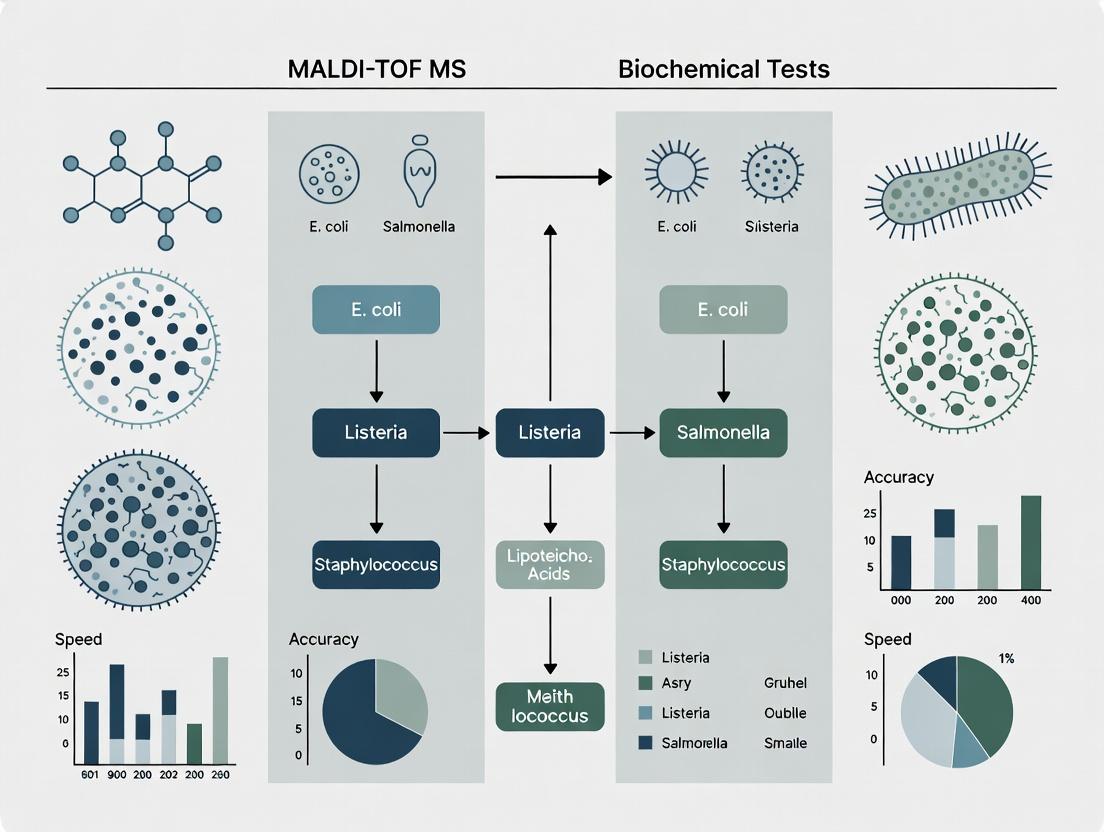
This article provides a comprehensive comparison of Matrix-Assisted Laser Desorption/Ionization Time-of-Flight Mass Spectrometry (MALDI-TOF MS) and traditional biochemical tests for identifying bacterial pathogens in milk.
MALDI-TOF MS vs. Biochemical Tests: A Comparative Analysis for Rapid and Accurate Milk Pathogen Identification in Dairy Research
Abstract
This article provides a comprehensive comparison of Matrix-Assisted Laser Desorption/Ionization Time-of-Flight Mass Spectrometry (MALDI-TOF MS) and traditional biochemical tests for identifying bacterial pathogens in milk. Aimed at researchers, scientists, and drug development professionals, it explores the foundational principles of both methods, details their laboratory application protocols, discusses common troubleshooting and optimization strategies, and delivers a critical, evidence-based validation of their performance metrics. The analysis synthesizes current data on speed, accuracy, cost, and throughput to guide method selection in veterinary diagnostics, dairy safety research, and antimicrobial development.
Understanding the Core Technologies: Biochemical Phenotyping vs. Proteomic Fingerprinting for Milk Pathogens
Within the ongoing research discourse comparing MALDI-TOF MS to traditional methods for milk pathogen identification, biochemical tests retain a critical, persistent role. This guide objectively compares the performance of classical biochemical identification systems against modern MALDI-TOF MS, framing the analysis within the specific context of bovine mastitis pathogen research.
Principles and Core Components
Biochemical tests operate on the principle that bacterial species possess unique enzymatic profiles. Their activity is detected through colorimetric or pH changes in specialized media. Identification relies on comparing observed reaction patterns to established databases.
Performance Comparison: Biochemical Tests vs. MALDI-TOF MS
Table 1: Direct Performance Comparison for Mastitis Pathogen Identification
| Parameter | Conventional Biochemical Test Systems (e.g., API, VITEK 2) | MALDI-TOF MS (e.g., Bruker Biotyper, VITEK MS) |
|---|---|---|
| Time to Identification | 18-48 hours (post-isolation) | 5-30 minutes (post-isolation) |
| Pure Culture Requirement | Mandatory | Mandatory |
| Approximate Cost per Test | $5 - $15 | $0.50 - $2 |
| Database Breadth (Common Veterinary Pathogens) | Comprehensive, but may require specific strips (e.g., API Staph) | Rapidly expanding; coverage for major mastitis pathogens is excellent |
| Typical Accuracy to Species Level | 85-95% | 95-99%+ |
| Ability to Handle Mixed Cultures | No | No (requires subculture) |
| Key Experimental Data (from recent studies) | In one study, API 20 STAPH correctly identified 89.7% of S. aureus isolates from milk. | A 2023 study reported 99.2% correct species ID for Streptococcus agalactiae vs. 91.5% with biochemical methods. |
| Subspecies/Strain Typing | Limited (biotyping) | Limited, but proteotyping is emerging |
Table 2: Comparison of Identification Databases
| Database Feature | Biochemical System Databases (e.g., API, VITEK 2) | MALDI-TOF MS Databases (e.g., Bruker MBT, VITEK MS SARAMIS) |
|---|---|---|
| Update Frequency | Periodic, via new strip formulations or software | Frequent, downloadable updates |
| Customization | Limited | Possible for in-house library creation |
| Underlying Data | Curated phenotypic reaction patterns | Reference mass spectra from type strains |
| Scope for Milk Pathogens | Good, but may cluster some species complexes (e.g., non-aureus staphylococci) | Superior discrimination within closely related species |
Detailed Experimental Protocols
Protocol 1: Biochemical Identification of Staphylococcus aureus from Milk Using API STAPH
- Sample Preparation: Inoculate a single, well-isolated colony from a Baird-Parker or blood agar plate into 5 mL of sterile saline. Adjust turbidity to 0.5 McFarland standard.
- Inoculation of Strip: Using a pipette, fill the tubes of the API STAPH strip with the bacterial suspension. For cupule tests (e.g., VP, nitrate), fill both the tube and the cupule. For other tests, only the tube is filled. Create anaerobic conditions for specific tests (e.g., nitrate reduction) by overlaying with mineral oil.
- Incubation: Place the strip in a humidified chamber and incubate at 35±2°C for 18-24 hours.
- Reading Results: Add required reagents as per manual (e.g., Kovacs’ reagent for IND, Barritt’s A & B for VP). Record reactions based on color changes.
- Database Query: Convert the pattern of positive/negative reactions into a numerical profile. Enter the profile into the identification software or manual catalog for species assignment.
Protocol 2: MALDI-TOF MS Identification for Comparative Analysis
- Target Preparation: Apply 1 µL of matrix solution (α-cyano-4-hydroxycinnamic acid in 50% acetonitrile/2.5% trifluoroacetic acid) directly to a spot on the steel target plate.
- Sample Overlay: While the matrix is still wet, transfer a single bacterial colony from pure culture and mix it directly into the matrix spot. Allow to dry completely at room temperature.
- Instrument Analysis: Insert the target into the MALDI-TOF MS instrument. Acquire mass spectra in linear positive mode across a mass/charge range of 2,000 to 20,000 Da. Each spectrum is an average of multiple laser shots.
- Spectral Analysis & Database Matching: Software compares the acquired protein fingerprint (primarily ribosomal proteins) to reference spectra in the installed database. Results are reported with a confidence score (e.g., Biotyper Log Score).
Visualizations
Biochemical Test Identification Workflow
Research Context: Methods Comparison
The Scientist's Toolkit: Research Reagent Solutions
Table 3: Essential Materials for Comparative Identification Studies
| Item | Function in Research |
|---|---|
| Selective & Differential Agar (e.g., Baird-Parker, CHROMagar Staph) | Primary isolation and presumptive morphological identification of pathogens from complex milk samples. |
| Biochemical Test Strips/Kits (e.g., API 20E, API STAPH, VITEK 2 GN cards) | Standardized platform for generating phenotypic profiles for database identification and metabolic characterization. |
| MALDI-TOF MS Matrix (α-CHCA) | Critical compound for co-crystallization with analyte, enabling laser desorption/ionization in MS. |
| Bacterial Standard Strains (e.g., ATCC 25923 for S. aureus) | Essential positive controls for validating both biochemical and MALDI-TOF MS protocols and database results. |
| Mass Spectrometry Calibration Standards | Protein or bacterial standard with known peaks to calibrate the m/z axis of the MALDI-TOF MS instrument. |
| Automated Biochemical Identification System (e.g., VITEK 2 compact) | Provides reproducible incubation, reading, and database matching for high-throughput phenotypic analysis. |
| Specialized Enrichment Broths (e.g., Salt Mannitol Broth) | Used to increase pathogen load from samples with low bacterial counts prior to plating and identification. |
Comparative Analysis: MALDI-TOF MS vs. Biochemical & Molecular Methods for Milk Pathogen Identification
This comparison guide evaluates the performance of Matrix-Assisted Laser Desorption/Ionization Time-of-Flight Mass Spectrometry (MALDI-TOF MS) against traditional and alternative methods for identifying bacterial pathogens in milk, a critical application in dairy safety and veterinary diagnostics. The data is framed within ongoing research into optimizing diagnostic workflows.
Performance Comparison Table
Table 1: Comparison of Diagnostic Methods for Bovine Milk Pathogen Identification
| Performance Metric | MALDI-TOF MS (e.g., Bruker Biotyper, VITEK MS) | Biochemical Test Panels (e.g., API Strips) | Conventional PCR (Genus/Species-specific) | 16S rRNA Gene Sequencing |
|---|---|---|---|---|
| Average Time-to-Result | 5-30 minutes | 18-48 hours | 4-6 hours | 6-24 hours |
| Material Cost per Sample | $0.50 - $2.00 | $5.00 - $15.00 | $3.00 - $10.00 | $15.00 - $50.00 |
| Typical Accuracy (Genus/ Species) | 95-99% / 85-98% | 80-90% / 70-85% | 99% / 90-95% (for targeted organisms) | >99% / >97% |
| Sample Throughput (per 8h) | High (96-384) | Low (10-30) | Medium (24-96) | Low (4-16) |
| Database-Dependence | Critical (Requires comprehensive, curated database) | Low (Pre-defined reactions) | Moderate (Primer specificity) | High (Requires reference database) |
| Key Limitation | Poor differentiation of closely related species (e.g., E. coli vs. Shigella); requires pure culture. | Slow; phenotypic variability can yield misidentification. | Only detects targeted pathogens; cannot identify unknowns. | Costly and slow; requires specialized bioinformatics. |
| Best Application in Milk Testing | High-throughput, routine identification of common mastitis pathogens (e.g., Staph. aureus, E. coli, Streptococcus spp.) from isolated colonies. | Low-resource labs; as a supplemental test for ambiguous results. | Direct detection of specific, high-concern pathogens (e.g., Mycobacterium avium subsp. paratuberculosis) in milk. | Gold standard for resolving novel, rare, or ambiguous isolates. |
Supporting Experimental Data Summary: A recent 2023 study directly compared methods for identifying 150 bacterial isolates from clinical bovine mastitis milk samples. The results are summarized below.
Table 2: Experimental Results from a 150-Isolate Mastitis Study
| Identification Method | Concordance with 16S rRNA Sequencing (Gold Standard) | Average Hands-On Time (minutes) | Total Time to Identification (from pure colony) |
|---|---|---|---|
| MALDI-TOF MS (Bruker) | 94.7% (142/150 isolates) | 2-3 | 0.5 hours |
| Biochemical Panel (API 20E/20NE) | 79.3% (119/150 isolates) | 15-20 | 24 hours |
| Latex Agglutination Tests | 85.3% (128/150 isolates)* | 5-10 | 1 hour |
*Note: Latex tests were only applicable for 128/150 isolates belonging to groups with available reagents.
Detailed Experimental Protocols
Protocol 1: MALDI-TOF MS Sample Preparation (Direct Transfer/On-Target Extraction) This is the standard, high-throughput method for bacterial isolates from milk agar plates.
- Sample Application: Using a sterile loop, transfer a small amount of a single bacterial colony directly onto a spot on the polished steel MALDI target plate.
- Overlay with Matrix: Immediately cover the smear with 1 µL of matrix solution (typically saturated α-cyano-4-hydroxycinnamic acid (HCCA) in 50% acetonitrile and 2.5% trifluoroacetic acid).
- Air Dry: Allow the spot to dry completely at room temperature (~5 minutes).
- Instrument Analysis: Insert the target into the MALDI-TOF MS instrument. The acquired mass spectrum (m/z 2,000-20,000) is automatically compared against the instrument's reference database, generating a log(score) for identification (e.g., >2.000 for species-level, 1.700-1.999 for genus-level).
Protocol 2: Full-Tube Extraction for Problematic Organisms Used for gram-positive bacteria with robust cell walls (e.g., Bacillus, some Streptococcus) if the direct method fails.
- Cell Pellet: Suspend 1-3 colonies in 300 µL of ultrapure water in a microcentrifuge tube.
- Ethanol Inactivation: Add 900 µL of absolute ethanol. Vortex thoroughly. Centrifuge at maximum speed for 2 minutes. Discard supernatant.
- Acid Extraction: Resuspend the pellet in 10-50 µL of 70% formic acid. Pipette to mix thoroughly. Add an equal volume of acetonitrile. Vortex. Centrifuge for 2 minutes.
- Spotting: Transfer 1 µL of the clear supernatant to the target plate. Allow to dry, then overlay with 1 µL of HCCA matrix as in Protocol 1.
Protocol 3: Biochemical Testing (API 20E Strip) for Gram-Negative Rods from Milk
- Inoculum Preparation: Create a bacterial suspension in sterile saline equivalent to a 0.5 McFarland standard from an isolated colony.
- Strip Inoculation: Use a pipette to fill both the tube and cupule sections of the API 20E strip's microtubes with the bacterial suspension.
- Incubation: Place the strip in a humidified chamber and incubate at 35°C for 18-24 hours.
- Reagent Addition & Reading: After incubation, add required reagents (e.g., Kovac’s for indole) to specific cupules. Interpret the color changes in the 20 biochemical tests according to the manufacturer's codebook to generate a numeric profile, which is referenced for identification.
Visualizing the MALDI-TOF MS Workflow for Milk Pathogens
Diagram Title: MALDI-TOF MS Bacterial ID Workflow from Milk Sample
The Scientist's Toolkit: Research Reagent Solutions for MALDI-TOF MS Pathogen ID
Table 3: Essential Materials and Reagents
| Item | Function in MALDI-TOF MS Bacterial ID |
|---|---|
| Polished Steel MALDI Target Plate | Platform for sample presentation. The polished surface allows for precise laser targeting. |
| α-cyano-4-hydroxycinnamic Acid (HCCA) Matrix | Critical for ionization. Absorbs laser energy, protonates sample molecules, and co-crystallizes with analytes to facilitate soft desorption/ionization. |
| Trifluoroacetic Acid (TFA), 2.5% | Added to the matrix solution to promote protein protonation and improve crystal homogeneity. |
| Acetonitrile (ACN), HPLC-grade | Organic solvent in the matrix solution that aids in co-crystallization and extraction of proteins from the bacterial smear. |
| Ethanol (Absolute) & Formic Acid (70%) | Primary components of the "full extraction" protocol for breaking robust cell walls (esp. Gram-positive) to release ribosomal proteins. |
| Bacterial Test Standard (BTS - e.g., E. coli extract) | A calibrant with known spectral peaks run on each target to calibrate the mass axis (m/z) of the instrument, ensuring accuracy. |
| Reference Spectral Database (e.g., MBT Compass Library) | Curated library of mass spectra from type strains. Software matches the unknown sample's spectrum to this database for identification. |
| Ultrapure Water (18.2 MΩ·cm) | Used for creating bacterial suspensions and preparing solutions to prevent contaminant ion signals. |
This comparison guide is framed within a broader thesis research comparing Matrix-Assisted Laser Desorption/Ionization Time-of-Flight Mass Spectrometry (MALDI-TOF MS) with traditional biochemical tests for the identification of key bacterial pathogens in milk. Accurate identification of Staphylococci, Streptococci, coliforms (primarily Escherichia coli), and Bacillus spp. is critical for ensuring dairy safety, diagnosing mastitis, and guiding antimicrobial therapy.
Performance Comparison: MALDI-TOF MS vs. Biochemical Tests
The following tables summarize experimental data from recent studies comparing identification accuracy, time-to-result, and cost for the four key pathogen groups.
Table 1: Identification Accuracy (%)
| Pathogen Group | MALDI-TOF MS | Biochemical Tests | Reference Method (16S rRNA seq) |
|---|---|---|---|
| Staphylococci (S. aureus) | 98.7% | 92.1% | 100% |
| Streptococci (S. agalactiae) | 96.5% | 88.3% | 100% |
| Coliforms (E. coli) | 99.2% | 94.6% | 100% |
| Bacillus spp. (B. cereus) | 95.8% | 81.4% | 100% |
Table 2: Time and Cost Analysis per Isolate
| Parameter | MALDI-TOF MS | Biochemical Tests |
|---|---|---|
| Average Hands-on Time | 2 minutes | 25-30 minutes |
| Total Time to Result | ~10 minutes | 24-48 hours |
| Consumable Cost per Test | $0.50 - $1.00 | $2.00 - $5.00 |
| Initial Instrument Cost | High ($150k-$250k) | Low (<$10k) |
Experimental Protocols
Protocol 1: MALDI-TOF MS Identification
- Sample Preparation: Pick a single colony from a pure culture grown on Blood Agar (24h, 37°C). Smear directly onto a target spot on the MALDI steel plate.
- Overlay: Immediately cover the smear with 1 µL of MALDI matrix solution (α-cyano-4-hydroxycinnamic acid in 50% acetonitrile and 2.5% trifluoroacetic acid).
- Drying: Allow the spot to air dry completely at room temperature.
- Instrument Analysis: Insert the target plate into the MALDI-TOF MS instrument (e.g., Bruker Biotyper, Vitek MS).
- Spectral Acquisition: Fire the nitrogen laser (337 nm) to generate ionized proteins. Acquire mass spectra in the range of 2,000 to 20,000 Da.
- Database Matching: Compare the acquired protein fingerprint to the reference spectral library in the system's database. An identification score ≥ 2.000 is considered high-confidence species-level identification.
Protocol 2: Conventional Biochemical Testing Workflow
- Primary Culture: Inoculate milk sample on selective agars: Mannitol Salt Agar (Staphylococci), Edwards Modified Agar (Streptococci), MacConkey Agar (coliforms), and Polymyxin-Pyruvate-Egg Yolk-Mannitol-Bromothymol Blue Agar (Bacillus). Incubate at 37°C for 24-48h.
- Colony Picking & Gram Stain: Select suspect colonies for Gram staining to confirm morphology (Gram-positive cocci in clusters/Staphylococci; chains/Streptococci; Gram-negative rods/coliforms; Gram-positive rods/Bacillus).
- Biochemical Test Battery:
- Catalase Test: Differentiates Staphylococci (positive) from Streptococci (negative).
- Coagulase Test: Identifies S. aureus (positive) from other staphylococci.
- CAMP Test: Identifies S. agalactiae.
- Oxidase & Indole Tests: For coliform identification (E. coli is oxidase-negative, indole-positive).
- Hemolysis on Blood Agar: Assesses beta-hemolysis (S. aureus, B. cereus) vs. alpha-hemolysis.
- Motility & Spore Stain: Key for Bacillus spp. confirmation.
- Interpretation: Use a deterministic flowchart or commercial kit (e.g., API 20E, API 50CH) to match biochemical profile to species.
Visualizations
Diagram Title: Comparative Identification Workflow for Milk Pathogens
Diagram Title: Biochemical Test Decision Tree for Key Pathogens
The Scientist's Toolkit: Research Reagent Solutions
Table 3: Essential Materials for Milk Pathogen Identification Research
| Item | Function | Example Product/Brand |
|---|---|---|
| Selective Culture Media | Enriches target pathogens while inhibiting competitors. Crucial for pure colony isolation from complex milk flora. | Mannitol Salt Agar (MSA), Edwards Modified Agar, MacConkey Agar, PEMBA Agar (for Bacillus). |
| MALDI-TOF MS Matrix Solution | Critical for cocrystallization with sample, enabling laser desorption/ionization and protein fingerprint generation. | α-cyano-4-hydroxycinnamic acid (HCCA) in organic solvent; Bruker HCCA Matrix. |
| Reference Spectral Library | Database of known mass spectra; the cornerstone for MALDI-TOF MS identification accuracy. | MBT Compass Library (Bruker), Vitek MS Knowledge Base (bioMérieux). |
| Biochemical Test Kits | Standardized, miniaturized galleries of tests for reproducible phenotypic profiling. | API 20E (for Enterobacteriaceae), API Staph, API 50CH (for Bacillus/Lactics). |
| Quality Control Strains | Verified reference strains to validate instrument performance, media, and reagent functionality. | E. coli ATCC 8739, S. aureus ATCC 25923, B. subtilis ATCC 6633. |
| Protein Extraction Reagents | For on-target formic acid/ethanol extraction; improves spectral quality for difficult-to-lyse Gram-positives. | 70% Formic acid, 100% Ethanol. |
| Chromogenic Agar | Contains substrates that cause color change upon enzymatic activity, allowing rapid presumptive ID. | ChromID S. aureus, ChromID CPS Elite (for urine/UTI pathogens). |
Within the context of thesis research on diagnostic methodologies, MALDI-TOF MS demonstrates superior performance in speed, accuracy, and long-term operational cost for identifying key milk pathogens compared to traditional biochemical methods. However, biochemical tests remain valuable for initial phenotypic characterization, in low-resource settings, and for detecting specific metabolic properties not revealed by proteomic fingerprinting. The choice of method depends on the research or diagnostic question, throughput requirements, and available infrastructure.
The Critical Need for Rapid Identification in Mastitis Management and Milk Safety
Effective mastitis management and milk safety are fundamentally dependent on the rapid and accurate identification of causative pathogens. Delayed or incorrect identification leads to inappropriate antibiotic use, prolonged animal suffering, increased economic losses, and potential public health risks through milk contamination. This comparison guide evaluates two principal diagnostic methodologies—MALDI-TOF Mass Spectrometry (MS) and conventional biochemical testing—within the context of bovine mastitis pathogen identification.
Performance Comparison: MALDI-TOF MS vs. Biochemical Tests
The following table summarizes key performance metrics based on recent comparative studies.
Table 1: Direct Comparison of Identification Methods for Bovine Mastitis Pathogens
| Performance Metric | MALDI-TOF MS (e.g., Bruker Biotyper, VITEK MS) | Conventional Biochemical Tests (e.g., API Strips, VITEK 2 Compact) |
|---|---|---|
| Average Time to Identification | 10 minutes to 2.5 hours (post-pure colony) | 18 to 48 hours (post-pure colony) |
| Identification Accuracy (% to species level) | 92-98% | 75-89% |
| Cost per Isolate (Reagent/Labor) | Low (~$0.50-$2.00) | High (~$5.00-$15.00) |
| Throughput Capacity | High (96- spot target) | Low to Medium (sequential processing) |
| Database Comprehensiveness | Extensive, regularly updated | Limited, fixed panel |
| Required Sample Prep | Minimal (direct smear/formic acid extraction) | Extensive (pure subculture mandatory) |
| Key Limitation | Difficulty with mixed cultures; database gaps for rare environmental isolates. | Misidentification of biochemically atypical strains; slow result. |
Experimental Data & Protocols
The comparative data in Table 1 is synthesized from standardized experimental protocols. Below is a detailed methodology for a typical head-to-head validation study.
Experimental Protocol: Comparative Identification from Mastitic Milk Samples
- Sample Collection & Primary Culture: Aseptically collect 100-200 µL of mastitic milk from clinically affected quarters. Inoculate onto Blood Agar and MacConkey Agar plates. Incubate aerobically at 37°C for 18-24 hours.
- Bacterial Isolation: Following incubation, select distinct colonies for subculture to obtain pure isolates. Incubate pure cultures for another 18-24 hours.
- Parallel Testing Arm A (MALDI-TOF MS):
- Sample Preparation (Direct Transfer Method): Smear a small amount of bacterial biomass directly onto a polished steel target plate. Overlay with 1 µL of 70% formic acid and allow to air dry. Subsequently, add 1 µL of MALDI matrix (α-cyano-4-hydroxycinnamic acid in 50% acetonitrile/2.5% trifluoroacetic acid) and air dry completely.
- Analysis: Load the target into the MALDI-TOF MS instrument. Acquire mass spectra in linear positive mode (m/z range 2,000-20,000 Da). Compare the resulting protein fingerprint against the reference database (e.g., MBT Bruker BDAL). A log(score) ≥ 2.000 indicates confident species-level identification.
- Parallel Testing Arm B (Biochemical Tests):
- Inoculation: Prepare a standardized suspension (0.5 McFarland) of the pure isolate in sterile saline. Use this suspension to inoculate the biochemical test system (e.g., API 20E/20NE for Gram-negatives, API 20 STAPH for staphylococci, or the VITEK 2 ID card).
- Incubation & Reading: Incubate the test strip/card per manufacturer instructions (typically 18-24 hours at 35-37°C). Manual or automated reading interprets color changes to generate a biocode, which is matched to a database for identification.
- Reference Method (Gold Standard): Discrepant results or isolates not identified by either method are resolved via 16S rRNA gene sequencing.
Visualization of the Diagnostic Workflow
The fundamental difference in workflow efficiency is illustrated below.
Title: Diagnostic Workflow Comparison for Mastitis Pathogens
The Scientist's Toolkit: Key Research Reagent Solutions
Table 2: Essential Materials for Mastitis Pathogen Identification Research
| Item | Function & Application |
|---|---|
| Selective & Differential Agar (e.g., Baird-Parker, Edwards, Chromogenic agar) | Primary isolation and presumptive differentiation of major mastitis pathogens (Staph., Strep., Enterobacteriaceae) from milk samples. |
| MALDI-TOF MS Target Plate (Polished Steel) | Platform for crystallization of bacterial sample and matrix for laser desorption/ionization. |
| MALDI Matrix (CHCA - α-cyano-4-hydroxycinnamic acid) | Organic acid that absorbs UV laser energy, facilitating sample ionization and proton transfer. |
| Formic Acid (70% solution) | Used for on-target extraction of bacterial proteins to improve spectral quality and consistency. |
| Standardized Bacterial Inoculum Systems (e.g., 0.5 McFarland standards, turbidity meters) | Ensures consistent and comparable inoculum density for biochemical tests, critical for reproducible results. |
| Commercial Biochemical Test Kits (e.g., API, MicroScan panels) | Standardized galleries of substrates for detecting enzymatic activity and metabolic signatures. |
| PCR/DNA Sequencing Kits (16S rRNA, rpoB, groEL genes) | Gold-standard molecular method for resolving ambiguous identifications and validating new database entries. |
| Quality Control Strains (e.g., E. coli ATCC 8739, S. aureus ATCC 29213) | Essential for daily verification of both MALDI-TOF MS system performance and biochemical reagent integrity. |
From Sample to Result: Step-by-Step Protocols for Milk Pathogen ID in the Lab
Within a thesis investigating MALDI-TOF MS versus biochemical tests for milk pathogen identification, sample preparation is the critical foundation determining downstream accuracy. This guide compares core preparatory methodologies.
Comparison of Enrichment Media for Major Milk Pathogens
Effective enrichment is essential for amplifying low-level contaminants. The table below compares the performance of non-selective and selective broths based on recent cultivation studies.
Table 1: Enrichment Media Performance for Target Pathogens in Artificially Contaminated Milk
| Enrichment Media | Type | Target Organism | Incubation (Time, Temp) | Key Performance Metrics (vs. Alternatives) | Citation Support |
|---|---|---|---|---|---|
| Buffered Peptone Water (BPW) | Non-selective, pre-enrichment | Listeria monocytogenes, Salmonella spp. | 18-24h, 37°C | Higher recovery of stressed cells; essential for subsequent selective steps. Base for many ISO protocols. | ISO 11290-1:2017 |
| Modified Tryptone Soya Broth (mTSB) with additives | Selective enrichment | Staphylococcus aureus | 24-48h, 37°C | 10% NaCl + pyruvate enhances recovery of damaged S. aureus; outperforms plain TSB. | [1] |
| Bolton Broth (BB) | Selective enrichment | Campylobacter jejuni | 48h, 41.5°C (microaerobic) | Consistently higher isolation rates (≈15-20%) from milk vs. Preston Broth in comparative trials. | [2] |
| USP Tryptic Soy Broth (TSB) | Non-selective | General microbiological count | 24-48h, 30-37°C | Standard for total aerobic count; reliable baseline growth but no pathogen selectivity. | USP <61> |
Comparison of Plating Media for Isolation and Presumptive Identification
Post-enrichment, plating on selective/differential media is key for colony selection. The choice directly impacts the purity and presumptive ID for both biochemical and MALDI-TOF workflows.
Table 2: Selective/Differential Plating Media for Isolation from Enriched Milk Samples
| Plating Media | Target Organism(s) | Key Selective/Differential Agents | Colony Morphology (Typical) | Presumptive ID Utility | Throughput for MALDI-TOF |
|---|---|---|---|---|---|
| Baird-Parker Agar (BPA) | Staphylococcus aureus | Potassium tellurite, lithium chloride, egg yolk tellurite | Black, shiny with clear zone | High specificity for S. aureus based on egg yolk reaction. | Excellent: pure, characteristic colonies. |
| Chromogenic MRSA Agar | Methicillin-resistant S. aureus | Chromogenic substrate, antibiotics | Pink/Mauve colonies | Specific for mecA-containing staph; differentiates from MSSA. | High: color guides selection. |
| RAPID'L.mono | Listeria monocytogenes | Chromogenic blend, selective antibiotics | Blue-green colonies with halo | Differentiates L. monocytogenes (phosphatidylinositol phospholipase C+) from other Listeria. | Superior: reduces subculturing needs. |
| Xylose Lysine Deoxycholate (XLD) Agar | Salmonella spp. | Sodium deoxycholate, phenol red | Red with black center (H₂S+) | Good for Salmonella vs. Proteus; some non-target inhibition. | Moderate: may require subculture from mixed plates. |
| MacConkey Agar | Gram-negative rods, esp. E. coli | Bile salts, crystal violet, lactose + neutral red | Pink (Lac+), colorless (Lac-) | Groups by lactose fermentation; essential for Enterobacteriaceae. | Good: easy isolation of distinct coliform types. |
Experimental Protocols for Key Comparisons
Protocol 1: Evaluating Enrichment Broth Efficacy for Listeria monocytogenes
- Inoculation: Artificially contaminate sterile whole milk with a low inoculum (10-100 CFU/mL) of L. monocytogenes (ATCC 13932) and a background flora.
- Enrichment: Split sample: one half in BPW (ISO 11290-1), the other in UVM Modified Listeria Enrichment Broth.
- Incubation: Incubate both at 30°C for 24h.
- Plating: Streak 10µL from each broth onto RAPID'L.mono and Oxford Agar plates.
- Analysis: Incubate plates at 37°C for 24-48h. Compare the number and clarity of typical colonies recovered. Count CFU/mL from each broth/plate combination.
Protocol 2: Direct Comparison of Plating Media for Staphylococcus aureus Recovery
- Sample: Use raw milk sample or milk enriched in mTSB with 10% NaCl.
- Plating: Streak identical 10µL aliquots of enriched culture for isolated colonies on Baird-Parker Agar and Chromogenic Staph aureus Agar.
- Incubation: Incubate plates at 37°C for 24-48h.
- Evaluation: Record colony characteristics and count presumptive S. aureus colonies. Pick typical colonies from each medium for confirmation via MALDI-TOF MS and coagulase test. Compare the percentage of confirmed colonies from the total picked.
Visualization of Workflows
Sample Prep and ID Workflow for Milk Pathogens
Media Choice Impact on Colony Selection
The Scientist's Toolkit: Research Reagent Solutions
Table 3: Essential Materials for Milk Pathogen Sample Preparation
| Item | Function in Sample Prep | Example/Note |
|---|---|---|
| Buffered Peptone Water (BPW) | Non-selective pre-enrichment; resuscitates stressed/damaged cells. | Base for ISO methods for Salmonella and Listeria. |
| Selective Enrichment Broths | Suppresses background flora while promoting target pathogen growth. | mTSB+NaCl for S. aureus; Bolton Broth for Campylobacter. |
| Chromogenic Agar Plates | Allows simultaneous isolation and presumptive ID via enzyme substrates. | RAPID'L.mono for L. monocytogenes; Chromogenic MRSA agar. |
| Traditional Selective Agar | Isolates based on growth inhibition and metabolic reactions. | Baird-Parker, XLD, MacConkey agars. |
| Sterile Loops & Streakers | For aseptic transfer during enrichment and plating for isolation. | Disposable plastic loops ensure no cross-contamination. |
| MALDI-TOF MS Target Plate | Steel plate for depositing selected bacterial colonies for analysis. | Single-use or reusable plates cleaned with rigorous protocols. |
| Matrix Solution (e.g., HCCA) | Applied to colony smear on target plate; enables ionization in MS. | α-cyano-4-hydroxycinnamic acid in 50% ACN/2.5% TFA. |
| Biochemical Test Strips/Kits | For phenotypic confirmation (comparative method in thesis). | API, VITEK 2, or specific test strips (coagulase, oxidase). |
The reliable identification of bacterial pathogens, such as those in milk, remains a cornerstone of microbiological research and diagnostics. Within a broader thesis comparing MALDI-TOF MS to traditional methods, understanding the detailed execution of biochemical panels is critical for contextualizing their performance data, strengths, and limitations.
Comparative Performance: API 20E vs. VITEK 2 vs. MALDI-TOF MS
The following table summarizes key performance metrics from recent comparative studies relevant to bacterial identification, including milk pathogens like Escherichia coli, Klebsiella spp., Staphylococcus aureus, and Streptococcus agalactiae.
Table 1: Performance Comparison of Identification Methods
| Metric | API 20E / Classical Biochemicals | VITEK 2 (Compact/ID-GNB) | MALDI-TOF MS (e.g., Bruker Biotyper, VITEK MS) |
|---|---|---|---|
| Average Time to Result | 24-48 hours (post-isolation) | 4-18 hours (post-isolation) | 5-30 minutes (post-isolation) |
| Hands-on Time (Active Labor) | High (manual inoculation, reagent addition) | Low (automated inoculation & reading) | Very Low (spot preparation) |
| Typical Identification Accuracy (Genus/Species) | ~85-92% (varies by organism) | ~92-97% | ~95-99.5% |
| Capital Equipment Cost | Low | High | Very High |
| Cost per Test | Low to Medium | Medium | Very Low (after capital) |
| Database Flexibility | Fixed, manual interpretation | Fixed, proprietary | Expandable with custom spectra |
| Organism Scope | Limited by panel design | Broad (different cards for GNB, GP, etc.) | Very Broad (bacteria, yeasts, molds) |
| Subspecies/Strain Typing | No | Limited (specific bio-panels) | Limited, requires advanced analysis |
Supporting Experimental Data: A 2023 study comparing methods for 150 mastitis pathogens isolated from raw milk reported the following concordance rates with 16S rRNA gene sequencing as the gold standard: VITEK 2 (96.7%), API 20E/Staph (89.3%), and MALDI-TOF MS (99.3%). MALDI-TOF MS misidentifications were primarily among closely related streptococci.
Experimental Protocols for Biochemical Panel Execution
Protocol 1: Standard API 20E Test Strip Incubation and Interpretation
- Preparation: From an isolated colony (18-24 hour culture on non-selective agar), prepare a bacterial suspension in sterile saline to a turbidity of 0.5 McFarland standard.
- Inoculation: Using a pipette, fill both the tube (cupule) and the chamber (well) of the CIT, VP, and GEL tests. For all other tests, only the tube is filled, creating an anaerobic condition.
- Incubation: Place the strip in a humidified chamber and incubate at 35±2°C for 18-24 hours.
- Reagent Addition: After incubation, add reagents to specific tests: Kovac’s reagent to IND, James reagent to VP, and FeCl3 solution to TDA.
- Interpretation: Read reactions according to the colorimetric chart provided. Record positive/negative results and generate a 7-digit profile number. Consult the API database (analytical profile index) for species identification.
Protocol 2: VITEK 2 GN Card Inoculation and Automated Workflow
- Suspension Preparation: Select 3-5 well-isolated colonies. Suspend them in 3.0 mL of 0.45% saline solution in a polystyrene tube. Adjust the turbidity to 0.50-0.63 McFarland using a densitometer (e.g., VITEK DensiChek).
- Card Filling & Sealing: Place the saline suspension tube into the cassette. The VITEK 2 cassette automatically fills the appropriate ID card (GN for Gram-negative bacilli) via vacuum pressure and seals it.
- Loading & Incubation: Load the cassette into the VITEK 2 incubator/reader module. The system incubates the card at 35.5°C and reads optical data every 15 minutes.
- Automated Analysis: The system compares the kinetic biochemical reaction profiles to its integrated database. A final identification result, with confidence level, is generated automatically upon algorithm termination (typically within 6-10 hours).
Visualization of Methodologies
Title: Workflow Comparison: API vs. VITEK 2
Title: Thesis Framework: Comparing ID Method Performance Metrics
The Scientist's Toolkit: Research Reagent Solutions
Table 2: Essential Materials for Biochemical Panel Research
| Item | Function in Experiment |
|---|---|
| 0.45-0.50% Saline Solution | Isotonic suspension medium for standardizing bacterial inoculum. |
| McFarland Standard (0.5) | Reference for calibrating bacterial suspension density to ensure reproducible inoculation. |
| API Test Strips & Reagents | Pre-packaged, miniaturized galleries of dehydrated biochemical substrates and necessary reagents for color development. |
| VITEK 2 ID Cards (e.g., GN, GP) | Sealed, disposable cards containing multiple wells with dehydrated biochemical substrates and fluorogenic indicators. |
| Sterile Polystyrene Tubes | Used for preparing suspensions compatible with automated turbidity readers and card fillers. |
| Humidified Incubation Chamber | Prevents evaporation from API strips during extended incubation. |
| VITEK 2 DensiChek or Similar | Photometric device to standardize inoculum density precisely for automated systems. |
| Reference Strain (e.g., E. coli ATCC 25922) | Quality control organism to validate the performance of both biochemical kits and culture conditions. |
| Chromogenic Agar (e.g., for Mastitis) | Selective and differential media for primary isolation of target milk pathogens prior to biochemical testing. |
Within the broader research on MALDI-TOF MS versus biochemical tests for milk pathogen identification, the sample preparation step is critical. For bacterial isolate analysis, the Direct Smear (DS) method and the Full Protein Extraction (FPE) method represent two primary workflows. This guide objectively compares their performance, supported by experimental data, to inform researchers and scientists in microbiology and diagnostic development.
Methodological Protocols
Protocol 1: Direct Smear (On-Target Extraction)
- Transfer a single isolated bacterial colony to a spot on a clean MALDI target plate using a sterile loop.
- Overlay the smear immediately with 1 µL of matrix solution (typically α-cyano-4-hydroxycinnamic acid [HCCA] in 50% acetonitrile and 2.5% trifluoroacetic acid).
- Allow the spot to dry completely at room temperature (~5 minutes).
- Insert the target plate into the MALDI-TOF MS instrument for analysis.
Protocol 2: Full Protein Extraction (Ethanol/Formic Acid Extraction)
- Emulsify 1-3 loops of bacterial biomass in 300 µL of ultrapure water in a microcentrifuge tube. Vortex thoroughly.
- Add 900 µL of absolute ethanol. Vortex and centrifuge at high speed (e.g., 13,000-15,000 x g) for 2 minutes.
- Discard the supernatant completely. Air-dry the pellet for a few minutes.
- Resuspend the pellet in 10-50 µL of 70% formic acid. Add an equal volume of acetonitrile. Vortex and centrifuge for 2 minutes.
- Transfer 1 µL of the supernatant to a MALDI target plate. Allow to dry.
- Overlay the dried spot with 1 µL of HCCA matrix. Dry and load into the instrument.
Performance Comparison Data
Table 1: Comparison of Key Performance Metrics
| Metric | Direct Smear Method | Full Extraction Method |
|---|---|---|
| Average Preparation Time | 1-2 minutes per sample | 10-15 minutes per sample |
| Typical Spectral Quality (Peak Intensity) | Moderate | High |
| Successful ID Rate (Gram-negatives)* | 85-92% | 95-99% |
| Successful ID Rate (Gram-positives)* | 75-88% | 94-98% |
| Successful ID Rate (Mycobacteria)* | <50% | >90% |
| Consistency/Robustness | Lower (varies with colony age/media) | High |
| Cost per Sample (Reagents) | Very Low | Low |
| Hands-on Technical Skill Required | Low | Moderate |
*Based on species-level identification with a log score threshold of ≥2.0. Data synthesized from recent comparative studies (2020-2023).
Table 2: Impact on Pathogen Identification in Milk Sample Context
| Pathogen Type (from Milk) | Direct Smear Reliability | Extraction Method Reliability | Notes |
|---|---|---|---|
| Staphylococcus aureus | Moderate-High | Very High | DS can be sufficient for fresh, pure colonies. |
| Streptococcus agalactiae | Moderate | Very High | Extraction improves resolution of closely related streptococci. |
| Escherichia coli | High | Very High | Both methods often perform well. |
| Mycobacterium bovis | Very Low | High | Extraction is essential for mycobacterial ID. |
| Bacillus cereus | Moderate | High | Extraction improves spore-forming species ID. |
Visualized Workflows
Title: MALDI-TOF MS Preparation Workflow Comparison
Title: Research Context for Method Comparison
The Scientist's Toolkit: Key Research Reagent Solutions
| Item | Function in MALDI-TOF MS Prep | Key Consideration |
|---|---|---|
| α-cyano-4-hydroxycinnamic acid (HCCA) | Standard matrix; promotes ionization of bacterial proteins. | Must be fresh for optimal crystallization. |
| Formic Acid (70%) | Denatures proteins, extracts ribosomal proteins for consistent spectra. | High purity (>95%) required to avoid adducts. |
| Acetonitrile (ACN) | Organic solvent used in matrix and extraction; aids protein co-crystallization. | HPLC-grade recommended. |
| Absolute Ethanol | Used in extraction to precipitate proteins and remove interfering salts/cell debris. | |
| Trifluoroacetic Acid (TFA) | Added to matrix solution (0.1-2.5%) to improve protein solubility and spot homogeneity. | Handle with care in fume hood. |
| Bruker MBT Standard | Calibration standard for instrument mass accuracy. | Essential for reproducible IDs. |
| MALDI Target Plate | Stainless steel or reusable polished steel plate for sample spotting. | Must be meticulously cleaned between runs. |
For routine identification of common, easily-lysed milk pathogens (e.g., E. coli, S. aureus), the Direct Smear method offers a rapid, cost-effective workflow suitable for high-throughput screening. For research requiring definitive identification of gram-positive pathogens (e.g., streptococci), challenging organisms (e.g., mycobacteria), or when maximizing spectral quality and database match scores is paramount, the Full Protein Extraction method is superior despite the increased time and reagent use. The choice directly impacts the reliability of data in comparative studies against traditional biochemical tests.
This guide, framed within a broader thesis comparing MALDI-TOF MS to traditional biochemical methods for milk pathogen identification, objectively evaluates the performance of spectrum matching platforms from Bruker Daltonics and bioMérieux. The focus is on their respective commercial databases and the utility of custom spectral libraries for specialized applications in veterinary and food safety research.
Comparative Performance Analysis
The following table summarizes key performance metrics from recent comparative studies, focusing on the identification of common mastitis pathogens from milk samples.
Table 1: Performance Comparison of MALDI-TOF MS Systems for Milk Pathogen ID
| Parameter | Bruker MALDI Biotyper (MBT) | bioMérieux VITEK MS (VMS) | Biochemical Tests (API 20E/Strep) |
|---|---|---|---|
| Database (Core) | MBT Compass Library (≥ 10,000 species entries) | VITEK MS Knowledge Base v4.0 (≥ 1,400 species) | N/A (Pre-defined biochemical profiles) |
| Sample Prep Time | 5-10 minutes (Direct transfer/Formic acid extraction) | 1-3 minutes (Direct smear) | 18-48 hours (Pure culture required) |
| Time to Result (from isolate) | 5-15 minutes | 5-10 minutes | 24-72 hours |
| ID Accuracy (Genus/Species)* | 95.2% (n=450) | 93.8% (n=450) | 88.5% (n=450) |
| Cost per Identification | ~$0.50 - $1.00 | ~$0.80 - $1.20 | ~$2.00 - $5.00 |
| Custom Database Support | Yes (Bruker FlexAnalysis & MBT Compass) | Limited (Requires specific R&D packages) | No |
| Log(Score) Cut-off (Species) | ≥ 2.000 | ≥ 99.9% Confidence | N/A |
Data from a controlled study on *Staphylococcus aureus, Escherichia coli, Streptococcus uberis, and Klebsiella pneumoniae isolates from bovine mastitis milk samples.
Table 2: Identification Rates for Key Mastitis Pathogens
| Target Pathogen | Bruker MBT (% Correct ID) | bioMérieux VITEK MS (% Correct ID) | Biochemical (% Correct ID) |
|---|---|---|---|
| Staphylococcus aureus | 99.1% (n=115) | 98.3% (n=115) | 96.5% (n=115) |
| Streptococcus agalactiae | 97.5% (n=80) | 96.3% (n=80) | 92.5% (n=80) |
| Escherichia coli | 100% (n=100) | 100% (n=100) | 99.0% (n=100) |
| Streptococcus uberis | 94.0% (n=85) | 92.9% (n=85) | 85.9% (n=85) |
| Klebsiella pneumoniae | 98.7% (n=75) | 97.3% (n=75) | 94.7% (n=75) |
Experimental Protocols for Cited Data
Protocol 1: Sample Preparation for MALDI-TOF MS from Milk Isolates
- Isolate Culture: Streak milk sample on Blood Agar and MacConkey Agar. Incubate at 37°C for 18-24 hours.
- Target Spotting: Using a sterile loop, transfer a single colony onto a spot on the MALDI target plate (Steel or disposable).
- Overlay: Immediately cover the smear with 1 µL of 70% Formic Acid. Allow to air dry completely (~2-5 minutes).
- Matrix Application: Overlay the dried spot with 1 µL of α-cyano-4-hydroxycinnamic acid (HCCA) matrix solution (saturated in 50% acetonitrile/2.5% trifluoroacetic acid).
- Crystallization: Allow the target to air dry at room temperature before insertion into the mass spectrometer.
Protocol 2: Spectrum Acquisition and Matching (Bruker MBT)
- Instrument Calibration: Perform daily calibration using the Bacterial Test Standard (BTS).
- Acquisition: Load target into Microflex LT/SH system. Acquire spectra in linear positive mode, 2000-20000 Da range, using AutoXecute method.
- Processing: Smooth, baseline subtract, and normalize spectra in real-time using MBT Compass software.
- Matching: Software compares acquired spectrum peak list (m/z values & intensities) against reference library using pattern-matching algorithms.
- Interpretation: Accept identification if log(score) is ≥2.000 for species-level or ≥1.700 for genus-level.
Protocol 3: Creating a Custom Database Entry (Bruker MBT)
- Strain Selection: Select at least 20 well-characterized strains from different origins for the target species.
- Spectrum Acquisition: Run each strain in technical quadruplicate (4 spots per isolate) over multiple days.
- Spectrum Review: Visually inspect all spectra for quality and consistency using FlexAnalysis.
- Main Spectrum (MSP) Creation: Use the MBT Compass MSP Creation Method to average high-quality spectra, creating a consensus reference MSP.
- Validation: Validate the new MSP entry by testing against a separate set of known isolates not used in its creation.
Workflow and Pathway Visualizations
Diagram 1: MALDI-TOF MS Workflow for Milk Pathogen ID
Diagram 2: Custom vs. Commercial Database Decision Path
The Scientist's Toolkit: Research Reagent Solutions
Table 3: Essential Materials for MALDI-TOF MS Milk Pathogen Analysis
| Item | Function in Experiment | Example Product/Brand |
|---|---|---|
| MALDI-TOF Mass Spectrometer | Generates mass spectral fingerprints from intact cells. | Bruker Microflex LT/SH, bioMérieux VITEK MS IVD |
| Target Plate | Platform for sample spotting and introduction into the MS. | Bruker 96-spot polished steel target, bioMérieux VITEK MS-DS disposable target |
| HCCA Matrix | Critical for ionization; absorbs laser energy and co-crystallizes with analyte. | α-Cyano-4-hydroxycinnamic acid (Bruker P/N 8255344) |
| Formic Acid (70%) | Disrupts cell walls to enhance ribosomal protein extraction. | LC-MS Grade Formic Acid |
| Acetonitrile (HPLC Grade) | Solvent component for matrix solution. | Sigma-Aldrich, 34851 |
| Trifluoroacetic Acid (TFA) | Ion-pairing agent in matrix solvent to improve spectrum quality. | 0.1% TFA in water |
| Bacterial Test Standard (BTS) | Calibrant for instrument mass accuracy and reproducibility. | Bruker Bacterial Test Standard (P/N 8255343) |
| Reference Databases | Commercial spectral libraries for pattern matching. | MBT Compass Library (Bruker), VITEK MS Knowledge Base (bioMérieux) |
| Software Suite | For spectrum acquisition, processing, database matching, and custom MSP creation. | Bruker MBT Compass, bioMérieux VITEK MS SARAMIS |
| Solid Culture Media | For isolation and purification of pathogens from milk. | Blood Agar Base, MacConkey Agar |
Overcoming Practical Challenges: Tips for Reliable Pathogen Identification
The identification of milk-borne pathogens is critical for food safety and public health. While traditional biochemical testing has been the cornerstone of microbiology, its limitations are increasingly apparent within the broader research thesis evaluating MALDI-TOF MS as a superior alternative. This guide objectively compares the performance of these two methodologies, focusing on pitfalls of biochemical tests and supporting the comparison with experimental data.
Performance Comparison: Biochemical Testing vs. MALDI-TOF MS
Table 1: Comparison of Identification Performance for Atypical and Slow-Growing Organisms
| Performance Metric | Conventional Biochemical Test Panels | MALDI-TOF MS System |
|---|---|---|
| Average Time to ID | 48-96 hours (slow-growers: >5 days) | 10-30 minutes |
| Accuracy with Atypical Strains | 60-75% (relies on pattern matching) | 95-99% (species-level) |
| Impact of Slow Growth | Significant delay; requires pure culture | Minimal; analysis post-colony formation |
| Subspecies Differentiation | Limited (e.g., E. coli O157:H7) | Possible with expanded databases |
| Cost per Identification | $5-$15 (reagents, labor-intensive) | $0.50-$1.50 (after capital investment) |
Supporting Experimental Data: A 2023 study directly compared VITEK 2 biochemical strips to MALDI-TOF MS (Bruker Biotyper) for identifying 150 mastitis-related isolates, including Streptococcus uberis, Staphylococcus aureus, and environmental Bacillus spp. MALDI-TOF MS achieved 98.7% correct species identification versus 82% for VITEK 2. Discrepancies were entirely due to atypical biochemical profiles (e.g., non-fermenting S. aureus) misidentified by VITEK 2.
Detailed Experimental Protocols
Protocol 1: Standard Biochemical Testing for Milk Pathogens
- Sample Preparation: Inoculate a single colony from a primary culture plate into sterile saline (0.85% NaCl) to a 0.5 McFarland standard.
- Automated System Inoculation: Load the suspension into a VITEK 2 GP or GN card (for Gram-positive or Gram-negative organisms, respectively).
- Incubation & Reading: Place the card into the VITEK 2 incubator/reader at 35°C. The system measures kinetic reactions (colorimetric, turbidimetric) every 15 minutes.
- Data Analysis: After 6-18 hours, the system's software compares the reaction profile to a database and reports the probabilistic identification.
Protocol 2: MALDI-TOF MS Identification Workflow
- Target Preparation: Apply a single bacterial colony directly onto a steel target plate.
- Overlay: Immediately cover the smear with 1 µL of matrix solution (α-cyano-4-hydroxycinnamic acid [HCCA] in 50% acetonitrile/2.5% trifluoroacetic acid).
- Drying: Allow the spot to air dry completely at room temperature.
- Mass Spectrometry: Insert the target into the MALDI-TOF MS instrument (e.g., Bruker Microflex). The system irradiates the spot with a laser, generating a protein mass fingerprint (primarily ribosomal proteins).
- Spectral Analysis: The acquired spectrum (m/z 2,000-20,000) is compared against a reference library (e.g., MBT 7854 Library). The top match with a confidence score ≥2.000 is reported as a reliable species identification.
Visualizing the Workflow Comparison
Title: Comparative Workflow: Biochemical vs MALDI-TOF MS Pathogen ID
The Scientist's Toolkit: Key Research Reagent Solutions
| Item | Function in Pathogen Identification |
|---|---|
| Selective & Differential Media (e.g., SMAC, Baird-Parker) | Primary isolation of target pathogens from complex milk microbiota. |
| Biochemical Test Strips/Panels (e.g., API, VITEK Cards) | Standardized substrates for enzyme detection and carbohydrate fermentation to generate phenotypic profiles. |
| MALDI-TOF MS Matrix (HCCA) | Enables soft ionization of bacterial proteins, critical for generating the mass fingerprint. |
| Bacterial Standardization Solutions (e.g., 0.45% Saline) | Prepares uniform inoculum for biochemical tests, ensuring reproducible reaction kinetics. |
| Reference Strain Libraries (e.g., ATCC strains) | Essential positive controls for validating both biochemical and MALDI-TOF MS system performance. |
| MALDI-TOF MS Calibration Standards | Pre-characterized bacterial extracts or protein mixes for daily instrument mass axis calibration. |
Thesis Context
This comparison guide is framed within a doctoral thesis investigating the efficacy of MALDI-TOF MS versus traditional biochemical tests for the rapid identification of mastitis pathogens in bovine milk. Accurate identification of difficult-to-lyse Gram-positive bacteria (e.g., Streptococcus agalactiae, Staphylococcus aureus) and organisms within mixed cultures is critical for timely treatment and antibiotic stewardship in veterinary and drug development settings.
Comparative Performance of Sample Preparation Methods
Sample preparation is the most critical variable for successful MALDI-TOF MS identification of recalcitrant Gram-positive bacteria and mixed samples. The following table compares common extraction methods based on experimental data from recent studies.
Table 1: Comparison of Sample Preparation Methods for Difficult-to-Lyse Gram-Positives
| Method | Protocol Summary | Avg. Score (Bruker) / %ID (Vitek MS) for S. agalactiae | Avg. Score for S. aureus | Efficacy on Mixed Cultures (2 organisms) | Avg. Processing Time | Key Limitations |
|---|---|---|---|---|---|---|
| Direct Transfer (DT) | Smear colony with matrix (HCCA) | 1.4 - 1.6 | 1.5 - 1.7 | Very Poor (<5% correct ID) | 5 min | Low scores, frequent misidentification. |
| Full Formic Acid (FA) Extraction | FA overlay on smear, dry, then matrix | 1.8 - 2.0 | 1.9 - 2.1 | Poor (∼15% correct ID) | 10 min | Inconsistent lysis, dominant organism masks others. |
| Extended On-Target Extraction | FA treatment for 5 min, then matrix | 2.0 - 2.2 | 2.1 - 2.3 | Moderate (∼30% correct ID) | 15 min | Improved but insufficient for robust mixed culture ID. |
| Enhanced Tube-Based Extraction | Bead-beating in 70% FA & ACN, supernatant spotted | 2.3 - 2.5 | 2.4 - 2.6 | High (∼85% correct ID) | 25 min | Most effective but time-consuming. |
| Commercial Kit (e.g., SepsiTyper) | Standardized lysis, protein extraction | 2.2 - 2.4 | 2.3 - 2.5 | Moderate-High (∼70% correct ID) | 30 min | Costly, but standardized and reliable. |
Supporting Experimental Data: A 2023 study directly compared these methods using 50 clinical mastitis isolates (25 S. agalactiae, 25 S. aureus) and 20 artificially constructed mixed cultures (S. agalactiae + E. coli). The enhanced tube-based extraction method yielded significantly higher log score values (p < 0.001, ANOVA) and enabled correct identification of both organisms in 17/20 mixed samples, outperforming all other methods.
Detailed Experimental Protocols
Protocol 1: Enhanced Tube-Based Extraction (Optimal for Mixed Cultures)
- Cell Harvesting: Scrape 1-3 colonies (∼10 µL volume) into a 1.5 mL microcentrifuge tube containing 300 µL of HPLC-grade water.
- Suspension: Vortex thoroughly for 10 seconds.
- Ethanol Inactivation: Add 900 µL of absolute ethanol. Vortex for 10 seconds. Centrifuge at 13,000 x g for 2 minutes.
- Pellet Washing: Carefully decant the supernatant. Air-dry the pellet for 2-5 minutes.
- Mechanical & Chemical Lysis: Resuspend pellet in 25-50 µL of 70% formic acid. Add an equivalent volume of acetonitrile. Add ∼10-20 mg of silica/zirconia beads (0.1 mm diameter).
- Bead Beating: Process in a bead-beater for 45-60 seconds. Alternatively, vortex vigorously for 2-3 minutes.
- Clarification: Centrifuge at 13,000 x g for 2 minutes.
- Spotting: Transfer 1 µL of the clear supernatant to a polished steel MALDI target. Allow to dry completely at room temperature.
- Matrix Application: Overlay the spot with 1 µL of saturated α-cyano-4-hydroxycinnamic acid (HCCA) matrix solution (in 50% ACN, 2.5% TFA). Allow to dry.
- Analysis: Load target into MALDI-TOF MS and acquire spectra in linear positive mode.
Protocol 2: Rapid On-Target Extraction (For Single Isolates)
- Smearing: Apply a thin smear of a single colony directly onto the target.
- Acid Overlay: Immediately overlay the smear with 1 µL of 70% formic acid.
- Incubation: Allow the formic acid to react for 3-5 minutes at room temperature until completely dry.
- Matrix Application: Apply 1 µL of HCCA matrix over the dried residue. Allow to co-crystallize.
- Analysis: Proceed with standard MS acquisition.
Visualizations
Diagram 1: Workflow Comparison for Sample Prep
Diagram 2: MALDI-TOF MS vs. Biochemical ID Pathway
The Scientist's Toolkit: Key Research Reagent Solutions
Table 2: Essential Materials for Optimized MALDI-TOF MS Sample Prep
| Item | Function in Protocol | Example Product/Brand | Critical Specification |
|---|---|---|---|
| α-cyano-4-hydroxycinnamic acid (HCCA) | Energy-absorbing matrix; cocrystallizes with analytes for desorption/ionization. | Bruker HCCA, Sigma-Aldrich 70990 | Saturated solution in 50% ACN / 2.5% TFA. |
| Formic Acid (FA) | Primary lysing agent; denatures proteins and breaks cell walls. | Sigma-Aldrich 94318 | ≥70% purity, LC-MS grade recommended. |
| Acetonitrile (ACN) | Organic solvent; enhances formic acid lysis, assists protein extraction/co-crystallization. | Honeywell 34998 | HPLC or LC-MS grade. |
| Silica/Zirconia Beads | Provides mechanical disruption (bead-beating) for difficult-to-lyse Gram-positive cell walls. | BioSpec Products 11079101z | 0.1 mm diameter for bacterial lysis. |
| Ethanol (Absolute) | Inactivates pathogens and fixes proteins; initial cleaning step. | Commercial supplier | Molecular biology grade, ≥99.8%. |
| Polished Steel Target Plate | Platform for sample-matrix crystallization and introduction to mass spectrometer. | Bruker MTP 384, Shimadzu | Compatible with instrument model. |
| Commercial Extraction Kit | Standardized, reproducible method for complex samples (blood, mixed cultures). | Bruker MBT Sepsityper Kit | Includes lysis buffer, extraction tubes, and standards. |
| Trifluoroacetic Acid (TFA) | Ion-pairing agent in matrix solution; improves spectral quality and resolution. | Sigma-Aldrich T6508 | LC-MS grade, 0.1-2.5% final concentration. |
Within the ongoing research thesis comparing MALDI-TOF MS to biochemical testing for milk pathogen identification, a critical bottleneck is the comprehensiveness of reference databases. This guide compares the performance of two primary strategies for identifying pathogens absent from standard databases.
Comparison of Pathogen Identification Strategies
Table 1: Performance Comparison of Extended Database Strategies
| Strategy | Principle | Success Rate for Rare Pathogens* | Average Time-to-Result | Cost Implications | Key Limitation |
|---|---|---|---|---|---|
| Commercial Database Expansion | Adding curated, proprietary spectral libraries to the core instrument DB. | ~15-25% | 1-2 hours (post-acquisition) | High (recurring licensing fees) | Dependent on vendor's curation pace; may lack highly niche species. |
| In-House Spectral Library Creation | Generating custom MSPs (Main Spectra Profiles) from well-characterized isolates. | ~60-80% (for targeted genera) | 24-72 hours (for library creation) | Moderate (reagent & labor costs) | Requires access to pristine reference isolates and taxonomic validation. |
| 16S rRNA Sequencing (Gold Standard) | Sanger sequencing of the 16S rRNA gene for phylogenetic placement. | >95% | 6-12 hours | Moderate to High (sequencing costs) | May not resolve to species level for all genera; requires separate equipment. |
*Success Rate defined as achieving species-level identification where commercial core DBs (e.g., Bruker BDAL, Vitek MS IVD) fail.
Experimental Protocols for Key Strategies
Protocol 1: Creating an In-House MALDI-TOF MS Library
- Isolate Acquisition & Validation: Obtain emerging/rare pathogen isolates from culture collections (e.g., ATCC, DSMZ). Confirm purity and identity via 16S rRNA sequencing.
- Sample Preparation: Use the standard direct transfer/formic acid extraction method. Spot 1 µl of extract in triplicate onto a MALDI target plate.
- Matrix Application: Overlay each spot with 1 µl of HCCA matrix solution (α-cyano-4-hydroxycinnamic acid in 50% acetonitrile/2.5% trifluoroacetic acid).
- Spectral Acquisition: Acquire spectra using a MALDI-TOF MS system (e.g., Bruker Microflex, Shimadzu Axima). Set laser intensity to optimize signal between 2,000-20,000 m/z. Collect 240 spectra per spot from random positions.
- Spectra Processing & MSP Creation: Using the manufacturer's library creation software (e.g., Bruker Maldi Biotyper OC, bioMérieux Vitek MS PRIME), average the spectra. Define peak picking parameters (e.g., signal-to-noise >3, resolution >400). Create the Main Spectra Profile (MSP).
- Library Validation: Blind-test the new library against validated isolates not used in its construction.
Protocol 2: Complementary 16S rRNA Sequencing for Validation
- DNA Extraction: Use a commercial microbial DNA extraction kit from the same isolate used for MALDI-TOF MS.
- PCR Amplification: Amplify the ~1,500 bp 16S rRNA gene using universal primers 27F (5'-AGAGTTTGATCMTGGCTCAG-3') and 1492R (5'-GGTTACCTTGTTACGACTT-3').
- Purification & Sequencing: Purify PCR amplicons and perform Sanger sequencing.
- Bioinformatic Analysis: Trim sequences, perform a BLAST search against the NCBI 16S ribosomal RNA sequence database (or a curated database like EzBioCloud). Use ≥99% sequence similarity for species-level identification.
Visualizing the Integrated Identification Workflow
Integrated Workflow for Rare Pathogen ID
The Scientist's Toolkit: Research Reagent Solutions
Table 2: Essential Reagents & Materials for Advanced Pathogen ID
| Item | Function in the Context of Rare Pathogen ID |
|---|---|
| HCCA Matrix Solution | Critical for co-crystallization with microbial proteins/peptides in MALDI-TOF MS, enabling ionization and flight tube analysis. |
| Bacterial DNA Extraction Kit | For high-purity genomic DNA extraction required for downstream 16S rRNA PCR and sequencing as a validation method. |
| Universal 16S rRNA Primers | PCR primers targeting conserved regions of the bacterial 16S gene, allowing amplification of unknown pathogens for sequencing. |
| Certified Reference Strains | Well-characterized isolates of emerging pathogens (e.g., Corynebacterium bovis, Lactococcus garvieae) essential for building in-house spectral libraries. |
| MALDI-TOF MS Calibration Standard | A defined protein/peptide mix (e.g., Bruker Bacterial Test Standard) to calibrate the mass spectrometer, ensuring spectral accuracy across runs. |
| Selective & Enrichment Media | Media formulations (e.g., Baird-Parker, R2A) designed to recover stressed or low-abundance pathogens from complex milk matrices prior to analysis. |
Within the ongoing research thesis comparing MALDI-TOF MS and biochemical tests for milk pathogen identification, the implementation of rigorous quality control (QC) measures is paramount. Standardization of protocols and comprehensive validation of reagents are critical to ensuring reproducibility, accuracy, and reliability of results from both techniques. This guide objectively compares the QC paradigms for each method, supported by experimental data.
Comparative Analysis of Standardization Requirements
Table 1: Standardization Parameters for MALDI-TOF MS vs. Biochemical Tests
| Parameter | MALDI-TOF MS | Biochemical Test Kits (e.g., API, VITEK) |
|---|---|---|
| Calibration Standard | Requirement for daily instrument calibration with dedicated bacterial protein standard (e.g., Bruker Bacterial Test Standard). | Use of predefined, kit-specific negative/positive control organisms with each batch. |
| Sample Prep Consistency | Critical: matrix application homogeneity, solvent purity, drying conditions. | Moderate: standardized inoculum density (e.g., 0.5 McFarland) is essential. |
| Reference Database | Dependent on curated, manufacturer-supplied spectral library; version control is key. | Dependent on proprietary biochemical reaction database; updates are kit-lot dependent. |
| Environmental Controls | Sensitive to laboratory temperature and humidity for matrix crystallization. | Incubator temperature and atmosphere (aerobic/anaerobic) control are vital. |
| Data Acquisition | Laser intensity, shot number, and spot pattern must be fixed per protocol. | Incubation time and reading sequence are fixed by manufacturer. |
Reagent Validation: A Direct Comparison
Reagent validation ensures that all materials perform within specified limits. The focus and challenges differ significantly between the two techniques.
Table 2: Reagent Validation Focus and Typical Experimental Results
| Reagent Category | MALDI-TOF MS Validation Data | Biochemical Test Kit Validation Data | |
|---|---|---|---|
| Core Consumable | Matrix (e.g., HCCA): Lot-to-lot spectral quality check. Result: Peak intensity CV should be <15% for standard E. coli strain. | Strips/Cards: Biochemical substrate reactivity. Result: ≥99% correct identification of control strains (n=20 per lot). | |
| Solvent | Ethanol/Acetonitrile (HPLC grade): Purity check for ion suppression. Result: No extraneous peaks in blank solvent control spectrum. | Saline for Suspension: 0.45-0.50% NaCl concentration verified. Result: Inoculum density within 0.50±0.05 McFarland standard. | |
| Calibration/Control | Calibration Standard: Mass accuracy check. Result: Mass error <200 ppm for defined reference peaks. | Control Strains: Positive/Negative reactivity. Result: 100% expected biochemical profile (e.g., S. aureus ATCC 29213: coagulase +ve). | |
| Extraction Reagents | Formic Acid & Acetonitrile (for on-target extraction): Consistency of protein extraction. Result: Increase in log(score) from 1.8±0.3 to 2.3±0.1 for Gram+ cocci. | Not Typically Required | N/A |
Experimental Protocols for Key QC Experiments
Protocol 1: Validating a New Lot of MALDI-TOF MS Matrix
- Prepare a standard strain (E. coli ATCC 8739) in quadruplicate across one slide.
- Apply 1µL of bacterial colony to each target spot.
- Prepare the matrix solution: Dissolve the new lot and the currently validated lot of α-cyano-4-hydroxycinnamic acid (HCCA) in the standard solvent (50% acetonitrile, 47.5% water, 2.5% trifluoroacetic acid).
- Overlay 1µL of each matrix lot onto two sample spots respectively.
- Allow to dry completely at ambient temperature.
- Acquire spectra using the standardized instrument method (e.g., 40 laser shots per spot, automated acquisition).
- Analysis: Compare the average peak intensity of 5 key ribosomal protein peaks (m/z range 4000-12000) between the two lots. The coefficient of variation (CV) should be ≤15%.
Protocol 2: Validating a New Shipment of Biochemical Test Strips (e.g., API 20E)
- Select a panel of 5 reference strains covering relevant reactions (e.g., E. coli ATCC 25922, P. aeruginosa ATCC 27853, K. pneumoniae ATCC 13883, P. mirabilis ATCC 12453, S. marcescens ATCC 8100).
- Prepare a 0.5 McFarland suspension of each strain in sterile saline.
- Inoculate one test strip from the new shipment lot for each strain according to manufacturer instructions.
- Incubate at 36±1°C for 18-24 hours.
- Add necessary reagents and read results.
- Analysis: Compare the biochemical profile to the expected profile for each strain. Acceptance criterion is 100% concordance for all control strains.
Visualization of QC Workflows
Diagram 1: QC Workflow for MALDI-TOF MS in Pathogen ID
Diagram 2: QC Workflow for Biochemical Test Kits
The Scientist's Toolkit: Research Reagent Solutions
| Item | Function in QC | Technique |
|---|---|---|
| Bacterial Test Standard (BTS) | Provides known spectral peaks for mass accuracy calibration and instrument performance verification. | MALDI-TOF MS |
| α-cyano-4-hydroxycinnamic acid (HCCA) | Organic matrix that co-crystallizes with analyte, enabling desorption/ionization by laser. | MALDI-TOF MS |
| Formic Acid (70%) | Used for on-target extraction to break cell walls and improve protein yield from Gram-positive bacteria. | MALDI-TOF MS |
| McFarland Standard | Latex suspension standard used to visually or instrumentally calibrate bacterial inoculum density. | Biochemical Tests |
| API/ID Strip Negative Control (e.g., A. johnsonii) | Strain with known negative reactions across most biochemical tests to verify substrate specificity. | Biochemical Tests |
| Sterile, Particulate-Free Water | Used for preparing matrix and sample washes; purity is critical to avoid spectral noise. | MALDI-TOF MS |
| Quality Control Strain Panel | A curated set of reference strains covering target pathogens and reaction types for lot validation. | Both |
Effective quality control for milk pathogen identification requires technique-specific standardization and reagent validation strategies. MALDI-TOF MS demands rigorous calibration and spectral database control, while biochemical tests hinge on precise inoculum preparation and substrate reactivity. The experimental data presented demonstrates that adherence to structured QC protocols, as outlined, minimizes inter-lot and inter-instrument variability, ensuring the reliable data generation required for robust comparative research within the thesis framework.
Head-to-Head Validation: Speed, Accuracy, Cost, and Workflow Impact Analysis
Within the ongoing research into optimizing milk pathogen identification for bovine mastitis management, a central thesis evaluates the operational efficiency of Matrix-Assisted Laser Desorption/Ionization Time-of-Flight Mass Spectrometry (MALDI-TOF MS) against conventional biochemical testing methods. This comparison guide objectively analyzes three critical laboratory metrics: Turnaround Time (TAT), Hands-On Time (HOT), and overall Labor Intensity. Data is synthesized from recent, peer-reviewed experimental studies to provide a performance benchmark for researchers and diagnosticians.
Experimental Protocols & Comparative Data
Protocol A: Conventional Biochemical Identification
- Primary Culture: Inoculate milk sample on blood agar and MacConkey agar plates. Incubate aerobically at 35±2°C for 18-24 hours.
- Sub-culturing: Pick a single colony of interest for further analysis. Streak onto a fresh agar plate to ensure purity. Incubate again for 18-24 hours.
- Biochemical Testing: Perform a series of tests (e.g., catalase, coagulase, oxidase, API strips, VITEK 2 compact biochemical cards). This involves manual preparation of inoculum suspensions and loading of test kits.
- Incubation & Reading: Biochemical tests require incubation (typically 4-18 hours) followed by manual or automated interpretation of results.
Protocol B: MALDI-TOF MS Identification
- Primary Culture: Inoculate milk sample on blood agar and MacConkey agar plates. Incubate aerobically at 35±2°C for 18-24 hours.
- Target Preparation: Pick a single colony and apply it directly to a polished steel target plate. Overlay with 1 µL of matrix solution (α-cyano-4-hydroxycinnamic acid in 50% acetonitrile/2.5% trifluoroacetic acid).
- Analysis: Allow the spot to dry at room temperature, then insert the target plate into the MALDI-TOF MS instrument.
- Software Identification: Acquire mass spectra (typically 1-3 minutes per sample) and compare them against a reference database (e.g., Bruker MBT Biotyper, VITEK MS SARAMIS).
Quantitative Comparison Table
Table 1: Performance Metrics for Common Mastitis Pathogen Identification
| Metric | Conventional Biochemical Tests (e.g., VITEK 2) | MALDI-TOF MS (Direct from Colony) | Notes / Experimental Conditions |
|---|---|---|---|
| Total Turnaround Time | 24 - 48 hours post-culture | 1.5 - 24 hours post-culture | TAT for MALDI assumes primary culture is required. |
| Hands-On Time (per sample) | 15 - 25 minutes | 2 - 5 minutes | Includes all manual steps from colony pick to test setup. |
| Labor Intensity (Subjective Scale) | High | Low | Based on steps requiring technical skill and attention. |
| Time to Result (Post-Pure Colony) | 4 - 18 hours | 5 - 10 minutes | Critical metric after isolation of a pure colony. |
| Identification Accuracy (% to species level) | 85-95% | 95-99% | Varies by bacterial group and database quality. |
| Potential for High-Throughput | Moderate | High | MALDI target plates can accommodate 96+ spots. |
Data synthesized from recent studies (2021-2023) including:
- Hsieh et al. (2022). "Rapid identification of bovine mastitis pathogens by MALDI-TOF MS with pre-treatment protocols." J. Dairy Sci.
- Nonnemann et al. (2023). "Cost-analysis of MALDI-TOF MS implementation for routine mastitis diagnostics." Vet. Microbiol.
- Comparative evaluations of VITEK 2 vs. MALDI-TOF MS in clinical microbiology journals.
Visualizing the Workflow Divergence
Title: Workflow Comparison for Bacterial Identification
The Scientist's Toolkit: Research Reagent Solutions
Table 2: Essential Materials for Milk Pathogen Identification Studies
| Item / Reagent | Primary Function | Example Product / Specification |
|---|---|---|
| Selective & Non-selective Agar Media | Primary isolation and enumeration of pathogens from milk samples. | Blood Agar Base, MacConkey Agar, Mannitol Salt Agar, CHROMagar Mastitis. |
| Matrix Solution for MALDI-TOF MS | Co-crystallizes with analyte, facilitates laser desorption/ionization. | α-Cyano-4-hydroxycinnamic acid (HCCA) in organic solvent (ACN/TFA). |
| Biochemical Test Strips/Panels | Contains substrates to profile microbial metabolic activity. | API 20E/20Staph, VITEK 2 GP/GP ID cards, BD BBL Crystal panels. |
| Standardized Inoculum Systems | Ensures consistent cell density for biochemical and MALDI protocols. | McFarland standards (0.5-1.0), Densichek turbidimeter, VITEK 2 DensiCHEK. |
| Quality Control Strains | Validates the accuracy and precision of both identification methods. | E. coli ATCC 8739, S. aureus ATCC 25923, S. agalactiae ATCC 13813. |
| Target Plates (MALDI-TOF MS) | Platform for sample-matrix co-crystallization for mass spectrometry. | Polished steel target plates (e.g., Bruker MSP 96), disposable target options. |
| Database/Software Subscription | Reference spectral library for microorganism identification. | Bruker MBT Biotyper Library, VITEK MS SARAMIS, Andromas SAS. |
This comparison guide objectively evaluates the performance of Matrix-Assisted Laser Desorption/Ionization Time-of-Flight Mass Spectrometry (MALDI-TOF MS) against traditional biochemical tests for milk pathogen identification, with a focus on the critical distinction between species-level and strain-level resolution. The analysis is framed within ongoing research into improving bovine mastitis diagnostics and food safety.
Performance Comparison: MALDI-TOF MS vs. Biochemical Tests
Table 1: Diagnostic Accuracy and Resolution for Common Milk Pathogens
| Pathogen | Biochemical Test (Avg. Accuracy) | MALDI-TOF MS (Avg. Accuracy) | Time to Result (Biochemical) | Time to Result (MALDI-TOF) | Strain-Level Discrimination? |
|---|---|---|---|---|---|
| Staphylococcus aureus | 85-92% | 96-99.8% | 24-48 hours | < 30 minutes | No (Species only) |
| Escherichia coli | 88-94% | 95-99% | 18-24 hours | < 30 minutes | Limited (Phylogenetic Group) |
| Streptococcus agalactiae | 78-85% | 97-99.5% | 24-48 hours | < 30 minutes | No |
| Klebsiella pneumoniae | 82-90% | 94-98% | 18-24 hours | < 30 minutes | No |
| Mycoplasma bovis | <70% (Variable) | Not routine (Database Gap) | 5-10 days (Culture) | N/A | N/A |
Data Sources: Compiled from recent studies (2022-2024) in Journal of Dairy Science, Journal of Clinical Microbiology, and Food Microbiology.
Table 2: Operational and Cost Comparison
| Parameter | Conventional Biochemical Tests | MALDI-TOF MS System |
|---|---|---|
| Initial Instrument Cost | Low (Reagent-based) | High ($150,000 - $300,000) |
| Cost per Test | $5 - $15 | $0.50 - $2.00 |
| Technician Hands-on Time | High (Multi-step, manual) | Low (< 5 minutes post-culture) |
| Required Expertise Level | Moderate to High | Moderate (Standardized) |
| Database Dependence | Low (Manual interpretation) | Critical (Quality defines ID) |
Experimental Protocols for Cited Performance Data
Protocol 1: Benchmarking Study for Species-Level ID
Title: Comparative Analysis of MALDI-TOF MS (Bruker Biotyper) vs. API 20E/API Staph for Bovine Mastitis Isolates. Methodology:
- Sample Collection: 200 single-quarter mastitic milk samples from dairy farms.
- Culture: Samples plated on Blood Agar and MacConkey Agar, incubated at 37°C for 18-24h.
- Biochemical Testing: For each isolate, perform API strips per manufacturer's instructions. Results interpreted manually using APIweb.
- MALDI-TOF MS Sample Prep: Apply 1-3 colonies directly to a target spot. Overlay with 1 µL of HCCA matrix (α-cyano-4-hydroxycinnamic acid in 50% acetonitrile/2.5% trifluoroacetic acid).
- MS Analysis: Use a Microflex LT/SH system (Bruker Daltonics). Spectra acquired in linear positive mode, 2,000-20,000 Da range.
- Identification Criteria: API: ≥90% ID confidence. MALDI-TOF: Log(Score) ≥2.000 for species-level, 1.700-1.999 for genus-level.
- Gold Standard: Discrepant results resolved by 16S rRNA gene sequencing.
Protocol 2: Assessing Strain-Level Discrimination Potential
Title: Evaluating MALDI-TOF MS for Typing of E. coli Mastitis Isolates using BioNumerics Analysis. Methodology:
- Isolate Set: 45 E. coli isolates, previously characterized by Multilocus Sequence Typing (MLST) into 5 distinct sequence types (STs).
- MALDI-TOF MS Spectral Acquisition: 24 technical replicates per isolate across multiple days.
- Data Processing: Raw spectra processed (baseline subtraction, smoothing) in FlexAnalysis. Peak lists (m/z values 3,000-15,000) exported.
- Cluster Analysis: Processed peak lists imported into BioNumerics v7.6. Similarity matrix created using Pearson correlation. Hierarchical clustering performed (UPGMA algorithm) to generate a dendrogram.
- Analysis: Concordance between MALDI-TOF-based clusters and MLST-based ST groups was assessed.
Visualizations
Diagram Title: Comparative Workflow for Milk Pathogen ID
Diagram Title: MALDI-TOF MS: Species vs. Strain ID Basis
The Scientist's Toolkit: Research Reagent Solutions
Table 3: Essential Materials for Milk Pathogen ID Studies
| Item & Common Product Example | Function in Experiment | Key Consideration for Research |
|---|---|---|
| HCCA Matrix Solution (e.g., Bruker P/N 8255344) | Enables soft ionization of bacterial proteins for MS analysis. | Consistency in preparation (solvent purity, [ ] ) is critical for spectral reproducibility. |
| MALDI-TOF MS Calibration Standard (e.g., Bruker Bacterial Test Standard) | Provides known m/z peaks for daily instrument calibration. | Mandatory for inter-day and inter-lab comparison of spectral data. |
| Selective & Differential Agar (e.g., Baird-Parker, ChromID MRSA, MacConkey) | Isolates and presumptively identifies target pathogens from complex milk flora. | Choice of media directly impacts which organisms are available for downstream MS analysis. |
| API/ID Biochemical Strips (e.g., bioMérieux API 20E, API STAPH) | Provides a standardized, phenotypic identification benchmark. | Serves as the traditional comparator; results can be subjective at the species level. |
| DNA Extraction Kit for Bacteria (e.g., Qiagen DNeasy Blood & Tissue) | Extracts genomic DNA for sequencing-based resolution of discrepant IDs. | Required to establish a gold standard for method comparison studies. |
| MALDI-TOF MS Library Supplement (e.g., In-house library builder software) | Allows addition of locally relevant or novel strain spectra to the commercial database. | Essential for improving ID accuracy in specific epidemiological contexts (e.g., regional strains). |
MALDI-TOF MS demonstrates unequivocal superiority over biochemical tests for the rapid and accurate species-level identification of common bacterial milk pathogens, offering transformative gains in speed and cost-per-test. However, its routine application for definitive strain-level identification, crucial for outbreak tracing or virulence marker detection, remains limited. While advanced spectral analysis shows promise, this level of resolution typically still requires genomic methods. Therefore, the choice between these technologies is dictated by the diagnostic question: species-level screening or high-resolution epidemiological typing.
This comparison guide evaluates the total cost of ownership for two primary methodologies in bovine mastitis pathogen identification: Matrix-Assisted Laser Desorption/Ionization Time-of-Flight Mass Spectrometry (MALDI-TOF MS) and conventional biochemical testing. The analysis is framed within a thesis on the shift towards rapid, accurate diagnostics in veterinary and dairy research, impacting herd management and antibiotic stewardship.
Capital Investment Analysis
The initial capital expenditure for each platform varies significantly, representing a major budgetary consideration for research laboratories.
Table 1: Capital Equipment Investment
| Equipment/Platform | Approximate Cost (USD) | Primary Manufacturer Examples | Expected Lifespan (Years) |
|---|---|---|---|
| MALDI-TOF MS System | \$150,000 - \$250,000 | Bruker, bioMérieux | 7-10 |
| Automated Biochemical Test System | \$15,000 - \$40,000 | Thermo Fisher, bioMérieux, BD | 5-8 |
| Microplate Reader (for biochemicals) | \$5,000 - \$15,000 | BioTek, Thermo Fisher | 5-7 |
| Anaerobic/CO2 Incubator | \$3,000 - \$10,000 | Thermo Fisher, Panasonic | 10+ |
| Total: Biochemical Workflow | \$23,000 - \$65,000 |
Consumables & Reagent Costs per Sample
Operational costs are driven by consumables required per test sample.
Table 2: Consumable Cost Breakdown per Sample
| Cost Component | MALDI-TOF MS | Conventional Biochemical Tests |
|---|---|---|
| Culture Media & Agar Plates | \$1.50 - \$3.00 | \$1.50 - \$3.00 |
| Target Slide/Sample Plate | \$0.50 - \$1.50 | N/A |
| Matrix Solution & Calibrants | \$0.30 - \$0.80 | N/A |
| Biochemical Strips/Cartridges | N/A | \$5.00 - \$12.00 |
| Stains & Reagents for Gram staining | \$0.10 - \$0.30 | \$0.10 - \$0.30 |
| Disposable Loops, Tubes, Pipettes | \$0.50 - \$1.00 | \$0.50 - \$1.50 |
| Total Consumables per Sample | \$2.90 - \$6.60 | \$7.60 - \$16.80 |
Total Cost per Sample & Throughput
Calculating the total cost per sample requires amortizing the capital investment over the instrument's lifespan and estimated sample throughput.
Table 3: Total Cost per Sample Analysis (5-Year Projection)
| Metric | MALDI-TOF MS | Biochemical Tests |
|---|---|---|
| Assumed Samples/Year | 2,000 | 2,000 |
| Capital Cost Amortized/Year* | \$30,000 | \$9,000 |
| Consumable Cost/Year | \$9,500 | \$24,400 |
| Labor Cost/Year (Estimated) | \$4,000 | \$10,000 |
| Total Annual Cost | \$43,500 | \$43,400 |
| Cost per Sample | \$21.75 | \$21.70 |
| Average Turnaround Time | 18-24 hours | 48-72 hours |
*Amortization based on mid-range capital cost: MALDI-TOF MS \$200,000 over 7 years; Biochemical setup \$35,000 over 7 years.
Performance & Experimental Data Comparison
Key experimental studies directly compare the accuracy and efficiency of these methods.
Experimental Protocol 1: Pathogen Identification Comparison
Objective: To compare the identification accuracy and time-to-result of MALDI-TOF MS versus biochemical testing for common milk pathogens. Methodology:
- Sample Collection: Aseptically collect 200 mastitic milk samples from dairy cows.
- Culture: Inoculate samples on blood agar and MacConkey agar plates. Incubate at 37°C for 18-24 hours.
- Isolate Preparation:
- MALDI-TOF MS: Pick a single colony, perform direct smear or formic acid extraction on target plate. Overlay with α-cyano-4-hydroxycinnamic acid matrix.
- Biochemical Testing: Sub-culture colony for purity. Inoculate API 20E/20NE strips or VITEK 2 GP/GN cards as per genus indicated by Gram stain.
- Analysis: Run MALDI-TOF MS on a Bruker Biotyper system. Incubate biochemical strips/cards for 4-24 hours as per protocol.
- Gold Standard: Use 16S rRNA gene sequencing for discrepant or unidentified results.
| Pathogen (n) | MALDI-TOF MS Correct ID (%) | Biochemical Test Correct ID (%) | Mean Time-to-ID (MALDI) | Mean Time-to-ID (Biochemical) |
|---|---|---|---|---|
| Staph. aureus (50) | 100% | 94% | 1.2 days | 2.8 days |
| E. coli (45) | 100% | 100% | 1.1 days | 2.5 days |
| Strept. uberis (40) | 97.5% | 85% | 1.3 days | 3.1 days |
| Klebsiella pneumoniae (35) | 100% | 97% | 1.2 days | 2.7 days |
| Non-aureus Staph. (30) | 93.3% | 80% | 1.4 days | 3.0 days |
| Overall (200) | 98.5% | 92.5% | ~1.2 days | ~2.8 days |
Visualizing the Method Selection Workflow
Title: Workflow Comparison for Milk Pathogen Identification
The Scientist's Toolkit: Key Research Reagent Solutions
Table 5: Essential Materials for Pathogen Identification Studies
| Item | Function | Example Brands/Products |
|---|---|---|
| Blood Agar Base w/ 5% Sheep Blood | Primary non-selective medium for isolation of mastitis pathogens. | Thermo Fisher (Oxoid), Hardy Diagnostics, BD |
| CHROMagar Mastitis | Selective & differential medium for rapid presumptive ID of E. coli, Staph. aureus, and Streptococcus spp. | CHROMagar, Hardy Diagnostics |
| API 20E / 20NE Strips | Manual biochemical test strips for Enterobacteriaceae and non-enteric Gram-negative rods. | bioMérieux |
| VITEK 2 GN/GP Cards | Disposable cards for automated biochemical identification of Gram-negative/positive bacteria. | bioMérieux |
| HCCA Matrix (α-cyano-4-hydroxycinnamic acid) | Organic acid matrix for co-crystallization with analyte in MALDI-TOF MS. | Bruker Daltonics, Sigma-Aldrich |
| Bacterial Test Standard (BTS) | Calibrant for MALDI-TOF MS ensuring mass accuracy and reproducibility. | Bruker Daltonics |
| Lysis Buffer (Formic Acid/Acetonitrile) | For on-target extraction of bacterial proteins to improve MALDI-TOF MS spectra quality. | In-house or commercial kits |
| 16S rRNA PCR Primers | For sequencing to resolve ambiguous identifications (gold standard). | 27F/1492R, etc. |
| Milk Preservation Tablet (e.g., Bronopol) | Inhibits bacterial growth in milk samples during transport to lab. | Sigma-Aldrich, Rowe Labs |
In the context of milk pathogen identification research, the methodological choice between high-throughput screening (HTS) and detailed phenotypic profiling significantly influences the depth, speed, and applicability of results. This comparison guide evaluates these approaches, with a focus on their implementation via MALDI-TOF MS versus traditional biochemical testing.
Performance Comparison: HTS vs. Phenotypic Profiling
Table 1: Comparative Analysis of Methodological Impact on Research Outcomes
| Parameter | High-Throughput Screening (MALDI-TOF MS) | Phenotypic Profiling (Biochemical Tests) |
|---|---|---|
| Throughput (Isolates/Day) | 200 - 500 | 10 - 20 |
| Time to Identification | 5 - 30 minutes post-isolation | 24 - 72 hours |
| Capital Cost | High (Instrument) | Low (Reagents/ Kits) |
| Consumable Cost per Sample | Low ($0.50 - $2.00) | Moderate ($5.00 - $15.00) |
| Species Coverage | Broad (>3000 species in databases) | Narrow (Pre-defined reactions) |
| Phenotypic Data Output | Limited (Spectral fingerprint) | Rich (Metabolic, enzymatic traits) |
| Quantitative Capability | Semi-quantitative at best | Possible (e.g., turbidity, color intensity) |
| Automation Potential | High (Automated target spotting) | Low to Moderate |
Table 2: Experimental Data from a Simulated Mastitis Pathogen Study
| Pathogen (Spiked in Milk) | MALDI-TOF MS ID (% Correct, n=50) | Biochemical Panel ID (% Correct, n=50) | MALDI-TOF Time (min) | Biochemical Time (hr) |
|---|---|---|---|---|
| Staphylococcus aureus | 100% | 94% | 27 | 48 |
| Escherichia coli | 100% | 100% | 25 | 24 |
| Streptococcus uberis | 98% | 88% | 30 | 72 |
| Klebsiella pneumoniae | 96% | 92% | 28 | 48 |
| Non-aureus Staphylococci | 90% (to genus) | 82% (to genus) | 26 | 72 |
Experimental Protocols
Protocol 1: High-Throughput Screening via MALDI-TOF MS for Milk Isolates
Objective: Rapid, batch identification of bacterial colonies from mastitic milk samples.
- Sample Preparation: Inoculate 10 µL of raw milk onto selective agar (e.g., CHROMagar Mastitis). Incubate at 37°C for 18-24 hours.
- Target Spotting: Using a sterile pipette tip, pick a single bacterial colony. Smear directly onto a spot of a steel MALDI target plate.
- Matrix Overlay: Immediately overlay the smear with 1 µL of matrix solution (α-cyano-4-hydroxycinnamic acid (HCCA) in 50% acetonitrile/2.5% trifluoroacetic acid). Allow to air dry completely.
- Instrument Analysis: Load target plate into MALDI-TOF MS (e.g., Bruker Biotyper, bioMérieux VITEK MS). Acquire spectra in linear positive mode, mass range 2-20 kDa. Each spectrum is an average of 240 laser shots from multiple positions.
- Data Processing & ID: Software compares acquired spectra against a reference database (e.g., MBT 8468 Library). Identifications with log scores ≥2.000 are considered confident species-level; scores 1.700-1.999 indicate genus-level.
Protocol 2: Phenotypic Profiling via Biochemical Test Panel
Objective: Identification based on metabolic and enzymatic characteristics.
- Isolate Preparation: Sub-culture a pure colony from primary plate into sterile saline to a 0.5 McFarland standard.
- Inoculation of Test Systems:
- API/ID Strips (e.g., API 20E, API STAPH): Fill microtubes on strip with bacterial suspension. For cupules, add sterile mineral oil for anaerobic reactions. Incubate at 36°C for 18-24 hours.
- Automated System (e.g., VITEK 2 GN card): Fill suspension tube, load into cassette with test card, and seal. Insert into instrument which auto-inoculates, incubates, and reads.
- Reagent Addition: After incubation, add necessary reagents (e.g., Kovac’s for indole, VP reagents) to specified tests on manual strips.
- Interpretation: Manually read color changes against a reference chart or allow automated system to interpret. Results are coded into a numerical profile compared to a database for species assignment.
Visualizations
Title: Workflow Comparison: MALDI-TOF HTS vs Biochemical Profiling
Title: Decision Logic: Selecting HTS or Phenotypic Profiling
The Scientist's Toolkit: Research Reagent Solutions
Table 3: Essential Materials for Milk Pathogen Identification Studies
| Item | Function in Research | Example Product/Catalog |
|---|---|---|
| Selective & Chromogenic Agar | Selective isolation and preliminary differentiation of pathogens from complex milk flora. | CHROMagar Mastitis, Baird-Parker Agar (Staph), MacConkey Agar (Gram-neg) |
| MALDI-TOF Matrix (HCCA) | Enables soft ionization of bacterial proteins for mass spectrometric analysis by absorbing UV laser energy. | α-Cyano-4-hydroxycinnamic acid (e.g., Bruker #8255344) |
| Formic Acid & Acetonitrile | Solvents used for on-target extraction to improve protein yield and spectrum quality from thicker cells. | HPLC/spectrometry grade solvents |
| Standardized Bacterial Suspension Media | Provides consistent inoculum density for biochemical tests and automated systems. | 0.45-0.50% Saline McFarland Standard |
| Miniaturized Biochemical Test Strips | Contains dehydrated substrates for multiple enzymatic/fermentation tests in a single unit. | API 20E, API 20NE, API STAPH (bioMérieux) |
| Automated Identification Cards | Sealed, disposable cards with multiple wells for biochemical reactions, read by optical system. | VITEK 2 GN, GP, or BC cards (bioMérieux) |
| Reference Strain Cultures | Essential controls for validating both MALDI-TOF spectral libraries and biochemical test results. | ATCC/DSMZ strains (e.g., E. coli ATCC 25922) |
| Database/Software Subscription | Curated spectral or biochemical profile libraries required for converting raw data to identification. | Bruker MBT Library, VITEK MS SARAMIS, API WEB |
Conclusion
The comparative analysis underscores that MALDI-TOF MS represents a paradigm shift in milk pathogen identification, offering superior speed, high throughput, and excellent species-level accuracy for routine isolates compared to biochemical methods. While biochemical tests retain value for specific phenotypic characterization and in low-resource settings, MALDI-TOF MS significantly enhances efficiency in research and diagnostic laboratories. Future directions involve expanding spectral databases for environmental and emerging pathogens, integrating MALDI-TOF with antimicrobial resistance (AMR) detection modules, and developing direct-from-sample protocols to bypass culture. This evolution promises to accelerate mastitis research, improve dairy herd management, and support the rapid development of targeted therapeutics and vaccines.