Microbial Warriors: The Hunt for Bacteria That Fight Superbugs
Identifying and characterizing bacteria with antimicrobial and antibiofilm activity
Article Navigation
Imagine a world where a simple scrape could be deadly again. That terrifying prospect looms as antibiotic resistance surges, rendering our most potent medicines powerless against "superbugs." But hope might be hiding in plain sight – or rather, beneath our feet and in the unseen corners of our environment.

Scientists are on a global quest to identify bacteria that naturally produce their own weapons: powerful antimicrobial compounds and the ability to dismantle stubborn bacterial fortresses called biofilms. This article dives into this fascinating detective work – the identification and molecular characterization of bacteria wielding these crucial abilities.
Why We Need New Microbial Allies
Bacteria are locked in an eternal battle for survival, competing fiercely for resources. To gain an edge, many produce antimicrobial compounds – chemical weapons that kill or inhibit the growth of rival bacteria and fungi. These are nature's original antibiotics.
Simultaneously, many harmful bacteria form biofilms – slimy, protective communities adhered to surfaces (like medical implants or wounds) that are notoriously difficult for conventional antibiotics to penetrate. Biofilms are a major cause of persistent infections.
Finding bacteria that produce novel antimicrobials and can disrupt biofilms offers a potential double punch against resistant infections. The challenge? Finding these microbial warriors and understanding exactly how they work.
The Detective Work: From Soil Sample to Superstar Strain
The hunt begins in diverse environments: soil, oceans, plant roots (rhizosphere), insect guts, even extreme places like hot springs. Scientists collect samples, believing that intense competition in these niches drives the evolution of potent antimicrobial strategies.
Step 1: Isolation and Initial Screening
Sample Collection
Soil, water, plant material, etc., is gathered from various environments.
Dilution and Plating
The sample is diluted and spread onto nutrient-rich agar plates. This allows individual bacterial cells to grow into visible colonies.
Pure Culture Isolation
Distinct colonies are picked and re-streaked onto fresh plates repeatedly to ensure a single, pure bacterial strain is obtained.
Antimicrobial Activity Test
Plates are spread with a "lawn" of a known pathogenic bacterium (like Staphylococcus aureus or Escherichia coli). Wells are punched into the agar, or the isolated strain is spotted onto the lawn. If the isolated strain produces antimicrobials that diffuse into the agar, they will kill or inhibit the growth of the pathogen lawn, creating a clear zone (zone of inhibition) around the well or spot.
Biofilm Inhibition Test
Pathogens are grown in special plates (microtiter plates) known to encourage biofilm formation. The isolated strain, or more often, a filtered extract of its growth medium (containing any secreted compounds), is added to the pathogen cultures. After incubation, the biofilm is stained (e.g., with crystal violet) and washed. The amount of stain retained (measured by absorbance) indicates the amount of biofilm formed. Less stain means the test strain/extract successfully inhibited biofilm formation.
Step 2: Molecular Characterization - Unveiling the Identity and Potential
Once strains show promising antimicrobial and/or anti-biofilm activity, scientists delve into their molecular blueprint:
DNA Extraction
Genetic material (DNA) is isolated from the promising bacterial strain.
16S rRNA Gene Sequencing
This gene acts like a bacterial barcode. By sequencing it and comparing it to massive online databases (like GenBank), scientists can identify the bacterial genus and often the species.
Genome Sequencing
For a deeper dive, the entire genome can be sequenced. This reveals all the potential genes the bacterium possesses, including those potentially responsible for producing antimicrobial compounds (Biosynthetic Gene Clusters - BGCs).
Tools like antiSMASH help predict BGCs. If a specific type of antimicrobial compound is suspected (e.g., certain peptides), Polymerase Chain Reaction (PCR) can be used with specific primers to detect the presence of the genes responsible for producing it.
Spotlight: Unearthing a Soil Soldier's Secrets
Let's zoom in on a key experiment illustrating this process, inspired by real research:
Screening soil bacteria from a forest ecosystem for activity against Methicillin-Resistant Staphylococcus aureus (MRSA) and its biofilm.
Methodology
- Collection & Isolation: Soil samples were collected from a mixed deciduous forest. Serial dilutions were plated on Tryptic Soy Agar (TSA). 120 distinct bacterial colonies were isolated and purified.
- Antimicrobial Screening (vs. MRSA): Each isolated strain was spot-inoculated onto Mueller-Hinton Agar plates overlaid with a soft agar lawn of MRSA. Plates were incubated (37°C, 24h). Zones of inhibition (ZOI) around the spots were measured (mm).
- Biofilm Inhibition Screening: MRSA was grown in Tryptic Soy Broth (TSB) + 1% glucose in sterile 96-well microtiter plates to induce biofilm. Filter-sterilized cell-free supernatants (CFS) from overnight cultures of each soil isolate were added (50% v/v) to the MRSA cultures. Control wells received sterile broth instead of CFS. After 24h incubation (37°C), planktonic cells were removed, biofilms were gently washed, stained with 0.1% crystal violet (10 min), washed again, dissolved in 30% acetic acid, and absorbance (OD595nm) was measured.
- Identification of a Promising Strain (Strain FS85): The isolate showing the largest ZOI and strongest biofilm inhibition underwent 16S rRNA gene sequencing. Genomic DNA was extracted, the 16S gene amplified by PCR using universal primers (27F/1492R), sequenced, and compared to databases using BLAST.
- Characterization of Biofilm Disruption: For FS85 CFS, further tests were conducted: Confocal microscopy to visualize biofilm structure damage and a metabolic activity assay (using XTT) to assess if cells within any remaining biofilm were dead or alive.
Results and Analysis
| Isolate ID | Zone of Inhibition vs. MRSA (mm) | MRSA Biofilm Biomass (% Reduction vs. Control) | Putative Genus (Based on Morphology) |
|---|---|---|---|
| FS42 | 6.5 ± 0.7 | 15% | Pseudomonas |
| FS67 | 8.2 ± 1.0 | 28% | Streptomyces |
| FS85 | 18.5 ± 1.2 | 72% | Bacillus |
| FS101 | 7.0 ± 0.8 | 20% | Unknown |
| Control | 0 | 0% | N/A |
Strain FS85 demonstrated superior activity against both planktonic MRSA (large zone of inhibition) and its biofilm (significant biomass reduction).
| Assay | Result (Compared to Control Biofilm) | Interpretation |
|---|---|---|
| Crystal Violet (Biomass) | 72% Reduction in Absorbance | Drastic reduction in biofilm matrix formation. |
| Confocal Microscopy | Thinner, fragmented structure | Visual confirmation of structural disruption. |
| XTT (Metabolic Activity) | >65% Reduction in Activity | Significant killing of cells within the biofilm. |
Scientific Importance
This experiment successfully identified Bacillus velezensis FS85 as a potent source of anti-MRSA and anti-biofilm compounds. Demonstrating activity against established biofilms is particularly significant, as this is a major clinical hurdle.
Molecular Identification
The molecular identification (16S rRNA) provides a crucial starting point for further genomic exploration to pinpoint the exact genes and compounds responsible, paving the way for potential new drug development.
The Scientist's Toolkit: Essential Gear for the Microbial Hunt
Uncovering these bacterial warriors requires specialized tools. Here are some key reagents and materials used in the featured experiment and similar studies:
| Reagent/Material | Primary Function |
|---|---|
| Mueller-Hinton Agar (MHA) | Standardized growth medium for reliable antimicrobial susceptibility testing. |
| Tryptic Soy Broth/Agar (TSB/TSA) | Nutrient-rich medium for growing a wide variety of bacteria. |
| Crystal Violet Stain | Dyes bacterial cells and biofilm matrix, allowing quantification of biofilm mass. |
| XTT Tetrazolium Salt | Measures metabolic activity in cells; reduced by live cells to a colored product. |
| PCR Master Mix | Contains enzymes (Taq polymerase), nucleotides (dNTPs), and buffers for DNA amplification. |
| 16S rRNA Universal Primers (e.g., 27F/1492R) | Short DNA sequences that bind to conserved regions of the 16S gene for PCR. |
| DNA Sequencing Reagents | Chemicals and enzymes (e.g., BigDye Terminator) used to determine DNA sequence. |
| Agarose Gel | Matrix used in electrophoresis to separate DNA fragments by size. |
| Ethidium Bromide/SYBR Safe | DNA staining dyes that fluoresce under UV light, making DNA bands visible in gels. |
| Cell Culture Microtiter Plates | Sterile plastic plates with multiple wells, essential for high-throughput biofilm assays. |
| Microplate Reader | Instrument that measures absorbance or fluorescence in microtiter plate wells. |
Beyond the Petri Dish: Hope for the Future
The identification and molecular characterization of bacteria like our Bacillus velezensis FS85 are just the beginning. The next steps involve:
- Purifying the specific active compounds from the bacterial broth
- Determining their chemical structure
- Testing their safety and efficacy in more complex models (including animal studies)
- Potentially modifying them for better drug properties
This field, often called "bioprospecting," is a race against time fueled by the urgency of the antibiotic resistance crisis. Every newly discovered antimicrobial-producing bacterium, especially one that also tackles resilient biofilms, represents a potential lead, a new weapon in our arsenal.
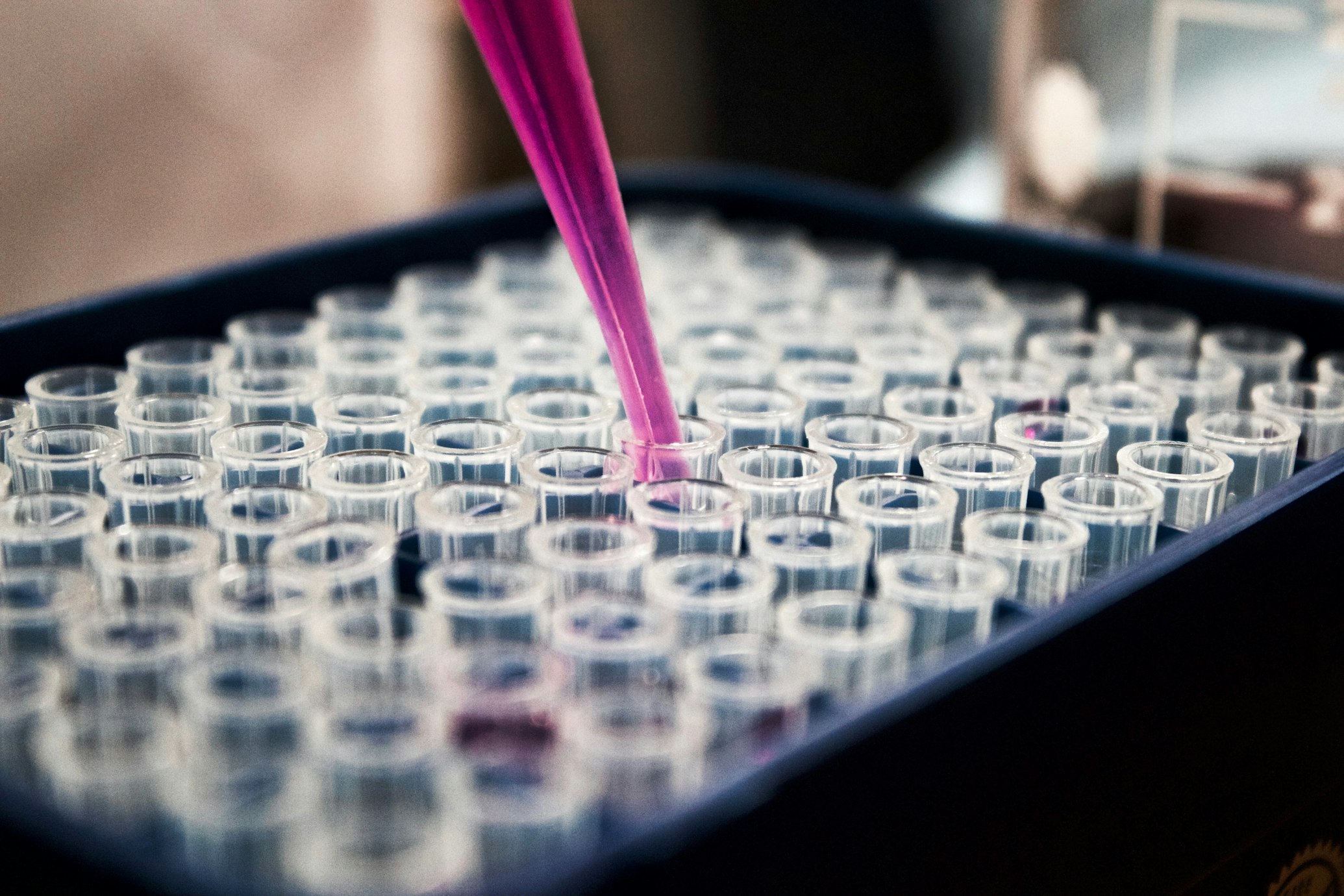
By deciphering the molecular secrets of these microbial warriors, scientists are tapping into nature's ancient pharmacy, offering a beacon of hope in the fight against superbugs. The next life-saving drug might indeed be brewing silently in a speck of soil, waiting to be found.