Microfluidics for Persister Cell Research: Single-Cell Analysis, Platforms, and Therapeutic Strategies
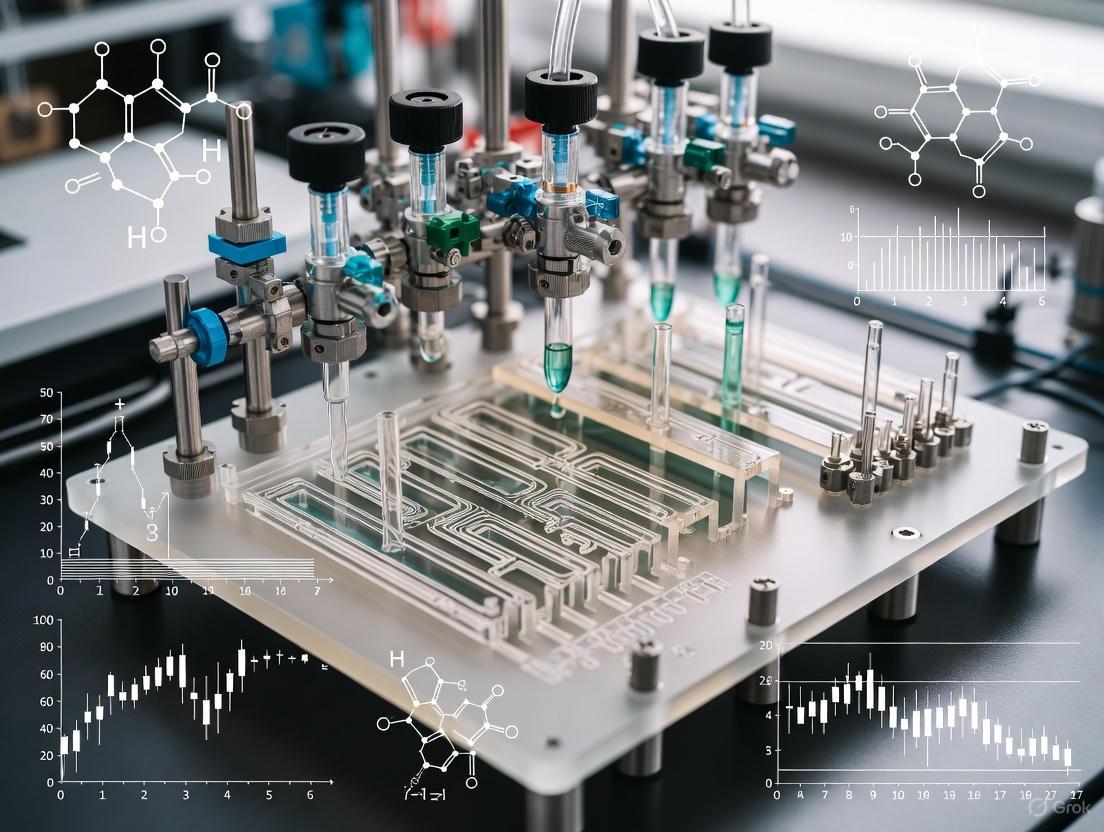
Bacterial persister cells, a subpopulation capable of surviving antibiotic treatment, are a major cause of chronic and relapsing infections.
Microfluidics for Persister Cell Research: Single-Cell Analysis, Platforms, and Therapeutic Strategies
Abstract
Bacterial persister cells, a subpopulation capable of surviving antibiotic treatment, are a major cause of chronic and relapsing infections. This article explores how microfluidics, or lab-on-a-chip technology, is revolutionizing persister cell research by enabling unprecedented single-cell analysis under dynamic conditions. We cover the foundational principles of microfluidics and bacterial persistence, detail the specific platforms—such as microfluidic chemostats, membrane-covered microchamber arrays, and dose-response systems—used to trap, observe, and characterize these rare cells. The content further addresses key methodological challenges and optimization strategies, and provides a comparative validation of microfluidic approaches against traditional techniques. Aimed at researchers, scientists, and drug development professionals, this review synthesizes how these advanced tools are uncovering the mechanisms of persistence and accelerating the discovery of novel anti-persister therapies.
Understanding Persister Cells and the Microfluidic Advantage
Bacterial persisters are defined as a subpopulation of genetically drug-susceptible, quiescent cells that survive exposure to lethal concentrations of antibiotics and other environmental stresses. These phenotypically variant cells can resume growth once the stress is removed, exhibiting the same antibiotic susceptibility as the parent population [1]. Unlike antibiotic resistance, which involves genetic mutations and affects the entire bacterial population, persistence is a transient, non-heritable state characterized by low frequencies within isogenic populations (typically 10⁻⁶ to 10⁻³) [2] [3]. This phenomenon presents a significant challenge in clinical settings, contributing to chronic and relapsing infections such as tuberculosis, recurrent urinary tract infections, and biofilm-associated infections that are notoriously difficult to eradicate [1].
The classical understanding categorized persisters into two main types: Type I persisters, induced by stress entry into stationary phase and characterized by non-growing states, and Type II persisters, spontaneously generated during exponential growth as slow-growing cells [1] [4]. However, recent research utilizing advanced single-cell analysis techniques has revealed that this classification is overly simplistic, with persisters exhibiting a continuum of metabolic states and survival strategies that depend on bacterial species, growth conditions, and antibiotic types [2] [5].
Characteristics and Mechanisms of Persister Cells
Key Defining Features
Bacterial persisters exhibit several distinctive characteristics that differentiate them from other survival strategies. The hallmark feature is their multidrug tolerance without genetic resistance – they survive exposure to multiple antibiotic classes despite maintaining genetic susceptibility [1] [6]. This tolerance is intrinsically linked to their reduced metabolic activity and growth arrest, which limits the efficacy of antibiotics that target active cellular processes [7]. Population dynamics reveal a biphasic killing curve when exposed to bactericidal antibiotics, with an initial rapid decline in viable cells followed by a plateau representing the persister subpopulation [6]. Crucially, this state is reversible – upon antibiotic removal, persisters can resuscitate and generate populations with identical susceptibility profiles to the original culture [1] [3].
Molecular Mechanisms of Persistence
The formation and maintenance of the persister state are governed by complex molecular mechanisms that induce growth arrest and metabolic remodeling:
- Toxin-Antitoxin (TA) Systems: These genetic modules consist of a stable toxin and a labile antitoxin. Under stress conditions, antitoxins are degraded, freeing toxins to inhibit essential cellular processes such as translation, replication, and cell division, thereby inducing dormancy [1] [6]. Multiple TA systems have been identified as key regulators of persistence across bacterial species.
- Stringent Response: Nutrient limitation and other stresses trigger the production of (p)ppGpp alarmones, which suppress anabolic processes and growth-related activities while promoting stress resistance and survival [8] [6]. This response conserves energy and resources during adverse conditions.
- Metabolic Reprogramming: Persisters undergo significant metabolic shifts, including reduced ATP production, altered central carbon metabolism, and modulation of biosynthetic pathways. These changes decrease antibiotic target activity and enhance survival during stress [8] [9].
- Other Regulatory Systems: Additional mechanisms include trans-translation and protein degradation systems, epigenetic modifications, RNA degradation, and small non-coding RNA pathways that collectively contribute to persister formation and maintenance [1].
Table 1: Comparative Analysis of Bacterial Survival Strategies
| Characteristic | Persistence | Antibiotic Resistance | Heteroresistance | Tolerance |
|---|---|---|---|---|
| Genetic Basis | No genetic changes; phenotypic state | Stable genetic mutations or acquired genes | Genetic variants in a subpopulation | No genetic changes; can affect entire population |
| Population Affected | Small subpopulation | Entire population | Variable subpopulation | Entire population |
| Heritability | Non-heritable | Heritable | Partially heritable | Non-heritable |
| Growth in Antibiotics | Cannot grow or divide | Can grow and divide | Subset can grow | Delayed killing without growth |
| MIC Change | Unchanged | Increased | Variable within population | Unchanged |
| Reversibility | Reversible upon antibiotic removal | Generally permanent | Partially reversible | Reversible |
Microfluidics Platforms for Persister Cell Research
Technological Advantages
Microfluidic technology has revolutionized persister research by enabling real-time, single-cell observation under precisely controlled environmental conditions. These platforms offer significant advantages over traditional bulk analysis methods, including heightened sensitivity, rapid analysis, minimal sample volume requirements, and the capability for long-term monitoring of individual cells [10]. Unlike conventional techniques that often require extended processing times (up to 7-8 days) and high pathogen concentrations, microfluidic systems facilitate rapid bacterial identification at lower biomass thresholds, making them particularly valuable for studying rare persister cells [10].
The application of microfluidics has been instrumental in challenging and refining traditional persister paradigms. For instance, single-cell studies have demonstrated that persisters are not necessarily dormant before antibiotic exposure, as classically theorized. Instead, research has revealed that many persisters originate from metabolically active, dividing cells before antibiotic treatment [4] [2] [5]. This finding has fundamentally altered our understanding of persister formation and highlighted the necessity of single-cell approaches in persistence research.
Microfluidic Device Configurations
Several microfluidic configurations have been developed specifically for persister studies:
- Membrane-Covered Microchamber Array (MCMA): This system encloses bacterial cells in shallow microchambers (0.8-µm deep) etched on glass coverslips, covered with a semipermeable membrane. The design allows flexible medium control through flow above the membrane while maintaining cells in a monolayer for optimal imaging [2]. The medium exchange rate across the membrane is sufficiently rapid (within 5 minutes) to study dynamic responses to antibiotic treatments.
- Integrated Detection Systems: Advanced microfluidic platforms combine sample processing, bacterial isolation, lysis, PCR amplification, and optical detection in automated workflows. These systems can complete entire analytical processes in under 90 minutes with detection limits below 100 CFU mL⁻¹, enabling both persister identification and antibiotic resistance gene detection [10].
- Continuous Perfusion Systems: Devices that maintain constant medium flow while allowing real-time imaging of cellular responses to antibiotic exposure and removal. These systems typically involve three phases: pre-treatment growth monitoring, antibiotic exposure, and post-antibiotic recovery observation [4].
Microfluidic Workflow for Persister Analysis
Key Research Applications
Microfluidic platforms have enabled several critical advancements in persister research:
- Single-Cell Lineage Tracking: Following individual cells before, during, and after antibiotic exposure to identify precursors and resuscitation dynamics [4] [2]. Studies tracking over one million individual E. coli cells have revealed that persisters from exponentially growing populations were actively dividing before antibiotic treatment [2].
- Heterogeneity Characterization: Revealing the diverse survival strategies employed by persisters, including continuous growth with L-form-like morphologies, responsive growth arrest, and post-exposure filamentation [2].
- Metabolic Activity Monitoring: Real-time assessment of metabolic states using fluorescent biosensors and reporters, challenging the traditional view of persisters as completely dormant [5] [9].
- Antibiotic-Specific Response Analysis: Demonstrating that persister dynamics depend on antibiotic mechanisms – for example, ampicillin persisters include both growing and non-growing cells, while ciprofloxacin persisters predominantly originate from growing cells [2].
Table 2: Microfluidic Applications in Persister Research
| Application Area | Technical Approach | Key Findings |
|---|---|---|
| Single-Cell Lineage Tracking | Time-lapse microscopy with membrane-covered microchambers | Revealed that many persisters originate from metabolically active, dividing cells before antibiotic exposure [2] |
| Metabolic Heterogeneity Analysis | Fluorescent metabolite biosensors and FRET-based reporters | Demonstrated metabolic activity in persisters and heterogeneous energy states among persister cells [5] [9] |
| Stress Response Monitoring | SOS response and stress reporter strains (e.g., sulA::gfp, RpoS-mCherry) | Identified prolonged SOS induction in persisters during recovery phase and stress-specific formation pathways [4] |
| Antibiotic Mechanism Studies | Controlled antibiotic perfusion with real-time imaging | Showed antibiotic-class-specific persistence mechanisms and resuscitation patterns [2] |
| High-Throughput Screening | Integrated microfluidic culture with automated detection | Enabled rapid screening of anti-persister compounds and combination therapies [10] |
Experimental Protocols and Methodologies
Microfluidic Single-Cell Persistence Assay
Purpose: To track persister cell formation, survival, and resuscitation at single-cell resolution under controlled conditions.
Materials:
- Microfluidic device (MCMA or similar design)
- Bacterial strains (wild-type and fluorescent reporter constructs)
- Growth medium (appropriate for bacterial strain)
- Antibiotics for treatment (e.g., ampicillin, ciprofloxacin)
- Fluorescence microscope with environmental chamber
- Image analysis software
Procedure:
- Device Preparation: Sterilize microfluidic device and coat if necessary for optimal cell adhesion.
- Cell Loading: Inoculate mid-log phase bacterial culture (OD₆₀₀ ≈ 0.3-0.5) into device chambers.
- Growth Phase Monitoring: Perfuse with growth medium for 5-7 hours while capturing images every 15 minutes to establish baseline growth dynamics and identify individual cells.
- Antibiotic Treatment: Switch to medium containing lethal antibiotic concentration (typically 5-60× MIC) for 5-7 hours, maintaining imaging frequency.
- Recovery Phase: Revert to antibiotic-free medium for 24 hours to monitor persister resuscitation and regrowth.
- Data Analysis: Track individual cells throughout all phases, quantifying parameters including growth rate, division events, morphological changes, and fluorescent reporter expression.
Key Considerations:
- Maintain constant temperature (typically 37°C for mesophilic bacteria) throughout experiment
- Ensure adequate medium flow rates to prevent nutrient depletion or waste accumulation
- Include appropriate controls (no antibiotic treatment, dead cell stains)
- Analyze sufficient fields of view to capture rare persister events (typically >10⁵ cells) [4] [2]
Novel Persister Isolation Protocol
Purpose: To isolate persister cells without antibiotic induction, enabling study of native persister physiology.
Materials:
- Bacterial cultures in desired growth phase
- Lysis solution (commercial miniprep kit solution or similar)
- Enzymatic lysis solution (Lysozyme in TE buffer: 45 mg in 1 mL, ~48,539 units/mg)
- TE buffer
- Centrifuge tubes
- Serial dilution materials and plating media
Procedure:
- Sample Preparation: Harvest 1 mL of bacterial culture at desired density (exponential or stationary phase).
- Chemical Lysis: Add 200 μL lysis solution, vortex for 10 seconds, and incubate at room temperature for 10 minutes.
- Enzymatic Lysis: Add 200 μL lysozyme solution, mix gently by inversion, and incubate at 37°C with shaking (200 rpm) for 15 minutes.
- Persister Collection: Serially dilute and plate on appropriate media to determine persister frequencies.
- Type I Persister Isolation (Optional): For selective isolation of Type I persisters, increase lysis solutions to 500 μL each to eliminate both normally growing cells and Type II persisters.
Advantages:
- Rapid isolation (≤25 minutes total processing time) minimizes stress response induction
- Differentiation between Type I and Type II persisters
- Applicable to various bacterial species including Gram-positive and Gram-negative
- No antibiotic exposure, enabling study of native persister state [3]
Metabolic Activity Assessment in Persisters
Purpose: To evaluate metabolic heterogeneity and activity within persister populations.
Materials:
- Metabolic biosensors (transcription factor-based reporters, FRET biosensors, or RNA-based aptamers)
- Fluorescence detection system (microscope or flow cytometer)
- Carbon source variants (e.g., ¹³C-labeled compounds for isotopolog profiling)
- Metabolic inhibitors (positive controls)
Procedure:
- Biosensor Implementation: Introduce appropriate metabolic biosensors into target bacterial strains.
- Persister Enrichment: Enrich persister population using antibiotic treatment or lysis-based isolation.
- Metabolic Monitoring: Measure fluorescent output using time-lapse microscopy or flow cytometry.
- Pathway Analysis: For isotopolog profiling, feed ¹³C-labeled substrates and analyze labeling patterns of metabolic intermediates via mass spectrometry.
- Data Interpretation: Correlate metabolic activities with persistence levels and resuscitation potential.
Applications:
- Identification of active metabolic pathways in persisters
- Correlation between metabolic states and persistence depth
- Assessment of metabolic heterogeneity within persister subpopulations [8] [9]
Metabolic Heterogeneity in Persister Populations
Beyond the Dormancy Paradigm
Traditional models characterized persisters as uniformly dormant cells with globally depressed metabolism. However, recent evidence challenges this simplistic view, demonstrating that persisters represent a metabolically heterogeneous population with varying degrees of metabolic activity [5] [9]. While persisters are indeed non-growing or slow-growing, they maintain specific metabolic processes essential for survival and resuscitation potential.
Key findings that have reshaped our understanding include:
- Active RNA Synthesis: Transcriptomic analyses reveal that persister cells continue gene expression during antibiotic exposure, with specific upregulation of stress response and maintenance genes [5].
- Selective Pathway Activity: Certain metabolic pathways, including glycolysis, TCA cycle, and pentose phosphate pathway, remain active in persister cells, while anabolic processes are predominantly suppressed [8].
- Energy Maintenance: Persisters maintain basal energy production through ATP-generating pathways, though at reduced levels compared to actively growing cells [8].
- Metabolic Adaptation: Persister metabolism adapts to different stress conditions and antibiotic classes, exhibiting distinct metabolic signatures depending on the specific challenge [9].
Origins of Metabolic Heterogeneity
The metabolic heterogeneity observed in persister populations arises from multiple sources:
- Molecular Noise: Stochastic fluctuations in gene expression lead to variations in metabolic enzyme levels, particularly affecting low-abundance proteins and transcription factors regulating metabolic pathways [9].
- Positive Feedback Loops: Bistable systems with positive feedback can drive subpopulations toward distinct metabolic states, as exemplified by the lac operon in E. coli [9].
- Asymmetric Partitioning: During cell division, unequal distribution of cellular components such as protein aggregates, inclusion bodies, or regulatory molecules can create metabolic differences between daughter cells [9].
- Environmental Gradients: In structured environments like biofilms, nutrient and oxygen gradients generate microenvironments that favor different metabolic states [1] [8].
Metabolic Heterogeneity in Persister Cells
Functional Implications
The metabolic heterogeneity within persister populations has significant functional implications:
- Bet-Hedging Strategy: Metabolic diversity increases the likelihood that some subpopulations will survive unforeseen stresses, serving as an "insurance policy" for the population [9].
- Differential Resuscitation Potential: Cells with varying metabolic states exhibit different resuscitation kinetics and capabilities when conditions improve.
- Treatment Resistance: Metabolic heterogeneity contributes to the failure of conventional antibiotics and necessitates multi-target therapeutic approaches.
- Adaptive Potential: The presence of multiple metabolic states facilitates rapid adaptation to changing environments and antibiotic pressures.
Research Reagent Solutions
Table 3: Essential Research Reagents for Persister Studies
| Reagent Category | Specific Examples | Application Notes |
|---|---|---|
| Microfluidic Devices | Membrane-covered microchamber array (MCMA), Integrated microfluidic biosensors | Enable single-cell analysis, real-time monitoring, and controlled antibiotic perfusion [10] [2] |
| Fluorescent Reporters | sulA::gfp (SOS response), HU-GFP (nucleoid visualization), RpoS-mCherry (stress response), Metabolic biosensors | Monitor cellular stress responses, nucleic acid dynamics, and metabolic activity at single-cell level [4] [9] |
| Lysis Solutions | Commercial miniprep lysis solutions, Lysozyme solutions (45 mg/mL in TE buffer) | Selective isolation of persister cells without antibiotic induction; enables differentiation of Type I and Type II persisters [3] |
| Metabolic Probes | ¹³C-labeled substrates for isotopolog profiling, FRET-based metabolite biosensors, Redox-sensitive dyes | Assessment of metabolic flux, pathway activity, and energy status in persister populations [8] [9] |
| Specialized Bacterial Strains | E. coli hip mutants (high persistence), Reporter strains for TA systems, Wild-type controls with defined persistence frequencies | Facilitate mechanistic studies and protocol standardization across laboratories [1] [3] |
The evolving understanding of bacterial persisters has transitioned from viewing them as a homogeneous population of dormant cells to recognizing their considerable metabolic heterogeneity and diverse survival strategies. Microfluidic platforms have been instrumental in this paradigm shift, enabling single-cell analyses that reveal the complex dynamics of persister formation, survival, and resuscitation. The integration of these advanced technologies with molecular biology techniques continues to unravel the multifaceted nature of bacterial persistence.
Future research directions should focus on several key areas: First, leveraging single-cell omics technologies to comprehensively characterize the transcriptional, metabolic, and proteomic states of persister cells. Second, developing standardized protocols and reference materials to improve reproducibility across studies. Third, translating basic research findings into clinical applications through the identification of novel anti-persister targets and therapeutic strategies. Finally, exploring the ecological context of persistence in complex microbial communities and host environments to better understand its role in natural settings and infection contexts.
As our methodologies continue to advance, particularly through microfluidic single-cell analysis, we move closer to effectively targeting and eliminating persister cells, thereby addressing a significant challenge in the treatment of persistent bacterial infections.
Core Principles and Applications
Microfluidics is the science and technology of manipulating small volumes of fluids (microliter to picoliter) within micrometer-scale channels [11]. This miniaturization brings forth fundamental physical principles that differentiate microfluidic operations from macro-scale systems.
Laminar Flow
In microfluidic channels, fluids typically exhibit laminar flow, characterized by a low Reynolds number, where viscous forces dominate over inertial forces [12] [11]. This results in smooth, parallel layers of fluid moving without turbulent mixing. This principle enables precise spatial control of fluids and particles, allowing for applications such as the creation of predictable chemical gradients and the precise patterning of cells.
Droplet-Based Microfluidics
Droplet-based microfluidics involves generating isolated picoliter to nanoliter aqueous compartments within an immiscible carrier oil [13]. These droplets act as individual micro-reactors, providing a high-throughput platform for single-cell analysis by encapsulating single cells and their secreted molecules, thereby preventing cross-contamination and enabling the screening of large cellular populations at kHz frequencies [13].
Single-Cell Analysis
The heterogeneity within seemingly identical cell populations has driven the development of single-cell analysis [14]. Microfluidic systems are instrumental for this as their small dimensions allow for single-cell and reagent manipulation with minimal dilution, leading to high-sensitivity assays [14]. Furthermore, these systems offer high-throughput, automation, and parallelization, facilitating the massive data generation needed to statistically model cellular stochasticity [14].
Table 1: Key Principles of Microfluidics and Their Research Applications
| Core Principle | Physical Basis | Key Application in Persister Cell Research |
|---|---|---|
| Laminar Flow | Low Reynolds number flow; dominated by viscous forces [12] [11] | Creating stable antibiotic concentration gradients; precise delivery of lytic enzymes for tissue dissociation [14] |
| Droplet Generation | Hydrodynamic focusing at junctions (e.g., T-junction, flow-focusing) [13] | High-throughput encapsulation and culturing of single cells for isolation and downstream -omics analysis [13] |
| Single-Cell Analysis | Miniaturization of fluid handling to the cellular scale [14] | Long-term, live-cell imaging of individual bacterial cells to track persister formation and resuscitation dynamics [4] [2] |
Experimental Protocols
Protocol 1: Microfluidic Cultivation and Single-Cell Imaging of Bacterial Persisters
This protocol details the procedure for tracking the formation and resuscitation of bacterial persister cells at the single-cell level using a microfluidic device, based on methodologies from published research [4] [2].
Application: Investigating the heterogeneity of E. coli persistence to antibiotics like ofloxacin and ciprofloxacin.
Materials:
- Microfluidic Device: PDMS-glass based device or a Membrane-Covered Microchamber Array (MCMA) [12] [2].
- Bacterial Strain: Wild-type E. coli (e.g., MG1655 strain).
- Culture Medium: MOPS-glucose medium or other appropriate defined medium [4].
- Antibiotics: Ofloxacin (5 µg/mL) or Ciprofloxacin (at lethal dose, e.g., 10x MIC) [4] [2].
- Equipment: Inverted microscope equipped for time-lapse fluorescence and phase-contrast imaging, precision syringe or peristaltic pump for medium perfusion.
Procedure:
- Device Preparation: Sterilize the microfluidic device (e.g., via UV irradiation or ethanol flush) and connect the medium inlet to the perfusion system [12].
- Cell Loading:
- Grow a bacterial culture to the desired growth phase (exponential or stationary phase).
- For exponential phase persisters, dilute a stationary phase culture to an OD600 of ~0.01 and grow to mid-log phase (OD600 ~0.3) before loading [4].
- Introduce the cell suspension into the microfluidic device at a controlled flow rate to load cells into cultivation chambers or traps.
- Pre-Treatment Perfusion: Perfuse the device with fresh, pre-warmed culture medium for 5-7 hours to allow cells to adapt and grow under steady-state conditions within the device [4].
- Antibiotic Treatment: Switch the perfusion to medium supplemented with a lethal dose of the selected antibiotic. Treat for 5-7 hours [4].
- Post-Treatment and Recovery: Re-perfuse the device with antibiotic-free medium for at least 24 hours to allow surviving persister cells to resuscitate and resume growth [4] [2].
- Image Acquisition: Acquire time-lapse images (both phase-contrast and fluorescence, if using reporter strains) every 15 minutes throughout all phases of the experiment [4].
- Data Analysis: Track individual cell lineages manually or using automated cell-tracking software to analyze parameters such as cell division events, changes in morphology (e.g., filamentation), and fluorescence intensity over time.
Protocol 2: Single-Cell Trapping and Isolation via Geometrical Structures
This protocol describes a method for capturing individual cells for analysis using hydrodynamic trapping structures within a microfluidic chip [13].
Application: Isolating single bacterial or eukaryotic cells for genomic sequencing, transcriptomics, or long-term clonal analysis.
Materials:
- Microfluidic Device: A chip featuring a microchannel with an array of geometrical traps (e.g., U-shaped, weir, or cup-shaped structures) sized slightly larger than the target cells [13].
- Cell Suspension: A single-cell suspension in an appropriate buffer or medium.
- Equipment: Microscope, precision pump.
Procedure:
- Device Priming: Flush the device with a buffer solution to remove air bubbles and prime the channels.
- Cell Loading: Introduce the cell suspension into the device inlet at a low, controlled flow rate.
- Trapping: As cells flow through the main channel, they will be hydrodynamically guided into empty trap structures. The trap design should bias toward capturing only one cell [13].
- Washing: Once traps are occupied, switch the flow to cell-free medium to wash away non-trapped cells.
- On-Chip Analysis or Retrieval: Perform on-chip lysis and analysis, or use integrated methods (e.g., optical tweezers, dielectrophoresis) to selectively release specific cells for downstream collection [13].
The Scientist's Toolkit: Research Reagent Solutions
Table 2: Essential Materials for Microfluidic Single-Cell Analysis
| Item | Function/Description | Example Application |
|---|---|---|
| PDMS (Polydimethylsiloxane) | A biocompatible, transparent, and gas-permeable elastomer used for rapid prototyping of microfluidic devices via soft lithography [12]. | Standard material for building devices for long-term cell cultivation and live-cell imaging [12]. |
| Fluorescent Reporters | Genetically encoded constructs (e.g., GFP, mCherry) to monitor gene expression dynamics in live cells [4] [2]. | Fusing to stress-responsive promoters (e.g., SOS response) to monitor cellular state in persister studies [4]. |
| Tissue Dissociation Enzymes | Enzymes like collagenase and dispase, often with chelating agents (EDTA), to digest extracellular matrix and dissociate tissues into single-cell suspensions [14]. | First step in preparing single cells from intact tissue biopsies (e.g., intestinal stem cell niche) for analysis [14]. |
| Carrier Oil & Surfactants | Immiscible oil (e.g., HFE-7500) and biocompatible surfactants to stabilize generated aqueous droplets and prevent coalescence [13]. | Essential reagents for droplet-based microfluidics to create stable single-cell compartments [13]. |
Why Microfluidics? Overcoming the Limitations of Bulk Population Studies
Traditional microbiology has relied on bulk population studies, where the averaged behavior of millions of cells in a flask or well plate is observed. While this approach has yielded foundational knowledge, it fundamentally masks cellular heterogeneity—the differences between individual cells within an isogenic population. This limitation is critically problematic in studying bacterial persistence, where a tiny subpopulation (typically 10⁻⁶ to 10⁻³ of cells) survives lethal antibiotic treatment despite genetic susceptibility [15] [4]. These persister cells are implicated in chronic and recurrent infections, yet they are undetectable using standard methods because their signal is drowned out by the majority of dead and growing cells [16].
Microfluidics, the science of manipulating minute fluid volumes within microfabricated channels, provides a powerful technological solution. By enabling the high-resolution observation and manipulation of individual cells over time, microfluidic platforms transform persister cell research from inferential population-level guesswork to direct single-cell analysis. This Application Note details how microfluidics overcomes the inherent constraints of bulk studies and provides established protocols for harnessing this technology in persister cell investigations.
How Microfluidics Overcomes Key Limitations of Bulk Studies
The following table summarizes the specific limitations of conventional methods and the corresponding solutions offered by microfluidic platforms.
Table 1: Overcoming the Limitations of Bulk Population Studies with Microfluidics
| Limitation of Bulk Studies | Microfluidic Solution | Impact on Persister Cell Research |
|---|---|---|
| Averaging of Heterogeneous Behaviors | Single-cell tracking within microchambers or channels enables monitoring of individual cell lineages before, during, and after antibiotic exposure [15] [4]. | Reveals that persisters originate from both growing and non-growing cells, and exhibit diverse survival dynamics [15]. |
| Inability to Isolate Rare Cells for Analysis | High-throughput screening of millions of cells in microfluidic devices facilitates the identification and analysis of low-frequency persisters [15] [17]. | Allows for the direct observation of rare persister cells without the need for enrichment methods that may alter their physiology. |
| Loss of Temporal and Spatial Resolution | Long-term, live-cell imaging under precisely controlled environmental conditions (e.g., continuous medium flow, rapid antibiotic switching) [15] [4]. | Uncovers dynamic processes like filamentation and L-form like transitions that occur during antibiotic treatment and recovery [15]. |
| Scalability and Multiplexing Challenges | Droplet microfluidics enables the generation of thousands of picoliter-scale droplets, each acting as an independent bioreactor for testing multiple conditions in parallel [18]. | Allows for highly multiplexed antibiotic susceptibility testing (AST) with various drugs and concentrations simultaneously [18]. |
Visualizing the Microfluidic Workflow for Single-Cell Persistence Analysis
The following diagram illustrates a generalized experimental workflow for studying persister cells using a microfluidic device, integrating key steps from established methodologies [15] [4].
Figure 1: Single-Cell Persister Analysis Workflow
Detailed Experimental Protocol: Membrane-Covered Microchamber Array (MCMA)
This protocol is adapted from studies that successfully visualized over one million individual E. coli cells to reveal diverse persister cell histories [15].
Research Reagent Solutions
Table 2: Essential Materials and Reagents
| Item | Function/Description | Example/Note |
|---|---|---|
| Microfluidic Device | Membrane-covered microchamber array (MCMA) for 2D monolayer cell growth and precise medium control [15]. | 0.8 µm deep microchambers etched on a glass coverslip, sealed with a semipermeable membrane. |
| Bacterial Strain | Wild-type or fluorescent reporter strains for in situ monitoring. | E. coli MG1655 is a common model organism [15]. |
| Culture Media | Supports bacterial growth; flowed through device to control conditions. | MOPS-glucose or LB medium [15] [4]. |
| Antibiotics | Used at lethal concentrations to select for persister cells. | Ampicillin (200 µg/mL), Ciprofloxacin (1 µg/mL) [15]. |
| Fluorescent Reporters | Report on gene expression (e.g., stress responses) or cellular structures in live cells. | SOS response reporters (e.g., PsulA::GFP); nucleoid stains (e.g., HU-GFP) [4]. |
Methodologies
Device Preparation
- Fabrication: The MCMA device is fabricated using soft lithography. A mold with the negative replica of the microchambers is created via photolithography, followed by replication with polydimethylsiloxane (PDMS) [19].
- Bonding: The PDMS layer containing the microchambers is permanently bonded to a glass coverslip via plasma oxidation, creating sealed chambers [19].
- Functionalization: A cellulose-based semipermeable membrane is affixed over the microchamber array using biotin-streptavidin bonding. This membrane confines cells while allowing rapid diffusion of media and antibiotics [15].
Cell Loading and Pre-Treatment Imaging
- Sample Preparation: Grow bacterial culture to the desired phase (exponential or stationary).
- Loading: Introduce the cell suspension into the device, allowing cells to settle into the microchambers.
- Pre-Treatment Perfusion: Connect the device to a syringe or perfusion pump and perfuse with fresh, antibiotic-free medium for 5-7 hours.
- Image Acquisition: Acquire time-lapse images (e.g., phase-contrast and fluorescence) every 15 minutes to establish single-cell growth histories and baseline gene expression [15] [4].
Antibiotic Treatment and Recovery
- Treatment Initiation: Switch the perfusion stream to medium containing a lethal concentration of antibiotic. Continue perfusion and imaging for the duration of treatment (e.g., 5-7 hours).
- Recovery Phase: Switch the perfusion back to antibiotic-free medium to allow surviving persister cells to resuscitate and form new microcolonies. Continue imaging for up to 24 hours.
Data Analysis
- Cell Tracking: Use image analysis software to track cell lineages, growth rates, and morphological changes over the entire experiment.
- Persister Identification: Identify persister cells as those that either survive the antibiotic treatment without lysing or that resume growth during the recovery phase.
- Lineage Analysis: Track back the history of each persister cell to determine its pre-treatment state (e.g., growing, non-growing, cell cycle stage, specific gene expression level) [15] [4].
Alternative Protocol: High-Throughput Multiplexed AST with Color-Coded Droplets
This protocol leverages droplet microfluidics to test numerous antibiotic conditions in parallel, greatly increasing experimental throughput [18].
Research Reagent Solutions
- Droplet Generation Chip: PDMS-based microfluidic chip with flow-focusing geometry for water-in-oil droplet generation [18].
- Continuous Oil Phase: HFE7500 fluorocarbon oil mixed with 1-2% biocompatible surfactant (e.g., 008-FluoroSurfactant) [18].
- Aqueous Phase: Bacterial suspension in culture media, mixed with antibiotics and food dyes.
- Color Codes: Food dyes (e.g., red, blue, yellow) used to encode the type and concentration of antibiotics within droplets [18].
Methodologies
- Droplet Generation:
- Prepare the inner aqueous phase containing bacteria, culture media, antibiotics, and specific food dyes. The dye color denotes the antibiotic type, while its intensity denotes the concentration [18].
- Flow the aqueous phase and the continuous oil phase into the droplet generator chip at controlled rates (e.g., 100 µL/h and 1000 µL/h, respectively) to generate monodisperse droplets.
- Collect the emulsion in a micro-well or reservoir for incubation.
- Incubation and Imaging: Incubate the droplet collection at 37°C for the desired period. Acquire color CCD images of the droplet array at various time points using a microscope with a low-power objective (4x or 10x) [18].
- Image Processing and Analysis:
- Droplet Detection: Software identifies the boundary of each droplet in the image.
- Code Decoding: The color and intensity of each droplet are analyzed to assign the antibiotic condition.
- Growth Measurement: Bacterial growth within each droplet is quantified by measuring changes in optical density or texture. Growth inhibition is determined by comparing test droplets to antibiotic-free controls [18].
Conceptual Framework: From Bulk Obscurity to Single-Cell Resolution
The core advantage of microfluidics is its ability to deconstruct a population into its individual components for precise analysis, as illustrated below.
Figure 2: Microfluidics Resolves Population Heterogeneity
Microfluidics is not merely a miniaturization of conventional tools; it represents a paradigm shift in microbiological research. By providing unprecedented resolution at the single-cell level, it allows scientists to move beyond population averages and directly investigate rare and dynamic phenomena like bacterial persistence. The protocols outlined herein offer a practical starting point for researchers to implement these powerful techniques, driving the discovery of the mechanisms underlying antibiotic tolerance and the development of novel therapeutic strategies to combat persistent infections.
For decades, the phenomenon of bacterial persistence—where a small subpopulation of isogenic cells survives lethal antibiotic treatment—was predominantly explained through a single mechanism: cellular dormancy. Since the first elaboration of persistence in 1944, the refractoriness of persistent cell populations was classically attributed to growth-inactive cells generated before drug exposure [2] [15]. This "dormancy-only" paradigm was rooted in the observation that most antibiotics are ineffective against bacterial populations under growth-inhibiting conditions, such as nutrient limitation or low temperature [15]. In parallel cancer biology, a similar concept of dormancy was established, where cancer cells enter a reversible, non-proliferative state (G0/G1 phase) that confers resistance to therapies and facilitates immune evasion [20] [21]. This dormant state in cancer cells is maintained by complex signaling pathways, including a lower ERK/p38 expression ratio and regulation by factors like TGF-β and BMP-7 from the bone microenvironment [20]. However, a significant limitation plagued both fields: the extremely low frequencies of persister cells (typically 10⁻⁶ to 10⁻³) made direct observation of individual cell lineages challenging [2] [15]. Consequently, research was largely confined to population-level studies or mutant strains with elevated persistence frequencies, leaving a critical gap in understanding the true heterogeneity and dynamics of persister cells at the single-cell level.
The Technological Revolution: Microfluidics-Enabled Single-Cell Analysis
The paradigm shift began with the adoption of advanced microfluidic technologies that enabled unprecedented visualization of individual cell behaviors over time. A breakthrough came with the development of a microfluidic device equipped with a membrane-covered microchamber array (MCMA) [2] [15]. This innovative platform allowed researchers to enclose Escherichia coli cells in 0.8-µm deep microchambers etched on a glass coverslip, covered by a semipermeable membrane that enabled flexible medium control [2]. Cells grew in a monolayer, forming two-dimensional microcolonies ideal for continuous imaging [2]. The medium in the microchamber could be exchanged within approximately 5 minutes—sufficiently rapid for antibiotic treatment studies and subsequent regrowth observation [2]. This technical advancement overcame previous limitations by enabling the visualization of over one million individual cells of wild-type E. coli under lethal antibiotic doses, sampling cells from different growth phases and culture conditions [2] [15]. Similar label-free single-cell tracking approaches using bright-field microscopy were also developed for studying cancer cells in three-dimensional biomimetic matrices, avoiding the phototoxicity and cellular alterations associated with fluorescent labeling [22]. These technological innovations provided the essential toolkit for directly challenging the long-standing dormancy-only hypothesis.
Challenging the Dogma: Direct Evidence of Non-Dormant Persisters
The application of single-cell tracking technologies yielded transformative insights that directly contradicted the established dormancy paradigm. When researchers sampled cells from exponentially growing populations and treated them with ampicillin or ciprofloxacin, they made a startling discovery: most persister cells were actively growing before antibiotic treatment [2] [15]. Even more remarkably, these growing persisters exhibited heterogeneous survival dynamics, including continuous growth and fission with L-form-like morphologies, responsive growth arrest, or post-exposure filamentation [2]. The data revealed that persistence mechanisms were highly dependent on both antibiotic class and cellular pre-history. For ciprofloxacin treatment, all identified persister cells—even those from post-stationary phase cultures—were growing before antibiotic exposure [2]. Only in the specific case of ampicillin treatment of stationary-phase cells did non-growing cells constitute the majority of persisters [2]. These findings demonstrated that bacterial persistence occurs through multiple dynamic pathways rather than a single dormant state, fundamentally challenging the classical view that had dominated the field for nearly 70 years.
Table 1: Survival Dynamics of Bacterial Persisters Under Different Conditions
| Growth Phase | Antibiotic | Pre-Exposure State of Persisters | Observed Survival Dynamics |
|---|---|---|---|
| Exponential | Ampicillin | Mostly growing cells | Heterogeneous responses: continuous growth with L-form-like morphologies, responsive growth arrest, or post-exposure filamentation [2] |
| Exponential | Ciprofloxacin | Exclusively growing cells | All identified persisters were growing before treatment [2] |
| Stationary | Ampicillin | Mostly non-growing cells | Increased frequency and survival probability of non-growing cells [2] |
| Stationary | Ciprofloxacin | Exclusively growing cells | Despite stationary phase origin, all persisters were growing before treatment [2] |
Quantitative Single-Cell Data: From Population Averages to Individual Histories
The single-cell tracking approach generated unprecedented quantitative data that revealed the limitations of population-level measurements. Traditional population killing curves exhibited biphasic or multiphasic decay, which had previously been interpreted as evidence of distinct dormant subpopulations [2] [15]. However, direct observation of individual cell histories demonstrated that this interpretation was overly simplistic. The research quantified the frequencies of persister cells under different conditions, showing that when exponentially growing E. coli populations were treated with 200 µg/mL of ampicillin (12.5×MIC) or 1 µg/mL of ciprofloxacin (32×MIC), the majority of surviving cells for which single-cell history could be identified were growing before antibiotic treatment [2] [15]. The MCMA device enabled researchers to track these rare persister cells (typically occurring at frequencies of 10⁻⁶ to 10⁻³) before, during, and after antibiotic exposure, capturing their entire lineage history rather than just snapshot observations [2]. This temporal resolution revealed that persistence is not a fixed predetermined state but rather a dynamic phenotype that can emerge from diverse cellular trajectories.
Table 2: Key Quantitative Findings from Single-Cell Tracking Studies
| Parameter | Finding | Significance |
|---|---|---|
| Persister frequency in wild-type E. coli | 10⁻⁶ to 10⁻³ [2] [15] | Explains technical challenge of previous single-cell studies |
| Percentage of growing persisters in exponential phase | Majority under both ampicillin and ciprofloxacin treatment [2] | Directly challenges dormancy-only hypothesis |
| Medium exchange rate in MCMA device | Within 5 minutes [2] | Enables rapid antibiotic exposure and washout studies |
| Effect of stationary phase on ampicillin persistence | Increased frequency and survival probability of non-growing cells [2] | Shows dependence on pre-exposure history |
Experimental Protocols: Key Methodologies for Single-Cell Persistence Research
Microfluidic Device Setup and Operation
The membrane-covered microchamber array (MCMA) device consists of microchambers etched on a glass coverslip with a depth of 0.8 µm, covered by a cellulose semipermeable membrane via biotin-streptavidin bonding [2]. To implement this protocol: (1) Prepare the MCMA device by etching the microchamber array onto a glass coverslip; (2) Functionalize the surface with biotin-streptavidin to enable membrane bonding; (3) Introduce the bacterial suspension (e.g., E. coli MG1655 strain) into the microchambers; (4) Secure the semipermeable membrane cover to enable medium exchange while retaining cells; (5) Mount the assembled device on an inverted microscope equipped with an environmental chamber maintained at 37°C; (6) Connect medium reservoirs and waste collection for continuous flow; (7) Initiate time-lapse imaging with appropriate intervals (e.g., every 10-30 minutes) to track cell growth and division before antibiotic exposure [2].
Antibiotic Treatment and Persister Tracking
For single-cell persistence assays: (1) Establish baseline growth by monitoring cells for several generations in fresh medium; (2) Switch medium reservoir to one containing lethal doses of antibiotics (e.g., 200 µg/mL ampicillin or 1 µg/mL ciprofloxacin for E. coli); (3) Continue time-lapse imaging throughout antibiotic exposure (typically 3-24 hours); (4) Identify surviving cells that resume growth after extended antibiotic exposure; (5) Trace back the lineage history of each persister cell to determine its pre-exposure growth status; (6) Categorize persister dynamics based on morphological changes and growth patterns during antibiotic treatment [2] [15].
Data Analysis and Persister Classification
The analytical framework for single-cell persistence data includes: (1) Cell segmentation and tracking using customized algorithms; (2) Lineage reconstruction to establish family relationships between cells; (3) Growth rate quantification before, during, and after antibiotic exposure; (4) Morphological analysis to identify characteristic changes (L-form transitions, filamentation); (5) Classification of persister cells based on pre-exposure state (growing vs. non-growing) and survival dynamics [2] [22].
Visualizing the Paradigm Shift: From Single Mechanism to Multiple Pathways
The following diagram illustrates the conceptual shift from the classical dormancy-only paradigm to the contemporary understanding of multiple persistence pathways, as revealed by single-cell tracking studies:
The Scientist's Toolkit: Essential Research Reagents and Materials
Table 3: Key Research Reagents and Materials for Single-Cell Persister Studies
| Item | Specification/Example | Function/Application |
|---|---|---|
| Microfluidic Device | Membrane-covered microchamber array (MCMA) [2] | Enables single-cell confinement and medium control while allowing high-resolution imaging |
| Bacterial Strains | E. coli MG1655 (wild-type) [2] | Model organism for persistence studies with well-characterized genetics |
| Antibiotics | Ampicillin (200 µg/mL), Ciprofloxacin (1 µg/mL) [2] | Selection agents for persister isolation at lethal concentrations (12.5× and 32× MIC) |
| Imaging System | Inverted microscope with environmental chamber [2] [22] | Maintains optimal growth conditions during long-term time-lapse imaging |
| Cell Tracking Software | Custom algorithms for bright-field image analysis [22] | Enables automated cell detection and lineage tracking without fluorescent labeling |
| Growth Media | LB broth, M9 minimal media [2] | Supports bacterial growth under controlled nutrient conditions |
Implications and Future Directions: Beyond the Dormancy-Only Model
The paradigm shift from a dormancy-only model to a multi-mechanism understanding of persistence has profound implications for both basic research and therapeutic development. In bacteriology, these insights necessitate re-evaluation of antibiotic treatment strategies that specifically target dormant cells, as a significant proportion of persisters originate from actively growing populations [2] [15]. The finding that persistence mechanisms depend on both antibiotic class and cellular history suggests that effective anti-persister therapies may require combination approaches targeting multiple cellular states simultaneously. Similarly, in cancer biology, the recognition that dormant cancer cells (DCCs) share characteristics with persistent bacterial cells—including non-proliferative states, therapy resistance, and relapse potential—suggests parallel research avenues [20] [21]. Single-cell tracking technologies developed for bacterial systems could be adapted to study cancer cell dormancy and reactivation, potentially revealing similar heterogeneity in survival mechanisms. Future research directions should focus on: (1) Identifying molecular markers that distinguish different persister subtypes; (2) Developing combination therapies that target multiple persistence mechanisms simultaneously; (3) Exploring the evolutionary trajectories that lead to different persistence strategies; (4) Translating single-cell insights into clinical strategies for preventing disease recurrence in both infectious disease and oncology [20] [2] [21].
Microfluidic Platforms and Techniques for Single-Cell Persister Analysis
Microfluidic devices have revolutionized the study of bacterial persister cells by enabling single-cell analysis with unprecedented temporal and spatial resolution. These platforms allow researchers to overcome the fundamental challenge of persister cell research: the extremely low frequency of persister cells (typically 10⁻⁶ to 10⁻³) within isogenic populations [2]. Traditional population-level assays average out critical heterogeneities, whereas microfluidic devices facilitate continuous, non-invasive observation of individual cells before, during, and after antibiotic exposure. This technological advancement has revealed that persistence mechanisms are far more heterogeneous than previously recognized, depending on bacterial species, growth phase, antibiotic type, and environmental conditions [4] [2].
The core principle underlying these devices is the physical confinement of cells in precisely engineered structures while permitting controlled perfusion of nutrients and antibiotics. This approach enables researchers to track cell lineages and observe phenotypic changes with high-resolution microscopy. From early "mother machine" devices that monitored cellular aging to advanced membrane-covered microchambers, microfluidic platforms have evolved to address specific experimental needs in persistence research, including the requirement for long-term imaging, minimal shear stress on cells, and precise chemical control of the microenvironment [23] [2].
Microfluidic Device Architectures: Comparative Analysis
Quantitative Comparison of Microfluidic Platforms
Table 1: Comparative analysis of microfluidic platforms for bacterial cell trapping and imaging
| Device Type | Trapping Mechanism | Cell Type Used | Trapping Efficiency | Key Advantages | Imaging Compatibility |
|---|---|---|---|---|---|
| 3D Two-Photon Polymerized Traps [24] | Mechanical encapsulation in 3D printed structures | Yeast cells | High (tunable via concentration/injection) | Minimal residual movement; direct substrate contact for TIRF | Total Internal Reflection Fluorescence (TIRF) microscopy |
| Linear Array with Hydrodynamic Traps [23] | Physical confinement via narrow exhaust channels (0.7 μm) | B. subtilis spheroplasts | ~40% single-cell occupancy | Integrated valves eliminate shear on DNA; isolated microchambers | Confocal fluorescence microscopy |
| Membrane-Covered Microchamber Array (MCMA) [2] | Physical confinement in 0.8-μm deep chambers | E. coli (MG1655) | High-density trapping for statistical power | Medium exchange <5 minutes; 2D microcolony formation | Phase-contrast and fluorescence microscopy |
| Conventional Mother Machine [23] | Physical confinement in narrow channels | Various bacterial species | Variable | Long-term lineage tracking; controlled microenvironment | High-resolution time-lapse microscopy |
Technical Specifications and Performance Metrics
Table 2: Technical specifications of microfluidic trapping devices
| Parameter | 3D Two-Photon Traps [24] | Linear Array Platform [23] | MCMA Device [2] |
|---|---|---|---|
| Chamber Dimensions | Customizable to cell size | 16-20 μm diameter, 1.6 μm height | 0.8 μm depth |
| Channel Width | Customizable | Input: 2 μm wide; Output: 0.7 μm wide | N/A |
| Material | Ormocomp photoresist or hydrogel | PDMS/glass | PDMS/glass with cellulose membrane |
| Fabrication Method | Two-photon polymerization | Soft lithography with pneumatic valves | Soft lithography with membrane integration |
| Flow Control | External pumping | On-chip pneumatic Quake valves | Perfusion above membrane |
| Max Cell Capacity | Single-cell focus | 72 chambers (expandable) | >1 million individual cells observed |
| Key Application | TIRF microscopy of cell membranes | Bacterial nucleoid extraction and analysis | Long-term persister cell observation |
Detailed Experimental Protocols
Protocol 1: MCMA Setup for Persister Cell Observation
Application: Single-cell analysis of E. coli persistence to ampicillin and ciprofloxacin [2]
Materials and Reagents:
- E. coli MG1655 strain (or MF1 derivative with fluorescent reporters)
- LB broth or MOPS-glucose medium
- Antibiotics: ampicillin (200 μg/mL, 12.5×MIC) and ciprofloxacin (5 μg/mL, 60×MIC)
- Biotinylated cellulose semipermeable membrane
- Phosphate-buffered saline (PBS) for washing
- Microfluidic device with etched microchambers
Procedure:
- Device Preparation:
- Fabricate microchamber array (0.8 μm depth) on glass coverslip using standard soft lithography
- Functionalize glass surface with streptavidin for membrane attachment
- Mount biotinylated cellulose membrane over microchambers to create sealed compartments
Cell Loading:
- Grow E. coli to desired growth phase (exponential or stationary phase)
- Dilute cells to appropriate concentration in fresh medium
- Introduce cell suspension into MCMA device via inlet port
- Allow cells to settle into microchambers by gravity flow (15-30 minutes)
Experimental Timeline:
- Phase 1 (Growth): Perfuse with MOPS-glucose medium for 5-7 hours at constant flow rate
- Phase 2 (Antibiotic Treatment): Switch to medium containing lethal antibiotic dose for 5-7 hours
- Phase 3 (Recovery): Revert to antibiotic-free medium for 24 hours to observe regrowth
Image Acquisition:
- Acquire images every 15 minutes throughout all phases using automated microscopy
- Maintain constant temperature (typically 37°C) throughout experiment
- Use phase-contrast for morphology and fluorescence channels for reporter signals
Data Analysis:
- Track individual cells and lineages using cell tracking software
- Quantify growth rates, division events, and morphological changes
- Identify persister cells as those regenerating progeny after antibiotic removal
Protocol 2: Bacterial Nucleoid Extraction in Linear Array Device
Application: Extraction and analysis of bacterial chromosomal DNA from B. subtilis [23]
Materials and Reagents:
- B. subtilis cells
- Lysozyme solution for cell wall digestion
- Lysis buffer (10 mM Tris-HCl, pH 8.0, 1 mM EDTA, 0.1% SDS)
- Deproteination buffer (proteinase K in appropriate buffer)
- DNA-binding proteins (e.g., Fis protein) for downstream applications
- PEG solutions for DNA compaction studies
Procedure:
- Spheroplast Preparation:
- Grow B. subtilis to mid-exponential phase (OD₆₀₀ ≈ 0.3-0.5)
- Treat with lysozyme (0.1 mg/mL) in osmotic stabilization buffer for 30 minutes at 37°C
- Monitor spheroplast formation by phase-contrast microscopy (transition from rod-shaped to spherical)
Device Priming and Cell Loading:
- Prime microfluidic device with osmotic stabilization buffer
- Introduce spheroplast suspension into filling channel
- Open exhaust channels to direct flow through side chambers, trapping spheroplasts
- Continue flow until ~40% of chambers contain single spheroplasts
On-Chip Lysis and Deproteination:
- Perfuse with lysis buffer for 15-30 minutes to release nucleoids
- Observe DNA expansion under fluorescence microscopy (if pre-stained)
- Flush with deproteination buffer to remove DNA-binding proteins
- Monitor gradual decondensation and expansion of chromosomal DNA
Protein Introduction and Imaging:
- Introduce DNA-binding proteins (e.g., Fis-GFP fusion) via diffusion from filling channel
- Allow equilibration for 30-60 minutes without flow to prevent DNA shearing
- Image nucleoid morphology and protein localization using confocal microscopy
- For compaction studies, introduce PEG solutions at varying concentrations
Protocol 3: TIRF-Compatible Cell Trapping with 3D Printed Structures
Application: Mechanical fixation of non-adherent cells for TIRF microscopy [24]
Materials and Reagents:
- Yeast cells expressing membrane-bound GFP
- Ormocomp photoresist or hydrogel material
- PDMS for channel fabrication
- Appropriate culture medium
- Glass coverslips (170 μm thickness for high-resolution microscopy)
Procedure:
- Trap Fabrication via Two-Photon Polymerization:
- Clean glass coverslips thoroughly using oxygen plasma treatment
- Prepare photoresist according to manufacturer specifications
- Program custom-built 2PP setup with femtosecond laser (Axon 780)
- Print trap structures directly on coverslip surface with submicrometer resolution
- Develop structures to remove non-polymerized resin
Microfluidic Device Assembly:
- Fabricate PDMS microchannels using standard soft lithography
- Treat PDMS and trap-containing coverslip with oxygen plasma
- Bond components to encapsulate traps within flow channels
- Verify trap integrity and channel sealing under microscope
Cell Loading and Trapping:
- Prepare yeast cell suspension at optimized concentration (typically 1-5×10⁶ cells/mL)
- Inject cell suspension into device using syringe pump or pressure controller
- Monitor trapping efficiency in real-time using brightfield microscopy
- Adjust flow rate and cell concentration to maximize single-cell occupancy
TIRF Imaging:
- Position trapped cells in TIRF illumination field
- Set laser incidence angle above critical angle for total internal reflection
- Acquire images of cell membranes with minimal background fluorescence
- For time-lapse studies, maintain constant perfusion with appropriate medium
Experimental Workflows and System Architecture
MCMA Workflow for Persister Cell Analysis
MCMA Experimental Workflow: This diagram illustrates the sequential phases of persister cell analysis using membrane-covered microchambers, with continuous imaging throughout all experimental stages [2].
Bacterial Nucleoid Extraction Platform
Nucleoid Extraction Workflow: This workflow shows the process for extracting intact bacterial chromosomes using a microfluidic platform with minimal DNA shearing [23].
Microfluidic Device Selection Algorithm
Device Selection Guide: This decision tree assists researchers in selecting the appropriate microfluidic platform based on specific experimental requirements [24] [23] [2].
The Scientist's Toolkit: Essential Research Reagents and Materials
Table 3: Key research reagents and materials for microfluidic persister cell studies
| Category | Specific Reagents/Materials | Function/Application | Example Usage |
|---|---|---|---|
| Microfluidic Materials | PDMS (polydimethylsiloxane) | Device fabrication via soft lithography | Channel construction in linear array devices [23] |
| Ormocomp photoresist | High-resolution 3D printing of cell traps | Fabrication of TIRF-compatible traps [24] | |
| Cellulose semipermeable membrane | Creates isolated microenvironments in MCMA | Membrane-covered microchamber arrays [2] | |
| Biological Reagents | Lysozyme | Digests bacterial cell walls for spheroplast formation | Preparation of B. subtilis for nucleoid extraction [23] |
| Proteinase K | Removes proteins from extracted nucleoids | DNA deproteination in linear array platform [23] | |
| Fis protein | DNA-binding protein for nucleoid studies | Chromosome compaction experiments [23] | |
| Antibiotics | Ampicillin (β-lactam) | Cell wall synthesis inhibitor | Persister studies at 200 μg/mL (12.5×MIC) [2] |
| Ciprofloxacin (fluoroquinolone) | DNA gyrase/topoisomerase inhibitor | Persister studies at 5 μg/mL (60×MIC) [4] [2] | |
| Ofloxacin (fluoroquinolone) | DNA gyrase inhibitor alternative | Persister studies in E. coli [4] | |
| Fluorescent Reporters | GFP (green fluorescent protein) | General protein fusion tag | Gene expression reporting in MF1 strain [2] |
| RpoS-mCherry fusion | Stress response reporter | Monitoring general stress response (with functional limitations) [2] | |
| HU-GFP fusion | Nucleoid visualization | DNA content and organization analysis [4] | |
| Culture Media | MOPS-glucose medium | Defined growth medium for precise control | Microfluidic perfusion during persistence assays [4] [2] |
Critical Technical Considerations and Troubleshooting
Optimization Strategies for Each Platform
For MCMA Devices:
- Ensure membrane integrity to prevent cross-contamination between chambers
- Optimize cell density during loading to achieve appropriate chamber occupancy
- Validate medium exchange rates using dye tests to confirm rapid perfusion
- Calibrate imaging focus stability for long-term time-lapse experiments
For Linear Array DNA Extraction Platforms:
- Precisely control pneumatic valves to minimize flow fluctuations that could shear DNA
- Optimize spheroplast preparation to maintain cell viability before lysis
- Gradually increase flow rates during cell loading to prevent premature lysis
- Use diffusion-based reagent introduction for DNA manipulation to prevent mechanical damage
For 3D Printed Trap Systems:
- Optimize laser power and scanning speed during fabrication to achieve structural integrity
- Validate trap dimensions relative to target cell size for secure immobilization
- Test multiple photoresist materials for biocompatibility and optical properties
- Ensure proper bonding between trap substrate and PDMS channels to prevent leakage
Common Technical Challenges and Solutions
Table 4: Troubleshooting guide for microfluidic persister cell studies
| Problem | Potential Causes | Solutions |
|---|---|---|
| Low trapping efficiency | Incorrect cell concentration; improper flow rates | Optimize cell density and injection method [24]; adjust pressure or flow control parameters |
| Cell damage during loading | Excessive shear stress; inappropriate trap dimensions | Reduce flow rates; redesign trap geometry to match cell size [23] |
| Poor image quality | Suboptimal focus; inadequate contrast; photobleaching | Implement autofocus systems; optimize staining protocols; reduce illumination intensity |
| Bacterial escape from traps | Insufficient physical confinement; excessive flow | Modify chamber dimensions; reduce perfusion rates during imaging phases |
| DNA shearing during extraction | Turbulent flow; rapid reagent switching | Use diffusion-based delivery; implement smoother flow transitions [23] |
| Non-specific surface binding | Improper surface treatment; protein adsorption | Implement surface passivation (e.g., BSA, Pluronic F-127); optimize surface chemistry |
Within the broader thesis on microfluidics platforms for persister cell research, this document provides detailed application notes and protocols for conducting long-term observation studies of bacterial persister cells. Bacterial persistence is a phenomenon where a small, genetically susceptible subpopulation of bacteria survives exposure to high doses of antibiotics and can regrow once the treatment is removed, playing a significant role in chronic and recurrent infections [1]. Traditional population-level studies often fail to capture the behavior of these rare cells, making single-cell, time-lapse observation within microfluidic devices a critical tool for advancing our understanding of antibiotic tolerance and recovery dynamics [2] [25]. This protocol outlines the methods for utilizing the "mother machine" microfluidic device to track the fate of individual cells before, during, and after antibiotic exposure, enabling the high-resolution, long-term study necessary to unravel persister cell heterogeneity [25].
Experimental Workflow and Design
A successful long-term observation experiment is built upon a structured workflow, from device preparation to final data analysis. The following table summarizes the key stages of a comprehensive study on antibiotic treatment and recovery.
Table 1: Overview of the Experimental Workflow for Long-Term Observation
| Stage | Primary Objective | Key Considerations |
|---|---|---|
| 1. Pre-culture & Preparation | To prepare a synchronized, exponentially-phase bacterial culture for loading. | Culture medium, growth phase (exponential vs. stationary), and fluorescent reporter strains (e.g., for SOS response or nucleoid visualization). |
| 2. Microfluidic Device Loading | To trap single cells in the microfluidic device for continuous observation. | Device geometry (trench width, height, and length), flow rate for cell loading, and avoidance of air bubbles. |
| 3. Baseline Growth Monitoring | To establish normal single-cell growth parameters before perturbation. | Duration of monitoring (typically 5-7 hours), environmental control (temperature, medium flow), and image acquisition frequency. |
| 4. Antibiotic Treatment | To expose the trapped population to a lethal dose of antibiotic. | Antibiotic type (e.g., ampicillin, ciprofloxacin), concentration (multiples of MIC), treatment duration, and stability of the drug in flow. |
| 5. Recovery Phase Monitoring | To observe the regrowth of surviving persister cells after antibiotic removal. | Duration of post-antibiotic monitoring (up to 24+ hours), and continued control of growth conditions. |
| 6. Image & Data Analysis | To extract quantitative single-cell data from time-lapse microscopy images. | Automated segmentation and tracking of cells, quantification of growth rates, division events, and fluorescence signals. |
The logical sequence and key decision points within this workflow are further visualized below.
Key Reagents and Research Tools
The following table catalogues the essential research reagent solutions and materials required for the experiments described in this protocol.
Table 2: Research Reagent Solutions and Essential Materials
| Item Name | Specification / Example | Function in the Protocol |
|---|---|---|
| Microfluidic Device | "Mother Machine" (dead-end trenches) or "Chemostat" (open trenches) [25]. | Provides a physical structure to trap individual cells for long-term imaging under constant medium flow. |
| Bacterial Strain | E. coli MG1655 (wild-type) or engineered reporter strains (e.g., SOS-GFP, HU-GFP) [4] [15]. | The model organism under study. Reporter strains allow visualization of specific stress responses (SOS) or cellular structures (nucleoid). |
| Growth Medium | Defined medium (e.g., MOPS-glucose) [4]. | Supports bacterial growth. Defined media are preferred over complex ones for reproducible and controlled growth conditions. |
| Antibiotics | Ampicillin (β-lactam) at 200 µg/mL (12.5x MIC) or Ciprofloxacin (fluoroquinolone) at 1 µg/mL (32x MIC) [15]. | Applied to the population to exert a lethal selective pressure and eliminate non-persister cells. |
| Syringe Pump | Precision pump capable of continuous, pulse-free flow. | Drives the flow of growth medium and antibiotic solutions through the microfluidic device. |
| Time-Lapse Microscope | Inverted microscope with phase contrast and fluorescence capabilities, an environmental chamber, and a high-sensitivity camera. | Enables automated, long-term imaging of the trapped cells at high temporal and spatial resolution. |
Detailed Methodologies
Microfluidic Device Operation and Single-Cell Tracking
The mother machine microfluidic device is foundational to this protocol, as it enables the tracking of individual cell lineages over hundreds of generations under precisely controlled conditions [25].
Procedure:
- Device Design and Fabrication: Design a chip with an array of dead-end trenches perpendicular to a main feeding channel. Critical dimensions are:
- Trench width/height: ~1.2 µm for E. coli to ensure single-file growth and optimal nutrient diffusion.
- Trench length: ~20 µm to retain mother cells while allowing newborn daughters to be flushed out.
- Trench spacing: Sufficient to prevent fluorescence bleed-through from adjacent trenches (e.g., >5 µm) [25].
- Device Priming and Cell Loading:
- Connect the device to the medium supply via gas-impermeable tubing and a precision syringe pump.
- Flush the device with sterile growth medium to remove air bubbles and prime the channels.
- Load a diluted bacterial culture (OD600 ~0.05-0.1) from the exponential phase into the device. Flow can be temporarily reversed or pulsed to facilitate cell entry into the trenches.
- Establishing Baseline Growth:
- Perfuse the device with pre-warmed growth medium for 5-7 hours at a constant flow rate (e.g., 50-100 µL/min for a typical device).
- Begin time-lapse imaging, acquiring both phase-contrast and fluorescence images every 15 minutes. This establishes the normal growth parameters (division time, cell size, fluorescence) for each cell before perturbation [4].
- Automated Image Analysis:
- Use automated image analysis software (e.g., Outfi, DeLTA) to segment cells and track lineages across frames.
- Extract quantitative data including cell length, growth rate, division time, and fluorescence intensity over time for every tracked cell.
Antibiotic Treatment and Recovery Phase Protocol
This section details the core intervention of applying antibiotics and monitoring the subsequent recovery, which is key to identifying and characterizing persister cells.
Procedure:
- Antibiotic Treatment Phase:
- After the baseline period, switch the inflow to a syringe containing the same growth medium supplemented with a lethal concentration of antibiotic (e.g., 200 µg/mL ampicillin or 1 µg/mL ciprofloxacin for E. coli MG1655) [15].
- Continue the flow and imaging for a defined treatment period, typically 5-7 hours. Most non-persister cells will lyse (ampicillin) or cease dividing (ciprofloxacin) during this phase.
- Recovery Phase:
- Switch the inflow back to fresh, antibiotic-free growth medium.
- Continue time-lapse imaging for at least 24 hours to monitor for the regrowth of persister cells. Persisters will eventually resume growth, often after a prolonged lag time, and may exhibit unique phenotypes like filamentation or L-form like division before giving rise to a new, susceptible population [2] [15].
- Data Correlation: Correlate the fate of each cell during the recovery phase (i.e., whether it survived as a persister) with its pre-treatment history (e.g., growth rate, division time, expression of stress reporters) from the baseline period. This allows for the identification of predictive markers for persistence.
The decision-making process during the antibiotic treatment and the heterogeneous outcomes observed are summarized in the following diagram.
Critical Parameters and Troubleshooting
- Antibiotic Selection and Stability: The mechanism of action significantly influences persister dynamics. For example, with ciprofloxacin, persisters almost exclusively originate from cells that were growing before treatment, whereas with ampicillin, a larger fraction can come from non-growing cells, especially from stationary-phase cultures [2] [15]. Verify the stability and activity of the antibiotic in the chosen medium over the duration of the experiment.
- Control of Growth Phase: The history of the cell population drastically affects persister frequency and type. Sampling from exponential versus stationary phase cultures will yield different populations of persisters (Type II vs. Type I, respectively) [1]. Consistently control the pre-culture conditions for reproducible results.
- Device-Related Artifacts: Ensure that the trench dimensions do not impose excessive physical stress or nutrient limitation on the cells, which can artificially induce dormancy. Validate that the growth rate of cells inside the device matches that in flask cultures [25].
- Image Analysis Rigor: Manual verification of automated tracking is crucial, especially during the recovery phase when cells may adopt unusual morphologies (filaments, L-forms) that challenge segmentation algorithms.
Bacterial persistence presents a significant challenge in treating infectious diseases, as a small subpopulation of bacterial cells can survive lethal doses of antibiotics without acquiring genetic resistance. This phenomenon is increasingly studied at the single-cell level using microfluidics platforms coupled with fluorescent reporters, allowing researchers to monitor dynamic cellular processes in real-time. These approaches have revealed that persister cells are not exclusively dormant but can originate from metabolically active cells, exhibiting heterogeneous survival dynamics that depend on antibiotic types and pre-exposure history [26] [4] [2].
This application note details integrated methodologies for monitoring three key cellular processes—SOS response, nucleoid organization, and metabolic activity—in bacterial persister cells using fluorescent reporters within microfluidic devices. These techniques enable the tracking of persister cell histories and reveal diverse survival modes under antibiotic stress, providing insights critical for antibacterial drug development [4] [2].
Research Reagent Solutions
Table 1: Essential Research Reagents for Fluorescent Reporter Studies
| Reagent Category | Specific Examples | Function and Application |
|---|---|---|
| SOS Response Reporters | psulA::gfp [4] | Reports induction of the SOS DNA damage response via sulA promoter activity |
| Nucleoid Visualization | HU-GFP fusion [4] | Labels nucleoid-associated HU protein for visualizing chromosome organization and dynamics |
| Metabolic Activity Reporters | Fluorescent ATP biosensors [26] | Monitors cellular metabolic state through ATP concentration fluctuations |
| Stress Response Reporters | RpoS-mCherry [2] | Tracks general stress response activation (note: functional defects reported in RpoS fluorescent fusions) [2] |
| Gene Expression Reporters | gadX fluorescent reporters [26] | Correlates single-cell gene expression with antibiotic survival probability |
| Viability Reporters | Fluorescent viability stains | Distinguishes live/dead cell populations in combination with metabolic reporters |
Fluorescent Reporter Systems: Mechanisms and Implementation
SOS Response Monitoring
The SOS response is a critical bacterial DNA repair pathway induced by antibiotic stress, particularly by fluoroquinolones like ofloxacin and ciprofloxacin. The psulA::gfp reporter serves as a reliable indicator of SOS induction, as the sulA promoter is tightly regulated by the SOS repressor LexA [4]. During DNA damage, LexA undergoes self-cleavage, derepressing sulA expression and resulting in GFP fluorescence. This reporter has revealed that both persister and sensitive cells endure comparable levels of DNA damage during ofloxacin exposure, with persisters typically exhibiting prolonged SOS induction during recovery and forming elongated polynucleoid filaments before resuming division [4].
Nucleoid Organization and Dynamics
The HU-GFP reporter provides crucial insights into nucleoid structure and dynamics under antibiotic stress. HU is an abundant nucleoid-associated protein that binds DNA without sequence specificity, making it an ideal marker for visualizing chromosomal organization [4]. During ofloxacin treatment, persister cells frequently develop long polynucleoid filaments and reach maximum SOS induction after antibiotic removal. The nucleoid visualization provided by HU-GFP has been instrumental in demonstrating that persister cells are not necessarily slow growers and display heterogeneous nucleoid morphologies during recovery [4].
Metabolic Activity Assessment
Metabolic heterogeneity is a key factor in bacterial persistence, with dormant subpopulations exhibiting increased antibiotic tolerance. Fluorescent ATP reporters enable quantification of metabolic activity at single-cell resolution, revealing that naturally occurring fluctuations in ATP concentrations can lead to spontaneous formation of persister cells [26]. Studies have demonstrated that metabolic state is a better predictor of antibiotic lethality than growth rate measurements, with reduced ATP concentration leading to decreased protein degradation and accumulation of stress response factors that trigger persistence programs [26].
Integrated Experimental Protocol
Microfluidic Device Preparation
Table 2: Microfluidic Platform Configuration for Persister Cell Studies
| Parameter | MCMA Device [2] | Pneumatic Device [27] | Membrane-Based Device [4] |
|---|---|---|---|
| Device Architecture | Membrane-covered microchamber array | Pneumatically controlled microchambers | PDMS-glass with flow channels |
| Chamber Dimensions | 0.8-µm deep microchambers | 1-mm diameter chambers | Variable microchamber sizes |
| Medium Exchange | Within 5 minutes across membrane | Active diffusion from periphery | Perfusion system |
| Cell Confinement | Monolayer microcolonies | Monolayer growth | Two-dimensional confinement |
| Imaging Compatibility | High-resolution time-lapse | Long-term live-cell imaging | Fluorescence microscopy |
| Application Example | E. coli persistence to ampicillin/ciprofloxacin | Mycobacterial drug response | E. coli ofloxacin persistence |
Protocol Steps:
Device Fabrication: Prepare a membrane-covered microchamber array (MCMA) device by etching 0.8-µm deep microchambers on a glass coverslip and covering with a cellulose semipermeable membrane via biotin-streptavidin bonding [2].
Bacterial Strain Preparation:
- Transform E. coli MG1655 with fluorescent reporter constructs (psulA::gfp for SOS response, HU-GFP for nucleoids).
- Include appropriate antibiotic resistance markers for plasmid maintenance.
- Validate reporter functionality and expression characteristics before microfluidics experiments.
Device Inoculation:
- Grow bacterial cultures to mid-exponential phase (OD600 ~0.3) in appropriate medium.
- For stationary phase experiments, grow cultures for 16-24 hours before inoculation.
- Introduce cells into microfluidic device at appropriate density for single-cell tracking.
Experimental Timeline:
- Phase 1 (Growth): Perfuse with MOPS-glucose medium for 5-7 hours to establish steady-state growth [4].
- Phase 2 (Antibiotic Treatment): Switch to medium containing antibiotics at appropriate concentrations (e.g., 5 µg/mL ofloxacin, 60×MIC; 200 µg/mL ampicillin, 12.5×MIC) for 5-7 hours [4] [2].
- Phase 3 (Recovery): Reperfuse with antibiotic-free medium for 24 hours to monitor persister cell regrowth.
Data Acquisition and Imaging
Microscopy Parameters:
- Use automated time-lapse fluorescence microscopy with image acquisition every 15 minutes throughout all experimental phases.
- Maintain constant temperature (typically 37°C for E. coli) throughout imaging.
- For multi-channel imaging, establish appropriate filter sets to prevent bleed-through between fluorophores.
- Optimize exposure times to maximize signal-to-noise ratio while minimizing phototoxicity.
Quantitative Data Analysis and Interpretation
Single-Cell Parameter Quantification
Table 3: Key Quantitative Parameters for Persister Cell Characterization
| Measured Parameter | Measurement Technique | Biological Significance | Typical Values in Persisters |
|---|---|---|---|
| SOS Response Induction | psulA::gfp fluorescence intensity [4] | DNA damage level and repair capacity | Maximum induction after antibiotic removal [4] |
| Nucleoid Morphology | HU-GFP spatial distribution [4] | Chromosomal organization integrity | Elongated polynucleoid filaments during recovery [4] |
| Metabolic Activity | ATP biosensor fluorescence [26] | Cellular energy state and dormancy | Heterogeneous, often reduced but not always [26] |
| Growth Rate | Cell area expansion and division timing [4] [2] | Cellular replication activity | Varies: continuous growth to arrested states [2] |
| Cell Division Resumption | Time to first division post-antibiotic [4] | Recovery capacity and persistence duration | Highly variable (hours to days) [4] |
| Gene Expression Heterogeneity | Fluorescent reporter variance [26] | Bet-hedging strategies | High cell-to-cell variability in stress genes [26] |
Data Interpretation Guidelines
SOS Response Dynamics:
- Interpret sustained psulA::gfp activation as indicative of ongoing DNA damage repair.
- Note that persister and non-persister cells may show similar initial SOS induction, but persisters typically maintain elevated levels longer during recovery [4].
Nucleoid Morphology Classification:
- Normal: Compact, well-defined nucleoids.
- Intermediate: Slightly elongated nucleoid structures.
- Filamented: Dramatically elongated polynucleoids characteristic of persister cell recovery [4].
Metabolic State Assessment:
- Correlate ATP reporter signals with growth rates and division events.
- Recognize that metabolic dormancy is not an absolute requirement for persistence, as actively growing cells can also exhibit tolerant phenotypes [26] [2].
Technical Considerations and Troubleshooting
Reporter Validation
A critical consideration in these studies is the potential impact of fluorescent protein fusions on native protein function. For example, RpoS-mCherry fusions have been shown to be functionally defective, altering stress response capabilities even while maintaining expression patterns similar to wild-type [2]. Always validate reporter strains against wild-type controls for physiological responses and determine minimum inhibitory concentrations (MICs) to confirm unchanged antibiotic susceptibility [2].
Microfluidics Optimization
Ensure proper medium exchange rates within microchambers, with complete exchange typically occurring within 5 minutes in well-functioning devices [2]. Monitor cell density to prevent overcrowding, which can alter single-cell resolution and microenvironment conditions. For long-term imaging, implement focus stabilization systems to maintain consistent imaging planes throughout extended experiments.
Application in Persister Cell Research
The integrated use of these fluorescent reporters within microfluidics platforms has revolutionized our understanding of bacterial persistence by enabling direct observation of rare persister cells and challenging traditional paradigms. Key insights include:
Diverse Origins: Persisters can originate from both growing and non-growing cells, with the proportion depending on antibiotic class and growth phase [2].
Heterogeneous Survival Dynamics: Growing persisters exhibit diverse responses including continuous growth with L-form-like morphologies, responsive growth arrest, or post-exposure filamentation [2].
Metabolic Heterogeneity: Fluctuations in ATP levels and metabolic activity contribute to persistence formation, with metabolic state being a better predictor of antibiotic survival than growth rate [26].
Dynamic Recovery Processes: Persister cell recovery is characterized by unique nucleoid reorganization and delayed SOS response patterns not observed in susceptible cells [4].
These integrated approaches provide powerful tools for antibacterial drug development by enabling detailed characterization of persistence mechanisms at single-cell resolution, ultimately supporting the development of strategies to combat recalcitrant bacterial infections.
Bacterial persistence represents a significant challenge in treating recalcitrant infections, as phenotypic variants within a clonal population can survive lethal antibiotic doses despite being genetically identical to their susceptible counterparts [28] [2]. This drug tolerance leads to therapeutic failures and potentially contributes to the development of antibiotic resistance [7]. Conventional bulk-cell assays fundamentally lack the resolution to investigate these rare, drug-escaping subpopulations, as they primarily assess mean population behavior and often rely on endpoint measurements that obscure critical dynamic information [28] [29]. Microfluidic technologies have emerged as transformative tools that overcome these limitations by enabling long-term live-cell imaging of individual cells under precisely controlled environmental conditions [28] [2]. These platforms facilitate the direct observation of heterogeneous bacterial responses to antimicrobial agents, providing unprecedented insights into the dynamics of persister cell formation and survival at spatiotemporal resolutions previously unattainable with traditional methods [28] [2] [15].
The integration of pharmacokinetic-pharmacodynamic (PK-PD) modeling with microfluidic systems represents a particularly advanced application, allowing researchers to simulate dynamic drug concentration profiles that mimic in vivo conditions while simultaneously monitoring single-cell responses [30] [31] [32]. This approach provides superior predictive data for drug efficacy, especially against persistent subpopulations that conventional preclinical models often miss [28] [31]. By enabling dynamic dose-response relationship studies at the single-cell level, these platforms offer a powerful methodology for understanding and combating bacterial persistence, ultimately enhancing antibiotic development and treatment strategies for persistent infections [28].
Platform Technologies and Key Specifications
Comparative Analysis of Microfluidic Platforms
Microfluidic platforms for single-cell analysis incorporate diverse designs tailored to specific experimental requirements, particularly for studying bacterial persistence and antibiotic responses. The table below summarizes the key characteristics of different platform technologies referenced in the literature.
Table 1: Comparison of Microfluidic Platforms for Single-Cell PK-PD Studies
| Platform Type | Key Features | Cell Confinement Method | Compatibility | Applications Demonstrated | Reference |
|---|---|---|---|---|---|
| Hydro-Pneumatic Culture Chamber | Multiple PDMS layers, pneumatic operation, monolayer cell growth | Hydro-pneumatic membrane deflection | Long-term live-cell imaging, biosafety level 3 | Mycobacterial persister studies, dynamic dose-response with moxifloxacin | [28] |
| Membrane-Covered Microchamber Array (MCMA) | 0.8-µm deep microchambers on glass, semipermeable membrane | Biotin-streptavidin bonded cellulose membrane | Medium exchange within 5 minutes, monolayer growth | E. coli persistence to ampicillin and ciprofloxacin | [2] [15] |
| Microscale Cell Culture Analog (microCCA) | Multiple interconnected cell culture chambers, gravity-induced flow | Hydrogel-cell cultures in interconnected chambers | Pumpless operation, multi-organ interaction modeling | Anticancer drug toxicity (5-fluorouracil) | [30] |
| Programmable Perfusion Platform | Temporally programmable concentration profiles | 2D or 3D culture chambers | Dynamic drug exposure profiles | Doxorubicin and gemcitabine schedule-dependent effects | [31] |
| Droplet Microfluidics | Picoliter to nanoliter aqueous droplets in carrier fluid | Surfactant-stabilized droplet encapsulation | High-throughput screening (~kHz rates) | Single-cell transcriptomics, enzyme evolution, cell-cell interactions | [33] |
Quantitative Performance Metrics
The utility of microfluidic platforms for persister cell research is evidenced by their performance in capturing rare cellular events and generating quantitative data. Specific studies have demonstrated remarkable capabilities: one research group visualized the responses of over one million individual E. coli cells to lethal antibiotic doses, enabling the characterization of persister subpopulations with frequencies as low as 10⁻⁶-10⁻³ [2] [15]. Another platform achieved single-cell resolution while maintaining compatibility with long-term imaging of slow-growing mycobacterial cells, including the tubercular pathogen Mycobacterium tuberculosis [28]. This technical advancement provided the first proof-of-concept of a single-cell dose–response assay for mycobacterial cells, revealing heterogeneous clonal responses to the fluoroquinolone antibiotic moxifloxacin at the same drug concentration [28].
Table 2: Experimental Outcomes from Single-Cell Persistence Studies
| Bacterial Species | Antibiotic | Key Finding | Platform Used | Reference |
|---|---|---|---|---|
| Escherichia coli (MG1655) | Ampicillin (200 µg/mL, 12.5×MIC) | Most persisters from exponentially growing populations were growing before antibiotic treatment | MCMA | [2] [15] |
| Escherichia coli (MG1655) | Ciprofloxacin (1 µg/mL, 32×MIC) | All identified persisters were growing before antibiotic treatment, even from post-stationary phase culture | MCMA | [2] [15] |
| Mycobacterium species | Moxifloxacin | Heterogeneous single-cell responses at same drug concentration; target upregulation at near-MIC concentrations | Hydro-pneumatic culture chamber | [28] |
| Acinetobacter baumannii | Berberine HCl + Meropenem | Combination re-sensitized multidrug-resistant strain; pre-stressing with any single drug diminished synergy | Single-cell microfluidics | [29] |
Experimental Protocols
Protocol 1: Membrane-Covered Microchamber Array (MCMA) for Bacterial Persistence Studies
Principle and Applications
The MCMA device enables single-cell analysis of bacterial persistence by enclosing individual cells in shallow microchambers covered with a semipermeable membrane [2] [15]. This design allows flexible medium control while maintaining cells in a monolayer growth configuration suitable for high-resolution time-lapse microscopy. The system has been validated for studying E. coli responses to ampicillin and ciprofloxacin, revealing that persisters can originate from actively growing cells and exhibit diverse survival dynamics [2].
Workflow Visualization
Step-by-Step Procedure
- Device Preparation: Fabricate microchambers (0.8-µm deep) on glass coverslips using standard photolithography and etching techniques [2].
- Membrane Functionalization: Cover microchambers with a cellulose semipermeable membrane using biotin-streptavidin bonding, ensuring complete enclosure while maintaining permeability to nutrients and antibiotics [2].
- Cell Loading: Introduce bacterial suspension (OD₆₀₀ ~0.1) into the microchambers, allowing cells to settle by gravity flow. For E. coli MG1655, use LB medium with appropriate dilutions [2] [15].
- Pre-treatment Imaging: Mount device on microscope stage and initiate medium flow (fresh LB) at 20-50 µL/min. Record bright-field and fluorescence images (if using reporter strains) every 5-10 minutes for 2-3 hours to establish baseline growth dynamics [2].
- Antibiotic Exposure: Switch medium reservoir to contain lethal antibiotic dose (e.g., 200 µg/mL ampicillin or 1 µg/mL ciprofloxacin for E. coli MG1655). Maintain continuous flow to ensure rapid and complete medium exchange (achieved within 5 minutes) [2] [15].
- Time-lapse Imaging During Treatment: Continue imaging at 5-10 minute intervals for the duration of antibiotic exposure (typically 3-8 hours). Monitor morphological changes, division events, and death markers (membrane integrity) [2].
- Post-treatment Analysis: After antibiotic removal, continue imaging to identify persister cells capable of resuscitation and regrowth. Track division patterns of surviving cells and their progeny [2].
- Data Extraction: Analyze single-cell histories using image analysis software (e.g., ImageJ, CellProfiler) to quantify growth rates, division times, and morphological parameters before, during, and after antibiotic exposure [2] [15].
Protocol 2: Hydro-Pneumatic Microfluidic Platform for Mycobacterial Dose-Response
Principle and Applications
This platform features a unique hydro-pneumatic operating principle with superimposed control and flow layers that trap cells through controlled membrane movement [28]. The system is scalable and compatible with long-term live-cell imaging of slow-growing mycobacteria, including Mycobacterium tuberculosis, and enables simultaneous analysis of different drug concentrations through an integrated dilution tree [28]. It has been successfully used to establish dynamic dose-response relationships for moxifloxacin against mycobacterial cells at single-cell resolution [28].
Workflow Visualization
Step-by-Step Procedure
- Device Assembly: Fabricate the multi-layer PDMS device with control layer (CL, 8 mm total height, 200 µm patterned structures) and flow layer (FL, 50 µm total height, 30 µm patterned structures) bonded to a glass coverslip. Ensure cleanroom conditions for fabrication to maintain sterility [28].
- System Priming: Connect the device to a multi-channel pressure controller and prime all microchannels with appropriate culture medium (e.g., 7H9-ADC-Tween for mycobacteria). Verify no bubble formation in the culture chambers [28].
- Cell Loading: Introduce mycobacterial cell suspension (mid-log phase, OD₆₀₀ ~0.3-0.5) into the flow layer inlet. For M. tuberculosis, perform all steps in BSL3 containment [28].
- Cell Trapping: Apply precise pneumatic pressure (typically 5-20 psi) to the control layer to deflect the membrane and gently trap cells against the glass substrate, forming a monolayer for optimal imaging [28].
- Concentration Gradient Formation: Utilize the integrated dilution tree to generate a linear concentration gradient of the test antibiotic (e.g., moxifloxacin). Verify gradient stability and uniformity across parallel culture chambers [28].
- PK Simulation: Program the pressure controller to deliver dynamic drug concentration profiles that mimic in vivo pharmacokinetics. For moxifloxacin, simulate human plasma concentration-time profiles with appropriate half-life and peak concentrations [28] [31].
- Time-lapse Imaging: Acquire phase-contrast and fluorescence (if applicable) images at 10-30 minute intervals for 24-72 hours, depending on mycobacterial growth rate. Maintain environmental control (37°C, 5% CO₂) throughout imaging [28].
- Heterogeneity Analysis: Quantify single-cell responses including growth rate changes, morphological alterations, division events, and death kinetics across different drug concentration regimes [28].
- PK-PD Modeling: Integrate single-cell response data with drug exposure profiles to establish quantitative relationships between concentration-time profiles and antibacterial effects at the subpopulation level [28] [31].
Research Reagent Solutions
Essential Materials for Single-Cell Persistence Studies
Table 3: Key Research Reagents and Materials for Microfluidic Persistence Studies
| Category | Specific Items | Function/Application | Examples from Literature |
|---|---|---|---|
| Microfluidic Device Materials | Polydimethylsiloxane (PDMS), Glass coverslips, Cellulose semipermeable membrane | Device fabrication, cell confinement, medium exchange | PDMS-glass devices with membrane [28] [2] |
| Bacterial Strains | Escherichia coli MG1655, Mycobacterium smegmatis, Mycobacterium tuberculosis | Model organisms for persistence studies | E. coli MG1655 for ampicillin/CPFX persistence [2] [15] |
| Antibiotics | Ampicillin, Ciprofloxacin, Moxifloxacin, Isoniazid | Persister induction and study | Moxifloxacin for mycobacterial dose-response [28] |
| Culture Media | LB broth, 7H9-ADC-Tween, M63 minimal medium | Bacterial growth and maintenance | LB for E. coli exponential growth [2] [15] |
| Detection Reagents | SYTOX Green, Propidium Iodide, Fluorescent protein plasmids | Viability assessment, reporter gene construction | RpoS-mCherry fusion for stress response [2] |
| Surface Chemistry | Biotinylated reagents, Streptavidin, PEG-based coatings | Surface functionalization, anti-fouling | Biotin-streptavidin for membrane bonding [2] |
Specialized Reagents for Persister Control Strategies
Research on persister cells has identified several specialized reagents that target unique aspects of persistent populations. Membrane-active compounds such as XF-70, XF-73, and SA-558 directly disrupt bacterial membranes, effectively targeting dormant cells that are tolerant to conventional antibiotics [7]. Pyrazinamide, particularly effective against Mycobacterium tuberculosis persisters, acts as a prodrug whose active form (pyrazinoic acid) disrupts membrane energetics and triggers degradation of PanD by ClpC1-ClpP [7]. The acyl-depsipeptide ADEP4 activates ClpP protease, causing uncontrolled protein degradation in dormant cells [7]. Additionally, hydrogen sulfide (H₂S) scavengers and cystathionine γ-lyase (CSE) inhibitors have shown efficacy in reducing persister formation and sensitizing persistent cells to conventional antibiotics like gentamicin [7]. These specialized reagents provide powerful tools for investigating and combating bacterial persistence in microfluidic single-cell studies.
Data Analysis and Interpretation
Single-Cell Tracking and Phenotype Classification
Analysis of time-lapse imaging data from microfluidic persistence studies requires specialized approaches to extract meaningful information from individual cell histories. The heterogeneous responses observed in persister studies necessitate categorization of survival dynamics into distinct phenotypic classes [2]. Researchers should establish quantitative criteria for classifying persister behaviors, including: (1) Continuous growth and fission with L-form-like morphologies, (2) Responsive growth arrest following initial division under antibiotic pressure, and (3) Post-exposure filamentation without division [2]. For mycobacterial studies, particular attention should be paid to morphological changes and division asymmetry, as these may correlate with differential drug susceptibility [28].
Critical parameters for quantification include:
- Pre-treatment growth rate (µm/min or divisions/hour)
- Time to first division under antibiotic pressure
- Number of divisions during antibiotic exposure
- Morphological parameters (cell length, width, aspect ratio)
- Resuscitation time after antibiotic removal
PK-PD Modeling at Single-Cell Resolution
The integration of pharmacokinetic profiles with single-cell response data enables the development of mechanistic PK-PD models that account for population heterogeneity [28] [31]. These models should incorporate subpopulation dynamics rather than assuming uniform response across all cells. For concentration-dependent antibiotics like fluoroquinolones, the relationship between drug concentration and effect on different subpopulations (growing vs. non-growing) should be modeled separately [28]. Time-dependent antibiotics may require models that account for persister formation kinetics and resuscitation rates following drug removal [2] [7].
When implementing PK-PD modeling from microfluidic data:
- Align temporal data precisely between drug concentration profiles and cellular responses
- Account for subpopulation distributions in parameter estimation
- Include transition rates between phenotypic states (susceptible, persistent, resistant)
- Validate models using external datasets with different dosing regimens
These advanced analytical approaches transform single-cell observation data into predictive models that can inform antibiotic dosing strategies and combination therapies aimed at eradicating persistent subpopulations in clinical settings [28] [31] [7].
Overcoming Technical Challenges in Microfluidic Persister Research
The efficacy of microfluidics platforms in persister cell research is fundamentally governed by the selected chip material. These rare, dormant bacterial subpopulations exhibit extreme antibiotic tolerance and are implicated in chronic and recurrent infections. Studying them requires long-term, dynamic single-cell analysis under precisely controlled chemical gradients. The ideal material must foster cell viability (biocompatibility), enable high-resolution microscopy for phenotypic tracking (optical properties), and allow for the cost-effective fabrication of complex devices (scalability). This document provides detailed application notes and protocols for selecting and implementing these critical materials.
Material Properties and Selection Criteria
The selection of a base material involves trade-offs. The table below provides a quantitative comparison of the most common materials used in microfluidic fabrication to guide this decision.
Table 1: Quantitative Comparison of Common Microfluidic Chip Materials
| Material | Biocompatibility / Cell Adhesion | Optical Clarity (Transmission Visible Spectrum) | Gas Permeability (O₂/CO₂) | Scalability & Cost | Key Limitations |
|---|---|---|---|---|---|
| PDMS (Polydimethylsiloxane) | Excellent, but can absorb small hydrophobic molecules [34] | High (Transparent) [35] | Very High [35] | Low for prototyping; Poor for mass production [34] | Absorbs small molecules; swells with organic solvents [34] [35] |
| PMMA (Polymethyl Methacrylate) | Good (Rigid, requires surface treatment for cell adhesion) [35] | High (Excellent optical clarity) [34] [35] | Low (Non-permeable) [34] | High (Injection molding, hot embossing) [35] [11] | Low chemical resistance to solvents; no inherent gas permeability [34] [35] |
| PS (Polystyrene) | Excellent (Standard for cell culture) [35] | High (Transparent) [35] | Low (Non-permeable) [35] | High [35] | Requires expensive equipment for surface treatment and bonding [35] |
| COC/COP (Cyclic Olefin Copolymer/Polymer) | Good (Biocompatible) [35] | Very High (Excellent for UV imaging) [35] | Low (Non-permeable) [35] | High (Injection molding) [35] | Low surface energy can make surface modification complex [35] |
| Glass | Excellent (Inert, Biocompatible) [35] | Very High [35] | Low (Non-permeable) | Low (Complex, expensive fabrication) [35] | High temperature and pressure required for bonding [35] |
| Flexdym (Advanced Thermoplastic) | Good (Designed for bio-applications) [34] | High (Transparent) [34] | Low (Non-permeable) [34] | High (Hot embossing, cleanroom-free) [34] [11] | Newer material with a less extensive track record than PDMS [34] |
Material Selection Workflow
The following diagram outlines a systematic decision-making workflow for selecting a material for a persister cell microfluidics platform.
Experimental Protocols
Protocol: Fabrication of a PDMS-based Microfluidic Device for Bacterial Persister Studies
This protocol details the creation of a simple PDMS device suitable for generating antibiotic gradients to study persister cell formation.
3.1.1. Research Reagent Solutions
Table 2: Essential Materials for PDMS Device Fabrication
| Item | Function / Description | Example Supplier / Notes |
|---|---|---|
| Sylgard 184 Elastomer Kit | Two-part PDMS (base & curing agent) for device fabrication. | Dow Corning |
| SU-8 Photoresist & Silicon Wafer | For creating a master mold with the desired channel pattern via photolithography. | MicroChem |
| Trichloro(1H,1H,2H,2H-perfluorooctyl)silane | Vapor deposition onto master mold to prevent PDMS adhesion. | Sigma-Aldrich |
| Oxygen Plasma System | For irreversible bonding of PDMS to glass, creating hydrophilic surfaces. | e.g., Harrick Plasma |
| #1.5 Glass Coverslip (170 µm thick) | Optically superior substrate for high-resolution microscopy. | Various microscopy suppliers |
| Tubing (e.g., Tygon) | For connecting the microfluidic device to external syringe pumps. | e.g., Saint-Gobain |
3.1.2. Step-by-Step Procedure
Master Mold Fabrication (Cleanroom):
- Design your channel network (e.g., a linear gradient generator) using CAD software. Channels for bacterial studies are typically 50-200 µm wide and 20-50 µm high.
- Spin-coat a silicon wafer with SU-8 photoresist to the desired thickness.
- Use a photomask to expose the channel pattern to UV light, cross-linking the exposed regions.
- Develop the wafer to remove unexposed resist, leaving a positive relief of your channel network.
- Silanize the master mold by placing it in a desiccator with a few drops of silane for 1 hour under vacuum. This creates an anti-adhesion layer.
PDMS Replica Molding (Lab Bench):
- Mix the PDMS base and curing agent at a 10:1 (w/w) ratio. Stir thoroughly for 5-10 minutes.
- Degas the mixture in a desiccator under vacuum until all bubbles are removed (~30-45 minutes).
- Pour the degassed PDMS over the master mold in a Petri dish. For a ~5 mm thick chip, pour to a depth of about 5-7 mm.
- Cure in an oven at 65°C for at least 4 hours (or overnight at room temperature).
Device Bonding and Assembly:
- Carefully peel the cured PDMS slab from the master mold.
- Use a biopsy punch to create inlet and outlet ports (typically 0.75-1.5 mm diameter).
- Clean a glass coverslip and the PDMS slab with isopropanol and dry with filtered air or nitrogen.
- Treat the PDMS and glass surfaces in an oxygen plasma system (e.g., 30 seconds at high RF level).
- Immediately bring the activated PDMS and glass surfaces into contact. Apply gentle pressure to form an irreversible seal.
- If possible, bake the bonded device on a hotplate at 80°C for 10 minutes to strengthen the bond.
Sterilization and Preparation for Cell Loading:
- Autoclave the assembled device at 121°C for 20-30 minutes. Alternatively, sterilize by flowing 70% ethanol through the channels, followed by rinsing with sterile PBS or media.
- To promote bacterial adhesion if needed, the channels can be functionalized pre-sterilization by plasma treatment followed by immediate flow of a poly-L-lysine or collagen solution.
Protocol: One-Pot Synthesis of Drug-Loaded Nanoparticles for Antibiotic Delivery
This protocol, adapted from a study on cancer therapeutics, describes a microfluidic method for synthesizing uniform, drug-loaded nanoparticles (e.g., polymer or liposomal nanoparticles encapsulating antibiotics) to ensure consistent dosing in persister cell studies [36].
3.2.1. Experimental Workflow for Nanoparticle Synthesis
3.2.2. Research Reagent Solutions
- Organic Phase: 10 mg/mL of polymer (e.g., PLGA) or lipid and 1 mg/mL of antibiotic (e.g., Tobramycin) dissolved in acetonitrile.
- Aqueous Phase: 1% (w/v) Polyvinyl Alcohol (PVA) stabilizer in deionized water.
- Lamination-Based Split-and-Recombine (LSAR) Micromixer Chip: A commercial or custom-fabricated 3D micromixer chip (e.g., from polymers like COC or PMMA) is used [36].
- Syringe Pumps: Two independent, high-precision pumps for controlled flow rates.
3.2.3. Step-by-Step Procedure
- Solution Preparation: Filter both the organic and aqueous phases through a 0.22 µm filter to remove particulate matter.
- Setup: Load the solutions into separate glass syringes. Connect the syringes to the inlets of the microfluidic chip via tubing. Place a collection vial at the outlet.
- Synthesis: Set the syringe pumps to the desired flow rates. The Total Flow Rate (TFR) and Aqueous-to-Organic Flow Rate Ratio (RFR) are critical optimization parameters. A typical starting point is a TFR of 10 mL/min and an RFR of 3:1 [36].
- Mixing and Collection: Start the pumps simultaneously. The solutions meet at the chip's confluence and undergo rapid, chaotic mixing in the 3D micromixer, inducing instantaneous nanoprecipitation and self-assembly of drug-loaded particles. Collect the effluent in a vial.
- Post-processing: Stir the collected suspension overnight at room temperature to evaporate the organic solvent. Concentrate and purify the nanoparticles via centrifugation or dialysis.
- Characterization: Measure particle size and polydispersity index (PDI) using Dynamic Light Scattering (DLS). Determine drug Encapsulation Efficiency (EE) using HPLC by measuring the amount of free, unencapsulated drug in the supernatant after centrifugation [36].
Advanced Integration: Optical Sensing for Real-Time Monitoring
Integrating optical sensors directly into microfluidic devices enables real-time, non-destructive monitoring of the microenvironment, which is crucial for tracking dynamic persister cell responses.
Key Optical Sensing Mechanisms:
- Fluorescence-based Sensors: Ideal for reporting viability (using live/dead stains), gene expression (using GFP reporters), or metabolic activity. Quantum dots (QDs) or fluorescent dyes can be embedded in sensor films or nanoparticles for high-sensitivity detection [37] [38].
- Surface-Enhanced Raman Scattering (SERS): Provides a "molecular fingerprint" capable of detecting subtle changes in bacterial biochemistry, such as the onset of dormancy or response to treatment, without the need for labels [37].
- Chemiluminescence Imaging: A highly sensitive method that does not require an excitation light source, simplifying the detection setup. It can be used for detecting specific enzymatic activities associated with bacterial stress [39].
Table 3: Optical Detection Techniques for Microfluidic Persister Cell Analysis
| Technique | Principle | Advantages for Persister Research | Implementation Notes |
|---|---|---|---|
| Bright-field Microscopy | Light absorption by the sample [39]. | Simple, label-free observation of cell density and morphology. | Often coupled with high-speed cameras to track cell dynamics [39]. |
| Fluorescence Microscopy | Emission of light from fluorescent probes upon excitation [39] [38]. | High specificity; enables tracking of gene expression and viability in real-time. | Can use integrated waveguides or OLEDs for compact, on-chip excitation [38]. |
| SERS | Enhanced Raman signal from molecules on nanostructured metal surfaces [37]. | Label-free, multiplexed detection of metabolic states. | Requires integration of noble metal nanostructures (e.g., Au/Ag NPs) in the chip [37]. |
| Chemiluminescence | Light emission from a chemical reaction [39]. | No excitation light needed, low background, simple instrumentation. | Reagents must be introduced into the microfluidic system [39]. |
Within the broader thesis on microfluidics platforms for persister cell research, this document provides critical Application Notes and Protocols for maintaining cellular viability during single-cell analysis. A primary challenge in this field is reconciling the need for high-resolution, long-term imaging with the necessity of maintaining cells in a physiologically representative state. This is particularly crucial for studying bacterial persisters—dormant phenotypic variants that survive antibiotic treatment—as their low frequency (typically 10⁻⁶ to 10⁻³) and altered metabolic state demand exceptionally stable and controlled observation conditions [15] [7]. The protocols herein detail the use of advanced microfluidic devices, specifically the Membrane-Covered Microchamber Array (MCMA), to simultaneously manage shear stress, ensure adequate nutrient and waste exchange, and enable uninterrupted imaging over extended durations, thereby yielding unprecedented insights into persister cell dynamics [15].
The design parameters of a microfluidic device directly dictate the physiological environment of the cultured cells. The following tables consolidate key quantitative targets and performance data for the MCMA platform, essential for ensuring viability during persister cell studies.
Table 1: Key Performance Metrics for MCMA in Persister Cell Research
| Performance Metric | Target Value / Specification | Functional Significance for Viability |
|---|---|---|
| Microchamber Depth | 0.8 µm | Enforces monolayer, 2D microcolony growth for stable single-cell tracking [15]. |
| Medium Exchange Rate | Within 5 minutes | Rapid replacement of nutrients and removal of waste metabolites, maintaining homeostasis [15]. |
| Typical Cell Population Visualized | Over 1,000,000 individual cells | Provides sufficient statistical power to capture rare persister events [15]. |
| Antibiotic Concentration (Example: Ampicillin) | 200 µg/mL (12.5× MIC) | Standardized lethal dose for defining and studying persistence in wildtype E. coli [15]. |
| Antibiotic Concentration (Example: Ciprofloxacin) | 1 µg/mL (32× MIC) | Standardized lethal dose for defining and studying persistence in wildtype E. coli [15]. |
Table 2: Microfluidic Device Design Parameters for Stress Management
| Design Parameter | Specification / Method | Impact on Shear Stress and Diffusion |
|---|---|---|
| Confinement Method | Mechanical compression via a semipermeable membrane [15]. | Shields cells from direct fluid shear while permitting diffusion. |
| Membrane Function | Biotin-streptavidin bonded cellulose membrane [15]. | Acts as a protective, semipermeable barrier for diffusion-based medium exchange. |
| Spatial Gradient Capability | Integrated dilution tree for forming concentration gradients [27] [40]. | Enables dose-response studies and simulation of heterogeneous natural environments within a single device. |
| Fundamental Unit | Hydro-pneumatic microchamber with control (CL) and flow (FL) layers [27]. | Allows for pneumatic control of the environment, minimizing disruptive fluid flows in the culture area. |
Experimental Protocols
Protocol: MCMA Device Preparation and Cell Loading
This protocol describes the assembly of the Membrane-Covered Microchamber Array and the loading of a bacterial sample for a persister cell time-lapse experiment.
1. Key Research Reagent Solutions
Table 3: Essential Materials for MCMA Experimentation
| Item | Function / Explanation |
|---|---|
| PDMS-Glass Microfluidic Device | Fabricated with a 0.8 µm deep microchamber array etched onto a glass coverslip. Serves as the main cell habitat [15]. |
| Cellulose Semipermeable Membrane | Covers the microchambers, allowing diffusion of nutrients, antibiotics, and wastes while protecting cells from shear [15]. |
| Biotin-Streptavidin Chemistry | Used to covalently bond the membrane over the microchambers, ensuring a stable seal [15]. |
| Fresh Culture Medium | Flows above the membrane; its composition (e.g., rich or minimal) can be selected based on the experimental question [15]. |
| Bacterial Strain (e.g., E. coli MG1655) | Wild-type or mutant strains expressing fluorescent reporters, sampled from specific growth phases [15]. |
| Lethal Dose Antibiotic Solution | Prepared at high multiples of the MIC (e.g., 200 µg/mL Amp) in culture medium to challenge the population [15]. |
2. Procedure
- Device Assembly: Bond the cellulose semipermeable membrane to the surface of the PDMS microchamber array using biotin-streptavidin bonding. Ensure the membrane is sealed securely over all microchambers to create isolated micro-environments [15].
- System Priming: Connect the assembled device to a programmable syringe or peristaltic pump using sterile tubing. Flush the flow channel above the membrane with sterile culture medium to remove air bubbles and equilibrate the environment.
- Cell Loading: Introduce a concentrated suspension of bacteria (e.g., E. coli from exponential or stationary phase) into the flow channel at a low flow rate. Allow cells to settle by gravity into the microchambers beneath the membrane.
- Washing and Initiation: Once a sufficient number of microchambers are populated, increase the flow rate of fresh medium to wash away any non-entrapped cells from the main channel. Commence continuous medium flow at a predetermined, low rate to initiate the experiment.
- Environmental Control: Maintain the entire device on a temperature-controlled microscope stage, typically at 37°C for E. coli.
Protocol: Long-Term Imaging and Antibiotic Perturbation
This protocol outlines the procedure for acquiring time-lapse data before, during, and after antibiotic exposure to track the fates of persister cells.
1. Procedure
- Pre-Treatment Baseline Imaging: After cell loading, continue flowing fresh medium and acquire time-lapse phase-contrast and/or fluorescence images for a minimum of one to two cell cycles to establish baseline growth dynamics and single-cell histories for each cell in the microchambers [15].
- Antibiotic Treatment Switch: Using a fluidic switch or multi-channel pump, rapidly change the medium source from fresh medium to a medium reservoir containing the lethal dose of antibiotic (e.g., 200 µg/mL ampicillin). The semipermeable membrane allows for rapid diffusion of the drug into the microchambers, with full exchange estimated to occur within 5 minutes [15].
- Treatment Phase Imaging: Continue time-lapse imaging throughout the antibiotic exposure period (typically several hours). Document heterogeneous survival dynamics, which may include L-form-like morphological changes, responsive growth arrest, or post-exposure filamentation [15].
- Post-Treatment Regrowth Assessment (Optional): For surviving cells, switch the flow back to fresh, antibiotic-free medium to monitor for regrowth. This confirms the persister phenotype, distinguishing it from a slowly dying cell.
- Image Analysis: Use automated cell tracking software to reconstruct lineages, quantify growth rates, and correlate pre-exposure cell states with survival outcomes.
Visualization of Experimental Workflow
The following diagram illustrates the logical flow and key components of the MCMA-based experiment for studying persister cells.
Visualization of Microfluidic Device Operating Principle
The core functionality of the MCMA device relies on its layered structure, which physically separates the cells from the main flow, thereby managing shear stress and enabling diffusion-based control.
In the field of persister cell research, which focuses on bacterial subpopulations that survive antibiotic treatment, high-throughput single-cell analysis has become an indispensable tool [41] [42]. Modern microfluidics platforms enable researchers to capture hundreds of thousands of time-lapse images of individual bacterial cells under precisely controlled conditions [4] [2] [27]. These platforms generate massive image datasets that require sophisticated data management and analysis strategies. The integration of artificial intelligence (AI) has revolutionized how researchers extract meaningful biological insights from these complex datasets, particularly for characterizing the rare and transient persister phenotypes that occur at frequencies of 10⁻⁶ to 10⁻³ within clonal populations [2]. This application note outlines comprehensive strategies for managing and analyzing high-content imaging data within the context of microfluidics-based persister cell research, providing detailed protocols for implementation.
Data Management Framework for High-Throughput Imaging
Data Acquisition and Storage Considerations
Microfluidics platforms for single-cell bacterial analysis generate multidimensional data streams that must be carefully managed. A typical experiment tracking Escherichia coli or Mycobacterium responses to antibiotics might involve time-lapse imaging over 24-48 hours at 15-minute intervals, producing thousands of high-resolution images per experimental condition [4] [27]. For a study visualizing over one million individual E. coli cells as described in [2], raw image data can easily reach terabytes in scale.
Essential Metadata Requirements:
- Experimental conditions (strain, growth phase, antibiotic type/concentration)
- Temporal parameters (acquisition intervals, total duration)
- Spatial parameters (magnification, resolution, microfluidic device geometry)
- Environmental controls (temperature, flow rates, medium composition)
Data should be organized in a hierarchical structure that mirrors experimental design, such as the plate-based organization scheme implemented in Celldetective, where top-level folders represent biological conditions and subfolders represent individual fields of view [43]. This facilitates batch processing and analysis across multiple experimental conditions.
Preprocessing Pipeline for Single-Cell Images
Raw images from microfluidics experiments require preprocessing to enhance signal-to-noise ratio and standardize inputs for AI analysis:
Figure 1: Workflow for AI-enhanced image processing of single-cell data from microfluidics experiments.
Protocol 2.2: Image Preprocessing for Bacterial Single-Cell Analysis
Materials:
- Raw timelapse images from microfluidics platform (TIFF format recommended)
- Computing environment with Python and OpenCV libraries
- High-performance workstation with GPU acceleration
Procedure:
- Image Denoising: Apply Gaussian filtering or self-supervised learning approaches to reduce noise while preserving cell boundaries [44].
- Background Correction: Use rolling-ball algorithm or flat-field correction to address uneven illumination.
- Contrast Enhancement: Implement contrast-limited adaptive histogram equalization (CLAHE) to improve visibility of bacterial cell boundaries.
- Channel Alignment: For multichannel fluorescence images, align channels using cross-correlation-based registration.
- Format Standardization: Convert all images to standardized TIFF format with consistent naming conventions.
Notes:
- For phase-contrast images of E. coli, a Gaussian filter with σ=1-2 pixels typically optimizes the balance between noise reduction and feature preservation.
- Processing should be performed on a copy of the original data to preserve raw images.
AI-Enhanced Image Analysis Methods
Self-Supervised Learning for Cell Segmentation
Traditional segmentation methods often require extensive manually annotated training data, creating a bottleneck in high-throughput studies. Self-supervised learning (SSL) approaches overcome this limitation by using the data's inherent structure to generate training labels automatically [44].
Protocol 3.1: Self-Supervised Segmentation Implementation
Materials:
- Preprocessed timelapse images from Protocol 2.2
- SSL algorithm implementation (e.g., from [44])
- Computing environment with PyTorch or TensorFlow
Procedure:
- Image Pair Generation: For each original image, create a blurred version using Gaussian filtering (kernel size 5×5 pixels).
- Optical Flow Calculation: Compute optical flow vectors between original and blurred image pairs to identify consistent features representing cell boundaries.
- Pixel Classification: Use optical flow vectors as self-generated labels to train a classifier distinguishing "cell" from "background" pixels.
- Segmentation Refinement: Apply morphological operations (opening, closing) to refine segmentation masks.
- Validation: Manually verify segmentation accuracy on 50-100 random cells across different experimental conditions.
Notes:
- This SSL approach has demonstrated robust performance across various microscopy modalities (phase contrast, DIC, fluorescence) and magnifications (10X-63X) [44].
- For bacterial cells, target segmentation accuracy (F1 score) should exceed 0.85 when validated against manual segmentation.
Deep Learning Classification for Phenotypic Analysis
Convolutional Neural Networks (CNNs) can automate the classification of cellular phenotypes in persister studies, significantly reducing analysis time compared to manual approaches.
Table 1: Performance Comparison of AI Models for Cell Image Analysis
| Model Architecture | Application Context | Reported Accuracy | Reference |
|---|---|---|---|
| ResNet-34 | Toxicology assay image classification | >98% (binary classification) | [45] |
| ResNet-50 | HepaRG cell morphology assessment | >95% (multi-class) | [45] |
| Self-Supervised Learning | General cell segmentation | F1 scores: 0.771-0.888 | [44] |
| Cellpose | General cell segmentation | F1 scores: 0.454-0.882 | [44] |
| StarDist | Nuclei and bacterial segmentation | Varies by application | [43] |
Integrated Workflow for Persister Cell Analysis
Experimental Design for Microfluidics-Based Persister Studies
Microfluidics devices enable unprecedented resolution for studying persister cells by allowing continuous observation of individual bacterial cells before, during, and after antibiotic treatment [4] [2] [27]. The membrane-covered microchamber array (MCMA) device described in [2] is particularly valuable as it facilitates monolayer bacterial growth with precise environmental control.
Protocol 4.1: Tracking Persister Cell Dynamics in Microfluidics
Materials:
- Microfluidics device (e.g., MCMA, pneumatic valve-based system)
- Bacterial strain (e.g., E. coli MG1655 wildtype)
- Appropriate growth medium (e.g., MOPS-glucose)
- Antibiotics of interest (e.g., ampicillin, ciprofloxacin)
- Fluorescent reporters as needed (e.g., SOS response reporter)
- Time-lapse microscopy system with environmental control
Procedure:
- Device Preparation: Sterilize microfluidics device and coat with appropriate additives if necessary.
- Cell Loading: Inject mid-log phase bacterial culture (OD₆₀₀ ≈ 0.3) into microfluidics device.
- Baseline Imaging: Perfuse with growth medium for 5-7 hours while acquiring baseline images (15-minute intervals).
- Antibiotic Treatment: Switch to medium containing antibiotic at appropriate concentration (e.g., 5μg/mL ofloxacin, 60×MIC).
- Treatment Phase Imaging: Continue imaging for 5-7 hours during antibiotic exposure.
- Recovery Phase Imaging: Revert to antibiotic-free medium and monitor for 24 hours for persister cell regrowth.
- Data Collection: Acquire images using 40-63× magnification objectives, ensuring sufficient resolution for single-cell analysis.
Notes:
- Critical parameters to track include cell area, division time, nucleoid morphology, and fluorescent reporter intensity [4].
- For E. coli treated with fluoroquinolones, monitor SOS response using psulA::gfp reporter and nucleoid structure with HU-GFP fusion [4].
AI Integration for Persister Cell Identification
The identification and characterization of persister cells presents unique challenges due to their rarity and phenotypic heterogeneity. AI approaches enable comprehensive analysis of these rare cell states.
Figure 2: AI-integrated analysis pipeline for identifying and characterizing bacterial persister cells from timelapse microscopy data.
Protocol 4.2: AI-Assisted Persister Cell Analysis
Materials:
- Time-lapse image dataset from Protocol 4.1
- Image analysis software (e.g., Celldetective, Cellpose, custom Python scripts)
- Computing workstation with adequate RAM and GPU resources
Procedure:
- Batch Segmentation: Process all time-lapse images using self-supervised learning or pretrained Cellpose/StarDist models optimized for bacterial cells.
- Single-Cell Tracking: Apply Bayesian tracking algorithms (e.g., bTrack) to follow individual cells through the entire experiment.
- Feature Extraction: For each tracked cell, quantify:
- Morphological features (length, area, elongation)
- Growth rates (before, during, and after antibiotic treatment)
- Fluorescence intensity dynamics (if using reporters)
- Division events and lineage relationships
- Persister Identification: Apply criteria to identify persister cells:
- Survival through antibiotic treatment phase
- Regrowth capability during recovery phase
- Retrospective Analysis: Trace back pre-treatment history of identified persister cells to characterize their origins.
Notes:
- Studies reveal that persisters to fluoroquinolones like ofloxacin often originate from metabolically active cells that were dividing before antibiotic treatment [4].
- Persister cells typically exhibit prolonged SOS induction during recovery and may form polynucleoid filaments before resuming division [4].
The Scientist's Toolkit: Essential Research Reagents and Materials
Table 2: Key Research Reagent Solutions for Microfluidics-Based Persister Cell Studies
| Reagent/Material | Function | Application Example | Reference |
|---|---|---|---|
| Microfluidic devices (MCMA) | Single-cell compartmentalization & imaging | Long-term tracking of E. coli persister dynamics | [2] |
| Pneumatic valve-based microfluidics | Dose-response studies with concentration gradients | Single-cell dose-response to moxifloxacin in mycobacteria | [27] |
| Fluorescent biosensors (QUEEN) | Intracellular ATP quantification | Monitoring metabolic activity in persister cells | [41] |
| O-propargyl-puromycin (OPP) | Translation activity monitoring | Measuring protein synthesis at single-cell level | [41] |
| Riboswitch-based biosensors | Detection of secondary messengers | Monitoring c-di-GMP signaling in persister cells | [41] |
| SOS response reporters (psulA::gfp) | DNA damage monitoring | Tracking SOS induction in ofloxacin persistence | [4] |
| HU-GFP fusion | Nucleoid visualization | Assessing chromosome status in persister cells | [4] |
Data Integration and Interpretation
Correlating Single-Cell Dynamics with Population Outcomes
A key advantage of AI-enhanced image analysis is the ability to correlate single-cell behaviors with population-level outcomes. Studies using these approaches have revealed that bacterial persistence is not exclusively tied to dormancy, with actively growing cells also capable of surviving antibiotic treatment [4] [2]. For ampicillin treatment, persisters can originate from both growing and non-growing subpopulations, while for ciprofloxacin, persisters predominantly emerge from metabolically active cells [2].
Protocol 6.1: Multi-Scale Data Integration
Procedure:
- Single-Cell Parameter Quantification: Extract dynamics of growth rate, morphology, and biomarker expression for each cell.
- Population-Level Analysis: Calculate population statistics (mean, variance, subpopulation distributions).
- Temporal Alignment: Synchronize single-cell trajectories to key experimental transitions (antibiotic addition, removal).
- Heterogeneity Assessment: Apply clustering algorithms to identify distinct response phenotypes.
- Correlation Analysis: Identify relationships between pre-treatment cell states and survival outcomes.
Visualization and Communication of Results
Effective data visualization is crucial for interpreting complex single-cell dynamics:
- Lineage Trees: Display division history and fate of individual cells.
- Heatmaps: Visualize feature dynamics across cell populations over time.
- Scatter Plots: Reveal correlations between different cellular parameters.
- Time-Synchronized Traces: Compare dynamics of persisters versus non-persisters.
The integration of advanced data management strategies with AI-enhanced image analysis has transformed our ability to study bacterial persister cells using microfluidics platforms. The approaches outlined in this application note enable researchers to efficiently process complex high-throughput image datasets, extract meaningful single-cell information, and uncover the heterogeneous behaviors that underlie antibiotic persistence. As these technologies continue to evolve, they will further accelerate discovery in persister cell research and contribute to the development of novel therapeutic strategies against persistent bacterial infections.
The transition from research prototypes to commercially viable products is a significant challenge in microfluidics, particularly for specialized fields like persister cell research. Persister cells, which are transiently antibiotic-tolerant bacterial subpopulations, require sophisticated microenvironments for study. Platforms must facilitate long-term culturing, controlled antibiotic pulsing, and high-resolution imaging—demands that often exceed the capabilities of common prototyping materials like polydimethylsiloxane (PDMS) [46]. PDMS, while useful for initial research, exhibits significant small molecule absorption, which can distort critical antibiotic concentration gradients essential for persister studies. Its inherent hydrophobicity and low elastic modulus further limit its utility for quantitative, high-volume applications [46]. This document details a streamlined fabrication pipeline, integrating Stereolithography (SLA) 3D printing and hot embossing, to overcome these limitations. It provides a robust pathway for scaling the production of thermoplastic microfluidic devices, specifically designed to meet the rigorous demands of persister cell research and drug development.
Material Selection for Microfluidics
Choosing an appropriate thermoplastic is crucial for device performance, biocompatibility, and manufacturability. The following table compares common thermoplastics used in microfluidic device fabrication.
Table 1: Comparison of Thermoplastics for Microfluidic Device Fabrication
| Material | Key Advantages | Limitations | Suitability for Persister Cell Studies |
|---|---|---|---|
| Cyclic Olefin Copolymer (COC) | Excellent optical clarity, very low autofluorescence, high biocompatibility, low water absorption [46]. | Higher cost than some alternatives, requires specific bonding protocols. | Excellent; low drug absorption is critical for maintaining accurate antibiotic gradients. |
| Polystyrene (PS) | Standard for cell culture, biocompatible, low cost. | Susceptible to many organic solvents, lower thermal stability for hot embossing. | Good for cell-contact layers; requires surface treatment for channel features. |
| Poly(methyl methacrylate) (PMMA) | Good optical clarity, rigid, low cost. | Higher autofluorescence than COC, can be susceptible to some solvents. | Moderate; autofluorescence can interfere with certain fluorescent dyes. |
| Polycarbonate (PC) | High impact strength, good clarity. | Can adsorb proteins, prone to cracking with certain chemicals. | Moderate; potential for protein adsorption may affect surface chemistry. |
For persister cell research, Cyclic Olefin Copolymer (COC) is highly recommended. Its primary advantage lies in its low absorption of small molecules [46], ensuring that antibiotic concentrations within the microfluidic channels remain unaltered. Furthermore, its low autofluorescence is essential for sensitive fluorescence-based viability staining and time-lapse imaging without high background noise [46].
Experimental Protocols
Rapid Prototyping via SLA 3D Printing
This protocol describes the creation of a master mold for subsequent replication, enabling rapid design iteration in less than 48 hours [47].
Workflow Overview:
Materials and Reagents:
- 3D Printer: Formlabs Form3 or equivalent SLA printer [47].
- Printing Resin: Formlabs Clear v4 or similar general-purpose resin [47].
- Solvent: >99% Isopropanol (IPA).
- Polydimethylsiloxane (PDMS): Sylgard 184 Silicone Elastomer Kit [47].
- Epoxy: Conapoxy FR-1080 or similar high-temperature epoxy system [47].
- Release Agent: Ease Release 200 [47].
Step-by-Step Procedure:
- Template Design & Printing: Design the microfluidic device, including features for 3D cell culture and fluidic inlets/outlets for antibiotic perfusion, using CAD software. Export as an STL file and print using an SLA printer according to the manufacturer's settings for high resolution [47].
- Post-Processing: Gently remove the printed template from the build platform. Submerge and agitate it in fresh IPA for 5 minutes in an ultrasonic bath to remove uncured resin. Air-dry and then post-cure by baking in an oven at 120°C for 1 hour to enhance structural integrity [47].
- PDMS Negative Mold: Lightly spray the 3D-printed template with a release agent. Mix PDMS base and curing agent in a 10:1 ratio, degass under vacuum until clear, pour over the template, and cure at 85°C for 1 hour. Once cured, carefully peel the PDMS negative mold away from the template [47].
- Epoxy Master Fabrication: Mix the epoxy resin and curing agent (e.g., 3:2 ratio for Conapoxy) thoroughly. Pour into the PDMS negative mold, degass, and cure at 120°C for 6 hours. Demold the resulting durable epoxy master, which serves as the master for hot embossing [47].
High-Throughput Production via Hot Embossing
This protocol uses the epoxy master to replicate microfluidic features into thermoplastic substrates like COC in a high-throughput manner.
Workflow Overview:
Materials and Reagents:
- Thermoplastic Substrate: Zeonor 1060R (2.0 mm thick) or similar COC sheets [46].
- Thermoplastic Lid Film: Topas 8007 (100 μm thick) or similar COC film [46].
- Embossing System: Manual hydraulic press with heated platens or automated hot embosser.
- Oxygen Plasma System: Plasma cleaner or surface treater.
Step-by-Step Procedure:
- Embossing Setup: Place the epoxy master and a clean, dry COC substrate on the bottom platen of the pre-heated embossing system [46].
- Heating and Embossing: Heat the system to a temperature 10-20°C above the glass transition temperature (Tg) of the COC (e.g., 110-120°C for Zeonor 1060R). Once the temperature is stable, apply a controlled pressure (e.g., 0.5-2 kN, depending on feature size and areal coverage) for 5-15 minutes to allow the polymer to flow and replicate the master's features [46].
- Cooling and Demolding: Cool the entire system to a temperature at least 10°C below the Tg of the COC while maintaining the pressure. Release the pressure and carefully demold the embossed COC part [46].
- Surface Treatment and Bonding: Treat both the embossed COC substrate and a flat COC lid film with oxygen plasma. This treatment increases surface energy for improved wetting and enhances sealability [46].
- Thermal Lamination: Immediately bring the plasma-treated surfaces into contact. Use a roller laminator or a heated press to apply light pressure and heat at a temperature slightly below the Tg of the COC film (e.g., ~90°C for Topas 8007) to create a permanent, leak-proof bond [46].
The Scientist's Toolkit: Research Reagent Solutions
Table 2: Essential Materials for Device Fabrication and Cell Culture
| Reagent/Material | Function/Application | Example & Notes |
|---|---|---|
| Sylgard 184 PDMS | Creating negative mold for epoxy master; also used for traditional soft lithography [47]. | Dow Chemical; Mix base:curing agent at 10:1 ratio. |
| Conapoxy FR-1080 | Fabrication of a durable, high-temperature master mold for hot embossing [47]. | Cytec Industries; High Tg ensures mold stability during embossing. |
| Zeonor 1060R COC | Rigid substrate for embossed microfluidic devices; excellent for optical imaging [46]. | Zeon Chemicals; Tg ~100°C. |
| Topas 8007 COC Film | Lamination lid for sealing embossed devices; enables oxygen plasma bonding [46]. | Topas; Tg ~77°C. |
| Oxygen Plasma | Surface activation of COC for permanent bonding and controlled hydrophilicity for 3D gel loading [46]. | Typical settings: 100W, 100-500 mTorr, 30-60 seconds. |
| Type I Collagen | Hydrogel for 3D cell culture within microfluidic devices, mimicking the in vivo extracellular matrix. | Rat tail collagen I; concentration typically 4-8 mg/mL. |
| Ease Release 200 | Prevents adhesion of cured polymers (PDMS, epoxy) to molds, ensuring successful demolding [47]. | Mann Release Technologies; apply as a thin spray coat. |
Quantitative Process Parameters
Optimal fabrication requires tight control over thermal and mechanical conditions. The parameters below serve as a starting point for COC.
Table 3: Key Parameters for Hot Embossing Cyclic Olefin Copolymer (COC)
| Process Parameter | Recommended Range | Impact on Device Quality |
|---|---|---|
| Embossing Temperature | Tg + 10°C to Tg + 20°C | Lower temps may cause incomplete feature replication; higher temps can degrade polymer. |
| Embossing Pressure | 0.5 - 2.0 kN | Insufficient pressure leads to shallow features; excessive pressure can damage the master. |
| Holding Time | 5 - 15 minutes | Must be sufficient for polymer flow and complete feature filling. |
| Cooling Rate | Controlled, >1°C/min | Prevents internal stresses and warping of the final part. |
| Demolding Temperature | < Tg - 10°C | Prevents deformation of replicated features during part release. |
| Lamination Temperature | Tg of film - 10°C to Tg of film | Bonds substrate and lid without collapsing microchannels [46]. |
Validating Microfluidic Data and Comparative Analysis with Traditional Methods
Within the broader context of developing microfluidics platforms for persister cell research, this application note addresses a critical technical challenge: quantitatively linking single-cell bacterial responses to traditional population-level data. Phenotypic heterogeneity, particularly the presence of persister cells—dormant, non-growing variants that tolerate antibiotics—is a major cause of treatment failure and relapse in bacterial infections [7]. Conventional Antimicrobial Susceptibility Testing (AST), which relies on bulk measurements like the Minimum Inhibitory Concentration (MIC), often fails to resolve these subpopulations or their response kinetics [48]. This gap hinders the development of effective strategies to combat tolerant and persistent infections.
Lab-on-a-Chip (LoC) technology, which performs laboratory functions on a miniaturized scale, is ideally suited to address this challenge [49]. By enabling high-resolution, real-time observation of individual bacterial cells under controlled conditions, LoC platforms provide a powerful tool for quantifying heterogeneous phenotypic responses [48]. This note details a standardized protocol using microfluidics to quantitatively correlate single-cell filamentation dynamics with population time-kill curves, offering researchers a method to gain deeper insights into antibiotic pharmacodynamics and persistence.
Theoretical Framework: From Single Cells to Population Dynamics
The Filamentation-Lysis Relationship in Single Cells
Exposure of rod-shaped bacteria to beta-lactam antibiotics inhibits cell-wall synthesis but allows continued biomass accumulation, leading to exponential elongation without division—a process known as filamentation [50]. This filamentation is often a precursor to lysis. Quantitative analysis reveals that the probability of a single cell lysing is not random but depends sigmoidally on its extent of filamentation [50].
The relationship between filament length ((L)) and cumulative lysis probability ((PL)) can be empirically described by a Hill equation: [ PL(L) = \frac{L^H}{L^H + L_C^H} ] where:
- (L_C) is the critical length at which 50% of cells have lysed.
- (H) is the Hill coefficient, representing the steepness of the transition from viable to lysed state [50].
The critical length (L_C) is inversely correlated with antibiotic dose, meaning cells tolerate more elongation at lower drug concentrations before lysis. The Hill coefficient (H) appears to be less sensitive to changes in antibiotic conditions [50].
Emergence of Population-Level Kill Curves
Population-level time-kill curves, which track the total viable biomass over time during antibiotic exposure, are emergent properties of collective single-cell behaviors. The characteristic shape of a kill curve—often a transient increase in biomass followed by a decline—can be modeled by integrating the stochastic elongation and lysis events of individual cells, as defined by the parameters (L_C) and (H) [50]. This mapping from single-cell parameters to population dynamics allows for a mechanistic interpretation of conventional time-kill studies.
Experimental Protocols
The following diagram illustrates the integrated experimental and computational workflow for correlating single-cell filamentation with population kill curves.
Protocol 1: Microfluidic Single-Cell Filamentation Assay
This protocol enables real-time imaging of filamentation and lysis kinetics in individual bacterial cells.
Materials and Reagents
- Microfluidic Device: Fabricated from Polydimethylsiloxane (PDMS) or a thin gel encapsulation system [48] [49]. PDMS is preferred for its optical transparency, gas permeability, and biocompatibility [49].
- Growth Medium: Appropriate broth (e.g., Mueller-Hinton II) or physiological fluid (e.g., human urine for urinary tract pathogen studies) [48].
- Antibiotic Solution: Beta-lactam antibiotic (e.g., carbenicillin, cefotaxime, amoxicillin) prepared in PBS or water at a known concentration.
- Bacterial Strain: Overnight culture of the target bacterium (e.g., E. coli MG1655), washed and resuspended in PBS to the desired density [50].
Procedure
- Device Preparation: If using a gel encapsulation platform, prepare a 3% low-melting-point agarose solution in PBS. Dissolve completely by heating to 65°C, then cool and maintain at 37°C. Mix with the bacterial suspension and rapidly load into micropatterned wells on a coverslip to form thin gel pads [48].
- Antibiotic Loading and Imaging: Perfuse the microfluidic device or gel pads with growth medium containing the target antibiotic at the desired concentration. Mount the device on a phase-contrast or fluorescence microscope equipped with an environmental chamber (set to 27°C or 37°C). Acquire time-lapse images (e.g., every 5-10 minutes) for 4-8 hours to track cell elongation and lysis [50].
- Image and Data Analysis: Use image analysis software (e.g., ImageJ, CellProfiler) to track individual cells over time. For each cell, measure:
- Initial length.
- Elongation rate.
- Final length (immediately before lysis).
- Time to lysis. Compile the final lengths of all lysed cells to generate a lysis probability density function, ( \rho_L ) [50].
Protocol 2: Bulk Time-Kill Curve Analysis
This traditional method quantifies the number of viable cells in a population over time during antibiotic exposure.
Materials and Reagents
- Culture Tubes: Containing broth or physiological medium (e.g., human urine) with antibiotic.
- Dilution Series: Phosphate-Buffered Saline (PBS).
- Agar Plates: Non-selective growth agar (e.g., Mueller-Hinton II agar).
Procedure
- Inoculation: Dilute a bacterial suspension to approximately ( 1.5 \times 10^7 ) CFU/mL in the test medium containing the antibiotic at the desired, physiologically relevant concentration [48].
- Incubation and Sampling: Incubate the culture at 37°C. At predetermined time points (e.g., 0, 2, 4, 6, 8, 24 hours), remove an aliquot [48].
- Viable Count: Serially dilute each aliquot in PBS and spot or spread onto agar plates. Incubate plates overnight at 37°C and count the resulting colonies (CFUs) the next day [48].
- Data Visualization: Plot log(_{10})(CFU/mL) versus time to generate the time-kill curve.
Key Research Reagent Solutions
The table below lists essential materials and their functions for implementing the described protocols.
Table 1: Essential Research Reagents and Materials
| Item | Function/Application | Key Considerations |
|---|---|---|
| PDMS [49] | Fabrication of microfluidic devices for single-cell imaging. | Optically transparent, gas-permeable, biocompatible. Can absorb small hydrophobic molecules. |
| Low-Melting-Point Agarose [48] | Gel matrix for bacterial encapsulation in micro-patterned platforms. | Enables medium exchange to study persister regrowth after antibiotic removal. |
| Beta-lactam Antibiotics (e.g., Carbenicillin) [50] | Induce filamentation by inhibiting penicillin-binding proteins (PBPs). | Critical length ((L_C)) is inversely correlated with antibiotic dose. |
| Physiological Media (e.g., Human Urine) [48] | Provides a host-dependent, physiologically relevant environment for AST. | Susceptibility and killing kinetics can differ significantly from standard lab broth. |
| Clavulanic Acid [50] | Beta-lactamase inhibitor used to study resistant isolates. | Allows profiling of intrinsic lysis parameters in resistant strains by inhibiting enzymatic resistance. |
Expected Results and Data Interpretation
Single-Cell Parameter Extraction
Analysis of time-lapse microscopy data should yield quantitative parameters that characterize the single-cell response. The cumulative lysis probability ((PL)) is calculated from the lysis probability density ((\rhoL)) and fitted to the Hill equation to extract (L_C) and (H).
Table 2: Single-Cell Filamentation and Lysis Parameters under Different Conditions
| Bacterial Strain | Condition (Antibiotic, Dose, Temp.) | Critical Length, (L_C) (µm) | Hill Coefficient, (H) | Key Interpretation |
|---|---|---|---|---|
| E. coli MG1655 [50] | Carbenicillin, 20 µg/ml, 37°C | ~50 | ~3.5 | Cells tolerate significant elongation before lysis. |
| E. coli MG1655 [50] | Carbenicillin, 100 µg/ml, 37°C | ~25 | ~3.5 | Higher dose reduces the tolerable filament length before lysis. |
| E. coli MG1655 [50] | Carbenicillin, 50 µg/ml, 27°C | ~50 | ~3.5 | Lower temperature reduces growth rate but does not affect (L_C) or (H). |
| ESBL E. coli Isolate + Clavulanate [50] | Amoxicillin, 6.25 µg/ml, 37°C | ~40 | Data not shown | The inverse correlation between (L_C) and antibiotic dose holds across strains. |
Correlating Single-Cell and Population Data
The following conceptual diagram illustrates how the single-cell parameters feed into a model that predicts the population-level kill curve.
The model uses the measured single-cell parameters to simulate the behavior of a population of cells. The output is a predicted time-kill curve that can be directly compared to the experimental bulk data. A successful correlation validates the model and confirms that the population dynamics are a direct consequence of the quantified single-cell behaviors [50]. Discrepancies may indicate the presence of subpopulations with distinct behaviors, such as persisters, which do not filament and lyse but simply survive in a dormant state [7].
Application in Persister Cell Research
The integration of these protocols is particularly powerful for studying bacterial persistence. The microfluidic platform allows for rapid medium exchange. After a prolonged antibiotic exposure that induces filamentation and lysis in the majority of the population, the antibiotic can be flushed out and replaced with fresh growth medium. This enables direct observation of which surviving cells—potentially non-filamenting persisters—are capable of resuming growth, linking single-cell filamentation fate to the persister phenotype [48]. This approach provides a more nuanced understanding of how heterogeneous single-cell responses contribute to the biphasic kill curves often associated with persister populations.
Flow cytometry is an indispensable tool in modern biological research, providing high-throughput, multi-parameter analysis of single cells in suspension. Recent technological advancements have created a landscape where researchers must navigate trade-offs between high-content imaging data, dynamic temporal resolution, and sheer analytical throughput. This application note examines these comparative strengths within the context of persister cell research, where capturing rare cell events and understanding their phenotypic history are paramount. We provide a structured comparison of technologies and detailed protocols to guide researchers in selecting appropriate methodologies for investigating bacterial persistence using microfluidics platforms.
Quantitative Comparison of Flow Cytometry Modalities
The table below summarizes the key performance characteristics of different flow cytometry modalities relevant to persister cell studies.
Table 1: Performance Characteristics of Flow Cytometry Technologies
| Technology | Max Throughput (cells/sec) | Spatial Resolution | Data Type | Key Strengths | Primary Limitations |
|---|---|---|---|---|---|
| Conventional Flow Cytometry [51] [52] | >20,000 | None | Scatter and fluorescence intensity | Very high throughput, excellent for statistical analysis of large populations, cell sorting capability | No spatial information, limited phenotypic detail |
| Imaging Flow Cytometry (ImageStream) [53] | 5,000 | Microscopy-level | 12-channel fluorescence images | High-content single-cell images, morphological data, multiplexed fluorescence | Lower throughput, no 3D imaging, historically no sorting (newer systems have sorting) |
| Optical Time-Stretch (OTS) IFC [54] | >1,000,000 | 780 nm | 2D cell images | Extremely high throughput with imaging capability, sub-micron resolution | Massive data generation requires specialized processing, complex instrumentation |
| Spectral Flow Cytometry [51] [55] | >20,000 | None | Full emission spectra | Improved fluorophore separation, high parameter detection (up to 50+ markers) | No spatial information, requires specialized unmixing algorithms |
| Microfluidic Cell Observation [2] [15] | Limited by imaging | Sub-micron | Time-lapse images | Dynamic single-cell tracking, response monitoring over time | Very low throughput, not true flow cytometry |
Technology Selection Guide for Persister Cell Research
The optimal technology choice depends heavily on the specific research question and experimental requirements.
Table 2: Technology Selection Guide for Specific Research Applications
| Research Goal | Recommended Technology | Rationale | Key Considerations |
|---|---|---|---|
| Rare persister cell identification | OTS-IFC or High-throughput Conventional | Ability to analyze millions of cells quickly to capture low-frequency events (<10⁻⁶) | OTS-IFC provides morphological validation [54] |
| Persister cell morphology analysis | Imaging Flow Cytometry | Quantifies morphological features and subcellular localization | Can differentiate L-form-like morphologies in surviving cells [2] [15] |
| Dynamic persistence development | Microfluidic Observation Chambers | Enables tracking of individual cells before, during, and after antibiotic exposure | Reveals heterogeneous survival dynamics in individual persisters [2] [15] |
| High-dimensional phenotyping | Spectral Flow Cytometry | Maximizes marker parameterization for deep immunophenotyping | Useful for characterizing host responses to persistent infections [51] [55] |
| Sorting persisters for downstream analysis | Conventional Flow Cytometry with sorting | Physically isolate persisters for omics analyses or culture | Requires specific labeling strategies to identify viable persisters |
Experimental Protocols
Protocol 1: High-Throughput Persister Cell Identification Using OTS-IFC
This protocol leverages ultra-high-throughput imaging flow cytometry for rare persister cell detection based on morphological features.
Principle: Optical time-stretch imaging enables high-speed capture of cellular images at rates exceeding 1,000,000 cells per second, allowing statistical significance for rare persister populations [54].
Materials:
- OTS-IFC system (e.g., custom-built with 80 MHz laser source, 10 GS/s ADC, FPGA processor)
- Microfluidic device with appropriate channel dimensions
- Bacterial culture in appropriate growth medium
- Antibiotic solution at lethal concentrations (e.g., 200 µg/mL ampicillin)
- Sheath fluid and calibration beads
Procedure:
- Culture Preparation: Grow bacterial culture to exponential phase (OD₆₀₀ ≈ 0.3-0.5)
- Antibiotic Treatment: Expose to lethal antibiotic concentration for appropriate duration (3-7 hours)
- Sample Dilution: Dilute sample to optimal concentration (~10⁶ cells/mL) in appropriate buffer
- System Calibration: Perform daily calibration using fluorescent beads and system checks
- Data Acquisition:
- Set flow speed to 10-15 m/s
- Configure data acquisition with skip factor optimized for target throughput
- Acquire data until statistically significant cell number is captured (>10⁷ cells recommended)
- Image Analysis:
- Apply machine learning classifiers for morphological profiling
- Identify persister cells based on intact morphology post-treatment
- Quantify population statistics and morphological features
Data Analysis Notes:
- Throughput validation: Monitor cell detection rates to ensure system performance
- Morphological parameters: Cell size, shape, texture, and fluorescence intensity distributions
- Rare event detection: Use appropriate gating strategies to minimize false positives
Protocol 2: Single-Cell Dynamics in Microfluidic Chambers for Persister Studies
This protocol enables tracking of individual bacterial cells before, during, and after antibiotic exposure to understand persistence development.
Principle: Membrane-covered microchamber arrays (MCMA) trap individual cells while allowing precise control of medium conditions, enabling longitudinal observation of persistence development [2] [15].
Materials:
- Microfluidic device with membrane-covered microchambers (0.8 µm depth)
- Cell culture in appropriate growth medium
- Antibiotic solutions at required concentrations
- Biotin-streptavidin bonding reagents for membrane attachment
- Time-lapse microscopy system with environmental control
Procedure:
- Device Preparation:
- Fabricate microchamber array on glass coverslip
- Functionalize with biotin for membrane attachment
- Attach semipermeable cellulose membrane via biotin-streptavidin bonding
- Cell Loading:
- Introduce bacterial suspension at appropriate concentration
- Allow cells to settle into microchambers by gravity
- Verify single-cell occupancy under microscope
- Medium Control:
- Establish continuous flow of growth medium above membrane
- Allow equilibration (typically 1-2 hours)
- Antibiotic Treatment:
- Switch medium to antibiotic-containing solution
- Note: Medium exchange in chambers occurs within ~5 minutes [2]
- Time-Lapse Imaging:
- Acquire images at regular intervals (e.g., every 10-30 minutes)
- Maintain constant temperature throughout experiment
- Continue imaging for duration of antibiotic treatment (typically 24-72 hours)
- Post-Treatment Analysis:
- Continue monitoring for regrowth after antibiotic removal
- Track lineage of surviving cells
Data Analysis Notes:
- Single-cell tracking: Monitor division events, morphological changes, and growth rates
- Persister identification: Cells that survive antibiotic exposure and resume growth
- Classification: Categorize persistence dynamics (e.g., continuous growth, responsive arrest, filamentation)
Workflow Visualization
Technology Selection Workflow
Persister Cell Signaling and Response Pathways
Persister Cell Formation Pathways
Essential Research Reagent Solutions
Table 3: Key Reagents for Persister Cell Flow Cytometry Studies
| Reagent/Material | Function | Application Notes |
|---|---|---|
| Membrane Integrity Dyes (e.g., propidium iodide) | Viability assessment | Distinguishes intact vs. compromised membranes; dead cells are positive [51] |
| Metabolic Activity Probes (e.g., CFSE, resazurin) | Cellular activity measurement | Labels metabolically active cells; useful for dormancy studies [52] |
| Microfluidic Chambers (MCMA devices) | Single-cell confinement | Enables longitudinal tracking; 0.8µm depth optimal for bacterial monolayers [2] |
| Biotin-Streptavidin Coating | Membrane attachment | Secures semipermeable membrane to microchamber array [2] [15] |
| Calibration Beads | Instrument standardization | Essential for quantitative comparison across experiments and platforms [51] [52] |
| Fixation Reagents (e.g., paraformaldehyde) | Sample preservation | Enables delayed analysis but may affect some antibiotic classes |
| Cell Dissociation Reagents | Single-cell suspension | Critical for accurate flow cytometry; mechanical or enzymatic methods [52] |
| Antibiotic Stocks | Selective pressure | Use at lethal concentrations (e.g., 200µg/mL ampicillin, 1µg/mL ciprofloxacin) [2] |
The evolving landscape of flow cytometry technologies offers researchers powerful tools for investigating bacterial persistence, with each platform providing unique advantages. The choice between high-throughput screening, dynamic single-cell tracking, and high-content morphological analysis should be guided by specific research questions, with recognition that these approaches are often complementary. Integration of data across platforms provides the most comprehensive understanding of persister cell biology, from population-level statistics to single-cell dynamics. As these technologies continue to advance, particularly in high-throughput imaging and automated analysis, our ability to unravel the complexities of antibiotic persistence will dramatically improve, potentially leading to novel therapeutic strategies against recalcitrant bacterial infections.
Bacterial persistence presents a significant challenge in clinical settings, leading to recurrent infections and contributing to the development of antibiotic resistance. The conventional paradigm has largely attributed persistence to a subpopulation of dormant, growth-arrested cells present before antibiotic treatment. This model suggests that metabolic inactivity protects these cells from antibiotics that target active cellular processes. However, emerging single-cell research utilizing advanced microfluidics platforms has revealed a more complex reality, indicating that a cell's growth status before antibiotic exposure does not universally predict persistence across different antibiotic classes [2].
This application note synthesizes recent evidence obtained through microfluidics-based single-cell analysis, demonstrating that persister origins vary substantially depending on the antibiotic mechanism of action. We provide structured quantitative data, detailed experimental protocols, and analytical frameworks to guide researchers in investigating the heterogeneous nature of persister cell formation. The findings necessitate a re-evaluation of the simplistic dormant cell model and highlight the critical importance of antibiotic-specific mechanisms in persistence.
Quantitative Data Synthesis: Persister Cell Dynamics
Single-cell studies have quantitatively demonstrated that the growth status of persister cell precursors depends significantly on the antibiotic class. The table below summarizes key findings from microfluidics-based research on Escherichia coli.
Table 1: Relationship Between Pre-Exposure Growth Status and Persistence Across Antibiotic Classes
| Antibiotic Class | Example Antibiotic | Concentration Used | Predominant Persister Origin | Key Single-Cell Observations | Citation |
|---|---|---|---|---|---|
| Fluoroquinolone | Ofloxacin | 5 μg/ml (60x MIC) | Metabolically active, dividing cells [4] | Persisters endured DNA damage and showed prolonged SOS response; formed filaments during recovery. | [4] |
| Fluoroquinolone | Ciprofloxacin (CPFX) | Not Specified | Exclusively growing cells (even from stationary phase culture) [2] | All tracked persisters were growing before treatment. | [2] |
| β-lactam | Ampicillin (Amp) | 200 μg/ml (12.5x MIC) | Mixed origin: growing and non-growing cells [2] | Growing persisters showed heterogeneous responses (L-form transitions, filamentation); stationary phase increased non-growing persisters. | [2] |
The data reveals a critical distinction: for fluoroquinolones, which target DNA replication, persistence originates almost exclusively from actively growing cells [4] [2]. In contrast, for β-lactams, which target cell wall synthesis, the origin is more heterogeneous and influenced by culture history, with a greater contribution from non-growing cells in populations sampled from stationary phase [2].
Experimental Protocols for Microfluidics-Based Persister Research
Protocol 1: Membrane-Covered Microchamber Array (MCMA) for Single-Cell Tracking
This protocol enables long-term imaging of low-frequency persister cells by trapping them in microchambers while allowing precise environmental control [2].
Key Research Reagent Solutions:
- Microfluidic Device: MCMA with 0.8 µm deep microchambers etched on a glass coverslip.
- Membrane: Cellulose semipermeable membrane attached via biotin-streptavidin bonding.
- Bacterial Strain: E. coli MG1655 (or other relevant strains).
- Media: MOPS-glucose or other defined media for controlled growth.
- Antibiotics: High-purity preparations (e.g., Ofloxacin, Ampicillin, Ciprofloxacin).
- Fluorescent Reporters: (Optional) Transcriptional fusions (e.g.,
psulA::gfpfor SOS response) or protein fusions (e.g., HU-GFP for nucleoid visualization) [4].
Procedure:
- Device Preparation: Fabricate the MCMA device and functionalize the surface for membrane attachment.
- Cell Loading and Immobilization:
- Inoculate cells from a stationary phase culture into fresh medium and grow to mid-log phase (OD600 ~0.3-0.5).
- Dilute the culture and load it into the MCMA device, allowing cells to settle into the microchambers.
- Flush the device with fresh medium to remove non-trapped cells and attach the semipermeable membrane to enclose the chambers.
- Pre-Treatment Growth Phase: Perfuse the device with pre-warmed growth medium for 5-7 hours to establish steady-state growth and record baseline single-cell growth parameters.
- Antibiotic Treatment Phase: Switch the perfusion medium to one containing a lethal dose of the antibiotic (e.g., 60x MIC of ofloxacin). Continue perfusion and imaging for 5-7 hours.
- Recovery and Outgrowth Phase: Revert to antibiotic-free medium and continue perfusion and imaging for up to 24 hours to monitor the regrowth of surviving persister cells.
- Image Acquisition and Analysis: Acquire phase-contrast and fluorescence (if applicable) images every 15 minutes throughout the experiment. Use automated cell tracking software to analyze cell lineage, growth rate, morphology, and fluorescent reporter dynamics.
Protocol 2: Characterizing Persister Cell Physiology
This supplemental protocol details how to integrate specific fluorescent reporters to investigate the physiological state of persister cells during the MCMA experiment [4].
Procedure:
- Reporter Strain Construction: Generate strains carrying fluorescent reporters for stress pathways (e.g., SOS response via
psulA::gfp) or structural markers (e.g., nucleoids via HU-GFP). - Image Analysis for Physiology:
- SOS Response Induction: Quantify the mean fluorescence intensity from the
psulA::gfpreporter in each cell over time. A significant increase indicates DNA damage. - Growth Rate and Division: Calculate the elongation rate and division time from cell area and lineage data.
- Morphological Changes: Monitor cell shape parameters (e.g., length, width) to identify filamentation or transition to L-forms.
- SOS Response Induction: Quantify the mean fluorescence intensity from the
- Correlation with Fate: Retrospectively analyze the pre-treatment and treatment-phase physiology of cells that ultimately survive (persisters) versus those that do not.
Signaling Pathways and Cellular Workflows in Persistence
The following diagram integrates the key cellular processes and their interactions involved in the formation of and recovery from the persister state, as revealed by single-cell studies.
Diagram 2: Antibiotic-Specific Pathways to Persistence and Recovery. This diagram contrasts the cellular responses triggered by fluoroquinolones and β-lactams, highlighting that persistence can arise from both active response pathways and a pre-existing inactive state.
The Scientist's Toolkit: Essential Research Reagents
Successful implementation of the described protocols requires specific reagents and tools. The following table catalogues key solutions for microfluidics-based persister research.
Table 2: Essential Research Reagent Solutions for Persister Cell Studies
| Item/Category | Function/Application | Specific Examples & Notes |
|---|---|---|
| Microfluidic Devices | Single-cell trapping, long-term imaging, and precise environmental control. | MCMA Device [2], Mother Machine, other microfluidic chemostats. |
| Fluorescent Reporters | Visualizing physiological states and stress responses in live cells. | SOS response: psulA::gfp [4]Nucleoid staining: HU-GFP [4]Membrane integrity: Propidium Iodide. |
| Specialized Bacterial Strains | Investigating genetic mechanisms of persistence. | Wild-type: E. coli MG1655 [2] [4].High-persistence (hip) mutants: For increased persister frequency [4].Reporter strains: As listed above. |
| Controlled Growth Media | Providing defined and reproducible growth conditions. | MOPS-buffered minimal medium with glucose or other carbon sources [4]. |
| High-Purity Antibiotics | Applying lethal selective pressure to study persistence. | Ofloxacin, Ciprofloxacin, Ampicillin. Use at calibrated multiples of the MIC (e.g., 10x-100x). |
| Automated Microscopy & Analysis Software | Time-lapse imaging and quantitative single-cell data extraction. | Microscopes: Automated inverted microscopes with environmental chambers.Software: ImageJ (with TrackMate), Matlab, Python (with scikit-image), or commercial cell tracking solutions. |
Within the expanding field of single-cell microbiology, microfluidics has emerged as a transformative technology, enabling unprecedented resolution in the study of rare cellular phenomena. This is particularly true for bacterial persister cells—dormant, phenotypic variants that tolerate antibiotic treatment without genetic resistance and contribute to chronic, recalcitrant infections [7]. The extremely low frequency of persisters (typically 10⁻⁶ to 10⁻³) in isogenic populations has historically made them difficult to isolate and characterize [15] [2]. Modern microfluidic platforms address this challenge by providing the necessary tools for high-throughput, single-cell analysis under precisely controlled conditions. This Application Note benchmarks the performance of key microfluidic platforms, detailing their respective throughput, resolution, and clinical relevance, with a specific focus on applications in persister cell research. We also provide a detailed protocol for a landmark study that utilized a microfluidic device to track over one million individual cells, revealing the heterogeneous histories of bacterial persisters [15] [2].
Platform Performance Benchmarking
The selection of an appropriate microfluidic platform is critical for experimental design and success. The table below summarizes the key characteristics of several prominent platforms and technologies used in single-cell analysis, including their specific applications to persister cell studies.
Table 1: Performance Benchmarking of Single-Cell Analysis Platforms
| Platform / Technology | Key Mechanism / Readout | Maximum Throughput (Cells) | Single-Cell Resolution & Strengths | Clinical & Research Relevance |
|---|---|---|---|---|
| MCMA Device [15] [2] | Membrane-covered microchamber array for monolayer cell growth and time-lapse microscopy | >1,000,000 cells observed | Tracks single-cell lineages before, during, and after antibiotic exposure; reveals growth state and heterogeneous survival dynamics | Directly elucidates persister formation mechanisms in E. coli; applicable to other pathogens |
| Mother Machine (MM) [56] | Dead-end microchannels for long-term lineage tracking of trapped "mother" cells | Varies by design; typically hundreds of lineages in parallel | Long-term (hundreds of generations) observation of single cells under steady-state growth; excellent for dynamics | Studies in cell-size control, aging, antibiotic tolerance, and heterogeneity |
| Inertial Microfluidics [57] | Label-free isolation based on cell size and deformability in microchannels | Not specified in results | High recovery and enrichment of rare cells (e.g., CTCs); avoids antibody-based biases | High potential for clinical translation in liquid biopsies (e.g., pancreatic cancer) |
| Droplet Microfluidics [49] [58] | Encapsulation of single cells in picoliter to femtoliter droplets [59] | Millions of droplets | High-throughput screening; single-cell cultivation; compatible with FADS | Discovery of antibiotic-producing strains; single-cell enzymology; digital assays |
| Chromium Single Cell [60] [61] | Microfluidic partitioning of single cells into barcoded nanoliter droplets for RNA-seq | Up to 80,000 cells per run (Universal) / Up to 8M cells per run (Flex) | Whole transcriptome profiling of thousands of individual cells; identifies rare cell types and states | Creates cell atlases for disease; identifies biomarkers; profiles tumor heterogeneity |
Detailed Experimental Protocol: Tracking Persister Histories with the MCMA Device
The following protocol is adapted from the seminal work by Iino et al., which visualized the responses of over one million individual E. coli cells to lethal doses of antibiotics using a Microfluidic Device with a Membrane-Covered Microchamber Array (MCMA) [15] [2]. This methodology was pivotal in demonstrating that a significant proportion of persister cells are actively growing before antibiotic exposure, challenging the long-held dogma that persistence is solely linked to pre-existing dormancy.
Principle
The MCMA device enables the enclosure of bacterial cells in shallow, two-dimensional microchambers covered by a semi-permeable membrane. This setup allows for continuous medium exchange and precise environmental control, facilitating long-term, high-resolution time-lapse microscopy of single-cell behaviors and lineages under lethal antibiotic stress [15] [2].
Materials and Reagents
Table 2: Research Reagent Solutions for MCMA Experiment
| Item | Function / Description | Key Considerations |
|---|---|---|
| MCMA Microfluidic Device | Houses cells in a monolayer for imaging; consists of microchambers etched on a glass coverslip and a cellulose membrane. | The 0.8 µm chamber depth ensures monolayer growth and optimal nutrient diffusion [15]. |
| Cellulose Semipermeable Membrane | Covers microchambers, allowing medium perfusion while physically retaining cells. | Biotin-streptavidin bonding used for secure attachment [15]. |
| Bacterial Strains | E. coli MG1655 (wild-type) or derived strains (e.g., MF1 with fluorescent reporters). | Use appropriate selective markers if using plasmid-borne reporters [2]. |
| Growth Medium | Lysogeny Broth (LB) or other defined media. | Culture media and growth phase significantly impact persister frequency [2]. |
| Antibiotic Stock Solutions | Ampicillin (Amp) and Ciprofloxacin (CPFX) are used in the referenced study. | Prepare fresh solutions and use at lethal concentrations (e.g., 200 µg/mL Amp, 12.5×MIC) [2]. |
| Biotin & Streptavidin | Used for functionalizing the glass surface and membrane to create a strong bond for device assembly. | Critical for creating a robust, leak-proof seal for the device [15]. |
| Syringe Pump & Tubing | For precise and continuous delivery of medium and antibiotic solutions through the device. | Ensures a constant, laminar flow for stable environmental control [49] [56]. |
Procedure
Device Fabrication & Preparation:
- Fabricate the MCMA device using photolithography on a silicon wafer to create a mold, followed by soft lithography with polydimethylsiloxane (PDMS) or bonding of the structured glass to the membrane [15] [56].
- Functionalize the glass surface of the microchambers and the cellulose membrane with biotin and streptavidin to enable secure bonding during device assembly [15].
Cell Loading and Enclosure:
- Grow the bacterial culture to the desired optical density (e.g., mid-exponential or stationary phase).
- Introduce the cell suspension into the MCMA device, allowing cells to settle into the microchambers by gravity or flow.
- Carefully lower the functionalized membrane to cover the microchamber array, forming a seal. The cells are now enclosed in a monolayer within the microchambers [15] [2].
Pre-treatment Imaging and Baseline Establishment:
- Mount the device on an inverted time-lapse microscope equipped with an environmental chamber to maintain constant temperature (e.g., 37°C).
- Begin perfusing with fresh, antibiotic-free growth medium at a constant flow rate.
- Initiate microscopy, acquiring phase-contrast and fluorescence (if applicable) images at regular intervals (e.g., every 3-10 minutes) for several hours to establish single-cell growth histories and baseline behaviors before antibiotic challenge [2].
Antibiotic Treatment:
- Switch the perfusion medium from growth medium to a medium containing a lethal concentration of the antibiotic (e.g., 200 µg/mL Amp or 1 µg/mL CPFX for E. coli MG1655).
- Continue time-lapse imaging throughout the antibiotic exposure period, which can last for several hours [2].
Post-treatment Monitoring and Regrowth Assessment:
- After the antibiotic treatment period, switch the perfusion back to fresh, antibiotic-free growth medium.
- Continue imaging for an extended period (e.g., 12-24 hours) to monitor for regrowth of surviving persister cells [2].
Image and Data Analysis:
- Use automated image analysis software for cell segmentation, tracking, and lineage reconstruction.
- Correlate the fate of each cell (death, survival, regrowth) with its pre-antibiotic growth state (growing vs. non-growing) and morphological changes during treatment.
- Quantify the frequency of persisters and classify their survival dynamics (e.g., continuous growth, filamentation, L-form-like division) [15] [2].
Critical Technical Considerations
- Growth Rate Validation: It is crucial to confirm that the growth rate of cells within the microchambers is consistent with batch culture conditions to ensure physiological relevance [56].
- Medium Exchange Rate: The device design must allow for rapid medium exchange (within minutes) across the membrane to ensure timely application and removal of antibiotics [15].
- Throughput vs. Resolution: While the MCMA device enables the observation of a very high number of cells, the manual isolation of specific identified persisters remains challenging. Complementary technologies like droplet-based FACS may be required for downstream -omics analysis [58].
Technical and Clinical Relevance
The insights gained from high-resolution microfluidic platforms are directly informing the development of novel therapeutic strategies. Understanding that persisters can arise from actively growing populations and exhibit diverse survival mechanisms underscores the need for anti-persister therapies that target multiple cellular processes [2]. Current strategies being explored include:
- Direct Killing: Utilizing antimicrobial peptides, cationic polymers, and other agents that disrupt bacterial membranes, which are growth-independent targets [7].
- Indirect Killing: Preventing persister formation by interfering with bacterial stress responses (e.g., using H₂S scavengers) or waking persisters from dormancy to sensitize them to conventional antibiotics [7].
The clinical translation of microfluidic technologies is also advancing, as evidenced by the benchmarking of inertial microfluidic systems for isolating circulating tumor cells against clinically validated immunomagnetic platforms [57]. This demonstrates a clear path for these tools to move from fundamental research into clinical diagnostics and monitoring.
The following diagrams illustrate the core experimental workflow of the MCMA platform and the diverse persister cell phenotypes it can reveal.
Diagram 1: MCMA Experimental Workflow. The process from cell loading through to data analysis, showing the key stages of the protocol for tracking persister cell histories.
Diagram 2: Heterogeneous Persister Cell Phenotypes. This diagram maps the relationship between a cell's state before antibiotic exposure and the diverse survival phenotypes observed during treatment, as revealed by single-cell microfluidic studies [15] [2].
Conclusion
Microfluidics has fundamentally transformed persister cell research by providing a powerful lens to observe the behavior of individual cells in real-time. This synthesis of knowledge confirms that persistence is a complex and heterogeneous phenomenon, with surviving cells originating from both dormant and actively growing subpopulations depending on the antibiotic and environmental context. The methodological advances detailed herein—from sophisticated trapping devices to integrated fluorescence reporting—have not only validated microfluidics as a superior tool for mechanistic studies but have also directly enabled the discovery of novel persister control strategies, such as membrane-targeting agents and synergy treatments. Looking forward, the integration of microfluidics with artificial intelligence for automated analysis and the development of organ-on-chip models for in vivo-like infection environments present the next frontier. These advancements promise to accelerate the preclinical pipeline, offering new hope for eradicating persistent infections and overcoming a significant challenge in modern medicine.
References
- 1. Bacterial persisters: molecular mechanisms and ... [https://www.nature.com/articles/s41392-024-01866-5]
- 2. Observation of persister cell histories reveals diverse ... [https://elifesciences.org/articles/79517]
- 3. Novel Protocol for Persister Cells Isolation | PLOS One [https://journals.plos.org/plosone/article?id=10.1371/journal.pone.0088660]
- 4. Single-cell imaging and characterization of Escherichia coli ... [https://pmc.ncbi.nlm.nih.gov/articles/PMC6584399/]
- 5. Antibiotic persisters are metabolically active, non-growing ... [https://www.sciencedirect.com/science/article/pii/S0924857924003029]
- 6. Antibiotic Persistence Unveiled: Mechanisms of Dormancy ... [https://e-jmi.org/archive/detail/164?is_paper=y]
- 7. Mini review: Persister cell control strategies [https://www.frontiersin.org/journals/pharmacology/articles/10.3389/fphar.2025.1706115/full]
- 8. Metabolic aspects of bacterial persisters - PMC [https://pmc.ncbi.nlm.nih.gov/articles/PMC4205924/]
- 9. Bacterial Metabolic Heterogeneity: Origins and Applications in ... [https://pmc.ncbi.nlm.nih.gov/articles/PMC7485380/]
- 10. Advancements in microfluidic technology for rapid bacterial ... [https://pubs.rsc.org/en/content/articlehtml/2025/lc/d4lc00795f]
- 11. Microfluidics in 2025: Applications, Trends & How It Work [https://eden-microfluidics.com/news-events/microfluidics-overview/]
- 12. How to Perform a Microfluidic Cultivation Experiment—A ... [https://pmc.ncbi.nlm.nih.gov/articles/PMC8699335/]
- 13. Microfluidic based single cell or droplet manipulation [https://www.sciencedirect.com/science/article/abs/pii/S0039914023005271]
- 14. Microfluidic Sample Preparation for Single Cell Analysis - PMC [https://pmc.ncbi.nlm.nih.gov/articles/PMC4809371/]
- 15. Observation of persister cell histories reveals diverse ... [https://pmc.ncbi.nlm.nih.gov/articles/PMC12074638/]
- 16. Single-Cell Technologies to Study Phenotypic ... [https://www.mdpi.com/2076-2607/9/11/2277]
- 17. High-throughput microfluidic imaging flow cytometry [https://www.sciencedirect.com/science/article/abs/pii/S0958166918300363]
- 18. Color-Coded Droplets and Microscopic Image Analysis for ... [https://pmc.ncbi.nlm.nih.gov/articles/PMC8393621/]
- 19. Microfluidic flow cytometry: The role of microfabrication ... [https://pmc.ncbi.nlm.nih.gov/articles/PMC5907470/]
- 20. Cancer cell dormancy: An update to 2025 [https://bmrat.org/index.php/BMRAT/article/view/994]
- 21. Decoding cancer dormancy: integrative genomic, phenotypic ... [https://pmc.ncbi.nlm.nih.gov/articles/PMC12613550/]
- 22. Quantitative label-free single cell tracking in 3D biomimetic ... [https://www.nature.com/articles/s41598-017-14458-x]
- 23. A microfluidic platform for extraction and analysis of bacterial ... [https://pubs.rsc.org/en/content/articlehtml/2025/lc/d4lc00839a]
- 24. Lab-on-a-chip device for microfluidic trapping and TIRF ... [https://pmc.ncbi.nlm.nih.gov/articles/PMC11909039/]
- 25. Microfluidics for long-term single-cell time-lapse microscopy [https://www.frontiersin.org/journals/bioengineering-and-biotechnology/articles/10.3389/fbioe.2022.968342/full]
- 26. Advances in linking single cell bacterial stress response to ... [https://pmc.ncbi.nlm.nih.gov/articles/PMC9899315/]
- 27. Microfluidic dose–response platform to track the dynamics ... [https://www.nature.com/articles/s41598-022-24175-9]
- 28. – Microfluidic to track the dynamics of drug... dose response platform [https://pmc.ncbi.nlm.nih.gov/articles/PMC9666435/]
- 29. Single-cell microfluidics enabled dynamic evaluation of ... [https://www.sciencedirect.com/science/article/pii/S0039914023005659]
- 30. A microfluidic device for a pharmacokinetic ... [https://pubmed.ncbi.nlm.nih.gov/20126684/]
- 31. A Microfluidic Perfusion Platform for In Vitro Analysis of Drug... [https://link.springer.com/article/10.1208/s12248-020-0430-y]
- 32. Tumour-on-chip microfluidic for assessment of drug... platform [https://www.nature.com/articles/s42003-021-02526-y?error=cookies_not_supported&code=8afbf2fb-5d81-454f-9796-64da31a4e37f]
- 33. Microfluidics for biology - Weitz Lab [https://weitzlab.seas.harvard.edu/2025/06/27/microfluidics-for-biology/]
- 34. Biocompatible Polymers in Microfluidics: Applications & ... [https://elveflow.com/blog/biocompatible-polymers-in-microfluidics-applications-insights/]
- 35. How to choose the best chip material for microfluidic ... [https://microfluidics-innovation-center.com/reviews/choose-best-chip-material-for-microfluidic-fabrication/]
- 36. Scalable multistage microfluidic platform for one-pot ... [https://www.sciencedirect.com/science/article/pii/S1226086X25006549]
- 37. Microfluidic preparation of optical sensors for biomedical ... [https://pmc.ncbi.nlm.nih.gov/articles/PMC11235902/]
- 38. OPTICAL DETECTION TECHNIQUES FOR MICROFLUIDICS [https://elveflow.com/microfluidic-reviews/optical-detection-techniques-microfluidics/]
- 39. A Review of Optical Imaging Technologies for Microfluidics [https://pmc.ncbi.nlm.nih.gov/articles/PMC8877635/]
- 40. Microfluidics for adaptation of microorganisms to stress [https://pmc.ncbi.nlm.nih.gov/articles/PMC10803453/]
- 41. Single-Cell Technologies to Study Phenotypic ... [https://pmc.ncbi.nlm.nih.gov/articles/PMC8620850/]
- 42. Harnessing microfluidic technology for bacterial single-cell ... [https://www.sciencedirect.com/science/article/abs/pii/S0165993623002558]
- 43. Celldetective: an AI-enhanced image analysis tool for ... [https://elifesciences.org/reviewed-preprints/105302]
- 44. A self-supervised learning approach for high throughput ... [https://www.nature.com/articles/s42003-025-08190-w]
- 45. Deep Learning Image Analysis of High-Throughput ... [https://www.sciencedirect.com/science/article/pii/S2472555221000149]
- 46. Hot embossing for fabrication of a microfluidic 3D cell ... [https://pmc.ncbi.nlm.nih.gov/articles/PMC3117225/]
- 47. Rapid prototyping of thermoplastic microfluidic devices via ... [https://www.nature.com/articles/s41598-024-68761-5]
- 48. Precision single cell analysis to characterize host dependent ... [https://pubs.rsc.org/en/content/articlehtml/2025/lc/d4lc00765d]
- 49. Lab on chip for medical and clinical applications [https://pubs.rsc.org/en/content/articlehtml/2025/sd/d5sd00096c]
- 50. Mapping single‐cell responses to population‐level dynamics ... [https://pmc.ncbi.nlm.nih.gov/articles/PMC10333910/]
- 51. Principles of Advanced Flow Cytometry: A Practical Guide [https://pmc.ncbi.nlm.nih.gov/articles/PMC10802916/]
- 52. The Basics of High-Throughput Screening (HTS), through ... [https://www.sartorius.com/en/products/high-throughput-cytometry/high-throughput-cytometry-resources/the-basics-of-high-throughput-screening-through-flow-cytometry]
- 53. Recent Technologies on 2D and 3D Imaging Flow Cytometry [https://pmc.ncbi.nlm.nih.gov/articles/PMC11674929/]
- 54. Imaging flow cytometry with a real-time throughput beyond ... [https://www.nature.com/articles/s41377-025-01754-9]
- 55. Recent Developments (After 2020) in Flow Cytometry ... [https://pmc.ncbi.nlm.nih.gov/articles/PMC11940362/]
- 56. Microfluidics for long-term single-cell time-lapse microscopy [https://pmc.ncbi.nlm.nih.gov/articles/PMC9597311/]
- 57. Lab on a Chip [https://pubs.rsc.org/en/content/articlelanding/2025/lc/d5lc00512d]
- 58. Microfluidics to Meet Antibiotic Resistance: A Growing ... [https://www.preprints.org/manuscript/202511.0470]
- 59. Single-Cell Detection and Collection of Persister Bacteria ... [https://pubmed.ncbi.nlm.nih.gov/26468103/]
- 60. Chromium Single Cell Platform | 10x ... [https://www.10xgenomics.com/platforms/chromium]
- 61. A beginner's guide to building confidence in single cell ... [https://www.10xgenomics.com/what-is-single-cell-rna-seq]