Navigating the Low Biomass Challenge: Strategies for Accurate Microbial Sequencing in Clinical and Research Settings
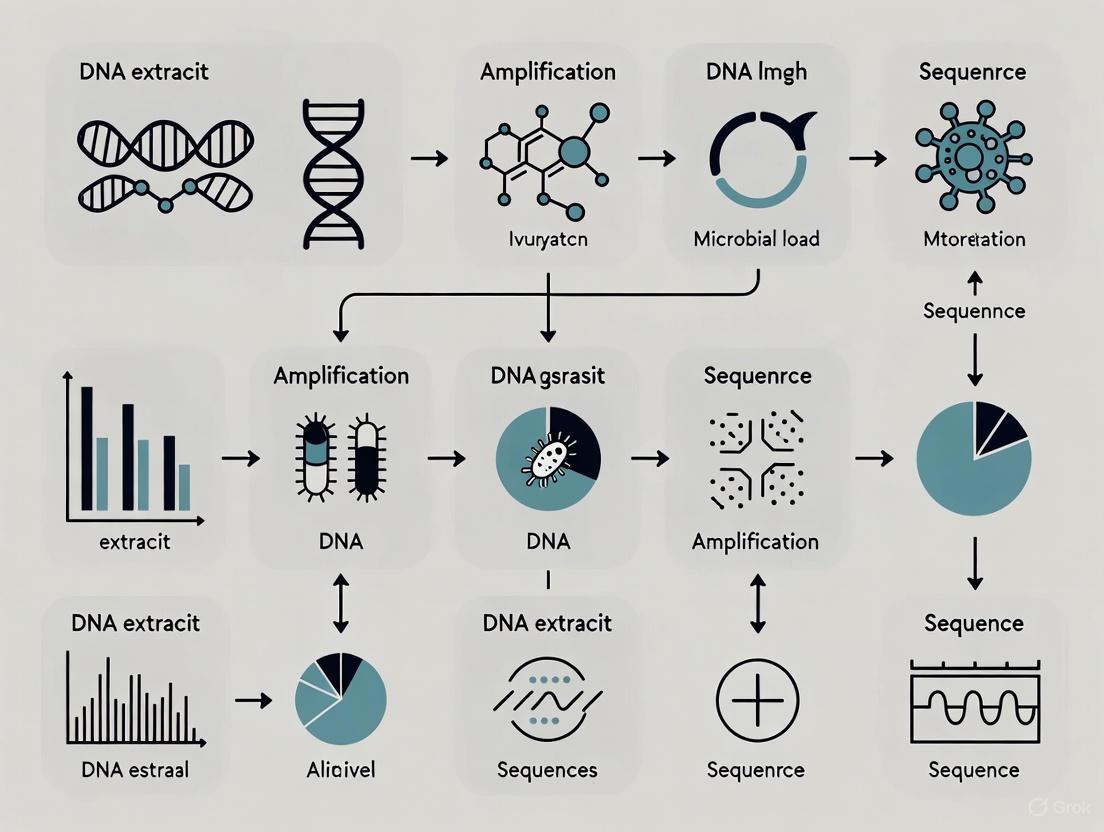
Accurate microbial profiling in low-biomass samples is critical for clinical diagnostics and research but presents significant technical challenges, including contamination risks and host DNA interference.
Navigating the Low Biomass Challenge: Strategies for Accurate Microbial Sequencing in Clinical and Research Settings
Abstract
Accurate microbial profiling in low-biomass samples is critical for clinical diagnostics and research but presents significant technical challenges, including contamination risks and host DNA interference. This article synthesizes current methodologies and best practices for reliable sequencing under these conditions. It explores the foundational impact of low microbial load on data integrity, evaluates advanced wet-lab and computational optimization techniques, and provides a comparative analysis of sequencing platforms and validation frameworks. Aimed at researchers and drug development professionals, this resource offers a comprehensive guide for obtaining robust, interpretable data from challenging sample types like urine, blood, and sterile body sites to advance precision medicine and therapeutic discovery.
The Low Biomass Problem: Why Microbial Load Matters for Sequencing Fidelity
Low-biomass environments are characterized by microbial levels that approach the limits of detection of standard DNA-based sequencing approaches [1]. Unlike high-biomass environments like human stool or surface soil, where the target DNA "signal" far exceeds contaminant "noise," low-biomass samples can be disproportionately impacted by even minute amounts of external DNA [1]. This technical challenge underpins a broader thesis: that the intrinsic properties of low microbial load fundamentally alter the reliability and interpretation of sequencing results, potentially leading to spurious biological conclusions if not properly managed.
The definition of low biomass exists on a continuum, but it consistently describes environments where contaminating DNA can constitute a significant, or even majority, fraction of the final sequencing data [2]. These environments range from internal human tissues and blood to ultra-clean industrial manufacturing spaces, presenting a common set of methodological hurdles that must be overcome for accurate characterization [1] [3].
Defining Low-Biomass Environments and Their Challenges
Categories of Low-Biomass Environments
Low-biomass environments span clinical, environmental, and industrial settings. Table 1 summarizes the primary types of low-biomass environments and their specific research challenges.
Table 1: Categories and Characteristics of Low-Biomass Environments
| Category | Example Environments | Key Research Challenges |
|---|---|---|
| Human Tissues | Placenta, fetal tissues, blood, brain, lower respiratory tract, breastmilk, tumors [1] [2] | High host DNA concentration; stringent ethical requirements; difficult sample acquisition [2]. |
| Natural Environments | Atmosphere, hyper-arid soils, deep subsurface, ice cores, treated drinking water [1] | Extreme physical conditions; remote sampling; low and slow-growing microbial populations [1]. |
| Built Environments | Cleanrooms (e.g., spacecraft assembly), hospital operating rooms [3] | Requirement for ultra-sensitive pathogen detection; rigorous sterility standards; reagent contamination dominates signal [3]. |
| Specialized Clinical Samples | Biopsies, cerebrospinal fluid (CSF), synovial fluid [4] [5] | Minimal sample volume; low absolute microbial abundance despite potential clinical significance [4]. |
Core Analytical Challenges in Low-Biomass Research
The accurate characterization of low-biomass microbiomes is hampered by several interconnected technical challenges that can compromise biological conclusions and have fueled scientific controversies [2].
- External Contamination: Microbial DNA introduced from reagents (kitome), sampling equipment, laboratory environments, and personnel can constitute a majority of the sequenced DNA in ultra-low biomass samples [3] [2]. This contamination is proportional—the lower the native biomass, the greater the proportional impact of contaminants on the final dataset [1].
- Host DNA Misclassification: In host-associated samples (e.g., tumors), over 99.99% of sequenced reads can be host-derived [2]. If bioinformatic tools misclassify even a tiny fraction of this host DNA as microbial, it can generate significant false-positive signals and obscure true microbial signals [2].
- Cross-Contamination (Well-to-Well Leakage): DNA can transfer between samples processed concurrently, for instance, in adjacent wells of a 96-well plate [1] [2]. This "splashome" effect can violate the core assumptions of computational decontamination tools that rely on negative controls [2].
- Batch Effects and Processing Bias: Technical variability between different laboratory personnel, reagent lots, or DNA extraction batches can introduce significant non-biological variation [2]. In low-biomass studies, these batch effects are magnified and, if confounded with the experimental groups, can create artifactual signals [2].
Figure 1: Key analytical challenges in low-biomass microbiome research that can compromise sequencing results and lead to incorrect conclusions.
Methodological Frameworks for Reliable Low-Biomass Analysis
Foundational Principles for Experimental Design
Robust low-biomass research requires strategic planning to mitigate risks at every stage, from sample collection to data analysis [1].
- Avoid Batch Confounding: Experimental groups (e.g., case vs. control) must be distributed evenly across all processing batches (e.g., DNA extraction plates, sequencing runs) [2]. Active balancing is preferred over simple randomization to ensure that technical variation does not create false associations with the phenotype of interest [2].
- Implement Rigorous Decontamination Protocols: All sampling equipment, tools, vessels, and gloves should be decontaminated. A two-step process using 80% ethanol (to kill organisms) followed by a nucleic acid-degrading solution like sodium hypochlorite (bleach) or UV-C irradiation is recommended to remove both viable cells and persistent cell-free DNA [1].
- Use Personal Protective Equipment (PPE) as a Barrier: Personnel should wear extensive PPE—including gloves, masks, cleansuits, and shoe covers—to limit the introduction of human-associated contaminants from skin, hair, and aerosolized droplets [1]. Protocols from ancient DNA labs and cleanrooms, which require full-body coverage, provide a leading standard [1].
The Critical Role of Experimental and Process Controls
The use of comprehensive controls is non-negotiable in low-biomass research. These controls are essential for identifying contamination sources and informing computational decontamination [2].
- Sampling Controls: These account for contaminants introduced during collection and include empty collection vessels, swabs exposed to the air, swabs of PPE, or aliquots of preservation solution [1].
- Process Controls ("Blanks"): These are included at various stages (e.g., DNA extraction, PCR amplification) to profile the contaminating DNA introduced by reagents and laboratory processes, collectively known as the "kitome" [3] [2].
- Positive Controls: Using a synthetic microbial community (e.g., ZymoBIOMICS Standard) in the same dilution solvent as the samples helps benchmark protocol performance and accuracy [5].
Figure 2: Essential process controls must be integrated at each stage of the low-biomass workflow to identify contamination sources.
Advanced Protocols for Enhanced Sensitivity and Specificity
Cutting-edge methodological adaptations are pushing the boundaries of detection in low-biomass environments.
- Micelle PCR (micPCR) for Absolute Quantification: This emulsion-based PCR technique compartmentalizes single template DNA molecules for clonal amplification, preventing chimera formation and PCR competition biases [4]. By incorporating a single internal calibrator (IC), it enables absolute quantification of 16S rRNA gene copies, allowing for the subtraction of contaminating DNA molecules identified in negative controls [4].
- Full-Length 16S rRNA Gene Sequencing with Nanopore: Targeting the full-length 16S rRNA gene with long-read nanopore sequencing, rather than short hypervariable regions (e.g., V4), dramatically improves species-level resolution [4]. This approach has been successfully applied to clinical samples, reducing the time-to-result to just 24 hours [4].
- Efficient Sample Collection and Concentration: For surface sampling, novel devices like the SALSA (Squeegee-Aspirator for Large Sampling Area) can achieve >60% recovery efficiency, far surpassing the ~10% efficiency of traditional swabs [3]. Subsequent concentration of samples using hollow fiber concentration pipette tips is crucial for achieving DNA yields compatible with sequencing [3].
The Scientist's Toolkit: Essential Reagents and Materials
Table 2: Key Research Reagent Solutions for Low-Biomass Studies
| Item | Function | Application Notes |
|---|---|---|
| DNA Decontamination Solutions | Degrades contaminating environmental DNA on surfaces and equipment. | Sodium hypochlorite (bleach) or commercial DNA removal solutions are used after ethanol decontamination [1]. |
| SALSA Sampling Device | High-efficiency surface sampling via squeegee and aspiration. | Bypasses elution inefficiencies of swabs; achieves >60% recovery; uses disposable components to prevent cross-contamination [3]. |
| Hollow Fiber Concentrator (e.g., InnovaPrep CP) | Concentrates microbial cells and DNA from large volume liquid samples. | Critical for achieving detectable DNA concentrations from dilute samples; uses a 0.2 µm polysulfone hollow fiber [3]. |
| Internal Calibrator (IC) for micPCR | Enables absolute quantification of 16S rRNA gene copies in a sample. | A known quantity of added DNA (e.g., Synechococcus) corrects for amplification biases and allows subtraction of background contamination [4]. |
| Synthetic Microbial Community (e.g., ZymoBIOMICS) | Serves as a positive control to assess protocol accuracy and bias. | Should be diluted in the same solvent as the samples (e.g., elution buffer) to avoid skewed community profiles [5]. |
| Nanopore Rapid PCR Barcoding Kit | Prepares low-input DNA libraries for long-read sequencing. | Allows for sequencing of full-length 16S rRNA genes; requires modification for ultra-low input (<10 pg) [3] [4]. |
| AMPure XP Beads | Purifies and size-selects amplicons post-PCR. | Double-sided clean-up (two consecutive purifications) is recommended for removing primer dimers and improving sequencing quality [5]. |
Defining low-biomass samples extends beyond a simple quantitative threshold of microbial cells; it encapsulates a state where the authentic biological signal is vulnerable to being overwhelmed by technical noise at every stage of the research workflow. The core thesis that low microbial load profoundly impacts sequencing results is well-supported by the persistent controversies and methodological refinements in this field. Success hinges on a holistic strategy that integrates meticulous experimental design, comprehensive controls, and specialized protocols. By adopting these rigorous frameworks, researchers can reliably discern true microbial signals from artifactual noise, enabling accurate exploration of the microbiomes inhabiting the most challenging and extreme environments.
In microbial genomics, samples with low microbial load present a formidable challenge, amplifying the effects of key technical hurdles including host DNA contamination, reagent-derived contaminants, and stochastic effects. The disparity in gene content between host and microbial cells is staggering; a single human cell contains approximately 3 Gb of genomic data, while a viral particle may contain only 30 kb, a difference of up to five orders of magnitude [6]. In samples with high host content, such as tissues and body fluids, more than 99% of sequences in metagenomic data can originate from the host, effectively obscuring signals from pathogenic microorganisms and consuming over 90% of sequencing resources [6]. Simultaneously, the stochastic appearance of contaminating viral sequences in laboratory reagents introduces significant noise, particularly problematic in low-biomass samples where true signals are faint [7] [8]. This technical landscape creates a perfect storm that compromises sensitivity, quantification accuracy, and reproducibility in microbiome research and clinical diagnostics. This review examines these interconnected challenges and synthesizes current methodological solutions to advance the reliability of sequencing-based microbial detection.
The High Host DNA Problem: Strategies and Methodologies
Host DNA Removal Techniques
High host DNA content drastically reduces sequencing sensitivity for detecting microbial pathogens. Effective host DNA removal is therefore a critical prerequisite for metagenomic studies, particularly in clinical samples like tissues and body fluids [6]. The following table summarizes the primary methods available:
Table 1: Methods for Host DNA Removal in Metagenomic Sequencing
| Method | Principle | Advantages | Limitations | Applicable Scenarios |
|---|---|---|---|---|
| Physical Separation (Centrifugation, Filtration) | Exploits density/size differences between host cells and microbes [6] | Low cost, rapid operation [6] | Cannot remove intracellular or free host DNA from lysed cells [6] | Virus enrichment, body fluid samples [6] |
| Targeted Amplification (PCR, MDA) | Selective enrichment of microbial genomes using specific or random primers [6] | High specificity, strong sensitivity for low biomass [6] | Primer bias affects species abundance quantification [6] | Low biomass, known pathogen screening [6] |
| Host Genome Digestion | Enzymatic (DNase) or chemical cleavage of host DNA while microbes are protected [6] | Efficient removal of free host DNA [6] | May damage microbial cell integrity if protocol is not optimized [6] | Tissue samples, samples with high host content [6] |
| Bioinformatics Filtering | Computational removal of reads aligning to host reference genome post-sequencing [6] | No experimental manipulation, highly compatible [6] | Dependent on a complete reference genome; cannot remove host-homologous sequences [6] | Routine samples, final data cleaning step [6] |
Impact and Evidence for Host DNA Removal
The effectiveness of host DNA purification is demonstrated by significant improvements in data quality. In studies of human and mouse colon biopsies, host DNA removal increased the number of bacterial reads and the number of bacterial species detected per sample [6]. Furthermore, the rate of bacterial gene detection increased by 33.89% in human and 95.75% in mouse colon tissues after host DNA removal, dramatically improving functional profiling [6]. Critically, these methods can enhance sensitivity without disrupting the native microbial community structure, as no significant differences in the dominance of major bacterial phyla were observed between experimental and control groups [6].
Diagram 1: A framework of host DNA removal strategies and their outcomes. "Pre-seq" methods are applied during sample preparation, while "Post-seq" filtering is a computational process.
Contamination and Background Noise
Contamination in viral metagenomics can be categorized as either external or internal, each with distinct origins and characteristics [8]. External contamination originates from outside the sample during collection and processing, including from patient skin, laboratory equipment, collection tubes, contaminated surfaces or air, and most notably, molecular biology reagents and kits [8]. These reagent-derived contaminants, often called the "kitome," form a unique profile specific to particular reagents and batches, making them largely indistinguishable from true microbiome signals [8]. Internal contamination typically arises from cross-contamination between samples during processing in the laboratory, which can be especially problematic in high-throughput amplicon sequencing [9].
Extraction kits represent a major source of nucleic acid background noise. One study identified 88 bacterial genera in commonly used DNA extraction kits, and it is estimated that 10–50% of the bacterial profiles in lower-airway human samples are contaminants derived from these kits [8]. RNA sequencing is particularly vulnerable due to the additional reverse transcription step; commercially available reverse transcriptase enzymes have been found to contain viral contaminants such as equine infectious anemia virus or murine leukemia virus [8].
Solutions for Contamination Detection and Control
Addressing contamination requires a multi-faceted approach combining experimental and computational strategies:
- Batch Control: Process all samples in a project using the same batches/lots of reagents to minimize variable background noise [8].
- Negative Controls: Include multiple negative controls (non-template controls) throughout the experimental process to identify contaminating sequences linked to reagents and protocols [7].
- Spike-In Controls: Use synthetic DNA spike-ins (SDSIs) or External RNA Control Consortium (ERCC) RNA standards added during sample processing to qualitatively track inter-sample contamination [9].
- Computational Tools: Employ specialized bioinformatics tools like Polyphonia, which detects inter-sample contamination directly from deep sequencing data using intrahost variant frequencies without requiring additional controls [9].
Table 2: Quantitative Performance of Contamination Detection Methods in a SARS-CoV-2 Study
| Method Category | Specific Method | Detection Principle | Contamination Events Detected | Key Limitation |
|---|---|---|---|---|
| Experimental Spike-Ins | SDSIs (DNA), ERCC (RNA) [9] | Qualitative tracking via added controls [9] | 6 events in 1102 samples [9] | Cannot detect contamination prior to spike-in addition [9] |
| Computational Tool | Polyphonia [9] | Analysis of minor alleles matching consensus of putative contaminant [9] | 2 events in 1102 samples (1 overlap with spike-ins) [9] | Requires sufficient read depth (≥100) and genomic coverage [9] |
Stochastic Effects and Quantification in Low Biomass Samples
The Challenge of Stochastic Effects and Absolute Quantification
In low microbial load samples, stochastic effects significantly impact detection reliability and quantification accuracy. These effects manifest as the random and inconsistent appearance of contaminating sequences, which may only appear in a subset of samples treated with the same laboratory component [7]. This unpredictability complicates distinguishing true signals from background noise, particularly for low-abundance taxa.
Traditional sequencing data is compositional, meaning it provides relative abundances rather than absolute quantities. This poses a critical limitation in clinical diagnostics, where knowing the absolute microbial load is essential for determining infection thresholds and guiding treatment decisions [10]. For example, large differences in magnitude between similar organisms in different environments may not be reflected in their relative proportions, leading to distorted conclusions [10].
Solutions for Robust Quantification
The implementation of internal spike-in controls provides a powerful solution for moving from relative to absolute quantification. In one study, researchers optimized full-length 16S rRNA gene sequencing using nanopore technology on mock community standards by varying DNA input, PCR cycles, and spike-in proportions [10]. The use of a defined spike-in control (ZymoBIOMICS Spike-in Control I) comprising Allobacillus halotolerans and Imtechella halotolerans at a fixed 16S copy number ratio of 7:3 provided robust quantification across varying DNA inputs and sample origins [10]. This method was validated using human samples from stool, saliva, nose, and skin, demonstrating high concordance between sequencing estimates and traditional culture methods [10].
For detecting low-abundance taxa, the choice of bioinformatics tools is crucial. The study found that the Emu algorithm performed well at providing genus and species-level resolution from full-length 16S rRNA sequencing data [10]. However, challenges remained in detecting low-abundance taxa and differentiating closely related species, indicating areas for further methodological refinement [10].
The Scientist's Toolkit: Essential Reagents and Materials
Table 3: Key Research Reagent Solutions for Overcoming Technical Hurdles
| Reagent/Material | Primary Function | Technical Hurdle Addressed | Example/Specification |
|---|---|---|---|
| Spike-In Controls | Internal standard for absolute quantification and contamination tracking [10] [9] | Stochastic effects, Quantification [10] | ZymoBIOMICS Spike-in Control I (Fixed 16S copy number ratio) [10] |
| DNA Extraction Kits (HMW) | Obtain pure, high-molecular-weight DNA with minimal contamination [11] [12] | Host DNA, Contamination [6] | Nanobind kits (PacBio), DNeasy Blood and Tissue Kit (Qiagen) [11] [12] |
| Enzymes for Host DNA Depletion | Selective degradation of host DNA while preserving microbial DNA [6] | High Host DNA [6] | DNase I, Lysozyme, Proteinase K [6] [13] [12] |
| Methylation-Sensitive Enzymes | Selective cleavage of methylated host DNA (e.g., CpG islands) [6] | High Host DNA [6] | Methylation-sensitive restriction enzymes [6] |
| High-Fidelity Polymerase | Accurate amplification with minimal contaminant introduction [12] [8] | Contamination [8] | Recombinant Taq polymerase (low microbial DNA) [8] |
| Size Selection Beads | Removal of low-molecular-weight DNA fragments (e.g., host DNA fragments) [11] | High Host DNA [6] | Short Read Eliminator (SRE) kit, AMPure XP beads [11] [12] |
| Bioinformatics Tools | In silico removal of host reads and contamination detection [9] [6] | Host DNA, Contamination [9] [6] | Polyphonia, KneadData, BMTagger, Bowtie2 [9] [6] |
Integrated Experimental Protocols
Protocol 1: Full-Length 16S rRNA Sequencing with Spike-In for Quantification
This protocol, adapted from nanopore sequencing studies, enables absolute quantification of bacterial communities [10]:
- DNA Extraction: Use QIAamp PowerFecal Pro DNA Kit for human samples (stool, saliva, skin, nose). Measure concentration with Qubit dsDNA BR Assay Kit [10].
- Spike-In Addition: Incorporate spike-in control comprising Allobacillus halotolerans and Imtechella halotolerans at a fixed proportion. Testing indicates 10% of total DNA is effective [10].
- 16S Amplification: Perform full-length 16S rRNA gene amplification for 25 cycles using adapted Oxford Nanopore Technology protocol (SQK-LSK109). For low biomass samples, consider increasing to 35 cycles [10].
- Library Preparation & Sequencing: Barcode, pool, and purify amplified DNA. Perform end repair and dA-tailing. Purify with SPRIselect magnetic beads. Sequence on MinION Mk1C device with R9.4 flow cell [10].
- Bioinformatic Analysis: Basecall with Guppy (high accuracy). Filter sequences (q-score ≥9, length 1,000-1,800 bp). Analyze with Emu for taxonomic classification [10].
Protocol 2: Host DNA-Removed Metagenomic Sequencing for Low Biomass Samples
This protocol, optimized for clinical swab specimens, maximizes pathogen detection sensitivity [14]:
- Sample Collection: Collect swab specimens and place in appropriate transport medium [14].
- Host Nucleic Acid Removal: Extract total nucleic acid, then mix with DNA enzyme and buffer to digest DNA and enrich RNA [14].
- cDNA Synthesis: Perform reverse transcription and cDNA synthesis from enriched RNA [14].
- Library Preparation: Use commercial library preparation kit (e.g., PMseq RNA infectious pathogens kit). Qualify cDNA libraries with Qubit 4.0 [14].
- Sequencing: Prepare DNA nanoballs (DNB) and load into sequencing chip. Perform sequencing on appropriate platform (e.g., MGSEQ-2000) with single-end 50 bp reads [14].
- Bioinformatic Analysis: Remove adaptors and low-quality reads. Separate host and microbial analysis workflows. For microbial analysis, remove sequences aligning to human reference genome before determining microbial species [14].
Diagram 2: An integrated end-to-end workflow for managing host DNA, contamination, and stochastic effects in microbial sequencing. The process combines wet-lab and computational steps.
The technical hurdles of contamination, high host DNA, and stochastic effects present significant but surmountable challenges in microbial sequencing, particularly for low-biomass samples. Success requires an integrated approach combining experimental and computational strategies. Key solutions include the implementation of spike-in controls for absolute quantification, targeted host DNA removal methods tailored to sample type, rigorous contamination monitoring using both controls and computational tools like Polyphonia, and full-length 16S rRNA sequencing with advanced algorithms like Emu for improved taxonomic resolution. As these methodologies continue to mature and standardize, they promise to enhance the reliability of microbial detection in research and clinical diagnostics, ultimately improving patient care and public health responses.
In microbial genomics research, the "signal" constitutes genuine biological information, such as the true presence and abundance of microbial taxa, while "noise" includes technical artifacts, contaminants, and stochastic sequencing errors. Low microbial load—samples containing a small total number of microbial cells—presents a fundamental challenge for next-generation sequencing (NGS) by critically compressing the signal-to-noise ratio. In these samples, minute contaminant DNA introduced during sample processing or reagent impurities can constitute a substantial proportion of the sequenced material, thereby obscuring the true biological signal [15]. This distortion is particularly problematic in clinical diagnostics where accurate bacterial load estimation determines infection thresholds and guides treatment decisions [15]. The compositional nature of standard sequencing data, which reveals only relative abundances, further complicates interpretation because a perceived increase in one taxon's abundance may merely reflect a decrease in another's rather than true biological variation [16]. Understanding and mitigating these effects is therefore essential for valid data interpretation across research, pharmaceutical development, and clinical applications.
Technical Foundations: How Microbial Load Affects Data Quality
The Sampling Fraction Problem
The core issue in low microbial load samples stems from the sampling fraction—the ratio between observed sequencing counts and the true, unobservable absolute abundance of microbes in the original ecosystem [16]. This fraction varies substantially between samples and is inversely related to microbial load; samples with lower total biomass have a greater proportion of their sequencing data consumed by contaminating DNA and technical noise.
Compositional Data Constraints: Microbiome sequencing data are inherently compositional, meaning they sum to a constant total (e.g., 100% relative abundance) [16]. This property creates interpretive pitfalls: in a low-load sample, a minor contaminant may appear as a dominant taxon in the relative abundance profile, while genuine but rare taxa might be indistinguishable from background noise. The following table summarizes key terminology essential for understanding these distortions:
Table 1: Key Terminology in Microbial Abundance Measurement
| Term | Definition | Interpretation Challenge |
|---|---|---|
| Absolute Abundance | The true, unobservable number of a microbial taxon in a unit volume of an ecosystem [16]. | The fundamental parameter of interest that sequencing cannot directly measure. |
| Relative Abundance | The proportion of a taxon's sequencing counts relative to the total counts in a sample [16]. | Can create misleading impressions when total microbial load differs between samples. |
| Sampling Fraction | The sample-specific factor linking expected observed abundance to true absolute abundance [16]. | Varies with microbial load and DNA extraction efficiency, confounding comparisons. |
| Library Size | The total number of sequencing reads obtained for a sample. | Often correlates with microbial load but is an imperfect proxy. |
Specific Artifacts in Low-Load Samples
Low microbial load environments exacerbate several technical artifacts that can be misinterpreted as biological signals:
Enhanced Contamination Sensitivity: Reagent-borne microbial DNA, which is negligible in high-biomass samples like stool, becomes a significant contaminant in low-biomass samples (e.g., skin swabs, nasal cavity, sterile tissue) [15]. Without proper controls, these contaminants can be misidentified as novel pathogens or biomarkers.
Stochastic Amplification Effects: During PCR amplification, stochastic fluctuations are magnified when template DNA copies are scarce. This can cause inconsistent detection of low-abundance taxa across technical replicates, creating false "differentially abundant" signals between sample groups [15].
Index Hopping and Cross-Talk: In multiplexed sequencing runs, index misassignment can cause reads from high-biomass samples to appear in low-biomass sample data, creating artificial signals that are particularly damaging when studying environments expected to have minimal native biomass [16].
Methodological Solutions: Experimental Design and Normalization
Incorporating Internal Controls and Spike-Ins
A powerful strategy to distinguish signal from noise involves adding known quantities of synthetic or foreign microbial cells as internal controls prior to DNA extraction.
Spike-In Protocol Optimization: As demonstrated in a 2025 validation study, researchers used ZymoBIOMICS Spike-in Control I (containing Allobacillus halotolerans and Imtechella halotolerans) added at a fixed proportion (e.g., 10%) of total DNA input [15]. This approach enables precise quantification by:
- Accounting for Technical Variation: The ratio between observed spike-in reads and expected abundance corrects for sample-to-sample differences in DNA extraction efficiency, PCR amplification bias, and sequencing depth [15].
- Enabling Absolute Quantification: The known number of spike-in cells allows conversion of relative sequencing proportions back to estimated absolute cell counts, overcoming the compositionality problem [15] [16].
Table 2: Normalization Methods for Managing Low-Load Artifacts
| Method | Principle | Advantages | Limitations |
|---|---|---|---|
| Spike-In Controls [15] | Adds known quantities of non-native microbes to samples before DNA extraction. | Enables absolute quantification; corrects for technical variation in entire workflow. | Requires careful optimization of spike-in ratio; may consume sequencing depth. |
| Rarefying [16] | Randomly subsamples sequences to equal library sizes across all samples. | Simple to implement; reduces library size heterogeneity. | Discards valid data; introduces artificial uncertainty; does not address compositionality. |
| Chemical DNA Spikes | Adds known quantities of synthetic DNA fragments. | Can be customized to avoid biological overlap; precise quantification. | Does not control for DNA extraction efficiency variation. |
| Microbial Load Prediction [17] | Machine learning model predicts absolute abundance from relative data. | No extra lab work needed; applicable to existing datasets. | Model performance depends on training data quality and representativeness. |
Optimized Wet-Lab Protocols for Low-Biomass Samples
Modified laboratory protocols are crucial for maximizing signal recovery from low microbial load samples:
- Increased DNA Input: For full-length 16S rRNA gene sequencing using nanopore technology, increasing template DNA input to 1.0-5.0 ng (as opposed to 0.1 ng) significantly improves taxonomic detection while maintaining quantitative accuracy [15].
- Limited PCR Cycles: Optimizing PCR cycle number (e.g., 25 cycles versus 35) reduces stochastic amplification artifacts and chimera formation while preserving representation of rare taxa [15].
- Extraction Blank Controls: Including extraction blanks (reagents without sample) throughout the workflow is essential to identify and quantify contaminant DNA backgrounds, allowing for computational subtraction of these noise signals [15].
Bioinformatics and Statistical Normalization
Computational methods help mitigate the impact of variable microbial loads:
- Identifying and Filtering Contaminants: Tools like Decontam use prevalence or frequency-based statistical methods to identify taxa that are more abundant in negative controls than in true samples, allowing for their removal from the dataset [16].
- Compositionally Aware Algorithms: Methods such as ANCOM-II account for the compositional nature of sequencing data when testing for differential abundance, thereby reducing false positives caused by load variation rather than genuine biological change [16].
- Machine Learning for Load Prediction: Recent advances enable prediction of microbial loads directly from relative abundance data using machine learning models trained on reference datasets with known absolute abundances, providing a cost-effective adjustment for large cohort studies [17].
Experimental Workflow: From Sample to Analysis
The following workflow diagram integrates the key methodological solutions for managing low microbial load challenges across the experimental pipeline:
The Scientist's Toolkit: Essential Research Reagents
Successful navigation of low microbial load challenges requires specific laboratory reagents and computational tools. The following table catalogues essential solutions referenced in the cited literature:
Table 3: Research Reagent Solutions for Low Microbial Load Studies
| Reagent / Material | Function | Example Use Case |
|---|---|---|
| Mock Community Standards (e.g., ZymoBIOMICS D6300/D6305/D6331) [15] | Validates entire sequencing workflow accuracy with known composition and abundance. | Assessing quantitative accuracy and detecting biases in low-load conditions. |
| Spike-In Controls (e.g., ZymoBIOMICS D6320) [15] | Provides internal reference for absolute quantification and technical variation. | Added to low-biomass samples (skin, nasal) to normalize for extraction and sequencing efficiency. |
| Full-Length 16S rRNA Primers (e.g., ONT PCR barcoding kit) [15] | Enables high-resolution taxonomic classification to species level. | Improving species-level discrimination in complex low-abundance communities. |
| High-Sensitivity DNA Extraction Kits (e.g., QIAamp PowerFecal Pro DNA Kit) [15] | Maximizes DNA yield from limited microbial biomass. | Processing low-load samples (skin swabs, water filters) to recover sufficient material. |
| Bioinformatic Tools (e.g., Emu [15], ANCOM-II [16]) | Performs compositionally aware statistical analysis and taxonomic classification. | Identifying genuine differentially abundant taxa while controlling for load variation. |
Distinguishing biological signal from technical noise in low microbial load sequencing requires an integrated approach spanning experimental design, wet-lab protocols, and computational analysis. The strategies outlined—thoughtful application of internal controls, optimized laboratory techniques, and compositionally aware bioinformatics—collectively provide a robust framework for generating reliable, interpretable data from challenging low-biomass samples. As microbial research increasingly focuses on environments with naturally sparse biomass, such as certain body sites in human health studies or oligotrophic environmental niches, mastering these approaches becomes fundamental to advancing our understanding of microbial communities and their functional impacts on human health and disease.
The study of human microbiome has transformed our understanding of health and disease, yet significant challenges remain in accurately characterizing microbial communities from low-biomass environments. Samples from sites such as blood, urine, and the upper respiratory tract often contain minimal microbial DNA, creating substantial technical hurdles for sequencing-based analyses. The low microbial load in these samples means that signals can be easily obscured by contamination, host DNA background, or sequencing artifacts, potentially leading to ecological misinterpretations that could be likened to "blue whales in the Himalayas or African elephants in Antarctica" [18]. This technical guide examines key case studies from these challenging environments, highlighting both the pitfalls and advanced methodologies essential for generating reliable data in low-biomass microbiome research.
Case Study 1: Upper Respiratory Tract Microbiome in Pneumonia
A study investigating the upper respiratory tract microbiome in hospitalized patients with Community-Acquired Pneumonia (CAP) provides a compelling case study for low-biomass analysis. Researchers characterized the nasopharyngeal and oropharyngeal microbiomes of patients with CAP of unknown etiology through metagenomic analysis [19]. The random sample of 10 patients from a larger trial revealed that only one patient exhibited a distinct nasopharyngeal microbiome dominated by Haemophilus influenzae, while the other nine patients showed presence of Streptococcus pneumoniae in their upper respiratory tract, suggesting this as a probable etiology despite negative results from conventional microbiological workups [19].
Methodological Framework
The experimental protocol incorporated several rigorous approaches to address low-biomass challenges:
- Sample Collection: Nasopharyngeal and oropharyngeal swabs were collected using Copan Flocked Swabs on hospital admission, placed in universal transport media, vortexed, aliquoted, and stored at -80°C [19].
- DNA Isolation: Total genomic DNA was isolated using the Maxwell 16 Blood DNA Purification Kit on an automated system [19].
- 16S rRNA Amplification: Amplification employed 16S rRNA-specific primers (27f and 534r) with the FastStart High Fidelity PCR System under the following cycling conditions: 95°C for 5 minutes, followed by 30 cycles of 94°C for 30 seconds, 56°C for 30 seconds, and 72°C for 1 minute 30 seconds, with a final extension of 8 minutes at 72°C [19].
- Sequencing and Analysis: PCR amplicons were sequenced using 454 GS FLX technology, and data were processed with bioinformatic pipelines for microbiome characterization [19].
Key Quantitative Findings
Table 1: Upper Respiratory Tract Microbiome Study Results
| Parameter | Finding | Significance |
|---|---|---|
| Patients with distinct H. influenzae microbiome | 1/10 (10%) | Suggested as probable CAP etiology |
| Patients with S. pneumoniae detected via PCR | 9/10 (90%) | Indicated as likely pathogen despite negative conventional tests |
| Sample type comparison | Substantial differences between nasopharyngeal and oropharyngeal microbiomes | Highlighted site-specific microbial communities |
Technical Considerations for Low-Biomass Samples
This study exemplifies the importance of molecular methods in detecting pathogens that conventional culture-based methods might miss in low-biomass environments. The use of targeted 16S rRNA amplification and sequencing provided insights into potential pathogens that would have remained undetected, demonstrating the value of these approaches for samples with limited microbial material [19].
Case Study 2: Blood Microbiome Investigation
Large-Scale Assessment of Microbial Presence
A rigorous large-scale study challenged prevailing assumptions about blood microbiome by examining samples from 9,770 healthy individuals [18]. This investigation implemented extensive controls for procedural contamination and sequencing artifacts, setting a benchmark for low-biomass research methodology.
Key Findings and Implications
The research identified only 117 microbial species with low signals in less than 18% of samples, with these species typically associated with other body sites rather than representing a resident blood microbiome [18]. Computational analysis revealed no identifiable patterns of microbial interaction with typical blood markers, effectively challenging the concept of a common blood microbiome in healthy individuals [18].
Methodological Rigor in Low-Biomass Setting
This study underscores several critical considerations for blood microbiome research:
- Comprehensive Controls: Implementation of extensive controls for procedural contamination across the entire experimental workflow.
- Large Sample Size: Analysis of nearly 10,000 individuals provides substantial statistical power.
- Computational Validation: Application of multiple analytical approaches to validate findings.
- Ecological Plausibility Assessment: Interpretation of results within established microbiological principles.
Cross-Cutting Methodological Advances
2bRAD-M: Innovative Approach for Challenging Samples
The 2bRAD-M method represents a significant advancement for low-biomass microbiome studies [20]. This approach utilizes Type IIB restriction enzymes to produce uniform, short DNA fragments (32 bp for BcgI enzyme) for sequencing, requiring as little as 1 pg of total DNA and tolerating up to 99% host DNA contamination [20].
Table 2: Performance Comparison of Microbiome Profiling Methods
| Method | Minimum DNA | Host DNA Tolerance | Species-Level Resolution | Cost Efficiency |
|---|---|---|---|---|
| 16S rRNA Sequencing | ~1 ng | Moderate | Limited (genus level) | High |
| Whole Metagenome Shotgun (WMS) | ≥20 ng (50 ng preferred) | Low | Yes | Low |
| 2bRAD-M | 1 pg | High (up to 99%) | Yes | Medium |
Experimental Workflow for Low-Biomass Samples
Statistical Considerations for Data Analysis
Microbiome data from low-biomass samples present unique statistical challenges including zero inflation, overdispersion, high dimensionality, and compositionality [21]. Appropriate normalization methods and statistical approaches are essential for robust analysis:
- Normalization Methods: Cumulative Sum Scaling (CSS), Relative Log Expression (RLE), and Trimmed Mean of M-values (TMM) help address library size differences [21].
- Differential Abundance Tools: Methods like metagenomeSeq, DESeq2, and ANCOM account for data characteristics specific to microbiome datasets [21].
- Batch Effect Correction: Linear mixed models (LIMMA), ComBat, and Remove Unwanted Variation (RUV) methods address technical variability [21].
Research Reagent Solutions
Table 3: Essential Research Reagents for Low-Biomass Microbiome Studies
| Reagent/Kit | Application | Key Features | Considerations for Low-Biomass |
|---|---|---|---|
| Maxwell 16 Blood DNA Purification Kit | DNA isolation | Automated, reduces cross-contamination | Consistent yield from minimal input [19] |
| HOT FIREPOL BLEND Master Mix | 16S rRNA PCR | High fidelity, includes MgCl₂ | Optimized for amplification from low DNA [13] |
| QIAamp Viral RNA Mini Kit | Nucleic acid extraction | Designed for low-concentration samples | Includes carrier RNA to improve recovery [22] |
| MGIEasy rRNA removal kit | Host and ribosomal RNA depletion | Probe hybridization and RNase H digestion | Critical for host-dominated samples [22] |
| NucleoSpin Blood Kit | DNA extraction from blood | Silica membrane-based purification | Includes lysozyme incubation for Gram-positive bacteria [13] |
Integrated Analysis of Methodological Principles
Contamination Control Framework
Effective low-biomass research requires systematic contamination control throughout the experimental workflow:
- Pre-analytical Phase: Standardized sample collection protocols, appropriate swab types, immediate stabilization.
- Analytical Phase: Negative extraction controls, reagent blanks, positive controls, technical replicates.
- Post-analytical Phase: Bioinformatics filters for contaminants, statistical identification of batch effects.
Validation and Interpretation Guidelines
Robust interpretation of low-biomass microbiome data requires:
- Ecological Plausibility: Findings should align with established microbiological principles [18].
- Independent Validation: Confirmation through multiple methodological approaches.
- Technical Correlation: Association between microbial load and technical positive controls.
- Biological Replication: Consistency across sample replicates and related sample types.
The investigation of microbiome in low-biomass environments such as urine, blood, and the upper respiratory tract demands specialized methodological approaches and rigorous interpretive frameworks. Case studies across these sample types demonstrate that careful experimental design incorporating appropriate controls, utilizing advanced molecular techniques like 2bRAD-M and targeted 16S sequencing, and applying stringent statistical analyses are essential for generating reliable data. As research in this challenging area continues to evolve, maintaining scientific rigor while exploring the potential roles of microbial communities in these environments will be crucial for advancing our understanding of human microbiology and its implications for health and disease.
Advanced Profiling Techniques for Low-Abundance Microbiomes
The identification and classification of bacterial pathogens are fundamental to advancing our understanding of human health, disease progression, and therapeutic development. For decades, the gold standard for bacterial identification in diagnostic microbiology laboratories has involved culture and biochemical testing (CBtest). This method, while widely available, faces significant limitations: not all bacterial species can be successfully cultured, particularly strict anaerobes, fastidious pathogens requiring enriched media, or viable-but-non-culturable (VBNC) organisms [23]. Furthermore, CBtest is time-consuming for slow-growing pathogens, potentially leading to patient morbidity, prolonged broad-spectrum antibiotic usage, and delayed pathogen-specific interventions [23].
The advent of next-generation sequencing (NGS) introduced 16S rRNA gene sequencing as a culture-independent alternative. This gene contains nine hypervariable regions (V1-V9) flanked by conserved segments, serving as a phylogenetic marker for bacterial taxonomy [24]. However, the most prevalent NGS technologies, such as Illumina, are restricted to reading short fragments (e.g., the V3-V4 regions, ~400-500 bp) due to their read-length limitations [25] [26]. This short-read approach often limits taxonomic resolution to the genus level, obscuring critical species-level and strain-level diversity that is essential for precise biomarker discovery, understanding pathogenesis, and tracking bacterial transmission [24] [26].
The emergence of third-generation, long-read sequencing technologies, such as those developed by Oxford Nanopore Technologies (ONT) and Pacific Biosciences, has overcome these read-length barriers. These platforms now enable routine sequencing of the full-length 16S rRNA gene (~1,500 bp, spanning V1-V9), promising enhanced taxonomic resolution down to the species level [25] [26]. This technical guide explores how full-length 16S rRNA sequencing with long-read technologies is revolutionizing microbial taxonomy, with a specific focus on the critical challenge of low microbial load samples, which are common in clinical contexts such as sterile body fluids, tissue biopsies, and human milk.
Comparative Analysis: Full-Length vs. Partial 16S Sequencing
The fundamental advantage of full-length 16S sequencing lies in the substantial increase in informative sites available for taxonomic classification. While short-read approaches rely on one or two hypervariable regions, full-length sequencing integrates information across all nine variable regions, providing a much more robust phylogenetic signal.
Empirical Evidence of Enhanced Resolution
Multiple studies have directly compared the taxonomic outcomes of full-length and partial 16S rRNA sequencing. A landmark comparative study analyzed 24 human gut microbiota samples using both V3-V4 short-read (Illumina) and full-length synthetic long-read (sFL16S) approaches. The results were striking: the sFL16S method classified 1,041 amplicon sequence variants (ASVs) compared to only 623 ASVs with the V3-V4 method [24]. This demonstrates a significant increase in the ability to resolve distinct bacterial taxa when the entire gene is sequenced.
Furthermore, alpha-diversity metrics, which quantify within-sample richness and evenness, were significantly higher across all indices (Observed_OTUs, Chao1, Shannon, Simpson) for the full-length method [24]. This indicates that relying on partial gene segments underestimates true microbial diversity, a critical consideration for ecological studies and investigations into dysbiosis.
Table 1: Comparative Performance of Full-Length vs. Partial 16S Sequencing
| Metric | V3-V4 Short-Read (e.g., Illumina) | V1-V9 Full-Length (e.g., ONT) | Significance |
|---|---|---|---|
| Read Length | ~400-500 bp [26] | ~1,500 bp [25] | Captures all variable regions |
| Typical Taxonomic Resolution | Genus level [26] | Species level [15] [26] | Enables precise biomarker discovery |
| Diversity (Alpha) Metrics | Lower [24] | Significantly Higher [24] | Avoids underestimation of richness |
| Identification of Shared Taxa | 54 unique species [24] | 430 unique species [24] | Greatly improved strain tracking |
| Quantitative Accuracy (with spike-in) | N/A | High correlation with culture (qPCR) [15] | Reliable absolute abundance estimation |
The impact on species-level identification is particularly profound. In a study of 123 subjects for colorectal cancer (CRC) biomarker discovery, Nanopore full-length 16S sequencing identified specific pathogenetic species such as Parvimonas micra, Fusobacterium nucleatum, and Peptostreptococcus anaerobius with high confidence [26]. These species-level biomarkers enabled the development of a predictive model for CRC with an AUC (Area Under the Curve) of 0.87, showcasing the direct clinical and research utility of high-resolution data [26]. In another analysis, full-length sequencing identified 430 unique bacterial species that were not detected by the V3-V4 method, which in turn found only 54 unique species [24]. This order-of-magnitude improvement is critical for studies of bacterial transmission, as it provides the necessary resolution to confidently track strains across different body sites or individuals [27].
Technical Foundations and Workflow
Implementing a robust full-length 16S sequencing protocol requires careful attention to each step, from sample preparation to bioinformatic analysis, especially when working with challenging samples.
Wet-Lab Experimental Protocol
The following methodology is adapted from optimized protocols used in recent studies [15] [26].
1. Sample Collection and DNA Extraction:
- Sample Collection: Collect samples (e.g., stool, saliva, tissue, low-biomass fluids) using appropriate sterile kits. For low-biomass samples, immediate freezing at -20°C or -80°C is recommended.
- DNA Extraction: Use kits designed for difficult samples and which minimize contamination. The DNeasy PowerSoil Pro (Qiagen) and MagMAX Total Nucleic Acid Isolation Kit have been validated for low-biomass human milk samples and provide consistent results with low contamination [27]. The QIAamp PowerFecal Pro DNA Kit is also widely used for stool and gut microbiome samples [15].
- DNA Quantification: Measure DNA concentration using a fluorometer (e.g., Qubit with dsDNA BR Assay Kit) due to its superior accuracy for low-concentration samples over spectrophotometry [15].
2. 16S rRNA Gene Amplification and Library Preparation:
- PCR Amplification: Amplify the full-length 16S rRNA gene using primers targeting the conserved regions. A commonly used set is 27F (5'-AGRGTTYGATYMTGGCTCAG-3') and 1492R (5'-RGYTACCTTGTTACGACTT-3') [25] [15]. The degeneracy of these primers is critical for unbiased amplification across diverse bacterial taxa [25].
- Reaction Mix: 50 ng genomic DNA, primers, and a high-fidelity PCR master mix (e.g., LongAMP Taq 2x Master Mix).
- Cycling Conditions: Initial denaturation at 95°C for 1 min; 25-35 cycles of 95°C for 20 s, 51-54°C for 30 s, 65°C for 2 min; final elongation at 65°C for 5 min [25] [15]. The number of cycles should be minimized for high-biomass samples to reduce PCR bias, but may be increased for low-biomass samples.
- Internal Controls for Quantification: For absolute quantification, include a spike-in control (e.g., ZymoBIOMICS Spike-in Control I) at a fixed proportion (e.g., 10%) of the total DNA input. This allows for the estimation of absolute microbial loads from sequencing data, moving beyond relative abundances [15].
- Library Preparation: Following amplification, barcode the amplicons for multiplexing. Then, proceed with end-repair, dA-tailing, and adapter ligation using manufacturer-specific kits (e.g., ONT's Ligation Sequencing Kit). Purify the final library using magnetic beads [15].
3. Sequencing:
- Load the library onto a long-read sequencer (e.g., Oxford Nanopore MinION Mk1C or GridION) using a compatible flow cell (e.g., R9.4.1 or newer R10.4.1). The R10.4.1 flow cell, with its dual-reader head, provides higher accuracy, especially in homopolymeric regions [26].
- Initiate a standard sequencing run, typically for 24-72 hours, with real-time basecalling enabled.
Figure 1: Core workflow for full-length 16S rRNA gene sequencing, highlighting the optional use of spike-in controls for absolute quantification.
Bioinformatic Analysis and Tool Selection
The analysis of long-read 16S data requires specialized tools that account for its higher error rate compared to Illumina data.
- Basecalling and Quality Control: Basecall raw signals to FASTQ format using the sequencer's software (e.g., Oxford Nanopore's Guppy or Dorado). Filter reads by quality (q-score ≥ 9 is common) and length (retain reads between 1,000 bp and 1,800 bp for 16S) [15]. Dorado's super-accurate (sup) model is recommended for highest quality, though high-accuracy (hac) provides a good balance of speed and quality [26].
- Taxonomic Classification: Use tools specifically designed for long-read amplicon data. Emu is a reference-based method that has demonstrated excellent performance for assigning taxonomy to full-length 16S sequences, achieving species-level resolution [15] [26]. Other options include NanoCLUST and the SmartGene IDNS software with its 16S Centroid database [28].
- Database Choice: The reference database is critical. While universal databases like SILVA are commonly used, specialized databases (e.g., Emu's Default database) can sometimes provide improved classification, though they may vary in comprehensiveness [26]. The selection should be guided by the specific microbial communities under investigation.
The Critical Hurdle: Low Microbial Load and Potential Solutions
A primary focus of modern microbial research involves samples where bacterial biomass is low relative to host DNA, such as clinical specimens from sterile sites (blood, CSF), formalin-fixed paraffin-embedded (FFPE) tissues, and human milk. These samples present unique challenges that are acutely relevant to the thesis on the impact of low microbial load.
Challenges in Low-Biomass Contexts
- High Host DNA Contamination: In human milk, over 90% of isolated DNA can be of human origin, drastically reducing the sequencing depth available for microbial profiling [27].
- Low Absolute Abundance of Bacteria: This increases the risk of false negatives and makes accurate quantification difficult. Standard whole-metagenome shotgun (WMS) sequencing often requires ≥50 ng of DNA and is inefficient under these conditions [20].
- DNA Degradation: Samples like FFPE tissues contain highly fragmented DNA, which is problematic for amplifying the full-length 16S gene [20].
Emerging Methodological Solutions
1. Optimized DNA Extraction and Enrichment: Comparative studies of DNA isolation kits for human milk (a classic low-biomass sample) found that the DNeasy PowerSoil Pro (PS) and MagMAX Total Nucleic Acid Isolation (MX) kits provided the most consistent 16S rRNA gene sequencing results with the lowest levels of contamination [27]. While bacterial enrichment methods (e.g., differential centrifugation) were tested, they did not substantially decrease host read-depth in subsequent metagenomic sequencing, suggesting that optimized direct extraction is currently more reliable [27].
2. Alternative Sequencing Strategies: For the most challenging samples (e.g., <1 pg microbial DNA, >99% host contamination, or severely fragmented DNA), novel methods like 2bRAD-M offer a powerful alternative. This technique uses type IIB restriction enzymes to produce uniform, short fragments (32 bp) that are highly specific to microbial species. Because it sequences only ~1% of the metagenome, it is cost-effective and exceptionally robust for low-biomass, high-host, or degraded samples where 16S PCR amplification fails [20].
3. Internal Controls and Absolute Quantification: Incorporating a synthetic spike-in control (e.g., ZymoBIOMICS Spike-in Control) of known concentration into the sample prior to DNA extraction allows for the calibration of sequencing reads. This enables the estimation of absolute bacterial loads from relative sequencing data, a crucial advancement for low-biomass studies where relative abundances can be misleading [15].
Table 2: Essential Research Reagent Solutions for Low-Biomass Studies
| Reagent / Kit | Function | Application Note |
|---|---|---|
| DNeasy PowerSoil Pro Kit (Qiagen) | DNA Isolation | Validated for low-biomass samples; effective inhibitor removal [27]. |
| MagMAX Total Nucleic Acid Kit (Thermo Fisher) | DNA Isolation | Provides consistent results with low contamination, suitable for automation [27]. |
| ZymoBIOMICS Spike-in Control I | Internal Control | Enables absolute quantification of microbial load; added pre-extraction [15]. |
| ONT 16S Barcoding Kit (SQK-RAB204) | Library Preparation | Streamlined workflow for full-length 16S amplification and barcoding [25]. |
| BcgI Restriction Enzyme | 2bRAD-M Library Prep | Key enzyme for 2bRAD-M, generates species-specific iso-length tags [20]. |
| LongAMP Taq Master Mix (NEB) | PCR Amplification | High-fidelity polymerase for robust amplification of full-length 16S gene [25]. |
Full-length 16S rRNA sequencing leveraging long-read technologies represents a paradigm shift in microbial taxonomy. It moves beyond the genus-level classifications of short-read approaches to deliver species-level and sometimes strain-level resolution. This is critically important for applications such as discovering disease-specific biomarkers, tracking pathogen transmission in hospital settings, and elucidating the fine-scale dynamics of microbial communities.
The integration of optimized wet-lab protocols—including careful DNA extraction, the use of degenerate primers, and the incorporation of spike-in controls—with specialized bioinformatic tools like Emu creates a powerful framework for reliable microbial analysis. This is particularly true for the daunting challenge of low-biomass samples, where methods like 2bRAD-M and absolute quantification are pushing the boundaries of what is detectable.
As long-read technologies continue to evolve, with ongoing improvements in accuracy (e.g., Q20+ chemistry), throughput, and cost-effectiveness, full-length 16S sequencing is poised to become the new gold standard for amplicon-based microbiome studies. It will undoubtedly play a central role in deepening our understanding of the microbial world and its profound impact on human health and disease, firmly establishing the value of taxonomic resolution in the face of low microbial abundance.
Figure 2: Logical framework outlining the major challenges of low microbial load samples and the corresponding methodological solutions that enable robust, species-level profiling.
Shotgun Metagenomics and Genome-Resolved Analysis for Functional Insights
Shotgun metagenomics, powered by advances in high-throughput sequencing, has revolutionized our ability to study uncultivated microbial communities directly from their environments. This approach provides unparalleled access to both the taxonomic composition and functional potential of microbiomes. For biomedical and clinical research, particularly in the context of low microbial load environments, translating complex metagenomic data into meaningful biological insights requires sophisticated genome-resolved analyses. This technical guide details the core principles, methodologies, and analytical frameworks of shotgun metagenomics and genome-resolved metagenomics, with a specific focus on challenges and solutions for profiling low-abundance taxa. We provide actionable protocols, resource tables, and visual workflows to equip researchers with the tools needed to advance microbiome medicine.
Shotgun metagenomics is the comprehensive sequencing of all DNA extracted from an environmental sample, such as human gut contents, soil, or water [29] [30]. Unlike targeted amplicon sequencing (e.g., 16S rRNA gene sequencing), which is limited to taxonomic profiling, shotgun sequencing randomly shears all microbial DNA into fragments that are sequenced, providing fragments from across the entirety of all microbial genomes present [29]. This allows researchers to address two fundamental questions simultaneously: "Who is there?" (taxonomic composition) and "What are they capable of doing?" (functional potential) [29].
The transition from 16S sequencing to whole-metagenome sequencing (WMS) represents a paradigm shift in microbiome science. While 16S sequencing has been instrumental in revealing microbial diversity, it has inherent limitations: it often fails to resolve taxa at the species level, cannot directly assess biological function, is prone to PCR amplification biases, and is unsuitable for detecting non-bacterial community members like viruses and fungi [31] [32]. Shotgun metagenomics circumvents these limitations by providing access to the entire genetic complement of a community [31].
However, shotgun metagenomics presents its own set of challenges. The data is immensely complex and computationally intensive to analyze [29]. A primary difficulty is that most communities are so diverse that individual genomes are rarely covered completely by sequencing reads, making it hard to determine the genome of origin for any given read [29]. Furthermore, samples from host-associated environments (e.g., human tissue) can be overwhelmed by host DNA, which can complicate the detection of microbial signals, especially when microbial load is low [29]. Despite these challenges, ongoing advancements in sequencing technology and bioinformatics have made shotgun metagenomics an increasingly accessible and powerful tool for clinical and environmental microbiology [30].
Genome-Resolved Metagenomics: A Game Changer
Genome-resolved metagenomics is a advanced analytical approach within shotgun metagenomics that aims to reconstruct individual microbial genomes directly from the mixed sequence data [31]. This process involves piecing together short sequencing reads into longer sequences (contigs) and then grouping these contigs into putative genomes, known as Metagenome-Assembled Genomes (MAGs) [31] [33].
The construction of MAGs is a transformative process that enables a versatile and in-depth study of the microbiome. Its capabilities include:
- Expanding the Microbiological Census: Uncovering novel microbial species that constitute the "microbial dark matter," previously inaccessible through cultivation or amplicon sequencing [31].
- Enabling Pangenome Studies: Allowing for the investigation of genetic variation within a microbial species, which is crucial for understanding strain-level dynamics and their association with host phenotypes [31].
- Identifying Novel Genes and Proteins: Facilitating the discovery of new protein families and functional elements encoded within microbial communities [31].
- Tracking Microbial Transmission: Enabling researchers to track the spread of specific commensal or pathogenic bacterial strains within and between hosts [31].
- Linking Genetics to Phenotype: Revealing statistical associations between microbial Single Nucleotide Variants (SNVs) or Structural Variants (SVs) and host health and disease states [31].
- Metabolic Modeling: Allowing for genome-scale metabolic modeling of uncultured bacterial species, which helps predict community interactions and functional outputs [31].
The process of generating MAGs involves two key computational steps (see Figure 1 for a visual workflow):
- Assembly: Short sequencing reads are pieced together into longer contigs based on overlapping sequences. This is typically done using assemblers that employ De Bruijn graph models, such as metaSPAdes or MEGAHIT, which are efficient for handling the complexity of metagenomic data [31] [33].
- Binning: Contigs are grouped into bins that ideally represent individual genomes. Binning algorithms leverage sequence composition (e.g., k-mer frequency) and coverage information across multiple samples to cluster contigs that likely originate from the same genome [31] [33].
The quality of a MAG is assessed by its completion (the percentage of universal single-copy genes present, indicating how complete the genome is) and contamination (the percentage of single-copy genes found in duplicate, indicating DNA from other species has been incorrectly binned) [33]. Tools like CheckM are used for this quality assessment [33].
Table 1: Common Bioinformatics Tools for Genome-Resolved Metagenomics
| Tool | Primary Function | Key Feature |
|---|---|---|
| metaSPAdes [31] | De Novo Assembly | Uses De Bruijn graphs for assembling complex metagenomic data. |
| MEGAHIT [31] | De Novo Assembly | A computationally efficient assembler for large datasets. |
| CONCOCT, MaxBin, metaBAT [33] | Binning | Individual binning tools that use composition and coverage. |
| metaWRAP [33] | Bin Refinement & Pipeline | Hybrid algorithm that consolidates bins from multiple methods to produce superior-quality MAGs. |
| CheckM [33] | Bin Quality Assessment | Estimates completion and contamination of MAGs using lineage-specific marker genes. |
Impact of Low Microbial Load on Sequencing and Analysis
The accurate profiling of microbial communities is critically dependent on the abundance of microbial DNA in a sample. Low microbial load presents a significant challenge for shotgun metagenomics, impacting everything from DNA extraction to downstream biological interpretation. This is a common scenario in clinical samples like tissue biopsies, cerebrospinal fluid (CSF), and blood, where host DNA can vastly outnumber microbial DNA [29] [34].
The primary challenges associated with low microbial load include:
- Host DNA Contamination: Host DNA can constitute the overwhelming majority of sequenced reads, drastically reducing the sequencing depth available for microbial genomes and increasing the cost of obtaining sufficient microbial data [29].
- Reduced Detection Sensitivity: Low-abundance microbial taxa, including pathogens of clinical interest, may fall below the detection limit of standard analytical pipelines. Their reads may be too sparse for reliable assembly into contigs or for accurate abundance estimation [34].
- Assembly Difficulties: De novo assembly of novel genomes from low-abundance taxa is particularly challenging, as the sparse read coverage is unlikely to generate contigs of sufficient length and quality [34].
- Inaccurate Abundance Quantification: Standard relative abundance profiling can be misleading in low-biomass scenarios, as small changes in one population can artificially inflate or deflate the perceived abundance of others due to the compositional nature of the data [10].
To overcome these challenges, specialized wet-lab and computational strategies are required:
- Molecular Enrichment: Techniques to selectively deplete host DNA (e.g., using propidium monoazide treatment) or enrich for microbial DNA prior to sequencing can improve the ratio of microbial to host reads [29].
- Ultra-Deep Sequencing: Generating a very high volume of sequencing data can help capture sufficient reads from low-abundance members, though this approach is costly [30].
- Spike-In Controls: Adding a known quantity of exogenous DNA (spike-ins) during library preparation allows for the estimation of absolute microbial load from relative sequencing data, converting compositional data to absolute abundance [10].
- Advanced Computational Profiling: Using sensitive, alignment-based tools that do not rely on assembly can help detect and quantify low-abundance taxa. Tools like ChronoStrain have been developed specifically to address these limitations.
ChronoStrain is a state-of-the-art Bayesian model designed for profiling strains, particularly those at low abundance, in longitudinal metagenomic data [34]. It explicitly models the presence or absence of each strain and produces a probability distribution over abundance trajectories, leveraging both the temporal information from multiple timepoints and the per-base uncertainty in sequencing quality scores to improve accuracy and lower the limit of detection [34]. Benchmarking on synthetic and real data has demonstrated that ChronoStrain outperforms other methods like StrainGST and mGEMS in accurately quantifying low-abundance strains [34].
Experimental Protocols and Methodologies
A Standard Shotgun Metagenomics Workflow
A typical shotgun metagenomics project involves a series of standardized steps from sample collection to data analysis. The following protocol outlines the critical stages.
Sample Collection & DNA Extraction
- Sample Collection: Collect samples (e.g., stool, saliva, tissue) using standardized, sterile protocols. For low-biomass samples, use ultraclean reagents and include "blank" sequencing controls to monitor contamination [30]. Immediate freezing at -80°C is recommended to preserve nucleic acid integrity [32].
- DNA Extraction: Use a commercial DNA extraction kit suitable for the sample type (e.g., QIAamp PowerFecal Pro DNA Kit for stool). The goal is to maximize DNA yield while minimizing bias. For complex communities, a rigorous lysis step involving enzymes like lysozyme, lysostaphin, and mutanolysin may be necessary to break down diverse cell walls [32].
Library Preparation & Sequencing
- Library Preparation: Fragment the purified DNA mechanically or enzymatically. Ligate platform-specific adapter sequences to the fragments to create a sequencing library. The choice of insert size and PCR amplification cycles should be optimized; excessive PCR can introduce bias [32].
- Sequencing Platform Selection: The Illumina platform is dominant due to its high output and accuracy [30]. For better resolution in complex regions or to obtain longer reads that aid assembly, platforms like PacBio (long-read) can be considered [30]. The choice involves a trade-off between read length, accuracy, cost, and throughput.
Computational Analysis
- Quality Control & Host Filtering: Process raw sequencing reads with tools like FastQC and Trimmomatic to remove low-quality bases and adapter sequences. Subsequently, align reads to the host genome (e.g., human GRCh38) using tools like BWA and remove matching reads to isolate microbial reads [33].
- Taxonomic & Functional Profiling (Assembly-free): For a direct assessment of community composition and function, reads can be aligned directly to reference databases of microbial genes and genomes using tools like Kraken2 (taxonomy) and HUMAnN (metabolic pathways) [29] [30].
- Genome-Resolved Analysis (Assembly-based): As detailed in Section 2, this involves assembly (with metaSPAdes or MEGAHIT), binning (with metaWRAP, which consolidates results from CONCOCT, MaxBin2, and metaBAT), and quality assessment (with CheckM) to generate high-quality MAGs [33].
Specialized Protocol: Quantitative Profiling with Spike-Ins
For absolute quantification in low-biomass contexts, a spike-in controlled protocol is essential [10].
- Obtain Spike-In Control: Use a commercially available spike-in control comprising known, exogenous bacterial species at a fixed ratio (e.g., ZymoBIOMICS Spike-in Control I) [10].
- Add Spike-In to Sample: Prior to DNA extraction, add a defined volume (e.g., comprising 10% of total DNA input mass) of the spike-in control to the sample. This controls for variations in extraction efficiency and PCR amplification [10].
- Proceed with Standard Workflow: Continue with DNA extraction, library preparation, and sequencing as described in section 4.1.
- Bioinformatic Quantification: After sequencing, perform taxonomic profiling. The known absolute abundance of the spike-in organisms in the initial mixture allows for the calculation of a scaling factor, which can be used to convert the relative abundances of all other taxa in the sample into absolute abundances [10].
Figure 1: Shotgun Metagenomics with Genome-Resolved Analysis Workflow. The diagram outlines the core pathway from sample to biological insights, including a specialized path (dashed lines) for absolute quantification using spike-in controls, which is critical for low microbial load studies.
Table 2: Research Reagent Solutions for Shotgun Metagenomics
| Item | Function/Application | Example(s) |
|---|---|---|
| Mock Community Standards | Benchmarking and validating the entire wet-lab and computational workflow. Contains a defined mix of microbial genomes at known abundances. | ZymoBIOMICS Microbial Community Standard (D6300); ZymoBIOMICS Gut Microbiome Standard (D6331) [10]. |
| Spike-In Controls | Added to samples prior to DNA extraction to enable absolute quantification of microbial load and abundances. | ZymoBIOMICS Spike-in Control I (D6320) [10]. |
| DNA Extraction Kits | Isolation of high-molecular-weight DNA from complex biological samples. Critical for minimizing bias. | QIAamp PowerFecal Pro DNA Kit [10]. |
| Library Prep Kits | Preparation of sequencing libraries compatible with high-throughput platforms. | Illumina DNA Prep; KAPA HyperPrep Kit [30]. |
| Reference Databases (Taxonomic) | Used for classifying sequencing reads or contigs into taxonomic groups. | SILVA, GreenGenes, RDP [30] [32]. |
| Reference Databases (Functional) | Used for annotating the functional potential of genes and metabolic pathways. | KEGG, UniProt, eggNOG, COG, CARD (for antibiotic resistance genes) [30]. |
Shotgun metagenomics and genome-resolved analysis have fundamentally transformed microbial ecology and microbiome medicine. By moving beyond the limitations of amplicon sequencing, these approaches provide a comprehensive view of the taxonomic and functional landscape of microbial communities. The ability to reconstruct metagenome-assembled genomes (MAGs) from complex sequence data is particularly powerful, enabling strain-level tracking, the discovery of novel species and genes, and the development of hypotheses about microbe-host interactions.
As the field progresses, the challenges posed by low microbial load environments, such as many clinical samples, are being met with innovative wet-lab and computational solutions. The integration of spike-in controls for absolute quantification and the development of sensitive algorithms like ChronoStrain are pushing the boundaries of detection and quantification. The continued growth of public genomic databases, coupled with more powerful and user-friendly bioinformatic pipelines like metaWRAP, is making genome-resolved metagenomics more accessible. Just as decoding the human genome ushered in the era of genomic medicine, the systematic decoding of commensal microbial genomes through genome-resolved metagenomics is accelerating our journey into the era of microbiome-based diagnostics and therapeutics.
In microbiome research, particularly studies involving low microbial load environments, standard sequencing outputs provide only relative abundance data, which can be profoundly misleading when total microbial biomass varies between samples. The use of internal controls, specifically spike-in standards, transforms relative microbiome data into absolute quantitative measurements. This technical guide explores the critical importance of spike-in controls for accurate microbial quantification, detailing experimental protocols and analytical frameworks that enable researchers to overcome the significant limitations of relative abundance data in low biomass studies. By providing a pathway to absolute quantification, these methods reveal true biological changes that would otherwise be obscured by the compositional nature of sequencing data, thereby addressing a fundamental challenge in microbial ecology and clinical diagnostics.
Microbiome studies universally face a fundamental limitation: standard high-throughput sequencing generates relative abundance data rather than absolute quantification. This compositional nature of sequencing data means that the measured abundance of any single taxon is artificially constrained by and dependent upon the abundance of all other taxa in the community [35]. In low microbial load environments—such as clinical specimens from blood, cerebrospinal fluid, or minimally colonized body sites—this limitation becomes particularly problematic. An observed increase in a pathogen's relative abundance might simply reflect a decrease in overall microbial burden rather than a true expansion of the pathogen population [36].
The integration of internal spike-in controls provides an elegant solution to this problem by adding known quantities of synthetic or foreign biological materials to samples prior to DNA extraction. These controls experience the same technical biases as endogenous DNA throughout the experimental workflow, serving as calibration standards that enable the conversion of relative sequencing reads into absolute cell counts or DNA masses [35] [10]. For low microbial load research, this approach is transformative, allowing researchers to distinguish between true colonization and contamination, accurately measure fold-changes in absolute abundance, and compare results across studies with different sampling protocols or sequencing depths.
Understanding Spike-In Controls: Principles and Applications
Theoretical Foundation
Spike-in controls function as internal standards that undergo identical processing as the sample material throughout DNA extraction, library preparation, and sequencing. The core principle relies on establishing a predictable relationship between the known input quantity of spike-in molecules and their resulting sequencing read counts. This calibration curve then enables the conversion of observed read counts for biological taxa into absolute abundances [35] [37].
The mathematical relationship is expressed as: [ \text{Absolute abundance}{\text{taxon}} = \frac{\text{Read counts}{\text{taxon}}}{\text{Read counts}{\text{spike-in}}} \times \text{Input quantity}{\text{spike-in}} ]
This approach effectively normalizes for multiple technical variables, including DNA extraction efficiency, PCR amplification bias, and sequencing depth. Without such controls, particularly in low biomass samples, minor contaminants or protocol variations can dramatically distort perceived community structures [36] [38].
Types of Spike-In Controls
Multiple spike-in strategies have been developed, each with distinct advantages and considerations for low microbial load applications:
Synthetic DNA (synDNA) spike-ins comprise artificially engineered DNA sequences designed to be phylogenetically distinct from naturally occurring organisms. The synDNA approach developed by researchers exemplifies this category, utilizing ten 2,000-bp sequences with variable GC content (26-66%) and negligible identity to NCBI database sequences [35]. These are cloned into plasmids for easy propagation and distribution.
Whole-cell spike-ins consist of intact microbial cells with known concentrations added to samples prior to DNA extraction. The ZymoBIOMICS Spike-in Control I represents a commercial example, containing Allobacillus halotolerans and Imtechella halotolerans in a fixed 7:3 ratio based on 16S copy number [10]. Whole-cell controls capture biases across the entire workflow, including cell lysis efficiency.
External RNA Control Consortium (ERCC) standards, initially developed for transcriptomics, have also been adapted for microbial studies. These comprise synthetic RNA transcripts with varying lengths and GC content that can be spiked into samples to monitor technical performance [37].
Table 1: Comparison of Spike-In Control Types for Low Microbial Load Applications
| Control Type | Composition | Advantages | Limitations | Best Applications |
|---|---|---|---|---|
| Synthetic DNA (synDNA) | Artificially designed DNA sequences | No biological cross-contamination; customizable GC content; cost-effective | Does not control for cell lysis bias; requires precise quantification | Shotgun metagenomics; gene-specific quantification |
| Whole-cell spike-ins | Intact microbial cells with known concentrations | Controls for entire workflow including cell lysis; commercially available | Potential for biological interference; may share features with sample taxa | 16S rRNA gene sequencing; low biomass clinical samples |
| ERCC standards | Synthetic RNA transcripts | Well-characterized for sequencing assays; broad dynamic range | RNA-specific biases; not ideal for DNA-based microbial studies | Metatranscriptomics; protocol optimization |
Experimental Design and Implementation
Designing Synthetic DNA Spike-Ins
For researchers developing custom synthetic DNA spike-ins, several design principles ensure optimal performance:
- Sequence uniqueness: Design sequences with negligible similarity to any known genomes in public databases to prevent misalignment of biological reads [35].
- GC content variation: Include sequences spanning a range of GC percentages (e.g., 26-66%) to monitor and correct for GC-based amplification biases [35].
- Length consideration: Generate fragments of sufficient length (e.g., 2,000 bp) to enable standard alignment and coverage metrics while remaining amenable to cloning and amplification [35].
- Quantification accuracy: Develop precise qPCR assays for each synDNA to enable accurate dilution series and concentration verification [35].
The synDNA approach has demonstrated high linear correlation (r = 0.96; R² ≥ 0.94) between expected and observed read counts across serial dilutions, confirming its utility for generating standard curves in absolute quantification [35].
Optimizing Spike-In Ratios for Low Microbial Load Samples
In low biomass samples, the proportion of spike-in material relative to biological DNA requires careful optimization to avoid overwhelming the endogenous signal while maintaining sufficient spike-in reads for robust quantification:
- Pilot experiments: Conduct preliminary tests across expected biomass ranges to determine the optimal spike-in to sample ratio [10].
- Dynamic range: Ensure spike-in concentrations span the expected quantitative range of your samples. For very low biomass samples, multiple spike-in concentrations may be necessary [10].
- Sample-specific adjustments: Anticipate that optimal ratios may vary by sample type and DNA extraction method, particularly when comparing high and low biomass samples within the same study [36].
Recent research recommends spike-in proportions between 1-10% of total DNA for typical applications, with adjustments based on expected microbial load [10].
Laboratory Protocols
Protocol 1: Synthetic DNA Spike-In Implementation
- Spike-in preparation: Dilute synDNA stocks to appropriate working concentrations using TE buffer or nuclease-free water. Verify concentrations fluorometrically or by qPCR [35].
- Sample processing: Add a fixed volume of diluted synDNA pool to each sample prior to DNA extraction. Include extraction blanks with only spike-ins to monitor background contamination [35].
- DNA extraction: Process samples through standard extraction protocols. Record any deviations that might affect yield or quality [36].
- Library preparation and sequencing: Proceed with standard library protocols. The synDNAs will co-amplify with sample DNA [35].
- Sequencing and analysis: Sequence samples with sufficient depth to ensure adequate spike-in coverage (>100X recommended). Process data through bioinformatic pipelines that separate spike-in reads from biological reads [35].
Protocol 2: Whole-Cell Spike-In Implementation for 16S rRNA Gene Sequencing
- Spike-in preparation: Thaw frozen aliquots of commercial whole-cell spike-ins (e.g., ZymoBIOMICS Spike-in Control I) and dilute in appropriate buffer to achieve desired cell concentration [10].
- Sample spiking: Add a fixed volume of diluted spike-in suspension to each sample, including negative controls, prior to DNA extraction. Vortex thoroughly to ensure homogeneous distribution [10].
- DNA extraction: Process samples through chosen extraction protocol. Record any protocol modifications that might affect lysis efficiency [36].
- 16S rRNA gene amplification: Amplify the target region (full-length or variable regions) using barcoded primers. Optimize cycle numbers to minimize amplification bias while maintaining sufficient library complexity [10].
- Sequencing and analysis: Sequence libraries using appropriate platform (Illumina, Nanopore). Process data with tools that accommodate spike-in normalization, such as modified versions of Emu or other taxonomic profilers [10].
Diagram 1: Experimental workflow for spike-in implementation showing key steps where controls are added and utilized.
Bioinformatics Considerations
Processing Spike-In Sequences
Bioinformatic processing of spike-in-containing samples requires careful separation of control sequences from biological sequences:
- Reference database construction: Create a combined reference database including both standard genomic references (e.g., GRCh38, bacterial genomes) and spike-in sequences [35].
- Read classification: Use taxonomic classifiers (Kraken2) or alignment-based tools (BWA, Bowtie2) with the custom database to distinguish biological reads from spike-in reads [38].
- Quality control: Verify that spike-in reads show expected evenness across different sequences and that no significant cross-mapping occurs between spike-ins and biological taxa [35].
For synthetic DNA spike-ins with minimal database homology, researchers observed 0% alignment to natural microbial genomes across diverse sample types (ocean, soil, gut, saliva, skin), confirming minimal risk of misclassification [35].
Normalization and Absolute Quantification
The conversion from relative to absolute abundance relies on establishing a quantitative relationship between spike-in input and sequencing output:
- Standard curve generation: Using samples with known spike-in concentrations, create a regression model relating spike-in input molecules to observed read counts [35] [10].
- Absolute abundance calculation: Apply the model to convert biological read counts into absolute abundances using the formula: [ N{\text{taxon}} = \frac{R{\text{taxon}}}{R{\text{spike-in}}} \times N{\text{spike-in}} ] where (N) represents absolute abundance and (R) represents read counts [10].
- Dynamic range assessment: Confirm that the relationship remains linear across the entire range of observed abundances in your dataset [35].
Table 2: Troubleshooting Common Spike-In Implementation Issues in Low Microbial Load Research
| Problem | Potential Causes | Solutions | Preventive Measures |
|---|---|---|---|
| Highly variable spike-in recovery | Inconsistent spike-in addition; improper mixing; extraction inefficiencies | Standardize spike-in addition protocol; include technical replicates | Aliquot spike-ins in single-use volumes; implement mixing steps |
| Poor correlation in standard curve | Spike-in degradation; inaccurate quantification; PCR artifacts | Verify spike-in quality; use multiple quantification methods; optimize PCR conditions | Regular quality checks; implement digital PCR for quantification |
| Spike-in reads overwhelming biological signal | Too high spike-in to biomass ratio; insufficient sequencing depth | Adjust spike-in concentration; increase sequencing depth | Conduct pilot studies to determine optimal ratios |
| Background contamination interfering with quantification | Reagent contaminants; cross-contamination between samples | Include extraction controls; apply decontamination algorithms | Use ultrapure reagents; implement strict separation of pre- and post-PCR areas |
Research Reagent Solutions
Table 3: Essential Research Reagents for Spike-In Based Absolute Quantification
| Reagent/Kit | Function | Application Notes | Key Considerations |
|---|---|---|---|
| ZymoBIOMICS Spike-in Control I (D6320) | Whole-cell spike-in control with known concentration | Enables absolute quantification in 16S rRNA gene sequencing studies | Fixed 7:3 ratio of A. halotolerans to I. halotolerans based on 16S copy number [10] |
| ZymoBIOMICS Microbial Community Standards (D6300, D6305, D6310, D6311) | Mock communities with defined composition | Method validation and quality control for both relative and absolute quantification | Available as both cells (D6300, D6310) and purified DNA (D6305, D6311) for different validation needs [36] [10] |
| synDNA spike-ins | Custom synthetic DNA controls for shotgun metagenomics | Flexible absolute quantification for various genomic features | Designed with variable GC content (26-66%) to correct for amplification biases [35] |
| QIAamp UCP Pathogen Mini Kit | DNA extraction optimized for low biomass samples | Maximizes DNA yield from samples with low microbial load | Particularly effective for difficult-to-lyse organisms; reduces contamination [36] |
| Emu | Taxonomic profiler for long-read sequencing | Species-level classification from full-length 16S rRNA gene sequencing | Compatible with spike-in normalization approaches for absolute quantification [10] |
Impact on Low Microbial Load Research
Addressing Critical Challenges
The implementation of spike-in controls fundamentally transforms the interpretation of low microbial load sequencing data by addressing several persistent challenges:
- Distinguishing signal from contamination: In low biomass samples, reagent and environmental contaminants can constitute a substantial proportion of sequenced DNA. Spike-in controls enable differentiation between true biological signal and contamination by providing a quantitative framework for assessing background levels [36] [38].
- Correcting for extraction efficiency biases: Different bacterial taxa exhibit variable resistance to cell lysis based on morphological characteristics such as cell wall structure. Spike-in controls, particularly whole-cell standards, help correct for these taxon-specific extraction efficiencies [36].
- Enabling cross-study comparisons: By providing absolute rather than relative abundance measurements, spike-in normalized data can be meaningfully compared across different studies, protocols, and sequencing platforms [35] [10].
Clinical Applications
In clinical diagnostics, where microbial load often has direct prognostic implications, absolute quantification provides critical information beyond taxonomic identification:
- Pathogen burden monitoring: Tracking absolute abundances of specific pathogens enables assessment of treatment efficacy and disease progression [10].
- Infection threshold determination: Establishing clinical thresholds for significance requires absolute quantification to distinguish colonization from infection [10].
- Low biomass diagnostic validation: For specimens typically containing low microbial biomass (blood, CSF, joint fluid), spike-in controls validate positive findings and reduce false discoveries [38].
Diagram 2: Logical relationship showing how spike-ins address fundamental limitations of relative abundance data for low microbial load research.
The integration of spike-in controls represents a fundamental advancement in microbiome study design, particularly for research involving low microbial load samples. By enabling absolute quantification, these controls address the compositional nature of sequencing data and reveal biological truths that remain hidden in relative abundance measurements. As the field moves toward more clinical applications, where quantitative accuracy directly impacts diagnostic and therapeutic decisions, spike-in methods will become increasingly essential. The experimental frameworks and protocols outlined in this technical guide provide researchers with a pathway to implement these powerful controls, ultimately strengthening conclusions in low biomass microbiome research and enabling more meaningful comparisons across studies and platforms.
In metagenomic next-generation sequencing (mNGS), the overwhelming abundance of host DNA poses a significant challenge for detecting microbial organisms, particularly in samples with low microbial load. Host-derived nucleic acids can constitute over 99% of the genetic material in clinical samples, obscuring microbial signals and drastically reducing the sensitivity of pathogen detection [39] [40]. This problem is especially pronounced in samples such as bronchoalveolar lavage fluid (BALF), where the microbe-to-host read ratio can be as low as 1:5263, and in urine specimens characterized by low microbial biomass and high host cell shedding [39] [41]. Host DNA depletion strategies have therefore emerged as essential preparatory steps to rebalance this ratio, enabling improved microbial genome coverage, enhanced taxonomic resolution, and more accurate profiling of microbial communities in diverse sample types [39] [40] [42].
The fundamental challenge stems from the enormous size disparity between host and microbial genomes. The human genome is approximately 1,000 times larger than typical bacterial genomes and 1,000,000 times larger than viral ones [43]. Even trace amounts of host nucleic acids can flood sequencing libraries, compromising the detection of pathogenic organisms. This technical limitation is particularly relevant in the context of low microbial load research, where the accurate quantification and identification of scarce microorganisms is essential for understanding their role in health and disease [41] [44]. Without effective host depletion, the sequencing effort and associated costs increase substantially, as deeper coverage is required to obtain sufficient microbial reads for reliable analysis [42] [43].
Classification and Principles of Host Depletion Methods
Host DNA depletion methods can be broadly categorized into three main approaches based on their fundamental operating principles: filtration-based methods that physically separate host cells from microbes, enzymatic methods that selectively degrade host nucleic acids, and kit-based methods that employ commercial systems integrating multiple depletion mechanisms. A fundamental distinction also exists between pre-extraction methods (which remove host material before DNA extraction) and post-extraction methods (which remove host DNA after extraction) [39].
Filtration-Based Methods
Filtration techniques exploit physical differences between host cells and microbial organisms, primarily size and structural characteristics. These methods utilize specialized membranes or filters with precise pore sizes that allow microbes to pass through while retaining larger host cells [43]. The recently developed Devin Host Depletion Filter employs a zwitterionic membrane composed of a cross-linked polymer with alternating positive and negative charges. This charge-mediated retention mechanism captures nucleated host cells such as leukocytes while allowing bacteria, fungi, and viruses to pass through unaltered [43]. This approach does not rely on chemical affinity or size exclusion alone, making it particularly valuable for preserving the integrity of microbial communities.
Another filtration-based approach, designated F_ase in a comprehensive benchmarking study, combines 10 μm filtering with nuclease digestion [39]. This method first removes host cells through physical size exclusion, followed by enzymatic degradation of any remaining cell-free host DNA. The initial filtration step significantly reduces the burden on subsequent enzymatic treatment, leading to a balanced performance profile with 65.6-fold increase in microbial reads compared to non-depleted controls in BALF samples [39].
Enzymatic Methods
Enzymatic approaches utilize biochemical activities to selectively target and degrade host nucleic acids. These methods typically involve differential lysis of host cells followed by nuclease digestion of the released DNA. The saponin lysis method (S_ase) uses saponin at optimized concentrations (as low as 0.025%) to lyse mammalian cells while preserving microbial integrity, followed by nuclease treatment to degrade exposed host DNA [39]. This method demonstrated exceptional host DNA removal efficiency, reducing host DNA to 1.1‱ (0.011%) of the original concentration in BALF samples [39].
Alternative enzymatic strategies include osmotic lysis approaches (Oase, Opma) that create hypotonic conditions to rupture host cells, sometimes combined with propidium monoazide (PMA) treatment to degrade DNA from membrane-compromised cells [39]. Nuclease digestion alone (R_ase) can also be employed, particularly effective for degrading cell-free host DNA that constitutes a significant portion (68.97-79.60%) of total host nucleic acids in respiratory samples [39]. While enzymatic methods generally show high depletion efficiency, they may introduce taxonomic biases by differentially affecting microbial species with varying cell wall stability [39] [42].
Commercial Kit-Based Methods
Several commercial kits integrate multiple depletion mechanisms into standardized workflows. The QIAamp DNA Microbiome Kit (Kqia) and HostZERO Microbial DNA Kit (Kzym) employ differential lysis of host cells, centrifugal enrichment of intact microbes, and degradation of accessible nucleic acids [39] [41] [42]. These kits typically demonstrate high host depletion efficiency, with K_zym reducing host DNA to 0.9‱ of original concentration in BALF samples and often bringing host DNA below detection limits in oropharyngeal swabs [39].
In contrast, the NEBNext Microbiome DNA Enrichment Kit (NEB) employs a different mechanism based on affinity capture of methylated CpG sequences, which are more prevalent in mammalian genomes [39] [42]. This post-extraction method directly removes host DNA after extraction but has shown variable performance across different sample types, with particularly poor results in frozen tissue specimens [42]. The Molzym MolYsis Basic kit (MOL) represents another commercial system that has been validated across diverse sample matrices including respiratory, urine, and tissue specimens [39] [41] [42].
Table 1: Performance Comparison of Host Depletion Methods in Respiratory Samples
| Method | Type | Host DNA Reduction | Microbial Read Increase | Bacterial DNA Retention | Key Limitations |
|---|---|---|---|---|---|
| S_ase (Saponin+Nuclease) | Enzymatic | 1.1‱ of original (BALF) | 55.8-fold (BALF) | Moderate | Diminishes some commensals/pathogens |
| K_zym (HostZERO) | Kit-based | 0.9‱ of original (BALF) | 100.3-fold (BALF) | Low-Medium | High taxonomic bias |
| F_ase (Filter+Nuclease) | Filtration-based | Not specified | 65.6-fold (BALF) | Moderate | Requires intact microbial cells |
| K_qia (QIAamp Microbiome) | Kit-based | Not specified | 55.3-fold (BALF) | 21% (OP) | Alters community composition |
| R_ase (Nuclease only) | Enzymatic | Not specified | 16.2-fold (BALF) | 31% (BALF) | Only targets cell-free DNA |
| O_pma (Osmotic+PMA) | Enzymatic | Not specified | 2.5-fold (BALF) | Low | Inefficient for intact cells |
| NEB (Methylation-based) | Kit-based | ~5-fold enrichment (human tissue) | Not specified | Not specified | Poor performance on frozen tissue |
Table 2: Applications and Recommendations by Sample Type
| Sample Type | Recommended Methods | Performance Considerations | Special Requirements |
|---|---|---|---|
| Respiratory (BALF) | Kzym, Sase, F_ase | High host depletion critical (1:5263 initial ratio) | 25% glycerol cryopreservation beneficial |
| Urine | K_qia, MolYsis | ≥3.0 mL volume recommended for consistency | Individual host factors dominate variation |
| Frozen Tissue | ChIP, NEB | ChIP provides ~10-fold enrichment with low bias | Mechanical disruption needed for biopsies |
| Blood | Devin Filter | Up to 1000× microbial enrichment reported | Charge-mediated retention of nucleated cells |
Experimental Protocols for Key Host Depletion Methods
F_ase Protocol: Filtration with Nuclease Digestion
The F_ase method represents a balanced approach that combines physical separation with enzymatic degradation. Begin by cryopreserving samples with 25% glycerol to protect microbial cells during storage [39]. Pass the sample through a 10 μm filter to capture host cells while allowing microbial organisms to pass through [39]. Collect the filtrate containing microbes and any cell-free DNA. Add nuclease enzyme to the filtrate to degrade exposed host DNA (both genomic and cell-free). Incubate according to manufacturer specifications, typically at 37°C for 30-60 minutes [39]. Proceed with standard DNA extraction using kits designed for low biomass samples, such as the QIAamp BiOstic Bacteremia Kit or QIAamp PowerFecal Pro DNA Kit [41] [10].
S_ase Protocol: Saponin Lysis with Nuclease Digestion
The S_ase method offers high depletion efficiency through selective chemical lysis. Optimize saponin concentration for your sample type, with 0.025% working effectively for respiratory samples [39]. Add the optimized saponin solution to the sample and incubate at room temperature for 15-30 minutes to lyse host cells while leaving microbial cells intact [39]. Add nuclease enzyme to digest the released host DNA. In parallel, add PMA at 10 μM concentration if selective degradation of DNA from membrane-compromised cells is desired [39]. Centrifuge the sample to pellet intact microbial cells. Remove supernatant containing degraded host DNA. Wash the microbial pellet with an appropriate buffer to remove residual saponin and nucleotides. Proceed with DNA extraction using mechanical lysis methods including bead-beating to ensure comprehensive microbial cell disruption, particularly for Gram-positive bacteria [45].
K_qia Protocol: QIAamp DNA Microbiome Kit
Commercial kits provide standardized protocols with minimal optimization requirements. For the QIAamp DNA Microbiome Kit, first add the proprietary lytic enzyme solution to the sample and incubate at 37°C to selectively lyse host cells [39] [41]. Add proteinase K and incubate at 56°C to digest host proteins and nucleases. Add inhibitor removal solution to neutralize substances that may interfere with downstream applications [41]. Apply the lysate to the kit's silica membrane column, which preferentially binds microbial DNA. Wash the column with appropriate buffers to remove contaminants and residual host DNA. Elute the purified microbial DNA with low-ionic-strength buffer or nuclease-free water [41]. Quantify DNA yield using fluorometric methods and proceed to library preparation.
Impact on Microbial Community Composition and Taxonomic Bias
A critical consideration in host depletion is the potential introduction of taxonomic biases that may distort the true microbial community structure. Comprehensive benchmarking studies reveal that most depletion methods significantly alter the apparent abundance of certain microbial taxa, potentially leading to erroneous biological conclusions [39] [42]. For instance, commensals and pathogens including Prevotella spp. and Mycoplasma pneumoniae were significantly diminished by certain host depletion protocols [39]. These biases likely result from differential susceptibility to lysis conditions, nuclease activity, or physical separation steps based on microbial size and structural characteristics.
The degree of bias varies considerably between methods. Chromatin immunoprecipitation (ChIP) approaches demonstrate relatively low taxonomic bias, with Bray-Curtis dissimilarity values of approximately 0.25-0.3 compared to non-depleted controls in intestinal biopsies [42]. In contrast, methods relying on differential lysis and physical separation (MOL, QIA, ZYM) show dramatically higher bias, with Bray-Curtis distances often exceeding 0.8 [42]. This distortion of community composition presents a significant trade-off between host depletion efficiency and ecological accuracy that researchers must carefully consider based on their specific research questions.
For studies aiming to characterize complete microbial communities rather than detect specific pathogens, low-bias methods like ChIP or NEB may be preferable despite their lower depletion efficiency [42]. Alternatively, computational correction approaches can be applied to account for known taxonomic biases introduced during wet laboratory procedures. The method selection should therefore align with the primary research objective: maximal sensitivity for pathogen detection versus accurate representation of community structure for ecological inference.
The Researcher's Toolkit: Essential Reagents and Materials
Table 3: Essential Research Reagents for Host Depletion Workflows
| Reagent/Kit | Primary Function | Application Notes |
|---|---|---|
| Saponin | Selective lysis of host cells | Use at 0.025%-0.50% concentration; optimize for sample type [39] |
| Propidium Monoazide (PMA) | DNA cross-linking in membrane-compromised cells | Apply at 10 μM concentration; light-activated [39] [41] |
| Nuclease Enzymes | Degradation of exposed DNA | Targets host DNA released after selective lysis [39] |
| QIAamp DNA Microbiome Kit | Integrated host depletion and DNA extraction | Effective for urine, respiratory samples; high taxonomic bias [39] [41] |
| HostZERO Microbial DNA Kit | Commercial host depletion system | High depletion efficiency; alters community composition [39] [42] |
| NEBNext Microbiome DNA Enrichment Kit | Methylation-based host DNA removal | Works post-extraction; poor performance on frozen tissue [39] [42] |
| Molzym MolYsis Basic Kit | Complete host DNA removal system | Validated for multiple sample types; introduces bias [42] |
| Devin Host Depletion Filter | Physical separation of host cells | Charge-mediated retention; preserves community structure [43] |
| QIAamp PowerFecal Pro DNA Kit | DNA extraction after host depletion | Includes bead-beating for comprehensive lysis [10] [45] |
| ZymoBIOMICS Spike-in Controls | Quantification standards | Enables absolute microbial quantification [10] |
Workflow Visualization and Decision Framework
The following workflow diagrams provide visual guidance for selecting and implementing appropriate host depletion strategies based on sample characteristics and research objectives.
Host Depletion Selection Workflow
Experimental Host Depletion Workflow
Host DNA depletion strategies represent essential enabling methodologies for advancing low microbial load research, particularly in clinical diagnostics where sensitivity and accuracy are paramount. The optimal approach balances depletion efficiency, microbial DNA retention, taxonomic fidelity, and practical considerations including cost, throughput, and technical complexity. While current methods each present distinct trade-offs, emerging technologies such as adaptive sampling in nanopore sequencing offer promising alternatives for in silico enrichment through real-time sequence rejection during the sequencing process itself [45].
Future methodological developments will likely focus on integrating multiple depletion mechanisms in tandem workflows to overcome the limitations of individual approaches. For instance, combining physical separation methods like filtration with low-bias enzymatic treatments could potentially achieve high depletion efficiency while minimizing taxonomic distortion. Similarly, the incorporation of synthetic spike-in controls enables absolute quantification of microbial loads, addressing the compositional nature of sequencing data and facilitating more robust comparisons across samples and studies [10] [44]. As these methodologies continue to mature, standardized benchmarking using well-characterized mock communities and diverse clinical samples will be essential for validating performance claims and guiding researchers toward appropriate method selection for their specific applications.
Optimizing Your Workflow: From Sample Collection to Data Analysis
Best Practices in Sample Collection, Volume, and Storage to Preserve Biomass
The accuracy of microbiome sequencing results is fundamentally constrained by the integrity of the original sample. In low microbial load environments—such as the upper respiratory tract, urine, blood, and traditionally "sterile" tissues—the challenge of preserving biomass from collection through analysis becomes the principal determinant of data fidelity [46]. Research into these low-biomass environments has revealed that standard practices suitable for high-biomass samples (like stool) can produce misleading results when applied to systems near the detection limits of DNA-based sequencing [1] [18]. The inherent proportional nature of sequence data means that even minute amounts of contaminating DNA can drastically skew community profiles, potentially leading to spurious conclusions about the existence of a resident microbiome in environments like the placenta or brain [1] [18]. Consequently, a rigorous, contamination-aware methodology is not merely beneficial but essential for generating reproducible and biologically meaningful data in low-biomass microbiome research.
The core challenge is that the low target DNA "signal" can be easily overwhelmed by contaminant "noise" introduced from a multitude of sources, including human operators, sampling equipment, laboratory reagents, and the environment [1]. Furthermore, the dynamics of microbial communities are increasingly understood to be influenced by absolute abundances, not just relative proportions. Relying solely on relative abundance measurements can mask true biological variation and even lead to incorrect conclusions, a confounder that can only be resolved with protocols designed to preserve and quantify absolute microbial loads [47] [48] [44]. This guide synthesizes the latest evidence and consensus guidelines to provide a comprehensive framework for sample handling that preserves biomass integrity, minimizes bias, and ensures the analytical validity of sequencing results in low-biomass contexts.
Core Principles for Low-Biomass Sample Integrity
Working with low-biomass samples demands a paradigm shift from standard microbiological practices. The following core principles must underpin every stage of the research workflow:
- Contamination Minimization is Paramount: In low-biomass studies, the DNA from contaminants can constitute a large fraction, or even the majority, of the final sequencing library [1]. Therefore, procedures must be designed to first prevent the introduction of contaminants, and second, to monitor it through extensive controls.
- Absolute Quantification Informs Interpretation: Relative abundance data alone can be misleading. For example, a decrease in the relative abundance of a taxon might obscure its true expansion in absolute terms if the total microbial load increases [47] [44]. Incorporating absolute quantification methods is thus critical for accurate interpretation.
- Sample Stability Dictates Protocol Choice: The choice of preservation method and storage temperature must be validated for the specific sample type to prevent microbial proliferation, DNA degradation, or bias introduced by preservative agents [49] [48]. Stability during potential transport delays must be a key consideration.
- Rigorous Documentation and Tracking: The chain of custody and detailed recording of handling procedures are non-negotiable. As stated in lab best practices, "If it's not documented, it didn't happen," which is crucial for troubleshooting and validating results in these sensitive applications [50].
Sample Collection & Handling: Minimizing Contamination and Bias
The moment of sample collection is the first and most critical opportunity to preserve biomass integrity. Errors introduced at this stage are often impossible to rectify later.
Contamination Prevention Strategies
A contamination-informed sampling design is required to minimize and identify contamination from the outset [1]. Key strategies include:
- Decontamination of Equipment: Use single-use, DNA-free collection vessels and swabs where possible. For re-usable equipment, decontaminate with 80% ethanol followed by a nucleic acid-degrading solution (e.g., sodium hypochlorite/bleach, UV-C light) to remove both viable cells and trace DNA [1].
- Use of Personal Protective Equipment (PPE): Operators should wear gloves, masks, goggles, and clean suits or coveralls to limit the introduction of human-associated microbiota through aerosol droplets or skin cells [1]. Gloves should be decontaminated and not touch any surface before sample collection.
- Environmental Controls: Collect and process "field blanks" or "sampling controls" alongside actual samples. These can include an empty collection vessel exposed to the air, a swab of the PPE, or an aliquot of the preservation solution [1]. These controls are essential for identifying the source and extent of contamination.
Sample Type-Specific Collection Protocols
Different sample types require tailored collection methodologies to optimize yield and minimize bias.
Table 1: Recommended Collection Methods for Common Low-Biomass Sample Types
| Sample Type | Recommended Collection Method | Key Considerations | Volume Guidance |
|---|---|---|---|
| Urine | Catheter collection, cystocentesis [49] | Voided urine is contaminated by urethral and skin microbiota; use terminology like "urinary bladder" for direct collections [49]. | 30-50 mL for catheter-collected urine to ensure sufficient DNA yield [49]. |
| Upper Respiratory Tract (URT) | COPAN eSwab brushed in nasopharynx/oropharynx submerged in liquid Amies medium [46]. | Avoid contact with the oral cavity during oropharynx sampling. Store immediately on dry ice or at -80°C [46]. | N/A (swab-based) |
| Saliva | ORACOL swab placed between cheek and jaw or by spitting [46]. | Extract saliva from swab by pressing against tube wall or using a syringe plunger [46]. | N/A (swab-based) |
| Fecal | Homogenized sample in preservative buffer [49]. | Homogenization ensures uniform microbial analysis [49]. | Varies; homogenization is critical. |
The Critical Need for Absolute Quantification
The field is increasingly moving towards absolute quantification to overcome the limitations of relative abundance data. As highlighted in a 2024 Nature Reviews Bioengineering article, when the total microbial abundance differs significantly between samples, relative measurements can fail to establish true associations between microbial composition and health outcomes [47]. For instance, a 2023 study in Nature Biotechnology demonstrated that different preservation buffers can skew the measured Bacteroidetes/Firmicutes ratio, a common metric in gut research, and that absolute quantification was required to understand the true nature of these changes [48]. A machine-learning study further confirmed that fecal microbial load is a major determinant of gut microbiome variation and a confounder in disease-association studies [44]. Methods for absolute quantification include spike-in internal standards, quantitative PCR (qPCR), and newer techniques like Accu16S and AccuMetaGTM which provide both relative and absolute abundance data from a single assay [47].
Sample Storage & Preservation: Maintaining Biomass Integrity from Field to Lab
Once collected, the stability of microbial DNA must be maintained through robust preservation and storage strategies.
Preservation Buffer Selection
When immediate freezing is not feasible, preservative buffers are vital. However, the choice of buffer introduces specific biases that must be considered.
Table 2: Comparison of Common Sample Preservation Solutions
| Preservation Solution | Recommended Use Cases | Impact on Microbiome Data | Storage Temperature Robustness |
|---|---|---|---|
| OMNIgene·GUT (OMR-200) | Gut microbiome studies, field collections [48]. | Introduces lower metagenomic classification variation across temperatures; enriches for Bacteroidetes and depletes Firmicutes/Actinobacteria vs. immediate freezing [48]. | High robustness; performs consistently across a range of storage temperatures [48]. |
| Zymo DNA/RNA Shield | Metatranscriptomic studies, DNA/RNA co-preservation [48]. | Introduces lower metatranscriptomic variation; similar phylum-level biases as OMNIgene, but effects can be amplified at higher temperatures [48]. | Moderate robustness; higher storage temperatures can increase bias [48]. |
| AssayAssure | General microbiome sample preservation, room-temperature storage [49]. | Helps maintain microbial composition (OTU change & Shannon Index) at room temperature compared to alternatives [49]. | Effective for room-temperature storage. |
Storage Temperature and Timeline
The gold standard for long-term storage is immediate freezing at -80°C [49]. Alternative strategies must be validated for their impact on biomass integrity:
- Refrigeration (4°C): Can be effective for short-term storage of some sample types. One study found refrigeration at 4°C effectively maintained microbial diversity for fecal samples for a certain period, showing no significant difference from -80°C [49].
- Room Temperature: Only feasible with specific preservative buffers (e.g., OMNIgene·GUT, AssayAssure) and even then, the potential for bias must be acknowledged and controlled for [49] [48].
- Transport: Samples must be transported on dry ice to maintain ultra-cold conditions, which is especially critical for low-biomass samples to avoid cell death, DNA degradation, and shifts in microbiota profiles [46].
Experimental Protocols for Low-Biomass Workflows
Detailed Protocol: Microbial Profiling of Low-Biomass Upper Respiratory Tract Samples
The following detailed protocol, adapted from a 2025 publication, exemplifies the rigorous approach required for low-biomass microbiome research [46].
I. Sample Collection and Storage
- Nasopharynx Collection: Insert a COPAN eSwab (482CE or 484CE) into the nostril, guiding it along the nasal passage to the back wall of the nasopharynx. Brush gently, remove the swab, and submerge it in the accompanying liquid Amies medium.
- Oropharynx Collection: Gently insert a COPAN eSwab (480CE) into the mouth, directing it to the back of the throat while avoiding contact with the oral cavity. Remove and submerge in liquid Amies medium.
- Immediate Storage: Temporarily store collected samples on dry ice and transport to the laboratory. Aliquot samples to avoid repeated freeze-thaw cycles and store long-term at -80°C [46].
II. DNA Extraction from Low-Biomass Samples This protocol emphasizes a manual approach, as robotic systems can lead to excessive material loss in low-biomass contexts [46].
- Lysis: Use a combination of mechanical and chemical lysis. Add samples to tubes containing zirconium beads (0.1 mm) and lysis buffer. Process in a bead-beater (e.g., Mini-Beadbeater-24) to disrupt tough cell walls.
- Purification: Perform purification steps using magnetic beads. Sequentially use binding buffer, wash buffer 1, and wash buffer 2 on a magnetic separator (e.g., DynaMag-2) to isolate and clean DNA.
- Elution: Elute the purified DNA in a dedicated elution buffer (e.g., from QIAGEN). Use low-binding Eppendorf tubes to maximize DNA recovery [46].
III. 16S rRNA Gene Sequencing and Bioinformatics
- Biomass Quantification: Quantify total bacterial biomass using quantitative PCR (qPCR) with universal 16S rRNA gene primers and a TaqMan probe [46].
- Library Preparation: Use a high-fidelity DNA polymerase (e.g., Phusion Hot Start II) to amplify the V4 region of the 16S rRNA gene with primers 515F/806R. Clean the amplicons with a system like AMPure XP beads [46].
- Sequencing: Sequence the libraries on an Illumina MiSeq platform using a v3 reagent kit (2x300 bp), spiking in at least 5% PhiX control to account for low diversity [46].
- Bioinformatic Analysis: Process sequences using a standardized pipeline (e.g., DADA2 for amplicon sequence variant analysis). Assign taxonomy using a reference database such as SILVA v.138. Incorporate data from negative controls to identify and filter contaminant sequences [46].
Workflow Visualization
The following diagram synthesizes the key stages and decision points in a robust low-biomass research pipeline, integrating elements from sample collection to data interpretation.
Low-Biomass Research Workflow
The Scientist's Toolkit: Essential Reagents and Controls
A successful low-biomass study relies on a suite of specialized reagents and controls to ensure data validity.
Table 3: Key Research Reagent Solutions for Low-Biomass Studies
| Tool Category | Specific Product Examples | Function & Importance |
|---|---|---|
| Sample Preservation Buffers | OMNIgene·GUT OMR-200, Zymo DNA/RNA Shield, AssayAssure | Stabilize microbial DNA and/or RNA at room temperature or 4°C for transport and storage, preventing degradation and microbial growth [49] [48]. |
| DNA Extraction Kits (Low-Biomass Optimized) | Kits with bead-beating and inhibitor removal (e.g., QIAGEN, LGC Biosearch Technologies) | Efficiently lyse tough microbial cells and purify trace amounts of DNA while removing PCR inhibitors that can disproportionately impact low-biomass samples [46]. |
| Positive Controls | ZymoBIOMICS Microbial Community Standard (whole cell), ZymoBIOMICS Microbial Community DNA Standard | Monitor the entire wet-lab workflow from extraction to sequencing. Any deviation in the control indicates technical issues [46]. |
| Negative Controls | "Field Blanks" (empty tubes), "Extraction Blanks" (water instead of sample) | Identify contamination introduced from reagents, kits, and the laboratory environment. Essential for downstream computational decontamination [1] [46]. |
| Internal Standards for Absolute Quantification | Synthetic spike-in oligonucleotides, defined microbial cells (e.g., for Accu16S/AccuMetaG) | Added to the sample pre-extraction, these allow for the conversion of relative sequencing reads to absolute cell counts or gene copies per volume [47]. |
Preserving biomass from the moment of collection is the foundational step upon which all subsequent microbiome analysis depends. This is especially true for low-biomass research, where the margin for error is negligible. As summarized in this guide, best practices require a holistic approach: meticulous contamination control through PPE and sterile technique, informed selection of preservation buffers and storage conditions, the strategic use of controls, and the integration of absolute quantification methods to move beyond potentially misleading relative abundance data [49] [1] [48]. By adopting these rigorous, standardized protocols and maintaining thorough documentation, researchers can significantly improve the reproducibility, accuracy, and biological relevance of their sequencing results, thereby solidifying the foundation of knowledge in this challenging but critical field.
DNA Extraction and PCR Protocol Optimization to Minimize Bias
In research focused on low microbial load environments, the accuracy of sequencing results is fundamentally constrained by the efficiency of upstream DNA extraction and amplification. Technical biases introduced during sample preparation can severely distort microbial abundance profiles, leading to false negatives and inaccurate quantitative data. These challenges are particularly acute in clinical diagnostics, environmental sampling, and drug development studies where target DNA is often limited and mixed with inhibitory substances [10] [13].
The foundational challenge is that all sequencing data are inherently compositional—the measured abundance of one organism depends not just on its actual abundance but also on the abundances of all other organisms in the sample [10] [51]. When extraction efficiencies vary across different microbial taxa or when PCR amplification preferentially favors certain sequences, the resulting data can dramatically misrepresent the true biological reality. This is especially problematic for low-abundance targets, which can be systematically under-represented or completely lost due to technical artifacts rather than biological absence [34] [10].
Research demonstrates that PCR amplification during library preparation represents a particularly substantial source of bias, with GC-rich regions (>65% GC) being depleted to approximately 1/100th of their true abundance and low-GC regions (<12% GC) diminished to about one-tenth after just ten amplification cycles [52]. Such biases directly impact the detection limits for rare microbial strains and compromise the quantitative accuracy essential for understanding microbial dynamics in low-biomass environments relevant to therapeutic development [34].
DNA Extraction Optimization for Maximum Yield and Minimal Bias
Effective DNA extraction from challenging samples—whether low-biomass clinical specimens, environmental samples with inhibitors, or degraded historical material—requires careful optimization of both chemical and mechanical parameters. The primary objectives are to maximize nucleic acid yield while maintaining sequence representation that reflects the original sample composition.
Strategic Selection of Extraction Methods
Table 1: Comparison of DNA Extraction Methods for Challenging Samples
| Method | Mechanism | Optimal Use Cases | Yield & Efficiency | Limitations |
|---|---|---|---|---|
| Silica Magnetic Beads (SHIFT-SP) [53] | pH-dependent binding to silica surface with rapid magnetic separation | Low microbial load samples; Automated workflows | ~96% binding efficiency in 2 minutes; Near-complete elution | Requires pH optimization (pH 4.1 optimal) |
| Chemical-Based (Chelex-100) [54] | Chelates metal ions that serve as DNase cofactors | Non-invasive sampling; Minimal equipment | Moderate yield; Suitable for PCR amplification | Not ideal for inhibitor-rich samples |
| Modified CTAB Protocol [54] | Differential solubilization of polysaccharides and contaminants | Plant tissues; Samples with polysaccharide contaminants | High quality DNA; Effective inhibitor removal | Time-consuming; Multiple steps |
| Anion Exchange [53] | Charge-based binding to positively charged matrix | Bacterial cultures; Pure samples | Good for high-quality starting material | Lower performance with complex samples like whole blood |
Key Parameters for Extraction Optimization
pH Optimization: DNA binding to silica beads is significantly enhanced at lower pH levels. Research shows binding efficiency reaches 98.2% at pH 4.1 compared to 84.3% at pH 8.6 for the same binding duration [53]. The reduced negative charge on silica at lower pH decreases electrostatic repulsion with negatively charged DNA, improving recovery.
Mechanical Processing: The mode of bead mixing dramatically impacts binding kinetics. "Tip-based" mixing, where the binding mix is repeatedly aspirated and dispensed, achieves ~85% DNA binding within 1 minute, compared to only ~61% with conventional orbital shaking for the same duration [53]. This rapid exposure to binding surfaces is particularly valuable for low-concentration targets.
Inhibitor Management: Guanidinium thiocyanate-based lysis buffers effectively denature proteins including DNases and inactivate viruses, but require thorough washing to remove PCR inhibitors [53]. For calcified matrices like shells, additional purification steps may be necessary to remove calcium carbonate and other PCR-inhibitory substances [54].
PCR Protocol Optimization to Minimize Amplification Bias
PCR amplification introduces significant sequence-dependent biases that disproportionately affect regions with extreme GC content and can generate inaccurate molecular counts through amplification errors. Strategic optimization of reaction components and cycling conditions is essential for faithful representation of the original template population.
Thermocycling Conditions and Enzyme Selection
Table 2: PCR Bias Mitigation Strategies and Their Effects
| Parameter | Standard Protocol | Optimized Approach | Impact on Bias Reduction |
|---|---|---|---|
| Denaturation Time | 10 seconds/cycle [52] | 80 seconds/cycle [52] | Improves amplification of GC-rich templates (>65% GC) |
| Initial Denaturation | 30 seconds [52] | 3 minutes [52] | Enhances complex template separation |
| Ramp Speed | Fast (6°C/s) [52] | Slow (2.2°C/s) [52] | Extends amplification range to 13-84% GC vs 11-56% GC |
| Polymerase System | Phusion HF [52] | AccuPrime Taq HiFi [52] | Better performance across diverse sequence contexts |
| Chemical Additives | None | 2M betaine [52] | Rescues extreme GC-rich fragments (up to 90% GC) |
| Amplification Cycles | Manufacturer default | Minimized to essential number [55] | Reduces error accumulation and duplicate reads |
Advanced Molecular Barcoding Strategies
Unique Molecular Identifiers (UMIs) are random oligonucleotide sequences that distinguish original molecules to correct for PCR amplification biases, but are themselves susceptible to PCR errors that compromise accurate counting [56]. Implementing homotrimeric nucleotide blocks for UMI synthesis provides error correction through a "majority vote" method, where each nucleotide position is determined by the most frequent base across three identical positions [56].
This approach significantly improves molecular counting accuracy, correctly calling 98.45-99.64% of common molecular identifiers across Illumina, PacBio, and Oxford Nanopore platforms compared to 68.08-89.95% with standard UMIs [56]. The method effectively corrects both substitution errors and indels that accumulate with increasing PCR cycles, maintaining quantification accuracy even after 25 amplification cycles [56].
Specialized Approaches for Challenging Templates
For GC-rich templates (>70% GC), combining extended denaturation times (80 seconds/cycle) with 2M betaine as a destabilizing agent significantly improves representation [52]. Betaine reduces the formation of stable secondary structures that hinder polymerase progression, while extended denaturation ensures complete separation of high-temperature melting domains.
For low microbial load samples, limiting PCR cycles to the minimum necessary for library amplification (typically 10-15 cycles) reduces both sequence-dependent biases and accumulated errors [55]. Incorporating spike-in controls at known concentrations enables both quality control and quantitative normalization across samples [10].
Quality Control and Validation Framework
Robust quality control measures are essential to monitor bias introduction throughout the extraction and amplification workflow, particularly for low-abundance targets where technical artifacts can easily obscure biological signals.
Internal Controls and Spike-in Standards
Incorporating internal controls at the extraction stage provides critical information about recovery efficiency and potential inhibition. Defined microbial spike-in controls (e.g., ZymoBIOMICS Spike-in Control I) added at fixed proportions (typically 10% of total DNA) enable absolute quantification and inter-sample normalization [10]. For PCR amplification, synthetic oligonucleotide spikes with varying GC content can monitor amplification efficiency across sequence contexts.
For targeted detection of specific low-abundance strains, Bayesian computational frameworks like ChronoStrain explicitly model presence/absence probabilities and abundance trajectories, significantly outperforming conventional methods in both synthetic and clinical validations [34]. These approaches leverage temporal information in longitudinal studies to improve detection limits and reduce false positives.
QC Metric Implementation
Table 3: Essential Quality Control Metrics for Bias Assessment
| QC Metric | Assessment Method | Acceptance Criteria | Corrective Actions |
|---|---|---|---|
| GC Coverage Uniformity | FastQC, Qualimap [55] | Flat GC-coverage profile | Optimize denaturation conditions; Add betaine |
| Spike-in Recovery | qPCR of control sequences | >80% recovery rate | Improve extraction efficiency; Remove inhibitors |
| Duplicate Read Rate | Picard MarkDuplicates [55] | <20% (varies by application) | Reduce PCR cycles; Implement UMIs |
| Amplification Efficiency | Standard curves across GC range | Consistent Cq values | Change polymerase; Modify buffer |
| UMI Error Rate | Homotrimer consensus [56] | <2% incorrect calls | Implement error-correcting UMIs |
The Scientist's Toolkit: Essential Reagents and Materials
Table 4: Key Research Reagents for Bias-Minimized Workflows
| Reagent/Category | Specific Examples | Function in Bias Reduction |
|---|---|---|
| High-Fidelity Polymerases | AccuPrime Taq HiFi [52], Phusion [52] | Improved amplification across diverse GC content |
| PCR Additives | Betaine (2M) [52], DMSO | Destabilize secondary structures in GC-rich regions |
| Solid-Phase Extraction | Silica magnetic beads [53], NucleoSpin Tissue Kit [54] | High-efficiency binding with minimal sequence preference |
| UMI Systems | Homotrimeric UMI design [56] | Error correction for accurate molecular counting |
| Internal Controls | ZymoBIOMICS Spike-in [10] | Quantification normalization and process monitoring |
| Lysis Buffers | Guanidinium thiocyanate-based [53] | Effective inhibitor removal and nuclease inactivation |
Minimizing technical bias in DNA extraction and PCR amplification is not merely a methodological refinement but a fundamental requirement for generating biologically meaningful data from low microbial load samples. The integration of optimized extraction protocols, bias-aware amplification strategies, and rigorous quality control creates a foundation for accurate microbial profiling that can reliably detect and quantify low-abundance targets.
The synergistic combination of chemical (betaine), physical (extended denaturation), enzymatic (polymerase selection), and computational (error-correcting UMIs) approaches addresses bias through multiple complementary mechanisms. This multi-layered strategy is essential for research applications where quantitative accuracy impacts diagnostic conclusions or therapeutic decisions, particularly in clinical microbiology, drug development studies, and environmental monitoring where target organisms may be rare but clinically or ecologically significant.
As sequencing technologies continue to evolve toward longer reads and higher throughput, the principles of bias minimization remain constant: maximize representative recovery during extraction, maintain sequence neutrality during amplification, and implement robust controls to monitor technical performance. By adhering to these principles and leveraging the optimized protocols detailed in this guide, researchers can significantly improve the reliability of their molecular analyses in low-biomass contexts.
The accurate identification of microbial strains is critical in clinical diagnostics, public health epidemiology, and drug development. However, the detection and characterization of low-abundance strains and closely related genetic variants present significant analytical challenges, primarily due to limitations in sequencing technologies and bioinformatic methodologies. Low microbial load in samples leads to insufficient genome coverage, which dramatically reduces variant calling accuracy and increases false-negative rates [57]. Furthermore, in complex metagenomic samples, host DNA often overwhelms microbial signals, making it difficult to achieve the sequencing depth required for resolving individual strains without exorbitant costs [58]. The impact of low microbial load extends beyond technical challenges, affecting clinical outcomes through missed diagnoses and incomplete understanding of microbial community dynamics in disease states [13]. This technical guide examines current bioinformatic solutions that address these limitations, enabling researchers to achieve unprecedented resolution in strain-level microbial analysis.
Computational Tools for Strain-Level Resolution
Table 1: Categories of Computational Tools for Strain-Level Detection
| Category | Representative Tools | Key Principles | Advantages | Limitations |
|---|---|---|---|---|
| Reference-based | ChronoStrain [34], StrainGST [59], StrainEst [34] | Alignment to reference genome databases; k-mer based matching | Fast execution; works with low coverage (as low as 0.1x) | Dependent on database completeness and quality |
| Assembly-based | DESMAN [60], metaFlye [61], HiFiasm-meta [61] | De novo reconstruction of genomes from metagenomic reads | Reference-free; can discover novel strains | Requires high coverage (>10x); computationally intensive |
| SNV Profile-based | StrainPhlan [59], ConStrains [59], MIDAS [59] | Tracking single nucleotide variants across marker genes or genomes | Resolves strain mixtures; phylogenetic profiling | Limited by marker gene selection; may not untangle complex mixtures |
| Hybrid Methods | StrainGE [59] | Combines reference-based identification with nucleotide-level variant calling | High sensitivity for low-abundance strains (<0.1%); enables cross-sample comparison | Requires customization for specific species of interest |
Performance Comparison of Leading Tools
Table 2: Performance Benchmarks of Strain Detection Tools
| Tool | Minimum Effective Coverage | Strain Mixture Resolution | Accuracy on Low-Abundance Taxa (<0.1%) | Runtime Efficiency |
|---|---|---|---|---|
| ChronoStrain [34] | Not specified | Excellent (timeseries-aware model) | Significantly outperforms other methods | Comparable to other methods |
| StrainGE [59] | 0.1x (detection); 0.5x (variant calling) | Excellent (identifies variants for multiple conspecific strains) | Designed specifically for low-abundance strains | Efficient for low-coverage scenarios |
| StrainGST [34] | Not specified | Moderate | Good for phylogroup-level detection | Fast |
| mGEMS [34] | Not specified | Moderate | Moderate | Comparable to other methods |
| StrainEst [34] | Not specified | Moderate | Lower performance on low-abundance strains | Fast |
Recent benchmarking studies demonstrate that ChronoStrain significantly outperforms existing methods in both abundance estimation and presence/absence prediction for low-abundance taxa, with particularly stark improvements in detection limits [34]. In semi-synthetic benchmarks combining real reads with synthetic in silico reads, ChronoStrain maintained superior performance across various simulated read depths in terms of root mean squared error of log-abundances and area under receiver-operator curve metrics [34].
StrainGE represents another advanced approach, specifically tuned for low-abundance strains where data are scant. This toolkit can identify strains at just 0.1x coverage and detect variants for multiple conspecific strains within a sample from coverages as low as 0.5x [59]. This capability is particularly valuable for clinically relevant organisms that typically appear at low relative abundances in metagenomic samples, such as Escherichia coli in the human gut, which often resides at <0.1% relative abundance within a 3G metagenomic sample [59].
Experimental Protocols for Enhanced Detection
Sample Preparation and Sequencing Strategies
Protocol 1: Full-Length 16S rRNA Gene Sequencing with Spike-In Controls
Full-length 16S rRNA gene sequencing with internal controls addresses quantification challenges in low-biomass samples [10]:
- DNA Extraction: Use QIAamp PowerFecal Pro DNA Kit or similar with mechanical lysis to ensure broad cell disruption.
- Spike-In Addition: Incorporate internal controls (e.g., ZymoBIOMICS Spike-in Control I) comprising Allobacillus halotolerans and Imtechella halotolerans at a fixed proportion of 16S copy number (7:3 ratio) at approximately 10% of total DNA input.
- 16S Amplification: Perform full-length 16S amplification (V1-V9 region) using primers 27F/519R with 25-35 PCR cycles depending on template amount.
- Library Preparation: Utilize Oxford Nanopore Technology protocol for PCR barcoding amplicons (SQK-LSK109).
- Sequencing: Conduct sequencing on MinION Mk1C device with R9.4 flow cells.
- Bioinformatic Analysis: Process data with Emu for taxonomic classification, using spike-in signals for absolute quantification.
This approach provides robust quantification across varying DNA inputs and sample types, as demonstrated by high concordance between sequencing estimates and culture methods in human samples from stool, saliva, nasal, and skin microbiomes [10].
Protocol 2: Hybridization Capture for Targeted Enrichment
Hybridization capture effectively addresses the challenge of detecting low-abundance microbes in samples with overwhelming host DNA [58]:
- Probe Design: Design biotinylated nucleic acid probes targeting specific pathogens, functional genes, or entire microbial communities.
- Library Preparation: Prepare sequencing libraries using standard protocols appropriate for your sequencing platform.
- Hybridization: Incubate libraries with probe panel for 16-24 hours to allow target binding.
- Capture and Wash: Use streptavidin-coated beads to capture probe-target complexes with stringent washing to remove non-specific binding.
- Amplification: Perform limited-cycle PCR to amplify captured sequences.
- Sequencing: Sequence using appropriate Illumina, Nanopore, or PacBio platforms.
This method achieves over 100-fold enrichment of microbial genomes compared to conventional shotgun approaches and has been successfully applied to pathogen genome recovery, 16S rRNA metagenomic profiling, and ancient DNA studies [58].
Bioinformatic Processing Workflows
Protocol 3: ChronoStrain Pipeline for Longitudinal Samples
ChronoStrain provides a Bayesian approach specifically designed for temporal strain tracking [34]:
Input Preparation:
- Raw FASTQ files with quality scores
- Database of genome assemblies
- Database of marker sequence "seeds" (e.g., MetaPhlAn core marker genes, sequence typing genes, virulence factors)
- Sample metadata with collection timepoints
Database Construction:
- Align seed sequences to reference genomes
- Cluster reference sequences at user-defined similarity threshold (typically 99.8% to 100%)
- Generate custom database of marker sequences for each strain
Read Filtering:
- Filter raw reads against custom database
- Retain quality scores for probabilistic modeling
Bayesian Inference:
- Model strain abundances as stochastic process across timepoints
- Incorporate per-base uncertainty using quality scores
- Estimate presence/absence probabilities and abundance trajectories
Output Interpretation:
- Extract probability distributions over abundance trajectories
- Interrogate model uncertainty for confidence assessment
ChronoStrain's explicit modeling of temporal dynamics and sequencing quality information enables more accurate tracking of strain blooms and fluctuations in longitudinal studies, such as monitoring Escherichia coli strain dynamics in recurrent urinary tract infection patients [34].
Protocol 4: StrainGE Analysis for Low-Coverage Metagenomes
StrainGE enables strain-level characterization from low-coverage metagenomic data [59]:
Database Construction:
- Download high-quality reference genomes for target species
- Remove plasmids and scaffolds <1 Mbp
- Cluster genomes using k-mer based approach (default: 0.9 Jaccard similarity, ≈99.8% ANI)
Strain Identification (StrainGST):
- Compare sample k-mers to database reference genomes
- Iteratively rank references using three metrics:
- Fraction of reference k-mers present in sample
- Fraction of sample k-mer counts explained by reference
- Evenness of shared k-mer distribution along reference
- Report references above score threshold as present
Strain Characterization (StrainGR):
- Create concatenated set of predicted references
- Align metagenomic reads to reference set
- Call variants using stringent quality thresholds
- Filter ambiguously aligned reads
- Calculate Average Callable Nucleotide Identity (ACNI) and gap similarity
Cross-Sample Comparison:
- Consider only "common callable" positions shared by samples
- Define strain identity using ACNI threshold (typically ≥99.95%)
This workflow successfully identifies strains at just 0.1x coverage and characterizes variants from coverages as low as 0.5x, enabling analysis of clinically relevant low-abundance organisms [59].
Visualization of Workflows and Methodologies
Strain Detection Bioinformatics Workflow
Impact of Low Microbial Load on Detection
Research Reagent Solutions for Strain Detection
Table 3: Essential Research Reagents for Low-Abundance Strain Detection
| Reagent Type | Specific Examples | Function/Application | Key Considerations |
|---|---|---|---|
| Mock Communities | ZymoBIOMICS Microbial Community Standards (D6300, D6305, D6331) | Method validation and standardization | Contains defined strains at known abundances; includes low-abundance members |
| Spike-In Controls | ZymoBIOMICS Spike-in Control I (D6320) | Absolute quantification and process monitoring | Comprises Allobacillus halotolerans and Imtechella halotolerans at fixed ratio |
| Hybridization Capture Panels | myBaits Custom Panels (Arbor Biosciences) [58] | Targeted enrichment of microbial sequences | Enables >100-fold enrichment; customizable for specific pathogens or gene families |
| DNA Extraction Kits | QIAamp PowerFecal Pro DNA Kit | Broad-spectrum microbial DNA extraction | Effective lysis for diverse bacterial species; includes inhibitors removal |
| PCR Reagents | HOT FIREPol BLEND Master Mix with MgCl₂ [13] | 16S rRNA amplification for sequencing | High fidelity amplification; reduced bias in target amplification |
| Sequence Capture Buffers | myBaits Hybridization Buffers [58] | Enabling target-specific probe binding | Optimized for divergent sequence recovery; compatible with degraded samples |
These research reagents address critical limitations in low-biomass strain detection by providing standardization, quantification, and enrichment capabilities. Mock communities enable researchers to validate their entire workflow from extraction to bioinformatic analysis, while spike-in controls facilitate absolute quantification in place of relative abundance measures that can be misleading in microbiome studies [10]. Hybridization capture technologies dramatically improve detection sensitivity for low-abundance microbes, with studies demonstrating approximately 2,500-fold enrichment of Vibrio cholerae genomic DNA from complex environmental samples [58].
The field of strain-level microbial detection is rapidly evolving to address the challenges posed by low-abundance taxa and complex microbial mixtures. Bioinformatic tools like ChronoStrain and StrainGE represent significant advances in sensitivity and resolution, enabling researchers to profile strains at coverages previously considered insufficient for reliable analysis. The integration of longitudinal modeling, quality score awareness, and sophisticated reference databases has substantially improved our ability to detect and track clinically relevant strains in complex samples.
Experimental approaches that combine optimized wet-lab methodologies with advanced computational analysis are crucial for success in low-microbial-load scenarios. Full-length 16S sequencing with spike-in controls, hybridization capture, and careful PCR optimization provide the foundation for generating data quality sufficient for strain-level resolution. As sequencing technologies continue to advance, particularly in long-read platforms, and computational methods become more sophisticated, we can anticipate further improvements in detecting low-abundance strains, ultimately enhancing clinical diagnostics, epidemiological tracking, and drug development efforts.
Future directions in the field include the development of unified workflows that seamlessly combine wet-lab and computational approaches, improved reference databases covering greater microbial diversity, and machine learning approaches that can better distinguish signal from noise in low-coverage scenarios. Additionally, standardization of benchmarking approaches and performance metrics will be essential for comparing tools across studies and ensuring reproducible results in clinical and research settings.
In microbiome research, the accuracy of sequence-based analyses, particularly for low-biomass samples, is critically dependent on robust contamination tracking. The pervasive nature of contaminating DNA in laboratory reagents and environments can severely distort microbial community profiles, leading to erroneous biological conclusions. This whitepaper outlines a comprehensive framework for implementing contamination controls through systematic use of negative controls, technical replicates, and careful sample randomization. Within the context of low microbial load research, we demonstrate how proper experimental design and bioinformatics vigilance are not merely optional best practices but fundamental necessities for generating reliable, reproducible data that accurately reflect the true microbial signal rather than technical artifacts.
The revolution in high-throughput sequencing has enabled detailed characterization of microbial communities without the biases of culture-based methods. However, an intriguing paradox has emerged: as sequencing technologies have become more sensitive, they have also become more vulnerable to contamination, especially when analyzing samples with low microbial biomass [62]. In low-biomass environments—such as human blood, placenta, lower airways, and other traditionally "sterile" sites—the minimal endogenous microbial DNA can be easily overwhelmed by contaminating DNA present in DNA extraction kits, PCR reagents, and laboratory environments [63] [64].
This vulnerability presents a formidable challenge for researchers and drug development professionals. A low-biomass sample is one containing relatively few microbial cells, typically below 10^6 bacterial cells/mL [63]. In such samples, the contaminating DNA from reagents can constitute the majority of sequenced DNA, fundamentally altering the apparent composition of the microbial community [64]. This effect was starkly demonstrated in a systematic study where contaminants represented over 90% of sequences when ≤ 10^3 bacterial genome equivalents were analyzed [63]. The implications for both basic research and clinical applications are profound, potentially leading to false discoveries, misinterpreted biomarkers, and invalidated therapeutic targets.
The Contamination Challenge in Low-Biomass Studies
Contamination in microbiome studies can originate from multiple sources throughout the experimental workflow. Understanding these sources is the first step in developing effective mitigation strategies.
- Reagent Contamination: DNA extraction kits and PCR reagents are well-documented sources of contaminating microbial DNA [64]. These reagents often contain trace amounts of bacterial DNA from manufacturing processes, which become detectable through highly sensitive amplification and sequencing methods.
- Environmental Contamination: Airborne particles, laboratory surfaces, and personnel (skin, breath, clothing) can introduce contaminants during sample collection and processing [63]. Even in controlled environments, strict protocols are essential to minimize these introductions.
- Cross-Contamination: Improperly cleaned tools or equipment can transfer residues between samples [65]. This is particularly problematic when processing high-biomass and low-biomass samples concurrently.
The impact of these contaminants is inversely related to sample biomass. In high-biomass samples like stool, the abundant endogenous microbial DNA typically dwarfs contamination. However, in low-biomass samples, contaminants can dominate the sequencing library, creating a false representation of the microbial community [62] [64]. This effect was quantitatively demonstrated using serial dilutions of a Salmonella bongori culture, where contaminating organisms became increasingly dominant as biomass decreased, representing the majority of sequences by the fifth 10-fold dilution [64].
Consequences for Data Interpretation and Biological Validity
The consequences of unaccounted-for contamination extend beyond technical artifacts to fundamentally flawed biological interpretations. Salter et al. demonstrated how contaminant operational taxonomic units associated with different batches of the same extraction kit drove clustering patterns in a study of nasopharyngeal microbiome development in infants [62]. This led to the misleading conclusion that microbiome composition changed with age—a finding that disappeared when contaminant sequences were removed and the analysis was repeated with a different extraction kit [62].
Such batch effects have been observed across various genomic data types [62]. The risk is particularly acute when experimental variables (e.g., case/control status, time points) are confounded with technical variables (e.g., DNA extraction batches, PCR batches, sequencing runs) [62]. Without proper randomization and controls, distinguishing biological signals from technical artifacts becomes statistically challenging.
Essential Methodologies for Contamination Tracking
Core Experimental Controls
Implementing a comprehensive system of controls is fundamental to rigorous contamination tracking. The table below summarizes the essential controls required for reliable low-biomass microbiome studies.
Table 1: Essential Experimental Controls for Low-Biomass Microbiome Studies
| Control Type | Description | Purpose | Interpretation |
|---|---|---|---|
| Extraction Blanks | Reagents processed through DNA extraction without sample [64] | Identifies contaminants from DNA extraction kits | Taxa present indicate kit-specific contaminants |
| PCR Blanks | Ultrapure water instead of template DNA in amplification [64] | Identifies contaminants from PCR reagents and laboratory environment | Taxa present indicate amplification-stage contaminants |
| Process Controls | Controls for specimen collection (e.g., bronchoscope saline washes) [63] | Identifies contaminants introduced during sample collection | Critical for interpreting low-biomass clinical specimens |
| Positive Controls | Serial dilutions of known bacterial cultures [62] [64] | Quantifies detection limits and contamination progression | Establishes biomass threshold where contaminants dominate |
Quantitative Bacterial Load Assessment
Quantitative PCR (qPCR) targeting the bacterial 16S rRNA gene provides an essential measure of total bacterial load in samples and controls [63]. This measurement serves multiple critical functions:
- Stratification: Identifies which samples fall into the low-biomass range where contamination concerns are greatest [63].
- Normalization: Provides a basis for comparing samples across different biomass ranges.
- Contamination Detection: Reveals background DNA levels when qPCR signals fail to decrease linearly with sample dilution, indicating a contamination floor [64].
In the Salmonella bongori dilution experiment, qPCR revealed that background DNA remained stable at approximately 500 copies/μl despite further dilution of the culture, clearly demonstrating the contamination baseline [64].
Sample Randomization and Batch Tracking
To avoid confounding biological variables with technical artifacts, samples must be randomly assigned to DNA extraction batches, PCR batches, and sequencing runs [62]. This prevents systematic association of experimental groups with particular reagent lots or processing batches that may have distinct contaminant profiles. Maintaining detailed records of all kits, reagent lots, and processing dates is essential for investigating batch effects when they occur [62].
Implementing a Contamination-Aware Workflow
The following diagram illustrates a comprehensive experimental workflow that integrates contamination controls at every stage for low-biomass microbiome studies.
Low-Biomass Study Workflow with Integrated Controls
Decision Framework for Contaminant Identification
After sequencing, a systematic approach is required to distinguish true biological signal from contamination. The following decision pathway guides this process using data from controls and replicates.
Contaminant Identification Decision Pathway
Research Reagent Solutions and Materials
Selecting appropriate reagents and materials is critical for minimizing and tracking contamination. The table below details essential items and their functions in contamination control.
Table 2: Key Research Reagents and Materials for Contamination Control
| Reagent/Material | Function in Contamination Control | Implementation Notes |
|---|---|---|
| DNA Extraction Kits | Extract microbial DNA; source of identified contaminants [64] | Test multiple kits; prefer those with lower contamination (e.g., MoBio kits showed lower levels) [62]; record lot numbers |
| Nucleic Acid-Free Reagents | Reduce background DNA in molecular grade water and buffers [63] | Use certified nucleic acid-free water and reagents for all molecular work |
| Disposable Probes/Tips | Prevent cross-contamination between samples during homogenization [65] | Particularly valuable for high-throughput processing of sensitive samples |
| Decontamination Solutions | Eliminate residual DNA from surfaces and equipment [65] | Use solutions like DNA Away; 70% ethanol; 5-10% bleach for lab surfaces |
| Bacterial DNA Enrichment Kits | Deplete host DNA to improve bacterial signal in low-biomass samples [66] | Kits like Ultra-Deep Microbiome Prep can increase bacterial-to-human DNA ratio 3-4 log units |
In low-biomass microbiome research, contamination is not a potential nuisance but an inevitable challenge that must be systematically addressed through rigorous experimental design. The implementation of comprehensive controls—including extraction blanks, PCR blanks, process controls, and bacterial load quantification—provides the necessary framework for distinguishing technical artifacts from biological signals. Furthermore, sample randomization, careful batch tracking, and bioinformatics vigilance are essential components of a contamination-aware approach.
As microbiome research continues to expand into low-biomass environments with profound implications for human health and disease, the scientific community must adopt and standardize these practices. Only through such rigorous contamination tracking can we ensure that research findings reflect genuine biological phenomena rather than technical confounders, ultimately advancing our understanding of microbial communities in these challenging but ecologically significant niches.
Benchmarking Success: Platform Comparisons and Validation Frameworks
The accurate characterization of microbial communities is essential across diverse fields, from clinical diagnostics to environmental science. However, a significant challenge arises when these communities originate from low-biomass environments, where the starting microbial load is minimal. Examples include respiratory samples from ventilator-associated pneumonia patients, clinical biopsies, skin swabs, and certain environmental samples [67] [10] [68]. In these contexts, the limited microbial material amplifies the impact of technical biases introduced during DNA extraction, amplification, and sequencing itself. Consequently, the choice of sequencing platform is not merely a technical detail but a critical determinant of the reliability, resolution, and ultimate interpretability of the research data. This in-depth technical guide evaluates the three major sequencing platforms—Illumina, Pacific Biosciences (PacBio), and Oxford Nanopore Technologies (ONT)—for low-biomass applications, framing the discussion within the broader thesis that study objectives and sample characteristics must drive platform selection to ensure biologically valid conclusions.
Platform Performance and Technical Specifications
The performance of sequencing platforms in low-biomass contexts is governed by a trade-off between key attributes including read length, accuracy, throughput, and the required input DNA.
Comparative Platform Analysis
Table 1: Technical specifications and performance of sequencing platforms for low-biomass applications.
| Feature | Illumina (e.g., NextSeq, MiSeq) | Pacific Biosciences (PacBio) HiFi | Oxford Nanopore Technologies (ONT MinION) |
|---|---|---|---|
| Read Length | Short reads (~300-600 bp) [67] [69] | Long reads (>15 kb) with high-fidelity (HiFi) [69] | Long reads (full-length 16S ~1,500 bp) [67] [70] |
| Typical 16S Target | Hypervariable regions (e.g., V3-V4, V4) [67] [71] | Full-length 16S rRNA gene [70] [71] | Full-length 16S rRNA gene (V1-V9) [10] [70] |
| Key Strength | High raw accuracy (~99.9%), high throughput, well-established protocols [67] [69] | Very high accuracy (>99.9%) with long reads ideal for species-level resolution [71] [69] | Real-time sequencing, portability, minimal sample prep, long reads [72] [69] |
| Key Weakness | Limited to genus-level resolution; struggles with species-level ID and complex genomes [67] [72] | Higher input DNA requirements; larger equipment; historically lower throughput [69] | Higher single-read error rates (5-15%), though improved with new chemistries [67] [71] |
| Species-Level Resolution | Lower (e.g., 47-48% of sequences classified) [70] | High (e.g., 63% of sequences classified) [70] | High (e.g., 76% of sequences classified) [70] |
| Error Profile | Low substitution errors [72] | Balanced errors [72] | Higher indel (insertion-deletion) errors [72] |
| Best Suited For | Broad microbial surveys and genus-level profiling in large sample sets [67] | High-accuracy species- and strain-level resolution when sample input is sufficient [70] [71] | Rapid, species-level resolution, in-field sequencing, and real-time analysis [67] [72] |
Impact of Low Biomass on Platform Performance
Low-biomass samples exacerbate several challenges that directly interact with platform-specific characteristics:
- Amplification Bias: The high PCR cycle numbers often required to generate sufficient library DNA from low-input samples can significantly skew the representation of microbial communities [10]. This bias affects all platforms but may be compounded by the longer amplicons targeted by PacBio and ONT.
- Background Contamination: The "signal-to-noise" ratio becomes a critical issue. Illumina's high accuracy can be advantageous for distinguishing true signals from sequencing errors, whereas the higher error rate of ONT can complicate this, especially for rare taxa [67]. However, newer ONT chemistries (R10.4.1) and bioinformatics tools like Emu have substantially improved accuracy for microbial community profiling [10] [71].
- Limited Taxonomic Resolution: While long-read platforms inherently offer higher resolution, its practical utility in low-biomass environments can be limited by incomplete reference databases. A study on rabbit gut microbiota found that a high proportion of sequences classified at the species level were assigned ambiguous names like "uncultured_bacterium," regardless of the platform used [70].
Methodologies for Robust Low-Biomass Sequencing
To mitigate the challenges of low microbial load, specific experimental protocols and quantification methods are essential.
Experimental Protocols from Key Studies
- Sample Collection and DNA Extraction: For respiratory microbiome samples, protocols involve immediate freezing at -80°C upon collection. DNA is typically extracted using specialized kits like the Sputum DNA Isolation Kit (Norgen Biotek) or the QIAamp PowerFecal Pro DNA Kit (QIAGEN), with modifications to optimize yield and purity from minimal starting material [67] [10]. Homogenization of samples like soil or feces is critical before extraction [71].
- Library Preparation for Low Input:
- Illumina: The QIAseq 16S/ITS Region Panel is designed for low-biomass samples and includes a synthetic DNA positive control (QIAseq 16S/ITS Smart Control) to monitor library construction efficiency [67].
- ONT: The 16S Barcoding Kit (SQK-16S114.24) is used with ~40 PCR cycles to amplify the full-length 16S gene from low-input DNA [67] [70]. The use of unique molecular identifiers (UMIs) is recommended to correct for PCR duplicates and errors.
- PacBio: The SMRTbell Prep Kit 3.0 is used following amplification of the full-length 16S gene with barcoded primers over ~30 cycles [71]. The Circular Consensus Sequencing (CCS) protocol generates highly accurate HiFi reads from multiple passes of the same molecule [70] [69].
- Sequencing and Analysis: For Illumina, the nf-core/ampliseq pipeline with DADA2 is widely used for error correction and Amplicon Sequence Variant (ASV) generation [67]. For ONT, the EPI2ME Labs 16S Workflow or the Emu algorithm, which is designed to be more robust to higher error rates, are employed for taxonomic classification [67] [10]. PacBio data, generating HiFi reads, can be processed using DADA2 [70].
Absolute Quantification Using Internal Standards
Relative abundance data from sequencing can be misleading, especially in low-biomass contexts where total microbial load varies. Absolute quantitative microbiome profiling using internal standards (spike-ins) is a powerful solution [10] [73].
- Protocol: A known quantity of synthetic or foreign microbial cells (e.g., ZymoBIOMICS Spike-in Control) is added to the sample prior to DNA extraction [10] [73].
- Quantification: The subsequent sequencing data allows for the calculation of absolute abundances by comparing the read counts of native taxa to the known quantity of the spike-in [10]. This method corrects for biases introduced at every step, from DNA extraction to sequencing depth, providing a more reliable estimate of microbial load and enabling true cross-sample comparisons [73].
The Scientist's Toolkit: Essential Reagents and Materials
Table 2: Key research reagent solutions for low-biomass sequencing studies.
| Item | Function | Example Products & Kits |
|---|---|---|
| DNA Extraction Kit | Maximizes DNA yield and purity from minimal microbial material; critical for low-biomass samples. | QIAamp PowerFecal Pro DNA Kit (QIAGEN), Quick-DNA Fecal/Soil Microbe Microprep Kit (Zymo Research), Sputum DNA Isolation Kit (Norgen Biotek) [67] [10] [71] |
| Spike-In Control | Enables absolute quantification of microbial abundance by providing a known reference point. | ZymoBIOMICS Spike-in Control I (High Microbial Load) [10] |
| Mock Community Standard | Validates entire workflow (extraction to bioinformatics) and assesses technical accuracy and bias. | ZymoBIOMICS Microbial Community DNA Standard (D6305), Gut Microbiome Standard (D6331) [10] [71] |
| Library Prep Kit | Prepares DNA for sequencing; low-input optimized kits reduce amplification bias. | QIAseq 16S/ITS Region Panel (for Illumina), 16S Barcoding Kit (ONT), SMRTbell Prep Kit 3.0 (PacBio) [67] [70] [71] |
| Bioinformatics Tool | Processes sequencing data; specialized tools handle platform-specific error profiles. | DADA2 (Illumina/PacBio), EPI2ME (ONT), Emu (ONT) [67] [10] [70] |
Visualizing the Low-Biomass Sequencing Workflow
The following diagram outlines the critical steps and decision points in a robust low-biomass sequencing workflow, highlighting the incorporation of internal standards and platform-specific considerations.
Low-Biomass Sequencing Workflow
The "sequencing platform showdown" for low-biomass applications lacks a single universal winner. The optimal choice is a deliberate decision aligned with the study's primary objective. Illumina remains the benchmark for large-scale, cost-effective studies where genus-level profiling is sufficient. PacBio HiFi sequencing offers a powerful solution for applications demanding high accuracy and species-level resolution when sample input is adequate. Oxford Nanopore offers unparalleled flexibility and speed for real-time, in-field sequencing and species-level profiling, though researchers must actively manage its higher error rate through updated chemistries and robust bioinformatics.
Future advancements will likely focus on hybrid approaches that leverage the strengths of multiple platforms [67]. Furthermore, the integration of absolute quantification via spike-ins will become a standard practice, moving beyond relative abundances to achieve true comparability in low-biomass research [10] [73]. As algorithms and wet-lab protocols continue to improve, particularly for long-read technologies, the research community's capacity to unravel the complexities of low-biomass microbiomes with confidence and precision will be vastly enhanced.
Next-generation sequencing (NGS) of the 16S rRNA gene has revolutionized microbial community analysis, yet its correlation with traditional culture-based methods remains a critical area of investigation, particularly in low microbial load environments. This technical guide synthesizes current research on the concordance between these methodologies, examining factors that influence agreement such as microbial biomass, sample type, and experimental protocols. We present quantitative data demonstrating that while 16S targeted NGS (16S tNGS) consistently detects a greater microbial diversity than culture, it shows high concordance for dominant pathogens when optimized with internal controls and full-length sequencing approaches. The integration of sequencing data with culture results provides a more comprehensive pathogenic profile, enhancing clinical diagnostics and antimicrobial stewardship. This review provides researchers with validated experimental frameworks and analytical tools for maximizing methodological concordance in microbiome studies.
The accurate identification and quantification of microbial communities is fundamental to clinical diagnostics, public health, and basic research. For over a century, culture-based methods have served as the gold standard for bacterial identification, providing viable isolates for further characterization and antibiotic susceptibility testing [74]. However, these methods are inherently limited by their inability to culture approximately 99% of bacterial species present in most environments, their long turnaround times, and their dependence on specific growth conditions [10] [75].
The advent of next-generation sequencing, particularly 16S ribosomal RNA (rRNA) gene sequencing, has enabled culture-independent microbial profiling with unprecedented resolution. By targeting the highly conserved 16S rRNA gene with variable regions that differ between species, this approach allows for comprehensive taxonomic classification directly from clinical or environmental samples [74] [13]. While Sanger sequencing initially limited application to single isolates, the development of massively parallel sequencing technologies now enables characterization of complex polymicrobial communities without prior cultivation [74].
However, a critical question remains: how well do sequencing-based estimates correlate with traditional culture methods? This concordance is especially challenging in low microbial load environments where contaminating DNA and technical artifacts can disproportionately influence results [18]. Understanding the factors affecting methodological agreement is essential for validating sequencing approaches in clinical diagnostics and interpreting their results alongside traditional culture. This technical guide examines the current evidence on sequencing-culture concordance, provides detailed experimental protocols for optimal integration, and discusses analytical considerations for different sample types and microbial loads.
Quantitative Concordance Between Methods
Multiple studies have directly compared the identification of bacterial pathogens using 16S rRNA sequencing versus conventional culture methods across various sample types. The table below summarizes key concordance metrics from recent investigations:
Table 1: Summary of Sequencing-Culture Concordance Across Studies
| Study & Sample Type | Sample Size | Concordance Rate (Culture+) | Concordance Rate (Culture-) | Key Findings |
|---|---|---|---|---|
| Clinical Specimens (Various) [74] | 103 specimens | 91.8% | 52.8% | Specificity: 91.8%; Sensitivity: 52.7% for metagenomics |
| Severe Acute Tonsillitis [76] | 64 patients | 70% collective detection (16S tNGS) vs. 48% (culture) | N/A | 16S tNGS detected significantly more bacteria (mean: 36) than culture (mean: 6.5) |
| Lebanese Tertiary Care Center [13] | 395 specimens | 26% overall positivity (16S and/or culture) | 92 culture-negative/16S-positive specimens | 16S testing impacted management in 45.9% of cases with discordant results |
These studies demonstrate that concordance varies significantly based on sample type, microbial load, and the specific pathogens present. In clinical specimens, metagenomic analysis shows high specificity (91.8%) but more variable sensitivity (52.7%) when compared to culture [74]. The higher detection rate of 16S tNGS is particularly evident in complex communities, where it identified a mean of 36 bacterial taxa compared to only 6.5 with culture in tonsillar specimens [76].
Pathogen-Specific Detection Rates
The concordance between sequencing and culture methods also varies considerably for specific bacterial pathogens. The following table illustrates detection rates for key pathogens across multiple studies:
Table 2: Pathogen-Specific Detection by 16S tNGS Versus Culture
| Pathogen | Sample Type | Detection by Culture | Detection by 16S tNGS | Statistical Significance |
|---|---|---|---|---|
| Streptococcus pyogenes | Tonsillar swabs [76] | 27% | 38% | p = 0.26 |
| Fusobacterium necrophorum | Tonsillar swabs [76] | 11% | 19% | p = 0.32 |
| Streptococcus dysgalactiae | Tonsillar swabs [76] | 11% | 14% | p = 0.79 |
| Staphylococcus spp. | Clinical specimens [13] | 42.3% | 46.5% | Among most detected organisms |
| Streptococcus spp. | Clinical specimens [13] | 38.2% | 41.7% | Among most detected organisms |
| Enterobacterales | Clinical specimens [13] | 35.1% | 39.2% | Among most detected organisms |
While 16S tNGS consistently demonstrates higher detection rates for most pathogens, these differences do not always reach statistical significance in individual studies, possibly due to sample size limitations [76]. However, the collective detection rate of the three primary tonsillitis pathogens (S. pyogenes, F. necrophorum, and S. dysgalactiae) increased substantially from 48% with culture alone to 70% when 16S tNGS was added [76].
Experimental Protocols for Optimal Concordance
Full-Length 16S rRNA Gene Sequencing with Nanopore Technology
Recent advancements in long-read sequencing have enabled more accurate taxonomic classification through full-length 16S rRNA gene sequencing. The following workflow illustrates the optimized protocol for maximal culture concordance:
Sample Collection and DNA Extraction: Collect samples using appropriate swabs or collection devices and preserve immediately at -80°C. For DNA extraction, use the QIAamp PowerFecal Pro DNA Kit (QIAGEN) with mechanical lysis via bead-beating to ensure comprehensive cell disruption [10] [76]. Include negative extraction controls with lysis buffer only to monitor contamination.
Internal Controls and Spike-ins: Incorporate internal controls like the ZymoBIOMICS Spike-in Control I (High Microbial Load) at approximately 10% of total DNA input. These controls contain fixed proportions of Allobacillus halotolerans and Imtechella halotolerans (16S copy number ratio of 7:3) to enable absolute quantification and control for amplification biases [10].
16S Amplification and Sequencing: Amplify the full-length 16S rRNA gene using primers 27F/519R or similar [13]. Optimize PCR cycles (typically 25-35) based on template concentration to minimize amplification bias. Prepare libraries using the ONT Ligation Sequencing Kit (SQK-LSK109) with native barcoding and sequence on MinION Mk1C with R9.4 flow cells [10] [76].
Bioinformatic Analysis: Process raw reads through quality filtering (Q-score ≥9), adapter trimming, and human read removal. For taxonomic classification, Emu has demonstrated high accuracy (81.2%) for identifying culturable species, while NanoCLUST shows high concordance with MegaBLAST for overall microbial profiling [75].
Culture-Based Methods for Comparative Analysis
To ensure valid comparisons with sequencing data, culture methods should be comprehensive and include:
Diverse Culture Conditions: Plate clinical specimens on multiple media types including blood agar, chocolate agar, Mueller Hinton agar, and selective media for fastidious organisms. Incorporate both aerobic and anaerobic conditions with extended incubation times (up to 4 days) to capture slow-growing species [76].
Species Identification: Identify isolates using MALDI-TOF mass spectrometry (e.g., MALDI Biotyper) with comprehensive database coverage for accurate species-level identification [75].
Quantitative Culture: For liquid specimens, perform serial dilutions and report colony-forming units (CFU) per mL to enable correlation with sequencing read abundance [10].
Factors Influencing Sequencing-Culture Concordance
Impact of Microbial Load
The microbial load in samples significantly affects concordance between sequencing and culture methods. The following diagram illustrates the key factors and their relationships:
Low-Biomass Challenges: In low microbial load samples (e.g., skin, nasal swabs), background contamination from reagents or the environment constitutes a substantially higher proportion of total DNA, potentially leading to false positives in sequencing that don't correlate with culture [18]. Rigorous controls including negative extraction controls, filtration of reagents, and computational decontamination are essential.
Absolute Quantification: Standard 16S sequencing provides relative abundance data, which may not reflect actual microbial loads. Incorporating spike-in controls enables absolute quantification, revealing cases where relative abundance changes reflect alterations in total microbial load rather than specific population shifts [10] [44].
Viability Assessment: Sequencing detects DNA from both viable and non-viable cells, while culture only detects viable organisms. This explains many culture-negative/sequencing-positive discordances, particularly after antibiotic treatment or in processed environments [77]. Viability testing using propidium monoazide (PMA) treatment prior to DNA extraction can reduce this discrepancy by selectively inhibiting amplification of DNA from membrane-compromised (dead) cells [77].
Technical and Biological Factors
Fastidious Microorganisms: Sequencing detects organisms with specific growth requirements that fail to grow under standard culture conditions. Studies show 16S tNGS identifies significantly more fastidious organisms like anaerobes compared to routine culture [13] [76].
Prior Antibiotic Exposure: Patients with recent antibiotic exposure frequently show culture-negative/sequencing-positive results, as antibiotics reduce viability while bacterial DNA persists in samples [13]. In these cases, sequencing provides superior diagnostic sensitivity.
Sample Type Considerations: Concordance rates vary substantially by sample type. Pus samples show high 16S test positivity rates (66.3%), while sterile body fluids like CSF demonstrate different concordance profiles [13]. The complexity of the native microbiome also affects concordance, with higher diversity samples like stool showing different agreement patterns than low-diversity niches.
Essential Research Reagent Solutions
The table below summarizes key reagents and their applications in sequencing-culture correlation studies:
Table 3: Essential Research Reagents for Sequencing-Culture Correlation Studies
| Reagent/Kits | Manufacturer | Primary Function | Role in Concordance Studies |
|---|---|---|---|
| ZymoBIOMICS Microbial Community Standards | Zymo Research | Mock community controls | Validate sequencing accuracy against known composition |
| ZymoBIOMICS Spike-in Control I | Zymo Research | Internal quantification standard | Enable absolute microbial quantification |
| QIAamp PowerFecal Pro DNA Kit | QIAGEN | DNA extraction from complex samples | Standardize DNA yield and quality across samples |
| PMAxx Dye | Biotium | Viability testing | Differentiate DNA from live/dead cells |
| HOT FIREPol BLEND Master Mix | Solis BioDyne | 16S rRNA amplification | High-fidelity PCR minimizing amplification bias |
| DNeasy Blood & Tissue Kit | QIAGEN | DNA extraction from clinical samples | Efficient recovery of bacterial DNA from swabs/fluids |
These reagents address critical challenges in correlation studies: standardized DNA extraction, amplification bias control, absolute quantification, and viability assessment. Their implementation significantly enhances the reliability and interpretability of sequencing-culture comparisons.
Sequencing-based microbial profiling and traditional culture methods provide complementary rather than redundant information. While 16S tNGS, particularly full-length sequencing with nanopore technology, detects a greater diversity of microorganisms and has higher sensitivity for fastidious organisms, culture remains essential for obtaining viable isolates for antibiotic susceptibility testing and functional studies. The concordance between these methods is highest in high-biomass samples when optimized protocols include spike-in controls, rigorous contamination controls, and appropriate bioinformatic analysis with tools like Emu and NanoCLUST. For low-biomass samples, additional precautions including viability assessment and absolute quantification are necessary to ensure meaningful correlations. The integration of both approaches provides a powerful framework for comprehensive microbial analysis that leverages the strengths of both traditional and modern methodologies.
Diagnostic accuracy is the cornerstone of effective clinical decision-making, particularly in the realm of infectious diseases where timely and precise pathogen identification directly influences patient outcomes. The metrics of sensitivity and specificity provide fundamental frameworks for quantifying test performance, yet their interpretation becomes increasingly complex when applied to advanced molecular diagnostic technologies like next-generation sequencing (NGS). Within the specific context of low microbial load environments—a common challenge in conditions such as early-stage infections, chronic diseases, and immunocompromised patient states—the limitations of conventional diagnostic methods become markedly apparent. This technical guide explores the critical interplay between diagnostic accuracy metrics and microbial biomass, examining how low pathogen abundance impacts sequencing efficacy and clinical utility. By synthesizing current evidence and methodologies, this analysis aims to equip researchers and clinicians with the analytical frameworks necessary to optimize diagnostic strategies for challenging low-biomass clinical scenarios.
Theoretical Foundations of Diagnostic Accuracy
Core Metrics and Definitions
The validity of any diagnostic test is primarily assessed through four interdependent metrics: sensitivity, specificity, positive predictive value (PPV), and negative predictive value (NPV). Sensitivity represents the proportion of true positives correctly identified by the test, reflecting its ability to detect the target condition when present. Mathematically, sensitivity is calculated as True Positives / (True Positives + False Negatives). Specificity measures the proportion of true negatives correctly identified, indicating the test's ability to exclude the condition in unaffected individuals, calculated as True Negatives / (True Negatives + False Positives) [78] [79].
These foundational metrics are intrinsically linked through 2x2 contingency tables that cross-classify test results with true disease status. Sensitivity and specificity are generally considered prevalence-independent test characteristics, as their values are intrinsic to the test methodology and remain constant across populations with different disease prevalence rates [78] [79].
Predictive Values and Likelihood Ratios
While sensitivity and specificity describe test performance characteristics, predictive values translate these characteristics into clinical practice by answering the probability question most relevant to clinicians: Given a positive (or negative) test result, what is the likelihood that my patient has (or does not have) the condition? Positive predictive value (PPV) represents the probability that a positive test result truly indicates disease presence, calculated as True Positives / (True Positives + False Positives). Negative predictive value (NPV) represents the probability that a negative test result truly indicates disease absence, calculated as True Negatives / (True Negatives + False Negatives) [78].
Unlike sensitivity and specificity, PPV and NPV are highly dependent on disease prevalence. As prevalence decreases, PPV decreases while NPV increases, meaning that even tests with excellent sensitivity and specificity can yield disappointing PPVs when applied to low-prevalence populations [78].
Likelihood ratios (LRs) offer an alternative approach that combines the strengths of both sensitivity/specificity and predictive values. The positive likelihood ratio (LR+) represents the ratio of true positives to false positives (LR+ = Sensitivity / [1 - Specificity]), indicating how much a positive test result increases the probability of disease. The negative likelihood ratio (LR-) represents the ratio of false negatives to true negatives (LR- = [1 - Sensitivity] / Specificity), indicating how much a negative test result decreases the probability of disease [78].
Table 1: Fundamental Diagnostic Accuracy Metrics
| Metric | Definition | Formula | Clinical Interpretation |
|---|---|---|---|
| Sensitivity | Ability to correctly identify those with the disease | True Positives / (True Positives + False Negatives) | High sensitivity tests are good for "ruling out" disease when negative |
| Specificity | Ability to correctly identify those without the disease | True Negatives / (True Negatives + False Positives) | High specificity tests are good for "ruling in" disease when positive |
| Positive Predictive Value (PPV) | Probability that a positive test truly indicates disease | True Positives / (True Positives + False Positives) | Depends on disease prevalence - decreases as prevalence decreases |
| Negative Predictive Value (NPV) | Probability that a negative test truly indicates no disease | True Negatives / (True Negatives + False Negatives) | Depends on disease prevalence - increases as prevalence decreases |
| Positive Likelihood Ratio (LR+) | How much a positive test increases disease probability | Sensitivity / (1 - Specificity) | Values >10 provide strong evidence to rule in disease |
| Negative Likelihood Ratio (LR-) | How much a negative test decreases disease probability | (1 - Sensitivity) / Specificity | Values <0.1 provide strong evidence to rule out disease |
Diagnostic Challenges in Low Microbial Load Environments
The Impact of Low Biomass on Sequencing Sensitivity
The analytical sensitivity of next-generation sequencing platforms faces significant challenges in low microbial load scenarios. In these environments, the ratio of pathogen-derived nucleic acids to host genetic material becomes exceedingly small, creating a "needle in a haystack" detection problem. Multiple studies have demonstrated that conventional metagenomic NGS (mNGS) approaches struggle to detect pathogens present at relative abundances below 0.1-1% of the total DNA population due to limitations in sequencing depth and background noise [10] [34].
This sensitivity limitation manifests clinically as reduced detection rates for fastidious or slow-growing pathogens, particularly in patients who have received prior antimicrobial therapy. The problem is further compounded in specimen types with inherently low microbial biomass, such as cerebrospinal fluid, blood, and sterile body fluids, where the absolute quantity of pathogen DNA may fall below the detection threshold of standard sequencing protocols [80] [81].
Specificity Challenges and False Positives
While low microbial load environments primarily challenge test sensitivity, they simultaneously introduce specificity concerns through increased rates of false positive results. These false positives arise from multiple sources, including index misassignment during multiplexed sequencing, cross-contamination between samples during library preparation, and the detection of environmental contaminants or clinically irrelevant commensal organisms [80] [82].
The problem is particularly pronounced in targeted NGS approaches, where the combination of high amplification cycles and ultra-sensitive detection can identify organisms present at levels below the threshold of clinical significance. Without appropriate normalization and thresholding strategies, this heightened sensitivity can lead to overdiagnosis and unnecessary antimicrobial therapy [82].
Current Research and Performance Data
Performance of NGS Versus Conventional Methods
Recent comparative studies demonstrate both the advantages and limitations of NGS in clinical diagnostics. A 2025 retrospective analysis of 187 ICU patients compared the diagnostic accuracy of NGS against conventional culture methods across multiple sample types including blood, bronchoalveolar lavage fluid (BALF), cerebrospinal fluid (CSF), and other body fluids. The study reported an overall NGS sensitivity of 75% and specificity of 59.6% when using culture as the reference standard. The positive predictive value was 62.23%, while the negative predictive value reached 72.84% [80].
Notably, NGS demonstrated superior detection rates, identifying pathogens in 56.68% of samples compared to 47.06% by culture. This enhanced detection capability was particularly evident for atypical and fastidious organisms, with NGS identifying 17 atypical pathogens missed by culture methods, including Abiotrophia defectiva, Veillonella spp., and Prevotella spp. The highest sensitivity values were observed in CSF samples (100%) and BALF samples (87.5%), while specificity was highest in pleural fluid (100%) and blood (87.5%) [80].
A separate 2025 study evaluating metagenomic NGS in immunocompromised pediatric patients further reinforced these findings, reporting a significantly higher positive detection rate for mNGS compared to conventional microbiological tests (72.63% vs. 55.31%, p < 0.001). The sensitivity of mNGS reached 91.34%, significantly outperforming conventional methods (73.23%, p < 0.001), though specificity was lower at 73.08% compared to 88.46% for conventional testing [81].
Table 2: Comparative Performance of NGS vs. Conventional Methods Across Studies
| Study & Population | Sample Size | Reference Standard | Sensitivity | Specificity | Key Findings |
|---|---|---|---|---|---|
| ICU Patients (Sawale et al., 2025) [80] | 187 patients | Culture | 75.0% | 59.6% | NGS detected 17 atypical organisms missed by culture; Highest sensitivity in CSF (100%) and BALF (87.5%) |
| Immunocompromised Pediatric Patients (2025) [81] | 179 samples | Composite clinical diagnosis | 91.34% | 73.08% | mNGS had significantly higher positive rate (72.63% vs 55.31%, p<0.001) particularly in sputum and CSF |
| Pediatric Pneumonia (2025) [82] | 206 patients | Clinical diagnosis | 96.4% | 66.7% | tNGS detected pathogens in 97.0% of cases vs. 52.9% with CMTs; Optimization of abundance thresholds reduced false positives |
Methodological Innovations for Low Biomass Applications
Several methodological innovations have emerged specifically to address the challenges of low microbial load detection. The incorporation of internal spike-in controls represents a significant advancement, enabling both quality control and absolute quantification of microbial abundance. In a 2025 study optimizing full-length 16S rRNA gene sequencing for bacterial quantification, researchers utilized ZymoBIOMICS spike-in controls comprising Allobacillus halotolerans and Imtechella halotolerans at a fixed proportion of 16S copy number (7:3). This approach provided robust quantification across varying DNA inputs and sample origins, demonstrating high concordance between sequencing estimates and culture methods in human samples with varying microbial loads [10].
Bioinformatic advancements have similarly progressed to address low-abundance taxa detection. ChronoStrain, a recently developed sequence quality- and time-aware Bayesian model specifically designed for profiling strains in longitudinal samples, explicitly models the presence or absence of each strain and produces probability distributions over abundance trajectories. When benchmarked against existing methods, ChronoStrain demonstrated superior performance in abundance estimation and presence/absence prediction, with particularly stark improvements in detecting low-abundance taxa [34].
Hybridization capture-based target enrichment has emerged as another powerful strategy for enhancing sensitivity in low microbial load scenarios. This approach uses designed probes to deplete host nucleic acids and enrich for microbial sequences, significantly improving the signal-to-noise ratio. A 2025 pediatric study employing this methodology reported that it enabled completion of analysis from sampling to final reports within 24 hours—significantly faster than traditional culture methods requiring 3-7 days—while maintaining diagnostic accuracy [81].
Experimental Protocols and Methodologies
Full-Length 16S rRNA Gene Sequencing with Spike-In Controls
The accurate quantification of bacterial load via full-length 16S rRNA gene sequencing requires meticulous protocol optimization to address low biomass challenges. The following protocol, adapted from a 2025 study, outlines a comprehensive approach incorporating internal controls for absolute quantification [10]:
Sample Preparation and DNA Extraction:
- Utilize commercial mock community standards (e.g., ZymoBIOMICS Microbial Community DNA Standard D6305) for protocol optimization and validation.
- Incorporate spike-in controls (e.g., ZymoBIOMICS Spike-in Control I D6320) at a consistent proportion (typically 10%) of total DNA input to enable absolute quantification.
- Extract DNA using standardized kits (e.g., QIAamp PowerFecal Pro DNA Kit) according to manufacturer's instructions with modifications for low-biomass samples.
- Quantify DNA concentration using fluorometric methods (e.g., Qubit dsDNA BR Assay Kit) to ensure accurate input normalization.
16S rRNA Gene Amplification and Library Preparation:
- Perform full-length 16S amplification using primers targeting the V1-V9 regions with optimized PCR cycle numbers (25-35 cycles) determined based on initial DNA concentration.
- Employ barcoding strategies to enable multiplexed sequencing while maintaining sample identification.
- Conduct end repair and dA-tailing followed by purification using SPRIselect magnetic beads.
- Quality control library preparation using fragment analyzers to ensure appropriate size distribution (1,000-1,800 bp for full-length 16S).
Sequencing and Bioinformatic Analysis:
- Sequence libraries using nanopore technology (e.g., MinION Mk1C with R9.4 flow cells) with real-time basecalling.
- Perform basecalling with high-accuracy algorithms (e.g., Guppy agent version 6.3.7) with minimum Q-score thresholds (≥9).
- Analyze output FASTQ files with specialized tools (e.g., Emu) for taxonomic classification and abundance estimation.
- Normalize results using spike-in controls to convert relative abundances to absolute quantification.
Targeted NGS with Hybridization Capture for Low-Abundance Pathogens
For challenging clinical scenarios with extremely low pathogen abundance, targeted enrichment through hybridization capture provides enhanced sensitivity. The following protocol outlines this approach as applied in a 2025 pediatric study [81]:
Host Depletion and Nucleic Acid Extraction:
- Centrifuge samples at 12,000 × g for 5 minutes to separate pathogens from human cells.
- Incubate precipitate with Benzonase (1 U) and Tween-20 (0.5%) at 37°C for 5 minutes to degrade host nucleic acids.
- Terminate reaction by adding terminal buffer and transfer mixture to tubes containing ceramic beads.
- Homogenize using a personal homogenizer (e.g., Minilys) followed by DNA extraction using pathogen-specific kits (e.g., QIAamp UCP Pathogen Mini Kit).
- Elute DNA in 60 μL elution buffer and quantify using dsDNA HS Assay Kit.
Library Construction and Hybridization Capture:
- Construct libraries using low-throughput library preparation kits (e.g., KAPA) with appropriate adapters for subsequent capture.
- For RNA pathogens, extract RNA using viral RNA mini kits followed by reverse transcription using rRNA depletion kits.
- Perform hybrid capture-based enrichment using custom-designed probes targeting microbial genomes (designed using CATCH pipeline).
- Use 750 ng of library per sample with one round of hybridization for enrichment.
- Validate capture efficiency through qPCR or bioanalyzer assessment before sequencing.
Sequencing and Computational Analysis:
- Sequence enriched libraries on appropriate platforms (e.g., Illumina NextSeq 550) with 75-cycle single-end sequencing.
- Process raw data through adaptive pipelines that remove low-quality reads, duplicate reads, and host-derived sequences.
- Align microbial reads to comprehensive databases with 90% identity thresholds.
- Normalize reads using RPTM (reads per trillion per million mapped reads) to enable cross-sample comparison.
- Establish positive cutoff values based on negative controls and spiked samples to distinguish true pathogens from background.
Diagram 1: Workflow for Low Microbial Load Pathogen Detection: This diagram illustrates the integrated experimental workflow for detecting pathogens in low-biomass samples, incorporating spike-in controls, hybridization capture, and computational analysis to enhance diagnostic accuracy.
The Scientist's Toolkit: Essential Research Reagents
Table 3: Essential Research Reagents for Low Microbial Load Diagnostics
| Reagent/Category | Specific Examples | Function/Application | Considerations for Low Biomass |
|---|---|---|---|
| Mock Communities | ZymoBIOMICS Microbial Community DNA Standard (D6305); ZymoBIOMICS Gut Microbiome Standard (D6331) | Protocol validation; Quality control; Threshold determination | Provides known composition and abundance for sensitivity calibration |
| Spike-In Controls | ZymoBIOMICS Spike-in Control I (D6320) - Allobacillus halotolerans & Imtechella halotolerans | Absolute quantification; Process monitoring; Normalization | Enables conversion from relative to absolute abundance; Must be phylogenetically distinct |
| Extraction Kits | QIAamp PowerFecal Pro DNA Kit; QIAamp UCP Pathogen Mini Kit | Nucleic acid isolation; Host DNA depletion; Inhibitor removal | Critical for maximizing yield from limited starting material |
| Enrichment Systems | Hybridization capture probes (CATCH-designed); Respiratoy Pathogen Detection Kit (KingCreate) | Target enrichment; Host background reduction; Sensitivity improvement | Custom probe design essential for relevant pathogen targets |
| Library Prep Kits | KAPA low throughput library creation kit; Oxford Nanopore PCR barcoding kits | Library construction; Multiplexing; Platform compatibility | Optimized cycle numbers essential to maintain representation |
| Bioinformatic Tools | ChronoStrain; Emu; Kraken 2; Burrows-Wheeler Aligner | Taxonomic classification; Abundance estimation; Strain-level profiling | Bayesian methods particularly valuable for low-abundance inference |
Discussion and Clinical Implications
Interpreting Diagnostic Accuracy in Context
The performance metrics of diagnostic tests must be interpreted within the specific clinical context of application, particularly for technologies like NGS deployed in low microbial load environments. The inverse relationship between sensitivity and specificity presents a fundamental challenge—as detection thresholds are lowered to enhance sensitivity for low-abundance pathogens, specificity typically declines due to increased false positives from contamination or clinically insignificant findings [80] [82].
This trade-off necessitates careful consideration of the clinical consequences of both false negative and false positive results. In critically ill immunocompromised patients, where missed detection of an opportunistic pathogen could prove fatal, maximizing sensitivity may justify accepting lower specificity. Conversely, in routine screening scenarios where false positives could lead to unnecessary antimicrobial exposure, higher specificity thresholds may be preferred [81].
The selection of an appropriate reference standard further complicates accuracy assessment. While culture methods have traditionally served as the gold standard for bacterial detection, their limitations in low microbial load environments—particularly for fastidious, intracellular, or antibiotic-exposed organisms—means that NGS may actually detect true pathogens that culture misses. This discrepancy creates verification bias that underestimates NGS sensitivity and specificity when compared to an imperfect reference standard [80].
Clinical Impact and Therapeutic Decision-Making
Beyond analytical performance, the ultimate value of any diagnostic test lies in its ability to improve patient outcomes. Recent studies demonstrate that NGS significantly influences clinical decision-making, particularly in complex cases. In a 2025 study of immunocompromised pediatric patients, mNGS results had a positive impact on diagnosis and treatment in 66.0% of cases, with significantly higher positive impacts observed in immunocompromised compared to immunocompetent patients [81].
Similarly, a study on pediatric pneumonia reported that clinical management was adjusted based on tNGS results in 41.7% of patients, significantly shortening hospital stays in severe cases [82]. The ability of NGS to identify unexpected pathogens, detect co-infections, and provide rapid results compared to conventional culture methods enables earlier transition to targeted antimicrobial therapy, potentially improving outcomes while supporting antimicrobial stewardship efforts.
Future Directions and Emerging Solutions
The evolving landscape of low microbial load diagnostics includes several promising technological developments. Methodologically, the integration of spike-in controls for absolute quantification represents a significant advancement over purely relative abundance measures, providing crucial context for interpreting low-abundance signals [10]. Bioinformatically, Bayesian approaches like ChronoStrain that explicitly model uncertainty and incorporate temporal dynamics offer enhanced power for distinguishing true low-abundance signals from technical noise [34].
The standardization of relative abundance thresholds specific to sample types and clinical syndromes represents another critical advancement. One study demonstrated that implementing optimized thresholds reduced false positive rates from 39.7% to 29.5% (p < 0.0001) while maintaining high sensitivity, highlighting the importance of context-specific interpretation criteria [82].
As these methodologies continue to mature, the integration of multiple complementary approaches—including optimized host depletion, targeted enrichment, spike-in normalization, and advanced computational analysis—will likely provide the most robust solution to the persistent challenge of low microbial load diagnostics. Through continued refinement and validation, these integrated approaches promise to enhance diagnostic accuracy and ultimately improve patient care in the most challenging clinical scenarios.
High-resolution strain-level tracking of microbial communities is crucial for understanding microbiome dynamics in health and disease. However, this task presents significant challenges when dealing with low-abundance taxa, where traditional metagenomic tools often lack sensitivity and precision. This whitepaper explores the impact of low microbial load on sequencing results and examines emerging computational solutions, with a detailed technical evaluation of the ChronoStrain tool. As we will demonstrate, KPop is not identified as an existing tool for microbial strain tracking in the current literature, limiting our focused analysis to ChronoStrain's innovative approach for longitudinal strain profiling. We provide comprehensive technical specifications, performance benchmarks, and implementation protocols to guide researchers in applying these advanced methodologies to their microbial research.
The Critical Challenge of Low Microbial Load in Metagenomic Sequencing
The accurate characterization of microbial communities through metagenomic sequencing is fundamentally compromised by the challenge of low microbial load, which affects both experimental and computational phases of analysis. In host-associated samples like saliva, throat swabs, and vaginal samples, host DNA contamination can exceed 90% of sequenced reads, drastically reducing effective sequencing depth for microbial taxa [83]. This imbalance introduces substantial biases in microbial composition observations and particularly impedes the detection of low-abundance species and strains.
The computational burden of processing predominantly host-derived sequences compounds these challenges. Analyses of datasets with 90% host contamination require 5.98 to 20.55 times longer processing times for critical steps like genome assembly and functional annotation compared to host-depleted data [83]. This inefficient resource utilization constrains the scale and depth of feasible analyses, especially for large-scale or longitudinal studies where multiple time points exacerbate these limitations.
For strain-level resolution, which is essential for understanding microbial transmission, evolution, and pathogenesis, these challenges are particularly acute. Low-abundance strains of clinical relevance, such as pathogens within complex communities, often fall below detection thresholds of conventional methods, creating critical blind spots in microbial surveillance and research [84] [85].
ChronoStrain addresses these fundamental limitations through a specialized computational framework designed explicitly for longitudinal strain tracking in complex metagenomic samples. The tool implements a Bayesian probabilistic model that explicitly incorporates sequence quality metrics and temporal dependencies across longitudinal samples [84] [85].
Core Algorithmic Innovations
ChronoStrain's analytical approach incorporates several key innovations that enhance its performance for low-abundance strain detection:
Time-aware abundance modeling: Unlike static abundance estimators, ChronoStrain produces probability distributions over abundance trajectories for each strain, capturing uncertainty in temporal dynamics [84]
Presence/absence priors: The model explicitly represents the presence or absence of each strain, reducing false positives from spurious alignments or cross-mapping [84]
Strain-specific reference databases: Custom databases focused on specific taxonomic groups enable higher sensitivity compared to general-purpose microbial databases [86]
Validation studies demonstrate that ChronoStrain "outperforms existing methods in abundance estimation and presence/absence prediction," with particularly stark advantages for detecting low-abundance taxa [84]. In application to real-world datasets, ChronoStrain showed improved interpretability for profiling Escherichia coli strain blooms in recurrent urinary tract infections and enhanced accuracy for detecting Enterococcus faecalis strains in infant fecal samples [85].
System Requirements and Implementation
Table 1: ChronoStrain Computational Requirements and Specifications
| Component | Minimum Requirements | Recommended Specifications |
|---|---|---|
| Python | Version 3.8+ | Version 3.10+ |
| Memory | 16GB RAM | 32GB+ RAM |
| Storage | 500GB free space | 1TB+ free space |
| Processor | Multi-core CPU | CUDA-enabled NVIDIA GPU |
| Database Construction | 70GB temporary space | 100GB+ temporary space |
| Additional Tools | - | dashing2 (v2.1.19+), NCBI datasets |
ChronoStrain supports multiple installation approaches, with the conda-based installation method requiring approximately 7GB of disk space and providing all necessary dependencies for basic operation [86]. For researchers reproducing the analyses from the original publication, a full conda recipe includes additional bioinformatics dependencies and requires approximately 10GB of disk space [86].
ChronoStrain Workflow: From Raw Data to Strain Profiles
The standard ChronoStrain analysis pipeline comprises four major stages: database construction, read filtering, statistical inference, and result interpretation. The following workflow diagram illustrates the complete process:
Database Construction Protocol
The foundation of accurate strain tracking lies in a well-curated reference database. ChronoStrain requires two primary inputs for database construction:
- Marker seeds: A TSV file containing gene names and paths to FASTA files with marker gene sequences
- Reference catalog: A TSV file detailing reference genomes with columns for Accession, Genus, Species, Strain, ChromosomeLen, SeqPath, and optional GFF annotation file [86]
The database construction workflow employs the following steps:
The clustering step at 99.8% identity reduces redundancy in the database, improving computational efficiency while maintaining strain-level discrimination [86]. For comprehensive databases like Enterobacteriaceae, researchers should allocate approximately 70GB of disk space for initial construction, though the final optimized database typically requires less than 500MB [86].
Read Filtering and Preprocessing
Effective removal of host-derived and non-target sequences is critical for analyzing low-biomass samples. ChronoStrain's filtering module aligns reads to the strain database while retaining quantitative information about sequencing depth:
The input TSV file must follow a specific format that includes temporal information, sample identifiers, and technical metadata:
Table 2: ChronoStrain Input TSV Format Specification
| Column | Description | Format | Required |
|---|---|---|---|
| timepoint | Temporal ordering | Floating-point number | Yes |
| sample_name | Sample identifier | String | Yes |
| experimentreaddepth | Total sequenced reads | Integer | Yes |
| pathtofastq | File path to FASTQ | Relative or absolute path | Yes |
| read_type | Sequencing format | single, paired1, or paired2 | Yes |
| quality_fmt | Quality score encoding | fastq, fastq-sanger, fastq-illumina | Yes |
This structured input enables ChronoStrain to properly handle longitudinal designs and account for varying sequencing depths across samples, which is particularly important for detecting low-abundance strains that may be near the detection limit in some time points [86].
Statistical Inference and Interpretation
The core of ChronoStrain's analytical approach uses automatic differentiation variational inference (ADVI) to estimate strain abundances across time series:
During execution, researchers should enable the --plot-elbo flag to monitor convergence of the stochastic optimization. The algorithm outputs posterior distributions for strain abundances at each time point, explicitly quantifying uncertainty in the estimates [84].
Finally, abundance profiles are extracted and formatted for interpretation:
This step generates actionable outputs, including abundance trajectories with uncertainty quantification and presence/absence calls for each strain across the longitudinal series [86].
Performance Benchmarks and Comparative Analysis
In systematic evaluations using synthetic and semi-synthetic datasets, ChronoStrain demonstrates superior performance for low-abundance strain detection compared to existing methods [84]. The tool's specific strengths include:
Enhanced sensitivity for low-abundance strains: ChronoStrain's specialized probabilistic framework provides "particularly stark" advantages for detecting taxa present at low relative abundances [84] [85]
Improved temporal resolution: The explicit modeling of time-series dependencies enables more accurate reconstruction of strain abundance trajectories
Uncertainty quantification: Unlike point estimates generated by many methods, ChronoStrain produces probability distributions over abundance trajectories, enabling more rigorous statistical inferences
Interpretability: The model outputs facilitate clearer biological insights, as demonstrated in profiling E. coli strain blooms in recurrent UTIs and detecting E. faecalis in infant gut microbiomes [85]
Table 3: Performance Characteristics of Strain Tracking Methods
| Performance Metric | Traditional Methods | ChronoStrain |
|---|---|---|
| Low-Abundance Detection | Limited sensitivity | Enhanced sensitivity |
| Temporal Modeling | Independent time points | Explicit time-series model |
| Uncertainty Quantification | Point estimates | Probability distributions |
| Computational Efficiency | Varies by method | GPU acceleration support |
| Strain-Level Resolution | Often limited to species level | Designed for strain-level |
Essential Research Reagent Solutions
Successful implementation of ChronoStrain and related strain-tracking approaches requires careful selection of supporting tools and reagents:
Table 4: Essential Research Reagents and Tools for Strain Tracking
| Item | Function | Implementation Example |
|---|---|---|
| NCBI Datasets | Genome catalog download | Automated via download_ncbi2.sh script [86] |
| dashing2 | Sequence similarity estimation | Database construction and clustering [86] |
| Bowtie2/BWA | Read alignment | Backend alignment in filtering step [86] [83] |
| Quality Control Tools | Host DNA depletion | KneadData, Bowtie2, BWA [83] |
| CUDA-enabled GPU | Computational acceleration | Speeds up variational inference [86] |
ChronoStrain represents a significant advancement in computational methods for high-resolution strain tracking in longitudinal microbiome studies. Its specialized Bayesian approach, explicit modeling of temporal dynamics, and sophisticated uncertainty quantification address critical limitations of existing methods, particularly for detecting low-abundance strains in complex microbial communities.
As microbiome research increasingly focuses on strain-level dynamics in health and disease, tools like ChronoStrain will play an essential role in uncovering previously inaccessible patterns of microbial transmission, evolution, and pathogenesis. The continued development and refinement of such computational methods will be crucial for advancing our understanding of microbiome dynamics and translating these insights into clinical and public health applications.
Conclusion
The successful navigation of low-microbial-load sequencing demands an integrated, rigorous approach that spans experimental design, wet-lab protocols, and advanced bioinformatics. Key takeaways include the non-negotiable need for appropriate controls, the power of spike-ins for quantification, the critical importance of host DNA depletion, and the selection of sequencing platforms and analytical tools that maximize resolution for low-abundance taxa. Future directions point toward the standardization of these protocols across laboratories, the continued development of AI-driven bioinformatic tools for strain-level detection, and the translation of these refined methods into robust clinical diagnostics and targeted microbiome-based therapeutics. Embracing these strategies will be pivotal for unlocking the secrets of microbial communities in all environments, regardless of biomass.
References
- 1. Guidelines for preventing and reporting contamination in ... [https://www.nature.com/articles/s41564-025-02035-2]
- 2. Planning and analyzing a low-biomass microbiome study [https://pmc.ncbi.nlm.nih.gov/articles/PMC12445924/]
- 3. Analysis of Microbiomes from Ultra-Low Biomass Surfaces ... [https://pmc.ncbi.nlm.nih.gov/articles/PMC10644977/]
- 4. Rapid and reliable species-level identification from clinical ... [https://www.nature.com/articles/s41598-025-14071-3]
- 5. Benchmarking laboratory processes to characterise low ... [https://www.nature.com/articles/s41598-021-96556-5]
- 6. Metagenomic Sequencing: Strategies for Host DNA Removal [https://www.cd-genomics.com/microbioseq/resource-metagenomic-sequencing-host-dna-removal.html]
- 7. Contaminating viral sequences in high-throughput ... [https://www.sciencedirect.com/science/article/pii/S1198743X1930206X]
- 8. Contamination Issue in Viral Metagenomics [https://www.frontiersin.org/journals/microbiology/articles/10.3389/fmicb.2021.745076/full]
- 9. Polyphonia: detecting inter-sample contamination in viral ... [https://pmc.ncbi.nlm.nih.gov/articles/PMC11652266/]
- 10. Quantitative profiling of bacterial communities via full ... [https://pmc.ncbi.nlm.nih.gov/articles/PMC12581304/]
- 11. DNA extraction tips and best practices for HiFi sequencing [https://www.pacb.com/blog/dna-extraction-tips-and-best-practices-for-hifi-sequencing/]
- 12. A step-by-step beginner's protocol for whole genome ... [https://pmc.ncbi.nlm.nih.gov/articles/PMC6706130/]
- 13. The clinical impact of 16S ribosomal RNA PCR and ... [https://www.frontiersin.org/journals/cellular-and-infection-microbiology/articles/10.3389/fcimb.2025.1619640/full]
- 14. Clinical characteristics of the host DNA-removed ... [https://pmc.ncbi.nlm.nih.gov/articles/PMC9705594/]
- 15. Quantitative profiling of bacterial communities via full length 16S rRNA... [https://bmcmicrobiol.biomedcentral.com/articles/10.1186/s12866-025-04399-1]
- 16. a review of normalization and differential abundance analysis [https://www.nature.com/articles/s41522-020-00160-w]
- 17. Predicting Gut Microbial Using Machine Learning Loads [https://scisimple.com/en/articles/2025-11-11-predicting-gut-microbial-loads-using-machine-learning--ak6jq60]
- 18. Ensuring rigour of low-biomass microbiome research [https://www.nature.com/articles/s41564-025-01939-3]
- 19. The upper respiratory tract microbiome of hospitalised ... [https://pmc.ncbi.nlm.nih.gov/articles/PMC5922341/]
- 20. Species-resolved sequencing of low-biomass or degraded ... [https://pmc.ncbi.nlm.nih.gov/articles/PMC8789378/]
- 21. A Survey of Statistical Methods for Microbiome Data Analysis [https://www.frontiersin.org/journals/applied-mathematics-and-statistics/articles/10.3389/fams.2022.884810/full]
- 22. Assessment of microbiota in the gut and upper respiratory tract ... [https://microbiomejournal.biomedcentral.com/articles/10.1186/s40168-022-01447-0]
- 23. Advantages and Limitations of 16S rRNA Next-Generation ... [https://pmc.ncbi.nlm.nih.gov/articles/PMC7602188/]
- 24. The effect of taxonomic classification by full-length 16S ... [https://www.nature.com/articles/s41598-020-80826-9]
- 25. Comparative analysis of full-length 16s ribosomal RNA ... [https://pmc.ncbi.nlm.nih.gov/articles/PMC10411958/]
- 26. Nanopore full length 16S rRNA gene sequencing ... [https://www.nature.com/articles/s41598-025-10999-8]
- 27. a comparison of DNA isolation and sequencing techniques [https://www.nature.com/articles/s43705-023-00325-6]
- 28. Evaluation of long-read 16S rRNA next-generation ... [https://pubmed.ncbi.nlm.nih.gov/40261041/]
- 29. An introduction to the analysis of shotgun metagenomic data [https://pmc.ncbi.nlm.nih.gov/articles/PMC4059276/]
- 30. Introduction to Shotgun Metagenomics, from Sampling ... [https://www.cd-genomics.com/introduction-to-shotgun-metagenomics-from-sampling-to-data-analysis.html]
- 31. Genome-resolved metagenomics: a game changer for ... [https://www.nature.com/articles/s12276-024-01262-7]
- 32. Analysis and Interpretation of metagenomics data: an approach [https://biologicalproceduresonline.biomedcentral.com/articles/10.1186/s12575-022-00179-7]
- 33. MetaWRAP—a flexible pipeline for genome ... - Microbiome [https://microbiomejournal.biomedcentral.com/articles/10.1186/s40168-018-0541-1]
- 34. Longitudinal profiling of low-abundance strains in ... [https://www.nature.com/articles/s41564-025-01983-z]
- 35. synDNA—a Synthetic DNA Spike-in Method for Absolute ... [https://pmc.ncbi.nlm.nih.gov/articles/PMC9765022/]
- 36. De-biasing microbiome sequencing data - PubMed Central [https://pmc.ncbi.nlm.nih.gov/articles/PMC11792448/]
- 37. Synthetic spike-in standards for RNA-seq experiments - PMC [https://pmc.ncbi.nlm.nih.gov/articles/PMC3166838/]
- 38. bacterial, viral, and computational contamination in whole ... [https://www.nature.com/articles/s41598-022-13269-z]
- 39. Benefits and challenges of host depletion methods in ... [https://www.nature.com/articles/s41522-025-00762-2]
- 40. Advances in Host Depletion and Pathogen Enrichment ... [https://www.sciencedirect.com/science/article/pii/S1525157824001284]
- 41. Evaluating urine volume and host depletion methods to ... [https://microbiomejournal.biomedcentral.com/articles/10.1186/s40168-025-02191-x]
- 42. ChIP provides 10-fold microbial DNA enrichment from ... [https://pmc.ncbi.nlm.nih.gov/articles/PMC11845529/]
- 43. Devin Host Depletion Filters - Improve Metagenomics Results [https://micronbrane.com/devin-mngs-host-depletion-filters/]
- 44. Fecal microbial load is a major determinant of gut ... [https://www.sciencedirect.com/science/article/pii/S0092867424012042]
- 45. Impact of microbiological molecular methodologies on ... [https://environmentalmicrobiome.biomedcentral.com/articles/10.1186/s40793-025-00704-7]
- 46. Protocol for microbial profiling of low-biomass upper ... [https://pmc.ncbi.nlm.nih.gov/articles/PMC12008583/]
- 47. 强调微生物绝对定量检测至关重要 [http://www.geneskybiotech.com/52/950]
- 48. 在相对和绝对微生物组测量中量化样品收集引入的偏差 [http://www.geneskybiotech.com/52/882]
- 49. Best Practice Guidelines for Collecting Microbiome ... [https://www.sciencedirect.com/science/article/abs/pii/S2405456924002657]
- 50. Sample Collection & Processing Best Practices For Labs [https://qbench.com/blog/sample-collection-processing-best-practices-for-labs]
- 51. Optimizing target-to-total DNA ratio in eDNA studies [https://pmc.ncbi.nlm.nih.gov/articles/PMC12579850/]
- 52. Analyzing and minimizing PCR amplification bias in Illumina ... [https://pmc.ncbi.nlm.nih.gov/articles/PMC3188800/]
- 53. A rapid and high-yield method for nucleic acid extraction [https://www.nature.com/articles/s41598-025-95226-0]
- 54. From Shell to Sequence: Optimizing DNA Extraction and ... [https://www.mdpi.com/2073-4441/17/8/1162]
- 55. Reducing GC & PCR Bias in Whole-Genome Sequencing [https://www.revvity.com/blog/understanding-impact-gc-and-pcr-biases-whole-genome-sequencing]
- 56. Correcting PCR amplification errors in unique molecular ... [https://www.nature.com/articles/s41592-024-02168-y]
- 57. Current Challenges in the Bioinformatics of Single Cell ... [https://pmc.ncbi.nlm.nih.gov/articles/PMC3902584/]
- 58. myBaits® targeted sequencing: revealing hidden microbial ... [https://arborbiosci.com/mybaits-targeted-sequencing-revealing-hidden-microbial-diversity/]
- 59. StrainGE: a toolkit to track and characterize low-abundance ... [https://genomebiology.biomedcentral.com/articles/10.1186/s13059-022-02630-0]
- 60. Computational Methods for Strain-Level Microbial Detection in ... [https://pmc.ncbi.nlm.nih.gov/articles/PMC7507117/]
- 61. Computational Tools and Resources for Long-read ... [https://pmc.ncbi.nlm.nih.gov/articles/PMC12631790/]
- 62. Tracking down the sources of experimental contamination in ... [https://pmc.ncbi.nlm.nih.gov/articles/PMC4311479/]
- 63. How low can we go? The implications of low bacterial load in ... [https://pmc.ncbi.nlm.nih.gov/articles/PMC6033291/]
- 64. Reagent and laboratory contamination can critically impact ... [https://bmcbiol.biomedcentral.com/articles/10.1186/s12915-014-0087-z]
- 65. How to Reduce Sample Contamination [https://blog.omni-inc.com/blog/how-to-reduce-sample-contamination]
- 66. Effect of bacterial DNA enrichment on detection and ... [https://www.nature.com/articles/s43705-022-00208-2]
- 67. Comparative analysis of illumina and oxford nanopore ... [https://www.nature.com/articles/s41598-025-18768-3]
- 68. Low-Input Sequencing Technologies Market Dynamics and ... [https://www.towardshealthcare.com/insights/low-input-sequencing-technologies-market-sizing]
- 69. DNA Sequencing: How to Choose the Right Technology [https://frontlinegenomics.com/dna-sequencing-how-to-choose-the-right-technology/]
- 70. Comparative analysis of Illumina, PacBio, and nanopore ... [https://www.frontiersin.org/journals/microbiomes/articles/10.3389/frmbi.2025.1587712/full]
- 71. Comparative evaluation of sequencing platforms [https://pmc.ncbi.nlm.nih.gov/articles/PMC12365774/]
- 72. Why Are Long-Read Sequencing Methods Revolutionizing ... [https://pmc.ncbi.nlm.nih.gov/articles/PMC12388134/]
- 73. The quest for environmental analytical microbiology: absolute ... [https://microbiomejournal.biomedcentral.com/articles/10.1186/s40168-024-02009-2]
- 74. Detection of bacterial pathogens from clinical specimens ... [https://bmcinfectdis.biomedcentral.com/articles/10.1186/s12879-017-2727-8]
- 75. Identification of microbial community in the urban ... [https://pmc.ncbi.nlm.nih.gov/articles/PMC10133568/]
- 76. Next-generation sequencing of the tonsillar microbiome in ... [https://link.springer.com/article/10.1007/s10096-025-05195-5]
- 77. Development of sequencing-based methodologies to ... [https://www.frontiersin.org/journals/microbiology/articles/10.3389/fmicb.2022.1036643/full]
- 78. Diagnostic Testing Accuracy: Sensitivity, Specificity, Predictive ... [https://www.ncbi.nlm.nih.gov/books/NBK557491/]
- 79. Sensitivity and specificity [https://en.wikipedia.org/wiki/Sensitivity_and_specificity]
- 80. Cross-sectional Study: Diagnostic Accuracy of Next ... [https://pmc.ncbi.nlm.nih.gov/articles/PMC12186076/]
- 81. Clinical application and impact of metagenomic next ... [https://bmcpediatr.biomedcentral.com/articles/10.1186/s12887-025-06338-5]
- 82. Comparative and clinical impact of targeted next ... [https://www.frontiersin.org/journals/microbiology/articles/10.3389/fmicb.2025.1590792/full]
- 83. 短读长宏基因组数据的去宿主污染软件评估 [https://news.qq.com/rain/a/20250302A06Z7500]
- 84. Longitudinal profiling of low-abundance strains in ... - PubMed [https://pubmed.ncbi.nlm.nih.gov/40328944/]
- 85. Longitudinal profiling of low-abundance strains in ... [https://profiles.wustl.edu/en/publications/longitudinal-profiling-of-low-abundance-strains-in-microbiomes-wi]
- 86. gibsonlab/chronostrain [https://github.com/gibsonlab/chronostrain]