Optimizing PCR Cycles for Robust 16S rRNA Sequencing in Low Biomass Samples: A Guide for Clinical Researchers
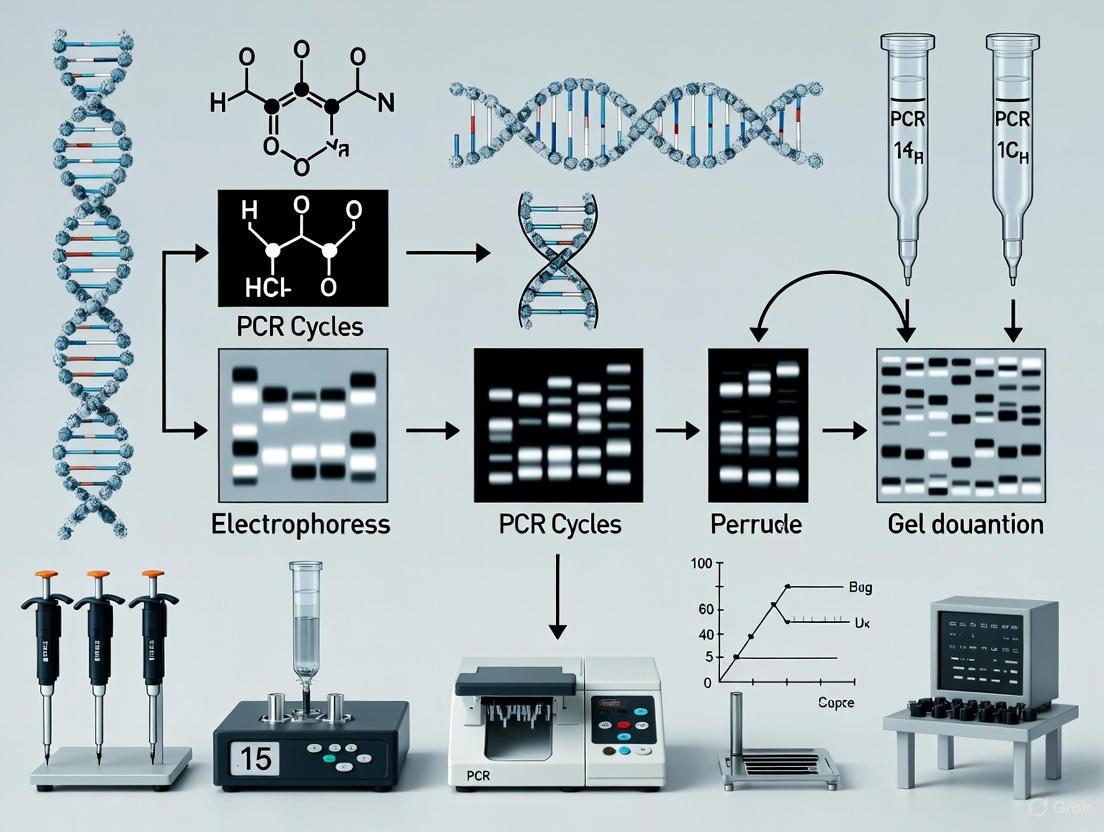
Accurate microbial profiling of low-biomass specimens—such as respiratory, tissue, and skin samples—is critical for clinical diagnostics and drug development but is notoriously challenged by contamination, PCR bias, and stochastic effects.
Optimizing PCR Cycles for Robust 16S rRNA Sequencing in Low Biomass Samples: A Guide for Clinical Researchers
Abstract
Accurate microbial profiling of low-biomass specimens—such as respiratory, tissue, and skin samples—is critical for clinical diagnostics and drug development but is notoriously challenged by contamination, PCR bias, and stochastic effects. This article provides a comprehensive framework for optimizing 16S rRNA sequencing, focusing on PCR cycle tuning. We explore the foundational challenges of low bacterial load, detail methodological refinements in DNA extraction and library preparation, outline troubleshooting strategies to mitigate contamination and PCR artifacts, and validate approaches against mock communities and clinical outcomes. Synthesizing recent evidence, this guide aims to equip researchers with actionable protocols to achieve reproducible, high-fidelity microbiota data from limited starting material, thereby enhancing the reliability of microbiome studies in clinical and translational research.
The Critical Challenge: Why Low Biomass Compromises 16S rRNA Sequencing Fidelity
Defining the Low Biomass Problem in Clinical and Environmental Samples
Low-biomass samples, characterized by their minimal microbial load, present a significant challenge in fields ranging from clinical diagnostics to environmental microbiology. These samples, which include the upper respiratory tract, blood, indoor air, and drinking water, contain such small amounts of microbial DNA that they approach the limits of detection for standard DNA-based sequencing approaches. The central problem is that in these environments, the target DNA 'signal' can be easily overwhelmed by contaminant 'noise' introduced from reagents, sampling equipment, or the laboratory environment. This technical brief outlines the core issues, provides troubleshooting guidance, and presents optimized experimental protocols for reliable 16S rRNA sequencing of low-biomass samples.
FAQ: Understanding the Low-Biomass Challenge
What defines a "low-biomass" sample? A low-biomass sample is one with a very low level of microbial cells or microbial DNA. Quantitatively, samples with approximately 10 to 1,000 16S rRNA gene copies per microliter are generally considered low biomass. This is in stark contrast to high-biomass samples like human stool or surface soil, where microbial DNA can be millions of times more abundant [1] [2].
Why are low-biomass samples so problematic for 16S rRNA sequencing? The primary issue is proportionality. In sequence-based datasets, even tiny amounts of contaminating microbial DNA from reagents, kits, or the laboratory environment can constitute a large proportion of the final sequencing data. This contaminant 'noise' can easily distort the true biological signal, leading to spurious results and incorrect conclusions [3].
Which sample types are most susceptible to these issues? Common low-biomass sample types include:
- Clinical: Upper respiratory tract specimens, blood, milk, certain tissues (e.g., placenta, brain), and biopsies [4] [5] [3].
- Environmental: Air and bioaerosols, treated drinking water, dust, hyper-arid soils, ice cores, and cleanroom surfaces [3] [1].
Can't I just subtract the contaminant sequences found in my negative controls?
Simple subtraction is not recommended because it risks removing true biological signals alongside contaminants. A more robust approach is to use statistical tools, like the decontam package in R, which can help identify and remove contaminant sequences based on their prevalence and frequency patterns across both samples and controls [6].
Troubleshooting Guide: Common Problems and Solutions
| Problem | Possible Cause | Recommended Solution |
|---|---|---|
| High levels of background noise in sequencing data. | Contamination from reagents, kitome, or laboratory environment. | Implement rigorous negative controls (e.g., extraction blanks); use DNA-free reagents; decontaminate workspaces with bleach or UV light [3] [6]. |
| Low or failed PCR amplification. | Insufficient microbial DNA template. | Increase PCR cycle number to 35-40 cycles to improve amplification yield from limited templates [5] [2]. |
| Inconsistent results between technical replicates. | Stochastic sampling effects due to very low starting DNA. | Process multiple technical replicates; ensure adequate sample volume/input; use an internal spike-in control for quantification [7] [6]. |
| Community profile differs from expected composition. | Bias from DNA extraction method or choice of 16S variable region. | Use mechanical lysis (bead-beating) for robust cell disruption; select a DNA extraction kit validated for low biomass; sequence the full-length 16S gene for superior resolution [4] [8] [6]. |
Optimized Experimental Protocols
Sampling and Storage for Low-Biomass Specimens
Proper collection and storage are the first critical steps to preserve the integrity of low-biomass samples.
Sampling Protocol:
- Decontaminate: Use single-use, DNA-free collection vessels. Decontaminate reusable tools with 80% ethanol followed by a nucleic acid degrading solution (e.g., bleach) [3].
- Use Barriers: Personnel should wear appropriate personal protective equipment (PPE) including gloves, masks, and clean suits to limit contamination from human operators [3].
- Collect Controls: Include field blanks (e.g., an empty collection vessel, a swab exposed to the air) to identify contamination introduced during sampling [3].
Storage Protocol:
- For filter-based samples (e.g., air samples), immediate processing is ideal.
- If storage is necessary, freezing at -20°C for up to 5 days is a viable alternative with minimal impact on DNA yield and community structure. Room temperature storage should be avoided as it can lead to a 20-30% loss of DNA [1].
DNA Extraction and Library Preparation
This stage is often the most critical for maximizing yield from low-biomass samples.
DNA Extraction Protocol:
- Maximize Lysis: Use a protocol that incorporates mechanical lysis, such as bead-beating with a TissueLyser, to ensure robust disruption of hard-to-lyse bacterial cells [5] [2].
- Optimize Recovery: For filter samples, do not perform DNA extraction directly on the filter. Instead, first wash the filter in a buffer (e.g., PBS, optionally with a detergent like Triton-X) and concentrate the biomass on a thinner, smaller-pore membrane (e.g., 0.2 µm PES) prior to extraction. Sonication in a water bath can further improve biomass recovery [1].
- Kit Selection: Choose extraction kits designed for low-biomass inputs. Studies have found that some kits (e.g., DSP Virus/Pathogen Mini Kit) can better represent hard-to-lyse bacteria and yield purer DNA compared to others [6].
Library Preparation Protocol:
- PCR Cycle Optimization:
- For low-biomass samples, increasing the PCR cycle number from the standard 25 cycles to 35 or 40 cycles is recommended and supported by experimental evidence.
- Rationale: While higher cycles can increase errors in high-biomass samples, the benefit of increased coverage and a greater number of usable sequences in low-biomass contexts outweighs this concern. Studies show this increase in cycle number does not significantly alter metrics of microbial richness or beta-diversity [5] [2].
- Amplification Parameters:
- Use high-fidelity DNA polymerase.
- Perform PCR in 50 µL reactions with 100 ng of metagenomic DNA (if available), primers (0.2 µM each), and dNTPs (200 µM each).
- Amplification parameters: 98°C (3:00) + [98°C (0:15) + 50°C (0:30) + 72°C (0:30)] × 35-40 cycles + 72°C (7:00) [5].
- PCR Cycle Optimization:
Sequencing and Data Analysis Strategies
Sequencing Strategy: Whenever possible, opt for full-length 16S rRNA gene sequencing (targeting the V1-V9 regions). In-silico experiments demonstrate that sequencing the entire ~1500 bp gene provides significantly better species-level taxonomic resolution compared to shorter variable regions like V4, which can fail to classify over half of the sequences correctly [8].
Data Analysis Protocol:
- In-Silico Decontamination: Use the
decontampackage (or similar tools) in R to statistically identify and remove contaminant sequences based on their prevalence in negative controls [6]. - Quantitative Profiling: For absolute quantification, incorporate a known quantity of an internal spike-in control (e.g., ZymoBIOMICS Spike-in Control) during the DNA extraction step. This allows for the estimation of absolute microbial loads in the original sample, moving beyond relative abundance data [7].
- In-Silico Decontamination: Use the
Workflow Visualization: Low-Biomass 16S rRNA Sequencing
The diagram below summarizes the key stages and critical decision points in the optimized low-biomass workflow.
Research Reagent Solutions
The following table lists key reagents and materials essential for success in low-biomass 16S rRNA sequencing studies.
| Item | Function | Example Products / Methods |
|---|---|---|
| DNA Extraction Kit | To efficiently lyse all cell types and recover pure DNA with minimal contamination. | PowerFecal DNA Isolation Kit (Qiagen), QIAamp DNA Micro Kit, DSP Virus/Pathogen Mini Kit [5] [7] [6]. |
| Mechanical Lysis Equipment | To ensure disruption of tough bacterial cell walls (e.g., Gram-positive). | TissueLyser II (Qiagen) or other bead-beating systems [5] [2]. |
| Internal Spike-in Control | To convert relative sequencing data into absolute microbial counts. | ZymoBIOMICS Spike-in Control [7]. |
| High-Fidelity DNA Polymerase | To minimize errors during the high-cycle PCR amplification required for low biomass. | Phusion High-Fidelity DNA Polymerase [5]. |
| Full-Length 16S Primers | To amplify the entire 16S gene for maximum taxonomic resolution. | Primers targeting the V1-V9 regions [8]. |
| Negative Controls | To identify contaminating DNA from reagents and the laboratory environment. | DNA Extraction Blanks, PCR Water No-Template Controls (NTCs) [3] [6]. |
Successfully navigating the low-biomass problem requires a holistic and vigilant approach at every stage of the experimental workflow, from sample collection through data analysis. By integrating the strategies outlined here—including rigorous contamination control, optimized PCR cycling, and robust bioinformatics—researchers can significantly improve the reliability and interpretability of their 16S rRNA sequencing results from these challenging but critical samples.
The Impact of Bacterial Load on Sequencing Reproducibility and Alpha Diversity
FAQs on Bacterial Load and 16S rRNA Sequencing
Q1: How does low bacterial biomass directly impact the reproducibility of 16S rRNA sequencing results?
Low bacterial biomass is a primary driver of irreproducible and skewed 16S rRNA sequencing results. In samples with fewer than 10⁶ bacterial cells, the authentic microbial signal becomes dwarfed by contaminating DNA from reagents, the laboratory environment, or cross-talk from other samples. This contamination leads to a loss of sample identity, meaning technical replicates of the same low-biomass sample can cluster separately in analyses, demonstrating poor reproducibility [9] [3] [6]. Furthermore, low biomass samples often exhibit inflated alpha diversity metrics because these contaminants are misinterpreted as unique species, increasing the observed richness [6].
Q2: What is the minimum number of bacteria required for a robust 16S rRNA gene analysis?
Studies have demonstrated a lower limit of approximately 10⁶ bacteria per sample for robust and reproducible microbiota analysis [9]. Below this threshold, there is a significant loss of sample identity based on cluster analysis, with dominant species from the original sample becoming underrepresented and minor or absent species (often contaminants) appearing dominant [9].
Q3: What are the best practices to prevent contamination in low biomass microbiome studies?
Preventing contamination requires a proactive, multi-stage approach [3]:
- During Sampling: Use single-use, DNA-free collection equipment. Decontaminate tools and surfaces with solutions that degrade nucleic acids (e.g., bleach, UV-C light). Personnel should wear appropriate personal protective equipment (PPE) like gloves and masks [3].
- During Wet-Lab Processing: Include multiple negative controls, such as no-template PCR controls and extraction controls, processed alongside your samples. Use a pre-mixed, certified DNA-free mastermix to reduce liquid handling steps and potential contamination [10] [3].
- During Data Analysis: Use bioinformatic tools like the
decontampackage in R to statistically identify and remove sequences likely originating from contaminants based on their prevalence in negative controls [6].
Q4: Does performing multiple PCR replicates per sample improve results for low biomass samples?
Evidence suggests that for standard 16S rRNA gene library preparation, pooling multiple PCR amplifications (e.g., duplicates or triplicates) per sample does not significantly improve high-quality read counts, alpha diversity, or beta diversity results [10]. Moving to a single PCR reaction per sample is an effective way to streamline protocols, reduce manual handling, and enable scaling without sacrificing data quality [10].
Troubleshooting Guides
Issue 1: High Background Contamination in Sequencing Data
| Symptom | Possible Cause | Solution |
|---|---|---|
| High diversity of taxa in negative controls. | Contaminated reagents (polymerases, water, primer stocks) or laboratory environment. | Implement rigorous negative controls; use bioinformatic decontamination tools; source certified DNA-free reagents [10] [3]. |
| "Kitome" contaminants (e.g., Pseudomonas, Delftia) dominate low biomass samples. | DNA impurities introduced during extraction or library prep. | Test and validate DNA extraction kits for low biomass applications; include and review extraction kit controls [3] [6]. |
| Sample cross-contamination during plate setup. | Well-to-well leakage of DNA or amplicons during PCR. | Randomize sample placement on plates, interspersing high- and low-biomass samples with negative controls; use careful pipetting techniques [3]. |
Issue 2: Inflated Alpha Diversity and Poor Replicate Concordance
| Symptom | Possible Cause | Solution |
|---|---|---|
| Alpha diversity is higher in low biomass samples than in high biomass samples. | Contaminant DNA being sequenced as unique taxa. | Apply in-silico decontamination; establish a biomass threshold (e.g., via qPCR) and interpret results with caution below it [9] [6]. |
| Technical replicates from the same sample do not cluster together in PCoA. | Stochastic amplification of contaminants due to low starting template. | Increase starting material if possible; use a semi-nested PCR protocol for improved sensitivity; ensure consistent DNA extraction with prolonged mechanical lysing [9]. |
| Rare taxa (e.g., < 0.1% abundance) vary greatly between replicates. | PCR drift and/or low-level contamination. | Focus biological interpretations on more abundant taxa; filter out very low-abundance sequences; use a hot-start, high-fidelity polymerase [11] [10]. |
The following table summarizes key experimental findings on how bacterial load affects sequencing outcomes.
Table 1: Impact of Bacterial Load on 16S rRNA Sequencing Metrics
| Bacterial Load (Cells per Sample) | Impact on Alpha Diversity | Impact on Beta Diversity (Reproducibility) | Key Experimental Findings |
|---|---|---|---|
| 10⁸ - 10⁷ | Stable, representative diversity | Replicates cluster tightly, high reproducibility | Considered the optimal range for reliable analysis; used as a reference for lower biomass samples [9]. |
| 10⁶ | Maximum or near-maximum diversity | Replicates generally cluster by sample origin | The established lower limit for robust analysis; sample identity is largely maintained [9]. |
| 10⁵ - 10⁴ | Inflated and unstable diversity | Replicates fail to cluster, losing sample identity | Loss of dominant taxa and over-representation of minor/contaminant species; results are not reliable [9]. |
Experimental Protocols
Detailed Methodology: Assessing the Lower Limit of 16S rRNA Analysis
This protocol is adapted from a study that systematically tested the lower limits of 16S rRNA gene analysis [9].
1. Sample Preparation:
- Starting Material: Use a defined mock microbial community standard and/or serial dilutions of donor stool samples in a sterile buffer.
- Dilution Series: Prepare samples to contain approximately 10⁸, 10⁷, 10⁶, 10⁵, and 10⁴ microbial cells.
2. DNA Extraction:
- Protocol Comparison: Extract genomic DNA using different kits (e.g., silica column-based, magbead, chemical precipitation).
- Lysing Optimization: Test different mechanical lysing times and repetitions. Evidence shows increased lysing time improves bacterial composition representation [9].
3. 16S rRNA Gene Amplification & Sequencing:
- PCR Protocol Comparison: Amplify the 16S rRNA gene (e.g., V3-V4 region) using both a standard PCR protocol and a semi-nested PCR protocol.
- Sequencing: Purify amplicons and perform high-throughput sequencing on a platform such as the Illumina MiSeq with paired-end chemistry.
4. Bioinformatic & Statistical Analysis:
- Processing: Process raw sequences using a pipeline like QIIME2 and DADA2 to generate amplicon sequence variants (ASVs) [12].
- Analysis:
- Calculate alpha diversity (e.g., Shannon Index) and ASV richness for each dilution.
- Perform beta diversity analysis (e.g., PCoA based on Bray-Curtis dissimilarity) to see if replicates cluster by sample origin [9] [12].
- Use hierarchical cluster analysis and heatmaps of top genera to visually assess the loss of sample identity at low biomass levels [9].
Protocol for In-Silico Contaminant Identification
This protocol uses the decontam package in R to identify and remove potential contaminants [6].
1. Pre-requisites:
- A feature table (ASV/OTU table) from your bioinformatic pipeline.
- A matching taxonomy table.
- A sample metadata sheet that identifies which samples are true biological samples and which are negative controls.
2. Methodology:
- Load Data: Import the feature table and metadata into R.
- Identify Contaminants: Use the
isContaminant()function with the "prevalence" method. This method identifies contaminants as sequences that are significantly more prevalent in negative controls than in true samples. - Inspect and Remove: Review the list of identified contaminants. Remove these sequences from the feature and taxonomy tables before proceeding with downstream diversity and statistical analyses.
Research Reagent Solutions
Table 2: Essential Materials for Low Biomass 16S rRNA Sequencing Studies
| Item | Function | Example Products & Notes |
|---|---|---|
| Mock Microbial Community | Serves as a positive control for DNA extraction, PCR, and sequencing; validates protocol accuracy. | ZymoBIOMICS Microbial Community Standard; BEI Resources Mock Community [10] [6]. |
| DNA Extraction Kit | Isolates microbial genomic DNA; efficiency is critical for low biomass. | Kits with silica columns (e.g., ZymoBIOMICS DNA Miniprep) show better yield for low biomass; prolonged mechanical lysing is recommended [9] [6]. |
| High-Fidelity Mastermix | Amplifies the 16S rRNA gene target with minimal errors and bias. | Premixed mastermixes (e.g., Q5 Hot Start High-Fidelity) reduce liquid handling and contamination risk without impacting results [10]. |
| Semi-nested PCR Primers | Improves sensitivity and representation of microbial composition in very low biomass samples. | An optimized alternative to classical PCR when working near the detection limit [9]. |
| Nucleic Acid-Free Water | Serves as a no-template negative control to identify reagent-derived contamination. | Must be certified molecular grade and used in all PCR and extraction controls [3]. |
Experimental Workflow and Biomass Impact Diagram
The following diagram illustrates the optimized experimental workflow for low biomass samples and the logical relationship between bacterial load and data quality.
Diagram 1: Low Biomass Workflow and Biomass Impact
FAQs: Addressing Core Challenges in Low Biomass 16S rRNA Sequencing
Contamination
Q1: How can I identify if my low biomass sample is contaminated? A: The most common method is to use "no template controls" (NTCs). These wells contain all PCR reaction components except the DNA template. If you observe amplification in the NTC wells, it indicates contamination, which could be from reagents (consistent Ct values across NTCs) or random environmental aerosols (variable Ct values in only some NTCs) [13].
Q2: What are the best laboratory practices to prevent contamination? A: Key practices include:
- Physical Separation: Maintain separate, dedicated areas for reagent preparation, sample preparation, and amplification/product analysis. Maintain a unidirectional workflow from pre- to post-amplification areas [14] [13] [15].
- Decontamination: Regularly clean surfaces and equipment with 70% ethanol or a fresh 5-10% bleach solution to degrade any contaminating DNA [14] [13].
- Dedicated Equipment: Use dedicated pipettes, tips, and lab coats in each area. Use aerosol-resistant filter tips or positive-displacement pipettes to minimize aerosol contamination [14] [15].
- Reagent Aliquoting: Store all reagents, including oligonucleotides, in single-use aliquots to prevent contamination of stock solutions [14].
PCR Stochasticity
Q3: What is PCR stochasticity and why is it a major concern for low biomass samples? A: PCR stochasticity refers to the inherent randomness in the amplification process of individual DNA molecules at each cycle. In low biomass samples, where starting template copies are scarce, this randomness can lead to significant over- or under-representation of sequences in the final sequencing data, skewing the perceived microbial composition [16] [17]. One study found it to be the most significant source of skew in low-input sequencing data, more impactful than GC bias or polymerase errors [17].
Q4: How can I mitigate the effects of PCR stochasticity? A: The use of Unique Molecular Identifiers (UMIs) is a powerful strategy. UMIs are short random DNA sequences ligated to each molecule before any PCR amplification. This allows bioinformatic tracking of each original molecule, enabling researchers to count original templates and correct for amplification bias and stochasticity [16] [18].
Index Hopping
Q5: What is index hopping and how does it affect my data? A: Index hopping (or index switching) is a phenomenon in multiplexed sequencing where a DNA fragment is assigned to the wrong sample index. This causes a small percentage of reads from one sample to be misassigned to another sample in the same pool. While typically low (0.1–2%), it can lead to cross-talk between samples and misinterpretation of results, especially in sensitive applications [18].
Q6: What is the most effective way to prevent the negative impacts of index hopping? A: The recommended solution is to use Unique Dual Indexes (UDIs). Unlike combinatorial indexing, UDIs assign a completely unique pair of i5 and i7 indexes to each sample. During demultiplexing, any reads with unexpected index combinations (a result of hopping) can be automatically filtered out and assigned as "undetermined," preserving the integrity of your sample data [18].
Troubleshooting Guides
Guide 1: Contamination Troubleshooting
| Observation | Possible Cause | Recommended Solution |
|---|---|---|
| Amplification in No-Template Control (NTC) wells. | Contaminated reagents or aerosol carryover from amplified products. | Replace all reagents with fresh aliquots. Decontaminate workspaces and equipment with 10% bleach or UV irradiation. Ensure physical separation of pre- and post-PCR areas [14] [13]. |
| Unexpected amplicons or high background on gel. | Genomic DNA contamination in RNA samples, or non-specific priming. | For RNA work: Treat samples with DNase, use "no-RT" controls, and design primers to span exon-exon junctions [14]. Optimize annealing temperature and use hot-start polymerases [11] [19]. |
| False positive results in diagnostic assays. | Carryover contamination from high-concentration positive controls or previous runs. | Use uracil-N-glycosylase (UNG) in the reaction mix with dUTP instead of dTTP. This enzymatically degrades amplification products from previous runs [13] [15]. |
Guide 2: PCR Amplification & Stochasticity Troubleshooting for Low Biomass
| Observation | Possible Cause | Recommended Solution |
|---|---|---|
| Low or no yield from low biomass samples. | Insfficient template input; suboptimal PCR cycle number. | Increase PCR cycle numbers (e.g., 35-40 cycles) to improve coverage. Studies show this increases usable data points from low biomass samples without significantly altering richness or beta-diversity metrics [5]. |
| Skewed or non-reproducible community representation. | PCR stochasticity due to low starting molecule count. | Implement UMIs (Barcodes) to tag and track individual molecules, allowing for computational correction of amplification biases [16] [17]. |
| Inefficient amplification of diverse community DNA. | Suboptimal DNA extraction or PCR protocol for low biomass. | Use prolonged mechanical lysing, silica-membrane DNA isolation, and consider a semi-nested PCR protocol for more robust and reproducible analysis of samples with very low bacterial counts [9]. |
Quantitative Data for Experimental Design
Table 1: Impact of Sample Biomass and PCR Protocol on 16S rRNA Sequencing
This table summarizes key experimental findings from the analysis of low biomass samples, informing robust protocol selection [9].
| Sample Biomass (Bacterial Cells) | PCR Protocol | Microbiota Composition Fidelity | Recommended Use |
|---|---|---|---|
| 10^4 - 10^5 | Standard (e.g., 25-30 cycles) | Low. Loss of sample identity; dominant species underrepresented, minor/contaminant species overrepresented. | Not reliable for robust analysis. |
| 10^6 | Standard (e.g., 25-30 cycles) | Variable. Sample identity may be lost, especially with complex templates. | Use with caution; not recommended for critical studies. |
| 10^6 | Semi-nested PCR | Robust and reproducible. Preserves sample identity and composition. | Recommended lower limit for reliable analysis with optimized protocol. |
| 10^7 - 10^8 | Standard or Semi-nested | High. Correctly represents sample origin with minimal bias. | Ideal for standard microbiome analysis. |
Table 2: Effect of PCR Cycle Number on Sequencing Low Biomass Samples
Data from matched samples of milk, blood, and pelage show that increased cycle numbers enhance data coverage from low biomass samples [5].
| Sample Type | PCR Cycle Number | Outcome on Sequencing Coverage | Impact on Diversity Metrics |
|---|---|---|---|
| Milk, Pelage, Blood | 25 cycles | Lower coverage; some samples may not yield interpretable data. | No significant difference in alpha/beta-diversity was detected between different cycle numbers for the same sample. |
| Milk, Pelage, Blood | 35-40 cycles | Significantly increased coverage, enabling successful sequencing. | Preserves beta-diversity structure, allowing clear differentiation between samples and reagent controls. |
Experimental Protocols for Low Biomass Research
Objective: To reliably analyze microbiota from samples containing as few as 10^6 bacterial cells.
Key Steps:
- Cell Lysis: Employ a prolonged mechanical lysing step using a bead-beater or TissueLyser to maximize DNA yield from diverse cell types.
- DNA Extraction: Use a silica membrane-based DNA isolation kit (e.g., ZymoBIOMICS Miniprep kit). Avoid chemical precipitation and magnetic bead protocols for lowest biomass.
- 16S rRNA Gene Amplification: Utilize a semi-nested PCR protocol.
- First PCR: Use a low cycle count (e.g., 15-20 cycles) with gene-specific primers.
- Second PCR: Use the product from the first PCR as a template for a further 15-25 cycles with primers that add Illumina sequencing adapters and dual indexes.
- Sequencing and Analysis: Purify amplicons and sequence on an Illumina MiSeq platform. Use standard bioinformatic pipelines for 16S analysis.
Objective: To account for PCR stochasticity and amplification bias for absolute quantification.
Key Steps:
- Barcode Ligation: During the reverse transcription (for RNA) or early library preparation step, ligate a pool of oligonucleotides containing a random degenerate base region (e.g., 6-10N) to each molecule. This attaches a unique barcode to every starting molecule.
- Library Amplification: Proceed with standard PCR amplification to build the full sequencing library.
- Bioinformatic Deduplication: After sequencing, group all reads that share an identical UMI sequence. These are considered "PCR duplicates" derived from a single starting molecule. Count the number of unique UMIs associated with a target sequence to determine its original abundance.
Workflow Visualization
Diagram 1: PCR Lab Setup for Contamination Control
Diagram 2: Mitigating Errors in Low Biomass Sequencing
The Scientist's Toolkit: Essential Reagents & Materials
| Item | Function in Low Biomass Research | Key Consideration |
|---|---|---|
| High-Fidelity Hot-Start Polymerase | Reduces non-specific amplification and polymerase errors, crucial for maintaining sequence integrity when template is limited. | Choose enzymes with high processivity for complex templates and high tolerance to inhibitors [11] [19]. |
| Unique Dual Index (UDI) Kits | Uniquely labels each sample with two indexes, allowing bioinformatic removal of reads affected by index hopping. | Essential for multiplexed sequencing on patterned flow cell instruments (e.g., Illumina NovaSeq, MiSeq) [18]. |
| Uracil-N-Glycosylase (UNG) | Enzyme that degrades carryover contamination from previous PCR reactions (containing dUTP), preventing false positives. | Most effective for thymine-rich amplicons. Requires the use of dUTP in the PCR master mix [13]. |
| UMI/Barcoded Adapters | Short random nucleotide sequences added to each molecule before amplification, enabling correction for PCR stochasticity and bias. | Allows for digital counting of original molecules, transforming quantitative data [16] [18]. |
| Silica-Membrane DNA Extraction Kits | Provides high DNA yield and purity from low biomass samples; more effective than bead absorption or chemical precipitation. | Kits with robust mechanical lysis steps are superior for breaking diverse microbial cell walls [9]. |
| Aerosol-Resistant Filter Tips | Prevents cross-contamination between samples by blocking aerosols from entering the pipette shaft. | A cornerstone of good laboratory practice in both pre- and post-PCR areas [14] [15]. |
Frequently Asked Questions
What is the "10^6 bacterial cell" limit, and why is it critical for my research? The 10^6 bacterial cell limit refers to the minimum number of microbes identified as necessary in a sample to obtain robust, reproducible, and representative 16S rRNA gene sequencing profiles. Studies have demonstrated that when sample biomass falls below this threshold—containing fewer than 10^6 bacterial cells—the resulting data undergoes a significant loss of sample identity. This means the microbial composition you detect no longer accurately represents the original community you sampled, which is a critical consideration for low biomass studies [20].
My samples are consistently below this threshold. What are my options? If your samples are below this threshold, you have several strategic options:
- Pooling Replicate Samples: Combining multiple technical or biological replicates from the same source can increase the total microbial biomass for analysis, helping you overcome the low biomass limit.
- Protocol Optimization: Implementing an optimized, multi-faceted protocol specifically designed for low biomass samples can significantly improve your results. Key optimizations are detailed in the following sections.
- In Silico Decontamination: Using bioinformatic tools, such as the
decontampackage in R, to identify and remove contaminant sequences derived from reagents or the laboratory environment is essential for interpreting low biomass data [6].
Can I simply increase the number of PCR cycles to amplify my low biomass samples? Yes, but it must be done with validation. Research shows that increasing the number of PCR cycles (e.g., from 25 to 40) is an effective strategy for samples with low microbial biomass, as it increases sequencing coverage without significantly altering the detected metrics of richness or beta-diversity. However, it is crucial to include the appropriate negative controls (no-template controls) amplified with the same high cycle number, as these controls will also show increased coverage and are necessary to distinguish true signal from contamination [5].
Troubleshooting Guide: Strategies for Low Biomass Samples
Problem: Inconsistent or Non-Reproducible Microbial Profiles
Potential Cause: The primary issue is often insufficient starting material, compounded by a suboptimal laboratory protocol that is not suited for low biomass conditions [20].
Solutions:
- Verify Biomass: Use fluorometric quantification (e.g., Qubit with dsDNA HS assay) to estimate the total bacterial load in your DNA extracts. This is more accurate for dilute samples than spectrophotometry [5].
- Adopt an Optimized Protocol: Follow the optimized workflow below, which synthesizes the most effective methods from recent studies.
The following diagram outlines the core optimized workflow for processing low biomass samples, from collection to data analysis:
Problem: High Background Contamination Overwhelming True Signal
Potential Cause: Contaminating DNA from DNA extraction kits, laboratory reagents, or the environment is being amplified to a degree that it masks the indigenous microbial community, a phenomenon prevalent in low biomass studies [6].
Solutions:
- Include Rigorous Controls: For every batch of DNA extraction and library preparation, include multiple No-Template Controls (NTCs). These typically consist of molecular-grade water or the storage buffer used for your samples [6].
- Use a Statistical Decontamination Tool: Process your sequence data along with the data from your NTCs using the
decontampackage in R (or a similar tool). This allows for the statistical identification and removal of contaminant sequences that are prevalent in your negative controls from your true biological samples [6]. - Physical Segregation: During library preparation, physically separate high biomass samples (like stool) from low biomass samples on the PCR plate to minimize the risk of "well-to-well" or "spill-over" contamination [6].
Experimental Protocols & Validation Data
Detailed Optimized 16S rRNA Gene Analysis Protocol
This protocol is compiled from methodologies that have been experimentally validated to improve sensitivity for low biomass samples [20] [5].
1. Sample Collection and Storage
- Collection: Use sterile collection containers and techniques to minimize exogenous contamination.
- Storage: Freeze samples immediately at -20°C or -80°C. If immediate freezing is not possible, use a preservation buffer like PrimeStore Molecular Transport Medium, which has been shown to yield lower levels of background OTUs compared to other buffers like STGG [6].
2. DNA Extraction (Optimized)
- Method: Use a silica membrane column-based DNA isolation kit (e.g., ZymoBIOMICS DNA Miniprep Kit).
- Rationale: Silica column protocols demonstrated better DNA yield compared to magnetic bead absorption and chemical precipitation methods [20].
- Key Modification: Prolonged mechanical lysing. Increasing the mechanical lysing time and repetitions has been shown to ameliorate the representation of bacterial composition by ensuring more complete cell lysis across diverse bacterial phenotypes [20].
- Example: Use a TissueLyser II or similar bead-beating instrument for at least 10 minutes at high frequency [5].
3. Library Preparation and PCR Amplification (Critical Step) Two optimized PCR approaches have been validated:
Approach A: Semi-nested PCR Protocol
- Description: This two-step PCR protocol improves the representation of microbiota composition from low biomass extracts.
- Validation: This protocol was found to correctly describe samples with a tenfold lower microbial biomass compared to a standard PCR protocol [20].
Approach B: High-Cycle Standard PCR
- Description: A standard single-step PCR but with an increased number of amplification cycles.
- Protocol: Use 35-40 cycles instead of the typical 25-30 cycles used for high biomass samples [5].
- Validation: In samples of bovine milk, murine pelage, and blood, 40-cycle PCR increased coverage without distorting metrics of richness or beta-diversity, allowing for successful sequencing where lower cycles failed [5].
4. Sequencing and Bioinformatic Analysis
- Sequencing: Perform on an Illumina MiSeq or similar platform with paired-end sequencing.
- Bioinformatics:
- Process sequences through a standard pipeline (e.g., QIIME 2, DADA2, MOTHUR) for denoising, chimera removal, and amplicon sequence variant (ASV) assignment.
- Apply in silico decontamination using the
decontampackage (prevalence or frequency method) against your NTCs [6].
The following tables summarize the quantitative data that establishes the 10^6 threshold and the efficacy of optimized protocols.
Table 1. Impact of Bacterial Biomass on 16S rRNA Gene Sequencing Profiles
| Bacterial Biomass (Number of Cells) | Impact on Microbiota Composition & Diversity | Cluster Analysis Result |
|---|---|---|
| 10^8 to 10^7 | Reproducible and representative profiles. | Clusters correctly by sample origin. |
| 10^6 | Maximum alpha diversity reached. Robust and reproducible analysis limit. | Generally clusters correctly by sample origin. |
| 10^5 | Loss of sample identity; decrease in Bacteroidetes, increase in Firmicutes and Proteobacteria. | Compositionally distant from sample origin. |
| 10^4 | Severe distortion of community profile; high variability. | Distinctly clustered away from sample origin. |
Source: Adapted from [20].
Table 2. Comparison of Methods for Low Biomass Analysis
| Protocol Component | Standard Method | Optimized Method for Low Biomass | Effect of Optimization |
|---|---|---|---|
| DNA Extraction | Standard bead beating. | Prolonged mechanical lysing + Silica column purification. | Improved lysis efficiency and DNA yield [20]. |
| PCR Protocol | Standard PCR (e.g., 25-30 cycles). | Semi-nested PCR or High-cycle PCR (35-40 cycles). | Tenfold improvement in sensitivity; increased coverage without distorting diversity metrics [20] [5]. |
| Contamination Control | Single negative control. | Multiple NTCs + In silico decontamination (e.g., decontam). |
Better distinction of true biological signal from laboratory contaminants [6]. |
The Scientist's Toolkit: Essential Research Reagents
This table lists key reagents and materials used in the optimized protocols featured in this guide.
| Item | Function/Description | Example Product(s) |
|---|---|---|
| Silica-Column DNA Kit | For high-yield genomic DNA extraction from diverse microbial communities; preferred over magnetic bead or precipitation methods for low biomass. | ZymoBIOMICS DNA Miniprep Kit [20] |
| Mechanical Lysing Instrument | For prolonged and efficient cell lysis using bead-beating, crucial for breaking hard-to-lyse bacteria. | TissueLyser II (Qiagen) [5] |
| High-Fidelity DNA Polymerase | For accurate amplification of the 16S rRNA gene during high-cycle or semi-nested PCR. | Phusion High-Fidelity DNA Polymerase [5] |
| Preservation Buffer | For stabilizing microbial samples at room temperature when immediate freezing is not possible. | PrimeStore Molecular Transport Medium [6] |
| Molecular-Grade Water | Serves as the critical No-Template Control (NTC) for identifying reagent-borne contaminants. | Nuclease-Free Water [6] |
The following diagram illustrates the logical decision pathway for analyzing a sample of unknown biomass, helping you apply the concepts from this guide:
The Role of Sample Storage and DNA Extraction Kits in Preserving Microbial Integrity
This technical support center provides troubleshooting guides and FAQs to help researchers address common challenges in microbial community analysis, with a specific focus on low biomass samples for 16S rRNA sequencing.
Frequently Asked Questions
What is the most critical step for preserving microbial integrity in my samples? Immediate preservation at the point of collection is the most critical step. Microbial communities are dynamic and can change within minutes of collection due to continued enzymatic activity (DNases, RNases) and microbial blooms where fast-growing organisms outcompete others. Without proper preservation, you risk both data loss and the creation of false data [21].
My low biomass samples (e.g., swabs, biopsies) yield inconsistent sequencing results. What can I optimize? For low biomass samples, a protocol combining prolonged mechanical lysing, DNA isolation with silica columns, and a semi-nested PCR protocol is recommended. Research indicates that bacterial densities below 10^6 cells can lead to a loss of sample identity, but this optimized protocol can improve sensitivity and reproducibility for these challenging samples [9].
My extracted DNA is brown or does not perform well in downstream PCR. What went wrong? This is often due to co-purification of PCR inhibitors, such as humic acids from stool or soil samples. Ensure your DNA extraction kit is designed to remove these inhibitors. Furthermore, verify that all recommended buffers and additives (like Lysis Additive A) were used and that washing steps were performed thoroughly to avoid carryover of salts or ethanol, which can also inhibit enzymes [22].
I see over-representation of E. coli or other gammaproteobacteria in my stool samples. Is this a bias? It can be. If samples were shipped or stored without immediate chemical stabilization, fast-growing bacteria like E. coli can bloom during transit, consuming other microbes and skewing the community profile. This highlights the necessity of immediate preservation to "freeze" the community at the moment of collection [21].
My NGS library yield is low. What are the main causes? Low library yield can stem from several issues in the preparation process. The table below outlines common root causes and their solutions.
| Common Cause | Mechanism of Yield Loss | Corrective Action |
|---|---|---|
| Poor Input Quality | Enzyme inhibition from contaminants (phenol, salts, humic acids). | Re-purify input sample; ensure high purity (260/230 > 1.8); use fluorometric quantification (e.g., Qubit) over absorbance [23]. |
| Inefficient Ligation | Poor ligase performance or incorrect adapter-to-insert ratio. | Titrate adapter:insert ratios; ensure fresh ligase and optimal reaction conditions [23]. |
| Overly Aggressive Cleanup | Desired DNA fragments are accidentally excluded. | Optimize bead-based cleanup ratios; avoid over-drying magnetic beads [23] [22]. |
| Incomplete Cell Lysis | DNA is not fully released from robust microbial cells. | Increase mechanical lysing time; combine chemical and physical homogenization methods [22] [9]. |
Troubleshooting Guide: Key Experimental Protocols
Protocol 1: Determining the Lower Limit of Sample Biomass
This protocol, adapted from a key study, helps establish the robustness of your workflow for low biomass samples [9].
- Objective: To assess the minimum bacterial concentration required for robust and reproducible 16S rRNA gene analysis.
- Materials:
- Stool samples from healthy donors or a mock microbial community standard (e.g., ZymoBIOMICS).
- Serial dilution buffers.
- DNA extraction kit (e.g., Zymobiomics Miniprep kit, noted for performance with low biomass) [9].
- PCR reagents for both standard and semi-nested PCR.
- Methodology:
- Create serial dilutions of your sample to prepare suspensions containing 10^8, 10^7, 10^6, 10^5, and 10^4 microbial cells.
- Extract genomic DNA from all dilutions using your chosen kit.
- Amplify the 16S rRNA gene (e.g., V3-V4 region) from each dilution using both a standard PCR protocol and a semi-nested PCR protocol.
- Sequence the amplicons and perform bioinformatic analysis (e.g., PCoA based on Bray-Curtis distance, hierarchical clustering).
- Expected Outcome: The study found that samples with less than 10^6 microbes began to lose their sample identity, clustering separately from higher biomass counterparts. The semi-nested PCR protocol provided a tenfold improvement in sensitivity, correctly describing samples with lower microbial biomass [9].
Protocol 2: Validating Your DNA Extraction Kit's Efficiency
- Objective: To confirm that your DNA extraction protocol provides unbiased lysis across diverse bacterial taxa.
- Materials:
- Mock microbial community with known composition (e.g., ZymoBIOMICS Microbial Community Standard).
- Your chosen DNA extraction kit.
- ddPCR or qPCR equipment for absolute quantification.
- Methodology:
- Extract DNA from the mock community using your standard protocol.
- Use ddPCR with specific primer-probe assays (e.g., targeting the rpoB gene) to quantify the absolute abundance of different bacteria in the extracted DNA.
- Compare the measured proportions to the known proportions in the mock community.
- Significant deviations indicate a bias in your extraction or amplification process. A reference-based bias correction model can be applied to correct for these biases [24].
- Expected Outcome: Identification of over- or under-represented species in your workflow, allowing for protocol adjustment or computational correction.
The diagram below illustrates the core workflow for processing a low biomass sample and where key issues commonly arise.
The Scientist's Toolkit: Essential Research Reagent Solutions
The following table details key reagents and kits that form the foundation of a robust pipeline for microbial integrity research.
| Item | Function | Relevance to Low Biomass Research |
|---|---|---|
| DNA/RNA Shield (Chemical Preservative) | Stabilizes nucleic acids immediately upon collection, inactivates nucleases and microbes, and maintains compositional profile at room temperature [21] [25]. | Critical for preventing shifts in community structure between collection and processing, especially for sensitive low biomass samples. |
| Silica Column-Based DNA Kits (e.g., ZymoBIOMICS, Norgen Stool Kit) | Purify DNA via binding to silica membranes; many are designed to remove common PCR inhibitors like humic acids [22] [9]. | Studies show silica columns perform better for low biomass samples compared to bead absorption or chemical precipitation methods [9]. |
| Mock Microbial Communities (e.g., ZymoBIOMICS Standards) | Defined mixes of microbial strains with known abundances. Used as a positive control to benchmark extraction and sequencing bias [24] [9]. | Essential for validating that your entire workflow, from lysis to bioinformatics, accurately represents microbial composition. |
| Blocking Primers | Short primers designed to bind to and "block" amplification of non-target DNA (e.g., host or predator DNA) during PCR [26]. | In host-associated low biomass studies, they suppress abundant host DNA, allowing for better detection of the microbial signal. |
Building a Robust Wet-Lab Protocol: From DNA Extraction to Amplification
For researchers in 16S rRNA sequencing, particularly those working with low biomass samples, selecting the right DNA extraction method is a critical first step that fundamentally influences all downstream results. The choice between silica column and magnetic bead-based kits is not merely a matter of convenience but a strategic decision that affects DNA yield, purity, and the accurate representation of microbial communities. This guide provides detailed troubleshooting and FAQs to help you navigate the technical challenges of DNA extraction within the context of optimizing your entire 16S rRNA sequencing workflow for low biomass research.
Core Technology Comparison: Silica Columns vs. Magnetic Beads
Both silica columns and magnetic beads rely on the principle of nucleic acid binding to a silica surface under high-salt chaotropic conditions. The key difference lies in how the silica is deployed and the nucleic acids are separated.
The following table summarizes the fundamental characteristics of each method.
| Feature | Silica Spin Columns | Magnetic Bead-Based Kits |
|---|---|---|
| Core Principle | DNA binds to a silica membrane in a column under chaotropic salt conditions. Purification involves centrifugation or vacuum steps. [27] [28] | Silica-coated paramagnetic beads bind DNA. A magnetic rack is used to separate the beads from the solution. [27] [28] |
| Typical Workflow | Liquid transfer and multiple centrifugation steps. [28] | Liquid transfer and magnetic separation on a rack. No centrifugation. [28] |
| Best For | Routine processing of moderate sample numbers; labs prioritizing simplicity and cost-effectiveness for moderate-to-high biomass samples. [27] | High-throughput and automated workflows; low biomass samples requiring higher recovery; applications needing scalability. [27] |
| Throughput & Automation | Moderate. Can be automated with specialized instruments (e.g., QIAcube) or used in 96-well plate formats. [28] | High. Inherently suited for automation on liquid handlers (e.g., ThermoFisher KingFisher, Hamilton STAR). [27] [28] |
| Relative Cost | Lower cost per sample for manual processing. [27] | Higher cost per sample, requires investment in magnetic separators or automated systems. [27] |
Troubleshooting DNA Extraction for 16S rRNA Sequencing
Common Problem 1: Low DNA Yield from Low Biomass Samples
Low yield is a primary concern when working with samples containing few bacterial cells, such as tissue swabs, lavages, or biopsies. [9]
- Potential Cause 1: Inefficient Cell Lysis. Gram-positive bacteria have thick peptidoglycan layers that are difficult to disrupt.
- Solution: Incorporate mechanical lysis via bead-beating. Studies consistently show that protocols including bead-beating yield more DNA and better represent Gram-positive bacteria (e.g., Firmicutes, Actinobacteria) in community profiles. [9] [29] Increasing the mechanical lysing time and repetition can ameliorate the representation of bacterial composition. [9]
- Potential Cause 2: Sample Loss During Purification. With limited starting material, losses on column surfaces or during fluid transfers become significant.
- Solution: Consider switching to magnetic bead-based protocols. Their solution-based nature can offer better recovery rates for low DNA concentrations, as the binding capacity of magnetic beads tends to be higher compared to silica membranes. [27] Furthermore, for very low biomass samples (e.g., < 500 16S rRNA gene copies/μl), the DNA extraction method significantly influences 16S rRNA gene profiles, and some magnetic bead kits can extract a much higher number of gene copies compared to others. [6]
Common Problem 2: Biased Microbial Community Profile
The extracted DNA must accurately reflect the actual relative abundances of bacteria in the original sample.
- Potential Cause: Incomplete Lysis of Certain Bacterial Types. If a protocol is too gentle, it may systematically under-represent hardy, hard-to-lyse bacteria.
- Solution: Use a comprehensive lysis method. As demonstrated in a cheese microbiome study, lysis supported with bead-beating led to a higher proportion of Gram-positive bacteria in relative abundance profiles compared to methods without it. [29] This mechanical disruption is crucial for unbiased representation.
Common Problem 3: Contamination in Low Biomass Workflows
Samples with low indigenous bacterial DNA are highly susceptible to contamination from reagents and the environment.
- Potential Cause: Contaminating DNA in Kits or Lab Environment.
- Solution:
- Include Controls: Always process no-template controls (NTCs) alongside your samples. These are extraction reactions that use water instead of sample. Sequencing these NTCs reveals the "background contaminant" profile of your lab. [6]
- Use In Silico Decontamination: Employ statistical tools like the
decontampackage in R. These tools can help identify and remove contaminant sequences found in your NTCs from your true sample data, providing a better representation of indigenous bacteria. [6]
Frequently Asked Questions (FAQs)
What is the most important factor for successful 16S rRNA analysis of low biomass samples?
Sample biomass is the primary limiting factor. Research has demonstrated that bacterial densities below 10^6 cells per sample result in a loss of sample identity and robustness in microbiota analysis. [9] No extraction or PCR method can fully compensate for an extremely low starting amount of material.
For low biomass samples, should I prioritize DNA yield or extraction speed?
For low biomass work, yield and representativity are more critical than speed. A slightly longer protocol that incorporates bead-beating for complete lysis will generate more reliable and accurate community data than a quick, gentle lysis protocol that misses key species. [9] [29]
How does DNA extraction choice impact my downstream PCR cycles?
An inefficient extraction that yields low-quality or inhibited DNA will force you to use higher PCR cycle numbers to generate a visible amplicon band. This over-amplification increases the risks of chimeras, biases, and high duplicate rates, severely compromising your sequencing data. [23] A robust DNA extraction is the first and most crucial step in optimizing PCR for low biomass sequencing.
Can I use the same DNA extraction kit for different sample types (e.g., stool, swab, saliva)?
While many kits are optimized for specific sample types, some "pan-sample" methods have been developed. These often rely on a powerful, universal lysis buffer containing guanidine thiocyanate, followed by sample-specific pre-treatments before the standardized purification (e.g., on a silica column). [30] Using a single, validated pan-method can streamline workflows and improve cross-sample comparability.
Essential Research Reagent Solutions
The following table lists key reagents and their critical functions in the DNA extraction process, especially for challenging low biomass samples.
| Reagent / Kit Component | Function | Consideration for Low Biomass |
|---|---|---|
| Lysis Buffer (with Chaotropic Salts) | Disrupts cells, inactivates nucleases, and creates high-salt conditions for DNA to bind silica. [28] | Guanidine thiocyanate is a common and effective chaotropic agent. Ensure fresh buffers for maximum efficiency. [30] |
| Beads for Mechanical Lysis | Physically breaks open tough cell walls (e.g., Gram-positive bacteria) through vigorous shaking. [29] | Essential for unbiased community profiling. The material (e.g., silica, zirconia) and size of beads can affect lysis efficiency. |
| Carrier RNA | RNA molecules that co-precipitate with or bind to trace amounts of DNA, reducing losses during purification. [30] | Highly recommended for low biomass and cell-free DNA samples to drastically improve yield and reproducibility. |
| Wash Buffer (with Ethanol) | Removes contaminants, proteins, and salts from the bound DNA while keeping it immobilized. [28] | Use fresh ethanol-based wash buffers to prevent carryover of inhibitors that can ruin downstream PCR. |
| Elution Buffer (Low Salt / TE) | Disrupts the DNA-silica bond by creating a low-salt environment, releasing purified DNA. [28] | Pre-warm the elution buffer to 50-60°C and let it sit on the column/beads for several minutes to increase elution efficiency. |
Optimized Experimental Protocol for Low Biomass Samples
Based on published research, the following protocol outlines a robust approach for DNA extraction from low biomass samples like nasopharyngeal swabs and induced sputum, designed to maximize yield and minimize bias. [9] [6]
- Sample Preparation: Start with a defined sample amount. For swabs, submerge directly in an appropriate lysis or storage buffer. Vortex thoroughly.
- Enhanced Cell Lysis:
- Add the sample to a tube containing a lysis buffer and a mixture of silica/zirconia beads (e.g., 0.1mm and 0.5mm).
- Mechanically lyse the sample using a bead-beater for a minimum of 3-5 minutes. This step is critical for breaking Gram-positive bacterial cell walls.
- DNA Purification: Follow the manufacturer's instructions for a silica column or magnetic bead-based kit that has been validated for low biomass. The choice between the two depends on your throughput needs and equipment. [27]
- Elution: Elute the purified DNA in a low-salt elution buffer or nuclease-free water. To maximize DNA concentration from a low yield, perform a single elution step using a small volume (e.g., 50-100 µL) of pre-warmed elution buffer applied directly to the center of the silica membrane or beads.
- Quality Control: Quantify the DNA using a fluorescence-based method (e.g., Qubit) rather than UV absorbance, as it is more accurate for low concentrations and detects only nucleic acids. Always run a no-template control (NTC) through the entire extraction and sequencing process to monitor contamination. [6]
Troubleshooting Guides
Common PCR Cycle Optimization Issues and Solutions
Table 1: Troubleshooting PCR Cycle Number in 16S rRNA Gene Sequencing
| Problem | Potential Causes | Recommended Solutions | Supporting Evidence |
|---|---|---|---|
| Low sequencing coverage or PCR failure, especially with low biomass samples | Too few PCR cycles for the available template DNA; insufficient amplification of target sequences [5]. | Increase PCR cycle number to 35-40 cycles for low biomass samples [5] [9]. | Study on milk, pelage, and blood showed higher cycles (35-40) increased coverage in low biomass samples without distorting richness or beta-diversity [5]. |
| Reduced data quality, increased bias, or spurious results in high biomass samples | Excessive PCR cycle number leading to increased chimera formation and amplification of artifacts [31]. | Use moderate PCR cycles (15-25) for high biomass samples like feces and soil [5] [31]. | Mathematical modeling indicated optimal species detection and abundance accuracy was achieved between 15-20 cycles; more than 20 cycles was detrimental for accurate representation [31]. |
| Non-reproducible microbial profiles and loss of sample identity in low biomass samples | Bacterial concentration below the robust detection limit of the protocol [9]. | Ensure sample contains at least 10^6 bacterial cells; adopt a semi-nested PCR protocol for very low biomass [9]. | Analysis of serial dilutions found that samples with less than 10^6 microbes lost sample identity in cluster analysis, but a semi-nested PCR protocol improved sensitivity [9]. |
| Contamination dominating the microbial profile in low biomass samples | Reagent and environmental contaminant DNA is co-amplified, especially when target DNA is minimal [6] [10]. | Include negative controls (no-template, extraction) in every run; use statistical decontamination tools (e.g., decontam in R) [6]. |
Studies highlight that contamination is a primary concern in low biomass samples and must be controlled for and accounted for in silico [6] [10]. |
Detailed Experimental Protocol: Optimizing PCR Cycles for Low Biomass Samples
Protocol: Influence of PCR Cycle Number on 16S rRNA Gene Sequencing of Low Microbial Biomass Samples [5]
1. Sample Collection and DNA Extraction
- Sample Types: The protocol can be applied to various low biomass samples such as bovine milk, murine pelage, and blood [5].
- DNA Extraction: Use a PowerFecal DNA Isolation Kit (or similar). Include an initial mechanical lysis step (e.g., 10 min at 30 Hz on a TissueLyser II). Quantify extracted DNA via fluorometry (e.g., Qubit with Broad-Range dsDNA assay) [5].
2. Library Preparation and PCR Amplification
- Target Region: Amplify the V4 region of the 16S rRNA gene using universal primers (e.g., U515F/806R) flanked by Illumina adapter sequences [5].
- PCR Reaction: Set up 50 µL reactions containing:
- 100 ng metagenomic DNA (or maximum volume if concentration is low)
- Primers (0.2 µM each)
- dNTPs (200 µM each)
- Phusion high-fidelity DNA polymerase (1U)
- Amplification Parameters:
- Initial Denaturation: 98°C for 3:00
- Amplification: [98°C for 0:15 + 50°C for 0:30 + 72°C for 0:30] x 25 to 40 cycles (testing the optimal range)
- Final Extension: 72°C for 7:00 [5]
3. Library Purification and Sequencing
- Purification: Pool multiple PCR reactions per sample if applicable. Purify the combined amplicon pool using a magnetic bead-based clean-up system (e.g., Axygen Axyprep MagPCR clean-up beads) [5] [10].
- Quality Control: Evaluate the final amplicon pool using an automated electrophoresis system (e.g., Fragment Analyzer) and quantify using a high-sensitivity dsDNA assay [5].
- Sequencing: Perform sequencing on an Illumina MiSeq platform following the standard protocol [5].
Frequently Asked Questions (FAQs)
Q1: How do I determine the optimal number of PCR cycles for my specific sample type? The optimal cycle number depends primarily on sample biomass. For high microbial biomass samples (e.g., feces, soil), 15-25 cycles is typically sufficient and avoids introducing excessive bias [5] [31]. For low microbial biomass samples (e.g., milk, blood, skin swabs, nasopharyngeal specimens), evidence supports using higher cycle numbers, typically in the range of 30 to 40 cycles [5] [32]. The key is that higher cycles increase coverage and the number of usable data points from these challenging samples without significantly altering core metrics like community richness or beta-diversity [5].
Q2: What is the minimum amount of bacterial biomass required for reliable 16S rRNA gene sequencing? Studies have established a lower limit for robust and reproducible microbiota analysis. Using an optimized protocol (prolonged mechanical lysing, silica membrane DNA isolation, and semi-nested PCR), samples should contain at least 10^6 bacterial cells to maintain sample identity in cluster analysis [9]. Below this threshold, the microbial composition becomes unstable and can be dominated by contaminating sequences.
Q3: Does increasing PCR cycles increase contamination in my samples?
Increasing cycle number can amplify contaminating DNA from reagents and the environment. However, this does not prevent the differentiation between true samples and controls. One study found that while reagent controls amplified for 40 cycles yielded increased coverage, beta-diversity analysis still clearly differentiated these controls from experimental low biomass samples [5]. Rigorous use of negative controls and statistical identification of contaminants (e.g., with the decontam package in R) is essential for accurate interpretation [6] [10].
Q4: Are there alternative methods to standard PCR for low biomass samples? Yes, researchers have explored several advanced methods:
- Semi-nested PCR: This two-round amplification protocol can improve the sensitivity for samples with very low biomass, allowing for reliable profiling from smaller amounts of template [9].
- Digital Droplet PCR (ddPCR): Partitioning the PCR reaction into thousands of nanodroplets can reduce PCR bias and enable faithful amplification from very low DNA amounts, even those undetectable by standard fluorometry [33].
Q5: Besides cycle number, what other factors significantly impact 16S rRNA gene sequencing results? Multiple experimental factors introduce bias and must be considered:
- Primer Choice: The selection of primers targeting different variable regions (V-regions) has a profound effect on the observed taxonomic composition [34].
- DNA Extraction Method: The efficiency of cell lysis and DNA recovery varies between kits and can favor certain bacterial types over others (e.g., Gram-negative vs. Gram-positive) [9] [6].
- Bioinformatic Processing: The choice of clustering method (OTUs vs. ASVs), reference databases, and quality filtering parameters all influence the final taxonomic profile [34] [35].
Workflow Diagram
Research Reagent Solutions
Table 2: Key Reagents and Kits for 16S rRNA Gene Sequencing Optimization
| Reagent/Kits | Function/Application | Examples from Literature |
|---|---|---|
| DNA Extraction Kits | Cell lysis and genomic DNA purification; critical for yield and representation. | PowerFecal DNA Isolation Kit (Qiagen) [5], ZymoBIOMICS DNA Miniprep Kit [9] [6], Agowa Mag DNA extraction kit [32]. |
| High-Fidelity DNA Polymerase | PCR amplification with low error rate; reduces introduction of sequencing errors. | Phusion Hot Start II High-Fidelity DNA Polymerase [5] [32], Q5 High-Fidelity DNA Polymerase [10]. |
| Magnetic Bead Clean-up Kits | Purification and size selection of PCR amplicons post-amplification. | Axygen Axyprep MagPCR clean-up beads [5], AMPure XP beads [10] [32]. |
| Positive Control (Mock Community) | Validates entire workflow, from extraction to sequencing, and assesses bias. | ZymoBIOMICS Microbial Community Standard (Zymo Mock) [6] [32], BEI Mock Community DNA [6]. |
| Negative Controls | Identifies contaminating DNA from reagents and the laboratory environment. | No-Template Controls (NTCs) with water [10] [32], Extraction Blanks [6]. |
| Quantification Kits | Accurate measurement of DNA concentration and library quantification for pooling. | Quant-iT Broad-Range dsDNA assay [5], Quant-iT PicoGreen dsDNA Assay Kit [32]. |
Primer Selection and Targeting Full-Length (V1-V9) vs. Hypervariable Regions (e.g., V4)
FAQs
Q1: What is the primary trade-off between full-length and hypervariable region targeting? A1: The trade-off is between taxonomic resolution and technical feasibility, especially for low-biomass samples. Full-length (V1-V9) sequencing provides superior phylogenetic resolution, often to the species level, but requires high input DNA and is prone to errors from chimera formation. Hypervariable region (e.g., V4) sequencing is more robust, sensitive for low-biomass samples, and cost-effective but offers lower resolution, typically to the genus level.
Q2: How does primer choice impact PCR cycle optimization in low-biomass contexts? A2: In low-biomass samples, the risk of amplifying contaminants and forming chimeras increases with each PCR cycle. Primers targeting a shorter hypervariable region (like V4) bind more efficiently and require fewer cycles to generate sufficient amplicons, minimizing these artifacts. Full-length primers are less efficient and often require higher cycle numbers, exacerbating issues in low-DNA contexts.
Q3: Which hypervariable region is most commonly used and why? A3: The V4 region is the most commonly used due to its balance of taxonomic resolution, amplification efficiency, and database representation. It is less variable in length than other regions, which simplifies bioinformatic analysis, and has well-established, robust primers (e.g., 515F/806R).
Q4: Can I combine data from studies using different primer sets? A4: Directly combining data is highly discouraged without sophisticated normalization, as different primer sets have varying amplification biases and target different regions of the 16S gene. Meta-analyses should be performed with caution, and it is best to re-analyze raw sequences with the same bioinformatic pipeline.
Troubleshooting Guides
Issue: High percentage of chimeric sequences in full-length (V1-V9) data.
- Potential Cause: Excessive PCR cycles during amplification of a long amplicon from a low-concentration template.
- Solution:
- Reduce PCR Cycles: Titrate your PCR cycles. Start with 25 cycles and increase only if amplicon yield is insufficient. Use a fluorometer for precise quantification.
- Optimize Template Input: Use a higher DNA input if possible to reduce the need for high cycling.
- Use a Robust Polymerase: Employ a high-fidelity polymerase mix specifically designed for long amplicons and containing chimera-suppression additives.
- Bioinformatic Filtering: Use advanced chimera detection tools (e.g., DADA2's
removeBimeraDenovoor UCHIME2) that are trained on full-length reference databases.
Issue: Low sequencing library yield from a low-biomass sample.
- Potential Cause: Inefficient amplification due to primer mismatch, inhibitor presence, or suboptimal cycling conditions for a hypervariable region.
- Solution:
- Primer Validation: Use a well-curated, Earth Microbiome Project-derived primer set (e.g., 515F/806R for V4) known for broad coverage.
- Incorporate a Pre-Amplification Step (with caution): For extremely low biomass, a limited-cycle (e.g., 5-10 cycles) pre-amplification step can be used, followed by a clean-up and a standard-cycle PCR for indexing. This reduces the total number of cycles in a single reaction.
- Inhibitor Removal: Use a DNA extraction kit with an inhibitor removal step or dilute the template DNA to dilute out inhibitors.
- Cycle Titration: Perform a PCR cycle gradient (e.g., 28-35 cycles) to determine the minimum cycle number required for sufficient yield.
Data Presentation
Table 1: Comparison of Full-Length vs. Hypervariable Region (V4) 16S rRNA Sequencing
| Feature | Full-Length (V1-V9) | Hypervariable Region (V4) |
|---|---|---|
| Amplicon Length | ~1500 bp | ~250-300 bp |
| Taxonomic Resolution | High (often species-level) | Moderate (typically genus-level) |
| Ideal PCR Cycle Number | 25-30 (requires optimization) | 28-35 (more robust) |
| Best Suited For | High-biomass samples, strain-level analysis | Low-biomass samples, community profiling |
| Error Rate / Chimeras | Higher | Lower |
| Sequencing Cost | Higher (long-read tech: PacBio, Oxford Nanopore) | Lower (short-read tech: Illumina) |
| Bioinformatic Complexity | High | Lower |
Table 2: Example PCR Cycle Optimization Results for Low-Biomass Mock Community (V4 Region)
| PCR Cycle Number | Mean Amplicon Yield (nM) | % Chimeras (DADA2) | Shannon Diversity Index (Observed vs. Expected) |
|---|---|---|---|
| 25 | 12.5 | 0.8% | 1.02 |
| 30 | 45.2 | 1.5% | 1.05 |
| 35 | 98.7 | 3.8% | 0.95 |
| 40 | 155.0 | 9.2% | 0.81 |
Experimental Protocols
Protocol: Optimizing PCR Cycles for Low-Biomass 16S rRNA V4 Amplicon Sequencing
1. Reagent Setup:
- Primers: Use a validated primer pair (e.g., 515F:
GTGYCAGCMGCCGCGGTAA, 806R:GGACTACNVGGGTWTCTAAT). - Master Mix: 2X High-Fidelity PCR Master Mix (includes polymerase, dNTPs, Mg2+).
- Template: Low-biomass DNA extracts, normalized to a low concentration (e.g., 1 ng/µL).
2. PCR Reaction Assembly:
- Assemble reactions on ice.
- Master Mix: 12.5 µL
- Forward Primer (10 µM): 0.5 µL
- Reverse Primer (10 µM): 0.5 µL
- Template DNA: 5 µL (5 ng total)
- Nuclease-free H2O: to 25 µL total volume
- Include a no-template control (NTC) for each cycle number.
3. Thermocycling Conditions:
- Initial Denaturation: 95°C for 3 min.
- Cycling (variable, test 25, 30, 35, 40 cycles):
- Denature: 95°C for 30 sec.
- Anneal: 55°C for 30 sec.
- Extend: 72°C for 60 sec.
- Final Extension: 72°C for 5 min.
- Hold: 4°C.
4. Post-Amplification Analysis:
- Quantify amplicon yield using a fluorescence-based method.
- Check for a single band of the correct size via gel electrophoresis.
- Proceed with library preparation and sequencing for a subset of samples to quantify chimeras and diversity metrics (as in Table 2).
Mandatory Visualization
Title: Primer & PCR Cycle Impact
The Scientist's Toolkit
Table 3: Essential Research Reagents for 16S rRNA Amplicon Sequencing
| Item | Function |
|---|---|
| High-Fidelity DNA Polymerase | Reduces PCR errors and chimera formation during amplification, critical for long or low-template amplifications. |
| Validated 16S Primers | Ensures specific and comprehensive amplification of the target bacterial/archaeal region (e.g., Earth Microbiome Project primers). |
| Magnetic Bead Clean-up Kit | For efficient post-amplification clean-up and size selection to remove primers, dimers, and contaminants. |
| Fluorometric Quantitation Kit | Accurately measures low concentrations of DNA and amplicons, essential for library normalization. |
| Inhibitor Removal Technology | Specific beads or columns to remove humic acids, salts, and other PCR inhibitors common in environmental samples. |
| Mock Microbial Community | A defined mix of genomic DNA from known organisms used as a positive control to assess bias, sensitivity, and error rates. |
Incorporating Internal Controls and Spike-Ins for Absolute Quantification
FAQs: Utilizing Spike-In Controls in 16S rRNA Sequencing
1. Why are spike-in controls necessary for absolute quantification in 16S rRNA gene sequencing? High-throughput sequencing data are inherently compositional, meaning they only provide relative abundances of microbes within a sample [7]. Without an internal reference, it is impossible to determine if a change in a microbe's relative abundance is due to a true change in its absolute numbers or a shift in the broader community structure. Spike-in controls, which are a known quantity of foreign cells or DNA added to your sample, allow you to correlate sequencing read counts to absolute microbial cell counts, enabling the estimation of the total microbial load [7] [36].
2. What is the minimum microbial biomass required for reliable 16S rRNA gene sequencing? Sample biomass is a primary limiting factor. Studies have demonstrated that bacterial densities below 10^6 bacterial cells result in a loss of sample identity and robust clustering in analysis [9]. For samples below this threshold, specialized protocols are required to maintain accuracy.
3. My low-biomass sample results are inconsistent. What steps can I take to improve them? For low-biomass samples, consider the following protocol adjustments [9]:
- DNA Extraction: Use a silica membrane-based DNA isolation kit, which has been shown to have better extraction yield and performance for low biomass samples compared to bead absorption or chemical precipitation methods.
- Mechanical Lysis: Increase mechanical lysing time and repetitions to ensure efficient breakdown of diverse bacterial cell walls, improving the representation of the community composition.
- PCR Protocol: Employ a semi-nested PCR protocol, which has been shown to represent microbiota composition better than classical PCR for low-biomass samples.
4. I've detected contamination in my negative controls. What are the likely sources? Contamination in microbiome studies, especially low-biomass ones, is a major concern. Common sources include [37] [10]:
- Reagents: Your PCR mastermix, DNA extraction kits, and even primer stocks can contain trace bacterial DNA.
- Laboratory Environment: DNA present on laboratory equipment, in the air, or on consumables.
- Cross-Contamination: Sample-to-sample contamination or carryover of PCR products from previous amplifications ("amplicon contamination"). To mitigate this, always include negative controls (e.g., water controls) and use a dedicated, physically separated pre-PCR area for reaction setup [37].
Troubleshooting Guide for Spike-In Experiments
Table 1: Common Issues and Solutions in Quantitative 16S rRNA Sequencing
| Observation | Possible Cause | Recommended Solution |
|---|---|---|
| High variation in spike-in recovery across samples | Inconsistent lysis efficiency, especially for Gram-positive bacteria with tough cell walls [36]. | • Use a spike-in control that includes both Gram-negative and Gram-positive model organisms to monitor lysis bias [36].• Optimize mechanical lysis steps by increasing lysing time [9]. |
| Low or no amplification in samples with spike-ins | PCR inhibition from sample co-purified contaminants [38] [37]. | • Further purify the template DNA using silica column cleanup or ethanol precipitation [38] [37].• Dilute the template DNA to dilute potential inhibitors [37].• Use a DNA polymerase with high tolerance to inhibitors [11]. |
| Over-representation of low-abundance taxa; smear in gel electrophoresis | Non-specific amplification; PCR conditions not sufficiently stringent [38] [37]. | • Increase the annealing temperature in 2°C increments [37].• Use a hot-start DNA polymerase to prevent primer-dimer formation and non-specific amplification at low temperatures [38] [11].• Reduce the number of PCR cycles [38] [37]. |
| Inaccurate representation of community composition | PCR drift from stochastic amplification; too few PCR cycles for low biomass [10]. | • For low-biomass samples, a semi-nested PCR protocol can improve sensitivity and representation [9].• Evidence suggests that for standard biomass, pooling multiple PCRs may not be necessary, simplifying the protocol [10]. |
| Spike-in recovery is low, but sample amplification is fine | Degradation of the spike-in material [11]. | • Ensure spike-in cells or DNA are stored correctly and are not subjected to multiple freeze-thaw cycles.• Verify the integrity and concentration of the spike-in stock solution. |
Table 2: Optimizing PCR for Low-Biomass and Spike-In Protocols
| Parameter | Common Challenge | Optimization Strategy |
|---|---|---|
| Cycle Number | Too few cycles: insufficient product from low biomass [37]. Too many cycles: increased errors, non-specific products, and distortion of ratios [37]. | • For very low biomass, increase cycles up to 40 [37].• Use the minimum number of cycles that yields sufficient product for library construction to minimize bias [7]. |
| Annealing Temperature | Low temperature causes non-specific priming; high temperature reduces yield [38] [11]. | • Determine the optimal temperature using a gradient thermal cycler [11].• Start at 3–5°C below the lowest primer Tm and adjust in 1–2°C increments [11]. |
| Template Input | High input can cause non-specific bands; low input from low-biomass samples fails to amplify [37]. | • For low-complexity templates (e.g., plasmid), use 1 pg–10 ng/reaction.• For high-complexity templates (e.g., genomic DNA), use 1 ng–1 µg/reaction [38]. |
| Polymerase Choice | Standard polymerases may have low fidelity or processivity [38]. | • Use a high-fidelity polymerase (e.g., Q5) for accurate amplification [38] [10].• For GC-rich templates or complex backgrounds, choose a polymerase with high processivity and add GC enhancers [11] [37]. |
Experimental Protocol: Absolute Quantification with Spike-In Controls
Methodology
This protocol is adapted from optimized workflows for full-length 16S rRNA gene sequencing using nanopore technology and is validated for human microbiome samples [7].
1. Sample Preparation and Spike-In Addition:
- Spike-In Selection: Use a commercially available spike-in control not found in your native samples (e.g., ZymoBIOMICS Spike-in Control). A control containing both Gram-negative and Gram-positive bacteria (e.g., Allobacillus halotolerans and Imtechella halotolerans) is ideal for monitoring lysis efficiency [7] [36].
- Spike-In Addition: Add the spike-in control to your sample at a fixed proportion (e.g., 10% of the total DNA mass) prior to DNA extraction. This accounts for losses and biases throughout the entire workflow [7].
2. DNA Extraction with Enhanced Lysis:
- Kit: Use a silica membrane-based DNA extraction kit (e.g., QIAamp PowerFecal Pro DNA Kit) [7] [9].
- Key Modification for Low Biomass: Incorporate a robust mechanical lysis step using a homogenizer and beads (e.g., Lysing Matrix E). Increasing the mechanical lysing time and repetitions improves the representation of bacterial composition, especially for tough-to-lyse Gram-positive bacteria [9] [10].
3. 16S rRNA Gene Amplification:
- PCR Setup: Amplify the full-length 16S rRNA gene using barcoded primers. A single 75 µl PCR reaction is sufficient, as pooling multiple PCRs has shown no significant benefit for diversity metrics [10].
- Mastermix: A pre-mixed high-fidelity mastermix (e.g., Q5 Hot Start High-Fidelity Mastermix) can be used without introducing significant bias, streamlining the protocol [10].
- Cycling Conditions:
- Initial Denaturation: 98°C for 30 seconds.
- Cycling (25-35 cycles): Denature at 98°C for 10 seconds, anneal at 55-65°C (optimize based on primers) for 30 seconds, extend at 72°C for 1-2 minutes. Note: The number of cycles can be titrated between 25-35 based on initial DNA input and biomass [7].
- Final Extension: 72°C for 5 minutes.
4. Sequencing and Bioinformatic Analysis:
- Sequencing: Purify the pooled library and sequence using a long-read platform like MinION (Oxford Nanopore Technologies) [7].
- Taxonomic Classification: Use a tool designed for long-read data, such as Emu, which provides good genus and species-level resolution [7].
- Absolute Abundance Calculation:
Absolute Abundance (Taxon A) = (Read Count Taxon A / Read Count Spike-in) × Known Spike-in Cells Added
Workflow Visualization
The Scientist's Toolkit: Key Research Reagent Solutions
Table 3: Essential Reagents for Quantitative 16S rRNA Sequencing
| Item | Function | Example Products / Notes |
|---|---|---|
| Mock Microbial Community | Validates the entire workflow, from DNA extraction to sequencing, assessing accuracy and precision. | ZymoBIOMICS Microbial Community Standard (D6300/D6305) [7] [10]. |
| Spike-In Control | Enables conversion of relative sequencing data to absolute microbial counts. | ZymoBIOMICS Spike-in Control I [7]. Custom blends of Gram-negative and Gram-positive cells [36]. |
| High-Fidelity DNA Polymerase | Reduces errors during PCR amplification, crucial for accurate taxonomic assignment. | Q5 High-Fidelity DNA Polymerase (NEB) [38] [10]. |
| Silica-Membrane DNA Extraction Kit | Provides high yield and consistent recovery from diverse sample types, critical for low biomass. | QIAamp PowerFecal Pro DNA Kit (QIAGEN) [7]. MPure Bacterial DNA kit (MP Biomedicals) [10]. |
| Mechanical Lysis Beads | Ensures efficient breakage of all cell types, including tough Gram-positive bacteria, reducing community bias. | Lysing Matrix E (MP Biomedicals) [10]. |
| Bioinformatic Software | Assigns taxonomy to long-read 16S rRNA sequences and facilitates abundance calculations. | Emu [7]. |
Adopting Semi-Nested PCR Protocols for Enhanced Sensitivity in Low-Template Samples
FAQs: Core Principles and Applications
What is semi-nested PCR and how does it improve sensitivity? Semi-nested PCR is a variation of standard PCR that uses two rounds of amplification with three primers. The first round uses two outer primers. The product from this reaction then serves as the template for a second round, which uses one of the original outer primers and a new, internal primer. This setup significantly enhances sensitivity and specificity because it reduces the amplification of non-specific products. If the first round amplifies a wrong fragment, it is unlikely to be recognized and amplified by the new internal primer in the second round [39]. This is particularly useful for samples with low target concentration, such as low microbial biomass samples or chronic infections with low parasite levels [9] [40].
When should I consider using semi-nested PCR over conventional PCR? You should adopt semi-nested PCR when working with samples containing very low amounts of the target DNA, such as low microbial biomass samples (e.g., tissue swabs, biopsies, blood), or when detecting pathogens with low parasitemia [9] [40]. It is also recommended when the specificity of conventional PCR is insufficient, leading to high background or non-specific amplification [39]. Research has demonstrated that semi-nested PCR can correctly characterize microbial composition from samples with tenfold lower biomass compared to standard PCR [9].
What are the primary challenges and how can they be mitigated? The primary challenge is the high risk of contamination because the reaction tube must be opened after the first round to add the reagents for the second round. This can lead to false positives from amplicon contamination [39]. To mitigate this, ensure meticulous laboratory practices, use separate work areas for pre- and post-PCR steps, and include negative controls. Another challenge is optimizing primer ratios to prevent carry-over effects from the first PCR; using the lowest feasible amount of primers in the first round can help minimize this [39].
FAQs: Optimization and Troubleshooting within a Low-Biomass 16S rRNA Context
How does PCR cycle number optimization impact results in low-biomass 16S rRNA sequencing? For low-biomass samples, increasing the PCR cycle number is a critical strategy to achieve sufficient amplification for sequencing. Studies on low microbial biomass samples (e.g., bovine milk, murine pelage and blood) have shown that higher PCR cycle numbers (35-40 cycles) are associated with increased sequencing coverage without significantly altering the metrics of microbial richness or beta-diversity [5]. This approach helps generate usable data from samples that would otherwise yield uninterpretable results due to low coverage.
We are getting non-specific bands in our semi-nested PCR for 16S rRNA. What could be the cause? Non-specific amplification can arise from several sources. The most common causes and solutions are listed in the table below.
| Cause | Solution |
|---|---|
| Suboptimal Annealing Temperature | Optimize the annealing temperature, potentially using a gradient thermal cycler. Consider Touchdown PCR to enhance specificity [11] [41]. |
| Excess Primers or DNA Polymerase | Review and optimize primer concentrations (typically 0.1–1 µM). Follow manufacturer recommendations for DNA polymerase amounts [11]. |
| Poor Primer Design | Verify primer specificity and ensure they do not form hairpins or primer-dimers. Use primer design tools and check for complementary sequences at the 3' ends [11] [42]. |
| Low Purity of Template DNA | Re-purify the DNA template to remove residual inhibitors like phenol, EDTA, or salts [11]. |
Our semi-nested PCR yield is low even after two rounds. How can we improve it? Low yield can be addressed by investigating several components of the reaction. The table below outlines common issues and fixes.
| Cause | Solution |
|---|---|
| Insufficient Template or DNA Polymerase | Increase the amount of input DNA within a reasonable range. Ensure an adequate concentration of DNA polymerase is used [11]. |
| Insufficient Number of PCR Cycles | For low-template samples, increase the number of cycles in the first round of amplification (e.g., from 30 to 35 cycles) to enrich the template for the second round [39] [5]. |
| Poor Integrity of Template DNA | Assess DNA integrity by gel electrophoresis. Minimize shearing during isolation and store DNA properly to prevent degradation [11]. |
| Complex Targets (GC-rich sequences) | Use a PCR additive or co-solvent like DMSO, Betaine, or formamide to help denature difficult templates [11] [42]. |
Essential Protocols and Data
Experimental Protocol: Semi-Nested PCR for Low-Biomass Samples
This protocol is adapted from methods used for sensitive detection of pathogens and low-biomass microbiota [9] [40].
First Round PCR Amplification
- Prepare Reaction Mix: Combine the following in a PCR tube:
- Template DNA: 1-2 µL (or a volume containing up to 1000 ng of total DNA for low-biomass samples)
- Outer Forward Primer: 0.5 µL (final concentration 0.2 µM)
- Outer Reverse Primer: 0.5 µL (final concentration 0.2 µM)
- dNTP Mixture: 0.5 µL (final concentration 200 µM of each dNTP)
- 10X PCR Buffer: 2.5 µL
- MgCl₂: 1.5 µL (final concentration 1.5-2.0 mM, adjust if included in buffer)
- Taq DNA Polymerase: 0.25 µL (1.25 U)
- Sterile Ultrapure Water: to a final volume of 25 µL
- Thermal Cycling: Use the following conditions:
- Initial Denaturation: 94°C for 2-5 minutes
- 25-30 Cycles of:
- Denaturation: 94°C for 30 seconds
- Annealing: 45-60°C for 30 seconds (optimize based on primer Tm)
- Extension: 72°C for 1 minute (adjust based on amplicon length)
- Final Extension: 72°C for 5-10 minutes
- Hold: 4°C
Second Round (Semi-Nested) PCR Amplification
- Prepare Reaction Mix: In a new PCR tube, prepare a mixture identical to the first round, but replace the outer primers with:
- Inner Primer: 0.5 µL (final concentration 0.2 µM)
- One of the Outer Primers: 0.5 µL (final concentration 0.2 µM)
- Add Template: Dilute the first-round PCR product (e.g., 1:10 to 1:100) and add 1-2 µL to the second-round reaction mix.
- Thermal Cycling: Use the same cycling conditions as the first round, but for 15-30 cycles.
Analysis of Results Analyze the final PCR products using agarose gel electrophoresis. A single, specific band of the expected size should be visible for positive samples [39].
Quantitative Performance Data
The following table summarizes the enhanced sensitivity achieved by semi-nested PCR in various studies, providing benchmarks for your own work.
| Application / Target | Sensitivity of Semi-Nested PCR | Comparative Note |
|---|---|---|
| Detection of Babesia aktasi (Goat blood parasite) [40] | Able to detect 0.074 parasites per 200 µL of blood. | Demonstrated superior sensitivity for detecting low-level parasitemia. |
| 16S rRNA Gene Analysis (Low biomass microbiota) [9] | Robust and reproducible analysis with a lower limit of 10⁶ bacteria per sample. | Standard PCR failed to correctly represent microbiota composition at this biomass level. |
| HIV DNA Reservoir Quantification (Patient PBMCs) [43] | All methods (dPCR & semi-nested qPCR) detected down to 2.5 HIV DNA copies. | Semi-nested qPCR showed high agreement with digital PCR, preferred to avoid false positives from dPCR. |
Workflow and Optimization Diagram
The Scientist's Toolkit: Research Reagent Solutions
| Reagent / Material | Function in Semi-Nested PCR | Key Considerations |
|---|---|---|
| Hot-Start DNA Polymerase | Enzyme modified to be inactive at room temperature. Prevents non-specific amplification and primer-dimer formation during reaction setup, crucial for multiplex and high-specificity reactions [11] [41]. | Essential for improving specificity in both rounds of amplification. |
| PCR Additives/Enhancers (e.g., DMSO, Betaine, BSA, Formamide) | Aid in amplifying difficult templates (e.g., GC-rich sequences, samples with residual inhibitors) by reducing secondary structures or neutralizing inhibitors [11] [42]. | Concentration must be optimized, as excess can inhibit the reaction. |
| Silica Membrane DNA Kits | For genomic DNA extraction from complex or low-biomass samples. Provides a better yield and purity compared to bead absorption and chemical precipitation methods, which is critical for downstream sensitivity [9]. | Superior performance with low-biomass samples was demonstrated in 16S rRNA studies. |
| Nested Primers (Outer and Inner Sets) | The outer primers generate an initial amplicon. The inner primer(s) bind within this amplicon in the second round, dramatically increasing specificity and sensitivity for low-abundance targets [39] [40]. | Careful in-silico design is required to ensure specificity and avoid self-complementarity. |
| Magnesium Chloride (MgCl₂) | A critical co-factor for DNA polymerase activity. Its concentration directly affects enzyme fidelity, specificity, and yield [11] [42]. | Requires optimization (typically 1.5-5.0 mM); excess can cause non-specific bands. |
Troubleshooting Common Pitfalls and Data Optimization Strategies
Frequently Asked Questions
FAQ 1: What is in silico decontamination and why is it critical for low biomass 16S rRNA sequencing? In silico decontamination uses computational tools to identify and remove contaminating DNA sequences from microbiome sequencing data. This is vital for low-biomass samples (e.g., catheterized urine, nasopharyngeal, or glacier ice samples) because they contain very little endogenous DNA. In such cases, trace contaminant DNA from laboratory reagents, kits, or the environment can constitute a large proportion of your sequencing data, obscuring the true biological signal and leading to spurious results [44] [9] [6]. Without this step, studies on the urobiome or other low-biomass environments risk reporting contamination rather than genuine microbial communities [44].
FAQ 2: How does the 'decontam' R package work?
The decontam package offers two primary statistical methods to identify contaminants [45]:
- Frequency Method (Prevalence): This method identifies contaminants based on their inverse correlation with total DNA concentration. Contaminant sequences are more prevalent and appear at higher frequencies in samples with lower DNA concentration. This method requires quantitative DNA concentration data (e.g., from fluorometry) for your samples [45].
- Prevalence Method: This method identifies contaminants based on their higher frequency in negative control samples (e.g., blank extractions) compared to true positive samples. It requires sequencing negative controls alongside your experimental samples [45].
FAQ 3: My negative controls have very few reads. Can I still use them for decontamination?
Yes. It is expected that negative controls will have lower read counts. The decontam package is designed to be used with these low-read controls. In fact, the package documentation explicitly advises against removing low-read samples before analysis because these negative controls are essential for accurately identifying contaminants [45].
FAQ 4: Are there alternative in silico decontamination tools besides 'decontam'? Yes, several other tools and algorithms exist, each with different strengths:
- CleanSeqU: A recently developed algorithm designed specifically for catheterized urine samples. It classifies samples by contamination level and applies tailored filtering rules, reportedly outperforming several existing methods in accuracy and F1-score [44].
- SCRuB & Microdecon: Other in silico methods used for contaminant identification in microbiome data [44].
- aKmerBroom: A reference-free tool designed for decontaminating ancient oral metagenomic samples, which does not require control samples [46].
- HoCoRT: A dedicated tool for removing host-derived sequences from metagenomic data, which is a different but related decontamination challenge [47].
FAQ 5: How does optimizing PCR cycles affect decontamination in low biomass research? Increasing PCR cycle numbers is a common strategy to obtain sufficient library coverage from low-biomass samples. While higher cycles (e.g., 35-40) can successfully increase sequencing coverage, they also amplify contaminating DNA present in the reagents [5]. Therefore, combining optimized PCR cycles with robust in silico decontamination is crucial. The increased coverage provided by higher cycles gives decontamination algorithms more data to work with, but also makes the subsequent in-silico step more critical to remove the co-amplified contaminants [5].
Troubleshooting Guide
Problem 1: The decontam package is not identifying any contaminants.
- Potential Cause: Incorrect data import or using the wrong method for your metadata.
- Solutions:
- Ensure your feature table (ASV/OTU table) and sample metadata are correctly formatted and imported into R, ideally as a
phyloseqobject [45]. - Verify you are using the appropriate method. If you have DNA concentration data, use the
method="frequency"option. If you have negative controls, use themethod="prevalence"option and correctly specify the control samples in theconcornegarguments [45]. - Inspect your library sizes. The
decontamtutorial provides code to plot library sizes by sample type to ensure your data and controls look as expected [45].
- Ensure your feature table (ASV/OTU table) and sample metadata are correctly formatted and imported into R, ideally as a
Problem 2: Decontam is removing taxa I believe are biological.
- Potential Cause: Overly aggressive decontamination, potentially due to poorly chosen thresholds or controls that are not representative.
- Solutions:
- Adjust the
thresholdparameter in theisContaminant()function. The default is 0.1; increasing it makes the classification more stringent (removes fewer sequences), while decreasing it makes it more lenient (removes more) [45]. - Visually inspect the classification using
plot_frequency()to see if the taxa flagged as contaminants fit the expected model. Genuine taxa should not show a strong inverse correlation with DNA concentration [45]. - Re-evaluate your negative controls. If they are not processed alongside your samples in the same batch, they may not accurately reflect the contamination profile.
- Adjust the
Problem 3: My data is still showing high levels of contamination after using decontam.
- Potential Cause: The contamination in your samples is complex or the algorithm's single method is insufficient.
- Solutions:
- Consider using an alternative or complementary tool like CleanSeqU, which integrates multiple decontamination rules (e.g., Euclidean distance similarity, Z-score filtering, and ecological plausibility checks) and has shown superior performance in some low-biomass contexts [44].
- Ensure your laboratory procedures for handling low-biomass samples are optimized, including the use of sterile techniques, DNA-free reagents, and multiple negative controls [6] [48]. In silico methods cannot fix all wet-lab contamination issues.
Problem 4: I am working with a unique low-biomass sample type (not human gut).
- Potential Cause: The default databases or assumptions in some tools may not be optimal for your specific environment.
- Solutions:
- For novel sample types, the prevalence method with negative controls is generally more reliable than the frequency method, as it makes no assumptions about the sample's biology [45].
- Explore specialized tools. For example, CleanSeqU is tailored for urine [44], while aKmerBroom is designed for ancient oral calculus [46].
- Create a custom "blacklist" of contaminant taxa from your laboratory's historical control data, as implemented in algorithms like CleanSeqU [44].
The table below summarizes key tools to help you select the right one for your project.
| Tool Name | Primary Method | Sample Input | Key Advantage | Considerations |
|---|---|---|---|---|
| decontam [45] [49] | Prevalence or Frequency | Feature Table (e.g., ASVs) | Simple, integrates with phyloseq, two flexible methods |
Requires either DNA quant data or negative controls |
| CleanSeqU [44] | Multi-rule (Euclidean distance, Z-score, blacklist) | ASV Table & Blank Control | High reported accuracy for urine; uses a single blank control per batch | Newer algorithm, may be less widely validated than decontam |
| aKmerBroom [46] | k-mer based, reference-free | Metagenomic Reads | No control or reference database needed; for ancient oral DNA | Specific to ancient oral metagenomes |
| HoCoRT [47] | Multiple aligners (Bowtie2, BWA, etc.) | Metagenomic Reads | Designed for host sequence removal, not reagent contamination | Focuses on a different source of contamination (host) |
Experimental Protocol: Implementing the 'decontam' Prevalence Method
This protocol is framed within a low-biomass 16S rRNA sequencing study.
1. Sample and Control Processing:
- Process your low-biomass samples (e.g., urine, sputum, biopsies) alongside blank extraction controls in the same batch. The blank controls should contain no biological material and be carried through the entire DNA extraction and library preparation process [6].
- PCR Cycle Optimization: Based on recent research, for low-biomass samples like milk, pelage, or blood, a higher PCR cycle number (e.g., 35-40 cycles) may be necessary to achieve sufficient library coverage for sequencing [5]. Include these controls in the same PCR run and sequencing lane as your samples.
2. Data Generation and Import into R:
- Sequence your samples and controls on an Illumina MiSeq or similar platform.
- Process raw sequences using a pipeline (e.g., DADA2) to generate an Amplicon Sequence Variant (ASV) table.
- Import the ASV table and sample metadata into R as a
phyloseqobject. The metadata must include a variable (e.g.,Sample_or_Control) that identifies which samples are true samples and which are negative controls [45].
3. Contaminant Identification with decontam:
- Install and load the
decontampackage. - Use the prevalence method to identify contaminants:
- Visually inspect the results for key contaminants using
plot_frequency[45].
4. Data Decontamination:
- Create a new, decontaminated feature table by pruning the identified contaminants from your
phyloseqobject: - Proceed with all downstream ecological analyses (alpha-diversity, beta-diversity, differential abundance) using the
ps_noncontamobject.
Workflow Diagram: In Silico Decontamination for Low-Biomass Research
The diagram below outlines the logical relationship between PCR optimization and the subsequent in-silico decontamination process.
The Scientist's Toolkit: Research Reagent Solutions
This table lists essential materials and their functions for conducting robust low-biomass microbiome studies.
| Item | Function & Importance |
|---|---|
| Blank Extraction Control | A sample containing only molecular-grade water processed alongside experimental samples. It is essential for identifying contaminant DNA introduced from kits and reagents via tools like decontam [44] [6]. |
| DNA Extraction Kit (e.g., PowerFecal, ZymoBIOMICS) | Kits designed for efficient lysis of diverse microbial cells. For low biomass, silica column-based kits like the ZymoBIOMICS Miniprep have shown better extraction yield and performance compared to some alternatives [9]. |
| PCR Enzymes (High-Fidelity) | Enzymes that minimize amplification errors. Note that these enzymes can be a source of bacterial DNA contamination, which must be accounted for with controls [50]. |
| Molecular Grade Water | Ultrapure, DNA-free water used for preparing reagents and blank controls. A critical reagent to minimize the introduction of external DNA [50]. |
| Quant-iT PicoGreen dsDNA Assay | A fluorometric method for accurate quantification of low-concentration DNA. This quantitative data is required for using the "frequency" method in the decontam package [45] [5]. |
Frequently Asked Questions (FAQs)
General Method Selection
1. What is the fundamental difference between denoising algorithms (like DADA2, Deblur) and clustering methods (like UPARSE)?
Denoising algorithms and clustering methods represent two different approaches to resolving 16S rRNA gene sequencing data into taxonomic units.
- Denoising (DADA2, Deblur): These methods use statistical models to correct sequencing errors, producing Amplicon Sequence Variants (ASVs) that are resolved to a single-nucleotide resolution. They aim to distinguish true biological sequences from errors, resulting in a list of exact sequences that can be used as stable labels across studies [51] [52].
- Clustering (UPARSE): This method groups sequences into Operational Taxonomic Units (OTUs) based on a percent identity threshold (typically 97%). It assumes that variations within this threshold are due to sequencing errors and that all sequences in a cluster originate from one genuine biological sequence [53] [52].
2. For a new study, should I choose a denoising or a clustering approach?
The choice depends on your research goals and the required resolution. Benchmarking studies using complex mock communities have shown that both approaches can lead to similar broad conclusions in downstream analysis, such as identifying major disease-associated taxa [51]. However, they have distinct characteristics:
- ASV algorithms (DADA2, Deblur) provide high resolution and consistency, making them excellent for tracking specific strains across studies. However, they can sometimes over-split non-identical 16S rRNA gene copies from the same genome into multiple ASVs [52].
- OTU algorithms (UPARSE) produce clusters with lower error rates and are less prone to within-genome splitting. However, they can over-merge genetically distinct but closely related species into a single OTU [52].
Independent evaluations conclude that DADA2 and UPARSE show the closest resemblance to the intended microbial community in terms of alpha and beta diversity metrics [52].
Performance and Accuracy
3. Which algorithm is most accurate for identifying the true microbial composition?
Studies using mock communities of known composition have evaluated this. One independent evaluation found that while all methods (DADA2, Deblur, and de novo OTU clustering) produced similar taxonomic profiles and could identify the same key disease-enriched and health-enriched bacteria in a colorectal cancer cohort, there were differences in resolution [51]. Another comprehensive benchmarking analysis revealed that DADA2 and UPARSE performed best at reconstructing the expected community structure from a complex mock sample [52]. The table below summarizes a quantitative comparison from a benchmarking study.
Table 1: Algorithm Performance Comparison on a Complex Mock Community (227 strains)
| Algorithm | Method Type | Key Strengths | Key Limitations | Closest to Expected Diversity |
|---|---|---|---|---|
| DADA2 | Denoising (ASV) | Consistent output, high resolution [52] | Prone to over-splitting [52] | Yes [52] |
| Deblur | Denoising (ASV) | Consistent output [52] | Prone to over-splitting [52] | No [52] |
| UPARSE | Clustering (OTU) | Low error rate, lower over-splitting [52] | Prone to over-merging [52] | Yes [52] |
| Other OTU methods | Clustering (OTU) | Lower error rates [52] | More over-merging [52] | No [52] |
4. Do the different methods impact the performance of machine learning models for disease diagnosis?
Evidence suggests that the choice of algorithm does not significantly impact the diagnostic power of machine learning models. One study constructing disease-diagnostic models for colorectal cancer found that models built on data from DADA2, Deblur, and OTU clustering all achieved good and comparable diagnostic efficiency (AUC: 0.87-0.89). Although the DADA2-based model had the highest AUC, there was no statistically significant difference in performance between the models [51].
Application in Low-Biomass Contexts
5. How does sample biomass affect 16S rRNA gene sequencing results?
Sample biomass is a critical driver of sequencing results. For low-biomass samples (e.g., nasopharyngeal swabs, tissue biopsies), the risk of contamination from reagents or the environment is significantly higher, and the protocol must be optimized [10] [9] [6]. Studies have demonstrated that bacterial densities below 10^6 cells can lead to a loss of sample identity in cluster analysis, making results unreliable [9]. Low biomass also correlates with higher observed alpha diversity and reduced sequencing reproducibility due to the increased influence of contaminants and stochastic PCR amplification [6].
6. What specific optimizations are recommended for low-biomass 16S rRNA sequencing?
Optimizations for low-biomass samples should address the entire workflow:
- DNA Extraction: Use kits with high lysis efficiency, such as those with silica columns, and consider increasing mechanical lysing time to better represent hard-to-lyse bacteria [9] [6].
- PCR Protocol: A semi-nested PCR protocol has been shown to represent microbiota composition better than classical PCR for low-biomass samples, improving sensitivity down to 10^6 bacteria per sample [9].
- Library Preparation: For standard (not ultra-low) low-biomass samples, protocol simplifications are possible. Research shows that pooling multiple PCR amplifications per sample is not required to reduce PCR drift, and using a premixed mastermix instead of manually preparing one does not impact results, thereby saving time and enabling automation [10].
- Contamination Control: It is essential to include negative controls (e.g., sample extraction control, PCR water control) and positive controls (e.g., a mock microbial community) to identify and account for contaminating DNA in reagents [10] [6].
Table 2: Optimized Protocol for Low-Biomass 16S rRNA Sequencing
| Protocol Step | Standard Protocol | Optimized for Low Biomass | Rationale |
|---|---|---|---|
| DNA Extraction | Standard mechanical lysis | Prolonged mechanical lysing [9]; Use of silica membrane columns [9] | Ameliorates representation of hard-to-lyse bacteria and improves DNA yield [9]. |
| PCR Amplification | Standard single PCR | Semi-nested PCR [9] | Improves sensitivity and representation of microbiota composition from limited template [9]. |
| Library Prep Efficiency | Manual mastermix prep; PCR pooling | Premixed mastermix; Single PCR reaction (no pooling) [10] | Reduces manual handling and potential for contamination without impacting results, enabling scaling and automation [10]. |
| Quality Control | Basic controls | Comprehensive controls: Negative controls and a mock microbial community [10] [6] | Critical for identifying reagent-borne and environmental contaminants that dominate low-biomass samples [10] [6]. |
Troubleshooting Guides
Problem: Inconsistent or Spurious Taxa in Low-Biomass Samples
Symptoms:
- High alpha diversity in samples with expected low bacterial load.
- Presence of taxa not typically associated with the sample type (e.g., soil or water bacteria in human tissue samples).
- Poor reproducibility between technical replicates.
Solution: This is a classic sign of contamination, which disproportionately affects low-biomass samples [6].
- Review Your Controls: Check the sequences from your negative controls (extraction and PCR blanks). Any taxa present in your samples that also appear in the negatives are likely contaminants [10] [6].
- In Silico Decontamination: Use statistical packages like the
decontampackage in R, which can help identify and remove contaminant sequences based on their prevalence in negative controls or their inverse correlation with DNA concentration [6]. - Verify Biomass: Ensure your sample contains a sufficient number of bacteria (at least 10^6 cells) for robust analysis. Below this threshold, sample identity is lost and results become unreliable [9].
- Check Reagents: Contaminants can be linked to specific reagent batches, including primer stocks. If a problem is persistent, try a new batch of critical reagents [10].
Problem: Low Library Yield After Amplicon PCR
Symptoms:
- Low final library concentration after amplification and cleanup.
- Electropherogram shows adapter-dimer peaks or a faint target fragment peak.
Solution:
- Check Input DNA:
- Optimize PCR:
- Cycle Number: Avoid over-cycling, which can introduce artifacts, or under-cycling, which leads to low yield. For low-biomass samples, a semi-nested protocol may be necessary [9].
- Mastermix: Ensure the polymerase and mastermix are active and not inhibited. Using a premixed mastermix can reduce pipetting errors [10] [23].
- Purification:
Research Reagent Solutions
Table 3: Essential Materials for 16S rRNA Gene Sequencing
| Item | Function | Example Products / Comments |
|---|---|---|
| High-Fidelity DNA Polymerase | Amplifies the 16S rRNA gene target with low error rate. | Q5 Hot Start High-Fidelity Master Mix (NEB) [10] |
| Mock Microbial Community | Positive control for evaluating extraction, PCR, and bioinformatics performance. | ZymoBIOMICS Microbial Community DNA Standard [10] [9] [54] |
| DNA Extraction Kit (Low Biomass) | Isolates genomic DNA with high efficiency and lysis robustness. | Kits with silica columns and enhanced mechanical lysis (e.g., MPure Bacterial DNA kit, ZymoBIOMICS DNA Miniprep Kit) [10] [9] [6] |
| Size Selection Beads | Purifies and size-selects amplicons, removing primers and adapter dimers. | AMPure XP beads [10] |
| Fluorometric DNA Quantitation Kit | Accurately quantifies double-stranded DNA library concentration for pooling. | Qubit dsDNA HS Assay, AccuClear Ultra High Sensitivity dsDNA Quantitation kit [10] [55] |
Workflow and Decision Diagram
The following diagram illustrates the experimental workflow and the logical decision points for method selection discussed in this guide.
Mitigating Well-to-Well Contamination and PCR Chimeras Through Experimental Design
In low biomass 16S rRNA sequencing research, the integrity of your data can be compromised by two significant technical challenges: well-to-well contamination and PCR chimera formation. Well-to-well contamination occurs when DNA or amplicons physically transfer between adjacent samples during processing, particularly in high-throughput 96-well plate setups. PCR chimeras are artificial sequences created when incomplete amplicons from different templates hybridize and extend in subsequent PCR cycles. These artifacts can lead to erroneous microbial diversity data and incorrect biological interpretations. This guide provides evidence-based strategies to mitigate these issues through robust experimental design and troubleshooting protocols.
FAQs: Addressing Common Experimental Challenges
Q1: What is well-to-well contamination and why is it particularly problematic for low-biomass samples?
Well-to-well contamination is the physical transfer of DNA or amplicons between adjacent wells during high-throughput processing in 96-well plates. This occurs due to the shared seal and minimal separation between wells, allowing cross-contamination during thermal cycling or handling. In low-biomass samples, where bacterial DNA copies are limited (e.g., <500 16S rRNA gene copies/μl), this contamination can constitute a substantial proportion of your sequencing data, potentially overwhelming the true biological signal and leading to spurious results [56] [6].
Q2: How does specimen biomass affect 16S rRNA gene sequencing profiles?
Specimen biomass is a key driver of 16S rRNA gene sequencing profiles. Low-biomass specimens demonstrate:
- Higher alpha diversity (inverse correlation, r = -0.28)
- Reduced sequencing reproducibility between technical replicates
- Profiles more similar to no-template controls when in low-concentration storage buffers
- Positive correlation with participant age (r = 0.16) in human studies, with the lowest biomass specimens typically collected from younger hosts [6]
Q3: What experimental approaches can minimize well-to-well contamination?
The Matrix method employs barcoded Matrix Tubes instead of traditional 96-well plates for sample acquisition, complemented by a paired nucleic acid and metabolite extraction using 95% ethanol for community stabilization. Comparative analyses demonstrate this method significantly reduces well-to-well contamination compared to conventional 96-well plate extractions while maintaining reproducible microbial and metabolite compositions that accurately distinguish between subjects [56].
Q4: How can PCR chimeras be minimized through experimental design?
PCR chimeras form more frequently with increasing cycle numbers and when dealing with complex templates. Mitigation strategies include:
- Optimizing PCR cycles: Use the minimum number of cycles necessary (generally 25-35 cycles)
- Employing high-fidelity polymerases: Enzymes with proofreading capability reduce misincorporation
- Limiting template complexity: For very complex communities, consider pre-enrichment strategies
- Using modified polymerases: Hot-start DNA polymerases prevent non-specific amplification [11] [57]
Troubleshooting Guides
Troubleshooting Well-to-Well Contamination
| Problem | Possible Cause | Solution |
|---|---|---|
| High background OTUs in low biomass samples | Shared seal in 96-well plates allowing cross-contamination | Implement Matrix method with barcoded individual tubes [56] |
| Technical replicates showing poor reproducibility | Well-to-well contamination or insufficient bacterial biomass | Include technical replicates to measure reproducibility; use 16S rRNA gene quantification to screen samples [6] |
| Low biomass samples clustering with NTCs | Insufficient template DNA leading to amplification of contaminants | Increase specimen input volume; use 16S rRNA gene quantification to normalize input copies [6] [58] |
| Contaminant sequences dominating profiles | DNA/amplicon spillover from high biomass to low biomass wells | Process low and high biomass samples on separate plates; implement physical barriers between wells [6] |
Troubleshooting PCR Chimera Formation
| Problem | Possible Cause | Solution |
|---|---|---|
| High proportion of chimeric sequences in data | Excessive PCR cycles | Reduce number of amplification cycles; increase template concentration to require fewer cycles [11] [57] |
| Chimeras disproportionately affecting rare taxa | Low template concentration with high cycle numbers | Normalize template concentration using qPCR prior to amplification; use minimum cycles needed [58] |
| Non-specific amplification alongside chimeras | Suboptimal annealing conditions | Optimize annealing temperature in 1-2°C increments; use gradient cycler; increase annealing temperature [11] [57] |
| Sequence errors and chimeras | Low fidelity polymerase | Switch to high-fidelity polymerase (e.g., Q5, Phusion); ensure balanced nucleotide concentrations [57] |
Table 1: Comparison of Contamination Mitigation Methods
| Method | Host Contamination Reduction | Bacterial Diversity Recovery | Technical Variation | Reference |
|---|---|---|---|---|
| Cas-16S-seq | Rice root: 63.2% to 2.9%Phyllosphere: 99.4% to 11.6% | Significantly increased species detection in plant samples | Minimal bias compared to standard 16S-seq | [59] |
| Matrix Method | Notable decrease in well-to-well contamination | Reproducible microbial compositions distinguishing subjects | Reduced technical variation | [56] |
| qPCR-based Titration | Not quantified | Significant increase in captured bacterial diversity | Improved fidelity through equicopy libraries | [58] |
| DNA Extraction Optimization | Varies by method and storage buffer | Kit-QS better represented hard-to-lyse bacteria | Highly reproducible profiles (R²: 0.96-0.98) | [6] |
Table 2: Impact of Experimental Conditions on 16S rRNA Sequencing
| Condition | Effect on Sequencing Profiles | Recommendation |
|---|---|---|
| Low Biomass (<500 16S copies/μl) | Higher alpha diversity (r = -0.28); reduced reproducibility; similar to NTCs | Use qPCR screening prior to library construction; implement technical replicates [6] |
| Storage Buffer | PrimeStore yielded lower background OTUs compared to STGG | Select storage buffer based on contamination risk profile [6] |
| DNA Extraction Method | Significant effect on beta diversity (P=0.001); Kit-QS better for hard-to-lyse bacteria | Choose extraction method based on community composition goals [6] |
| PCR Cycle Number | Increased chimera formation with higher cycles | Use minimum cycles necessary (25-35); normalize template to reduce cycles needed [11] [57] |
Experimental Protocols
Protocol 1: Matrix Method for Well-to-Well Contamination Mitigation
Purpose: To minimize cross-contamination in high-throughput microbiome studies using individual barcoded tubes instead of 96-well plates.
Materials:
- Barcoded Matrix Tubes
- 95% ethanol (vol/vol) for community stabilization
- Paired nucleic acid and metabolite extraction reagents
Procedure:
- Collect samples directly into barcoded Matrix Tubes
- Stabilize microbial communities with 95% ethanol
- Process samples individually for nucleic acid extraction
- Conduct downstream analyses (16S rRNA gene sequencing, qPCR, metabolomics)
Validation: Compare 16S rRNA gene levels via qPCR against conventional 96-well plate extractions to confirm contamination reduction [56]
Protocol 2: Cas-16S-seq for Host Contamination Removal
Purpose: To specifically deplete host-derived 16S rRNA sequences while preserving bacterial signals in plant microbiome studies.
Materials:
- Cas9 nuclease with specific guide RNAs (gRNAs) targeting host 16S rRNA genes
- Universal 16S rRNA primers with appropriate adapters
- PCR reagents for two-step amplification
Procedure:
- Perform first PCR with universal primers containing adapters
- Treat first PCR products with Cas9 and host-specific gRNA
- Cleaved host fragments will not amplify in second PCR
- Conduct second index PCR with Illumina sequencing primers
Validation: Compare with standard 16S-seq using artificially mixed communities, soil, and plant samples to verify specificity [59]
Protocol 3: qPCR-Based Titration for Low-Biomass Samples
Purpose: To normalize input material based on bacterial load prior to library construction, improving diversity capture.
Materials:
- qPCR reagents with 16S rRNA gene-specific primers
- Host gene quantification primers (for gill tissue or similar)
- DNA extraction kits optimized for inhibitor-rich tissues
Procedure:
- Extract DNA using methods that reduce inhibitor content
- Quantify both 16S rRNA genes and host material via qPCR
- Screen samples prior to costly library construction
- Generate equicopy libraries based on 16S rRNA gene copies
- Confirm improvements across sample types (fresh, brackish, marine)
Validation: Measure increased diversity capture compared to non-normalized approaches [58]
Methodological Workflows
Research Reagent Solutions
Table 3: Essential Reagents for Contamination Mitigation
| Reagent/Kit | Function | Application Context |
|---|---|---|
| Barcoded Matrix Tubes | Individual sample containers preventing well-to-well contamination | High-throughput studies processing mixed sample types [56] |
| PrimeStore Molecular Transport Medium | Storage buffer yielding lower background OTUs compared to STGG | Low-biomass specimen storage and transport [6] |
| DSP Virus/Pathomen Mini Kit (Kit-QS) | DNA extraction method better representing hard-to-lyse bacteria | Low-biomass communities with diverse cell wall types [6] |
| Host-Specific gRNAs with Cas9 | Targeted depletion of host 16S rRNA sequences | Plant microbiome studies with abundant plastid/mitochondrial contamination [59] |
| Q5 High-Fidelity DNA Polymerase | High-fidelity amplification reducing PCR errors and chimeras | All PCR applications requiring high accuracy [57] |
| GC Enhancer/Additives | Improved amplification of difficult templates | GC-rich targets or sequences with secondary structures [11] |
Addressing Over-splitting and Over-merging of Taxa in Bioinformatic Pipelines
Troubleshooting Guides
FAQ 1: Why is my analysis detecting more unique taxa than are present in my mock community, and how can I resolve this?
Issue: Over-splitting, where a single biological taxon is incorrectly split into multiple distinct units (ASVs), often due to overly sensitive denoising algorithms.
Explanation: Denoising methods like DADA2 are highly effective at distinguishing true biological sequences from errors. However, this sensitivity can lead to over-splitting, especially when multiple, slightly different copies of the 16S rRNA gene exist within a single genome. This results in an inflated estimate of microbial diversity [35].
Solution:
- Algorithm Selection: If over-splitting is a primary concern, consider using an OTU-clustering algorithm like UPARSE, which demonstrated lower error rates from over-splitting in benchmarking studies, though it may introduce more over-merging [35].
- Pipeline Adjustment: For ASV-based pipelines, you can post-process the output to cluster similar ASVs at a higher identity threshold (e.g., 99%) to collapse variants that likely originate from the same genome.
- Mock Community Validation: Always include a complex mock community with your low biomass samples. The observed behavior of your pipeline on this ground-truth standard is the best guide for tuning parameters and selecting tools to mitigate over-splitting [35].
FAQ 2: Why does my pipeline fail to distinguish between known, distinct bacterial species in my sample?
Issue: Over-merging, where multiple distinct biological taxa are incorrectly clustered into a single unit (OTU), often due to the application of an inappropriately low clustering identity threshold.
Explanation: Traditional OTU-clustering at a 97% identity threshold can fail to resolve closely related species, leading to over-merging. This results in an underestimation of true microbial diversity and a loss of taxonomic resolution [35].
Solution:
- Adopt ASV Methods: Switch to a denoising algorithm like DADA2 or Deblur, which resolve sequences to a single-nucleotide level. Benchmarking has shown that ASV methods like DADA2 achieve outputs that closely resemble the intended microbial community composition [35].
- Adjust Clustering Threshold: If using OTU-clustering, consider using a more stringent cutoff (e.g., 99%) for specific environments where high taxonomic resolution is critical. Be aware that this may increase the risk of over-splitting [35].
- Validate with Mocks: Use mock communities to determine the optimal clustering threshold or to verify that your chosen ASV algorithm correctly distinguishes the species present in your community [35].
FAQ 3: How should I adjust my PCR cycle number for low biomass samples to minimize artifacts without losing coverage?
Issue: Standard PCR cycle numbers (e.g., 25 cycles) may not yield sufficient amplicon product from low biomass samples, but high cycle numbers can increase chimera formation and errors, exacerbating over-splitting and over-merging.
Explanation: Low biomass samples contain minimal starting template DNA. While increasing PCR cycles is necessary to generate enough library for sequencing, it can also amplify minor contaminants and errors [9] [5].
Solution:
- Optimized Protocol for Low Biomass: Research indicates that for samples with bacterial densities below 10^6 cells, a semi-nested PCR protocol and increased mechanical lysing time can significantly improve results [9].
- Increase Cycles Strategically: Evidence from studies on milk, blood, and pelage samples shows that increasing PCR cycles from 25 to 40 successfully improves sequencing coverage for low biomass samples without significantly altering metrics of beta-diversity. While this introduces more background, the benefits of increased coverage outweigh the concerns, as the resulting errors can be filtered bioinformatically [5].
- Always Include Controls: When using high cycle numbers, it is crucial to include negative (no-template) controls and mock communities to track contamination and pipeline performance. Experimental samples and control samples remain clearly distinguishable in PCoA space despite the higher cycle number [5].
FAQ 4: What is the minimum amount of microbial biomass required for a reliable 16S rRNA gene analysis?
Issue: Unreliable and non-reproducible results from samples with extremely low bacterial counts.
Explanation: Sample biomass is the primary limiting factor for robust 16S rRNA gene analysis. Below a certain threshold, the signal from the true microbiota is lost, and the results become dominated by contaminants and stochastic PCR artifacts, which severely distorts the perceived community structure [9].
Solution:
- Establish a Biomass Threshold: Based on serial dilution experiments, a lower limit of 10^6 bacterial cells per sample is recommended for robust and reproducible microbiota analysis [9].
- Optimize the Entire Workflow: To maximize sensitivity for low biomass samples:
- DNA Extraction: Use a silica membrane-based kit (e.g., ZymoBiomics Miniprep) for better yield [9].
- Mechanical Lysing: Increase the duration and repetition of mechanical lysing to ameliorate the representation of the bacterial composition [9].
- PCR Protocol: Employ a semi-nested PCR protocol to improve the detection limit and better represent the microbiota composition compared to standard PCR [9].
Experimental Protocol Summaries
Protocol 1: Benchmarking OTU/ASV Algorithms with a Mock Community
This protocol is adapted from a comprehensive benchmarking study that compared the performance of eight different algorithms (DADA2, Deblur, UNOISE3, UPARSE, etc.) using a complex mock community [35].
Key Methodology:
- Mock Community: Utilized the HC227 mock community, comprising 227 bacterial strains from 197 species [35].
- Sequencing: The V3-V4 region was amplified and sequenced on an Illumina MiSeq platform (2 × 300 bp) [35].
- Data Preprocessing: Unified preprocessing steps were applied for a fair comparison. This included primer stripping, paired-end read merging, length trimming, and quality filtration to discard reads with ambiguous characters and a maximum expected error threshold of 0.01 [35].
- Algorithm Application: Processed the data through each of the eight algorithms to generate OTUs or ASVs [35].
- Evaluation Metrics: The output was evaluated based on error rates, over-splitting/over-merging of reference sequences, and the accuracy of alpha and beta diversity analyses compared to the known composition [35].
Protocol 2: Optimizing 16S rRNA Analysis for Low Biomass Samples
This protocol is derived from a study that tested the lower limit of bacterial concentration required for reliable 16S rRNA gene analysis [9].
Key Methodology:
- Sample Preparation: Created serial dilutions of healthy donor stools to simulate samples containing 10^8 down to 10^4 microbes [9].
- DNA Extraction: Tested three DNA extraction protocols: Zymobiomics Miniprep (silica column), Magbeads, and Chemical Precipitation [9].
- Mechanical Lysing: Evaluated different mechanical lysing times and repetitions [9].
- PCR Amplification: Compared a standard PCR protocol versus a semi-nested PCR protocol for the V3-V4 region [9].
- Sequencing and Analysis: Perpaired-end Illumina MiSeq sequencing. Analyzed outcomes based on alpha diversity, species richness, and beta-diversity (Bray-Curtis PCoA) to determine the point at which sample identity was lost [9].
Protocol 3: Evaluating PCR Cycle Number for Low Biomass Samples
This protocol summarizes a study designed to test the effect of PCR cycle number on sequencing results from low biomass samples [5].
Key Methodology:
- Sample Collection: Collected matched samples of bovine milk, murine pelage, and murine blood, all considered low microbial biomass environments [5].
- DNA Extraction: Extracted DNA using a PowerFecal DNA Isolation Kit with an initial mechanical lysis step [5].
- Library Preparation: Amplified the V4 region of the 16S rRNA gene using universal primers. For milk samples, created libraries from the same DNA extracts using 25, 30, 35, and 40 PCR cycles. For pelage and blood, compared 25 vs. 40 cycles [5].
- Sequencing and Analysis: Sequenced on an Illumina MiSeq platform. Compared samples based on sequencing coverage, detected richness (alpha-diversity), and beta-diversity [5].
| Algorithm | Type | Key Strengths | Key Weaknesses | Closest to Expected Community? |
|---|---|---|---|---|
| DADA2 | ASV | Consistent output, high resolution | Suffers from over-splitting | Yes |
| UPARSE | OTU | Clusters with lower errors | Suffers from over-merging | Yes |
| Deblur | ASV | Consistent output | Suffers from over-splitting | No |
| Opticlust | OTU | Iterative cluster quality evaluation | More over-merging | No |
| Sample Type | PCR Cycles Tested | Key Finding on Coverage | Impact on Richness & Beta-diversity |
|---|---|---|---|
| Bovine Milk | 25, 30, 35, 40 | Higher cycles associated with increased coverage | No significant differences detected |
| Murine Pelage | 25 vs. 40 | Higher cycles associated with increased coverage | No significant differences detected |
| Murine Blood | 25 vs. 40 | Higher cycles associated with increased coverage | No significant differences detected |
| Factor | Standard Protocol | Optimized for Low Biomass | Reason for Improvement |
|---|---|---|---|
| Biomass Limit | Not defined | Minimum of 10^6 bacteria | Preserves sample identity in cluster analysis |
| DNA Extraction | Varies by lab | Silica membrane column | Better extraction yield and composition representation |
| Mechanical Lysing | Standard duration | Prolonged/Repeated lysing | Improves cell lysis and DNA representation |
| PCR Protocol | Standard PCR | Semi-nested PCR | Better represents composition at low biomass |
Workflow Diagrams
Diagram 1: Decision Workflow for Addressing Splitting/Merging Issues
Diagram 2: Optimized Wet-Lab Protocol for Low Biomass Samples
The Scientist's Toolkit: Research Reagent Solutions
Table 4: Essential Materials for Low Biomass 16S rRNA Gene Analysis
| Item | Function | Example (from cited studies) |
|---|---|---|
| Complex Mock Community | Ground truth for benchmarking bioinformatic pipelines and identifying over-splitting/merging. | "HC227" community (227 bacterial strains) [35] |
| Silica Membrane DNA Kit | Provides high yield and accurate representation for DNA extraction from low biomass samples. | ZymoBiomics Miniprep Kit [9] |
| Semi-nested PCR Primers | Increases sensitivity and robustness of amplification from low template concentrations. | V3-V4 primers with semi-nested protocol [9] |
| High-Fidelity DNA Polymerase | Reduces PCR errors during high-cycle amplification, minimizing sequence artifacts. | Phusion High-Fidelity DNA Polymerase [5] |
| Magnetic Bead Clean-up Kit | Purifies and size-selects final amplicon pools before sequencing to improve data quality. | Axygen Axyprep MagPCR Clean-up beads [5] |
Troubleshooting Guides
Troubleshooting No-Template Control (NTC) Amplification
Problem: My No-Template Control (NTC) shows amplification. What does this mean and how can I fix it?
Amplification in your NTC is a critical quality control failure that invalidates experimental results until resolved. This indicates that unwanted DNA is being amplified in your reaction, which can stem from two primary causes: contamination or primer-dimer formation [60] [61].
If the amplification product is the same size as your target, you likely have DNA contamination in your reagents or workflow [61].
- Solution: Implement stringent decontamination procedures:
- Physical Separation: Maintain separate "pre-PCR" (clean) and "post-PCR" (dirty) areas. No template DNA or amplified PCR products should ever enter the pre-PCR space [60] [61].
- Dedicated Equipment: Use separate sets of pipettes, exclusively for pre-PCR work, and always use filter tips to prevent aerosol contamination [61].
- Reagent Management: Aliquot all reagents (polymerase, primers, water, dNTPs) into single-use volumes to minimize contamination risk [61].
- Workspace Decontamination: Clean surfaces and equipment with 10% bleach or commercial DNA decontaminants. Use UV light in PCR hoods to degrade contaminating DNA [60] [61].
- Solution: Implement stringent decontamination procedures:
If the amplification product is a small, low-molecular-weight band or smear, you are likely seeing primer-dimer formation [60] [61].
- Solution: Optimize your PCR conditions to enhance specificity:
- Increase Annealing Temperature: A higher temperature promotes more specific primer binding [61].
- Use Hot-Start PCR: This technique employs an enzyme modifier (e.g., antibody, aptamer) to inhibit polymerase activity at room temperature, preventing nonspecific amplification and primer-dimer formation during reaction setup [41].
- Optimize Primer Concentration: Test different combinations of forward and reverse primer concentrations to find the optimal balance that minimizes dimerization [60].
- Redesign Primers: Use software to check for self-complementarity, especially at the 3' ends [61].
- Solution: Optimize your PCR conditions to enhance specificity:
Troubleshooting Low Microbial Biomass Samples
Problem: My low microbial biomass samples (e.g., nasopharyngeal aspirates, skin swabs) show high variability and potential contamination. How can I improve results?
Samples with low microbial biomass are exceptionally vulnerable to contamination and technical noise, which can obscure true biological signals [62] [10].
- Solution: Implement a rigorous control strategy and specialized protocols:
- Host DNA Depletion: For samples with high host DNA content (e.g., >99%), use a commercial host depletion kit (e.g., MolYsis). One study showed this reduced host DNA from >99% to as low as 15%, increasing bacterial reads by up to 1,725-fold [62].
- Spike-In Controls: Add a known, quantifiable mock community (e.g., ZymoBIOMICS Spike-in Control) to your samples prior to DNA extraction. This controls for variation in extraction efficiency, amplification bias, and allows for absolute quantification [62] [10].
- Library Preparation Adjustments: Evidence suggests that for 16S rRNA gene sequencing of low-biomass samples, pooling multiple PCR amplifications per sample may be unnecessary. Using a single PCR reaction and a premixed mastermix can streamline the workflow without sacrificing data quality, facilitating higher throughput [10].
- Bioinformatic Filtering: Sequence your negative control (NTC) and use its contaminant profile to filter out low-abundance taxa present in your experimental samples. A common practice is to remove taxa with a detection rate below 0.1% [12] [10].
Frequently Asked Questions (FAQs)
Q1: Why is it absolutely essential to include both NTCs and mock community controls in every run?
- NTCs are your primary indicator for contamination. Any amplification in the NTC signifies that your reagents or workflow are contaminated, casting doubt on all results in the experiment [60] [61] [63].
- Mock Community Controls (positive controls) containing a known mix of microbial DNA are crucial for benchmarking performance. They validate that your entire workflow—from DNA extraction and PCR amplification to sequencing and bioinformatic analysis—is functioning correctly. They help you assess efficiency, detect biases, and ensure taxonomic assignment accuracy [12] [10].
Q2: How do I determine the correct number of PCR cycles for my 16S rRNA gene amplicon sequencing?
Using too many PCR cycles can lead to over-cycling artifacts, such as chimeric sequences and "bubble products," which compromise data quality and quantification [64]. The optimal cycle number is best determined empirically by qPCR [64].
- Use a small aliquot of your library cDNA for a qPCR assay.
- The cycle number corresponding to 50% of the maximum fluorescence (Cq) is determined.
- For the final end-point PCR, use approximately 3 cycles fewer than this Cq value to avoid over-cycling while ensuring sufficient yield [64]. For low-biomass samples, a slightly higher cycle number may be necessary, but this should be validated with controls to ensure it doesn't introduce excessive noise or contamination [10].
Q3: My negative control shows contamination. Can I just subtract those sequences from my samples bioinformatically?
While bioinformatic subtraction of contaminants identified in the NTC is a common and recommended practice, it is not a substitute for a clean wet-lab process [12] [63]. Contamination can be stochastic and non-uniform. If the contaminant is present in high copy numbers, it may consume reagents and outcompete amplification of your true target DNA, leading to inaccurate community profiles. Always investigate and eliminate the source of contamination.
Q4: What are the key differences between 16S rRNA gene sequencing and shotgun metagenomics in the context of controls?
Both methods require the same rigorous use of NTCs and mock communities. However:
- 16S rRNA Sequencing: Being an amplicon-based approach, it is highly sensitive to contamination from previous PCR products. Controls are vital to detect this and to monitor for primer-dimer formation [60] [63].
- Shotgun Metagenomics: This method is less prone to amplification-based biases but is highly sensitive to host DNA contamination in low-biomass samples. Here, controls are critical for assessing the efficiency of host DNA depletion protocols [62].
Experimental Data & Protocols
Host DNA Depletion Protocol for Low Biomass Samples
The following protocol, adapted from research on preterm infant nasopharyngeal aspirates, effectively reduces host DNA to enable microbiome and resistome characterization via shotgun metagenomics [62].
Title: Mol_MasterPure Host DNA Depletion and DNA Extraction Protocol
Workflow Diagram:
Key Steps:
- Add 1 ml of sample to a microcentrifuge tube.
- Add MolYsis Basic5 reagent (volume as per manufacturer for 1 ml samples) and incubate to lyse fragile human cells.
- Centrifuge to pellet intact host cells and large debris.
- Transfer the supernatant, which contains the microbial fraction, to a new tube.
- Proceed with DNA extraction using the MasterPure Gram Positive DNA Purification Kit, which includes a lytic step to improve recovery from Gram-positive bacteria [62].
Quantitative Comparison of Host DNA Depletion Methods
The table below summarizes data from a study comparing different combination protocols for processing nasopharyngeal aspirates from premature infants [62].
Table 1: Efficiency of Host DNA Depletion and Microbial Recovery
| Protocol Name | Host DNA Depletion Kit | DNA Extraction Kit | Host DNA Content in Pooled Samples | Fold Increase in Bacterial Reads vs. Non-depleted |
|---|---|---|---|---|
| MasterPure (Reference) | None | MasterPure Gram Positive | ~99% | 1x (Reference) |
| Mol_MasterPure | MolYsis Basic5 | MasterPure Gram Positive | 15% - 98% (varied in individual samples) | 7.6 to 1,725.8x |
| QIA_QIAamp | QIAamp | QIAamp DNA Microbiome | Too low total DNA yield | Analysis prevented |
| PMA_MagMAX | lyPMA | MagMAX Microbiome Ultra | Failed to reduce host DNA | Not significant |
PCR Cycle Optimization Protocol
This protocol describes how to use qPCR to determine the optimal cycle number for end-point PCR amplification, crucial for preventing over-cycling artifacts [64].
Title: qPCR-Based PCR Cycle Number Determination
Workflow Diagram:
Key Steps:
- qPCR Assay: Use a small portion (e.g., 1.7 µl) of your purified cDNA library in a qPCR reaction with your sequencing primers and a DNA binding dye [64].
- Determine Cq: Run the qPCR and identify the cycle number where the fluorescence crosses the quantification threshold (Cq).
- Calculate Optimal Cycles: Subtract 2-3 cycles from the Cq value to determine the optimal cycle number for your large-scale end-point PCR amplification. This ensures sufficient product while minimizing artifacts [64].
The Scientist's Toolkit: Research Reagent Solutions
Table 2: Essential Reagents and Kits for Quality-Controlled Microbiome Research
| Item | Function/Benefit | Key Consideration |
|---|---|---|
| Hot-Start DNA Polymerase | Reduces nonspecific amplification and primer-dimer formation by being inactive until the initial high-temperature denaturation step [41]. | Critical for specificity in both standard and low-biomass PCR. |
| MolYsis Kit | Selectively degrades mammalian DNA and enriches for bacterial and archaeal DNA in samples with high host content [62]. | Essential for shotgun metagenomics of low-biomass, high-host samples like nasopharyngeal aspirates. |
| ZymoBIOMICS Mock Communities | Defined microbial communities (e.g., Microbial Community DNA Standard, Spike-in Controls) used as positive controls to benchmark entire workflow performance [62] [10]. | Allows for quantification of bias, extraction efficiency, and detection limits. |
| MasterPure Gram Positive DNA Purification Kit | A lytic DNA extraction method effective for breaking Gram-positive bacterial cell walls, improving overall microbial recovery [62]. | Preferred for samples containing tough-to-lyse bacteria. |
| Magnetic Bead-Based Cleanup Kits (e.g., AMPure XP) | Used for post-PCR clean-up to remove primer dimers and short fragments, and for size selection [10] [65]. | A 0.5x ratio can remove small primers/dimers; a 0.8x ratio is typical for general clean-up. |
| Dual-Indexed Primers | Unique barcodes on both forward and reverse primers allow for high-throughput multiplexing of samples while minimizing index hopping [66]. | Required for multiplexing on modern Illumina platforms (MiSeq, MiniSeq). |
Benchmarking Performance: Validation Against Mock Communities and Clinical Gold Standards
Using ZymoBIOMICS and Other Mock Communities for Protocol Validation
Why should I use a mock community standard in my 16S rRNA sequencing workflow?
Mock community standards are precisely defined mixtures of microbial strains with known composition and abundance. They serve as a critical positive control to assess the accuracy and bias of your entire microbiomics workflow, from DNA extraction to data analysis [67]. By comparing your sequencing results to the known "theoretical" composition of the standard, you can identify flaws, optimize protocols, and ensure the reliability of your data, which is especially crucial for low-biomass research [67] [9].
Troubleshooting FAQs
My mock community results show unexpected low abundance for certain taxa. What should I check?
Unexpected taxonomic profiles often stem from biases introduced during wet-lab procedures. The following table outlines common causes and solutions.
| Observed Issue | Potential Causes | Corrective Actions |
|---|---|---|
| Low abundance of specific taxa | • Inefficient cell lysis due to tough cell walls (e.g., Gram-positive) [9]• Suboptimal DNA extraction protocol [67]• Regional primer bias against certain taxa [34] | • Increase mechanical lysing (bead-beating) time and repetition [9]• Compare different DNA extraction kits using the Microbial Community Standard (cellular format) [67] |
| Overall low library yield | • Sample contaminants (phenol, salts) inhibiting enzymes [23]• Overly aggressive purification or size selection [23]• Inaccurate DNA quantification [23] | • Re-purify input sample; check 260/230 and 260/280 ratios [23]• Optimize bead-based cleanup ratios to minimize loss [23]• Use fluorometric quantification (e.g., Qubit) over absorbance [23] |
| High read counts from non-standard taxa (>0.01%) | • Process contamination from reagents or environment [67]• Formation of PCR chimeras during amplification [67] | • Include a negative control (blank) to identify contaminant sources [67]• Ensure proper chimera removal steps in bioinformatic pipeline [67] |
| Overestimation of duplicate reads & high alpha diversity | • Too many PCR cycles during library amplification [23]• Low starting template DNA, leading to stochastic amplification [23] [9] | • Reduce the number of PCR cycles to prevent overamplification [23]• Test and use the minimum required DNA input for robust analysis [9] |
How do I use mock communities to optimize PCR cycles for low-biomass samples?
For low-biomass samples, excessive PCR cycles can severely distort the true microbial composition by over-amplifying minor contaminants and increasing stochastic bias [23] [9]. The mock community DNA standard is the ideal tool to find the optimal balance.
- Experimental Setup: Using the ZymoBIOMICS Microbial Community DNA Standard, prepare multiple identical library preparation reactions [67].
- PCR Variation: Amplify these reactions using a range of PCR cycles (e.g., 25, 30, 35 cycles) while keeping all other variables constant [7].
- Analysis & Selection: Sequence the resulting libraries and analyze the microbial composition. The optimal cycle number is the lowest number that reliably recovers the expected composition and abundance of the mock community without introducing spurious taxa or significantly altering the expected profile [7]. Studies have shown that semi-nested PCR protocols can improve sensitivity for low-biomass samples, allowing for robust analysis of samples with as few as 10^6 microbes [9].
The same sample sequenced with different bioinformatics pipelines gives different results. How can a mock community help?
Different clustering algorithms (e.g., OTU vs. ASV) and reference databases have inherent biases that can alter taxonomic outcomes [34] [52] [68]. A mock community provides a ground truth to objectively evaluate these tools.
- Algorithm Selection: ASV methods (like DADA2) may offer high resolution but can "over-split" a single strain into multiple variants, while OTU methods (like UPARSE) can "over-merge" closely related strains [52].
- Database Comparison: Taxonomic assignment can vary based on the database used (e.g., SILVA, Greengenes, RDP) due to differences in nomenclature and curated content [34].
- Validation Strategy: Process your mock community data through different candidate pipelines. The pipeline whose output most closely matches the known composition of the mock community, with the fewest errors and artifacts, should be selected for your study [52] [68].
Experimental Protocol: Validating Your Low-Biomass 16S rRNA Workflow
This protocol uses ZymoBIOMICS standards to isolate and quantify bias in the DNA extraction and library preparation phases.
To establish a validated 16S rRNA gene sequencing workflow for low-biomass samples by systematically identifying and minimizing bias using microbial community standards.
Materials and Reagents
- Key Research Reagent Solutions
- ZymoBIOMICS Microbial Community Standard (D6300): A defined mock community of whole cells to evaluate DNA extraction bias [67] [69].
- ZymoBIOMICS Microbial Community DNA Standard (D6305): Purified genomic DNA from the same mock community to evaluate bias in library preparation and sequencing [67] [7].
- ZymoBIOMICS Spike-in Control I (D6320): Composed of unique species at a defined ratio, used as an internal control for absolute quantification [7].
- DNA Extraction Kit(s): e.g., QIAamp PowerFecal Pro DNA Kit [7].
- PCR Reagents: High-fidelity DNA polymerase and appropriate 16S rRNA gene primers.
- Library Prep Kit: Appropriate for your sequencing platform (e.g., Illumina, Nanopore).
Step-by-Step Procedure
The following workflow diagram outlines the key steps for a comprehensive workflow validation.
Phase 1: DNA Extraction Bias Assessment
- In parallel with your low-biomass samples, aliquot 75 µL of the ZymoBIOMICS Microbial Community Standard (the cellular material) and treat it as another sample [67].
- Include a negative control (blank) to assess environmental contamination.
- Extract DNA from all samples using your chosen protocol.
Phase 2: Library Preparation and Sequencing Bias Assessment
- Use the extracted DNA from the cellular standard, your samples, and the negative control for library preparation.
- In parallel, use the ZymoBIOMICS Microbial Community DNA Standard (the purified DNA) for a separate library prep [67]. This controls for and isolates bias from the extraction step.
- For absolute quantification, add a known amount of Spike-in Control to your samples before extraction [7].
- Pool and sequence all libraries on a single sequencing run to avoid inter-run variation.
Data Analysis and Interpretation
- Theoretical Comparison: Analyze the sequenced mock community data using your standard bioinformatics pipeline. Compare the resulting taxonomic profile to the theoretical composition provided by Zymo [67].
- Key Questions:
- For the cellular standard: Does the result reflect the known abundances? Major discrepancies indicate bias in your DNA extraction protocol [67].
- For the DNA standard: Does the result reflect the known abundances? Discrepancies here indicate bias in your library preparation, sequencing, or bioinformatics [67].
- For both: If the results from the cellular standard and DNA standard match each other and the theoretical values, your entire workflow has minimal bias [67].
The Scientist's Toolkit: Essential Research Reagents
| Item | Function in Validation | Example Use-Case |
|---|---|---|
| Microbial Community Standard (Cells) | Evaluates the efficiency and bias of the DNA extraction method, including cell lysis [67] [69]. | Comparing different bead-beating durations to optimize rupture of tough Gram-positive bacteria. |
| Microbial Community DNA Standard (Purified DNA) | Isolates and identifies bias introduced during library preparation, amplification, and sequencing [67] [7]. | Optimizing the number of PCR cycles to minimize over-amplification artifacts while maintaining yield. |
| Spike-in Control | Serves as an internal standard for absolute microbial quantification, correcting for technical variation [7]. | Adding a known quantity of unique bacteria to a sample to estimate the absolute abundance of other taxa. |
| Negative Control (Blank) | Identifies background contamination from reagents, kits, or the laboratory environment [67]. | Running a blank sample through the entire workflow to identify contaminant sequences that must be filtered. |
Correlating Sequencing Estimates with Culture-Based CFU Counts
Frequently Asked Questions (FAQs)
Q: Why is correlating sequencing data with CFU counts particularly challenging in low-biomass samples? A: In low-biomass samples (e.g., skin swabs, nasal cavity, certain tissue), the microbial signal is naturally near the detection limit of sequencing technologies. This makes the data disproportionately vulnerable to contamination from reagents, the lab environment, or sample handling, which can drastically skew sequencing estimates and invalidate correlations with CFU counts [3]. Furthermore, lower starting DNA amounts can exacerbate amplification biases during PCR, making quantitative results less reliable [7].
Q: How can I improve the accuracy of bacterial load estimation from sequencing for correlation with CFUs? A: Moving beyond relative abundance data is key. Incorporating a known quantity of synthetic microbial cells or DNA (spike-in controls) into your sample before DNA extraction allows you to convert relative sequencing read proportions into absolute cell counts. This method has been validated to provide robust quantification across varying DNA inputs and sample types, showing high concordance with culture-based CFU counts [7].
Q: My 16S rRNA sequencing shows high background noise. How can I distinguish true signal from contamination? A: A comprehensive strategy is required. During wet-lab work, use strict sterile techniques, decontaminate surfaces with bleach or UV light, and wear appropriate personal protective equipment (PPE) [3]. Crucially, include multiple negative controls (e.g., empty collection tubes, unused swabs, DNA-free water taken through extraction and PCR) in your experiment. These controls will capture the contaminant profile, allowing you to identify and bioinformatically subtract contaminating sequences from your results [3].
Q: What PCR cycle number should I use for low-biomass 16S rRNA gene amplification? A: While specific numbers depend on your sample, the goal is to use the minimum number of cycles that yield sufficient library for sequencing to reduce amplification bias. One optimized protocol for full-length 16S sequencing on low-biomass samples used 25 PCR cycles [7]. Using too many cycles (e.g., 35 cycles) can lead to over-amplification artifacts, increased duplicate rates, and reduced library complexity, which harms quantitative accuracy [7] [23].
Q: My amplicon library yield is low. What could be the cause? A: Low yield can stem from several issues in the preparation workflow:
- Sample Input/Quality: Degraded DNA or contaminants like phenol or salts can inhibit enzymes [23].
- Fragmentation/Ligation: Inefficient ligation or an imbalance in the adapter-to-insert ratio can reduce final yield [23].
- Amplification/PCR: Too few cycles, inefficient polymerase, or PCR inhibitors can result in low product [23]. Ensure accurate quantification of input DNA and optimize the number of PCR cycles.
Troubleshooting Guide: Common Issues and Solutions
| Problem Area | Specific Symptoms | Potential Causes | Recommended Solutions |
|---|---|---|---|
| Sample & Contamination | High background in negative controls; unexpected taxa in data. | Contamination from reagents, lab environment, or cross-sample contamination [3]. | Use single-use DNA-free consumables; decontaminate surfaces with sodium hypochlorite (bleach) or UV-C; include multiple negative controls (field, extraction, PCR) [3]. |
| PCR Amplification | Low library yield; spurious amplification products; high duplicate rate. | Incorrect cycle number; suboptimal annealing temperature; degraded DNA or contaminants [23] [70]. | Use 25 cycles as a starting point for low-biomass samples [7]. Optimize annealing temperature based on primer Tm; use a hot-start polymerase; check DNA quality and purity. |
| Quantitative Accuracy | Poor correlation between sequencing reads and CFU counts. | Data is compositional (relative); PCR bias; variable 16S copy number. | Use spike-in controls (e.g., ZymoBIOMICS Spike-in Control) for absolute quantification [7]. Use a minimal number of PCR cycles to reduce bias [23]. |
| Library Preparation | Adapter dimer peaks (~70-90 bp) in bioanalyzer trace; low library complexity. | Overly aggressive purification; incorrect bead-to-sample ratio; inefficient size selection [23]. | Optimize bead-based cleanup ratios; avoid over-drying beads; perform rigorous size selection to exclude primer dimers. |
Optimized Experimental Protocol for Correlation Studies
The following methodology has been demonstrated to effectively correlate full-length 16S rRNA sequencing estimates with culture-based counts [7].
1. Sample Collection and DNA Extraction
- Collection: Collect samples (e.g., stool, saliva, skin, nasal swabs) using sterile, DNA-free techniques. For low-biomass samples, swab exposed skin and air in the sampling environment to use as negative controls [3].
- Spike-in Addition: Add a known amount of a commercial spike-in control (e.g., ZymoBIOMICS Spike-in Control I) to the sample prior to DNA extraction. This constitutes the internal standard for absolute quantification [7].
- DNA Extraction: Use a standardized kit (e.g., QIAamp PowerFecal Pro DNA Kit) for all samples. Include extraction blanks (negative controls) [7].
2. 16S rRNA Gene Amplification and Library Prep
- Primers: Use primers that target the full-length (V1-V9) 16S rRNA gene.
- PCR Reaction:
- Library Preparation: Barcode amplified products, pool libraries, and purify them using SPRIselect magnetic beads. Prepare libraries for sequencing on a platform suitable for long reads, such as Oxford Nanopore Technology (ONT) MinION [7].
3. Sequencing and Bioinformatic Analysis
- Sequencing: Sequence the libraries on an ONT MinION device using a flow cell (e.g., R9.4). Perform basecalling in high-accuracy mode [7].
- Processing: Filter reads for quality (q-score ≥9) and length (1,000-1,800 bp for full-length 16S).
- Taxonomic Classification: Assign taxonomy using a method designed for long-read data, such as Emu, which provides genus and species-level resolution [7].
- Absolute Quantification: Use the known proportion of spike-in sequences in the final dataset to calculate the absolute abundance of all other taxa in the sample.
4. Culture-Based CFU Counting
- Plate serially diluted samples on appropriate agar plates (e.g., blood agar).
- Incubate under aerobic conditions at 37°C for 24 hours.
- Count Colony Forming Units (CFU) and record the counts for correlation with sequencing estimates [7].
Diagram Title: Experimental Workflow for Sequencing-CFU Correlation
Research Reagent Solutions
| Item | Function in Experiment |
|---|---|
| Mock Community Standards (e.g., ZymoBIOMICS D6300/D6331) | Defined mixes of bacterial strains at known ratios. Used for validating and optimizing the entire wet-lab and bioinformatic pipeline [7]. |
| Spike-in Controls (e.g., ZymoBIOMICS D6320) | Comprised of unique species not typically found in the samples. Added in a fixed known proportion to enable the conversion of relative sequencing abundances into absolute counts [7]. |
| High-Fidelity DNA Polymerase (e.g., PrimeSTAR GXL) | Essential for accurate amplification of the full-length 16S rRNA gene, especially from complex or GC-rich templates, while maintaining high fidelity [70]. |
| DNA Extraction Kit (e.g., QIAamp PowerFecal Pro) | Provides standardized and efficient lysis of diverse bacterial cell walls and subsequent purification of DNA, minimizing bias and inhibitor carryover [7]. |
| Magnetic Beads (e.g., SPRIselect) | Used for post-amplification cleanup and size selection to remove unwanted artifacts like primer dimers and to normalize library fragment sizes [7]. |
Frequently Asked Questions (FAQs)
Q1: What is the fundamental difference between Kraken 2 and KrakenUniq that affects false positive rates?
Kraken 2 and KrakenUniq share a common k-mer-based classification core. However, KrakenUniq incorporates a critical enhancement: it uses the HyperLogLog algorithm to count the number of unique k-mers identified for each taxon [71]. This provides a more accurate estimate of the genomic breadth covered by the reads assigned to a species. In contrast, Kraken 2's standard report lacks this feature, making it more susceptible to classifying taxa based on a small number of repetitive or non-unique k-mers, which is a common source of false positives.
Q2: In a clinical 16S rRNA study, which tool demonstrated lower false positive rates?
A 2025 diagnostic study that sequenced 16S rRNA from reference bacterial samples found that KrakenUniq identification results were identical to those of a commercial Smartgene platform, whereas Kraken 2 yielded false-positive results in 25% of the quality control samples (QCMDs) [71] [72].
Q3: Can Kraken 2's false positive rate be mitigated without switching tools?
Yes, a primary strategy is to adjust the confidence score threshold. The default confidence score in Kraken 2 is 0. Research has shown that increasing this threshold to 0.25 or higher can dramatically reduce false positives, as it requires a higher proportion of k-mers in a read to agree with a taxonomic assignment [73]. Furthermore, combining Kraken 2 with a confirmation step that checks reads against species-specific regions (SSRs) has proven effective at removing nearly all false positives while retaining high sensitivity [73].
Troubleshooting Guide: Managing False Positives
Problem: High False Positive Rates in Kraken 2 Output
Issue Identification: You observe microbial species in your Kraken 2 report that are known contaminants, are not expected in your sample type (e.g., human pathogens in an environmental sample), or have an unusually low abundance and limited genomic coverage.
Solutions and Diagnostic Steps:
Adjust the Confidence Threshold:
- Action: Re-run your Kraken 2 classification using the
--confidenceparameter with a value greater than the default of 0. A value of--confidence 0.25is a recommended starting point [73]. - Rationale: This filter discards reads where only a small fraction of k-mers support the taxonomic assignment, which are often false positives.
- Action: Re-run your Kraken 2 classification using the
Implement a Post-Classification Filter:
- Action: For critical applications, add a confirmation step. After classification with Kraken 2, take all reads classified as your pathogen (or taxon of interest) and map them against a database of species-specific genomic regions (SSRs) or check for uniform genome coverage [73] [74].
- Rationale: True positives should align evenly across multiple unique regions of the genome, whereas false positives often align to a few conserved segments.
Evaluate Your Database:
- Action: Ensure you are using an appropriate, well-curated database. Be aware that database contamination and taxonomic mislabeling are common issues that can introduce false positives [75]. Consider using curated databases like those from the Genome Taxonomy Database (GTDB) where possible.
- Rationale: A k-mer classified as belonging to a taxon not actually present in your sample is a fundamental source of error.
Problem: Discrepancy in Coverage Metrics Between KrakenUniq and Kraken 2
Issue Identification: When using the --report-minimizer-data flag in Kraken 2 (which provides a breadth-of-coverage metric similar to KrakenUniq), you note a large discrepancy in the reported number of unique kmers/minimizers for the same taxa between the two tools [76].
Solutions and Diagnostic Steps:
Understand the Algorithmic Difference:
- Action: Recognize that the metrics are computed differently. KrakenUniq reports the number of unique k-mers, while Kraken 2 reports the number of distinct minimizers (a subset of the k-mers) [76] [77].
- Rationale: There is no simple conversion rule between these two metrics. The threshold for filtering false positives (e.g., 1000 unique k-mers in KrakenUniq) cannot be directly applied to Kraken 2's distinct minimizer count.
Establish a New Baseline:
- Action: There is no universally established threshold for Kraken 2's distinct minimizers. You must establish a new, empirically derived threshold for your specific dataset and research question by analyzing known true and false positive calls [76].
Experimental Protocols for Tool Evaluation
Protocol: Benchmarking False Positive Rates Using a Mock Community
Objective: To quantitatively compare the false positive rates of Kraken 2 and KrakenUniq under controlled conditions.
Materials:
- Mock Community DNA: A commercially available standard (e.g., Zymo BIOMICS Gut Microbiome Standard or ATCC MSA-1002) [78] [74].
- Sequencing Platform: Illumina MiSeq or similar for 16S rRNA (V3-V4 region) or shotgun sequencing [71].
- Bioinformatics Tools: Kraken 2, KrakenUniq, Bracken.
- Computational Resources: High-performance computing cluster with sufficient RAM (>32 GB recommended).
Methodology:
- Library Preparation and Sequencing: Amplify the V3-V4 hypervariable regions of the 16S rRNA gene using primers 341F and 785R and prepare libraries following a modified Illumina 16S Metagenomic Sequencing protocol [71]. Sequence using a 500-cycle nano-flow cell.
- Data Preprocessing: Perform standard quality control on the raw FASTQ files using FastQC and Trimmomatic to remove adapters and low-quality bases.
- Database Selection: Download and build identical standard databases for both Kraken 2 and KrakenUniq. For 16S-specific analysis, also consider using the Silva, RDP, or Greengenes databases [71].
- Taxonomic Classification:
- Classify the preprocessed reads with Kraken 2 (using various confidence thresholds, e.g., 0, 0.1, 0.25) and KrakenUniq (using its default settings).
- Generate report files for both tools.
- Data Analysis:
- Compare the reported species against the known composition of the mock community.
- Calculate precision and recall for both tools. Precision (True Positives / (True Positives + False Positives)) directly measures the false positive rate.
Protocol: Optimizing PCR Cycles for Low-Biomass 16S rRNA Sequencing
Objective: To establish a robust PCR protocol that minimizes reagent contamination and amplification bias in low-biomass samples, which is crucial for downstream taxonomic accuracy.
Research Reagent Solutions:
| Item | Function | Application Note |
|---|---|---|
| High-Fidelity DNA Polymerase | Amplifies target DNA with low error rates. Essential for accurate sequence data. | Use hot-start versions to prevent non-specific amplification and primer-dimer formation [11]. |
| Proteinase K | Digests proteins and inactivates nucleases during DNA extraction. | A pre-treatment step (e.g., 56°C for 60 min) improves DNA yield from complex samples [71]. |
| dNTP Mix | Building blocks for DNA synthesis. | Use balanced, high-quality dNTPs to prevent incorporation errors [11]. |
| PCR Additives (e.g., DMSO, BSA) | Reduces secondary structure in GC-rich templates and mitigates the effects of PCR inhibitors. | Optimize concentration; high concentrations can inhibit polymerase activity [11]. |
| Nuclease-Free Water | Solvent for reaction setup. | Must be sterile and free of contaminants to prevent false positives from environmental DNA. |
Methodology:
- DNA Extraction: Include negative controls (DNA-free PCR) throughout the extraction and PCR process to monitor for contamination [71].
- PCR Setup:
- Cycle Number Optimization: Test a range of cycles (e.g., 25-40 cycles). For low-biomass samples, a higher number of cycles (e.g., 40) may be necessary, but be aware this can increase chimera formation and amplify minor contaminants [11].
- Touchdown PCR: Consider using a touchdown protocol to enhance specificity during the early cycles of amplification.
- Replication: Perform multiple technical replicates for each sample.
- Post-PCR Analysis: Validate amplification success and specificity via gel electrophoresis or TapeStation analysis before proceeding to sequencing [71].
Data Presentation and Visualization
| Metric | Kraken 2 | KrakenUniq | Smartgene (Commercial Platform) |
|---|---|---|---|
| Samples Correctly Identified | 6 out of 8 (75%) | 8 out of 8 (100%) | 8 out of 8 (100%) |
| False Positive Rate | 25% | 0% | 0% |
| Identification of Polyclonal Infection (QCMD6) | Inaccurate | Accurate (Acinetobacter & Klebsiella) | Accurate |
| Strategy | Mechanism | Implementation Consideration |
|---|---|---|
| Increase Confidence Score | Filters reads with low proportion of supporting k-mers. | Start with --confidence 0.25. Trade-off: may slightly reduce sensitivity. |
| Post-hoc SSR Confirmation | Maps putative positive reads to unique genomic regions. | Requires a pre-computed SSR database. Highly effective but adds a workflow step. |
| Genome Coverage Filtering | Removes taxa with low or non-uniform genome coverage. | True positives show uniform coverage; false positives do not. Can be applied to both tools. |
| Database Curation | Uses a database with fewer taxonomic errors and contaminants. | Resource-intensive to create and maintain. Critical for all taxonomic classifiers. |
Workflow Diagram: Kraken 2 vs. KrakenUniq Classification Logic
The diagram below illustrates the core algorithmic difference between Kraken 2 and KrakenUniq, highlighting the step that allows KrakenUniq to better filter false positives.
Troubleshooting Guides and FAQs for Low Biomass 16S rRNA Sequencing
This technical support center provides targeted guidance for researchers investigating clinical concordance in microbiomics, with a specific focus on optimizing 16S rRNA gene sequencing for low biomass samples. The following FAQs and troubleshooting guides address common experimental challenges.
Frequently Asked Questions (FAQs)
1. How does PCR cycle number affect my 16S rRNA sequencing results from low biomass samples? Increasing the PCR cycle number is a critical strategy for obtaining sufficient library coverage from samples with low microbial biomass, such as blood, tissue swabs, or biopsies [5]. While standard protocols often use 25 cycles for high-biomass samples (e.g., stool), low biomass samples may require 35 to 40 cycles to generate enough amplicons for successful sequencing [5]. Although higher cycles can increase coverage without significantly altering metrics of richness or beta-diversity, it is crucial to use a robust DNA extraction method and include appropriate negative controls to monitor for potential contamination introduced during amplification [5] [9].
2. What is the minimum amount of bacterial biomass required for reliable 16S rRNA analysis? Robust and reproducible 16S rRNA gene analysis has a lower limit of approximately 10^6 bacterial cells per sample [9]. Studies show that samples with bacterial densities below this threshold suffer from a loss of sample identity in cluster analysis, where dominant species from the original sample become underrepresented, and minor or contaminating species are overrepresented [9].
3. My sequencing library yield is low. What are the primary causes? Low library yield is a common issue, often stemming from problems at the initial stages of experimentation. The root causes and solutions are summarized in the table below.
Table: Troubleshooting Low Library Yield in 16S rRNA Sequencing
| Category of Issue | Common Root Causes | Corrective Actions |
|---|---|---|
| Sample Input & Quality | Degraded DNA; contaminants (phenol, salts); inaccurate quantification [23]. | Re-purify input sample; use fluorometric quantification (e.g., Qubit); check purity ratios (260/230 > 1.8) [23]. |
| Amplification (PCR) | Too few PCR cycles for low biomass; enzyme inhibitors; suboptimal primer design [23]. | Increase PCR cycles (e.g., 35-40 for low biomass); use high-fidelity polymerase; employ semi-nested PCR protocols [5] [9]. |
| Purification & Cleanup | Incorrect bead-to-sample ratio; over-drying beads; inefficient size selection leading to sample loss [23]. | Precisely follow cleanup protocol ratios; avoid over-drying magnetic beads; optimize size selection parameters [23]. |
4. What DNA extraction method is recommended for low biomass samples? For low biomass samples, a DNA extraction protocol that includes prolonged mechanical lysing and silica membrane-based purification (e.g., ZymoBIOMICS Miniprep kit) is recommended [9]. These methods have been shown to perform better in representing microbiota composition and achieving higher DNA yields compared to chemical precipitation or bead absorption methods, especially with samples containing 10^6 bacteria or fewer [9].
5. How does the choice of PCR protocol influence results? A semi-nested PCR protocol can provide a tenfold improvement in sensitivity for low biomass samples compared to a standard PCR protocol [9]. This approach helps to correctly describe microbial composition at lower microbial biomass, preserving sample identity in cluster analysis where standard PCR fails [9].
Experimental Protocol: Optimizing 16S rRNA Sequencing for Low Biomass Samples
The following detailed methodology is cited from refinement studies for low biomass 16S rRNA gene analysis [9].
Objective: To obtain robust and reproducible phylogenetic data from samples with low microbial biomass (e.g., biopsies, blood, swabs).
Key Materials & Reagents:
- Sample Material: Low biomass biospecimens (e.g., serial dilutions of donor stool down to 10^4 microbes, blood, tissue swabs).
- DNA Extraction Kit: Silica membrane-based kit (e.g., ZymoBIOMICS Miniprep kit).
- Mechanical Lysing Equipment: TissueLyser II or similar.
- PCR Reagents: High-fidelity DNA polymerase (e.g., Phusion), dNTPs, and primers targeting the V3-V4 hypervariable regions of the 16S rRNA gene.
- Purification Reagents: Magnetic beads for PCR clean-up (e.g., Axygen Axyprep MagPCR clean-up beads).
- Quantification Tools: Fluorometer (e.g., Qubit with dsDNA HS Assay).
Procedure:
- DNA Extraction:
- Use a silica membrane-based DNA extraction kit.
- Modification for Low Biomass: Increase the mechanical lysing time and repetitions (e.g., 10 minutes at 30 Hz on a TissueLyser) to ensure efficient cell disruption [9].
- Library Preparation (Semi-Nested PCR Protocol):
- First PCR Amplification: Amplify the 16S rRNA V3-V4 region using a high-fidelity polymerase. Reaction conditions: 98°C for 3:00 + [98°C for 0:15 + 50°C for 0:30 + 72°C for 0:30] × 25 cycles + 72°C for 7:00 [9].
- Purification: Purify the first PCR product using magnetic beads.
- Second PCR Amplification (Indexing): Use the purified product as a template for a second, shorter PCR (e.g., 5-10 cycles) to attach Illumina sequencing indices and adapters.
- Library Purification and Quantification:
- Purify the final amplicon pool with magnetic beads, carefully following the manufacturer's recommended bead-to-sample ratio to avoid loss of desired fragments [23].
- Quantify the library using fluorometric methods (Qubit) and assess fragment size distribution using an automated electrophoresis system (e.g., Fragment Analyzer).
- Sequencing: Pool libraries at equimolar concentrations and sequence on an Illumina MiSeq platform with 2x250 bp configuration.
Workflow Visualization: Optimized 16S rRNA Analysis for Low Biomass
The following diagram illustrates the optimized experimental workflow, highlighting critical steps for handling low biomass samples.
The Scientist's Toolkit: Research Reagent Solutions
Table: Essential Materials for Low Biomass 16S rRNA Studies
| Item | Function/Application | Key Consideration |
|---|---|---|
| Silica Membrane DNA Kit | DNA isolation and purification from complex samples. | Superior yield for low biomass samples compared to bead absorption or chemical precipitation [9]. |
| Mechanical Lysing Device | Homogenization and cell lysis (e.g., TissueLyser). | Essential for thorough disruption of robust microbial cell walls; prolonged time improves results [9]. |
| High-Fidelity DNA Polymerase | PCR amplification of 16S rRNA target regions. | Reduces PCR-induced errors in the final sequence data [5]. |
| Magnetic Beads | Post-PCR clean-up and size selection. | Critical for removing primer dimers and contaminants; ratio must be precise to avoid sample loss [23]. |
| Fluorometric Quantification Kit | Accurate measurement of DNA concentration (e.g., Qubit dsDNA HS Assay). | More accurate than UV absorbance for quantifying low amounts of DNA in the presence of contaminants [55] [23]. |
Technical Support Center: FAQs & Troubleshooting Guides
Frequently Asked Questions (FAQs)
Q1: Why is optimizing PCR cycles particularly critical for low-biomass 16S rRNA sequencing?
- A: In low-biomass samples (e.g., swabs from the upper respiratory tract or sterile body fluids), the starting amount of bacterial DNA is very limited. Standard PCR cycles (e.g., 25 cycles) may fail to generate sufficient amplicons for sequencing, resulting in low coverage or no data. Increasing the cycle number to 35 or 40 cycles can dramatically increase the sequencing coverage and the likelihood of obtaining robust data from these challenging samples [5]. While higher cycles can introduce errors in high-biomass samples, the benefit of obtaining data from low-biomass samples outweighs this concern, as bioinformatics pipelines can filter out low-quality reads [5].
Q2: What is the minimum bacterial biomass required for reliable 16S rRNA sequencing?
- A: Research indicates that a robust and reproducible microbiota analysis requires a minimum of 10^6 bacterial cells per sample. Studies show that samples with bacterial densities below this threshold lose their sample identity in cluster analysis, with dominant species becoming underrepresented and minor or contaminating species appearing dominant [79].
Q3: How does PCR performance on sterile site specimens compare to traditional culture methods?
- A: Multiplex PCR demonstrates a significantly higher diagnostic yield than culture for sterile site infections. One multi-center study found that 38.7% of 512 sterile site specimens were PCR-positive for target organisms, compared to only 6.1% by culture. This is particularly valuable when patients have received antibiotics prior to sample collection, as PCR does not rely on microbial viability [80].
Q4: What are the best practices for sample collection to minimize host DNA contamination in gill or mucosal samples?
- A: The sampling method profoundly impacts DNA quality. Using a filter swab technique, rather than collecting whole tissue, has been shown to significantly increase the recovery of 16S rRNA genes while simultaneously reducing host DNA contamination. This approach provides a greater representation of true microbial community structure [81].
Troubleshooting Guide for Low-Biomass PCR
Table: Common PCR Issues and Solutions for Low-Biomass Applications
| Observation | Possible Cause | Recommended Solution |
|---|---|---|
| No Product or Low Yield | Insufficient template DNA [5] [11] | Increase PCR cycles to 35-40 for samples with very low bacterial copy numbers [5] [11]. |
| PCR inhibitors carried over from sample (e.g., phenol, heparin, hemoglobin) [82] [11] | Re-purify DNA using ethanol precipitation, dialysis, or specialized clean-up kits [82] [11]. Use polymerases with high inhibitor tolerance [11]. | |
| Suboptimal primer annealing [11] [83] | Optimize annealing temperature in 1-2°C increments, typically 3-5°C below the primer Tm. Use a gradient thermal cycler [11] [83]. | |
| Multiple or Non-Specific Bands | Primer annealing temperature is too low [11] [83] | Increase the annealing temperature stepwise to enhance specificity [11] [83]. |
| Contamination with exogenous DNA [11] [83] | Use dedicated workspace, aerosol-resistant pipette tips, and include negative controls. Use a hot-start polymerase to prevent primer-dimer formation [11] [83]. | |
| Excessive primer concentration [11] [83] | Optimize primer concentration, typically within the 0.1–1 µM range [11] [83]. | |
| High Background or Smearing | Excessive template DNA [11] | Lower the quantity of input DNA to reduce nonspecific amplification [11]. |
| Too many PCR cycles [11] | Reduce the number of cycles to prevent accumulation of nonspecific amplicons, though this must be balanced with the need for sensitivity in low-biomass work [11]. |
Experimental Protocols & Data
Detailed Methodology: PCR Protocol for Low-Biomass Specimens
The following protocol is adapted from methodologies proven successful in sequencing low-biomass samples like milk, blood, and sterile site fluids [5].
- Sample Lysis and DNA Extraction:
- Use a silica membrane-based DNA isolation kit (e.g., PowerFecal DNA Isolation Kit) for higher yield compared to bead absorption or chemical precipitation [79].
- Incorporate a mechanical lysis step using a tissue homogenizer (e.g., 10 min at 30 Hz) to maximize cell disruption of hardy microbes [5] [79].
- Library Preparation (16S rRNA Gene Amplicons):
- Primers: Target the V4 region of the 16S rRNA gene using universal primers (e.g., U515F/806R) flanked by Illumina adapter sequences [5].
- PCR Reaction: Assemble a 50 µL reaction containing:
- 100 ng of metagenomic DNA (or the entire elution if concentration is low).
- Primers (0.2 µM each).
- dNTPs (200 µM each).
- High-fidelity DNA polymerase (1U).
- Thermal Cycling Conditions:
- 98°C for 3:00 (initial denaturation).
- 25-40 cycles of:
- 98°C for 0:15 (denaturation).
- 50°C for 0:30 (annealing).
- 72°C for 0:30 (extension).
- 72°C for 7:00 (final extension).
- Post-Amplification: Purify the amplicon pool using magnetic beads, quantify, and pool at equimolar concentrations for sequencing [5].
Table: Comparative Diagnostic Yield of PCR vs. Culture in Sterile Site Specimens
| Specimen Type / Population | Total Specimens | Culture-Positive (%) | PCR-Positive (%) | Statistical Significance (p-value) |
|---|---|---|---|---|
| Overall (Combined Data) | 512 | 31 (6.1%) | 198 (38.7%) | < .001 [80] |
| Paediatric Population (Sidra Medicine) | 232 | 21 (9.1%) | 109 (46.9%) | < .001 [80] |
| Paediatric Population (HRLMP) | 85 | Not Significantly Different | 55 (64.7%) | < .001 (vs. adults) [80] |
| Adult Population (HRLMP) | 195 | Not Significantly Different | 34 (17.4%) | < .001 (vs. paediatric) [80] |
Table: Impact of PCR Cycle Number on Sequencing Coverage in Low-Biomass Samples
| Sample Type | PCR Cycle Number | Effect on Sequencing Coverage | Effect on Richness/Beta-Diversity |
|---|---|---|---|
| Bovine Milk | 25, 30, 35, 40 | Coverage increased with higher cycle numbers across all sample types [5]. | No significant differences in community richness or structure were detected between different cycle numbers [5]. |
| Murine Pelage | 25 vs. 40 | Coverage increased with higher cycle numbers across all sample types [5]. | No significant differences in community richness or structure were detected between different cycle numbers [5]. |
| Murine Blood | 25 vs. 40 | Coverage increased with higher cycle numbers across all sample types [5]. | No significant differences in community richness or structure were detected between different cycle numbers [5]. |
Workflow Visualization
Optimized Workflow for Low-Biomass 16S rRNA Sequencing
The Scientist's Toolkit: Research Reagent Solutions
Table: Essential Reagents for Low-Biomass 16S rRNA Sequencing Research
| Reagent / Kit | Function | Application Note |
|---|---|---|
| Silica Membrane DNA Isolation Kit (e.g., PowerFecal DNA Kit) | Extracts genomic DNA from complex samples. | Superior yield for low-biomass samples compared to bead-based or precipitation methods [79]. |
| Mechanical Lysis Device (e.g., TissueLyser) | Breaks open tough microbial cell walls using bead beating. | Essential for comprehensive lysis; increasing lysis time improves bacterial representation [5] [79]. |
| High-Fidelity, Hot-Start DNA Polymerase | Amplifies the target 16S rRNA gene region with high accuracy. | Reduces nonspecific amplification and primer-dimers, crucial for sensitive PCR [11] [83]. |
| Magnetic Bead Clean-up System | Purifies PCR amplicons prior to sequencing. | Removes primers, enzymes, and salts to ensure high-quality sequencing libraries [5]. |
| Universal 16S rRNA Primers (e.g., U515F/806R for V4 region) | Targets a hypervariable region for phylogenetic analysis. | Provides broad coverage of bacterial taxa; designed with Illumina adapter overhangs [5]. |
Conclusion
Optimizing PCR cycles is a cornerstone of reliable 16S rRNA sequencing for low-biomass samples, but it is not a standalone solution. Success hinges on an integrated approach that includes meticulous sample handling, optimized DNA extraction, careful PCR cycle tuning to minimize bias, and robust bioinformatic decontamination. The collective evidence confirms that with such a refined pipeline, reproducible profiling is achievable for samples containing as few as 10^6 bacteria. For the future, the adoption of full-length sequencing with long-read technologies and spike-in controls promises even more quantitative and precise microbial load estimation. These advancements are poised to significantly enhance clinical diagnostics, enabling more accurate pathogen detection and contributing to improved antimicrobial stewardship and patient outcomes in biomedical research.
References
- 1. Experimental parameters defining ultra-low biomass ... [https://www.nature.com/articles/s41522-021-00209-4]
- 2. Influence of PCR cycle number on 16S rRNA gene ... [https://www.sciencedirect.com/science/article/abs/pii/S0167701220307491]
- 3. Guidelines for preventing and reporting contamination in ... [https://www.nature.com/articles/s41564-025-02035-2]
- 4. Protocol for microbial profiling of low-biomass upper ... [https://www.sciencedirect.com/science/article/pii/S2666166725001467]
- 5. Influence of PCR cycle number on 16S rRNA gene ... [https://pmc.ncbi.nlm.nih.gov/articles/PMC7454008/]
- 6. Optimizing 16S rRNA gene profile analysis from low biomass ... [https://bmcmicrobiol.biomedcentral.com/articles/10.1186/s12866-020-01795-7]
- 7. Quantitative profiling of bacterial communities via full ... [https://pmc.ncbi.nlm.nih.gov/articles/PMC12581304/]
- 8. Evaluation of 16S rRNA gene sequencing for species and ... [https://www.nature.com/articles/s41467-019-13036-1]
- 9. Refinement of 16S rRNA gene analysis for low biomass ... [https://www.nature.com/articles/s41598-021-90226-2]
- 10. Optimization of high-throughput 16S rRNA gene amplicon ... [https://pmc.ncbi.nlm.nih.gov/articles/PMC10634443/]
- 11. PCR Troubleshooting Guide | Thermo Fisher Scientific - US [https://www.thermofisher.com/us/en/home/life-science/cloning/cloning-learning-center/invitrogen-school-of-molecular-biology/pcr-education/pcr-reagents-enzymes/pcr-troubleshooting.html]
- 12. 16S rRNA Methodology and Analysis Guide [https://cores.emory.edu/eicc/_includes/documents/sections/resources/16s_methodology_2024-01-24.html]
- 13. Avoiding Contamination | Thermo Fisher Scientific - US [https://www.thermofisher.com/us/en/home/life-science/pcr/real-time-pcr/real-time-pcr-learning-center/real-time-pcr-basics/good-laboratory-practice-avoid-contamination-qpcr-experiments.html]
- 14. Could your PCR be affected by contamination? | IDT [https://www.idtdna.com/pages/education/decoded/article/could-your-pcr-be-affected-by-contamination]
- 15. The Devil in the Details: Contamination in a PCR Lab [https://www.rapidmicrobiology.com/news/the-devil-in-the-details-contamination-in-a-pcr-lab]
- 16. Computational analysis of stochastic heterogeneity in PCR ... [https://www.nature.com/articles/srep14629]
- 17. Sources of PCR-induced distortions in high-throughput ... [https://pmc.ncbi.nlm.nih.gov/articles/PMC4666380/]
- 18. Index Hopping | Intro & how to minimize it [https://www.illumina.com/techniques/sequencing/ngs-library-prep/multiplexing/index-hopping.html]
- 19. PCR Troubleshooting Guide [https://www.neb.com/en-us/tools-and-resources/troubleshooting-guides/pcr-troubleshooting-guide?srsltid=AfmBOoobl1XDsbodmOJBzKWM8LNkKceGWHzDEFtfczblIuQo30tRFWIa]
- 20. Refinement of 16S rRNA gene analysis for low biomass ... [https://pmc.ncbi.nlm.nih.gov/articles/PMC8144411/]
- 21. Microbiome Sample Collection and Preservation | ZYMO RESEARCH [https://www.zymoresearch.com/blogs/blog/how-to-master-the-microbiome-sample-collection]
- 22. Stool DNA Isolation Kits [https://norgenbiotek.com/product/177?v=23&srsltid=AfmBOopwncXYt321affERBbOIObsX0GM2XUpH8kj7AOi2Nwsfrq_kERl]
- 23. How to Troubleshoot Sequencing Preparation Errors (NGS ... [https://www.cd-genomics.com/resource-sequencing-preparation-troubleshooting.html]
- 24. Development of reference-based model for improved ... [https://www.sciencedirect.com/science/article/pii/S0963996925007185]
- 25. Nucleic Prevent Before Extraction Acid Degradation [https://www.zymoresearch.de/blogs/blog/prevent-nucleic-acid-degradation]
- 26. Development of PCR Blocking Primers Enabling DNA ... [https://pmc.ncbi.nlm.nih.gov/articles/PMC12367867/]
- 27. DNA Extraction Kits Compared: Spin Columns vs. Magnetic ... [https://synapse.patsnap.com/article/dna-extraction-kits-compared-spin-columns-vs-magnetic-beads]
- 28. Phenol-Chloroform, Silica Spin Column, Magnetic Beads [https://www.lunanano.com/post/comparing-nucleic-acid-purification-methods-phenol-chloroform-silica-spin-column-magnetic-beads?srsltid=AfmBOory7S6ructz_7QLcXJWIY43dI-dRNpzxWZVRb7Gx14ruOdxDbVl]
- 29. Impact of DNA extraction methods on 16S rRNA-based ... [https://www.sciencedirect.com/science/article/abs/pii/S0167701221000786]
- 30. Development and validation of a flexible DNA extraction ... [https://pmc.ncbi.nlm.nih.gov/articles/PMC8418477/]
- 31. Mathematical modeling of 16S ribosomal DNA ... [https://pmc.ncbi.nlm.nih.gov/articles/PMC3137216/]
- 32. Benchmarking laboratory processes to characterise low ... [https://www.nature.com/articles/s41598-021-96556-5]
- 33. ddPCR allows 16S rRNA gene amplicon sequencing of very ... [https://bmcmicrobiol.biomedcentral.com/articles/10.1186/s12866-021-02391-z]
- 34. Primer, Pipelines, Parameters: Issues in 16S rRNA Gene ... [https://pmc.ncbi.nlm.nih.gov/articles/PMC8544895/]
- 35. The unresolved struggle of 16S rRNA amplicon sequencing [https://pmc.ncbi.nlm.nih.gov/articles/PMC12076876/]
- 36. Tracking Different States of Spiked Environmental DNA ... [https://pmc.ncbi.nlm.nih.gov/articles/PMC11950903/]
- 37. Troubleshooting your PCR [https://www.takarabio.com/learning-centers/pcr/faq/troubleshooting?srsltid=AfmBOooIphVgGlVhkzVWeH_EmnVWPdZG5dOICN7PAqoFiHkYjHBzu4eq]
- 38. PCR Troubleshooting Guide [https://www.neb.com/en-us/tools-and-resources/troubleshooting-guides/pcr-troubleshooting-guide?srsltid=AfmBOoouVz6eSHQIq_vLrmm6ohzOlDgcJxC7FYnu8d1LgKkGnkKErP_x]
- 39. Nested PCR: Principle, Protocol and Application [https://www.bocsci.com/resources/nested-pcr-principle-protocol-and-applications.html?srsltid=AfmBOoqZPdhWj1T4UOLAXiHDgZFKizj6m3mn7j0_ci2l-yUBSa5OUy-G]
- 40. Development and Evaluation of a Semi-Nested PCR ... [https://www.mdpi.com/2306-7381/11/10/466]
- 41. PCR Methods - Top Ten Strategies [https://www.thermofisher.com/us/en/home/life-science/cloning/cloning-learning-center/invitrogen-school-of-molecular-biology/pcr-education/pcr-reagents-enzymes/pcr-methods.html]
- 42. Polymerase Chain Reaction: Basic Protocol Plus ... [https://pmc.ncbi.nlm.nih.gov/articles/PMC4846334/]
- 43. Comparison of digital PCR platforms and semi-nested ... [https://www.nature.com/articles/srep13811]
- 44. CleanSeqU algorithm for decontamination of catheterized ... [https://www.nature.com/articles/s41598-025-98875-3]
- 45. Introduction to decontam [https://benjjneb.github.io/decontam/vignettes/decontam_intro.html]
- 46. aKmerBroom: Ancient oral DNA decontamination using ... [https://pmc.ncbi.nlm.nih.gov/articles/PMC10590965/]
- 47. HoCoRT: host contamination removal tool | BMC Bioinformatics [https://bmcbioinformatics.biomedcentral.com/articles/10.1186/s12859-023-05492-w]
- 48. Clean Low-Biomass Procedures and Their Application to ... [https://pmc.ncbi.nlm.nih.gov/articles/PMC5992382/]
- 49. benjjneb/decontam: Simple statistical identification and ... [https://github.com/benjjneb/decontam]
- 50. Optimization of Real-Time PCR Assay for Rapid and ... [https://pmc.ncbi.nlm.nih.gov/articles/PMC254335/]
- 51. OTU clustering, DADA2, and Deblur [https://pubmed.ncbi.nlm.nih.gov/37560524/]
- 52. The unresolved struggle of 16S rRNA amplicon sequencing [https://environmentalmicrobiome.biomedcentral.com/articles/10.1186/s40793-025-00705-6]
- 53. UPARSE [https://drive5.com/uparse/]
- 54. High-throughput amplicon sequencing of the full-length ... [https://pmc.ncbi.nlm.nih.gov/articles/PMC6765137/]
- 55. 16S-EZ Frequently Asked Questions [https://web.genewiz.com/faqs/16s-ez]
- 56. a strategic approach to mitigate well-to-well contamination in ... [https://pubmed.ncbi.nlm.nih.gov/39283083/]
- 57. PCR Troubleshooting Guide [https://www.neb.com/en-us/tools-and-resources/troubleshooting-guides/pcr-troubleshooting-guide?srsltid=AfmBOoqaeWkSNfl_C1lJQEoA4R3oO-BsyvAd8nUzwLNYbr5Viakvivns]
- 58. Optimization of Low-Biomass Sample Collection and ... [https://pubmed.ncbi.nlm.nih.gov/36377933/]
- 59. Engineering CRISPR/Cas9 to mitigate abundant host ... [https://microbiomejournal.biomedcentral.com/articles/10.1186/s40168-020-00859-0]
- 60. Amplification of the No Template Control (NTC) [https://www.thermofisher.com/us/en/home/life-science/pcr/real-time-pcr/real-time-pcr-learning-center/real-time-pcr-basics/real-time-pcr-troubleshooting-tool/gene-expression-quantitation-troubleshooting/amplification-no-template-control.html]
- 61. Why Your Negative Control Has a Band (And How to Fix It) [https://www.clyte.tech/post/troubleshooting-pcr-why-your-negative-control-has-a-band-and-how-to-fix-it?srsltid=AfmBOooVqD1BwGSaHKE837rpUmLqhJT9-ta27WaDzUj4dObcOiKXDvmR]
- 62. Microbial DNA extraction of high-host content and low ... [https://pmc.ncbi.nlm.nih.gov/articles/PMC9811202/]
- 63. 16S rRNA Sequencing Guide [https://blog.microbiomeinsights.com/16s-rrna-sequencing-guide]
- 64. PCR Cycle Number in RNA-Seq [https://www.lexogen.com/blog/amplification-of-rna-seq-libraries-the-correct-pcr-cycle-number/]
- 65. Optimized high-throughput whole-genome sequencing ... [https://pmc.ncbi.nlm.nih.gov/articles/PMC12465963/]
- 66. A 16S rRNA gene sequencing and analysis protocol for the ... [https://pmc.ncbi.nlm.nih.gov/articles/PMC6291791/]
- 67. ZymoBIOMICS Microbial Standards [https://www.zymoresearch.com/blogs/blog/zymobiomics-microbial-standards-optimize-your-microbiomics-workflow?srsltid=AfmBOopwrkG-YyWyhtX3zTNyLquiDIbougCGSnORbLVOPzDyt0yZYsMj]
- 68. Reprocessing 16S rRNA Gene Amplicon Sequencing ... [https://www.frontiersin.org/journals/cellular-and-infection-microbiology/articles/10.3389/fcimb.2021.720637/full]
- 69. ZymoBIOMICS Microbial Community Standards [https://www.zymoresearch.com/collections/zymobiomics-microbial-community-standards?srsltid=AfmBOoqUBHiapAE2qCWTeLaXZ06YW7UuY_9tV-aeh8YcfeijCIxb6HTp]
- 70. Optimizing your PCR [https://www.takarabio.com/learning-centers/pcr/faq/optimization?srsltid=AfmBOopVLuydZE7SgI0h-gvgzyHza5cign1I782viq7O0kacGOEe4dAc]
- 71. Optimization of 16S RNA Sequencing and Evaluation ... [https://pmc.ncbi.nlm.nih.gov/articles/PMC12428380/]
- 72. Optimization of 16S RNA Sequencing and Evaluation ... [https://pubmed.ncbi.nlm.nih.gov/40941662/]
- 73. Managing false positives during detection of pathogen ... [https://bmcbioinformatics.biomedcentral.com/articles/10.1186/s12859-024-05952-x]
- 74. Removal of false positives in metagenomics-based ... [https://www.nature.com/articles/s41467-023-41099-8]
- 75. Ten common issues with reference sequence databases ... [https://pmc.ncbi.nlm.nih.gov/articles/PMC10978663/]
- 76. large discrepancy between Kraken2 and KrakenUniq ... [https://github.com/DerrickWood/kraken2/issues/443]
- 77. Manual · DerrickWood/kraken2 Wiki [https://github.com/DerrickWood/kraken2/wiki/Manual/f684bee468060af197d0707efd340edfdb382f8f]
- 78. Comparative analysis of metagenomic classifiers for long-read ... [https://bmcbioinformatics.biomedcentral.com/articles/10.1186/s12859-024-05634-8]
- 79. Refinement of 16 gene analysis for S biospecimens rRNA low biomass [https://www.nature.com/articles/s41598-021-90226-2?error=cookies_not_supported&code=685c1f4d-b9f0-4c46-af59-b2f8f5e17d8b]
- 80. Multicentre Experience on the Diagnostic Yield of PCR ... [https://pmc.ncbi.nlm.nih.gov/articles/PMC12258650/]
- 81. of Optimization - Low Sample Collection and Quantitative... Biomass [https://pmc.ncbi.nlm.nih.gov/articles/PMC9769501/]
- 82. Polymerase Chain Reaction (PCR) - StatPearls - NCBI - NIH [https://www.ncbi.nlm.nih.gov/books/NBK589663/]
- 83. PCR Troubleshooting Guide [https://www.neb.com/en-us/tools-and-resources/troubleshooting-guides/pcr-troubleshooting-guide?srsltid=AfmBOooY148tl-0FICbjoP94twLFvzv21QwP_vYnZxf6piEJwOv3cOLd]