Prospects and Risks of Transgenic Plants
A Double-Edged Sword in Modern Agriculture
The line between natural and artificial in our food supply is far blurrier than we think.
Introduction
Imagine a world where crops can withstand devastating droughts, fight off pests without chemical sprays, and provide essential nutrients to combat malnutrition. This is the promise of transgenic plants. Yet, the same technology sparks fears of "Frankenfoods," environmental havoc, and corporate control over our food supply.
This article explores the fascinating science behind transgenic plants and the nuanced reality of their prospects and risks.
Did You Know?
Between 5% and 10% of dicotyledonous plant species contain naturally occurring bacterial DNA sequences from ancient horizontal gene transfer 1 .
Natural vs. Artificial: The Unexpected Origins of Transgenesis
The term "transgenic" typically brings to mind white-coated scientists in laboratories. However, nature has been performing genetic engineering long before humans entered the scene.
Horizontal Gene Transfer (HGT)
A widespread natural phenomenon where genes are transferred between unrelated organisms, a process that has been a driving force of evolution 1 .
Agrobacterium
The most studied example is the transfer of DNA from bacteria of the genus Agrobacterium to various plant species 1 .
Naturally Occurring Transgenic Plants (nGMs)
When Agrobacterium infects a plant, it integrates a section of its own DNA, called T-DNA, into the plant's genome. This results in what scientists call naturally occurring transgenic plants (nGMs) 1 .
Strikingly, between 5% and 10% of dicotyledonous plant species are estimated to contain these ancient bacterial DNA sequences 1 . A well-known example is the sweet potato. Research has shown that the sweet potato genome naturally contains Agrobacterium T-DNA with functional genes that have remained stable over time 1 .
This discovery blurs the line between "natural" and "artificial," challenging the very foundation of how we regulate modern biotechnology.

Sweet potato: A naturally transgenic plant containing ancient Agrobacterium DNA 1 .
The Scientist's Toolkit: How Transgenic Plants Are Made
Creating a transgenic plant is a complex, multi-stage process that can take between 6 to 15 years before a new variety is ready for commercial release 6 . The goal is to introduce a new gene into a plant's DNA so that the plant stably expresses the desired trait and passes it on to its progeny.
The Five-Step Development Process
1. Nucleic Acid Extraction
The first step involves isolating the DNA containing the gene of interest from a donor organism 6 .
2. Gene Cloning
The desired gene is isolated from the rest of the extracted DNA and mass-produced in a host cell to create thousands of copies 6 .
3. Gene Design and Packaging
The cloned gene is linked to control pieces of DNA, primarily a promoter (which acts like an "on/off" switch for the gene) and a selectable marker gene (which helps scientists identify successfully transformed cells) 6 .
4. Transformation
The engineered gene package is introduced into the plant cells using methods like:
5. Backcross Breeding
The successfully transformed plant is crossed with elite, high-yielding crop lines using conventional breeding over several generations 6 .
Agrobacterium Method in Action
The following steps illustrate how this tool is used in practice 2 :
- Transform Agrobacterium with the gene of interest
- Cut leaf pieces to expose cells
- Expose leaves to engineered bacteria
- Place on antibiotic medium for selection
- Regenerate plantlets using hormones
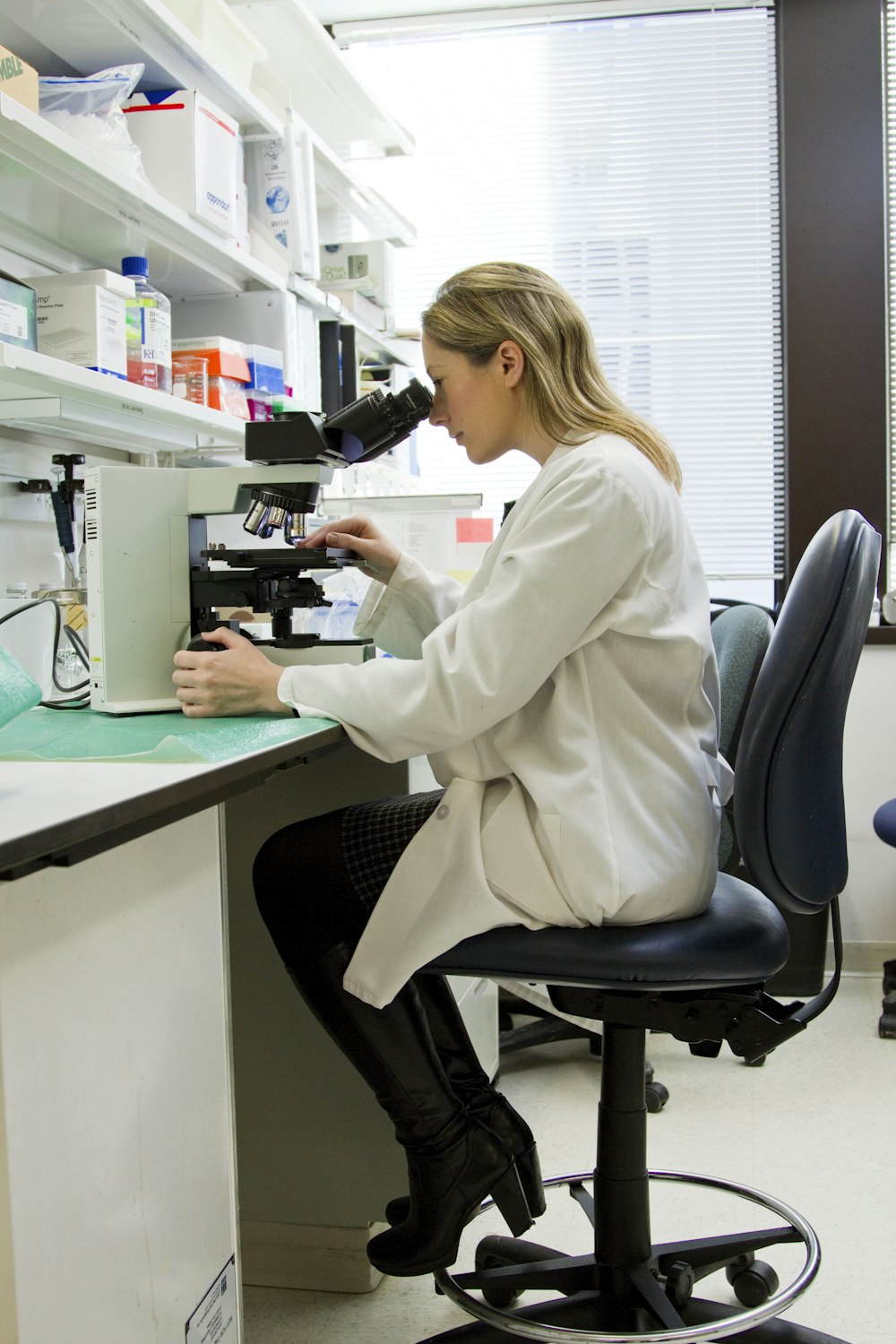
Scientists use various techniques to create transgenic plants in laboratory settings.
The Prospect: A New Green Revolution?
Proponents argue that transgenic crops are essential for achieving global food security and sustainable agriculture. The benefits are multifaceted:
Increased Yields
Crops engineered for pest and disease resistance directly protect harvests 5 .
Sustainability
Pest-resistant crops can significantly lower chemical pesticide use 5 .
Enhanced Nutrition
Biofortified crops like Golden Rice combat malnutrition 5 .
Climate Resilience
Research focuses on crops tolerant to drought, salinity, and extreme temperatures 5 .
Common Types of Transgenic Crops and Their Goals
| Crop Type | Key Trait | Example | Primary Benefit |
|---|---|---|---|
| Pest-Resistant | Produces its own insecticide | Bt Cotton | Reduces pesticide use, increases yield |
| Herbicide-Tolerant | Survives specific weed-killers | GM Soybean | Simplifies weed control, saves labor |
| Disease-Resistant | Resists viral, bacterial, or fungal infections | Virus-Resistant Papaya | Prevents crop loss to disease |
| Nutritionally-Enhanced | Improved vitamin or nutrient content | Golden Rice | Fights malnutrition and deficiency diseases |
| Stress-Tolerant | Withstands drought, salinity, cold | Drought-Tolerant Maize | Maintains production in harsh conditions |
| Delayed Ripening | Slower spoilage | Flavr Savr Tomato | Reduces food waste, extends shelf life |
Global Adoption of Transgenic Crops
The chart below illustrates the hypothetical adoption rates of major transgenic crops worldwide:

Golden Rice: A biofortified crop developed to combat vitamin A deficiency 5 .
The Risk: Navigating the Controversies
Despite the potential, the adoption of transgenic crops is hampered by significant concerns regarding their safety and impact.
Environmental Risks
Genetic contamination, harm to non-target organisms, and herbicide overuse 5 .
Health Concerns
Potential allergenicity, antibiotic resistance, and long-term effects 4 .
Socio-Economic Issues
Corporate control, seed monopolies, and farmer dependency 5 .
Weighing the Benefits and Risks of Transgenic Crops
| Area of Impact | Potential Benefits | Potential Risks & Controversies |
|---|---|---|
| Agriculture | Higher crop output, lower pesticide use, farming at a lower cost 5 | Pest resistance evolution, high seed development costs, farmer dependency on seed companies 5 |
| Environment | Promotes sustainable practices, reduces carbon footprint, conserves soil 5 | Genetic contamination, harm to non-target organisms, herbicide overuse 5 |
| Health & Society | Improved nutritional value, biofortification 5 | Allergenicity debates, antibiotic resistance concerns, ethical objections to "tampering with nature" 4 5 |
| Economy | Increased income for farmers, improved food security 5 | Corporate monopoly on seeds, international trade disputes 5 |
Risk Assessment Matrix
Public perception of various risks associated with transgenic crops:

Public concerns about transgenic crops have led to protests and calls for stricter regulation.
The Regulatory Maze and The Road Ahead
The global regulatory landscape for transgenic crops is a patchwork, with willingness to accept GM products varying dramatically from country to country 4 . This creates challenges for international trade and development.
Process-Based Regulation
Current approach that regulates "artificial" transgenics while exempting similar "natural" products 1 .
Product-Based Regulation
Proposed approach where biosafety assessment focuses on the specific traits and characteristics of the final plant 1 .
Recent Advances in Transgenic Crop Research
| Research Area | Crop Example | Breakthrough & Significance |
|---|---|---|
| Enhanced Photosynthesis | Maize | Introduction of Rubisco-activating proteins allows for more efficient photosynthesis in colder temperatures, potentially boosting yields 5 . |
| Precision Gene Editing | Rice | Using CRISPR/Cas9 to optimize photosynthesis-related genes without introducing foreign transgenes, mitigating regulatory hurdles 5 . |
| Virus-Induced Editing | Various | Developing virus-delivered gene editing that bypasses the need for complex tissue culture, democratizing the technology 3 . |
| Stress Resistance | Multiple | Ongoing research to develop crops resistant to heat, drought, and salinity, crucial for adapting to climate change 5 . |
Moving Forward
The path for transgenic crops involves robust science and monitoring, transparent regulation and public engagement, and a focus on integrating transgenic crops into holistic sustainable farming practices 5 .
Conclusion
Transgenic plants represent a powerful tool with a dual nature, capable of addressing some of humanity's most pressing challenges while presenting real and perceived risks. The science reveals that genetic exchange across species is not merely a human invention but a natural evolutionary force.
As we stand at this crossroads, the future of this technology will depend not only on continued scientific innovation but also on thoughtful public discourse, prudent regulation, and a balanced perspective that carefully weighs the prospects against the risks.
The goal is not to champion or condemn transgenic crops outright, but to navigate their complexities with wisdom and a clear-eyed view of the evidence.
Balanced Approach
The future of transgenic crops requires balancing innovation with precaution, benefits with risks, and scientific progress with public acceptance.