The Fermentation Revolution
How Ancient Alchemy Unlocks Hidden Powers in Herbal Medicine
Where Tradition Meets Cutting-Edge Science
Imagine transforming tough meat into a tender delicacy or boosting the health benefits of plants beyond their natural potential. This isn't magic—it's the ancient power of fermentation, now supercharged by modern science.
Ancient Wisdom
For thousands of years, cultures worldwide have harnessed microbial alchemy to preserve and enhance foods.
Modern Innovation
Today, researchers are unlocking how fermentation extracts from herbal medicines can perform double duty.
The Science Behind the Transformation
Fermentation 101: Microbial Power at Work
Fermentation is far more than just preservation. When microorganisms like bacteria, yeast, or fungi feast on plant material, they execute sophisticated biochemical transformations:
How Fermentation Amplifies Key Bioactive Compounds
| Compound | Pre-Fermentation Form | Post-Fermentation Change | Biological Impact |
|---|---|---|---|
| Quercitrin | Glycoside | -80% decrease | Precursor conversion |
| Quercetin | Trace amounts | +367% increase | Direct antioxidant effects |
| Ginsenosides | Rb1, Rc, Rd | Converted to Rg3, Rh2 | Anti-diabetic activity ↑ |
| Phenolic acids | Esterified | Free acids released | Antioxidant capacity ↑ |
The Antioxidant Explosion
Fermented herbal extracts combat oxidative stress—a key driver of aging, inflammation, and chronic diseases:
The Tenderizing Connection
The same enzymatic power that liberates antioxidants also breaks down tough proteins:
In the Lab: A Landmark Experiment Unpacked
Featured Study: Fermenting Houttuynia cordata with Lactobacillus
Objective:
Maximize antioxidant yield while creating a probiotic-enhancing extract 7
Methodology: Step-by-Step
- Plant Prep: Summer-harvested H. cordata leaves (high in quercitrin) were dried, powdered, and extracted in boiling water.
- Fermentation Setup:
- Microbe: Lactiplantibacillus plantarum (from sauerkraut)
- Conditions: Tested solid-liquid ratios (0.3%–1.5% w/v) and fermentation times (24–72 hours) at 37°C.
- Control: Unfermented extract + bacterial growth medium.
- Analysis:
- Bacterial counts every 24h
- HPLC quantification of flavonoids (quercitrin, quercetin)
- Antioxidant assays: DPPH scavenging, total phenolics
Key Results from H. cordata Fermentation
| Parameter | Pre-Fermentation | Optimal Fermentation (48h, 0.9% w/v) | Change |
|---|---|---|---|
| L. plantarum count | 1×10³ CFU/mL | 8.9×10⁸ CFU/mL | ↑890,000× |
| Quercitrin | 32.5 mg/g | 6.8 mg/g | ↓79% |
| Quercetin | 1.2 mg/g | 5.6 mg/g | ↑367% |
| DPPH scavenging | 45% | 92% | ↑104% |
| Total phenolics | 88 mg GAE/g | 215 mg GAE/g | ↑144% |
Scientific Significance
Bioactivation Over Bioaccumulation
Fermentation didn't just extract more compounds—it transformed them. The 367% quercetin surge came from microbial conversion of quercitrin, making antioxidants more bioavailable.
Self-Powering Probiotic Fuel
The extract acted as a prebiotic, boosting L. plantarum growth 890,000-fold. This synergy creates "live" extracts with dual antioxidant and gut-health benefits 7
The Scientist's Toolkit
β-Glucosidase Enzymes
Function: Hydrolyzes glycosidic bonds
Example Use: Liberating bound phenolics in herbs 1
HPLC-DAD Systems
Function: Detects flavonoid profiles
Example Use: Tracking quercitrin→quercetin conversion 7
Collagenase Assays
Function: Measures proteolytic activity
Example Use: Evaluating meat-tenderizing potential 5
MRS Broth
Function: Optimal LAB growth medium
Example Use: Propagating starter cultures 7
Future Frontiers: From Lab to Table
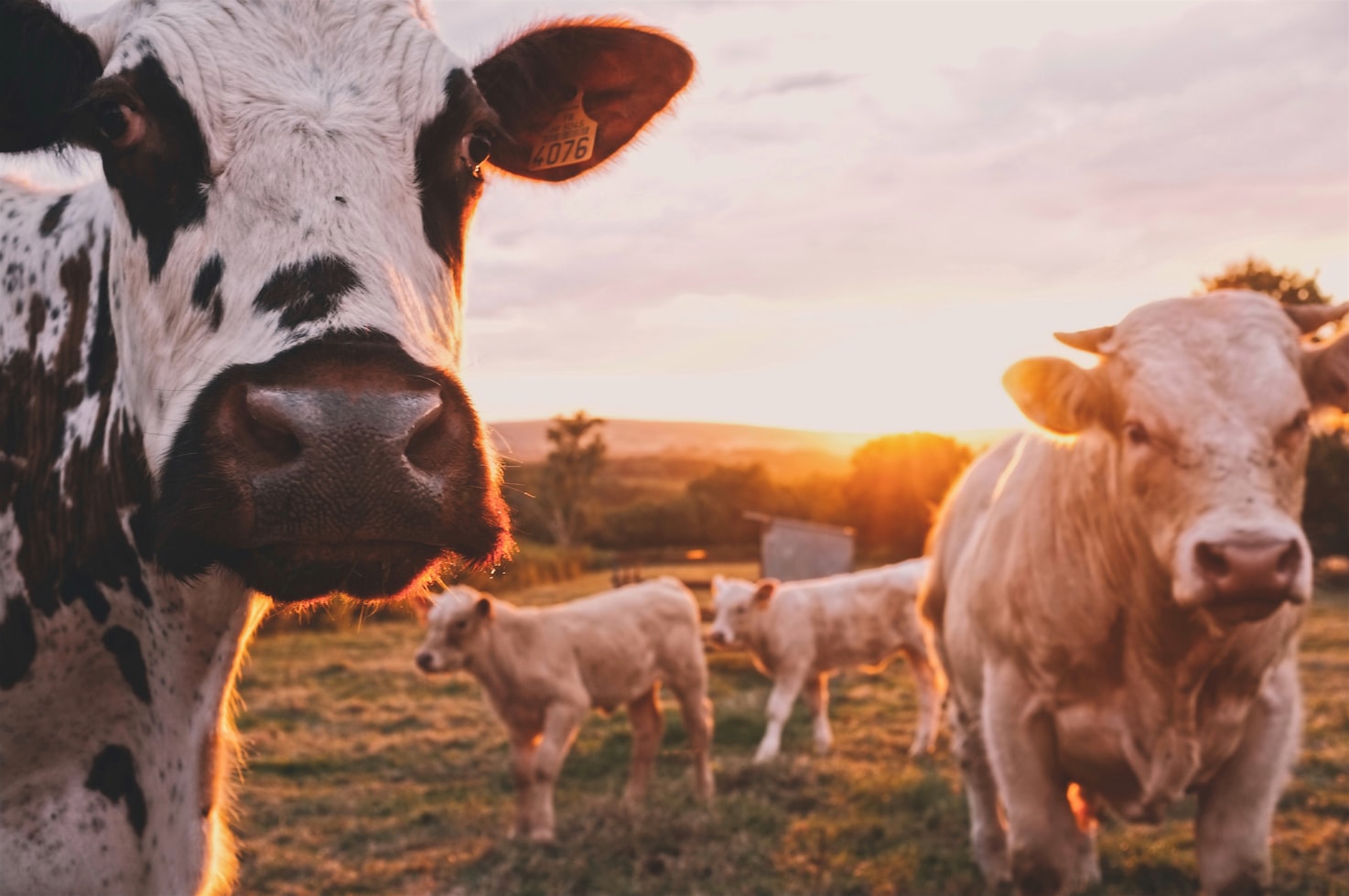
Livestock Health
Fermented herbal additives reduce oxidative stress in pigs and poultry, improving gut health without antibiotics
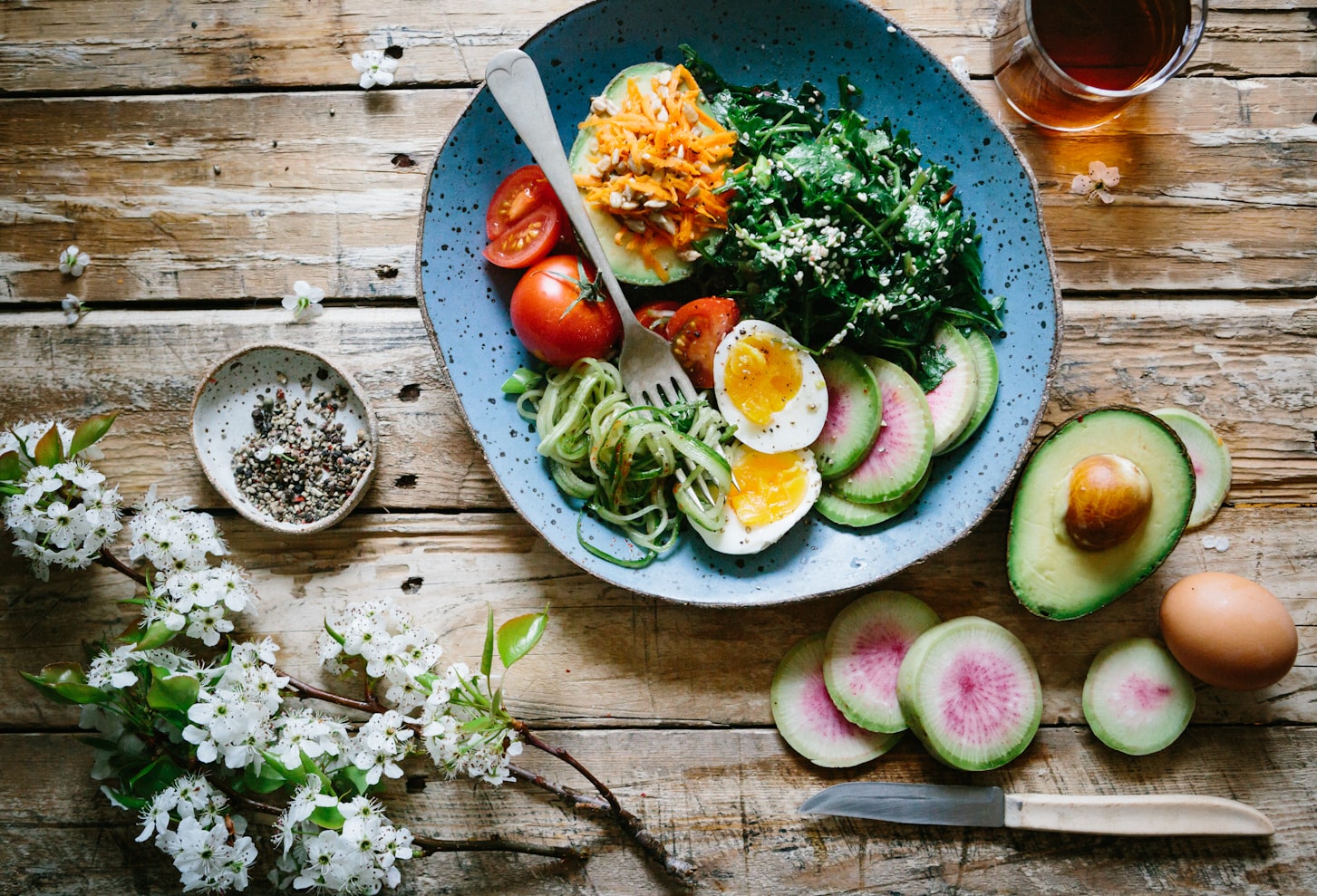
Functional Foods
Yogurts fortified with fermented extracts show 2× higher antioxidants and extended shelf life 2
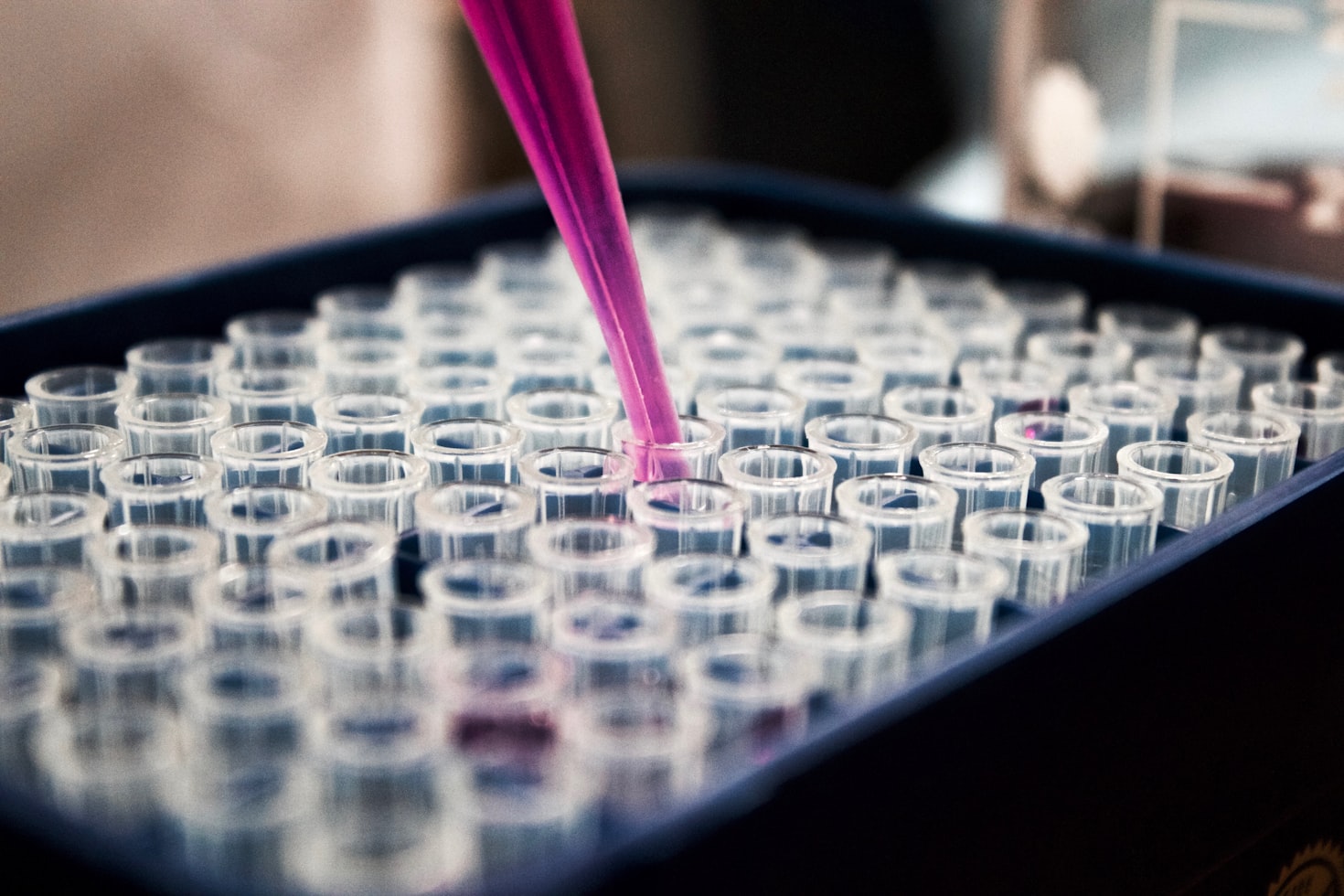
Precision Fermentation
Synthetic biology tailors microbes to produce specific antioxidants from low-cost herb substrates 6
Conclusion: Nature's Timeless Pharmacy, Enhanced
Fermentation transforms herbal medicine from passive ingredient to active powerhouse.
By harnessing microbes as biochemical engineers, we unlock unprecedented antioxidant potential while discovering surprising applications like natural tenderizing. As one researcher aptly notes: "Fermentation turns plants into multifunctional tools—where antioxidants and enzymes coexist in a single extract." This synergy bridges traditional wisdom with 21st-century innovation, promising healthier foods, sustainable agriculture, and potent new therapies. 1 6

About the Author
Dr. Elena Rivers is a food biotechnologist specializing in fermented bioactives. Her work explores microbial solutions for sustainable health.