Unveiling the Biofilm Matrix: A Comprehensive Guide to AFM Visualization and Analysis
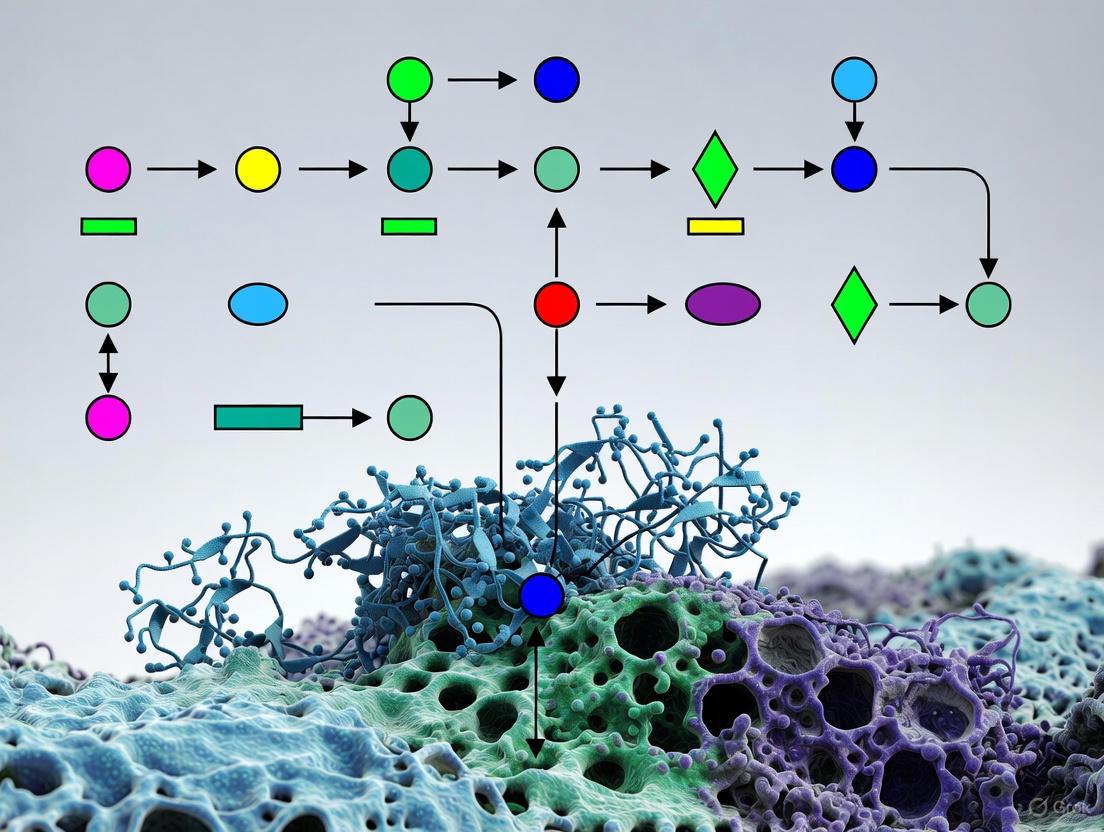
Atomic Force Microscopy (AFM) has emerged as a pivotal tool for elucidating the nanoscale architecture and mechanical properties of bacterial biofilms, structures critically implicated in chronic infections and antimicrobial resistance.
Unveiling the Biofilm Matrix: A Comprehensive Guide to AFM Visualization and Analysis
Abstract
Atomic Force Microscopy (AFM) has emerged as a pivotal tool for elucidating the nanoscale architecture and mechanical properties of bacterial biofilms, structures critically implicated in chronic infections and antimicrobial resistance. This article provides a comprehensive resource for researchers and drug development professionals, detailing the foundational principles of biofilm matrix organization. It explores cutting-edge methodological advances, including automated large-area AFM and machine learning integration, for high-resolution structural and functional mapping. The content further addresses common troubleshooting scenarios in sample preparation and imaging, and validates AFM data through correlation with complementary techniques like confocal Raman microscopy and proteomics. By synthesizing current research and technological innovations, this guide aims to equip scientists with the knowledge to leverage AFM for developing novel biofilm control strategies.
The Architectural Blueprint: Understanding Biofilm Matrix Structure and Components
The biofilm matrix is a complex, dynamic, and functional component of microbial communities, often described as the "house of biofilm cells" [1]. This extracellular polymeric substance (EPS) determines the immediate conditions of life for biofilm microorganisms by affecting its porosity, density, water content, charge, sorption properties, hydrophobicity, and mechanical stability [1]. Within the context of Atomic Force Microscopy (AFM) visualization research, understanding the composition and architecture of the EPS is paramount, as it forms the fundamental scaffold that AFM techniques probe and characterize. This technical guide provides an in-depth analysis of the biofilm matrix, detailing its multifaceted components, their functional roles, and the advanced methodologies used to quantify and visualize its complex architecture, with particular emphasis on techniques relevant to AFM-based research.
Core Composition of the EPS Matrix
Contrary to common belief, the EPS matrix is not primarily composed of polysaccharides but constitutes a diverse assortment of biopolymers of microbial origin. Archaeal, bacterial, and eukaryotic microbes contribute to this matrix, which comprises a wide variety of proteins, glycoproteins, glycolipids, and surprising amounts of extracellular DNA (e-DNA) [1]. In many environmental biofilms, polysaccharides can actually be a minor component [1]. The matrix is highly hydrated, forming a gelatinous network that keeps biofilm cells together, retains water, and interacts with the environment.
Table 1: Key Components of the Biofilm EPS Matrix and Their Primary Functions [1]
| EPS Component | Chemical Nature | Primary Functional Role in Biofilm |
|---|---|---|
| Neutral Polysaccharides | e.g., Cellulose | Constructive, structural component |
| Charged Polysaccharides | e.g., Alginate (polyanion) | Sorptive; ion exchange, nutrient sequestration |
| Amyloids/Curli Fibrils | Proteinaceous fibrils | Structural component; enhances mechanical stability |
| Extracellular DNA (e-DNA) | Double-stranded DNA | Structural integrity, intercellular connector, gene pool |
| Extracellular Enzymes | e.g., Proteases, glucosidases | Active polymer degradation for nutrient acquisition |
| Membrane Vesicles | Lipid-based nanostructures | Export of enzymes, nucleic acids; biological warfare |
| Lectins | Proteins | Informative; specificity and cellular recognition |
A particularly crucial and often underestimated structural component is extracellular DNA (e-DNA). In Pseudomonas aeruginosa biofilms, e-DNA is organized in distinct grid-like structures and functions as an intercellular connector [1]. Similarly, in Staphylococcus aureus, genomic DNA released through controlled cell lysis serves as a significant structural component [2]. The release of e-DNA in these species is under genetic control, influenced by quorum-sensing systems and iron regulation [1].
Functional Roles and Matrix Dynamics
The EPS matrix is far more than a static scaffold; it is an activated, dynamic environment that is critical for biofilm resilience and community function. Its roles can be categorized as follows:
Structural Integrity and Stability: The matrix provides mechanical stability by maintaining the spatial arrangement of microbial consortia. This stability is achieved through hydrophobic interactions, cross-linking by multivalent cations, and physical entanglement of the biopolymers [1]. Components like amyloid adhesins and cellulose contribute significantly to the mechanical strength, reinforcing the "house" and enabling synergistic interactions between organisms [1].
Protection and Resource Management: The matrix acts as a protective barrier. Its sorption properties allow for the sequestering of dissolved and particulate substances from the environment, providing a localized nutrient source [1]. Furthermore, it retains extracellular enzymes close to the cells, creating an "activated matrix" that enables efficient degradation of complex polymers [1]. This retention mechanism also contributes to resistance against antimicrobial agents by limiting their diffusion and exposure to cells [3].
Genetic Information Exchange and Communication: Biofilms are ideal environments for horizontal gene transfer due to the close proximity of cells. The EPS matrix facilitates this by maintaining a large and accessible gene pool [1]. Beyond its structural role, e-DNA within the matrix is a reservoir of genetic information. Membrane vesicles, phages, and viruses within the matrix further act as carriers for genetic material, enhancing gene exchange and even participating in "biological warfare" by delivering virulence factors and lytic enzymes [1].
Cellular Coordination: The production and modification of EPS are dynamic processes, often following cyclic patterns and being influenced by interspecies interactions and environmental conditions [1]. This allows the biofilm community to adapt its physical structure and material properties as a survival measure against shear stresses, nutrient availability, and competing organisms [3].
The diagram below synthesizes the core components of the EPS matrix and their integrated functional relationships.
Quantitative Assessment of EPS Components
Accurate quantification of EPS components is essential for evaluating biofilm architecture, response to treatments, and structural integrity. A 2025 study on Staphylococcus aureus provides a robust model for such quantification, using confocal laser scanning microscopy (CLSM) with specific fluorescent stains to measure the reduction in biofilm components after treatment with Tranexamic Acid (TXA) [4].
Table 2: Quantitative Assessment of S. aureus Biofilm Components via CLSM [4]
| Biofilm Component Targeted | Fluorescent Stain / Reagent | Occupied Area in Control (%) | Occupied Area after TXA 10 mg/mL (%) | Reduction Percentage |
|---|---|---|---|---|
| Extracellular Proteins | Sypro Ruby | 17.58 ± 1.22 | 0.15 ± 0.01 | 99.2% |
| α-Polysaccharides | Concanavalin A (ConA), Alexa Fluor 633 | 16.34 ± 4.71 | 1.69 ± 0.69 | 89.7% |
| Poly-N-acetylglucosamine | GS-II Lectin, Alexa Fluor 488 | 16.77 ± 1.36 | 0.57 ± 0.28 | 96.6% |
| Bacterial DNA | Propidium Iodide (PI) | 16.55 ± 13.42 | 1.60 ± 0.81 | 90.3% |
| Extracellular DNA (eDNA) | TOTO-1 | 12.43 ± 6.23 | 0.07 ± 0.02 | ≥ 99.0% |
The data demonstrates that all major EPS components were significantly reduced (p < 0.001) by the treatment, with reductions exceeding 89% for all targeted elements [4]. This methodology highlights the efficacy of specific staining reagents for quantifying discrete matrix constituents.
Experimental Protocol: CLSM for EPS Quantification
The following workflow details the protocol for the quantitative assessment of EPS components as described in the aforementioned study [4].
- Biofilm Cultivation: A bacterial suspension (10⁸ CFU/mL) is inoculated into wells of a 24-multiwell plate containing poly-L-lysine-coated glass slides to promote adhesion. The plate is incubated under agitation (150 rpm) for 24 hours at 37°C to form biofilms.
- Treatment and Post-Incubation: After 24 hours, the biofilms are washed with Phosphate-Buffered Saline (PBS) to remove non-adherent cells. The test agent (e.g., TXA) is applied to the treatment wells, while the control wells receive sterile solvent. The plate is then incubated for another 24 hours at 37°C.
- Biofilm Fixation and Permeabilization: Post-treatment, biofilms are washed again with PBS and then treated with a solution containing a detergent (e.g., 0.5% Triton-X 100) and a fixative (e.g., 4% formaldehyde). This step disrupts and fixes the biofilms for subsequent staining.
- Fluorescent Staining: Fixed biofilms are stained with specific fluorescent reagents. The application time for each dye should follow manufacturer recommendations. Examples include:
- Sypro Ruby for extracellular proteins.
- Concanavalin A (ConA) conjugated with Alexa Fluor 633 for α-polysaccharides.
- Griffonia simplicifolia Lectin (GS-II) conjugated with Alexa Fluor 488 for poly-N-acetylglucosamine.
- Propidium Iodide (PI) for total bacterial DNA.
- TOTO-1 for extracellular DNA (eDNA).
- CLSM Imaging and Analysis: Stained samples are examined using a Confocal Laser Scanning Microscope. The biofilm depth is measured at intervals (e.g., 4 µm over 80 µm). Images are processed using analysis software (e.g., FIJI/ImageJ), and the density of each component is calculated as the percentage of the occupied area.
Advanced AFM Visualization of Matrix Architecture
Atomic Force Microscopy (AFM) has emerged as a powerful tool for probing biofilm assembly at the nanoscale, providing insights that are often obscured by other methods. Conventional AFM, however, is limited by small imaging areas (<100 µm), making it difficult to link nanoscale features to the functional macroscale organization of biofilms [5]. A 2025 study introduced an automated large-area AFM approach to overcome this limitation.
Automated Large-Area AFM Protocol
This advanced methodology enables the capture of high-resolution images over millimeter-scale areas, which is critical for understanding spatial heterogeneity [5].
- Sample Preparation: A petri dish containing surface-treated (e.g., PFOTS-treated glass) coverslips is inoculated with the bacterial strain (e.g., Pantoea sp. YR343) in a liquid growth medium.
- Controlled Incubation and Harvesting: At selected time points (e.g., 30 minutes for initial attachment, 6-8 hours for cluster formation), a coverslip is removed, gently rinsed to remove unattached cells, and dried prior to imaging.
- Automated Large-Area Scanning: An AFM system equipped with automated stage control performs sequential high-resolution scans over a predefined, large grid pattern on the sample surface.
- Machine Learning-Assisted Analysis: Machine learning (ML) algorithms are employed for two primary purposes:
- Image Stitching: Seamlessly combines hundreds of individual AFM scans into a single, high-resolution mosaic image of the millimeter-scale area, even with minimal feature overlap between scans.
- Image Segmentation and Classification: Automates the detection, classification, and quantitative analysis of features within the large-area scan. This includes extracting parameters such as cell count, confluency, cell shape, orientation, and the presence of appendages.
- Structural and Mechanical Characterization: The high-resolution capability of AFM allows for the visualization of fine structures like flagella (20–50 nm in height) and the honeycomb patterns formed by cellular clusters. Furthermore, AFM can map nanomechanical properties such as stiffness and adhesion under physiological conditions.
This integrated approach reveals structural intricacies critical for biofilm development, such as flagellar coordination and cellular orientation, which were previously difficult to capture comprehensively [5].
The Scientist's Toolkit: Key Research Reagents & Materials
The following table catalogues essential reagents, materials, and instruments used in the advanced characterization of biofilm EPS, as cited in this guide.
Table 3: Essential Research Reagents and Materials for Biofilm EPS Analysis
| Item Name | Specific Example / Model | Primary Function in EPS Research |
|---|---|---|
| Fluorescent Stains | Sypro Ruby, TOTO-1, ConA-Alexa Fluor 633, GS-II-Alexa Fluor 488, Propidium Iodide | Selective staining and quantification of specific EPS components (proteins, eDNA, polysaccharides) via CLSM [4]. |
| Surface Coating | Poly-L-Lysine | Promotes and standardizes bacterial adhesion to surfaces (e.g., glass slides) for consistent biofilm growth in vitro [4]. |
| Confocal Microscope | Leica TCS SPE | Generates high-resolution, three-dimensional images of stained biofilms for structural and quantitative analysis [4]. |
| Atomic Force Microscope | Automated Large-Area AFM | Provides nanoscale topographical and mechanical mapping of biofilm surfaces and EPS structure, often under physiological conditions [5]. |
| Image Analysis Software | FIJI (ImageJ) | Open-source platform for processing microscopic images and quantifying biofilm parameters like biomass and component density [4]. |
| Biofilm Dispersant | Tranexamic Acid (TXA) | An antifibrinolytic agent demonstrated to significantly reduce bacterial and extracellular matrix components in S. aureus biofilms [4]. |
| Machine Learning Algorithms | Custom ML for image stitching & segmentation | Automates the analysis of large-area AFM data, enabling cell detection, classification, and feature extraction over millimeter scales [5]. |
Atomic force microscopy (AFM) has emerged as a powerful tool in microbiology, enabling researchers to probe the nanostructure and properties of live microbial cells under physiological conditions. Unlike electron microscopy techniques, AFM requires no staining, labeling, or fixation of specimens and can be performed in buffer solution, preserving native cell structures [6]. This capability is particularly valuable for studying biofilm matrix architecture, as it allows researchers to observe cell surface components directly on living cells at (near) molecular resolution, including polysaccharides, peptidoglycan, teichoic acids, pili, flagella, and crystalline protein layers [6]. The technique operates by sensing the minute forces acting between a sharp tip and the sample surface, with a force sensitivity on the order of a few piconewtons (1 pN = 10⁻¹² N) [6]. This exceptional sensitivity enables researchers to probe single receptor-ligand bonds or unfold single proteins, as such single-molecule measurements typically require forces in the 50 to 250 pN range [6].
Within the context of biofilm matrix architecture research, AFM provides unique capabilities for understanding the complex and heterogeneous extracellular polymeric substances (EPS) that characterize multicellular microbial communities [5]. Biofilms are ubiquitous in natural, industrial, and clinical environments, playing critical roles in various ecosystems while posing significant challenges in healthcare due to their resilience against antibiotics and disinfectants [5]. The inherent heterogeneous and dynamic nature of biofilms, characterized by spatial and temporal variations in structure, composition, density, metabolic activity, and microenvironmental conditions, has made complete understanding of their assembly mechanisms challenging [5]. AFM addresses these challenges by enabling detailed investigation of cell structures, cell-to-cell interactions, and finer features like cell walls and appendages at the nanoscale without extensive sample preparation [5].
AFM Fundamentals and Operational Modes
Basic Principles and Instrumentation
Atomic force microscopy functions by scanning a sharp probe mounted on a flexible cantilever across the surface of a sample while measuring the forces between the probe and the sample [5]. A piezoelectric scanner allows high-resolution three-dimensional positioning of the tip relative to the sample [6]. The cantilever deflects in response to tip-sample interactions, and this deflection is quantified using a laser beam reflected from the free end of the cantilever into a photodiode detector [6]. This fundamental operating principle enables AFM to generate detailed topographical images of cell surfaces while simultaneously providing quantitative information about surface forces and mechanical properties [7]. The ability to operate in liquid environments makes AFM particularly suited for investigating biological specimens in conditions that mimic their native physiological states.
Key Imaging and Spectroscopy Modes
AFM offers several operational modes specifically valuable for biofilm research, with the two primary modes being imaging and force spectroscopy. In the imaging mode, the tip follows the contours of the cell in solution to generate a three-dimensional image of the cell surface architecture with (near) molecular resolution [6]. This enables microbiologists to visualize the organization and dynamics of microbial cell walls and appendages at unprecedented detail, answering pertinent questions that could not be addressed before [6]. In force spectroscopy mode, the tip is approached toward and retracted from the sample while measuring the cantilever deflection, which records the interaction force as a function of separation distance [6]. This yields force-distance curves that provide key information on the localization, binding strength, and mechanics of cell surface molecules [6].
Two specialized forms of force spectroscopy have proven particularly valuable in microbiology. Single-molecule force spectroscopy (SMFS) uses tips functionalized with specific biomolecules to probe individual receptor-ligand bonds or to unfold single proteins [6]. Single-cell force spectroscopy (SCFS) replaces the tip with a living cell to probe single-cell adhesion forces [6]. These techniques enable researchers to quantitatively map cell surface structure, properties, and interactions with piconewton sensitivity, providing insights into the fundamental mechanisms governing bacterial adhesion and biofilm formation [6] [7].
Table 1: Key AFM Operational Modes in Biofilm Research
| Mode | Primary Function | Spatial Resolution | Key Measurements | Applications in Biofilm Research |
|---|---|---|---|---|
| Topographical Imaging | Surface morphology mapping | (Near) molecular resolution [6] | 3D surface architecture, structural dynamics [6] | Visualization of cells, flagella, EPS, and surface features [6] [5] |
| Single-Molecule Force Spectroscopy (SMFS) | Single-bond interactions | Molecular scale [6] | Binding strength, mechanical properties, molecular unfolding [6] | Probing specific ligand-receptor pairs, polymer mechanics [6] |
| Single-Cell Force Spectroscopy (SCFS) | Cellular adhesion measurement | Cellular scale [6] | Adhesion forces, cell-surface and cell-cell interactions [6] | Quantifying bacterial adhesion to surfaces and other cells [6] [7] |
Nanoscale Visualization of Biofilm Components
Cell Surface Architecture
AFM imaging has provided groundbreaking insights into the three-dimensional organization of bacterial cell walls, particularly the arrangement of peptidoglycan—the main constituent that provides mechanical strength, determines cell shape, and serves as a target for antibiotics [6]. Despite its crucial functional roles, the 3D organization of peptidoglycan has long been controversial [6]. AFM studies have revealed that bacterial species exhibit a variety of peptidoglycan architectures. In Bacillus subtilis, the inner surface of the cell wall showed 50-nm-wide peptidoglycan cables running parallel to the short axis of the cell, with cross striations averaging 25 nm periodicity along each cable [6]. This data supported an architectural model where glycan strands form a peptidoglycan rope coiled into a helix to form inner surface cable structures [6].
In the spherical bacterium Staphylococcus aureus, AFM combined with fluorescent vancomycin labeling revealed concentric rings and knobbly surface structures attributed to nascent and mature peptidoglycan, respectively [6]. These peptidoglycan features were suggested to demarcate previous divisions and potentially hold information specifying the next division plane [6]. Studies of ovoid bacteria (ovococci) showed a preferential orientation of the peptidoglycan network parallel to the short axis of the cells [6], while the rod-shaped Gram-negative Escherichia coli featured peptidoglycan structures running parallel to the plane of the sacculus but in many directions relative to the long axis, with bands of porosity running circumferentially around the sacculi [6].
Beyond peptidoglycan, AFM has enabled visualization of other critical cell surface components. Glycopolymers such as capsular polysaccharides and teichoic acids have been imaged at unprecedented resolution [6]. AFM studies of Lactobacillus rhamnosus GG revealed a rough surface morphology decorated with nanoscale waves, which were identified as extracellular polysaccharides since they were largely absent in mutants impaired in exopolysaccharide production [6]. Combined AFM and fluorescence microscopy has mapped the distribution of wall teichoic acids (WTAs) in Lactobacillus plantarum, demonstrating their requirement for proper cell elongation and division [6].
Flagella and Appendages
AFM's high-resolution capabilities have proven particularly valuable for visualizing bacterial flagella and other appendages critical for biofilm formation. Recent studies using automated large-area AFM have examined the organization of Pantoea sp. YR343 on surface treatments, revealing a preferred cellular orientation among surface-attached cells forming a distinctive honeycomb pattern [5]. High-resolution AFM imaging clearly visualized flagellar structures around the cells, measuring approximately 20–50 nm in height and extending tens of micrometers across the surface [5]. These detailed visualizations are critical as appendages like flagella are essential for biofilm development, surface attachment, and motility [5].
The identification of these nanostructures as flagella was confirmed using a flagella-deficient control strain, which showed no similar appendages under AFM [5]. In Pantoea sp. YR343, AFM revealed flagellar structures bridging gaps between cells during early attachment and development phases [5]. Without high-resolution imaging, such structural intricacies would remain obscured, highlighting AFM's unique value in elucidating the nanoscale architecture of bacterial appendages and their role in community organization.
Extracellular Polymeric Substances (EPS)
The extracellular polymeric matrix represents one of the most complex and critical components of biofilms, providing structural stability, protection, and functional capabilities to microbial communities. AFM has enabled researchers to visualize and characterize these heterogeneous matrices with unprecedented detail. Fine EPS structures, including polysaccharides, proteins, and nucleic acids that bind the biofilm together, can be visualized with high clarity using AFM [5]. This high-resolution imaging reveals how these components interact to provide structural stability and protection to the bacterial community [5].
When operated in liquids, AFM preserves the native state of cells and can measure mechanical properties like stiffness, adhesion, and viscoelasticity [5]. These capabilities have been leveraged to study the contribution of specific matrix components to biofilm mechanical properties. For example, studies of Escherichia coli UTI89 pellicles (biofilms at the air-liquid interface) have demonstrated that curli amyloid fibers enhance the strength, viscoelasticity, and resistance to strain of biofilms [8]. Pellicles formed under conditions that upregulate curli production exhibited increased strength and viscoelastic properties as well as greater ability to recover from stress-strain perturbation [8].
Table 2: Nanoscale Properties of Biofilm Components Visualized by AFM
| Biofilm Component | Key Structural Features Revealed by AFM | Dimensions/Properties | Functional Significance |
|---|---|---|---|
| Peptidoglycan | Species-dependent architecture: cables, concentric rings, porous networks [6] | 50-nm-wide cables with 25-nm periodicity in B. subtilis [6] | Mechanical strength, cell shape determination, antibiotic targeting [6] |
| Flagella | Filamentous appendages, cell-cell bridging structures [5] | 20-50 nm height, extending tens of micrometers [5] | Surface attachment, motility, early biofilm assembly [5] |
| Extracellular Polysaccharides | Nanoscale waves, rough surface morphology [6] | Feature size varies by species and mutant status [6] | Protection, cellular recognition, biofilm formation [6] |
| Curli Amyloid Fibers | Enhanced viscoelastic network in E. coli biofilms [8] | Increased strength and strain recovery in pellicles [8] | Biofilm robustness, resistance to mechanical disruption [8] |
Advanced AFM Methodologies for Biofilm Research
Large-Area Automated AFM with Machine Learning
Traditional AFM has been limited by small imaging areas (typically <100 μm) restricted by piezoelectric actuator constraints, making it difficult to capture the full spatial complexity of biofilms and raising questions about data representativeness [5]. Recent advances have addressed this limitation through automated large-area AFM approaches capable of capturing high-resolution images over millimeter-scale areas, aided by machine learning for seamless image stitching, cell detection, and classification [5]. This approach provides a detailed view of spatial heterogeneity and cellular morphology during early biofilm formation stages that were previously obscured [5].
Machine learning and artificial intelligence are transforming AFM by enhancing data acquisition, control, and analysis. ML applications in AFM fall into four key areas: sample region selection, scanning process optimization, data analysis, and virtual AFM simulation [5]. AI-driven models optimize scanning site selection, reducing human intervention and accelerating acquisition [5]. These advancements significantly enhance AFM's efficiency, accuracy, and automation, particularly in biological research [5]. For biofilm studies specifically, large-area AFM has enabled researchers to identify preferred cellular orientation patterns, such as the distinctive honeycomb arrangement observed in Pantoea sp. YR343 biofilms [5].
Correlated AFM-Fluorescence Microscopy
To obtain a more complete view of cellular structures, researchers have developed correlated AFM-fluorescence imaging approaches [6]. This integration allows researchers to combine the molecular specificity of fluorescence tagging with the nanoscale resolution of AFM topography, providing complementary information about the spatial distribution of specific biomarkers relative to structural features. For example, this approach has been used to map the distribution of wall teichoic acids in Lactobacillus plantarum while simultaneously visualizing overall cell morphology at high resolution [6].
The combination of AFM with other analytical techniques has further expanded its utility in biofilm research. AFM has been integrated with various non-invasive chemical imaging and composition mapping techniques, internal hydration property measurements of single bacterial endospores, and characterization of outer membrane extensions of bacteria [5]. These multimodal approaches enable comprehensive characterization of biofilm properties across multiple scales and parameters, linking nanoscale structure with chemical composition and functional capabilities.
Quantitative Mechanical Property Mapping
Beyond topographical imaging, AFM enables quantitative mapping of nanomechanical properties across biofilm surfaces [5]. This capability allows researchers to characterize mechanical heterogeneities within biofilms that correlate with structural features and compositional variations. By measuring properties such as stiffness, adhesion, and viscoelasticity, researchers can link matrix composition to mechanical function [5]. For example, studies have shown that curli amyloid fibers in E. coli biofilms significantly enhance viscoelastic properties and improve recovery from mechanical strain [8].
Interfacial rheological measurements during biofilm formation at the air-liquid interface have provided sensitive quantitative parameters that reveal distinct stages during bacterial colonization, aggregation, and eventual pellicle formation [8]. These measurements have demonstrated that pellicles forming under conditions that upregulate curli production exhibit increased strength and viscoelastic properties [8]. Such quantitative mechanical data are essential for understanding how biofilms withstand environmental stresses and resist mechanical removal, with significant implications for combating persistent biofilm-related infections.
Experimental Protocols for AFM Biofilm Characterization
Sample Preparation for Bacterial Biofilm AFM
Proper sample preparation is critical for successful AFM imaging of biofilms while preserving native structure. The following protocol has been successfully employed for studying bacterial adhesion and early biofilm formation:
Substrate Selection and Preparation: Use freshly cleaved mica or glass coverslips as imaging substrates. For hydrophobic surfaces, treat coverslips with PFOTS (perfluorooctyltrichlorosilane) to create uniform hydrophobic surfaces [5]. Silicon substrates with modified surface properties can also be used to study how surface chemistry influences bacterial adhesion [5].
Biofilm Growth and Attachment: Inoculate Petri dishes containing prepared substrates with bacterial cultures in appropriate growth medium. For Pantoea sp. YR343 studies, surfaces were incubated with bacterial cultures for selected time points (e.g., ~30 minutes for initial attachment studies, 6-8 hours for cluster formation) [5].
Sample Rinsing and Stabilization: After incubation, gently rinse substrates with appropriate buffer (e.g., phosphate-buffered saline or growth medium without nutrients) to remove unattached cells while preserving biofilm architecture [5]. Avoid excessive shear forces that could disrupt delicate structures.
Imaging Environment Setup: For liquid imaging, place the sample in the AFM fluid cell and add appropriate buffer solution to maintain physiological conditions. For in situ monitoring of biofilm development, continuous flow systems can be implemented to maintain nutrient supply and waste removal during extended imaging sessions.
Single-Molecule Force Spectroscopy on Extracellular Polymers
SMFS enables researchers to probe the mechanical properties and interaction forces of individual matrix components. The following protocol outlines the key steps for SMFS experiments on bacterial surface polymers:
AFM Tip Functionalization:
- For polysaccharide detection: Functionalize tips with specific lectins using appropriate crosslinkers (e.g., PEG linkers) [6].
- For peptidoglycan recognition: Use vancomycin-modified tips to target D-Ala-D-Ala sites or LysM-modified tips to target specific peptidoglycan binding motifs [6].
- Verify functionalization efficiency through force spectroscopy on control surfaces.
Force Measurement Parameters:
- Set approach/retraction speed to 500-1000 nm/s for most polymer stretching experiments.
- Apply minimal contact force (100-200 pN) and short contact time (0.1-0.5 s) to reduce multiple interactions.
- Collect sufficient force curves (typically 1000-3000 per sample area) for statistical significance.
Data Analysis:
- Identify specific unbinding events or polymer stretching patterns in force-distance curves.
- Calculate adhesion forces, rupture lengths, and stiffness values from representative curves.
- Generate adhesion force maps by correlating force parameters with spatial location.
Controls and Validation:
- Perform experiments on mutant strains lacking specific polymers to confirm binding specificity.
- Use competitive inhibition with free ligands to verify interaction specificity.
- Compare results with biochemical and genetic data to ensure biological relevance.
Large-Area AFM Imaging with Automated Analysis
The implementation of large-area AFM with machine learning assistance requires specific methodological considerations:
Automated Image Acquisition:
- Program the AFM to automatically acquire multiple adjacent images with minimal overlap (5-10%).
- Implement focus and drift correction algorithms to maintain image quality during extended acquisitions.
- Use machine learning-based region selection to identify optimal scanning areas [5].
Image Stitching and Reconstruction:
- Apply feature-based or intensity-based stitching algorithms to combine individual images into seamless large-area maps.
- Use stage coordinates as initial guidance for tile placement.
- Implement blending algorithms to minimize seams at image boundaries.
Machine Learning-Enabled Analysis:
- Train convolutional neural networks for automatic detection and classification of bacterial cells within large-area images.
- Implement segmentation algorithms to quantify cell density, orientation, and distribution patterns.
- Extract morphological parameters (length, width, surface area) for population-level analysis.
Multi-Scale Correlation:
- Correlate large-area AFM maps with optical microscopy images to bridge resolution gaps.
- Combine with chemical imaging techniques (e.g., Raman microscopy) to link structure with composition.
- Integrate mechanical property mapping with topological data for comprehensive characterization.
Table 3: Research Reagent Solutions for AFM Biofilm Studies
| Reagent/Category | Specific Examples | Function in AFM Experiments | Application Examples |
|---|---|---|---|
| Imaging Substrates | Freshly cleaved mica, PFOTS-treated glass, silicon wafers [5] | Provide flat, uniform surfaces for bacterial attachment and high-resolution imaging | Studying adhesion dynamics on surfaces with controlled chemistry [5] |
| Functionalization Reagents | Lectins, vancomycin, LysM motifs, PEG crosslinkers [6] | Modify AFM tips for specific molecular recognition in SMFS experiments | Mapping peptidoglycan distribution with vancomycin tips [6] |
| Bacterial Culture Media | YESCA broth, Modified Postgate's Medium C [8] [7] | Support bacterial growth and biofilm formation under controlled conditions | Culturing sulfate-reducing bacteria (SRB) and uropathogenic E. coli [7] [8] |
| Chemical Modulators | DMSO, Ethanol [8] | Regulate production of specific matrix components (e.g., curli amyloid fibers) | Enhancing curli production in E. coli for mechanical property studies [8] |
Quantitative Data in AFM Biofilm Research
Adhesion Force Measurements
AFM force spectroscopy provides quantitative data on the adhesion forces between bacterial cells and surfaces, which are crucial for understanding initial biofilm formation. Studies using single-cell force spectroscopy have revealed that adhesion forces can vary significantly depending on bacterial species, surface properties, and environmental conditions. Research on sulfate-reducing bacteria (SRB) demonstrated that the force between the AFM tip and bacterial cell surface remained at a relatively constant level of -3.9 to -4.3 nN over the cell body, with lower adhesion forces (-2.5 to -3.2 nN) detected at the cell-cell interface and higher forces (-4.5 to -6.8 nN) at the periphery of the cell-substratum contact surface [7]. These measurements provide insight into the distribution of adhesive compounds across the cell surface and their role in surface attachment and cell-cell cohesion.
Spatially resolved force mapping has further revealed heterogeneities in adhesion forces across individual cells, correlating with the distribution of specific surface structures and polymers. For example, SMFS with functionalized tips has identified variations in polysaccharide and peptidoglycan exposure across different bacterial strains and growth conditions [6]. In Lactococcus lactis, vancomycin-functionalized tips detected D-Ala-D-Ala sites of peptidoglycan predominantly on equatorial rings, suggesting regions of newly formed peptidoglycan insertion [6]. Similarly, LysM-modified tips revealed anisotropic peptidoglycan bands running parallel to the short axis of mutant cells lacking surface exopolysaccharides [6].
Mechanical Properties of Biofilm Matrix Components
The mechanical characterization of biofilm matrices and their individual components has provided important insights into structure-function relationships in microbial communities. AFM-based rheological measurements have quantified how specific matrix components contribute to overall biofilm mechanical properties. Studies of E. coli pellicles have demonstrated that curli amyloid fibers significantly enhance biofilm strength and viscoelasticity [8]. Pellicles formed under conditions that upregulate curli production (e.g., with 4% DMSO or 2% ethanol) exhibited increased interfacial elasticity and greater ability to recover from mechanical strain compared to untreated biofilms [8].
The mechanical properties of individual matrix polymers have also been characterized through single-molecule force spectroscopy. Polysaccharides, proteins, and nucleic acids each exhibit characteristic mechanical responses to applied forces, providing signatures for identifying these components in complex matrices. For example, the forced unfolding of proteins produces characteristic sawtooth patterns in force-extension curves, while polysaccharides often exhibit entropic elasticity patterns. These mechanical fingerprints enable researchers to identify specific polymer types within heterogeneous biofilm matrices based on their nanomechanical properties.
Table 4: Quantitative AFM Measurements in Biofilm Research
| Measurement Type | Typical Values | Significance | Experimental Conditions |
|---|---|---|---|
| Bacterial Adhesion Forces | -2.5 to -6.8 nN (SRB) [7] | Determines initial surface attachment strength | Measured between AFM tip and cell surface in liquid [7] |
| Single-Molecule Interactions | 50-250 pN for receptor-ligand bonds [6] | Quantifies specific molecular recognition events | SMFS with functionalized tips [6] |
| Flagellar Dimensions | 20-50 nm height [5] | Reveals appendage structure-function relationships | High-resolution imaging of Pantoea sp. YR343 [5] |
| Cell Clustering Patterns | Honeycomb structures with characteristic gaps [5] | Indicates coordinated community organization | Large-area AFM of early biofilms [5] |
| Polymer Extension Lengths | Varies by polymer type; can extend tens of micrometers [5] | Reflects EPS matrix connectivity and range | SMFS on extracellular polymers [5] |
Future Perspectives in AFM Biofilm Research
The ongoing development of AFM technology continues to expand its applications in biofilm research. Emerging directions include the integration of AFM with other advanced microscopy techniques, such as super-resolution fluorescence microscopy and Raman spectroscopy, to correlate nanoscale structure with specific molecular composition and metabolic activity. These correlative approaches promise to provide more comprehensive understanding of the relationship between biofilm architecture and function. Additionally, the increasing implementation of machine learning and automation in AFM operation and data analysis is transforming how researchers extract biologically meaningful information from complex nanoscale datasets [5].
Technical innovations in AFM technology itself continue to address current limitations. The development of higher-speed AFM systems enables researchers to capture dynamic processes in real time, revealing the temporal evolution of biofilm structure and matrix assembly. New cantilever designs and detection systems improve force sensitivity and spatial resolution, pushing the boundaries of what can be visualized and measured. These advancements, combined with sophisticated data analysis approaches, position AFM as an increasingly powerful tool for elucidating the fundamental principles governing biofilm organization and function across multiple spatial and temporal scales.
As AFM methodologies continue to evolve, their application to biofilm research promises to yield new insights into the complex interplay between individual cells, matrix components, and environmental factors that determine biofilm architecture and properties. These insights will be crucial for developing effective strategies to control harmful biofilms in medical, industrial, and environmental contexts, while potentially harnessing beneficial biofilms for biotechnological applications.
Bacterial biofilms are complex, multicellular communities characterized by their three-dimensional organization and the production of an extracellular polymeric substance (EPS) matrix. A defining feature of these communities is their spatial heterogeneity—the non-uniform distribution of cellular phenotypes, metabolic activities, and matrix components throughout the biofilm structure. This heterogeneity manifests at multiple scales, from the microscopic arrangement of individual cells to the macroscopic organization of metabolic zones, and is crucial for understanding biofilm function and resilience. The architectural complexity of biofilms confers significant survival advantages, including enhanced tolerance to antimicrobials and protection from environmental stresses [9].
Understanding this spatial organization requires advanced analytical techniques capable of resolving structures from the nanometer to millimeter scale. Traditional imaging methods often fail to capture the full scope of this complexity, creating a critical gap in our ability to link local cellular-scale features with the emergence of functional biofilm architectures. This technical limitation has hindered progress in elucidating the fundamental principles governing biofilm assembly and function [5]. Recent advances in atomic force microscopy (AFM), particularly automated large-area AFM integrated with machine learning, now provide unprecedented capability to visualize and quantify biofilm heterogeneity across previously inaccessible spatial scales, offering new insights into patterns such as honeycomb cellular arrangements and stratified metabolic zones [5].
Technical Approaches for Visualizing Biofilm Heterogeneity
The analysis of biofilm architecture requires a multi-modal approach, as no single technique can fully capture the structural and chemical complexity of these communities. The integration of complementary methods provides a more comprehensive understanding of spatial heterogeneity.
Advanced Imaging Techniques
Large Area Automated Atomic Force Microscopy (AFM): Conventional AFM offers high-resolution imaging at the nanoscale but is limited by small scan ranges (typically <100 µm). Recent developments in automated large-area AFM overcome this limitation by combining extensive scanning capabilities (millimeter-scale areas) with machine learning algorithms for image stitching, cell detection, and classification. This approach preserves the exceptional resolution of AFM—enabling visualization of fine features like flagella (20-50 nm in height) and extracellular matrix fibers—while capturing macro-scale organizational patterns [5]. The method can be performed under physiological conditions without extensive sample preparation, preserving native biofilm structures.
Complementary Imaging Methodologies:
- Brewster-Angle Microscopy (BAM): Provides sensitive, quantitative parameters for studying biofilm formation at air-liquid interfaces (pellicles), revealing distinct stages during bacterial colonization and aggregation [8].
- Confocal Laser Scanning Microscopy: Enables three-dimensional imaging of biofilms but requires fluorescent staining, which may alter native biofilm properties [5].
- Scanning Electron Microscopy (SEM): Offers detailed surface imaging but necessitates sample dehydration and metallic coatings, potentially introducing structural artifacts [5].
Analytical and Computational Methods
- Interfacial Rheometry: Measures viscoelastic properties of biofilms, providing quantitative data on mechanical characteristics such as elasticity, strength, and ability to recover from stress-strain perturbations [8].
- Machine Learning Integration: AI-driven models automate the analysis of large-area AFM data, enabling efficient segmentation, classification of cellular features, and extraction of quantitative parameters including cell count, confluency, shape, and orientation across millimeter-scale areas [5].
Table 1: Key Techniques for Analyzing Biofilm Spatial Heterogeneity
| Technique | Spatial Resolution | Key Measurable Parameters | Advantages | Limitations |
|---|---|---|---|---|
| Large Area Automated AFM | Nanoscale to millimeter-scale | Cellular morphology, orientation, flagellar interactions, surface roughness | High resolution under physiological conditions, minimal sample preparation | Limited to surface features, requires specialized equipment |
| Brewster-Angle Microscopy (BAM) | Micrometer-scale | Surface aggregation kinetics, early colonization stages | Label-free, quantitative for air-liquid interface biofilms | Specialized for interfacial studies |
| Interfacial Shear Rheometry | Bulk measurement | Viscoelasticity (G′), strength, strain recovery | Quantitative mechanical properties, correlates with matrix composition | Does not provide spatial information |
| Confocal Laser Scanning Microscopy | Sub-micrometer | 3D structure, chemical composition (with staining) | 3D visualization, chemical specificity | Requires fluorescent labeling, potential photodamage |
Honeycomb Patterns: Structural Organization in Early Biofilm Development
The emergence of patterned cellular arrangements represents a fascinating manifestation of spatial heterogeneity in early biofilm development. Research using large-area AFM to investigate Pantoea sp. YR343 biofilm formation on PFOTS-treated glass surfaces has revealed a distinctive honeycomb pattern during early surface colonization [5].
Pattern Formation and Cellular Orientation
After approximately 6-8 hours of surface propagation, bacterial cells form clusters characterized by these honeycomb-like gaps. AFM imaging with high resolution has enabled detailed analysis of this organization, revealing a preferred cellular orientation among surface-attached cells that facilitates this geometric arrangement. Individual rod-shaped cells (approximately 2 µm in length and 1 µm in diameter) align in specific orientations relative to neighboring cells, creating the interconnected network characteristic of honeycomb structures [5]. This patterned organization likely represents an optimal packing configuration that maximizes intercellular interactions while maintaining access to nutrients.
Flagellar Coordination in Pattern Assembly
Beyond initial attachment, flagellar interactions appear to play a crucial role in honeycomb pattern formation. Large-area AFM has visualized flagellar structures bridging gaps between cells during early attachment and development phases. These flagellar appendages (measuring approximately 20-50 nm in height and extending tens of micrometers across surfaces) appear to coordinate cellular positioning and maintain structural integrity during pattern formation [5]. Control experiments with flagella-deficient strains confirm the essential role of these structures in honeycomb pattern development, as mutant strains fail to form these organized arrangements.
Stratified Metabolic Zones: Physiological Heterogeneity in Mature Biofilms
As biofilms mature, spatial heterogeneity extends beyond physical arrangement to encompass metabolic stratification—the organization of physiologically distinct zones within the biofilm depth. This metabolic compartmentalization represents an adaptive response to chemical gradients that form as nutrients and gases diffuse through the EPS matrix.
Gradient Formation and Microenvironment Variation
The extracellular matrix creates diffusion barriers that lead to the establishment of chemical gradients, including:
- Oxygen gradients: From aerobic conditions at the biofilm-fluid interface to anaerobic conditions in deeper regions
- Nutrient gradients: Decreasing concentration profiles from the surface to the attachment substrate
- Metabolic waste gradients: Accumulation of inhibitory compounds in deeper zones
These chemical gradients create distinct microenvironments that drive phenotypic differentiation and metabolic specialization within subpopulations of biofilm-associated cells [9].
Matrix-Mediated Architectural Organization
The EPS composition directly influences the three-dimensional architecture that supports metabolic stratification. Key matrix components include:
- Filamentous protein fibers: Functional amyloids (e.g., curli in E. coli, Fap in P. aeruginosa) and other polymeric proteins provide structural scaffolding and contribute to surface adhesion [9] [8].
- Exopolysaccharides: High-molecular-weight carbohydrate polymers form hydrogels that retain water, provide mechanical stability, and contribute to diffusion limitation.
- Extracellular DNA (eDNA): Nucleic acids from lysed cells contribute to matrix integrity and may facilitate horizontal gene transfer between biofilm cells.
The spatial segregation and ordering of these matrix components creates architectural features such as pores, channels, and localized regions with differing physicochemical properties that further reinforce metabolic stratification [9].
Table 2: Extracellular Matrix Components and Their Roles in Biofilm Architecture
| Matrix Component | Representative Examples | Structural Features | Functional Role in Spatial Organization |
|---|---|---|---|
| Functional Amyloids | Curli (E. coli), Fap (P. aeruginosa) | Cross-β structure, fibrous | Structural maintenance, adhesion, cell-cell interaction, host cell adhesion |
| Pilus-like Fibers | CUP pili (P. aeruginosa), Csu (A. baumannii) | Rod-like structure, zigzag subunit arrangement | Initial surface adhesion, microcolony formation, biofilm structural integrity |
| Amyloid-like Peptides | PSM (S. aureus) | Cross-α structure (PSMα3, PSMβ2) or cross-β (PSMα1, PSMα4) | Structural scaffolding, cytotoxicity, biofilm stability |
| Filamentous Phages | Pf4 (P. aeruginosa) | α-helical coat protein array surrounding ssDNA | Liquid crystalline tactoids, diffusion barrier, antibiotic tolerance |
| Self-Associating Autotransporters | Ag43 (E. coli) | β-helical passenger domain, C-terminal β-barrel | Bacterial aggregation, homotypic inter-cell association |
Experimental Protocols for Analyzing Biofilm Heterogeneity
Large-Area AFM for Spatial Pattern Analysis
Sample Preparation:
- Grow Pantoea sp. YR343 in appropriate liquid growth medium.
- Inoculate Petri dishes containing PFOTS-treated glass coverslips with bacterial culture.
- At designated time points (e.g., 30 min, 6-8 h for honeycomb pattern observation), remove coverslips and gently rinse with buffer to remove unattached cells.
- Air-dry samples before AFM imaging [5].
Imaging Protocol:
- Utilize automated large-area AFM system with millimeter-scale scanning capability.
- Implement machine learning algorithms for selection of scanning sites to minimize human intervention.
- Acquire multiple high-resolution images with minimal overlap (typically 5-10%).
- Apply image stitching algorithms to create seamless composite images.
- Use ML-based segmentation for cell detection, classification, and extraction of quantitative parameters (cell count, confluency, orientation) [5].
Interfacial Rheometry for Mechanical Characterization
Pellicle Formation:
- Grow UTI89 E. coli and isogenic curli mutants in YESCA broth with/without curli-inducing solvents (2-4% DMSO or 2% EtOH) at 26°C without shaking.
- Assess pellicle formation at 24, 48, and 72 hours [8].
Rheological Measurements:
- Use AR-G2 rheometer with du Noüy ring and double-wall Couette Teflon flow-cell apparatus.
- Add diluted bacterial culture to flow-cell apparatus connected to syringe pump for continuous media injection.
- Measure surface elasticity (G′s) and viscoelastic properties over time.
- Perform stress-strain response assays to evaluate mechanical resilience and recovery capacity [8].
Research Workflow for Biofilm Spatial Analysis
The Scientist's Toolkit: Essential Research Reagents and Materials
Table 3: Key Research Reagent Solutions for Biofilm Architecture Studies
| Reagent/Material | Composition/Type | Function in Experimental Protocol |
|---|---|---|
| PFOTS-Treated Glass | (Perfluorooctyltrichlorosilane) treated glass coverslips | Provides hydrophobic surface for controlled bacterial attachment and biofilm formation |
| YESCA Broth | 0.5 g/L yeast extract, 10 g/L casamino acids | Standard growth medium for pellicle formation assays with E. coli UTI89 |
| DMSO/Ethanol | Dimethyl sulfoxide (2-4%) or ethanol (2%) | Chemical inducers that upregulate curli amyloid fiber production in E. coli |
| Glutaraldehyde/Formaldehyde Fixative | 2% glutaraldehyde, 4% formaldehyde in 0.1 M Na-Cacodylate buffer | Cross-linking fixative for structural preservation in electron microscopy |
| Critical Point Dryer | Liquid CO₂ | Removes residual ethanol from samples while preserving delicate biofilm architecture |
Implications for Drug Development and Therapeutic Strategies
The spatial heterogeneity of biofilms has profound implications for antimicrobial development and therapeutic interventions. The recognition of stratified metabolic zones explains the differential antibiotic efficacy observed in various biofilm regions, where metabolically inactive cells in deeper zones exhibit heightened tolerance to conventional antibiotics that target active cellular processes [9].
The honeycomb pattern observed in early biofilm formation represents a potential intervention target for biofilm prevention. Disrupting the initial organizational cues, such as flagellar coordination or intercellular signaling, could prevent the transition from reversible attachment to structured, resilient biofilm communities [5]. Furthermore, the mechanical properties conferred by specific matrix components, such as the increased strength and viscoelasticity provided by curli amyloids, suggest that targeting these structural elements could enhance biofilm susceptibility to mechanical disruption [8].
Spatial Heterogeneity and Antimicrobial Resistance
The integration of advanced imaging technologies, particularly large-area AFM, with traditional biofilm analysis methods has revealed the complex spatial architecture of bacterial communities with unprecedented clarity. The discovery of highly organized patterns such as honeycomb cellular arrangements and the characterization of stratified metabolic zones provide fundamental insights into the organizational principles of biofilm life. These architectural features directly contribute to the emergent properties of biofilms, including their formidable resistance to antimicrobial agents and environmental stresses.
Future research directions should focus on correlating these spatial patterns with functional outcomes, including antibiotic penetration, immune evasion, and resource utilization. The continued development of computational tools for analyzing spatial heterogeneity, combined with techniques for real-time monitoring of biofilm development under physiological conditions, will further enhance our understanding of these complex communities. This comprehensive understanding of spatial organization from honeycomb patterns to metabolic zonation provides a foundation for developing novel anti-biofilm strategies that specifically target the structural integrity and organizational principles of these resilient microbial communities.
Linking Matrix Architecture to Biofilm Resilience and Antibiotic Tolerance
The architecture of the biofilm matrix constitutes a fundamental determinant of bacterial resilience, directly influencing antibiotic treatment outcomes in chronic and device-associated infections. This whitepaper examines the intricate relationship between matrix structural organization and multidrug tolerance, with a specific focus on insights gained through advanced atomic force microscopy (AFM) visualization. We detail how nanoscale imaging reveals emergent mechanical properties and protective barriers within biofilms that undermine conventional antimicrobial therapies. The technical protocols and analytical frameworks presented herein provide researchers with methodologies to quantify architectural features contributing to treatment failure, thereby informing the development of novel anti-biofilm strategies targeting matrix integrity.
Biofilms are multicellular bacterial communities encased in a self-produced, hydrated matrix of extracellular polymeric substances (EPS) that confers significant protection against environmental insults, host immune responses, and antimicrobial agents [10]. This matrix is not merely a passive scaffold but a dynamic, functionally active component that determines the physical integrity and recalcitrance of biofilms. The transition from planktonic to biofilm-based growth represents a major shift in bacterial lifestyle, driven by environmental cues and sophisticated signaling systems, resulting in structured communities where cells exhibit up to a 1,000-fold increase in antibiotic resistance compared to their free-living counterparts [11].
Understanding the precise molecular organization of this matrix has been a longstanding challenge in microbiology. Recent advances in high-resolution imaging technologies, particularly Atomic Force Microscopy (AFM), have begun to unravel the nanoscale architecture that underpins biofilm resilience. Research on Pseudomonas aeruginosa biofilms, a primary pathogen in cystic fibrosis lung infections, has revealed a filamentous protein meshwork forming the biofilm matrix, with distinct cellular arrangements and macromolecular organization compared to planktonic cells [12]. This structural complexity creates heterogeneous microenvironments that limit antibiotic penetration and promote bacterial persistence, making biofilm-associated infections notoriously difficult to eradicate [13] [14].
Composition and Structural Principles of the Biofilm Matrix
Core Matrix Components
The biofilm matrix is a complex hydrogel composed of a diverse array of biopolymers that vary depending on bacterial species, strain, and environmental conditions. These components form an integrated network that provides both structural stability and protective functions.
Table 1: Core Components of the Biofilm Extracellular Matrix
| Component | Primary Functions | Representative Examples |
|---|---|---|
| Extracellular DNA (eDNA) | Initial adhesion, structural integrity, cation chelation, antibiotic binding | Released via cell lysis in many bacterial species [13] [15] |
| Exopolysaccharides | Scaffold formation, adhesion, cohesion, barrier function | Alginate (P. aeruginosa), PIA (S. aureus), cellulose [13] [10] |
| Proteins | Adhesion, structural reinforcement, enzymatic activity | Bap-family proteins, CdrA (P. aeruginosa), amyloids (e.g., curli) [15] [10] |
| Lipids & Surfactants | Hydrophobicity modulation, dispersal, structure modification | Phenol-soluble modulins (PSMs) in S. aureus [13] |
| Water | Hydration, nutrient diffusion, gel formation | Up to 97% of biofilm volume [10] |
These biopolymers do not function in isolation but form a cross-linked network through specific molecular interactions. For instance, eDNA can bind to positively charged segments of cell surface-exposed proteins, while polysaccharides interact with other matrix components to create a cohesive, viscoelastic structure [15] [10]. The resulting matrix can constitute over 90% of the biofilm's dry mass, creating a formidable barrier to antimicrobial penetration [13].
Architectural Principles and Spatial Organization
The spatial arrangement of matrix components follows organizational principles that enhance biofilm stability and function. AFM studies of early bacterial aggregates have revealed that environmental cues and spatial organization alone can be sufficient to enhance mechanical resilience, even before full matrix maturation [16].
High-resolution AFM imaging of Pantoea sp. YR343 biofilms has uncovered a preferred cellular orientation among surface-attached cells, forming a distinctive honeycomb pattern [5]. This highly organized arrangement is facilitated by flagellar coordination that extends beyond initial attachment, suggesting that bacterial appendages play an ongoing role in maintaining architectural integrity. The emerging pattern creates fluid-filled channels and voids that function as a circulatory system, facilitating the distribution of nutrients and removal of waste products throughout the biofilm community [10].
This structural heterogeneity generates varying degrees of porosity and density within the matrix, creating diffusion barriers that restrict antibiotic penetration. The matrix's architectural complexity results in a viscoelastic mechanical profile that allows biofilms to withstand significant shear forces and physical disruption while maintaining their protective function [10] [17].
Mechanisms of Antibiotic Tolerance Linked to Matrix Architecture
Physical Barrier and Impaired Antibiotic Penetration
The dense, cross-linked matrix creates a formidable physical barrier that significantly impedes the penetration of antimicrobial agents. The extracellular polysaccharide (EPS) matrix serves as a primary adaptive mechanism, with bacteria increasing EPS production under stressful conditions, including antibiotic exposure [14]. This reduced penetration represents a fundamental mechanism of biofilm-associated resistance, with factors including increased biofilm thickness, drug diffusion efficacy, and antibiotic concentration and duration all influencing therapeutic outcomes [14].
The anionic nature of many matrix components, particularly eDNA, enables charge-based interactions with antibiotics. Positively charged aminoglycosides, such as tobramycin, can bind to negatively charged eDNA in the matrix, effectively reducing the antibiotic concentration that reaches the bacterial cells [13]. In chronic infections, this effect is amplified when host-derived DNA from neutrophil extracellular traps (NETs) forms an additional physical shield that further protects the biofilm from antibiotics and immune components [13]. The slowed diffusion through the EPS matrix also increases the likelihood of antibiotic inactivation by extracellular enzymes before reaching lethal concentrations for embedded cells [14].
Physiological Heterogeneity and Metabolic Adaptation
The architectural complexity of biofilms creates heterogeneous microenvironments with distinct physiological properties. According to the zone model, each bacterium responds to its immediate microenvironment, leading to diverse physiological states within the same biofilm [14]. This spatial organization generates nutrient and oxygen gradients that profoundly influence bacterial metabolism and antibiotic susceptibility.
The deepest layers of biofilms typically experience nutrient-depleted conditions due to consumption by peripheral cells and diffusion barriers [14]. These nutrient-deficient zones promote the emergence of persister cells—dormant, slow-growing variants that exhibit exceptional tolerance to antibiotics [14]. This metabolic stratification means that antibiotics targeting actively growing cells, such as β-lactams, often fail to eradicate the entire biofilm community, allowing for regrowth once antibiotic pressure is removed.
Efflux Pumps and Horizontal Gene Transfer
The heterogeneous bacterial population within biofilms displays distinct patterns of efflux pump gene expression. Research has documented the upregulation of specific antibiotic resistance pumps in the upper regions of biofilms, while different expression patterns occur in deeper zones [14]. In Pseudomonas aeruginosa, hypoxia within dense biofilm regions enhances antibiotic resistance by altering the composition and activity of multidrug efflux pumps [14].
The close proximity of cells within the structured biofilm matrix also facilitates efficient horizontal gene transfer (HGT), allowing for the dissemination of resistance genes [15]. The presence of eDNA in the matrix provides a readily available pool of genetic material for natural transformation, while the structured environment promotes conjugative transfer of plasmids carrying resistance determinants. This combination of physical protection and enhanced genetic exchange makes biofilms significant reservoirs of antibiotic resistance genes [15].
Table 2: Biofilm-Associated Resistance Mechanisms and Architectural Drivers
| Resistance Mechanism | Architectural Driver | Impact on Antibiotic Efficacy |
|---|---|---|
| Limited Antibiotic Penetration | Dense EPS matrix with high polysaccharide content | Reduced antibiotic concentration at target sites [13] [14] |
| Metabolic Heterogeneity | Nutrient and oxygen gradients creating distinct zones | Increased persister cell formation [14] |
| Enhanced Efflux Pump Activity | Zone-specific gene expression patterns | Active extrusion of antibiotics from subpopulations [14] |
| Horizontal Gene Transfer | Close cell proximity within structured communities | Dissemination of resistance genes [15] |
| Enzymatic Inactivation | Trapping of antibiotics within matrix | Antibiotic degradation before reaching cells [14] |
Biofilm Resistance Mechanisms Diagram: This diagram illustrates how biofilm matrix architecture drives multiple mechanisms that collectively contribute to enhanced antibiotic tolerance.
AFM Methodologies for Visualizing Matrix Architecture
Fundamental AFM Principles and Imaging Modalities
Atomic Force Microscopy (AFM) provides a powerful, multifunctional platform for interrogating biofilm systems at the nanoscale without extensive sample preparation. The technique operates by scanning a sharp probe with a nanometer-scale radius of curvature across a surface while monitoring cantilever deflection via a laser beam reflection [17]. For soft biological samples like biofilms, tapping mode (intermittent contact mode) is preferred as it reduces friction and drag forces that could distort delicate structures [17].
AFM's capability to operate under physiological conditions in liquid environments preserves the native state of biofilm components, enabling researchers to visualize dynamic processes and measure mechanical properties in real time [5] [17]. Simultaneous phase imaging captures data on material properties, providing qualitative distinction between different matrix components based on their mechanical characteristics [17]. This is particularly valuable for differentiating between polysaccharides, proteins, and nucleic acids within the complex biofilm matrix.
Advanced Large-Area AFM and Automated Imaging
Traditional AFM has been limited by small imaging areas (<100 µm), restricting its ability to capture the full spatial complexity of biofilms. Recent advancements address this limitation through automated large-area AFM approaches capable of capturing high-resolution images over millimeter-scale areas [5]. This breakthrough enables researchers to link nanoscale features with macroscale organization, providing a comprehensive view of biofilm architecture.
The implementation of machine learning (ML) and artificial intelligence (AI) has revolutionized AFM data acquisition and analysis. ML algorithms assist with automated region selection, image stitching, cell detection, and classification, enabling efficient quantitative analysis of microbial communities over extensive areas [5]. These advancements allow for continuous, multi-day experiments without human supervision, capturing dynamic structural changes during biofilm development and in response to antimicrobial challenges [5].
Force Spectroscopy and Nanoindentation
Beyond topographical imaging, AFM can operate as a sensitive force probe to quantify mechanical properties and interaction forces within biofilms. Force spectroscopy measures the deflection of the cantilever as a function of tip-to-sample separation, generating force-distance curves that reflect the chemical and physical properties of the biofilm surface [17].
Operating AFM as a nanoindenter enables measurement of elastic moduli and turgor pressure by comparing force curves obtained on a reference hard surface with those from the softer biofilm sample [17]. The resulting indentation depth versus applied force data can be analyzed using theoretical frameworks, most commonly the Hertz model, to quantify mechanical properties [17]. Studies applying this approach to early P. aeruginosa aggregates have revealed that these structures exhibit increased resistance to deformation compared to planktonic cells, suggesting that environmental cues and spatial organization alone enhance mechanical resilience even before full matrix maturation [16].
Sample Preparation Protocols for AFM Analysis
Proper sample preparation is critical for successful AFM imaging of biofilms, particularly for maintaining structural integrity during analysis. Immobilization techniques can be broadly categorized into mechanical and chemical approaches:
Mechanical Immobilization Protocols:
- Porous Membrane Entrapment: Cells are physically trapped within membranes with pore diameters similar to cell dimensions [17].
- PDMS Microstamping: Polydimethylsiloxane (PDMS) stamps with customized microstructures are created using silicon wafer masters, enabling controlled immobilization of microbial cells through convective and capillary forces [17].
- Agarose Gel Entrapment: Cells are embedded within low-concentration agarose gels that provide support while allowing nutrient diffusion [17].
Chemical Immobilization Protocols:
- Cation-Mediated Attachment: Addition of divalent cations (Mg²⁺, Ca²⁺) to suitable substrates promotes secure attachment without significant viability reduction [17].
- Poly-L-Lysine Coating: Surfaces treated with poly-L-lysine provide positively charged substrates for cell adhesion [17].
- Cross-linking Agents: Carbodiimide chemistry can create covalent bonds between bacterial surface proteins and appropriately functionalized substrates [17].
Table 3: AFM Operational Modalities for Biofilm Characterization
| AFM Modality | Key Measurements | Applications in Biofilm Research |
|---|---|---|
| Tapping Mode Imaging | Topography, phase imaging | Visualization of matrix structure and component distribution [17] |
| Force Spectroscopy | Adhesion forces, molecular interactions | Measurement of cell-surface and cell-matrix interactions [17] |
| Nanoindentation | Elastic modulus, turgor pressure | Quantification of mechanical properties and stiffness [16] [17] |
| Single-Molecule Force Spectroscopy | Ligand-receptor binding, polymer mechanics | Analysis of specific molecular interactions within matrix [17] |
| Large-Area Automated AFM | Millimeter-scale topography | Correlation of nanoscale features with community architecture [5] |
Emerging Research and Therapeutic Applications
AFM-Enabled Insights into Pathogenic Biofilms
Advanced AFM methodologies are providing unprecedented insights into the structural organization of clinically relevant biofilms. Research on Pseudomonas aeruginosa has visualized a filamentous protein meshwork forming the biofilm matrix, with distinct cellular arrangements compared to planktonic cells [12]. These structural features represent protective elements that underpin antibiotic tolerance and are currently being investigated as potential therapeutic targets.
Studies examining early P. aeruginosa aggregates under physiologically relevant conditions have revealed that these structures exhibit complex architecture and increased resistance to deformation, even in the absence of mature extracellular matrix components [16]. This suggests that physical organization alone may significantly contribute to persistence during chronic infection. The mechanical robustness of these early aggregates, as quantified by AFM force spectroscopy, highlights the importance of targeting the initial stages of biofilm formation before communities become fully established and treatment-resistant [16].
Integration with Complementary Analytical Techniques
AFM is increasingly being integrated with other analytical methods to provide comprehensive multimodal characterization of biofilms. Correlative imaging approaches combine AFM with fluorescence microscopy, allowing researchers to link topological features with specific molecular components identified through fluorescent labeling [5] [10]. This integration is particularly powerful for identifying the spatial distribution of different matrix constituents and their contribution to overall biofilm architecture.
The combination of AFM with spectroscopic techniques such as Raman spectroscopy provides simultaneous topographical and chemical information, enabling characterization of biofilm composition at the single-cell level [10]. These advanced correlative approaches are helping to unravel the complex structure-function relationships that define biofilm resilience and antibiotic tolerance.
Implications for Anti-Biofilm Therapeutic Development
The insights gained from AFM-based structural and mechanical characterization of biofilms are informing novel therapeutic strategies aimed at disrupting matrix integrity. Approaches under investigation include:
- Matrix-Degrading Enzymes: Glycoside hydrolases that break down polysaccharide components and DNases that target eDNA have shown promise in disrupting biofilm integrity and enhancing antibiotic penetration [13].
- Efflux Pump Inhibitors: Compounds that block multidrug efflux pumps have demonstrated potential to reduce biofilm tolerance to antibiotics, particularly in hypoxic zones where efflux activity is enhanced [14].
- Quorum Sensing Inhibitors: Molecules that interfere with bacterial cell-to-cell communication can prevent the coordinated gene expression required for matrix production and biofilm maturation [10].
- Surface Modifications: AFM studies of bacterial adhesion on engineered surfaces are guiding the development of anti-fouling materials that resist biofilm formation on medical devices [5].
The Scientist's Toolkit: Essential Research Reagents and Materials
Table 4: Key Research Reagents and Materials for AFM Biofilm Studies
| Reagent/Material | Function | Application Examples |
|---|---|---|
| PFOTS-Treated Glass | Creates hydrophobic surface for controlled bacterial adhesion | Studying early attachment dynamics of Pantoea sp. YR343 [5] |
| Synthetic Cystic Fibrosis Sputum Medium (SCFM2) | Mimics in vivo conditions for pathogenic biofilm growth | Culturing P. aeruginosa aggregates for AFM analysis [16] |
| Polydimethylsiloxane (PDMS) Stamps | Microstructured surfaces for cell immobilization | Mechanical entrapment for single-cell AFM under physiological conditions [17] |
| Divalent Cations (Mg²⁺, Ca²⁺) | Promotes bacterial adhesion to substrates | Sample preparation for AFM imaging without reducing cell viability [17] |
| Functionalized AFM Tips | Specific molecular interactions measurement | Coating with concanavalin A for polysaccharide mapping [17] |
AFM Biofilm Analysis Workflow: This diagram outlines the key steps in a comprehensive AFM-based analysis of biofilm matrix architecture, from sample preparation to therapeutic application.
The structural architecture of the biofilm matrix represents a critical determinant of antibiotic treatment failure in chronic and device-associated infections. Advanced AFM methodologies now enable researchers to visualize this architecture at unprecedented resolution, revealing nanoscale features that contribute to mechanical resilience and limited antimicrobial penetration. The integration of large-area automated AFM with machine learning analytics and complementary imaging techniques provides a powerful multidisciplinary approach to deciphering the complex structure-function relationships within biofilms.
These technical advances are translating into novel therapeutic strategies that target matrix integrity rather than bacterial viability, offering promising alternatives to conventional antibiotics. As AFM technologies continue to evolve, particularly through enhanced automation and multimodal integration, they will undoubtedly yield further insights into the fundamental principles of biofilm organization and resistance, ultimately informing more effective clinical approaches to combat these resilient microbial communities.
Advanced AFM Modalities: From High-Resolution Imaging to Nanomechanical Mapping
The architectural complexity of biofilm matrixes plays a determining role in their functional properties, including their recalcitrance to antimicrobial treatments. Understanding this architecture requires correlating structural details across multiple spatial scales—from nanometer-scale cellular appendages to millimeter-scale community organization. Atomic force microscopy (AFM) has traditionally provided critically important high-resolution insights on structural and functional properties at the cellular and sub-cellular level, but its limited scan range (typically <100 µm) has restricted the ability to link these fine-scale features to the functional macroscale organization of biofilms [5]. This methodological gap has fundamentally constrained our understanding of how local interactions at the cellular level give rise to emergent community-level properties that determine biofilm resilience.
The inherent heterogeneous and dynamic nature of biofilms, characterized by spatial and temporal variations in structure, composition, density, and metabolic activity, demands analytical methods capable of capturing this full scope of complexity [5]. Traditional AFM approaches, with their small imaging areas and labor-intensive operation, have struggled to provide statistically meaningful data about biofilm spatial organization or to capture rare events that might be critical understanding biofilm development pathways. This technical limitation has hindered the development of effective anti-biofilm strategies, particularly in pharmaceutical development where understanding matrix organization is crucial for disrupting pathogenic biofilms.
Technical Foundations of Large-Area AFM
System Architecture and Performance Specifications
Automated large-area AFM represents a paradigm shift in scanning probe microscopy, integrating advances in nanopositioning, motion control, and data acquisition to overcome the traditional field-of-view barrier. The core innovation lies in a novel control system approach that enables high-speed scanning (up to 3 mm/s) over extended ranges—up to 100 µm × 100 µm using precision nanopositioning stages, with even larger areas (up to 0.5 mm × 0.7 mm) achievable through coordinated motion with coarse positioners and data stitching [18]. This position-velocity-time control architecture provides smoother motion at high speeds compared to traditional real-time control approaches, enabling comprehensive mapping of biofilm surfaces while maintaining nanometer-scale resolution [18].
The table below summarizes key performance comparisons between conventional AFM systems and automated large-area implementations:
Table 1: Technical Specifications Comparison of Conventional vs. Large-Area AFM
| Parameter | Conventional AFM | Automated Large-Area AFM |
|---|---|---|
| Maximum Scan Area | <100 µm × 100 µm | 0.5 mm × 0.7 mm (500 µm × 700 µm) |
| Scanning Speed | Slow (typically <100 µm/s) | High-speed (up to 3 mm/s) |
| Position Control | Real-time feedback | Pre-programmed coordinates with position-velocity-time control |
| Area Coverage | Single small region | Multiple stitched images with minimal overlap |
| Throughput | Low (hours for small areas) | High (millimeter areas in practical timeframes) |
| Operator Dependency | High (manual operation) | Low (automated with minimal intervention) |
Enabling Technologies and Integration Frameworks
The expanded capabilities of large-area AFM systems rely on several synergistic technological advances. Precision nanopositioning stages with nanometer-scale accuracy provide the physical platform for extended-range scanning, while sophisticated motion control algorithms enable stable tip-sample interactions across large areas [18]. Crucially, machine learning (ML) and artificial intelligence (AI) components transform AFM operation by enhancing data acquisition, control, and analysis [5]. ML applications in large-area AFM encompass four critical domains: (1) automated sample region selection, reducing human intervention and accelerating acquisition; (2) scanning process optimization through refined tip-sample interactions and distortion correction; (3) advanced data analysis including automated segmentation, classification, and defect detection; and (4) virtual AFM simulation for method development [5].
These AI-driven frameworks have enabled autonomous AFM operation, sometimes extending to multiday experiments without human supervision, through the implementation of large language models for direct control and human-ML collaboration systems [5]. This level of automation is particularly valuable for biofilm research, where developmental processes occur over extended timeframes and require correlation of structural changes across spatial scales.
Implementation Framework for Biofilm Research
Experimental Design and Workflow Integration
The application of automated large-area AFM to biofilm matrix architecture research requires careful experimental design and workflow integration. The fundamental process begins with sample preparation on appropriate substrates, with PFOTS-treated glass surfaces providing an effective platform for investigating initial attachment phases of biofilm formation [5]. Following inoculation and controlled incubation, samples are gently rinsed to remove unattached cells and dried before imaging, though advanced systems also permit liquid-phase observations under physiological conditions [5].
The core innovation in large-area AFM workflow involves coordinated data acquisition across multiple length scales. Unlike conventional AFM that captures a single high-resolution image, the large-area implementation acquires numerous adjacent high-resolution images with minimal overlap, followed by computational stitching to create seamless millimeter-scale maps that retain nanometer-scale resolution [5]. This approach effectively bridges the critical gap between cellular-scale features and community-level organization that has previously obscured understanding of biofilm matrix architecture.
Table 2: Research Reagent Solutions for Large-Area AFM Biofilm Studies
| Reagent/Category | Specification/Example | Function in Experimental Workflow |
|---|---|---|
| Microbial Strains | Pantoea sp. YR343 (gram-negative rhizosphere bacterium) | Model biofilm-forming organism with characterized attachment behavior and genetic mutants |
| Surface Substrates | PFOTS-treated glass coverslips | Controlled surface chemistry for studying initial attachment dynamics |
| Surface Modifications | Functionalized silicon substrates | Combinatorial assessment of surface properties on bacterial adhesion |
| Growth Media | Liquid growth medium appropriate to strain | Support biofilm development under defined nutritional conditions |
| Imaging Substrates | Mica coupons, glass coverslips (~10×10 mm) | Standardized surfaces compatible with AFM staging and handling |
| Reference Materials | Calibration gratings, standard samples | Lateral calibration and instrument performance verification |
Data Processing and Analytical Framework
The massive datasets generated by large-area AFM (comprising thousands of individual high-resolution images) require sophisticated computational processing pipelines. Central to this framework are automated image-stitching algorithms capable of assembling seamless composite images despite minimal overlap between individual scans [5]. Following stitching, machine learning-based image segmentation and analysis methods enable efficient extraction of critical biofilm parameters, including cell count, surface confluency, cellular morphology, orientation distributions, and spatial patterning characteristics [5].
This analytical framework generates quantitative descriptors of biofilm organization that can be correlated with genetic, environmental, or treatment variables. For example, in studies of Pantoea sp. YR343, automated analysis revealed a preferred cellular orientation among surface-attached cells and the emergence of distinctive honeycomb patterns during early biofilm development [5]. Such quantitative spatial metrics provide previously inaccessible insights into the structural principles governing biofilm assembly and their potential implications for community-level functions.
Diagram 1: Large-Area AFM Biofilm Analysis Workflow
Applications in Biofilm Matrix Architecture Research
Revealing Structural Patterns in Early Biofilm Formation
The application of automated large-area AFM to early-stage biofilms of Pantoea sp. YR343 has uncovered previously unrecognized structural patterns in bacterial surface colonization. High-resolution imaging over millimeter-scale areas revealed that surface-attached cells exhibit a preferred cellular orientation, self-organizing into distinctive honeycomb patterns during the initial 6-8 hours of biofilm development [5]. Individual cells measured approximately 2 µm in length and 1 µm in diameter, corresponding to a surface area of ~2 μm², but their spatial arrangement followed consistent orientational order that would be undetectable through conventional small-area AFM imaging [5].
Perhaps more significantly, large-area AFM enabled detailed mapping of flagellar interactions between cells, suggesting that flagellar coordination plays a role in biofilm assembly that extends beyond initial surface attachment [5]. These flagellar structures, measuring ~20-50 nm in height and extending tens of micrometers across the surface, appeared to bridge gaps between cells during early attachment phases [5]. The ability to visualize these nanometer-scale appendages within their millimeter-scale spatial context provides compelling evidence for previously hypothetical mechanisms of intercellular communication and coordination during biofilm development.
Surface-Biofilm Interactions and Interventional Applications
Beyond fundamental structural characterization, large-area AFM enables systematic investigation of how surface properties influence biofilm organization—a critical consideration for developing anti-biofilm materials in medical devices and pharmaceutical applications. By applying large-area AFM to gradient-structured surfaces, researchers can efficiently characterize how variations in surface chemistry and topography affect attachment dynamics and community structure in a combinatorial approach [5]. For example, studies on functionalized silicon substrates have demonstrated significant reductions in bacterial density corresponding to specific surface modifications [5].
This capability to rapidly assess biofilm responses to engineered surfaces across relevant length scales makes large-area AFM particularly valuable for screening potential anti-biofilm coatings or surface treatments. The technology provides quantitative data on both attachment density and spatial organization—two critical factors determining biofilm resilience and susceptibility to antimicrobial agents. Furthermore, the integration of nanomechanical property mapping with large-area structural analysis offers opportunities to correlate structural features with functional characteristics such as stiffness and adhesion that influence biofilm stability and drug penetration.
Advanced Protocols and Methodological Extensions
Correlative Imaging and Multimodal Integration
The most powerful implementations of large-area AFM integrate correlative imaging approaches that combine AFM data with complementary microscopy modalities. This multimodal framework links the nanometer-scale resolution of AFM with broader contextual information from optical techniques, creating a comprehensive picture of biofilm organization across all relevant spatial scales. For example, correlation with light microscopy provides initial overviews of biofilm distribution, which can then be targeted for high-resolution AFM investigation of specific regions of interest [19].
Advanced systems like the LS-AFM formally integrate AFM with optical microscopy, enabling direct correlation of structural observations with fluorescent staining techniques such as live-dead assays, viability markers, and specific molecular labels [19]. This correlative approach allows researchers to connect nanoscale architectural features with functional characteristics like metabolic activity, membrane integrity, or specific matrix composition, providing unprecedented insights into structure-function relationships within biofilm communities.
Functional Extensions: Nanomechanics and Beyond
Modern large-area AFM systems extend far beyond topographical imaging to encompass functional characterization of biofilms, including nanomechanical property mapping and specific interaction measurements. These advanced capabilities include quantitative mapping of stiffness, adhesion, and viscoelastic properties under physiological conditions, providing insights into how structural organization influences mechanical behavior [5]. Additionally, AFM can measure electrical properties such as dielectric constant, which has recently been shown to enable the extraction of internal characteristics from biological samples [5].
The functional characterization capabilities of AFM particularly relevant to biofilm research include force spectroscopy for measuring binding interactions, and the ability to selectively disrupt specific matrix areas through nanolithography techniques [19]. This latter capability enables targeted manipulation of biofilm architecture to investigate structure-function relationships and matrix resilience mechanisms. When combined with large-area imaging, these functional extensions create a powerful toolkit for comprehensively characterizing biofilm properties and responses to potential therapeutic interventions.
Diagram 2: System Architecture of Automated Large-Area AFM
Future Directions and Implementation Considerations
Emerging Capabilities and Methodological Evolution
The ongoing development of automated large-area AFM promises increasingly sophisticated applications in biofilm research and pharmaceutical development. Several emerging capabilities are particularly noteworthy, including the integration of real-time machine learning for adaptive scanning during data acquisition, where the system dynamically adjusts imaging parameters based on initial findings to focus on regions of highest interest [5]. Additionally, the implementation of sparse scanning approaches combined with AI-based image reconstruction potentially reduces acquisition times while maintaining image quality, enabling more rapid assessment of dynamic processes in biofilm development [5].
Future methodological evolution will likely also emphasize enhanced multimodal integration, particularly combining large-area AFM with spectroscopic techniques such as Raman microscopy or infrared spectroscopy to correlate structural features with chemical composition within complex biofilm matrixes [5]. Such correlated chemical-structural analysis could revolutionize our understanding of how specific matrix components contribute to overall architectural integrity and function. Furthermore, continued advancement in nanomechanical characterization will enable more comprehensive mapping of how mechanical properties vary across biofilm communities and how these variations influence susceptibility to mechanical disruption.
Practical Implementation Guidelines
Successful implementation of automated large-area AFM for biofilm research requires careful consideration of several practical factors. Sample preparation must optimize substrate selection and surface treatments to ensure relevance to research questions while maintaining compatibility with AFM imaging requirements [5]. For many applications, standardized coupons of approximately 10×10 mm provide an ideal balance between handling convenience and imaging area, fitting perfectly in AFM systems while enabling correlation with conventional microbiological approaches [19].
Experimental design should strategically leverage the unique capabilities of large-area AFM, particularly its ability to capture rare events and heterogeneous distributions that would be missed by small-area imaging. This includes targeting transitional zones in biofilm development, interface regions between different microbial species in multi-species biofilms, and boundary areas where biofilms encounter surface modifications or environmental gradients [5]. Additionally, researchers should establish appropriate sampling protocols to ensure collected data provides statistically meaningful characterization of biofilm heterogeneity, potentially including multiple non-adjacent large-area scans from the same sample to assess variability.
Automated large-area AFM represents a transformative advancement in biofilm research methodology, effectively bridging the critical scale gap between nanometer-scale cellular features and millimeter-scale community organization. By enabling high-resolution imaging across biologically relevant length scales, this technology provides unprecedented insights into the structural principles governing biofilm matrix architecture and its functional consequences. The integration of machine learning and artificial intelligence throughout the acquisition and analysis pipeline further enhances the power of this approach, enabling comprehensive characterization of biofilm heterogeneity and developmental dynamics.
For researchers and drug development professionals focused on combating problematic biofilms, large-area AFM offers a powerful tool for understanding fundamental biofilm biology and for evaluating potential anti-biofilm strategies. The ability to quantitatively assess how surface modifications, antimicrobial agents, or genetic manipulations affect both the fine details and overall architecture of biofilms provides critical insights that can guide therapeutic development. As this methodology continues to evolve and become more widely accessible, it promises to accelerate progress in biofilm research and contribute significantly to addressing the substantial challenges posed by biofilm-associated infections in clinical settings.
Atomic Force Microscopy (AFM) has established itself as a cornerstone technique in biofilm research, providing unparalleled capabilities for characterizing the structural and mechanical properties of the extracellular polymeric substance (EPS) matrix under physiological conditions. Unlike optical or electron microscopy techniques, which often require extensive sample preparation that can alter native biofilm architecture, AFM enables in-situ, high-resolution analysis of hydrated, living biofilms [5] [20]. The biofilm matrix, composed of polysaccharides, proteins, lipids, and extracellular DNA, represents up to 90% of the dry mass of biofilms and is primarily responsible for their mechanical integrity and resistance to external stresses [21]. Understanding the nanoscale organization and material properties of this matrix is crucial for developing effective anti-biofilm strategies in medical and industrial contexts.
The three primary operational modes of AFM—topographic imaging, force spectroscopy, and nanoindentation—provide complementary insights into biofilm systems. Topographic imaging reveals the three-dimensional architecture of biofilms at resolutions from the cellular level down to single macromolecules. Force spectroscopy quantifies the adhesion forces between the AFM tip and biofilm components, mapping interaction forces at the nanoscale. Nanoindentation, often performed as arrays of force-distance curves, measures the mechanical properties of biofilms, including elastic modulus and stiffness [22]. Together, these approaches form a comprehensive toolkit for elucidating structure-function relationships in biofilm matrices, enabling researchers to connect nanoscale assembly to macroscale behavior and functionality.
Topographic Imaging of Biofilm Architecture
Fundamental Principles and Methodologies
Topographic imaging in AFM operates by scanning a sharp probe across the sample surface while maintaining a constant interaction force between the probe and sample. A feedback loop continuously adjusts the vertical position of the probe to maintain this constant force, generating a three-dimensional height map of the surface topography [5]. For biofilm imaging, this is typically performed in contact mode or tapping mode. Contact mode, where the tip maintains continuous contact with the surface, provides high resolution but may exert higher forces on soft biological samples. Tapping mode oscillates the tip near its resonance frequency, briefly contacting the surface at the bottom of each oscillation, thereby reducing shear forces and sample damage [20]. For delicate biofilm structures, tapping mode in liquid environments is often preferred as it preserves native biofilm architecture while providing sufficient resolution to visualize individual cells, EPS fibers, and finer matrix components.
Recent advancements have addressed AFM's traditional limitation of small imaging areas (typically <100×100 μm), which has historically made it difficult to capture the spatial heterogeneity of biofilms across microscale and mesoscale dimensions. The development of automated large-area AFM platforms now enables high-resolution imaging over millimeter-scale areas, bridging the gap between single-cell features and community-level organization [5] [23]. This approach involves acquiring multiple adjacent images with minimal overlap and using sophisticated stitching algorithms to create seamless composite images. When integrated with machine learning for automated cell detection and classification, this method transforms AFM from a purely nanoscale technique to a comprehensive imaging platform capable of capturing biofilm complexity across multiple length scales [5].
Experimental Protocols for Biofilm Topography
Sample Preparation: Biofilms are typically grown on appropriate substrates (e.g., glass coverslips, hydroxyapatite discs, or engineered surfaces) under controlled conditions relevant to the research question [24] [21]. For imaging in liquid environments, which preserves native biofilm structure, samples are gently rinsed with appropriate buffer solutions to remove non-adherent cells while maintaining EPS integrity. Fixation with low concentrations of glutaraldehyde (e.g., 2% for 3 minutes) may be used for certain applications, but living biofilms can be imaged without fixation in appropriate liquid cells [24].
Imaging Parameters: Optimal imaging parameters depend on biofilm stiffness and the research objectives. For contact mode imaging in liquids, set-point forces are typically maintained below 1 nN to avoid sample deformation. In tapping mode, oscillation amplitudes between 10-20 nm with drive frequencies slightly below resonance are commonly used. Scan rates of 0.5-2 Hz with 512-1024 samples per line provide a good balance between resolution and imaging time. For large-area mapping, automated routines acquire multiple adjacent images with 5-15% overlap to facilitate seamless stitching [5].
Data Processing: Raw AFM height data often requires minimal processing. First-order flattening removes sample tilt, while low-pass filtering can reduce noise without sacrificing structural details. For large-area images, stitching algorithms aligned using stage coordinates or image features create seamless composites [5]. Quantitative analysis includes surface roughness parameters (e.g., root mean square roughness), surface area calculations, and porosity measurements, which can be correlated with biofilm function and susceptibility to antimicrobial agents [24].
Table 1: Key Parameters for AFM Topographic Imaging of Biofilms
| Parameter | Typical Range | Impact on Image Quality |
|---|---|---|
| Scan Size | 1 μm² to 1 mm² | Determines field of view; larger areas reveal heterogeneity |
| Resolution | 512×512 to 1024×1024 pixels | Higher resolution reveals finer details but increases acquisition time |
| Scan Rate | 0.5-2 Hz | Slower rates improve signal-to-noise but increase drift potential |
| Setpoint Force | 0.1-1 nN | Lower forces reduce sample deformation but increase instability |
| Operating Mode | Contact, Tapping, PeakForce Tapping | Tapping mode preferred for soft samples to minimize damage |
Applications and Insights in Biofilm Research
Topographic imaging has revealed fundamental aspects of biofilm organization that were previously obscured. Studies of Pantoea sp. YR343 biofilms have uncovered honeycomb-like patterns during early attachment stages, with cells exhibiting preferred orientations and extensive flagellar networks connecting individual cells [5] [23]. These structural motifs likely contribute to mechanical stability and facilitate community-level coordination. Comparative studies of young (1-week) versus mature (3-week) oral biofilms have demonstrated that maturation is associated with decreased surface roughness, suggesting that EPS filling and structural consolidation occur over time [24].
The capability to image biofilms on engineered surfaces with nanoscale topographies has revealed how surface features influence bacterial attachment and biofilm architecture. Surfaces with specific ridge patterns can disrupt normal biofilm formation, offering potential strategies for designing antifouling surfaces [23]. When combined with chemical imaging techniques, topographic mapping can correlate structural features with compositional heterogeneity, providing insights into the spatial distribution of different EPS components and their roles in maintaining biofilm integrity [25].
Force Spectroscopy for Adhesion Mapping
Technical Foundations
Force spectroscopy measures interaction forces between the AFM tip and the sample surface as a function of tip-sample separation. In this mode, the AFM probe approaches the surface until contact is established, then retracts while recording the cantilever deflection [22]. The resulting force-distance curves contain rich information about the mechanical and adhesive properties of the sample at the specific measurement location. For biofilm research, this technique enables quantification of adhesion forces between the AFM tip and matrix components, as well as cell-cell interaction forces within the biofilm community [24].
The fundamental parameters obtained from force-distance curves include: (1) adhesion force - the maximum force required to separate the tip from the sample after contact; (2) adhesion energy - the work done during separation, calculated as the area under the retraction curve; (3) rupture events - discrete unbinding events observed as jumps in the retraction curve, often corresponding to the breaking of individual molecular bonds [22]. When performed as arrays of measurements across the sample surface (force mapping or force volume imaging), this technique generates spatial maps of adhesion properties, revealing heterogeneity in biofilm composition and organization.
Experimental Protocols for Adhesion Measurements
Probe Selection and Functionalization: Standard silicon or silicon nitride tips with nominal spring constants of 0.01-0.5 N/m are suitable for adhesion measurements on biofilms. The specific research question determines whether bare tips or functionalized tips are appropriate. Bare tips measure general adhesion properties, while tips functionalized with specific molecules (e.g., lectins for polysaccharide binding, antibodies for specific protein recognition, or bacterial cells for cell-cell interaction studies) enable targeted investigations of specific interactions [22]. This functionalization approach, known as Chemical Force Microscopy (CFM), provides insights into the chemical heterogeneity of biofilm matrices.
Measurement Parameters: Approach and retraction speeds typically range from 0.1 to 10 μm/s, with slower speeds enabling detection of longer-range interactions and more precise determination of adhesion forces. The maximum applied force before retraction (trigger force) should be optimized to ensure sufficient contact without inducing sample damage, typically between 0.5-5 nN for biofilms. For force mapping, grids of 16×16 to 64×64 points provide sufficient spatial resolution to map heterogeneity while maintaining reasonable acquisition times [24].
Data Analysis: Force curve analysis begins with converting cantilever deflection to force using the spring constant, then plotting force versus tip-sample separation. Adhesion force is measured as the minimum force during retraction. Multiple rupture events may be analyzed to obtain information about binding kinetics and molecular unfolding. Statistical analysis of hundreds to thousands of curves is essential for meaningful interpretation, requiring automated processing algorithms, especially for force volume datasets [22].
Table 2: Force Spectroscopy Parameters for Biofilm Adhesion Studies
| Parameter | Typical Settings | Biological Significance |
|---|---|---|
| Spring Constant | 0.01-0.5 N/m | Softer cantilevers increase force sensitivity for biological samples |
| Approach/Retract Speed | 0.1-10 μm/s | Lower speeds measure more precise adhesion; higher speeds probe kinetic properties |
| Trigger Force | 0.5-5 nN | Determines indentation depth and contact area with sample |
| Dwell Time | 0-1000 ms | Longer dwell times allow molecular rearrangements and bonding |
| Spatial Resolution | 64×64 force maps | Higher density reveals finer heterogeneity in adhesion properties |
Applications in Biofilm Matrix Research
Force spectroscopy has revealed significant differences in adhesion forces at various interfaces within biofilms. Studies on oral biofilms have demonstrated that cell-cell interfaces exhibit significantly more attractive forces than bacterial cell surfaces, with these differences becoming more pronounced as biofilms mature [24]. This suggests that intercellular adhesion mechanisms strengthen during biofilm development, potentially contributing to increased resistance to mechanical removal.
The impact of EPS composition on adhesion properties has been investigated through enzymatic treatments targeting specific matrix components. Biofilms treated with proteases (e.g., proteinase K, trypsin) show reduced adhesion forces, highlighting the crucial role of proteins in maintaining biofilm cohesion [21]. Similarly, treatment with dispersin B, which degrades poly-N-acetylglucosamine (PNAG) polysaccharides, significantly reduces adhesion, demonstrating the importance of this polysaccharide in biofilm integrity [21]. DNase treatment, which breaks down extracellular DNA, also reduces adhesion forces, though to a lesser extent than protease treatment in some biofilm systems [21].
Force mapping has revealed substantial spatial heterogeneity in adhesion properties within single biofilms, with variations of an order of magnitude or more between different regions. This heterogeneity correlates with local variations in EPS composition and likely contributes to gradients in mechanical stability, nutrient diffusion, and susceptibility to antimicrobial agents [24] [21].
Nanoindentation for Mechanical Characterization
Principles of Nanoindentation
Nanoindentation extends force spectroscopy by analyzing the approach portion of force-distance curves to extract the mechanical properties of biofilms. As the AFM tip indents the sample, the resistance to deformation provides information about the sample's elastic and viscoelastic properties [22]. Biofilms exhibit complex mechanical behaviors that combine solid-like elasticity with liquid-like viscosity, making them viscoelastic materials. This mechanical characterization is crucial for understanding how biofilms respond to external stresses, such as fluid shear forces in industrial systems or mechanical removal attempts in medical contexts [26].
The most common parameter obtained through nanoindentation is the Young's modulus (E), which quantifies the stiffness of the material. Softer materials deform more easily under applied force and have lower Young's moduli. For biofilms, reported values typically range from 0.1 kPa to 1000 kPa, depending on the bacterial species, EPS composition, growth conditions, and measurement technique [26]. This wide variation highlights the importance of standardized measurement protocols for comparing results across different studies.
Experimental Protocols for Mechanical Testing
Probe Selection and Calibration: The choice of probe geometry significantly influences mechanical property measurements. Sharp tips (radius < 20 nm) provide high spatial resolution but may cause local damage to soft biofilms. Colloidal probes (microspheres attached to cantilevers) with radii of 1-10 μm average over larger areas and are less likely to penetrate the sample, providing more bulk mechanical properties [26]. Spring constants must be precisely calibrated, typically using thermal tuning methods, as errors in this parameter directly propagate to errors in calculated mechanical properties.
Measurement Approach: Force volume imaging, consisting of arrays of force-distance curves, is the standard approach for mapping mechanical properties across biofilm surfaces. Trigger forces are carefully selected to ensure sufficient indentation for accurate modulus calculation while avoiding substrate effects—a common artifact where the measured modulus increases due to the influence of the underlying rigid substrate [26]. For most biofilms, indentation depths should not exceed 10-20% of the total biofilm thickness to avoid these substrate effects.
Data Analysis with Mechanical Models: The Hertz contact model is most commonly used to extract Young's modulus from force-indentation data. This model describes the elastic deformation of two perfectly smooth, isotropic bodies in contact and can be adapted for different tip geometries (e.g., spherical, pyramidal, or conical) [22]. For thin biofilms on stiff substrates, modified models such as the Chen, Tu, or Cappella models account for substrate effects [22]. More sophisticated approaches fit viscoelastic models to include time-dependent behavior, which is particularly relevant for biofilms that exhibit stress relaxation under constant deformation [26].
Diagram 1: Nanoindentation data pathway
Applications in Understanding Biofilm Mechanics
Nanoindentation has revealed how biofilm mechanical properties change during maturation. Studies on oral biofilms have shown that young (1-week) biofilms have higher surface roughness but lower cohesion compared to mature (3-week) biofilms, which develop smoother surfaces and stronger internal adhesion [24]. This mechanical evolution likely contributes to the increased resilience of mature biofilms to antimicrobial challenges and mechanical removal.
The relationship between EPS composition and mechanical properties has been systematically investigated through enzymatic treatments. Protease treatments that degrade protein components typically cause the most significant reduction in biofilm stiffness, underscoring the crucial mechanical role of proteins in the EPS matrix [21]. Polysaccharide-degrading enzymes like dispersin B also reduce stiffness, though generally to a lesser extent than proteases in many biofilm systems [21]. DNase treatment has more variable effects, with some biofilms showing minimal changes in mechanical properties while others demonstrate significant softening after extracellular DNA degradation [21].
The presence of divalent cations (Ca²⁺, Mg²⁺) significantly increases biofilm stiffness through ionic cross-linking of anionic groups in EPS components [21]. This mechanism enhances the mechanical stability of biofilms in natural environments where these cations are abundant, and suggests potential strategies for biofilm control through manipulation of ionic environments.
Antimicrobial screening increasingly utilizes mechanical properties as biomarkers of treatment efficacy. Effective antimicrobial treatments often alter biofilm mechanical properties before visible reduction in biomass occurs, providing an early indicator of treatment success [26]. Treatments that specifically target EPS components can reduce biofilm stiffness and cohesion, potentially enhancing the efficacy of subsequent mechanical removal or antimicrobial penetration [26] [21].
Table 3: Mechanical Properties of Biofilms from Nanoindentation Studies
| Biofilm Type | Young's Modulus Range | Key Influencing Factors | Measurement Conditions |
|---|---|---|---|
| Pseudomonas aeruginosa | 0.1-50 kPa | Pel/Psl polysaccharide expression, calcium content | Colloidal probe (5 μm), in liquid |
| Staphylococcus epidermidis | 1-100 kPa | PNAG polysaccharide, teichoic acids | Sharp tip (20 nm), in liquid |
| Oral multispecies biofilm | 0.5-20 kPa | Maturation state, EPS volume | Force volume, fixed samples |
| Pantoea sp. YR343 | 10-100 kPa | Surface attachment, honeycomb pattern | Large-area AFM, in liquid |
Integrated Approaches and Advanced Applications
Correlative Microscopy and Multimodal Integration
The most powerful applications of AFM in biofilm research combine multiple operational modes with complementary techniques from other microscopy platforms. Correlative AFM-confocal laser scanning microscopy (CLSM) allows simultaneous topographic, mechanical, and chemical characterization by pairing AFM with fluorescence microscopy [25]. This approach enables researchers to locate specific biofilm components or microbial populations via fluorescence labeling and then characterize their structural and mechanical properties with AFM. For example, specific EPS components can be labeled with fluorescent markers, and their mechanical contribution to the biofilm matrix can be directly assessed through simultaneous AFM measurements [24] [25].
Integration with spectroscopy techniques such as Raman spectroscopy or Fourier-transform infrared (FTIR) spectroscopy adds chemical composition analysis to the structural and mechanical data obtained by AFM [25]. This multimodal approach can reveal how local variations in EPS composition correlate with mechanical properties, providing insights into structure-function relationships within the biofilm matrix. These correlative studies have demonstrated that proteins and certain polysaccharides (e.g., PNAG) contribute most significantly to biofilm stiffness, while extracellular DNA may play a more important role in initial adhesion and structural integrity under certain conditions [21].
AI-Enhanced AFM for Biofilm Analysis
Artificial intelligence and machine learning are transforming AFM-based biofilm characterization by automating data acquisition, enhancing image quality, and extracting meaningful information from large, complex datasets [5] [25]. Machine learning algorithms can automatically identify optimal scanning locations, significantly reducing operator time and subjectivity while ensuring representative data collection [5]. During scanning, AI methods can optimize tip-sample interactions, correct for distortions, and even enable autonomous operation through large language model interfaces [5].
In data analysis, deep learning approaches enable automated segmentation and classification of AFM images, identifying individual cells, EPS components, and specific structural features with minimal human intervention [25]. For mechanical property mapping, AI algorithms can process thousands of force-distance curves, identifying patterns and correlations that would be impractical to detect manually [5] [25]. These capabilities are particularly valuable for large-area AFM, where datasets can contain information from over 19,000 individual cells across millimeter-scale areas [23].
Technical Guidelines and Research Reagents
Diagram 2: AFM modes application mapping
Table 4: Research Reagent Solutions for AFM Biofilm Studies
| Reagent Category | Specific Examples | Function in Biofilm Research | Application Notes |
|---|---|---|---|
| Enzymes for EPS Modification | Proteinase K, Trypsin | Degrades protein components; reduces adhesion and stiffness | Use at 0.1-1 mg/mL in buffer; effect observed within 1-2 hours |
| Dispersin B | Degrades PNAG polysaccharides; reduces biofilm cohesion | Effective at 10-100 μg/mL; species-dependent efficacy | |
| DNase I | Breaks down extracellular DNA; affects initial adhesion | Use at 10-100 U/mL; variable effects on mature biofilms | |
| Divalent Cations | CaCl₂, MgCl₂ | Cross-links anionic EPS; increases stiffness and cohesion | Effects concentration-dependent (1-10 mM typical range) |
| Surface Modifiers | PFOTS (perfluorooctyltrichlorosilane) | Creates hydrophobic surfaces; affects initial attachment | Used to study surface property effects on biofilm formation |
| Fixation Agents | Glutaraldehyde | Preserves structure for ex-situ measurements | Low concentrations (2%) for short durations (3 min) recommended |
| Fluorescent Labels | SYTO 9, Alexa Fluor-conjugated dextran | Labels cells and EPS for correlative microscopy | Compatible with liquid AFM imaging chambers |
The operational modes of AFM—topographic imaging, force spectroscopy, and nanoindentation—provide powerful and complementary approaches for investigating biofilm matrix architecture and mechanics. Recent technological advances, particularly in large-area scanning and AI-enhanced data analysis, have transformed AFM from a technique limited to small scan areas to a comprehensive platform capable of characterizing biofilm heterogeneity across multiple spatial scales [5] [23]. These developments are particularly valuable for understanding the spatial organization of mixed-species biofilms, which represent the majority of environmentally and clinically relevant biofilms but present significant characterization challenges.
Standardization of measurement protocols remains a critical need in the field, as evidenced by the wide variations in reported mechanical properties for similar biofilm types [26]. The development of community standards for probe selection, calibration procedures, measurement parameters, and data analysis would significantly enhance the comparability of results across different laboratories and experimental systems. Initiatives such as MIABiE (Minimum Information About a BIofilm Experiment) represent important steps toward this goal [26].
Future developments will likely focus on increasing scanning speed to capture dynamic processes in real time, enhancing the integration of AFM with other characterization techniques, and developing more sophisticated models for interpreting the complex mechanical behavior of biofilms [25]. These advances will further establish AFM as an indispensable tool in biofilm research, contributing to improved strategies for biofilm control in medical, industrial, and environmental contexts.
The continuing evolution of AFM technology promises to reveal new insights into the fundamental principles governing biofilm organization and function. By connecting nanoscale assembly to macroscale behavior, these investigations will support the development of novel approaches for managing problematic biofilms while harnessing the beneficial potential of engineered biofilm systems.
The mechanical properties of biofilms—adhesion, stiffness, and viscoelasticity—are fundamental to their resilience and function. These emergent properties, dictated by the complex interplay of cellular components and the extracellular polymeric substance (EPS), determine a biofilm's resistance to mechanical disruption and antimicrobial penetration [27] [28]. Within the broader context of research on Atomic Force Microscopy (AFM) visualization of biofilm matrix architecture, quantifying these properties is crucial for bridging nanoscale structure with macroscale function. This guide details the advanced AFM methodologies and complementary techniques that enable researchers to precisely measure these mechanical parameters, providing a technical foundation for developing targeted anti-biofilm strategies in drug development and industrial applications [5] [27].
AFM Methodologies for Mechanical Characterization
Atomic Force Microscopy has revolutionized the study of biofilm mechanics by providing nanoscale resolution of topographical and functional properties under physiologically relevant conditions, including liquids [5]. The primary AFM modes for mechanical characterization are Force Spectroscopy and nanoindentation.
Force Spectroscopy involves recording the force-distance curve between the AFM tip and the sample surface at a single point. This curve contains quantitative information on nanomechanical properties [5]. Analyzing the retraction segment of the force curve reveals adhesion forces, manifested as a "pull-off" force required to separate the tip from the sample. The slope of the contact region in the approach curve provides the stiffness (elastic modulus), according to Hooke's law [5]. Measurements are typically performed in a grid pattern across a region of interest to create a quantitative map of mechanical properties.
Nanoindentation extends this principle by using the AFM tip to apply a controlled load to the biofilm surface, measuring its deformation. The resulting force-indentation data is fitted with an appropriate contact mechanics model (e.g., Hertz, Sneddon, or JKR models) to calculate the Young's modulus (stiffness) [27]. This technique is ideal for probing the local mechanical robustness of biofilm microcolonies and the surrounding EPS matrix.
A significant recent advancement is large-area automated AFM, which overcomes the traditional limitation of a small scan area (<100 µm). This approach automates the collection and stitching of multiple high-resolution images, enabling mechanical mapping over millimeter-scale areas. This bridges the critical gap between single-cell features and the functional architecture of entire biofilm communities [5] [29]. Integration with machine learning (ML) is transformative for analyzing the massive datasets generated, allowing for automated segmentation, cell detection, classification, and efficient extraction of quantitative parameters like confluency, cell shape, and orientation [5] [30].
Table 1: Key AFM Operational Modes for Biofilm Mechanical Characterization
| AFM Mode | Measured Property | Primary Output | Key Application in Biofilm Research |
|---|---|---|---|
| Force Spectroscopy | Adhesion (from retraction curve), Elastic Modulus (from approach curve) | Force-Distance Curve | Mapping local adhesion forces and nanoscale stiffness; studying single-cell surface interactions [5]. |
| Nanoindentation | Stiffness (Young's Modulus), Viscoelasticity | Force-Indentation Curve | Probing mechanical resilience of microcolonies and EPS matrix; assessing spatial heterogeneity [27]. |
| Large-Area Automated AFM | Topography & Mechanics across mm-scale areas | Stitched high-resolution maps | Linking nanoscale mechanical properties to the macroscale organization and architecture of the biofilm [5] [29]. |
Experimental Protocols for Key Measurements
Protocol: Quantifying Local Adhesion and Stiffness via AFM Force Mapping
This protocol is designed to characterize the spatial heterogeneity of adhesion and stiffness in a mature biofilm.
- Sample Preparation: Grow biofilms on a suitable substrate (e.g., glass, silicone, or semi-permeable membrane). For hydrated imaging, gently rinse with appropriate buffer (e.g., PBS) to remove planktonic cells without disrupting the matrix. Mount the substrate in the AFM liquid cell [5] [27].
- Probe Selection: Use a sharp, cantilever with a well-defined tip geometry (e.g., silicon nitride tips for biological samples) and a known spring constant, which must be calibrated prior to measurement.
- AFM Setup: Engage the probe with the surface in contact mode under fluid. Select a representative scan area (e.g., 10 µm x 10 µm to 100 µm x 100 µm, depending on the objective).
- Force Volume Imaging: Program the AFM to acquire a force-distance curve at each pixel in a defined grid over the scan area. Set parameters such as ramp size, trigger threshold, and scan rate to optimize data quality and acquisition time.
- Data Analysis:
- Adhesion Force: For each force curve, extract the minimum force value from the retraction curve.
- Young's Modulus (Stiffness): Fit the approach segment of the force curve with the Hertz contact model to calculate the elastic modulus.
- Spatial Mapping: Compile the extracted adhesion and stiffness values from all pixels to generate two-dimensional heat maps, overlaying them on the topological image to correlate mechanics with structure.
Protocol: Macroscale Viscoelasticity via Shear Rheology
This protocol measures the bulk viscoelastic properties of biofilm material, providing complementary data to nanoscale AFM.
- Biofilm Harvesting: Aseptically scrape cohesive biofilm material from the growth substrate (e.g., agar plate) using a spatula. For less cohesive biofilms, grow them directly on the rheometer plate if possible to preserve architecture [27].
- Sample Loading: Place the harvested biofilm material between the parallel plates of a shear rheometer. Ensure the sample completely fills the gap between the plates and trim any excess.
- Oscillatory Shear Tests:
- Strain Sweep: Apply oscillatory shear at a fixed frequency while gradually increasing the strain amplitude. This determines the linear viscoelastic region (LVR) where properties are strain-independent.
- Frequency Sweep: Within the LVR, apply oscillatory shear across a range of frequencies (e.g., 0.1 to 100 rad/s) at a constant strain. This characterizes the material's time-dependent viscoelastic response.
- Data Collection: Record the storage modulus (G', elastic component) and loss modulus (G", viscous component) throughout the tests. The ratio G"/G' (tan δ) quantifies the relative liquid-like or solid-like behavior of the biofilm [27].
Quantitative Data on Biofilm Mechanical Properties
The mechanical properties of a biofilm are not intrinsic but are governed by its composition, specifically the presence and interaction of key EPS components such as amyloid curli fibers and cellulose. The data below, derived from studies on E. coli macrocolony biofilms, illustrate how genetic manipulation of the EPS leads to measurable changes in mechanical robustness.
Table 2: Influence of Extracellular Matrix Composition on Biofilm Mechanics [27]
| Bacterial Strain (E. coli K-12) | ECM Composition | Macroscale Texture (Handling) | Elastic Modulus (Stiffness) | Key Mechanical Implication |
|---|---|---|---|---|
| AR3110 | Curli + pEtN-cellulose | Skin-like, cohesive | Highest | pEtN-cellulose associated with curli provides maximal stiffness and structural integrity. |
| W3110 | Curli only | Paste-like, some cohesion | Medium | Curli fibers are a key contributor to biofilm rigidity. |
| AP329 | pEtN-cellulose only | Glue-like, adhesive | Lower | Cellulose alone does not confer high stiffness without curli. |
| AR198 | No curli, no cellulose | Glue-like, adhesive | Lowest | Confirms ECM is primary determinant of mechanical strength. |
The data demonstrates that the interaction between different EPS components is critical for emergent mechanical properties. The association of curli fibers with phosphoethanolamine-modified (pEtN) cellulose creates a dense fiber network responsible for tissue-like elasticity [27]. Furthermore, the choice of measurement technique significantly influences the results. For instance, homogenizing biofilm for rheology destroys the macroscale architecture, which can lead to an underestimation of stiffness compared to microindentation tests performed on native biofilm structures [27]. This highlights the necessity of a multimodal approach.
The Scientist's Toolkit: Essential Research Reagents and Materials
Successful quantification of biofilm mechanics relies on a carefully selected toolkit of biological, analytical, and computational resources.
Table 3: Essential Research Reagents and Solutions for Biofilm Mechanics
| Item | Function/Application | Specific Examples / Notes |
|---|---|---|
| Isogenic Mutant Strains | To delineate the role of specific EPS components (e.g., curli, cellulose) in mechanical properties. | E. coli K-12 mutants (e.g., AR198 "No ECM", W3110 "Curli only", AR3110 "Curli + pEtN-cellulose") [27]. |
| PFOTS-treated Glass | Creates a hydrophobic surface to study early-stage bacterial attachment and biofilm assembly under controlled conditions [5]. | (Tridecafluoro-1,1,2,2-tetrahydrooctyl)trichlorosilane-treated coverslips. |
| Synthetic Cystic Fibrosis Sputum Medium (SCFM2) | A physiologically relevant growth medium for studying biofilm aggregates in a clinical context (e.g., P. aeruginosa) [16]. | Mimics the nutrient and mucin content of CF patient airways, promoting aggregate formation. |
| AFM Probes (Cantilevers) | The core sensor for measuring tip-sample interaction forces; choice of tip geometry and spring constant is critical. | Silicon nitride tips for soft biological samples; spring constant must be calibrated. |
| Machine Learning Algorithms | For automated analysis of large-area AFM datasets: image stitching, cell segmentation, and classification of biofilm maturity stages [5] [30]. | Open-access tools are available for classifying AFM biofilm images into predefined maturity classes [30]. |
Integrated Workflow for AFM-Based Mechanical Characterization
The following diagram illustrates the integrated experimental and computational workflow for quantifying the mechanical properties of biofilms, from sample preparation to data interpretation.
Integrating Machine Learning for Automated Cell Detection and Data Analysis
The architectural complexity of biofilms, characterized by heterogeneous cellular arrangements embedded in a self-produced extracellular matrix, presents a significant challenge for traditional analysis methods [5]. Atomic Force Microscopy (AFM) has emerged as a powerful tool for high-resolution topographical imaging and nanomechanical characterization of these structures under physiological conditions, providing insights beyond the capabilities of optical or electron microscopy [5]. However, conventional AFM approaches are hampered by limited scan areas, labor-intensive operation, and difficulties in quantitatively analyzing the immense datasets generated from biofilm imaging [5] [31].
The integration of Machine Learning (ML) is transforming AFM-based biofilm research by introducing automated, high-throughput analytical capabilities. ML algorithms address critical bottlenecks in sample selection, data acquisition, and image analysis, enabling researchers to extract meaningful biological insights from the spatial and structural complexity of biofilm matrices [5] [32] [31]. This technical guide examines current methodologies, provides detailed experimental protocols, and outlines computational frameworks for implementing ML-enhanced AFM in biofilm architecture research.
Core ML Applications in AFM Biofilm Analysis
Automated Scanning and Cell Detection
Machine learning frameworks have been developed to automate the most labor-intensive aspects of AFM operation. Deep learning-based object detection models, such as You Only Look Once (YOLOv3), can process optical or AFM images to identify and localize cells based on morphological characteristics [32]. These systems classify cell shapes—such as round, polygonal, or spindle—and provide coordinate information for automated AFM probe navigation, significantly accelerating the measurement process [32].
Table 1: Machine Learning Tasks in AFM Biofilm Analysis
| ML Task | Function | Example Algorithm/Model | Application in Biofilm Research |
|---|---|---|---|
| Sample Selection | Identifies regions of interest for AFM scanning | YOLOv3, CNN [32] [31] | Automatic detection of specific cell shapes or biofilm regions |
| Scanning Optimization | Improves image quality and acquisition speed | Bayesian data assimilation, Gaussian process regression [31] | Enhanced imaging of dynamic biofilm processes |
| Image Segmentation | Distinguishes cells from background and from each other | U-Net, Otsu thresholding, Robust background thresholding [33] | Identification of individual cells and biofilm substructures |
| Cell Classification | Categorizes cells based on morphological features | Convolutional Neural Networks (CNN) [32] | Differentiation of cell types or physiological states within biofilms |
| Data Analysis | Extracts quantitative features from AFM images | Custom ML pipelines, BiofilmQ software [5] [33] | Quantification of spatial heterogeneity, cellular orientation, matrix distribution |
For biofilm analysis, these automated systems enable targeted measurements of architecturally significant regions, such as the honeycomb patterns observed in Pantoea sp. YR343 biofilms [5]. The implementation of closed-loop scanner trajectory control ensures precise probe navigation, allowing high-speed biomechanical mapping of multiple cells with specific morphological characteristics [32].
Large-Area AFM with Intelligent Image Processing
Conventional AFM imaging is restricted to areas typically below 100×100 μm, creating a scale mismatch with millimeter-scale biofilm organizations [5]. Large-area automated AFM approaches overcome this limitation by acquiring multiple high-resolution images across millimeter-scale regions, followed by computational stitching aided by machine learning [5].
ML algorithms facilitate seamless image stitching even with minimal overlap between individual scans, compensating for variations in sample height and surface topography. This approach has revealed previously obscured structural features in early biofilm formation, including preferred cellular orientation and the coordination of flagellar appendages in surface attachment [5]. The resulting large-area maps provide unprecedented views of spatial heterogeneity while maintaining resolution at the single-cell level.
Quantitative Image Analysis with BiofilmQ
For comprehensive analysis of biofilm internal architecture, specialized software tools like BiofilmQ provide image cytometry capabilities for 3D biofilm images [33]. This platform can quantify hundreds of structural parameters and fluorescence properties with spatial resolution, enabling statistical analysis of phenotypic variations within biofilms.
BiofilmQ employs cube-based image cytometry, segmenting the biofilm volume into a cubical grid and calculating 49 different properties for each cube, including distance to biofilm surface, local density, and fluorescence intensity [33]. This approach works across resolution scales, from microcolonies to millimetric macrocolonies, and can be supplemented with custom segmentation algorithms including convolutional neural networks for single-cell analysis.
Experimental Protocols and Methodologies
ML-Guided AFM for Bacterial Biofilm Analysis
Sample Preparation:
- Grow Pantoea sp. YR343 (or target bacterium) in appropriate liquid growth medium to mid-log phase.
- Inoculate PFOTS-treated glass coverslips placed in petri dishes with bacterial culture.
- Incubate for selected time points (e.g., 30 minutes for initial attachment studies; 6-8 hours for early biofilm formation).
- Gently rinse coverslips to remove unattached cells and air-dry before AFM imaging [5].
AFM Imaging:
- Mount prepared coverslip on AFM stage.
- Using integrated optical microscopy, capture overview images of biofilm regions.
- Implement YOLOv3-based detection algorithm to identify and localize cells of targeted morphological classes.
- Execute automated AFM probe navigation to detected regions of interest.
- Acquire high-resolution topographical images in tapping mode under ambient conditions or liquid cell for physiological conditions [5] [32].
Data Processing:
- Stitch individual AFM scans using ML-assisted algorithms with minimal feature matching.
- Apply segmentation algorithms to distinguish cells from background and identify subcellular features.
- Extract quantitative parameters including cell dimensions, orientation, surface coverage, and flagellar distribution [5].
Deep Learning Framework for Cell Shape Detection
Training Data Preparation:
- Acquire phase-contrast or AFM images of bacterial cells (e.g., NIH-3T3 cell line).
- Manually annotate images to identify bounding boxes for different cell shapes (round, polygonal, spindle).
- Apply data augmentation techniques including rotation, scaling, and brightness variation to enhance dataset diversity [32].
Model Training:
- Implement YOLOv3 architecture with pre-trained weights on biological image datasets.
- Configure network parameters: input resolution (e.g., 416×416), 3 detection scales, 9 anchor boxes.
- Train model using transfer learning approach with limited training data.
- Validate detection performance using intersection over union (IoU) metrics [32].
Integration with AFM:
- Deploy trained model for real-time analysis of AFM stage camera images.
- Convert detected cell coordinates to AFM scanner trajectories.
- Implement closed-loop control for probe navigation to targeted cells.
- Execute automated force spectroscopy or high-resolution imaging on detected cells [32].
ML-AFM Integrated Workflow for Biofilm Analysis
Essential Research Reagents and Materials
Table 2: Research Reagent Solutions for AFM Biofilm Studies
| Reagent/Material | Specifications | Function in Experiment |
|---|---|---|
| PFOTS-treated Glass | (Perfluorooctyltrichlorosilane) | Creates hydrophobic surface for controlled bacterial attachment and biofilm formation [5] |
| Pantoea sp. YR343 | Gram-negative, rod-shaped bacterium with peritrichous flagella | Model biofilm-forming organism for studying initial attachment and community structure [5] |
| AFM Probes | Sharp silicon tips, spring constant ~0.1-5 N/m | High-resolution topographical imaging of delicate biofilm structures without damage |
| Liquid Growth Medium | Appropriate carbon sources and nutrients for target bacteria | Supports bacterial viability during liquid cell AFM imaging under physiological conditions |
| Fixation Solutions | Glutaraldehyde (2-4%) in buffer if required | Preserves biofilm structure for AFM imaging in air, though native state imaging is preferred |
Data Analysis and Interpretation
Quantitative Parameters for Biofilm Architecture
ML-enhanced AFM enables the quantification of numerous structural parameters that characterize biofilm development and organization:
Cellular-Level Features:
- Cell dimensions (length, diameter, surface area)
- Cellular orientation and alignment
- Flagellar distribution and density
- Surface attachment characteristics
Community-Level Features:
- Spatial heterogeneity in cell distribution
- Honeycomb pattern formation metrics
- Surface coverage and confluence
- Cluster size and distribution statistics [5]
Table 3: Quantitative Parameters from ML-Enhanced AFM Analysis
| Parameter Category | Specific Measurements | Biological Significance |
|---|---|---|
| Morphological | Cell length (≈2 μm for Pantoea), diameter (≈1 μm), surface area (≈2 μm²) [5] | Identifies physiological state and response to environmental conditions |
| Structural | Preferred cellular orientation, honeycomb pattern formation, cluster density | Reveals organizational principles of biofilm assembly |
| Appendage | Flagellar height (20-50 nm), distribution, surface interactions | Indicates mechanisms of surface attachment and cell-cell communication |
| Mechanical | Stiffness, adhesion forces, viscoelastic properties | Correlates structural integrity with matrix composition and function |
Visualization and Data Representation
BiofilmQ and similar platforms provide comprehensive visualization capabilities for spatial data obtained through ML-enhanced AFM:
- 3D reconstructions of biofilm architecture with pseudo-color coding for parameter intensity
- Spatial heat maps showing gradients of structural features or fluorescence reporters
- Temporal development maps tracking biofilm evolution
- Correlation analyses between different structural and compositional parameters [33]
Biofilm Image Analysis Pipeline
Future Directions and Implementation Challenges
The integration of machine learning with AFM for biofilm analysis continues to evolve, with several promising research directions emerging. Active learning frameworks that optimize scanning locations based on initial measurements can dramatically reduce data acquisition time while maximizing information content [31]. Multi-modal imaging approaches that correlate AFM data with complementary techniques such as fluorescence microscopy or Raman spectroscopy provide comprehensive insights into structure-function relationships in biofilms.
Current challenges include the need for extensive training datasets, model generalization across different biofilm species and growth conditions, and computational infrastructure for processing large-scale AFM datasets. Future developments will likely focus on self-supervised learning approaches that reduce annotation requirements, real-time analysis capabilities for adaptive experimental control, and standardized benchmarking datasets for method evaluation. As these technologies mature, ML-enhanced AFM is poised to become an indispensable tool for understanding biofilm architecture and developing anti-biofilm strategies.
Overcoming Practical Challenges in AFM Biofilm Imaging
The architectural complexity of biofilms, which are multicellular microbial communities embedded in a self-produced extracellular polymeric substance (EPS), presents a significant challenge in both clinical and industrial contexts [10]. Understanding this intricate architecture is crucial for developing strategies to combat biofilm-associated infections and industrial biofouling. Atomic force microscopy (AFM) has emerged as a powerful tool for visualizing biofilm matrix architecture at unprecedented resolution, capable of revealing structural details at the nanoscale, including individual cells, appendages like flagella and pili, and the EPS network [5]. However, the fidelity of AFM visualization is profoundly dependent on optimal sample preparation, specifically through appropriate surface treatments and immobilization strategies. This technical guide provides an in-depth examination of these critical preparatory steps, framed within the context of AFM visualization for biofilm matrix architecture research, to enable researchers to obtain reliable, high-resolution data that accurately reflects the native state of these complex microbial communities.
Surface Treatment Strategies for AFM Biofilm Studies
Surface treatments are employed to modify the physicochemical properties of substrates to either promote or inhibit bacterial adhesion, depending on the research objectives. These treatments are critical for controlling the initial attachment and subsequent development of biofilms in a reproducible manner for AFM analysis.
Physical Surface Modifications
Physical modifications alter the topography and roughness of a surface at the micro- and nanoscale, which significantly influences bacterial attachment and biofilm formation.
Microtopographical Patterning: Research has demonstrated that creating specific microscopic patterns on surfaces can physically disrupt bacterial colonization. For instance, screening 2,176 unique microtopographies embossed onto a polymer surface revealed that optimal patterns could reduce bacterial colonization by up to 15 times compared to a flat surface [34]. The most effective patterns feature tiny crevices that confine bacterial cells, triggering quorum sensing that ironically leads to the production of a natural lubricant, preventing cells from sticking and initiating biofilm formation [34].
Surface Roughness Enhancement: Intentionally increasing surface roughness at the nanoscale can passively hinder bacterial adhesion. For example, surface-immobilized rifampicin-loaded multicompartment micelles (RIF-MCMs) create a heterogeneous distribution that enhances surface roughness, contributing to antibacterial activity through passive mechanisms that hinder bacterial adhesion and biofilm formation [35].
Chemical Surface Modifications
Chemical modifications alter the surface chemistry to influence hydrophobicity, charge, and functional groups, which directly impact the initial reversible attachment of bacterial cells.
Hydrophobic Coatings: Treatments with compounds like perfluorooctyltrichlorosilane (PFOTS) create hydrophobic surfaces. Studies on Pantoea sp. YR343 have utilized PFOTS-treated glass surfaces to observe biofilm assembly patterns, revealing a preferred cellular orientation and a distinctive honeycomb pattern during early stages of formation [5].
Antimicrobial Peptide (AMP) Immobilization: AMPs are immobilized on surfaces to exert a biocidal action, preventing biofilm formation by disrupting bacterial cell membranes. The immobilization strategies can vary, including covalent bonding, physical adsorption, or incorporation into polymer matrices, allowing AMPs to target bacteria through mechanisms like the barrel-stave, toroidal pore, or carpet models [36].
Antibiotic-Loaded Nanocarriers: Surface immobilization of drug-loaded nanoassemblies offers a dual-functional approach. For instance, RIF-MCMs coated on glass substrates provide sustained antibiotic release while simultaneously enhancing surface roughness [35]. This combination results in a demonstrated 98% reduction in Staphylococcus aureus viability and a three-order-of-magnitude decrease in colony formation compared to unmodified surfaces.
Table 1: Efficacy of Different Chemical Surface Modifications in Bacterial Control
| Modification Type | Example Material | Key Mechanism | Reported Efficacy |
|---|---|---|---|
| Hydrophobic Coating | PFOTS | Alters surface energy to control attachment | Induces distinctive honeycomb biofilm pattern [5] |
| AMP Immobilization | Magainin, Synthesized peptides | Disrupts bacterial cell membrane | Prevents initial adhesion and biofilm development [36] |
| Antibiotic Nanocarrier | RIF-MCMs | Sustained antibiotic release + increased roughness | 98% reduction in S. aureus viability [35] |
Biological Surface Modifications
Biological strategies utilize biomolecules to create surfaces that either resist protein adsorption and bacterial attachment or actively signal against biofilm formation.
- Quorum Sensing Disruption: Some surface modifications aim to interfere with bacterial communication systems (quorum sensing), which coordinate biofilm maturation and dispersal. While not a direct immobilization strategy for AFM, understanding these pathways is vital for developing surfaces that disrupt biofilm development [10].
Immobilization Strategies for AFM Analysis
Proper immobilization of samples is paramount for successful AFM imaging. It ensures that the biofilm structure remains stable during scanning, preventing artifacts caused by movement and enabling accurate nanoscale measurement.
Substrate Selection and Functionalization
The choice of substrate serves as the foundation for effective immobilization.
Glass and Mica: Glass coverslips are widely used due to their flatness and ease of functionalization, such as with PFOTS treatment [5]. Mica offers an atomically flat surface, ideal for high-resolution imaging of individual biomolecules or single cells.
Silicon Substrates: Silicon is another common substrate, and its modification can significantly influence bacterial density. Large-area AFM characterization of modified silicon surfaces has shown a notable reduction in bacterial adhesion, highlighting the potential of surface engineering for controlling biofilm formation [5].
Chemical Fixation Methods
Chemical fixation stabilizes the biofilm's structure, preserving its native architecture for AFM imaging, particularly when the sample cannot be analyzed immediately or under fully hydrated conditions.
Gentle Rinsing and Air-Drying: In a typical protocol for imaging early-stage biofilms, a substrate (e.g., a coverslip) is removed from the bacterial culture, gently rinsed to remove unattached cells, and air-dried before AFM imaging [5]. While simple, this method can introduce drying artifacts.
Cross-linking Agents: Although not detailed in the provided results, the use of cross-linking agents like glutaraldehyde is a common practice in sample preparation for electron microscopy and can be adapted for AFM to preserve fine structural details of the EPS matrix.
Experimental Protocols for Key Methodologies
This section provides detailed workflows for two critical processes relevant to AFM biofilm research: preparing an antibiotic-functionalized surface and the basic steps for sample preparation and AFM imaging of a developing biofilm.
Protocol: Preparation of Antibiotic-Functionalized Surfaces
This protocol is adapted from the development of RIF-MCM-modified surfaces [35].
Synthesis of Peptide MCMs:
- Mix 100 μL of (HR)₃(WL)₆W peptide stock solution (1 mg mL⁻¹ in 50/50 v/v ethanol/water) with rifampicin (RIF) from a stock solution (2 mg mL⁻¹ in dimethylformamide) at the desired RIF-to-peptide mass ratio (e.g., 1:4, 1:2, 1:1).
- Vortex the mixture for 15 minutes to ensure interaction.
- Adjust the final volume to 500 μL with a 35/65 v/v ethanol/water solution.
Dialysis and Self-Assembly:
- Transfer the mixture to a pre-washed dialysis tube (500–1000 MWCO).
- Dialyze against Milli-Q water overnight (approximately 20 hours) at 4°C, with two changes of 500 mL water. This step facilitates solvent exchange and the self-assembly of peptides into RIF-loaded multicompartment micelles (RIF-MCMs).
Surface Coating:
- Characterize the resulting RIF-MCMs using Dynamic Light Scattering (DLS) for hydrodynamic diameter and Transmission Electron Microscopy (TEM) for morphology (as described in the source material).
- Coat the optimal RIF-MCM formulation onto a clean glass substrate via an immersion or spin-coating method.
- Characterize the coated surface using Quartz Crystal Microbalance (QCM) and AFM to confirm immobilization and map the surface roughness.
Protocol: AFM Sample Preparation and Imaging of Biofilms
This general protocol outlines the steps for preparing a biofilm sample for AFM analysis [5].
- Substrate Preparation: Treat the substrate (e.g., glass coverslip or silicon wafer) with the selected surface modification (e.g., PFOTS for a hydrophobic surface).
- Biofilm Growth: Inoculate a growth medium with the bacterial strain of interest (e.g., Pantoea sp. YR343). Immerse the treated substrate in the culture within a petri dish.
- Incubation and Harvesting: Incubate at the appropriate temperature for the desired duration (e.g., 30 minutes for initial attachment studies, or 6-8 hours for microcolony formation). At the time point, carefully remove the substrate from the culture using sterile forceps.
- Rinsing: Gently rinse the substrate with a mild buffer (e.g., phosphate-buffered saline) to remove non-adherent planktonic cells. Avoid using high pressure, which can disrupt delicate biofilm structures.
- Immobilization/Fixation: Either air-dry the sample or use a chemical fixative to stabilize the biofilm structure.
- AFM Imaging: Mount the prepared sample on the AFM stage. Use an automated large-area AFM approach with machine learning-based image stitching to capture high-resolution images over millimeter-scale areas, enabling the study of spatial heterogeneity and cellular morphology [5].
The Scientist's Toolkit: Research Reagent Solutions
Successful AFM-based biofilm research relies on a suite of specialized materials and reagents. The following table details key components and their functions in surface treatment and sample preparation protocols.
Table 2: Essential Research Reagents for Biofilm Surface Studies
| Reagent/Material | Function in Research | Example Application |
|---|---|---|
| PFOTS (Perfluorooctyltrichlorosilane) | Creates a hydrophobic coating on glass/silicon substrates to control initial bacterial attachment. | Studying the early assembly and preferred orientation of Pantoea sp. YR343 cells [5]. |
| (HR)₃(WL)₆W Peptide | Self-assembles into multicompartment micelles (MCMs) for encapsulating and sustaining the release of hydrophobic antibiotics. | Developing dual-functional antibacterial surfaces with rifampicin [35]. |
| Rifampicin (RIF) | A broad-spectrum antibiotic that inhibits bacterial DNA-dependent RNA polymerase; used as a model antimicrobial agent. | Encapsulation within peptide MCMs to create active antimicrobial surfaces effective against Staphylococcus aureus [35]. |
| Antimicrobial Peptides (AMPs) | Short, amphiphilic peptides that disrupt bacterial cell membranes via barrel-stave, toroidal pore, or carpet mechanisms. | Immobilization on biomaterial surfaces to prevent bacterial adhesion and biofilm formation [36]. |
| Uranyl Acetate | A negative stain used in transmission electron microscopy (TEM) to enhance contrast of nanoscale structures. | Visualizing the morphology and structure of self-assembled nanocarriers like MCMs [35]. |
Integrating AFM with Advanced Data Analysis
Modern AFM research, particularly involving large-area scans, generates vast datasets that require sophisticated analysis tools. The integration of machine learning (ML) and artificial intelligence (AI) is transforming this aspect of biofilm research.
Automated Image Stitching and Analysis: ML algorithms are crucial for stitching multiple high-resolution AFM images together seamlessly to create a coherent millimeter-scale map, overcoming the traditional limited scan range of AFM [5]. Furthermore, ML enables automated segmentation, cell detection, and classification within these large datasets, allowing for efficient extraction of quantitative parameters like cell count, confluency, shape, and orientation [5].
Enhanced Scanning and Control: AI-driven models can optimize the AFM scanning process itself, from selecting regions of interest to refining tip-sample interactions and correcting distortions. This automation reduces human intervention and enables continuous, multi-day experiments, facilitating the study of dynamic processes like biofilm development [5].
The pursuit of optimal sample preparation through advanced surface treatments and immobilization strategies is fundamental to unlocking the full potential of AFM in biofilm matrix architecture research. The strategies detailed in this guide—ranging from physical patterning and chemical functionalization to the immobilization of antimicrobial agents—provide a robust toolkit for controlling and studying biofilms in a laboratory setting. Furthermore, the integration of these preparatory methods with automated large-area AFM and machine learning-based data analysis represents the cutting edge of this field, enabling researchers to bridge the scale gap between nanoscale cellular features and the macroscopic organization of biofilms. By adhering to these refined protocols, researchers and drug development professionals can generate highly reproducible, high-resolution structural data, thereby accelerating the development of effective anti-biofilm therapies and surface technologies.
Mitigating Tip Contamination and Imaging Artifacts in Complex Matrices
Atomic Force Microscopy (AFM) provides critically important high-resolution insights into the structural and functional properties of biofilms at the cellular and even sub-cellular level [5]. Biofilms are multicellular communities of microbial cells held together by self-produced extracellular polymeric substances (EPS), forming complex, heterogeneous matrices that exhibit intricate spatial organization [5] [9]. This very complexity, which makes AFM's nanoscale resolution so valuable, also creates significant imaging challenges. The viscous, adhesive nature of the biofilm matrix makes AFM probes particularly susceptible to tip contamination and imaging artifacts, which can compromise data fidelity and lead to erroneous conclusions about biofilm architecture [37] [38].
Understanding and mitigating these artifacts is essential for advancing research on biofilm matrix architecture, especially in the context of drug development where accurate structural information can inform anti-biofilm strategies. This technical guide synthesizes current methodologies for identifying, preventing, and correcting common AFM artifacts when imaging complex matrices, with specific application to biofilm research.
Understanding Tip Contamination and Common Artifacts
Tip contamination in biofilm imaging primarily occurs when adhesive matrix components or loose cellular material adheres to the AFM probe apex. The biofilm extracellular matrix is a complex, viscous mixture primarily composed of polymeric substances such as polysaccharides, filamentous protein fibres, and extracellular DNA [9]. When an AFM probe interacts with this environment, contamination can occur through several mechanisms:
- Adhesion of EPS Components: The sticky, polymeric nature of EPS creates a high probability of material transfer from the biofilm to the tip apex during scanning.
- Loose Particle Pickup: Unattached cells or detached matrix components can adhere to the tip [37].
- Molecular Adsorption: Organic contaminants from the imaging environment can coat the tip, changing its interaction properties [38].
The consequences of tip contamination are substantial. Evidence for contamination layers can be observed with force distance (F/D) curves that measure interactive forces between an AFM probe and sample surface [39]. As the probe moves closer to the sample surface, it may be pulled into the contamination layer by capillary forces, creating false attractive forces [39]. In practical imaging terms, this leads to reduced ultimate resolution because the interaction volume between the probe and surface is made larger by the contamination layer [39]. Contamination can also cause turbulence that destabilizes the AFM's Z feedback, limit scan rates, and create image artifacts where the tip skips across the contamination layer [39].
Identifying Common Imaging Artifacts
Recognizing artifacts is the first step in mitigating their impact. Several characteristic artifact patterns indicate specific issues with the probe or imaging conditions:
Table 1: Common AFM Artifacts and Their Identification in Biofilm Imaging
| Artifact Type | Visual Manifestation | Probable Cause | Impact on Biofilm Data |
|---|---|---|---|
| Tip Artifacts | Structures appearing duplicated, irregular shaped features repeating across image [37] | Broken tip or contamination on tip [37] | Misrepresentation of matrix structures, false EPS fibril duplication |
| Streaking | Repetitive lines across image [37] | Loose particles on sample surface interacting with AFM tip [37] | Obscured cellular morphology, inaccurate height measurements |
| Unexpected Patterns | Repetitive patterns not consistent with sample [37] | Electrical noise (often 50/60 Hz) interfering with signal [37] | Introduction of features not present in actual biofilm architecture |
| Blurred/Indistinct Features | Loss of resolution, especially on vertical features [37] | Blunt tip geometry or contamination buildup | Inability to resolve fine matrix details like flagella or pili |
| Feedback Instability | Erratic Z-control, uneven scanning | Contamination layer causing turbulence [39] | Inconsistent topography data, unreliable mechanical properties |
Artifacts can also arise from non-contamination sources. Electrostatic artifacts can be particularly problematic when conducting Magnetic Force Microscopy (MFM) on biofilms, as interactions are governed by multiple forces including short-range van der Waals forces and long-range magnetic and electrostatic forces [40]. For heterogeneous samples with varying surface potential, these electrostatic contributions can distort the actual MFM signal [40].
Proactive Mitigation Strategies
Tip Selection and Engineering Solutions
Choosing appropriate AFM probes and implementing tip engineering strategies can significantly reduce contamination susceptibility:
- Conical Tip Geometries: Conical tips are superior to pyramidal and tetrahedral types for complex matrices as they provide better access to deep features with reduced side-wall interactions [37].
- High Aspect Ratio (HAR) Probes: Conventional probes cannot accurately resolve highly non-planar features. HAR probes with high aspect ratio tips can fit inside trenches and produce higher-resolution images of heterogeneous biofilm structures [37].
- Specialized Coatings: Probes with diamond-like carbon (HDC/DLC) coatings offer exceptional durability and reduced adhesion. Most materials adhere poorly to HDC/DLC, making them particularly resistant to contamination from sticky biofilm components [41].
- Reflective Coatings: For samples with highly reflective surfaces, using probes with reflective coatings (typically aluminium or gold) can prevent laser interference artifacts that occur when light reflects off the sample and interferes with the cantilever reflection [37].
Advanced Tip Treatment Protocols
Tip treatments can remove contaminants and create surfaces less prone to fouling. Recent research has validated several effective approaches:
Table 2: Comparison of Tip Treatment Methods for Contamination Prevention
| Treatment Method | Protocol Summary | Effect on Tip | Best For | Limitations |
|---|---|---|---|---|
| Si-Sputter Coating | Deposit 30nm silicon film via DC sputter coater [38] | Creates hydrophilic, stable surface; increases tip radius to ~30nm [38] | Atomic-scale imaging on flat regions; improves stability and reproducibility [38] | Significant tip blunting causes dilation effects on nanoscale corrugations [38] |
| ALD Al₂O₃ Coating | Atomic Layer Deposition with 50 cycles of TMA and water oxidation [38] | Forms intact hydrophilic film with minimal thickness increase; reduces hydrophobicity [38] | Molecular-scale imaging without severe blunting; maintains sharpness (Rₜ < 10nm) [38] | Slightly less stability in hydration force measurements than Si-sputter coating [38] |
| Carbon Coating | Apply thin carbon film via deposition methods [38] | Creates surface compatible with carbon-based materials [38] | Observing carbon-based materials like biological specimens; better resolution for subnanoscale features [38] | Limited documentation on specific protocols and durability |
| Plasma Cleaning | Use oxygen or argon plasma to remove organic contaminants | Cleans surface without significant blunting | Rapid removal of organic contaminants prior to imaging | Not recommended for HDC/DLC tips as it may damage specialized coatings [41] |
The following workflow illustrates the decision process for selecting appropriate tip treatment strategies:
Sample Preparation and Environmental Control
Proper sample preparation is crucial for minimizing artifacts when imaging biofilms:
- Sample Cleaning Protocols: Ensure sample preparation protocols minimize loosely adhered material to prevent particles from interacting with the AFM tip during scanning [37].
- Liquid Imaging Environments: Performing AFM under physiological liquids preserves the native state of cells and microbes while reducing capillary forces that contribute to contamination layer effects [5].
- Vibration Control: Environmental vibrations can significantly impact image quality, especially at high resolutions. Use anti-vibration tables and acoustic enclosures, and consider conducting imaging during quieter periods [37].
Detection and Correction Protocols
Diagnostic Procedures
Implementing systematic diagnostic procedures can quickly identify contamination issues:
- Force Distance Curve Analysis: Regularly perform F/D curve measurements to detect contamination layers. In a clean system, the F/D curve shows predictable deflection; contamination causes irregular attractive forces and adhesion peaks [39].
- Feature Size Validation: Compare known feature sizes with measured dimensions. If fibrillar structures appear consistently wider than expected, tip blunting or contamination may be causing dilation effects [38].
- Reverse Image Analysis: Scan features in opposite directions. If artifacts persist in the same orientation relative to scan direction, they likely originate from tip contamination rather than sample properties.
Corrective Cleaning Methodologies
When contamination is detected, these evidence-based cleaning protocols can restore tip functionality:
- Solvent Cleaning for HDC/DLC Tips: Carefully immerse contaminated probes in appropriate solvents (double distilled water, isopropanol, or acetone) and blow dry with compressed nitrogen or air. HDC/DLC coatings are resistant to most solvents but avoid plasma cleaning which may damage the coating [41].
- In-Situ Cleaning for Conventional Tips: For silicon-based tips without specialized coatings, gentle tip engagement on clean areas of mica or silicon in liquid can sometimes dislodge contaminants without damaging the tip apex.
- UV/Ozone Treatment: For persistent organic contamination, UV/ozone cleaning can effectively remove hydrocarbons without the physical blunting associated with sputter coating [38].
Emerging Solutions and Future Directions
AI-Enhanced Artifact Recognition
Artificial intelligence is transforming AFM data analysis by automating artifact detection and correction. Machine learning applications in AFM now include:
- Automated Segmentation and Classification: AI tools enable automated segmentation, classification, and defect detection in AFM images, significantly improving the identification of contamination-related artifacts [5].
- Image Enhancement: Deep learning algorithms can effectively enhance resolution, reduce artifacts, and capture precise spatiotemporal biofilm architecture that was previously unattainable [25].
- Adaptive Scanning: ML algorithms can optimize the scanning process by refining tip-sample interactions and correcting distortions in real-time, potentially preventing contamination before it occurs [5].
Integrated Microscopy Approaches
Combining AFM with complementary techniques provides validation and artifact correction:
- KPFM-MFM Integration: For samples with heterogeneous surface potential, combined Kelvin Probe Force Microscopy and Magnetic Force Microscopy (KPFM-MFM) enables real-time compensation of electrostatic interactions during measurement, separating these effects from true topological features [40].
- Correlative Light-Electron-AFM: Integrating AFM with light and electron microscopy provides multiple validation sources for distinguishing true biofilm features from imaging artifacts.
Essential Research Reagent Solutions
Implementing effective contamination control requires specific specialized materials and reagents:
Table 3: Essential Research Reagents for Contamination Mitigation
| Reagent/Material | Specification | Function | Application Notes |
|---|---|---|---|
| HDC/DLC AFM Probes | Diamond-like carbon coating, high density [41] | Reduces adhesion of biofilm components; withstands high loading forces | shipped in ESD-protective bags; requires careful handling in grounded environments [41] |
| ALD Al₂O₃ Coating System | Atomic Layer Deposition capability with TMA and water vapor sources [38] | Creates ultrathin, hydrophilic, contaminant-resistant tip coating | 50 cycles optimal for intact film; first 20 cycles remove existing contaminants [38] |
| Si-Sputter Coater | DC sputter coater capable of 30nm Si films [38] | Applies protective silicon coating for stable atomic-scale imaging | Causes tip blunting (Rₜ ~30nm); ideal for flat surface imaging but not high aspect ratio features [38] |
| High Aspect Ratio Probes | Aspect ratio > 3:1, conical shape preferred [37] | Accesses deep matrix features without side-wall contact artifacts | Essential for resolving bacterial flagella (20-50nm height) and EPS fibrils [5] |
| Specialized Solvents | Double distilled water, isopropanol, acetone [41] | Cleans contaminated tips without damaging specialized coatings | Avoid plasma cleaning with HDC/DLC tips; compressed gas drying recommended [41] |
Mitigating tip contamination and imaging artifacts is essential for obtaining reliable, high-resolution data in biofilm matrix research. The complex, adhesive nature of biofilm extracellular polymeric substances presents unique challenges that require integrated solutions spanning tip selection, treatment protocols, sample preparation, and advanced imaging techniques. By implementing the systematic approaches outlined in this guide—from appropriate probe selection to AI-enhanced artifact recognition—researchers can significantly improve the fidelity of their AFM data, enabling more accurate characterization of biofilm architecture and accelerating the development of targeted anti-biofilm strategies in drug development and clinical applications.
Standardizing Force Measurements for Reproducible Quantification
Within the broader context of Atomic Force Microscopy (AFM) visualization of biofilm matrix architecture research, the standardization of force measurements represents a fundamental prerequisite for generating quantitatively reliable and reproducible data. Biofilms are complex microbial communities that exhibit significant spatial and temporal variations in structure, composition, and mechanical properties [5]. While AFM provides unparalleled nanoscale insights into these properties, the inherent heterogeneity of biofilms, combined with methodological variations in AFM operation, has historically challenged the comparability of results across different laboratories and studies [5] [3]. The resilience of biofilms against antibiotics and disinfectants is intimately linked to their mechanical properties and structural organization, making accurate quantification not merely an academic exercise but a necessity for developing effective control strategies [5] [3].
The challenge of reproducibility in AFM measurements is particularly pronounced in liquid environments, where most biologically relevant processes occur. Instabilities and poor reproducibility often prevent systematic studies of interfacial phenomena [42]. These limitations directly impact the study of structure-function relationships within the biofilm matrix, hindering the development of targeted interventions. This guide addresses these challenges by providing a standardized framework for force measurement protocols, ensuring that data generated through AFM biofilm research meets the rigorous demands of scientific reproducibility and quantitative reliability required for drug development and other applied research fields.
Key Standardization Challenges in AFM Biofilm Analysis
The path to standardized force measurements is fraught with technical challenges that must be systematically addressed. The limited imaging area of conventional AFM (<100 µm), restricted by piezoelectric actuator constraints, creates a significant scale mismatch when attempting to correlate nanomechanical properties with the millimeter-scale architecture of biofilms [5]. This makes it difficult to capture the full spatial complexity of biofilms and raises questions about the representativeness of the collected data. Furthermore, the slow scanning process and labor-intensive operation require specialized operators, hindering the capture of dynamic structural changes over extended time and length scales [5].
Another critical challenge lies in tip-sample interactions in liquid environments. Contaminations adsorbed on the tip during transfer through air can significantly alter measurements, leading to inconsistent data [42]. Variations in tip geometry, spring constant calibration, and loading rates introduce additional variables that complicate direct comparison between experiments. For biofilm research specifically, the complex viscoelastic nature of the extracellular polymeric substance (EPS) requires careful consideration of appropriate contact mechanics models and data analysis approaches for nanoindentation measurements of these soft samples [43]. Without controlling for these factors, measurements of properties such as stiffness, adhesion, and viscoelasticity lack the reproducibility required for quantitative comparative studies.
Standardized Experimental Protocols for AFM Force Measurements
Probe Selection and Functionalization
The foundation of reproducible force measurements begins with appropriate probe selection and consistent preparation protocols. Probe specifications should be meticulously documented, including nominal spring constant, resonant frequency, tip geometry, and tip radius. For biofilm studies, silicon nitride probes with spring constants ranging from 0.01 to 0.1 N/m are generally appropriate for measuring soft biological samples without causing excessive deformation. The specific probe type (e.g., MLCT-BIO, SNL) should be consistently reported across studies to enable proper comparison.
Tip treatment and cleaning are critical for ensuring consistent surface properties and minimizing adhesion artifacts in liquid measurements. Multiple methods have been systematically evaluated for their efficacy:
- Si coating provides the best stability and reproducibility in measurements, creating local spots where stable hydration structures form when immersed in aqueous solution [42].
- Ar plasma treatment enhances hydrophilicity, causing contaminants to desorb from the surface when immersed in aqueous solution [42].
- UV/O₃ cleaning provides another effective method for removing organic contaminants from tip surfaces [42].
A standardized cleaning protocol should be implemented before each experimental session, with the specific method documented in all publications.
System Calibration and Validation
Comprehensive calibration of the AFM system is non-negotiable for reproducible force measurements. The following calibration protocol must be performed regularly:
- Photodetector sensitivity: Calibrate by obtaining force-distance curves on a rigid, non-deformable surface (e.g., clean silicon wafer in liquid).
- Spring constant determination: Use the thermal tune method with appropriate parameters (number of samplings, temperature) consistently applied.
- Piezoelectric scanner calibration: Verify using calibration gratings with known periodicity and step height.
- Liquid environment stability: Allow sufficient thermal equilibration time (typically 30-60 minutes) after introducing liquid to the system.
Validation experiments should be performed using reference samples with well-characterized mechanical properties. For biofilm studies, polyacrylamide gels of known stiffness or other polymer hydrogels with standardized elastic moduli provide appropriate validation samples that bracket the expected stiffness range of biofilms.
Sample Preparation Standardization
Variability in biofilm growth conditions introduces significant confounding factors in mechanical measurements. Standardized sample preparation is essential:
- Substrate specification: Use consistently treated surfaces (e.g., PFOTS-treated glass coverslips) as documented in biofilm AFM studies [5]. Surface properties significantly influence initial attachment and biofilm development.
- Growth condition documentation: Precisely record and report medium composition, temperature, flow conditions, incubation time, and strain information (e.g., Pantoea sp. YR343 for gram-negative studies) [5].
- Sample mounting protocol: Develop a consistent method for transferring biofilm samples to the AFM, including any rinsing steps (e.g., gentle rinsing to remove unattached cells) and medium exchange procedures [5].
Force Volume Acquisition Parameters
Standardized acquisition parameters ensure comparability across different experiments and laboratories:
Table 1: Standardized Force Volume Acquisition Parameters
| Parameter | Recommended Value | Notes |
|---|---|---|
| Force Mapping Resolution | 64×64 to 128×128 pixels | Balance between spatial resolution and acquisition time |
| Approach/Retract Speed | 0.5-1.0 µm/s | Lower speeds for viscoelastic characterization |
| Maximum Load Force | 0.5-2 nN | Sample-dependent; avoid excessive deformation |
| Dwell Time | 0-500 ms | Essential for stress relaxation studies |
| Sampling Rate | ≥2 kHz | Sufficient for capturing mechanical transitions |
| Trigger Threshold | 5-20 nN | Sample-dependent; set to detect surface contact reliably |
Data Processing and Analysis Framework
A standardized analytical approach is crucial for extracting meaningful parameters from force-curve data:
- Baseline correction: Apply consistent methodology for determining zero-force baseline.
- Contact point determination: Use a standardized algorithm (e.g., percentage change in slope) across all curves.
- Model fitting: Select appropriate contact mechanics models (Hertz, Sneddon, JKR) based on indenter geometry and sample adhesion properties, with consistent implementation of model assumptions [43].
- Adhesion measurement: Quantify pull-off forces and work of adhesion using consistent detection thresholds.
All analysis scripts should be version-controlled and preferably made publicly available to ensure complete reproducibility of the data processing workflow.
Quantitative Framework for AFM Biofilm Characterization
The application of standardized force measurements enables the quantitative characterization of key biomechanical properties in biofilms. The following parameters provide essential metrics for comparing different biofilm types, developmental stages, and treatment responses:
Table 2: Essential Biomechanical Properties for Biofilm Characterization
| Parameter | Definition | Typical Range (Biofilms) | Biological Significance |
|---|---|---|---|
| Young's Modulus (E) | Resistance to elastic deformation | 0.1 kPa - 1000 kPa | Matrix integrity, cross-linking density |
| Adhesion Force | Maximum pull-off force | 0.01 nN - 10 nN | Cell-surface and cell-cell interactions |
| Work of Adhesion | Energy required for separation | 0.1 aJ - 100 aJ | Binding strength, EPS composition |
| Deformation at Maximum Load | Sample indentation depth | 10 nm - 1000 nm | Matrix compliance, porosity |
| Relaxation Time Constant | Characteristic viscoelastic time | 0.01 s - 10 s | Fluid flow, polymer rearrangement |
When reporting these quantitative values, strict adherence to international standards for unit symbols and numerical representation is essential for clarity and reproducibility [44]. The numerical value always precedes the unit, with a space separating them (e.g., "E = 15.6 kPa" not "E = 15.6kPa"). Symbols for units are printed in upright type regardless of the surrounding text, and only one unit should be used in any expression [44].
For comprehensive 3D analysis of biofilm properties, specialized software tools like BiofilmQ enable automated quantification and visualization of spatially resolved structural parameters and fluorescent reporters [33]. This tool can dissect the biofilm biovolume into a cubical grid for localized quantification, enabling correlation between mechanical properties and other biofilm characteristics in three-dimensional space [33].
Integrated Workflow for Standardized AFM Biofilm Analysis
The following diagram illustrates the complete integrated workflow for standardized AFM force measurement in biofilm research, incorporating both experimental and computational standardization steps:
Integrated Workflow for Standardized AFM Biofilm Analysis
The implementation of machine learning and artificial intelligence is transforming AFM data acquisition and analysis, enabling automated region selection, scanning process optimization, and data analysis [5]. These advancements significantly enhance the efficiency, accuracy, and automation of force measurements, particularly in the characterization of complex biological systems like biofilms.
The Scientist's Toolkit: Essential Research Reagents and Materials
Table 3: Essential Research Reagent Solutions for AFM Biofilm Studies
| Category | Specific Items | Function/Application | Standardization Notes |
|---|---|---|---|
| Probe Types | Silicon nitride bio-levers (MLCT-BIO) | Optimal softness for biological samples | Document spring constant, tip radius |
| Sharp nitride levers (SNL) | High-resolution imaging | Specify tip geometry consistently | |
| Surface Treatments | PFOTS-treated glass | Hydrophobic surface for attachment studies | Standardize treatment protocol [5] |
| Poly-L-lysine coated surfaces | Hydrophilic surface for enhanced adhesion | Use consistent concentration, incubation time | |
| Calibration Standards | TGQZ1 grating | Scanner calibration in Z-axis | Use certified standards |
| PSP grating | XY-direction calibration | Regular verification schedule | |
| Reference Materials | Polyacrylamide gels | Stiffness reference (1-100 kPa) | Characterize and document properties |
| Polydimethylsiloxane (PDMS) | Elasticity standard | Use consistent curing ratios | |
| Software Tools | BiofilmQ | 3D image cytometry and analysis | Enable spatial correlation of properties [33] |
| AtomicJ, Nanoscope Analysis | Force curve processing | Use consistent fitting parameters |
The standardization of force measurements in AFM biofilm research is not merely a technical exercise but a fundamental requirement for generating quantitatively reliable insights into the mechanical properties of these complex microbial communities. By implementing the standardized protocols, calibration procedures, and reporting frameworks outlined in this guide, researchers can significantly enhance the reproducibility and comparability of their findings across different laboratories and experimental systems. The integration of automated large-area AFM approaches with machine learning-assisted analysis represents a promising direction for future standardization efforts, enabling comprehensive structural and mechanical characterization of biofilms at scales relevant to their natural environments [5]. As these standardized approaches become widely adopted, they will accelerate progress in understanding the fundamental principles of biofilm organization and resilience, ultimately supporting the development of more effective strategies for biofilm control in medical, industrial, and environmental contexts.
Strategies for Imaging Under Physiological (Liquid) Conditions
Atomic Force Microscopy (AFM) has emerged as a pivotal technique in biofilm research, enabling the investigation of structural and functional properties at the cellular and sub-cellular level under physiologically relevant conditions [5]. Unlike conventional imaging methods that often require sample dehydration or fixation, AFM operated in liquids preserves the native state of biological samples, allowing researchers to study biofilm matrix architecture, cellular morphology, and nanomechanical properties in their functional environment [20]. This technical guide examines current AFM methodologies for imaging under physiological conditions, focusing on their application within biofilm matrix architecture research for scientific and drug development professionals. The capability to perform high-resolution imaging in liquid environments has positioned AFM as an indispensable tool for understanding the fundamental mechanisms driving biofilm assembly, persistence, and their roles in biofilm resilience to environmental stresses [5] [45].
Core Technical Approaches
Advanced AFM techniques have been developed specifically to address the challenges of imaging complex biological systems like biofilms under physiological conditions. These approaches combine hardware innovations with sophisticated software and data analysis methods to provide comprehensive characterization of biofilm properties.
Table 1: Quantitative Comparison of AFM Operational Modes in Liquid Conditions
| Operational Mode | Liquid Compatibility | Resolution Range | Primary Data Output | Key Applications in Biofilm Research |
|---|---|---|---|---|
| Contact Mode | Excellent | 50-100 nm | Topography, Friction | Cell adhesion, surface attachment dynamics |
| Tapping Mode | Excellent | 10-50 nm | Topography, Phase | EPS visualization, matrix organization |
| Force Spectroscopy | Excellent | Single molecules | Force-Distance Curves | Nanomechanical properties, adhesion forces |
| PeakForce Tapping | Excellent | <10 nm | Topography, Mechanical Maps | Living cell imaging, viscoelastic properties |
Traditional AFM has been limited by small imaging areas (<100 μm) restricted by piezoelectric actuator constraints, making it difficult to capture the full spatial complexity of biofilms [5]. Recent advancements address this limitation through automated large-area AFM approaches capable of capturing high-resolution images over millimeter-scale areas [5]. This innovation is particularly valuable for biofilm research as it enables researchers to link local subcellular and cellular scale changes to the evolution of larger functional architectures. When operated in liquids, AFM preserves the native state of microbial cells and can measure essential mechanical properties like stiffness, adhesion, and viscoelasticity, offering deeper insights into structure-function relationships [5] [20].
The integration of machine learning (ML) and artificial intelligence (AI) is transforming AFM capabilities for biological imaging [5]. ML applications in AFM for liquid imaging include: sample region selection, scanning process optimization, data analysis, and virtual AFM simulation [5]. AI-driven models optimize scanning site selection, reducing human intervention and accelerating acquisition, which is particularly valuable for long-term studies of biofilm development under physiological conditions [5]. These advancements significantly enhance AFM's efficiency, accuracy, and automation, enabling continuous multiday experiments without human supervision – a critical capability for capturing the dynamic nature of biofilm formation and maturation [5].
Experimental Protocols
Large-Area Automated AFM for Biofilm Imaging
The automated large-area AFM approach provides a methodology for analyzing microbial communities over extended surface areas with minimal user intervention, specifically designed for imaging under physiological conditions [5].
Sample Preparation Protocol:
- Surface Treatment: Use PFOTS-treated glass coverslips or silicon substrates to study surface modification effects on bacterial adhesion [5].
- Inoculation: Inoculate petri dishes containing treated coverslips with bacterial cells (e.g., Pantoea sp. YR343) suspended in liquid growth medium [5].
- Incubation: Incubate for selected time points (e.g., ~30 minutes for initial attachment studies; 6-8 hours for cluster formation) [5].
- Rinsing: Gently rinse coverslips to remove unattached cells while preserving the biofilm architecture [5].
- Imaging Preparation: For liquid imaging, transfer coverslips to AFM fluid cell without drying; maintain physiological buffer conditions throughout imaging [5].
Automated Imaging Parameters:
- Scan Range: Programmable for millimeter-scale areas through automated stitching of multiple high-resolution images [5].
- Resolution: Maintain sub-100 nm resolution to visualize cellular features and extracellular components like flagella (20-50 nm in height) [5].
- Imaging Medium: Perform in appropriate physiological buffer (e.g., PBS or growth medium) to maintain native conditions [5].
- Temporal Resolution: Configure time-lapse intervals to capture dynamic processes in biofilm development [5].
Image Processing and Analysis:
- Implement machine learning-based image segmentation for automated cell detection and classification [5].
- Apply stitching algorithms with minimal overlap between scans to maximize acquisition speed while maintaining seamless integration [5].
- Utilize ML tools to extract parameters such as cell count, confluency, cell shape, and orientation across large areas [5].
Nanomechanical Characterization in Liquid Environments
AFM force spectroscopy in liquid conditions provides quantitative measurements of biofilm mechanical properties, which are crucial for understanding biofilm resilience and response to therapeutic agents.
Force Volume Mapping Protocol:
- Probe Selection: Use appropriate cantilevers with spring constants suitable for biological samples (typically 0.01-0.1 N/m) [20].
- Approach/Retract Settings: Set approach velocity to minimize hydrodynamic effects while maintaining physiological relevance [20].
- Trigger Threshold: Optimize trigger threshold to prevent excessive force on delicate biofilm structures [20].
- Grid Density: Configure appropriate grid density based on spatial heterogeneity of the biofilm sample [20].
- Environmental Control: Maintain constant temperature and pH throughout measurements to ensure physiological conditions [20].
Data Analysis Workflow:
- Process force-distance curves to extract adhesion forces, deformation, and elastic modulus [20].
- Generate spatial maps of mechanical properties correlated with topographical features [20].
- Apply statistical analysis to quantify heterogeneity within and between biofilm regions [20].
- Compare mechanical properties of different biofilm components (cells vs. matrix) [20].
Visualization and Workflows
The integration of AFM with complementary techniques and advanced data analysis creates comprehensive workflows for biofilm characterization under physiological conditions.
Diagram 1: Comprehensive workflow for AFM imaging of biofilms under physiological liquid conditions, highlighting the integration of automated large-area scanning with nanomechanical characterization.
Research Reagent Solutions
Table 2: Essential Research Reagents and Materials for AFM Biofilm Imaging
| Reagent/Material | Specification/Function | Application Context |
|---|---|---|
| PFOTS-treated Glass | (Perfluorooctyltrichlorosilane) creates hydrophobic surface | Controls bacterial adhesion density; studies surface property effects on biofilm formation [5] |
| Silicon Substrates | Engineered surfaces with controlled topography and chemistry | Investigates how surface modifications influence attachment dynamics and community structure [5] |
| Pantoea sp. YR343 | Gram-negative bacterium with peritrichous flagella | Model organism for studying early attachment, flagellar coordination, and honeycomb pattern formation [5] |
| Physiological Buffers | PBS, growth media maintained at specific ionic strength | Preserves native conditions during liquid AFM imaging; affects nanomechanical measurements [5] [20] |
| Functionalized AFM Probes | Cantilevers with specific spring constants (0.01-0.1 N/m) and tip geometries | Optimized for high-resolution imaging and force spectroscopy in liquid environments [20] |
| Matrix Staining Agents | Ruthenium red, tannic acid, osmium tetroxide for SEM correlation | Enhances visualization of EPS components; provides correlative structural data [20] |
The reagents and materials listed in Table 2 enable researchers to perform comprehensive AFM studies of biofilms under physiological conditions. The combination of well-characterized model organisms like Pantoea sp. YR343 with engineered surfaces allows for systematic investigation of biofilm formation processes [5]. Functionalized AFM probes are particularly critical for quantitative measurements, as their specific mechanical properties directly influence the accuracy of nanomechanical data collected in liquid environments [20]. The inclusion of matrix staining agents, while primarily used for electron microscopy, facilitates correlative studies that bridge multiple spatial scales from nanoscale AFM resolution to larger organizational patterns visible through other microscopy techniques [20].
Correlative Microscopy and Multi-Scale Biofilm Analysis
The architectural complexity of bacterial biofilms, which are structured microbial communities encased in an extracellular polymeric substance (EPS) matrix, presents a significant analytical challenge in microbiology and therapeutic development [28]. Understanding the nanoscale organization of the biofilm matrix is crucial for developing effective anti-biofilm strategies, as this architecture directly contributes to antimicrobial resistance and immune evasion [5] [28]. Among the advanced techniques available for nanoscale imaging, Atomic Force Microscopy (AFM) and Electron Microscopy (EM) represent two fundamentally different approaches with complementary strengths and limitations [46] [47]. This technical guide examines the core principles, methodological applications, and comparative value of these techniques within the specific context of biofilm matrix architecture research, providing researchers with a framework for selecting and implementing the most appropriate imaging solution for their investigative needs.
The fundamental distinction between these techniques lies in their operational principles: AFM utilizes a physical probe to measure forces at the sample surface, enabling operation in various environments including physiological liquids, thereby preserving the native state of biofilms [46] [47]. In contrast, EM employs electron beams for imaging and requires high-vacuum conditions, necessitating extensive sample preparation that often alters or destroys the native biofilm structure [46] [48]. This dichotomy between preserving native state and achieving ultra-high resolution under vacuum defines the core trade-off researchers must navigate when selecting an imaging methodology for biofilm studies.
Fundamental Principles and Technical Comparisons
Atomic Force Microscopy: Operation in Native Conditions
Atomic Force Microscopy belongs to the scanning probe microscopy family and operates by physically scanning a sharp tip (typically with a radius of a few nanometers) attached to a flexible cantilever across the sample surface [46] [47]. The interaction forces between the tip and the sample cause cantilever deflection, which is monitored using a laser beam and photodetector system. This deflection information is used to construct a three-dimensional topographical map of the surface with sub-nanometer resolution [47]. A significant advantage for biological applications is that AFM can operate in multiple environments, including ambient air, controlled atmospheres, vacuum, and most importantly, liquid conditions [46] [47]. This versatility allows researchers to image hydrated biofilms in their near-native physiological state, preserving the delicate EPS matrix and enabling real-time observation of dynamic processes [5] [47].
Beyond topographical imaging, AFM can characterize various nanomechanical properties of biofilms, including elasticity, adhesion, and viscoelasticity through force spectroscopy modes [5] [47]. These mechanical properties are increasingly recognized as critical factors in biofilm resilience and function. Advanced AFM techniques can also map electrical properties, molecular interactions, and even chemical composition when combined with complementary techniques [5] [47]. For biofilm research, this multifunctionality provides insights not only into structural architecture but also into the functional properties that contribute to biofilm resistance and persistence.
Electron Microscopy: High-Resolution Vacuum-Based Imaging
Electron Microscopy encompasses two primary techniques: Scanning Electron Microscopy (SEM) and Transmission Electron Microscopy (TEM). Both utilize focused electron beams rather than physical probes for imaging, but differ in their detection mechanisms and resolution capabilities [46]. SEM scans a focused electron beam across the sample surface and detects secondary or backscattered electrons to create detailed images of surface morphology with nanometer-scale lateral resolution [46] [48]. TEM transmits electrons through an ultra-thin sample to capture internal structures with atomic-scale resolution (0.1-0.2 nanometers), providing unparalleled detail for suitable specimens [46].
A fundamental constraint for both SEM and TEM is the requirement for high-vacuum conditions during operation [46] [48]. The presence of air or liquid would scatter the electron beam, degrading image quality and damaging the instrument. This vacuum requirement presents a significant challenge for biofilm imaging, as it necessitates extensive sample preparation including chemical fixation, dehydration, and often conductive coating (typically with gold or carbon) to prevent charging effects [46] [49]. These procedures can introduce artifacts, alter native biofilm architecture, and eliminate the possibility of observing dynamic processes in hydrated conditions [48].
Comparative Technical Specifications
Table 1: Technical comparison between AFM and EM techniques for biofilm characterization
| Parameter | Atomic Force Microscopy (AFM) | Scanning Electron Microscopy (SEM) | Transmission Electron Microscopy (TEM) |
|---|---|---|---|
| Resolution | Vertical: sub-nanometer; Lateral: <1-10 nm [46] [47] | Lateral: 1-10 nm [46] [48] | Lateral: 0.1-0.2 nm (atomic scale) [46] |
| Sample Environment | Air, vacuum, liquids (physiological buffers) [46] [47] | High vacuum (except ESEM) [46] [48] | High vacuum (except cryo-TEM) [46] |
| Sample Preparation | Minimal; often requires only immobilization [46] [48] | Moderate; fixation, dehydration, conductive coating [46] [49] | Extensive; fixation, dehydration, ultrathin sectioning [46] |
| Information Obtained | 3D topography, mechanical properties, electrical properties [5] [47] | Surface morphology, compositional contrast [46] [48] | Internal structure, crystallography, ultrastructure [46] |
| Throughput | Relatively slow; minutes to hours per image [46] [48] | Fast; rapid imaging over large areas [46] [48] | Time-consuming; complex sample prep and imaging [46] |
| Native State Preservation | Excellent; can image hydrated biofilms in buffer [5] [47] | Poor; requires dehydration and fixation [46] [49] | Poor; requires dehydration and sectioning [46] |
Table 2: Operational considerations for biofilm imaging applications
| Consideration | AFM | SEM | TEM |
|---|---|---|---|
| Biofilm Matrix Integrity | Preserved in liquid imaging [5] [47] | Potentially compromised by dehydration [49] | Compromised by processing and sectioning [46] |
| EPS Visualization | Direct visualization of hydrated EPS [5] | Possible after fixation, but may collapse [49] | Limited to thin sections of fixed material [46] |
| Dynamic Processes | Possible in liquid (e.g., biofilm growth, antibiotic action) [5] [47] | Not possible; static images only [46] | Not possible; static images only [46] |
| Cost Factors | Lower initial investment; recurring probe costs [48] | Higher initial investment; maintenance of vacuum systems [48] | Highest investment; specialized facility needs [46] |
| Training Requirements | Moderate; parameter optimization needed [47] | Moderate to high [46] | High; extensive expertise required [46] |
Methodological Applications in Biofilm Research
AFM Protocol for Native Biofilm Imaging
The following protocol details the methodology for imaging biofilm architecture in native conditions using AFM, based on recent research with Pantoea sp. YR343 biofilms [5]:
Sample Preparation:
- Grow biofilms on appropriate substrates (e.g., PFOTS-treated glass coverslips) for selected time periods under relevant physiological conditions [5].
- Gently rinse the substrate with sterile buffer or growth medium to remove non-adherent cells without disrupting the mature biofilm structure. Avoid excessive shear forces that might damage the delicate EPS matrix.
- For imaging in liquid: Maintain hydration throughout transfer to AFM liquid cell. Use appropriate physiological buffer (e.g., PBS or growth medium) to preserve biofilm viability and structure during imaging [5] [47].
AFM Imaging Parameters:
- Select appropriate cantilever with spring constant (typically 0.01-0.5 N/m for soft biological samples) and tip geometry optimized for biofilm imaging [47].
- Operate in tapping mode (or similar dynamic modes) for high-resolution topographical imaging of delicate biofilm structures to minimize lateral forces that could disrupt the sample [47].
- Set optimal scanning parameters: scan size (typically 1-100 μm for single-cell to multicellular organization), resolution (512×512 to 1024×1024 pixels), and scan rate (0.5-2 Hz) based on feature of interest [5].
- For mechanical property mapping: Employ force spectroscopy mode with appropriate trigger thresholds and approach/retraction rates to characterize local elasticity and adhesion without damaging the biofilm [47].
Large-Area AFM and Automation:
- For millimeter-scale biofilm characterization, implement automated large-area AFM approaches that capture multiple adjacent high-resolution images [5].
- Use machine learning algorithms for seamless stitching of individual images and automated analysis of cellular morphology, distribution, and orientation across large areas [5].
- Apply ML-based segmentation for efficient extraction of quantitative parameters including cell count, confluency, cell shape, and flagellar distribution [5].
SEM Protocol for High-Resolution Biofilm Surface Imaging
This protocol for SEM visualization of Streptococcus mutans biofilms on collagen substrates illustrates the standard approach for preparing biological samples for electron microscopy [49]:
Sample Fixation and Dehydration:
- Fix biofilm samples in 4% paraformaldehyde in 0.1 M phosphate buffer for 15-30 minutes at room temperature to preserve structural integrity [49].
- For enhanced structural preservation, post-fix in 2.5% glutaraldehyde in 0.1 M buffer for 2 hours at 4°C, which cross-links proteins and stabilizes the EPS matrix [49].
- Dehydrate samples through a graded ethanol series (25%, 50%, 75%, 90%, 100%), allowing 10-15 minutes at each concentration to gradually replace water with ethanol [49].
Critical Point Drying and Sputter Coating:
- Process dehydrated samples through critical point drying to minimize structural collapse associated with air drying by replacing ethanol with liquid CO₂ and transitioning to gaseous state under controlled conditions [49].
- Sputter-coat samples with a 5-10 nm conductive layer (gold or gold/palladium) using a turbomolecular pumped coater to prevent charging effects under electron beam illumination [49].
SEM Imaging Parameters:
- Mount samples on appropriate stubs using conductive adhesive to ensure proper grounding.
- Transfer to SEM chamber and establish high vacuum (typically 10⁻³ to 10⁻⁵ Pa) before initiating electron beam [46].
- Set accelerating voltage (typically 5-15 kV for biofilms) and probe current to optimize contrast and minimize beam damage to the organic material.
- Capture images using secondary electron detector for topographical contrast or backscattered electron detector for compositional information [49].
Integrated Correlative Microscopy Approaches
Recognizing the complementary strengths of AFM and EM, researchers are increasingly adopting correlative approaches that combine information from both techniques:
Sequential AFM-SEM Imaging:
- Perform AFM imaging first to characterize native biofilm topology and mechanical properties in hydrated conditions [5] [47].
- Subsequently process the same sample for SEM using standard protocols to obtain high-resolution surface details [49].
- Correlate data sets to link mechanical properties with ultrastructural features in the same biofilm region.
Combined AFM-EM Instrumentation:
- Specialized integrated systems now enable simultaneous or sequential AFM and SEM analysis without sample transfer [48].
- This approach allows direct correlation of nanomechanical properties (from AFM) with high-resolution surface morphology (from SEM) on identical regions of interest [48].
Research Reagent Solutions for Biofilm Imaging
Table 3: Essential research reagents and materials for biofilm imaging studies
| Reagent/Material | Function | Application Examples |
|---|---|---|
| PFOTS-treated Glass | Creates hydrophobic surface for controlled biofilm formation [5] | AFM studies of Pantoea sp. YR343 initial attachment dynamics [5] |
| Type-I Collagen Substrates | Mimics natural surfaces for biofilm growth; can be modified (e.g., glycated) [49] | Studying S. mutans biofilm formation on dentin-mimicking surfaces [49] |
| Maneval's Stain | Differential staining of bacterial cells (magenta-red) vs. EPS matrix (blue) [50] | Simple, cost-effective light microscopy visualization of biofilm composition [50] |
| Crystal Violet | Total biomass staining for quantitative biofilm assessment [28] [50] | Microtiter plate assays for initial biofilm screening [28] |
| Paraformaldehyde (4%) | Chemical fixation for structural preservation [49] [50] | Preparing biofilms for SEM analysis while maintaining architecture [49] |
| Glutaraldehyde (2.5%) | Cross-linking fixative for enhanced structural integrity [49] | SEM sample preparation to stabilize EPS matrix [49] |
| Conductive Coatings (Au/Pd) | Prevents charging effects in electron microscopy [49] | Creating conductive surface on non-conductive biofilms for SEM [49] |
Emerging Technological Innovations
Advanced AFM Capabilities for Biofilm Research
Recent technological advancements have significantly expanded AFM capabilities for biofilm characterization:
High-Speed AFM (HS-AFM):
- Enables real-time observation of dynamic biofilm processes with temporal resolution of 100+ frames per second [47] [51].
- Captures transient events such as matrix remodeling, bacterial migration, and response to antimicrobial agents [47].
- Reduces imaging time from minutes to seconds for comparable areas, enabling statistical analysis of heterogeneous biofilm regions [51].
Machine Learning and Automation Integration:
- AI-driven image analysis automates feature identification, segmentation, and classification of biofilm components [5].
- Machine learning algorithms optimize scanning parameters, select regions of interest, and enhance image quality through noise reduction [5] [51].
- Automated large-area AFM combined with ML analysis enables statistical characterization of spatial heterogeneity across millimeter-scale areas [5].
Multimodal Correlative Imaging:
- Integrated AFM-optical microscopy platforms combine nanomechanical data with fluorescence-based chemical identification [47] [51].
- Simultaneous AFM-Raman systems correlate topological features with molecular composition within the biofilm matrix [5].
- These approaches link structural and mechanical properties with biochemical activity in living biofilms [47].
Methodological Workflows in Biofilm Research
The choice between Atomic Force Microscopy and Electron Microscopy for biofilm matrix research fundamentally represents a trade-off between preserving native state conditions and achieving ultra-high resolution. AFM excels in maintaining biofilms in their hydrated, functional state while providing nanoscale topographical and mechanical information, making it ideal for studying dynamic processes, response to environmental stimuli, and mechanical properties relevant to biofilm resilience [5] [47]. In contrast, EM offers unparalleled resolution for detailed structural analysis but requires sample preparation that alters or destroys the native biofilm architecture [46] [49].
For comprehensive biofilm characterization, correlative approaches that combine the strengths of both techniques are increasingly becoming the methodological gold standard [48]. The integration of automated large-area AFM with machine learning analysis addresses previous limitations in statistical representation, while emerging high-speed AFM technologies enable real-time observation of dynamic biofilm processes [5] [51]. These technological advancements, combined with traditional EM ultrastructural analysis, provide researchers with an increasingly powerful toolkit for elucidating the complex architecture-function relationships in bacterial biofilms, ultimately supporting the development of novel anti-biofilm therapeutic strategies.
Combining AFM with Confocal Raman for Correlated Topography and Chemistry
The architectural complexity and chemical heterogeneity of biofilm matrices present a significant challenge for single-technique analysis. Atomic Force Microscopy (AFM) excels at resolving nanoscale surface topography and measuring mechanical properties but provides limited chemical information [52]. Confocal Raman Microscopy (CRM) delivers detailed molecular fingerprints and chemical maps based on vibrational spectroscopy but lacks the nanoscale spatial resolution of AFM [53]. By integrating these two powerful techniques, researchers can obtain correlated data—precisely overlaying physical structure with chemical composition—to gain unprecedented insights into biofilm matrix architecture, organization, and function. This technical guide explores the principles, methodologies, and applications of combined AFM-Raman systems, with specific focus on advancing biofilm visualization within the broader context of matrix architecture research.
Technical Principles: AFM and Raman Spectroscopy Fundamentals
Atomic Force Microscopy (AFM)
AFM operates by scanning a sharp probe across a sample surface while monitoring tip-sample interactions to construct a three-dimensional topographical image [52]. For biofilm research, key AFM capabilities include:
- Nanoscale Resolution: Imaging surface structures at sub-nanometer resolution, revealing bacterial cell walls, appendages like flagella and pili, and EPS fabric [5] [52].
- Mechanical Property Mapping: Quantifying nanomechanical properties such as stiffness, adhesion, and viscoelasticity under physiological conditions [52].
- Liquid Environment Operation: Enabling imaging of live, hydrated biofilms in buffer solutions to maintain native state [54].
Confocal Raman Microscopy (CRM)
CRM utilizes inelastic scattering of monochromatic light to generate chemical fingerprints based on molecular vibrations [53]. Its advantages for biofilm studies include:
- Label-Free Chemical Analysis: Identifying and spatially mapping biochemical components without fluorescent labeling or extensive sample preparation [55] [56].
- Molecular Specificity: Detecting characteristic spectral signatures of proteins, polysaccharides, lipids, and nucleic acids within the biofilm matrix [55].
- Confocal Capability: Achieving optical sectioning for three-dimensional chemical mapping of biofilm architecture [56].
Table 1: Comparison of AFM and Confocal Raman Microscopy for Biofilm Analysis
| Parameter | Atomic Force Microscopy (AFM) | Confocal Raman Microscopy (CRM) |
|---|---|---|
| Resolution | Sub-nanometer (x,y), ~0.1 nm (z) | Diffraction-limited: ~250 nm (x,y), ~800 nm (z) [53] |
| Information Obtained | Topography, nanomechanical properties, adhesion forces | Molecular composition, chemical structure, component distribution |
| Sample Environment | Liquid, air, controlled physiological conditions | Liquid, air (minimal sample preparation) |
| Key Biofilm Applications | Visualizing cellular appendages [5], mapping stiffness [52], adhesion forces [52] | Species differentiation in multispecies biofilms [55] [56], monitoring metabolic states |
Integrated AFM-Raman Systems: Implementation and Methodologies
System Configurations and Integration Approaches
Combining AFM and Raman technologies presents technical challenges due to potential interference between the two systems. Successful integration has been achieved through several configurations:
Co-Located AFM-Raman Systems: Both techniques measure the exact same sample region simultaneously or sequentially. The AFM tip and Raman laser focus are aligned to coincide on the sample surface, enabling direct correlation of topographic features with chemical signatures [53]. This configuration is ideal for investigating localized chemical properties at specific structural features identified in AFM images.
Tip-Enhanced Raman Spectroscopy (TERS): The AFM metalized tip acts as a Raman signal enhancer, creating a highly localized plasmonic field at the tip apex. TERS achieves remarkable spatial resolution of 1.7–50 nm, overcoming the diffraction limit of conventional Raman microscopy [53]. This approach is particularly valuable for analyzing nanoscale domains within the EPS matrix or bacterial cell walls.
Experimental Workflow for Correlative AFM-Raman Biofilm Analysis
The sequential workflow for correlated AFM-Raman analysis of biofilms involves multiple stages from sample preparation through data integration, as visualized in the workflow diagram above.
Key Experimental Protocols
Protocol 1: Sample Preparation for Live Biofilm Imaging
- Substrate Selection: Use glass coverslips or polished silicon wafers as imaging substrates. Surfaces may be functionalized with PFOTS or poly-L-lysine to control bacterial adhesion [5] [54].
- Biofilm Cultivation: Grow biofilms under controlled conditions using flow cells or petri dishes. For Pantoea sp. YR343, culture in appropriate liquid growth medium for 6-8 hours to observe early biofilm formation [5].
- Hydration Maintenance: For live-cell imaging, embed samples in a thin layer of agarose or maintain in liquid buffer during analysis. This prevents dehydration and preserves native biofilm structure [54].
- Minimal Processing: Avoid fixation, dehydration, or staining that would alter chemical composition or physical structure.
Protocol 2: Sequential AFM and Raman Data Acquisition
AFM Topographical Imaging:
Coordinate Registration:
- Use distinctive topographic features as alignment markers.
- Implement automated stage control with precise coordinate tracking.
Confocal Raman Mapping:
Data Correlation:
Advanced Applications in Biofilm Matrix Research
Resolving Spatial Heterogeneity and Chemical Microenvironments
Integrated AFM-Raman systems enable detailed investigation of biofilm matrix heterogeneity. For example, this approach can:
- Correlate EPS distribution with mechanical properties by identifying polysaccharide-rich regions through Raman spectroscopy while measuring their compliance via AFM force mapping.
- Map chemical gradients around bacterial microcolonies, revealing pH variations and metabolite distributions that influence biofilm architecture and function [57].
- Identify chemical signatures of different matrix components—proteins, polysaccharides, extracellular DNA—and correlate them with specific structural features observed in AFM topographs [55].
Investigating Antimicrobial-Biofilm Interactions
The combined platform provides unique insights into how antimicrobial agents affect biofilm matrix structure and composition:
- Track penetration pathways of antimicrobial compounds through the EPS matrix by following chemical signatures in Raman maps.
- Correlate structural changes with treatment efficacy by monitoring nanoscale topographical alterations via AFM.
- Identify resistant subpopulations within biofilms through their distinct Raman spectra while characterizing their physical microenvironment with AFM.
Table 2: Essential Research Reagents and Materials for AFM-Raman Biofilm Studies
| Category | Specific Items | Function/Application |
|---|---|---|
| Substrates | Glass coverslips, Silicon wafers, PFOTS-treated surfaces [5], Gold-coated slides (for TERS) [53] | Imaging surfaces with controlled surface properties |
| Culture Media | Brain Heart Infusion Medium [55], Modified Fluid Universal Medium (mFUM) [55], Luria-Bertani (LB) Medium [54] | Biofilm growth under defined nutritional conditions |
| Immobilization Agents | Poly-L-lysine [54], Agarose [54] | Sample stabilization without chemical alteration |
| Reference Materials | Polystyrene beads, Silicon grating, Raman standards (e.g., silicon peak at 520 cm⁻¹) | Instrument calibration and spatial registration |
| Analysis Tools | Multivariate analysis software (PCA, cluster analysis) [55] [56], Image correlation algorithms | Data processing and correlation |
Technological Advances and Future Perspectives
Artificial Intelligence and Automation Enhancements
Recent advances in machine learning and artificial intelligence are transforming AFM-Raman applications in biofilm research:
- Automated Large-Area AFM: Machine learning algorithms enable automated navigation and scanning over millimeter-scale areas, capturing both cellular and macromoscale biofilm organization previously obscured by conventional AFM's limited scan range [5].
- Intelligent Image Analysis: Deep learning models automate the identification and classification of biofilm features in both AFM and Raman datasets, enabling high-throughput analysis of complex biofilm architectures [25].
- Enhanced Spectral Interpretation: AI-powered multivariate analysis rapidly deconvolutes complex Raman spectra from heterogeneous biofilm samples, identifying subtle chemical differences between species and matrix components [25].
Emerging Integration Paradigms
The future of correlated topography and chemical analysis lies in tighter technical integration and expanded capabilities:
- Microfluidics Integration: Combining AFM-Raman with microfluidic platforms enables real-time monitoring of biofilm development under controlled flow conditions, revealing dynamic processes in biofilm formation and treatment response [28].
- High-Speed AFM with Rapid Raman Mapping: Reduces acquisition times for both techniques, enabling observation of dynamic processes in biofilm matrices with improved temporal resolution.
- Multi-Modal Correlative Platforms: Integrating additional techniques such as fluorescence lifetime imaging (FLIM) [54] with AFM-Raman systems provides complementary information about molecular environments and metabolic states within the biofilm matrix.
The integration of AFM with Confocal Raman microscopy represents a powerful paradigm for advancing biofilm matrix architecture research. By providing spatially correlated nanoscale topography and chemical composition data, this multimodal approach enables researchers to establish meaningful structure-function relationships within complex biofilm systems. As the technologies continue to evolve—particularly through automation, artificial intelligence, and tighter technical integration—AFM-Raman platforms will play an increasingly vital role in developing effective strategies for biofilm control and management across medical, industrial, and environmental contexts. For researchers in pharmaceutical development and biofilm science, mastering these correlated techniques offers a pathway to deeper understanding of biofilm resilience and novel intervention points for antimicrobial strategies.
Cross-Validation with Proteomics to Identify Key Matrix Proteins
Microbial biofilms are structured communities of cells encased in a self-produced extracellular polymeric substances (EPS) matrix, which confers remarkable resilience against antibiotics and host immune responses [5] [58]. This matrix is a complex architecture of proteins, polysaccharides, nucleic acids, and other biomolecules that determines the structural integrity and functional properties of biofilms [24]. In clinical settings, biofilm-associated infections are particularly problematic as they exhibit up to 1000-fold increased resistance to antimicrobials compared to their planktonic counterparts, with approximately 75% of human microbial infections now attributed to biofilms [58]. The extracellular matrix not only provides physical protection but also creates heterogeneous microenvironments that facilitate microbial interactions, nutrient gradients, and altered metabolic states [5].
Within this context, matrix proteins represent critical functional components that mediate surface adhesion, structural stability, and community interactions. The identification of key matrix proteins is therefore essential for understanding biofilm pathogenicity and developing targeted therapeutic strategies. This technical guide outlines an integrated methodology combining atomic force microscopy (AFM) visualization with mass spectrometry-based proteomics to systematically identify and validate key matrix proteins, with cross-validation strategies to ensure robust biomarker discovery.
Integrated Experimental Design: Correlative AFM and Proteomics
The powerful combination of AFM's nanoscale resolution with proteomics' analytical depth enables comprehensive characterization of biofilm matrix composition and architecture. This integrated approach facilitates direct correlation between structural features and molecular composition, moving beyond traditional single-technique limitations.
Rationale for Multi-Technique Integration
Atomic force microscopy provides exceptional topographical imaging and nanomechanical mapping under physiological conditions, revealing structural details of biofilm matrices at subcellular resolution [5] [19]. Recent advancements in automated large-area AFM now enable high-resolution imaging over millimeter-scale areas, capturing both cellular features and extracellular matrix components while preserving native biofilm organization [5]. When AFM identifies regions of structural interest—such as dense EPS zones, cellular aggregates, or flagellar networks—these same regions can be targeted for proteomic analysis to link specific structural features with protein composition.
Mass spectrometry-based proteomics, particularly using data-independent acquisition (DIA) methods, offers comprehensive protein identification and quantification from complex biofilm samples [59] [60]. The cross-validation between these techniques occurs at multiple levels: AFM identifies structurally significant regions for proteomic analysis, while proteomics validates the functional significance of proteins associated with structurally distinct matrix regions. This creates a virtuous cycle where structural observations inform molecular analysis, and molecular findings validate structural hypotheses.
The following diagram illustrates the integrated experimental workflow for correlative AFM and proteomics analysis of biofilm matrix proteins:
Methodological Protocols
AFM Imaging and Mechanical Characterization
Sample Preparation: Grow multispecies oral biofilms on collagen-coated hydroxyapatite discs (0.38-inch diameter) in brain heart infusion broth under anaerobic conditions at 37°C for 1-3 weeks, with weekly medium changes [24]. For AFM imaging, fix samples in 2% glutaraldehyde at 4°C for 3 minutes followed by two rinses in phosphate-buffered saline. Air-dry fixed samples overnight in a desiccator before AFM examination to minimize capillary forces during imaging [24].
Large-Area AFM Imaging: Utilize a commercial AFM system (e.g., Shimadzu SPM-9500-J3) operating in contact mode with sharpened silicon nitride cantilevers (nominal tip radius <20 nm) [24]. Implement automated large-area scanning protocols to capture high-resolution images over millimeter-scale areas through image stitching algorithms [5]. Acquire images at 512×512 pixel resolution with 5-μm step sizes from top to bottom of biofilm structures. Perform surface roughness analysis by calculating the root mean square average of height deviations within specified areas [24].
Force-Distance Measurements: Conduct force mapping on 64×64 grid points for each sample area at a z-direction scanning rate of 15 Hz [24]. Measure adhesion forces at both tip-cell and cell-cell interfaces, with three random locations selected per disc and each experiment repeated in triplicate. Record force-distance curves during cantilever retraction to quantify adhesion forces between the AFM tip and biofilm surface components [24].
Proteomic Analysis of Matrix Proteins
Matrix Protein Extraction: Gently scrape biofilm-coated surfaces with sterile implements and suspend in extraction buffer (50 mM EDTA, 2% SDS, 50 mM Tris-HCl, pH 8.0). Alternatively, employ enzymatic extraction using proteinase K (100 μg/mL) in 10 mM Tris-HCl (pH 7.8) for 2 hours at 37°C with agitation. Centrifuge extracts at 14,000 × g for 20 minutes and collect supernatant for protein precipitation or direct clean-up [24].
Protein Digestion and Preparation: Quantify protein concentration using bicinchoninic acid assay. Reduce proteins with 5 mM dithiothreitol (30 minutes, 60°C) and alkylate with 15 mM iodoacetamide (30 minutes, room temperature in darkness). Digest proteins with sequencing-grade trypsin (1:50 enzyme-to-substrate ratio) overnight at 37°C. Desalt peptides using C18 solid-phase extraction cartridges and lyophilize for LC-MS/MS analysis [60].
LC-MS/MS Acquisition: For comprehensive protein identification, utilize data-independent acquisition (DIA) methods on a tandem mass spectrometry system coupled to nanoflow liquid chromatography. Separately, employ tandem mass tag (TMT) approaches for multiplexed quantitative comparisons across different biofilm maturation stages [59] [60]. For DIA analysis, use 2-hour linear gradients from 5% to 30% acetonitrile in 0.1% formic acid with MS1 spectra collected at 120,000 resolution and MS2 spectra at 30,000 resolution [60].
Machine Learning-Based Cross-Validation
Data Preprocessing and Feature Selection: Implement support vector machine recursive feature elimination with cross-validation (SVM-RFECV) for protein biomarker selection [60]. Calculate 629 chemical descriptors for identified proteins using PaDEL and DataWarrior software [61]. Apply correlation matrix filtering with Pearson's r threshold of 0.8 to remove redundant features, followed by RFECV with random forest estimator and 5-fold cross-validation for optimal feature selection [61].
Consensus Model Development: Construct ensemble machine learning models combining multiple classification algorithms (K-nearest neighbors, support vector machines, neural networks, naïve Bayes classifier, random forest, and XGBoost) [61]. Train models using 10-fold cross-validation with balanced datasets (equal positive and negative instances) and realistic datasets (negative instances 10× positive instances) to address class imbalance [58]. Validate model performance using Matthews Correlation Coefficient and accuracy metrics on independent validation datasets not used during training.
The following diagram illustrates the machine learning cross-validation workflow for robust protein biomarker identification:
Data Integration and Validation Framework
Correlative Analysis of AFM and Proteomic Data
Integrate AFM-derived structural parameters with proteomic abundance data through multivariate statistical analysis. Calculate Pearson correlation coefficients between protein abundance and AFM-measured adhesion forces or surface roughness values. Perform principal component analysis to identify proteins that co-vary with specific structural features across different biofilm maturation stages (1-week vs. 3-week old biofilms) [24].
Establish validation criteria for key matrix proteins through multi-parameter assessment: (1) significant abundance changes during biofilm maturation (p<0.05, fold-change>2), (2) strong correlation with AFM structural parameters (|r|>0.7), (3) consistent identification across multiple proteomic platforms (TMT, DIA, label-free), and (4) high feature importance ranking in machine learning models [60].
Quantitative Assessment of Biofilm Maturation
The following table summarizes key structural and compositional changes during biofilm maturation identified through integrated AFM-proteomics analysis:
Table 1: Quantitative Changes in Biofilm Matrix Properties During Maturation
| Parameter | 1-Week Biofilms | 3-Week Biofilms | Measurement Technique | Biological Significance |
|---|---|---|---|---|
| Live Bacteria Volume | 4.2 ± 0.8 μm³/μm² | 8.7 ± 1.2 μm³/μm² | CLSM with SYTO 9 staining [24] | Increased cellular density |
| EPS Matrix Volume | 2.1 ± 0.5 μm³/μm² | 5.3 ± 0.9 μm³/μm² | CLSM with Alexa Fluor 647-dextran [24] | Enhanced matrix production |
| Surface Roughness (RMS) | 85.4 ± 12.3 nm | 42.7 ± 8.6 nm | AFM topography [24] | Structural homogenization |
| Cell-Surface Adhesion | 0.82 ± 0.15 nN | 1.24 ± 0.21 nN | AFM force-distance [24] | Stronger surface attachment |
| Cell-Cell Adhesion | 1.36 ± 0.24 nN | 2.15 ± 0.31 nN | AFM force-distance [24] | Enhanced intercellular cohesion |
Essential Research Tools and Reagents
Table 2: Key Research Reagent Solutions for AFM-Proteomics Integration
| Reagent/Equipment | Specification | Experimental Function | Technical Considerations |
|---|---|---|---|
| Hydroxyapatite Discs | 0.38-inch diameter, collagen-coated | Biofilm growth substrate | Mimics tooth enamel composition; standardized surface [24] |
| AFM Cantilevers | Silicon nitride, nominal tip radius <20 nm | Nanoscale topography and force mapping | New cantilevers for each experiment to prevent cross-contamination [24] |
| Alexa Fluor 647-dextran | 1 mM in growth medium | EPS matrix fluorescent labeling | Incorporates during synthesis for intact biofilm visualization [24] |
| SYTO 9 Green Stain | 5 μM concentration | Live bacteria quantification | Nucleic acid stain for cell viability assessment [24] |
| Protein Extraction Buffer | 50 mM EDTA, 2% SDS, Tris-HCl pH 8.0 | Matrix protein solubilization | Chelating agents disrupt metal-ion mediated EPS interactions [24] |
| Trypsin Digest Solution | Sequencing-grade, 1:50 enzyme:substrate | Protein digestion for MS | Overnight digestion at 37°C for complete peptide generation [60] |
| TMT Labeling Reagents | 11-plex tandem mass tags | Multiplexed quantitative proteomics | Enables comparison of multiple conditions in single MS run [60] |
The integrated methodology of AFM visualization with proteomic analysis establishes a robust framework for identifying and validating key matrix proteins in bacterial biofilms. The cross-validation between nanoscale structural data and protein abundance measurements ensures the biological relevance of identified biomarkers, while machine learning approaches provide statistical rigor to biomarker selection. This multi-technique approach successfully links the physical properties of biofilm matrices—such as increased adhesion forces and decreased surface roughness during maturation—with specific protein components that drive these structural changes.
The validated panel of matrix proteins provides both functional insights into biofilm architecture and potential therapeutic targets for disrupting problematic biofilms. Future applications of this methodology could include high-throughput screening of anti-biofilm compounds and patient-specific analysis of clinical biofilm infections, ultimately contributing to improved strategies for combating biofilm-associated diseases.
The structural and functional analysis of biofilms demands advanced techniques capable of spanning multiple spatial scales. This technical guide explores the integration of Atomic Force Microscopy (AFM), which provides nanoscale resolution of surface topography and nanomechanical properties, with Optical Coherence Tomography (OCT), which offers mesoscale morphological imaging of biofilm architecture. Within the broader context of AFM visualization of biofilm matrix architecture research, this multi-modal approach enables researchers to correlate critical nanoscale features—such as individual bacterial cells, extracellular polymeric substance (EPS) fibrils, and flagellar structures—with the larger-scale organization of biofilm colonies, water channels, and heterogeneous regions. This whitepaper details experimental methodologies, presents quantitative data comparisons, and provides visualization workflows to guide researchers in implementing this powerful combinatorial approach for advanced biofilm characterization, with particular relevance for antimicrobial drug development and surface modification strategies.
Biofilms are structured microbial communities encased in a self-produced matrix of extracellular polymeric substances (EPS) that provide mechanical stability and protection against environmental insults, including antimicrobial agents [10]. The biofilm matrix consists of a complex network of polysaccharides, proteins, nucleic acids (eDNA), and lipids that create a heterogeneous three-dimensional architecture [10] [24]. This structural complexity spans multiple scales, from nanoscale macromolecular assemblies to mesoscale colony formations, presenting a significant challenge for comprehensive characterization.
Traditional analytical methods often fail to capture the full scope of this structural heterogeneity. While techniques like confocal laser scanning microscopy (CLSM) provide valuable 3D structural information and live-dead differentiation, they lack the resolution to visualize individual matrix components and require fluorescent staining that may alter biofilm properties [5] [62]. Scanning electron microscopy (SEM) offers detailed surface imaging but necessitates sample dehydration and metallic coatings that can distort native structures [5]. These limitations underscore the necessity for advanced imaging techniques that enable comprehensive biofilm characterization across relevant scales without introducing artifacts.
The integration of AFM and OCT addresses this methodological gap by combining nanoscale and mesoscale capabilities. AFM provides unprecedented resolution at the cellular and sub-cellular level, enabling visualization of individual bacterial cells (approximately 1-2 μm in length), flagellar structures (20-50 nm in height), and EPS fibrils [5]. Furthermore, AFM can quantitatively map nanomechanical properties such as elastic modulus, adhesion forces, and surface roughness under physiological conditions [24] [62]. OCT complements these capabilities by visualizing mesoscale biofilm features such as overall thickness, heterogeneous regions of varying EPS density, void spaces, and water channels across millimeter-scale areas [62]. This synergistic approach enables researchers to establish critical structure-property relationships in biofilm systems that are unattainable using either technique independently [62].
Technical Foundations of AFM and OCT
Atomic Force Microscopy (AFM) Principles and Capabilities
Atomic Force Microscopy operates by scanning a sharp probe (tip) across a sample surface while monitoring tip-sample interactions through laser deflection. This technique provides topographical imaging and quantitative mechanical property mapping at nanometer resolution without extensive sample preparation [5]. AFM can be operated in various environments, including liquid conditions that preserve the native state of biological samples [5] [24].
For biofilm research, AFM offers several critical capabilities:
- High-resolution imaging: AFM resolves individual bacterial cells (approximately 2 μm in length and 1 μm in diameter), flagellar structures (~20-50 nm in height), fimbriae networks (~10 nm tall), and EPS matrix components with sub-nanometer vertical resolution [5] [19].
- Nanomechanical characterization: Force-distance measurements yield quantitative data on Young's modulus, adhesion forces, and viscoelastic properties, revealing mechanical heterogeneity within biofilm matrices [24] [62].
- Surface property mapping: AFM measures surface roughness parameters and interaction forces at bacterial cell surfaces and cell-cell interfaces [24].
- Recent advancements: Automated large-area AFM approaches now enable high-resolution imaging over millimeter-scale areas, overcoming traditional limitations of small scan sizes (<100 μm) [5]. Machine learning algorithms assist with image stitching, cell detection, and classification, facilitating statistical analysis of biofilm heterogeneity [5].
Optical Coherence Tomography (OCT) Principles and Capabilities
Optical Coherence Tomography is a non-destructive, label-free imaging technique that uses low-coherence interferometry to generate cross-sectional images of scattering samples. OCT typically employs near-infrared light sources (e.g., λ = 1305 nm) to achieve penetration depths of several millimeters with axial and lateral resolutions of 1-10 μm [62].
For biofilm characterization, OCT provides:
- Mesoscale structural imaging: OCT visualizes overall biofilm architecture, including thickness variations, heterogeneous regions of high and low EPS density, void spaces, and water channels across areas up to 6 × 6 mm [62].
- Real-time monitoring: As a non-invasive technique, OCT enables longitudinal studies of biofilm development and response to treatments under physiological conditions [62].
- Grey-level intensity profiling: Scattering intensity profiles help differentiate structural features within biofilms, such as dense microcolonies versus less dense regions [62].
- Quantitative metrics: OCT data can be processed to extract parameters such as biofilm biovolume, surface coverage, and structural heterogeneity over time [62].
Table 1: Technical Specifications of AFM and OCT for Biofilm Research
| Parameter | Atomic Force Microscopy (AFM) | Optical Coherence Tomography (OCT) |
|---|---|---|
| Resolution | Nanoscale: sub-nanometer vertical, ~1 nm lateral | Mesoscale: 1-10 μm axial and lateral |
| Field of View | Typically <100 μm, up to millimeter-scale with automated stitching [5] | Several millimeters (e.g., 6 × 6 mm) [62] |
| Penetration Depth | Surface topology only | 1-2 mm in scattering media [62] |
| Imaging Environment | Air, liquid, physiological conditions [5] [24] | Typically liquid-immersed or hydrated [62] |
| Key Measurements | Topography, mechanical properties (Young's modulus, adhesion), surface roughness [24] [62] | Depth-resolved structure, heterogeneity, thickness, biovolume [62] |
| Sample Preparation | Minimal; may require fixation for certain measurements [24] | Minimal; non-invasive, label-free [62] |
| Primary Applications in Biofilm Research | Nanoscale structure, EPS fibrils, flagella, cell mechanics, adhesion forces [5] [24] | Mesoscale architecture, colony organization, water channels, treatment response [62] |
Integrated Methodological Framework
Experimental Design and Sample Preparation
Implementing a correlated AFM-OCT approach requires careful experimental design to ensure compatibility between techniques while preserving native biofilm structure. A recommended workflow begins with growing biofilms on substrates suitable for both imaging modalities, typically hydroxyapatite (HA) discs for oral biofilms or glass coverslips for general microbial biofilms [24] [62]. These substrates provide a smooth, flat surface essential for high-resolution AFM while maintaining optical transparency for OCT imaging.
For microcosm biofilms, inoculum can be prepared from pooled human saliva or specific bacterial strains, such as Pantoea sp. YR343, in appropriate growth media [5] [62]. Biofilms are typically grown using feed-batch culture methods with regular media changes (e.g., every 24 hours) to ensure consistent nutrient supply. To study the effects of environmental conditions on biofilm development, researchers can employ media with varying nutrient compositions, such as:
- Nutrient-poor media: Artificial saliva base with 0.1% (w/v) sucrose [62]
- Nutrient-rich media: Brain Heart Infusion (BHI) base with 5% (w/v) sucrose [62]
Following cultivation, biofilms should be gently rinsed with physiological saline or phosphate-buffered saline (PBS) to remove non-adherent cells while preserving the intact biofilm architecture. For correlated imaging, initial OCT analysis should precede AFM characterization to avoid potential sample disturbance from AFM contact scanning.
OCT Imaging Protocol
OCT imaging is performed using a multi-beam swept-source system (e.g., VivoSight) with the following parameters [62]:
- Sample mounting: Secure biofilm substrates in a petri dish using perfluoropolyether lubricant to prevent movement during scanning.
- Immersion: Submerge samples in PBS for at least 1 hour before imaging to maintain hydration and reduce optical scattering.
- Scanning parameters: Set scanning volume to 6 × 6 mm with approximately 2 mm depth. Acquire 500 B-scans recorded 10 μm apart with a pixel size of 4.53 μm.
- Image acquisition: Collect multiple cross-sectional images across the biofilm surface to capture structural heterogeneity.
- Data processing: Reconstruct 3D volumes and generate scattering intensity profiles to identify regions of high and low EPS density.
AFM Imaging and Force Measurement Protocol
Following OCT characterization, AFM analysis should target regions of interest identified through OCT, particularly areas exhibiting structural heterogeneity:
Topographical Imaging [24] [62]:
- Sample fixation: For force measurements, fix biofilms in 2% glutaraldehyde at 4°C for 3 minutes, followed by PBS rinse and overnight desiccation. For live imaging, maintain hydration in liquid cells.
- Cantilever selection: Use sharpened silicon nitride cantilevers with nominal tip radius <20 nm for high-resolution imaging, or glass sphere-modified cantilevers for mechanical measurements.
- Imaging parameters: Acquire images at multiple scan sizes (e.g., 50 × 50 μm, 10 × 10 μm, and 3 × 3 μm) in contact mode under PBS conditions.
- Roughness analysis: Calculate root mean square (RMS) roughness from height deviations within specified areas.
Force-Volume Imaging (FVI) [62]:
- Cantilever functionalization: Modify tipless cantilevers with 10 μm borosilicate spheres using UV-curing resin.
- Calibration: Determine spring constant (typically 0.36 ± 0.18 N/m) using thermal tuning or reference measurements.
- Force mapping: Perform 64 × 64 force curves over selected areas with z-scan rate of 15 Hz.
- Data analysis: Extract Young's modulus, adhesion forces, and deformation from force-distance curves using appropriate contact mechanics models (e.g., Hertz, Sneddon).
Diagram 1: Experimental workflow for correlated AFM-OCT biofilm analysis showing the integration of mesoscale and nanoscale characterization techniques.
Quantitative Data Integration and Analysis
Structural and Mechanical Property Correlation
The power of the AFM-OCT integration lies in correlating mesoscale structural features identified by OCT with nanoscale mechanical properties measured by AFM. Studies have demonstrated that regions appearing dense and highly scattering in OCT correspond to areas with higher Young's modulus and greater adhesion forces in AFM, indicating concentrated EPS matrix deposition [62]. Conversely, less dense regions in OCT exhibit lower mechanical properties, suggesting areas of primarily cellular content with minimal matrix.
Table 2: Correlation Between OCT Features and AFM Mechanical Properties in Oral Biofilms [62]
| OCT Structural Feature | AFM Mechanical Property | Quantitative Relationship | Biological Significance |
|---|---|---|---|
| High-scattering dense region | Young's Modulus | Increased (p < 0.0001) in high sucrose (5%) vs. low sucrose (0.1%) conditions | Higher EPS content increases structural stiffness |
| High-scattering dense region | Adhesion Force | Increased (p < 0.0001) in high sucrose conditions | EPS matrix enhances tip-sample adhesion |
| Low-scattering porous region | Young's Modulus | Lower values, primarily cellular content | Limited matrix deposition reduces mechanical strength |
| Biofilm age (3 vs. 5 days) | Adhesion Force | Decreased (p < 0.0001) with increased age | Bacterial proliferation reduces EPS contact points |
| Surface roughness | Cell-cell vs. cell-surface adhesion | Cell-cell interfaces show significantly more attractive forces (p < 0.01) [24] | Mature biofilms develop stronger internal cohesion |
Multi-Scale Analysis of Biofilm Development
The combination of AFM and OCT provides unique insights into how nanoscale properties influence mesoscale architecture during biofilm maturation. AFM reveals that young biofilms (1-week-old) exhibit significantly higher surface roughness compared to mature biofilms (3-week-old), while mature biofilms develop stronger cell-cell adhesion forces [24]. Concurrent OCT imaging shows how this nanoscale strengthening correlates with the development of more organized mesoscale structures, including distinct water channels and heterogeneous regions of varying density.
For Pantoea sp. YR343 biofilms, large-area AFM has revealed distinctive honeycomb patterns during early biofilm formation, with detailed visualization of flagellar coordination between cells that likely contributes to this organized architecture [5]. These nanoscale arrangements would be impossible to resolve using OCT alone, yet they ultimately determine the mesoscale structural organization observable with OCT.
Diagram 2: Structure-property relationships in biofilm architecture showing the interconnection between mesoscale features identified by OCT and nanoscale properties measured by AFM.
Advanced Applications in Biofilm Research
Evaluating Antimicrobial Efficacy
The AFM-OCT platform provides a powerful approach for evaluating the mechanisms of antimicrobial action against biofilms. OCT can monitor mesoscale structural changes in real-time during treatment, such as biofilm detachment or collapse, while AFM can correlate these changes with nanoscale alterations in mechanical properties and surface adhesion [62]. This combination allows researchers to distinguish between biocidal agents that primarily affect cellular viability and those that disrupt EPS matrix integrity.
For example, treatments that target EPS components (e.g., matrix-degrading enzymes) may show significant structural collapse in OCT with corresponding reductions in adhesion forces and Young's modulus measured by AFM, while cellular viability may remain initially high. Conversely, conventional antibiotics may reduce viability with minimal immediate impact on mechanical properties until cellular lysis occurs.
Surface Modification and Biofilm Control
The multi-scale approach is particularly valuable for developing and evaluating surface modifications that inhibit biofilm formation. Large-area AFM enables high-resolution characterization of initial bacterial attachment and surface coverage across modified surfaces, revealing how nanoscale surface topography and chemistry influence individual cell adhesion [5]. OCT then tracks how these initial adhesion events progress to mature biofilm formation over time and across surface gradients.
Studies on PFOTS-treated glass surfaces using large-area AFM have revealed how surface chemistry influences the density and orientation of attached bacterial cells, with significant reductions in bacterial density observed on modified silicon substrates [5]. When correlated with OCT monitoring of long-term biofilm development, such approaches can identify surface properties that not only reduce initial attachment but also inhibit subsequent biofilm maturation.
The Scientist's Toolkit: Essential Research Reagents and Materials
Table 3: Essential Research Reagents and Materials for AFM-OCT Biofilm Studies
| Item | Specification/Function | Application Examples |
|---|---|---|
| Hydroxyapatite Discs | 5 mm diameter, <75 μm particle size; mimics mineralized surfaces for oral biofilm studies [62] | Substrate for growing microcosm biofilms from saliva inoculum [62] |
| PFOTS-Treated Glass | (Perfluorooctyltrichlorosilane); creates hydrophobic surface to study attachment dynamics [5] | Examining initial bacterial adhesion and orientation of Pantoea sp. YR343 [5] |
| Brain Heart Infusion (BHI) | Nutrient-rich growth medium (37 g/L BHI + 2.5 g/L mucin) [62] | Supporting robust biofilm growth with 5% sucrose supplementation [62] |
| Artificial Saliva Base | Nutrient-poor medium for controlled biofilm development [62] | Studying biofilm formation under limited nutrient conditions with 0.1% sucrose [62] |
| Silicon Nitride Cantilevers | Sharpened tips (<20 nm radius) for high-resolution imaging [24] | Topographical mapping of bacterial cells and EPS matrix [24] |
| Borosilicate Sphere-Modified Cantilevers | 10 μm spheres for mechanical measurements [62] | Force-volume imaging to determine Young's modulus and adhesion forces [62] |
| Alexa Fluor 647-labelled Dextran | 10 kDa molecular weight; EPS staining for CLSM validation [24] | Quantifying EPS matrix volume in conjunction with structural data [24] |
| Glutaraldehyde Solution | 2% in buffer; mild fixation for AFM force measurements [24] | Preserving native biofilm structure during nanomechanical characterization [24] |
Future Perspectives and Advanced Methodologies
The integration of AFM and OCT represents a robust platform for multi-scale biofilm characterization, but further advancements continue to enhance its capabilities. Emerging approaches include:
Automated Large-Area AFM: Traditional AFM imaging is limited to areas typically <100 μm, making it challenging to capture biofilm heterogeneity. New automated large-area AFM systems now enable high-resolution imaging over millimeter-scale areas, with machine learning algorithms for seamless image stitching, cell detection, and classification [5]. This approach provides a detailed view of spatial heterogeneity and cellular morphology during early biofilm formation that was previously obscured [5].
Machine Learning and AI Integration: Artificial intelligence is transforming AFM data acquisition and analysis through sample region selection, scanning process optimization, and automated feature identification [5]. ML algorithms can identify distinctive biofilm features such as honeycomb patterns in Pantoea sp. YR343 biofilms and flagellar interactions between cells, enabling high-throughput quantification of structural parameters [5].
Correlative Microscopy Platforms: Combining AFM-OCT with complementary techniques such as confocal laser scanning microscopy (CLSM) creates a more comprehensive analytical platform. CLSM provides molecular specificity through fluorescent labeling of specific biofilm components (e.g., EPS constituents, viable cells), which can be precisely correlated with structural and mechanical data from AFM-OCT [24] [62].
In-situ Chemical Imaging: Advanced AFM modes such as scanning Kelvin probe force microscopy (SKPFM) and infrared spectroscopy (AFM-IR) enable mapping of chemical properties and surface potentials alongside topographical features [63]. These techniques can identify chemical heterogeneity within biofilm matrices that correlates with structural and mechanical variations observed through OCT and conventional AFM.
As these methodologies continue to evolve, the multi-scale integration of AFM and OCT will play an increasingly important role in understanding biofilm architecture and developing targeted interventions for biofilm-associated infections. This approach provides researchers with an unparalleled ability to connect nanoscale matrix organization with mesoscale structural features, ultimately advancing both fundamental knowledge and therapeutic applications in biofilm research.
Conclusion
AFM has fundamentally transformed our understanding of biofilm matrix architecture, moving from static snapshots of individual cells to dynamic, multi-scale analyses of entire communities. The integration of large-area scanning, machine learning, and nanomechanical mapping allows researchers to connect specific nanostructures, like flagellar networks and honeycomb patterns, with critical community-level functions such as cohesion, metabolite exchange, and antibiotic tolerance. Correlative approaches that combine AFM with spectroscopic and omics techniques are paving the way for a holistic, structure-property understanding of biofilms. For biomedical research, these advanced AFM applications are instrumental in identifying structural vulnerabilities within the matrix, directly informing the development of targeted anti-biofilm strategies, such as matrix-degrading enzymes, surface coatings that inhibit adhesion, and agents that disrupt mechanical integrity. Future directions will focus on increasing imaging throughput for dynamic studies, further integrating AI for predictive modeling, and refining in vivo application to combat persistent clinical infections.
References
- 1. The EPS Matrix: The “House of Biofilm Cells” - PMC [https://pmc.ncbi.nlm.nih.gov/articles/PMC2168682/]
- 2. Extracellular polymeric substance [https://en.wikipedia.org/wiki/Extracellular_polymeric_substance]
- 3. Quantitative and Qualitative Assessment Methods for Biofilm ... [https://pmc.ncbi.nlm.nih.gov/articles/PMC6133255/]
- 4. Quantification and Comparison of Different Biofilm ... [https://pmc.ncbi.nlm.nih.gov/articles/PMC12388762/]
- 5. Analysis of biofilm assembly by large area automated AFM [https://www.nature.com/articles/s41522-025-00704-y]
- 6. Atomic Force Microscopy in Microbiology: New Structural ... [https://pmc.ncbi.nlm.nih.gov/articles/PMC4120197/]
- 7. Quantification of bacterial adhesion forces using atomic ... [https://www.sciencedirect.com/science/article/abs/pii/S0167701299001372]
- 8. Quantitative Analysis of Amyloid-Integrated Biofilms ... [https://pmc.ncbi.nlm.nih.gov/articles/PMC3414876/]
- 9. The role of filamentous matrix molecules in shaping the ... [https://pmc.ncbi.nlm.nih.gov/articles/PMC10903470/]
- 10. Insights into biogenesis and architecture of bacterial biofilms [https://pmc.ncbi.nlm.nih.gov/articles/PMC11750278/]
- 11. The Role of Bacterial Biofilms in Antimicrobial Resistance [https://asm.org/articles/2023/march/the-role-of-bacterial-biofilms-in-antimicrobial-re]
- 12. Understanding the molecular architecture of biofilms is key ... [https://beyondantibiotics.ox.ac.uk/news/understanding-the-molecular-architecture-of-biofilms-is-key-to-tackling-antibiotic-tolerance]
- 13. Mechanisms of antimicrobial resistance in biofilms [https://www.nature.com/articles/s44259-024-00046-3]
- 14. Strategies for combating antibiotic resistance in bacterial ... [https://www.frontiersin.org/journals/cellular-and-infection-microbiology/articles/10.3389/fcimb.2024.1352273/full]
- 15. Biofilms as Promoters of Bacterial Antibiotic Resistance ... [https://pmc.ncbi.nlm.nih.gov/articles/PMC7822488/]
- 16. AFM characterization of early P. aeruginosa aggregates ... [https://pubmed.ncbi.nlm.nih.gov/41070956/]
- 17. Atomic Force Microscopy of Biofilms—Imaging, Interactions ... [https://www.intechopen.com/chapters/50739]
- 18. Large area high-speed atomic force microscopy with ... [https://www.prior.com/news/large-area-high-speed-atomic-force-microscopy-with-arbitrary-scan-path-playback-paper-available-now]
- 19. AFM imaging of microbial biofilms [https://biocubic.com/afm-of-biofilms/]
- 20. Microscopy Methods for Biofilm Imaging: Focus on SEM ... [https://pmc.ncbi.nlm.nih.gov/articles/PMC7828176/]
- 21. Matrix matters: How extracellular substances shape biofilm ... [https://www.sciencedirect.com/science/article/abs/pii/S0927776524006003]
- 22. Nanomechanical characterization of soft nanomaterial ... [https://www.sciencedirect.com/science/article/pii/S259000642500064X]
- 23. New imaging approach transforms study of bacterial biofilms [https://www.ornl.gov/news/new-imaging-approach-transforms-study-bacterial-biofilms]
- 24. Evaluation of extracellular polymeric substances matrix ... - PMC [https://pmc.ncbi.nlm.nih.gov/articles/PMC10547949/]
- 25. Artificial intelligence-empowered imaging technologies for ... [https://www.sciencedirect.com/science/article/abs/pii/S1385894725084311]
- 26. Towards standardized mechanical characterization of ... [https://pmc.ncbi.nlm.nih.gov/articles/PMC6102240/]
- 27. Mechanical Comparison of Biofilms with Altered Matrix ... [https://pmc.ncbi.nlm.nih.gov/articles/PMC12264770/]
- 28. Biofilms Exposed: Innovative Imaging and Therapeutic ... [https://pmc.ncbi.nlm.nih.gov/articles/PMC12466655/]
- 29. DOE Scientists Develop Novel AFM Method to Transform ... [https://www.labcompare.com/617-News/620684-DOE-Scientists-Develop-Novel-AFM-Method-to-Transform-Biofilm-Research/?catid=61]
- 30. Machine learning assisted classification of staphylococcal ... [https://www.sciencedirect.com/science/article/pii/S2590207525000310]
- 31. Machine learning approaches for improving atomic force ... [https://www.frontiersin.org/journals/physics/articles/10.3389/fphy.2024.1347648/full]
- 32. Deep Learning for Live Cell Shape Detection and ... [https://pmc.ncbi.nlm.nih.gov/articles/PMC9598706/]
- 33. Quantitative image analysis of microbial communities with ... [https://www.nature.com/articles/s41564-020-00817-4]
- 34. Scientists develop surfaces that trick bacteria, thwarting ... [https://modernsciences.org/staging/4414/surface-patterns-trick-bacteria-prevent-biofilms-july-2025/]
- 35. Enhanced antimicrobial protection through surface ... [https://pmc.ncbi.nlm.nih.gov/articles/PMC11996027/]
- 36. Strategies for Antimicrobial Peptides Immobilization on ... [https://www.mdpi.com/2079-6382/11/1/13]
- 37. 4 Common Imaging Problems (and how to fix them) - NuNano [https://www.nunano.com/blog/2020/11/23/4-common-imaging-problems-and-how-to-fix-them]
- 38. Tip treatment for subnanoscale atomic force microscopy in ... [https://pmc.ncbi.nlm.nih.gov/articles/PMC12527287/]
- 39. Surface Contamination: Effects on AFM Imaging [https://www.afmworkshop.com/newsletter/surface-contamination-effects-on-afm-imaging?srsltid=AfmBOorQCfL7IXJRlz6lax2ilzpPuITVvMGmH-k7jp5-r_gqIOAv1in7]
- 40. Park Knowledge Portal [https://www.parksystems.com/en/learning-center/lc-detail.learning120.html]
- 41. Handling and using HDC/DLC tips [https://www.nanotools.com/topmenu/tip-handling/]
- 42. Significant Improvements in Stability and Reproducibility of ... [https://pubmed.ncbi.nlm.nih.gov/25327221/]
- 43. AFM BioMed Conference 2025 - IBEC Events [https://events.ibecbarcelona.eu/afm-biomed-2025/]
- 44. SP 330 - Section 5 | NIST [https://www.nist.gov/pml/special-publication-330/sp-330-section-5]
- 45. New Methodologies as Opportunities in the Study of Bacterial ... [https://pmc.ncbi.nlm.nih.gov/articles/PMC12114119/]
- 46. Choosing the Right Nanoscale Imaging Technique [https://www.nanosurf.com/insights/choosing-the-right-nanoscale-imaging-technique]
- 47. Review: Advanced Atomic Force Microscopy Modes for ... [https://pmc.ncbi.nlm.nih.gov/articles/PMC9775674/]
- 48. Atomic Force Microscopy Vs SEM: Resolution, Cost, ... [https://eureka.patsnap.com/report-atomic-force-microscopy-vs-sem-resolution-cost-efficiency]
- 49. Biofilm formation on collagen substrates modulates ... [https://pubs.rsc.org/en/content/articlehtml/2025/na/d5na00248f]
- 50. A novel dual-staining method for cost-effective visualization ... [https://www.nature.com/articles/s41598-024-80644-3]
- 51. Bio Atomic Force Microscope Market Size & Share 2025- ... [https://www.360iresearch.com/library/intelligence/bio-atomic-force-microscope]
- 52. AFM-Based Correlative Microscopy Illuminates Human ... [https://pmc.ncbi.nlm.nih.gov/articles/PMC8138568/]
- 53. Tip in–light on: Advantages, challenges, and applications ... [https://pmc.ncbi.nlm.nih.gov/articles/PMC5217061/]
- 54. Correlated atomic force microscopy and fluorescence ... [https://www.sciencedirect.com/science/article/abs/pii/S0927776503002789]
- 55. Mapping of a Subgingival Dual-Species Biofilm Model ... [https://www.frontiersin.org/journals/microbiology/articles/10.3389/fmicb.2021.729720/full]
- 56. Mapping of oral biofilms using confocal Raman microscopy [https://www.renishaw.com/en/mapping-of-oral-biofilms-using-confocal-raman-microscopy--47258?srsltid=AfmBOoooa-1rYcGso0Lnkm53_UmAWU3HxaXf6upN_9X9xBuPtc3zqIh-]
- 57. Methods to probe the formation of biofilms: applications in ... [https://pubs.rsc.org/en/content/articlehtml/2020/ay/c9ay02214g]
- 58. Prediction of Biofilm Inhibiting Peptides: An In silico Approach [https://www.frontiersin.org/journals/microbiology/articles/10.3389/fmicb.2016.00949/full]
- 59. Matrix Science blog | On protein identification, proteomics ... [https://www.matrixscience.com/blog.html]
- 60. Machine-learning based strategy identifies a robust protein ... [https://pmc.ncbi.nlm.nih.gov/articles/PMC12232211/]
- 61. a machine-learning workflow for target identification ... [https://pmc.ncbi.nlm.nih.gov/articles/PMC10232598/]
- 62. A Multi-scale Biophysical Approach to Develop Structure ... [https://www.nature.com/articles/s41598-018-23798-1]
- 63. A Review on Advanced AFM and SKPFM Data Analytics for ... [https://www.mdpi.com/2624-5558/6/4/58]