Research Articles
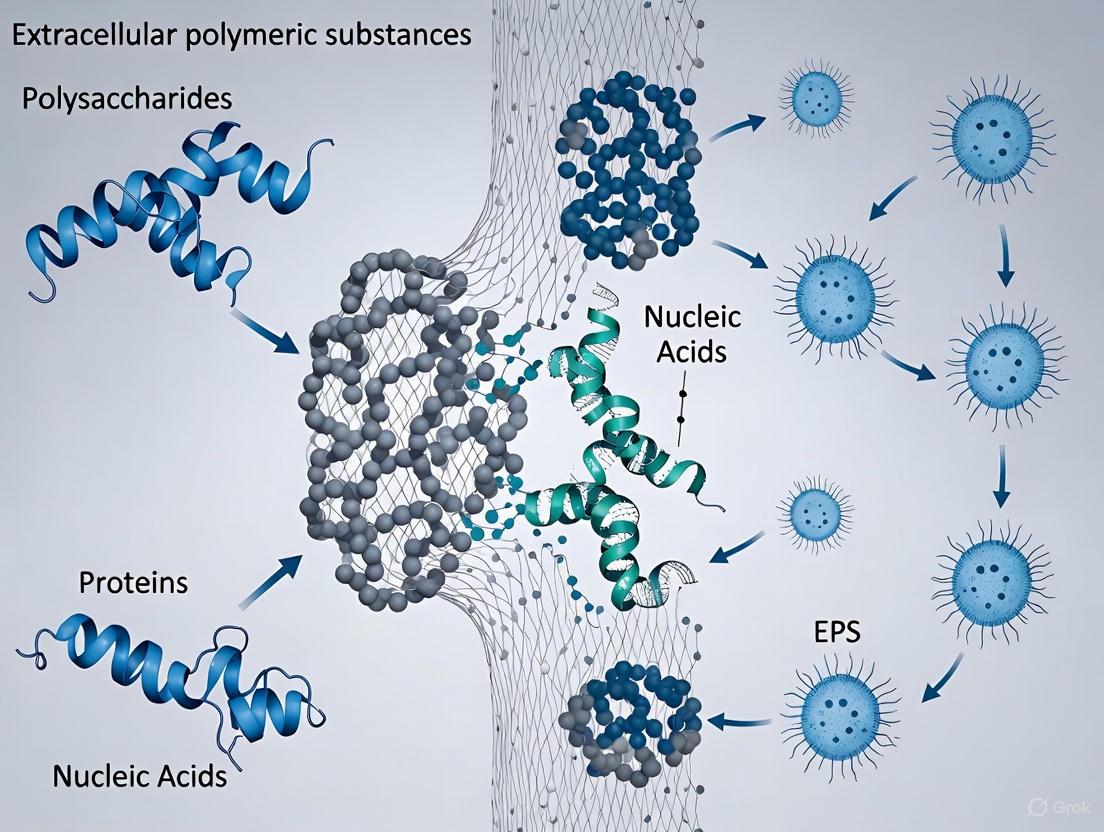
Extracellular Polymeric Substances (EPS): The Architectural Scaffold of Biofilms and Target for Advanced Therapeutics
Extracellular Polymeric Substances (EPS) form the fundamental, self-produced matrix of microbial biofilms, determining their structural integrity, functional properties, and formidable resistance to antimicrobials and host defenses.
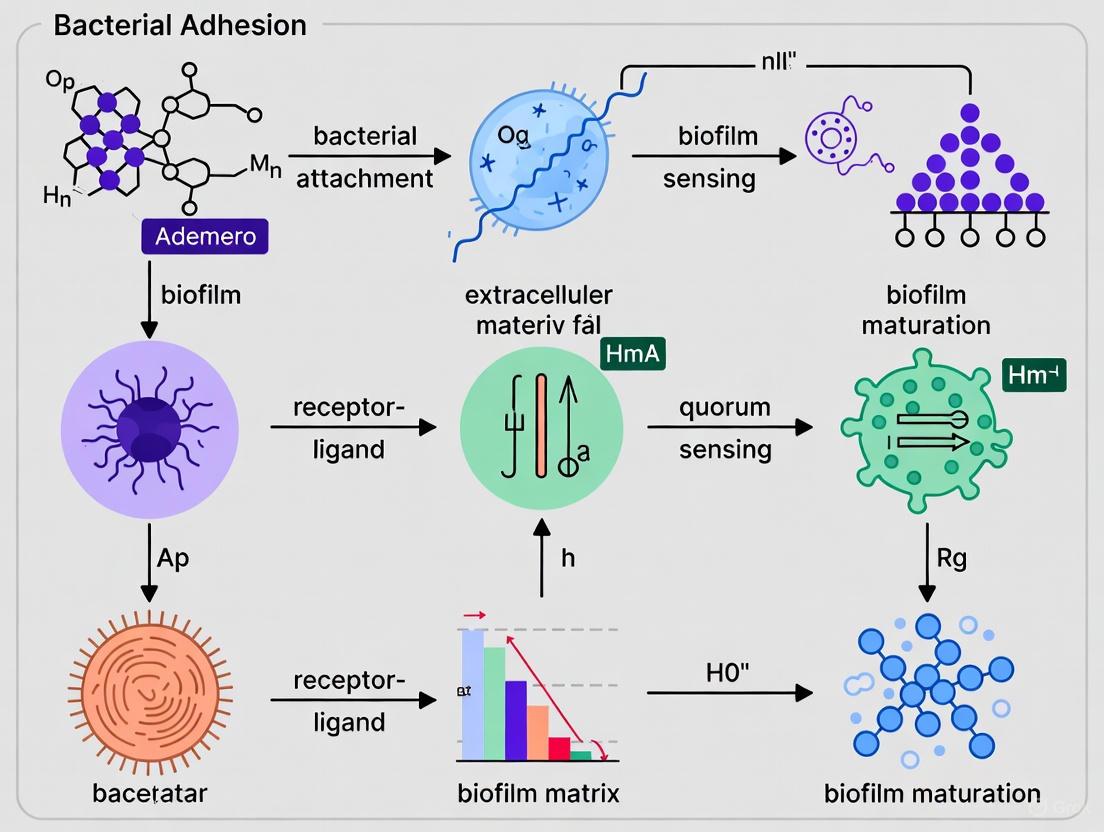
From Surface to Structure: Unraveling the Mechanisms of Bacterial Adhesion and Biofilm Initiation
This article provides a comprehensive analysis of the sophisticated mechanisms governing bacterial adhesion and the subsequent initiation of biofilms, a major contributor to chronic infections and antimicrobial resistance.
Flow Cytometry vs. Fluorescence Microscopy: A Quantitative Analysis of Cell Viability Correlation
This article provides a comprehensive analysis of the correlation between flow cytometry (FCM) and fluorescence microscopy (FM) in cell viability assessment, a critical task for researchers and drug development professionals.
Sensitivity Compared: A Critical Analysis of Bacterial Viability Methods for Research and Diagnostics
Accurately assessing bacterial viability is critical in antimicrobial development, public health microbiology, and clinical diagnostics.

Real-Time PCR vs. Culture Methods: Advancing Microbial Quality Control in Cosmetics
This article provides a comparative analysis for researchers and drug development professionals on the application of real-time PCR (rt-PCR) and traditional culture methods for microbial quality control in cosmetics.
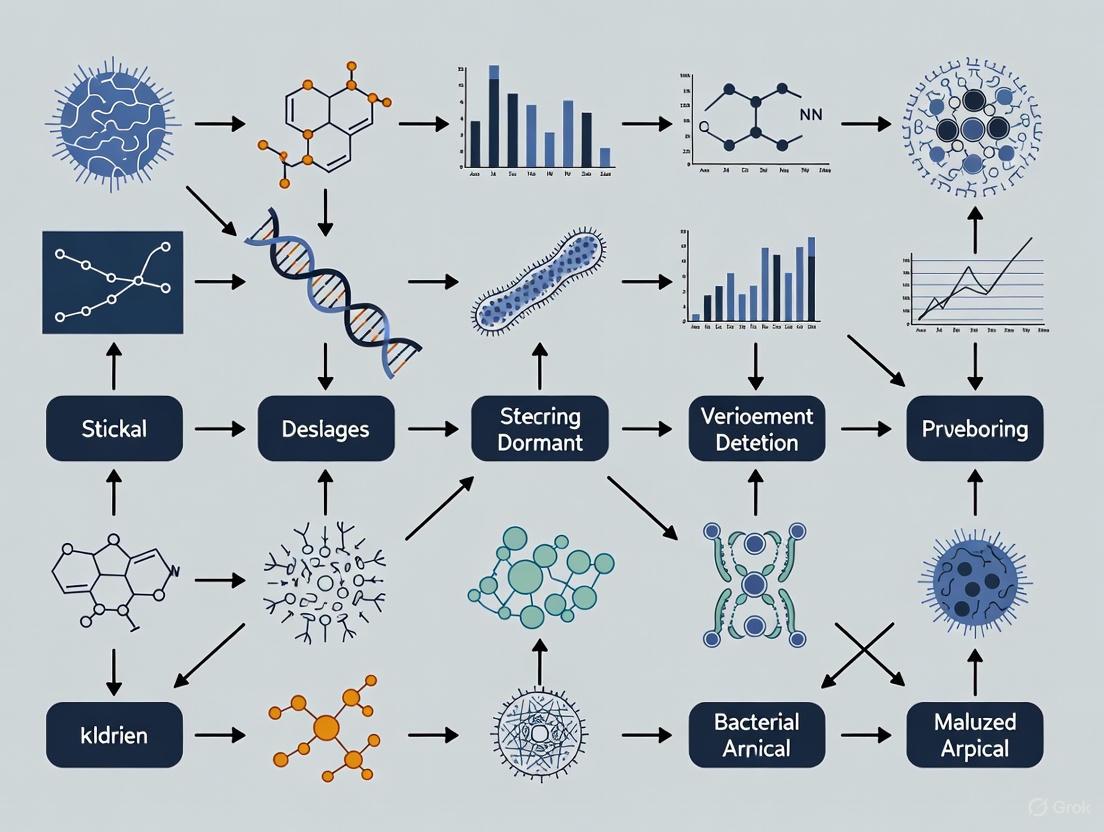
Advanced Strategies for Detecting Dormant Bacterial Populations: From Fundamental Concepts to Cutting-Edge Applications
The detection of dormant bacterial populations, including persisters and viable but non-culturable (VBNC) cells, is a critical challenge in combating chronic infections and antibiotic treatment failure.
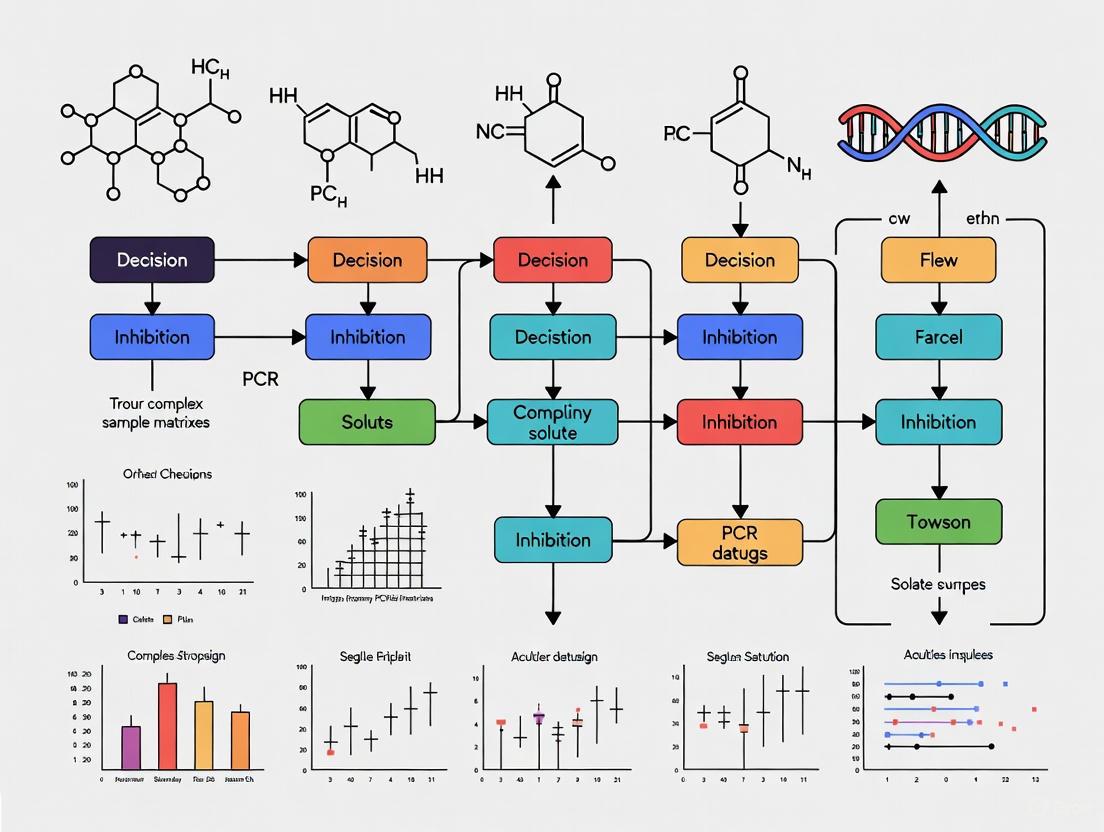
Overcoming PCR Inhibition in Complex Samples: A Comprehensive Guide for Reliable Nucleic Acid Detection
This article provides a systematic framework for researchers and drug development professionals to overcome the pervasive challenge of PCR inhibition in complex sample matrices.
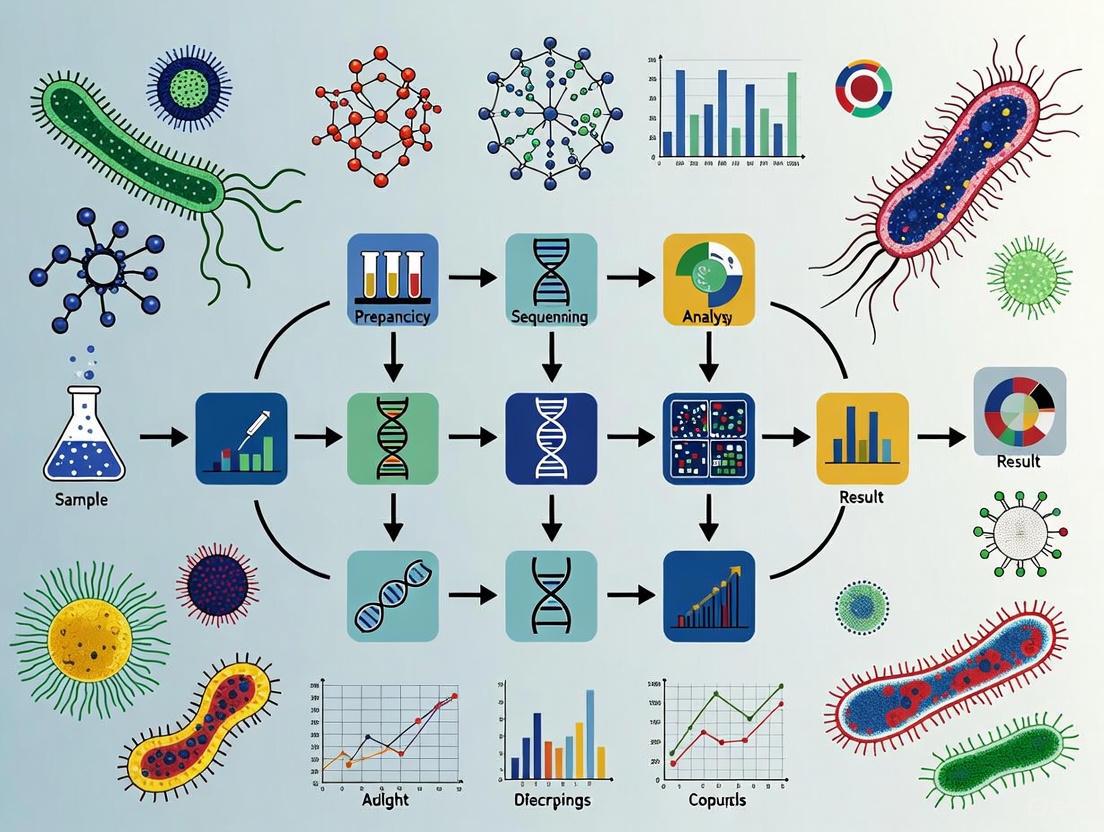
Digital Plating Platform: A Revolutionary Approach for High-Throughput Microbial Analysis and Antibiotic Discovery
This article explores the digital plating (DP) platform, a transformative technology that integrates traditional microbiology with cutting-edge digital bioassay and microfluidic principles.
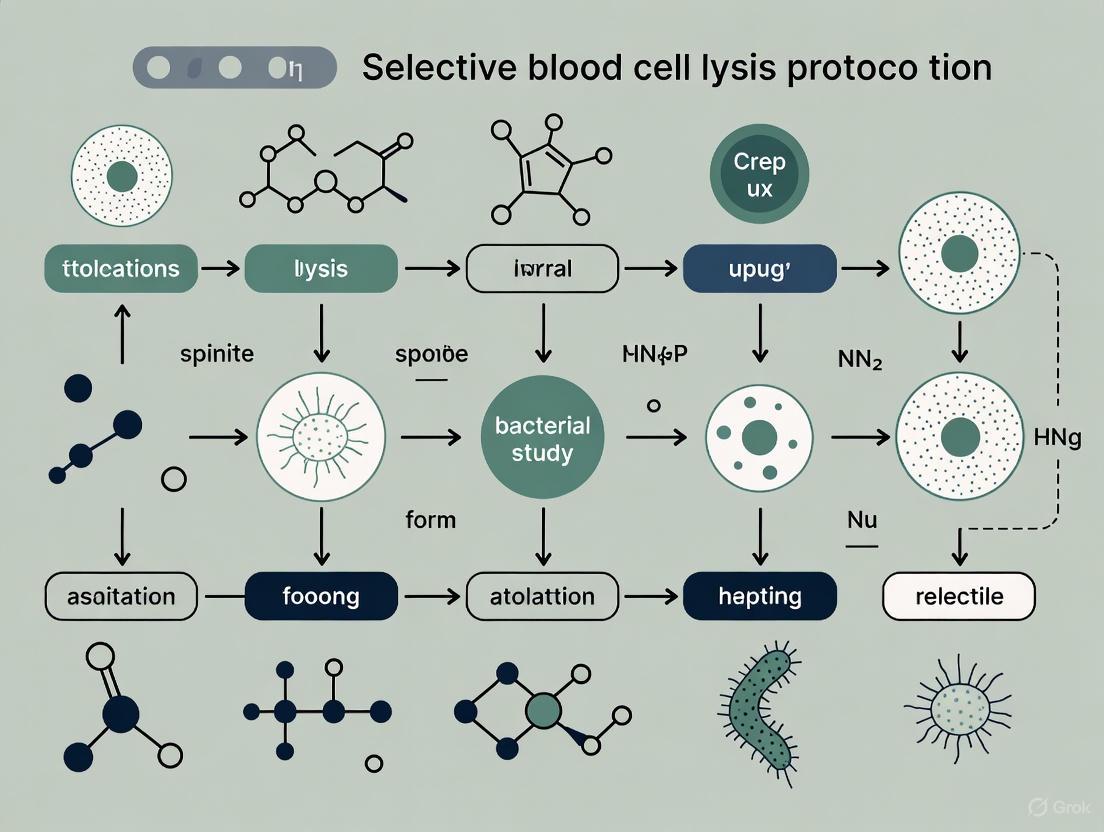
Selective Blood Cell Lysis for Bacterial Isolation: Protocols, Optimization, and Clinical Applications
This article provides a comprehensive resource for researchers and scientists on selective blood cell lysis, a critical sample preparation step for isolating intact bacteria from blood.
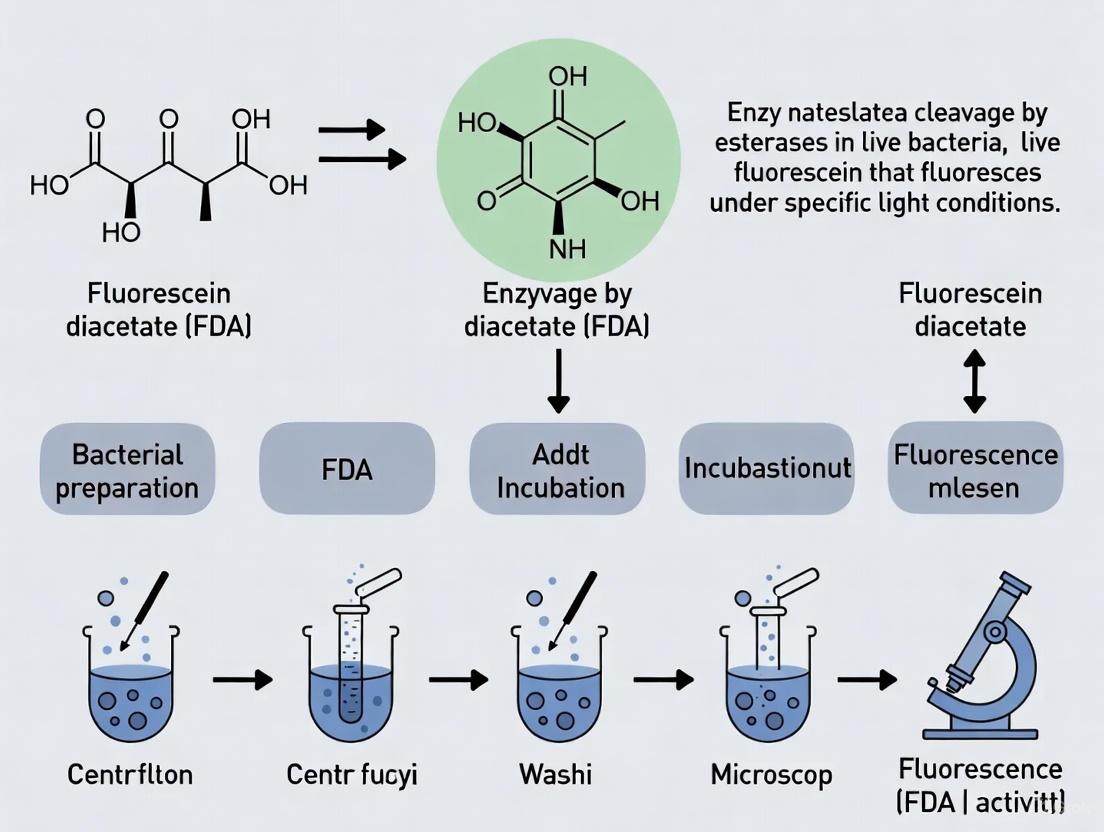
Fluorescein Diacetate (FDA) Dye Uptake Assay: A Complete Guide from Protocol to Advanced Applications
This comprehensive guide details the fluorescein diacetate (FDA) dye uptake assay, a fundamental technique for assessing cell membrane integrity and metabolic activity.