Research Articles
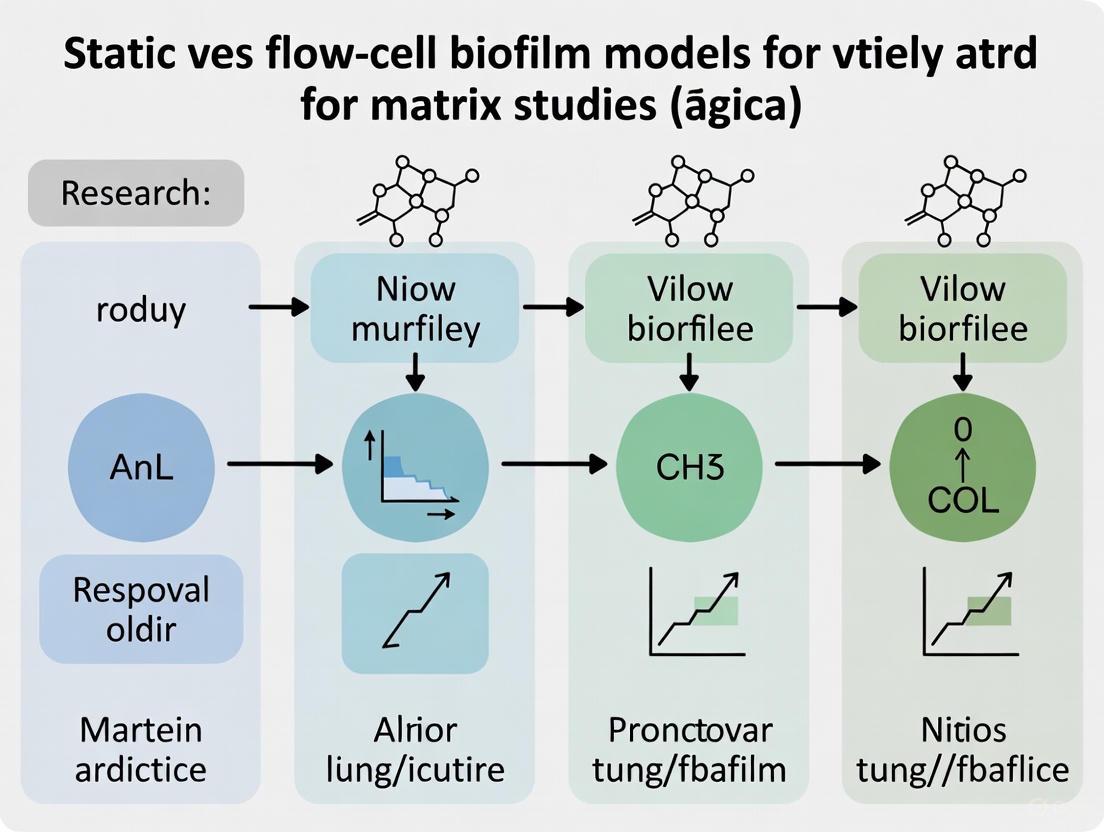
Static vs. Flow-Cell Biofilm Models: A Strategic Guide for Matrix-Focused Research
Selecting the appropriate laboratory model is critical for studying the complex architecture and function of the biofilm extracellular polymeric substance (EPS) matrix.
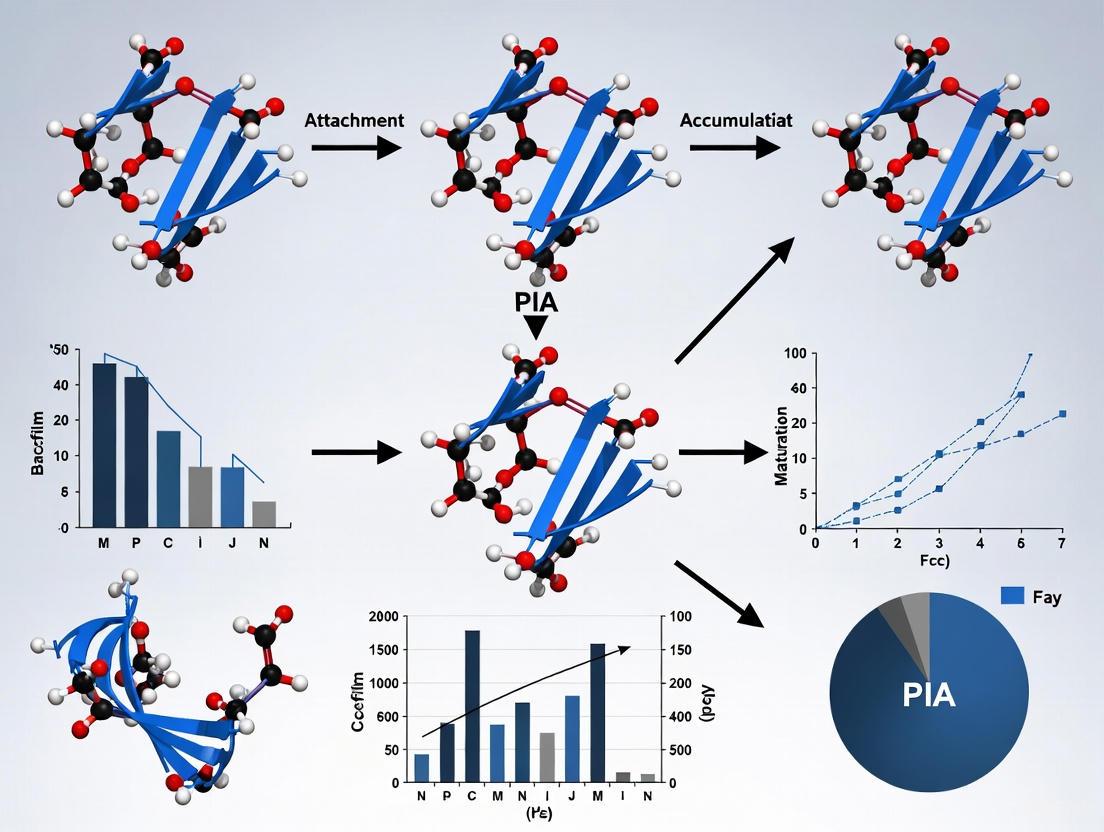
Polysaccharide Intercellular Adhesin (PIA): Structure, Function, and Therapeutic Targeting in Staphylococcal Biofilms
This article comprehensively reviews the polysaccharide intercellular adhesin (PIA), a key exopolysaccharide component of the Staphylococcus epidermidis and Staphylococcus aureus biofilm matrix.
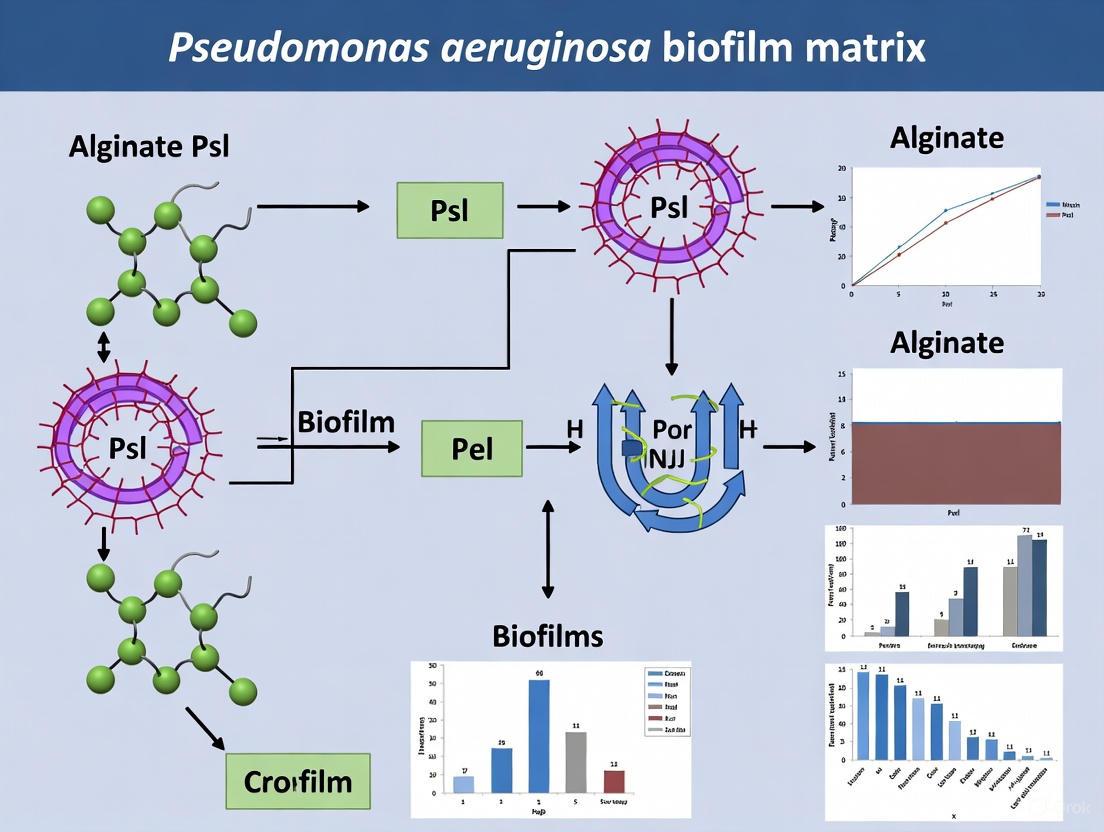
Matrix Guardians: Decoding the Structural and Protective Roles of Alginate, Psl, and Pel in Pseudomonas aeruginosa Biofilms
This article provides a comprehensive analysis of the three key exopolysaccharides—alginate, Psl, and Pel—that constitute the biofilm matrix of the opportunistic pathogen Pseudomonas aeruginosa.
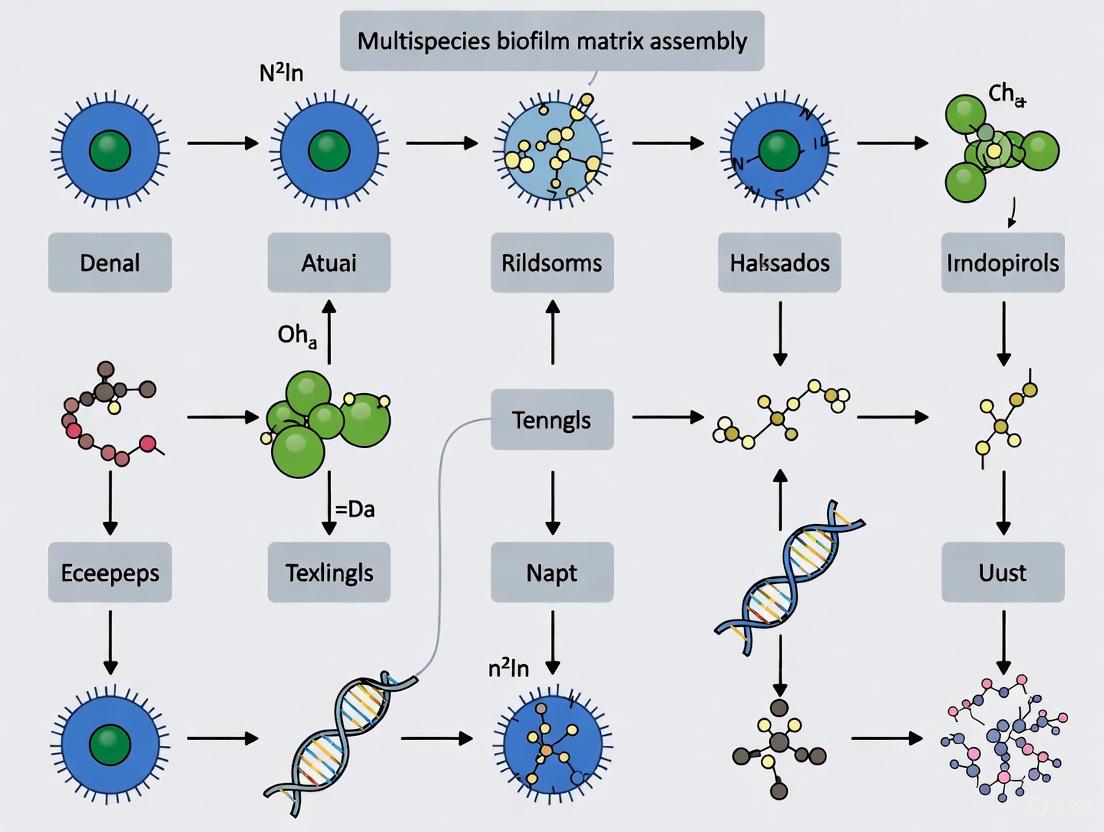
Interspecies Interactions in Multispecies Biofilm Matrix Assembly: Mechanisms, Methods, and Biomedical Applications
This article synthesizes current research on how interspecies interactions dictate the assembly, composition, and function of multispecies biofilm matrices.

Quorum Sensing in Biofilm Development and Maturation: Molecular Mechanisms, Therapeutic Targeting, and Future Directions
This comprehensive review synthesizes current knowledge on the pivotal role of quorum sensing (QS) in bacterial biofilm development and maturation, a key driver of antimicrobial resistance in chronic and device-associated...
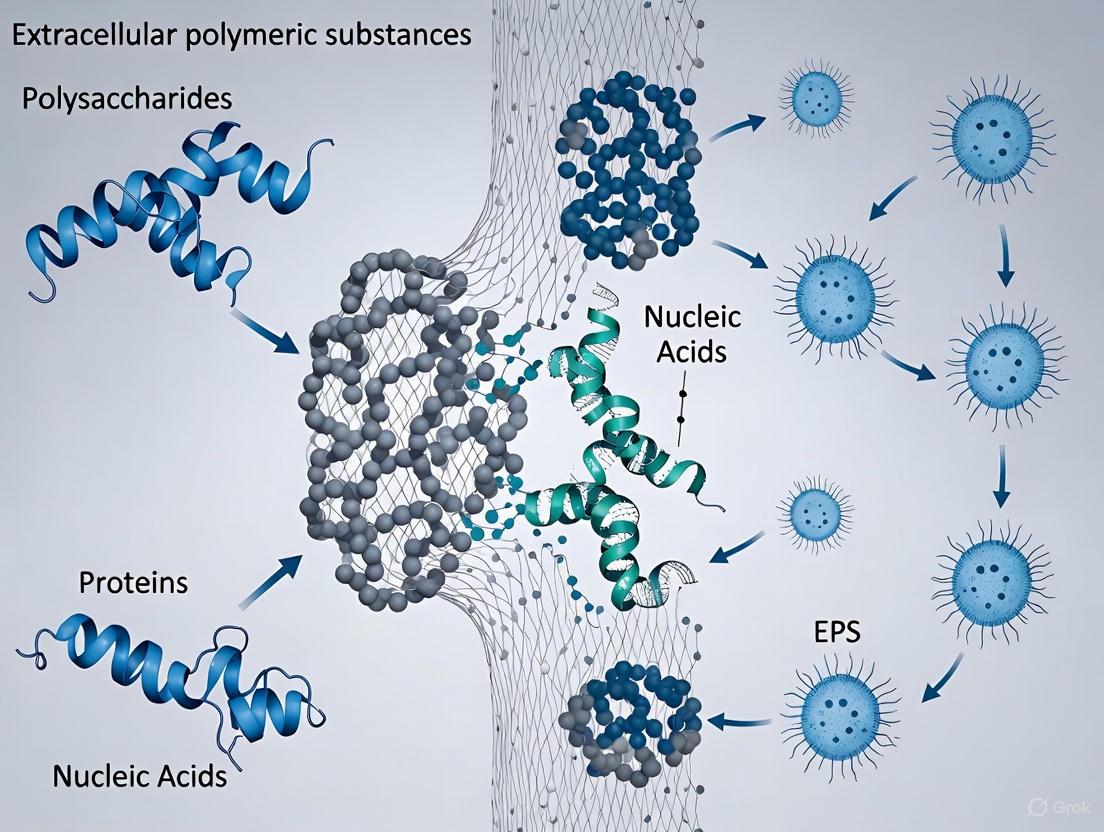
Extracellular Polymeric Substances (EPS): The Architectural Scaffold of Biofilms and Target for Advanced Therapeutics
Extracellular Polymeric Substances (EPS) form the fundamental, self-produced matrix of microbial biofilms, determining their structural integrity, functional properties, and formidable resistance to antimicrobials and host defenses.
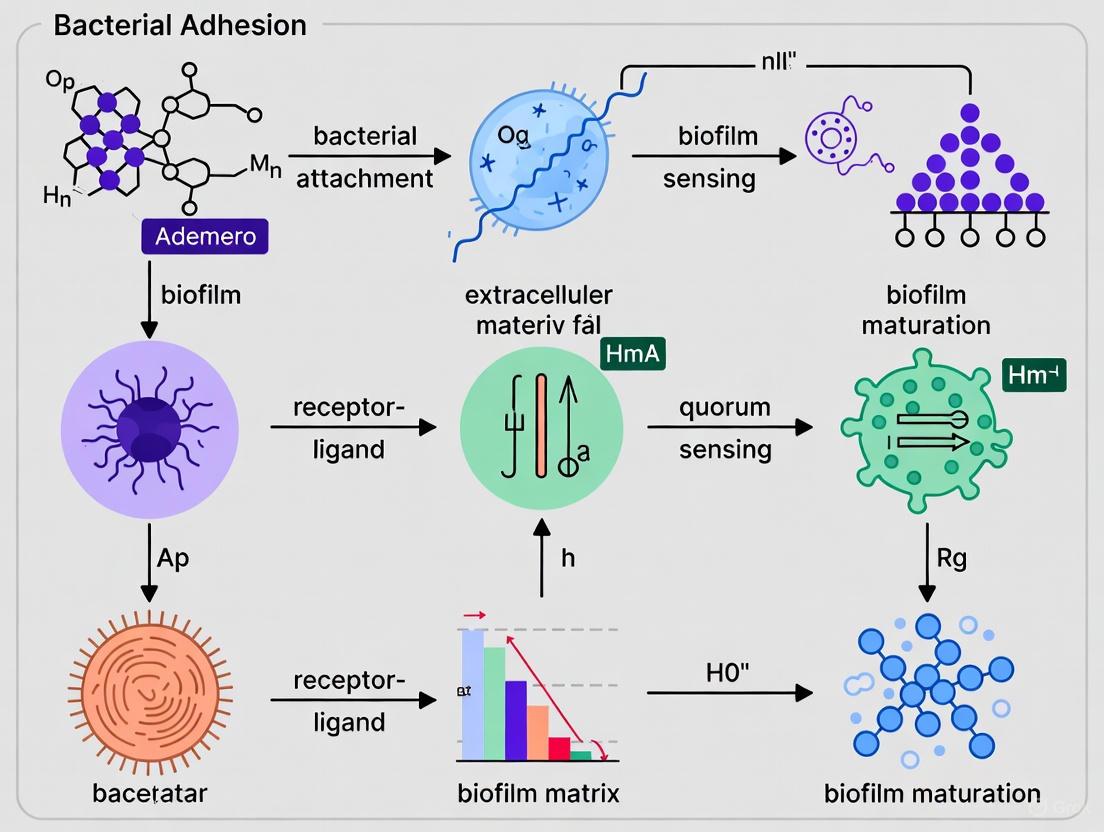
From Surface to Structure: Unraveling the Mechanisms of Bacterial Adhesion and Biofilm Initiation
This article provides a comprehensive analysis of the sophisticated mechanisms governing bacterial adhesion and the subsequent initiation of biofilms, a major contributor to chronic infections and antimicrobial resistance.
Flow Cytometry vs. Fluorescence Microscopy: A Quantitative Analysis of Cell Viability Correlation
This article provides a comprehensive analysis of the correlation between flow cytometry (FCM) and fluorescence microscopy (FM) in cell viability assessment, a critical task for researchers and drug development professionals.
Sensitivity Compared: A Critical Analysis of Bacterial Viability Methods for Research and Diagnostics
Accurately assessing bacterial viability is critical in antimicrobial development, public health microbiology, and clinical diagnostics.

Real-Time PCR vs. Culture Methods: Advancing Microbial Quality Control in Cosmetics
This article provides a comparative analysis for researchers and drug development professionals on the application of real-time PCR (rt-PCR) and traditional culture methods for microbial quality control in cosmetics.