Research Articles
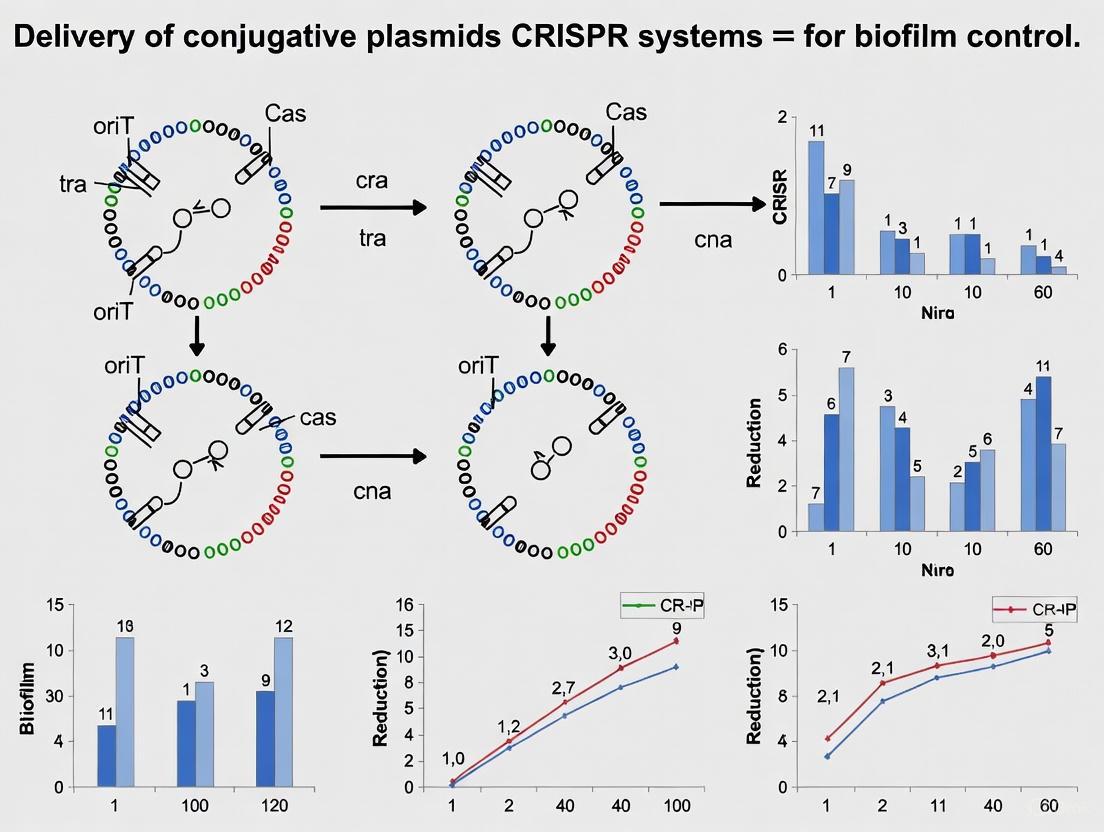
Conjugative Plasmid Delivery of CRISPR Systems: A Precision Strategy for Biofilm Control and Combating Antimicrobial Resistance
The escalating global health crisis of antimicrobial resistance (AMR) is profoundly fueled by biofilm-associated infections, which confer immense tolerance to conventional antibiotics.
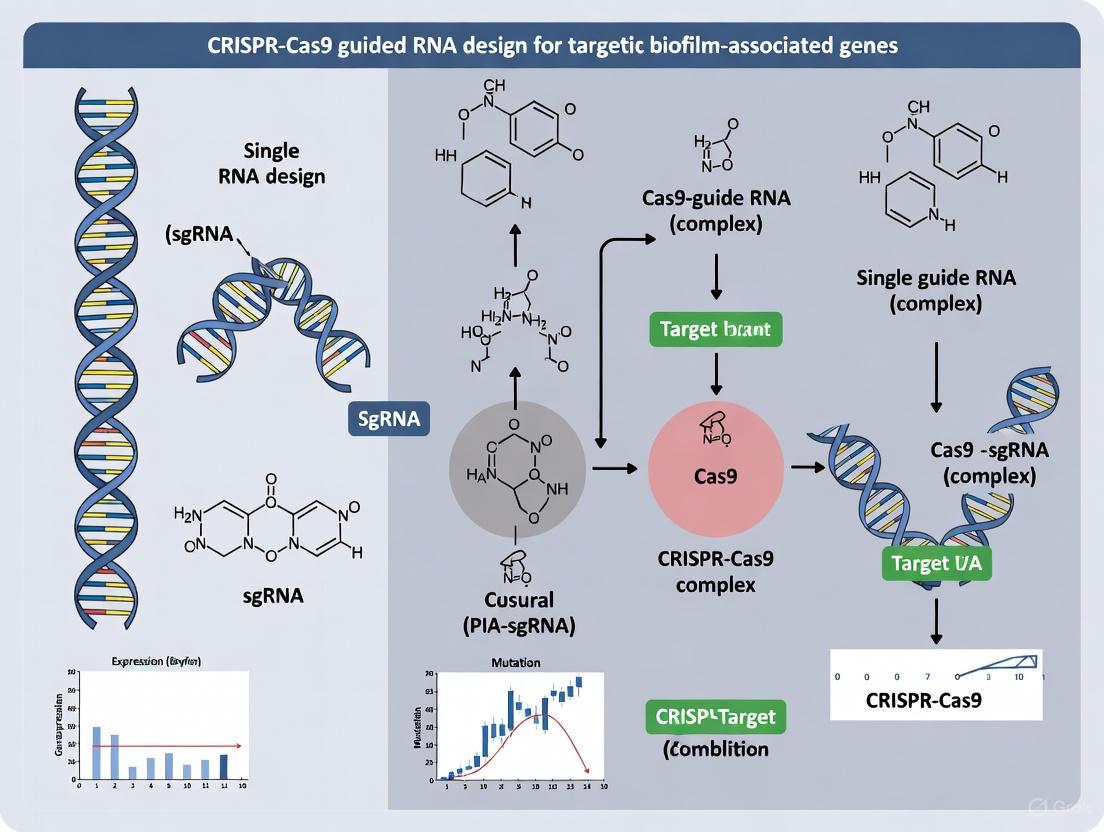
Precision Guide RNA Design for CRISPR-Cas9 Targeting of Biofilm-Associated Genes: Strategies for Eradicating Resistant Infections
This article provides a comprehensive resource for researchers and drug development professionals on designing effective CRISPR-Cas9 guide RNAs (gRNAs) to combat biofilm-mediated antibiotic resistance.

Precision in the Matrix: Optimizing gRNA Specificity for CRISPR-Based Biofilm Control
The application of CRISPR-Cas systems for biofilm eradication represents a paradigm shift from broad-spectrum antimicrobials to precision genetic warfare.
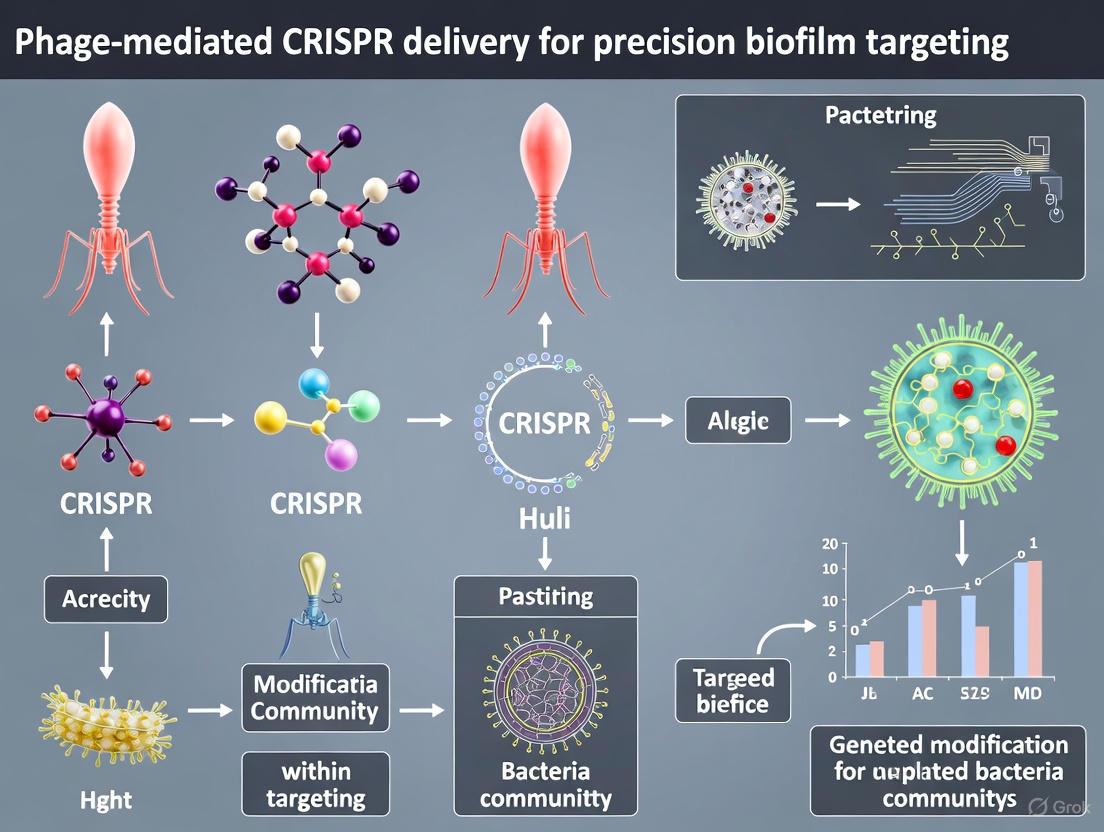
Precision Biofilm Eradication: Harnessing Phage-Mediated CRISPR Delivery for Next-Generation Antimicrobial Therapy
The escalating crisis of antibiotic-resistant biofilm-associated infections demands innovative therapeutic strategies.
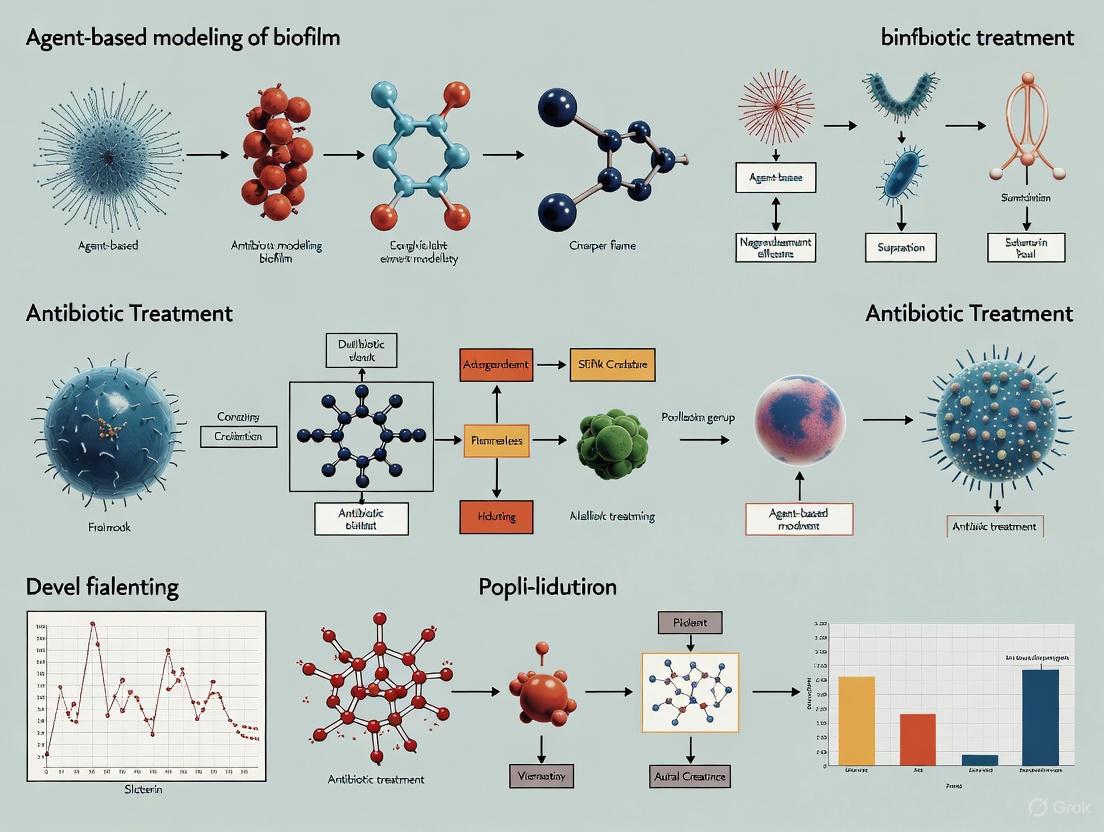
Agent-Based Modeling of Biofilm Antibiotic Treatment: From Single-Cell Dynamics to Optimized Therapeutic Strategies
Agent-based models (ABMs) are emerging as powerful computational tools that provide unprecedented, high-resolution insights into the dynamics of bacterial biofilms and their response to antibiotic treatment.
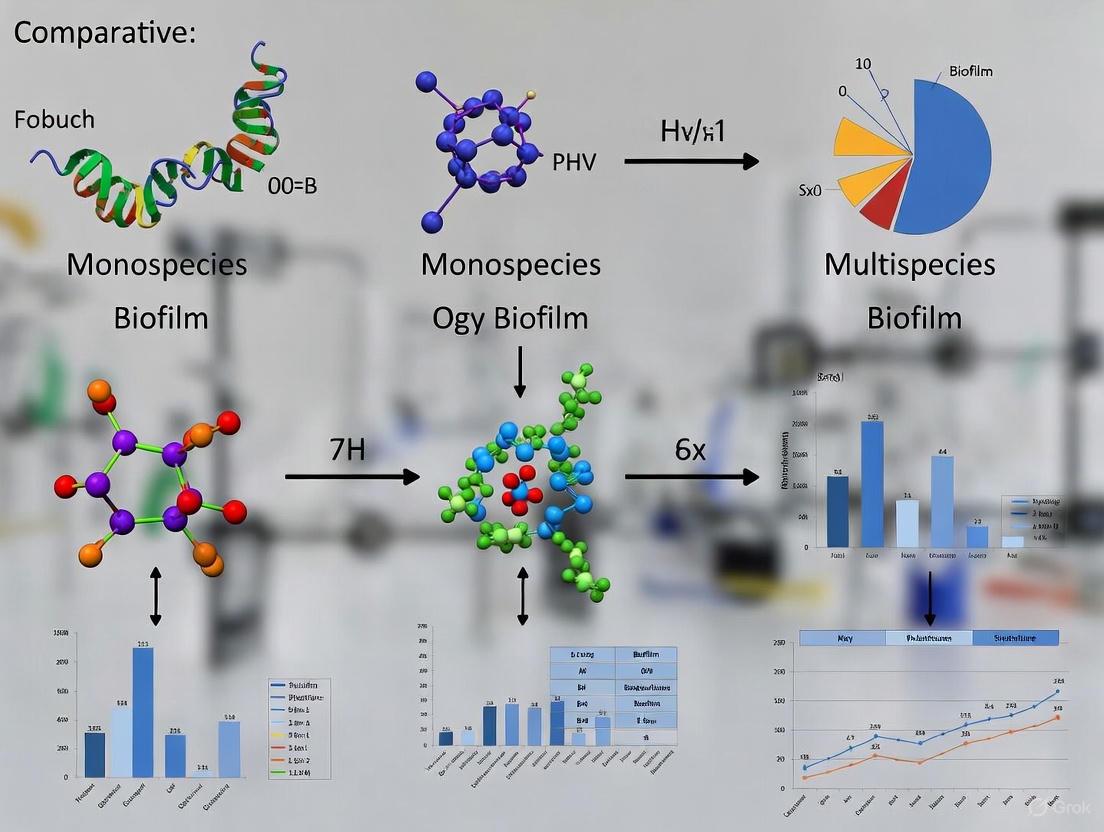
Beyond the Single Species: A Comparative Evaluation of Mono- vs. Multispecies Biofilm Models for Advancing Therapeutic Development
Biofilm-associated infections present a formidable challenge in healthcare, driven by their significant tolerance to antimicrobials and host immune responses.
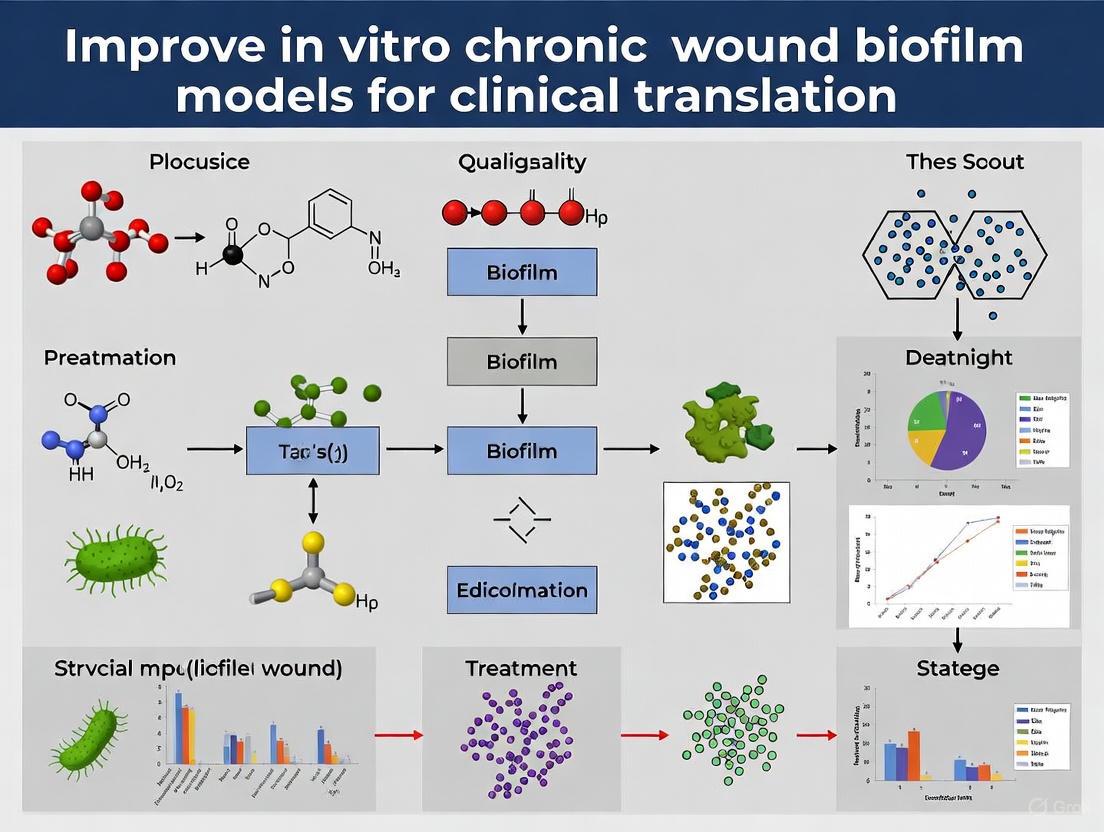
Bridging the Gap: Strategies for Developing Clinically Predictive In Vitro Chronic Wound Biofilm Models
The translation of anti-biofilm therapies from laboratory research to clinical practice is significantly hampered by the poor predictive power of conventional in vitro models.
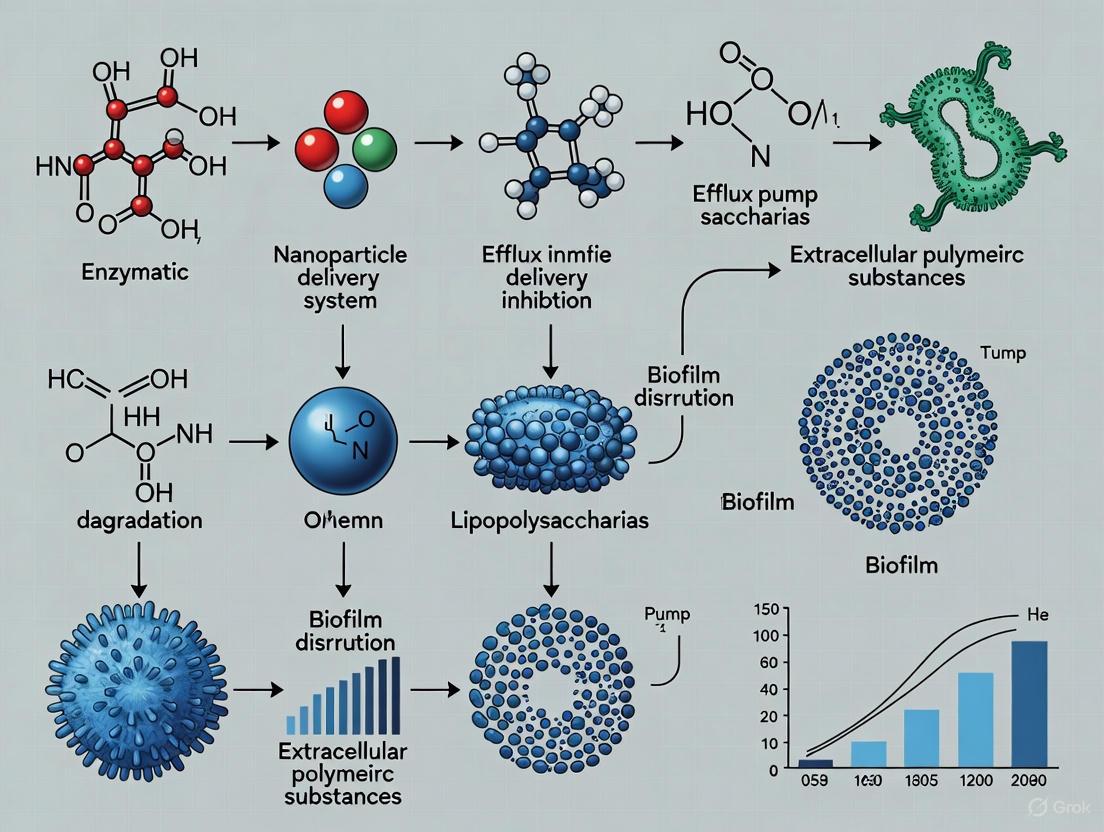
Breaking Barriers: Advanced Strategies to Enhance Antibiotic Penetration Through Biofilm Matrices
Biofilms, structured microbial communities encased in an extracellular matrix, are a primary driver of multidrug resistance, protecting pathogens from antimicrobial agents and complicating the treatment of chronic infections.
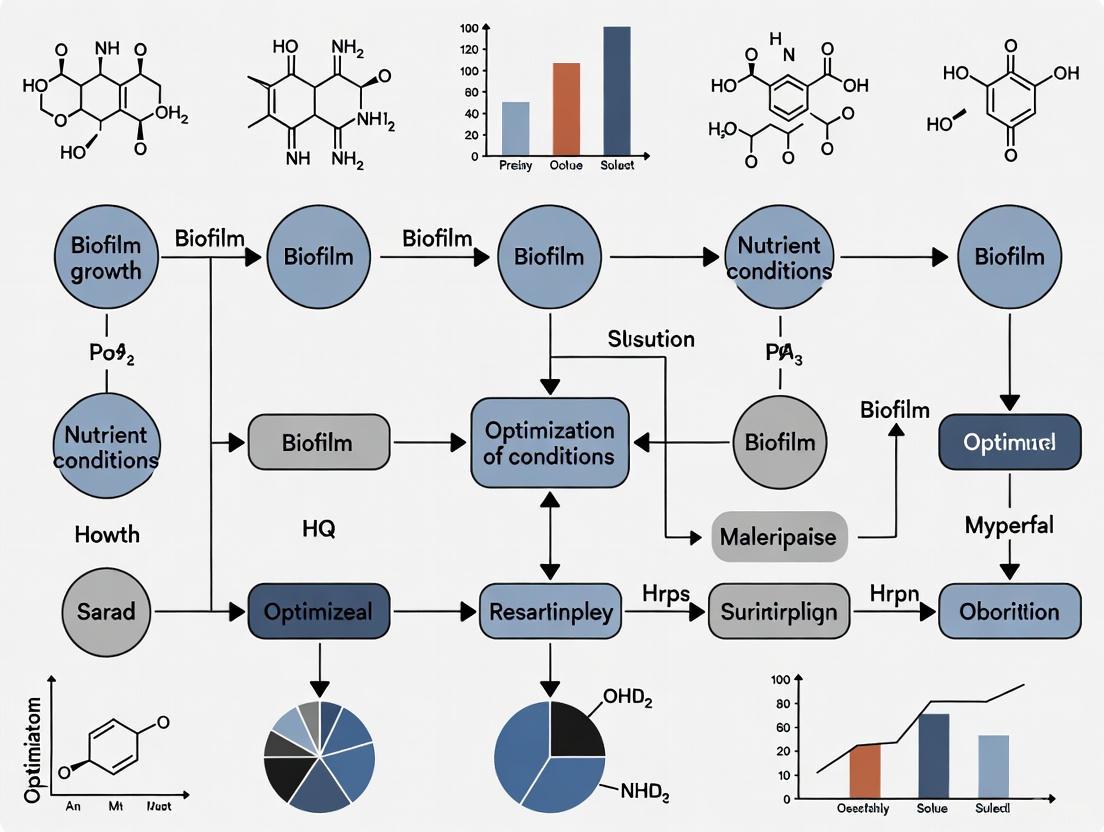
Optimizing Nutrient Conditions for Enhanced Biofilm Growth: A Scientific Guide for Biomedical Research
This article provides a comprehensive guide for researchers and drug development professionals on the critical role of nutrient optimization in in vitro biofilm cultivation.
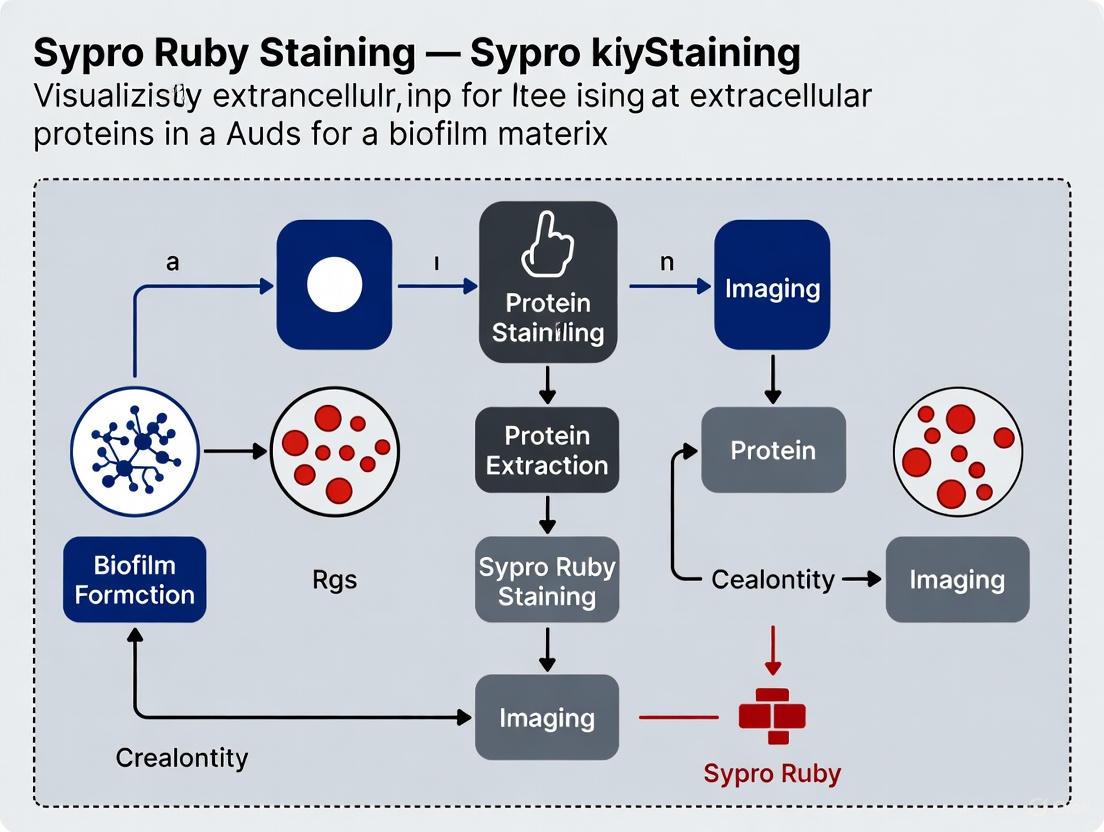
SYPRO Ruby Staining for Biofilm Matrix Proteins: A Complete Guide from Principles to Advanced Applications
This comprehensive guide explores the application of SYPRO Ruby stain for visualizing extracellular proteins within the complex structure of biofilm matrices.