Research Articles
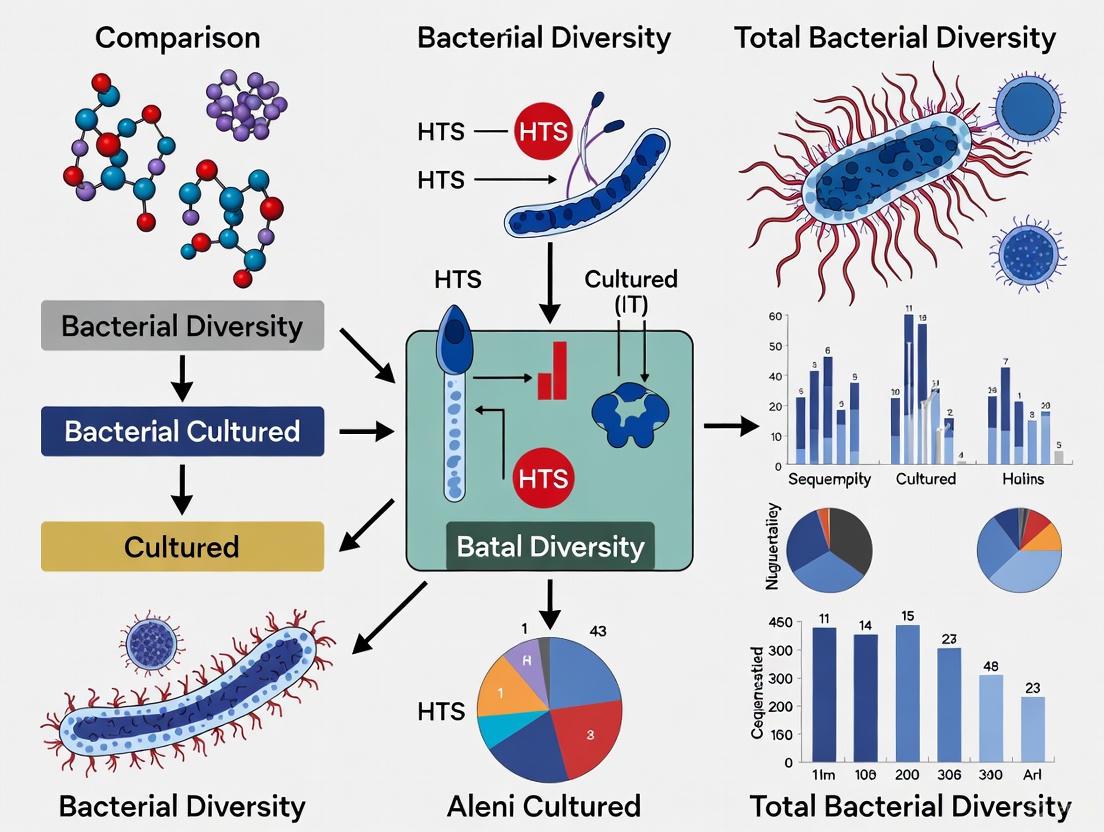
Bridging the Microbial Gap: A Comprehensive Comparison of Cultured and Total Bacterial Diversity Through High-Throughput Sequencing
This article synthesizes current research on the critical disparity between cultured and total bacterial diversity revealed by high-throughput sequencing (HTS).
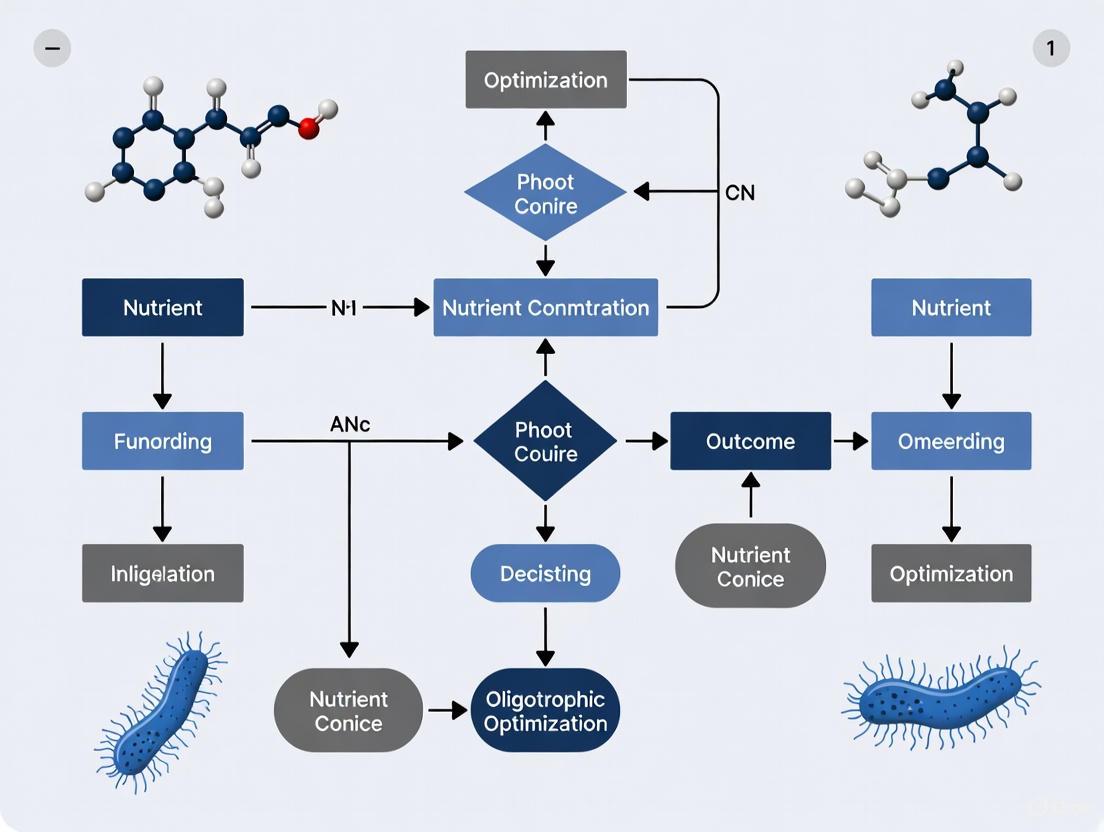
Optimizing Nutrient Concentrations for Oligotrophic Bacteria: Advanced Cultivation Strategies for Pharmaceutical Research
Oligotrophic bacteria, adapted to low-nutrient environments, pose significant challenges for cultivation and detection in pharmaceutical quality control and drug development.
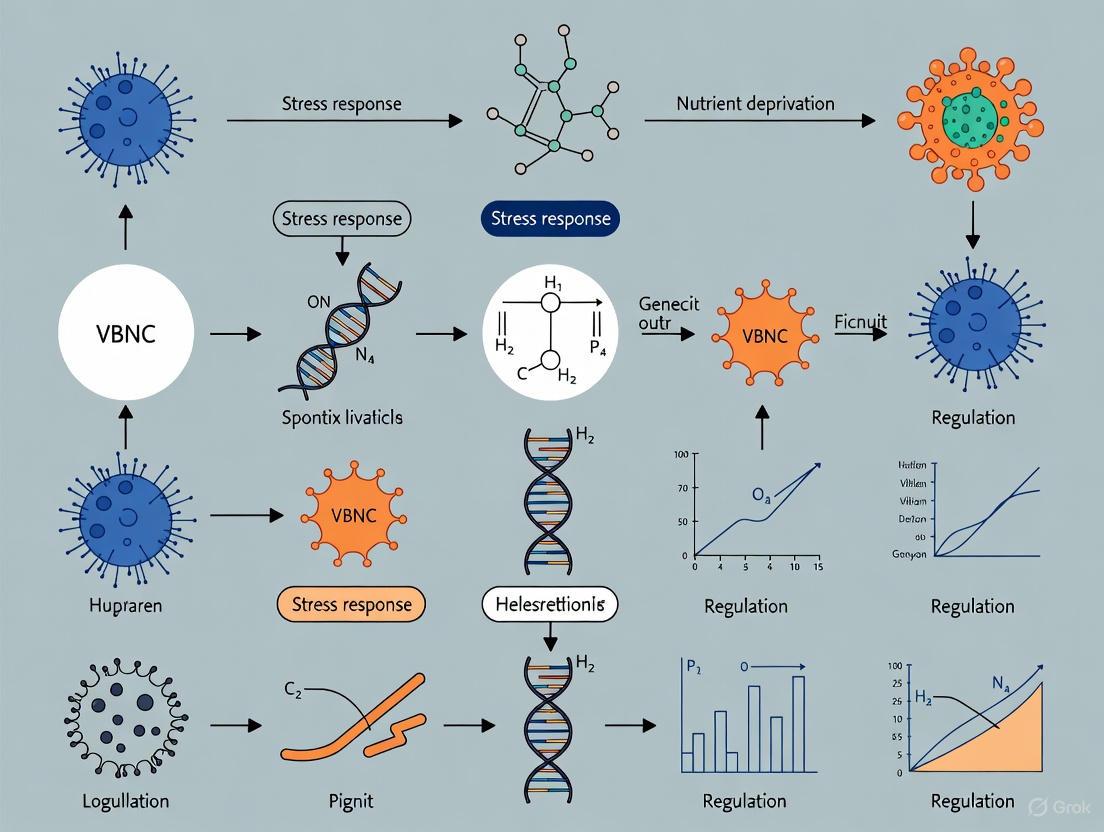
The Physiological Basis of the Viable But Non-Culturable (VBNC) State: Mechanisms, Detection, and Clinical Implications
This article comprehensively reviews the physiological basis for the induction of the viable but non-culturable (VBNC) state, a dormant survival strategy employed by bacteria under stress.
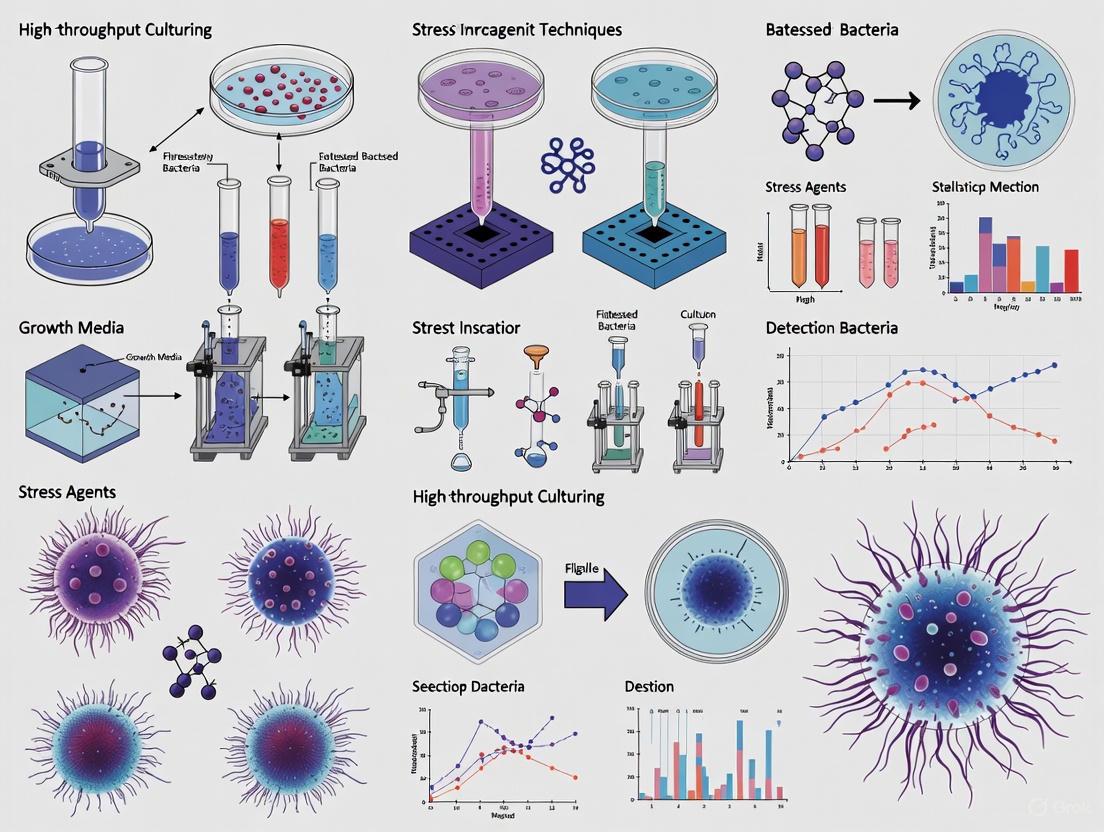
High-Throughput Culturing of Stressed Bacteria: Advanced Techniques for Resilient Strain Isolation and Functional Discovery
This article provides a comprehensive overview of modern high-throughput (HT) culturing techniques specifically designed to isolate and study bacteria under various stress conditions.
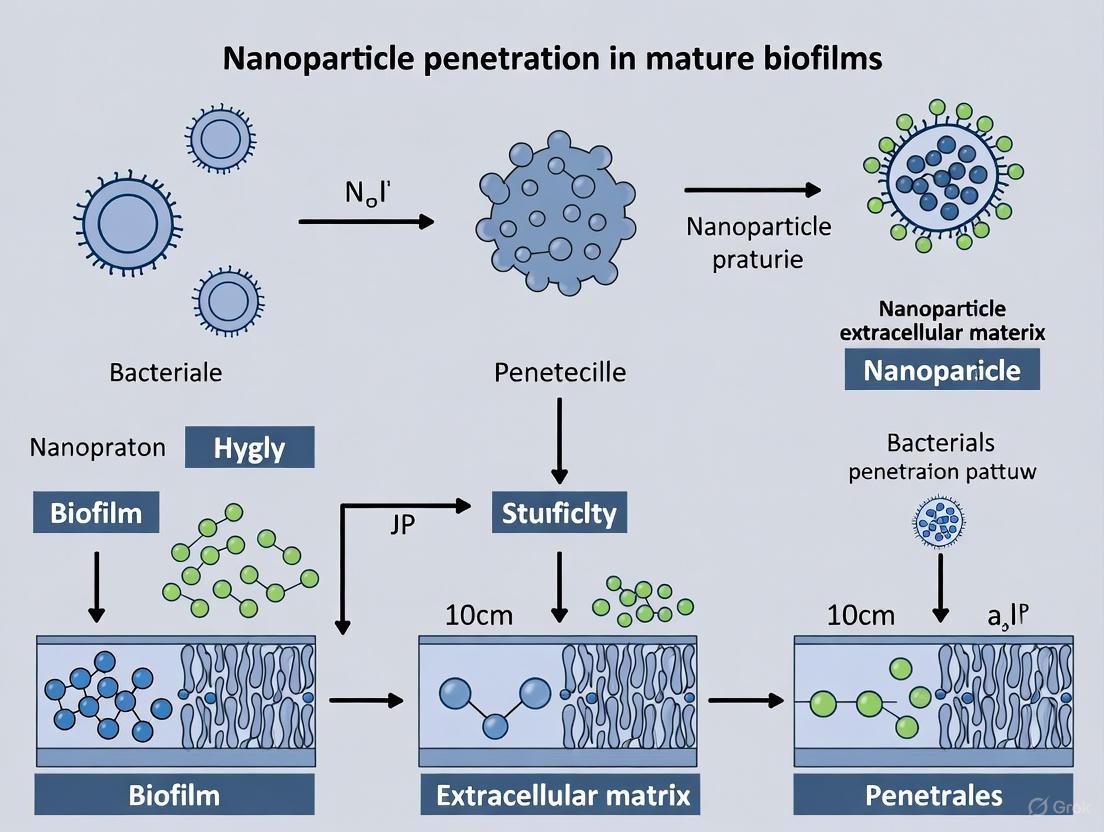
Breaking the Barrier: Advanced Nanoparticle Strategies for Penetrating Mature Biofilms
Mature biofilms present a formidable challenge in treating persistent infections due to their dense extracellular matrix that severely limits the penetration and efficacy of conventional antimicrobials.
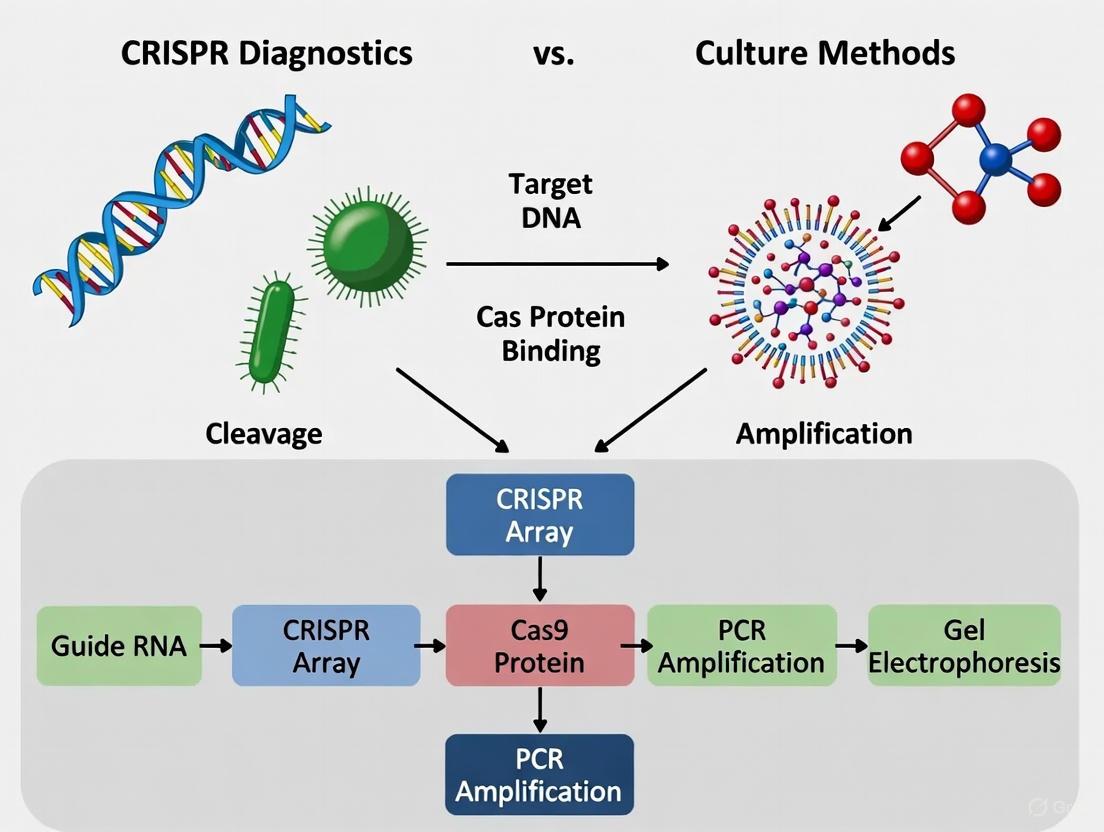
CRISPR vs. Culture: A New Paradigm for Rapid and Sensitive Biofilm Pathogen Detection
This article provides a comprehensive evaluation of CRISPR-based diagnostic technologies against traditional culture methods for detecting pathogens within biofilms.
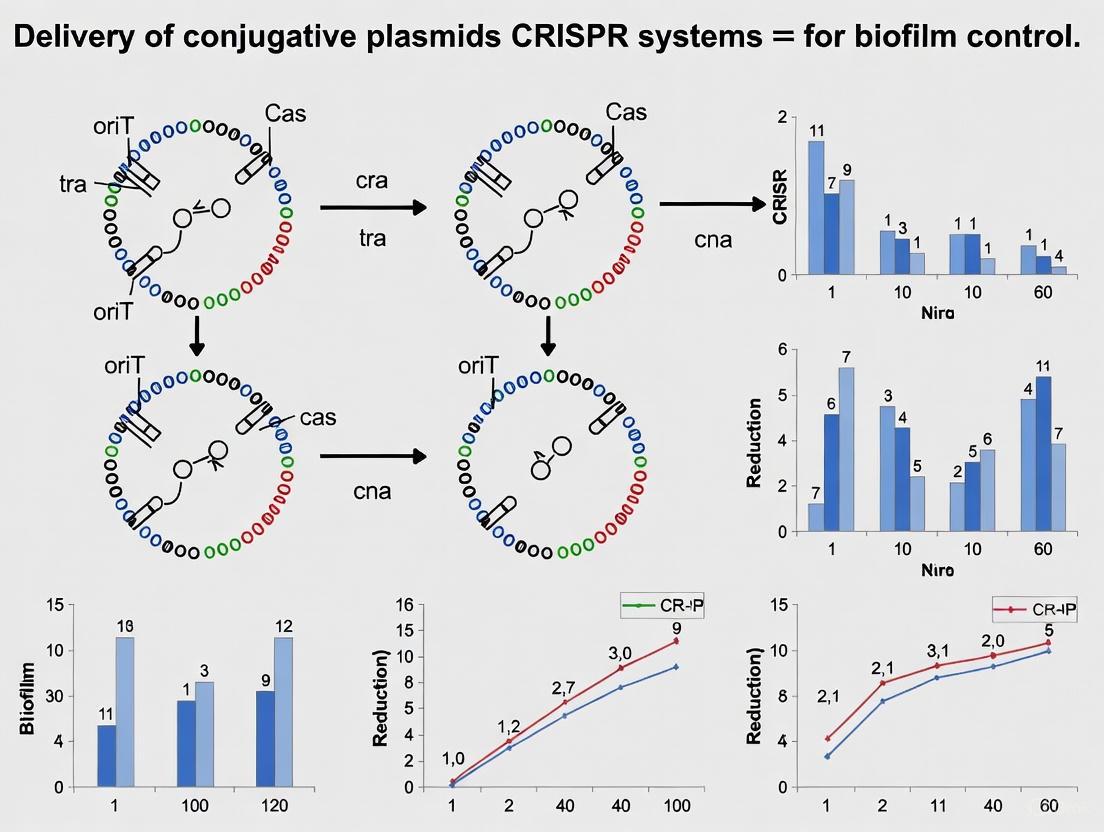
Conjugative Plasmid Delivery of CRISPR Systems: A Precision Strategy for Biofilm Control and Combating Antimicrobial Resistance
The escalating global health crisis of antimicrobial resistance (AMR) is profoundly fueled by biofilm-associated infections, which confer immense tolerance to conventional antibiotics.
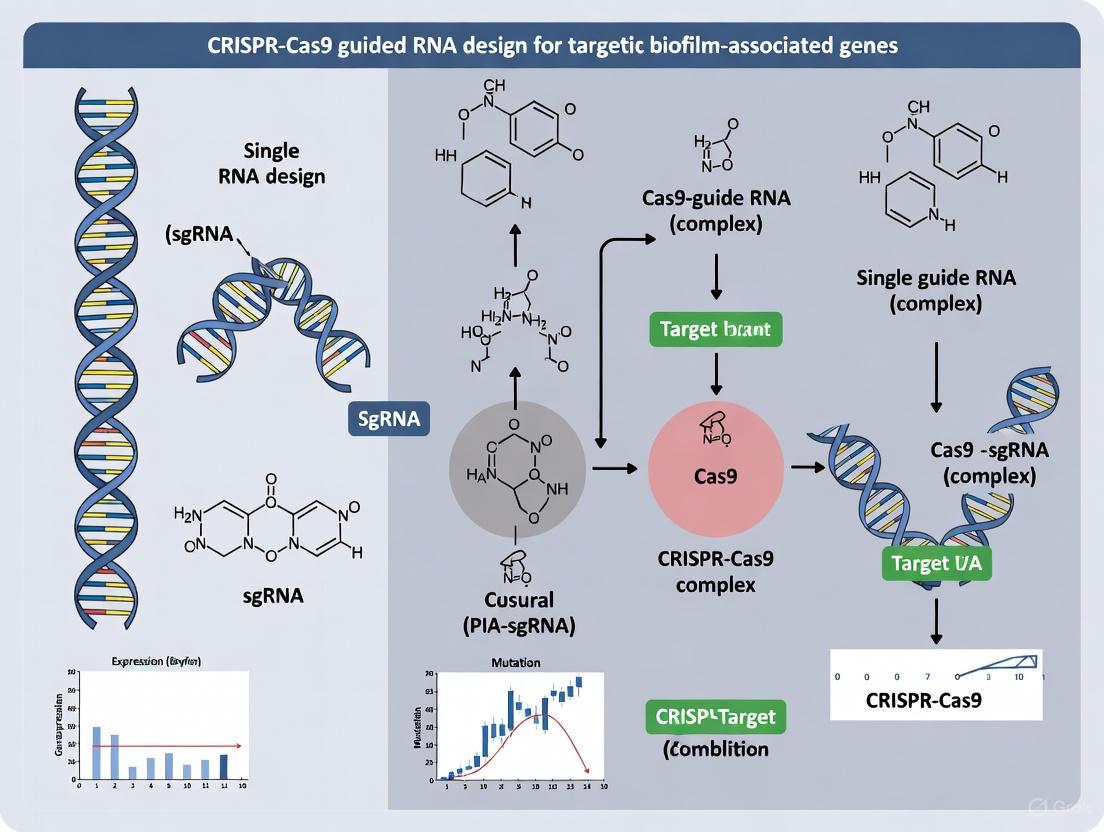
Precision Guide RNA Design for CRISPR-Cas9 Targeting of Biofilm-Associated Genes: Strategies for Eradicating Resistant Infections
This article provides a comprehensive resource for researchers and drug development professionals on designing effective CRISPR-Cas9 guide RNAs (gRNAs) to combat biofilm-mediated antibiotic resistance.

Precision in the Matrix: Optimizing gRNA Specificity for CRISPR-Based Biofilm Control
The application of CRISPR-Cas systems for biofilm eradication represents a paradigm shift from broad-spectrum antimicrobials to precision genetic warfare.
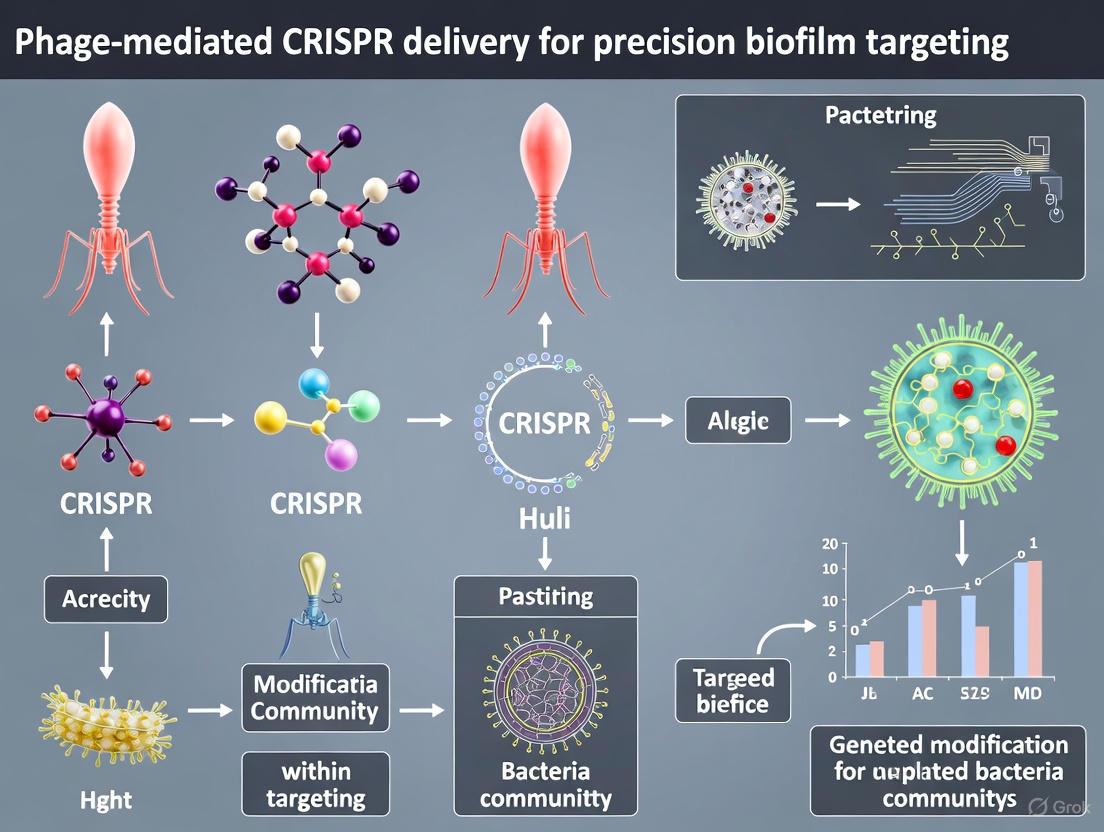
Precision Biofilm Eradication: Harnessing Phage-Mediated CRISPR Delivery for Next-Generation Antimicrobial Therapy
The escalating crisis of antibiotic-resistant biofilm-associated infections demands innovative therapeutic strategies.