Research Articles
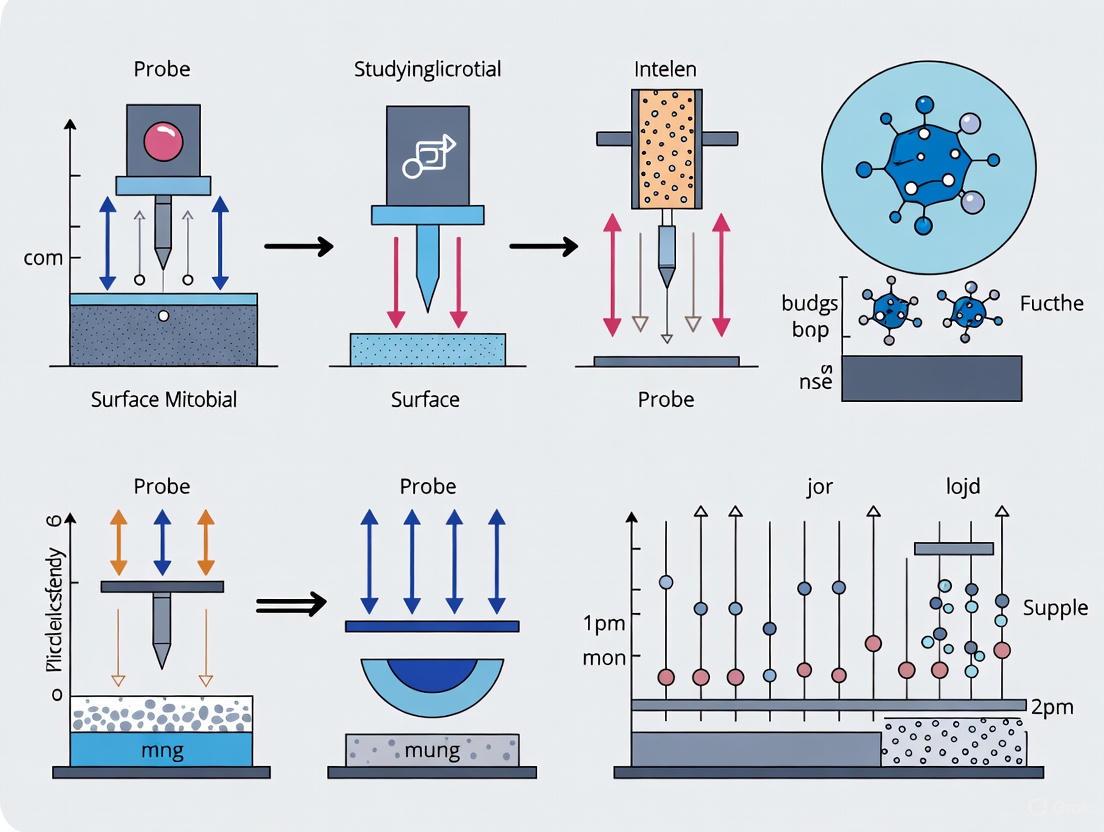
Chemical Force Microscopy: Probing Microbial Surface Properties for Drug Development and Biomedical Research
Chemical Force Microscopy (CFM) has emerged as a powerful technique in microbiological research, enabling the nanoscale mapping of chemical and physical properties of microbial surfaces under physiological conditions.
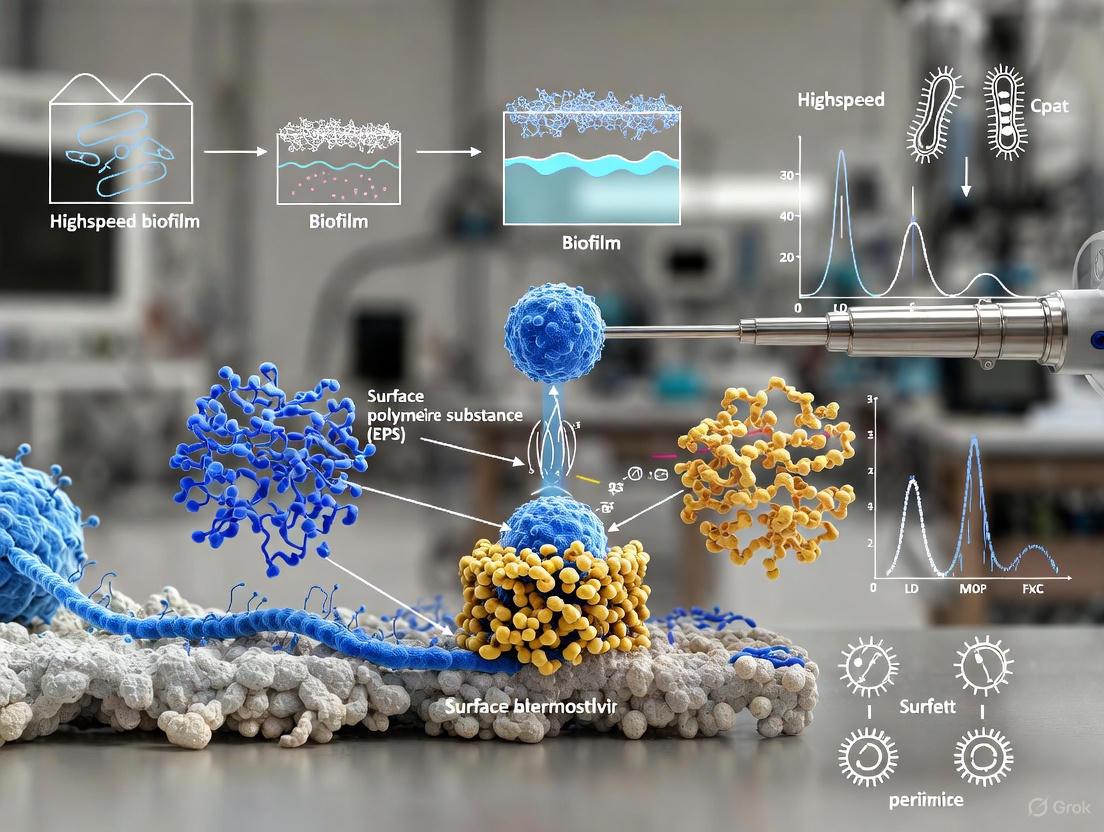
Visualizing Dynamic Biofilm Processes: How High-Speed AFM is Revolutionizing Microbiology and Drug Development
This article explores the transformative role of High-Speed Atomic Force Microscopy (HS-AFM) in visualizing the dynamic processes of biofilm formation and behavior in real-time.
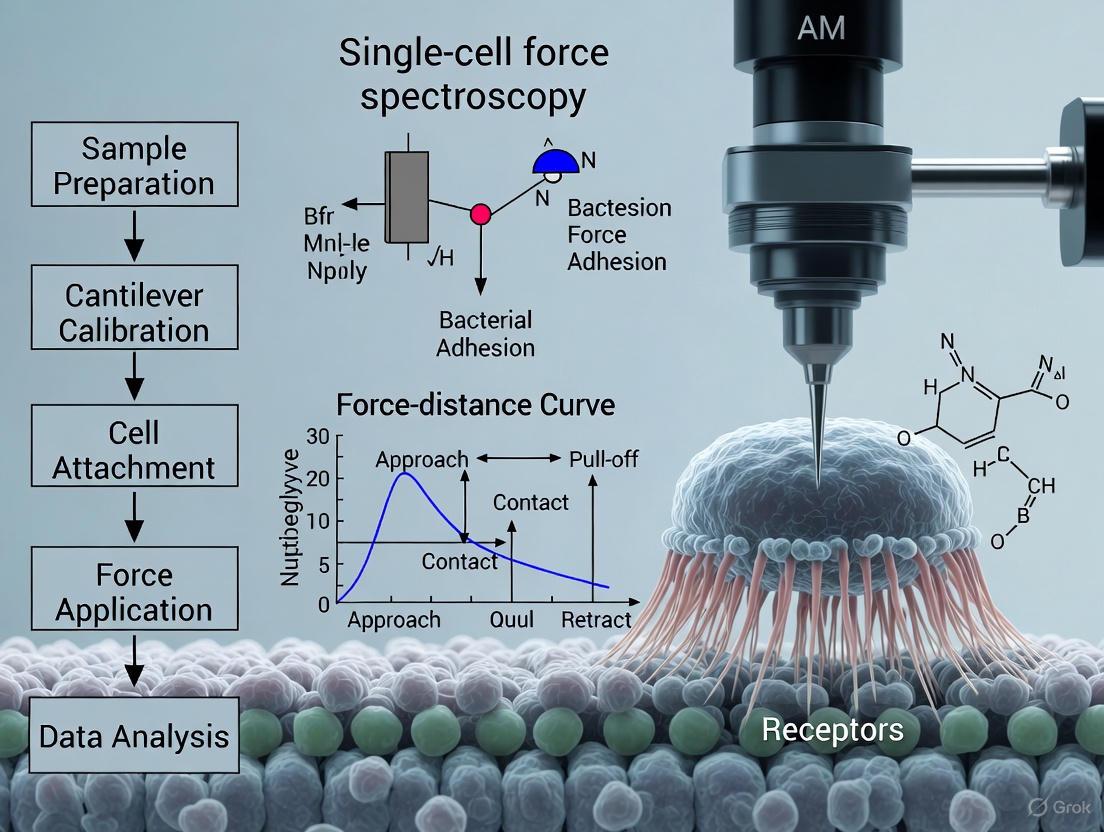
Single-Cell Force Spectroscopy in Bacterial Adhesion: Protocols, Applications, and Future Directions for Antimicrobial Research
This comprehensive review explores single-cell force spectroscopy (SCFS) as a transformative biophysical technique for quantifying bacterial adhesion forces at the single-cell and single-molecule level.
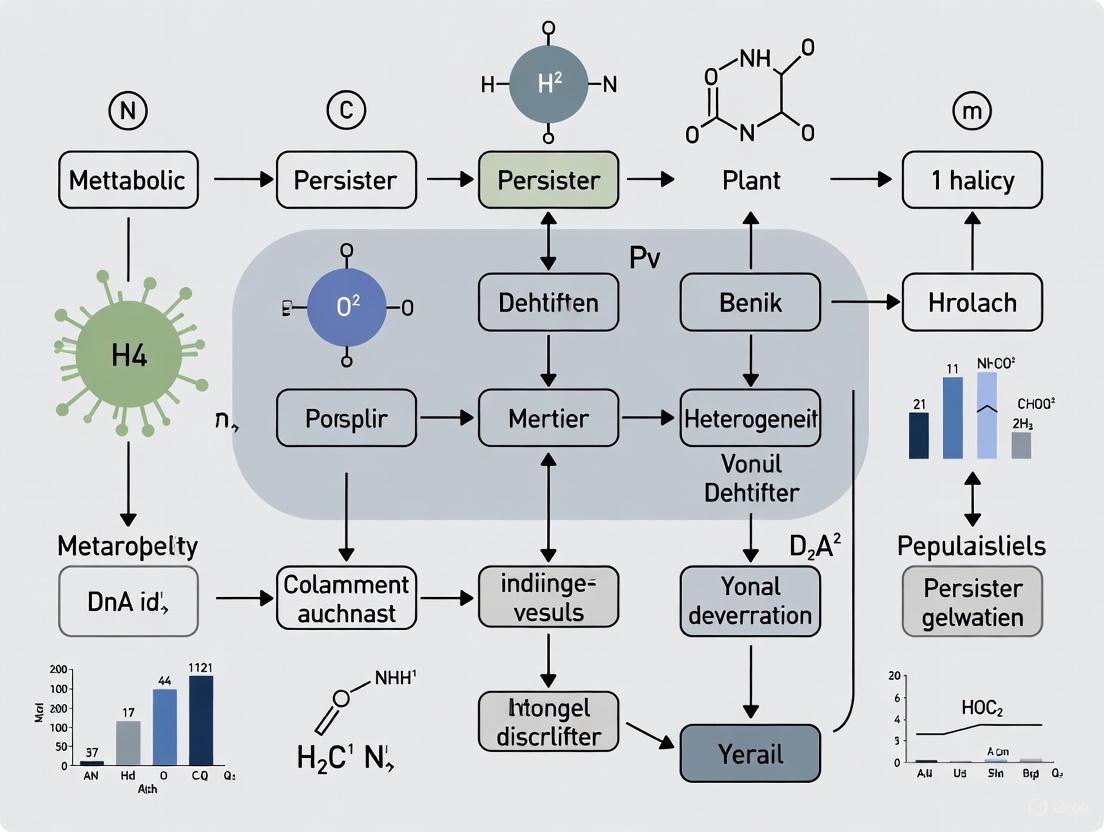
Targeting Metabolic Heterogeneity in Persister Cells: From Mechanisms to Therapeutic Breakthroughs
Persister cells, a dormant subpopulation in both bacterial and cancer contexts, exhibit profound metabolic heterogeneity, which is a key driver of antibiotic and chemotherapy treatment failure.
Nutrient Gradients and Bacterial Persistence: Mechanisms, Models, and Therapeutic Targeting in Biofilms
This article synthesizes current research on how nutrient gradients within biofilms drive the formation of antibiotic-tolerant persister cells, a major cause of chronic and recurrent infections.
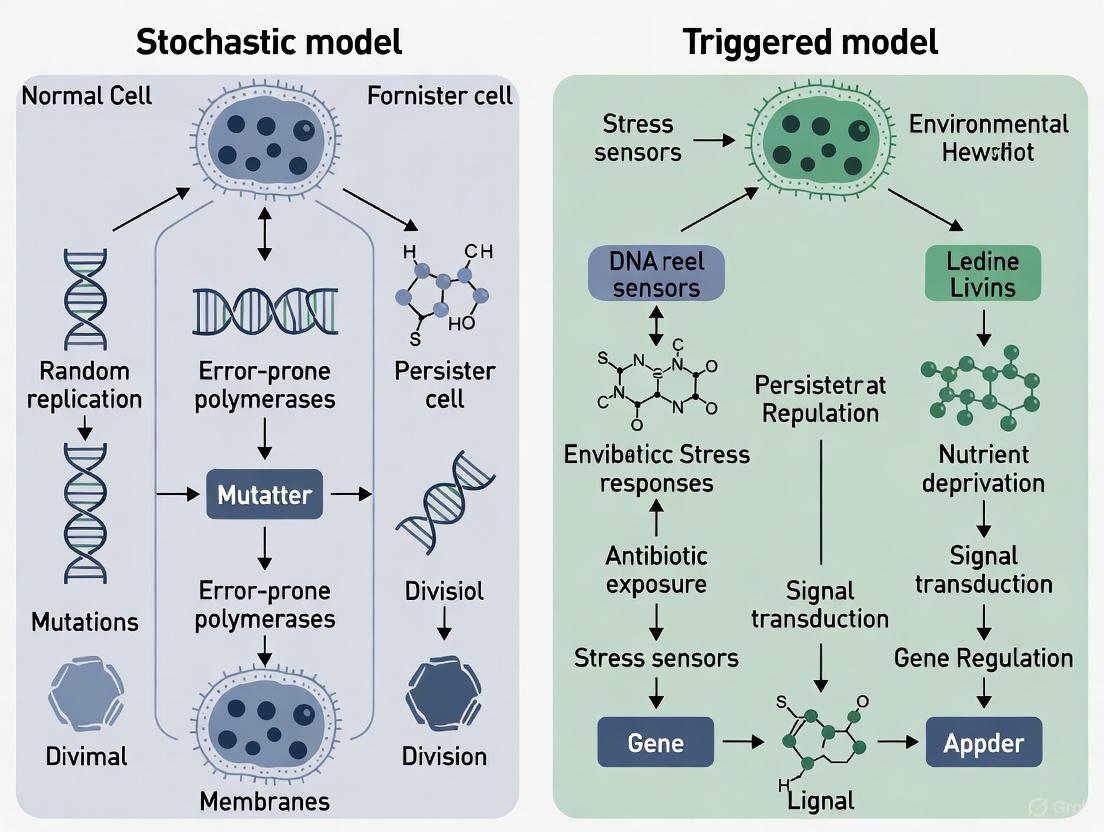
Stochastic vs. Triggered: Decoding the Dual Mechanisms of Bacterial Persister Cell Formation
This article provides a comprehensive analysis of the two primary paradigms in bacterial persister cell formation: stochastic, internal fluctuations and triggered, external stress-response pathways.
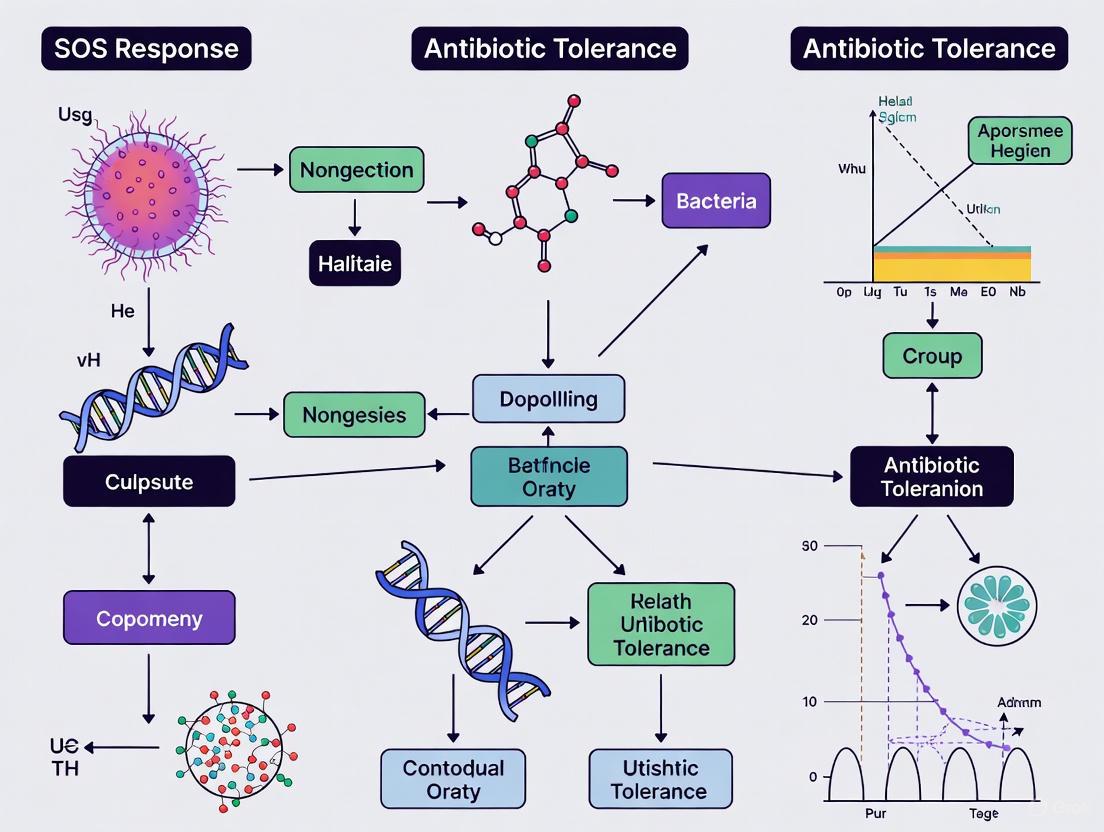
SOS Response and Antibiotic Tolerance: Mechanisms, Therapeutic Targeting, and Future Directions
This article provides a comprehensive analysis of the complex relationship between the bacterial SOS response and antibiotic tolerance for researchers and drug development professionals.
Evaluating Commercial Kits for Unidentified Bacteria: A Comprehensive Guide for Researchers and Developers
This article provides a systematic framework for researchers, scientists, and drug development professionals to evaluate and select commercial kits for identifying unknown bacterial isolates.
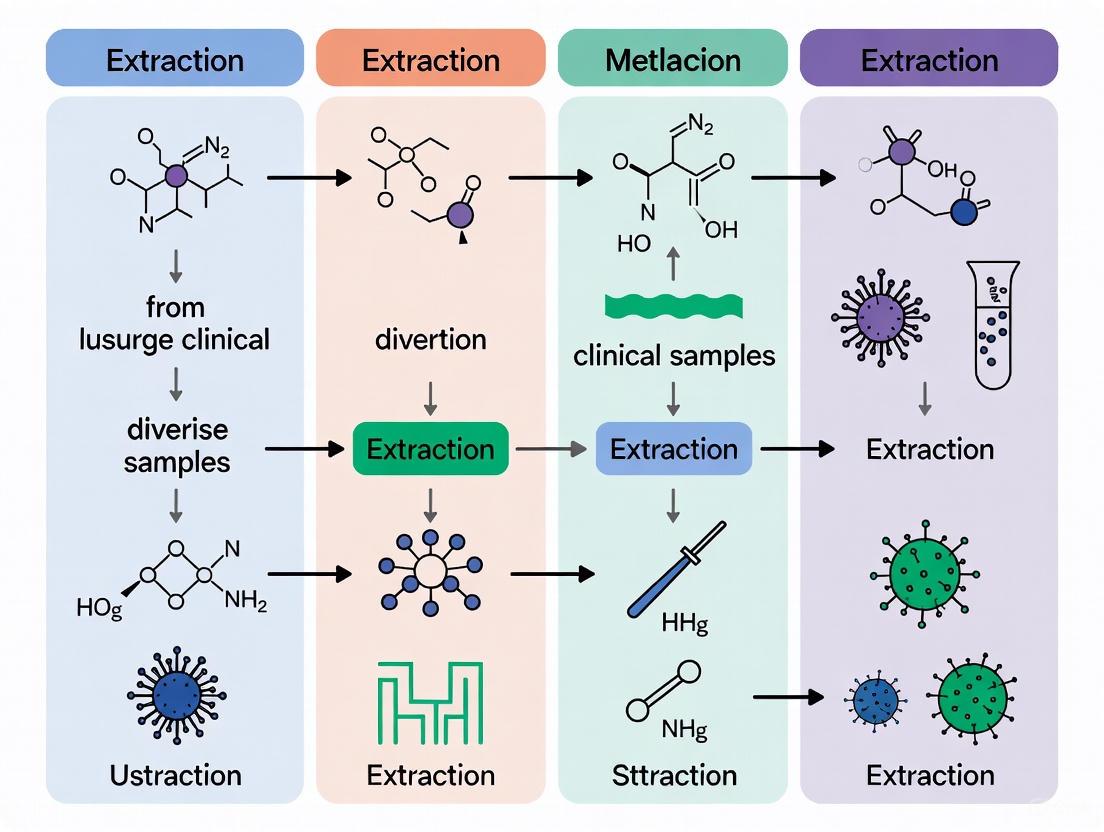
Optimizing Extraction Methods for Diverse Clinical Samples: From Foundational Principles to Advanced Applications
This article provides a comprehensive analysis of nucleic acid and bioactive compound extraction methodologies tailored for diverse clinical samples.
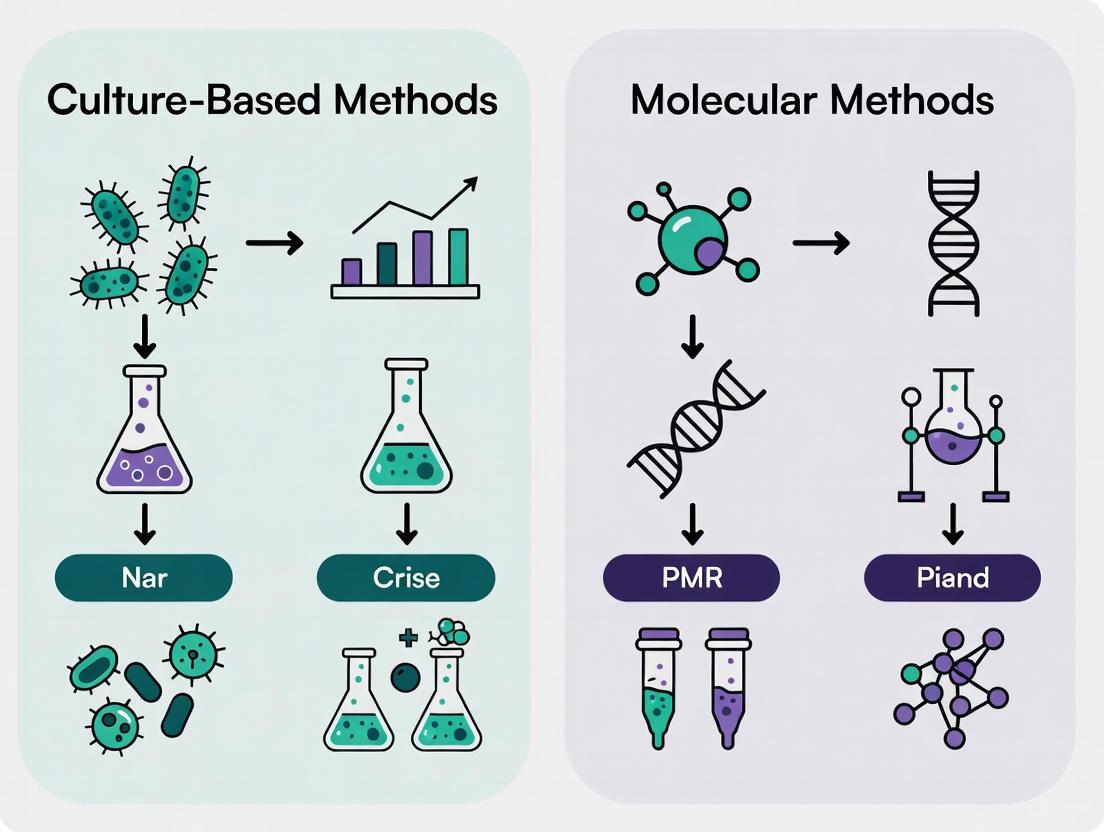
From Petri Dishes to Digital PCR: The Evolving Battlefield of Pathogen Discovery
This article provides a comprehensive comparison between traditional culture-based methods and modern molecular techniques for pathogen discovery and diagnostics.