Research Articles
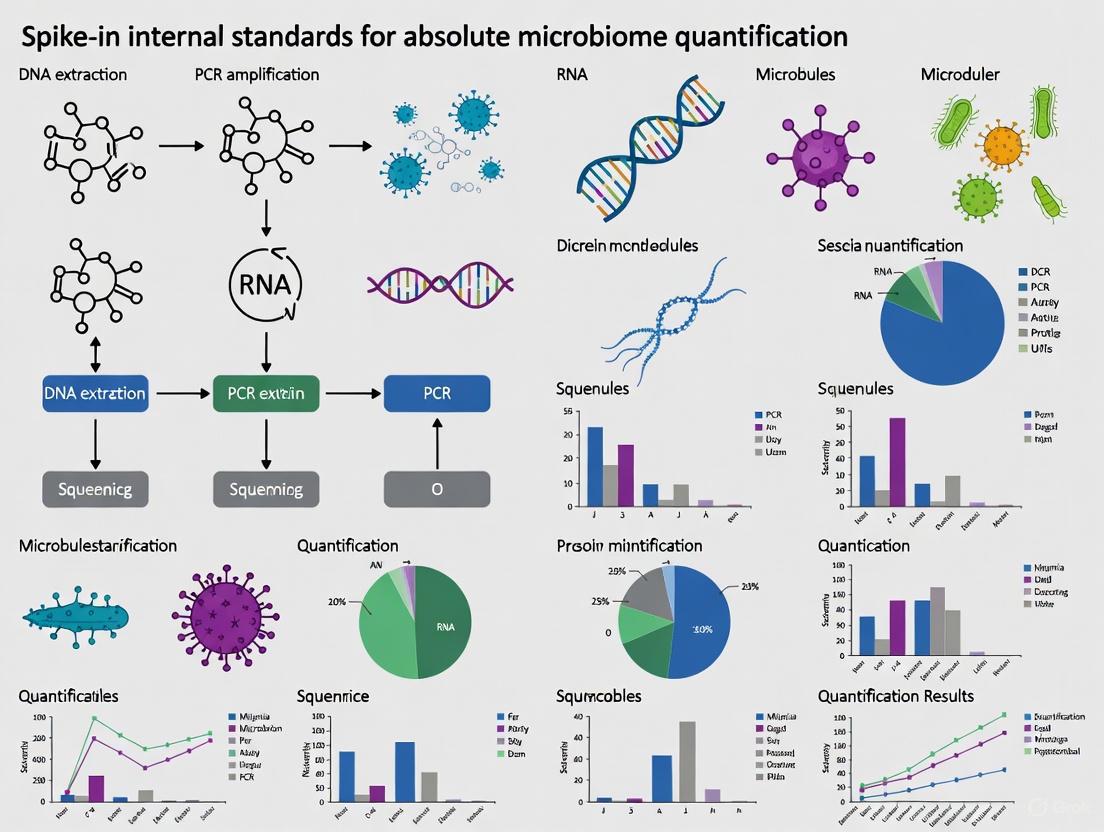
From Relative to Absolute: How Spike-In Standards Are Revolutionizing Microbiome Quantification in Biomedical Research
Next-generation sequencing has revolutionized microbiome research, but the standard output of relative abundance data poses significant limitations for clinical and drug development applications.
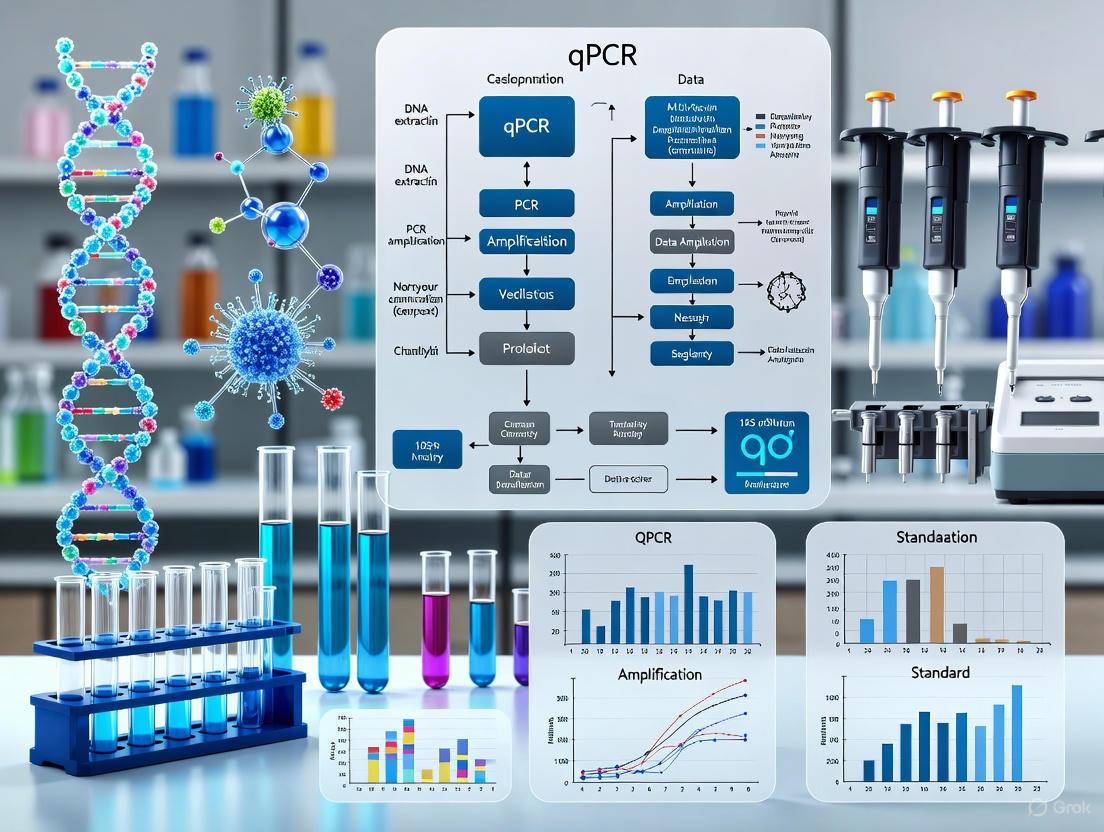
Absolute Bacterial Load Quantification by 16S rRNA qPCR: A Complete Guide for Research and Diagnostics
This article provides a comprehensive resource for researchers and drug development professionals on the application of 16S rRNA qPCR for absolute bacterial load quantification.

A Robust qPCR Protocol for Absolute Quantification in Low-Biomass Samples: From Contamination Control to Data Validation
Accurate absolute quantification of bacterial load in low-biomass samples—such as respiratory tissues, human fluids, and certain environmental niches—is critical for clinical diagnostics and microbiome research but presents unique challenges.
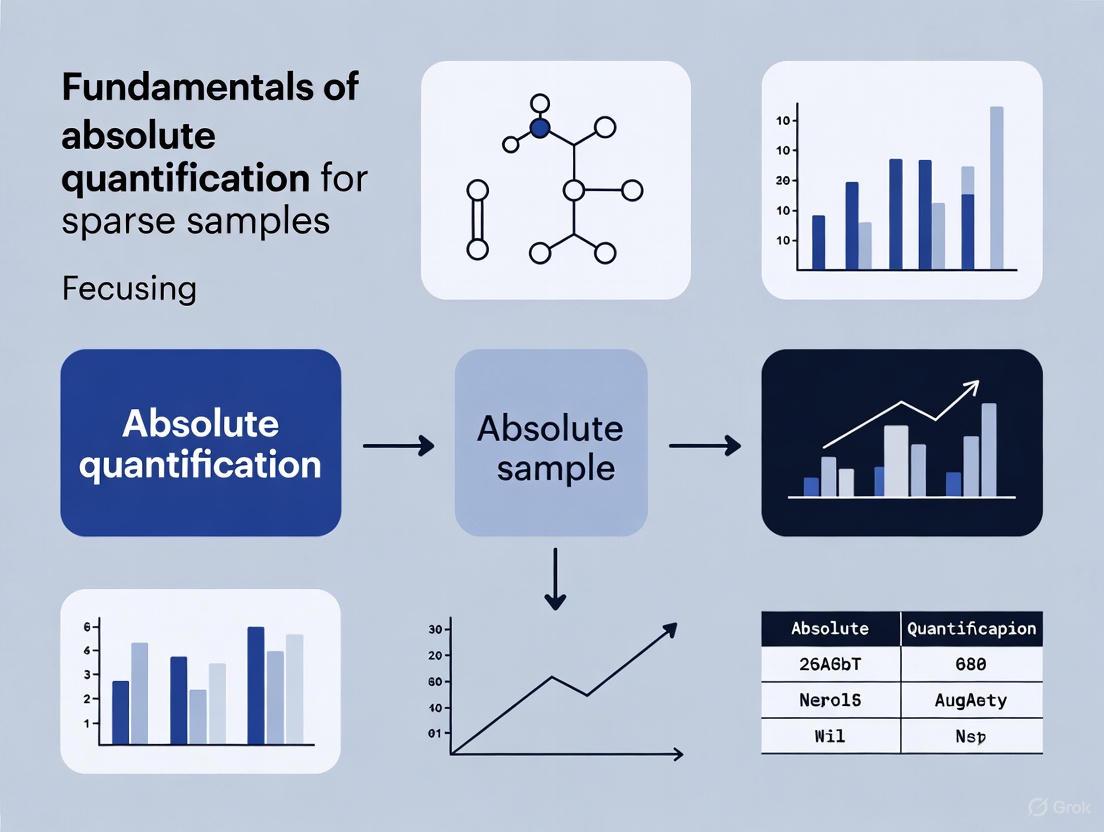
Absolute Quantification for Sparse Samples: Fundamentals, Methods, and Best Practices for Biomedical Research
This article provides a comprehensive guide to absolute quantification for sparse samples, a critical challenge in fields like proteomics, genomics, and drug development.
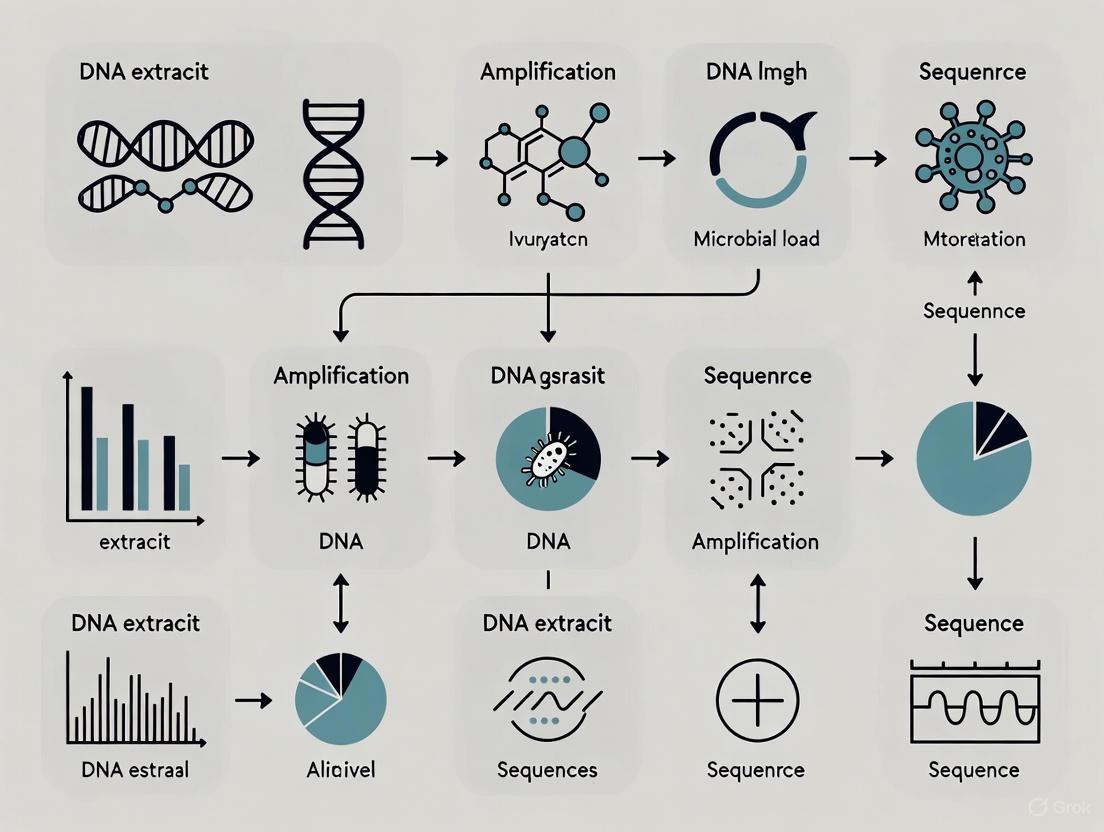
Navigating the Low Biomass Challenge: Strategies for Accurate Microbial Sequencing in Clinical and Research Settings
Accurate microbial profiling in low-biomass samples is critical for clinical diagnostics and research but presents significant technical challenges, including contamination risks and host DNA interference.
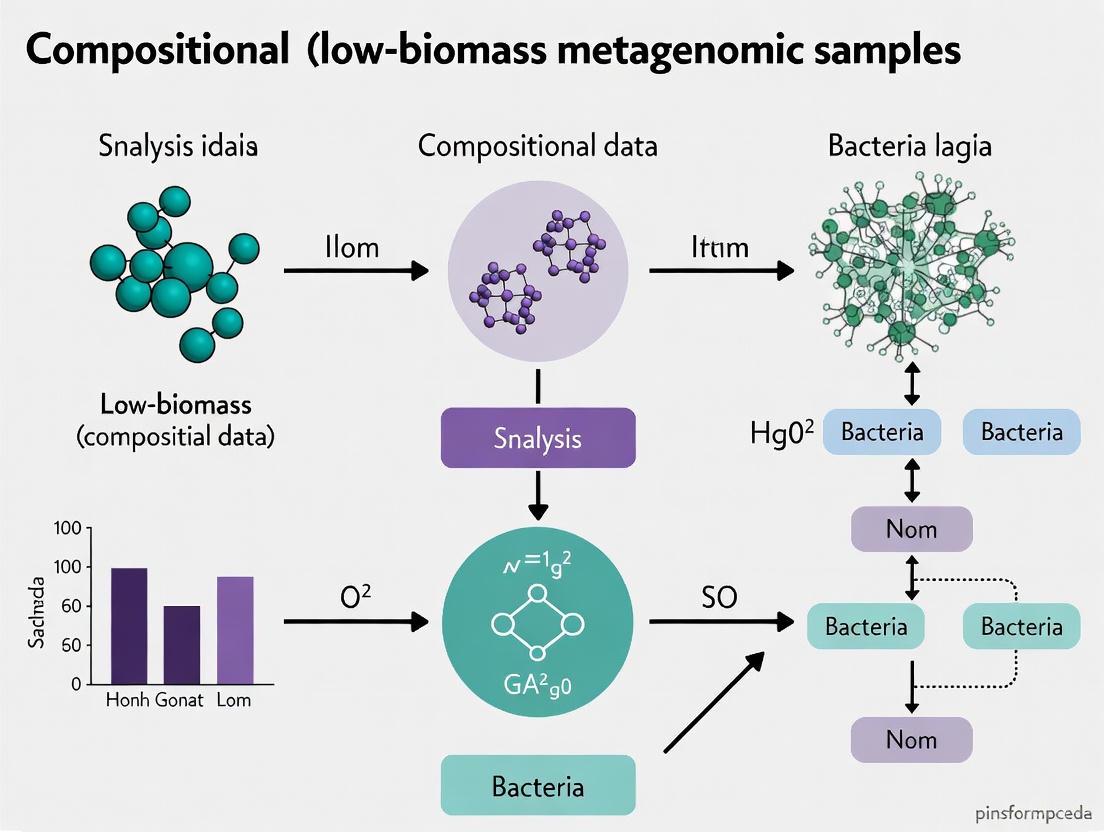
Navigating the Pitfalls: A Guide to Compositional Data Analysis in Low-Biomass Microbiome Research
This article addresses the critical analytical challenges at the intersection of low-biomass samples and compositional data in microbiome and related biomedical research.
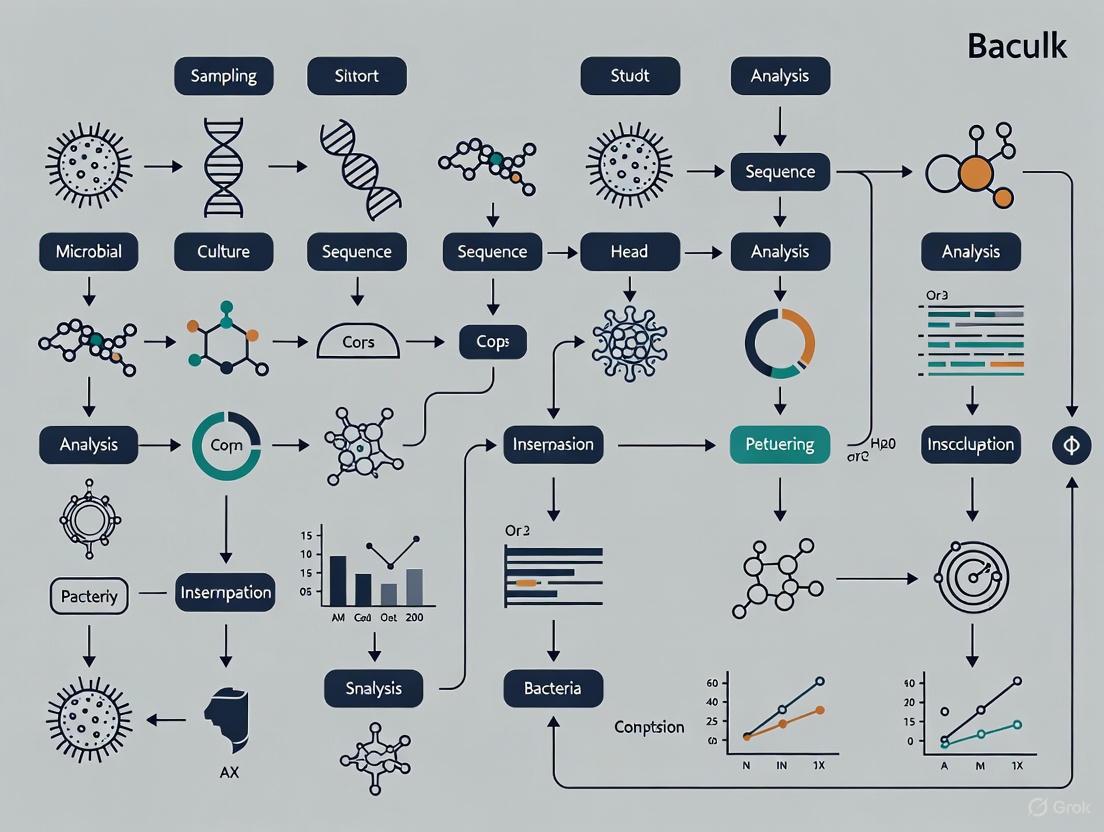
Microbial Load Variation: A Critical Confounder in Biomedical Research and Drug Development
This article examines the profound impact of microbial load variation on the validity and interpretation of biomedical research, particularly in microbiome studies and drug development.
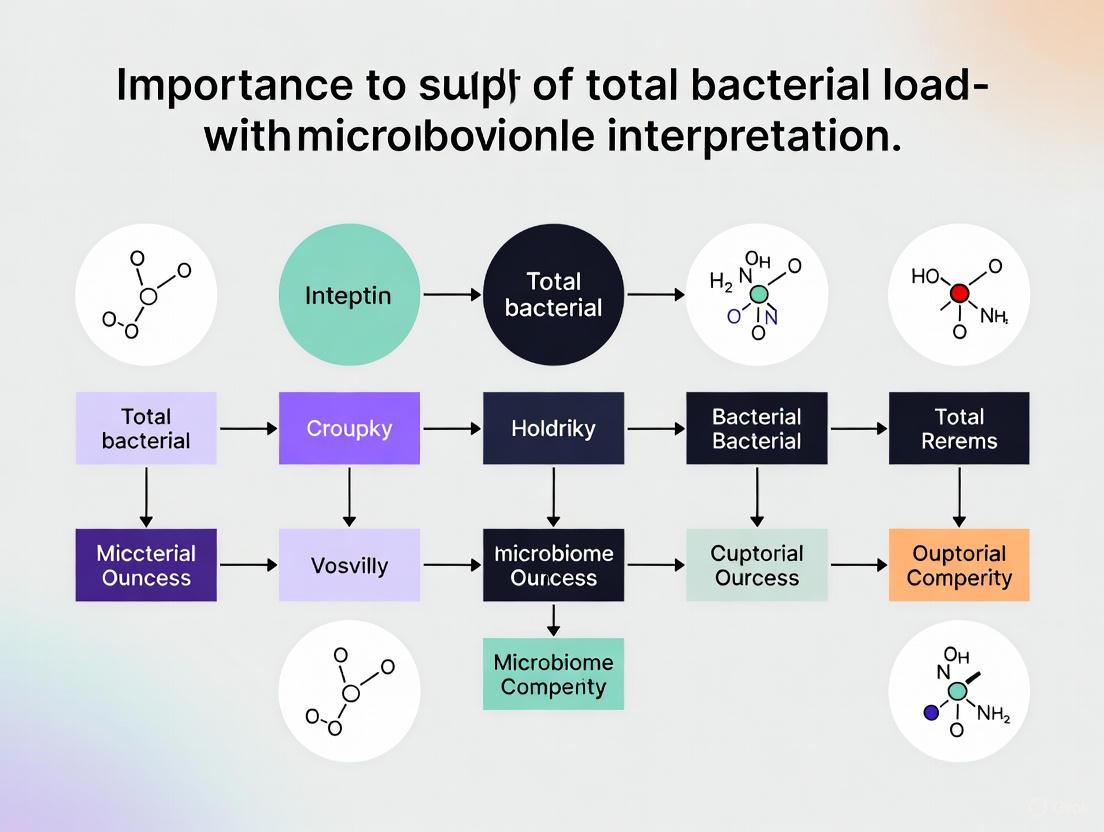
Beyond Ratios: Why Total Bacterial Load is Critical for Accurate Microbiome Interpretation in Research and Drug Development
This article synthesizes current evidence on the pivotal role of total bacterial load in microbiome science, moving beyond relative abundance data to enable genuine characterization of host-microbe interactions.
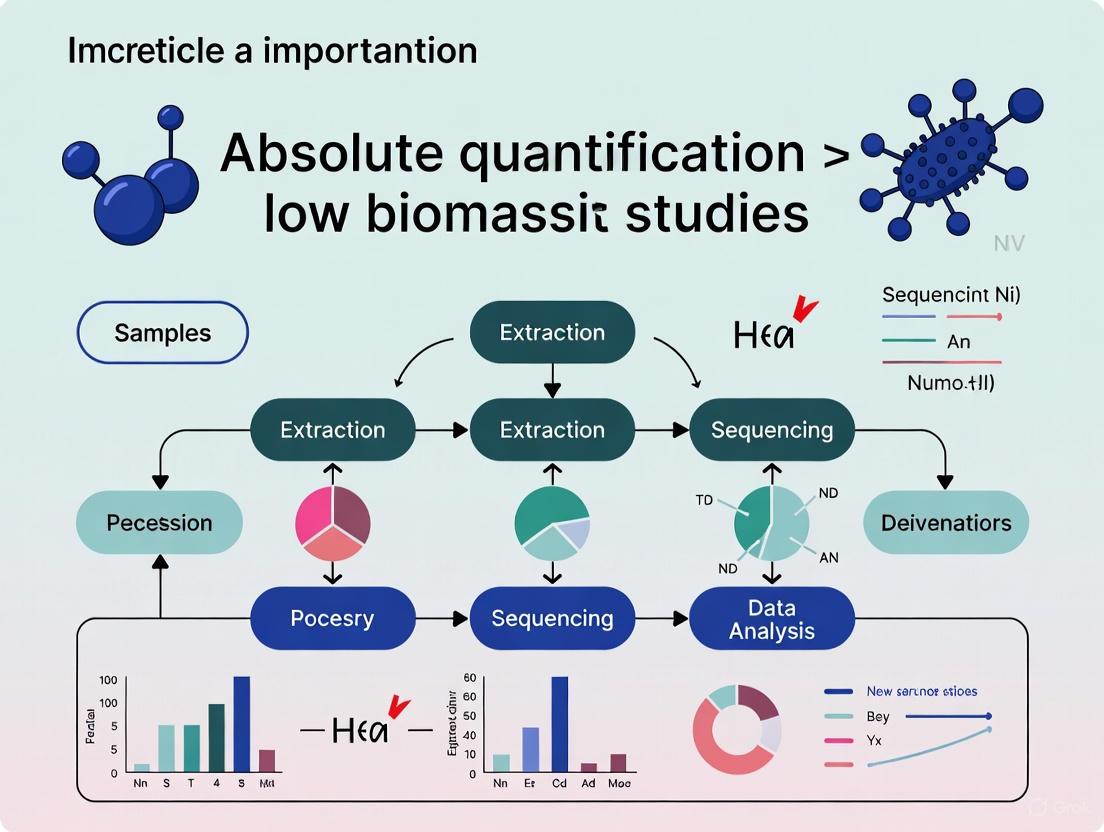
Absolute Quantification in Low-Biomass Microbiome Studies: Overcoming Bias to Unlock Clinical Insights
This article addresses the critical need for absolute quantification in low-biomass microbiome research, a field plagued by significant technical challenges and potential for data misinterpretation.
Cross-Platform Validation of Biofilm Mechanical Properties: From Foundational Principles to Standardized Clinical Application
The accurate and reproducible measurement of biofilm mechanical properties is paramount for understanding biofilm-associated infections and developing effective eradication strategies.