Research Articles
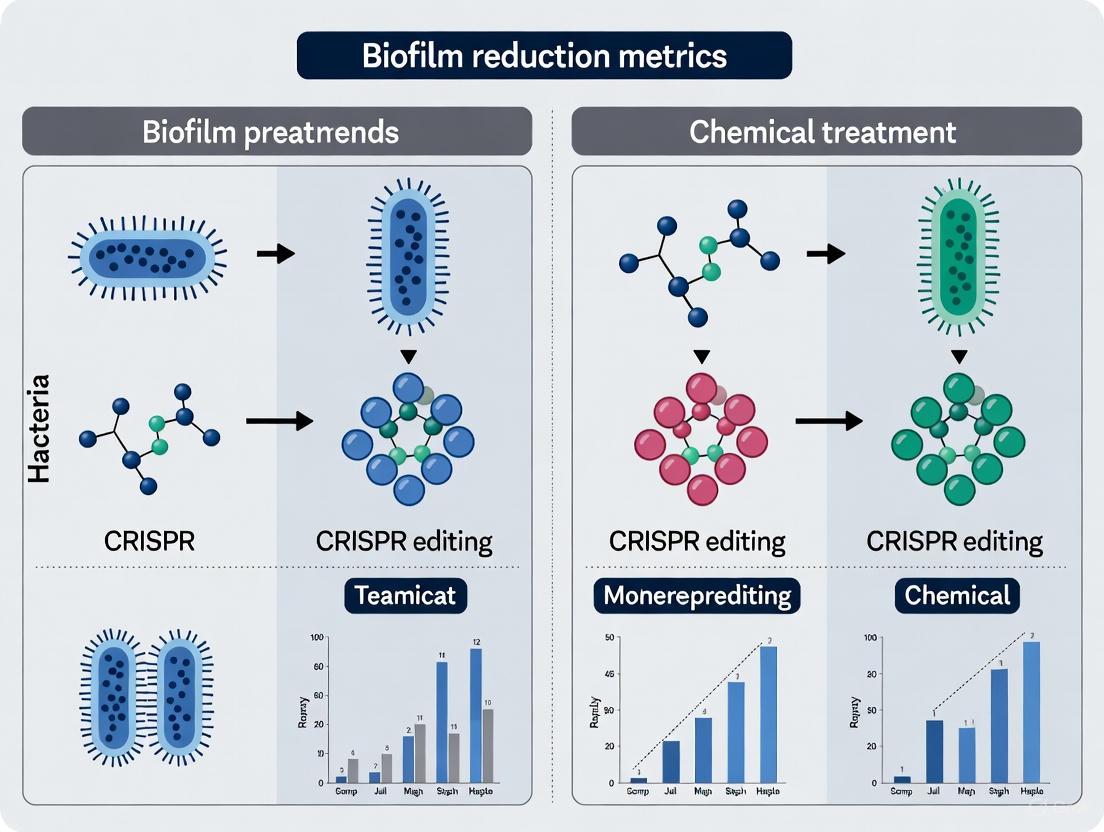
Validating Biofilm Reduction: CRISPR Gene Editing vs. Chemical Anti-Biofilm Agents
Biofilm-associated infections pose a major therapeutic challenge due to their high tolerance to conventional antibiotics, driving the need for innovative disruption strategies.
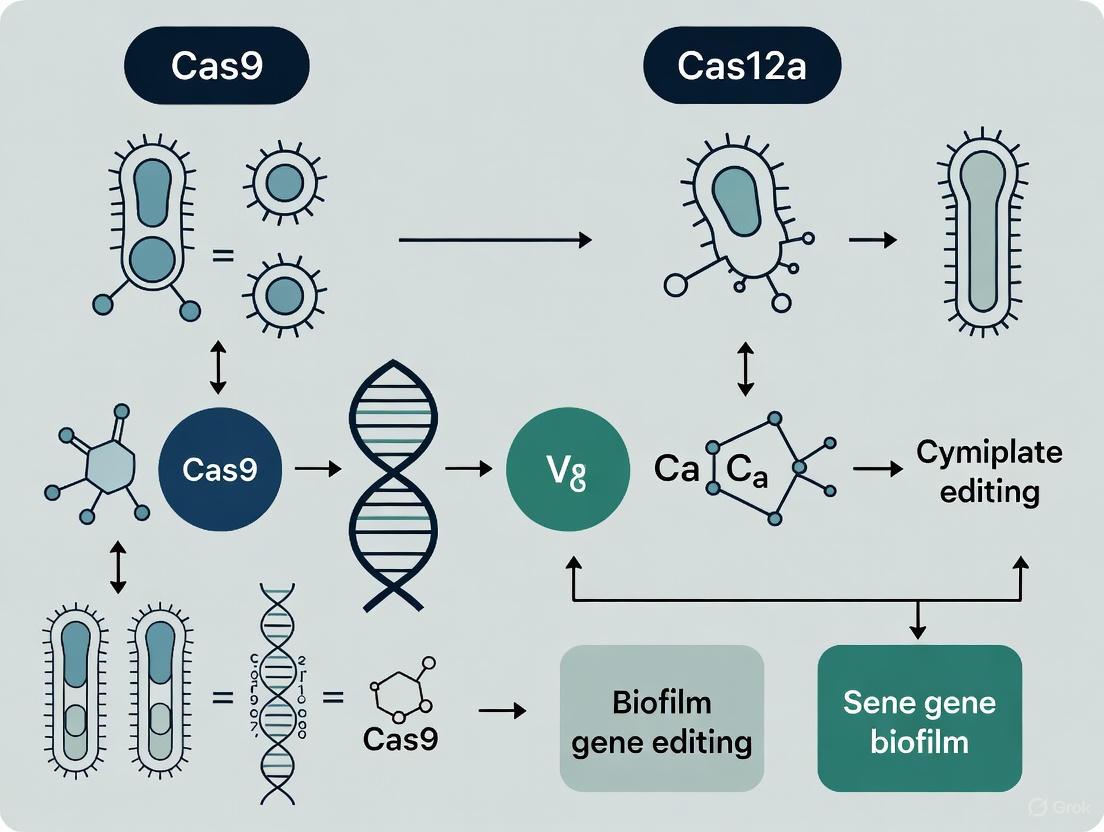
Cas9 vs. Cas12a: A Comparative Analysis of CRISPR Efficacy for Biofilm Gene Editing and Therapeutic Disruption
This article provides a comprehensive comparative analysis of CRISPR-Cas9 and Cas12a systems for their efficacy in editing biofilm-associated genes.
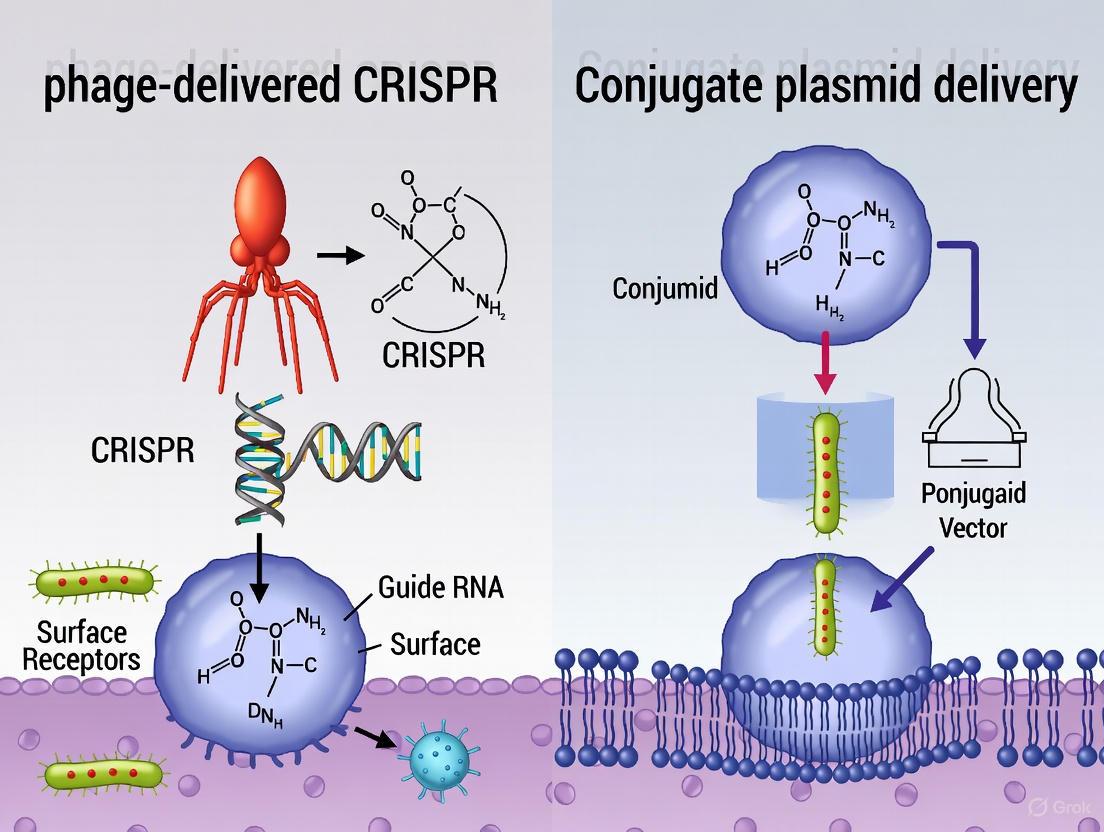
Phage vs. Conjugative Plasmid Delivery for CRISPR Antimicrobials: A Comparative Analysis of Efficiency and Application
This article provides a comprehensive comparison of two primary bacterial delivery systems for CRISPR-based antimicrobials: engineered bacteriophages and conjugative plasmids.
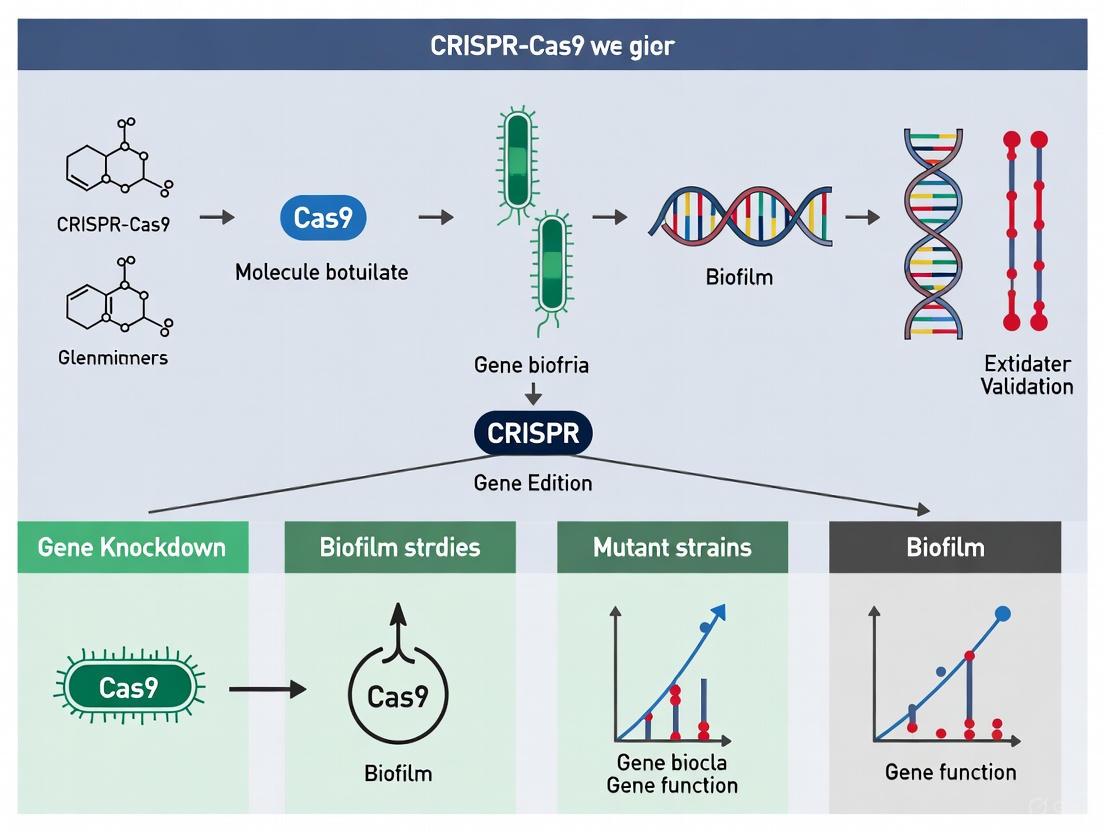
CRISPR Knockdown vs. Mutant Strains: A Modern Framework for Validating Biofilm Gene Function
This article provides a comprehensive guide for researchers and drug development professionals on employing CRISPR-based knockdown and traditional mutant strains for validating biofilm gene function.
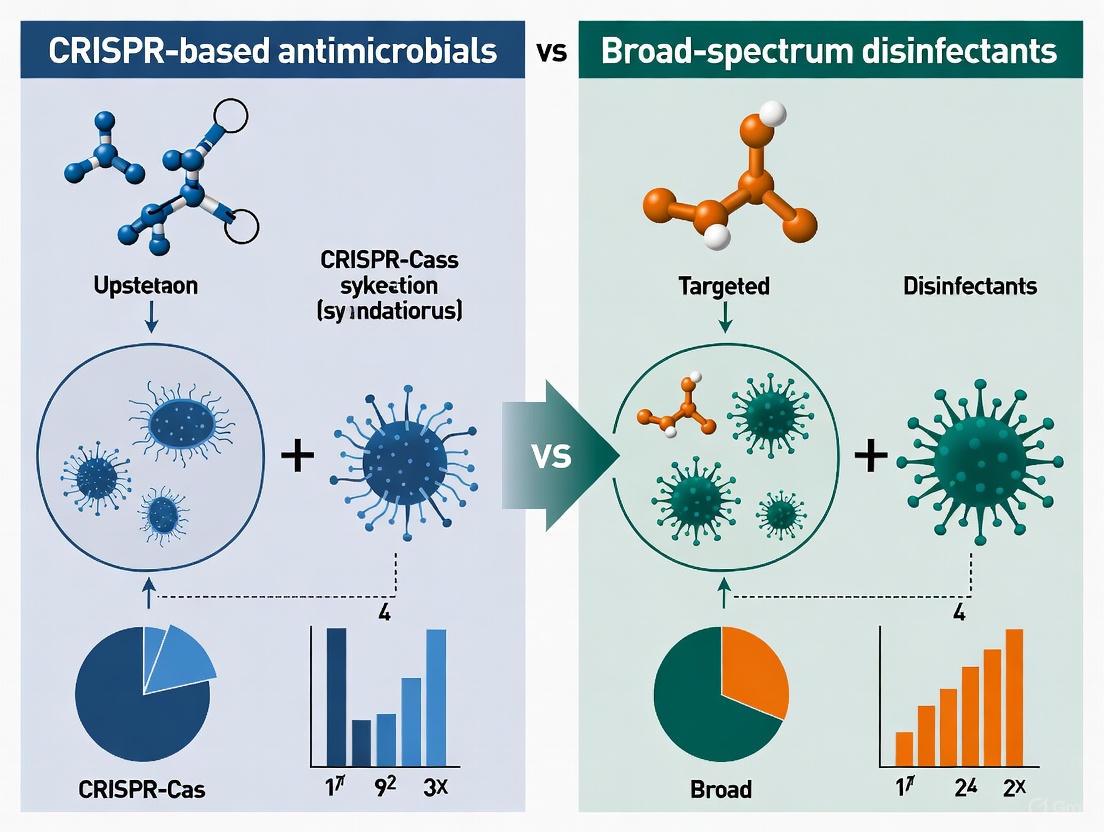
Precision vs Power: CRISPR-Based Antimicrobials Challenge Broad-Spectrum Disinfectants in Surface Sanitation
This article provides a comprehensive analysis of two divergent paradigms in surface sanitation: emerging CRISPR-based antimicrobials and conventional broad-spectrum disinfectants.
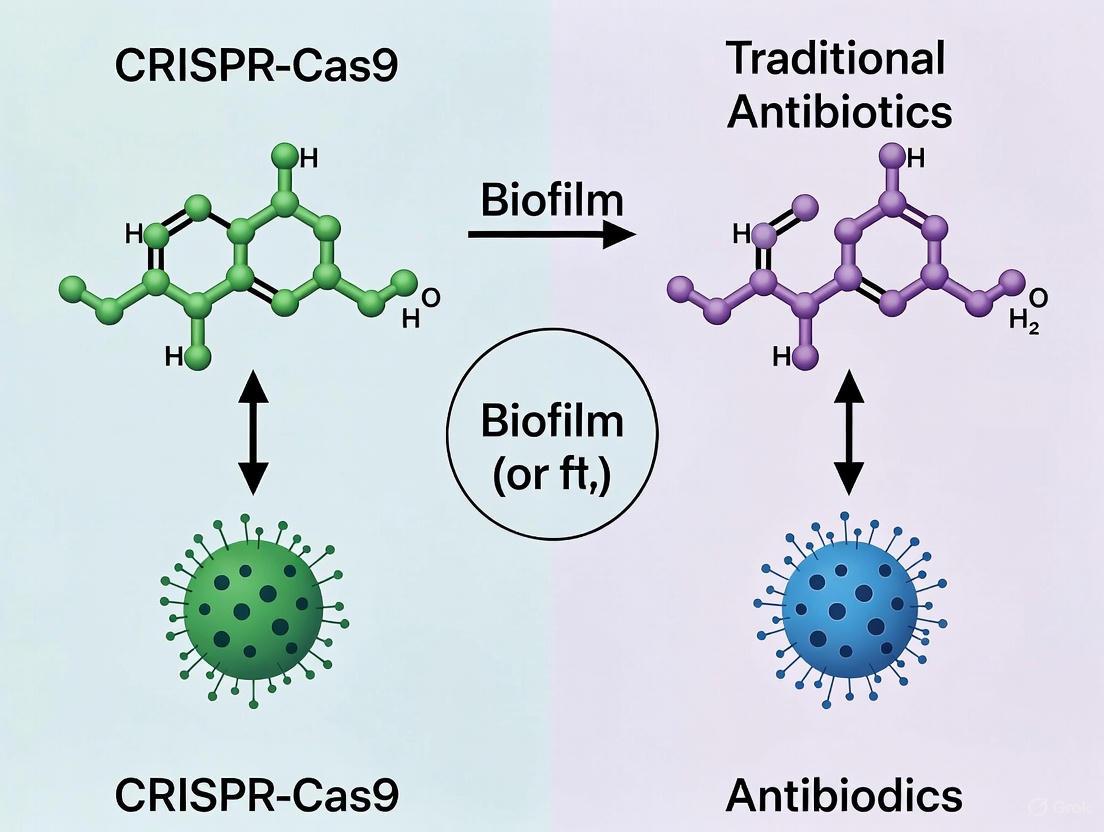
Precision vs. Power: Evaluating CRISPR-Cas9 and Traditional Antibiotics in the Battle Against Biofilm-Mediated Resistance
The escalating crisis of antibiotic-resistant biofilm infections necessitates a paradigm shift in therapeutic development.
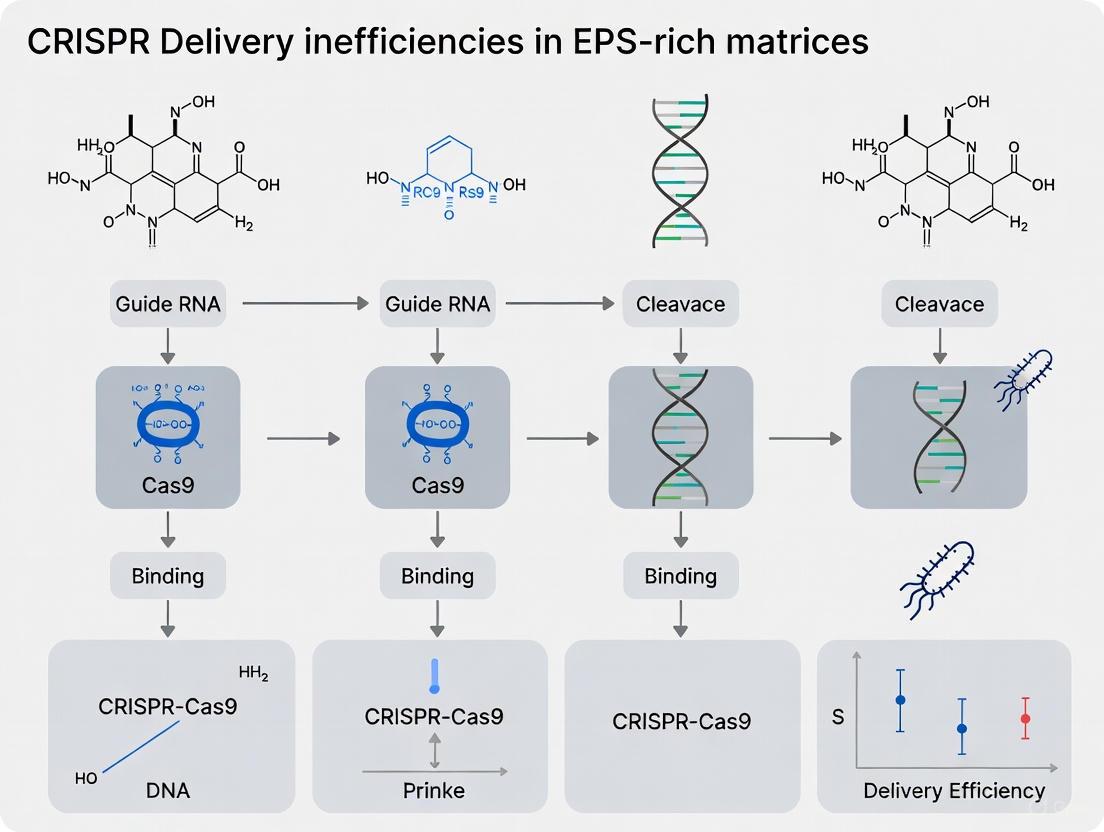
Overcoming the Barrier: Strategies for Efficient CRISPR Delivery in EPS-Rich Matrices
The therapeutic application of CRISPR-Cas9 technology is significantly hampered by inefficient delivery, particularly within extracellular polymeric substance (EPS)-rich matrices like bacterial biofilms and certain tumor microenvironments.
Optimizing Cas9 Expression for Sustained Biofilm Disruption: Strategies for Next-Generation Antimicrobial Therapy
Biofilm-associated infections represent a major therapeutic challenge due to their high tolerance to conventional antibiotics.
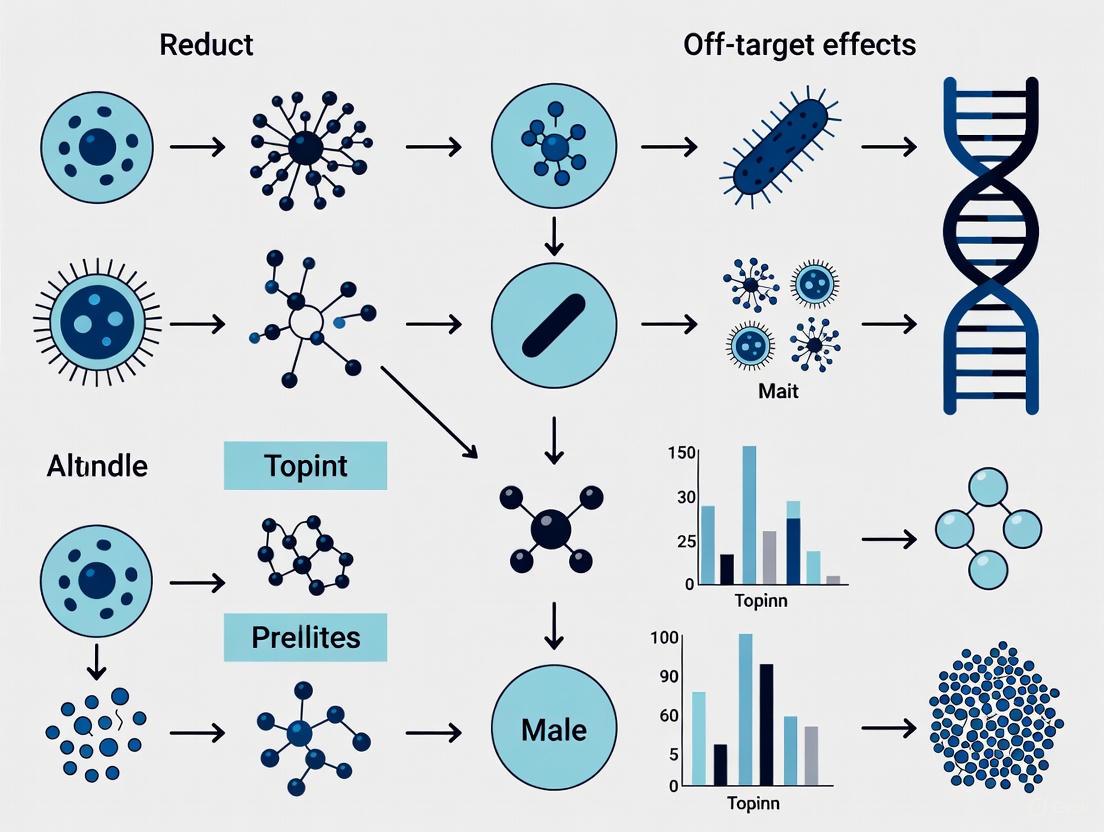
Strategic Approaches to Minimize Off-Target Effects in Engineered Microbial Communities
This article provides a comprehensive overview of current methodologies to mitigate off-target effects in engineered microbial communities, a critical challenge for researchers, scientists, and drug development professionals.
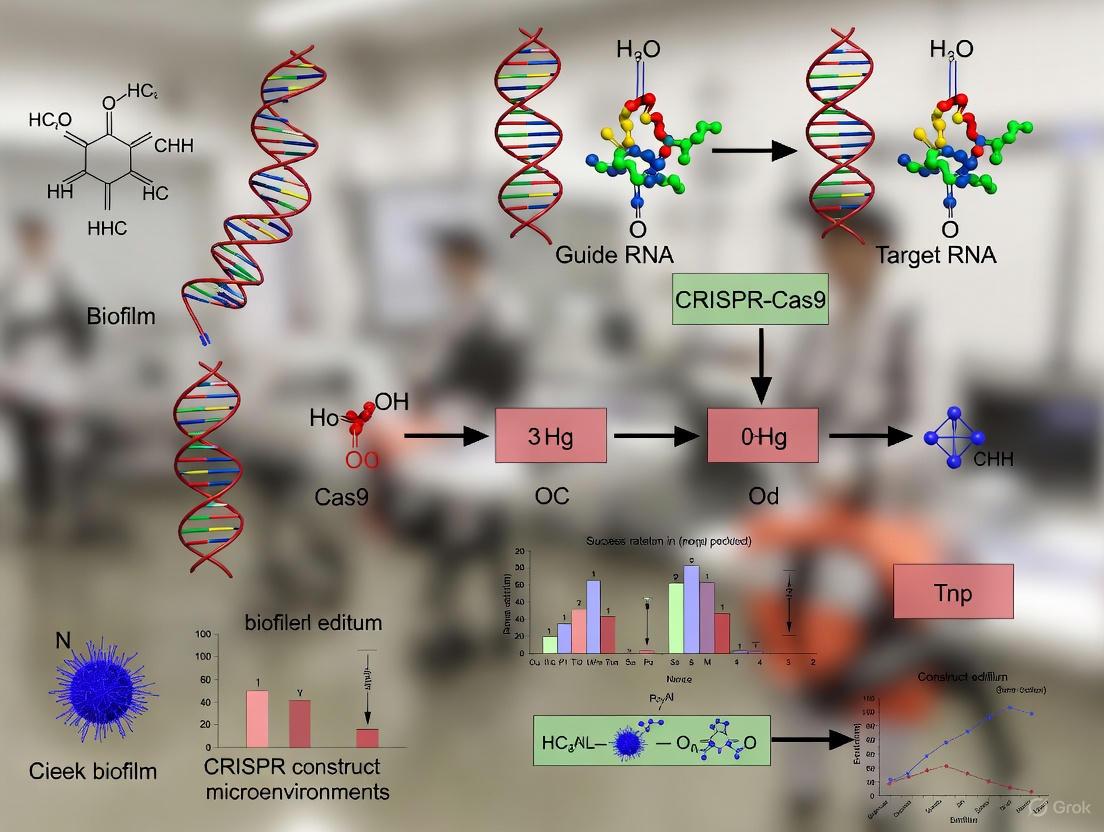
Nanoparticle-Enhanced CRISPR Delivery: Strategies for Stabilizing Gene Editing in Biofilm Microenvironments
This article provides a comprehensive analysis of innovative strategies to enhance the stability and efficacy of CRISPR constructs within challenging biofilm microenvironments.