Research Articles
Optimizing DNA Extraction for Low-Biomass Samples: A Comprehensive Guide for Robust Microbiome Research
Accurate characterization of microbial communities in low-biomass environments—such as human tissues, treated drinking water, and air—is pivotal for advancements in biomedical research, diagnostics, and drug development.
Optimizing PCR Cycles for Robust 16S rRNA Sequencing in Low Biomass Samples: A Guide for Clinical Researchers
Accurate microbial profiling of low-biomass specimens—such as respiratory, tissue, and skin samples—is critical for clinical diagnostics and drug development but is notoriously challenged by contamination, PCR bias, and stochastic effects.
Maximizing Microbial Diversity in Low-Biomass Samples: A Comprehensive Guide to Sampling, Analysis, and Validation
Profiling microbial communities in low-biomass environments—such as human tissues, cleanrooms, and extreme ecosystems—presents unique challenges that can compromise data integrity and biological conclusions.
Strategies for Minimizing Host DNA Contamination in Low-Biomass Microbiome Studies: A Guide for Researchers
Metagenomic sequencing of low-biomass samples, such as urine, respiratory fluids, and tissues, is critically hampered by overwhelming host DNA, which can obscure microbial signals and lead to spurious results.
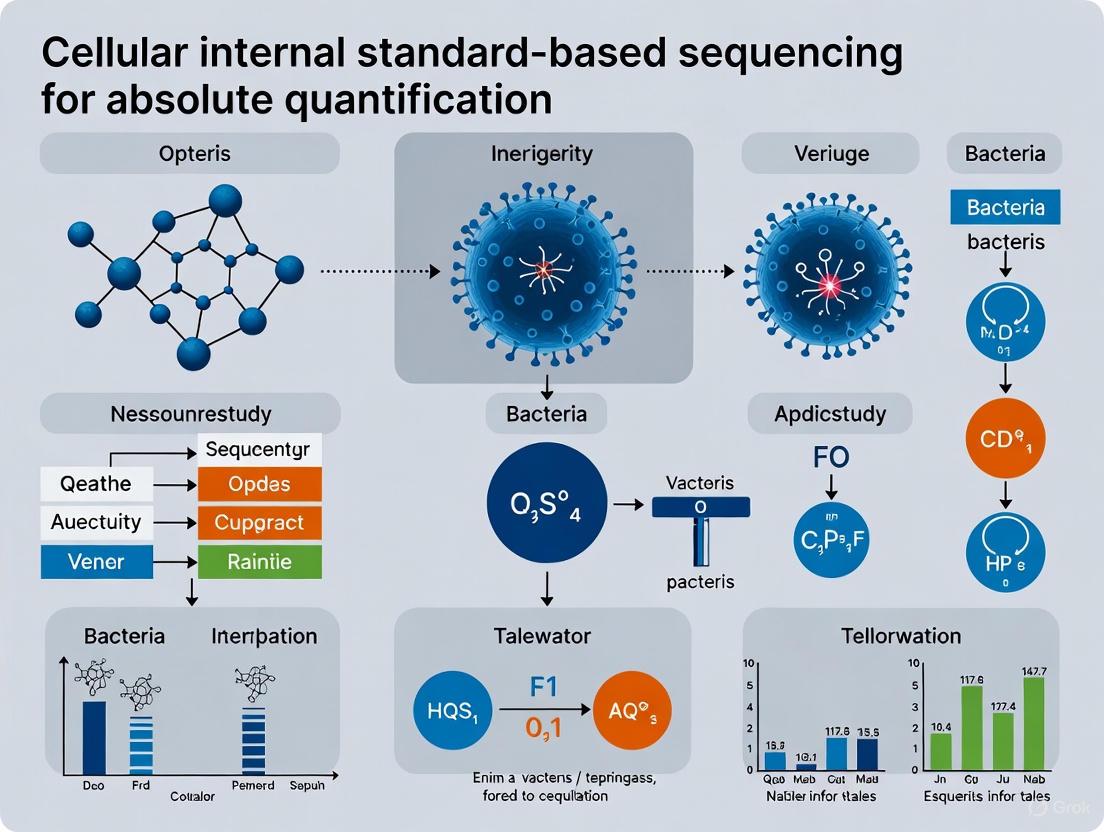
Absolute Quantification in Biomedicine: A Guide to Cellular Internal Standard-Based Sequencing
High-throughput sequencing has revolutionized microbiome and transcriptome research, but its reliance on relative abundance data hinders accurate cross-sample comparison and can lead to misinterpretation.
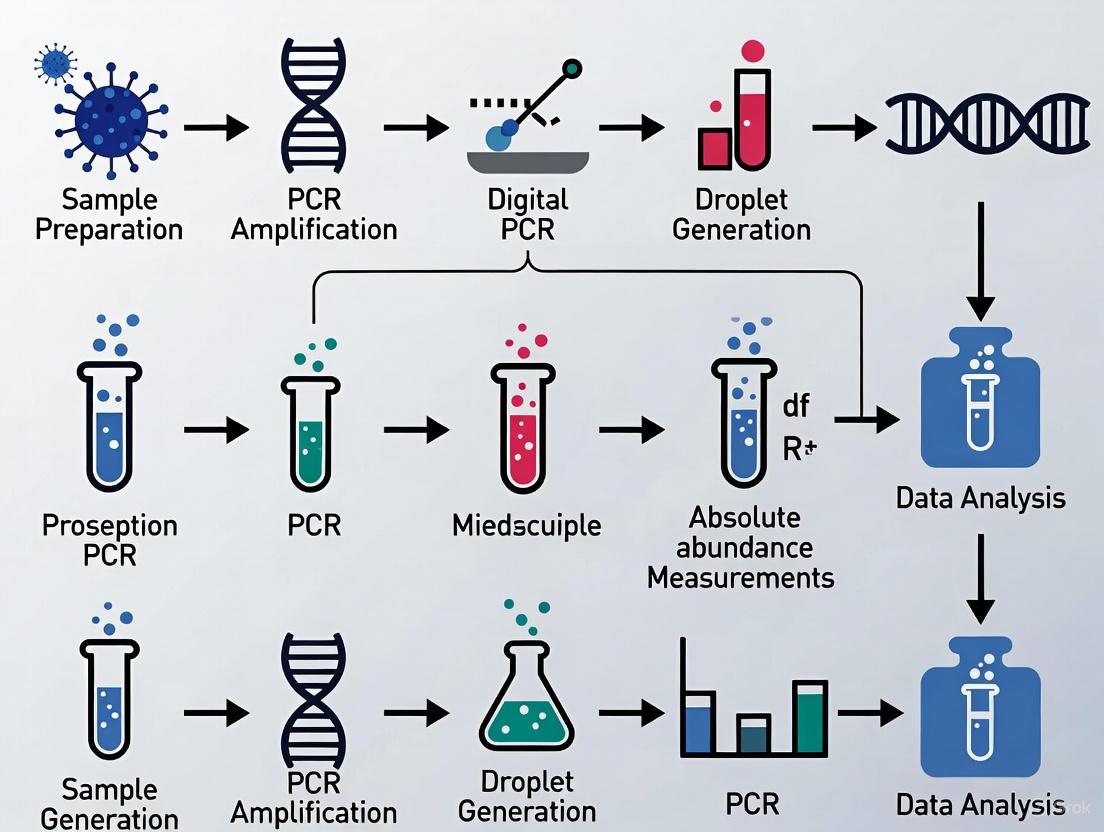
Absolute Quantification in Biomarker and Microbiome Research: A Digital PCR Anchoring Guide
This article provides a comprehensive guide for researchers and drug development professionals on using Digital PCR (dPCR) for absolute abundance measurements.
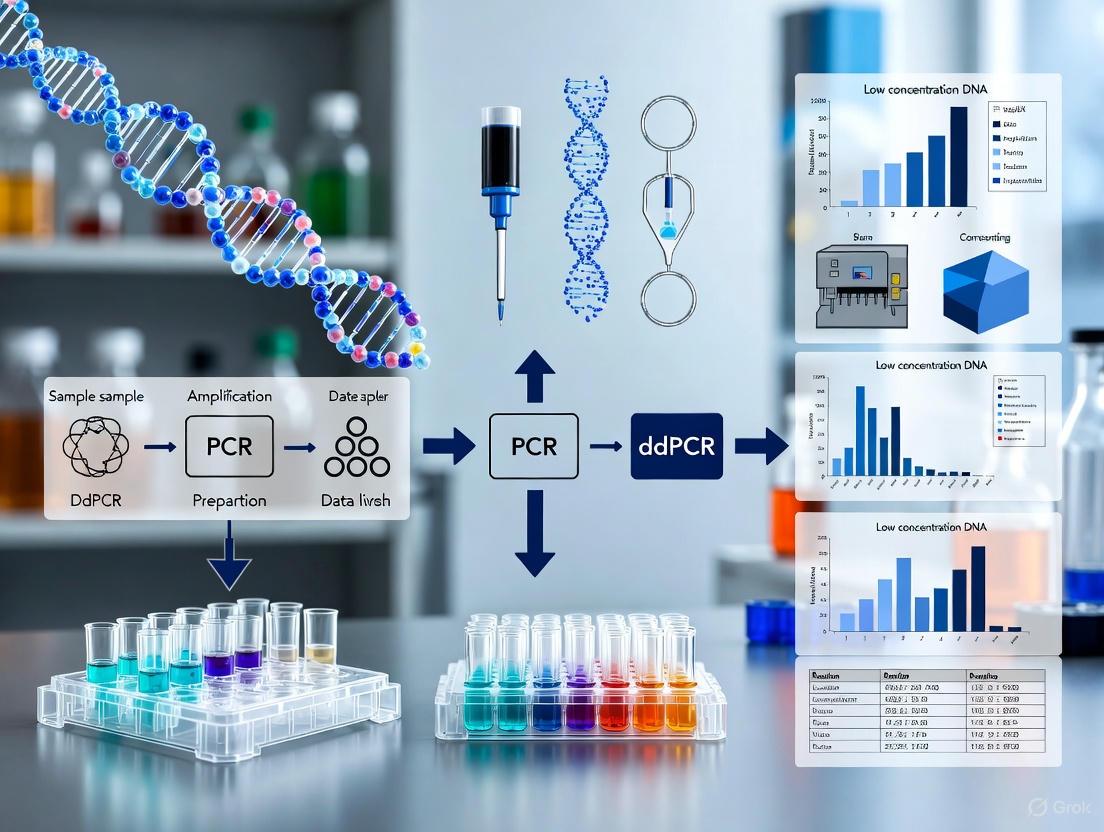
Unlocking Microbial Dark Matter: ddPCR for Absolute Quantification of Low-Abundance Targets in Microbiome Research
Droplet Digital PCR (ddPCR) is revolutionizing microbiome research by enabling absolute, sensitive quantification of low-abundance nucleic acid targets in complex biological samples.
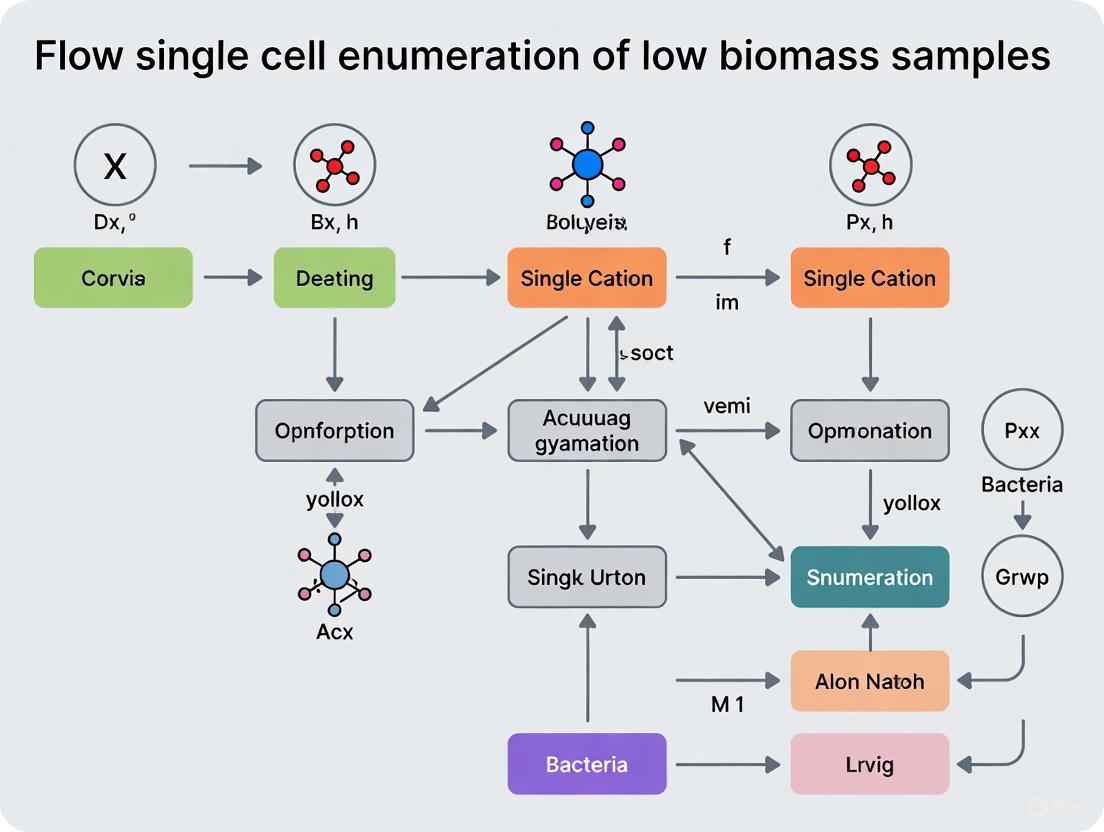
Overcoming Low Biomass Challenges: Advanced Flow Cytometry for Single-Cell Enumeration in Drug Discovery and Bioprocessing
This article provides a comprehensive resource for researchers and drug development professionals tackling the analytical challenges of single-cell enumeration in low-biomass samples.
Navigating the Pitfalls: A Comprehensive Guide to Understanding and Mitigating False Positives in Low-Biomass Microbiome Research
This article provides a systematic framework for researchers, scientists, and drug development professionals grappling with the challenge of false positives in low-biomass microbiome studies.
Navigating the Invisible: Overcoming Low-Biomass Microbiome Challenges in Biomedical Research
This article provides a comprehensive guide for researchers and drug development professionals grappling with the complexities of low-biomass microbiome studies.