Research Articles
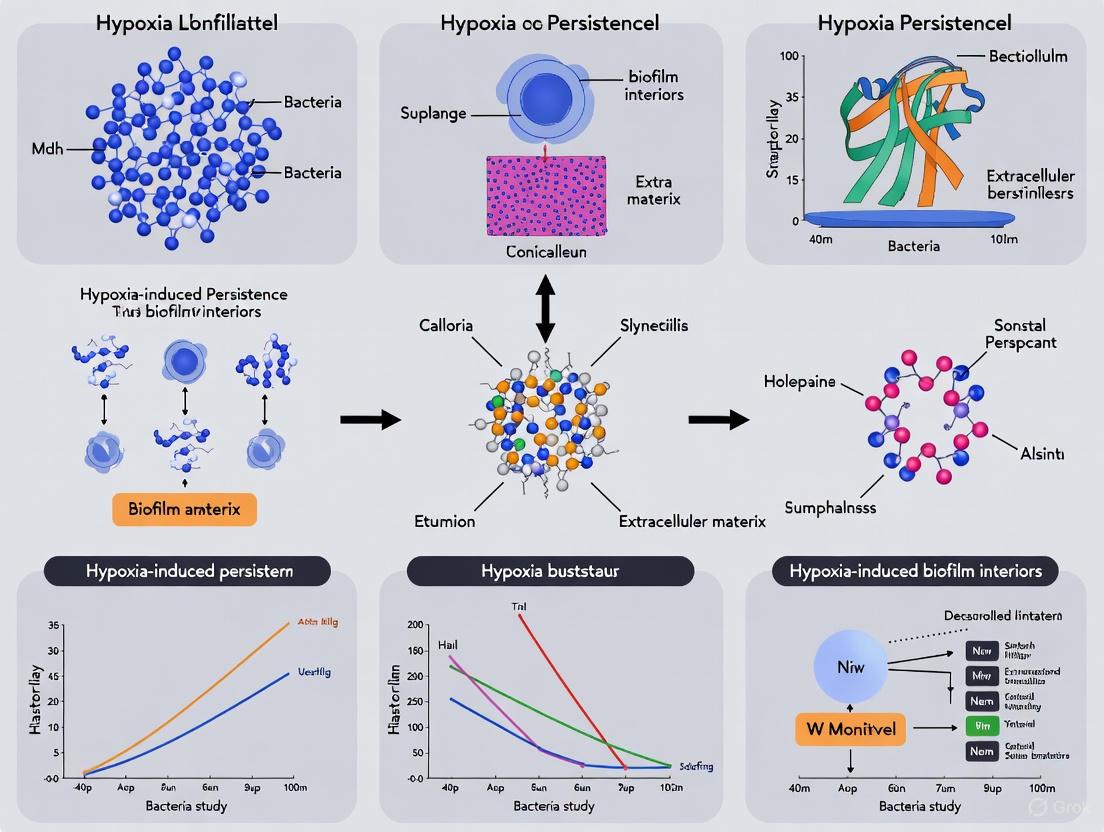
Overcoming Biofilm Hypoxia: Mechanisms, Therapeutic Strategies, and Clinical Applications for Combating Persistent Infections
This article provides a comprehensive analysis of hypoxia as a key driver of antimicrobial tolerance in biofilm interiors, a major challenge in treating persistent infections.
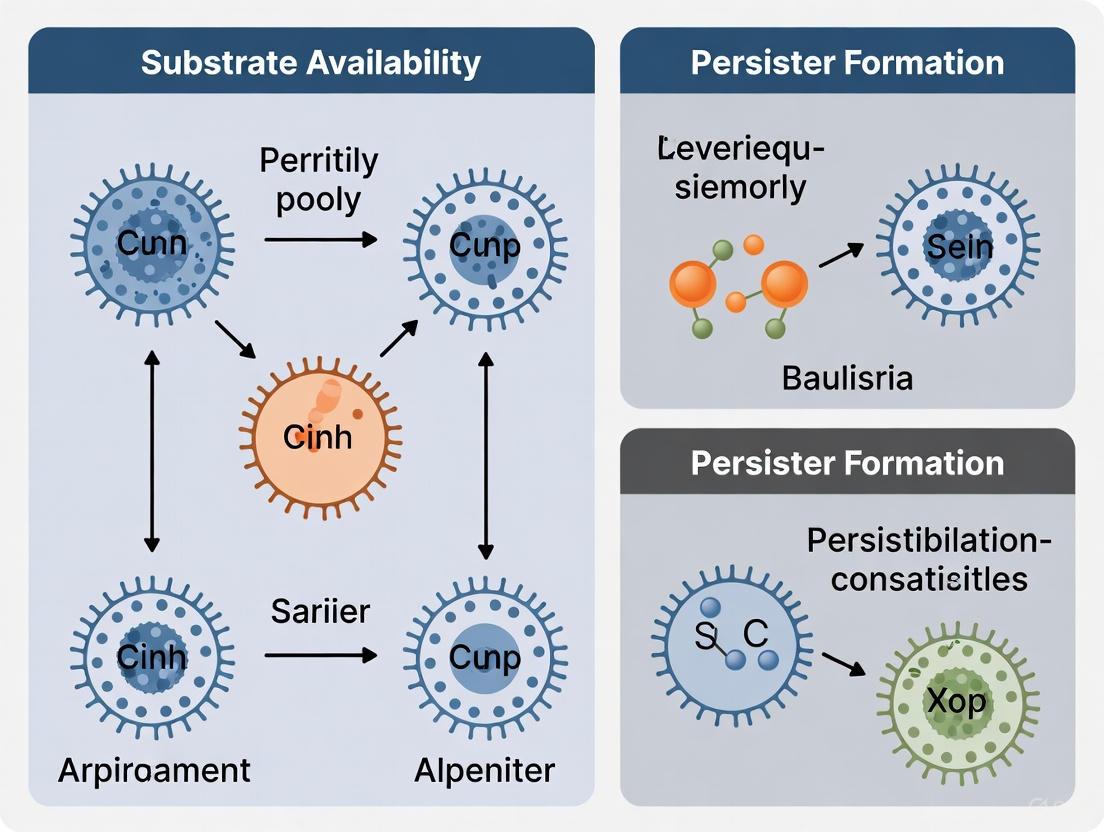
Substrate Control as an Anti-Persister Strategy: Disrupting Metabolic Dormancy to Combat Chronic Infections
This article explores the critical role of substrate availability in the formation and survival of bacterial persister cells, a major cause of chronic and relapsing infections.
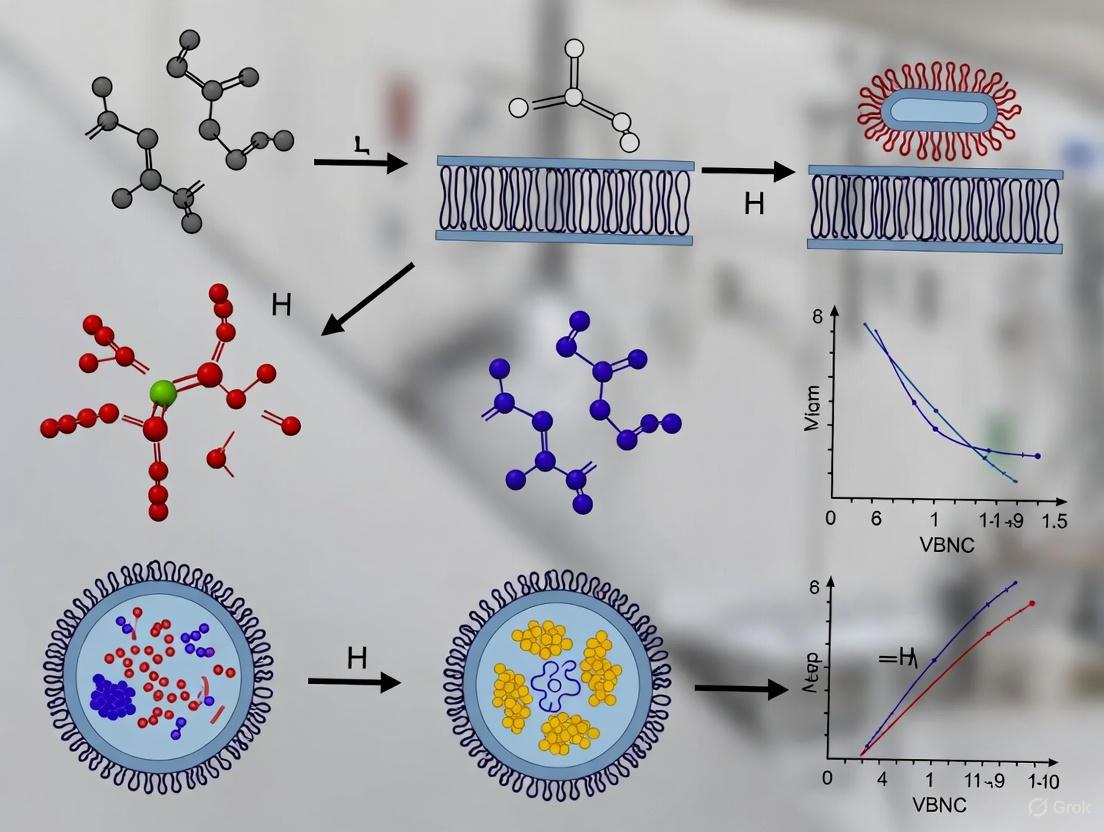
Troubleshooting VBNC Cell Detection: Overcoming False Results and Optimizing Methods for Biomedical Research
The accurate detection of viable but non-culturable (VBNC) cells is critical for assessing pathogenic threats, evaluating sterilization efficacy, and ensuring the potency of live biotherapeutics.
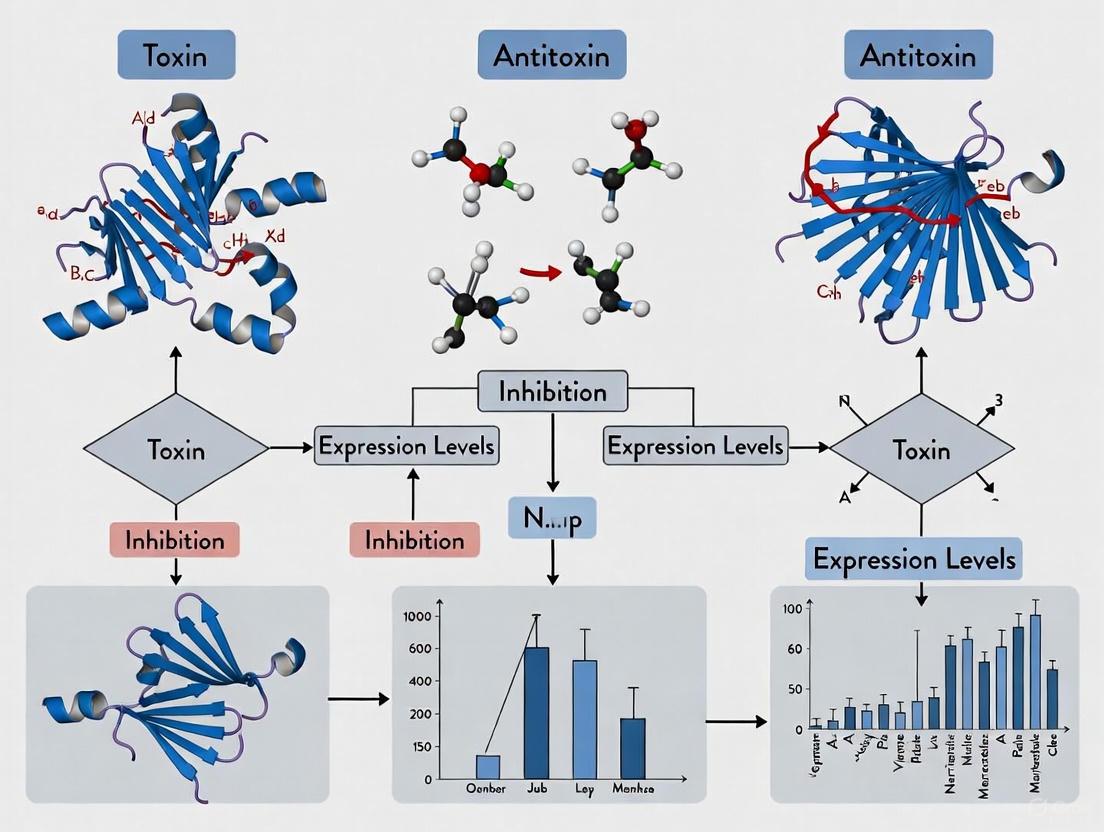
Therapeutic Strategies for Disrupting Toxin-Antitoxin Module Function: From Mechanism to Novel Antimicrobials
Toxin-antitoxin (TA) systems are ubiquitous genetic modules in pathogenic bacteria, crucial for stress response, persistence, and biofilm formation, making them promising targets for novel antimicrobial strategies.
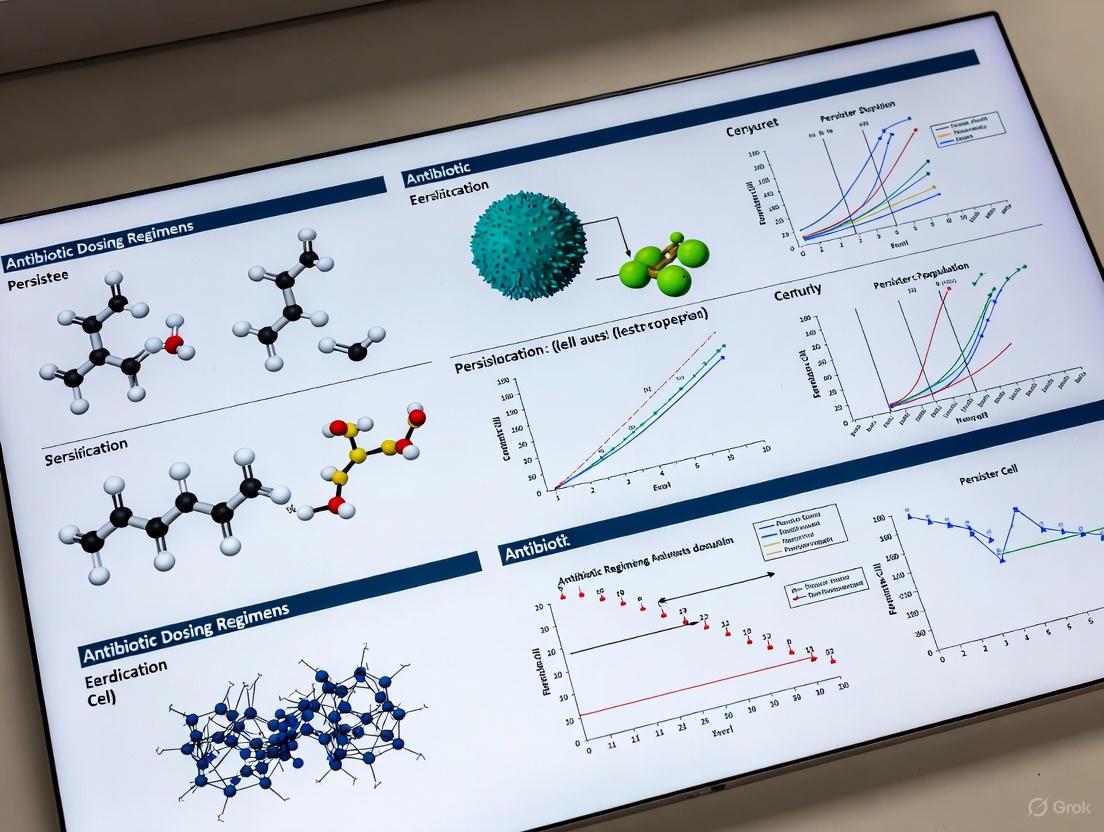
Systematic Design of Periodic Antibiotic Dosing to Eradicate Bacterial Persisters
Persister cells, a dormant subpopulation of bacteria tolerant to conventional antibiotics, are a major cause of chronic and relapsing infections.
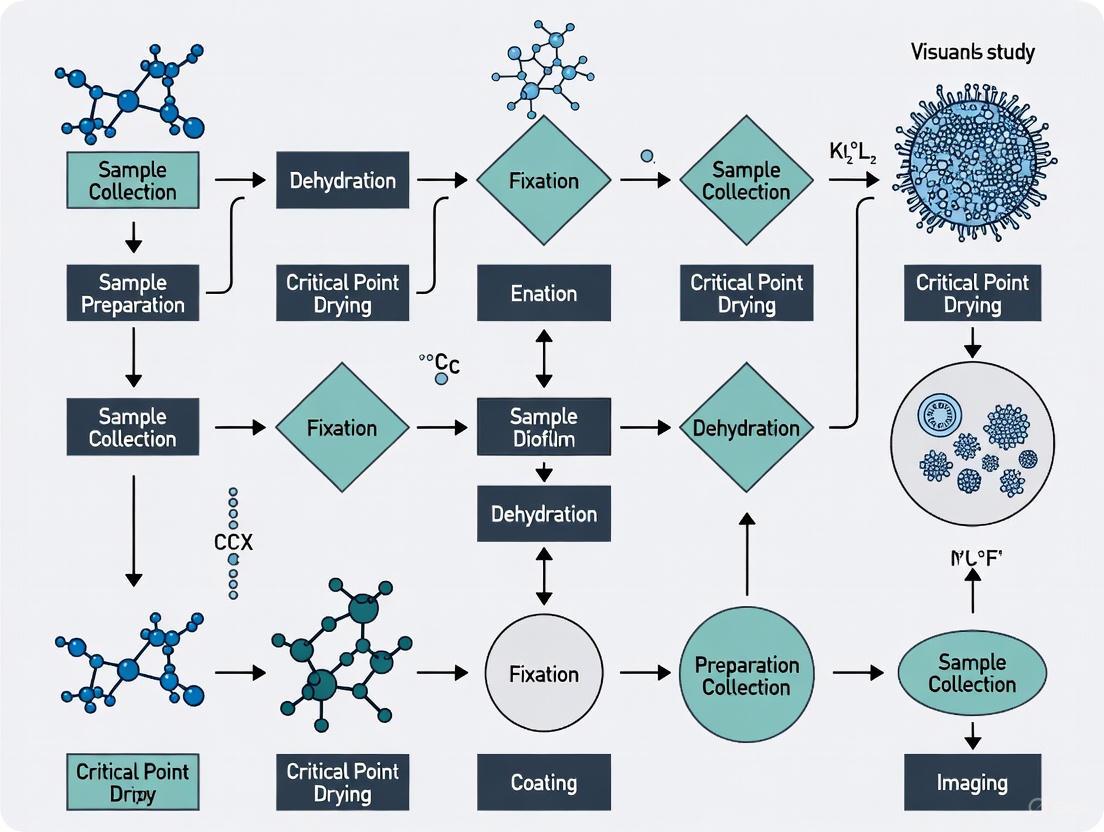
Advanced Scanning Electron Microscopy Protocols for High-Resolution Biofilm Visualization
This article provides a comprehensive guide to scanning electron microscopy (SEM) protocols for visualizing microbial biofilms, tailored for researchers and drug development professionals.
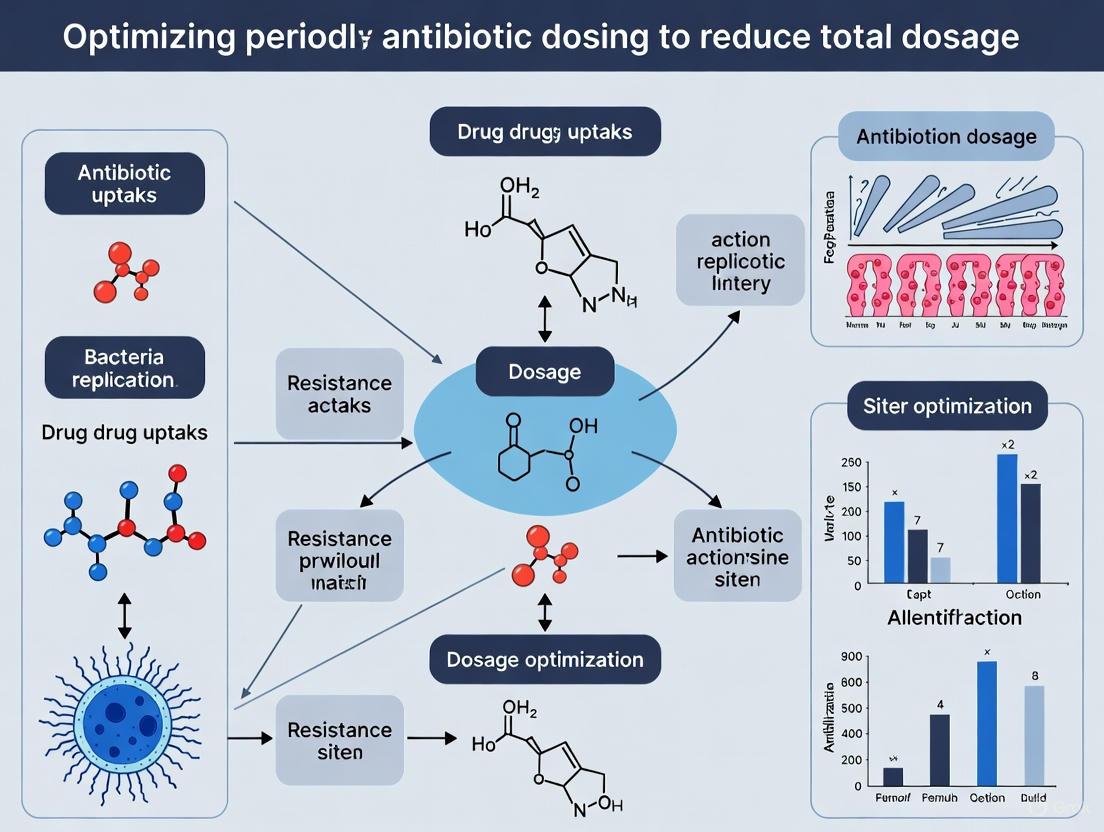
Optimizing Periodic Antibiotic Dosing: Strategies to Reduce Total Dosage and Combat Resistance
This article synthesizes current research and innovative methodologies for optimizing periodic antibiotic dosing regimens to significantly reduce total antibiotic usage without compromising efficacy.
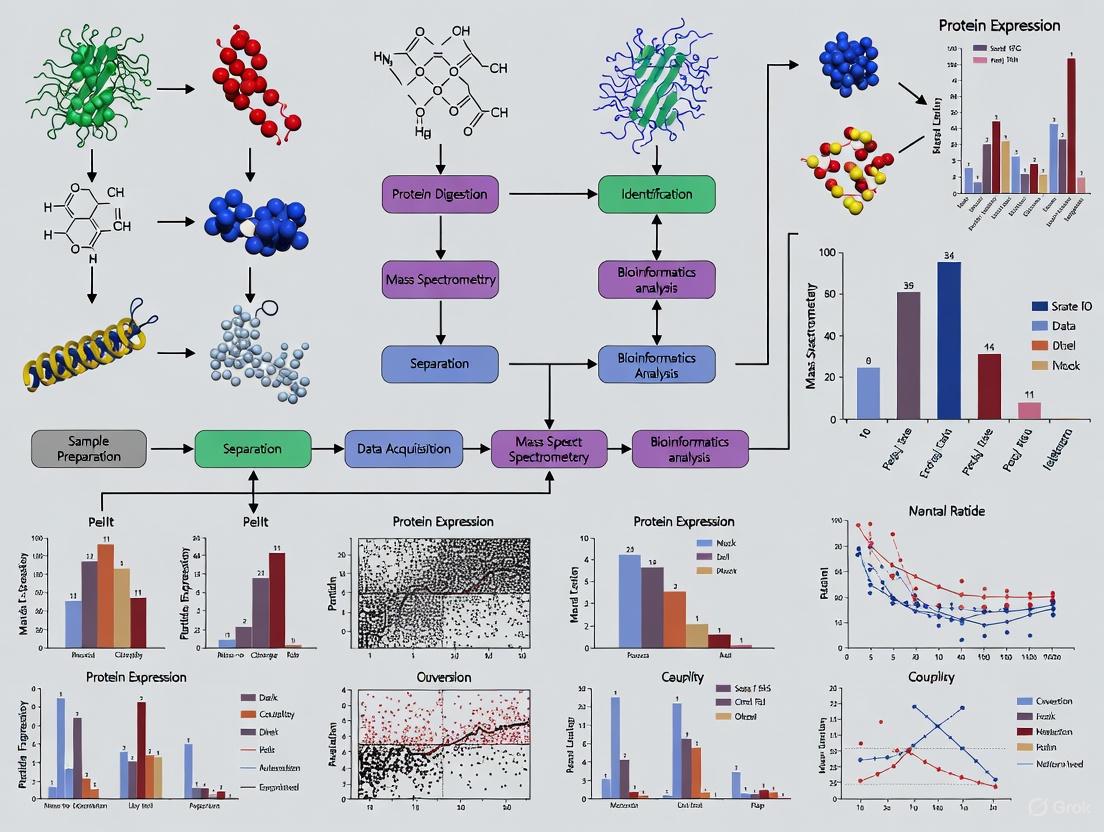
LC-MS/MS Proteomics in Biofilm Research: From Fundamentals to Clinical Applications
This comprehensive review explores the transformative role of LC-MS/MS proteomics in analyzing biofilm-forming bacterial strains, addressing critical challenges in biomedical research and therapeutic development.
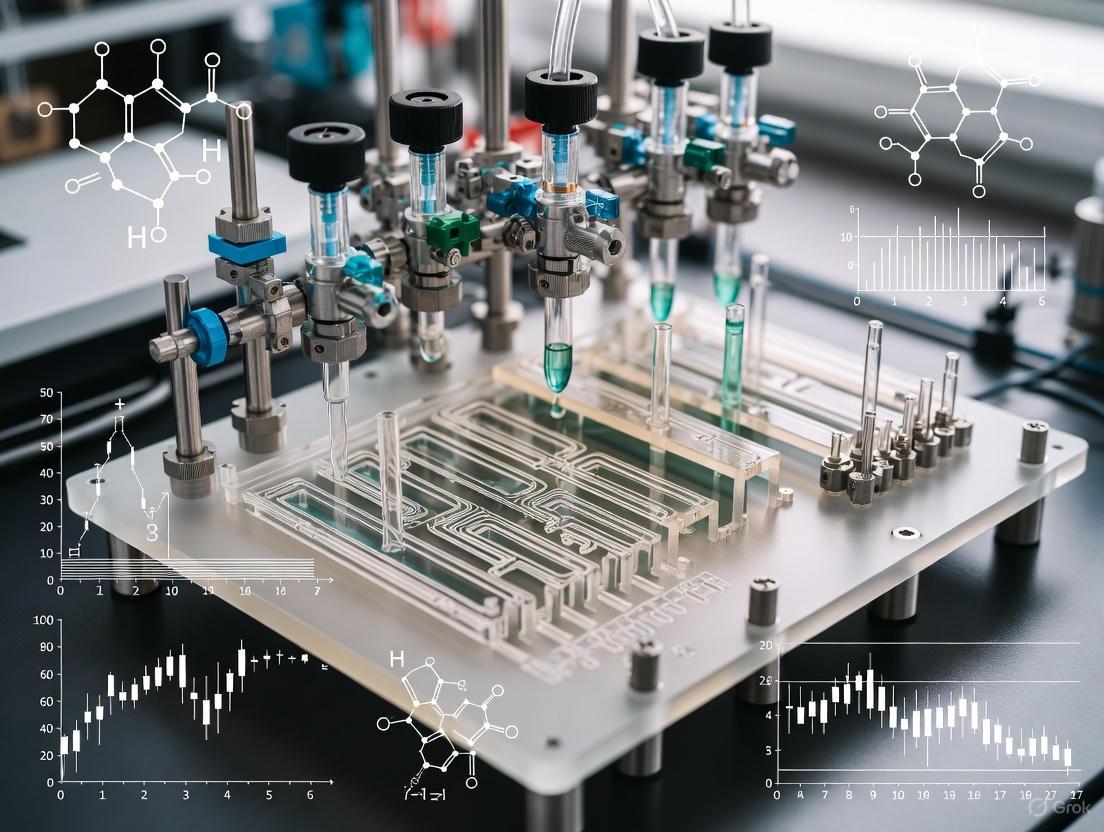
Microfluidics for Persister Cell Research: Single-Cell Analysis, Platforms, and Therapeutic Strategies
Bacterial persister cells, a subpopulation capable of surviving antibiotic treatment, are a major cause of chronic and relapsing infections.
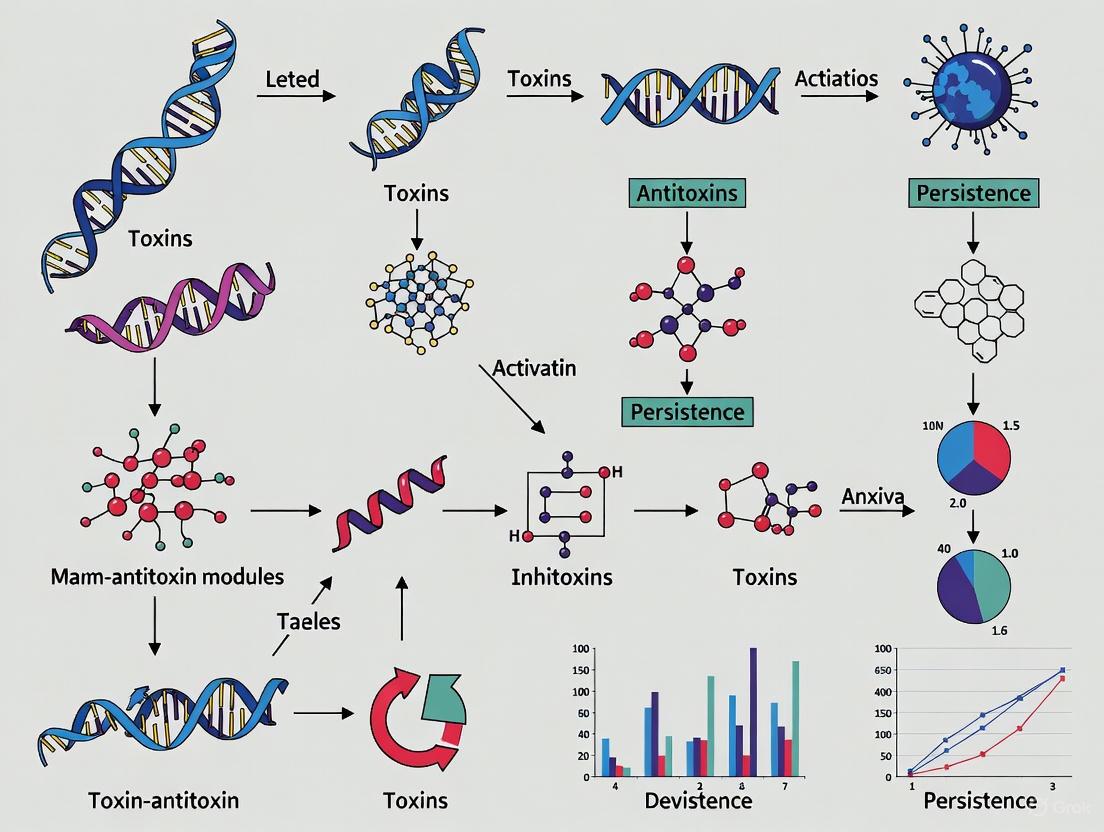
Toxin-Antitoxin Modules in Bacterial Persistence: Mechanisms, Functions, and Therapeutic Targeting
This article provides a comprehensive analysis of the mechanisms by which bacterial toxin-antitoxin (TA) modules contribute to phenotypic persistence and antibiotic tolerance.