Research Articles
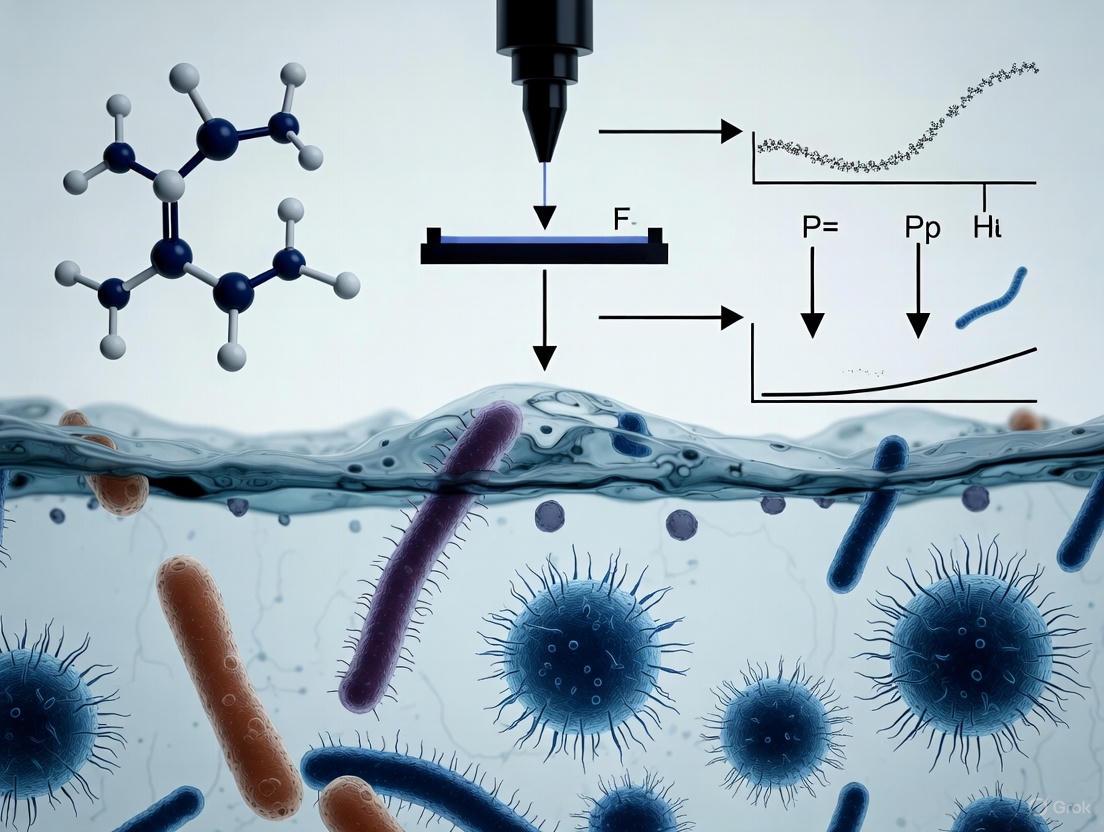
Probing Biofilm Dynamics in Liquid: How Physiological AFM is Revolutionizing Antimicrobial Research
This article explores the transformative role of Atomic Force Microscopy (AFM) performed under physiological, fluid conditions in advancing biofilm research.
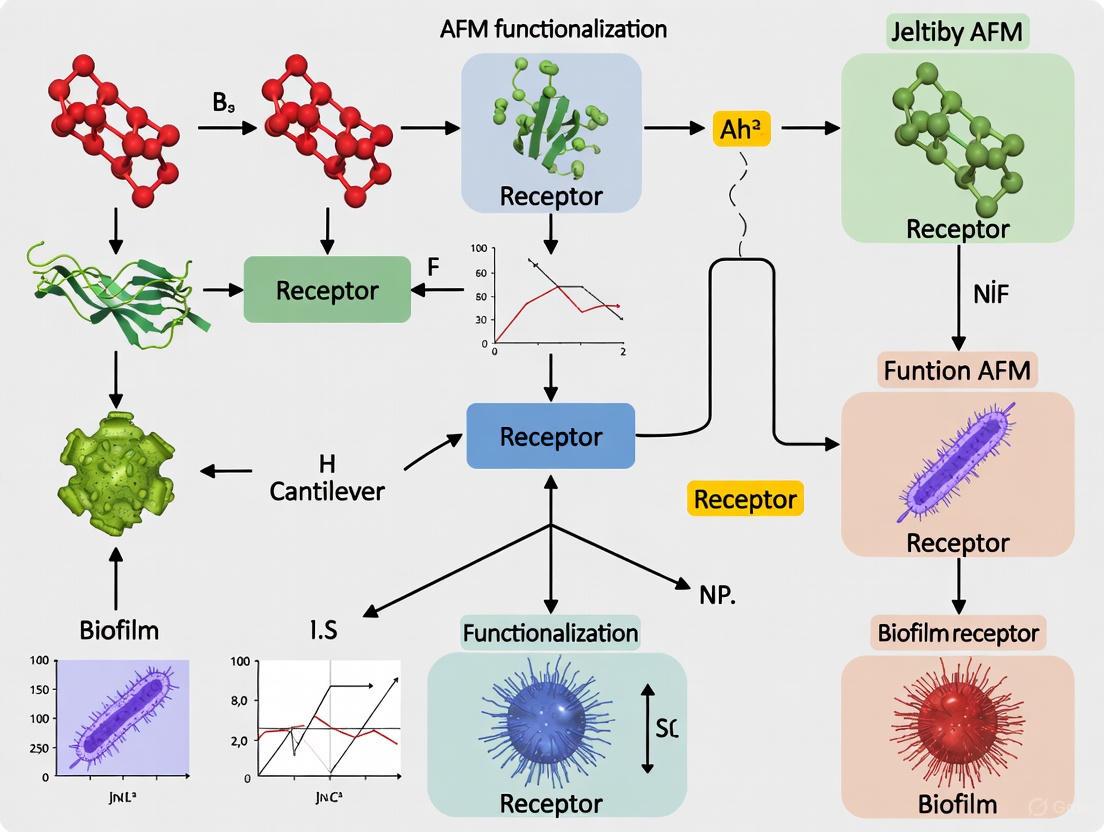
AFM Cantilever Functionalization for Biofilm Receptor Studies: Protocols, Applications, and Advanced Techniques
This article provides a comprehensive resource for researchers and drug development professionals on functionalizing Atomic Force Microscopy (AFM) cantilevers to study specific receptor interactions within bacterial biofilms.
Large Area Automated AFM: Revolutionizing Biofilm Assembly Analysis for Biomedical Research
This article explores the transformative potential of large area automated Atomic Force Microscopy (AFM) in biofilm research.
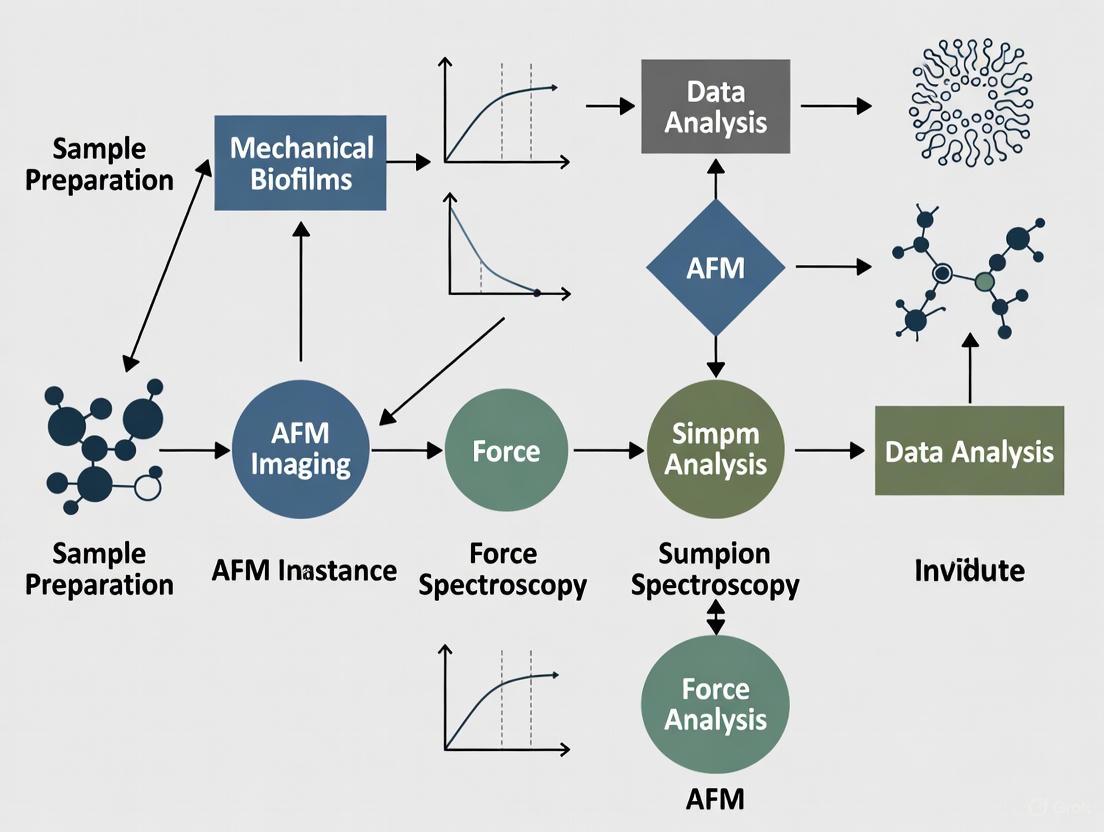
Probing the Mechanical World of Staphylococcal Biofilms: An AFM Guide for Research and Drug Development
Atomic Force Microscopy (AFM) has emerged as a pivotal tool for quantifying the mechanical properties of Staphylococcus aureus biofilms, which are crucial for understanding their recalcitrance to treatment.
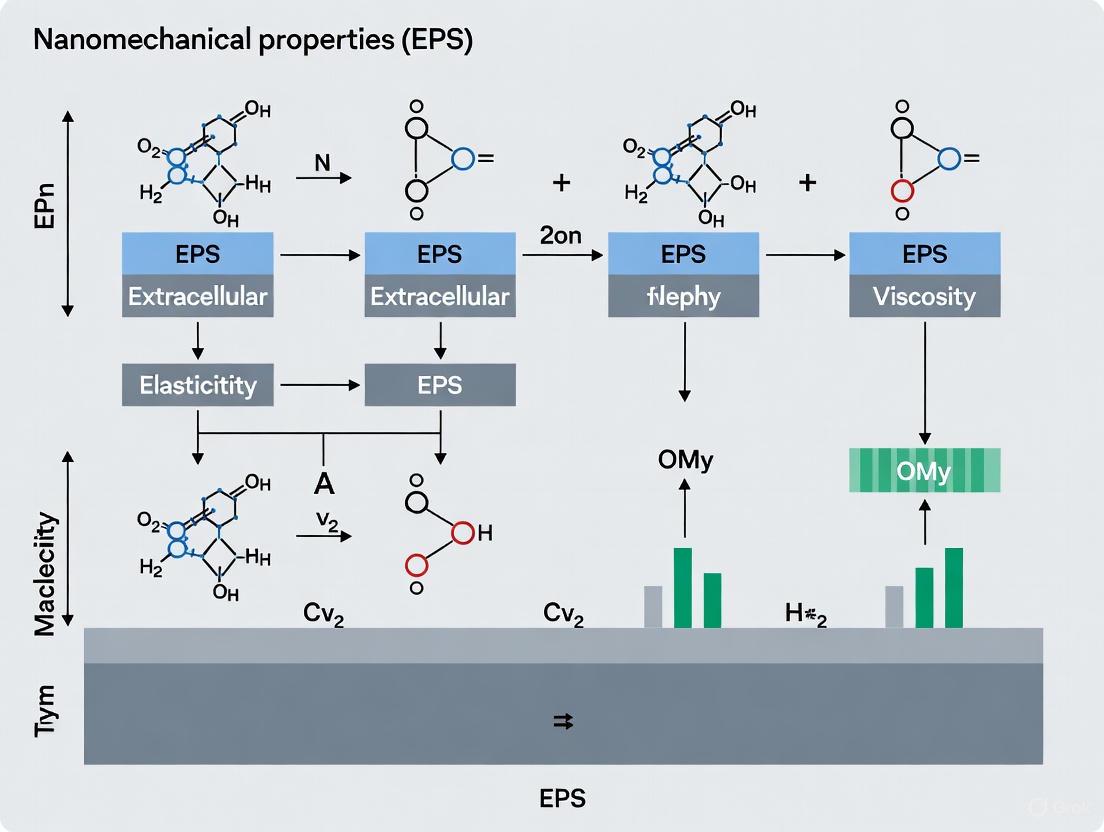
Nanomechanical Properties of Extracellular Polymeric Substances (EPS): From Fundamental Characterization to Advanced Drug Delivery Applications
This article provides a comprehensive analysis of the nanomechanical properties of Extracellular Polymeric Substances (EPS), a critical component of microbial biofilms and cellular matrices.
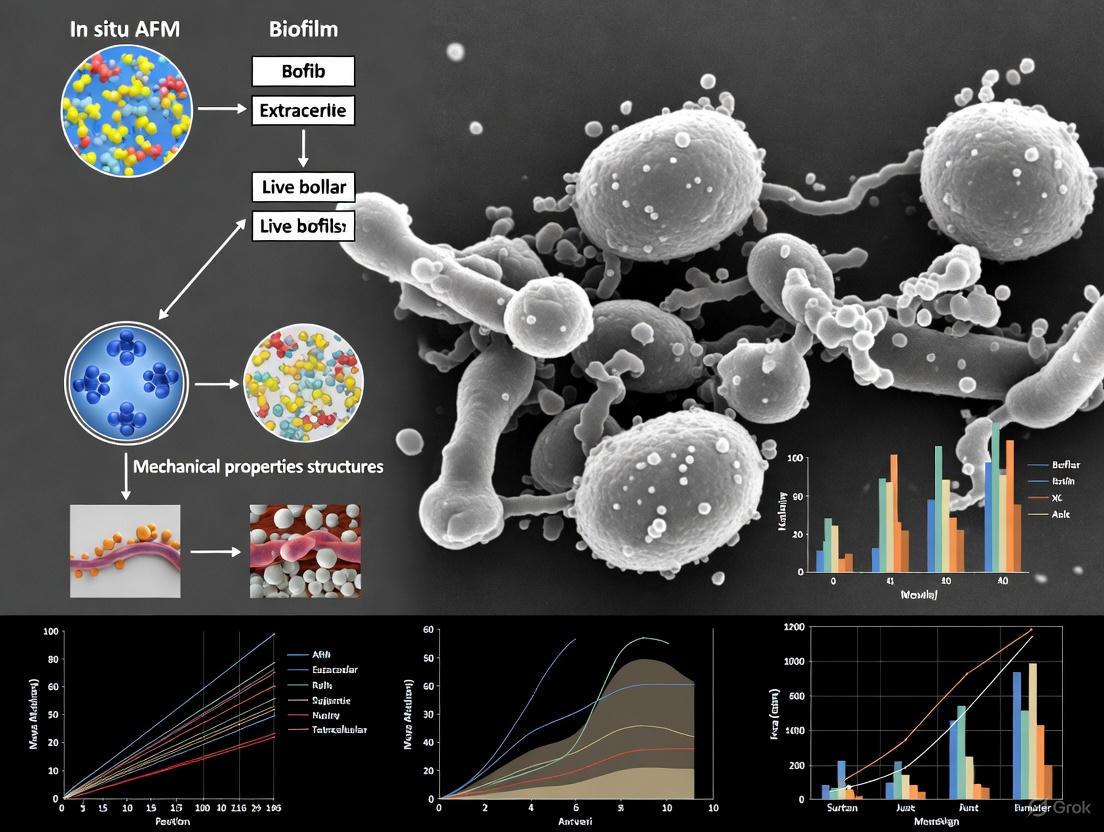
Probing Living Biofilms: In Situ AFM for Advanced Mechanical Analysis in Biomedical Research
This article provides a comprehensive overview of the application of in situ Atomic Force Microscopy (AFM) for analyzing the mechanical properties of live biofilms.
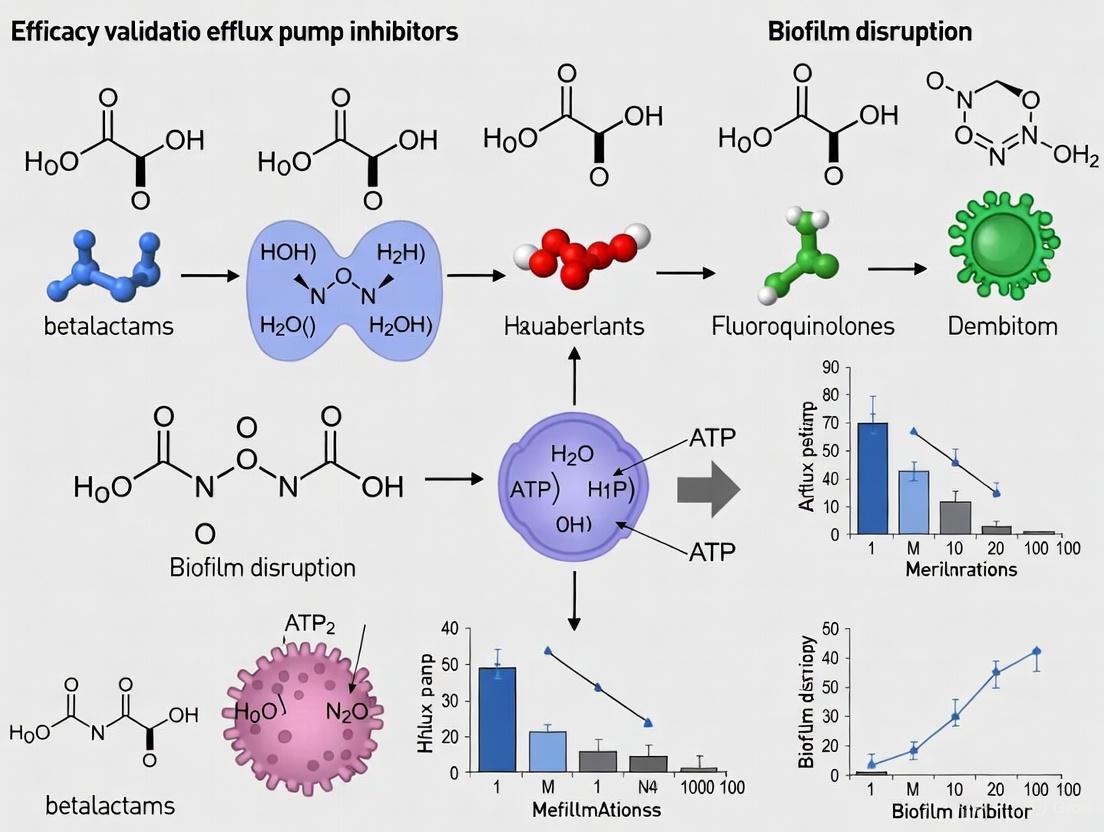
Efflux Pump Inhibitors as Biofilm Disruptors: Efficacy Validation and Strategies to Combat Antimicrobial Resistance
The escalating global crisis of antimicrobial resistance (AMR) is profoundly exacerbated by bacterial biofilms, which confer significant tolerance to conventional antibiotics.
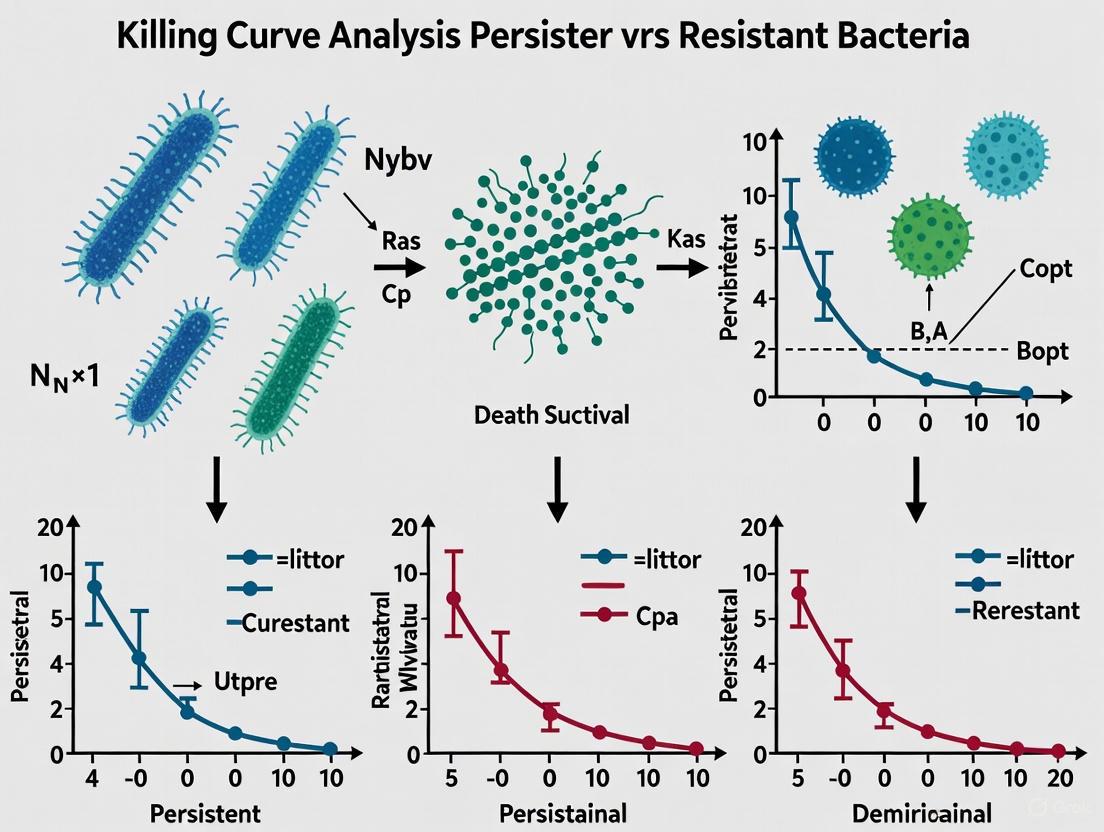
Decoding Bacterial Survival: A Comprehensive Guide to Killing Curve Analysis for Distinguishing Persister vs. Resistant Bacteria
This article provides a comprehensive guide for researchers and drug development professionals on the application of killing curve analysis to differentiate between antibiotic-resistant and persister bacterial populations.
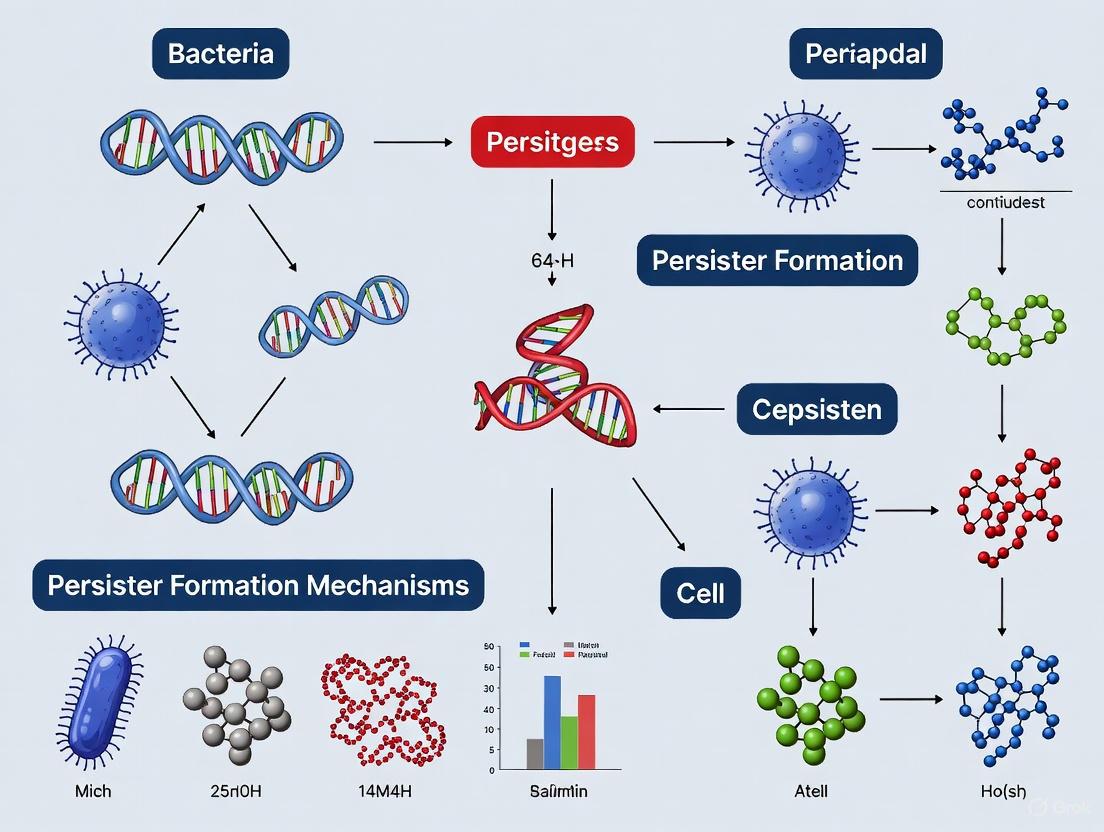
Comparative Mechanisms of Bacterial Persister Formation: From Molecular Pathways to Therapeutic Innovation
This article provides a comprehensive analysis of the mechanisms underlying bacterial persister cell formation across major pathogenic species.
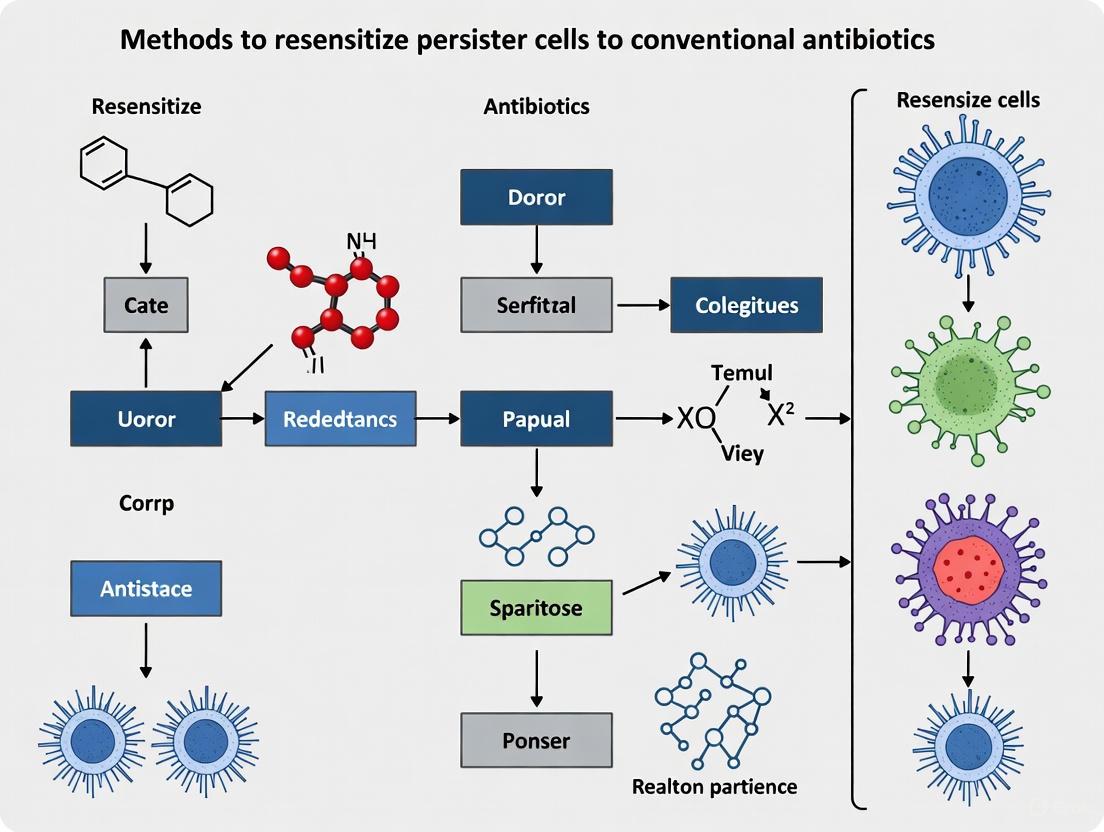
Breaking Bacterial Persistence: Strategies to Resensitize Dormant Cells to Conventional Antibiotics
This article provides a comprehensive review of innovative strategies to combat bacterial persister cells, a major cause of chronic infections and treatment relapse.